In today’s digital era, LED displays have become an integral part of communication, advertising, and entertainment. From towering billboards in Times Square to the crisp screens on handheld devices, LED technology powers vivid, dynamic visuals that capture attention worldwide. At the heart of these displays are tiny components known as LED light beads. Understanding these fundamental units provides insight into how LED displays operate, their advantages, and the innovations driving their evolution.
What Are LED Light Beads?
LED light beads, often simply called LED beads or LED chips, are miniature light-emitting diodes that serve as the building blocks of LED displays. Each bead is a semiconductor device that emits light when an electric current passes through it. Unlike traditional incandescent bulbs, LEDs produce light through electroluminescence, making them more energy-efficient and longer-lasting.
Typically, an LED light bead is composed of a semiconductor material such as gallium arsenide or gallium phosphide. These materials determine the color of the emitted light, which can range from red, green, and blue to white and even ultraviolet or infrared. In LED displays, combinations of red, green, and blue beads are used together to create the full spectrum of colors through a process called additive color mixing.
The Role of LED Light Beads in Displays
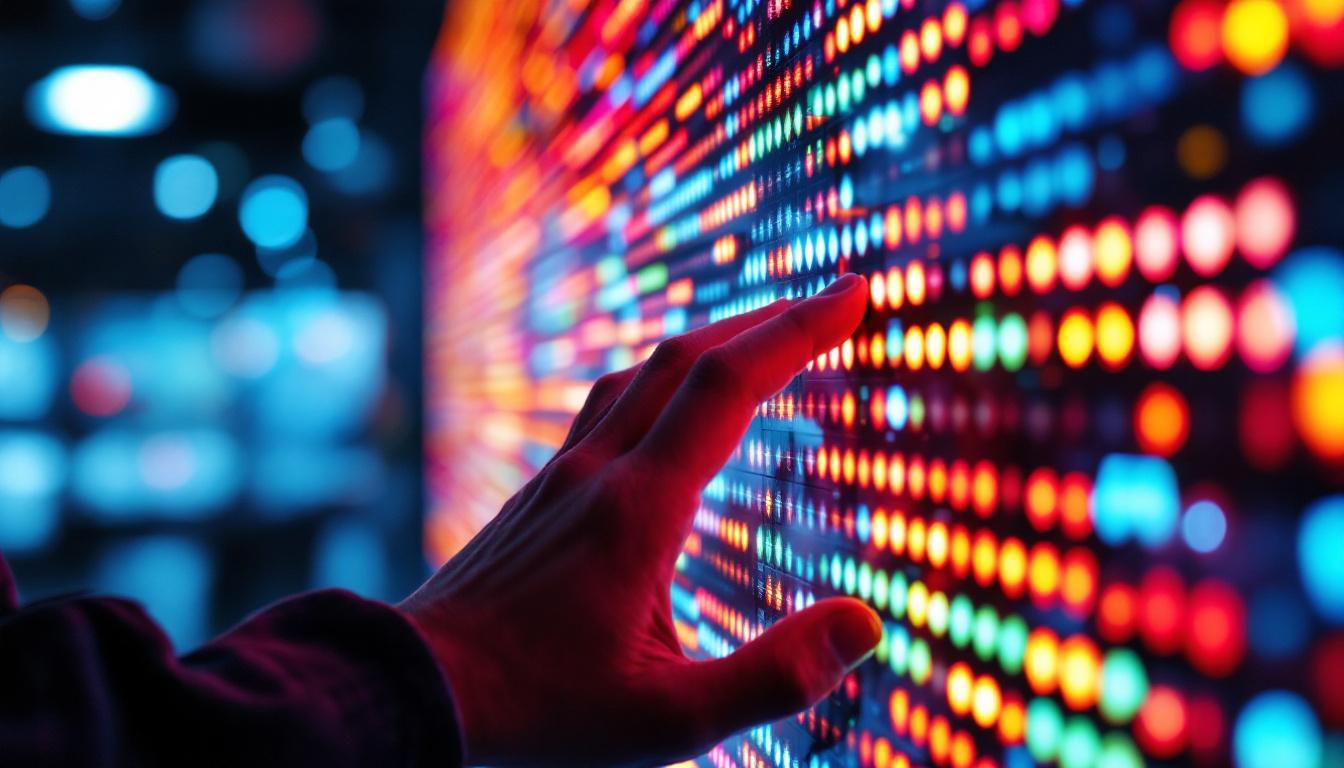
Each LED bead acts as a single pixel or sub-pixel in a larger display matrix. By controlling the intensity of red, green, and blue beads within each pixel, the display can render millions of colors. This fine control allows for high-resolution images and smooth video playback. The density and arrangement of these beads directly influence the display’s resolution and clarity.
For example, in a typical outdoor LED billboard, each pixel may consist of three separate LED beads—one red, one green, and one blue. By varying the brightness of each bead, the pixel can display a wide range of colors. The more beads packed into a given area (higher pixel density), the sharper and more detailed the image becomes.
Types of LED Light Beads Used in Displays
LED light beads come in various types, each optimized for specific applications and performance characteristics. Understanding these types helps in selecting the right LED technology for a given display purpose.
1. Surface-Mounted Device (SMD) LEDs
SMD LEDs are among the most common types used in modern LED displays. These beads are mounted directly onto the surface of a printed circuit board (PCB), allowing for compact and efficient designs. SMD LEDs typically integrate red, green, and blue diodes into a single package, enabling smaller pixel pitches and higher resolutions.
The advantages of SMD LEDs include wide viewing angles (often up to 160 degrees), excellent color uniformity, and good brightness levels. These characteristics make SMD LEDs ideal for indoor displays, digital signage, and high-definition video walls.
2. Through-Hole LEDs (DIP LEDs)
Through-hole LEDs, also known as DIP (Dual In-line Package) LEDs, are older technology but still prevalent in certain outdoor displays. These LEDs have leads that pass through the PCB and are soldered on the opposite side. Each color LED is a separate component, which can result in larger pixel sizes and lower resolution compared to SMD.
DIP LEDs are known for their high brightness and durability, making them suitable for large-scale outdoor billboards and stadium screens where visibility from long distances is critical. However, their limited viewing angles and bulkier design have led to a gradual shift towards SMD technology in many applications.
3. Mini-LED and Micro-LED Technologies
Emerging LED bead technologies such as Mini-LED and Micro-LED represent the next frontier in display innovation. Mini-LEDs are smaller than traditional SMD LEDs, allowing for even higher pixel densities and improved contrast ratios. Micro-LEDs take this further, featuring microscopic LEDs that can be individually controlled to create displays with exceptional brightness, color accuracy, and energy efficiency.
While these technologies are currently more expensive and complex to manufacture, they are gaining traction in premium TVs, augmented reality devices, and advanced digital signage. Industry analysts predict that Micro-LED displays could become mainstream within the next decade due to their superior performance characteristics.
How LED Light Beads Influence Display Performance
The quality and arrangement of LED light beads directly impact several key performance metrics of LED displays. These include brightness, color accuracy, viewing angle, resolution, and energy consumption.
Brightness and Visibility
Brightness is one of the most critical factors for LED displays, especially those used outdoors. LED light beads are capable of producing very high luminance levels, often exceeding 5,000 nits, which ensures visibility even under direct sunlight. The type of LED bead, its size, and the materials used all contribute to the maximum achievable brightness.
For instance, DIP LEDs generally offer higher peak brightness than SMD LEDs, which is why they remain popular for large outdoor installations. However, advancements in SMD technology have significantly narrowed this gap, providing bright and vivid images suitable for both indoor and outdoor environments.
Color Reproduction and Accuracy
The ability to reproduce accurate and vibrant colors depends on the quality of the LED beads and the precision of their color wavelengths. High-quality LED beads have narrow spectral bandwidths, which means they emit light at very specific wavelengths corresponding to pure red, green, or blue. This purity allows for a broader color gamut and more lifelike images.
Additionally, modern LED displays use sophisticated calibration techniques and color management systems to ensure uniformity across the screen. This is especially important for applications like digital advertising and broadcast media, where color fidelity can influence viewer perception and brand impact.
Viewing Angle and Uniformity
The viewing angle determines how well the display can be seen from different positions. LED light beads with wide viewing angles ensure that images remain clear and colors consistent even when viewed from the side. SMD LEDs typically provide wider viewing angles compared to DIP LEDs, making them preferable for indoor and close-range viewing environments.
Uniformity in brightness and color across the entire display is also influenced by the consistency of LED beads. High-quality manufacturing processes and rigorous quality control help minimize variations that can cause uneven lighting or color shifts.
Resolution and Pixel Pitch
Resolution is defined by the number of pixels per unit area, and pixel pitch refers to the distance between the centers of adjacent pixels. Smaller pixel pitches mean more pixels in a given space, resulting in sharper images and finer detail. The size and packaging of LED light beads limit how small the pixel pitch can be.
SMD LEDs, with their compact integrated design, enable pixel pitches as small as 0.9 mm for indoor displays, supporting ultra-high-definition content. Outdoor displays typically have larger pixel pitches (ranging from 4 mm to 20 mm or more) due to viewing distance requirements and environmental factors.
Applications of LED Light Beads in LED Displays
LED light beads are versatile components used in a wide range of display applications. Their adaptability and performance have transformed how information and entertainment are presented across various industries.
Outdoor Advertising and Digital Billboards
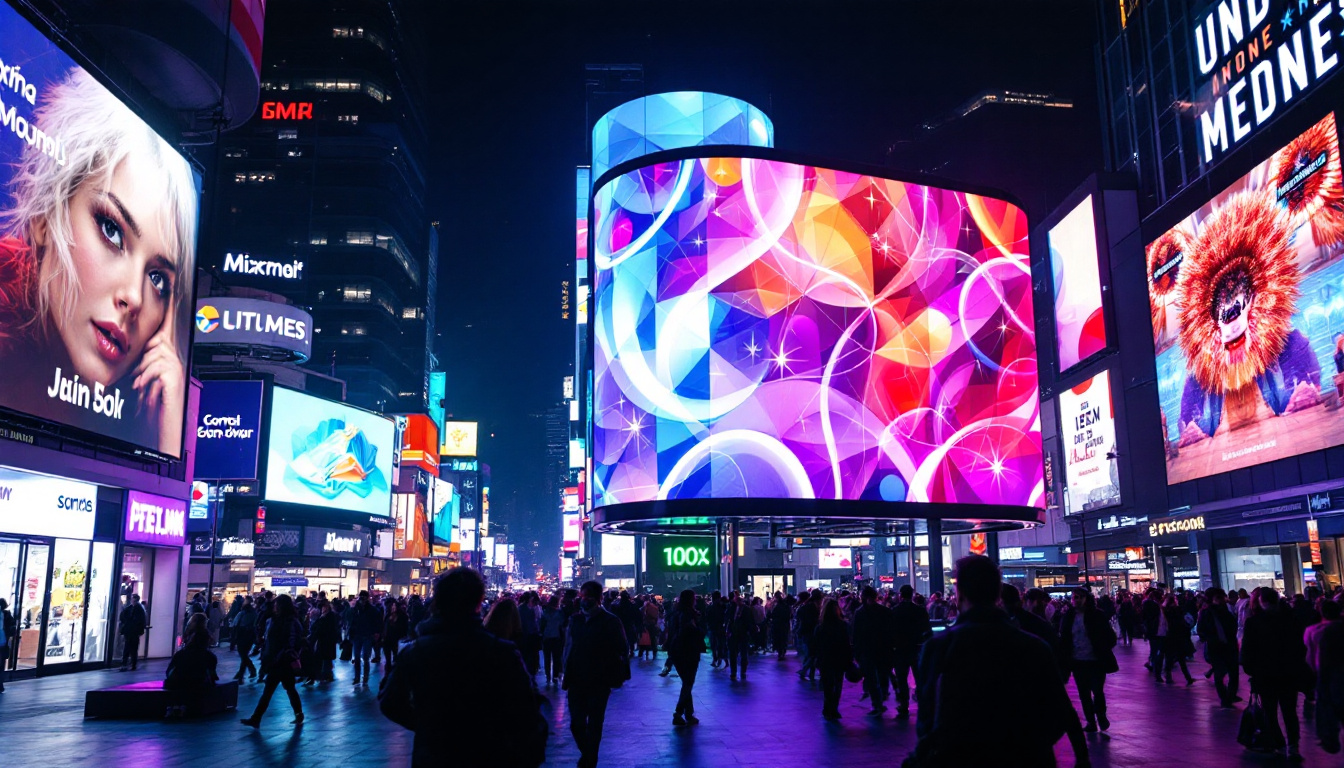
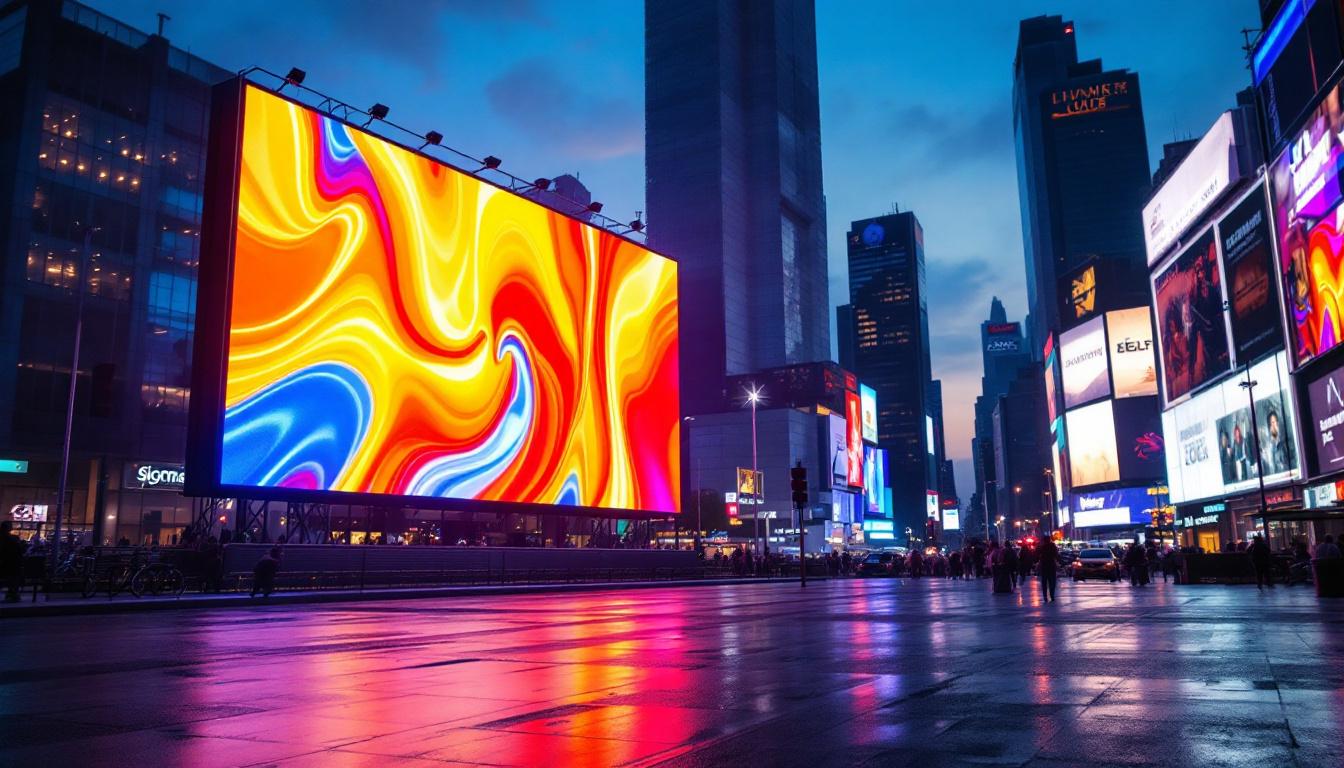
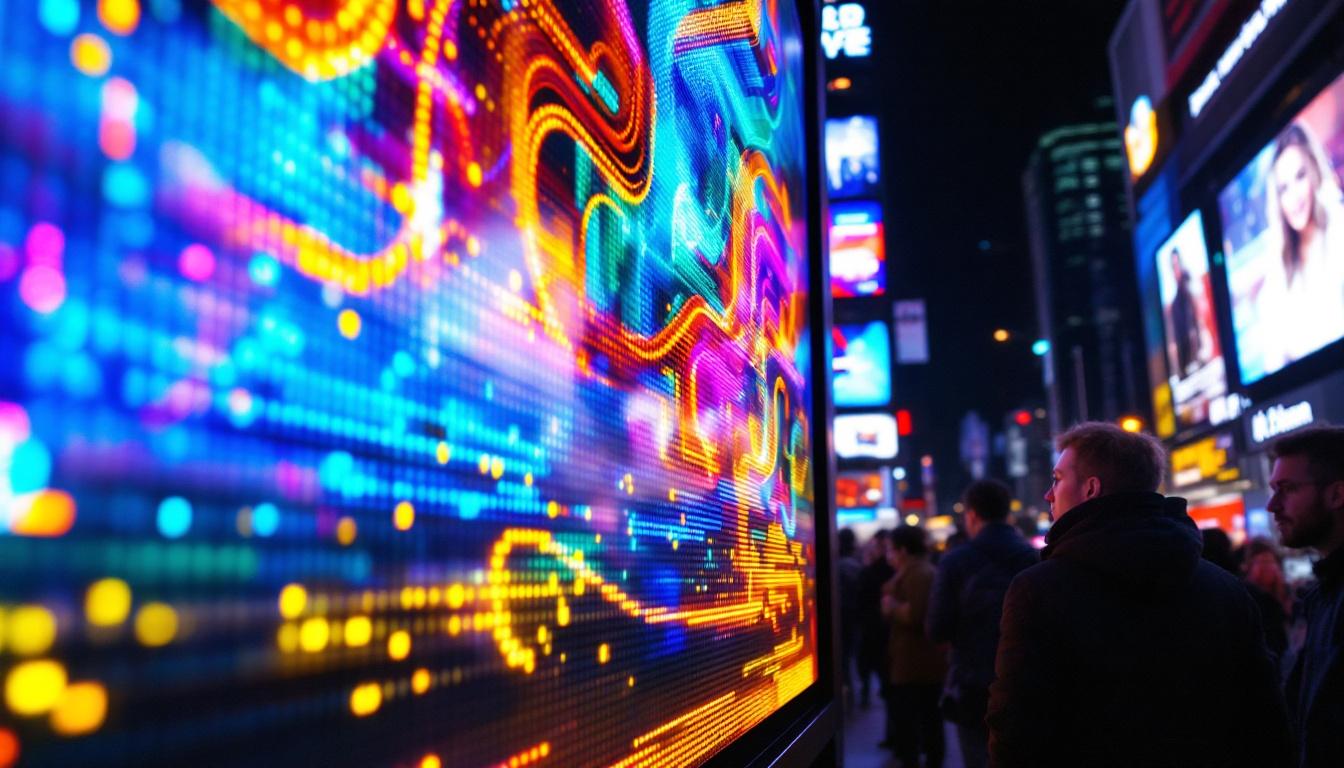
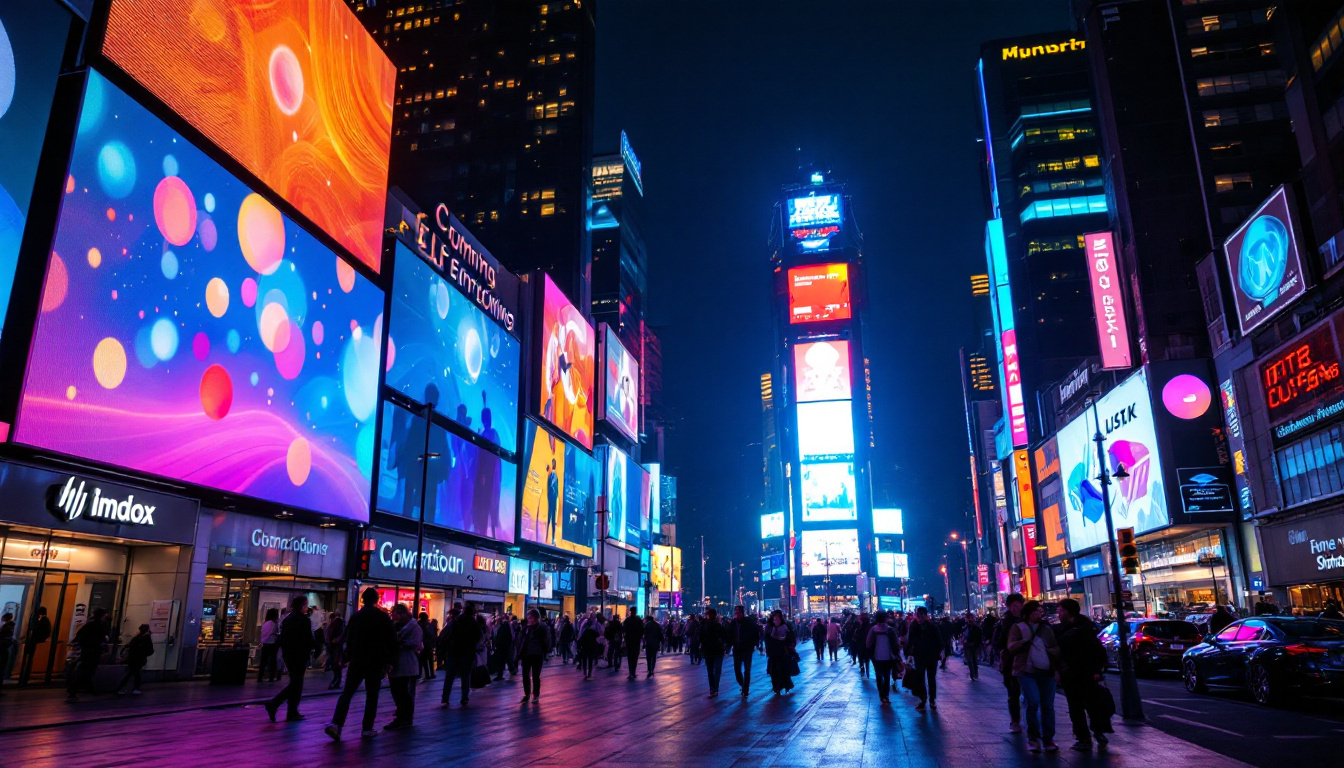
One of the most visible uses of LED displays is in outdoor advertising. LED billboards leverage the high brightness and durability of LED light beads to deliver eye-catching content that can be seen from great distances and in diverse weather conditions. The ability to update content dynamically allows advertisers to tailor messages in real-time, increasing engagement and effectiveness.
Event and Stage Displays
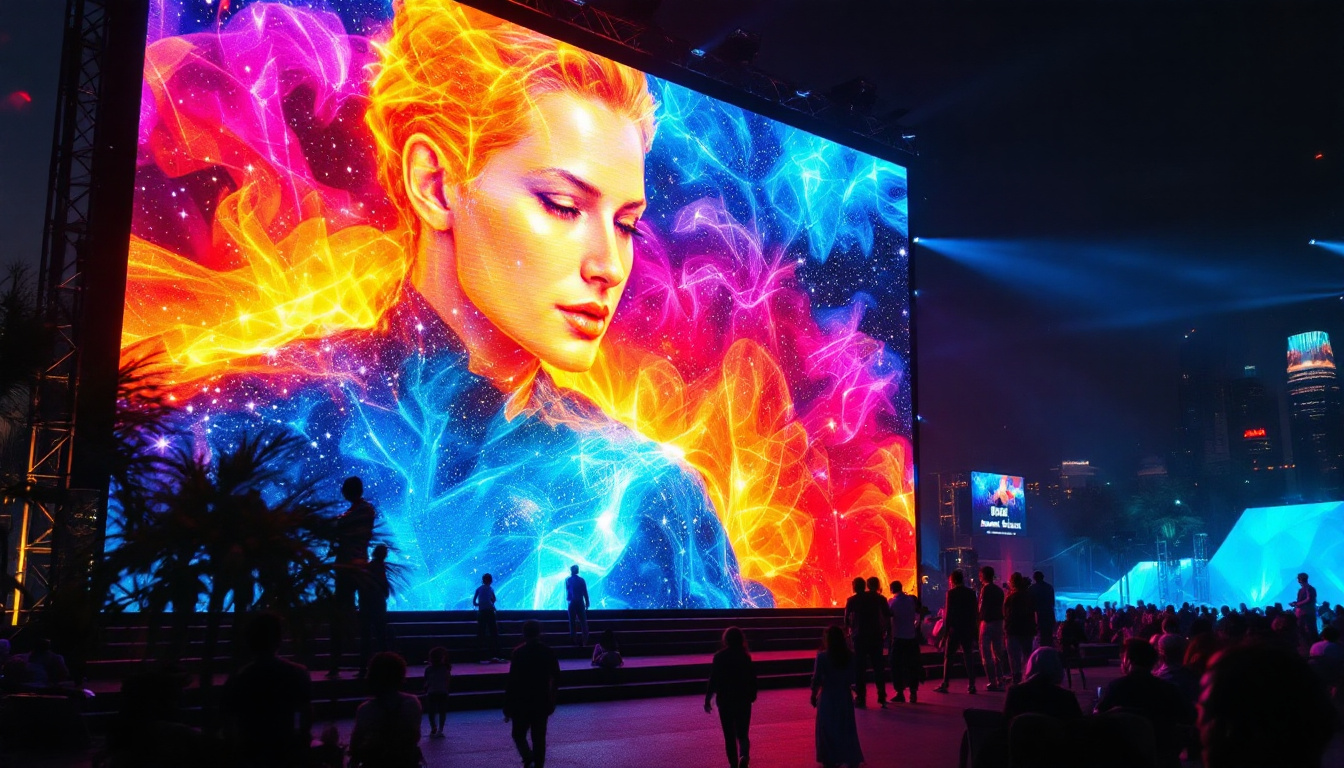
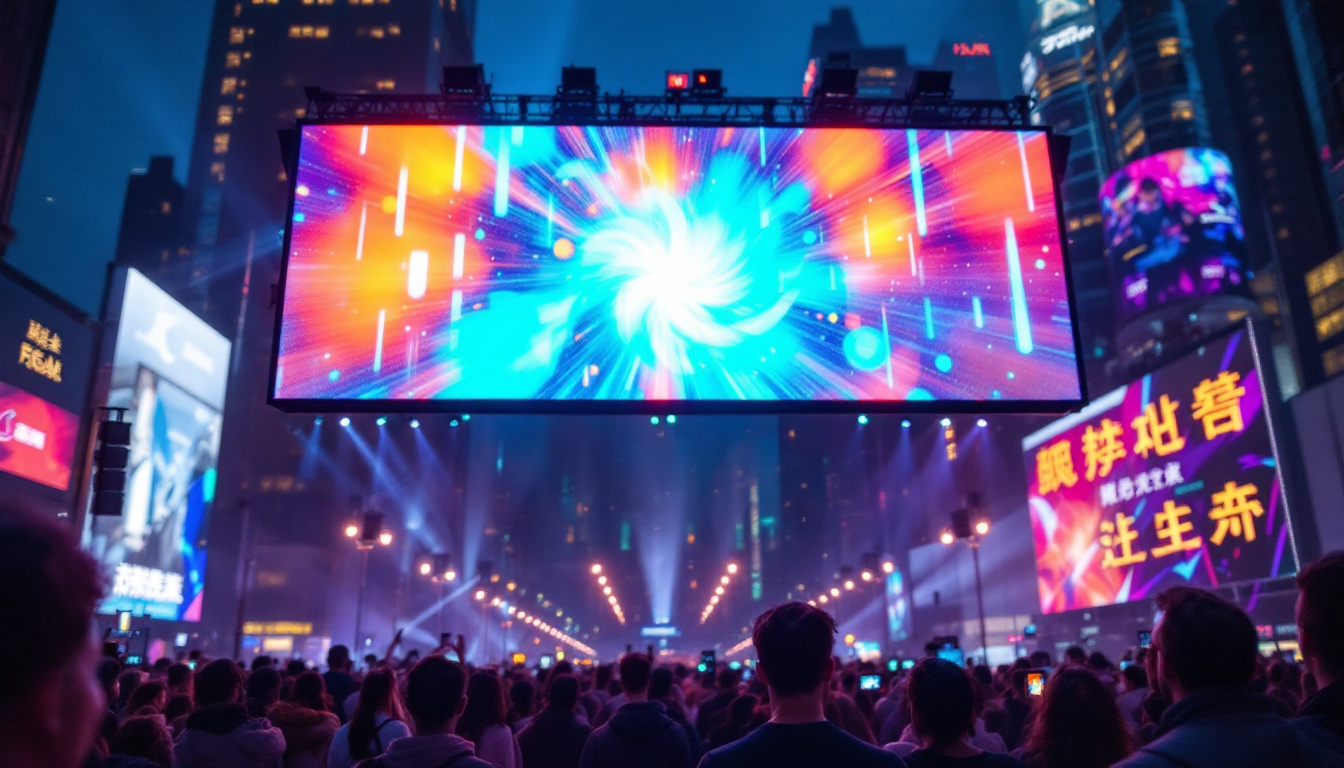
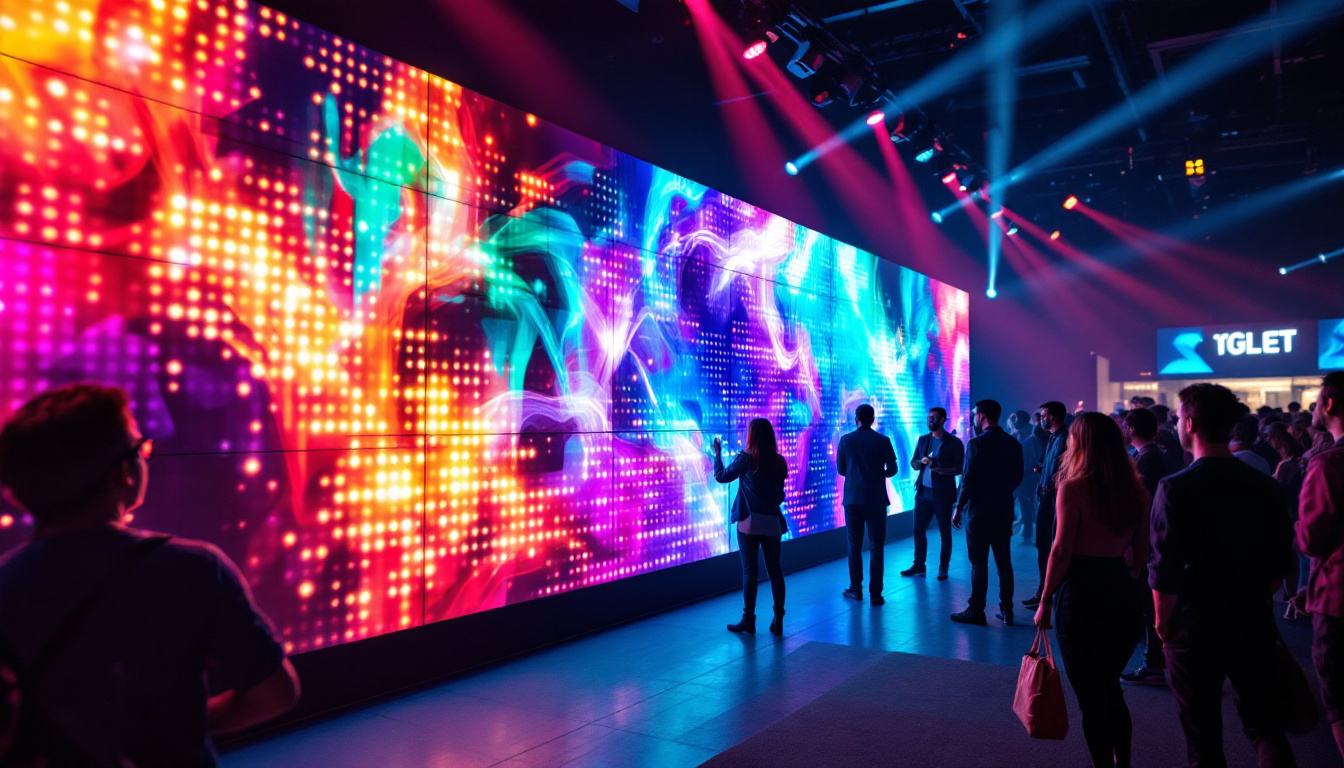
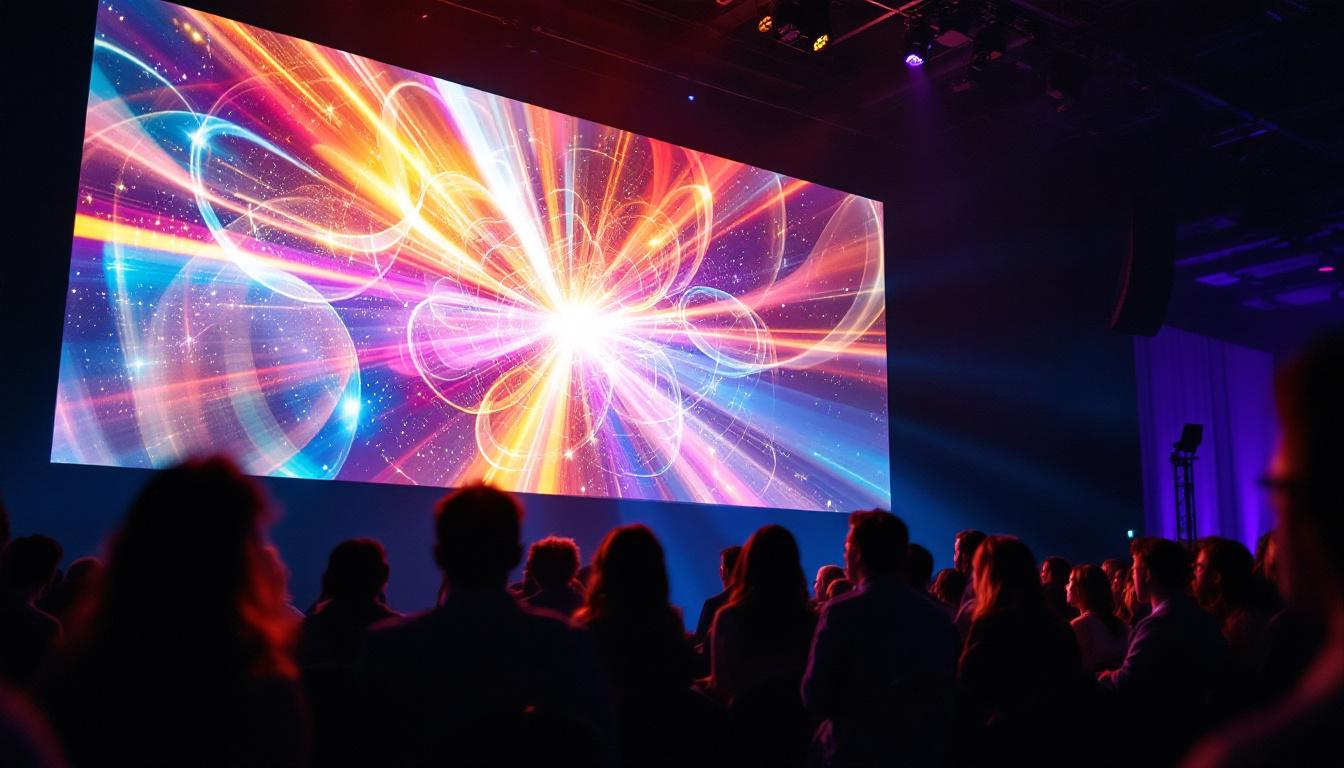
Concerts, sports events, and conferences often use large LED video walls constructed from panels filled with LED light beads. These displays provide vibrant visuals and live video feeds that enhance the audience experience. The flexibility of LED technology allows for custom shapes and sizes, enabling creative stage designs and immersive environments.
Retail and Indoor Signage
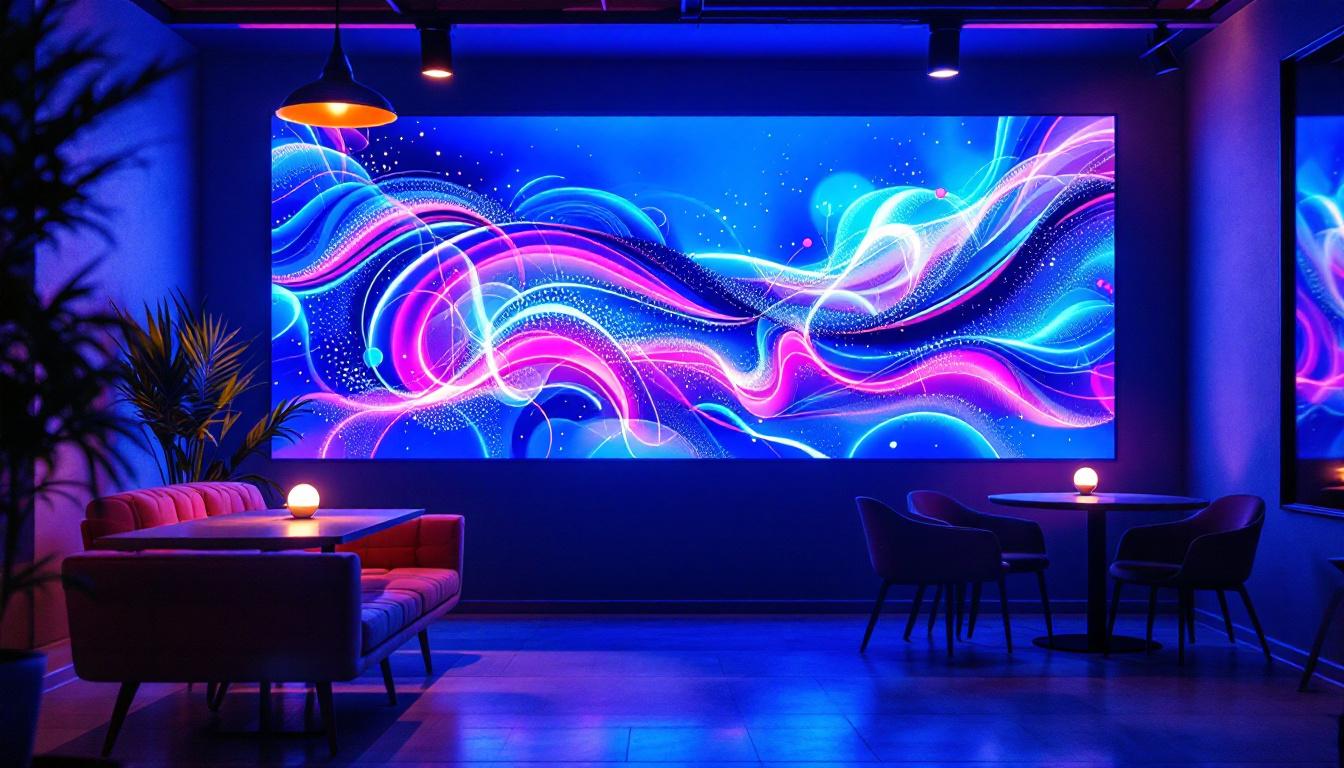
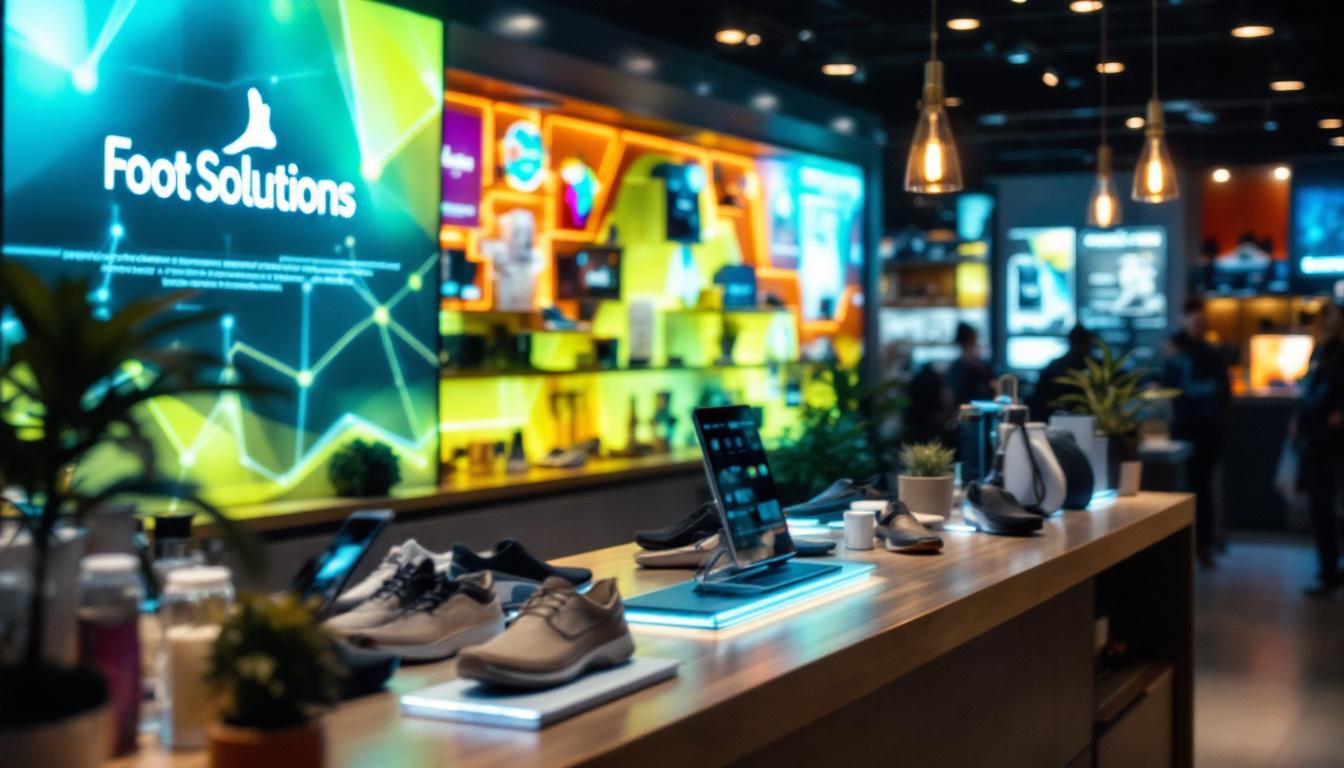
Indoor LED displays are common in retail stores, airports, and corporate environments. The fine pixel pitch achievable with SMD LEDs ensures crisp images and readable text even at close viewing distances. These displays can be used for promotions, wayfinding, or digital art installations.
Television and Consumer Electronics
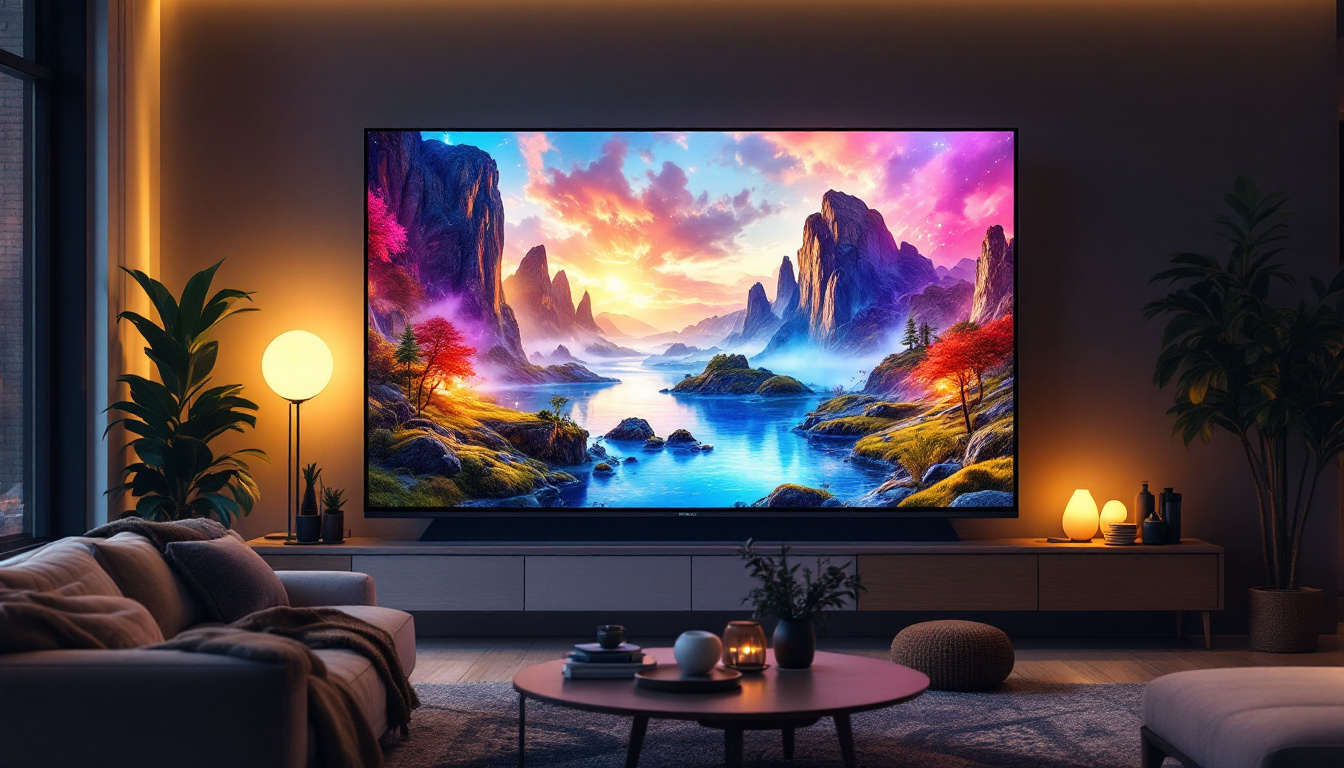
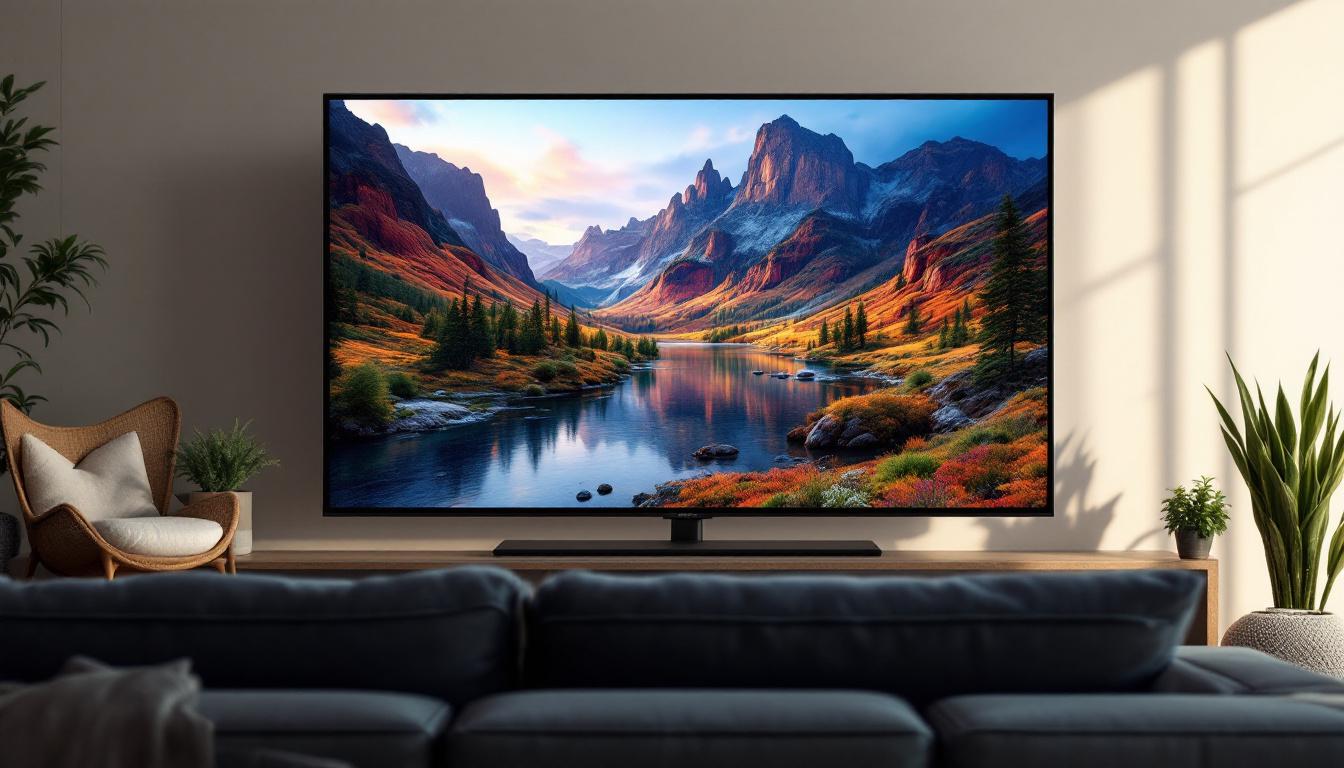
LED light beads are also fundamental in the screens of modern TVs, computer monitors, and smartphones. Technologies like Mini-LED and Micro-LED are pushing the boundaries of picture quality, delivering better contrast, color accuracy, and energy efficiency compared to traditional LCD panels with LED backlighting.
Future Trends and Innovations in LED Light Beads
The LED display industry continues to evolve rapidly, driven by advancements in LED light bead technology and manufacturing techniques. Several trends are shaping the future landscape of LED displays.
Higher Efficiency and Lower Power Consumption
Energy efficiency remains a priority as LED displays become larger and more widespread. Innovations in semiconductor materials and chip design are leading to LED beads that produce more light per watt of electricity consumed. This reduces operational costs and environmental impact, especially for large outdoor installations that run continuously.
Flexible and Transparent LED Displays
New form factors are emerging thanks to flexible and transparent LED light beads. These allow for displays that can bend, curve, or be integrated into windows and glass surfaces. Such innovations open up exciting possibilities for architecture, automotive displays, and wearable technology.
Integration with Smart Technologies
LED displays are increasingly integrated with sensors, AI, and IoT systems to deliver personalized and interactive content. LED light beads, as the core light source, benefit from these advancements by enabling dynamic brightness adjustments, adaptive color tuning, and energy-saving modes based on environmental conditions and user interaction.
Conclusion
LED light beads are the foundational elements that make modern LED displays possible. Their semiconductor nature, color versatility, and energy efficiency have revolutionized how visual content is created and consumed. From the bustling streets of metropolitan cities to the intimate settings of retail stores and homes, LED displays built on these tiny light sources continue to enhance communication and entertainment.
As technology advances, LED light beads will become smaller, brighter, and smarter, driving new applications and improving existing ones. Understanding their role and characteristics is essential for professionals in display manufacturing, digital marketing, event production, and anyone interested in the future of visual technology.
With ongoing innovation, the future of LED displays promises even more immersive, vibrant, and energy-efficient experiences for audiences around the globe.
Discover the Future of LED Displays with LumenMatrix
Ready to experience the next level of visual engagement? LumenMatrix is at the forefront of LED display innovation, offering a wide array of advanced solutions that bring your content to life. Whether you’re looking to captivate passersby with an Outdoor LED Wall Display, make a statement with a Vehicle LED Display, or create a unique environment with a Custom LED Display, LumenMatrix has the technology to elevate your brand’s presence. Embrace the vibrant, energy-efficient future of LED displays and check out LumenMatrix LED Display Solutions today to transform your visual communication.