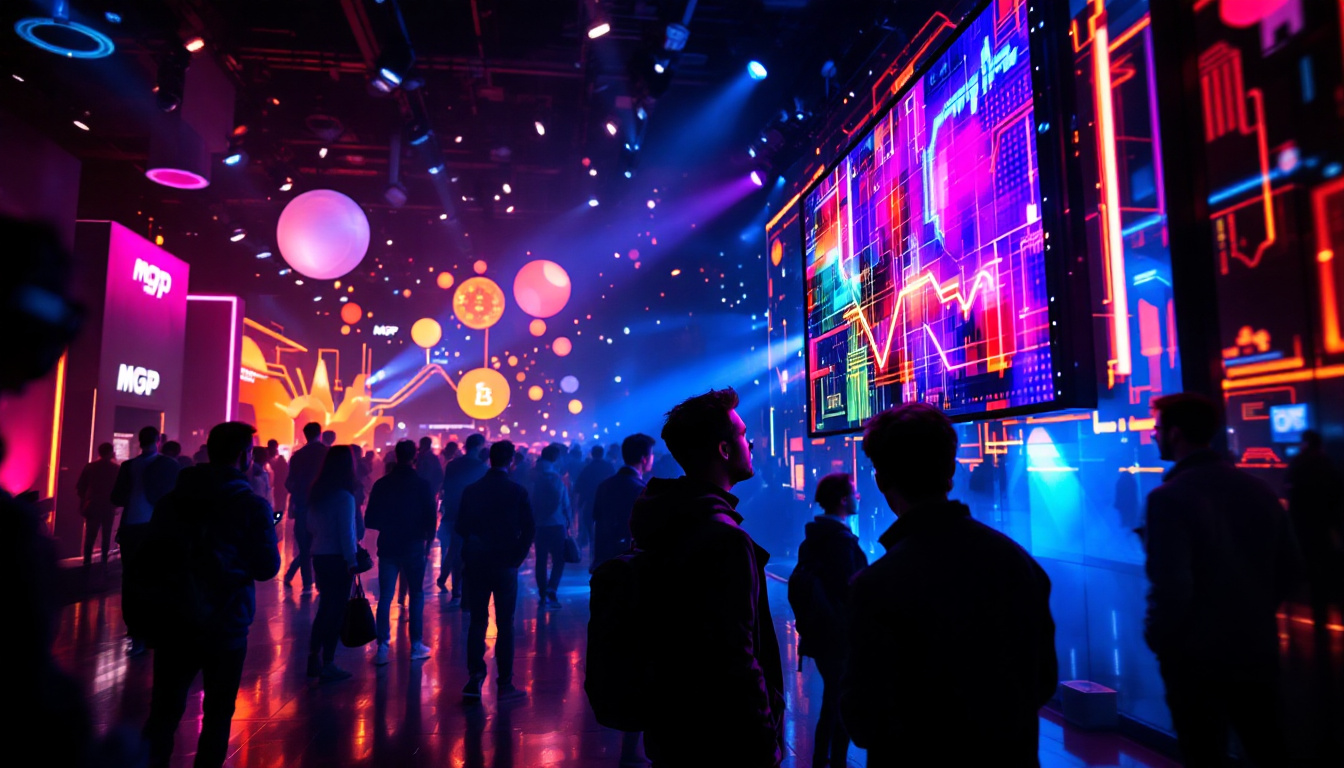
In today’s digital age, LED displays have become an integral part of how information is communicated visually—from massive outdoor billboards to indoor digital signage and entertainment screens. Behind these vibrant displays lies a sophisticated LED light control system that ensures every pixel shines with precision and clarity. Understanding how these control systems work not only demystifies the technology but also highlights their importance across industries such as advertising, events, transportation, and retail.
What Is an LED Light Control System?
An LED light control system is the backbone technology that manages the operation of LED displays. It controls the brightness, color, refresh rate, and overall image quality by regulating the electrical signals sent to each LED pixel. This system ensures that the display renders images, videos, and text smoothly and accurately, regardless of the screen size or application.
At its core, the LED control system consists of hardware components like controllers, drivers, and power supplies, as well as software that processes input signals and translates them into commands for the LEDs. Together, these components work to deliver high-definition visuals with optimal energy efficiency.
Key Components of LED Control Systems
The main elements of an LED light control system include:
- LED Controller: Acts as the central processing unit, receiving video signals and converting them into data that the LEDs can interpret.
- Receiving Cards: These cards receive data from the controller and distribute it to the LED modules.
- Power Supply: Provides the necessary voltage and current to power the LEDs consistently.
- LED Modules: The physical panels made up of multiple LEDs that form the display.
- Software Interface: Enables users to configure display settings, manage content, and monitor system performance.
How LED Displays Work: The Role of the Control System
To appreciate the role of the LED control system, it’s important to understand how LED displays generate images. Each display is composed of thousands to millions of tiny LEDs arranged in a grid. Each LED acts as a pixel, capable of emitting light in various colors and intensities.
The control system coordinates these pixels by sending precise electrical signals that determine the color and brightness of each LED. This process happens thousands of times per second to create smooth motion and vivid images.
Signal Processing and Data Transmission
The input to an LED display typically comes from a video source such as a computer, media player, or live feed. The LED controller receives this signal and processes it, breaking it down into pixel-level data. This data is then transmitted to the receiving cards, which direct the information to the corresponding LED modules.
Advanced LED control systems use high-speed data transmission protocols like Ethernet or proprietary interfaces to ensure minimal latency and high refresh rates. This is crucial for applications like live events or sports broadcasts where image lag can disrupt viewer experience.
Brightness and Color Calibration
One of the challenges in LED display technology is maintaining consistent brightness and color across the entire screen. The control system uses calibration techniques to adjust the intensity of each LED, compensating for variations in manufacturing or aging of components.
Modern systems often include sensors and software algorithms that perform real-time calibration, ensuring uniformity and vibrant colors even in varying ambient lighting conditions. This capability is especially important for outdoor displays exposed to sunlight.
Types of LED Displays and Their Control Systems
LED displays come in various forms, each suited to different environments and purposes. The control systems vary accordingly to meet specific requirements such as resolution, viewing distance, and durability.
Indoor LED Displays
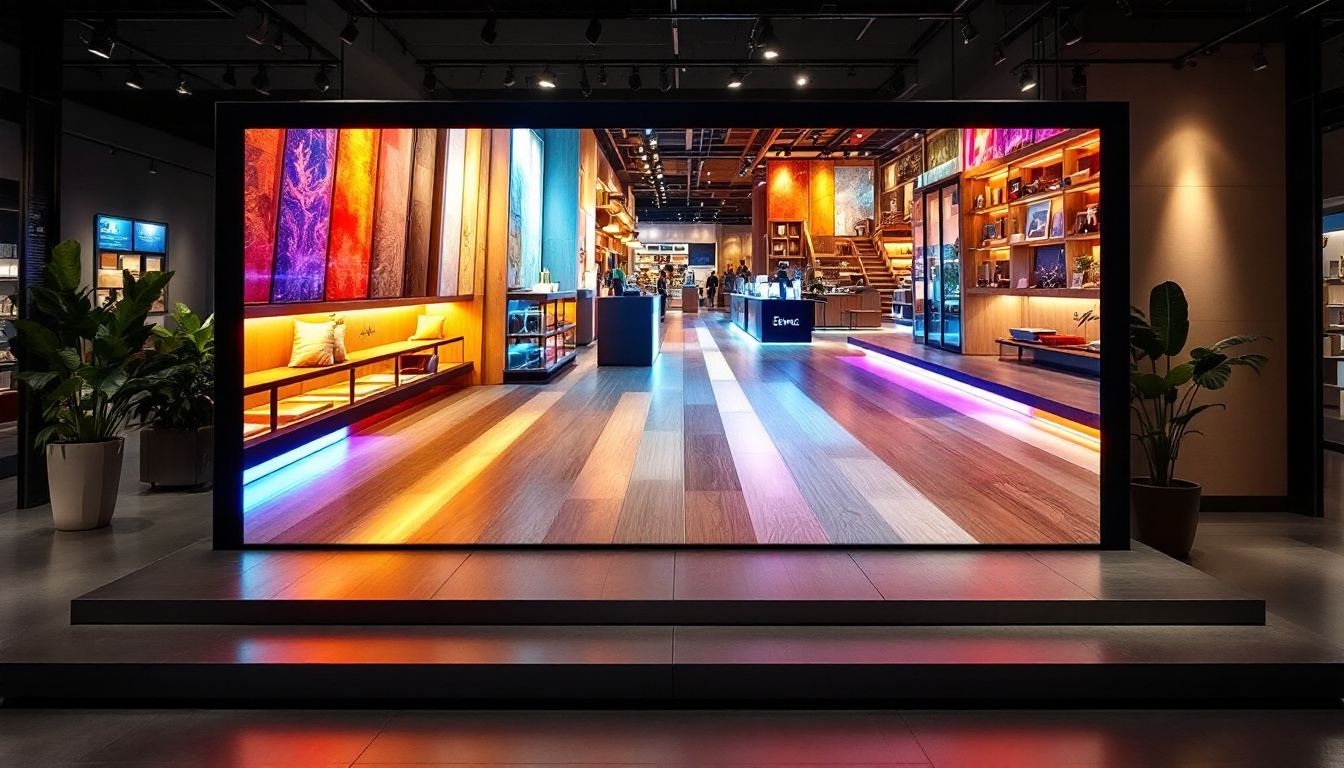
Indoor LED displays are commonly found in retail stores, corporate offices, and entertainment venues. These displays typically have a smaller pixel pitch (distance between LEDs) to provide high resolution at close viewing distances.
The control systems for indoor displays focus on delivering sharp images with accurate color reproduction. They often support advanced features such as 3D content and interactive touch capabilities. Since indoor environments have controlled lighting, brightness calibration is less demanding but still essential for consistent image quality.
Outdoor LED Displays
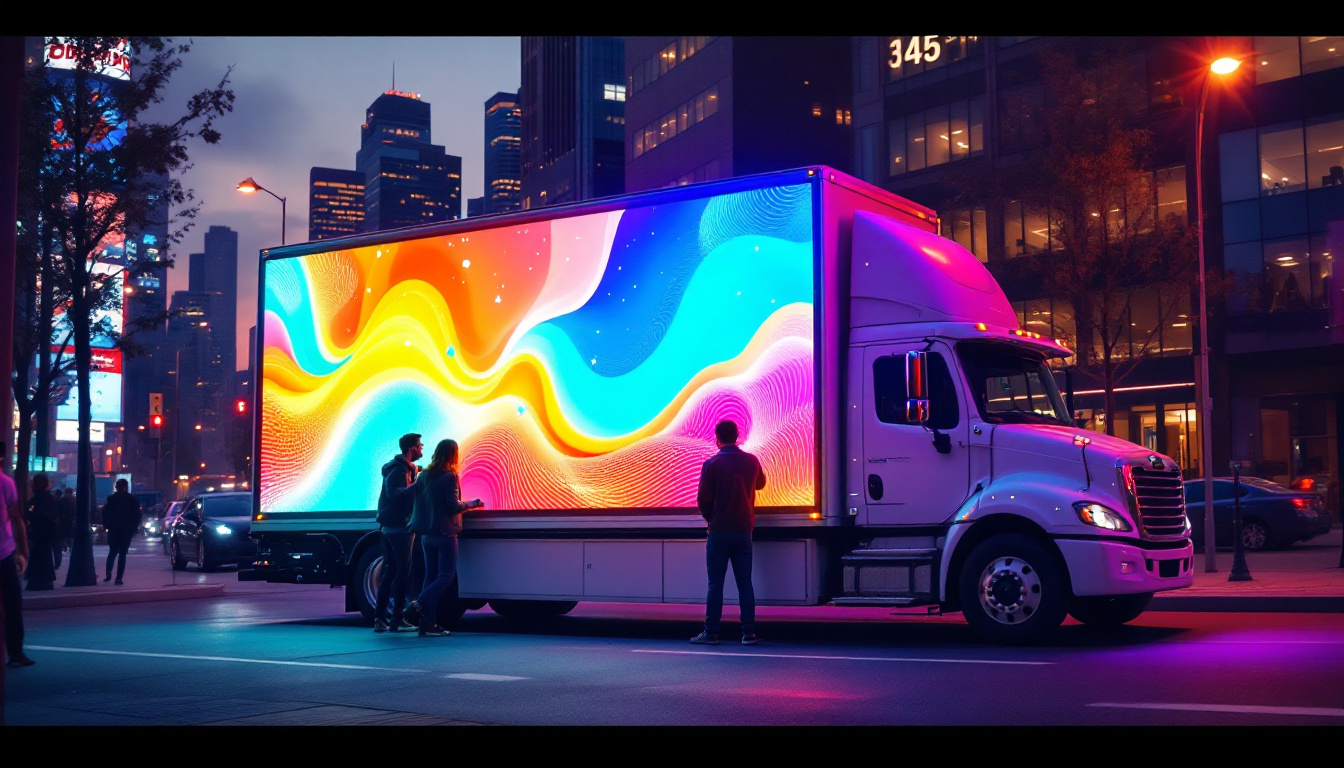
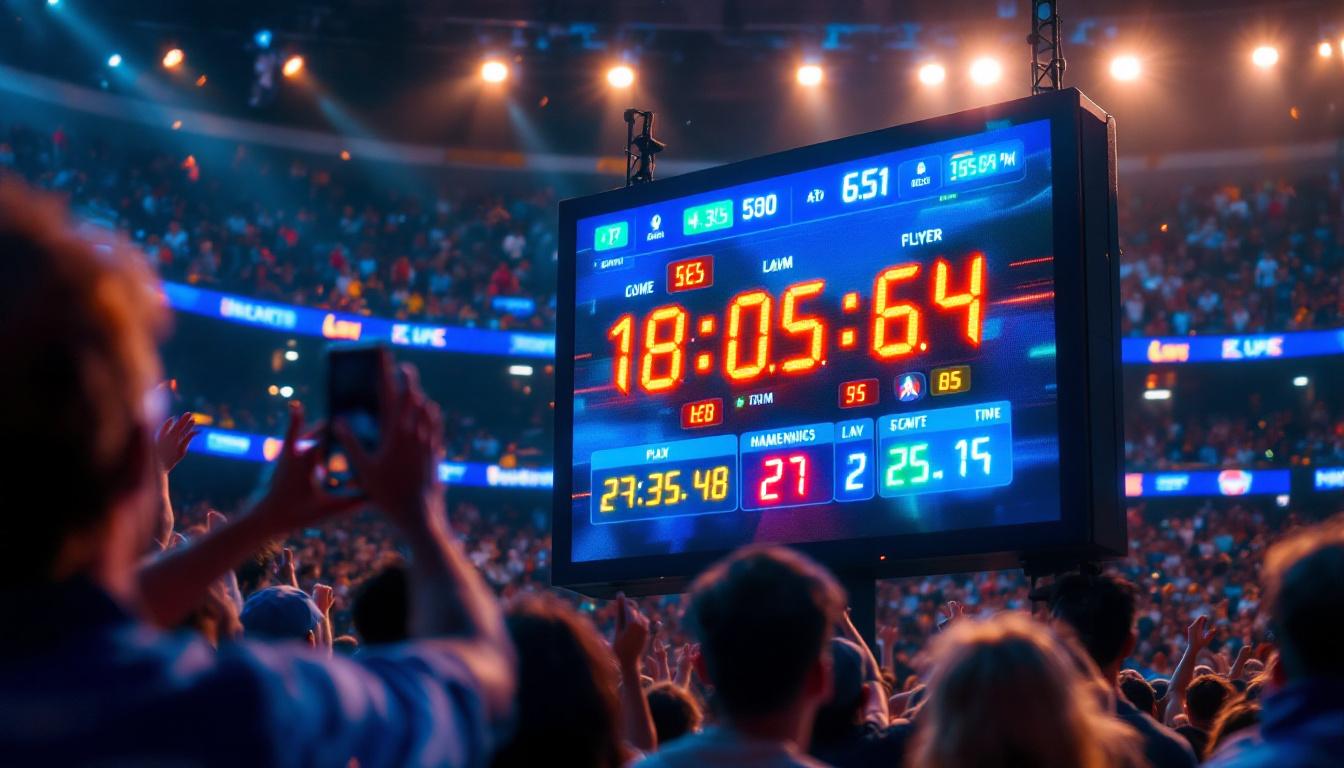
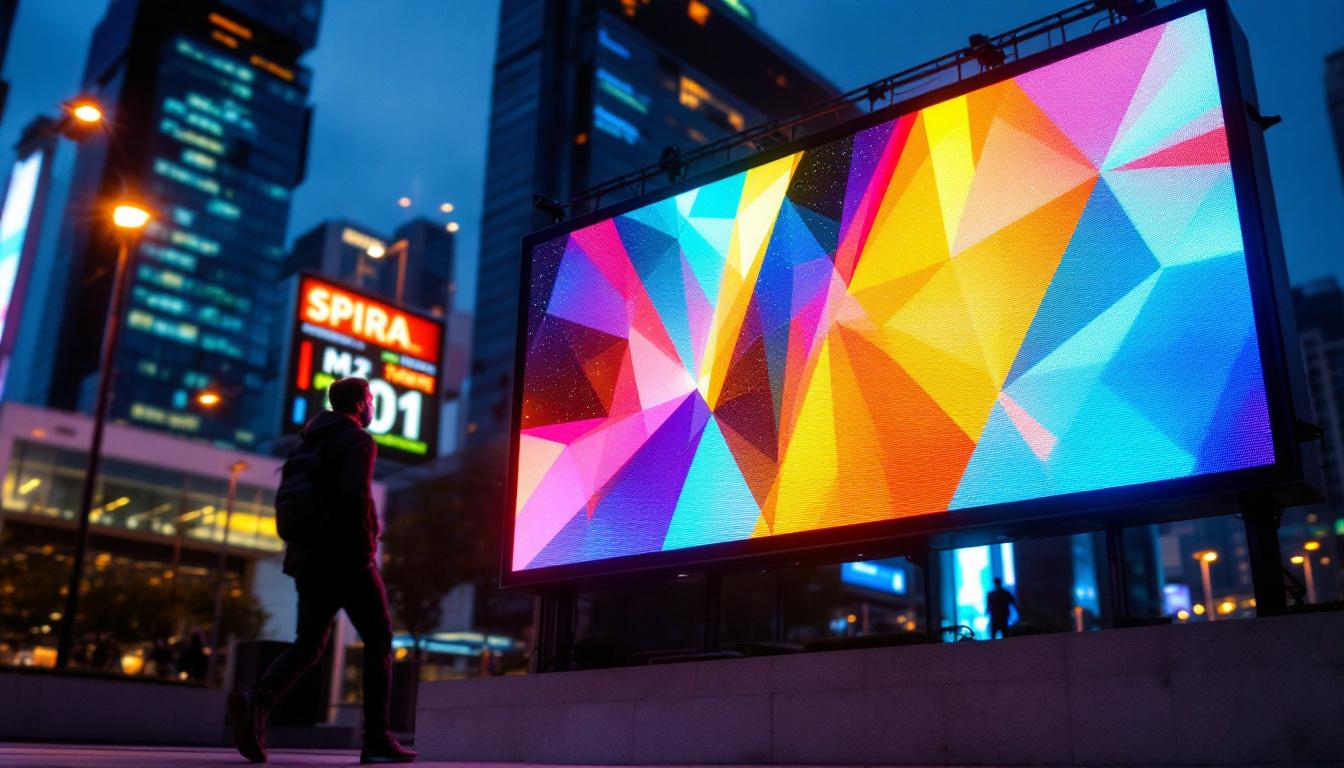
Outdoor LED displays, such as billboards and stadium screens, require robust control systems designed to withstand harsh weather conditions and high ambient light levels. These systems must deliver high brightness—often exceeding 5,000 nits—to remain visible in direct sunlight.
Outdoor control systems include weatherproof hardware and enhanced cooling mechanisms. They also incorporate automatic brightness adjustment based on ambient light sensors to optimize energy consumption and prolong LED lifespan.
Transparent and Flexible LED Displays
Innovations in LED technology have led to transparent and flexible displays used in architectural applications and creative installations. These displays require specialized control systems capable of managing unique pixel arrangements and maintaining image integrity despite physical bending or transparency.
Control systems for these displays often integrate with building management systems and support dynamic content that interacts with environmental factors such as lighting and movement.
Benefits of Advanced LED Light Control Systems
The evolution of LED light control systems has unlocked numerous advantages that enhance the performance and versatility of LED displays. These benefits are critical for businesses and organizations aiming to maximize the impact of their visual communications.
Energy Efficiency and Cost Savings
LED technology is inherently energy-efficient compared to traditional display technologies like LCD or plasma. Advanced control systems further optimize power consumption by adjusting brightness dynamically and turning off inactive pixels.
For example, a digital billboard equipped with an intelligent control system can reduce energy usage by up to 30% during nighttime hours without compromising visibility. Over time, this translates into significant cost savings and a smaller environmental footprint.
Enhanced Image Quality and Reliability
Modern LED control systems enable higher refresh rates and color depth, resulting in smoother video playback and more vibrant images. Real-time calibration and diagnostics help maintain consistent performance, reducing downtime and maintenance costs.
Reliability is especially crucial for critical applications such as traffic signage and emergency alerts, where display failure can have serious consequences. Redundant control paths and fail-safe mechanisms are commonly integrated to ensure continuous operation.
Scalability and Flexibility
LED light control systems are designed to support a wide range of display sizes and configurations. Whether it’s a small indoor screen or a massive outdoor video wall, the system can be scaled accordingly without compromising performance.
Additionally, software-driven control allows for easy content management and customization. Users can schedule content, switch inputs, and adjust settings remotely, providing flexibility for dynamic advertising campaigns or event presentations.
Choosing the Right LED Light Control System
Selecting an appropriate LED light control system depends on several factors, including the intended application, environmental conditions, budget, and desired features. Understanding these considerations helps ensure optimal performance and return on investment.
Assessing Display Requirements
The first step is to define the display’s purpose and location. For instance, a retail store’s indoor signage demands high resolution and color accuracy, while a highway billboard prioritizes brightness and weather resistance.
Other technical specifications to consider include pixel pitch, refresh rate, viewing angle, and compatibility with content sources. These parameters influence the choice of control hardware and software.
Evaluating Control System Features
Key features to look for in an LED control system include:
- Real-time monitoring: Allows operators to detect and address issues promptly.
- Remote management: Enables control and content updates from any location.
- Compatibility: Supports various input formats and integrates with existing infrastructure.
- Scalability: Accommodates future expansion or reconfiguration.
- Energy-saving modes: Reduces operational costs without sacrificing quality.
Vendor Support and Maintenance
Reliable vendor support is crucial for the longevity of an LED display system. Choose suppliers who offer comprehensive installation services, training, and ongoing technical assistance.
Regular maintenance, including firmware updates and hardware inspections, ensures the control system continues to operate efficiently and adapts to evolving content needs.
The Future of LED Light Control Systems
As LED technology advances, control systems are becoming increasingly intelligent and integrated with other digital platforms. Emerging trends are shaping the future of LED displays and their control mechanisms.
Artificial Intelligence and Automation
AI-powered control systems can analyze environmental data and viewer behavior to optimize display settings automatically. For example, an AI system might adjust brightness and content based on the time of day, weather conditions, or audience demographics.
Automation reduces the need for manual intervention, improves energy efficiency, and enhances viewer engagement through personalized content delivery.
Integration with IoT and Smart Cities
LED displays are becoming nodes within the Internet of Things (IoT) ecosystem, connecting with sensors, cameras, and other smart devices. This integration enables real-time data sharing and coordinated responses, such as displaying traffic updates or emergency alerts based on sensor inputs.
Smart city initiatives leverage these capabilities to improve public safety, transportation efficiency, and urban aesthetics.
Advancements in Display Technology
Innovations like micro-LED and mini-LED promise even higher resolution, better color accuracy, and lower power consumption. Control systems will evolve to manage these new technologies, offering enhanced performance and new creative possibilities.
Conclusion
LED light control systems are the critical enablers behind the stunning visual experiences delivered by LED displays worldwide. By managing every aspect of LED operation—from signal processing to brightness calibration—they ensure that images are vibrant, reliable, and energy-efficient.
Whether for advertising, entertainment, or public information, understanding the components and functions of these control systems empowers businesses and organizations to make informed decisions when investing in LED display technology. As the field continues to evolve with AI, IoT, and cutting-edge display innovations, LED light control systems will remain at the forefront of digital visual communication.
Discover LumenMatrix’s Advanced LED Display Solutions
Ready to elevate your visual communication with the latest in LED technology? Explore LumenMatrix’s comprehensive range of LED display solutions, from vibrant Indoor and Outdoor LED Wall Displays to innovative Custom and All-in-One LED Displays. Our mission is to provide you with digital signage that not only enhances brand visibility but also creates immersive visual experiences that captivate and engage. Whether you’re looking to advertise, entertain, or inform, LumenMatrix has the cutting-edge technology to bring your vision to life. Check out LumenMatrix LED Display Solutions today and see how we can transform your space with clarity and impact.