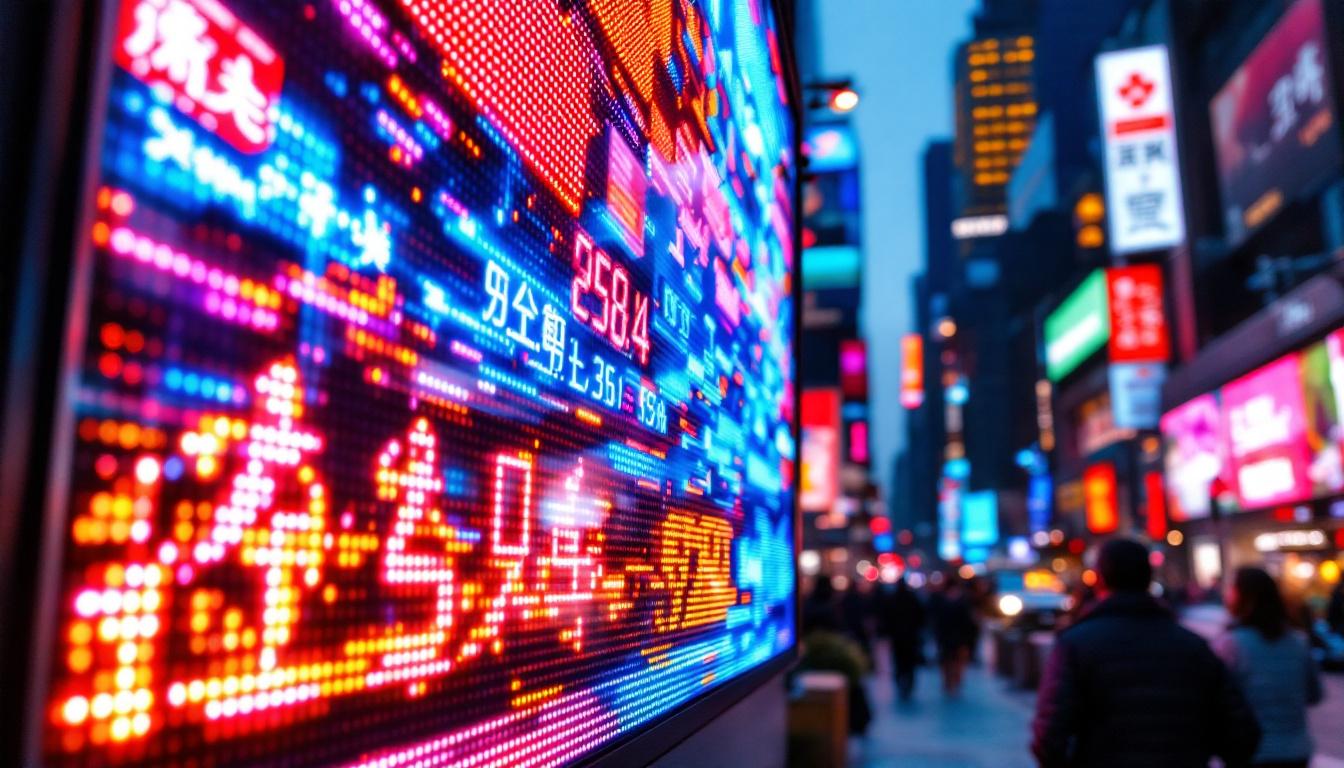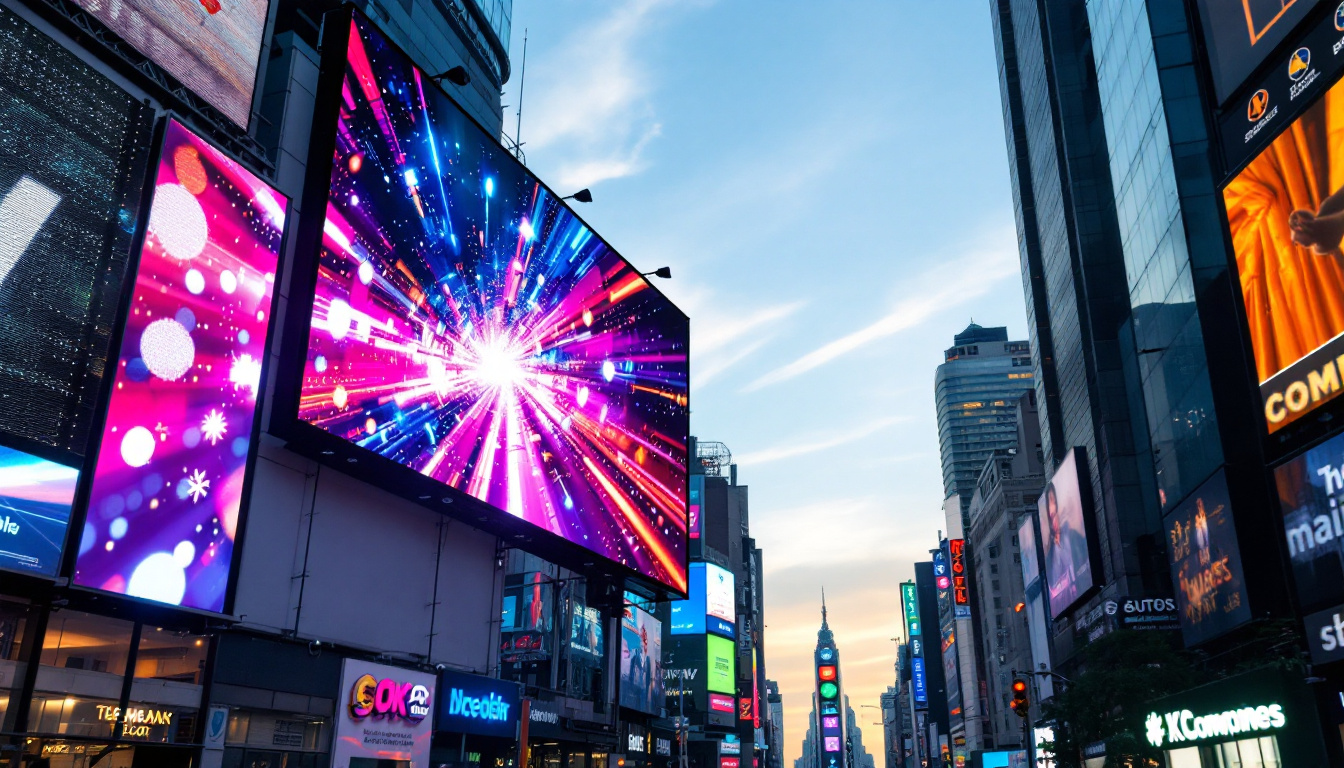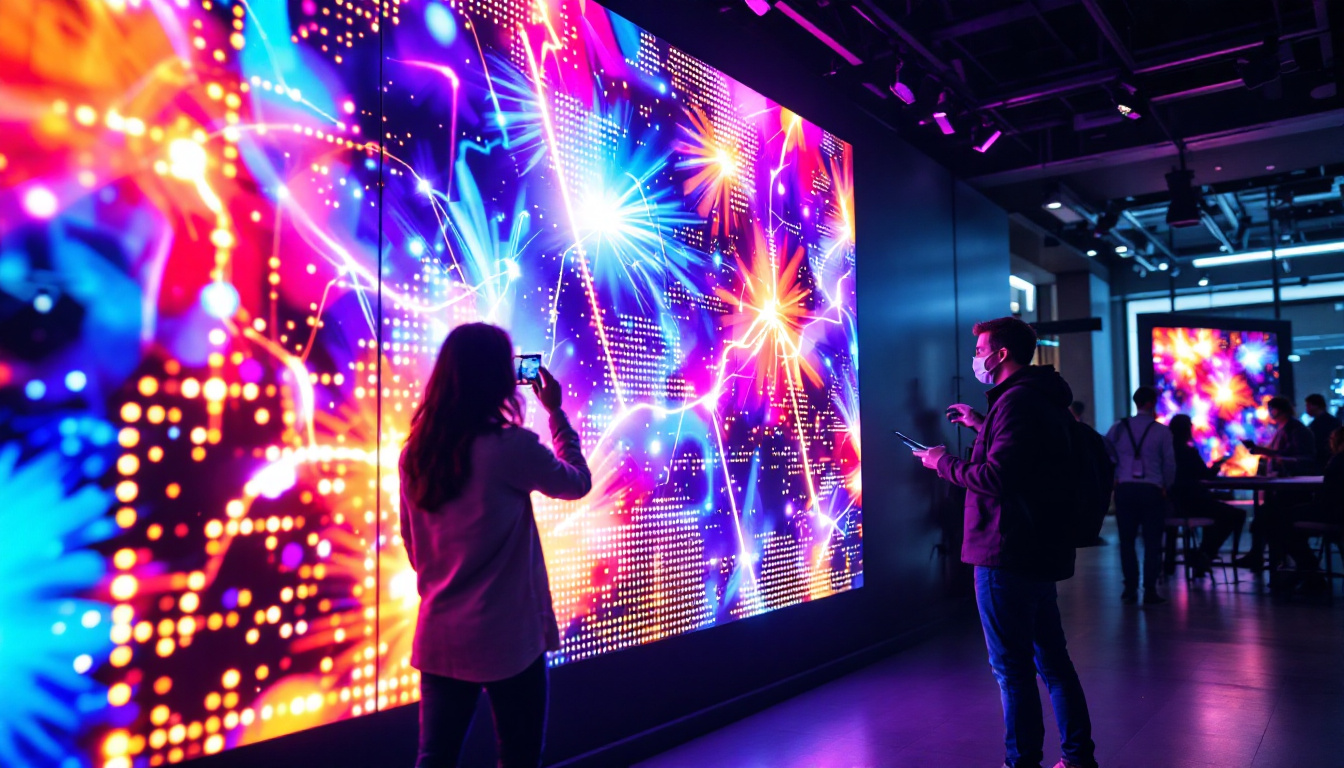
In today’s digital age, LED displays have become ubiquitous, transforming the way information is presented in public spaces, advertising, entertainment, and even personal devices. From the vibrant billboards in Times Square to the high-definition screens on smartphones, LED technology continues to evolve, offering brighter, more energy-efficient, and versatile display solutions. This article delves into the world of LED displays, explaining their technology, applications, advantages, and future trends.
Understanding LED Display Technology
What is an LED Display?
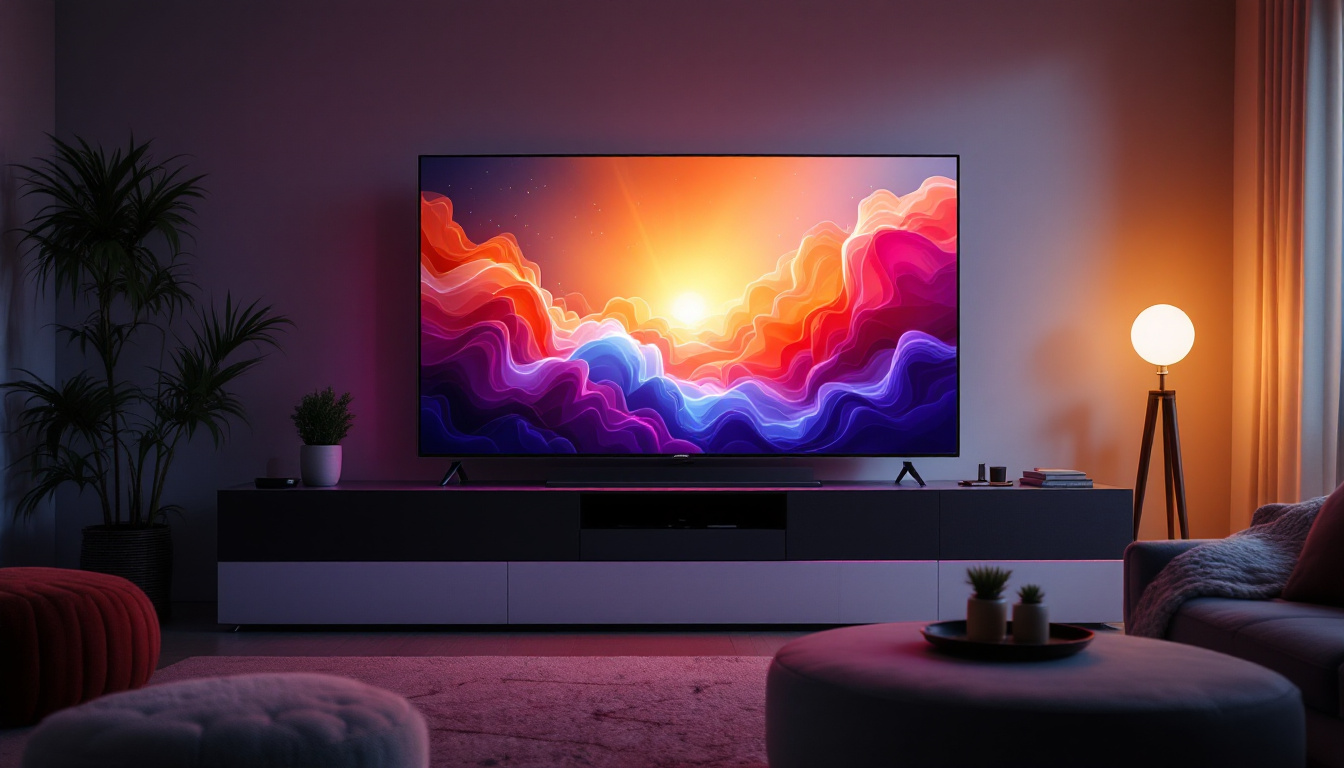
LED stands for Light Emitting Diode, a semiconductor device that emits light when an electric current passes through it. An LED display is a flat panel display that uses an array of LEDs as pixels to create images, videos, or text. Unlike traditional LCD or plasma screens, LED displays use these tiny light sources directly, which allows for greater brightness and contrast. This direct emission of light also contributes to a wider color gamut, enabling more vibrant and lifelike images that can captivate viewers in various environments.
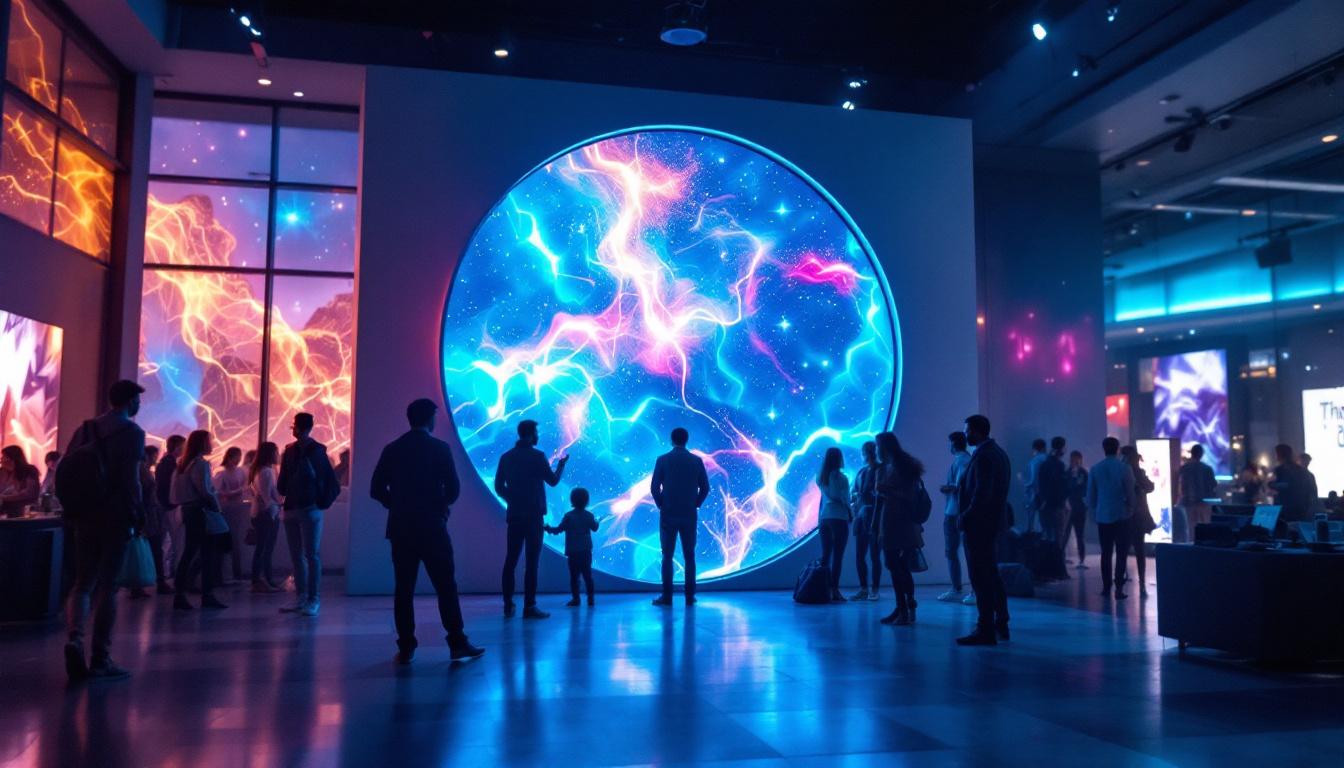
LED displays can be found in various forms, including indoor and outdoor screens, video walls, digital signage, and even wearable technology. The basic principle behind an LED display involves controlling each LED’s brightness and color to form a complete image. This control is achieved through sophisticated electronics and software that manage the display’s pixel matrix. Moreover, advancements in LED technology have led to the development of smart displays that can adapt to ambient light conditions, ensuring optimal visibility and energy efficiency. This adaptability makes LED displays particularly suitable for dynamic environments such as shopping malls, airports, and public transportation hubs.
Types of LED Displays
LED displays are broadly categorized based on their construction and application:
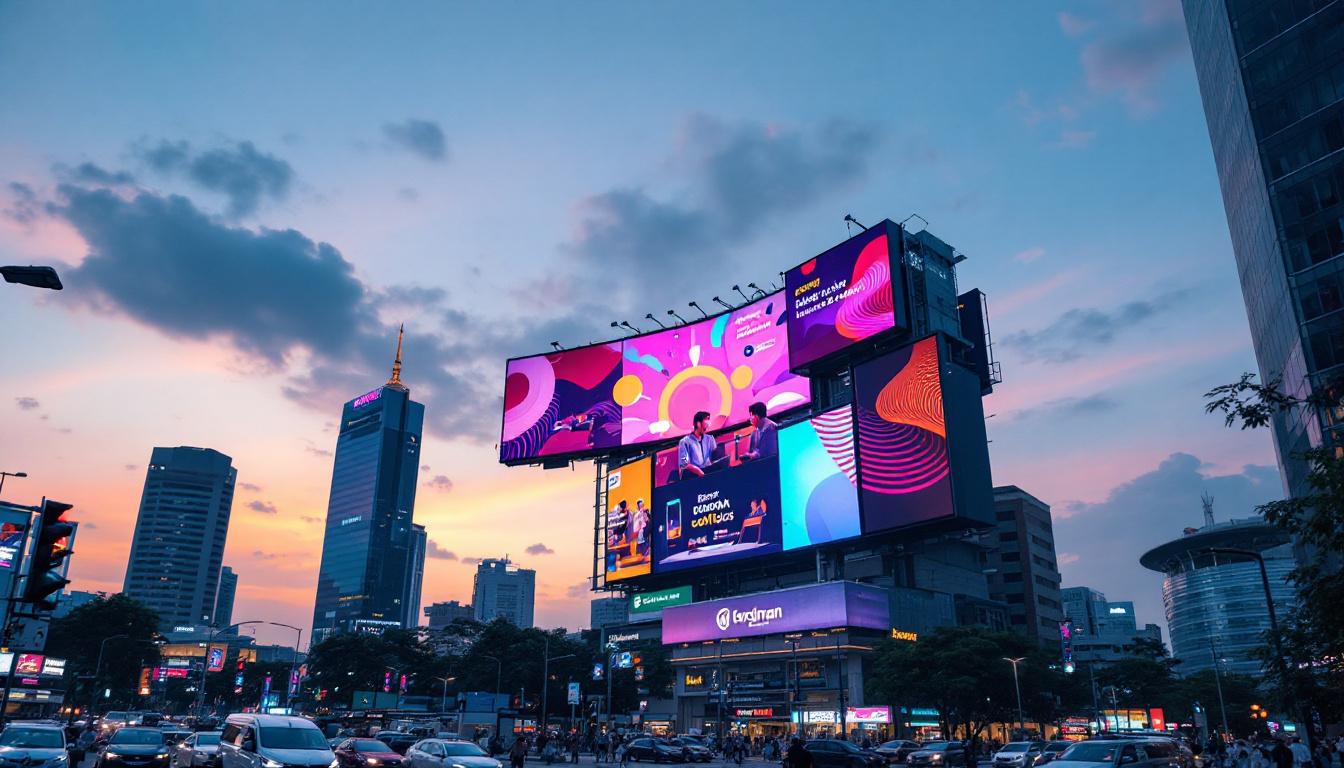
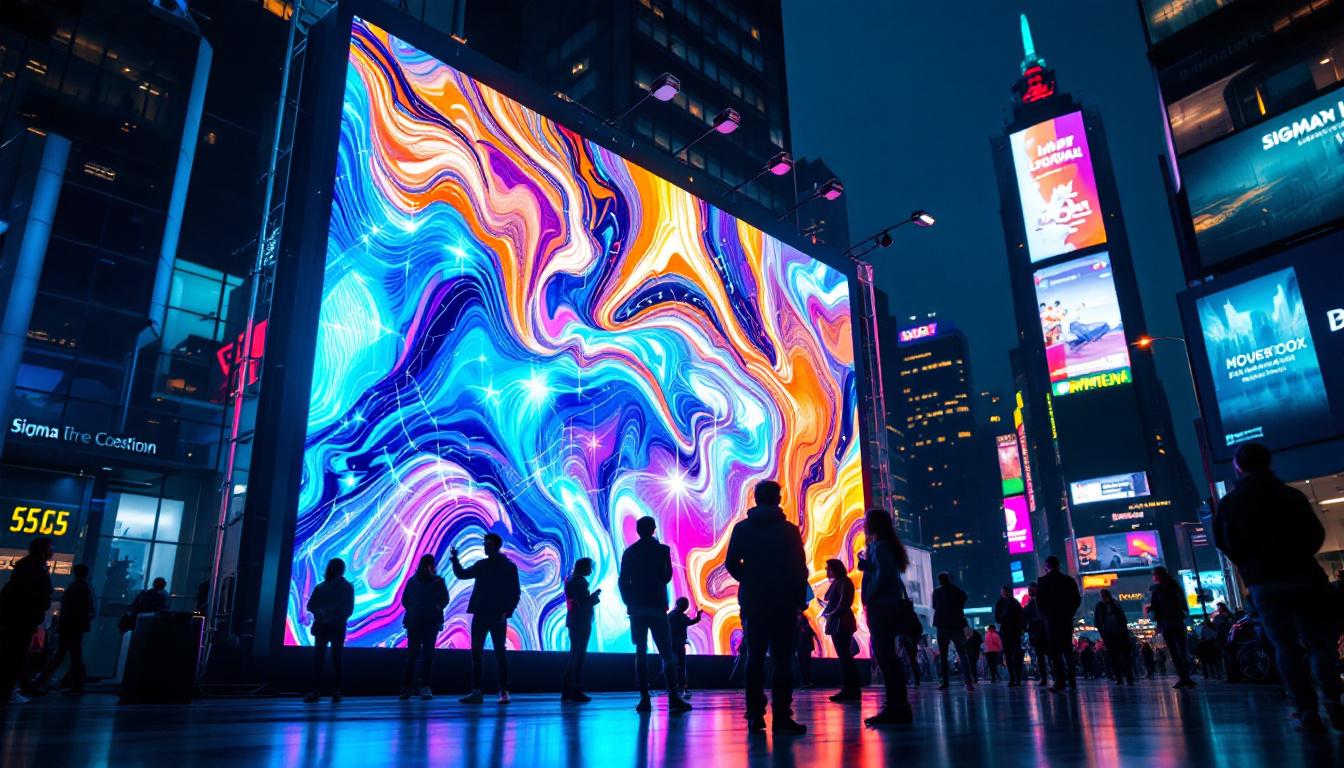
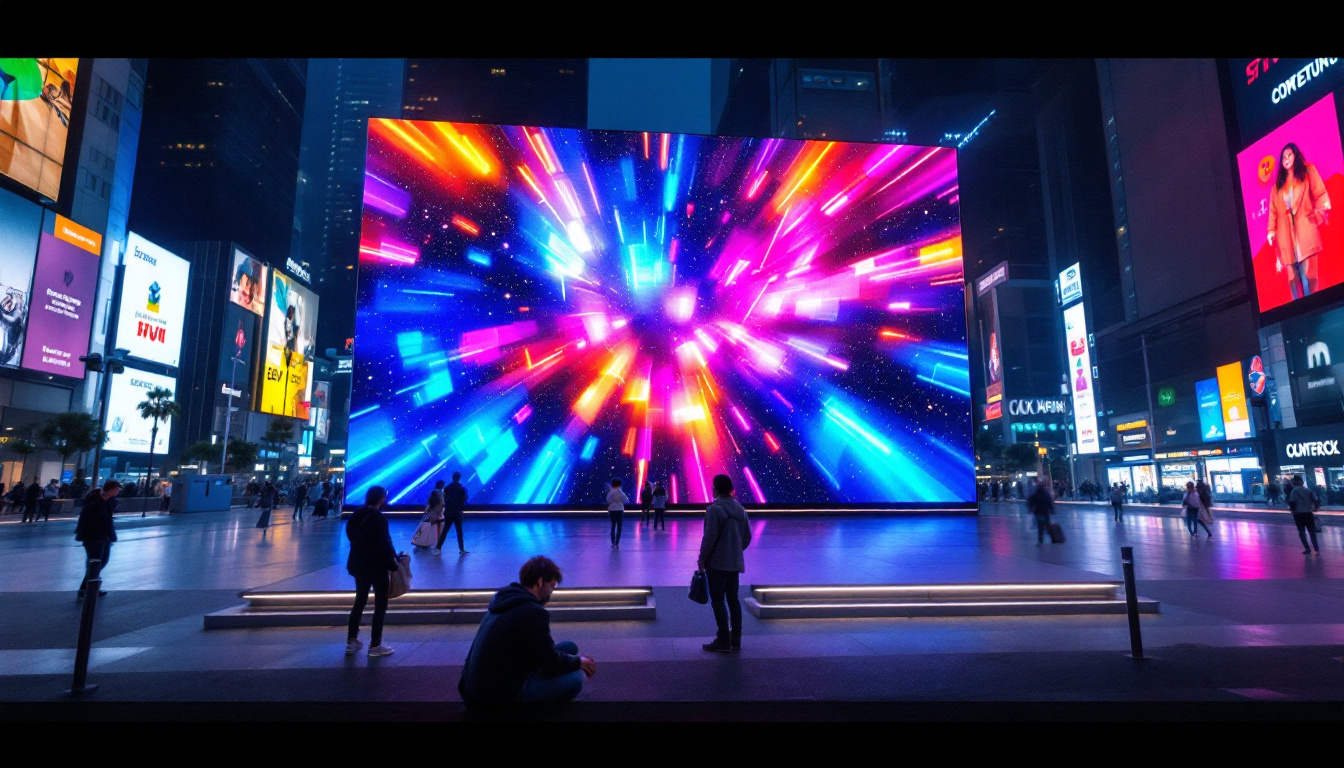
- Direct View LED Displays: These consist of LEDs arranged as pixels that emit light directly to the viewer. They are commonly used in large outdoor billboards, stadium screens, and stage backdrops. Their high brightness levels and weather-resistant designs make them ideal for outdoor advertising, where they can capture attention even in bright sunlight.
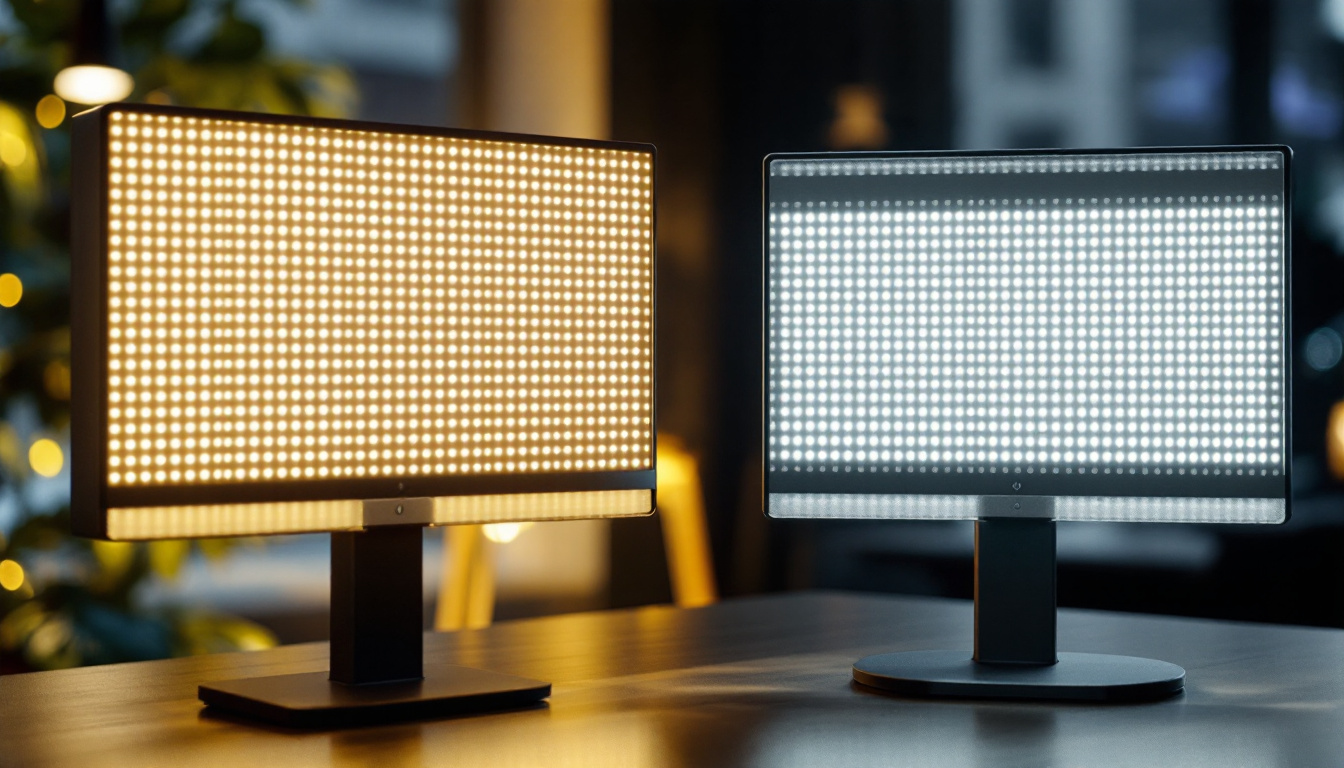
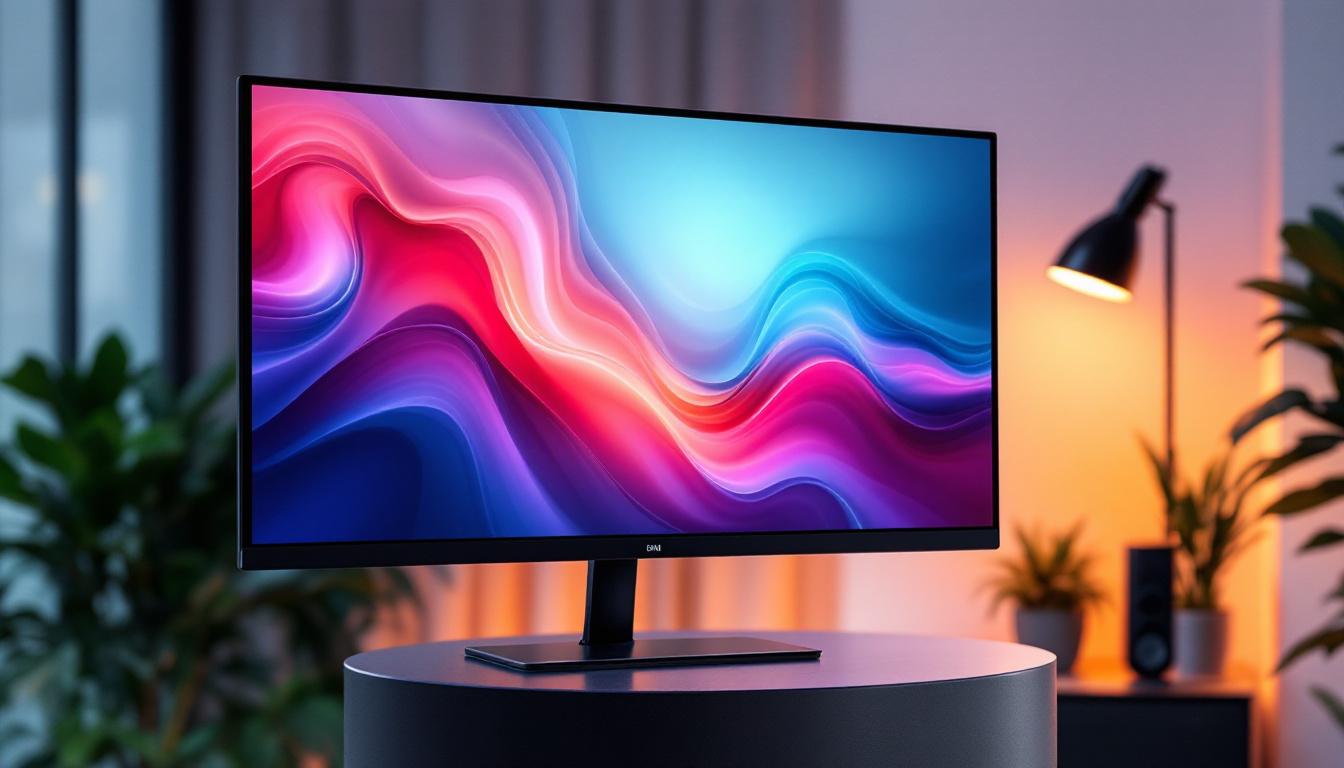
- LED-backlit LCD Displays: These use LEDs as a backlight behind an LCD panel. This technology is prevalent in televisions, computer monitors, and smartphones, offering improved brightness and energy efficiency compared to older CCFL-backlit LCDs. The combination of LED backlighting with LCD technology allows for thinner designs and enhanced visual performance, making these displays a popular choice for consumer electronics.
- MicroLED Displays: An emerging technology where microscopic LEDs serve as individual pixels. MicroLEDs promise higher brightness, better color accuracy, and longer lifespan, potentially rivaling OLED displays. This innovative approach eliminates the need for a backlight, resulting in deeper blacks and improved contrast ratios, which are particularly advantageous for high-definition content and immersive viewing experiences.
In addition to these types, there are also specialized LED displays designed for specific applications, such as transparent LED screens used in retail environments to create eye-catching displays without obstructing visibility. These screens allow for creative advertising solutions that blend seamlessly into their surroundings. Furthermore, flexible LED displays are gaining traction, enabling curved or bendable screens that can fit unique architectural designs or be used in innovative product applications. As technology continues to evolve, the potential for LED displays seems limitless, paving the way for new and exciting visual experiences.
How LED Displays Work: The Science Behind the Glow
Pixel Composition and Color Generation
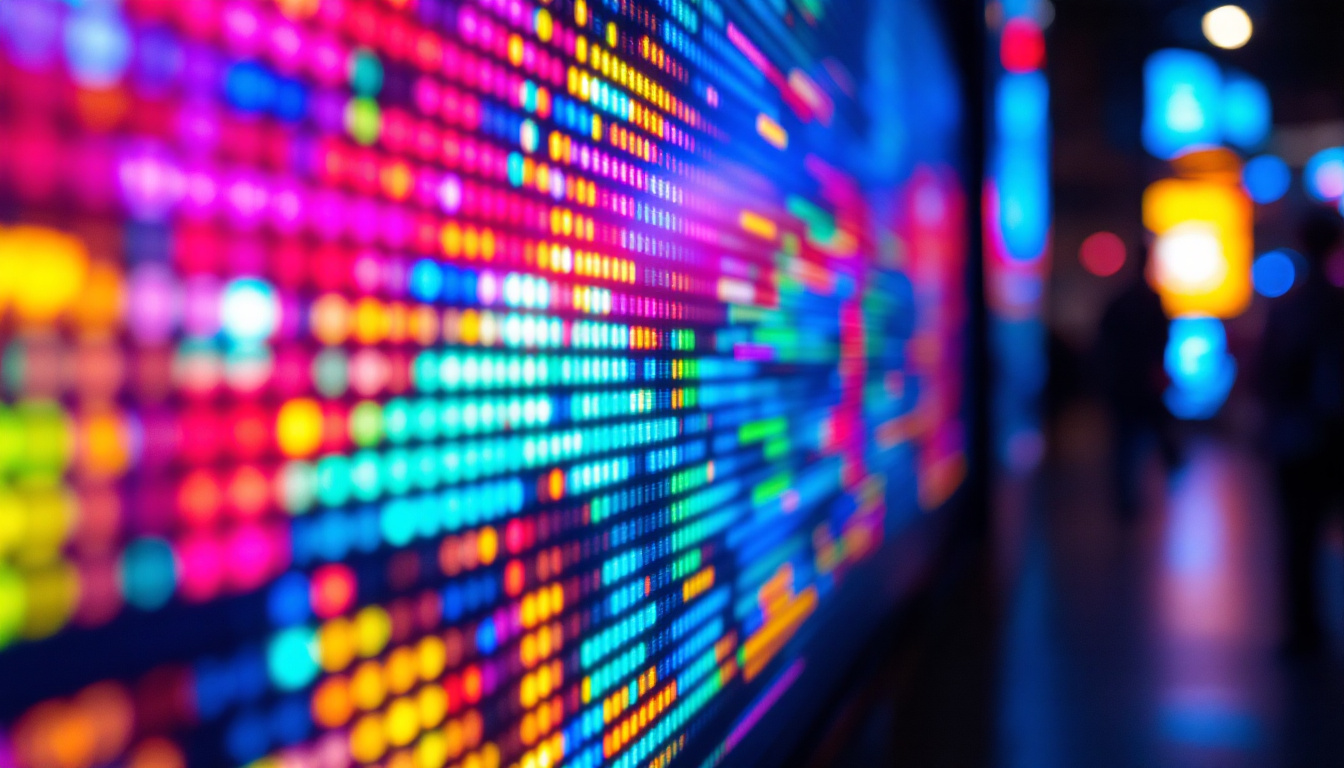
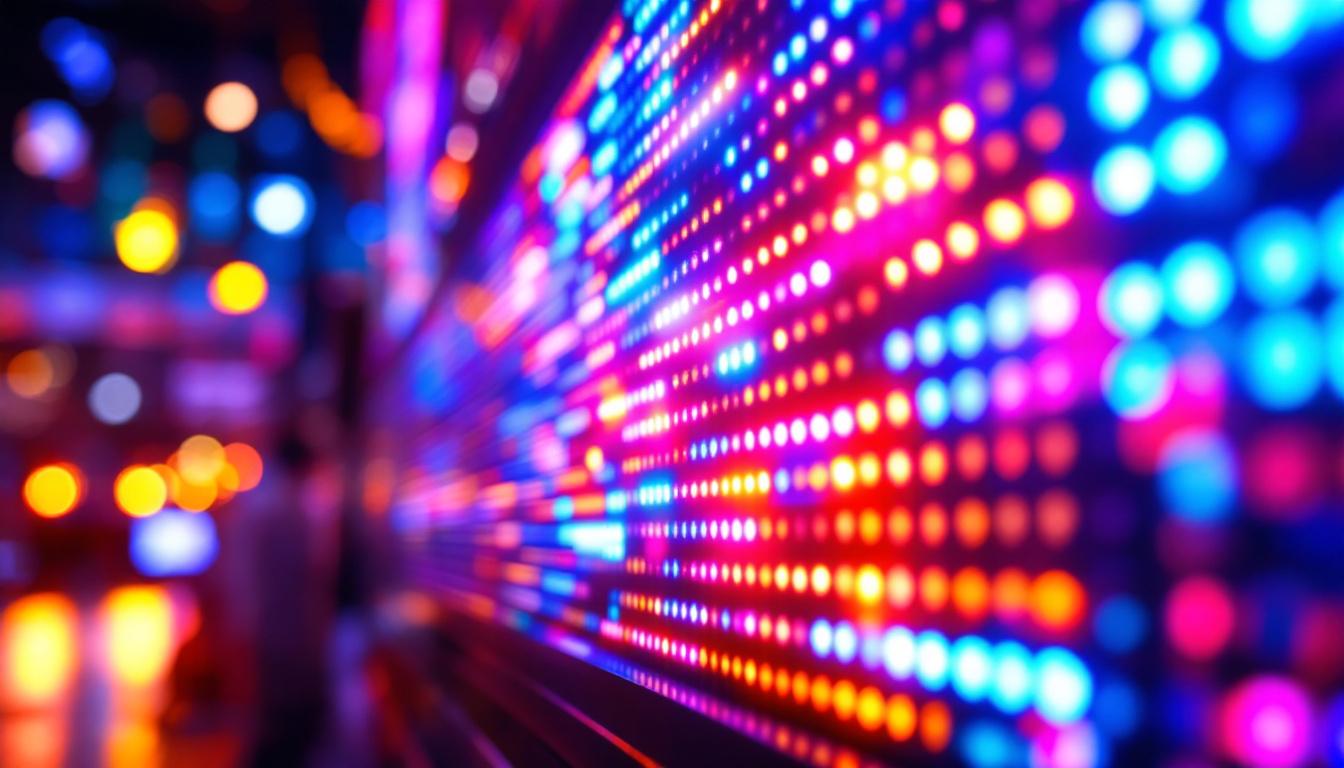
Each pixel in an LED display is typically composed of red, green, and blue (RGB) LEDs. By varying the intensity of these three colors, a vast spectrum of colors can be produced, enabling the display of detailed images and videos. The human eye perceives the combination of these colors as a single, blended color.
Modern LED displays use advanced color mixing techniques and calibration to ensure accurate color reproduction. This is especially important in applications like digital advertising and broadcasting, where color fidelity can impact viewer engagement and brand perception.
Resolution and Pixel Pitch
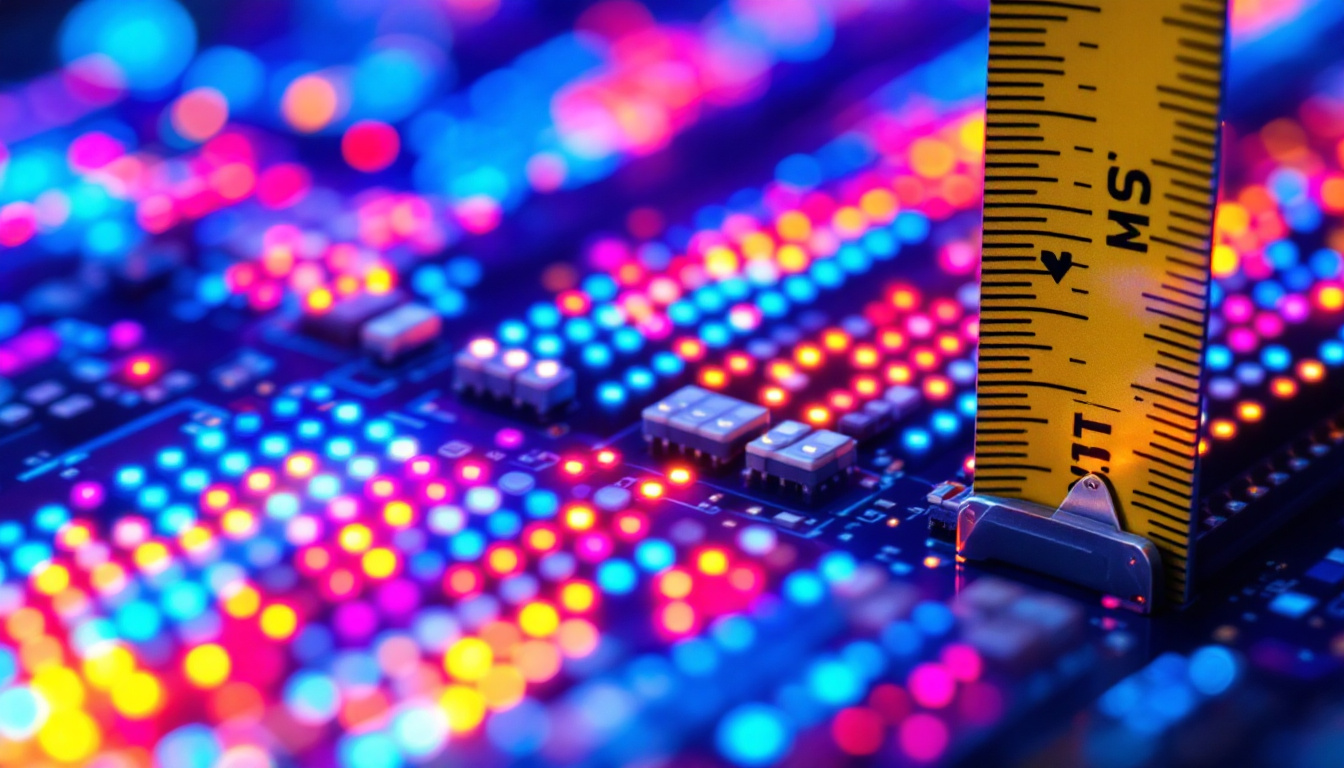
The resolution of an LED display refers to the number of pixels it contains, usually expressed as width x height (e.g., 1920 x 1080). Higher resolution means more pixels and finer image detail. However, the pixel pitch—the distance between the centers of adjacent pixels—is equally crucial, especially for large-format displays.
Pixel pitch determines the viewing distance and image clarity; smaller pixel pitches allow for closer viewing without visible pixelation. For example, indoor LED displays often have pixel pitches as small as 1mm to 3mm, while outdoor displays may have pitches of 10mm or more, optimized for visibility at greater distances.
Applications of LED Displays Across Industries
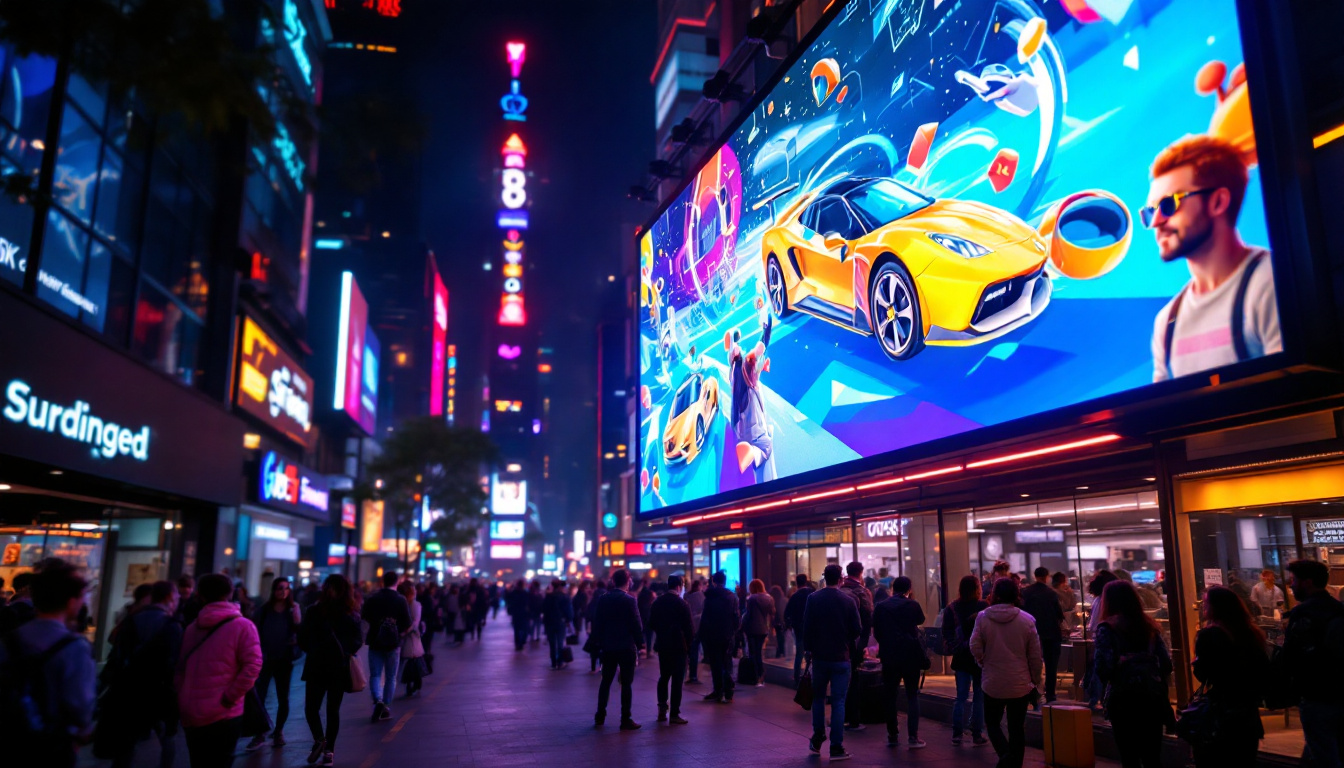
Advertising and Digital Signage
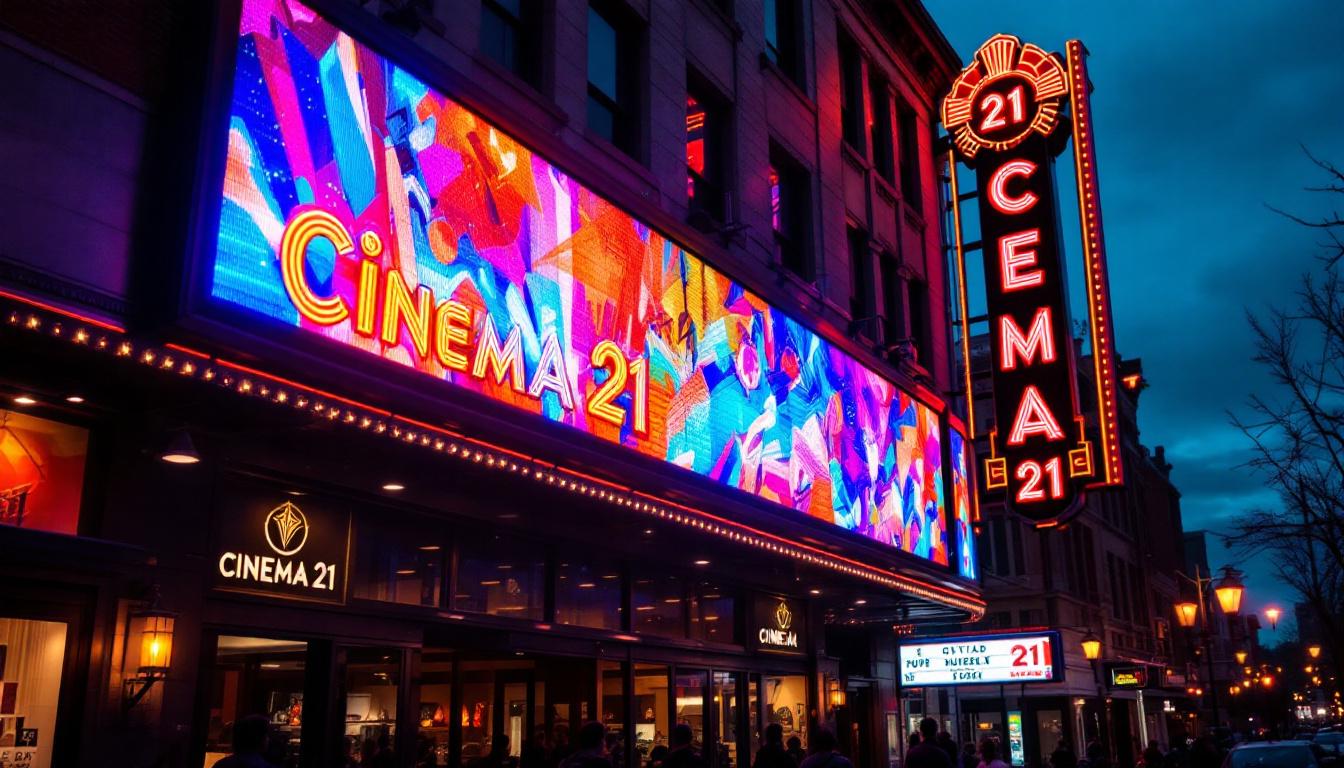
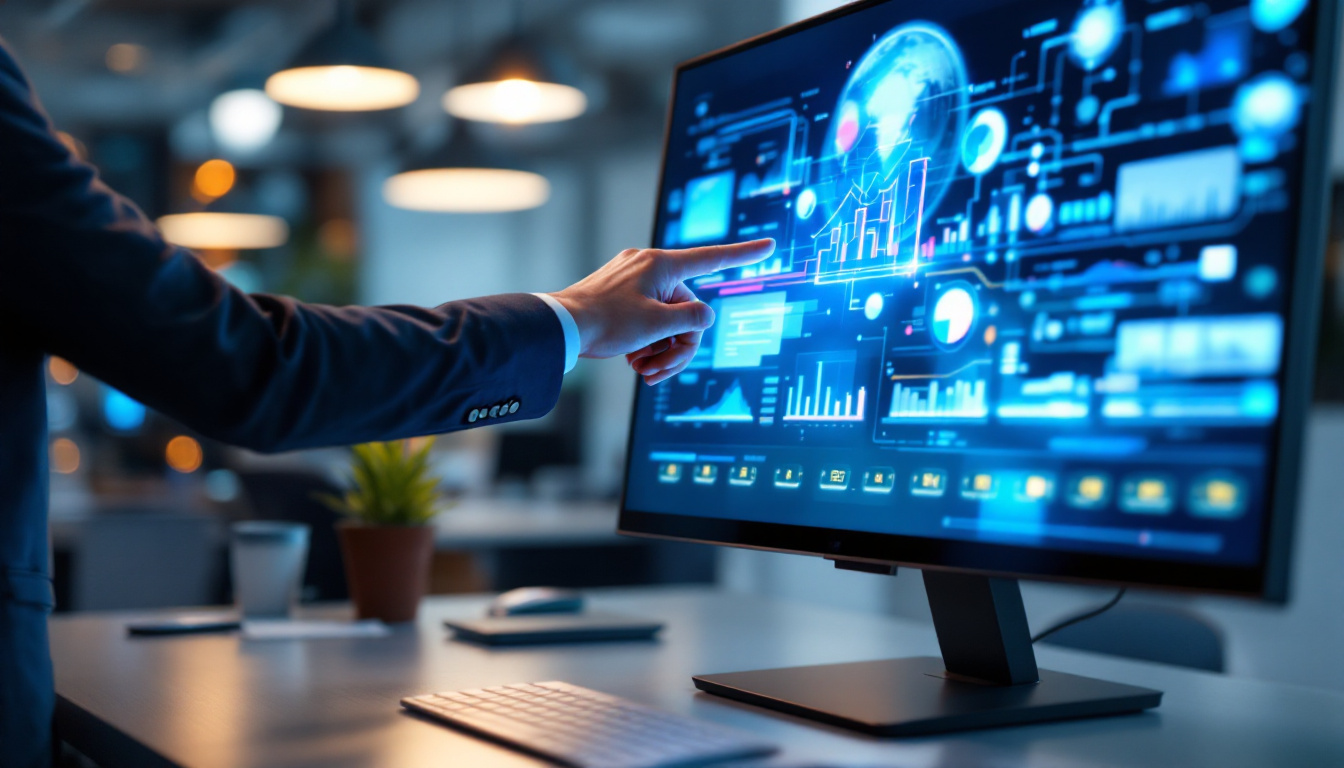
LED displays revolutionized outdoor advertising by enabling dynamic, eye-catching content that can be updated in real-time. According to a 2023 report by Grand View Research, the global digital signage market is expected to reach $31.71 billion by 2028, driven largely by the adoption of LED technology.
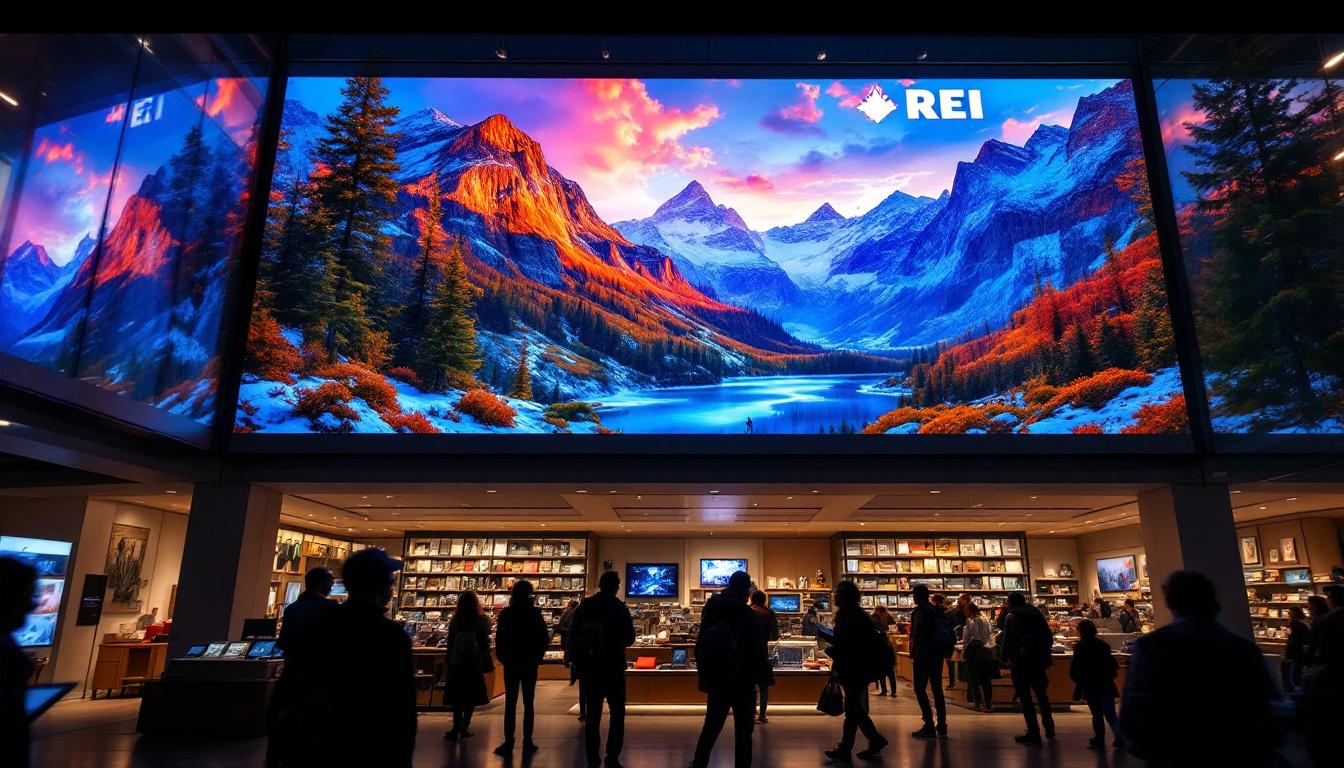
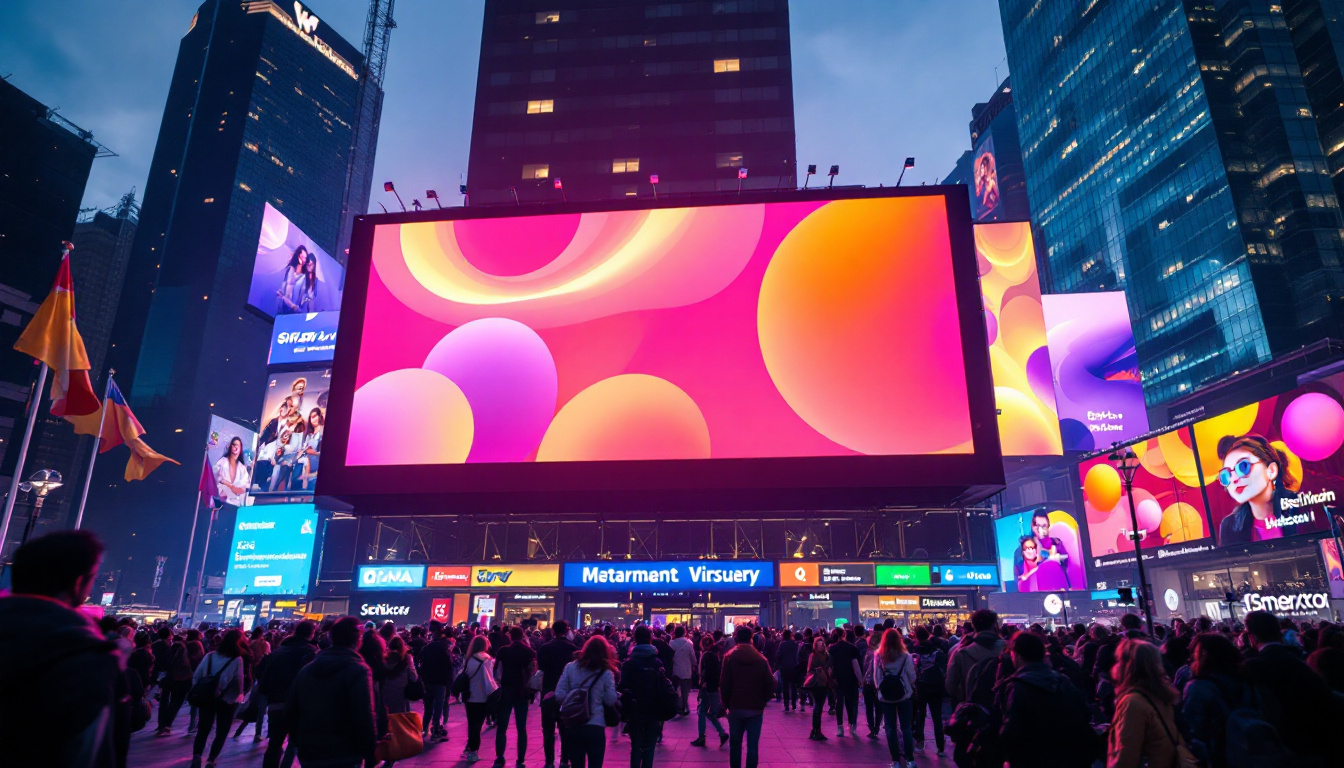
Retailers, transportation hubs, and entertainment venues use LED displays to attract customers, provide information, and enhance the overall experience. The ability to display vibrant videos and animations makes LED signage far more engaging than static billboards.
Sports and Entertainment Venues
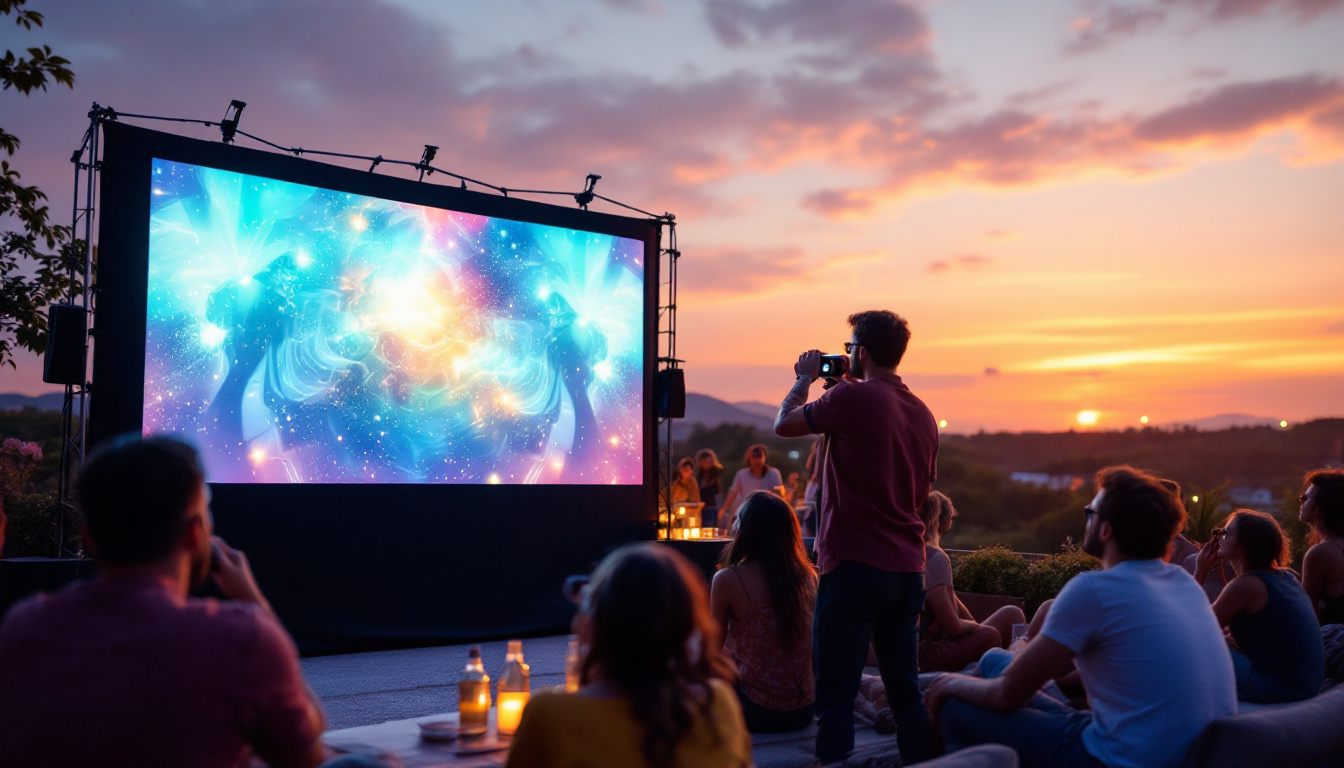
Stadiums and arenas utilize massive LED video walls to broadcast live action, replays, and advertisements. These displays must be extremely bright and durable to withstand outdoor conditions and large crowds. For instance, the LED display installed at the AT&T Stadium in Texas spans over 11,000 square feet, offering one of the largest and most advanced screens in the world.
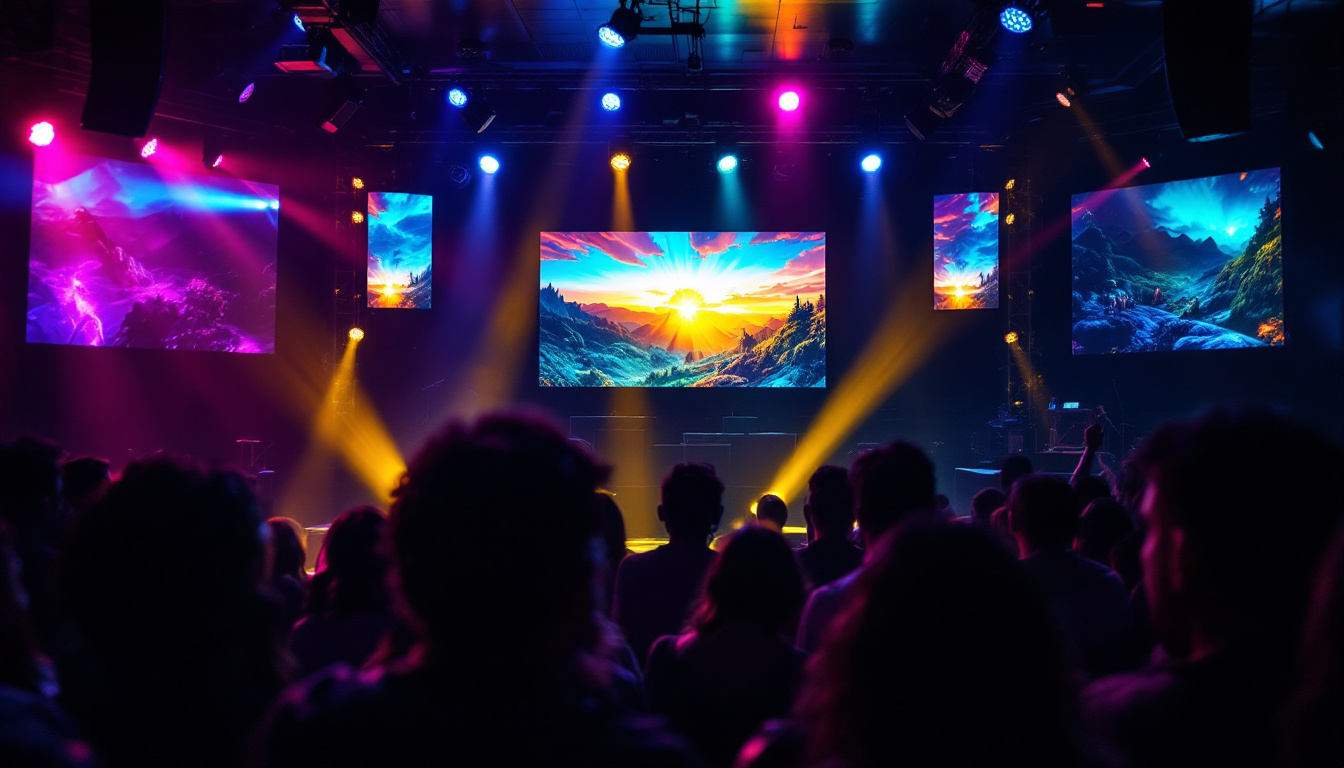
Concerts and theatrical productions also benefit from LED displays, using them as dynamic backdrops and immersive visual effects that enhance performances.
Transportation and Public Information
LED displays are widely used in airports, train stations, and bus terminals to provide real-time information such as arrivals, departures, delays, and safety messages. Their high visibility and reliability make them ideal for critical communication in busy environments.
Additionally, traffic management systems employ LED signs to inform drivers about road conditions, speed limits, and detours, contributing to safer and more efficient transportation networks.
Advantages of LED Displays Over Traditional Technologies
Energy Efficiency and Longevity
One of the most significant benefits of LED displays is their energy efficiency. LEDs consume considerably less power than traditional incandescent or fluorescent lighting, reducing operational costs and environmental impact. For example, an LED billboard can use up to 80% less energy than a neon sign of comparable size.
Moreover, LEDs have a longer lifespan, often exceeding 50,000 hours of use before significant brightness degradation occurs. This durability reduces maintenance frequency and costs, making LED displays a cost-effective investment over time.
Brightness and Visibility
LED displays are renowned for their high brightness levels, which enable clear visibility even in direct sunlight. This characteristic is crucial for outdoor applications where ambient light can wash out other types of screens.
Adjustable brightness controls also allow LED displays to operate efficiently in varying lighting conditions, from bright daylight to nighttime environments, ensuring optimal viewer experience around the clock.
Flexibility and Customization
LED technology supports a wide range of sizes and shapes, from small wearable devices to massive curved video walls. This versatility allows designers and advertisers to create unique installations tailored to specific environments and branding needs.
Additionally, LED displays can be integrated with sensors and interactive technologies, enabling features like touch interactivity, motion detection, and real-time data display, which enhance user engagement.
Challenges and Considerations in LED Display Implementation
Initial Investment and Installation
While LED displays offer long-term savings, the upfront cost can be substantial, especially for large-scale or high-resolution installations. Businesses must carefully evaluate their budget, expected return on investment, and installation logistics before committing.
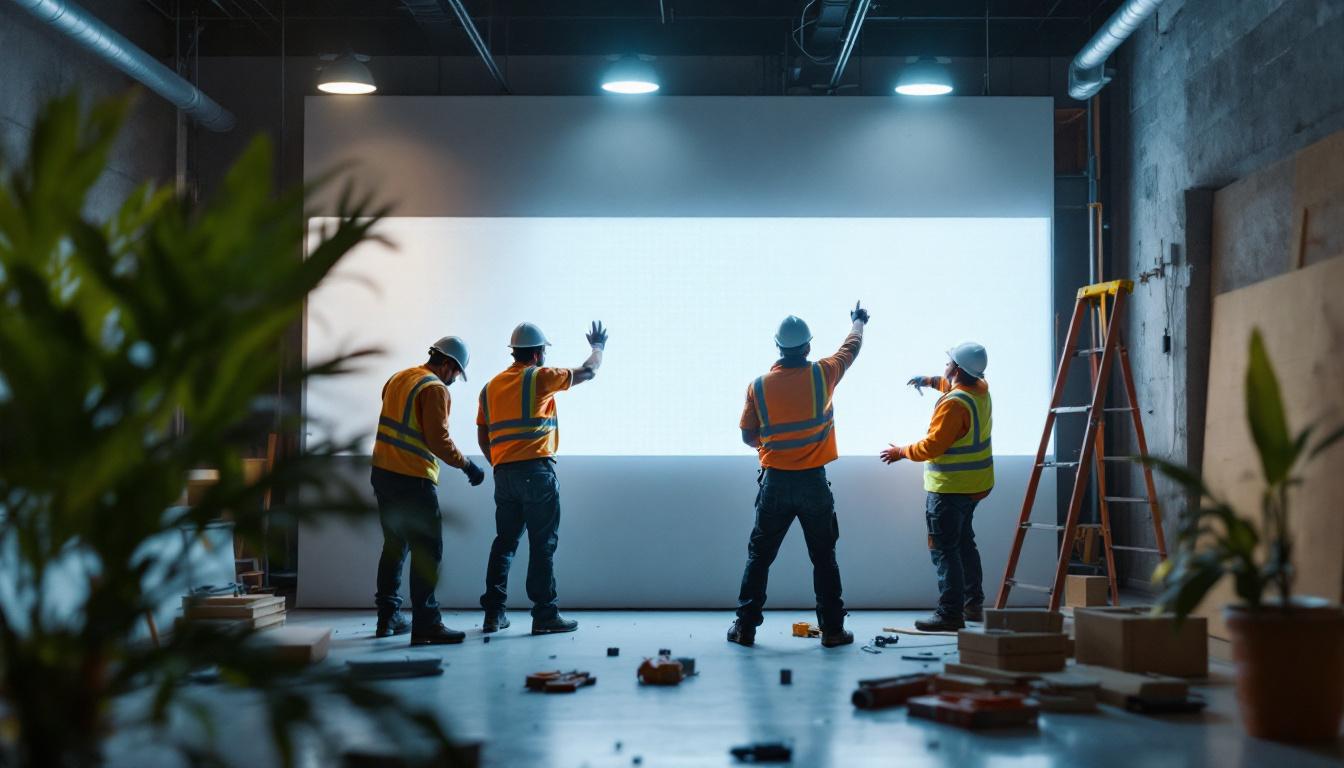
Installation may also require specialized expertise to ensure proper alignment, calibration, and weatherproofing, particularly for outdoor displays exposed to harsh conditions.
Heat Management and Reliability
LEDs generate heat during operation, which can affect performance and lifespan if not properly managed. Effective cooling systems and ventilation are essential components of LED display design, particularly in high-density or enclosed setups.
Manufacturers continually innovate to improve thermal management, but users should remain aware of these factors to maintain optimal display function.
The Future of LED Display Technology
Advancements in MicroLED and MiniLED
Emerging technologies like MicroLED and MiniLED are set to redefine display quality and efficiency. MicroLEDs, with their microscopic size, offer superior brightness, contrast, and energy efficiency without the burn-in issues associated with OLEDs. This makes them ideal for next-generation TVs, smartphones, and augmented reality devices.
MiniLEDs, which use thousands of tiny LEDs as backlights, provide enhanced local dimming capabilities, resulting in better contrast and color accuracy for LCD panels. These innovations are already entering the consumer market, signaling a shift toward more vibrant and durable displays.
Integration with Smart Technologies
LED displays are increasingly being integrated with artificial intelligence, IoT (Internet of Things), and cloud computing to enable smarter content management and interactivity. For example, digital signage can adapt content based on audience demographics, weather conditions, or real-time events, maximizing relevance and impact.
Furthermore, advancements in flexible and transparent LED displays open new possibilities for architectural integration, wearable tech, and immersive environments, expanding the horizons of visual communication.
Conclusion
LED displays have transformed the landscape of visual communication, offering unparalleled brightness, energy efficiency, and versatility. Their applications span numerous industries, from advertising and entertainment to transportation and public information. As technology advances, LED displays continue to evolve, promising even greater performance and innovative features.
Understanding the fundamentals of LED display technology, its benefits, and challenges is essential for businesses and organizations looking to leverage this powerful medium. With careful planning and investment, LED displays can deliver dynamic, engaging, and cost-effective solutions that captivate audiences and enhance brand presence in an increasingly digital world.
Explore Cutting-Edge LED Display Solutions with LumenMatrix
Ready to elevate your visual communication strategy with the latest in LED display technology? LumenMatrix is at the forefront of innovation, offering a diverse range of LED display modules designed to captivate and engage your audience. Whether you need an Indoor LED Wall Display for your corporate headquarters, an Outdoor LED Wall Display for high-impact advertising, or any of our specialized solutions like Vehicle LED Displays, LED Sports Displays, or Custom LED Displays, we have the expertise to bring your vision to life. Experience the future of digital signage with LumenMatrix and transform your brand’s presence. Check out LumenMatrix LED Display Solutions today and start creating unforgettable visual experiences.