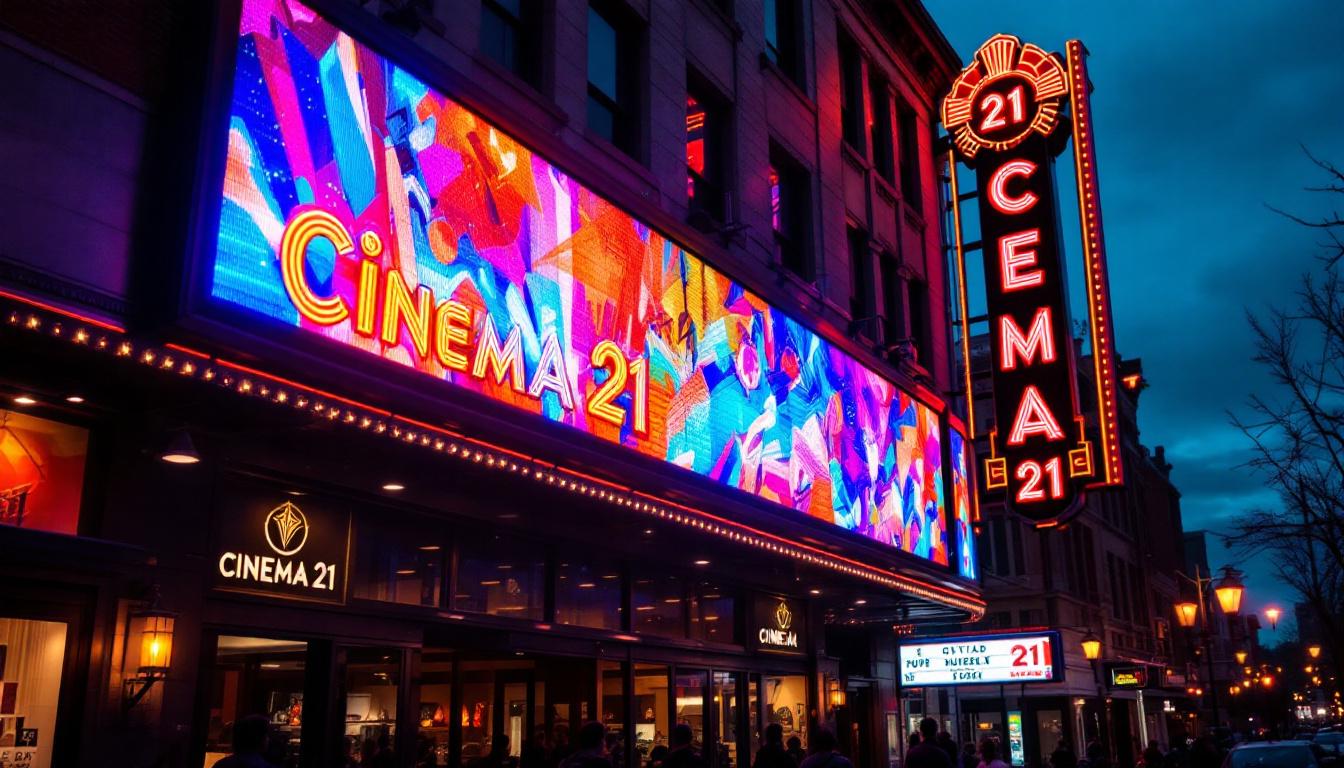
In the evolving world of cinema technology, the introduction of LED displays has marked a significant shift in how audiences experience films. Cinema 21 Pdx, a beloved independent movie theater in Portland, Oregon, has embraced this innovation to enhance its screening quality and overall viewer experience. This article delves into what LED displays are, why they matter in cinema, and how Cinema 21 Pdx is leveraging this technology to set new standards in film presentation.
Understanding LED Displays: The Basics
What is an LED Display?
LED stands for Light Emitting Diode, a semiconductor device that emits light when an electric current passes through it. An LED display is a flat panel that uses these diodes to create images and videos by illuminating tiny pixels. Unlike traditional projection systems that rely on external light sources, LED displays produce their own light, resulting in brighter, sharper images with vibrant colors and deep blacks.
In cinema, LED displays are typically composed of millions of these tiny diodes arranged in a grid, capable of rendering high-definition visuals with exceptional clarity. The technology has been evolving rapidly, and modern cinema LED screens can now rival or even surpass the quality of conventional projection systems. This evolution has led to the integration of advanced features such as high dynamic range (HDR) and wide color gamut (WCG), which further enhance the viewing experience by providing a broader spectrum of colors and improved brightness levels. The result is a more immersive experience for audiences, drawing them deeper into the narrative and emotional resonance of the film.
How LED Displays Differ from Traditional Projection
Traditional movie theaters use projectors that shine light through film or digital media onto a screen. This method depends heavily on the screen’s reflective properties and ambient lighting conditions. In contrast, LED displays are self-illuminating, which means each pixel emits its own light, providing consistent brightness and color accuracy across the entire screen.
One of the key advantages of LED displays is their ability to deliver higher contrast ratios. This means that dark scenes appear truly black rather than grayish, enhancing the cinematic experience, especially in genres like horror or noir films. Additionally, LED screens maintain their brightness and color fidelity over time, whereas projector bulbs degrade and require frequent replacement. Furthermore, LED technology allows for thinner and lighter displays, making them easier to install and configure in various settings, from large cinema halls to intimate home theaters. The flexibility in design also enables creative applications, such as curved screens or massive video walls, which can transform the viewing environment into a dynamic visual experience that captivates audiences in ways traditional projection cannot.
The Rise of LED Technology in Cinemas
Industry Trends and Adoption
The cinema industry has been gradually adopting LED technology over the past decade. According to a 2023 report by the National Association of Theatre Owners (NATO), over 15% of new cinema installations worldwide now feature LED screens, a figure expected to grow to 40% by 2030. This trend is driven by the demand for higher image quality and the operational advantages LED displays offer.
Major cinema chains and independent theaters alike are investing in LED technology to differentiate their offerings. The immersive visual quality of LED screens has proven to increase audience satisfaction and attendance, particularly for premium formats such as IMAX and Dolby Cinema, which emphasize superior picture and sound quality. As audiences become more discerning, the ability to deliver a breathtaking visual experience is paramount, and LED technology is at the forefront of this evolution. The vibrant colors and deep contrasts provided by LED screens create an engaging atmosphere that enhances storytelling, making films more captivating and memorable.
Challenges and Considerations
Despite its benefits, LED technology comes with challenges. The initial installation cost is significantly higher than traditional projection systems, sometimes exceeding $1 million for a single screen, depending on size and resolution. Additionally, LED screens require specialized maintenance and calibration to ensure optimal performance. This can be a barrier for smaller theaters, which may struggle to justify the investment without a guaranteed return. However, as the technology matures and becomes more widely adopted, it is expected that costs will gradually decrease, making it more accessible to a broader range of cinemas.
Another consideration is content compatibility. Films need to be mastered or formatted to take full advantage of LED’s capabilities, including higher dynamic range and wider color gamut. This has led to collaborations between studios and technology providers to produce content optimized for LED cinema displays. Furthermore, the industry is witnessing an increase in the production of films specifically designed for LED experiences, pushing the boundaries of creativity and visual storytelling. As filmmakers become more familiar with LED technology, we can expect innovative techniques that leverage its unique features, ultimately enhancing the cinematic experience for audiences around the globe.
Cinema 21 Pdx and LED Display Integration
Why Cinema 21 Pdx Chose LED Technology
Cinema 21 Pdx has long been a staple in Portland’s film community, known for its curated selection of independent and classic films. The decision to integrate LED display technology was driven by a desire to elevate the viewing experience while preserving the theater’s unique character.
By adopting LED screens, Cinema 21 Pdx aims to offer audiences unparalleled picture quality that complements the artistic nature of its film programming. The theater’s management recognized that enhancing visual fidelity would not only attract cinephiles but also provide a competitive edge in a market increasingly dominated by streaming services and home theaters.
Technical Specifications of Cinema 21’s LED Screen
The LED display installed at Cinema 21 Pdx is a state-of-the-art 4K HDR panel measuring approximately 30 feet wide by 15 feet tall. It features a peak brightness of 600 nits, which is substantially higher than the 14-18 foot-lamberts typical of traditional cinema projection. This brightness ensures vivid images even in rooms with ambient light, making the theater more versatile for various screening conditions.
The screen boasts a contrast ratio exceeding 1,000,000:1, enabling deep blacks and vibrant colors. Its pixel pitch—the distance between individual LEDs—is less than 1.2 millimeters, ensuring a seamless and detailed image even when viewed up close. The display supports a wide color gamut, covering over 90% of the DCI-P3 color space, the industry standard for digital cinema.
Benefits of LED Displays for Cinema Audiences
Enhanced Visual Experience
One of the most immediate benefits of LED cinema screens is the dramatic improvement in image quality. Audiences at Cinema 21 Pdx can expect sharper images with more accurate colors and greater detail in both bright and dark scenes. This enhancement significantly impacts the emotional and immersive aspects of film viewing.
For example, films with complex visual effects or rich cinematography—such as the recent Oscar-winning “Everything Everywhere All at Once”—gain an added dimension of realism and depth. The enhanced contrast and color accuracy bring out subtle nuances that might be lost on traditional screens.
Consistent Performance and Reliability
Unlike projectors that can suffer from bulb degradation, alignment issues, or dust accumulation, LED displays offer consistent performance over time. Cinema 21 Pdx benefits from reduced downtime and maintenance costs, ensuring that screenings run smoothly without technical interruptions.
This reliability also means that the theater can schedule more screenings and special events without worrying about equipment failure, improving operational efficiency and audience satisfaction.
Energy Efficiency and Environmental Impact
LED technology is more energy-efficient compared to traditional projection systems, consuming up to 50% less power. This reduction aligns with Cinema 21 Pdx’s commitment to sustainability and reducing its carbon footprint. Lower energy consumption not only benefits the environment but also reduces operational costs, allowing the theater to allocate resources to other areas such as programming and community outreach.
Future Prospects: What’s Next for Cinema 21 Pdx and LED Displays?
Expanding LED Technology Across the Theater
Following the successful integration of the LED screen in its primary auditorium, Cinema 21 Pdx is exploring options to expand LED technology to other screening rooms. This move would standardize the viewing experience across the venue and allow for more flexible programming, including live broadcasts, film festivals, and interactive events.
Additionally, the theater is investigating the use of micro-LED technology, which promises even higher resolution and energy efficiency. As costs decrease, micro-LED could become the next frontier in cinema display innovation.
Collaborations and Community Engagement
Cinema 21 Pdx plans to leverage its LED capabilities to host special events that showcase the technology’s strengths. These include film restoration screenings, director Q&As with live visuals, and partnerships with local filmmakers to premiere works that utilize advanced color grading and HDR mastering.
Such initiatives will not only highlight the theater’s technological edge but also reinforce its role as a cultural hub in Portland’s vibrant arts scene.
Conclusion
The adoption of LED display technology at Cinema 21 Pdx represents a significant advancement in the cinematic experience, blending cutting-edge innovation with the theater’s independent spirit. By investing in LED screens, the theater offers audiences brighter, sharper, and more immersive visuals while enhancing operational reliability and sustainability.
As LED technology continues to evolve and become more accessible, Cinema 21 Pdx is well-positioned to remain at the forefront of cinema exhibition, providing a compelling alternative to home viewing and large multiplexes. For movie lovers in Portland and beyond, this means more memorable film experiences in a setting that honors both tradition and progress.
Discover the Future of Visual Experience with LumenMatrix
As Cinema 21 Pdx takes a bold step into the future with LED display technology, you too can transform your visual storytelling and brand engagement. LumenMatrix, a pioneer in LED display innovation, offers a wide array of solutions tailored to your needs, from Indoor and Outdoor LED Wall Displays to specialized options like Vehicle and Floor LED Displays. Embrace the revolution in visual communication and create unforgettable experiences with LumenMatrix’s advanced LED display modules. Check out LumenMatrix LED Display Solutions today and see your vision come to life in vibrant clarity.