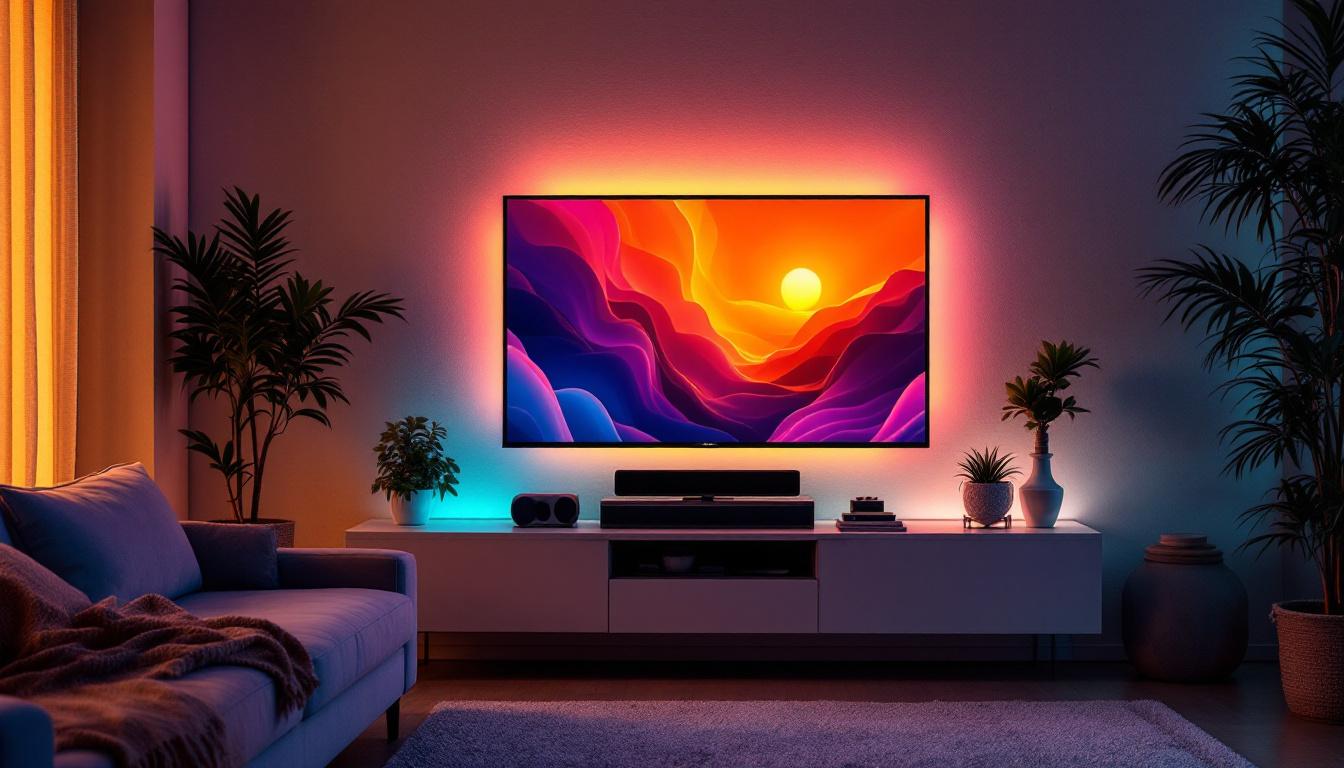
In recent years, LED technology has transformed the way we experience visual media, especially in home entertainment setups. LED lights around TVs have become increasingly popular, not just for their aesthetic appeal but also for their ability to enhance viewing experiences. This article delves into the world of LED displays and LED lighting around TVs, explaining how they work, their benefits, and how to choose the best setup for your space.
Understanding LED Technology in Television Displays
What Are LED Displays?
LED stands for Light Emitting Diode, a semiconductor device that emits light when an electric current passes through it. In the context of television displays, LED technology refers to the use of these diodes as a backlighting source for LCD (Liquid Crystal Display) panels. Unlike older CCFL (Cold Cathode Fluorescent Lamp) backlights, LEDs offer greater brightness, energy efficiency, and color accuracy.
Modern LED TVs are essentially LCD TVs that use LED backlighting. This distinction is important because the term “LED TV” can sometimes be misleading; the screen itself is not made of LEDs but is illuminated by them. The result is a thinner, more energy-efficient television with improved picture quality. Additionally, the advancements in LED technology have allowed manufacturers to create screens that can display a wider color gamut, resulting in more vibrant and lifelike images. This is particularly noticeable when watching high-definition content or films that utilize rich color palettes.
Types of LED Backlighting
There are primarily three types of LED backlighting used in TVs:
- Edge-lit LED: LEDs are positioned along the edges of the screen, and light is spread across the display using light guides. This allows for very slim TV designs but can sometimes result in uneven brightness.
- Direct-lit LED: LEDs are placed directly behind the screen, providing more uniform lighting but generally resulting in a thicker panel.
- Full-array LED with local dimming: This is the premium option where a grid of LEDs is placed behind the entire screen, and individual zones can be dimmed or brightened independently. This technology improves contrast ratios and black levels significantly.
Each type of backlighting has its own advantages and disadvantages, influencing not only the design of the television but also the viewing experience. For instance, edge-lit models are often more affordable and easier to mount due to their slim profiles, making them a popular choice for casual viewers. However, for those who prioritize picture quality, full-array LED with local dimming is often the preferred choice, as it enhances the depth of blacks and the overall dynamic range of the image. As consumers become more discerning about display quality, the demand for advanced backlighting technologies continues to rise, pushing manufacturers to innovate and improve their offerings.
Moreover, the integration of smart features in LED TVs has transformed the way viewers interact with their screens. Many modern LED TVs come equipped with built-in streaming services, voice control capabilities, and even artificial intelligence that can enhance picture settings based on the content being viewed. This convergence of LED technology with smart features not only elevates the viewing experience but also positions LED displays as central hubs for home entertainment, catering to a wide array of multimedia consumption needs.
LED Lights Around TV: Enhancing Ambience and Viewing Experience
What Are LED Lights Around TVs?
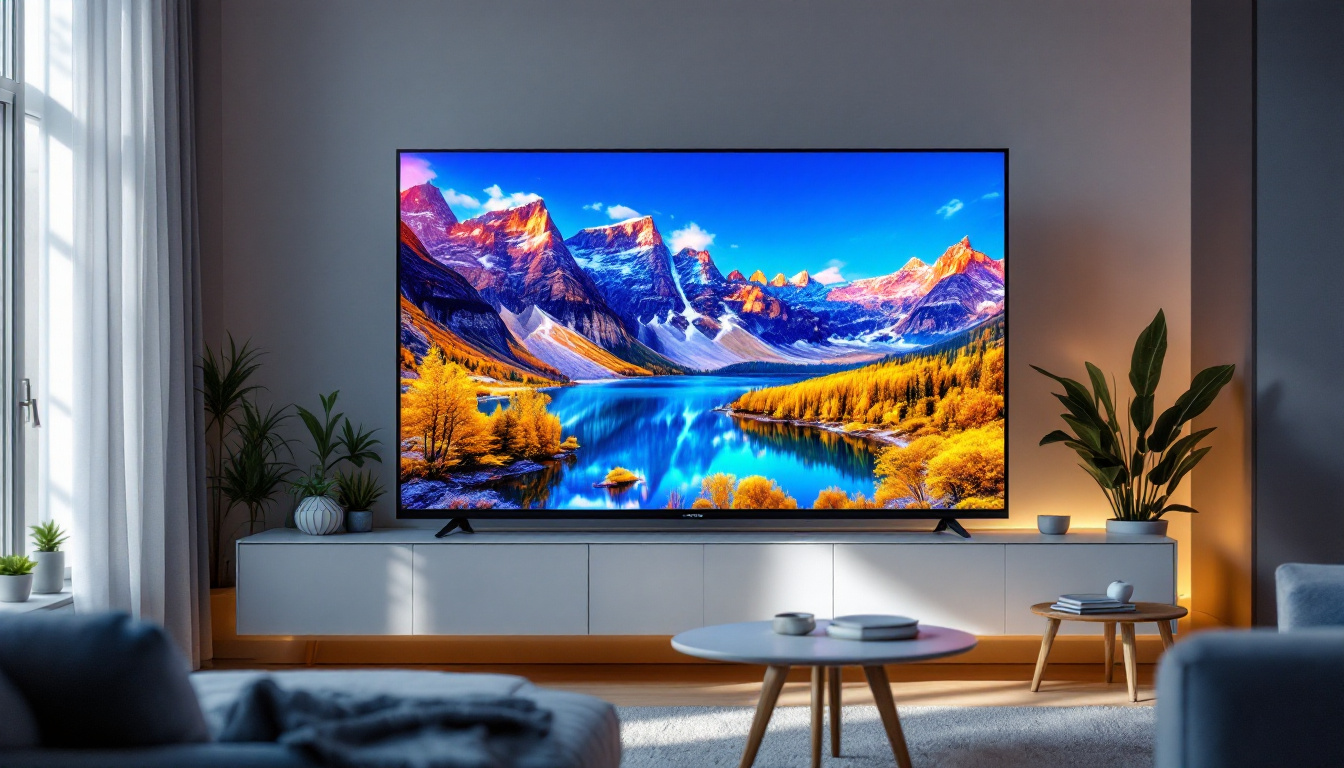
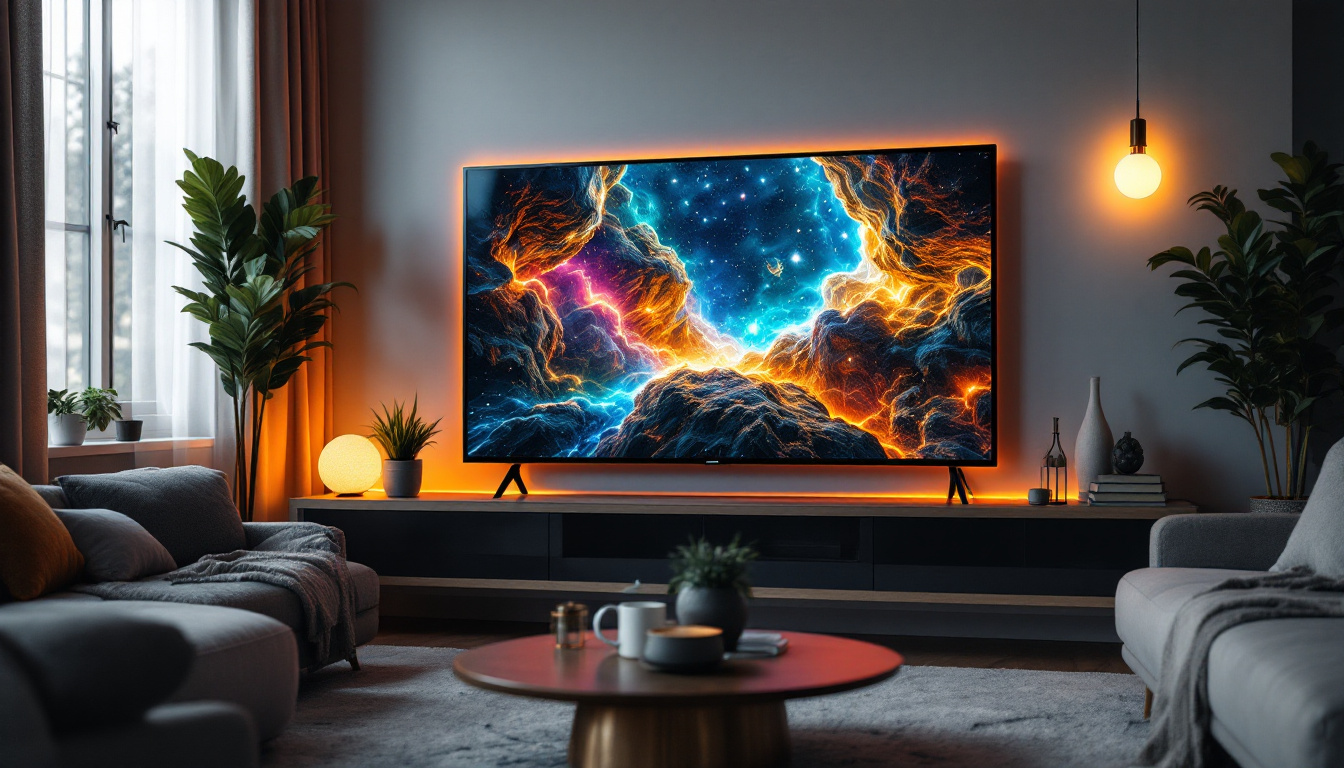
LED lights around TVs typically refer to LED strips or bias lighting installed on the back or edges of the television. These lights can be static or dynamic, capable of changing colors and brightness based on user preferences or the content being displayed. They serve both aesthetic and functional purposes.
Bias lighting is a technique where a soft light source is placed behind the TV to reduce eye strain and improve perceived contrast. This is especially useful in dark rooms where the stark contrast between a bright screen and a dark environment can cause discomfort.
Benefits of LED Lighting Around TVs
Adding LED lights around your TV offers several advantages:
- Reduced Eye Strain: Bias lighting helps prevent eye fatigue by reducing the contrast between the bright screen and the dark room, making long viewing sessions more comfortable.
- Enhanced Picture Quality: Properly placed LED bias lighting can improve perceived contrast and color accuracy, making images appear more vivid.
- Customizable Ambience: LED strips with RGB capabilities allow users to customize colors and effects, creating immersive environments that complement the content or room décor.
- Energy Efficiency: LED lights consume minimal power compared to traditional lighting, making them an eco-friendly addition to your home theater setup.
Popular LED Lighting Systems for TVs
Several LED lighting products are designed specifically for TVs. Some popular options include:
- Philips Hue Play Gradient Lightstrip: This premium product syncs with your TV content, projecting colors that match the on-screen action to create an immersive experience.
- Govee Immersion LED Strip Lights: Known for affordability and ease of installation, these lights use a camera to capture screen colors and adjust the LEDs accordingly.
- LIFX Z LED Strip: Offers vibrant colors and integrates with smart home systems, allowing voice control and automation.
How LED Lighting Around TVs Works: Technical Insights
Bias Lighting and Its Impact on Visual Perception
Bias lighting works by placing a light source behind the TV, which illuminates the wall or surface behind the screen. This soft, indirect light reduces the pupil dilation caused by watching a bright screen in a dark room, which can lead to eye strain.
Studies have shown that bias lighting with a color temperature around 6500K (close to daylight) is optimal for improving perceived contrast without affecting color accuracy. This is why many LED bias lighting kits are designed to emit neutral white light or adjustable colors within this range.
Dynamic LED Lighting and Screen Synchronization
Advanced LED lighting systems use real-time screen analysis to dynamically adjust the colors of the LEDs around the TV. This synchronization can be achieved through various methods:
- Camera-based systems: A small camera captures the colors on the screen and sends data to the LED controller to adjust the lights accordingly.
- Software-based solutions: Some systems use software that analyzes the video signal directly from the media source, allowing for precise color matching.
This dynamic lighting enhances immersion by extending the colors beyond the screen, creating a more engaging viewing environment. Gamers and movie enthusiasts particularly appreciate this feature for its ability to deepen the sense of presence.
Choosing the Right LED Lighting Setup for Your TV
Considerations for Size and Placement
The size of your TV and the room layout play crucial roles in selecting LED lighting. For smaller TVs (under 50 inches), a simple LED strip placed along the back edges might suffice. Larger screens benefit from full perimeter lighting or gradient light strips to ensure even color distribution.
Placement is equally important. Most bias lighting kits are designed to be attached to the back edges of the TV, facing the wall. This placement ensures indirect lighting that doesn’t interfere with the screen’s visibility but enhances the overall viewing experience.
Color and Brightness Options
While neutral white bias lighting is ideal for reducing eye strain and improving contrast, RGB LED strips offer flexibility for mood lighting. Many users prefer the ability to switch between functional white light during movie watching and colorful ambient lighting for parties or casual viewing.
Brightness control is essential to avoid overpowering the room or washing out the TV image. Look for LED kits with adjustable brightness levels and remote or app control for convenience.
Compatibility and Integration
If you have a smart home setup, consider LED lighting systems that integrate with platforms like Amazon Alexa, Google Assistant, or Apple HomeKit. Voice control and automation can enhance user experience, allowing you to adjust lighting without interrupting your viewing.
Additionally, check compatibility with your TV and media devices, especially if you want dynamic lighting synchronized with on-screen content.
Installation Tips and Maintenance for LED Lights Around TVs
Simple Installation Steps
Most LED strip lighting kits are designed for easy installation. Here are general steps to follow:
- Clean the surface: Wipe the back of the TV to remove dust and ensure the adhesive sticks properly.
- Measure and cut: If the LED strip is too long, cut it at the designated points.
- Attach the strip: Peel off the adhesive backing and carefully stick the strip along the back edges of the TV.
- Connect power and controller: Plug in the LED strip to the power source and connect any controllers or hubs.
- Configure settings: Use the remote or app to adjust colors, brightness, and effects.
Maintenance and Troubleshooting
LED strips are generally low maintenance, but here are some tips to keep them functioning well:
- Avoid moisture: Keep the LED strips dry to prevent damage.
- Check connections: Ensure all plugs and connectors are secure to avoid flickering or outages.
- Clean gently: Dust the strips occasionally with a soft cloth to maintain brightness.
- Replace damaged sections: If parts of the strip fail, many kits allow you to replace individual segments without buying a whole new set.
The Future of LED Technology in Home Entertainment
Emerging Trends in LED Displays
LED technology continues to evolve rapidly. MicroLED and MiniLED displays are the next generation of LED-based TVs, offering even better contrast, brightness, and energy efficiency. MicroLED, in particular, uses microscopic LEDs as individual pixels, eliminating the need for a backlight and enabling perfect blacks and vibrant colors.
These advances promise to further blur the lines between LED lighting around TVs and the display itself, potentially integrating ambient lighting directly into the screen’s design.
Smart and Adaptive Lighting Systems
As smart home ecosystems grow, LED lighting around TVs will become more intelligent and adaptive. Future systems may automatically adjust lighting based on time of day, content type, or even viewer preferences learned through AI. Integration with virtual reality (VR) and augmented reality (AR) could also expand immersive experiences beyond the screen.
Conclusion
LED lights around TVs are more than just decorative elements; they are functional tools that enhance viewing comfort and immersion. Understanding the technology behind LED displays and bias lighting helps consumers make informed choices about their home entertainment setups. Whether seeking eye strain relief, improved picture quality, or customizable ambience, LED lighting solutions offer versatile benefits that can transform any TV viewing experience.
As LED and display technologies continue to advance, the future holds exciting possibilities for even more immersive and visually stunning home entertainment environments.
Discover the Future of Home Entertainment with LumenMatrix
Ready to elevate your home entertainment experience with the latest in LED display technology? LumenMatrix is at the forefront of innovation, offering a wide range of LED display solutions that bring your visual experiences to life. From the comfort of your living room to the excitement of outdoor events, our Indoor and Outdoor LED Wall Displays, Vehicle LED Displays, and more, are designed to captivate and engage. Embrace the future of visual communication and transform your space with our cutting-edge LED display modules. Check out LumenMatrix LED Display Solutions today and see the difference for yourself.