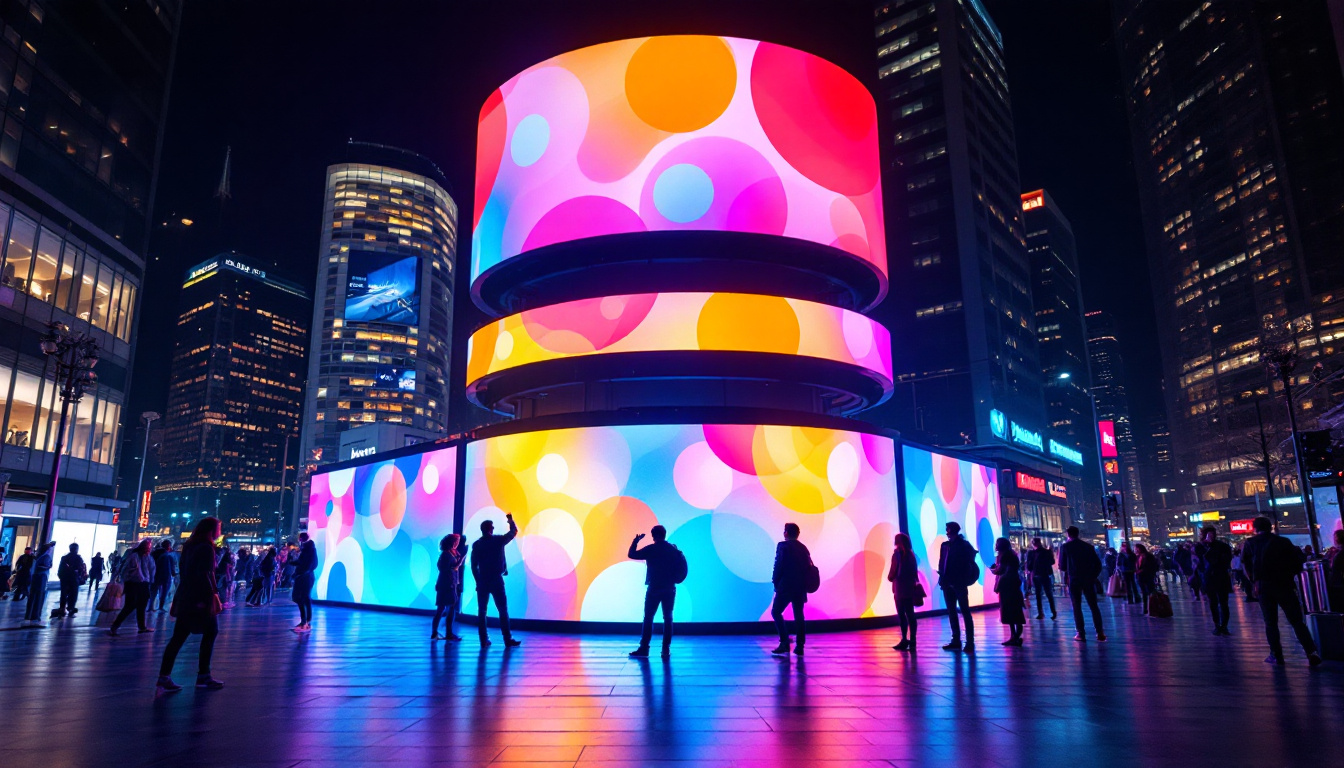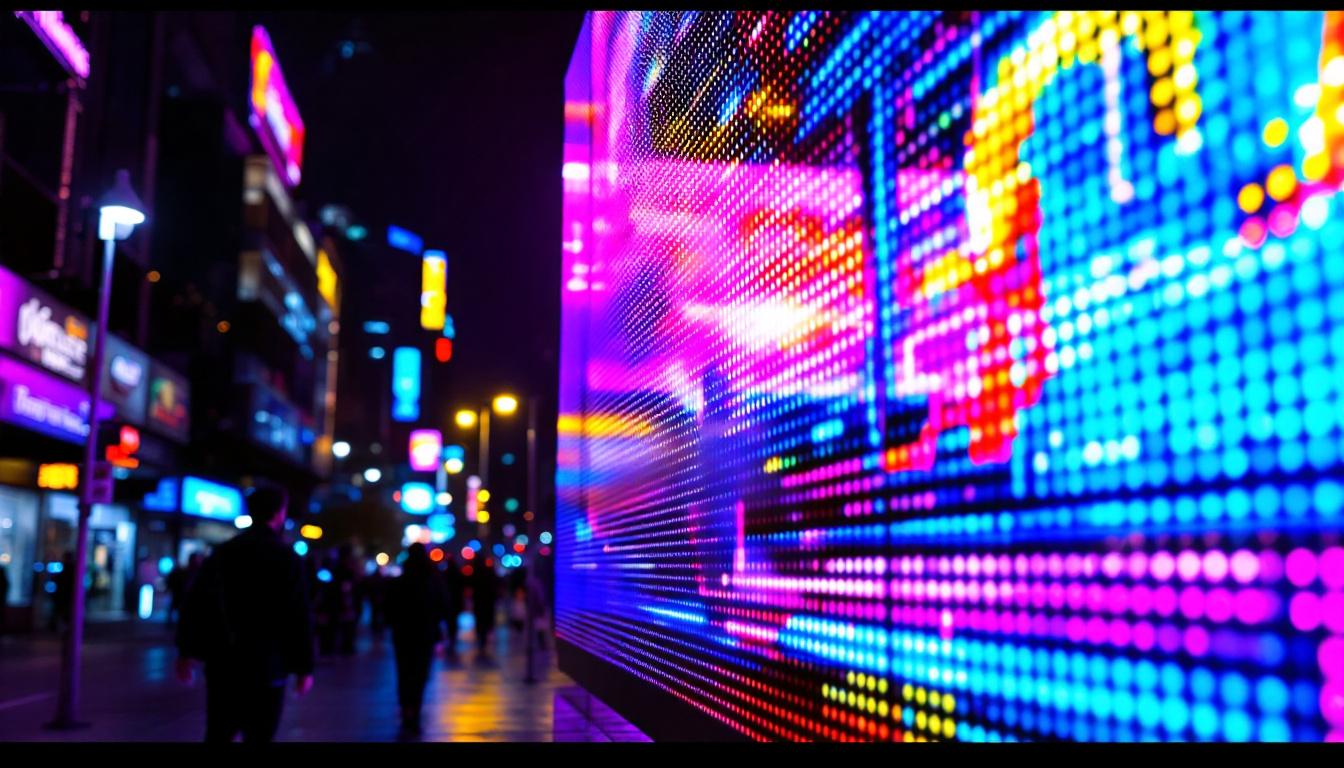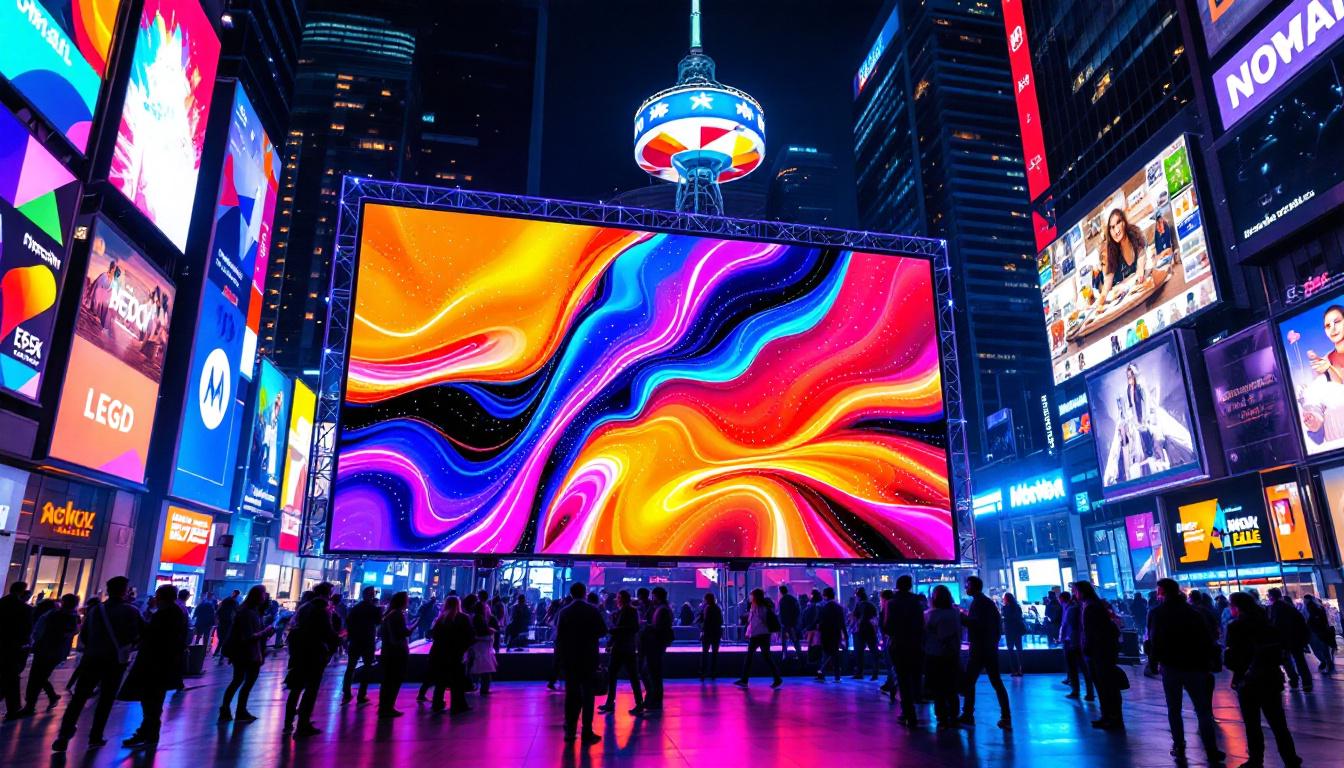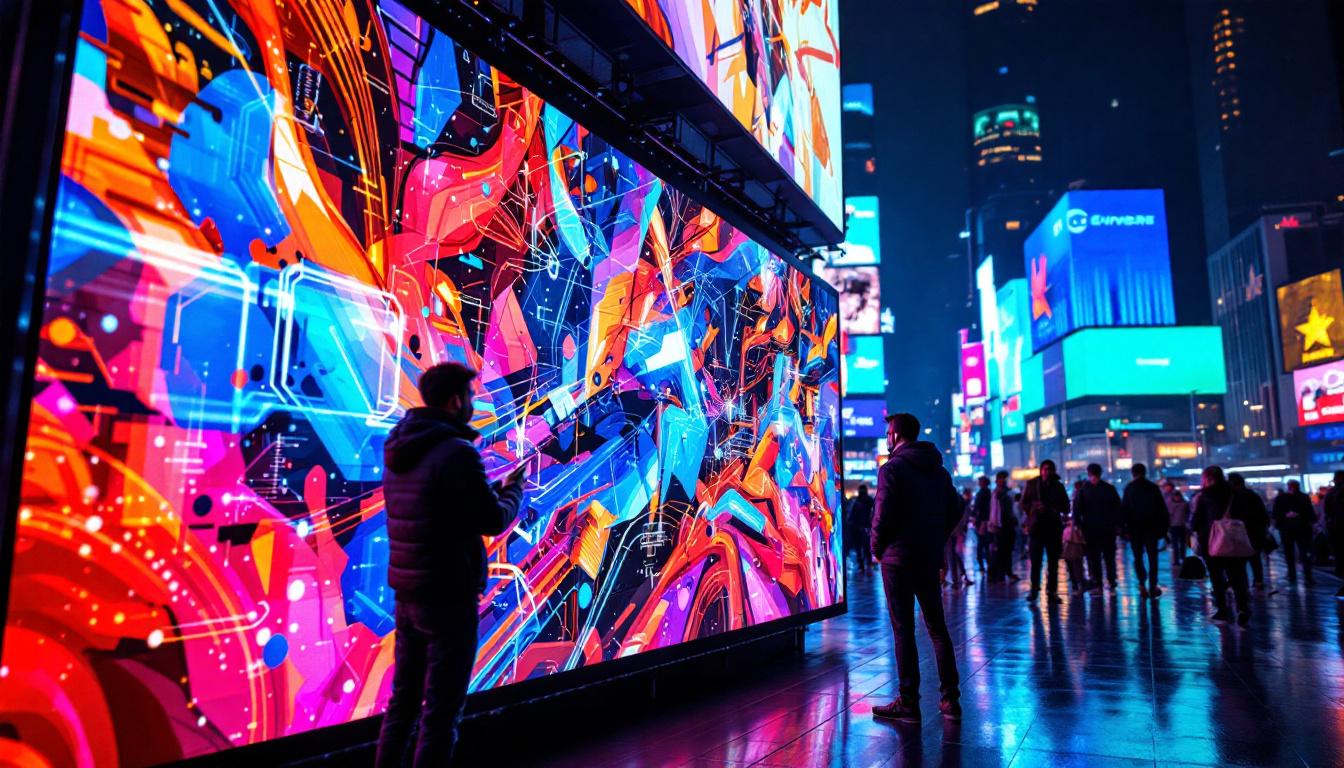
In recent years, LED technology has revolutionized the way we experience visual displays, transforming everything from advertising billboards to immersive art installations. Among the most captivating applications of this technology is the creation of “LED lights clouds” — dynamic, three-dimensional arrays of LED lights that simulate the appearance and movement of clouds. These installations combine cutting-edge LED display technology with innovative design to create mesmerizing visual experiences that captivate audiences worldwide.
This article explores the fascinating world of LED lights clouds, explaining the technology behind these installations, their applications, and the future potential of LED display systems. Whether you are a designer, event organizer, or simply curious about modern display technology, this comprehensive guide will illuminate the key concepts and trends shaping this exciting field.
Understanding LED Display Technology
What is an LED Display?
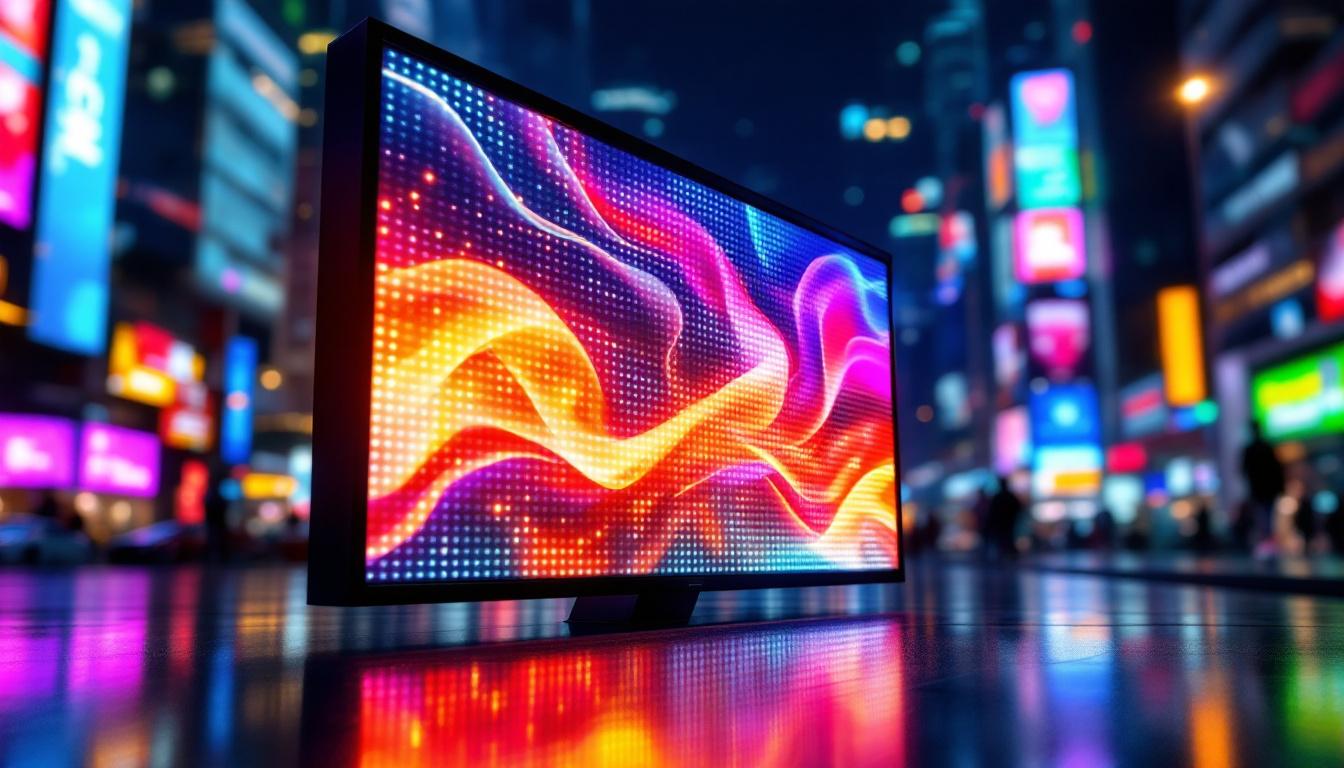
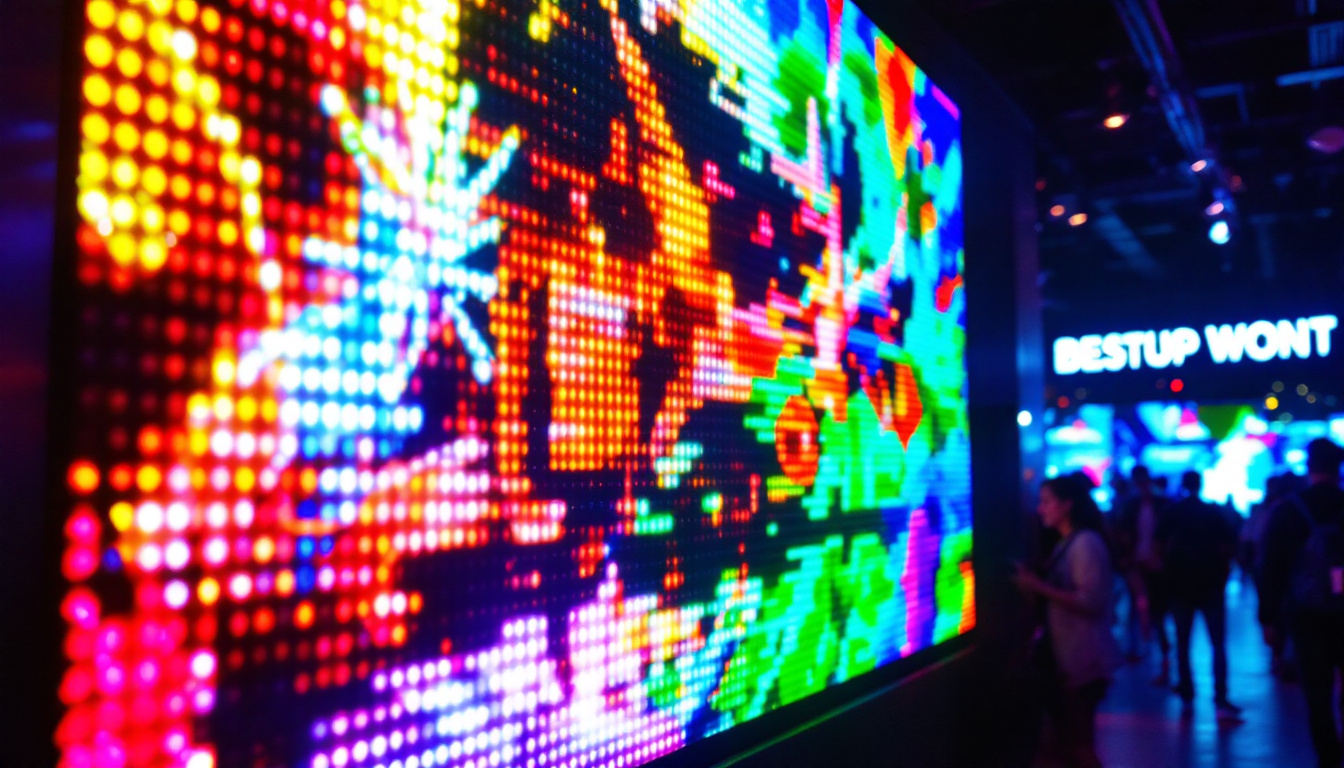
LED stands for Light Emitting Diode, a semiconductor device that emits light when an electric current passes through it. LED displays use thousands or even millions of these tiny diodes arranged in a grid to create images, videos, and animations. Unlike traditional LCD or plasma screens, LED displays are known for their brightness, energy efficiency, and durability.
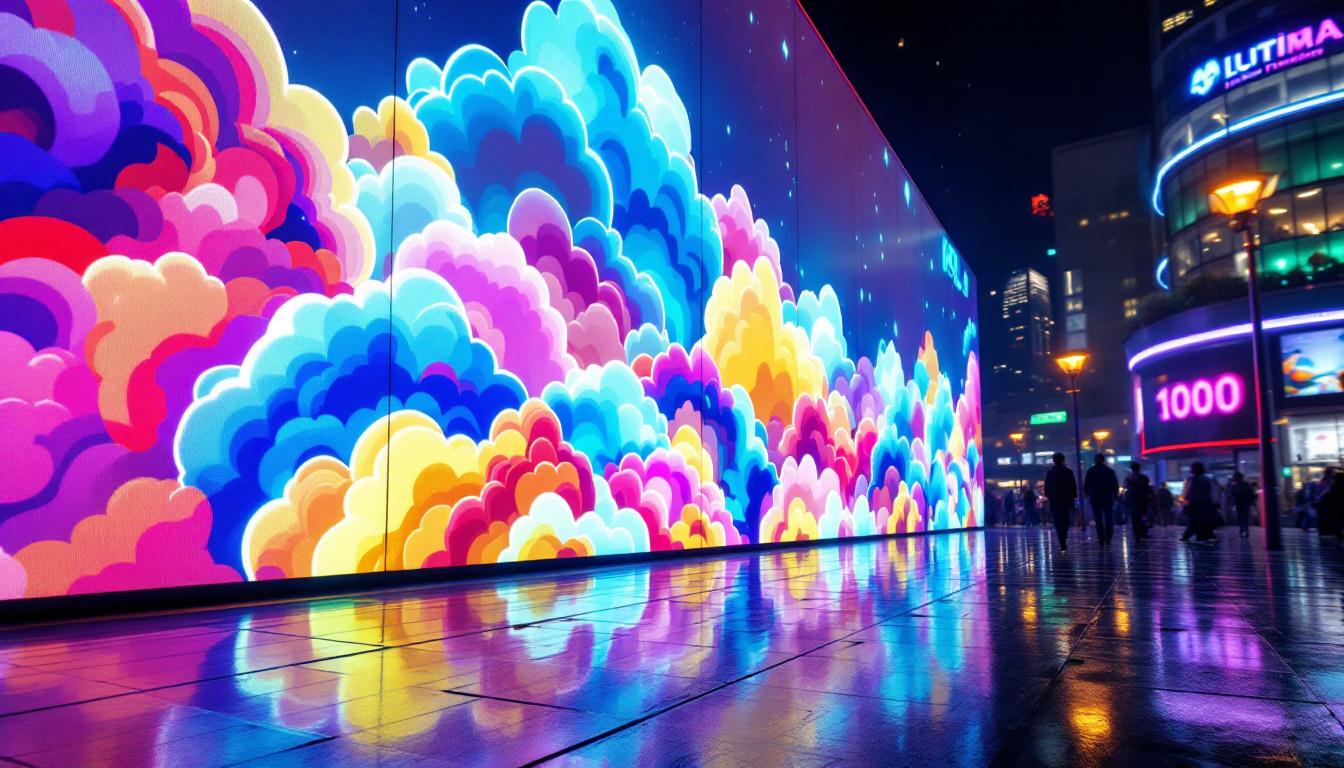
LED displays come in various forms, including flat panels, curved screens, and even flexible strips. The versatility of LEDs allows for innovative configurations, such as the “cloud” formations that suspend LED nodes in three-dimensional space, enabling immersive visual effects that go beyond the flat screen.
How Do LED Lights Clouds Work?
LED lights clouds are essentially volumetric LED displays composed of suspended LED nodes or clusters arranged to mimic the shape and texture of clouds. These nodes are often hung from ceilings or integrated into large-scale frameworks, with precise spacing and control mechanisms to create the illusion of floating, glowing clouds.
The key to their magic lies in advanced control systems that synchronize the illumination and color of each LED node. By programming dynamic light patterns, designers can simulate cloud movements, weather phenomena, or abstract visuals that respond to music or environmental inputs. The result is a captivating, ever-changing light sculpture that blurs the line between technology and art.
Applications of LED Lights Clouds
Entertainment and Events
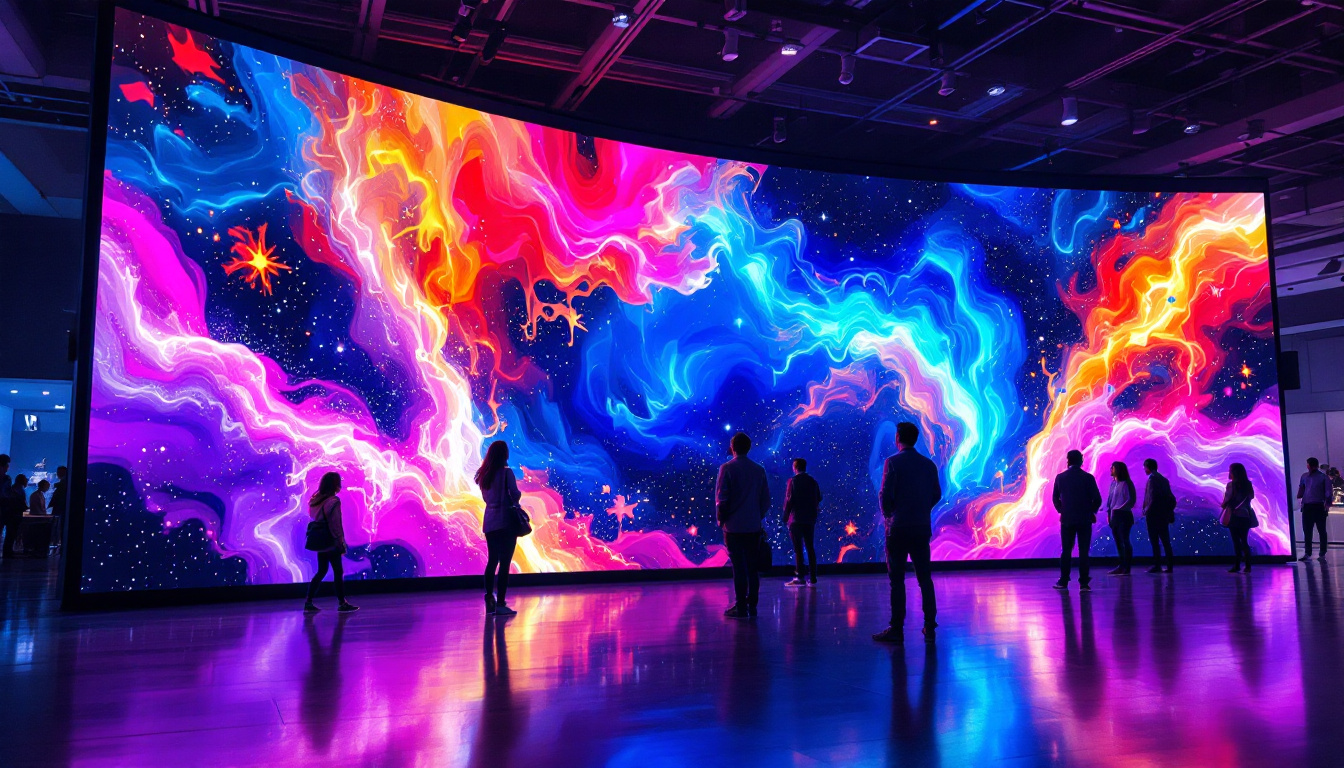
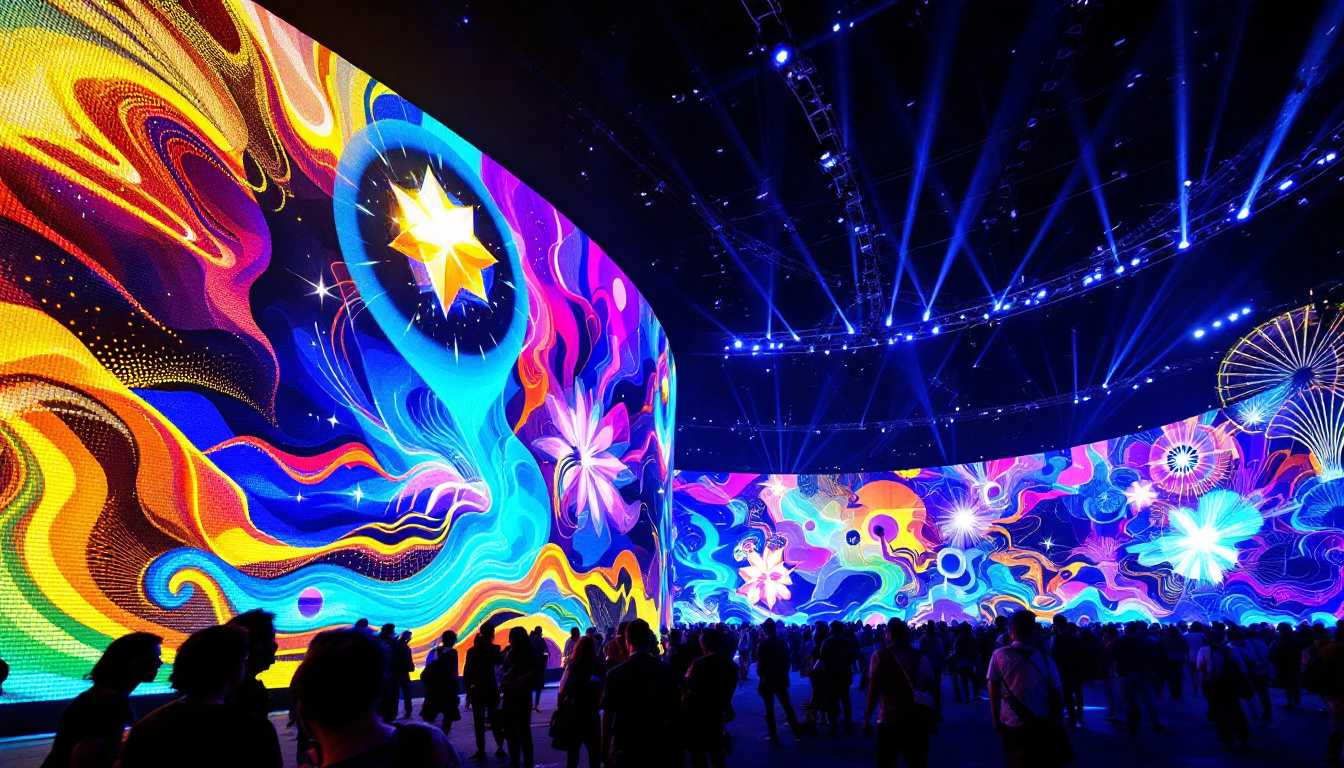
LED lights clouds have become increasingly popular in the entertainment industry, where immersive experiences are highly valued. Concerts, festivals, and theatrical productions use these installations to create dramatic atmospheres and enhance storytelling. For example, a music festival might feature a massive LED cloud installation that pulses and shifts color in sync with the beat, creating a shared sensory experience for attendees.
Moreover, theme parks and museums incorporate LED clouds into their exhibits to engage visitors with interactive and visually stunning displays. The ability to simulate natural phenomena like thunderstorms or sunrise within an indoor environment adds a new dimension to experiential design.
Retail and Advertising
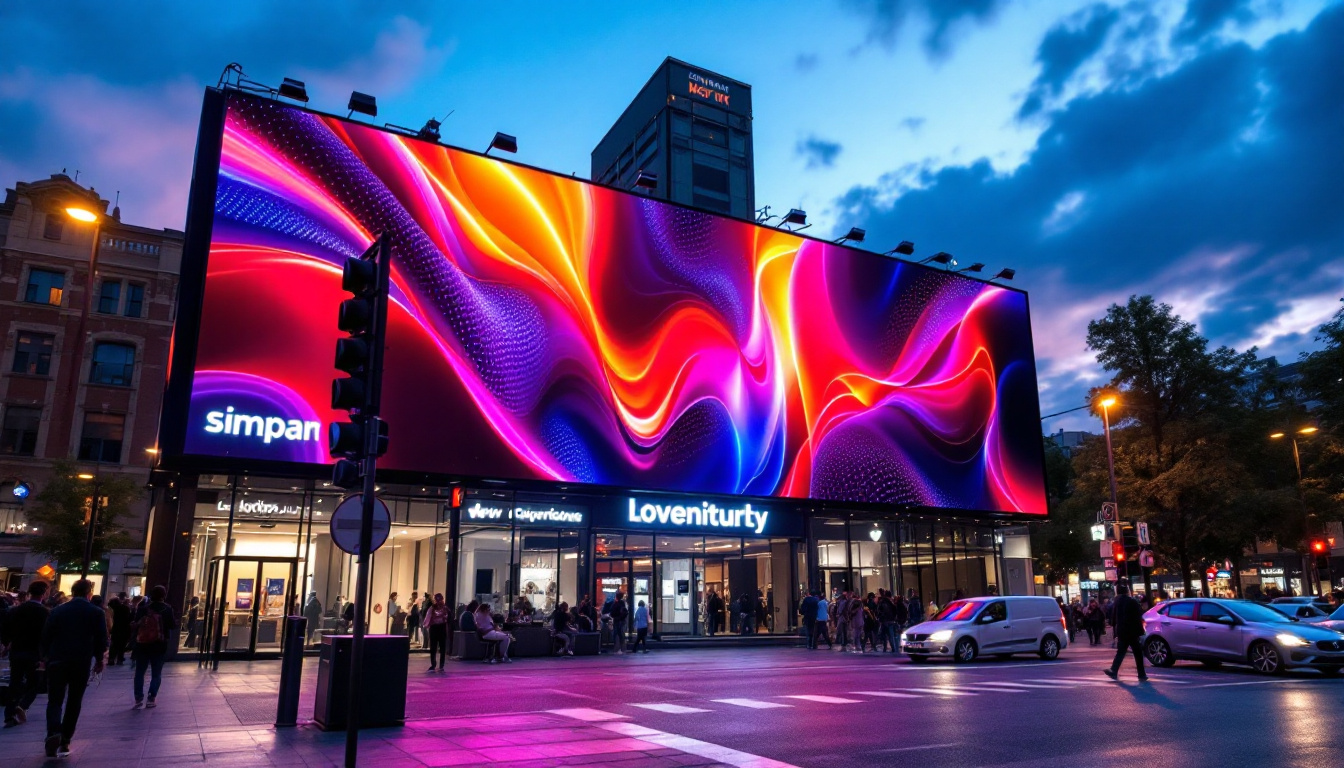
Retail spaces and advertising campaigns increasingly leverage LED lights clouds to attract attention and differentiate their brand presence. Unlike traditional billboards or screens, these installations offer a unique, eye-catching spectacle that draws customers into a store or event space.
Brands use LED clouds to showcase product launches, create immersive brand environments, or simply enhance the ambiance of retail locations. For instance, a luxury fashion store might install a gentle, softly glowing LED cloud to evoke elegance and serenity, aligning with the brand’s identity.
Architectural and Interior Design
Architects and interior designers are exploring LED lights clouds as innovative lighting solutions that combine functionality with aesthetic appeal. These installations can serve as ambient lighting features in hotels, restaurants, and corporate offices, providing customizable illumination that adapts to mood and occasion.
Because LED clouds can be programmed to change color and intensity, they offer dynamic lighting options that traditional fixtures cannot match. This flexibility enhances spatial experience and allows designers to create environments that feel alive and responsive.
Technical Components of LED Lights Clouds
LED Nodes and Modules
The fundamental building blocks of LED lights clouds are the LED nodes or modules. These are small units containing one or more LEDs, often enclosed in weather-resistant casings for durability. The size, shape, and brightness of these nodes vary depending on the installation’s requirements.
High-quality LED nodes use RGB (Red, Green, Blue) LEDs to produce a full spectrum of colors. Advanced models may include additional colors such as white or amber to achieve more natural and nuanced lighting effects. The nodes are connected via cables or wireless systems to a central controller that manages their operation.
Control Systems and Software
Controlling an LED lights cloud requires sophisticated hardware and software. The control system manages the timing, color, brightness, and patterns of each LED node, enabling the creation of complex animations and interactive effects.
Modern LED cloud installations often use DMX or Art-Net protocols for communication between controllers and LED nodes. Software platforms allow designers to program sequences, synchronize lighting with audio, and even respond to real-time data inputs such as weather or audience movement.
Power and Installation Considerations
Power supply and installation logistics are critical factors for LED lights clouds. Because these installations can include thousands of LED nodes, ensuring consistent power delivery without excessive heat generation is essential. Efficient power management systems and heat dissipation designs help maintain performance and longevity.
Installation requires careful planning to suspend nodes securely and achieve the desired spatial arrangement. Structural support, cable management, and accessibility for maintenance must be considered during the design phase to ensure safety and reliability.
Advantages of LED Lights Clouds
Energy Efficiency and Longevity
LED technology is renowned for its energy efficiency, consuming significantly less power than incandescent or fluorescent lighting. This makes LED lights clouds a sustainable choice for long-term installations, reducing operational costs and environmental impact.
Additionally, LEDs have a long lifespan, often exceeding 50,000 hours of operation. This durability minimizes maintenance requirements and downtime, making LED clouds practical for commercial and public spaces.
Customization and Flexibility
One of the greatest strengths of LED lights clouds is their high degree of customization. Designers can tailor the size, shape, color palette, and animation sequences to suit specific themes or brand identities. This flexibility allows for unique, site-specific installations that stand out.
Moreover, the ability to reprogram LED clouds means that the same installation can be refreshed or adapted for different events and seasons, maximizing return on investment.
Immersive and Engaging Experiences
LED lights clouds create immersive environments that engage multiple senses, enhancing emotional and psychological impact. Their three-dimensional form and dynamic lighting can evoke moods ranging from calm serenity to energetic excitement, making them powerful tools for storytelling and brand communication.
Research in experiential marketing shows that immersive installations significantly increase audience engagement and memorability, highlighting the value of LED clouds in competitive markets.
Challenges and Considerations
Cost and Complexity
Despite their benefits, LED lights clouds can be expensive to design, manufacture, and install. The complexity of the control systems and the need for precise engineering contribute to higher upfront costs compared to traditional lighting solutions.
However, as LED technology continues to advance and economies of scale improve, prices are gradually becoming more accessible for a wider range of applications.
Technical Limitations
Creating truly volumetric and high-resolution LED clouds remains a technical challenge. The spacing between LED nodes affects the perceived image quality, and achieving fine detail requires dense arrays that increase cost and complexity.
Additionally, ambient lighting conditions can impact visibility, so installations must be carefully designed to optimize contrast and brightness for their environment.
Maintenance and Durability
Maintaining large-scale LED clouds involves regular cleaning, inspection, and occasional replacement of faulty nodes. Suspended installations can be difficult to access, requiring specialized equipment and safety protocols.
Ensuring durability against environmental factors such as humidity, temperature fluctuations, and dust is essential to prevent premature failure.
The Future of LED Lights Clouds
Integration with Smart Technologies
The future of LED lights clouds lies in integration with smart technologies such as IoT (Internet of Things), AI (Artificial Intelligence), and real-time data analytics. These advancements will enable LED clouds to respond dynamically to environmental cues, user interactions, or external data streams.
For example, an LED cloud installation in a public space could change its appearance based on weather forecasts, air quality data, or crowd density, creating a responsive and context-aware experience.
Advancements in Materials and Design
Emerging materials such as flexible OLEDs and micro-LEDs promise to enhance the resolution, flexibility, and energy efficiency of LED clouds. These innovations will allow for even more intricate and lifelike cloud formations, expanding creative possibilities.
Additionally, advances in lightweight structural materials and modular design will simplify installation and maintenance, making LED clouds more accessible to a broader range of venues.
Expanding Applications
Beyond entertainment and retail, LED lights clouds are poised to find new applications in healthcare, education, and urban design. For instance, hospitals could use calming LED cloud installations to reduce patient stress, while educational institutions might employ them to visualize scientific phenomena.
Urban planners may incorporate LED clouds into public art and lighting schemes to enhance nighttime environments and promote community engagement.
Conclusion
LED lights clouds represent a remarkable fusion of technology, art, and design, offering immersive visual experiences that captivate and inspire. By harnessing the power of LED displays arranged in three-dimensional formations, these installations push the boundaries of traditional lighting and display technology.
As LED technology continues to evolve, LED lights clouds will become more sophisticated, accessible, and integrated into diverse environments. Their ability to create dynamic, customizable, and energy-efficient lighting solutions makes them a compelling choice for designers, brands, and public spaces seeking to engage audiences in innovative ways.
Understanding the technical aspects, applications, and future trends of LED lights clouds equips professionals and enthusiasts alike to appreciate and harness this exciting technology’s full potential.
Illuminate Your Space with LumenMatrix
Ready to elevate your environment with the latest in LED display technology? LumenMatrix is at the forefront of creating immersive visual experiences that transform any space. From Indoor and Outdoor LED Wall Displays to innovative solutions like Vehicle LED Displays and LED Transparent Displays, our products are designed to captivate and engage. Discover how LumenMatrix can revolutionize your visual communication and bring your space to life. Check out LumenMatrix LED Display Solutions and join the future of dynamic, energy-efficient lighting and display technology.