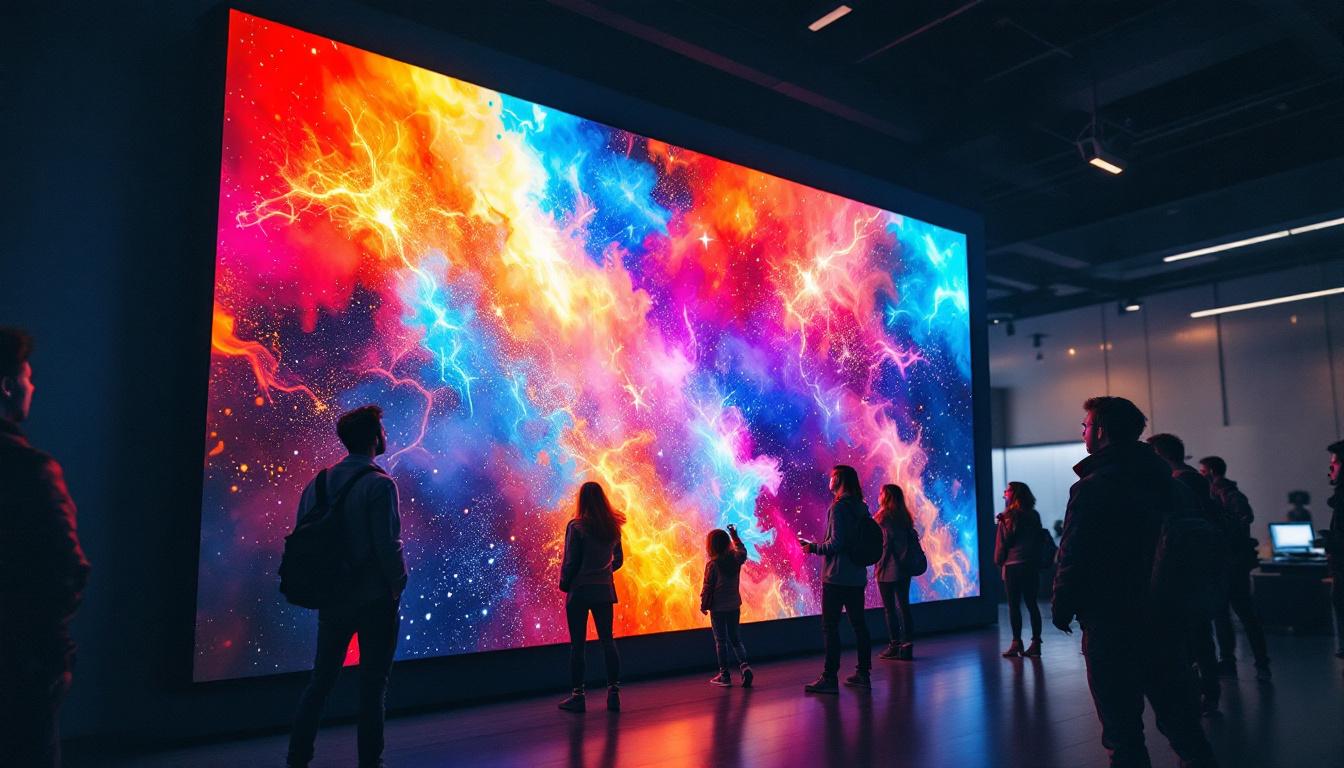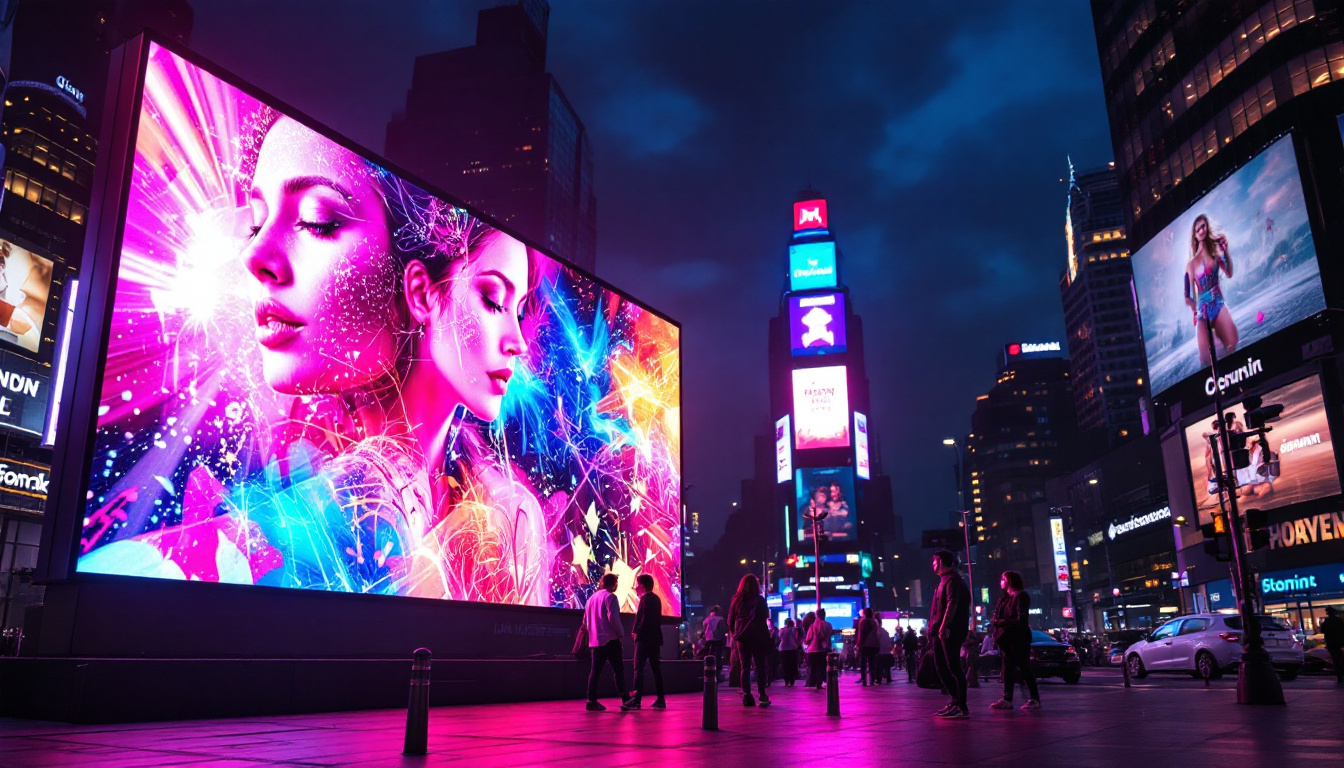
In today’s fast-evolving digital landscape, LED displays have become a cornerstone of visual communication, offering vibrant, energy-efficient, and customizable solutions for a wide range of applications. From towering billboards in bustling city centers to dynamic indoor signage in retail stores, LED technology continues to redefine how businesses and organizations engage with their audiences.
This article delves into the fundamentals of LED displays, explores the benefits of custom LED lighting solutions, and highlights the latest innovations shaping the industry. Whether you’re a business owner considering an LED upgrade or a technology enthusiast curious about the mechanics behind these luminous screens, this comprehensive guide will illuminate everything you need to know about custom LED displays.
Understanding LED Display Technology
What is an LED Display?
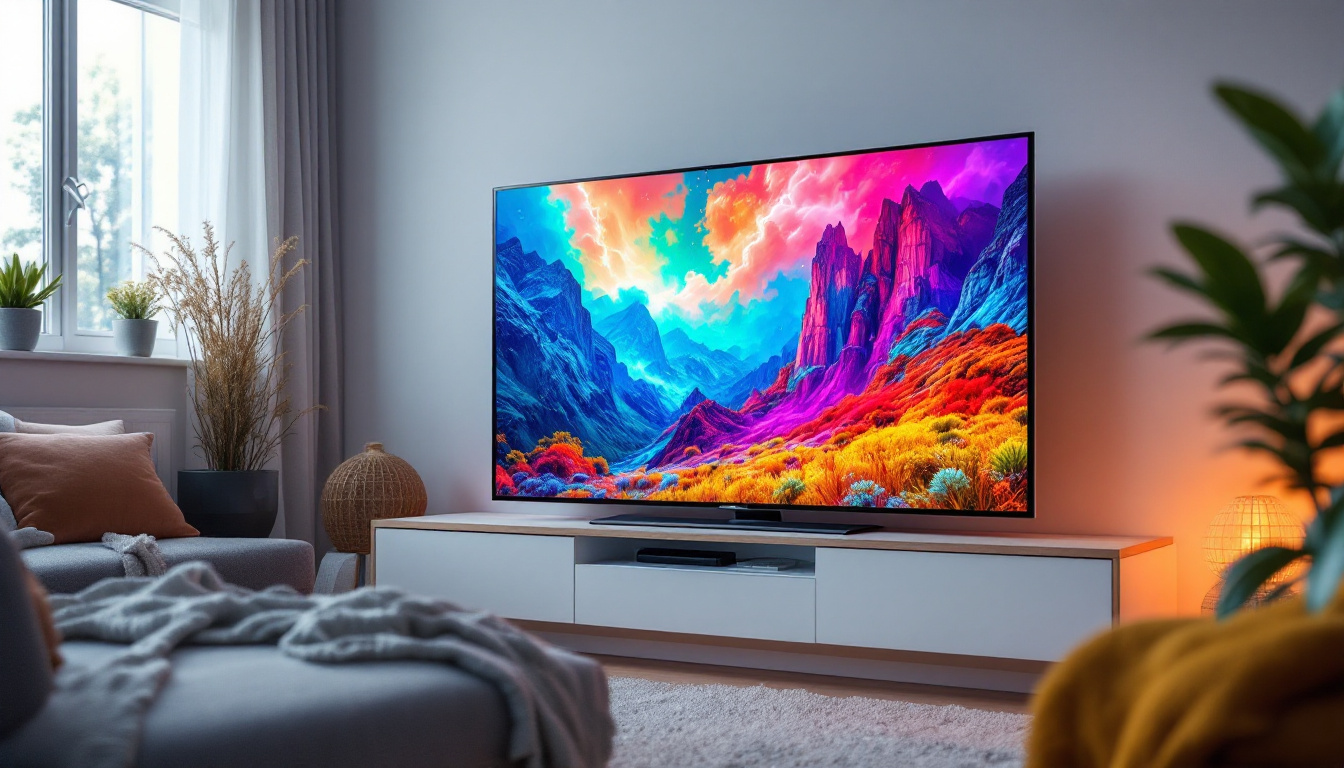
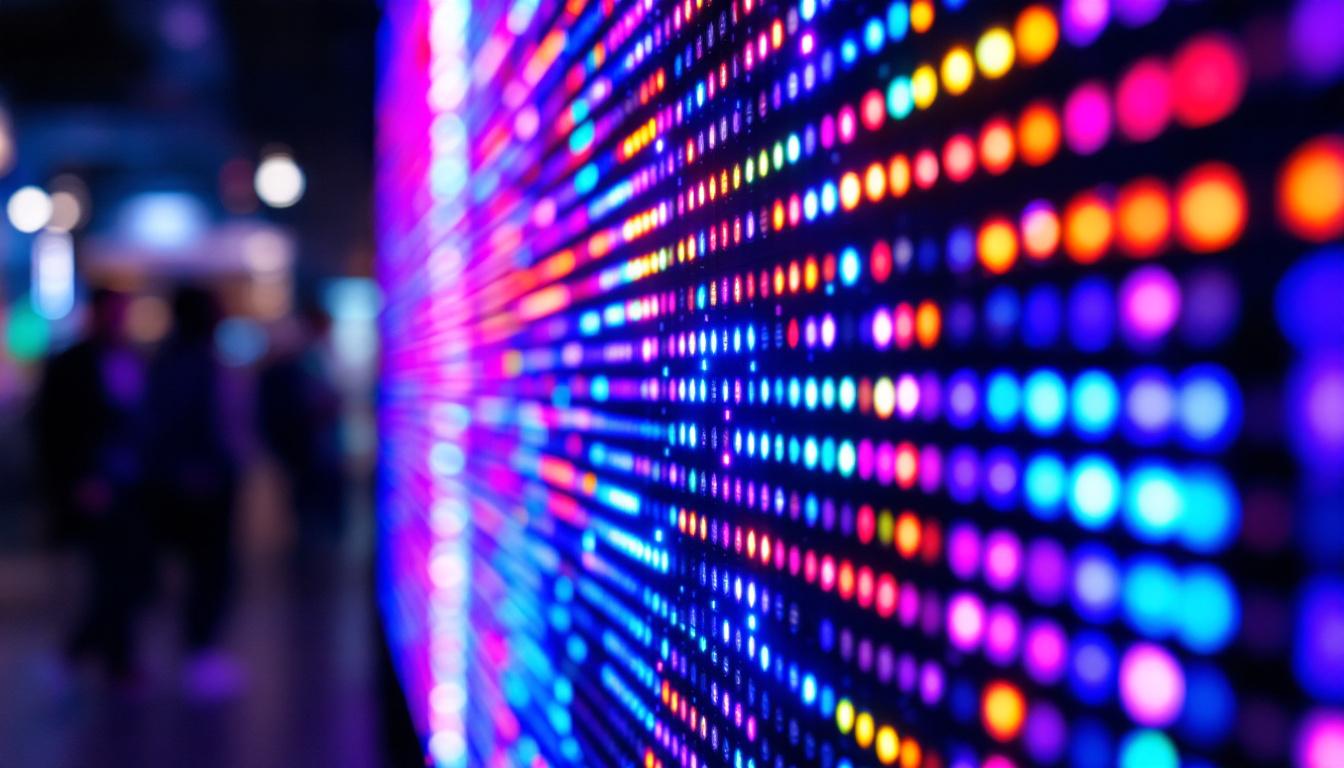
LED, or Light Emitting Diode, displays are screens composed of numerous tiny LEDs that emit light when an electric current passes through them. Unlike traditional display technologies such as LCD or plasma, LEDs produce their own light, allowing for brighter images and deeper contrast ratios. This self-illuminating property not only enhances the visual experience but also contributes to energy efficiency, making LED displays a popular choice for both commercial and residential applications.
LED displays can be configured in various formats, including single-color, dual-color, and full-color setups. Full-color LED displays use red, green, and blue diodes combined at different intensities to create a broad spectrum of colors, enabling vivid and dynamic visuals. The versatility of LED technology allows for innovative applications, from large-scale billboards to intricate digital signage, transforming how information is presented in public spaces.
Types of LED Displays
There are several types of LED displays, each tailored to specific use cases:
- Indoor LED Displays: Designed for environments with controlled lighting, these displays typically have smaller pixel pitches (the distance between individual LEDs) for higher resolution and clarity at close viewing distances. They are commonly used in venues such as theaters, conference rooms, and retail spaces, where detailed visuals are essential.
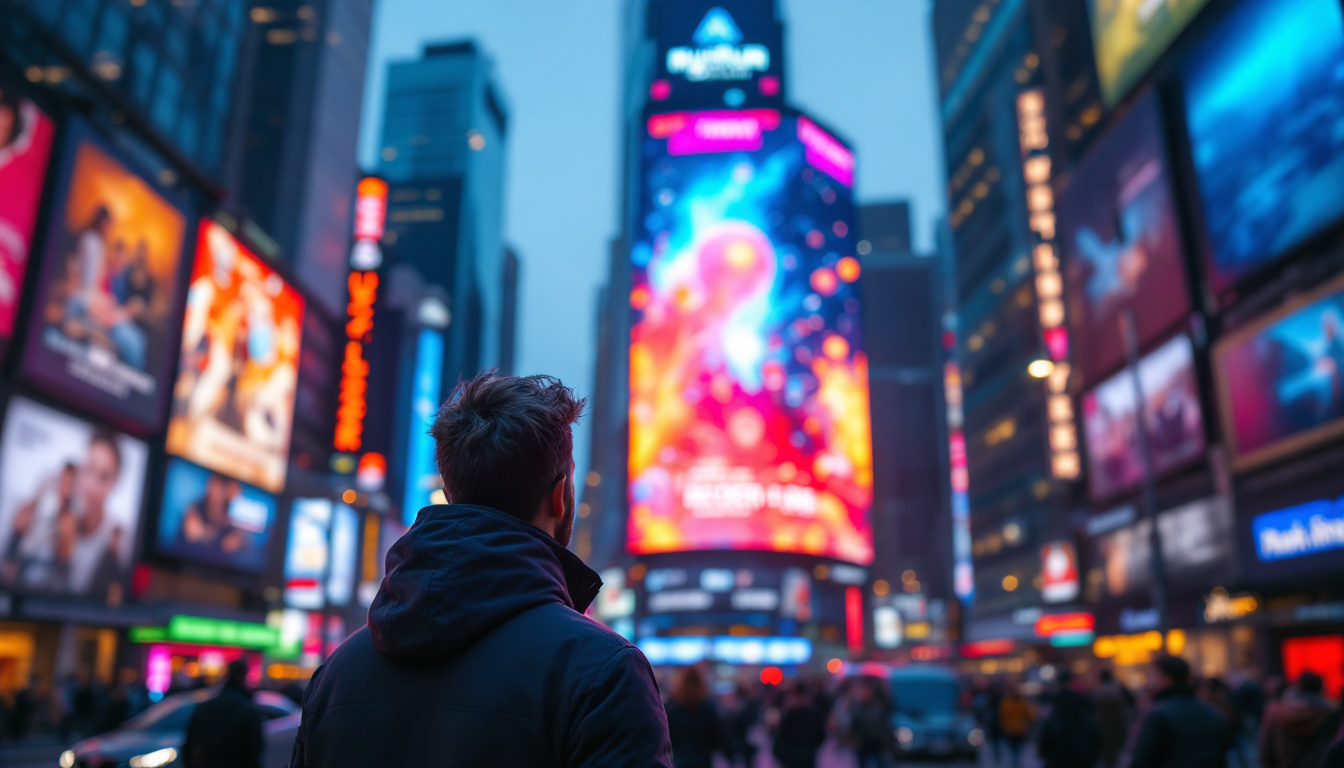
- Outdoor LED Displays: Built to withstand weather conditions, these displays have higher brightness levels to combat sunlight glare and larger pixel pitches suitable for viewing from greater distances. Often seen in stadiums, public squares, and transportation hubs, outdoor LED displays serve as effective mediums for advertising and information dissemination.
- Flexible and Transparent LED Displays: Emerging technologies allow LED panels to be flexible or semi-transparent, opening new possibilities for creative installations in architecture and retail. These displays can be integrated into windows or curved surfaces, offering unique advertising solutions that blend seamlessly with their surroundings.
How LED Displays Work
Each LED in the display acts as a pixel or part of a pixel. By controlling the intensity of red, green, and blue LEDs, the display can produce millions of colors. These pixels are arranged in a grid, and the display controller processes input signals—such as video or images—and translates them into the appropriate light output for each LED. This intricate process ensures that the images displayed are not only vibrant but also true to the original content.
Modern LED displays often incorporate advanced features like high refresh rates, wide viewing angles, and color calibration to ensure consistent and high-quality visual output regardless of ambient conditions or viewing position. Additionally, many LED displays now support smart technology integration, allowing for real-time content updates and interactivity, which enhances user engagement and provides a dynamic viewing experience. This adaptability makes LED displays an essential component in the evolution of digital communication and advertising strategies.
The Advantages of Custom LED Lighting Solutions
Tailored to Specific Needs
Custom LED displays offer unparalleled flexibility, allowing businesses to design lighting and signage solutions that perfectly fit their spatial constraints, branding requirements, and functional needs. Whether it’s a curved LED wall in a corporate lobby or a uniquely shaped outdoor sign, customization ensures the display integrates seamlessly with the environment.
Customization extends beyond physical dimensions. It includes pixel pitch selection, brightness levels, color accuracy, and even interactive capabilities such as touch sensitivity or integration with IoT devices.
Energy Efficiency and Longevity
One of the most compelling reasons to invest in LED technology is its energy efficiency. LEDs consume significantly less power compared to traditional incandescent or fluorescent lighting. According to the U.S. Department of Energy, LED lighting uses at least 75% less energy and lasts 25 times longer than incandescent lighting.
For businesses, this translates into reduced operational costs and a lower carbon footprint, aligning with sustainability goals and corporate social responsibility initiatives.
Enhanced Visibility and Engagement
Custom LED displays can be optimized for maximum visibility in any environment. High brightness levels and vibrant colors ensure that messages stand out even in bright daylight or dimly lit interiors. This enhanced visibility drives better engagement, whether the goal is advertising, wayfinding, or information dissemination.
Moreover, LED displays support dynamic content, allowing for real-time updates, animations, and video playback. This dynamic capability keeps audiences interested and can be tailored to specific times of day, events, or promotions.
Applications of Custom LED Displays
Retail and Advertising
Retailers leverage custom LED displays to create eye-catching storefronts and in-store signage that attract customers and promote products. Digital signage powered by LEDs can showcase promotions, interactive catalogs, or live social media feeds, enhancing the shopping experience.
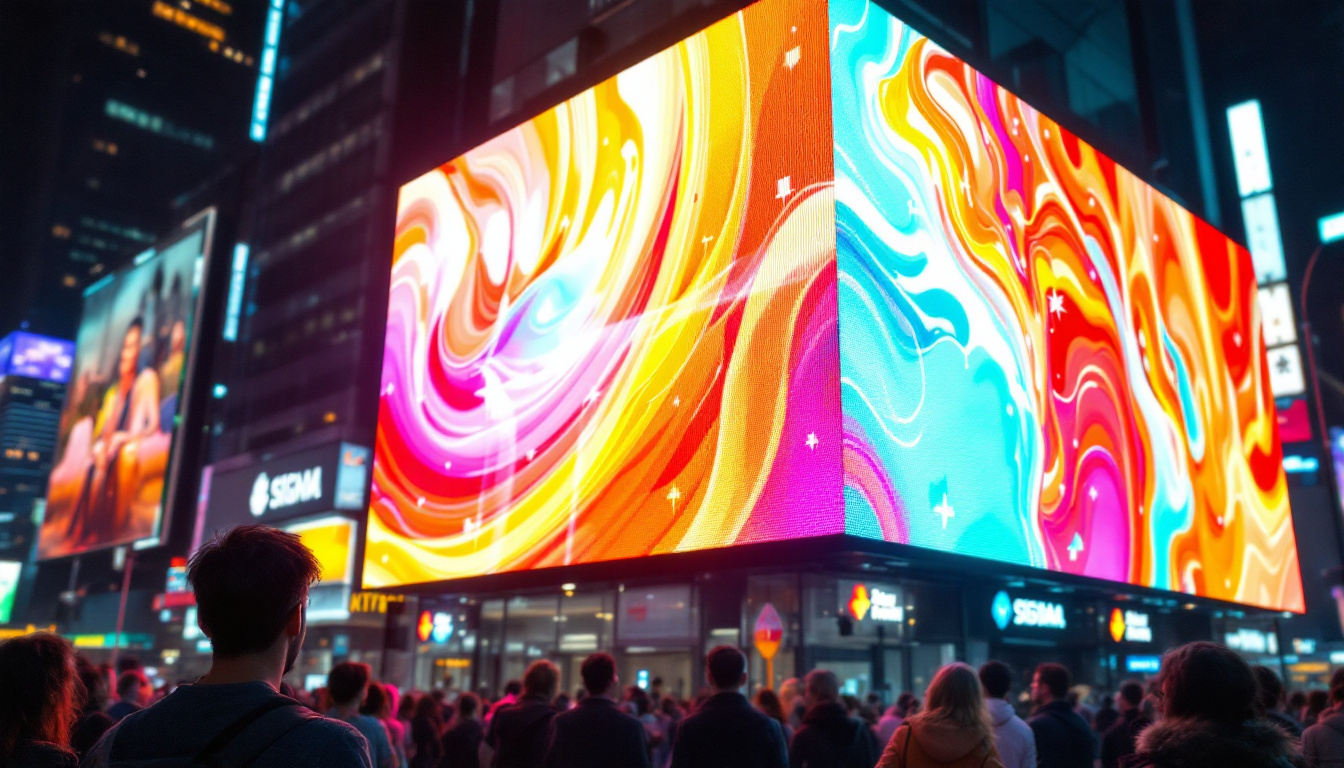
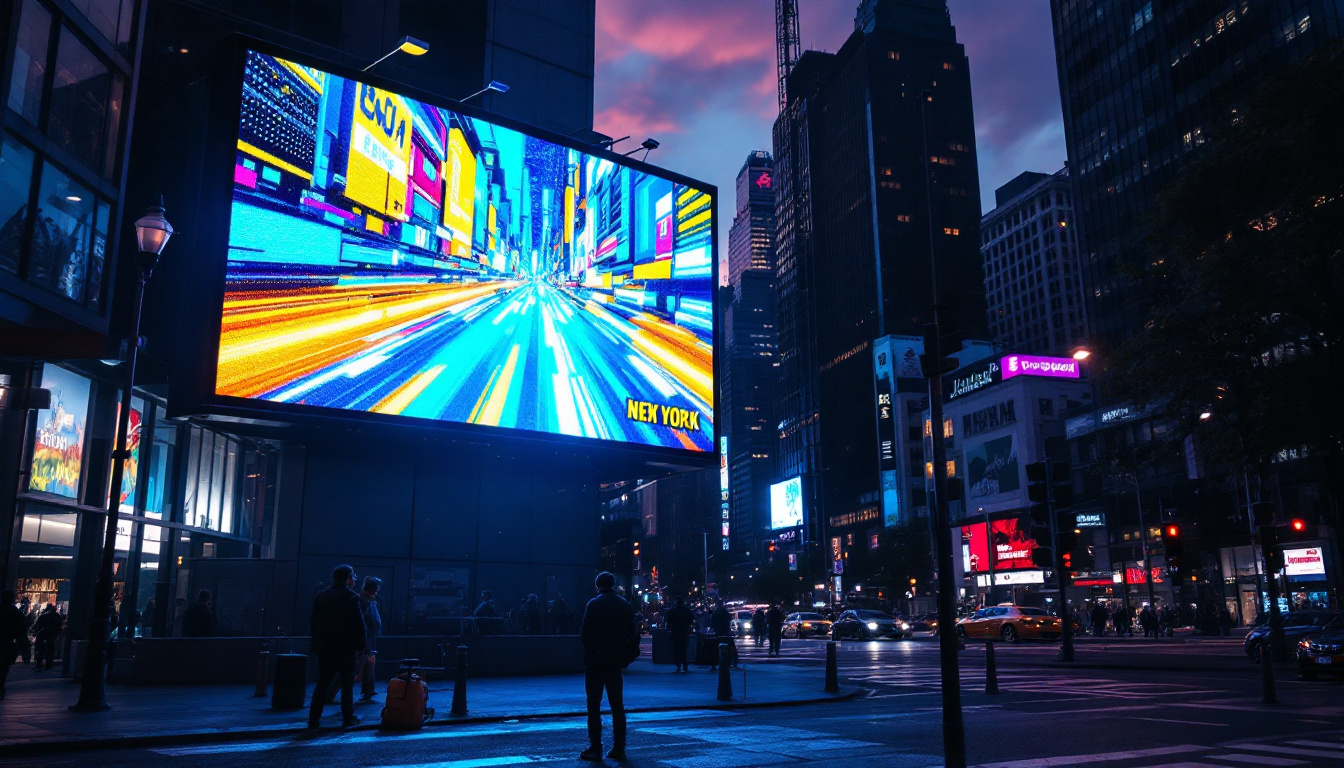
In advertising, LED billboards have replaced traditional static signs in many urban centers. Their ability to display multiple ads in rotation and adapt content quickly makes them a preferred medium for advertisers seeking maximum impact.
Corporate and Event Spaces
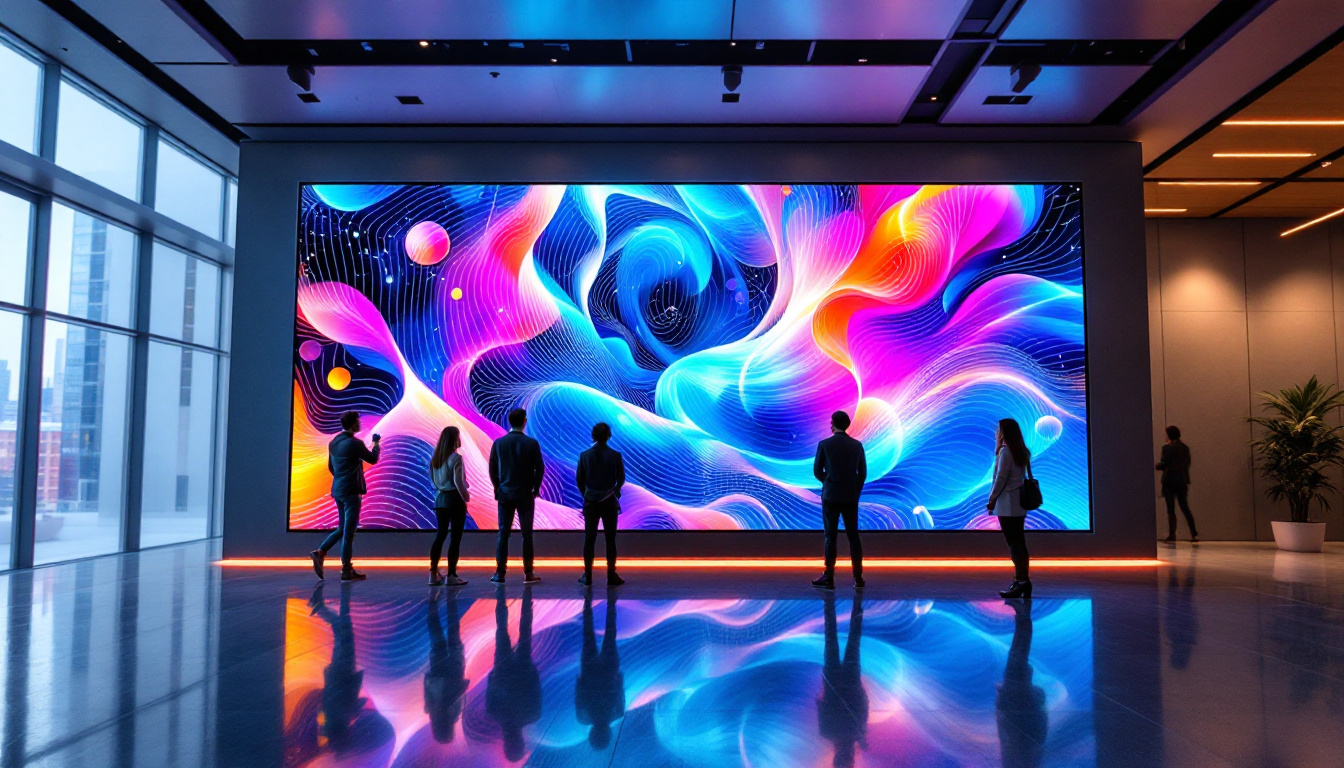
Corporate environments use custom LED walls for presentations, branding, and immersive experiences. Conference rooms, lobbies, and auditoriums benefit from high-resolution LED displays that convey professionalism and innovation.
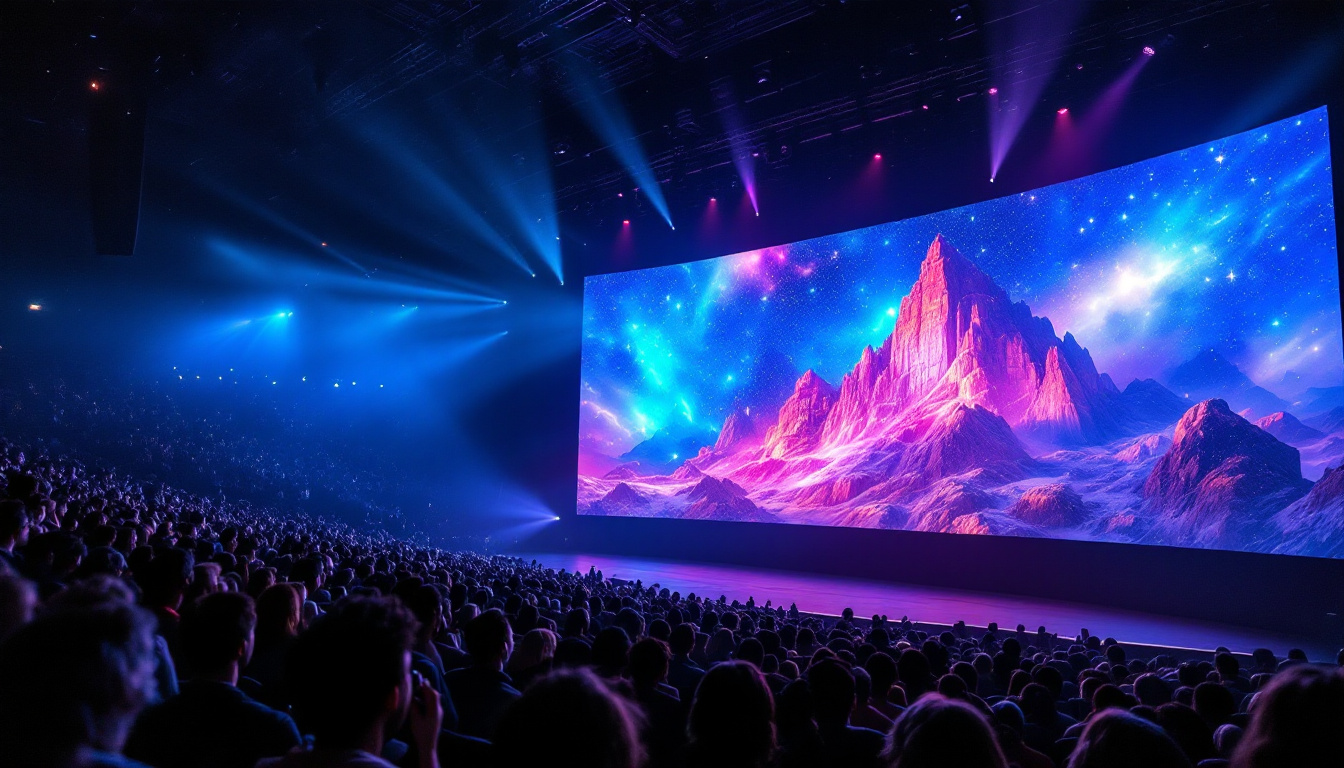
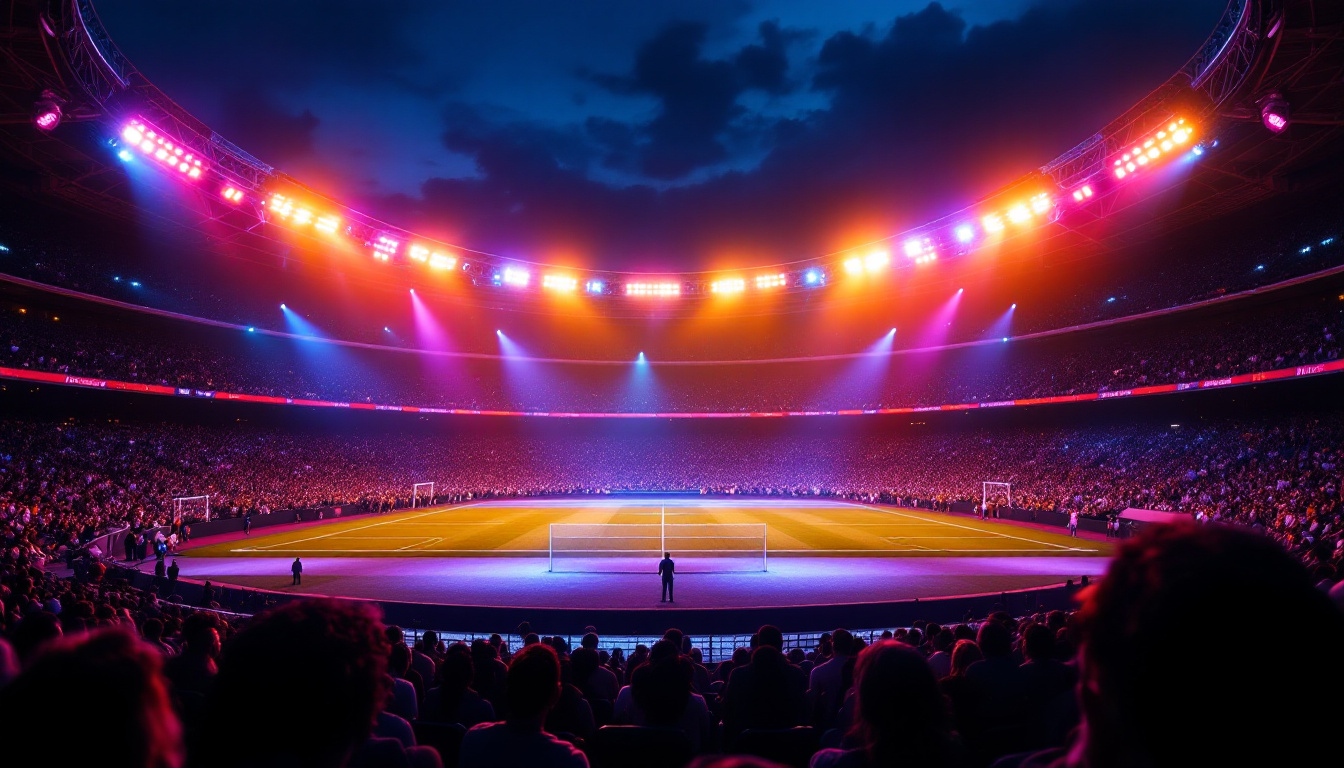
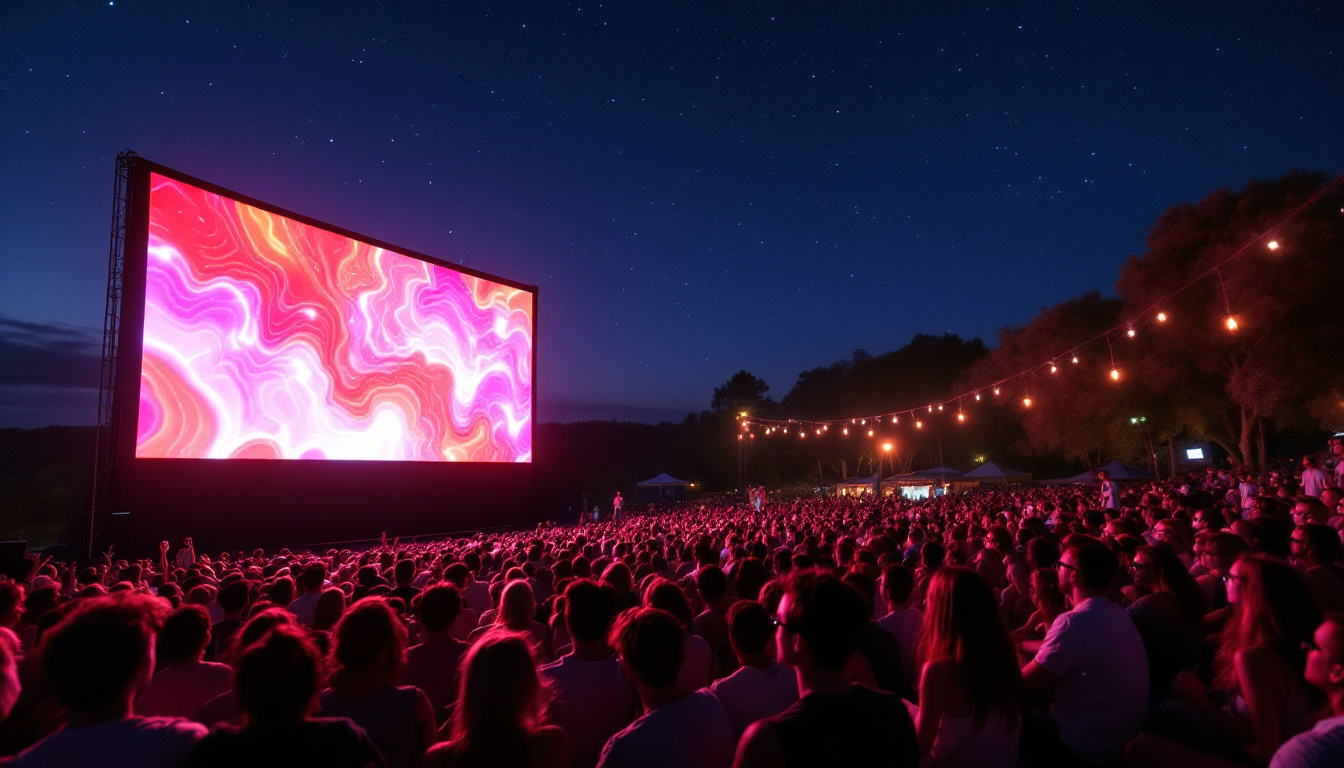
Event organizers also rely on LED screens for concerts, exhibitions, and sports arenas. The scalability of LED technology allows for massive displays that can be tailored to venue size and audience needs.
Transportation and Public Information
LED displays are integral to transportation hubs such as airports, train stations, and bus terminals. They provide real-time information on schedules, delays, and safety announcements. Custom LED solutions ensure that displays are visible from various angles and distances, improving passenger experience and safety.
Public spaces also utilize LED displays for community announcements, emergency alerts, and wayfinding, demonstrating the technology’s versatility.
Innovations and Trends in LED Display Technology
MicroLED and MiniLED Technologies
MicroLED and MiniLED represent the next generation of LED display technology. MicroLEDs are extremely small LEDs that enable displays with higher pixel densities, better contrast ratios, and improved energy efficiency compared to conventional LEDs.
MiniLEDs, slightly larger than MicroLEDs but smaller than traditional LEDs, are currently used to enhance LCD backlighting, resulting in displays with deeper blacks and brighter highlights. These innovations promise to push the boundaries of display quality further, especially in high-end consumer electronics and professional applications.
Interactive and Smart LED Displays
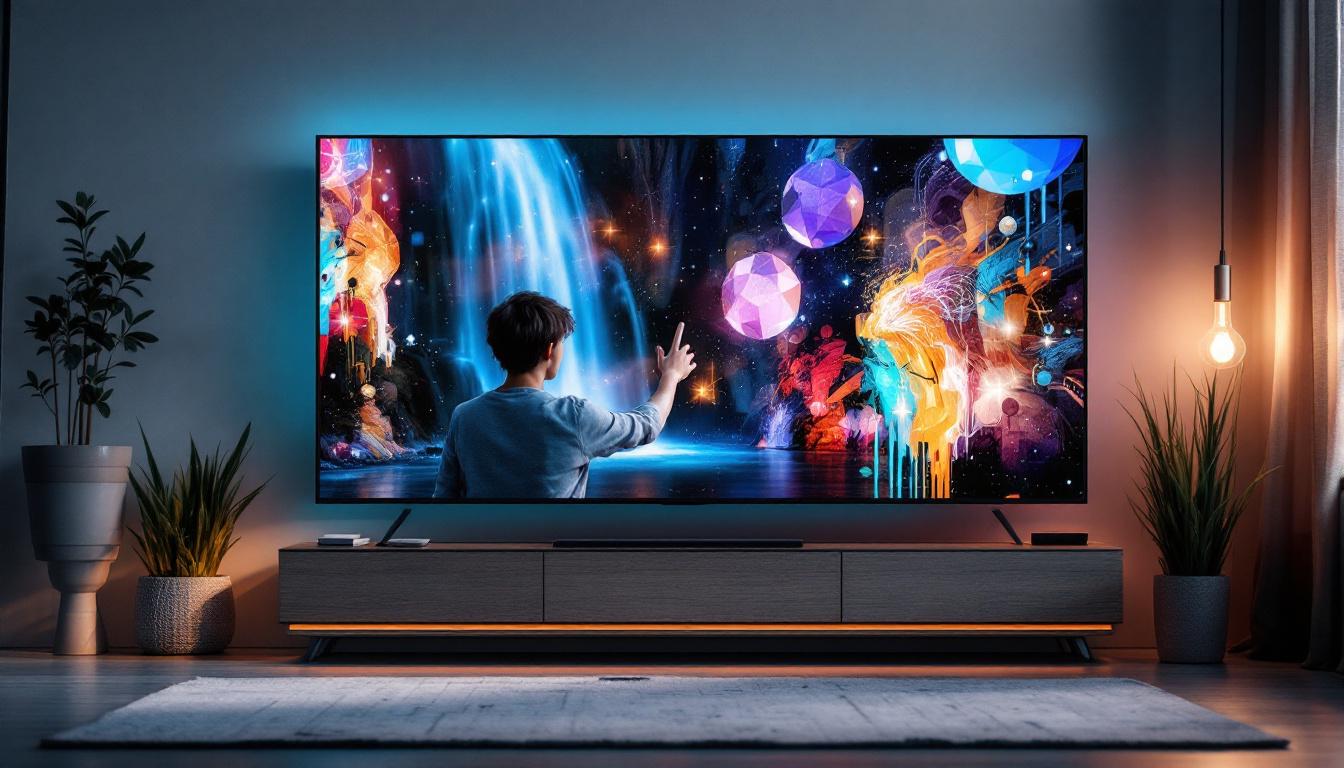
Integration with sensors and connectivity technologies has given rise to interactive LED displays. Touch-sensitive surfaces, gesture recognition, and integration with smartphones or IoT devices allow users to engage directly with the content, opening new avenues for marketing and information delivery.
Smart LED displays can also adapt content dynamically based on environmental factors such as ambient light, weather conditions, or audience demographics, enhancing relevance and effectiveness.
Sustainability and Eco-Friendly Materials
As environmental concerns grow, manufacturers are focusing on sustainable production methods and recyclable materials for LED displays. Advances in phosphor materials and encapsulation techniques reduce the use of hazardous substances, while modular designs facilitate easier repair and recycling.
Energy-efficient operation combined with longer lifespans contributes to reducing electronic waste and overall environmental impact.
Choosing the Right Custom LED Display for Your Needs
Assessing Your Requirements
Before investing in a custom LED display, it is crucial to evaluate your specific needs. Consider factors such as viewing distance, ambient lighting conditions, content type, and installation environment. For example, a high-resolution indoor display intended for close-up viewing will differ significantly from a large outdoor billboard.
Budget constraints and maintenance capabilities should also be factored into the decision-making process to ensure long-term satisfaction and performance.
Working with Experienced Providers
Partnering with reputable LED display manufacturers and installers can make a significant difference in the outcome of your project. Experienced providers offer valuable guidance on technical specifications, customization options, and compliance with local regulations.
They can also provide after-sales support, including maintenance services and software updates, ensuring your LED display remains vibrant and functional over time.
Future-Proofing Your Investment
Technology evolves rapidly, so choosing scalable and upgradeable LED solutions can protect your investment. Modular designs allow for easy expansion or replacement of components, while software platforms that support remote management and content scheduling enhance operational flexibility.
Considering these factors upfront helps avoid costly overhauls and keeps your display relevant as technology and business needs evolve.
Conclusion
Custom LED displays represent a powerful tool for visual communication, combining cutting-edge technology with design flexibility to meet diverse business and public needs. Their energy efficiency, dynamic content capabilities, and adaptability make them an attractive choice across industries.
Understanding the technology behind LED displays and the benefits of customization enables stakeholders to make informed decisions that maximize impact and return on investment. As innovations like MicroLED and interactive displays continue to emerge, the future of LED lighting promises even greater possibilities for creativity and engagement.
Whether for advertising, corporate branding, public information, or entertainment, custom LED displays are illuminating the way forward in the digital age.
Illuminate Your Space with LumenMatrix
Ready to transform your visual communication with a custom LED display that captivates and engages? LumenMatrix is at the forefront of LED display innovation, offering a diverse range of solutions tailored to your unique needs. From Indoor and Outdoor LED Walls to specialized displays for vehicles, sports, and even floors, our mission is to empower your brand with unparalleled clarity and impact. Discover how our cutting-edge LED display modules can revolutionize your space. Check out LumenMatrix LED Display Solutions and light up your message with precision and vibrancy.