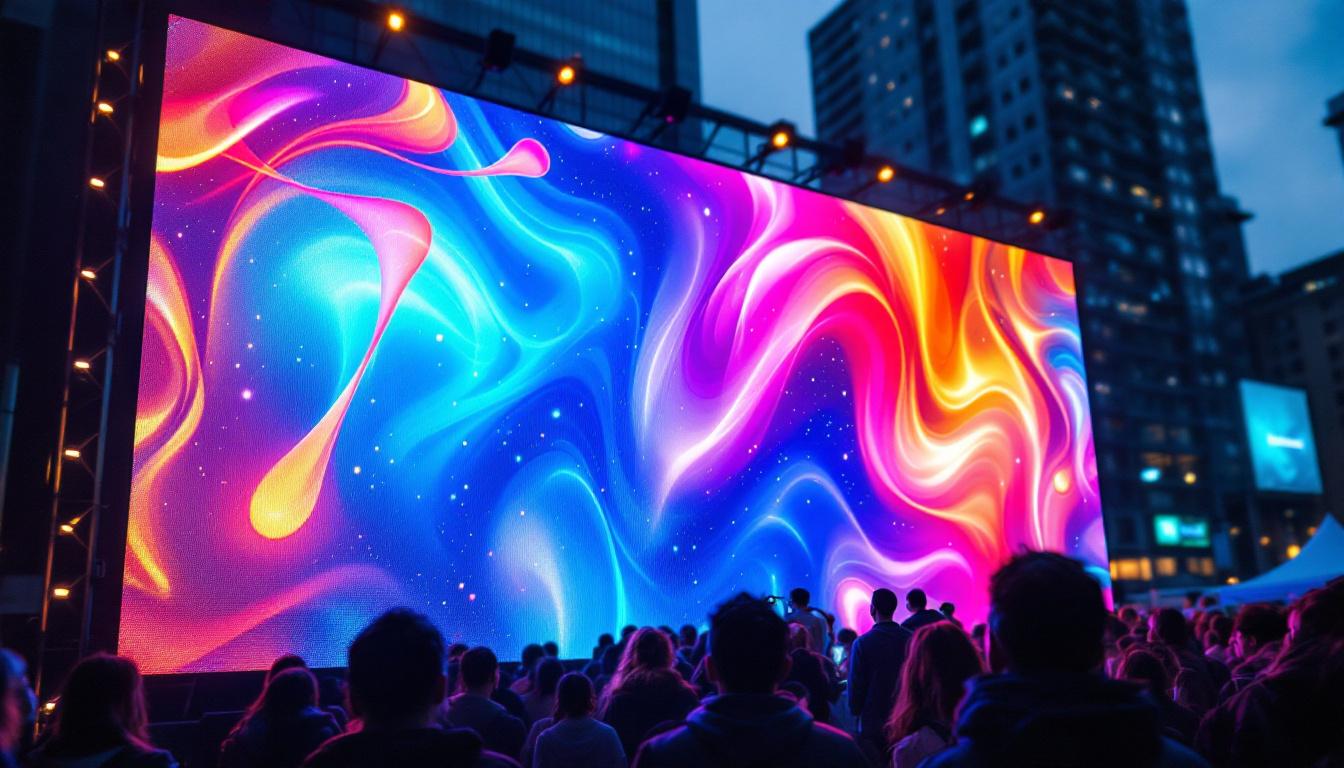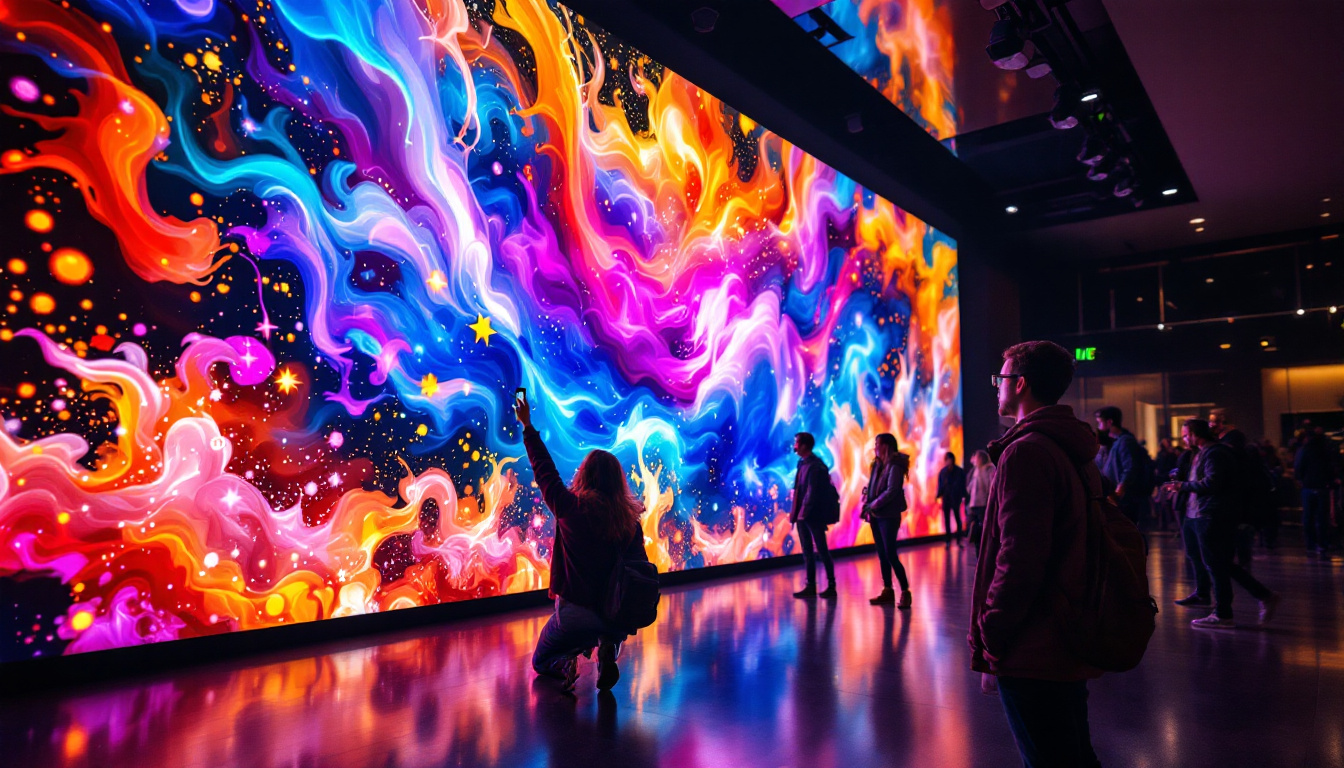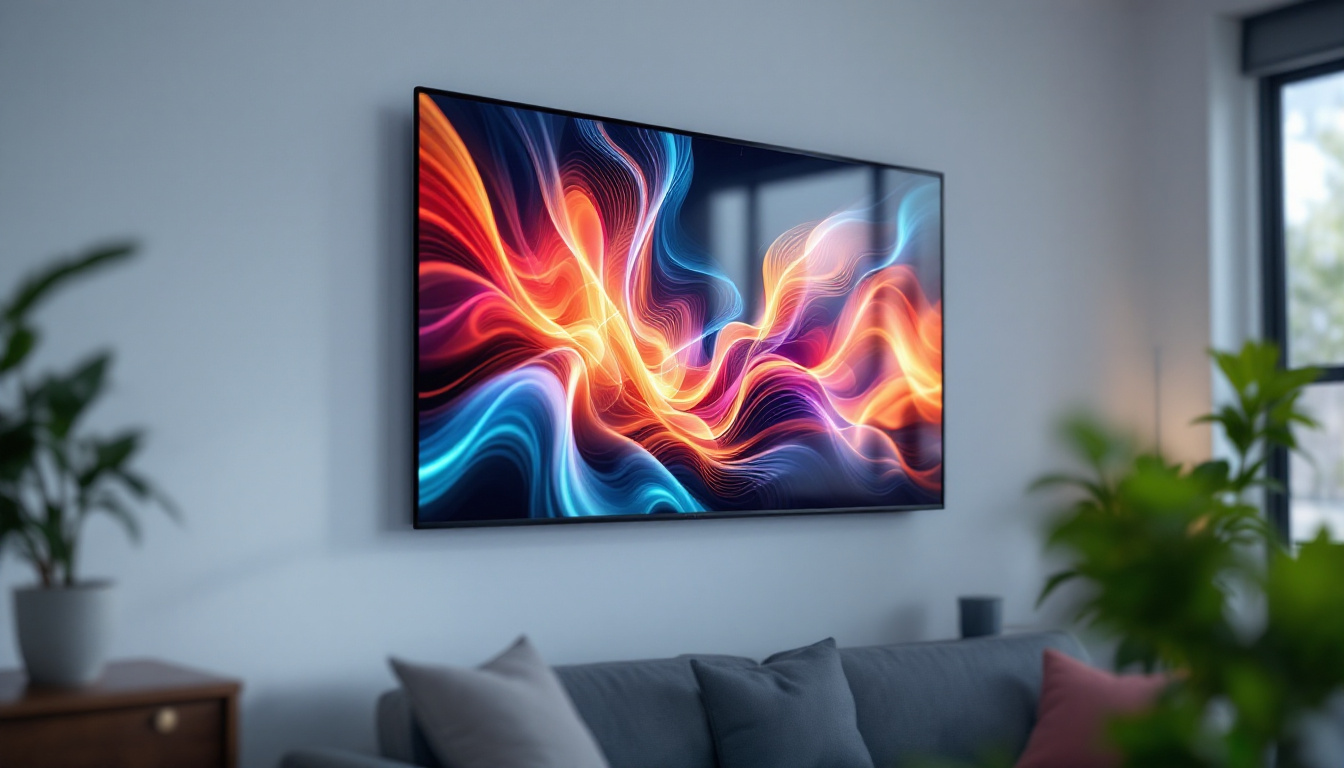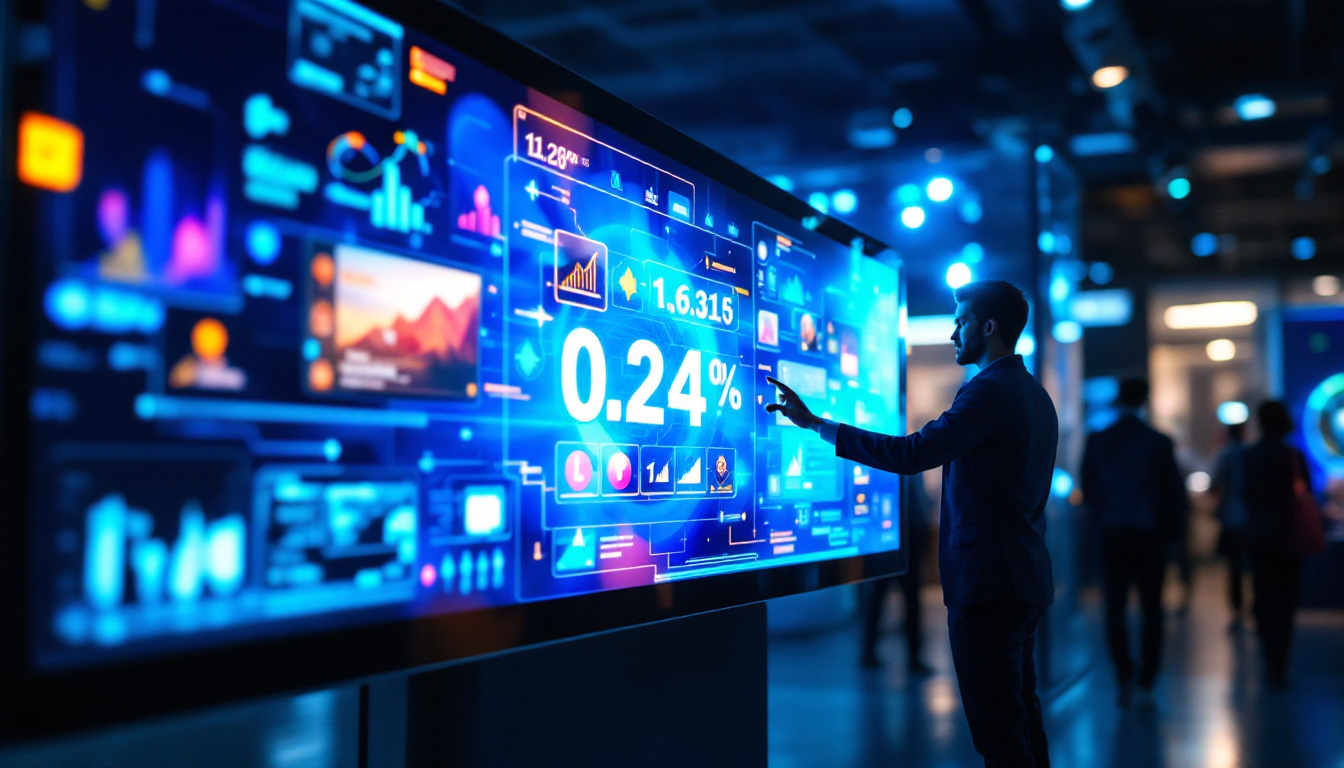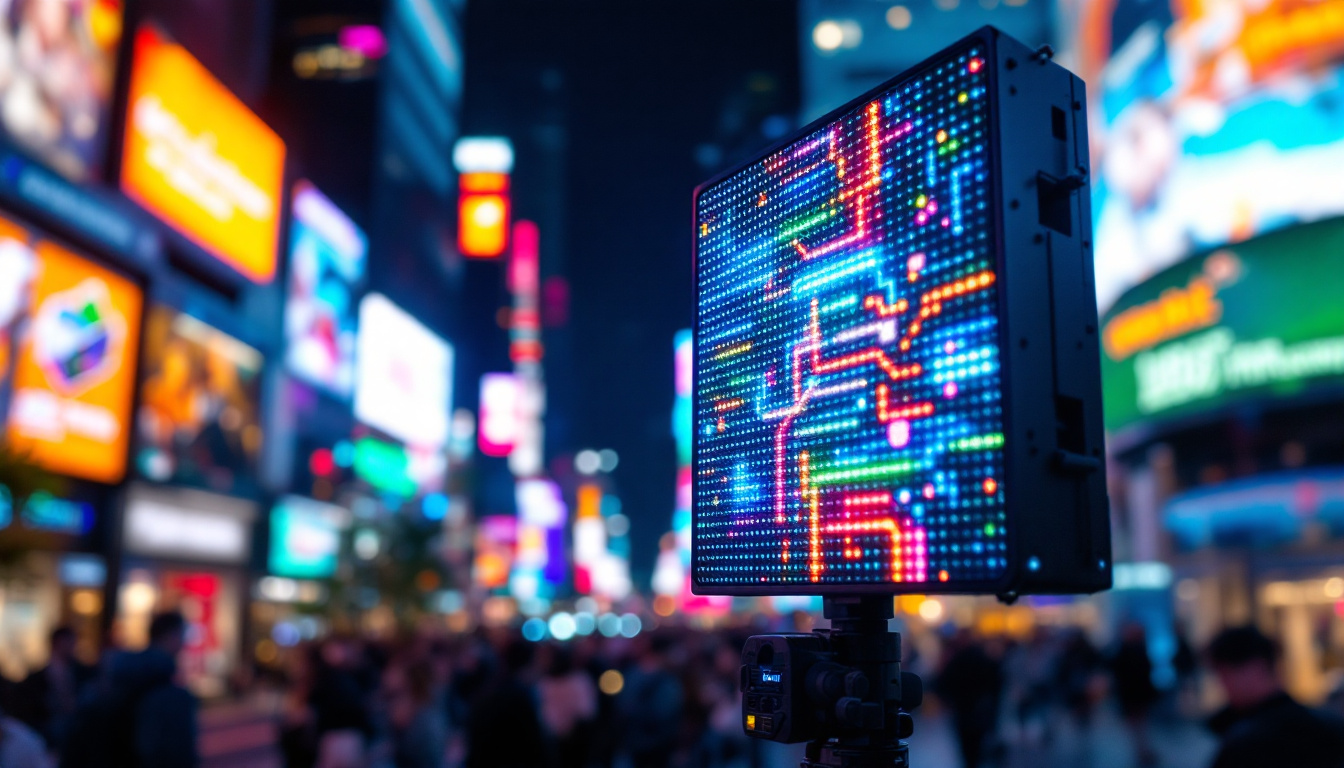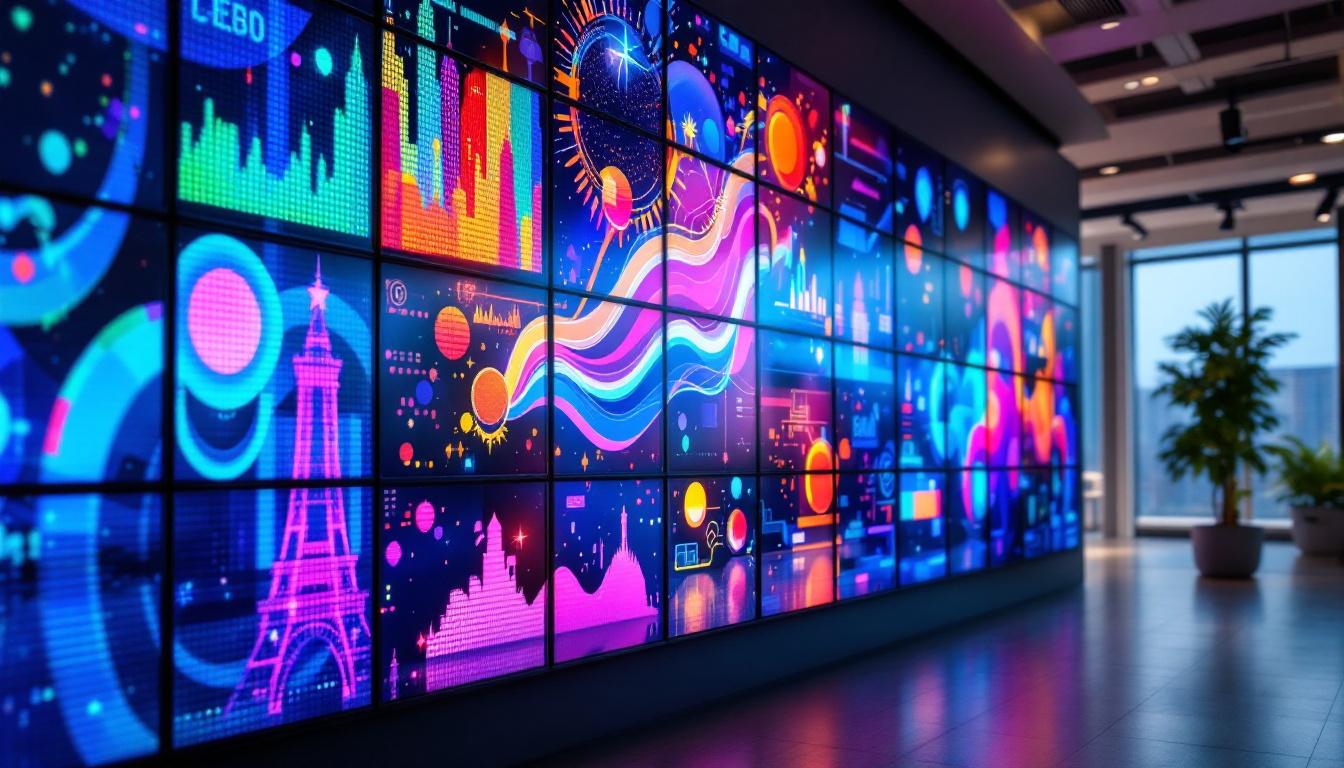
In today’s digital age, media walls have become a centerpiece in both commercial and residential spaces. From retail stores and corporate lobbies to home theaters and entertainment rooms, LED lights for media walls offer a dynamic and visually captivating way to display content. But what exactly makes LED displays the preferred choice for media walls? This article delves into the technology behind LED lights for media walls, exploring their benefits, types, installation considerations, and future trends.
Understanding LED Technology for Media Walls
What Are LED Lights?
LED stands for Light Emitting Diode, a semiconductor device that emits light when an electric current passes through it. Unlike traditional lighting technologies such as incandescent or fluorescent bulbs, LEDs are highly energy-efficient, durable, and capable of producing vibrant colors. These characteristics make LEDs an ideal choice for media walls, where brightness, color accuracy, and longevity are crucial. Additionally, LEDs have a longer lifespan, often lasting up to 50,000 hours or more, which significantly reduces maintenance costs and the frequency of replacements. This longevity is particularly beneficial in commercial settings, where media walls are used for advertising, entertainment, or information dissemination.
How LED Displays Work
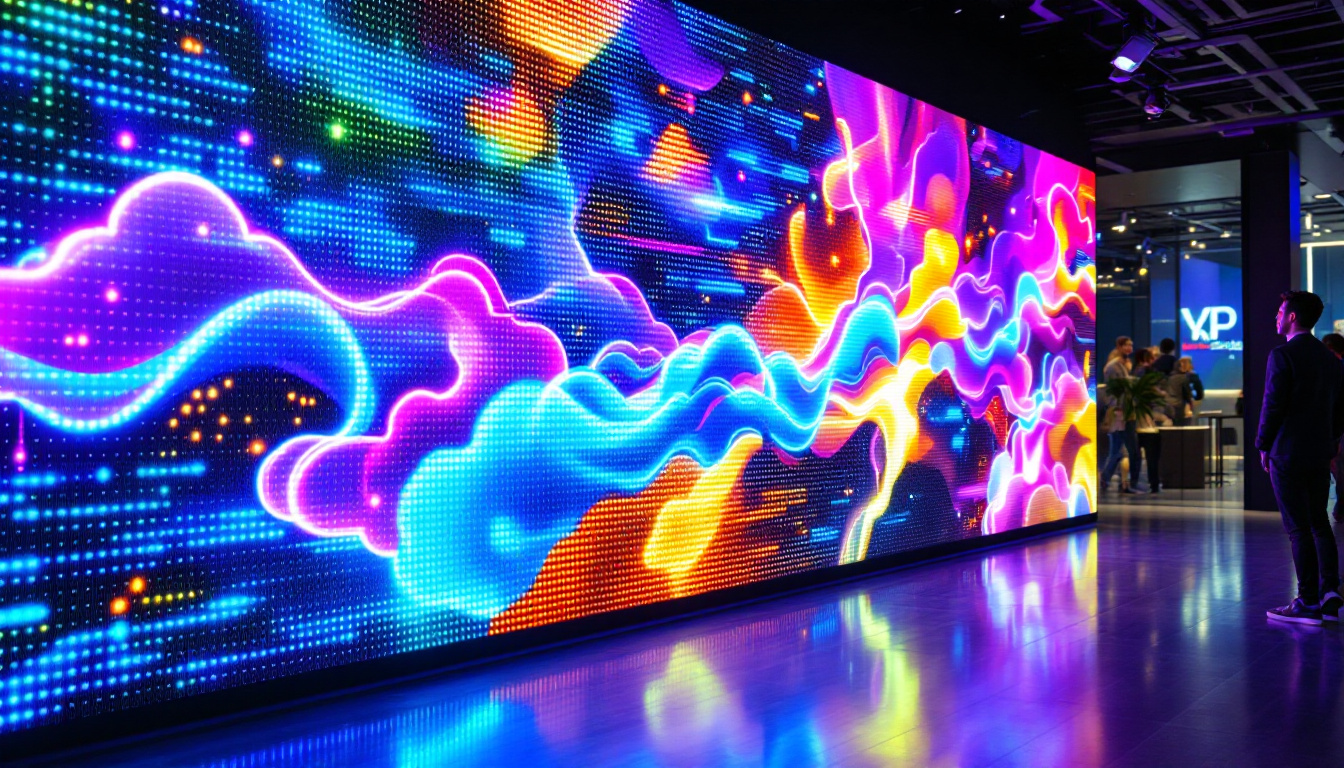
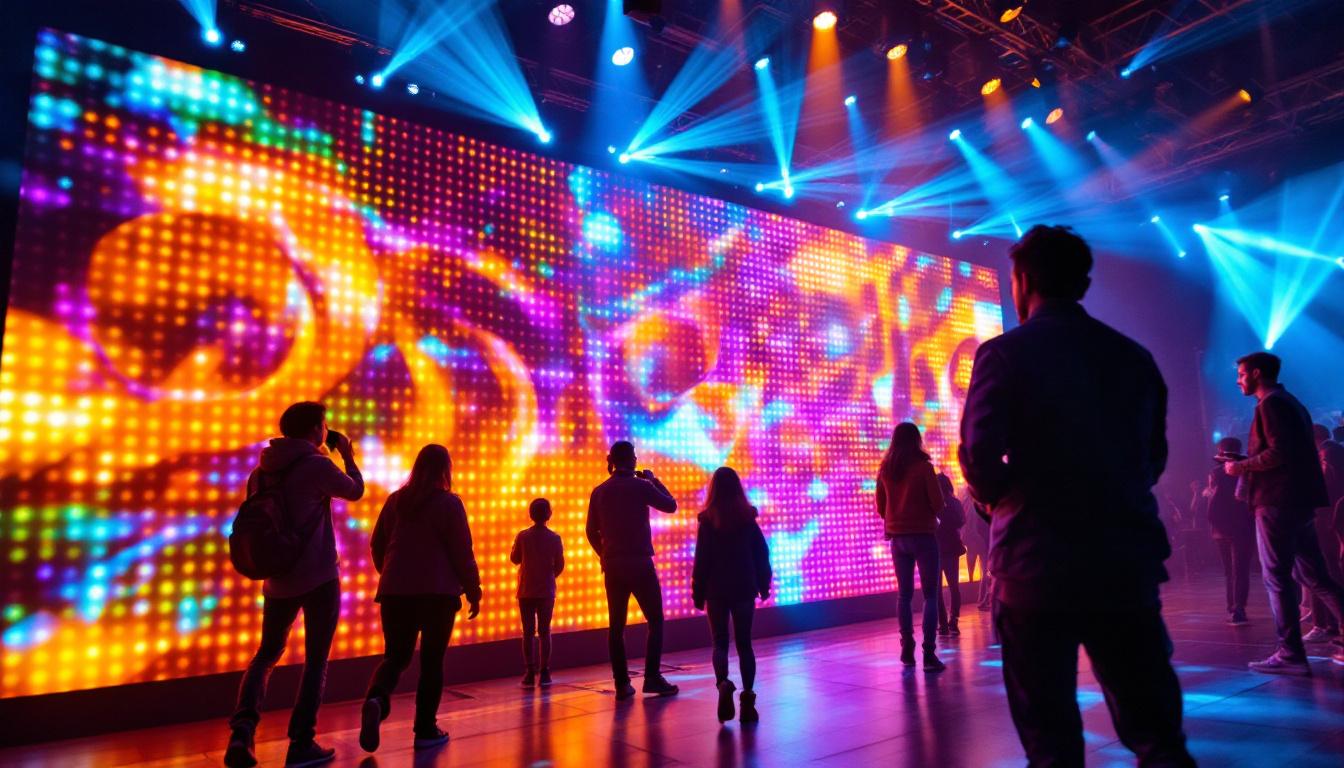
LED displays are composed of thousands, sometimes millions, of tiny LED modules arranged in a grid. Each module contains red, green, and blue LEDs that combine to create a full spectrum of colors through a process called additive color mixing. By controlling the intensity of each LED, the display can render images, videos, and animations with remarkable clarity and brightness. This capability allows for stunning visual experiences that can captivate audiences, making LED technology an essential component in venues such as concert halls, stadiums, and shopping malls.
For media walls, these LED modules are typically assembled into panels that can be seamlessly connected to form large, high-resolution screens. The modular nature of LED displays allows for flexible sizing and shapes, enabling designers to customize media walls to fit any space or creative vision. Furthermore, advancements in technology have led to the development of ultra-thin and lightweight panels, making installation easier and more versatile. Some media walls even incorporate interactive elements, allowing viewers to engage with the content in real-time, enhancing the overall experience. This interactivity can be achieved through touch-sensitive surfaces or motion sensors, opening up new possibilities for creative expression and audience engagement.
Benefits of Using LED Lights for Media Walls
Superior Brightness and Visibility
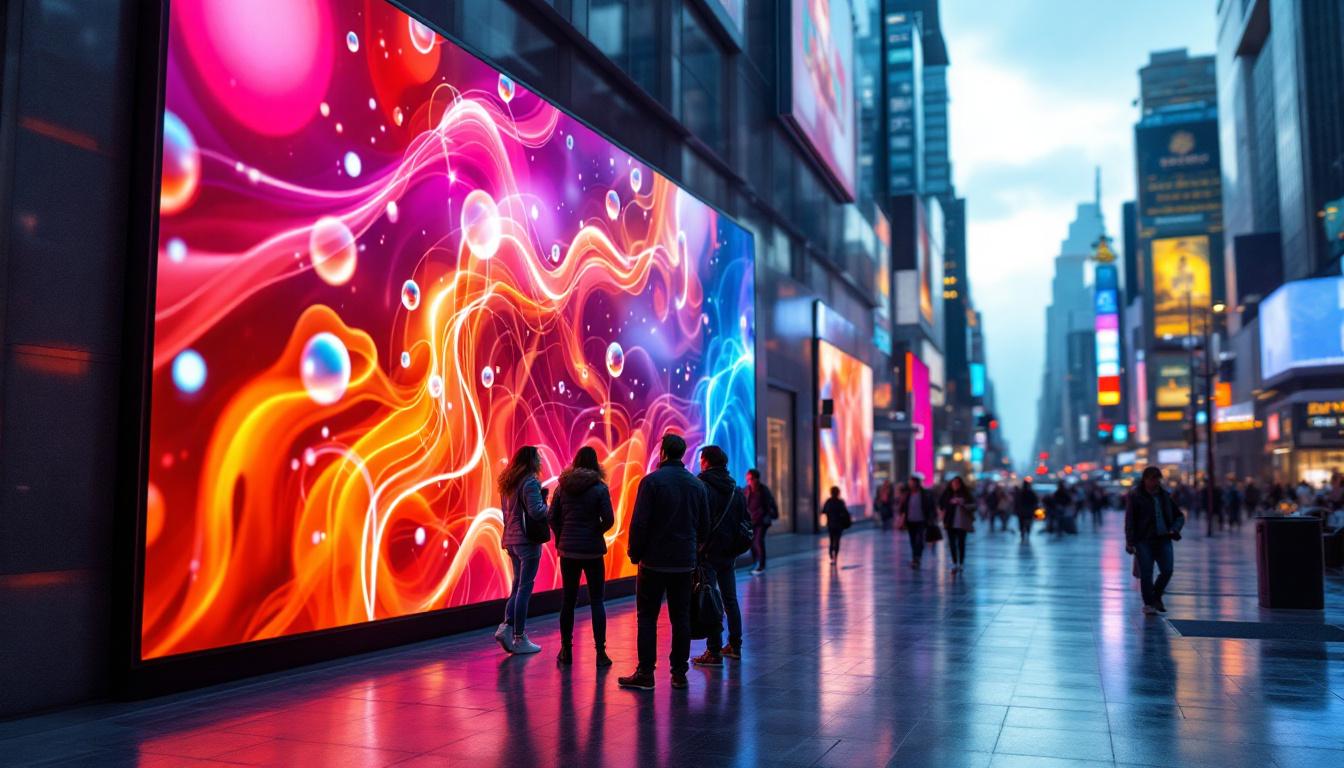
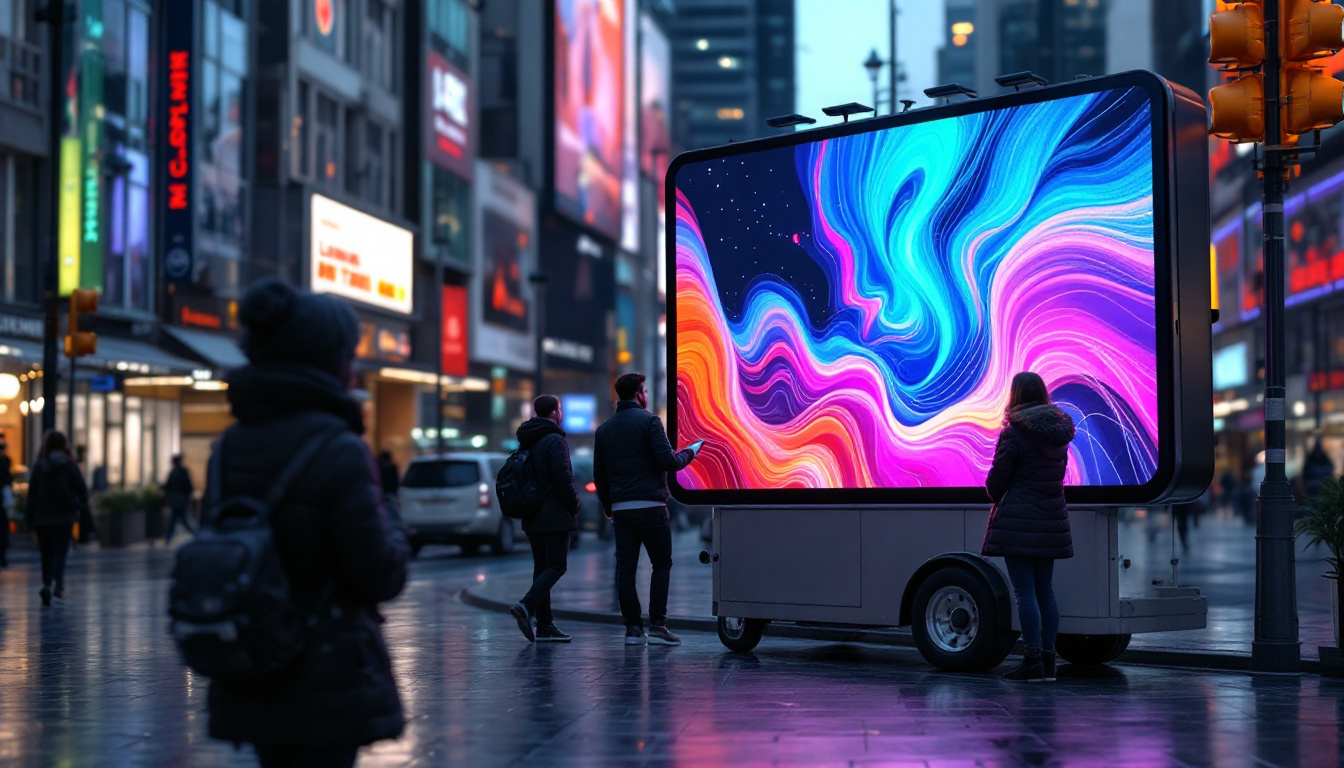
One of the standout advantages of LED displays is their exceptional brightness. Unlike LCD screens that rely on backlighting, LED media walls emit their own light, making them highly visible even in brightly lit environments. This is particularly important for commercial settings such as shopping malls, airports, and outdoor venues where ambient light can diminish screen visibility. The ability to maintain clarity and vibrancy in various lighting conditions ensures that messages and visuals are effectively communicated, attracting the attention of passersby and enhancing the overall experience of the space.
Energy Efficiency and Longevity
LED technology is renowned for its energy efficiency. According to the U.S. Department of Energy, LEDs use at least 75% less energy than incandescent lighting and last 25 times longer. For businesses and homeowners alike, this translates into lower electricity bills and reduced maintenance costs over the lifespan of the media wall. Furthermore, the longevity of LED lights means fewer replacements, which not only saves money but also minimizes waste, making it a more sustainable choice for environmentally conscious consumers. This eco-friendly aspect aligns with the growing trend of businesses seeking to reduce their carbon footprint and promote green initiatives.
Customization and Flexibility
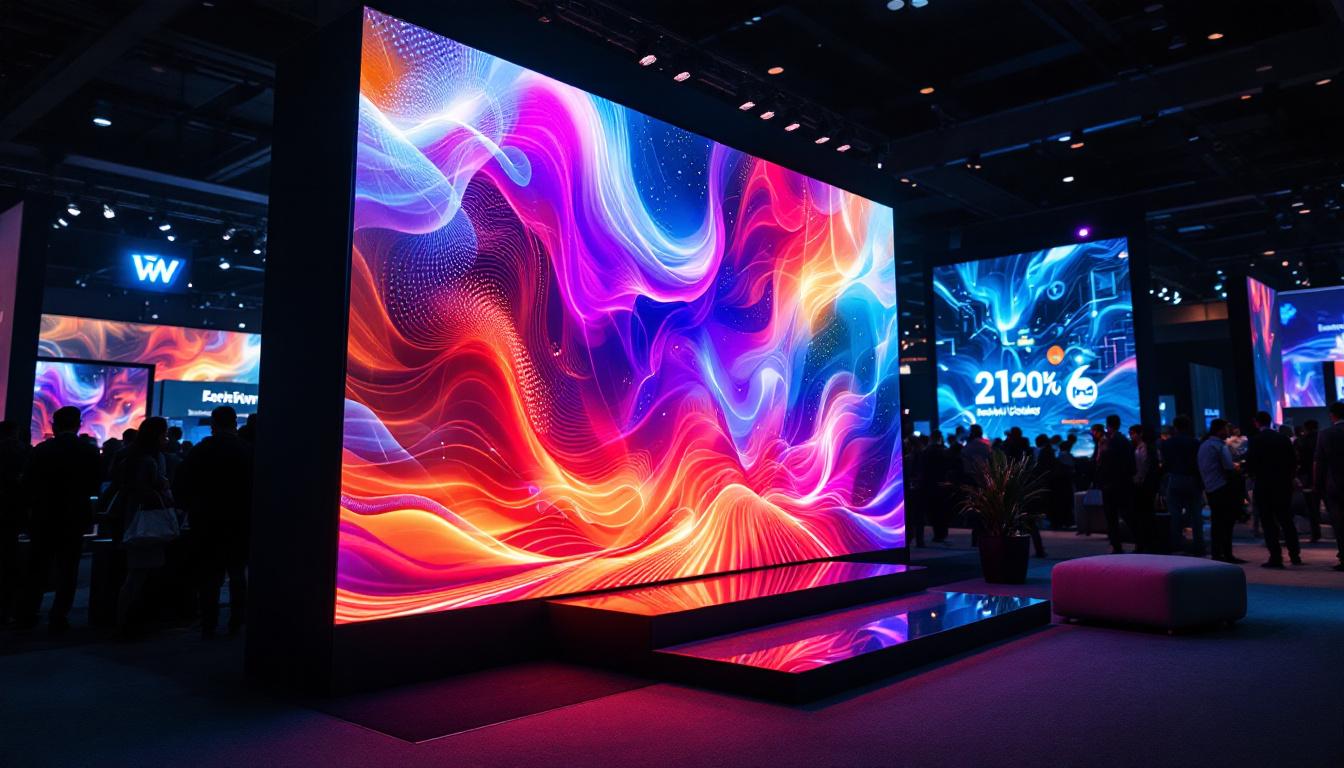
LED media walls can be tailored to fit a wide range of applications. Whether it’s a curved installation in a corporate lobby or a massive video wall in a stadium, LED panels can be configured to meet specific size, resolution, and shape requirements. Additionally, LED displays support dynamic content, allowing users to update messages, advertisements, or visuals in real-time, enhancing engagement and interactivity. This adaptability also extends to the design aesthetic, as LED panels can be seamlessly integrated into various architectural styles, providing a modern touch that complements the overall ambiance of the space.
Enhanced Color Accuracy and Contrast
Modern LED displays offer superior color reproduction and contrast ratios compared to other display technologies. This results in vivid, lifelike images that captivate viewers. High contrast ratios also improve readability, making text and graphics stand out clearly against the background, which is essential for effective communication on media walls. Additionally, advancements in LED technology have led to the development of features like HDR (High Dynamic Range), which further enhances the depth and richness of colors, making the viewing experience even more immersive. This level of detail is particularly beneficial for applications such as digital signage, where the goal is to grab attention and convey information quickly and effectively.
Types of LED Displays for Media Walls
Indoor vs. Outdoor LED Displays
LED media walls are broadly categorized into indoor and outdoor types, each designed to withstand different environmental conditions. Indoor LED displays typically have a pixel pitch ranging from 1.2mm to 4mm, offering high resolution suitable for close viewing distances. They are designed to operate in controlled environments with moderate brightness levels.
Outdoor LED displays, on the other hand, feature larger pixel pitches (often 6mm to 20mm) to accommodate longer viewing distances and higher brightness levels—sometimes exceeding 5,000 nits—to combat direct sunlight. These displays are built with weather-resistant materials to endure rain, dust, and temperature fluctuations.
Direct View LED vs. LED Backlit LCD
Direct view LED (DVLED) displays consist entirely of LED pixels that emit light directly, providing superior brightness and contrast. This technology is the backbone of most media walls today due to its scalability and image quality.
Alternatively, LED backlit LCD screens use LEDs to illuminate an LCD panel. While these can be used for smaller media walls or video walls, they generally do not offer the same level of brightness or seamless scalability as direct view LED displays.
Fine Pixel Pitch LED Displays
Fine pixel pitch LED displays feature very small distances between individual LEDs, often less than 2mm. This results in ultra-high resolution and sharp images, suitable for applications where viewers are close to the screen, such as control rooms, conference centers, or luxury home theaters. Although more expensive, fine pixel pitch LEDs provide unparalleled image clarity.
Key Considerations When Choosing LED Lights for Media Walls
Resolution and Pixel Pitch
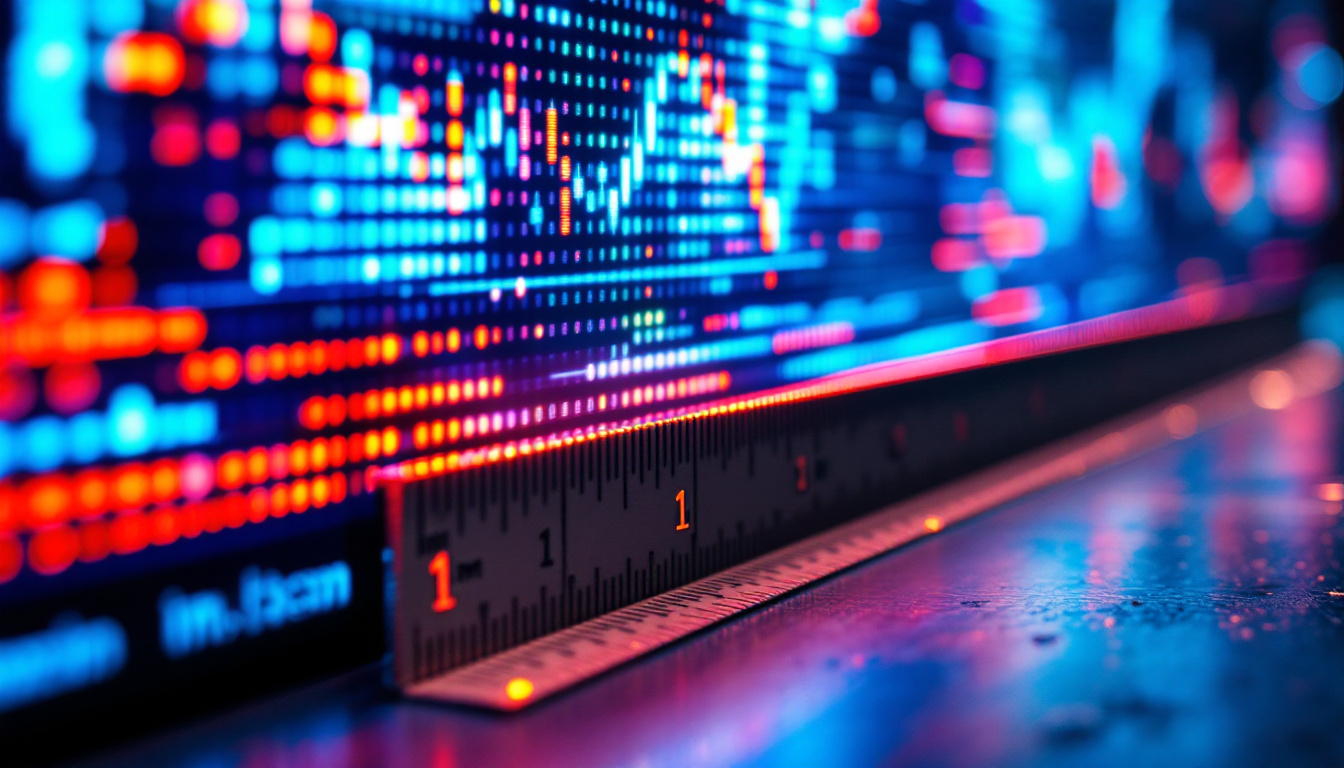
Resolution is a critical factor in determining the image quality of an LED media wall. Pixel pitch, measured in millimeters, refers to the distance between the centers of two adjacent pixels. A smaller pixel pitch means higher resolution and sharper images, but also higher costs. For media walls viewed from a distance, a larger pixel pitch may suffice, whereas close-up viewing demands finer pixel pitch.
Brightness and Viewing Environment
Assessing the ambient lighting conditions is essential for selecting the appropriate brightness level. For indoor environments with controlled lighting, 800 to 1,500 nits is typically adequate. Outdoor media walls require much higher brightness, often above 5,000 nits, to remain visible under direct sunlight.
Installation and Maintenance
Media walls can be complex to install, especially large-scale or curved configurations. It’s important to work with experienced professionals who can ensure precise alignment and secure mounting. Additionally, consider ease of maintenance; modular LED panels that can be individually replaced reduce downtime and repair costs.
Content Management Systems
Modern LED media walls are often paired with sophisticated content management systems (CMS) that allow users to schedule, update, and control displayed content remotely. Selecting a CMS that is user-friendly and compatible with various media formats enhances the versatility and effectiveness of the media wall.
Applications of LED Media Walls
Retail and Advertising
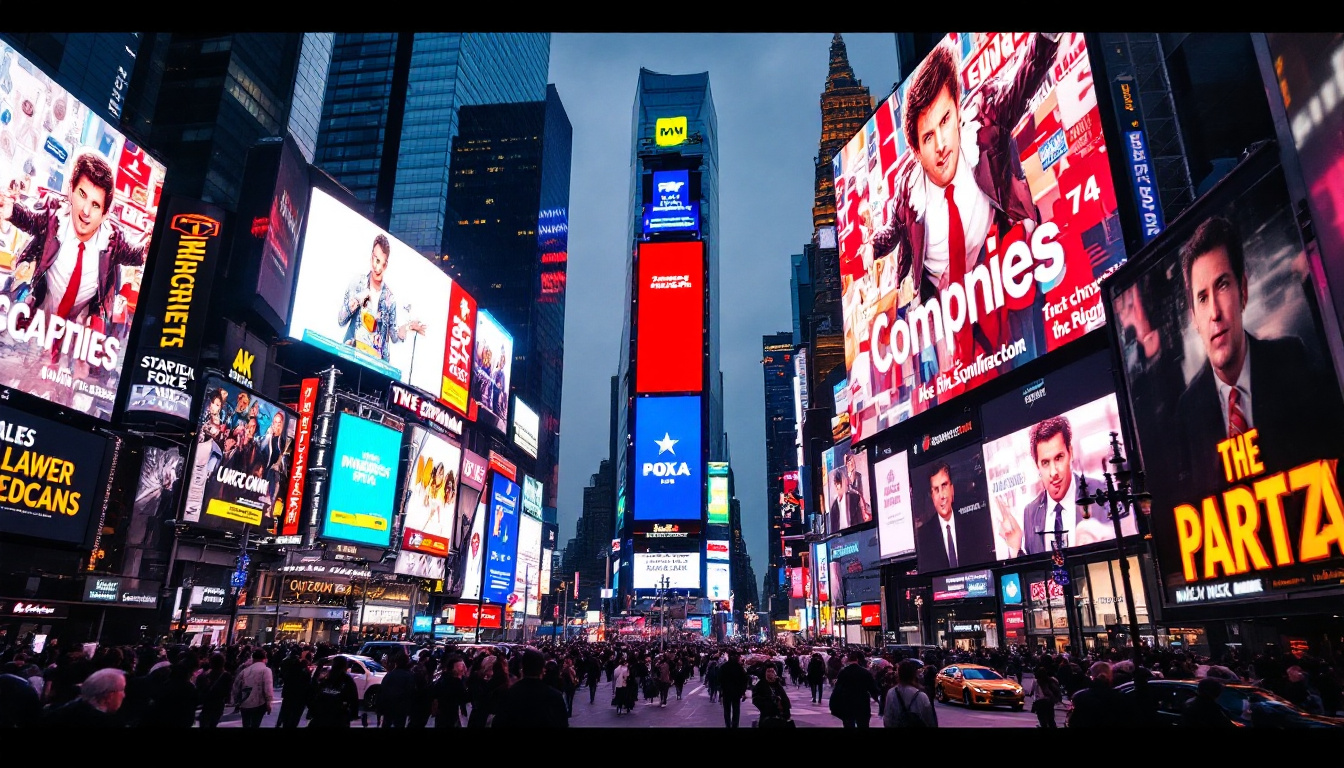
Retail environments leverage LED media walls to attract customers and promote products dynamically. According to a study by Nielsen, digital signage can increase brand awareness by up to 47.7%. LED displays enable retailers to showcase high-impact visuals and real-time promotions, creating immersive shopping experiences.
Corporate and Public Spaces
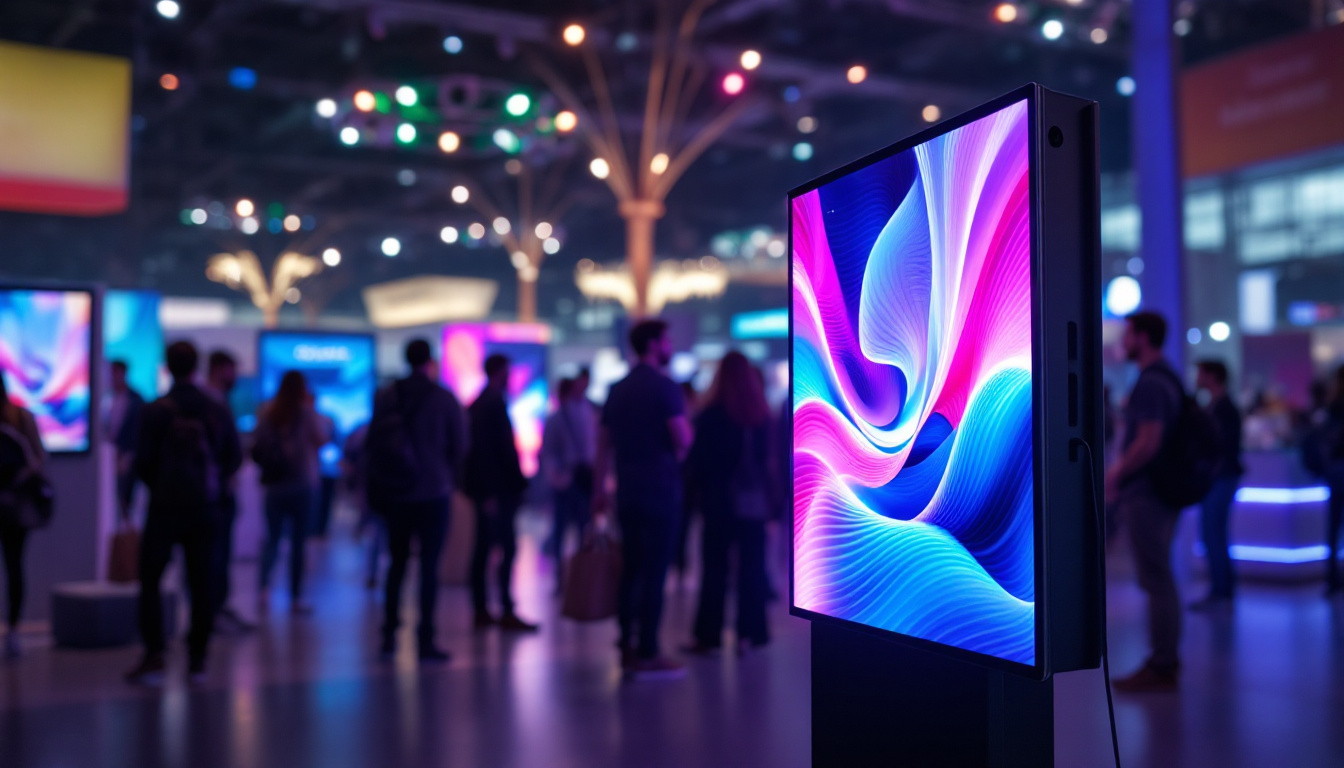
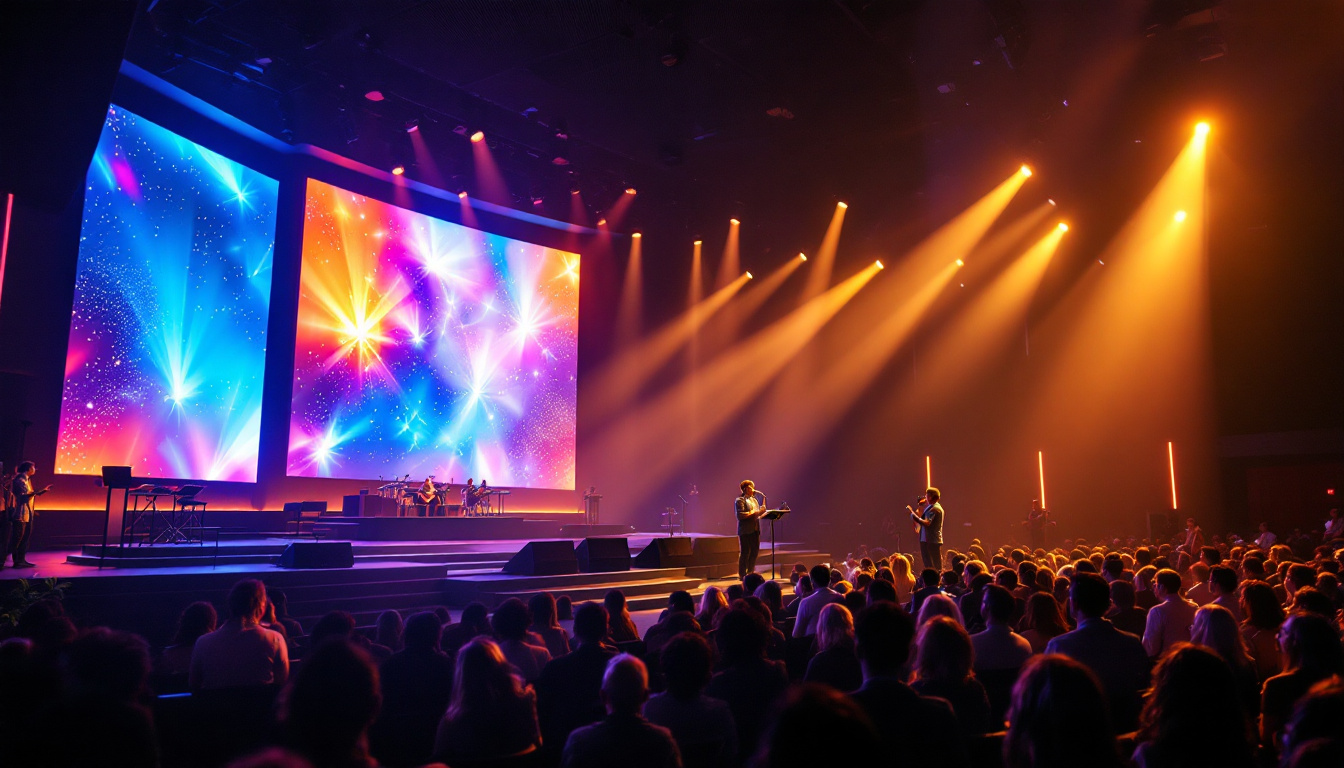
In corporate lobbies and public venues, LED media walls serve as information hubs and branding tools. They can display company news, event schedules, or welcome messages, enhancing visitor engagement. Airports, convention centers, and stadiums also use large LED walls for wayfinding and entertainment.
Entertainment and Home Theaters
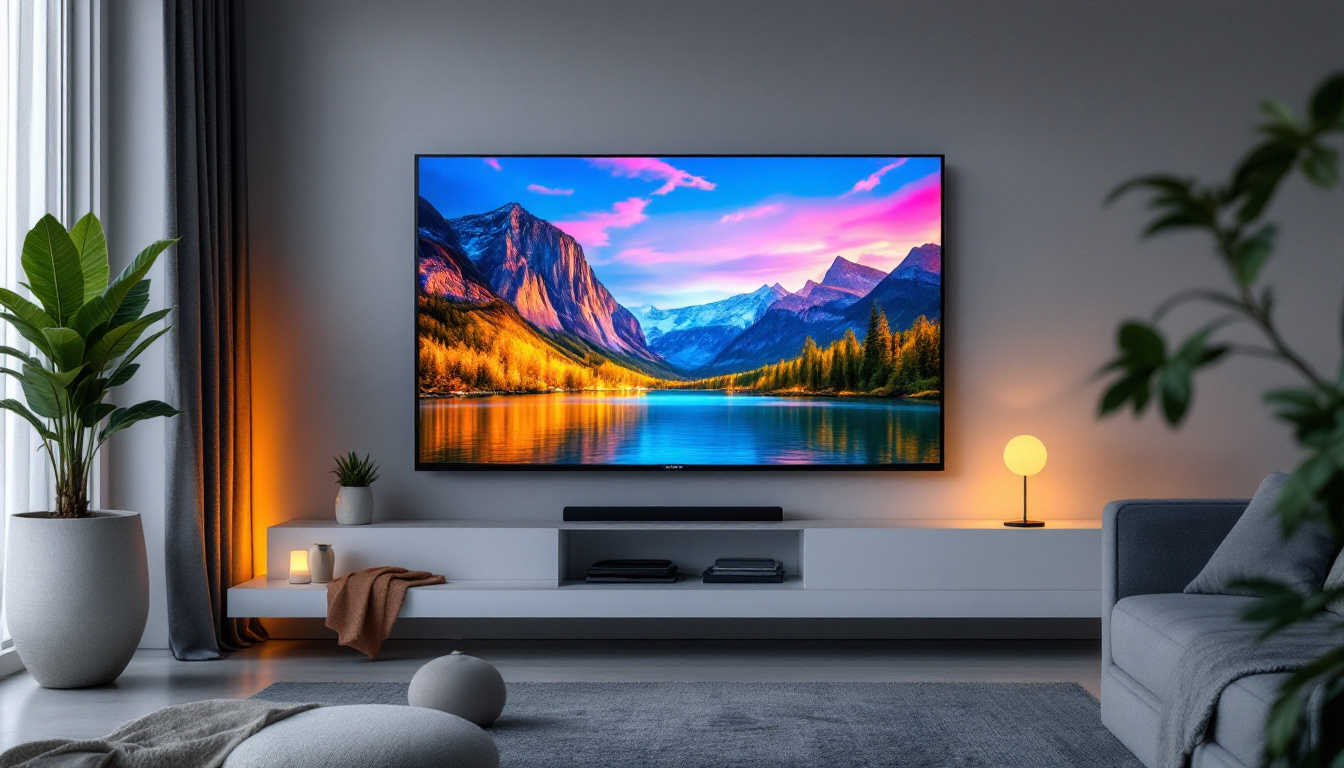
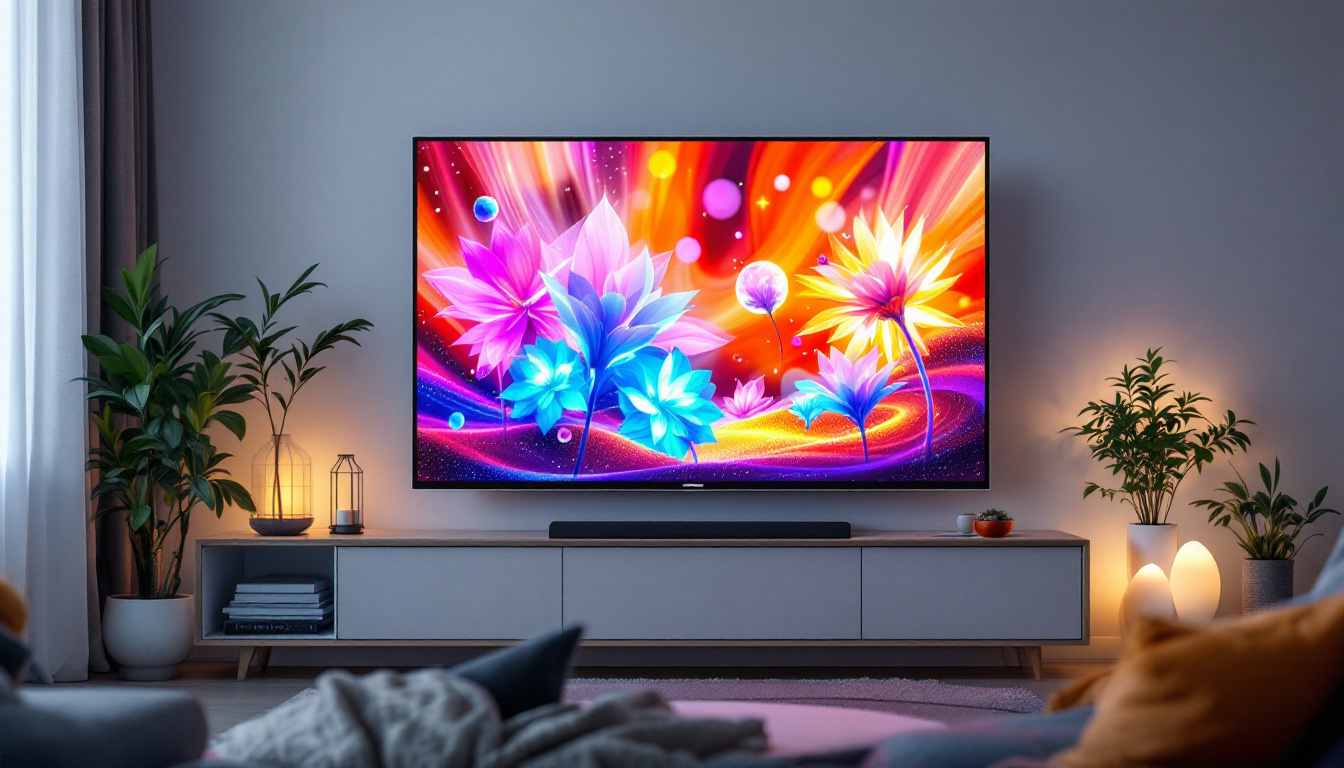
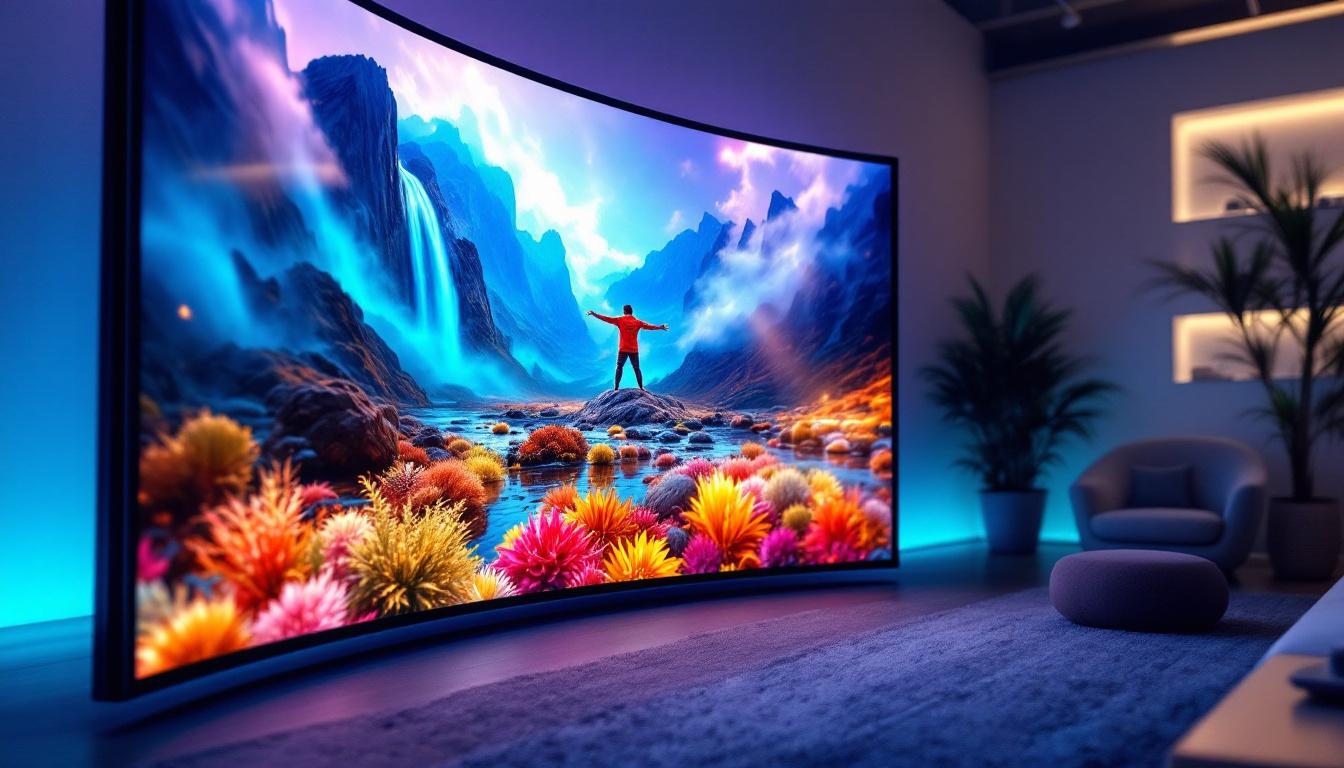
For home theaters and entertainment rooms, LED media walls provide cinema-quality visuals with deep blacks and vibrant colors. The ability to customize size and shape allows homeowners to create unique, immersive viewing environments that rival commercial cinemas.
Future Trends in LED Media Wall Technology
MicroLED and MiniLED Innovations
Emerging technologies like MicroLED and MiniLED promise even greater performance improvements. MicroLEDs are significantly smaller than traditional LEDs, allowing for ultra-high resolution and brightness with lower power consumption. This technology is expected to revolutionize media walls by offering thinner, lighter displays with superior picture quality.
Integration with Smart Technologies
Future media walls will increasingly integrate with smart building systems, enabling automated brightness adjustments based on ambient light and interactive features such as touch sensitivity and gesture control. This will enhance user engagement and operational efficiency.
Sustainability and Eco-Friendly Designs
As sustainability becomes a priority, LED manufacturers are focusing on eco-friendly materials and energy-saving designs. Advances in recycling and longer-lasting LEDs contribute to reducing the environmental impact of media wall installations.
Conclusion
LED lights for media walls represent a powerful fusion of technology and design, offering unparalleled brightness, flexibility, and visual impact. Whether for commercial advertising, corporate branding, or home entertainment, LED displays provide a versatile solution that can be tailored to a wide range of environments and applications. Understanding the underlying technology, benefits, and key considerations ensures that stakeholders can make informed decisions when investing in LED media walls. As innovations like MicroLED and smart integration continue to evolve, the future of LED media walls looks brighter than ever.
Discover LumenMatrix LED Display Solutions
Ready to elevate your space with the ultimate visual experience? Look no further than LumenMatrix, a pioneer in LED display technology. Our extensive range of products, from Indoor and Outdoor LED Wall Displays to innovative LED Transparent Displays, is designed to transform your media wall into a mesmerizing spectacle. Embrace the future of visual communication with LumenMatrix and let us help you make a lasting impression. Check out LumenMatrix LED Display Solutions today and see your vision come to life.