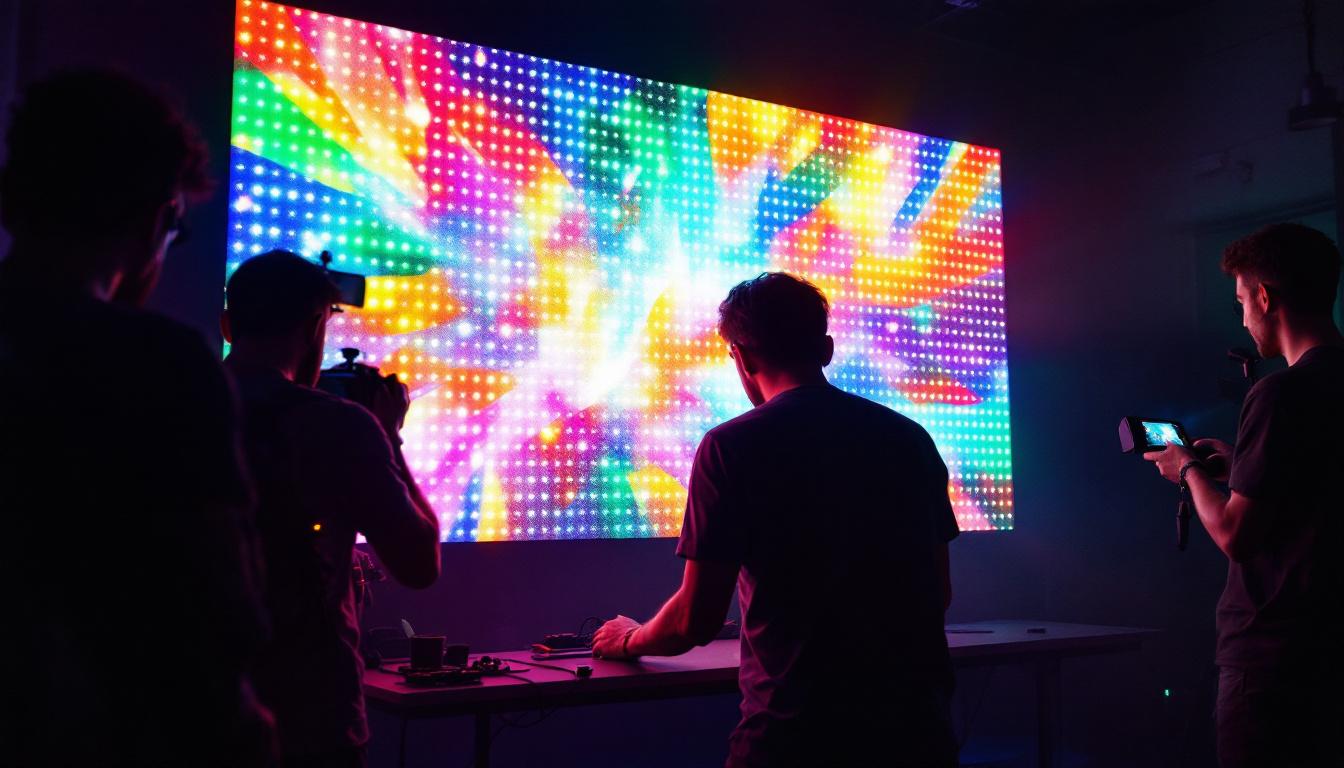
In the fast-evolving world of videography, lighting plays a pivotal role in shaping the quality and mood of any production. Among the various lighting technologies, LED lights have emerged as a dominant choice for both amateur and professional videographers. This article delves into the intricacies of LED lights for videography, with a particular focus on LED displays, their advantages, applications, and how to optimize their use for superior video quality.
Understanding LED Technology in Videography
LED, or Light Emitting Diode, technology has revolutionized lighting in many fields, including videography. Unlike traditional incandescent or fluorescent bulbs, LEDs produce light through electroluminescence, which involves passing an electric current through a semiconductor. This process results in several benefits crucial for videographers.
One of the standout features of LED lights is their energy efficiency. LEDs consume significantly less power compared to traditional lighting, allowing for longer shooting times without frequent battery changes or overheating issues. Additionally, LEDs generate minimal heat, which is essential in maintaining a comfortable environment on set and preventing damage to sensitive equipment.
Another key advantage is the versatility of LED lights. They come in various sizes, shapes, and color temperatures, enabling videographers to tailor lighting setups precisely to their creative needs. Modern LED panels often include adjustable brightness and color temperature controls, ranging from warm amber tones (around 2700K) to cool daylight hues (up to 6500K), facilitating natural-looking illumination or dramatic effects.
The Role of LED Displays in Videography
What Are LED Displays?
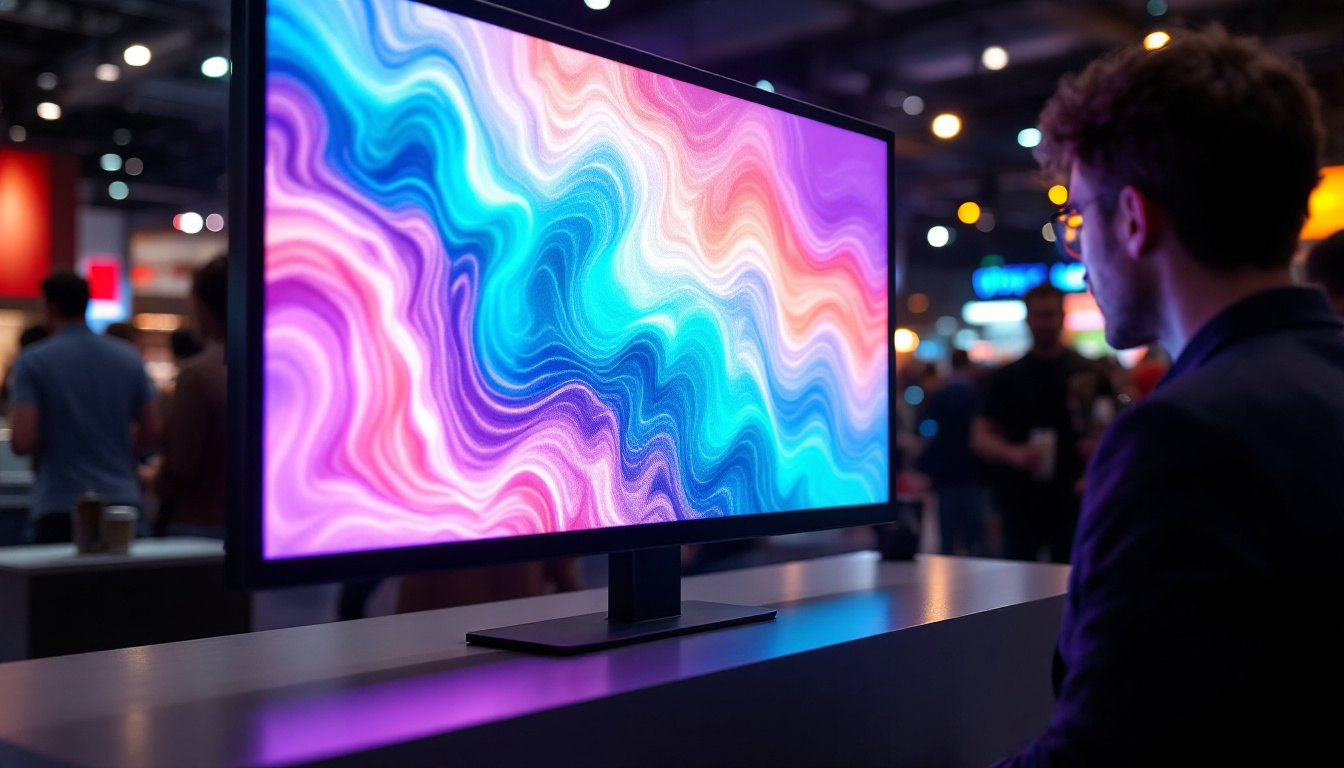
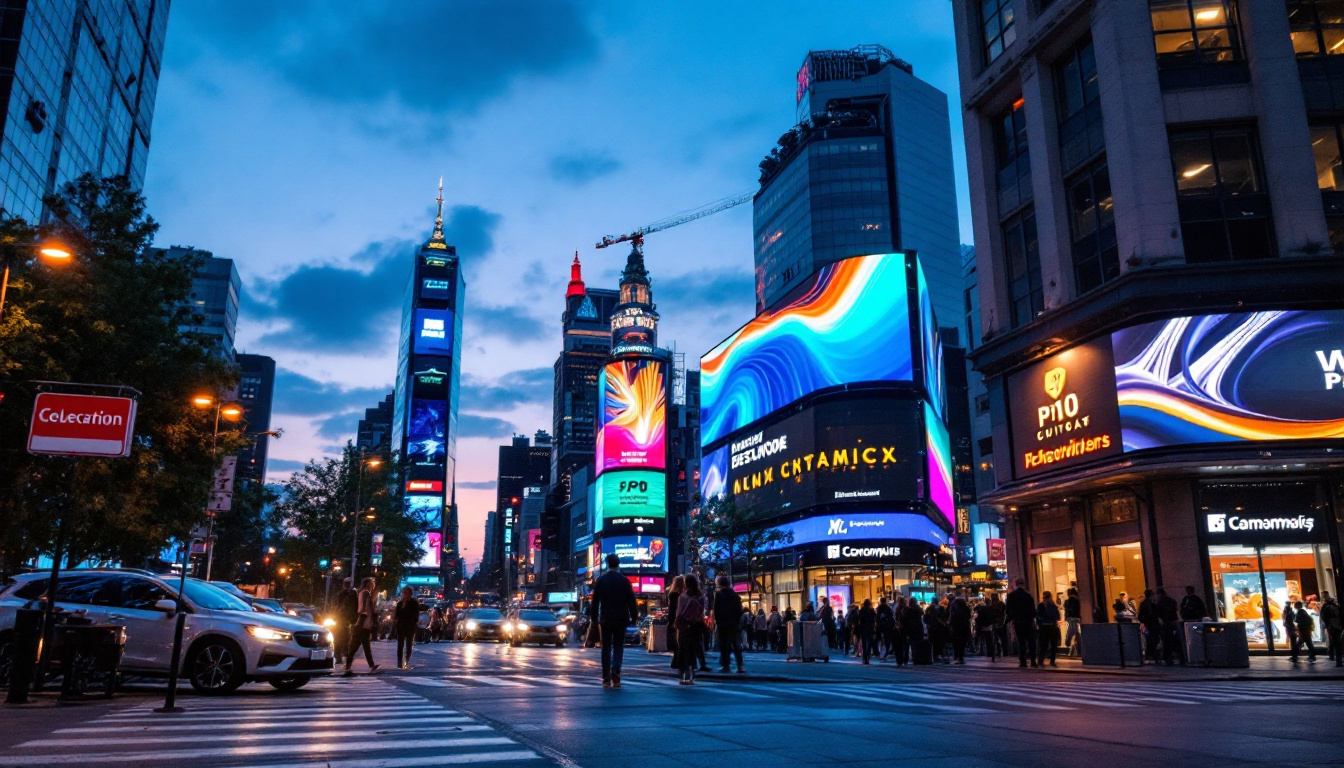
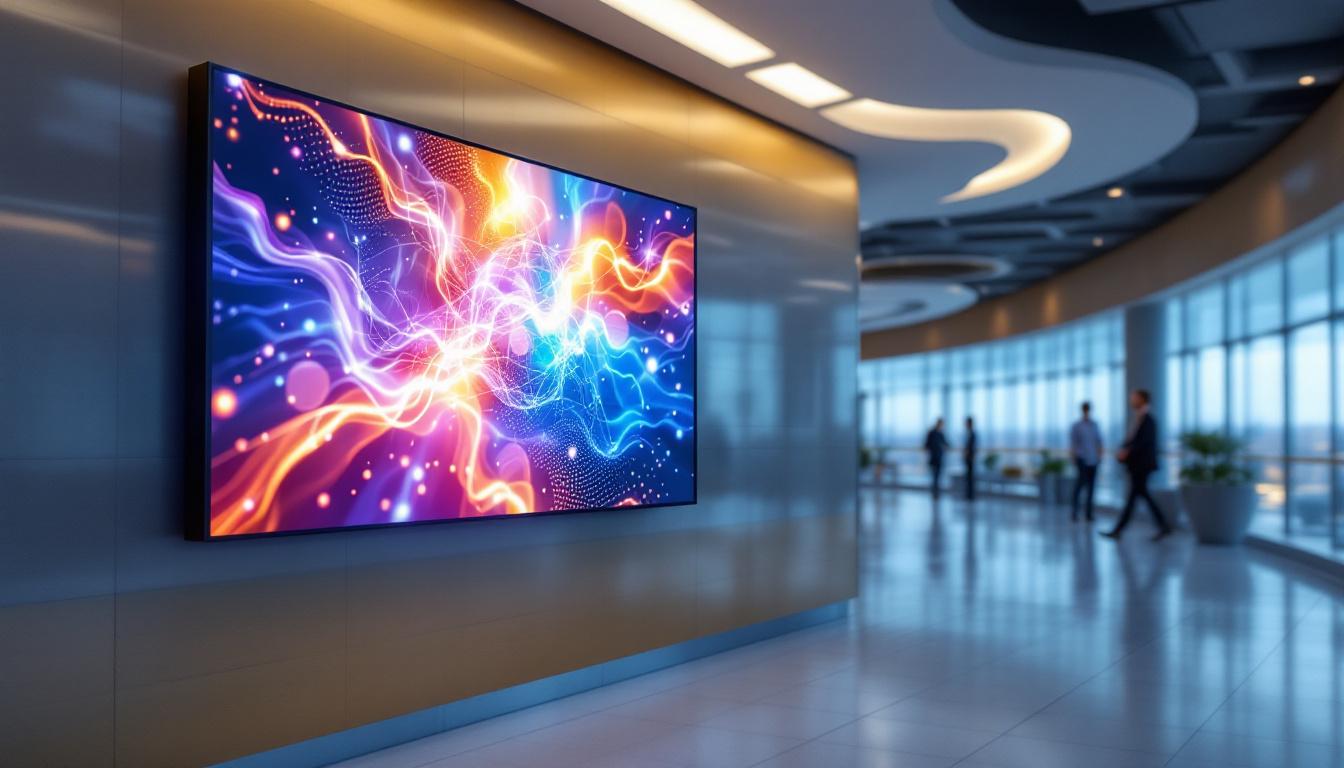
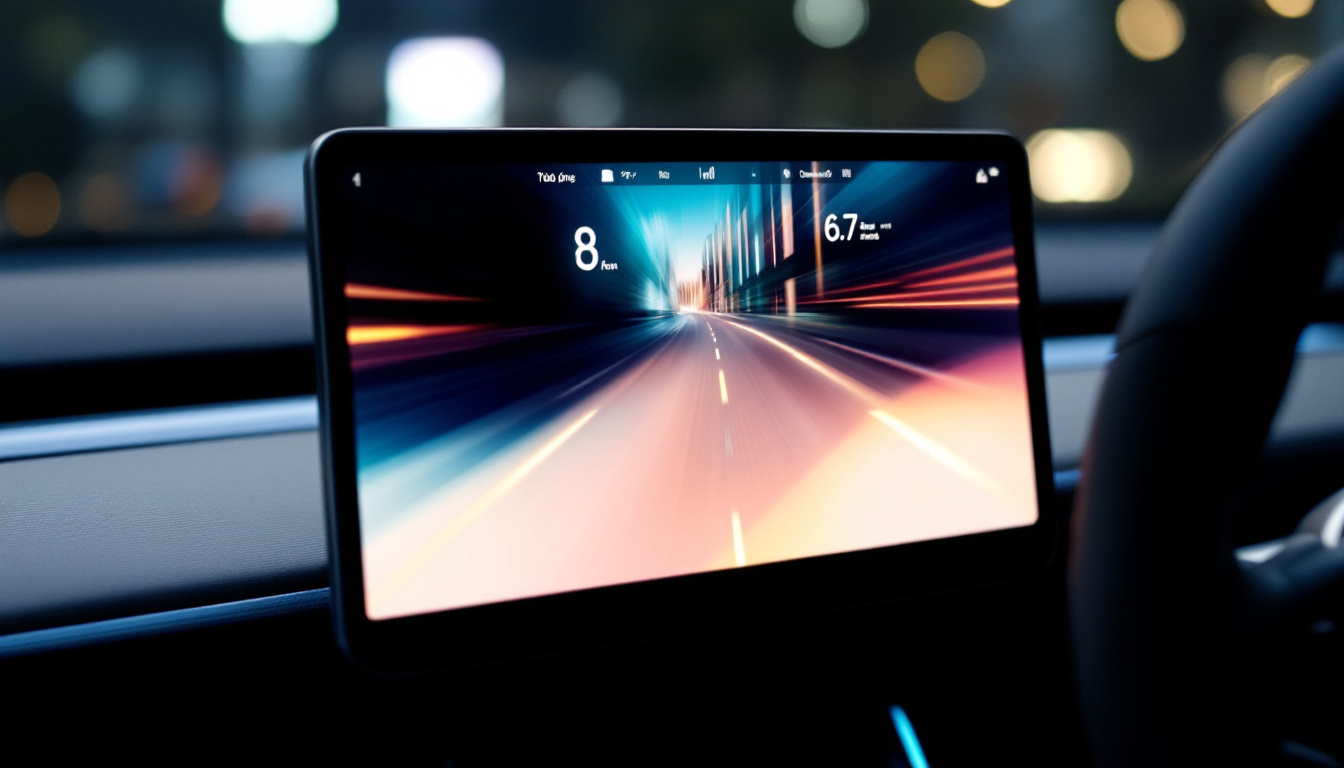
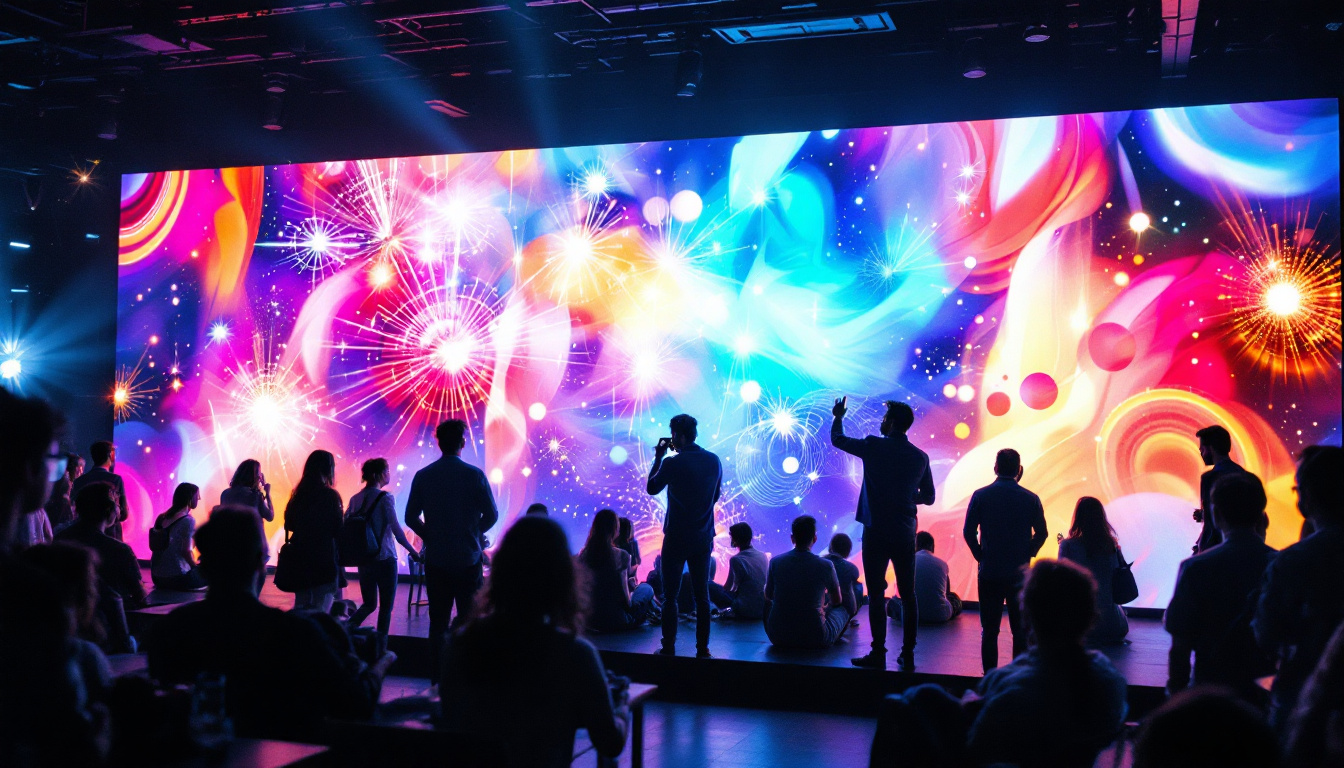
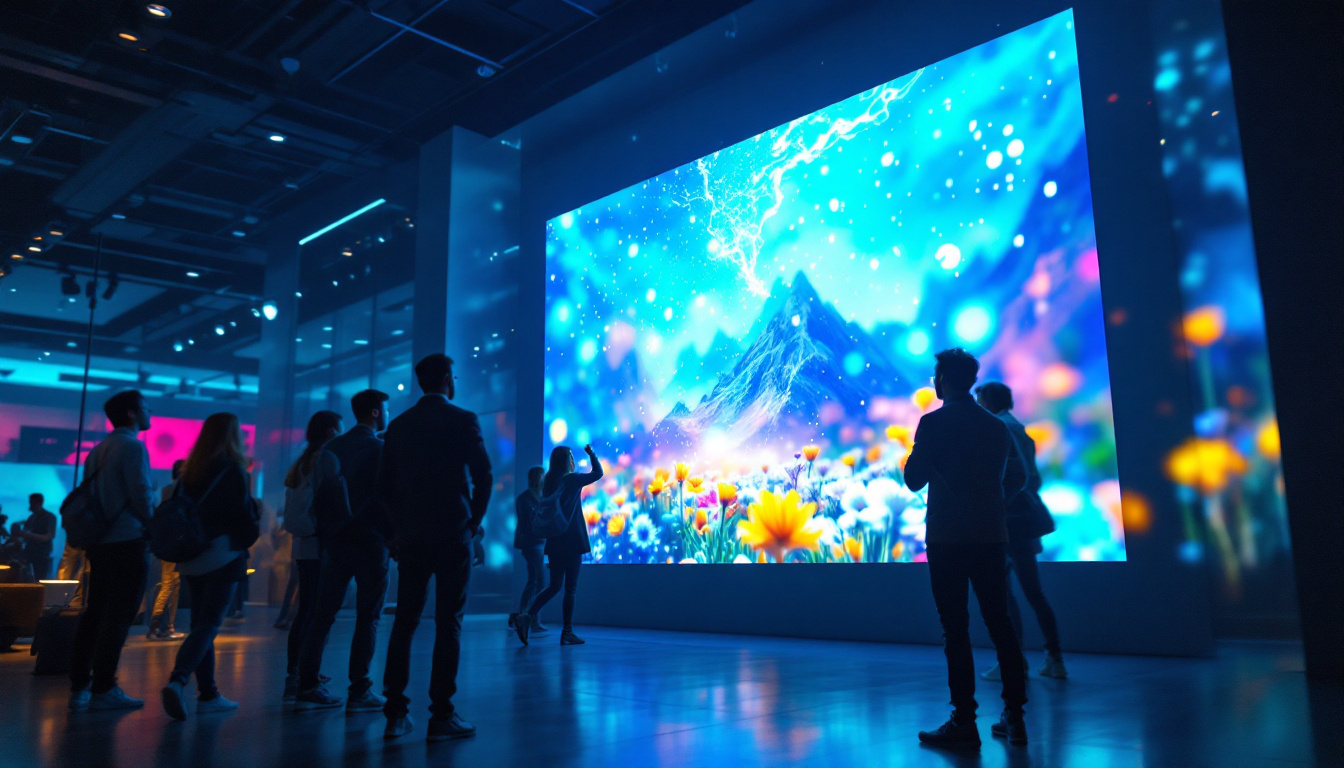
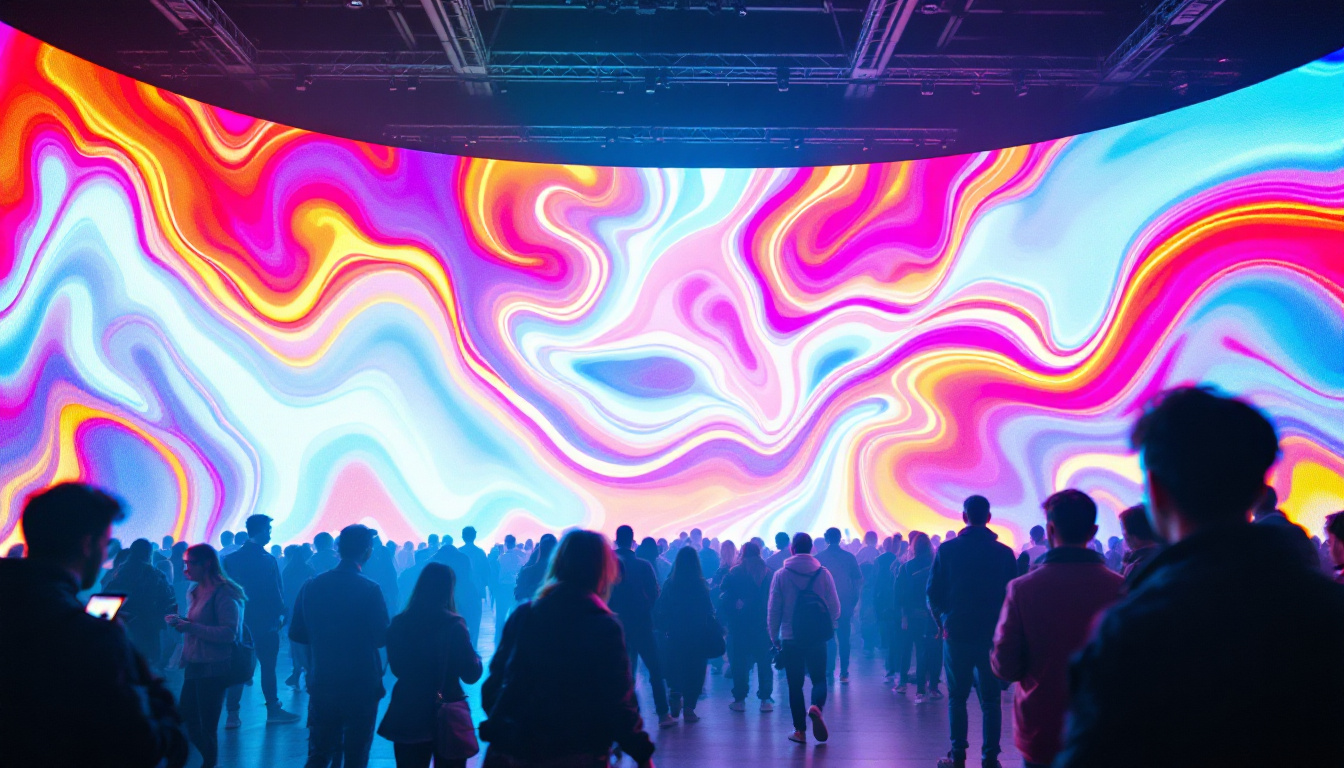
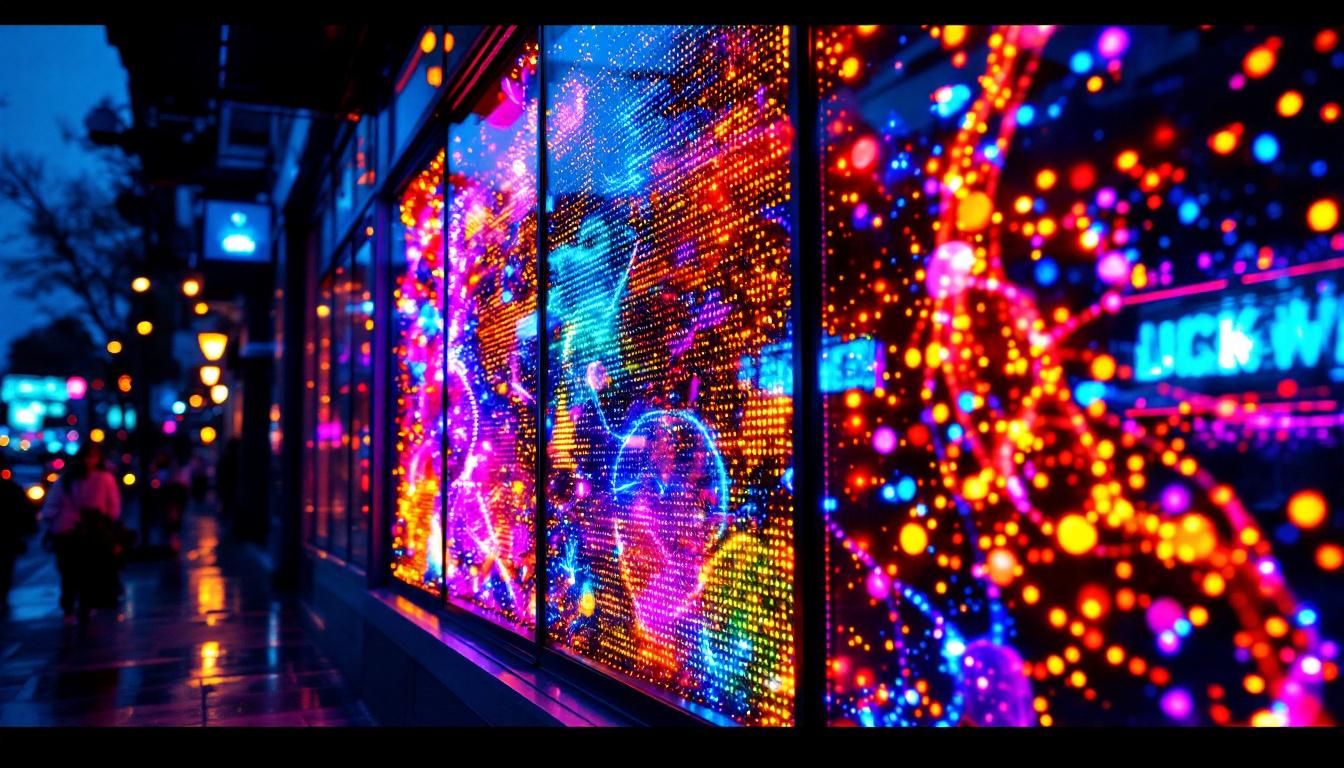
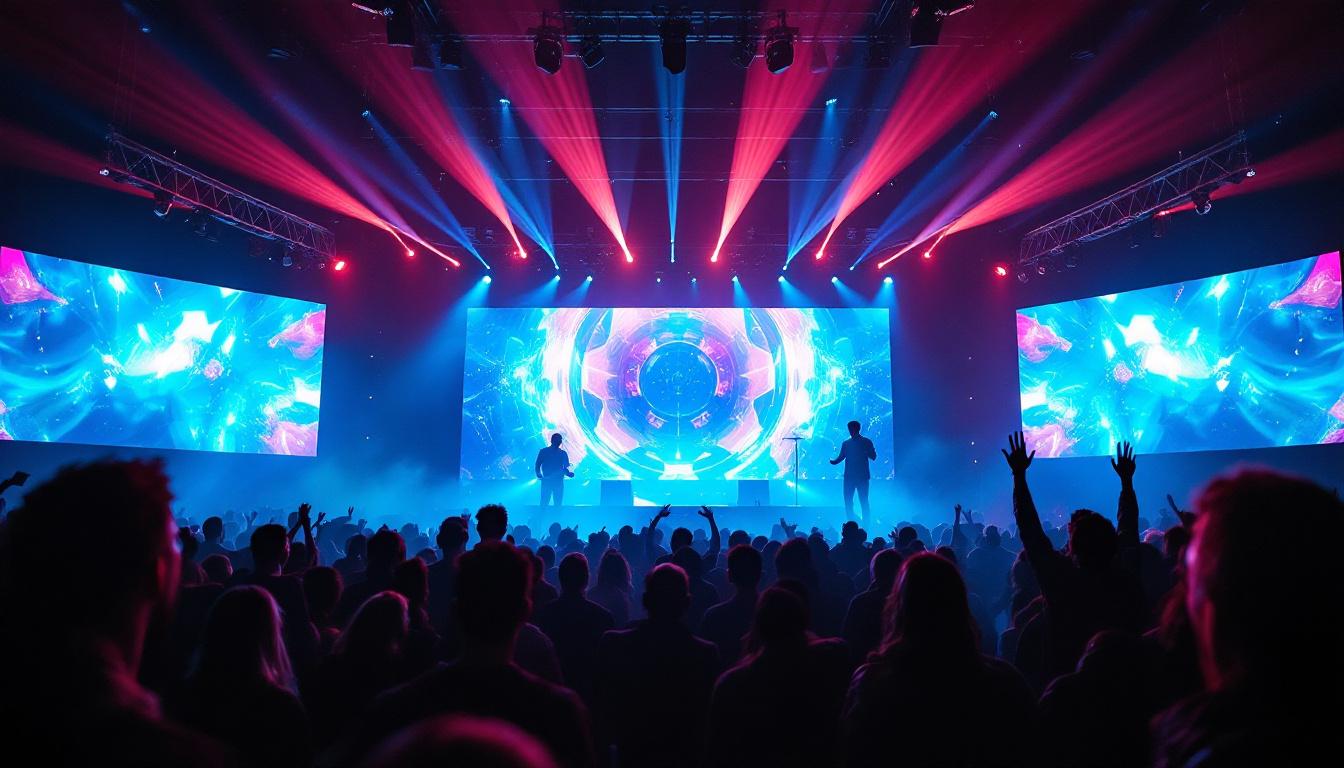
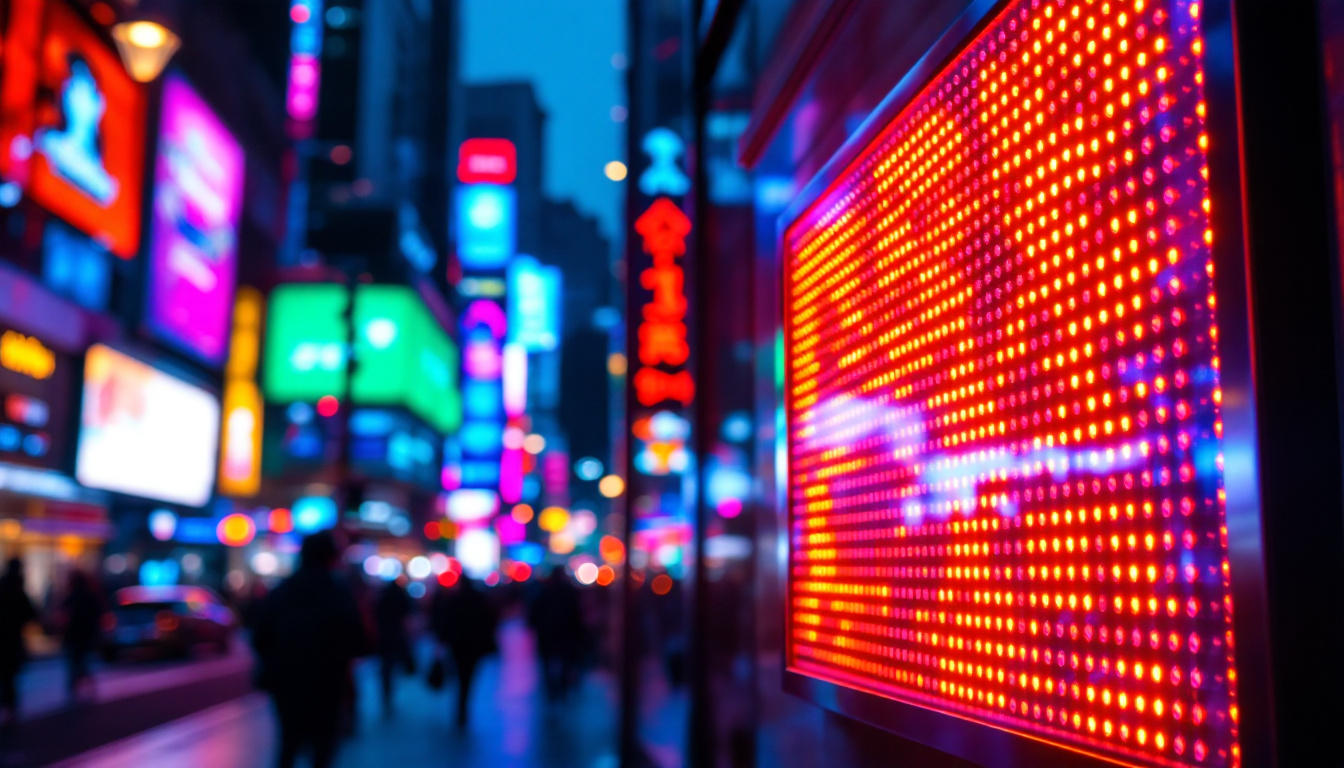
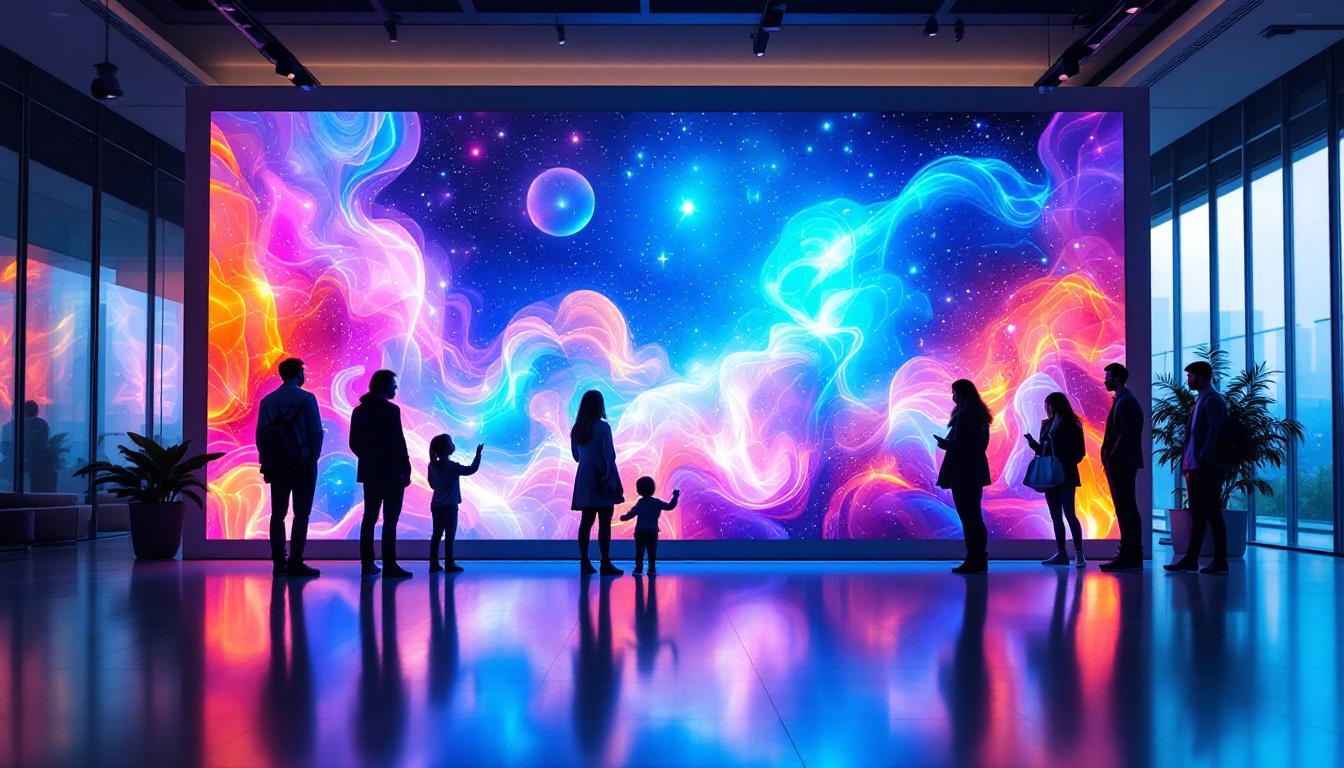
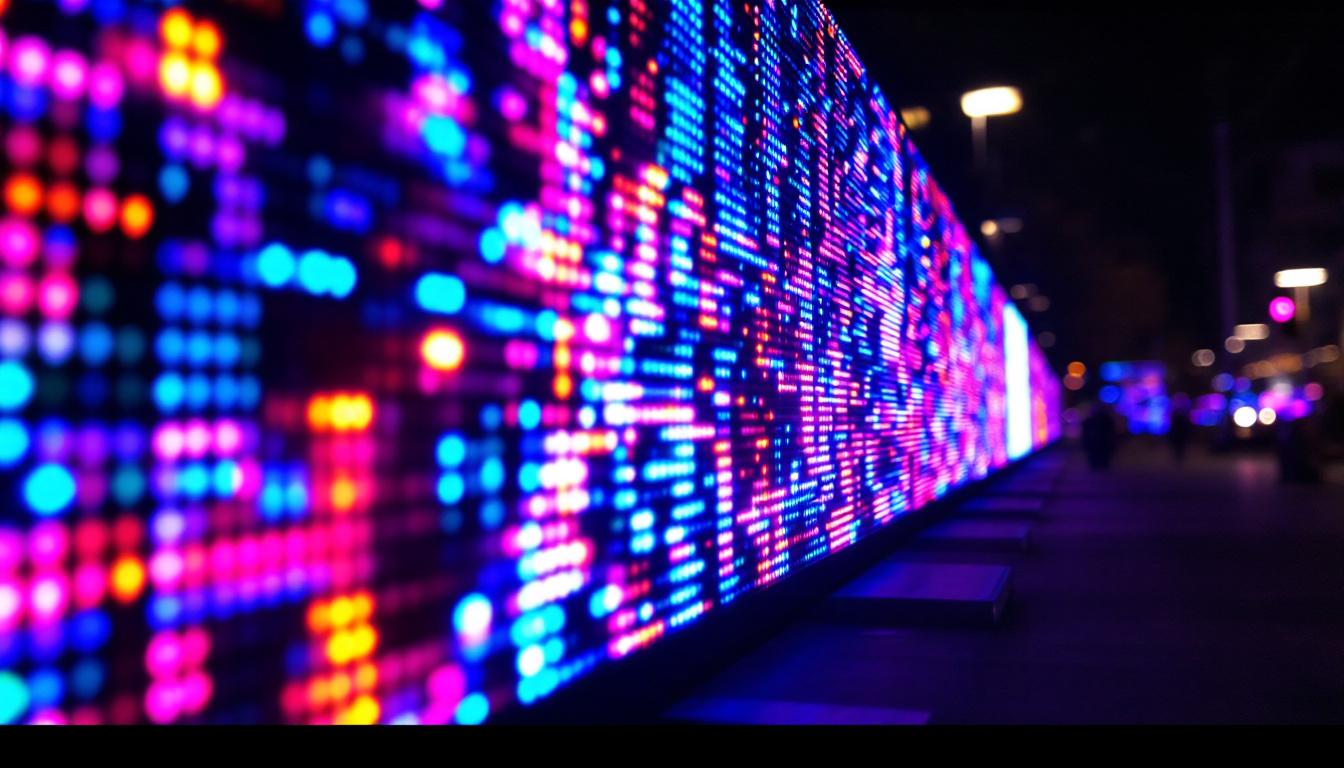
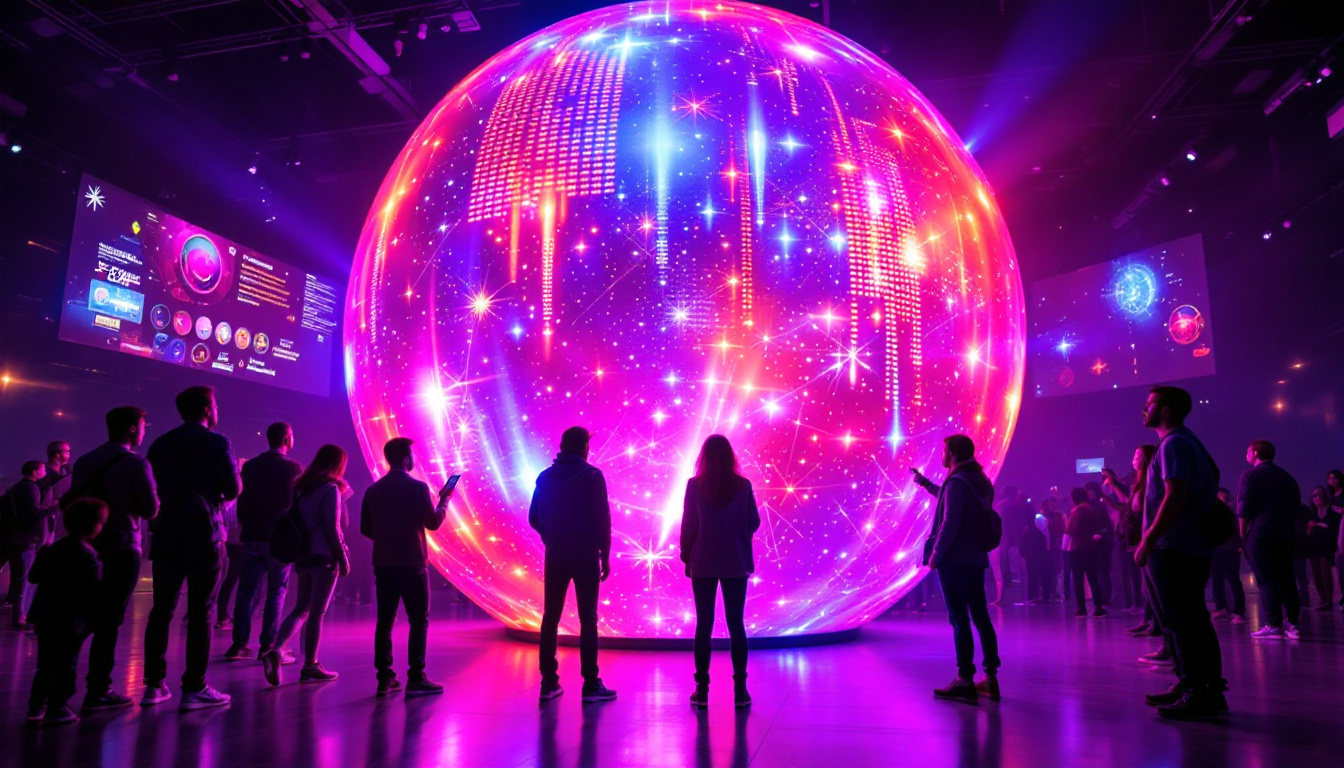
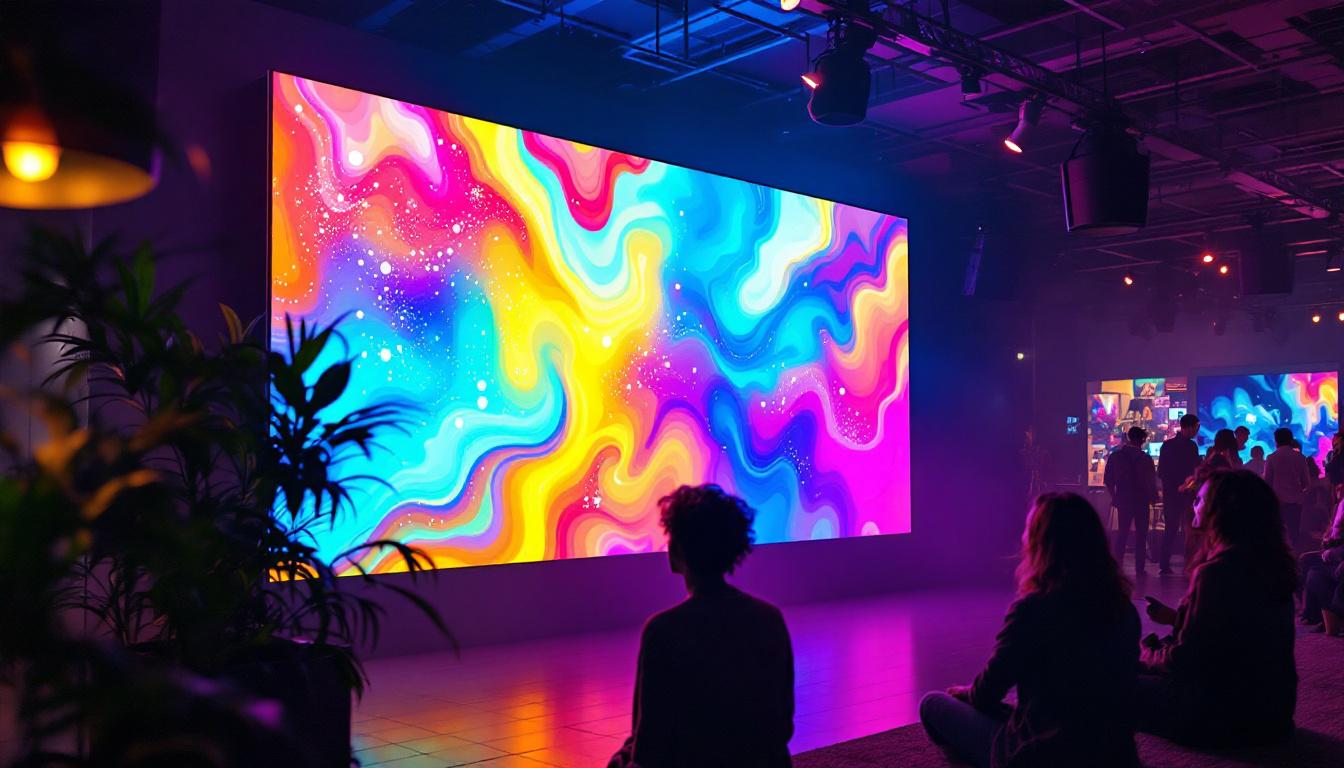
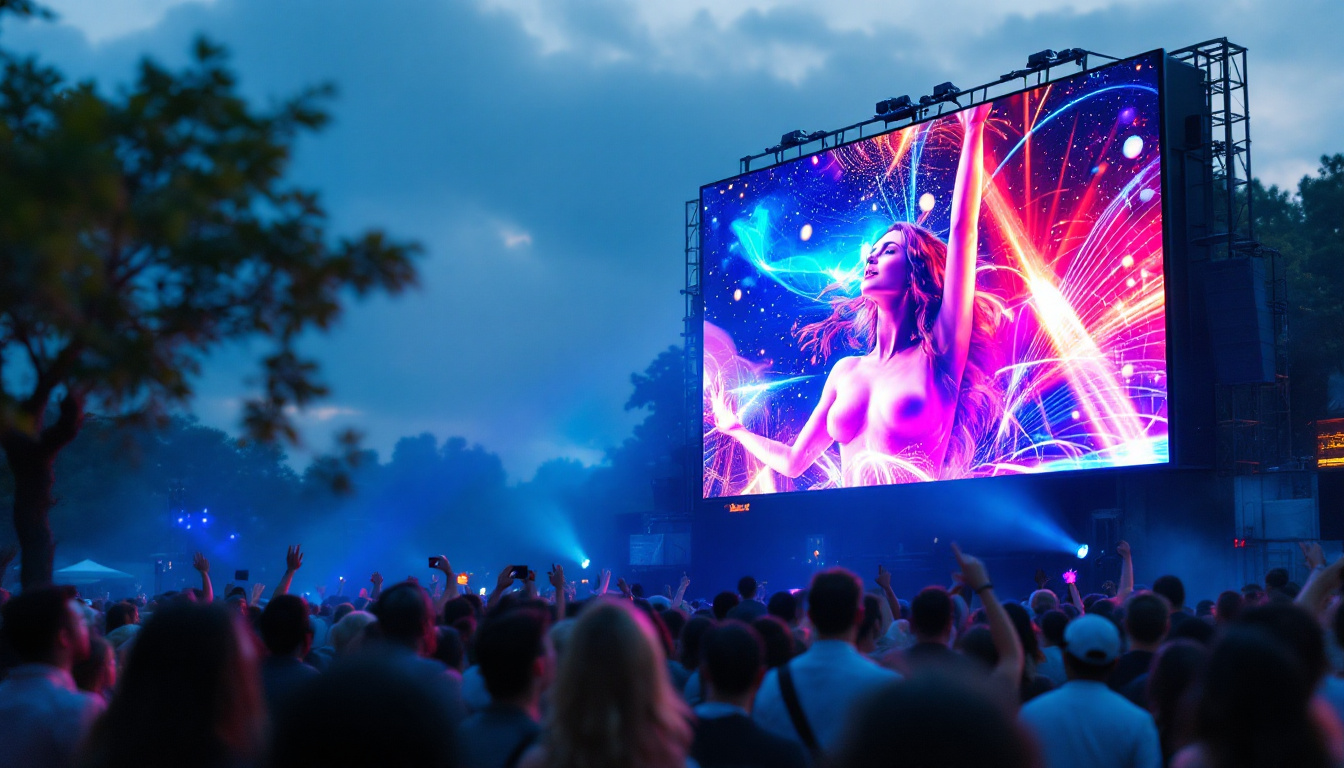
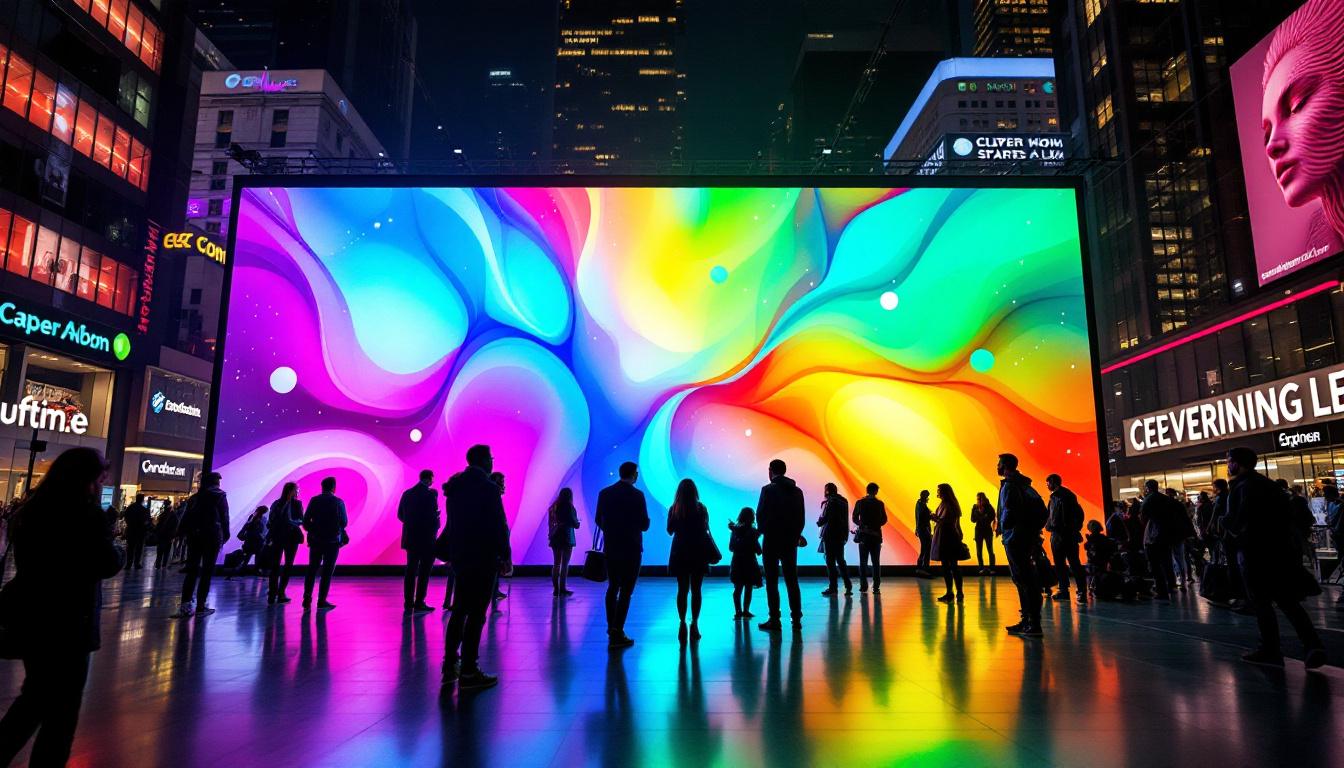
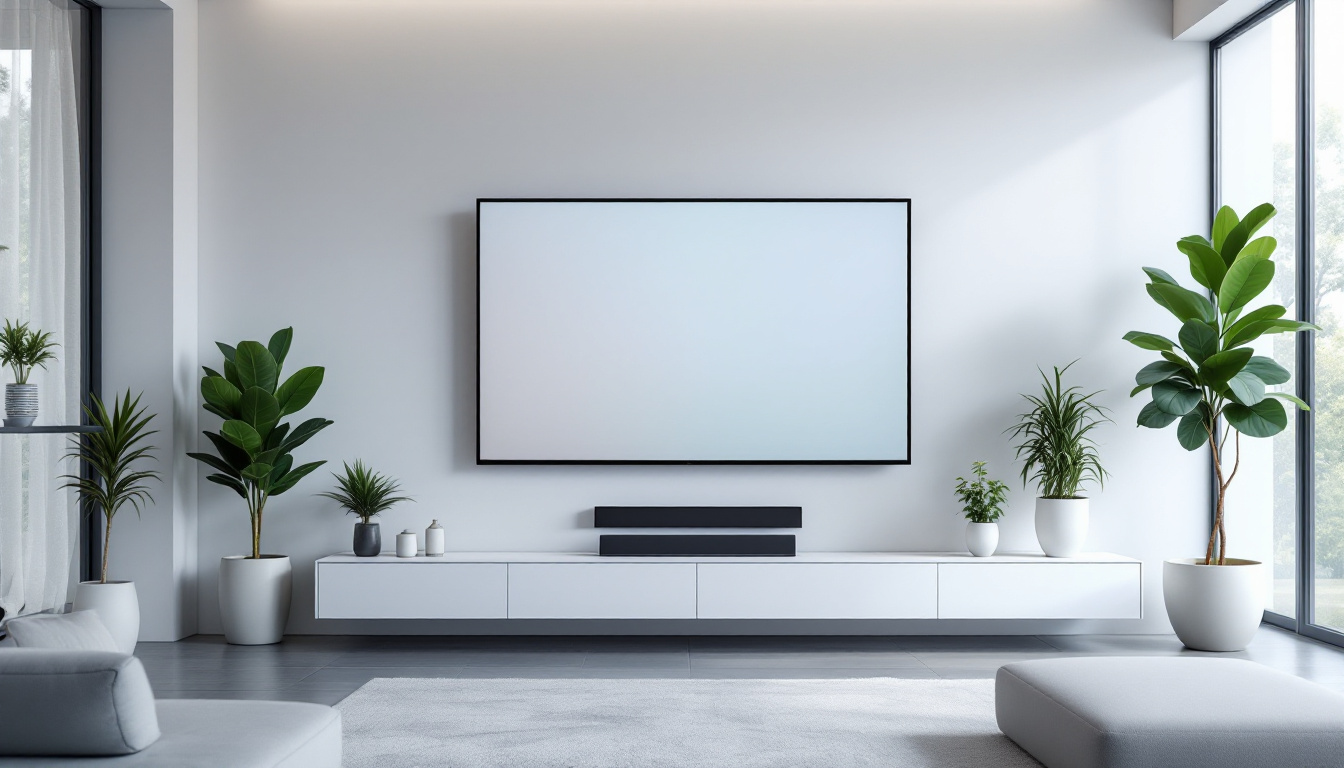
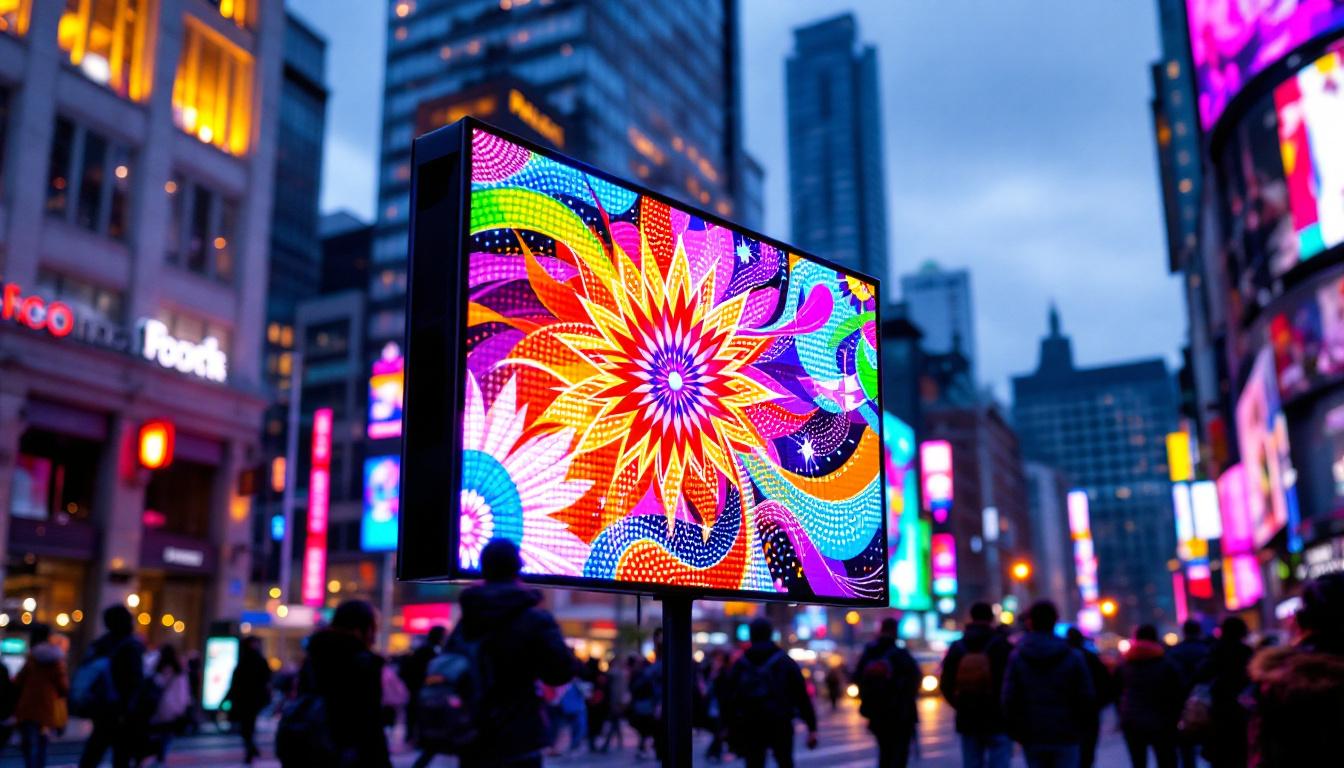
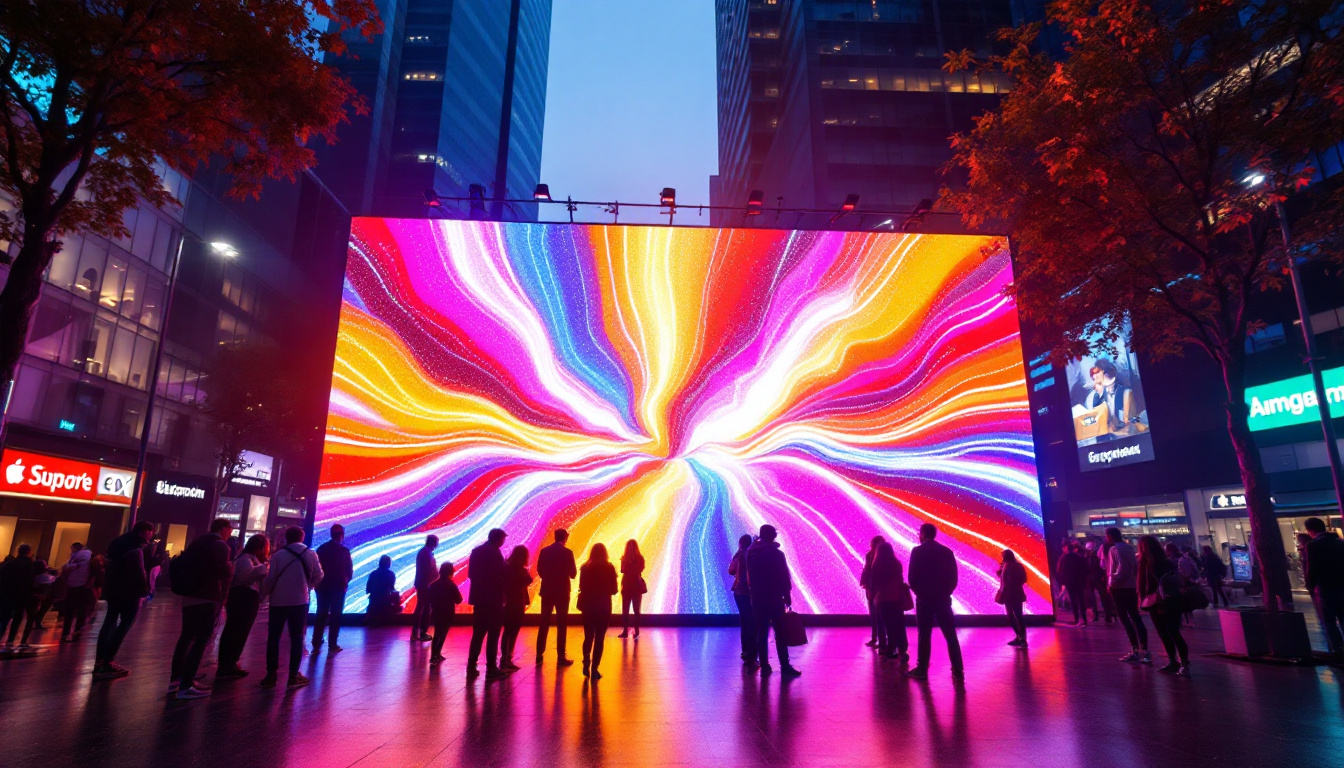
LED displays are large-scale screens composed of numerous tiny LED modules that emit light in different colors. These displays are commonly used as dynamic backgrounds or visual elements in video productions, concerts, broadcasts, and live events. Unlike traditional projection methods, LED displays offer vivid colors, high brightness, and excellent contrast ratios, making them ideal for capturing on camera.
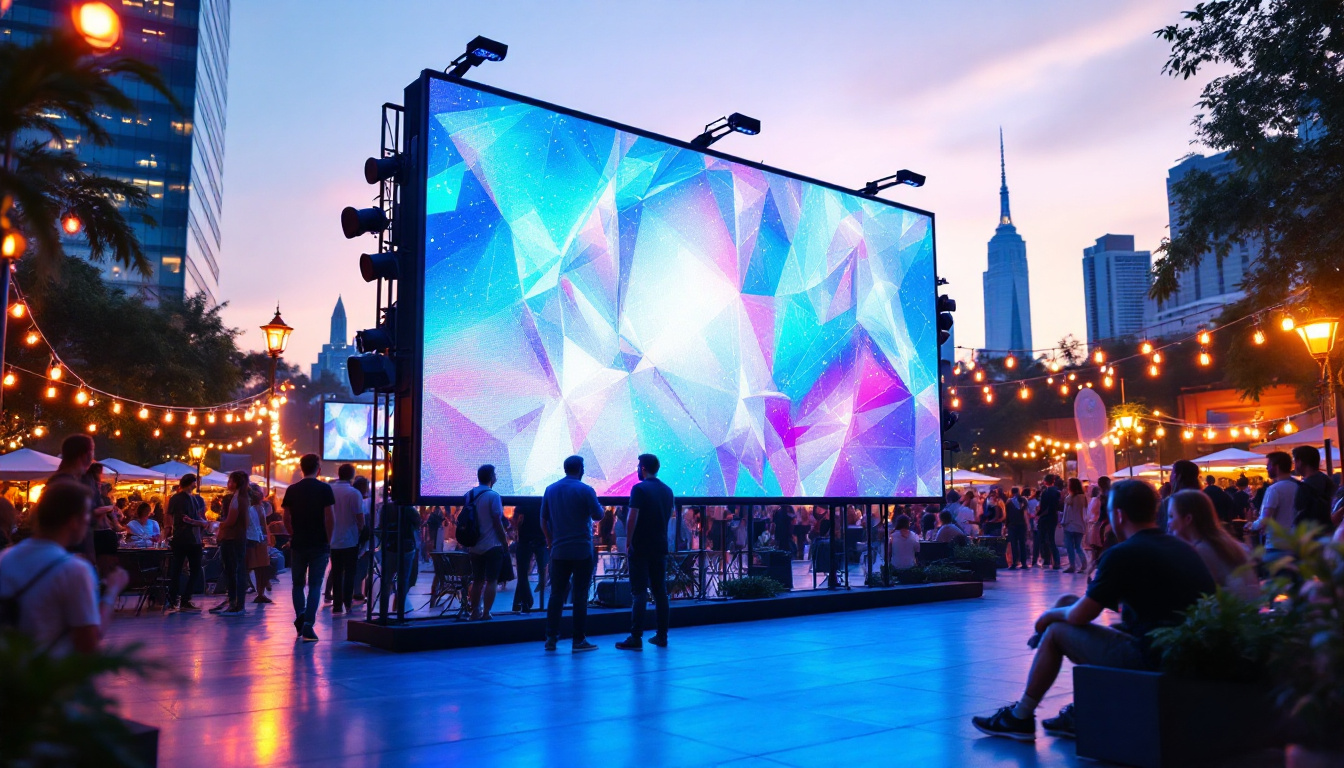
In videography, LED displays serve multiple purposes: they can act as immersive backdrops, interactive screens, or even simulate environments that would be difficult or expensive to recreate physically. For instance, a music video might use an LED display to project animated visuals synchronized with the soundtrack, enhancing the overall aesthetic and viewer engagement.
Advantages of Using LED Displays on Set
One of the most significant benefits of LED displays is their ability to provide consistent and controllable lighting. Because the display itself emits light, it can illuminate subjects with colors and intensities that complement the scene perfectly. This reduces the need for additional lighting equipment and simplifies the setup process.
Moreover, LED displays enable real-time changes to the background or environment without interrupting shooting. Directors and cinematographers can experiment with different visuals, textures, or moods instantly, fostering creativity and flexibility. This adaptability is particularly valuable in fast-paced production environments where time is critical.
Another important aspect is the improved realism LED displays bring to virtual production techniques. By integrating LED walls with camera tracking systems, filmmakers can create immersive scenes where the background shifts perspective dynamically, matching the camera’s movement. This technology, popularized by productions like “The Mandalorian,” reduces reliance on green screens and post-production compositing, streamlining the workflow.
Key Features to Consider When Selecting LED Lights for Videography
Color Accuracy and CRI
Color accuracy is paramount in videography, as it affects how colors appear on camera and ultimately on screen. The Color Rendering Index (CRI) is a metric used to evaluate a light source’s ability to reveal colors faithfully compared to natural light. For professional video work, a CRI of 90 or above is generally recommended to ensure true-to-life color reproduction.
Many high-quality LED panels now offer high CRI ratings, often coupled with additional metrics like TLCI (Television Lighting Consistency Index), which is specifically designed for broadcast and video production. Choosing LED lights with excellent CRI and TLCI ensures that skin tones and other critical colors look natural, reducing the need for extensive color correction in post-production.
Adjustability and Control
Modern LED lights often feature adjustable brightness and color temperature, which are essential for matching ambient light conditions or achieving specific artistic effects. Some units also support RGB capabilities, allowing videographers to create custom colors and moods on the fly.
Control options vary from simple onboard dials to sophisticated wireless remote systems and smartphone apps. Wireless control is particularly advantageous on larger sets, where lighting adjustments need to be made quickly without physically accessing each light. Additionally, compatibility with DMX protocols enables integration into complex lighting rigs commonly used in professional studios and live events.
Portability and Power Options
For videographers working on location, portability is a crucial factor. LED panels are available in compact, lightweight designs that can be powered by rechargeable batteries, making them ideal for outdoor shoots or situations where power outlets are scarce.
Battery life varies depending on the light’s brightness and features, but many modern LED lights offer several hours of continuous operation on a single charge. Some models support hot-swappable batteries, allowing uninterrupted use during extended shoots.
Practical Applications of LED Lights and Displays in Videography
Interview and Documentary Filming
In interview setups, LED lights provide soft, even illumination that flatters subjects and reduces harsh shadows. Adjustable color temperature helps match the lighting to the environment, whether indoors with tungsten bulbs or outdoors in natural daylight. LED panels can also be used as fill lights or backlights to add depth and separation from the background.
LED displays can serve as dynamic backdrops, displaying relevant imagery or branding without the need for physical props. This approach simplifies setup and enhances visual interest, especially in corporate videos and documentaries.
Music Videos and Creative Productions
Music videos often demand bold, colorful, and dynamic lighting to match the energy and style of the music. RGB LED panels and LED displays allow for vibrant color changes and animated effects that can be synchronized with the soundtrack. This capability opens up creative possibilities that were previously difficult or expensive to achieve.
LED displays can also be used to create immersive environments or abstract visuals, adding layers of meaning and visual texture to the production. Their high brightness ensures that these elements remain vivid even under intense studio lighting.
Virtual Production and Visual Effects
Virtual production is a cutting-edge technique that combines LED displays with real-time rendering engines to create photorealistic backgrounds and environments on set. This method reduces the need for green screen compositing and allows actors to interact naturally with their surroundings.
The success of productions like “The Mandalorian” has popularized this approach, demonstrating how LED walls can deliver realistic lighting and reflections that enhance the overall visual quality. For videographers interested in exploring virtual production, investing in high-quality LED displays and compatible software tools is essential.
Tips for Optimizing LED Lighting in Videography
Balancing Light Intensity and Color Temperature
Achieving the right balance of light intensity and color temperature is critical for professional-looking footage. Overly bright lights can cause unwanted glare or wash out details, while insufficient lighting may result in grainy or noisy images. Using dimmable LED panels allows precise control over exposure and mood.
Matching the color temperature of LED lights to existing ambient light helps maintain color consistency across shots. For example, mixing daylight-balanced LEDs with tungsten lights without adjustment can cause color shifts that are difficult to correct later.
Utilizing Diffusers and Modifiers
While LED panels often provide soft light, adding diffusers or softboxes can further soften shadows and create a more flattering look. Light modifiers also help control spill and direct light exactly where it’s needed, enhancing the overall composition.
Some LED lights come with built-in diffusion options or magnetic attachments for quick setup. Experimenting with different modifiers can help videographers achieve the desired aesthetic for each scene.
Maintaining Consistency Across Shots
Consistency is key in multi-scene productions. Marking light positions, settings, and color temperature ensures that lighting remains uniform throughout the shoot. This practice minimizes post-production color grading and maintains visual continuity.
For productions using LED displays as backgrounds, ensuring that the display’s brightness and color output remain stable is equally important. Regular calibration and monitoring help avoid flickering or color shifts that can distract viewers.
Future Trends in LED Lighting for Videography
The LED lighting landscape continues to evolve rapidly, driven by advances in technology and changing production demands. Miniaturization and increased efficiency are making LED lights even more portable and powerful. Additionally, the integration of smart technologies, such as AI-driven lighting adjustments and voice control, is on the horizon.
In the realm of LED displays, higher resolution panels with improved pixel pitch are enabling more detailed and immersive virtual environments. As costs decrease, these technologies are becoming accessible to a broader range of creators, democratizing high-end production capabilities.
Moreover, sustainability is becoming a significant focus, with LED manufacturers developing eco-friendly materials and energy-saving features to reduce the environmental impact of production lighting.
Conclusion
LED lights and displays have transformed videography by offering versatile, efficient, and creative lighting solutions. Their ability to produce high-quality, controllable light with minimal heat and power consumption makes them indispensable tools for modern video production. Whether illuminating a simple interview or creating complex virtual environments, understanding the capabilities and best practices of LED technology empowers videographers to elevate their craft.
As LED technology continues to advance, staying informed about the latest developments and experimenting with new tools will help videographers maintain a competitive edge and deliver visually compelling content that resonates with audiences worldwide.
Illuminate Your Vision with LumenMatrix
Ready to bring your videography to the next level with unparalleled LED display technology? LumenMatrix is at the forefront of innovation, offering a diverse range of LED display solutions that cater to any creative need. From the vibrant ambiance of Indoor LED Wall Displays to the dynamic engagement of Outdoor LED Wall Displays, and the unique applications of Vehicle LED Displays to the sleek design of LED Poster Displays, LumenMatrix has you covered. Discover how our LED Sports Displays, Floor LED Displays, Custom LED Displays, All-in-One LED Displays, and LED Transparent Displays can transform your visual storytelling. Elevate your brand’s visibility and captivate your audience with displays that resonate with clarity and impact. Check out LumenMatrix LED Display Solutions today and experience the revolution in visual communication.