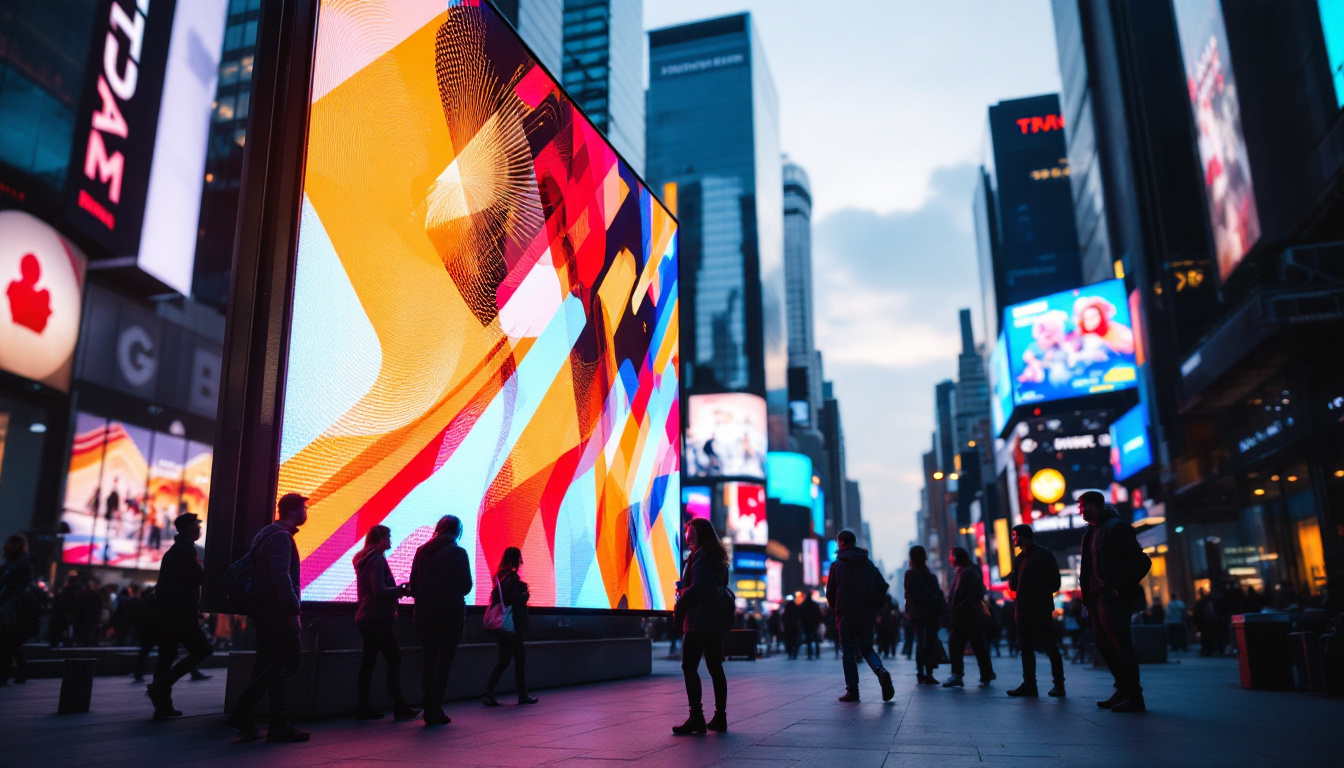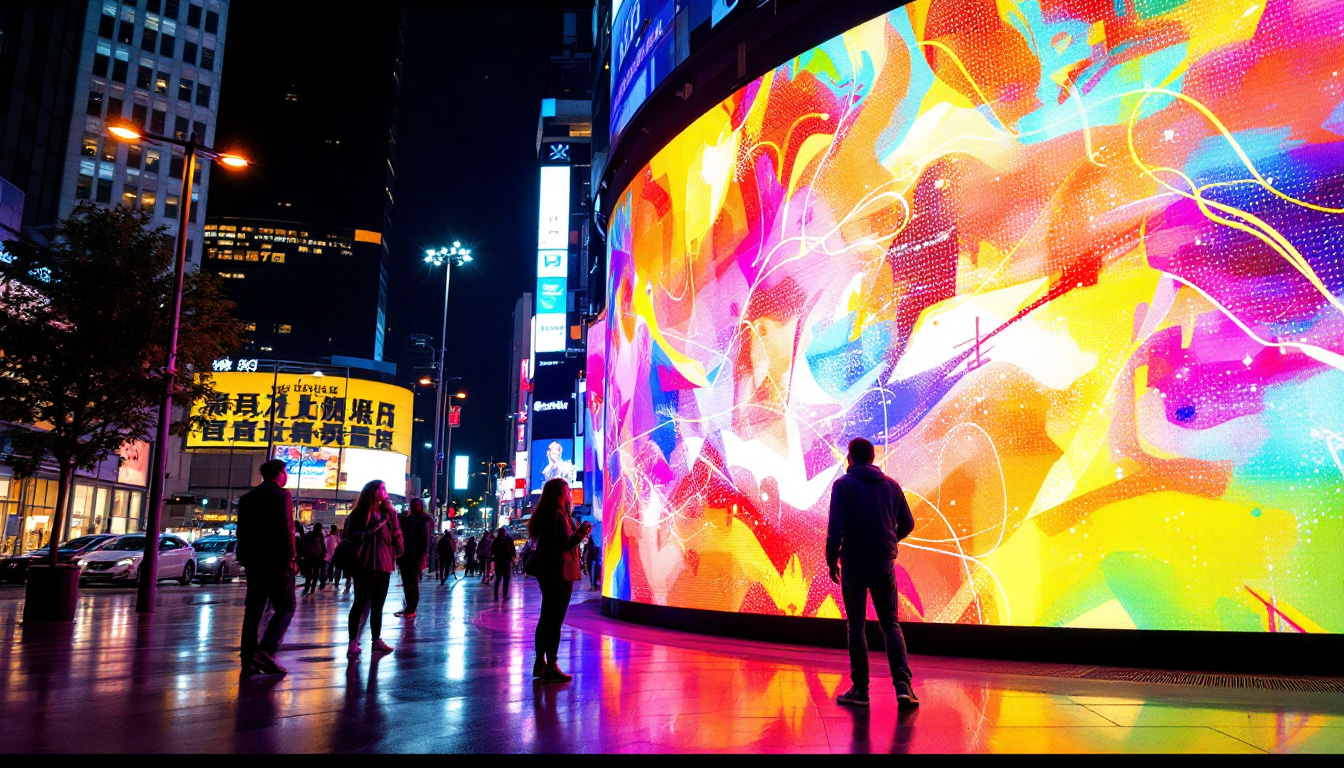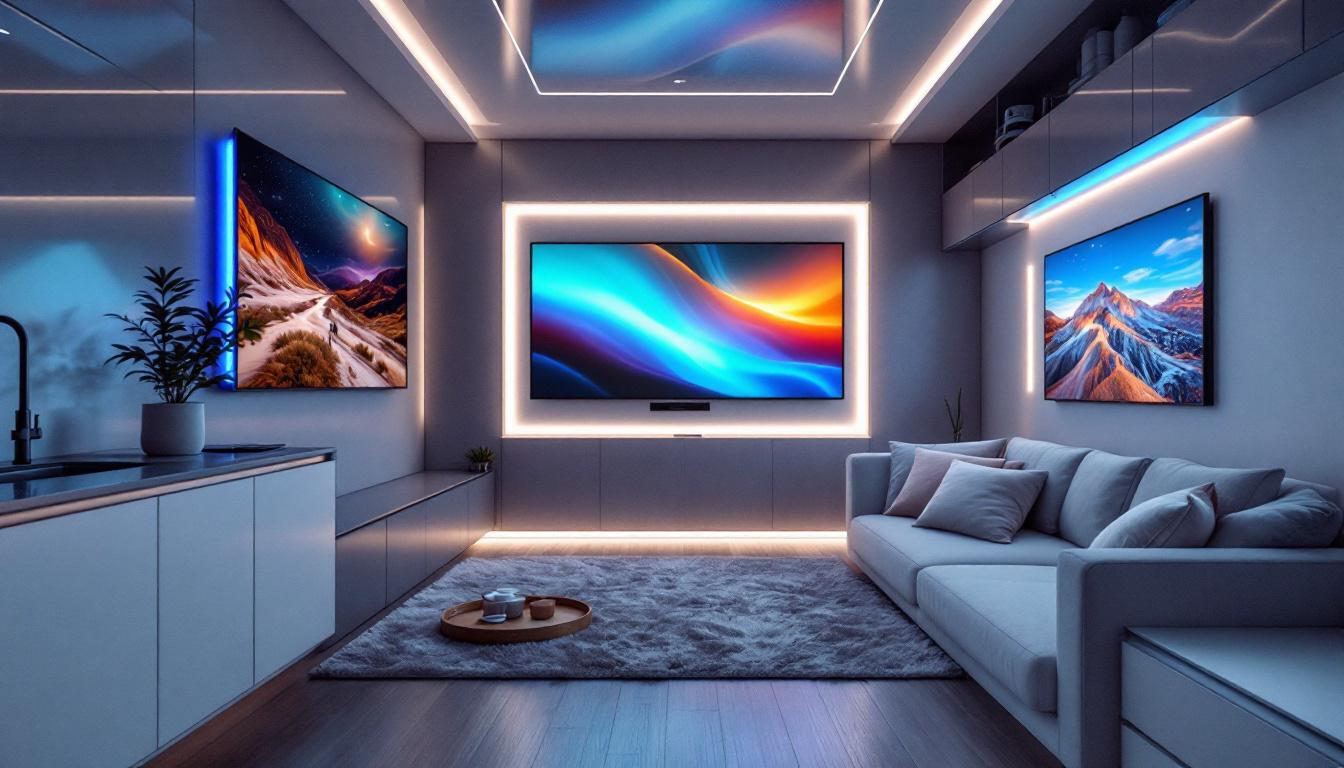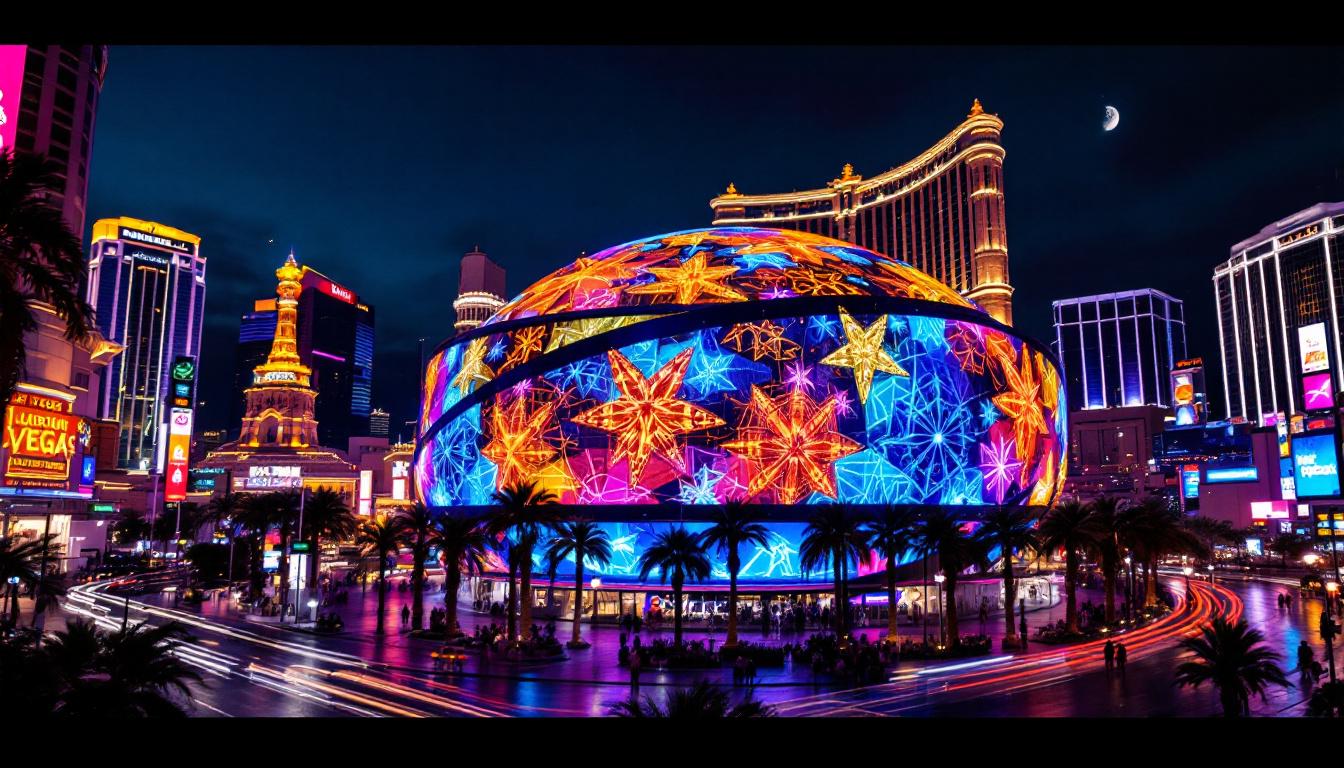
In today’s digital age, LED displays have become a cornerstone of visual communication, transforming how information and entertainment are delivered across the globe. From the massive billboards lighting up Times Square to the sleek screens on smartphones and TVs, LED technology is everywhere. This article delves into the world of LED displays, explaining how they work, their various applications, and why they continue to revolutionize visual media.
Understanding LED Technology: The Basics
LED stands for Light Emitting Diode, a semiconductor device that emits light when an electric current passes through it. Unlike traditional incandescent bulbs that produce light through heating a filament, LEDs generate light through electroluminescence, a process that is far more energy-efficient and produces less heat.
The fundamental building block of an LED display is the LED pixel, which can emit red, green, and blue light. By varying the intensity of these three colors, a wide spectrum of colors can be produced, enabling vibrant and dynamic images. This RGB color model is the foundation for all LED screens, whether they are small indicator lights or giant outdoor displays.
The Evolution of LED Displays
LED technology has evolved significantly since its inception in the 1960s. Early LEDs were limited to simple indicator lights with low brightness and a narrow color range. However, advances in semiconductor materials and manufacturing techniques have led to the development of high-brightness LEDs capable of producing millions of colors.
Modern LED displays use surface-mounted device (SMD) technology, where tiny LEDs are mounted directly onto circuit boards. This allows for higher pixel density, better color accuracy, and improved durability. Additionally, innovations such as microLED and miniLED displays are pushing the boundaries of resolution, contrast, and energy efficiency even further.
How LED Displays Work: Components and Mechanisms
To fully appreciate LED displays, it’s important to understand their core components and how they work together to produce images and videos.
LED Pixels and Modules
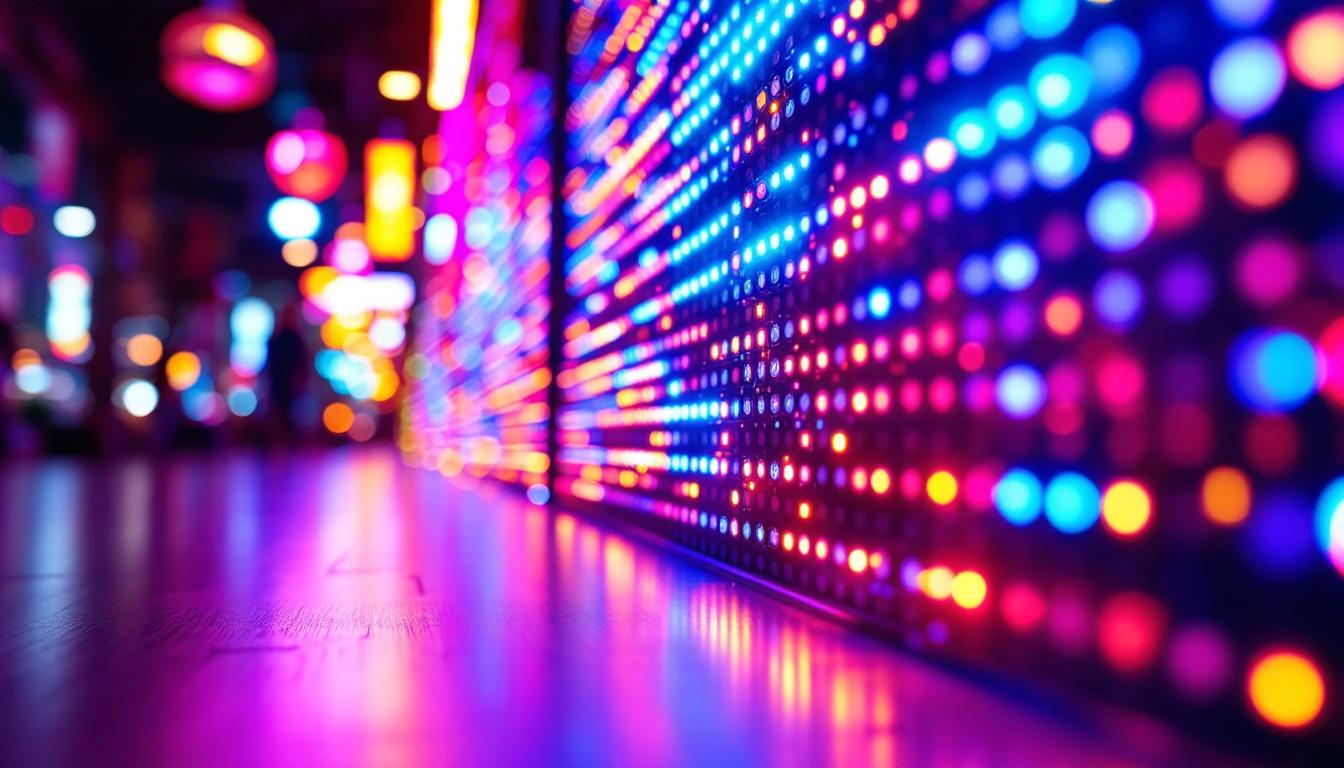
An LED display is composed of thousands to millions of individual LED pixels. Each pixel typically contains three sub-pixels: red, green, and blue LEDs. By adjusting the brightness of each sub-pixel, the display can render a full range of colors.
These pixels are grouped into modules, which are standardized units that can be combined to create larger screens of any size. Modules are connected and controlled by sophisticated electronics that manage the timing and intensity of each LED.
Driving Circuits and Controllers
The driving circuit is responsible for supplying power and controlling the LEDs. It ensures that each pixel receives the correct voltage and current to produce the desired color and brightness. Controllers interpret the input video signal and translate it into commands for the driving circuits.
Advanced LED controllers can handle high refresh rates, color calibration, and synchronization with external devices. This is crucial for applications like live events and sports broadcasts, where smooth motion and accurate colors are essential.
Pixel Pitch and Resolution
Pixel pitch refers to the distance between the centers of two adjacent pixels, usually measured in millimeters. It directly affects the resolution and viewing distance of the LED display. Smaller pixel pitch means higher resolution and better image clarity, especially at close range.
For example, an LED display with a pixel pitch of 1.5mm is ideal for indoor use where viewers are close to the screen, such as conference rooms or retail stores. Conversely, a pixel pitch of 10mm or more is suitable for large outdoor billboards viewed from hundreds of feet away.
Applications of LED Displays: From Advertising to Entertainment
LED displays have found widespread use across various industries due to their versatility, brightness, and durability. Understanding these applications helps highlight why LED technology is so impactful.
Outdoor Advertising and Digital Billboards
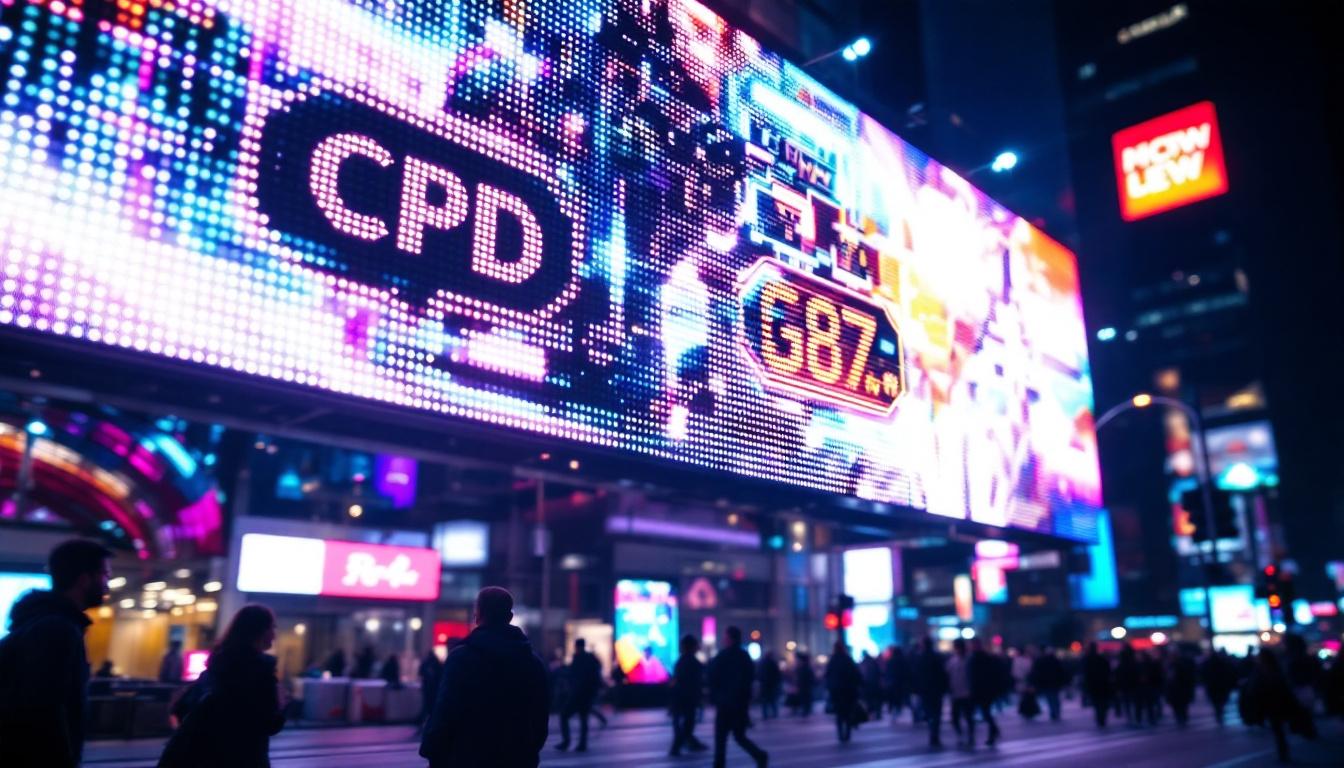
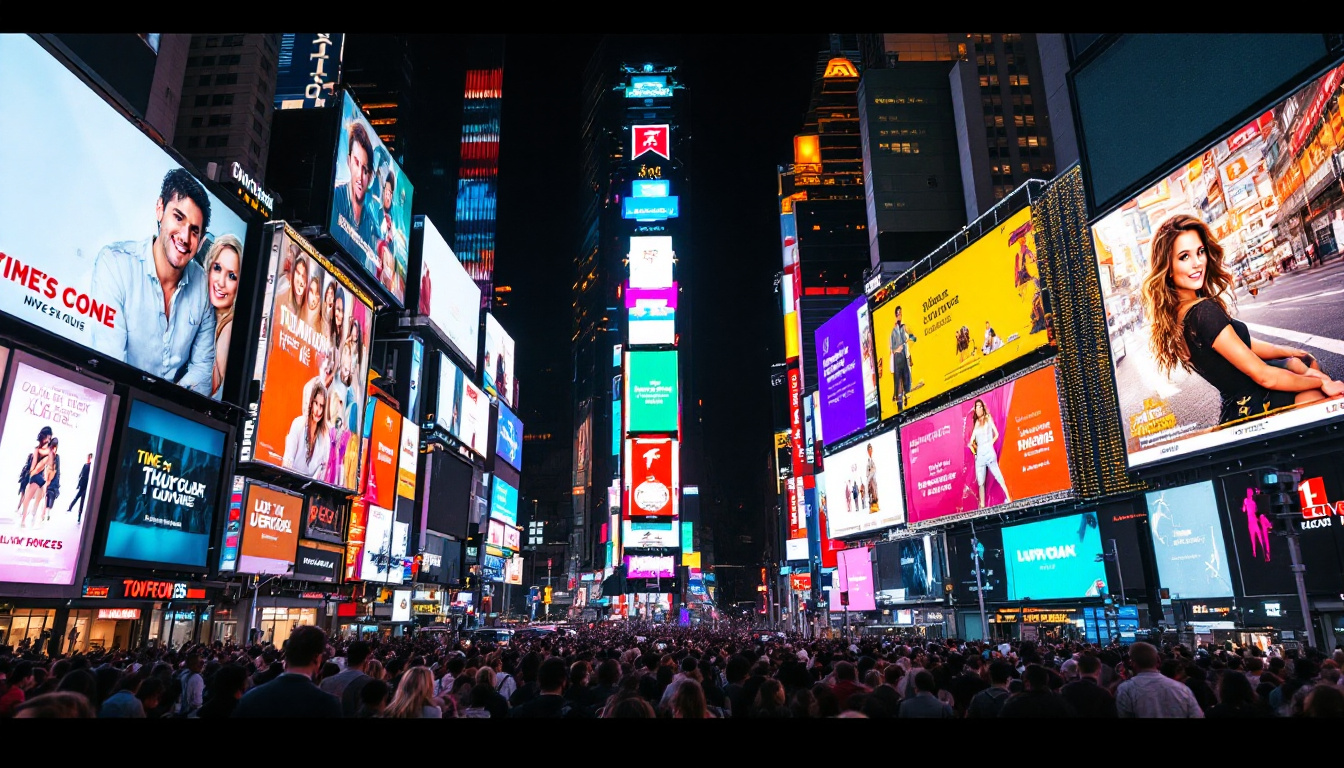
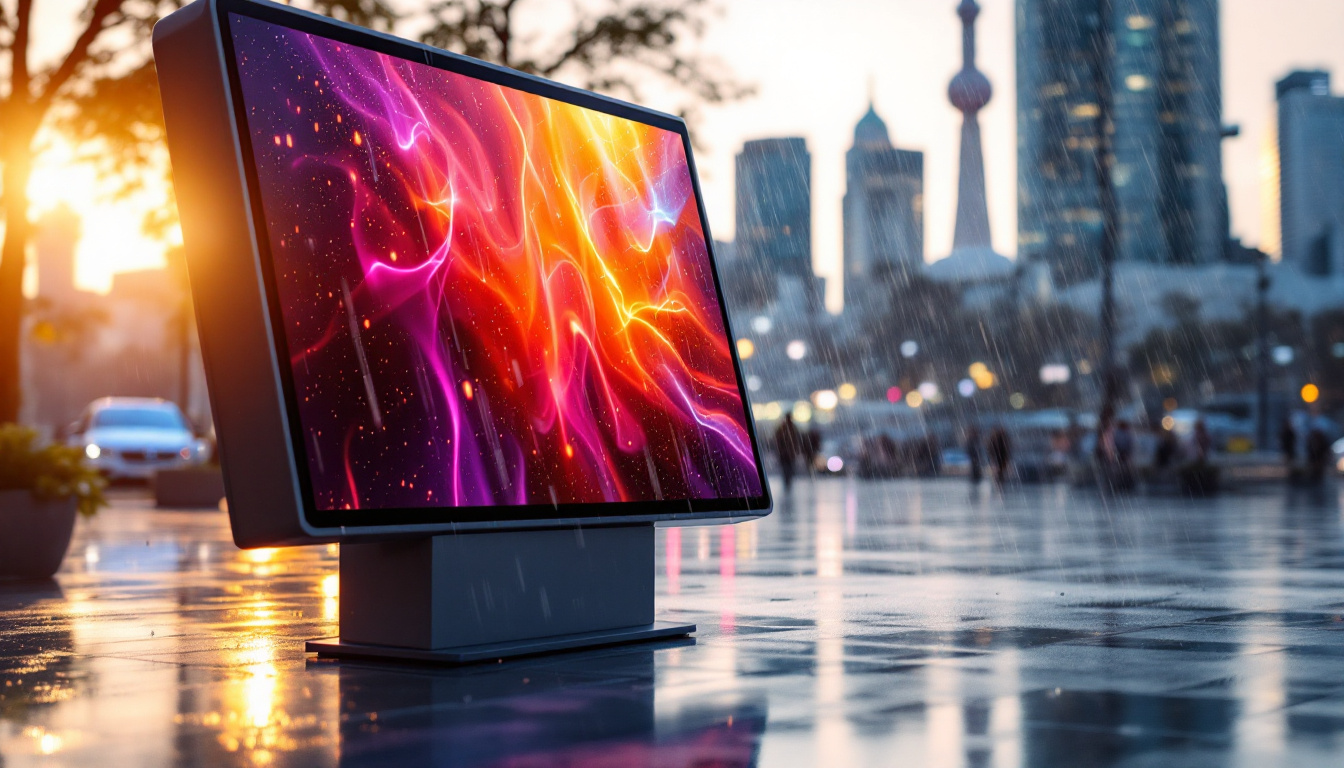
One of the most visible uses of LED displays is in outdoor advertising. Digital billboards equipped with LED panels can display dynamic content that can be updated remotely in real-time. This flexibility allows advertisers to tailor messages based on time of day, weather, or special events.
According to the Outdoor Advertising Association of America, digital billboards have increased engagement rates by up to 30% compared to static signs. Their high brightness ensures visibility even in direct sunlight, making them effective 24/7 advertising tools.
Sports Arenas and Live Events
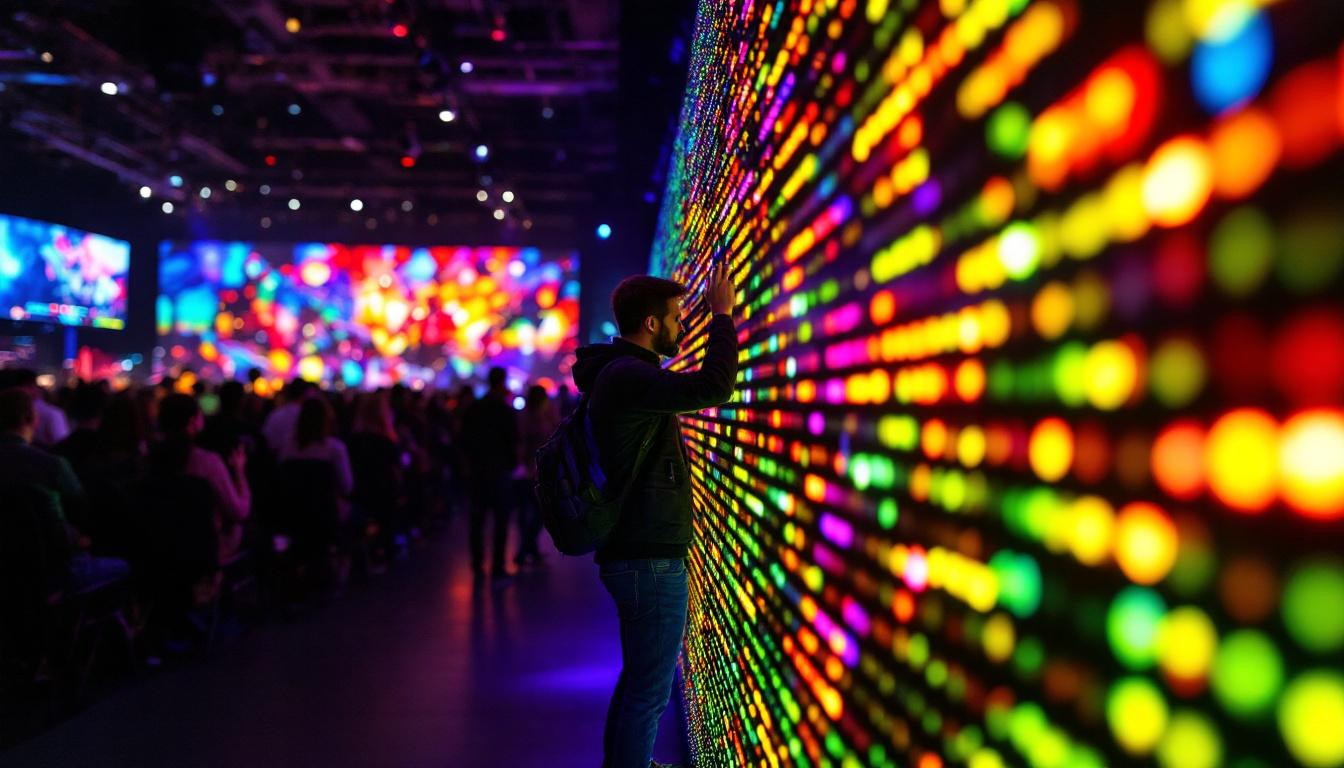
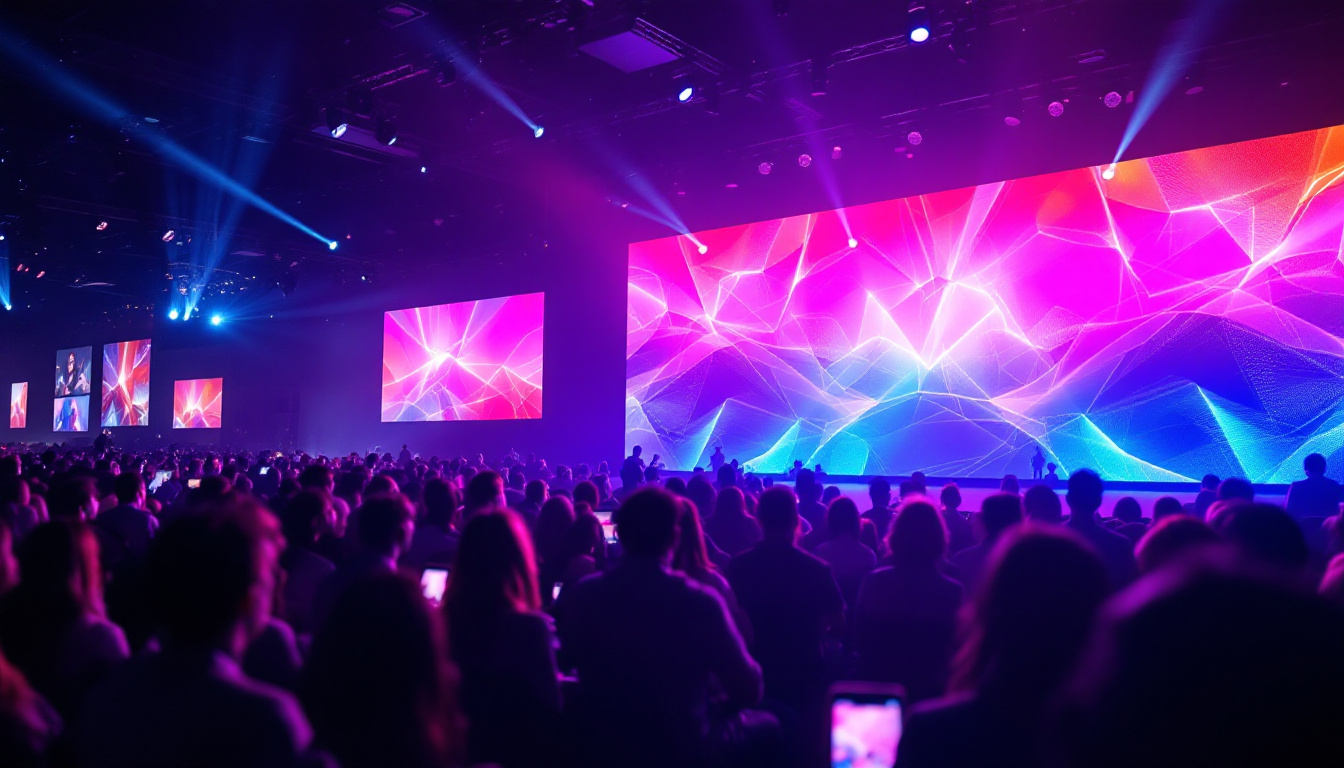
LED displays are integral to modern sports venues and live events. Large LED screens provide spectators with instant replays, live scores, and interactive content, enhancing the overall experience. The ability to produce vivid colors and high refresh rates is critical to maintaining image quality during fast-paced action.
Moreover, flexible LED panels can be shaped and curved to fit unique architectural designs, allowing event organizers to create immersive environments that captivate audiences.
Retail and Corporate Displays
In retail environments, LED displays are used for digital signage, promotional content, and interactive kiosks. Their brightness and color accuracy make products and advertisements stand out, driving customer engagement and sales.
Corporate offices also utilize LED video walls for presentations, video conferencing, and branding. The scalability of LED displays means they can be customized to fit any space, from small meeting rooms to expansive lobbies.
Television and Consumer Electronics
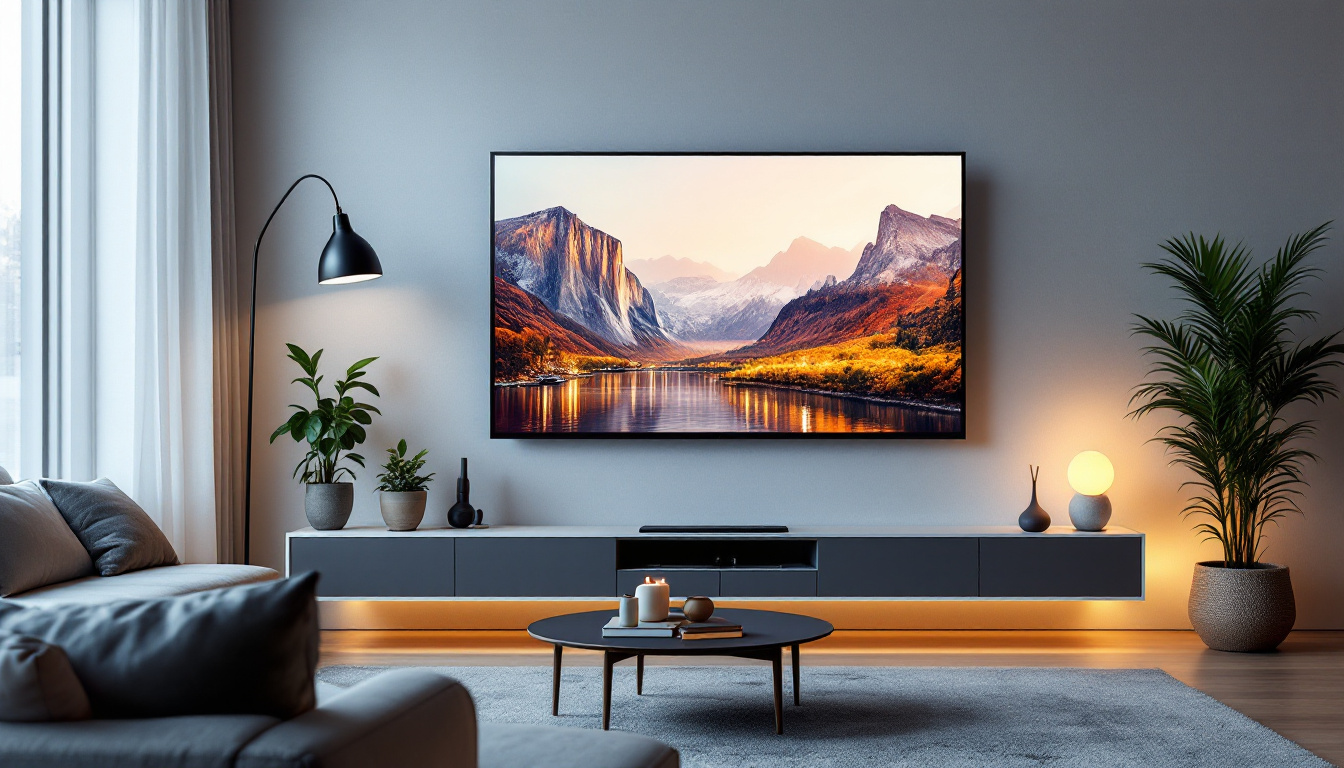
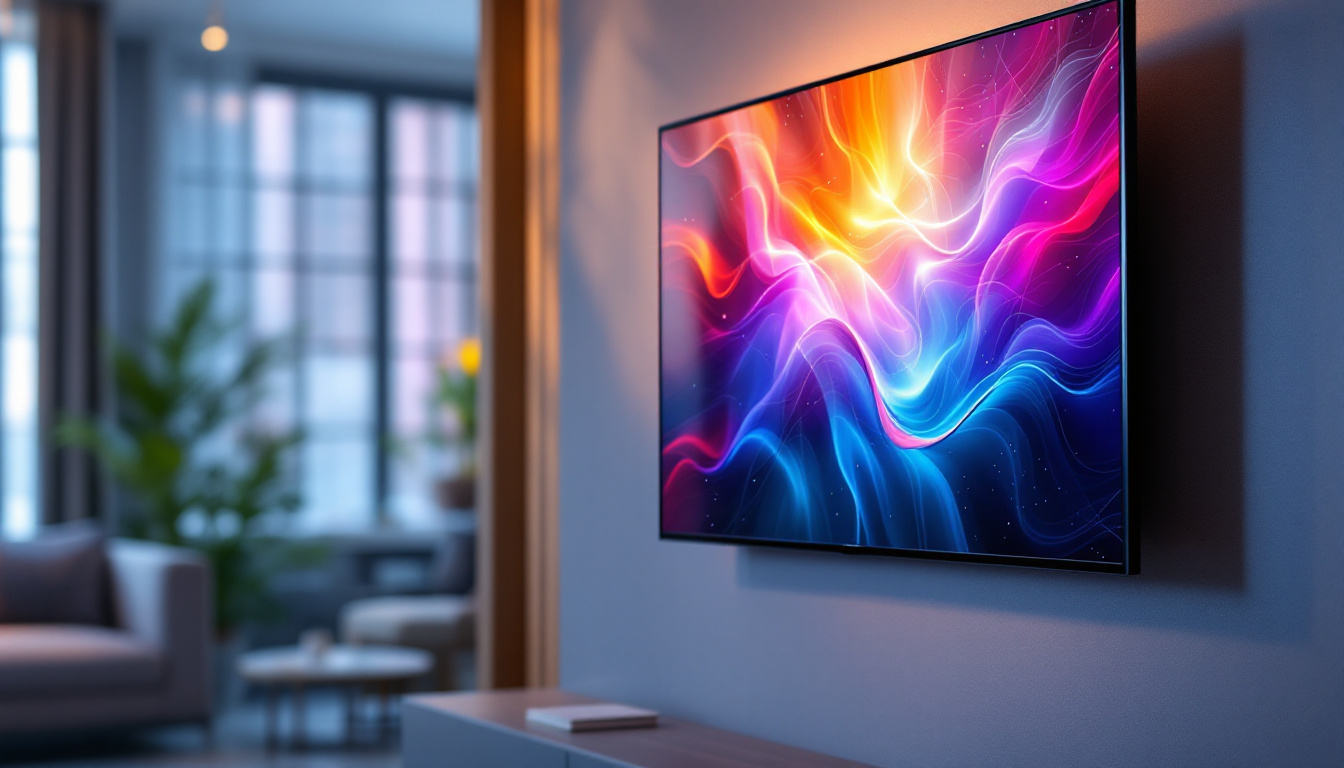
LED technology has revolutionized the television industry. Most modern TVs use LED backlighting to illuminate LCD panels, resulting in thinner, more energy-efficient displays with better contrast and color reproduction compared to older CCFL backlit models.
Emerging technologies like microLED promise even greater improvements, offering self-emissive pixels that combine the benefits of OLED and LED without the drawbacks such as burn-in.
Advantages of LED Displays Over Other Technologies
LED displays offer several advantages that make them the preferred choice for many applications, especially when compared to traditional display technologies like LCD, plasma, and projection.
Energy Efficiency and Longevity
LEDs consume significantly less power than incandescent or fluorescent lighting, which translates to lower operating costs. For example, an LED display can use up to 80% less energy than a comparable plasma screen. This efficiency is particularly important for large-scale installations that operate continuously.
Additionally, LEDs have a long lifespan, often exceeding 50,000 hours of operation. This durability reduces maintenance costs and downtime, making LED displays a cost-effective investment over time.
Brightness and Visibility
LED displays can achieve brightness levels of over 5,000 nits, far surpassing most other display types. This high brightness ensures excellent visibility in direct sunlight and challenging lighting conditions, which is essential for outdoor advertising and public information displays.
Flexibility and Scalability
The modular nature of LED displays allows for virtually unlimited screen sizes and shapes. Whether it’s a small indoor display or an enormous stadium screen, LED technology can be tailored to fit the requirements.
Moreover, flexible LED panels enable curved and irregular screen designs, opening new creative possibilities for architects and designers.
Fast Response Time and High Refresh Rates
LEDs have rapid response times, which eliminates motion blur and ghosting effects common in slower display technologies. This characteristic makes LED displays ideal for video playback, gaming, and live broadcasts where smooth motion is critical.
Challenges and Considerations in LED Display Deployment
Despite their many benefits, LED displays also present certain challenges that must be addressed to ensure optimal performance and longevity.
Initial Cost and Installation
The upfront cost of LED displays can be higher than alternative technologies, especially for high-resolution indoor screens with small pixel pitches. Installation can also be complex, requiring specialized expertise to ensure proper alignment, calibration, and integration with control systems.
However, these costs are often offset by lower energy consumption and maintenance expenses over the display’s lifetime.
Heat Management
While LEDs generate less heat than traditional bulbs, large LED displays can still produce significant thermal output. Effective heat dissipation is necessary to prevent damage and maintain consistent brightness and color accuracy.
Manufacturers incorporate heat sinks, ventilation, and sometimes active cooling systems into LED modules to manage temperature effectively.
Color Calibration and Uniformity
Ensuring consistent color and brightness across an entire LED display is critical, especially for applications demanding high visual fidelity. Over time, individual LEDs may degrade at different rates, leading to color shifts and uneven brightness.
Regular calibration and maintenance are required to preserve image quality. Advanced LED controllers often include built-in calibration tools to automate this process.
The Future of LED Displays: Trends and Innovations
As LED technology continues to advance, new trends and innovations are shaping the future of visual displays.
MicroLED and MiniLED Technologies
MicroLED displays use microscopic LEDs as individual pixels, offering superior brightness, contrast, and energy efficiency compared to traditional LED and OLED displays. They also avoid issues like burn-in, making them ideal for high-end TVs and mobile devices.
MiniLED technology involves using thousands of tiny LEDs for backlighting LCD panels, improving contrast ratios and HDR performance. Both technologies are gaining traction and are expected to become mainstream in the coming years.
Flexible and Transparent LED Displays
Flexible LED panels enable new form factors, such as foldable screens and curved video walls, expanding design possibilities. Transparent LED displays allow images to be displayed on glass surfaces without obstructing the view, which is revolutionizing retail storefronts and architectural applications.
Integration with Smart Technologies
LED displays are increasingly integrated with IoT and AI technologies, enabling dynamic content adaptation based on audience demographics, weather, or real-time analytics. This smart integration enhances user engagement and provides valuable data for advertisers and event organizers.
Conclusion
LED displays represent a remarkable convergence of technology, design, and functionality. Their energy efficiency, brightness, and versatility have made them indispensable across industries ranging from advertising and entertainment to retail and corporate communications.
As innovations like microLED and flexible displays continue to mature, LED technology will further enhance how visual content is created and consumed. Understanding the fundamentals of LED displays, their advantages, and challenges empowers businesses and consumers alike to make informed decisions in this rapidly evolving landscape.
Whether illuminating a city skyline or enhancing a living room entertainment system, LED displays are truly lighting the way forward in visual technology.
Illuminate Your Space with LumenMatrix
Ready to elevate your visual experience with the latest in LED display technology? LumenMatrix is at the forefront of innovation, offering a diverse range of LED display solutions tailored to your needs. From captivating Indoor LED Wall Displays to dynamic Outdoor LED Wall Displays, and from versatile Vehicle LED Displays to sleek LED Poster Displays, our products are designed to make your brand shine. Discover the transformative power of LED Sports Displays, interactive Floor LED Displays, and the stunning clarity of LED Transparent Displays. Embrace the future of visual communication with LumenMatrix and create unforgettable impressions. Check out LumenMatrix LED Display Solutions and see how we can illuminate your world.