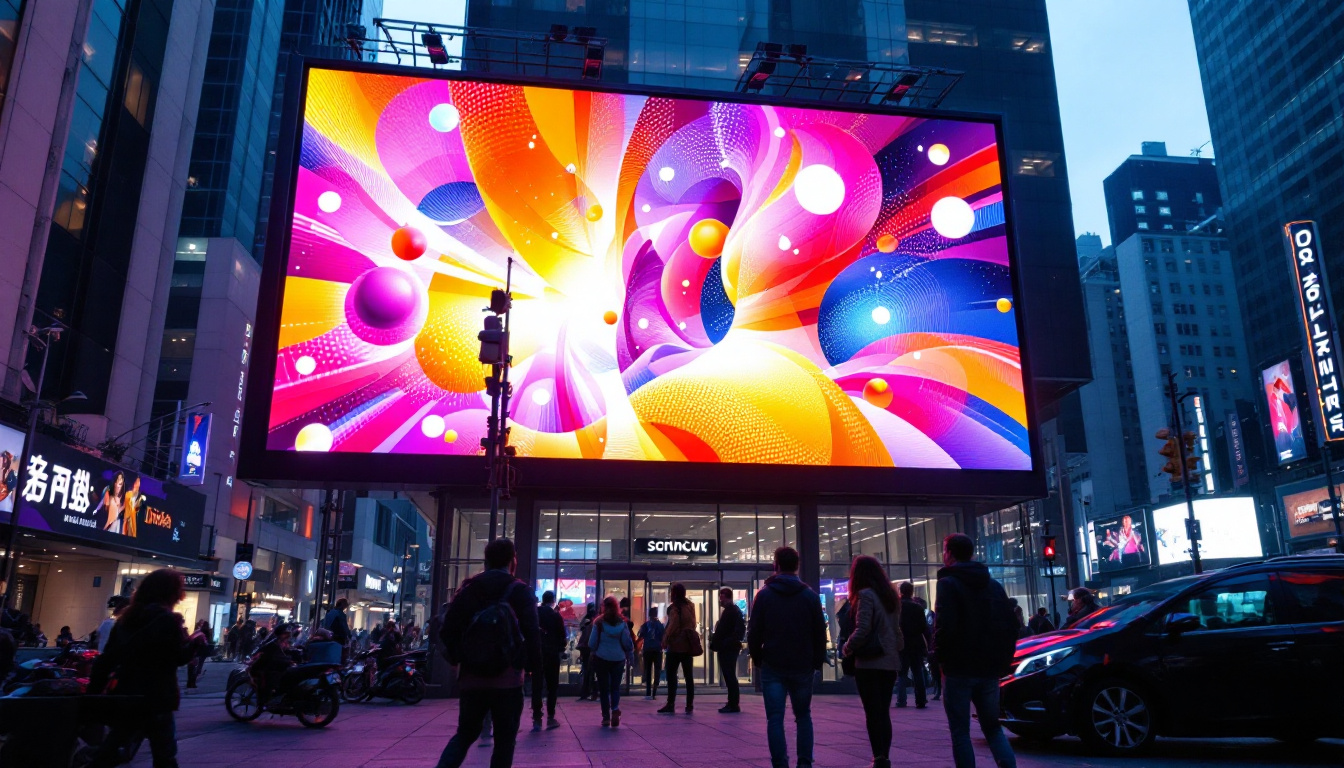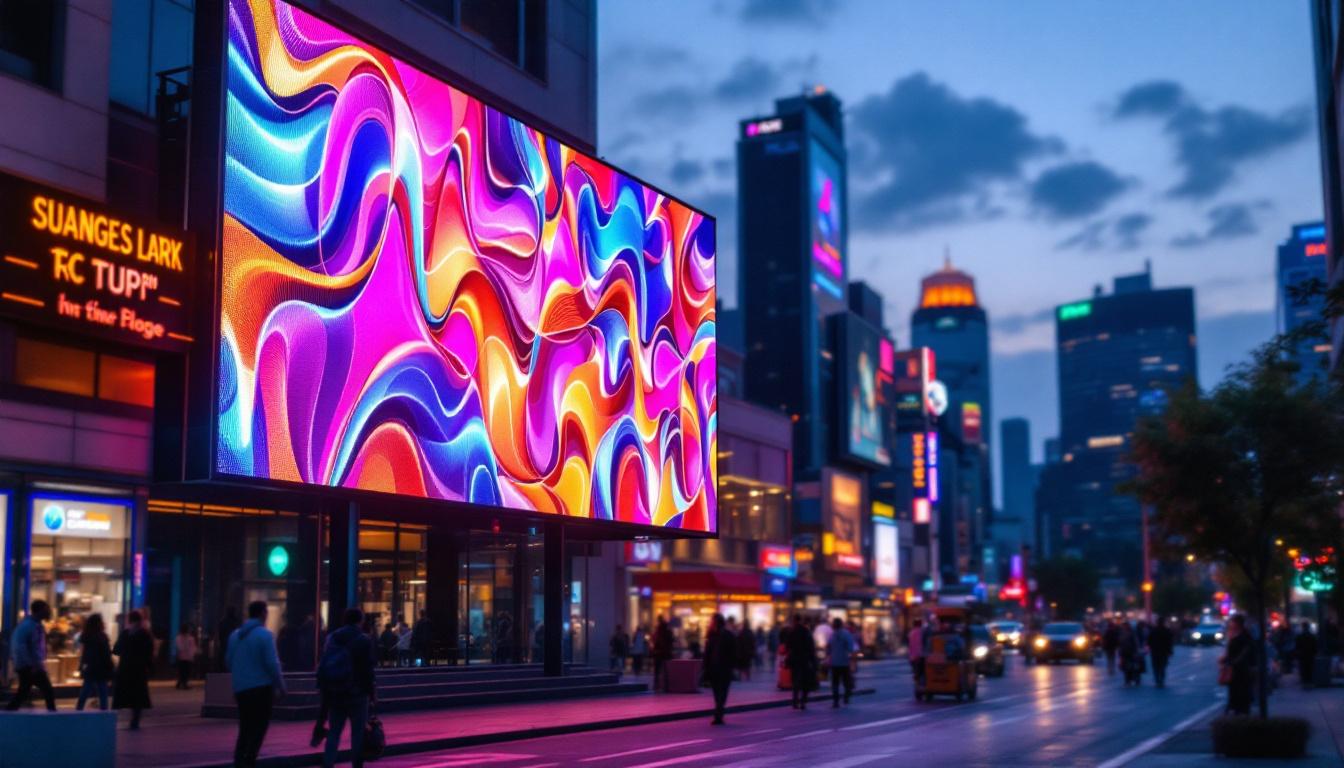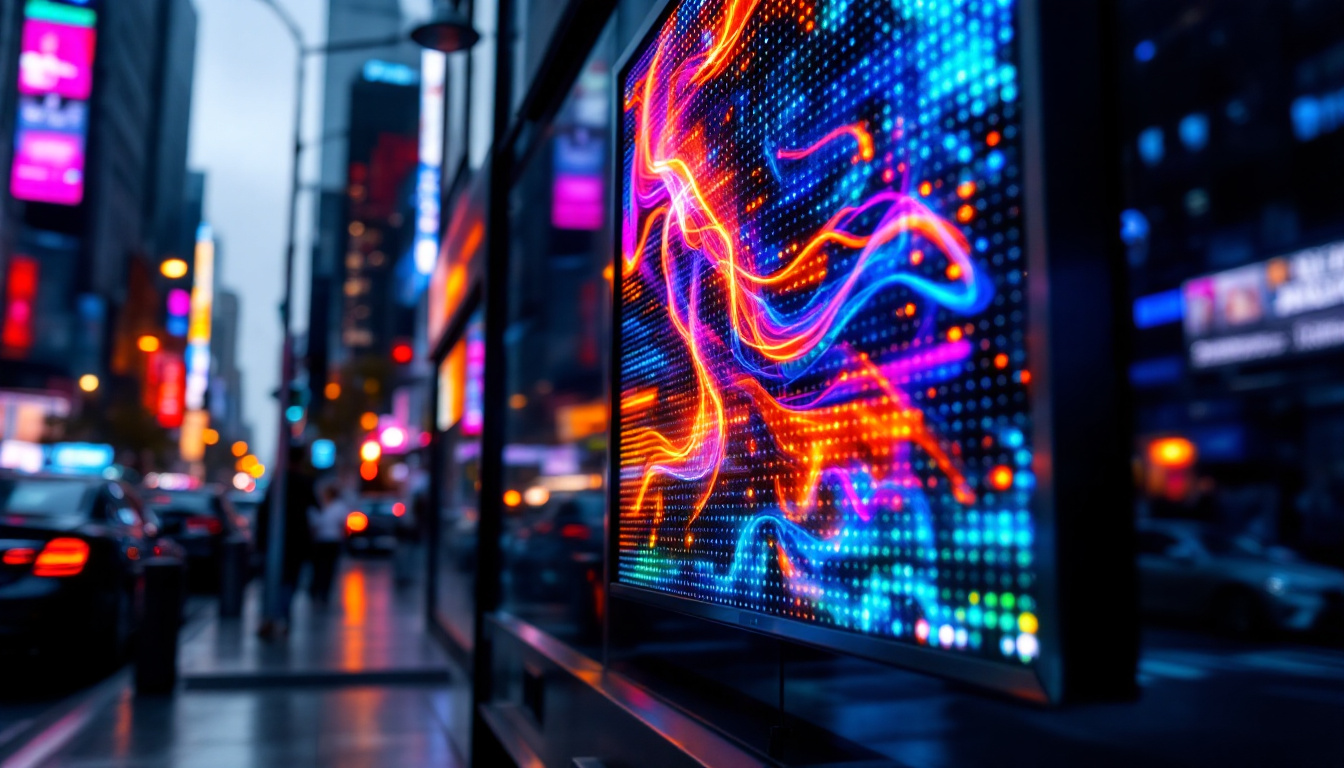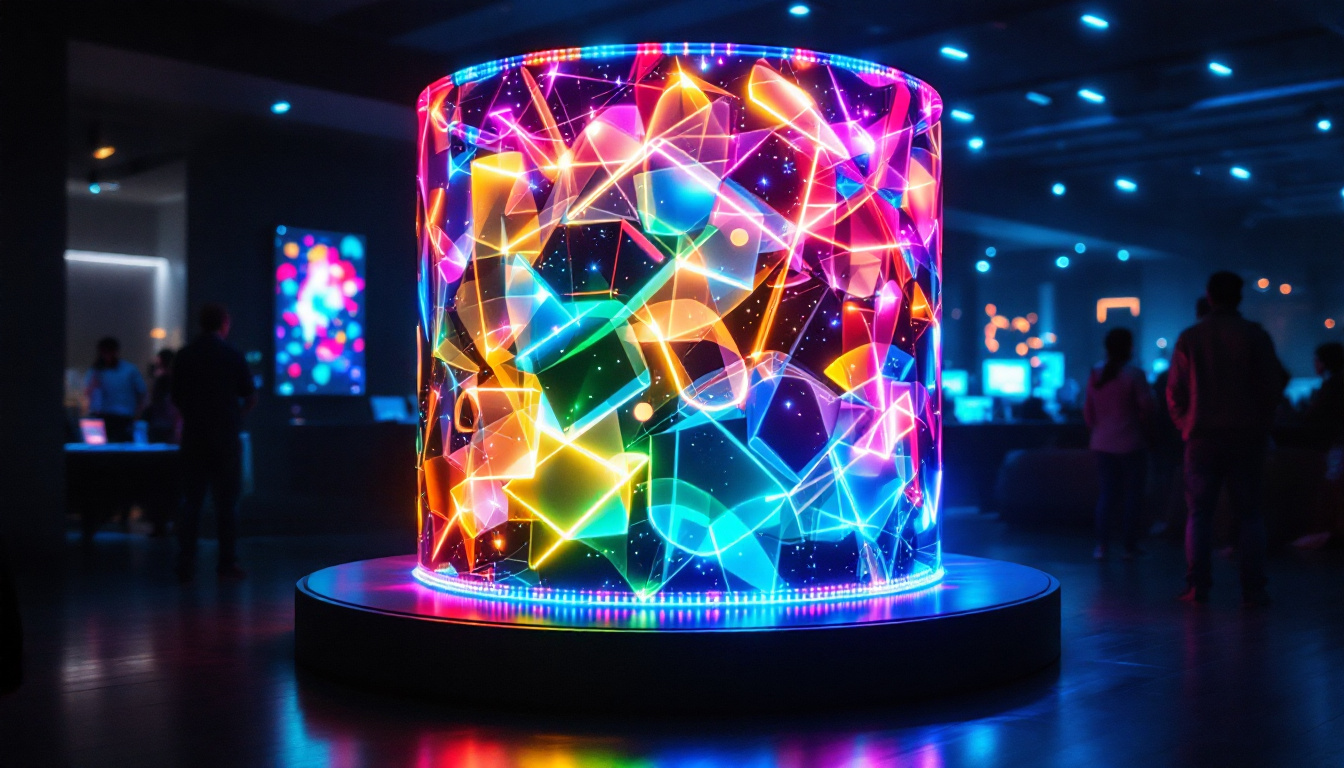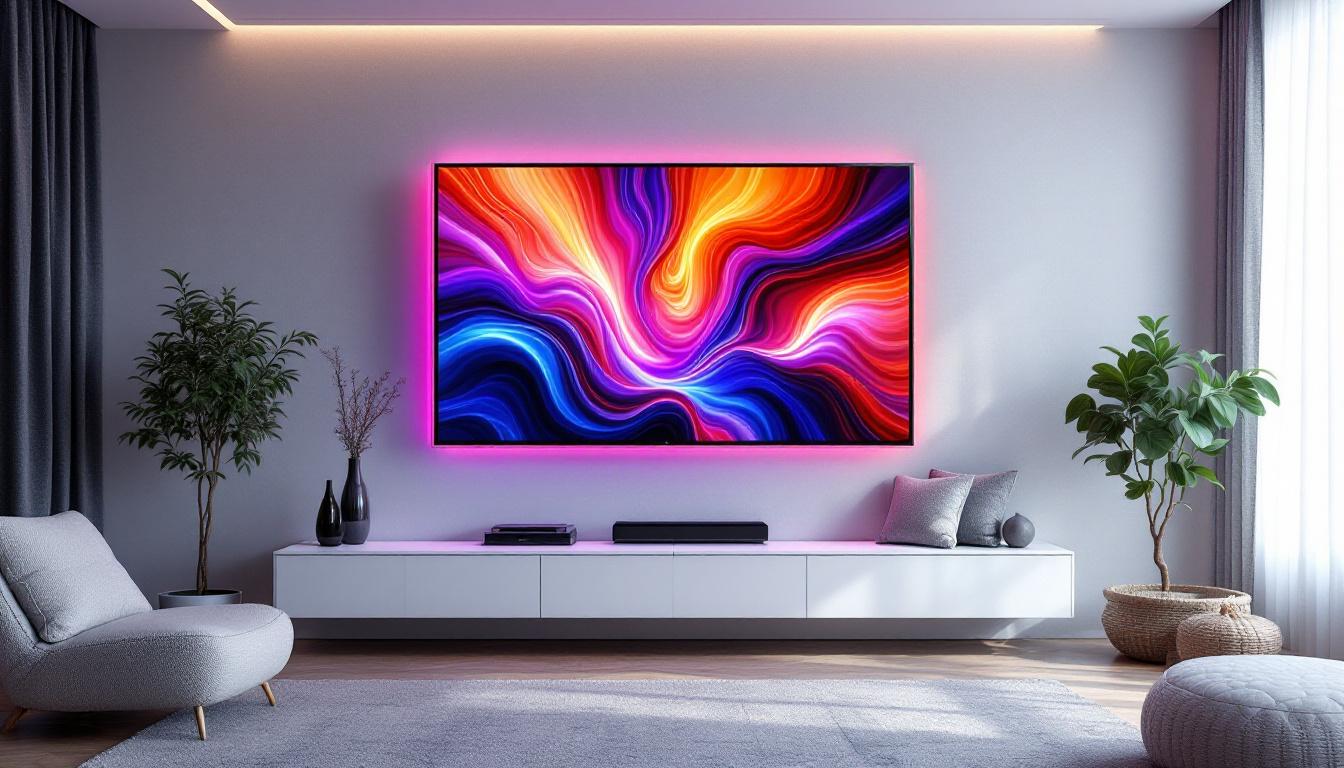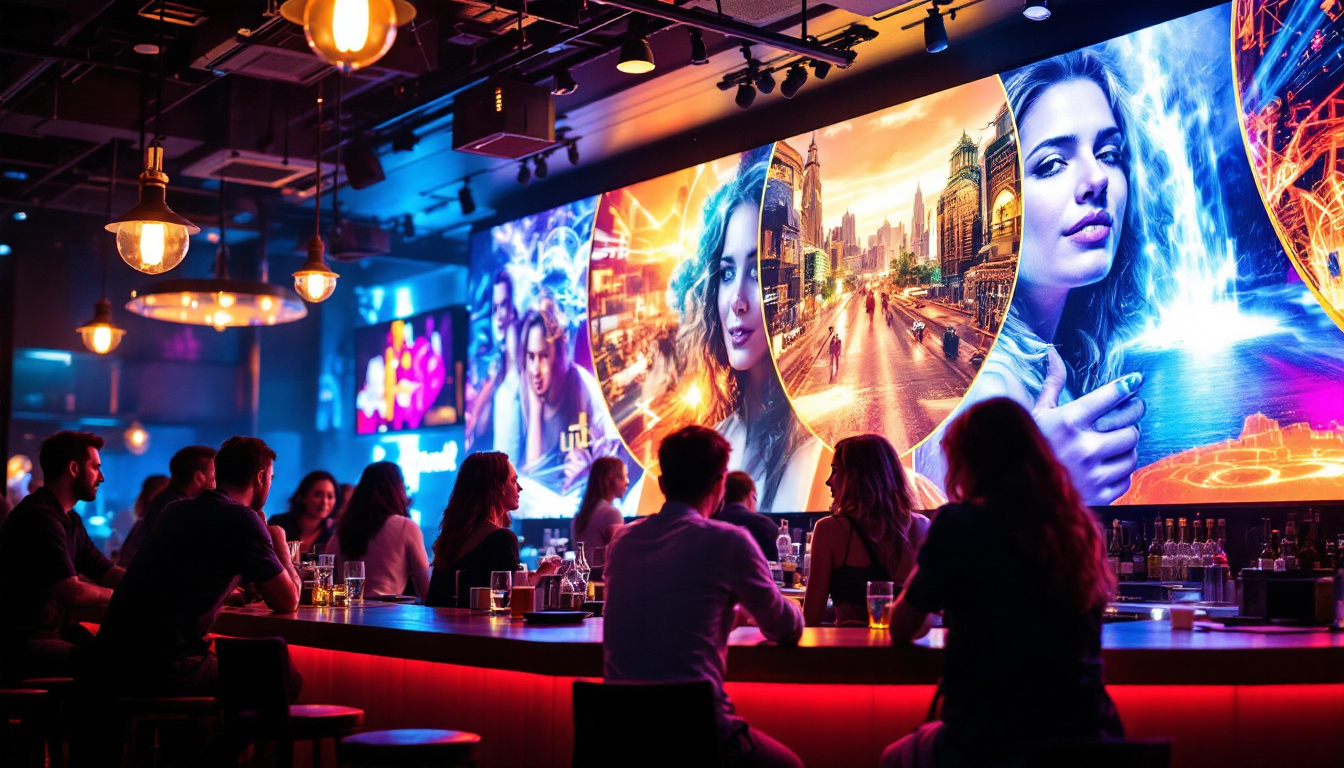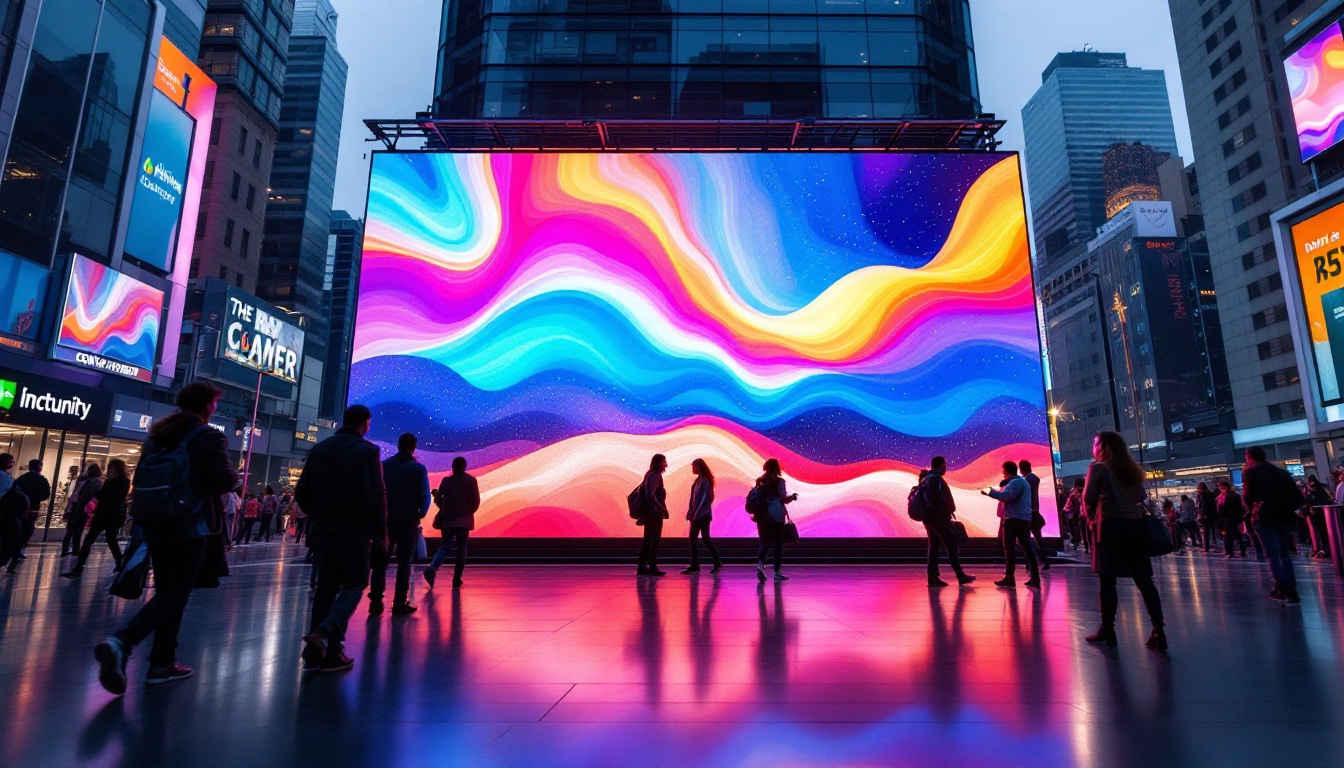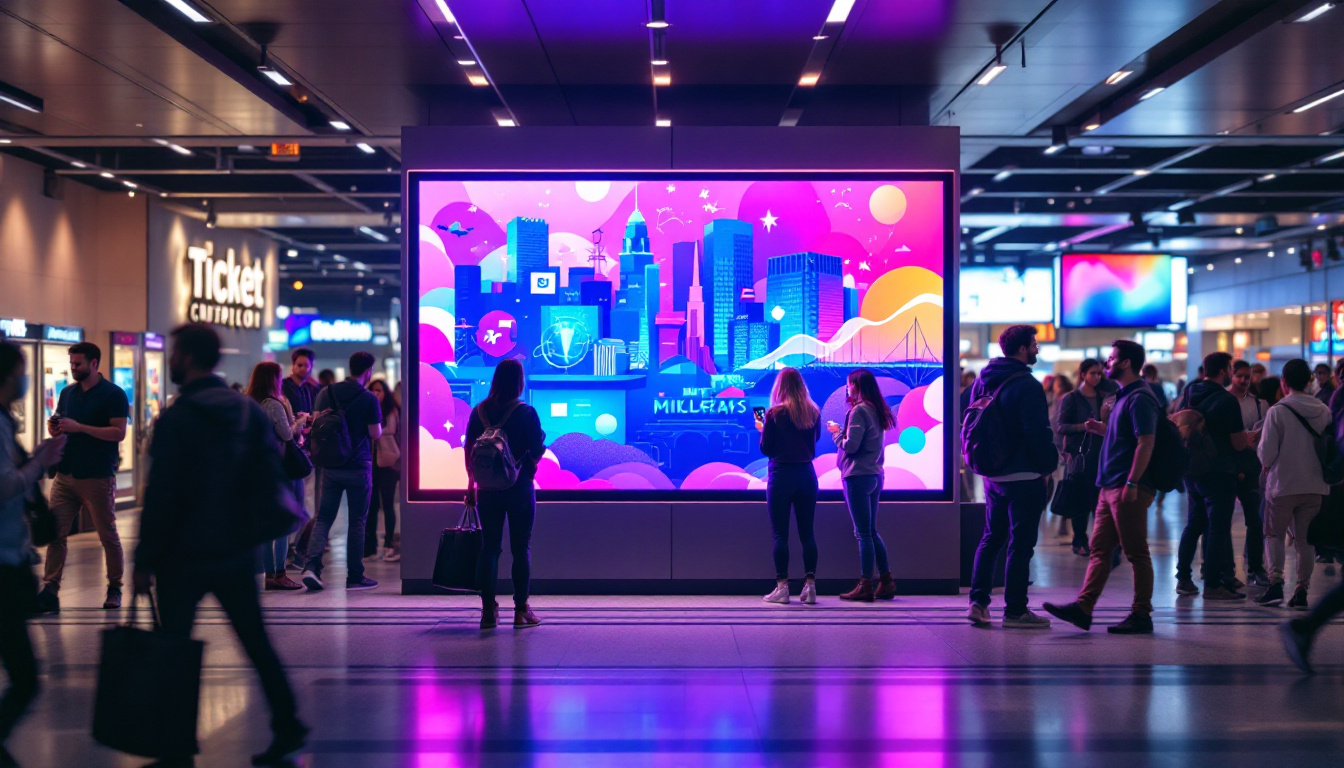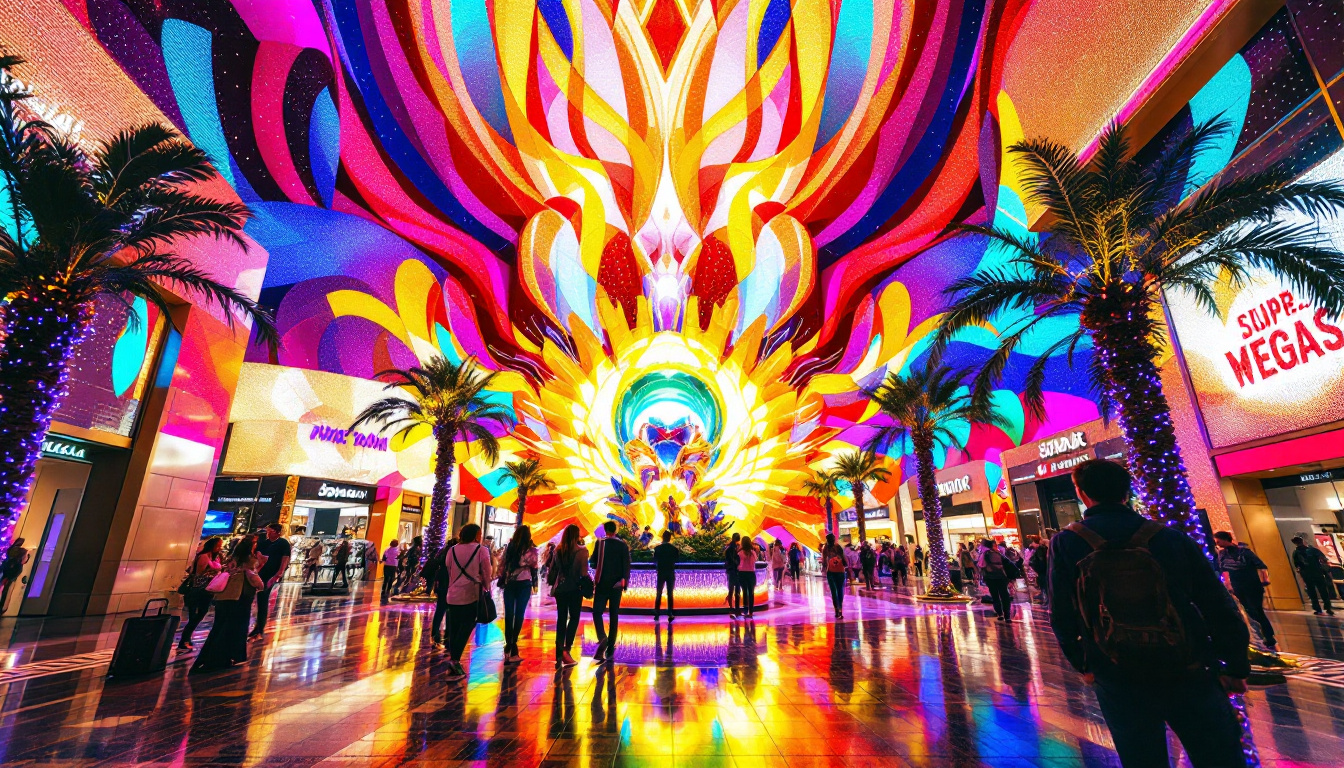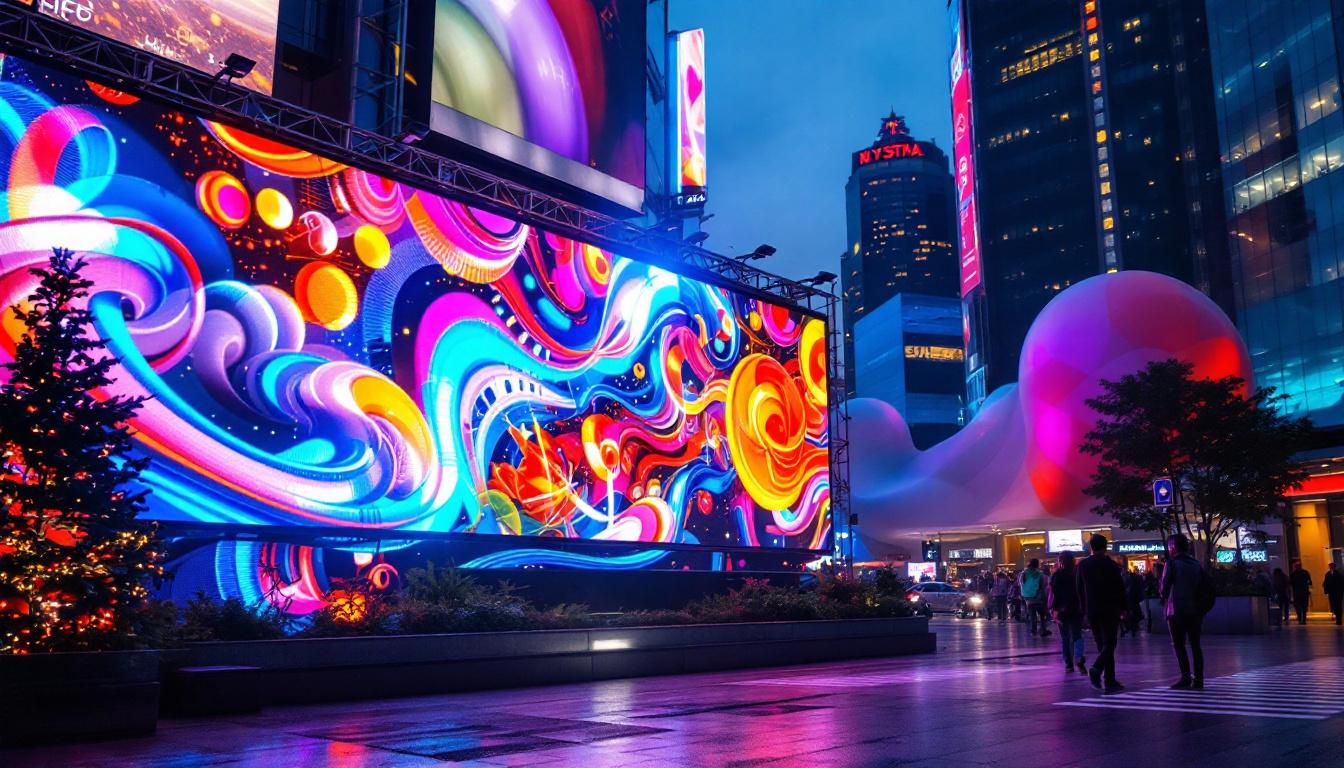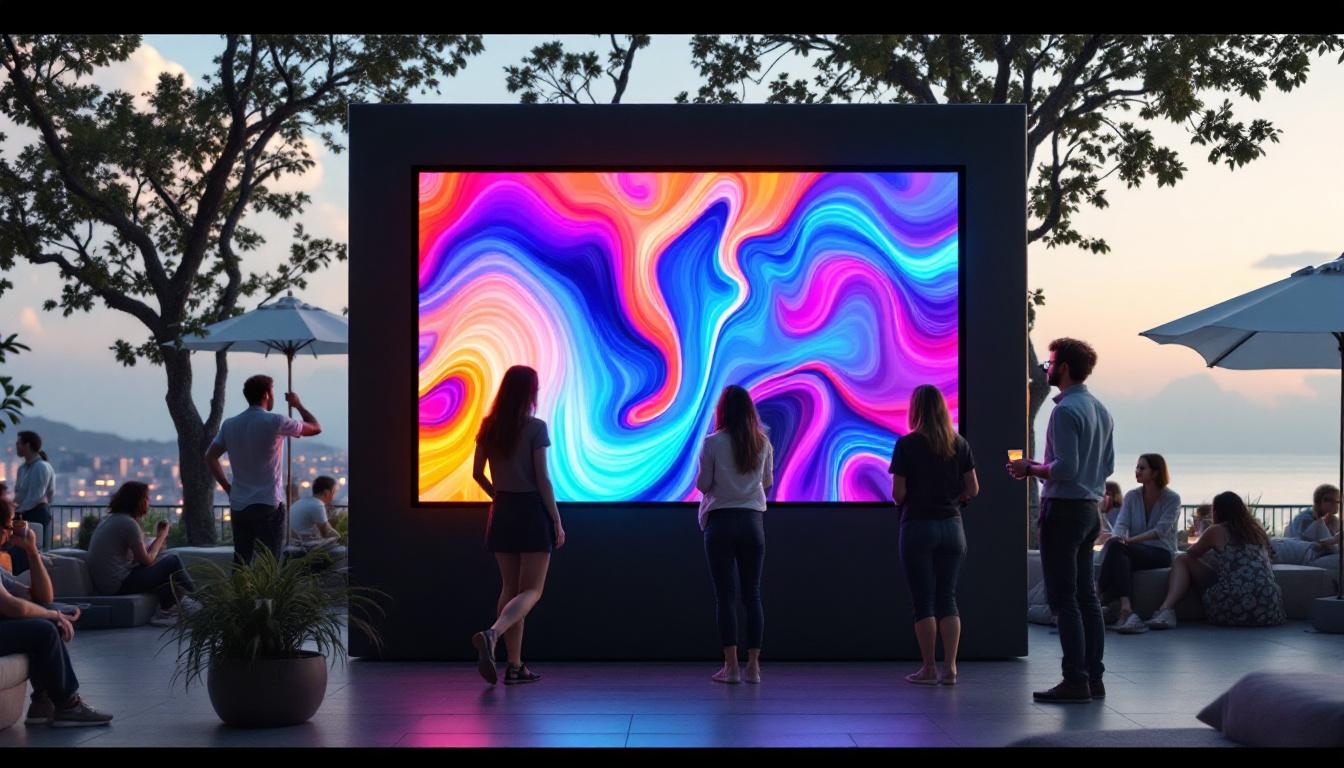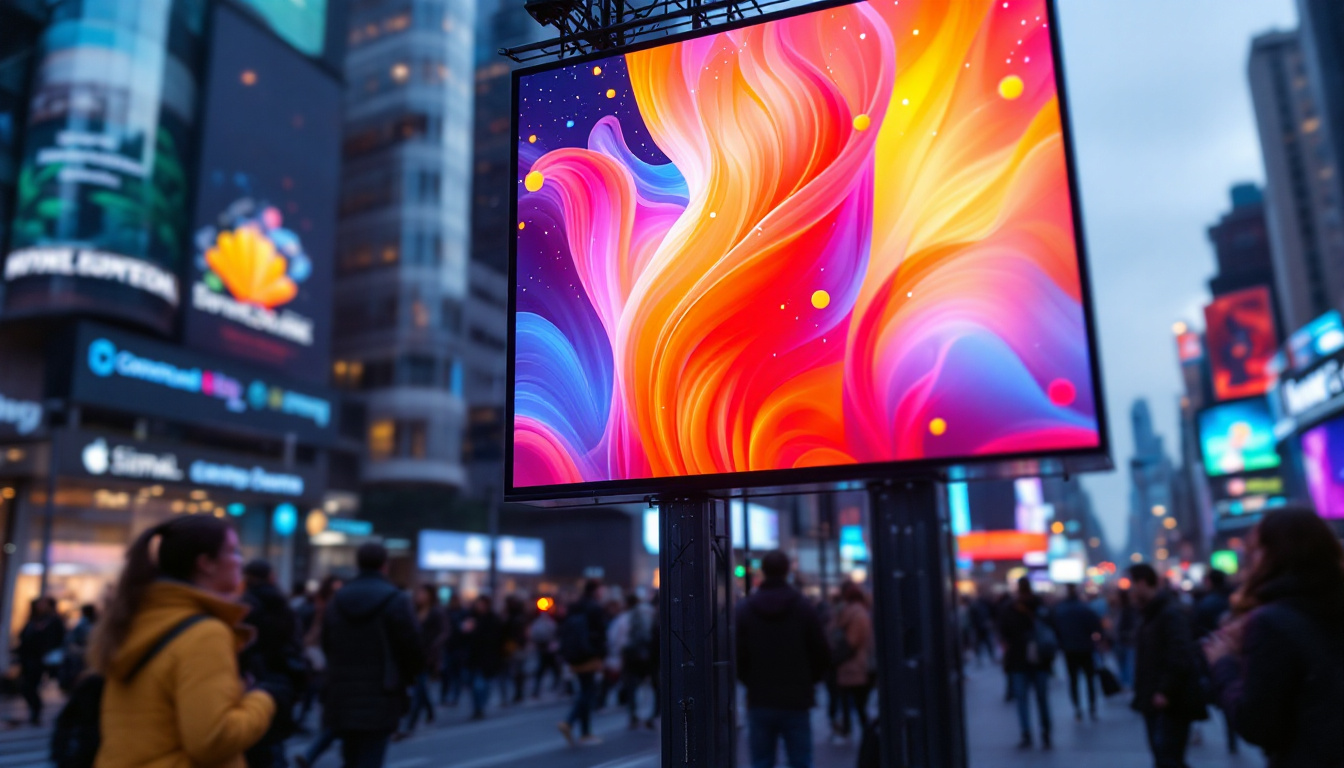
In recent years, transparent LED panels have emerged as a groundbreaking technology in the display industry. Combining the power of LED illumination with see-through design, these panels are revolutionizing advertising, architecture, and retail environments. This article delves into what transparent LED panels are, how they work, their applications, advantages, and considerations for businesses and designers looking to incorporate this innovative technology.
What Is a Transparent LED Panel?
A transparent LED panel is a type of digital display that allows light to pass through it, creating a see-through effect while simultaneously displaying vibrant images or videos. Unlike traditional LED screens, which are opaque and block the view behind them, transparent LED panels maintain visibility of the background, making them ideal for glass surfaces such as windows, storefronts, and building facades.
These panels consist of a matrix of LED lights embedded on a transparent substrate, often made from glass or acrylic. The LEDs are arranged in a grid with gaps between them, which enables the transparency. The density and size of the LEDs influence the resolution and transparency ratio of the display.
Technical Specifications and Transparency Ratio
The transparency ratio is a key metric for transparent LED panels, indicating the percentage of light that can pass through the display. Typical transparency ratios range from 40% to 90%, depending on the panel design and LED pitch (the distance between LEDs). For example, a panel with a 2.5mm pitch might have a transparency of around 50%, while one with a 10mm pitch could reach up to 90% transparency.
Resolution and brightness are also important. Transparent LED panels generally have lower pixel density compared to conventional LED screens, but advancements in LED miniaturization have improved image quality significantly. Brightness levels can reach up to 5,000 nits, ensuring visibility even in direct sunlight, which is critical for outdoor applications.
In addition to their aesthetic appeal, transparent LED panels offer versatility in various environments. They can be used for advertising, artistic displays, or even as functional elements in architectural design. For instance, a transparent LED panel can transform a standard glass wall into a dynamic advertising space, allowing businesses to engage customers without obstructing their view. Furthermore, these panels can be integrated with smart technology, enabling interactive features that enhance user experience and engagement.
Moreover, the energy efficiency of transparent LED panels is another significant advantage. As they require less power to operate compared to traditional displays, they contribute to lower operational costs and a reduced environmental footprint. This makes them an appealing option for businesses looking to adopt sustainable practices while still maintaining high-impact visual communication. The combination of functionality, energy efficiency, and striking visuals positions transparent LED panels as a cutting-edge solution in modern display technology.
How Do Transparent LED Panels Work?
Transparent LED panels operate by selectively illuminating LEDs embedded within a transparent matrix. When powered, the LEDs emit light in specific patterns to create images or videos, while the gaps between LEDs allow viewers to see through the screen. This innovative technology not only enhances visual communication but also maintains the functionality of the underlying glass surface, making it a versatile choice for various applications.
The panels are typically installed on glass surfaces or integrated into architectural elements. They connect to media players or control systems that manage content playback, brightness, and color calibration. The lightweight and slim design of these panels allows for easy installation without compromising the structural integrity or aesthetics of the glass. Furthermore, many transparent LED panels are designed to be energy-efficient, reducing power consumption while still delivering vibrant visuals, making them an eco-friendly option for modern displays.
Types of Transparent LED Technologies
There are several types of transparent LED technologies, each with unique characteristics:
- Mesh Transparent LED Screens: These use a mesh-like structure with LED strips spaced apart, offering high transparency and flexibility. They are lightweight and ideal for large-scale installations such as building facades. This type of screen is particularly effective in urban environments, where they can display advertisements or artistic visuals without obstructing the view of the surrounding architecture.
- Glass Transparent LED Panels: These panels integrate LEDs directly onto glass substrates, providing a sleek, frameless look perfect for retail windows and interior partitions. This seamless integration allows businesses to showcase products or branding while maintaining an open and inviting atmosphere, enhancing customer engagement.
- Strip Transparent LED Screens: Featuring vertical LED strips with wide gaps, these screens balance transparency and brightness, commonly used in stage backdrops and exhibitions. Their design allows for dynamic visual displays that can captivate audiences, making them a popular choice for concerts and events where visibility and impact are paramount.
In addition to these types, advancements in technology are leading to the development of even more innovative transparent LED solutions. For instance, some manufacturers are experimenting with flexible transparent displays that can conform to various shapes and surfaces, expanding the possibilities for creative installations. These next-generation panels not only enhance the aesthetic appeal of spaces but also provide interactive experiences, allowing users to engage with the content in real-time. As the technology continues to evolve, we can expect to see even more applications across different industries, from advertising to art installations, revolutionizing the way we perceive and interact with our environment.
Applications of Transparent LED Panels
The unique combination of transparency and digital display capabilities has made transparent LED panels popular across various industries. Their ability to deliver dynamic content without obstructing views opens up creative possibilities for marketers, architects, and designers.
Retail and Advertising
Retailers are among the earliest adopters of transparent LED panels. By installing these displays on storefront windows, brands can showcase promotional content, product videos, or interactive advertisements while maintaining visibility into the store interior. This enhances customer engagement and drives foot traffic without sacrificing natural light or window aesthetics.
Major global brands have leveraged transparent LED technology to create eye-catching window displays that transform traditional shopfronts into immersive digital experiences. For example, luxury fashion retailers use transparent LED panels to highlight new collections or seasonal campaigns, blending digital content with physical merchandise.
Architectural and Interior Design
Architects and interior designers use transparent LED panels to integrate digital art, branding, or informational displays into building elements such as glass walls, partitions, and elevators. This technology allows for innovative designs that combine functionality with visual appeal.
In commercial office spaces, transparent LED panels can display company branding or real-time data while preserving open sightlines and natural lighting. In public buildings, they serve as dynamic signage or wayfinding tools without disrupting architectural transparency.
Events and Entertainment
Transparent LED panels are increasingly popular in concerts, exhibitions, and trade shows. Their lightweight and flexible nature make them ideal for stage backdrops, allowing performers to interact with digital content without blocking the audience’s view of the stage.
Event organizers use these screens to create immersive environments that blend physical and digital elements, enhancing audience engagement and delivering memorable experiences.
Advantages of Transparent LED Panels
Transparent LED panels offer several compelling benefits that set them apart from traditional display technologies.
High Transparency and Visual Impact
The primary advantage is their ability to maintain transparency while displaying vivid digital content. This dual functionality enables creative uses that were previously impossible with opaque screens.
By preserving natural light and sightlines, transparent LED panels enhance the ambiance of spaces and reduce the need for additional lighting, which can lower energy consumption.
Energy Efficiency and Durability
Modern transparent LED panels are designed to be energy-efficient, consuming less power than conventional LED displays due to their lower pixel density and optimized LED operation. Additionally, the use of durable materials ensures long service life even in outdoor environments exposed to weather and UV radiation.
Lightweight and Slim Design
Compared to traditional LED walls, transparent panels are significantly lighter and thinner, simplifying installation and reducing structural load on buildings. This also enables integration into existing glass structures without extensive modifications.
Customizable and Scalable
Transparent LED panels can be manufactured in various sizes and shapes, allowing for seamless integration into architectural designs. They can be tiled to create large-scale displays or used in smaller installations, providing flexibility for different project requirements.
Considerations When Choosing Transparent LED Panels
While transparent LED panels offer exciting possibilities, several factors should be considered to ensure successful implementation.
Viewing Distance and Resolution
Because transparent LED panels have lower pixel density than conventional displays, they are best suited for medium to long viewing distances. Close-up viewing may reveal pixelation or reduced image clarity, so it’s important to match panel specifications with the intended audience distance.
Ambient Lighting Conditions
Although transparent LED panels can achieve high brightness levels, extremely bright environments or direct sunlight may still impact visibility. Proper calibration and brightness adjustment are necessary to maintain image quality under varying lighting conditions.
Installation and Maintenance
Installation requires careful planning to ensure structural compatibility, electrical connections, and content management systems are properly integrated. Maintenance access should also be considered, especially for large or high-mounted installations.
Cost Considerations
Transparent LED technology is generally more expensive than traditional LED displays due to its specialized materials and manufacturing processes. However, the added value in terms of design flexibility and customer engagement can justify the investment, particularly for premium retail or architectural projects.
The Future of Transparent LED Displays
As LED technology continues to advance, transparent LED panels are expected to become even more versatile and affordable. Innovations in micro-LEDs and OLEDs may further improve resolution, transparency, and energy efficiency, broadening their applications.
Integration with smart building systems and augmented reality could enable interactive transparent displays that respond to environmental cues or user input, creating dynamic, personalized experiences.
Moreover, sustainability trends are driving demand for energy-efficient and visually unobtrusive digital signage, positioning transparent LED panels as a key technology in the future of urban and commercial design.
Conclusion
Transparent LED panels represent a fusion of technology and design that opens new horizons for digital displays. Their unique ability to combine high transparency with vibrant imagery makes them ideal for retail, architecture, events, and beyond. While considerations around resolution, lighting, and cost remain, the benefits of enhanced engagement, aesthetic integration, and energy efficiency make transparent LED panels a compelling choice for forward-thinking businesses and designers.
As this technology evolves, it promises to redefine how digital content interacts with physical spaces, creating immersive environments that captivate audiences without compromising transparency or natural light.
Discover the Future of Visual Engagement with LumenMatrix
Ready to elevate your space with the cutting-edge transparency and vibrancy of LED displays? LumenMatrix is at the forefront of LED display innovation, offering a wide array of solutions from Indoor and Outdoor LED Walls to specialized options like Vehicle, Sports, and Floor LED Displays. Embrace the future of visual communication with our Custom, All-in-One, and LED Transparent Displays designed to captivate and engage. Check out LumenMatrix LED Display Solutions today and transform your brand’s visibility with unparalleled clarity and impact.