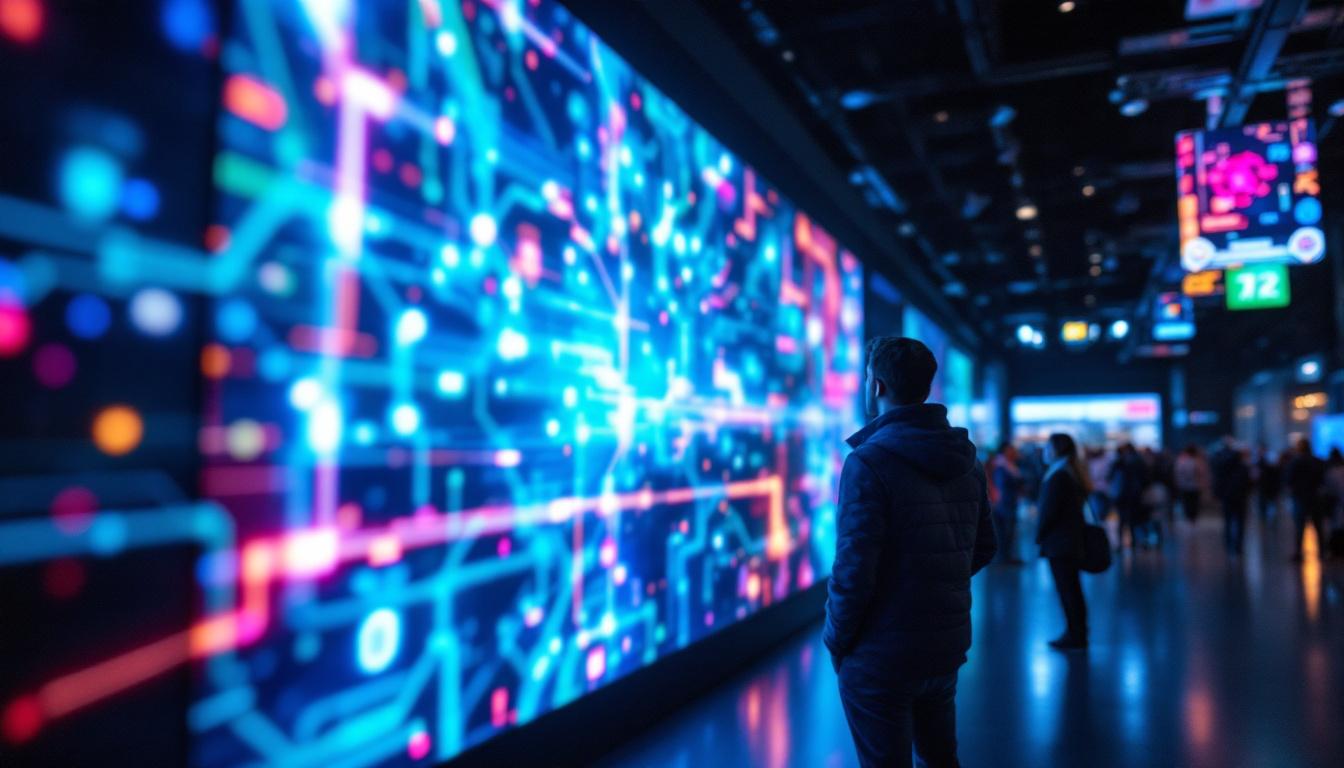
In today’s digital age, LED displays have become an integral part of how information and visuals are presented in public and private spaces alike. From the vibrant billboards that light up cityscapes to the high-definition screens used in stadiums and retail stores, LED technology continues to revolutionize visual communication. This article explores the fundamentals of LED screens, how they work, their applications, and the latest advancements shaping the industry.
Understanding LED Technology
What is an LED Screen?
An LED screen, or Light Emitting Diode display, is a flat panel display technology that uses an array of light-emitting diodes as pixels to produce images. Unlike traditional LCD screens that rely on backlighting, LED screens emit their own light, which allows for higher brightness, better contrast, and more vibrant colors.
LED screens come in various forms, including indoor and outdoor displays, flexible panels, and even transparent screens. Their modular design means they can be scaled to virtually any size, making them ideal for applications ranging from small digital signage to massive stadium displays. Additionally, the lightweight nature of LED technology facilitates easier installation and transport, making it a popular choice for events and exhibitions where setup time is critical.
Moreover, the energy efficiency of LED screens is a significant advantage. They consume less power compared to traditional display technologies, which not only reduces operational costs but also contributes to a lower carbon footprint. This aspect has made LED technology increasingly appealing to businesses and organizations that prioritize sustainability in their operations.
How Do LED Displays Work?
Each pixel on an LED screen is composed of tiny diodes that emit red, green, and blue light. By adjusting the intensity of each diode, the screen can produce a full spectrum of colors. This process is known as additive color mixing.
The diodes are controlled by a driver circuit that receives video signals from a controller. The controller processes the input data and sends commands to the LEDs to light up in specific patterns, creating the desired image or video. The rapid switching of LEDs allows for smooth motion and high refresh rates, which is essential for dynamic content. This technology not only enhances the viewing experience but also allows for intricate animations and transitions that can captivate audiences in various settings, from concerts to corporate presentations.
Furthermore, advancements in LED technology have led to the development of features such as HDR (High Dynamic Range) and higher pixel densities, which significantly improve the visual quality. HDR allows for a greater range of brightness and contrast, making images appear more lifelike. As a result, LED displays are increasingly being used in high-end applications, including film production and art installations, where visual fidelity is paramount.
Types of LED Displays
Indoor vs. Outdoor LED Screens
One of the primary distinctions in LED displays is between indoor and outdoor models. Indoor LED screens are designed for environments with controlled lighting and typically have smaller pixel pitches (the distance between individual LEDs), which results in higher resolution and sharper images at close viewing distances.
Outdoor LED screens, on the other hand, must withstand environmental factors such as sunlight, rain, and dust. They feature higher brightness levels—often exceeding 5,000 nits—to remain visible in direct sunlight. Their pixel pitches are generally larger, as viewers tend to view these screens from greater distances.
Fixed vs. Rental LED Displays
Fixed LED displays are installed permanently in a location, such as a retail storefront or sports arena. These screens are built for long-term use and optimized for the specific environment in which they are placed.
Rental LED displays are portable and designed for temporary installations like concerts, trade shows, and events. They are modular and lightweight, allowing for easy setup and teardown. Rental screens often prioritize versatility and durability to accommodate frequent transportation and handling.
Direct View vs. LED-Backlit LCD
It’s important to differentiate between direct view LED displays and LED-backlit LCD screens. The former uses LEDs as the actual pixels, while the latter uses LEDs solely as a backlight behind an LCD panel. Direct view LED displays offer superior brightness, contrast, and viewing angles compared to LED-backlit LCDs, making them the preferred choice for large-scale and high-impact visual applications.
Applications of LED Screens
Advertising and Digital Signage
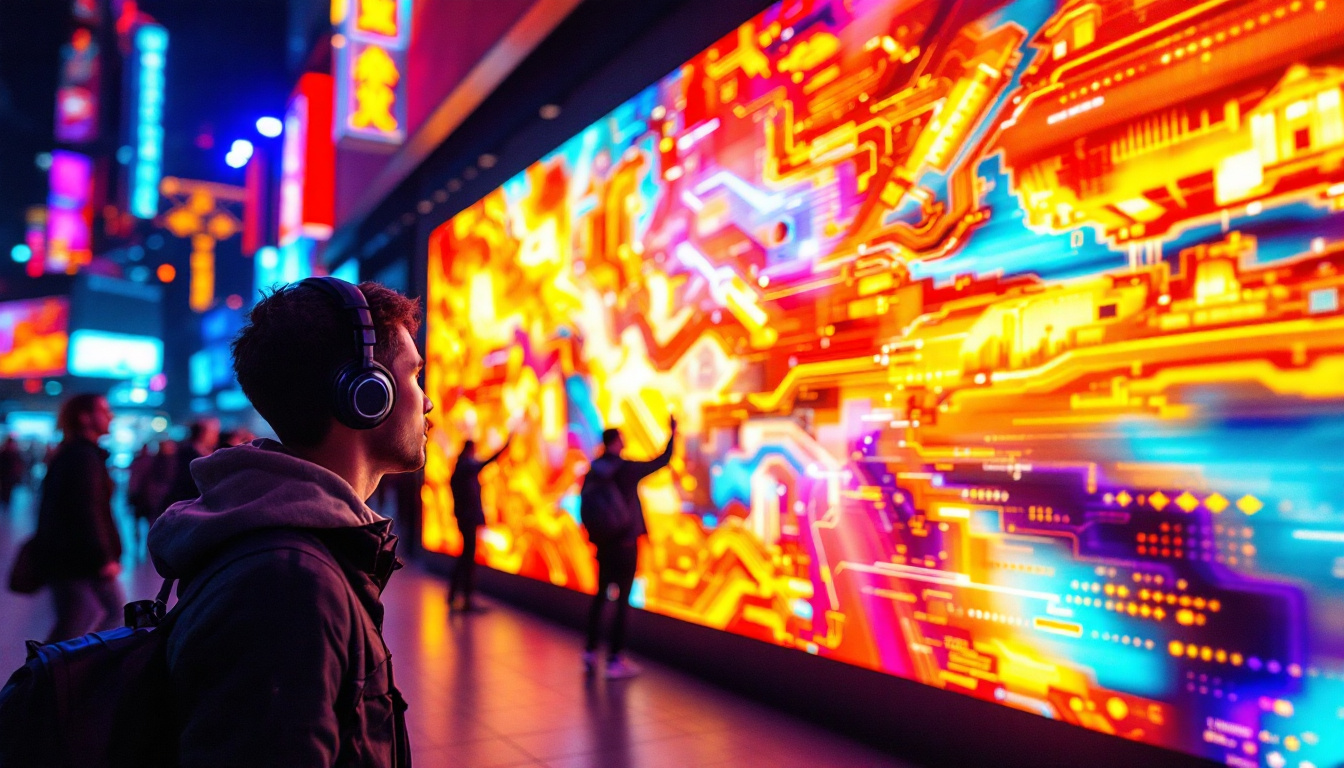
LED screens have transformed advertising by enabling dynamic, eye-catching displays that can be updated remotely and in real-time. Digital billboards, shopping mall displays, and transit advertising all leverage LED technology to engage audiences effectively.
According to recent market research, the global digital signage market is expected to grow at a compound annual growth rate (CAGR) of over 8% through 2027, driven largely by the adoption of LED displays. Their ability to display vivid content in any lighting condition makes them invaluable for advertisers seeking high visibility and impact.
Entertainment and Sports Venues
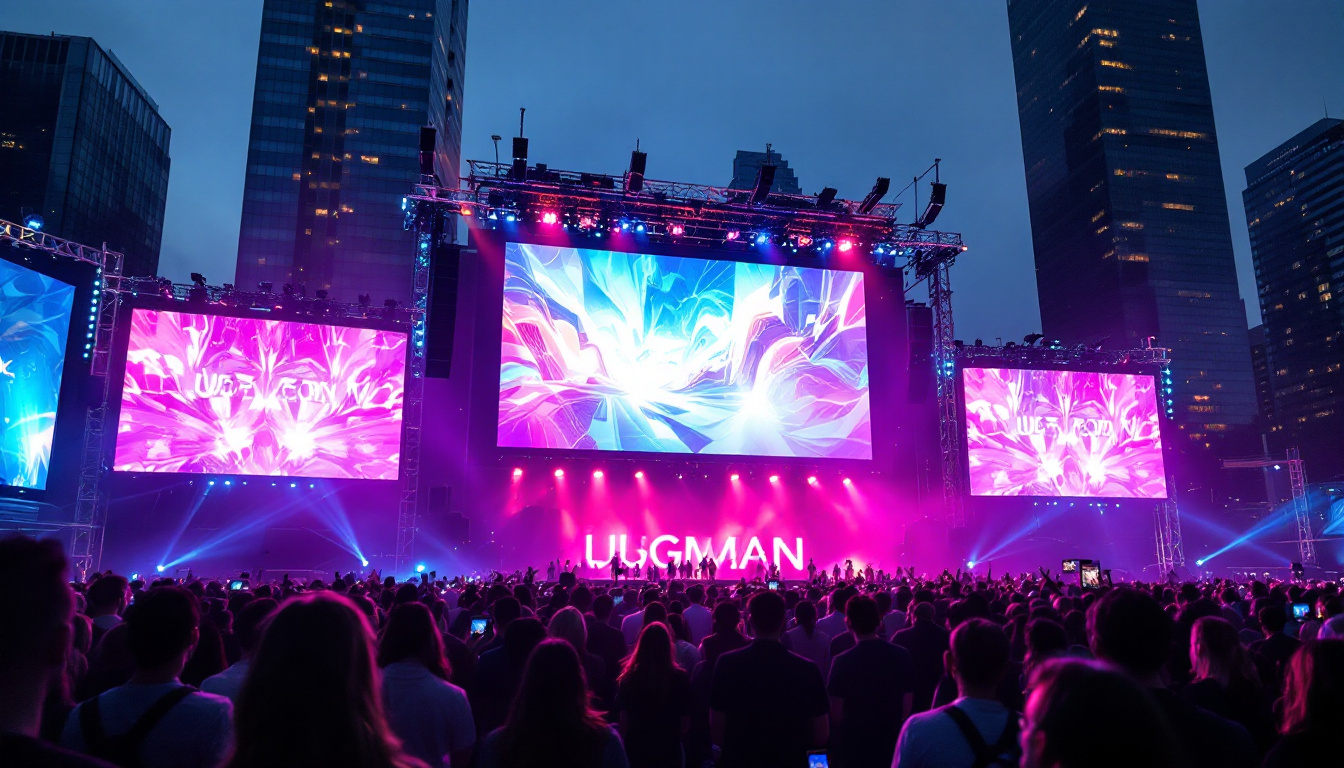
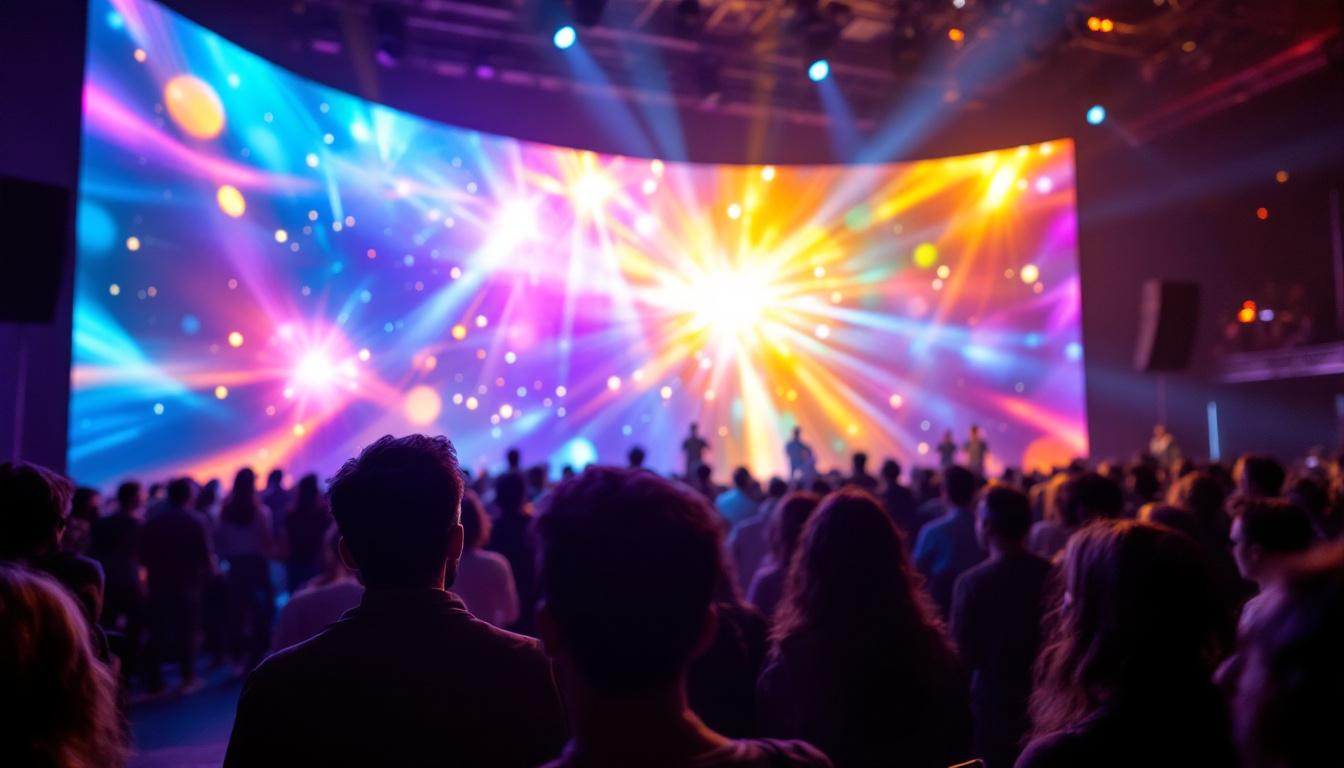
From massive jumbotrons in stadiums to immersive stage backdrops in concerts, LED screens provide unparalleled visual experiences. Their scalability allows venues to customize screen sizes and shapes, enhancing audience engagement through live video feeds, instant replays, and interactive content.
Major sporting events like the FIFA World Cup and the Olympics have showcased the power of LED technology, using it to deliver real-time statistics, advertisements, and entertainment in ways that were impossible with older display technologies.
Corporate and Educational Use
In corporate environments, LED displays facilitate presentations, video conferencing, and digital communication within offices and conference rooms. Their clarity and brightness improve visibility and engagement during meetings and training sessions.
Educational institutions also benefit from LED screens by integrating them into lecture halls, auditoriums, and public spaces. The ability to display multimedia content enhances learning experiences and provides dynamic information dissemination.
Key Technical Considerations
Pixel Pitch and Resolution
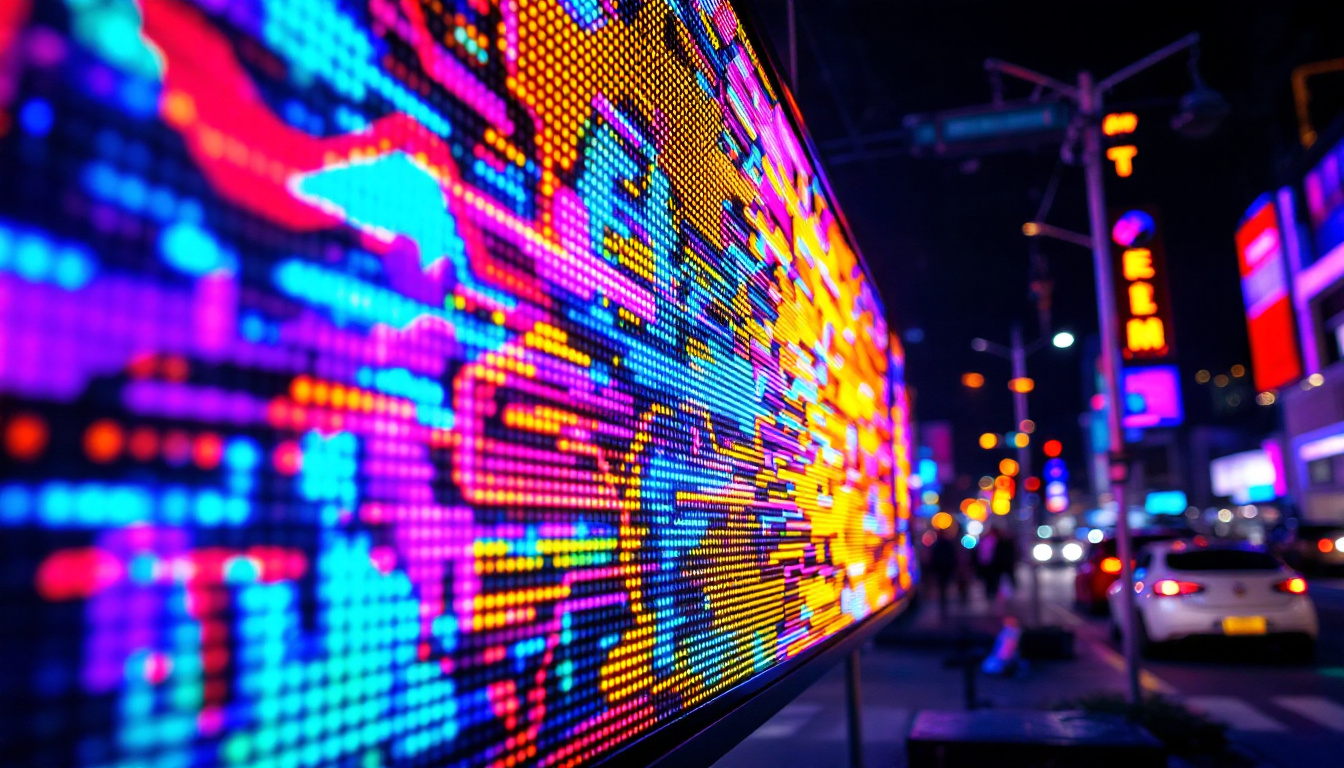
Pixel pitch is a critical factor in determining the quality and clarity of an LED display. It refers to the distance between the centers of two adjacent pixels, measured in millimeters. Smaller pixel pitches mean higher resolution and finer detail, which is essential for displays viewed at close range.
For example, indoor LED screens often feature pixel pitches ranging from 0.9mm to 4mm, while outdoor screens typically range from 4mm to 20mm or more. Selecting the appropriate pixel pitch depends on the intended viewing distance and application.
Brightness and Contrast Ratio
Brightness, measured in nits, indicates how much light the display emits. Outdoor LED screens require high brightness levels—often 5,000 nits or more—to remain visible under direct sunlight. Indoor screens generally operate between 800 and 1,500 nits, sufficient for controlled lighting environments.
Contrast ratio, the difference between the darkest black and the brightest white a screen can produce, affects image depth and realism. LED displays typically offer excellent contrast ratios due to their ability to turn off individual pixels completely, resulting in true blacks.
Refresh Rate and Viewing Angle
The refresh rate, measured in Hertz (Hz), indicates how many times per second the image is updated. Higher refresh rates reduce flicker and motion blur, which is especially important for video content and live broadcasts. Most modern LED screens have refresh rates of 1,000 Hz or higher.
Viewing angle defines the maximum angle at which the screen can be viewed without significant loss of brightness or color accuracy. LED displays generally offer wide viewing angles, often exceeding 140 degrees horizontally and vertically, ensuring consistent image quality for large audiences.
Recent Innovations and Future Trends
MicroLED and MiniLED Technologies
MicroLED and MiniLED represent the next generation of LED display technology. MicroLEDs are microscopic LEDs that enable ultra-high resolution, improved brightness, and energy efficiency. Unlike OLEDs, MicroLEDs do not suffer from burn-in issues and offer longer lifespans.
MiniLED technology uses smaller LEDs than traditional ones for backlighting LCD panels, enhancing contrast and brightness. Both technologies are gaining traction in premium TVs, monitors, and commercial displays, promising superior visual performance.
Flexible and Transparent LED Displays
Advancements in materials and manufacturing have enabled the creation of flexible LED screens that can bend and curve without losing image quality. These displays open new possibilities for creative installations, such as wrapping screens around columns or creating curved video walls.
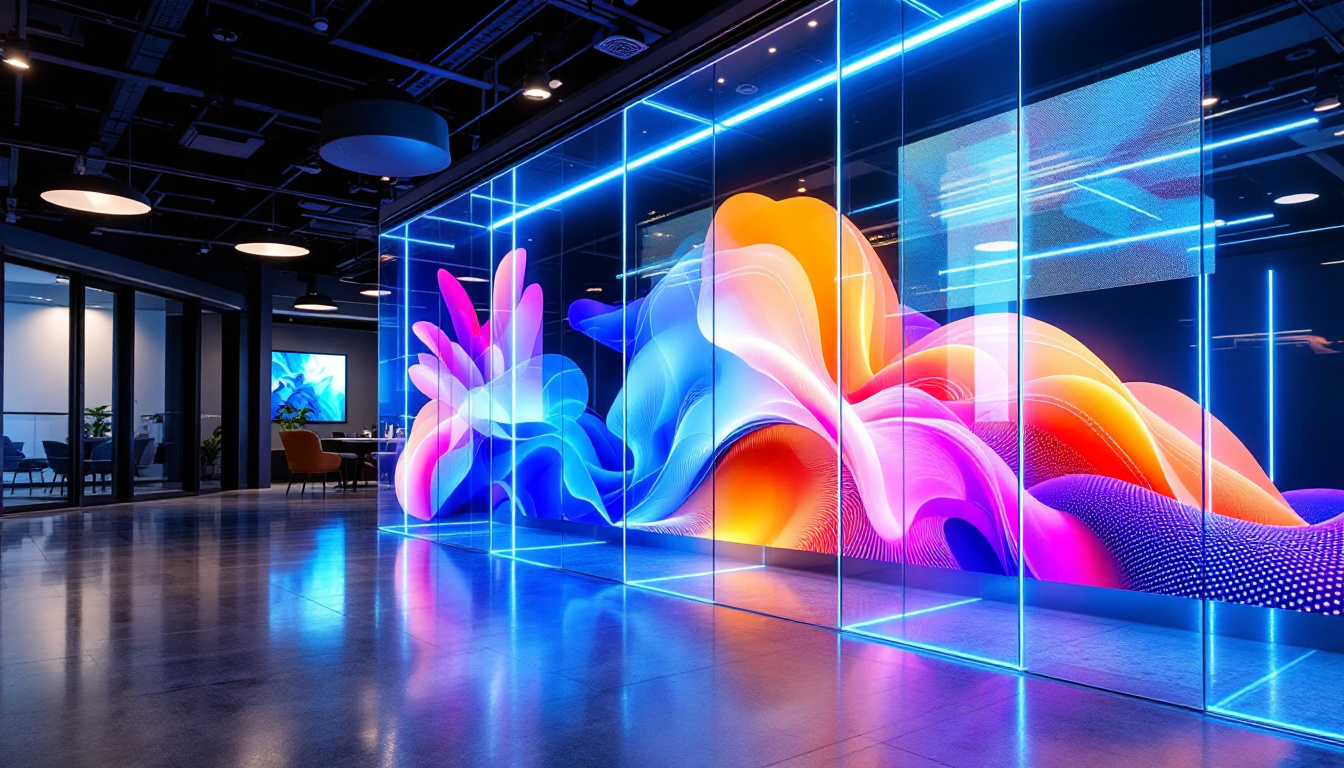
Transparent LED displays allow viewers to see through the screen while still displaying vibrant content. This technology is increasingly used in retail windows, museums, and architectural applications where blending digital content with physical surroundings is desired.
Energy Efficiency and Sustainability
As environmental concerns grow, LED display manufacturers are focusing on energy-efficient designs and sustainable materials. Modern LED screens consume significantly less power than traditional display technologies, reducing operational costs and carbon footprints.
Innovations such as adaptive brightness control, improved heat dissipation, and recyclable components contribute to making LED displays more eco-friendly, aligning with global sustainability goals.
Choosing the Right LED Display
Assessing Your Needs
Selecting the ideal LED screen requires a thorough understanding of the intended application, viewing environment, and budget. Key questions to consider include:
- Will the display be used indoors or outdoors?
- What is the typical viewing distance?
- What resolution and image quality are required?
- How frequently will the content be updated?
- Are there size or shape constraints?
Answering these questions helps narrow down the options and ensures the chosen display meets performance and durability expectations.
Working with Professional Providers
Given the technical complexity and investment involved, partnering with experienced LED display manufacturers and installers is crucial. Professionals can provide tailored solutions, handle installation, and offer ongoing maintenance and support.
Additionally, they can advise on compliance with local regulations and standards, ensuring safety and reliability throughout the display’s lifespan.
Conclusion
LED screens have transformed the way visual information is communicated across industries, offering unparalleled brightness, flexibility, and image quality. Understanding the technology behind LED displays, their types, applications, and technical specifications is essential for making informed decisions when selecting or investing in these powerful tools.
As LED technology continues to evolve with innovations like MicroLED, flexible panels, and energy-efficient designs, the potential for creative and impactful visual experiences will only expand. Whether for advertising, entertainment, corporate communication, or education, LED displays remain at the forefront of modern digital signage and display solutions.
Discover Cutting-Edge LED Display Solutions with LumenMatrix
Ready to elevate your visual experience with the latest in LED display technology? Look no further than LumenMatrix, a pioneer in crafting innovative LED display modules that bring your content to life. Whether you need an Indoor LED Wall Display for a corporate event, an Outdoor LED Wall Display for impactful advertising, or any of our specialized solutions like Vehicle LED Displays, LED Sports Displays, or Custom LED Displays, LumenMatrix has the expertise to transform your space. Embrace the future of visual communication and check out LumenMatrix LED Display Solutions today to captivate your audience and amplify your message with unparalleled clarity and vibrancy.