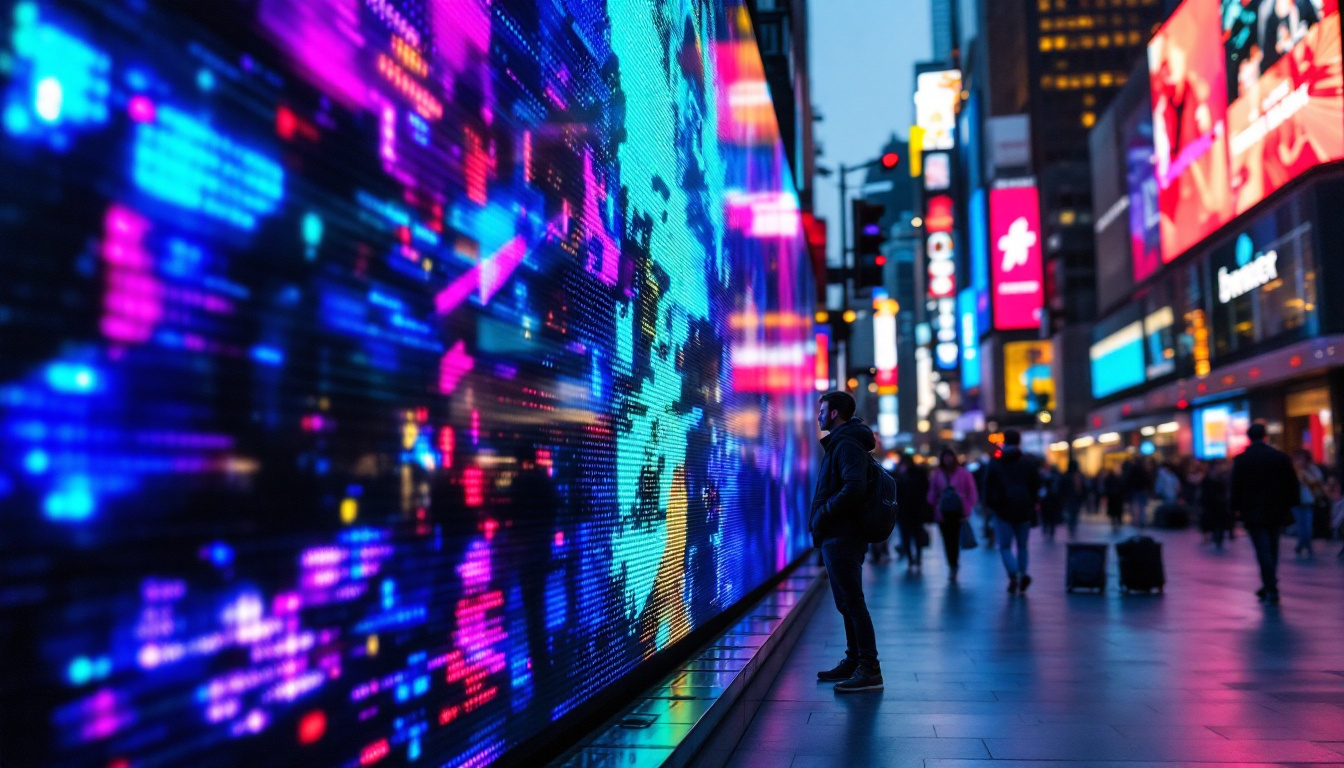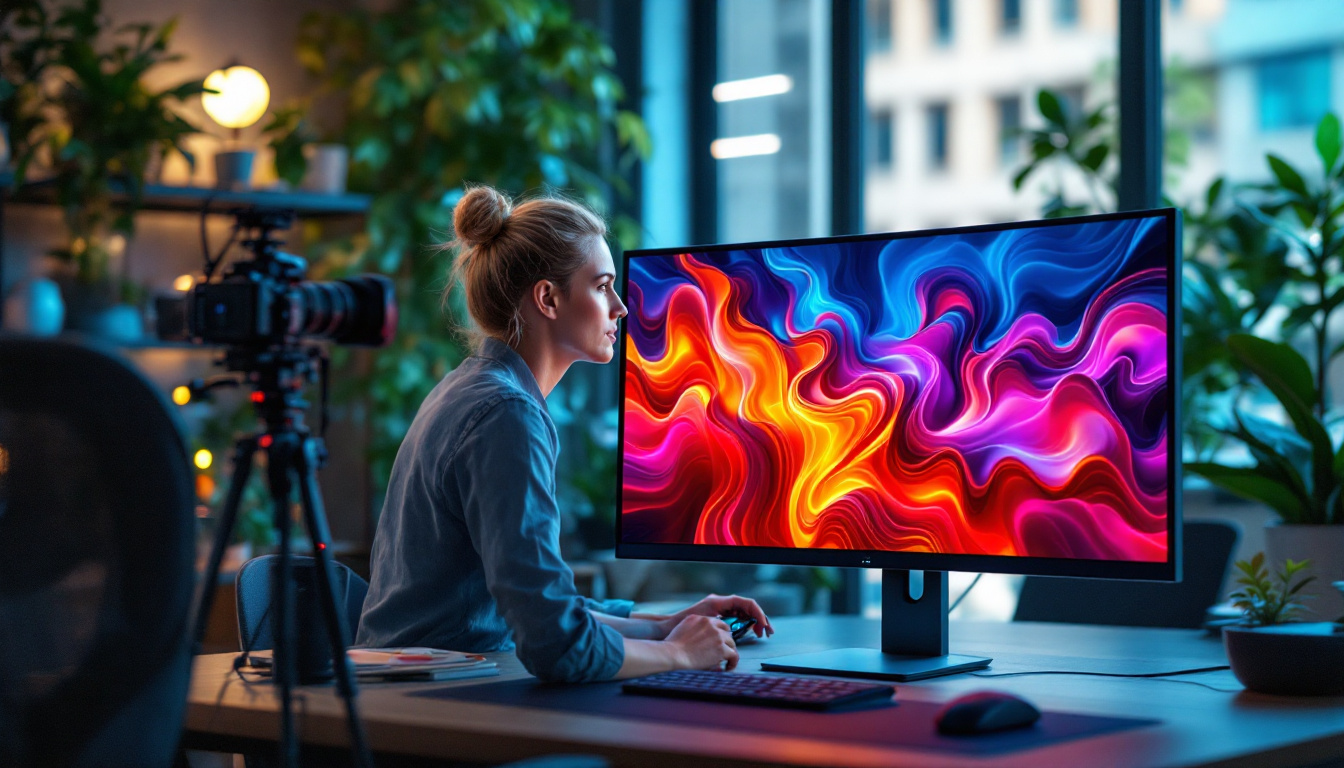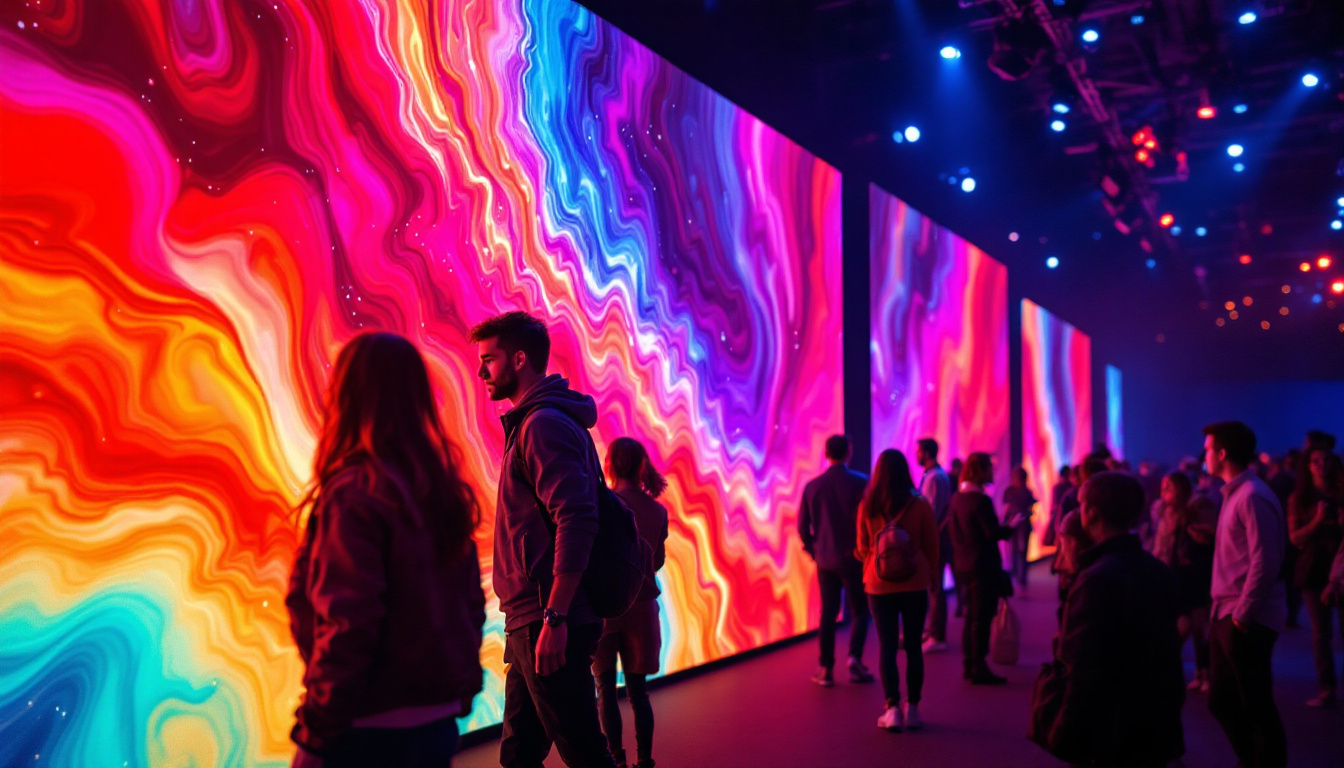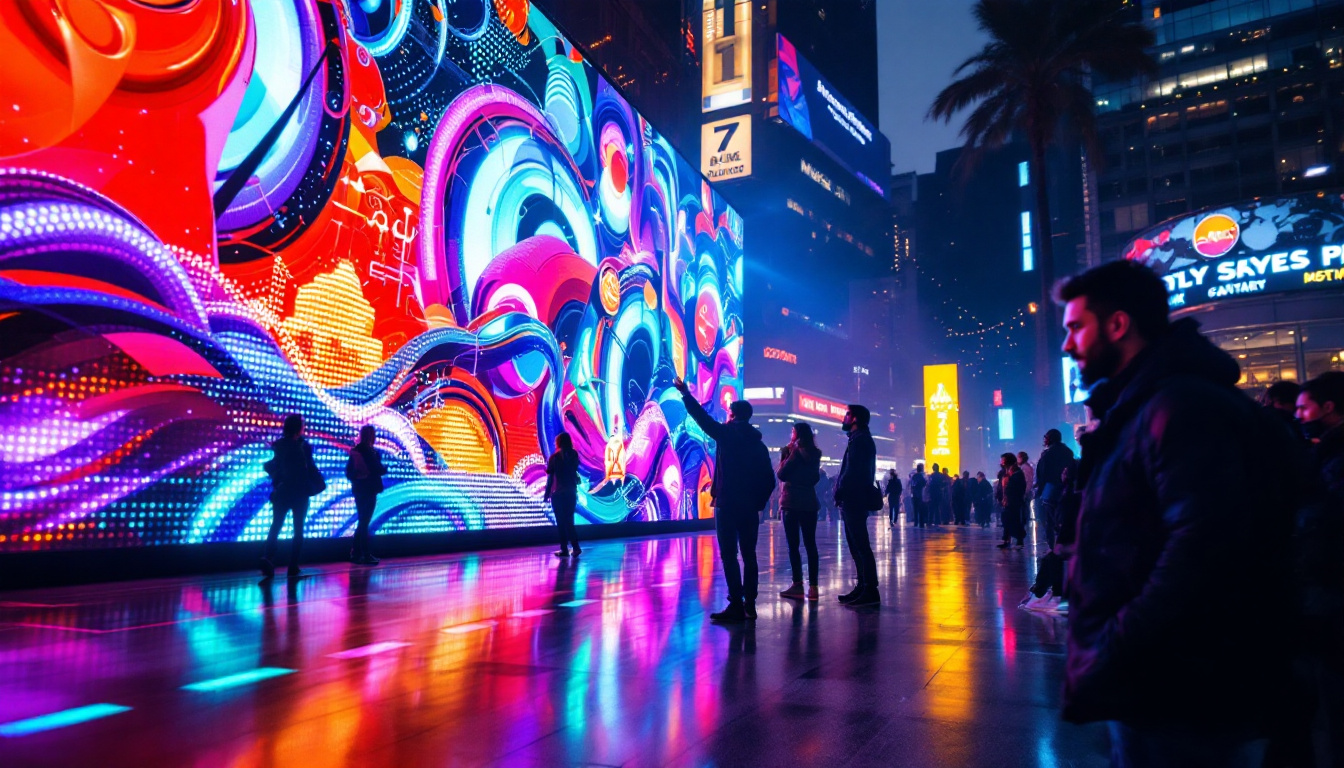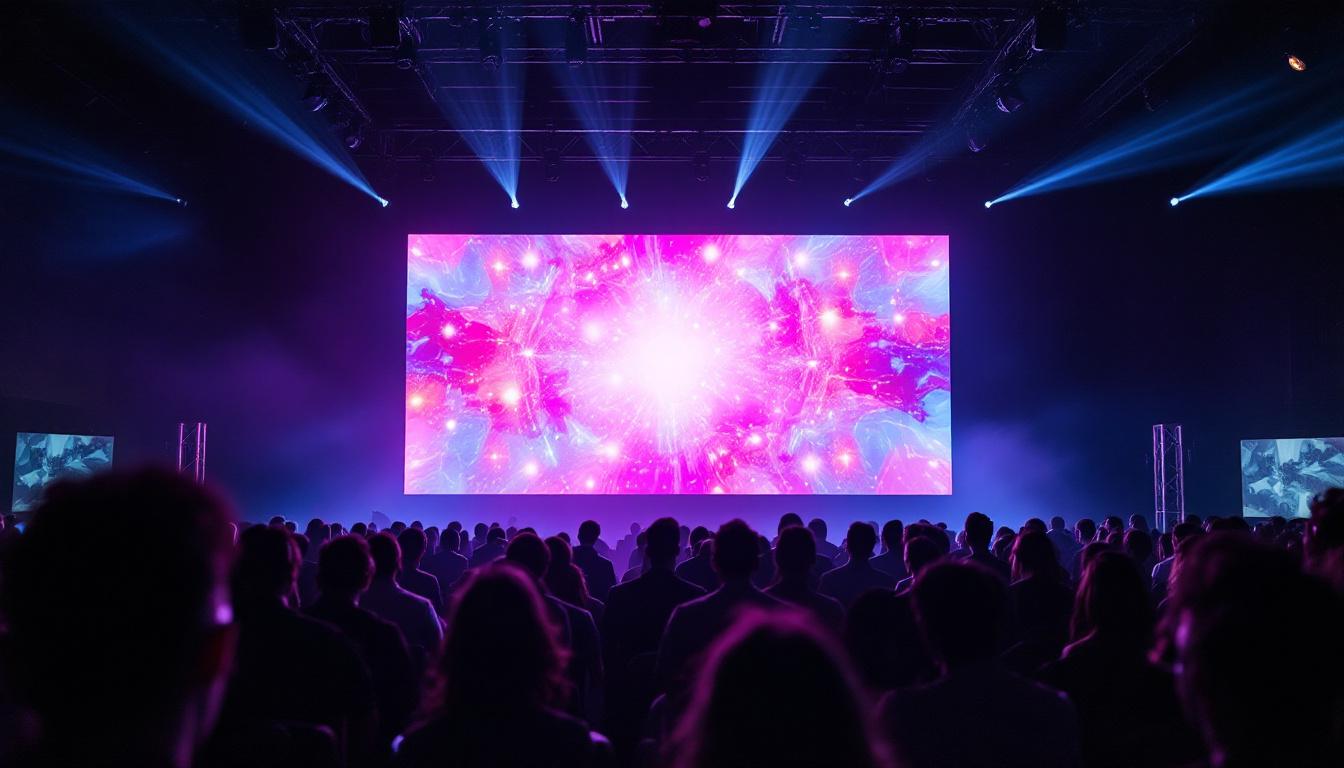
In today’s fast-paced event industry, captivating audiences and delivering clear, dynamic visuals is more important than ever. LED screens have become a cornerstone technology for event organizers, transforming stages, exhibitions, and public gatherings with their vibrant displays and versatility. This article explores everything you need to know about LED screens for events, from how they work to their benefits, types, and practical considerations for choosing the right display.
What Is an LED Screen?
An LED screen, or Light Emitting Diode display, is a flat panel that uses tiny light-emitting diodes to create images and videos. Unlike traditional display technologies such as LCD or projection, LED screens emit their own light, resulting in brighter and more vivid visuals. This makes them ideal for environments where lighting conditions can vary widely, such as outdoor concerts or large indoor arenas.
LED screens are composed of thousands to millions of individual diodes arranged in a grid. Each diode acts as a pixel, and by varying the intensity and color of each diode, the screen can produce a full-color image. The modular design allows for screens of virtually any size and shape, which is why they are popular for large-scale events.
How LED Screens Work
At the core, each LED pixel consists of red, green, and blue diodes. By adjusting the brightness of these three colors, the screen can reproduce a wide color gamut. The control system sends signals to each pixel, determining how it should light up to form the desired image or video. This process happens thousands of times per second, ensuring smooth motion and sharp images.
Modern LED screens also incorporate technologies such as HDR (High Dynamic Range) and high refresh rates, which enhance image quality and reduce motion blur—critical for live event broadcasting and fast-moving visuals.
Why Use LED Screens for Events?
LED screens have revolutionized the event industry by offering unique advantages over other display technologies. Their ability to deliver bright, high-resolution images in various settings makes them indispensable for event planners and production teams.
Brightness and Visibility
One of the most significant benefits of LED screens is their brightness. With luminance levels often exceeding 5,000 nits, LED displays remain clearly visible even in direct sunlight. This is a crucial feature for outdoor festivals, sports events, and public gatherings where ambient light can be intense.
In contrast, traditional projectors struggle in bright environments, often requiring darkened spaces to maintain image quality. LED screens eliminate this limitation, offering vibrant visuals regardless of the time of day or lighting conditions.
Scalability and Flexibility
LED screens are highly modular, meaning they can be assembled in various sizes and shapes to fit the specific needs of an event. Whether it’s a massive backdrop for a stadium concert or a small information panel at a trade show, LED screens can be customized accordingly.
This flexibility extends to installation options as well. LED screens can be mounted on trusses, walls, or even curved surfaces, enabling creative stage designs and immersive experiences.
Durability and Reliability
Events often take place under challenging conditions, including outdoor weather, heavy equipment handling, and long operating hours. LED screens are built to withstand these demands. Many models are weatherproof, dust-resistant, and designed for quick assembly and disassembly, making them ideal for touring events and festivals.
Additionally, LED technology has a long lifespan—typically 50,000 to 100,000 hours—meaning screens can be used repeatedly without significant degradation in image quality.
Types of LED Screens for Events
Understanding the different types of LED screens available helps event professionals select the best option for their specific application. The choice depends on factors such as viewing distance, venue size, budget, and content type.
Indoor LED Screens
Indoor LED screens are designed for controlled environments like conference halls, theaters, and exhibition centers. They typically have a higher pixel density, with pixel pitches ranging from 1.2mm to 4mm, allowing for close-up viewing with sharp image quality.
Because indoor venues usually have less ambient light, these screens do not need to be as bright as outdoor models, which helps reduce power consumption and heat generation.
Outdoor LED Screens
Outdoor LED screens are built to handle harsher environmental conditions, including rain, wind, and sunlight. They feature higher brightness levels, often between 5,000 and 10,000 nits, ensuring visibility even under direct sunlight.
The pixel pitch for outdoor screens is generally larger—ranging from 4mm to 20mm—because viewers tend to be farther away. Larger pixels reduce manufacturing costs and improve durability.
Transparent LED Screens
Transparent LED screens are a newer innovation, allowing light to pass through the screen while still displaying images. These are popular for retail windows, stage backdrops, and architectural installations where maintaining visibility behind the screen is important.
They provide a futuristic aesthetic and can be integrated seamlessly into glass facades or event stages, adding a layer of visual intrigue without obstructing views.
Flexible and Curved LED Screens
Flexible LED screens use bendable panels that can be curved or shaped to fit unique stage designs or immersive installations. These screens enable creative freedom, allowing event designers to craft visually stunning environments that engage audiences in new ways.
Curved LED walls improve viewing angles and create a sense of depth, enhancing the overall audience experience.
Key Considerations When Choosing an LED Screen for Events
Selecting the right LED screen involves balancing technical specifications, budget, and event requirements. Here are some critical factors to consider:
Pixel Pitch and Resolution
Pixel pitch refers to the distance between the centers of adjacent pixels, measured in millimeters. It directly impacts image clarity and viewing distance. A smaller pixel pitch means higher resolution and better image quality at close range.
For example, a pixel pitch of 1.5mm is suitable for indoor events where viewers are close to the screen, while a 10mm pitch is better for large outdoor events where the audience is farther away.
Brightness and Contrast Ratio
Brightness is measured in nits and determines how well the screen performs under various lighting conditions. Outdoor events require higher brightness levels to combat sunlight glare, while indoor events can use lower brightness to reduce eye strain.
The contrast ratio—the difference between the darkest black and the brightest white—also affects image quality. Higher contrast ratios yield more vivid and detailed visuals.
Screen Size and Viewing Distance
The physical size of the LED screen should correspond to the venue size and audience viewing distance. Larger screens are necessary for big venues to ensure visibility from all angles. A general rule is that the optimal viewing distance is roughly 10 times the pixel pitch.
Installation and Portability
Consider how the screen will be installed and whether it needs to be portable. Touring events benefit from lightweight, modular screens that can be quickly assembled and dismantled. Fixed installations may prioritize durability and seamless integration with the venue.
Content Compatibility and Control Systems
Modern LED screens support various input sources, including HDMI, DVI, and SDI, and are compatible with popular media servers and control software. Choosing a screen with flexible connectivity options ensures smooth content playback and real-time control during events.
Popular Applications of LED Screens in Events
LED screens have become ubiquitous across many event types, each leveraging the technology’s strengths to enhance audience engagement and communication.
Concerts and Music Festivals
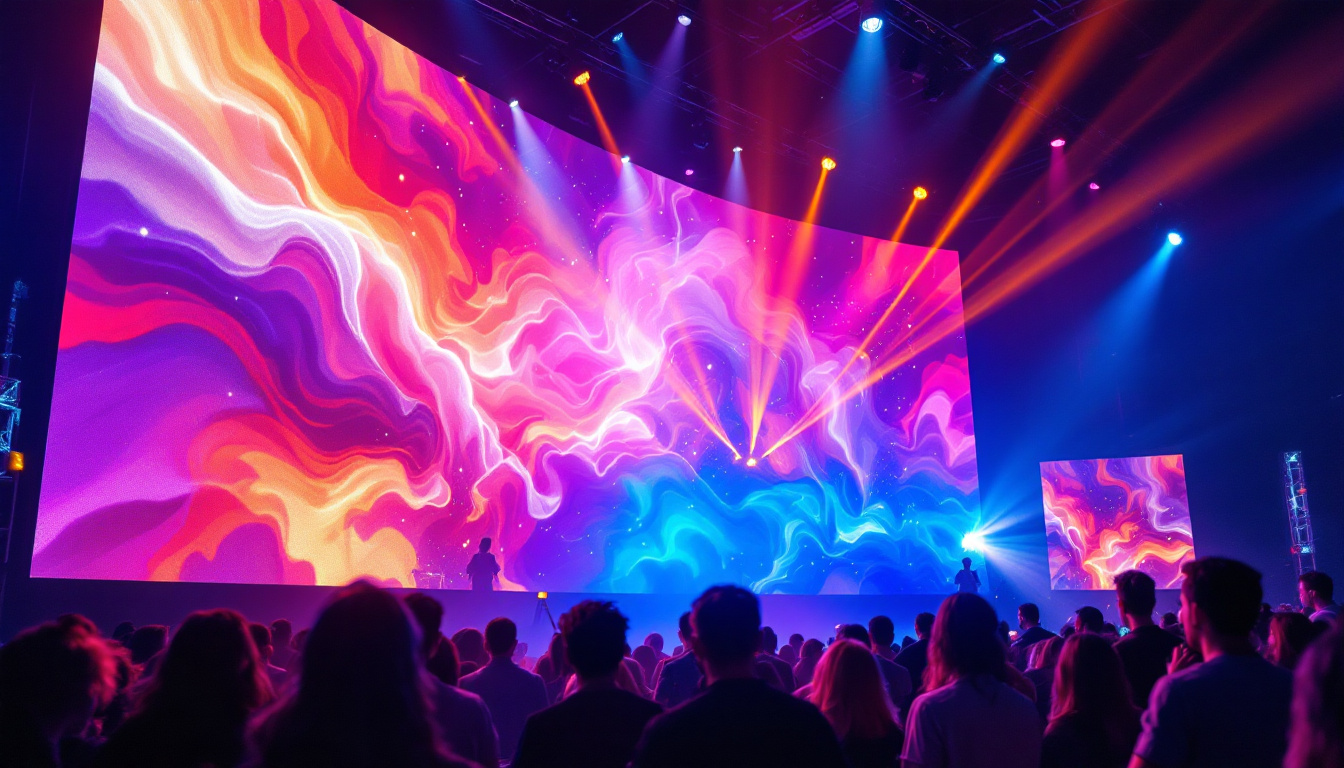
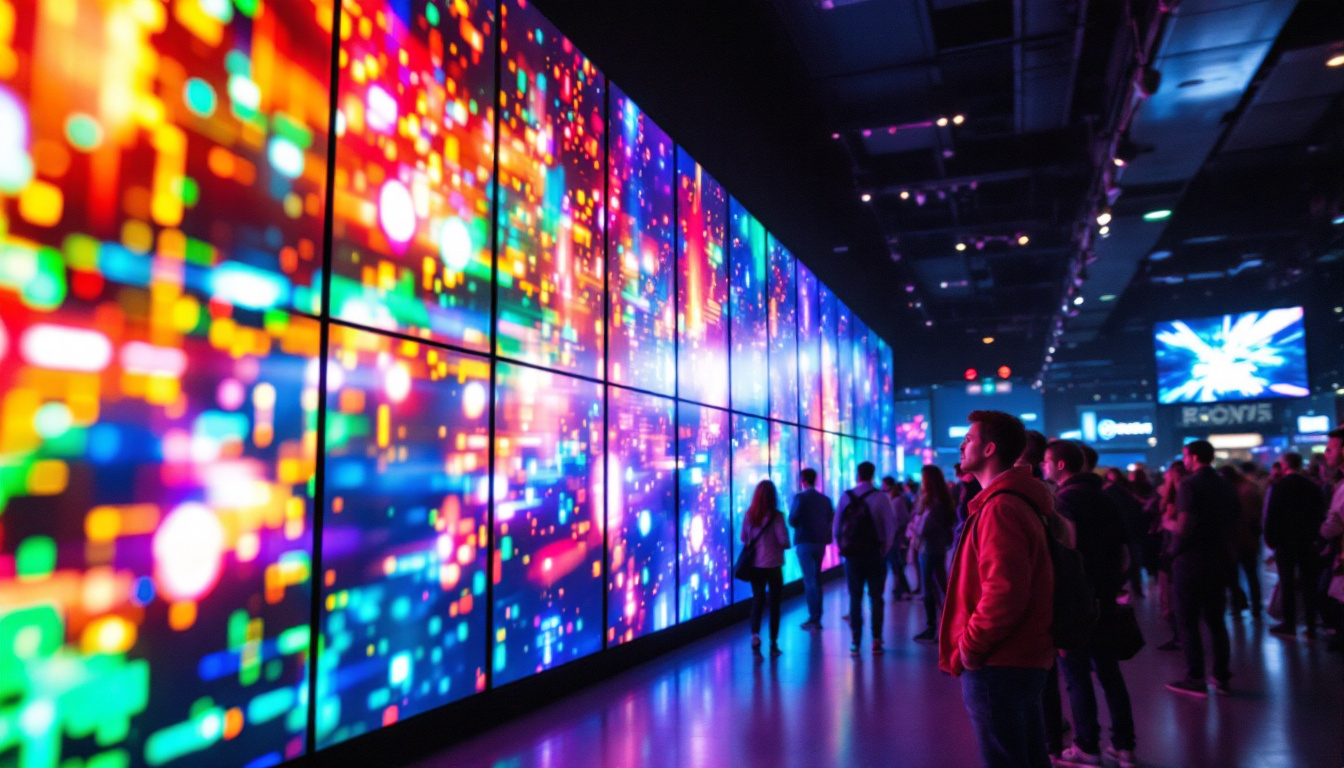
Large-scale music events use massive LED walls to display live video feeds, graphics, and special effects. These screens help connect performers with audiences, even those far from the stage, creating immersive experiences that amplify the energy of the event.
Corporate Events and Conferences
In corporate settings, LED screens are used for presentations, product launches, and branding. Their high resolution and brightness ensure that slides, videos, and live feeds are clear and professional, supporting effective communication.
Sporting Events
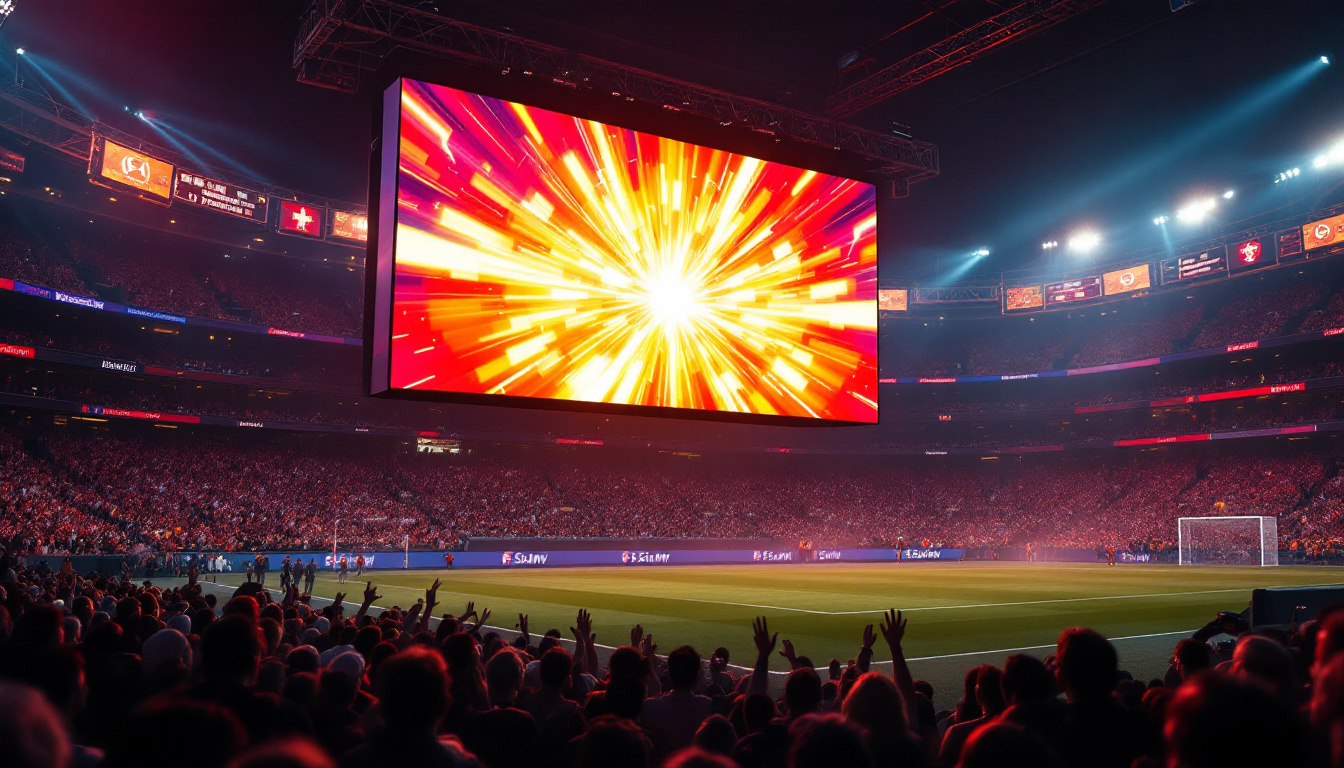
Stadiums and arenas rely on LED screens for scoreboards, instant replays, and advertising. Their durability and brightness make them ideal for outdoor sports, while indoor arenas benefit from their sharp image quality and flexibility.
Trade Shows and Exhibitions
Exhibitors use LED screens to attract visitors, showcase products, and deliver interactive content. Transparent and curved LED screens are particularly popular for creating eye-catching booths that stand out in crowded exhibition halls.
Public Gatherings and Outdoor Festivals
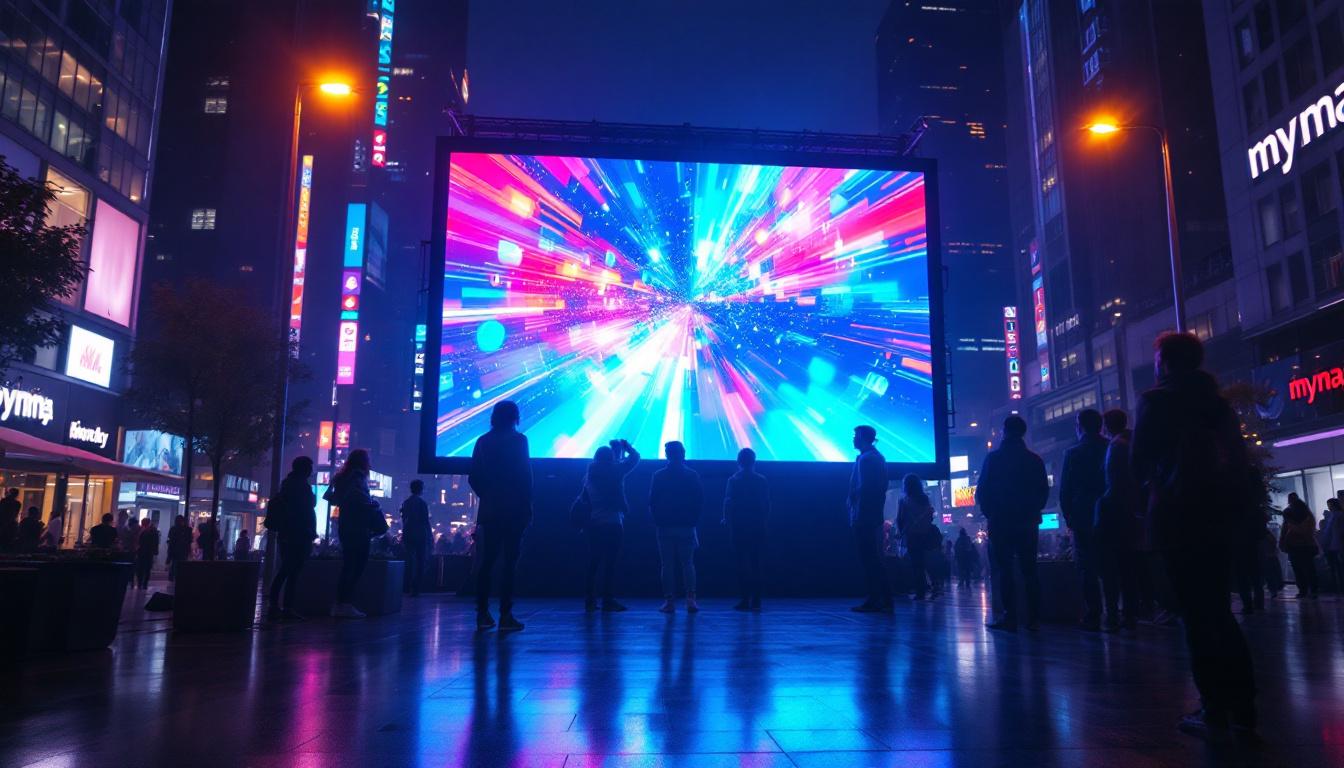
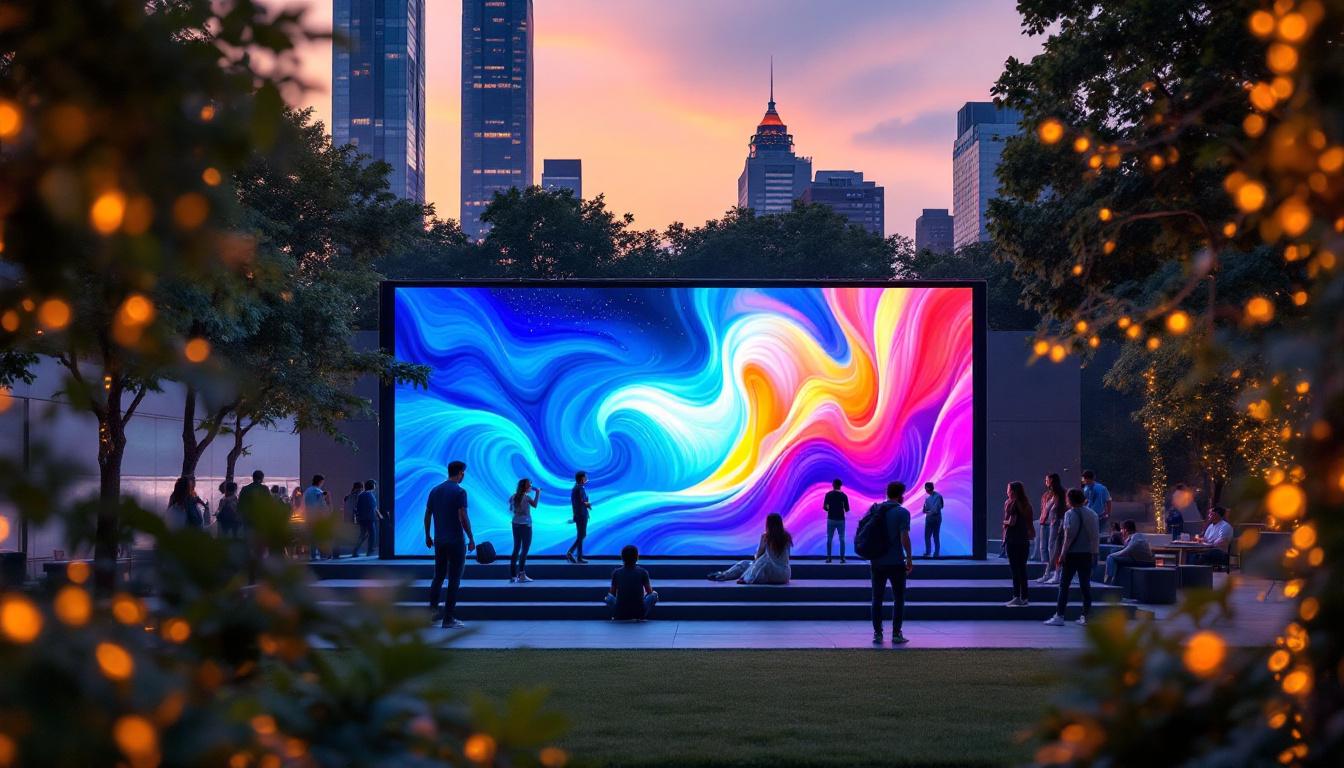
LED screens facilitate live broadcasting, announcements, and entertainment in public events such as parades, political rallies, and cultural festivals. Their scalability and visibility ensure that large crowds can engage with the event content effectively.
Future Trends in LED Screen Technology for Events
The LED screen industry continues to evolve rapidly, driven by advances in materials, manufacturing, and digital technology. Several trends are shaping the future of event displays:
MicroLED and MiniLED
MicroLED and MiniLED technologies offer even smaller pixel pitches and improved brightness and efficiency. These innovations promise ultra-high-resolution screens that can deliver cinema-quality visuals on massive scales.
Interactive LED Screens
Touch-sensitive LED displays and integration with augmented reality (AR) are opening new possibilities for audience interaction. Event attendees can engage directly with content, creating personalized and immersive experiences.
Energy Efficiency and Sustainability
As environmental concerns grow, manufacturers are focusing on reducing power consumption and using recyclable materials. Energy-efficient LED screens not only lower operational costs but also align with corporate social responsibility goals.
Wireless and Cloud-Based Control
Advancements in wireless technology and cloud computing enable remote control and content management of LED screens. This increases flexibility for event producers and allows real-time updates from anywhere in the world.
Conclusion
LED screens have become an essential tool in the event industry, offering unmatched brightness, flexibility, and durability. Whether for a small corporate meeting or a massive outdoor festival, choosing the right LED display can dramatically enhance the audience experience and elevate the event’s impact.
Understanding the technology behind LED screens, the different types available, and the key factors to consider when selecting a screen will empower event professionals to make informed decisions. As LED technology continues to advance, its role in creating unforgettable events will only grow stronger.
Discover LumenMatrix LED Display Solutions
Ready to elevate your next event with the most advanced LED display technology? Look no further than LumenMatrix, a pioneer in creating immersive visual experiences that captivate and engage. From versatile Indoor and Outdoor LED Wall Displays to innovative solutions like Vehicle LED Displays, LED Posters, and even Custom LED Displays, LumenMatrix has the perfect option to bring your vision to life. Embrace the future of visual communication with our cutting-edge LED display solutions. Check out LumenMatrix LED Display Solutions today and transform your event into an unforgettable spectacle.