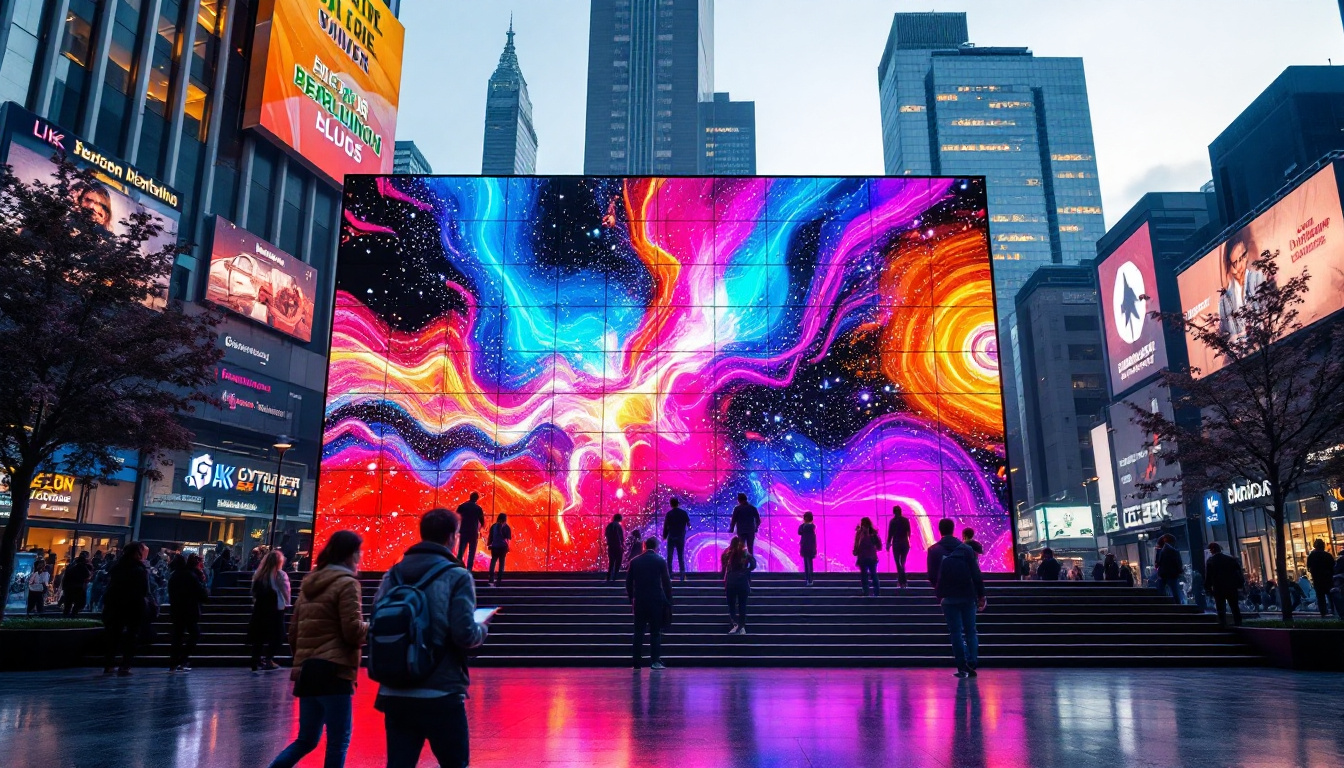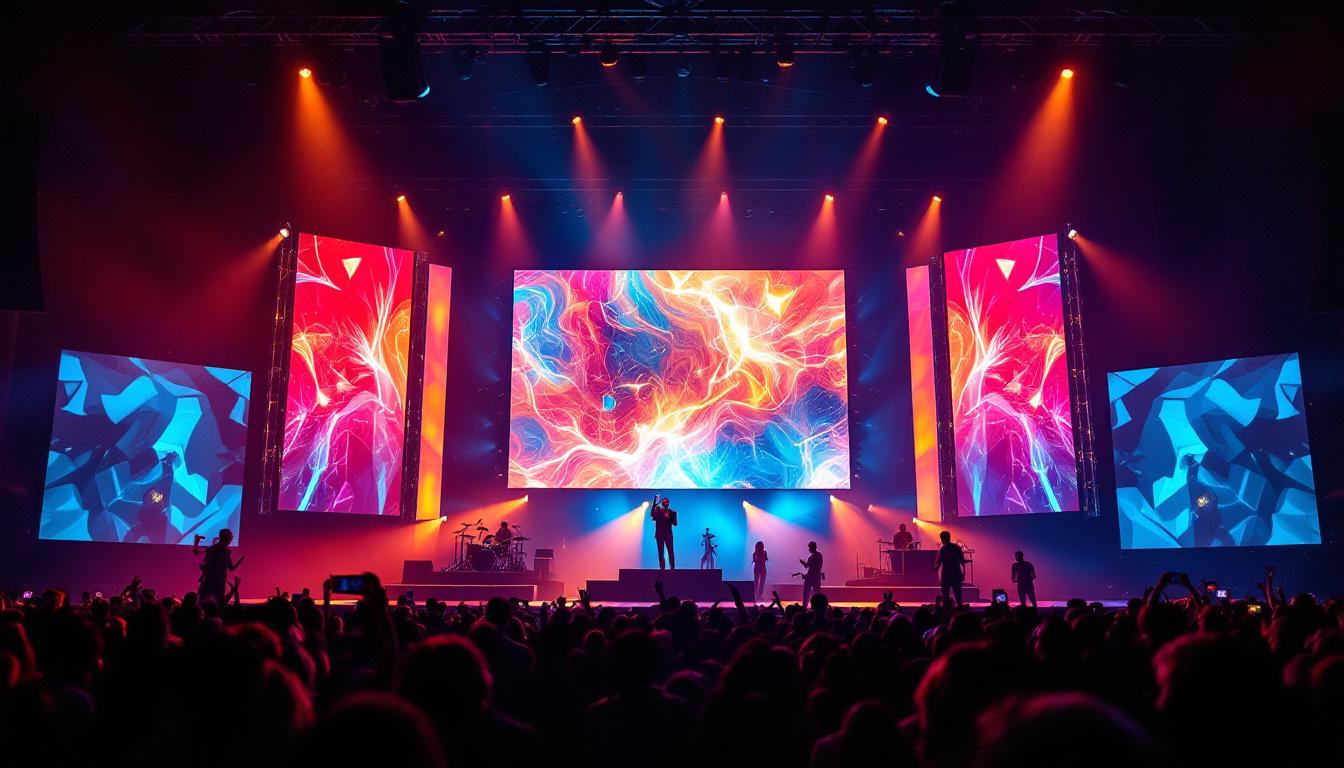
In the world of live events and performances, visual impact is paramount. Whether it’s a concert, theater production, corporate event, or festival, the ability to captivate an audience hinges heavily on the quality and versatility of the stage visuals. Among the most transformative technologies in recent years is the LED screen for stage use. These LED displays have revolutionized how content is presented, offering vibrant colors, dynamic imagery, and unparalleled brightness that traditional screens simply cannot match.
This article delves into the essentials of LED screens for stages, explaining what they are, how they work, and why they have become indispensable in modern event production. From technical specifications to practical applications, this comprehensive guide will equip event planners, production managers, and AV professionals with the knowledge needed to make informed decisions about integrating LED displays into their setups.
What is an LED Screen for Stage?
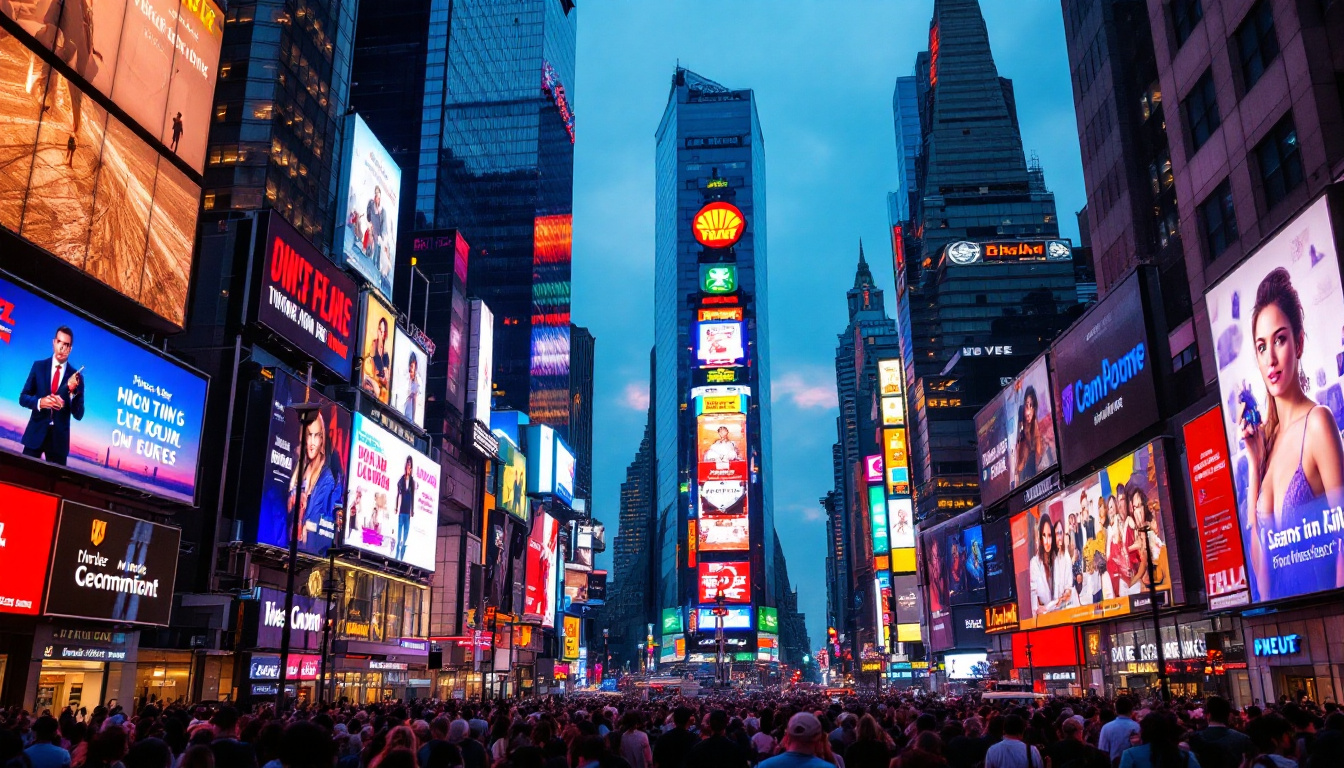
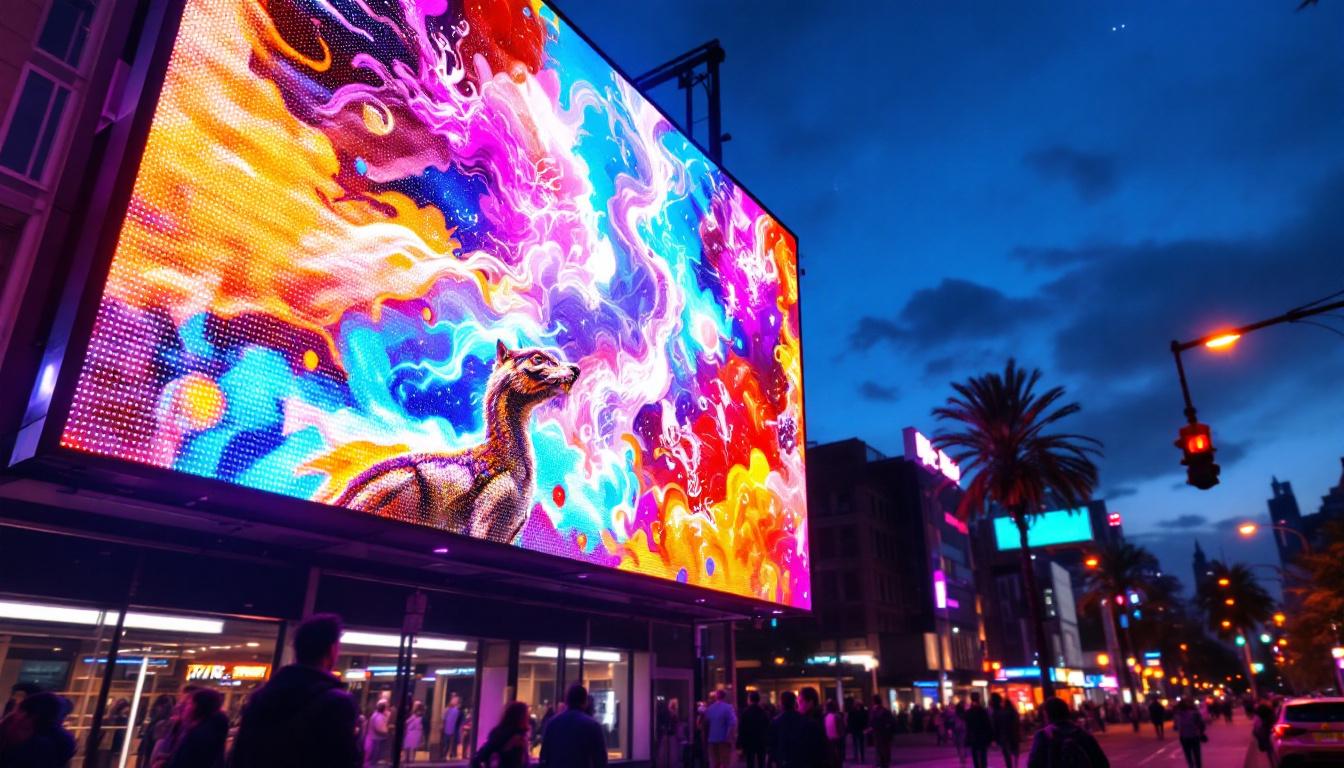
At its core, an LED screen is a large display made up of numerous light-emitting diodes (LEDs) arranged in a grid. These tiny diodes emit light when an electrical current passes through them, producing images and videos with remarkable clarity and brightness. Unlike LCD or projection screens, LED screens are self-illuminating, meaning they do not require an external light source to display images. This inherent brightness and contrast make them particularly effective in environments where lighting conditions can vary dramatically, such as concerts or outdoor events.
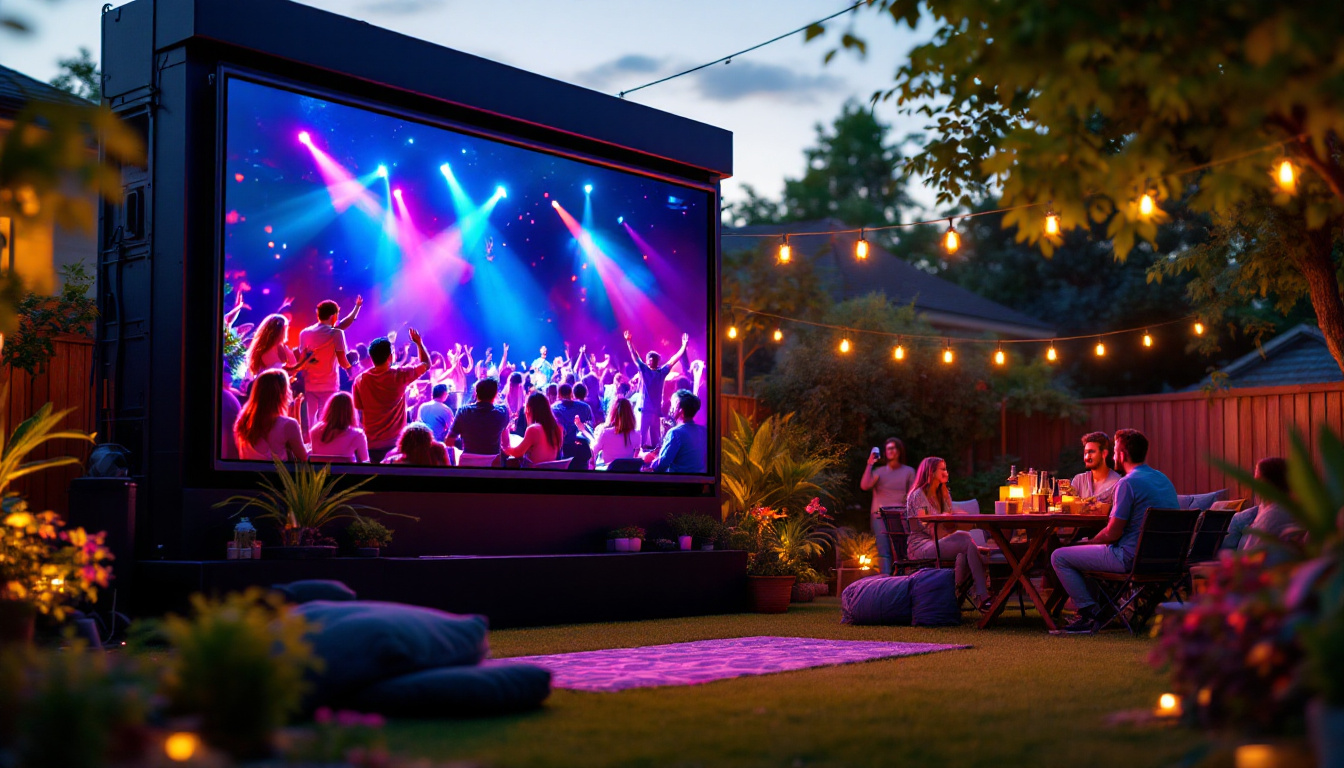
Stage LED screens are specifically designed for live event environments. They are built to be durable, modular, and highly visible even under intense stage lighting or outdoor sunlight. This makes them ideal for concerts, theater backdrops, corporate presentations, and large-scale festivals. The modularity of these screens allows for easy setup and customization, enabling event organizers to create stunning visual displays tailored to the specific theme or atmosphere of the event. Additionally, advancements in technology have led to lighter and thinner designs, which facilitate easier transportation and installation.
Types of LED Screens Used on Stage
There are several types of LED screens commonly used in stage setups, each catering to different needs:
- Indoor LED Screens: These screens have a higher pixel density (smaller pixel pitch) and are optimized for viewing at closer distances. They offer sharp images and vibrant colors, perfect for theaters and corporate events. The clarity they provide enhances the audience’s experience, allowing for intricate details in graphics and videos to be appreciated from various angles.
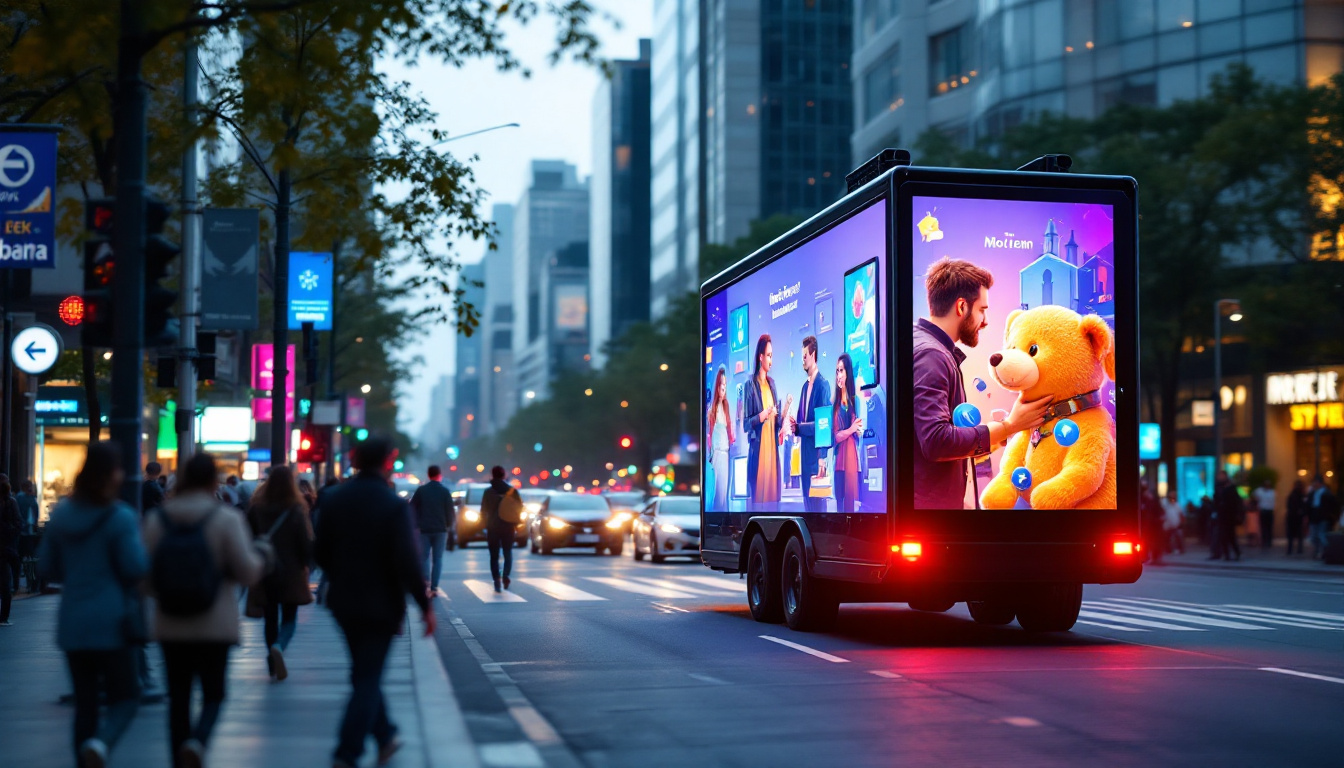
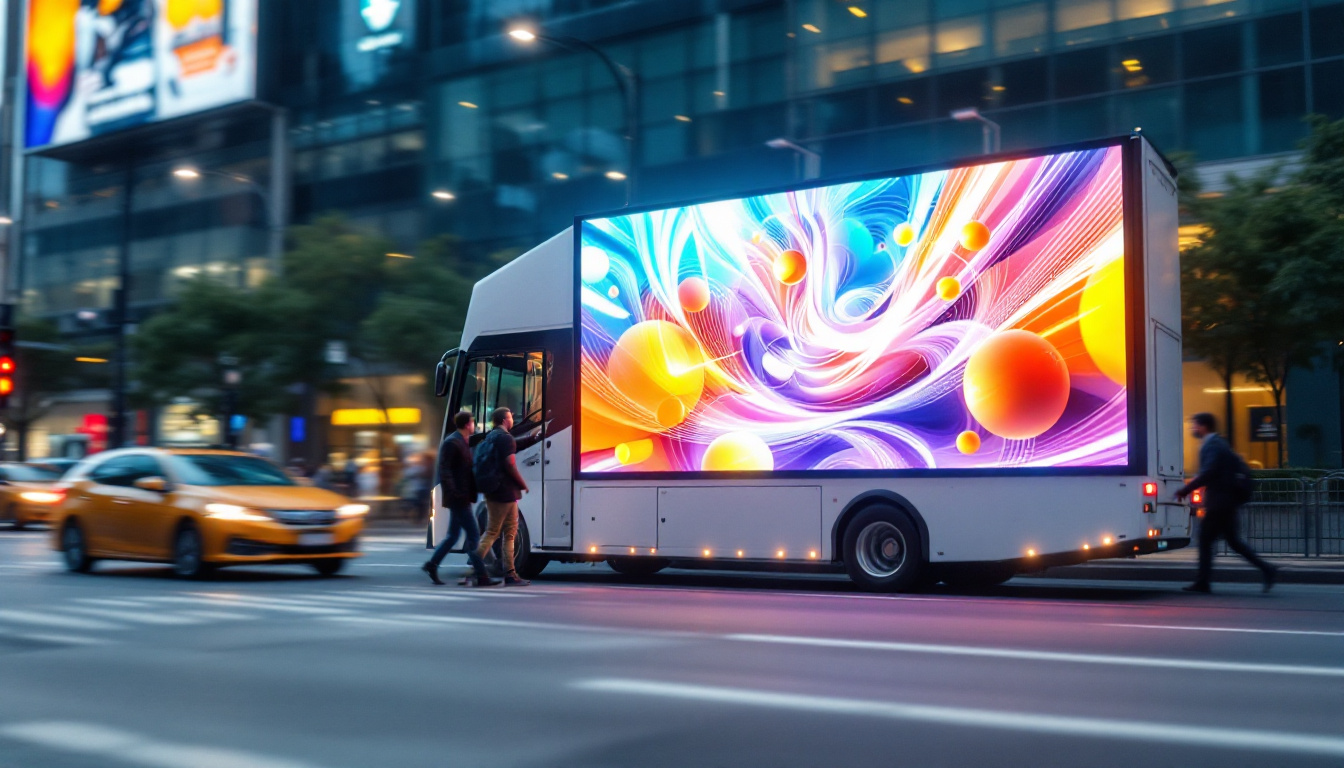
- Outdoor LED Screens: Built to withstand weather conditions, these screens are brighter and more robust. They have a wider pixel pitch since viewing distances tend to be longer, such as at music festivals or stadium concerts. This ensures that even from afar, the visuals remain engaging and impactful, drawing in crowds and keeping them entertained throughout the event.
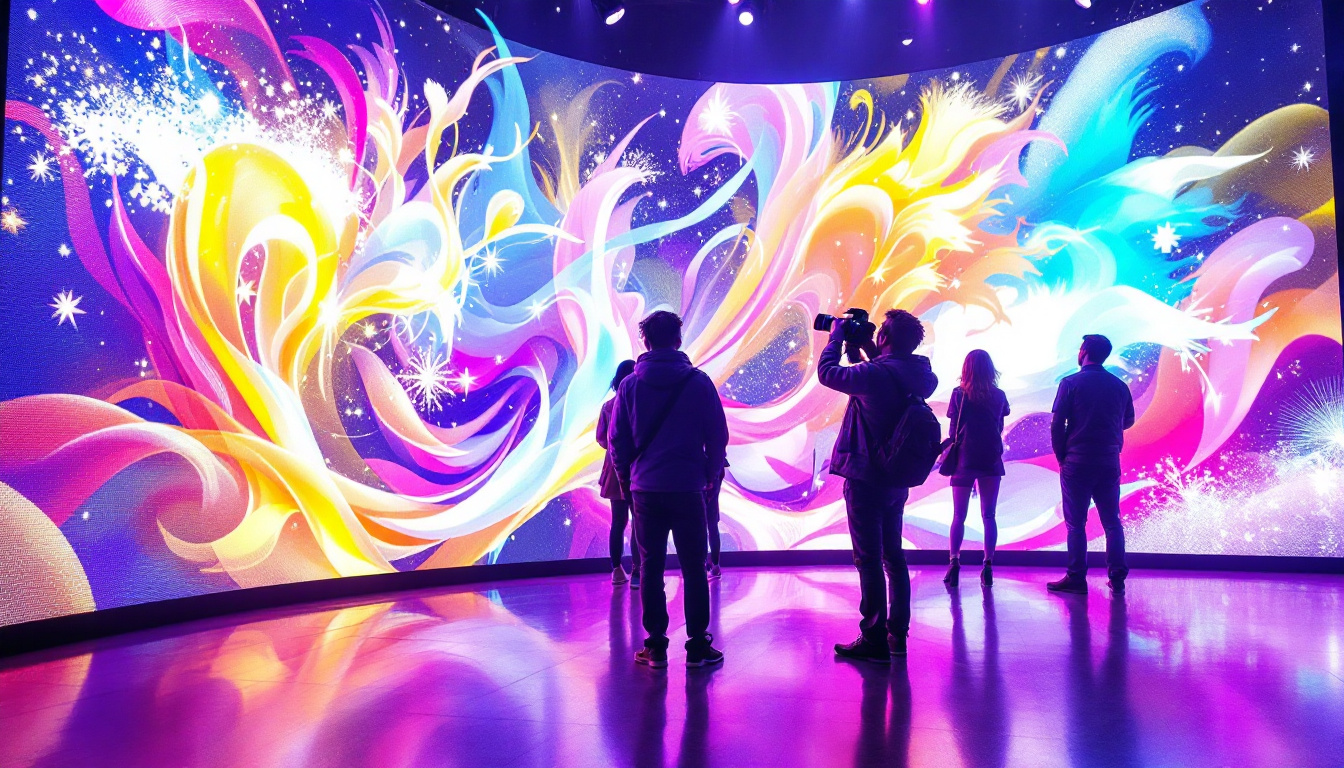
- Flexible and Curved LED Screens: These innovative displays can bend or curve, allowing for creative stage designs and immersive environments. Their adaptability enables designers to create dynamic shapes that enhance the visual storytelling of a performance, making the stage feel more alive and interactive.
- Transparent LED Screens: These allow light to pass through, enabling unique visual effects when placed in front of other stage elements. This feature can create a sense of depth and layering, allowing for innovative presentations that combine live action with digital imagery seamlessly.
In addition to these types, LED screens can also be integrated with advanced technologies such as augmented reality (AR) and virtual reality (VR). This integration opens up a new realm of possibilities for stage productions, allowing for interactive experiences that engage audiences on multiple levels. By combining LED screens with AR, performers can interact with digital elements in real-time, creating a captivating fusion of the physical and digital worlds. This not only enhances the visual spectacle but also invites the audience to become part of the narrative, making each event a unique experience.
Moreover, the versatility of LED screens extends beyond just visual displays; they can also be synchronized with sound and lighting systems to create a cohesive and immersive atmosphere. This synchronization allows for a seamless transition between different elements of a performance, ensuring that every aspect of the show works harmoniously together. As technology continues to evolve, the potential for LED screens in stage design will undoubtedly expand, offering even more innovative ways to captivate audiences and elevate live performances.
How LED Screens Work: Technology Behind the Magic
Understanding the technology behind LED screens helps clarify why they are so effective for stage use. Each LED pixel is made up of three subpixels: red, green, and blue (RGB). By varying the intensity of these subpixels, the screen can produce millions of colors with high precision.
The pixel pitch, which is the distance between the centers of two adjacent pixels, is a critical factor. A smaller pixel pitch means more pixels per square meter, resulting in higher resolution and sharper images. For indoor stages where audiences are closer, pixel pitches as small as 1.2mm to 2.5mm are common. Outdoor stages often use pixel pitches ranging from 4mm to 10mm or more.
Modularity and Scalability
LED screens are typically composed of modular panels that can be connected seamlessly. This modularity allows event producers to customize the size and shape of the screen to fit the stage design perfectly. It also simplifies transportation, installation, and maintenance, as individual panels can be replaced without dismantling the entire screen.
Brightness and Viewing Angles
One of the standout advantages of LED screens is their brightness. Modern LED displays can reach brightness levels of 1,000 to 5,000 nits or more, ensuring visibility even under direct sunlight. This is crucial for outdoor events or venues with strong stage lighting.
Additionally, LED screens offer wide viewing angles—often exceeding 160 degrees horizontally and vertically—so the audience enjoys consistent image quality regardless of their seating position.
Benefits of Using LED Screens for Stage Productions
The adoption of LED screens in stage productions has surged due to the numerous benefits they provide over traditional projection or LCD screens.
Enhanced Visual Quality
LED screens deliver vibrant colors, deep blacks, and high contrast ratios. This results in visuals that are more engaging and lifelike, enhancing the overall audience experience. The ability to display dynamic content such as live video feeds, animations, and interactive graphics adds a new dimension to storytelling and performance.
Flexibility and Creativity
With modular panels and options like curved or transparent screens, LED displays empower designers and directors to push creative boundaries. They can create immersive environments, simulate different settings, or integrate visuals seamlessly with lighting and stage props.
Durability and Reliability
LED screens are built to withstand the rigors of touring and outdoor use. They are resistant to shock, vibration, and weather conditions. This reliability reduces downtime and maintenance costs, making them a cost-effective solution in the long term.
Energy Efficiency
Compared to other display technologies, LED screens are more energy-efficient. This can be a significant advantage for large-scale events where power consumption is a concern.
Applications of LED Screens on Stage
LED screens have found diverse applications across various types of stage productions and events. Their versatility makes them suitable for virtually any scenario where visual communication is key.
Concerts and Music Festivals
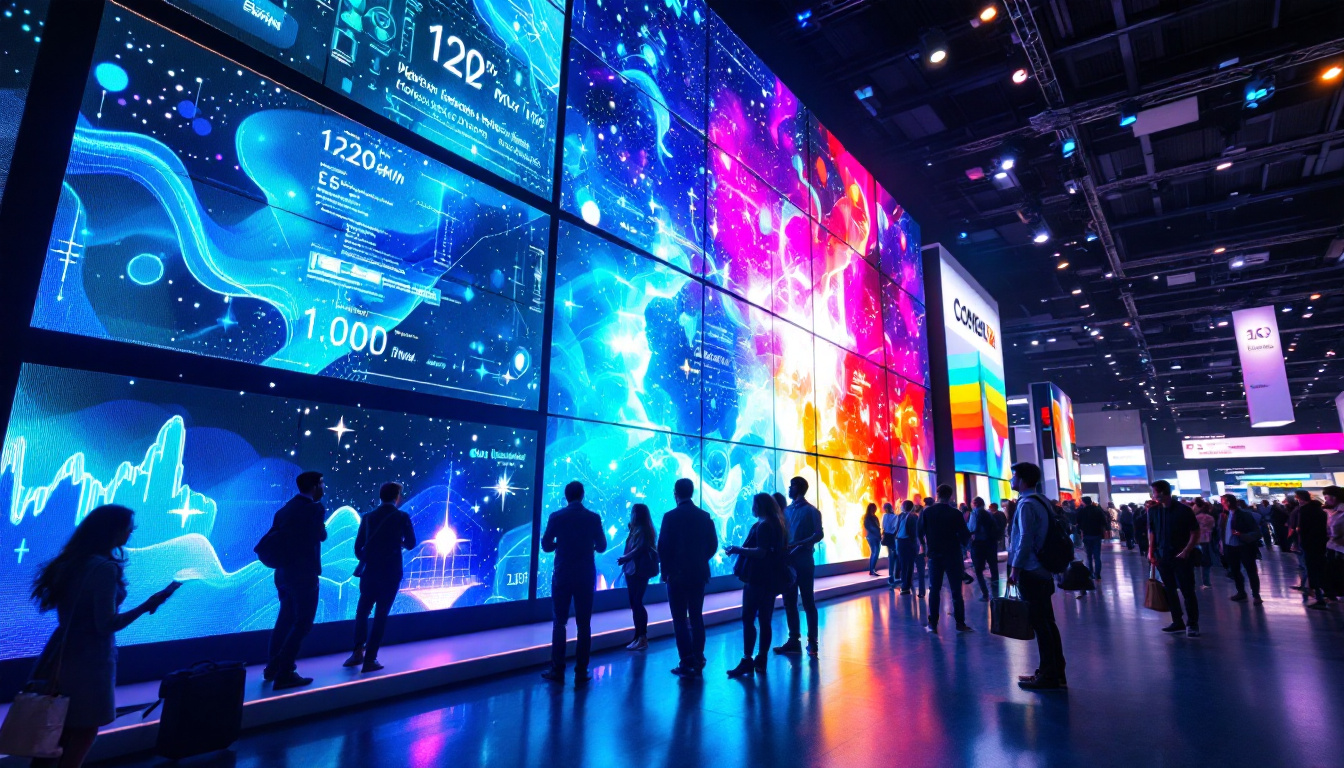
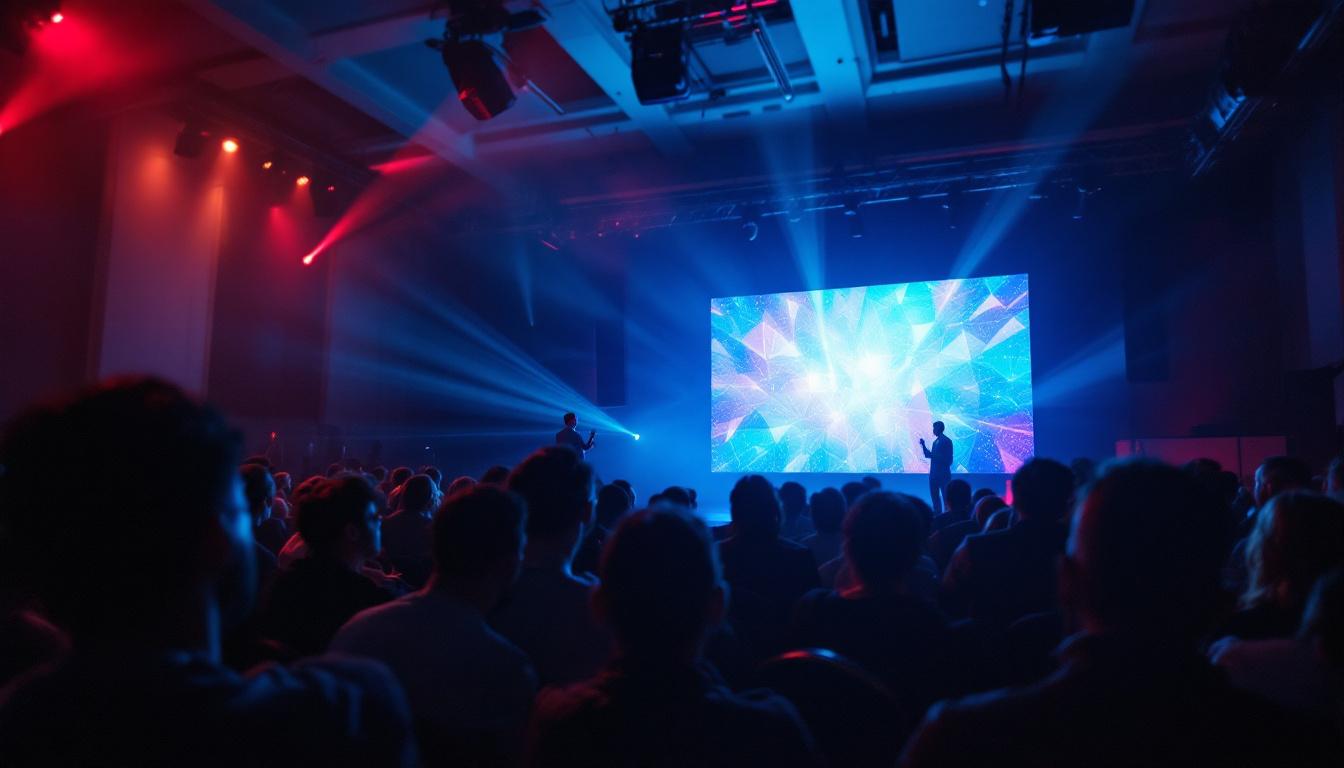
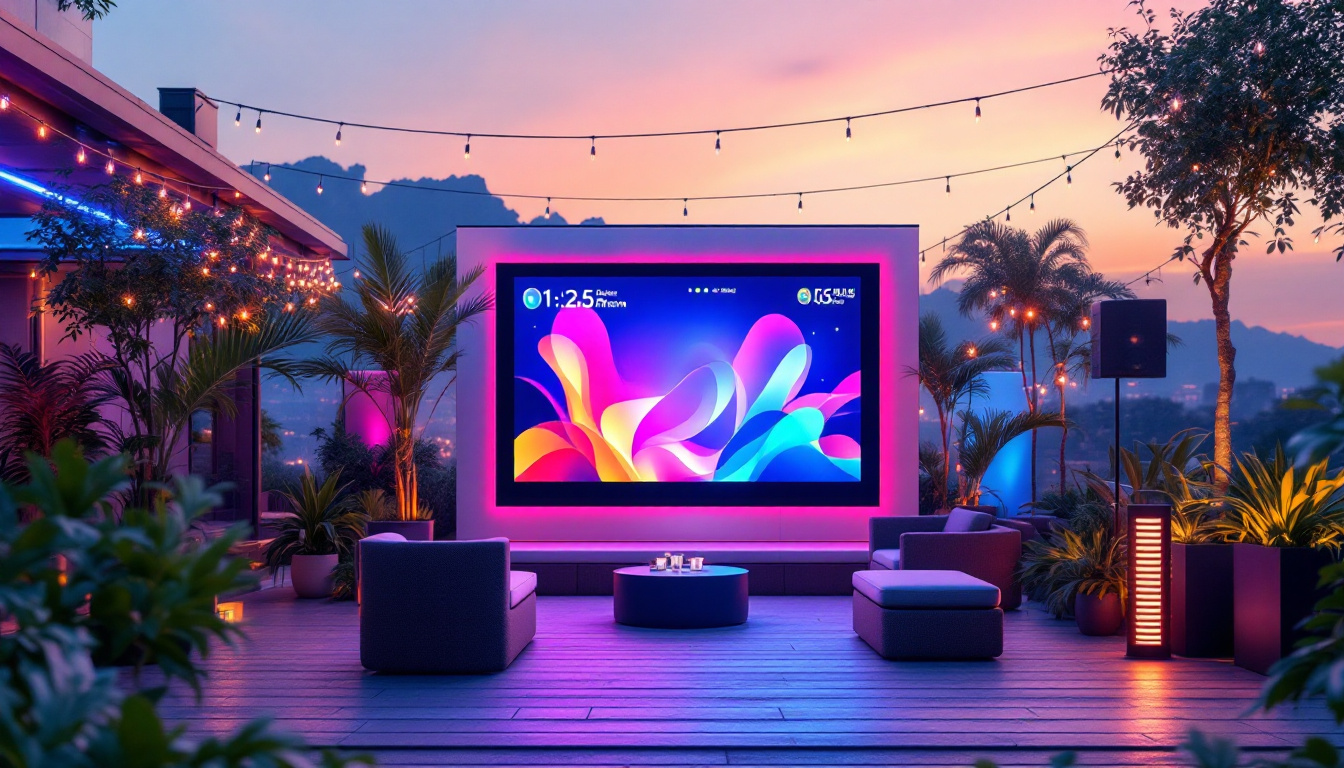
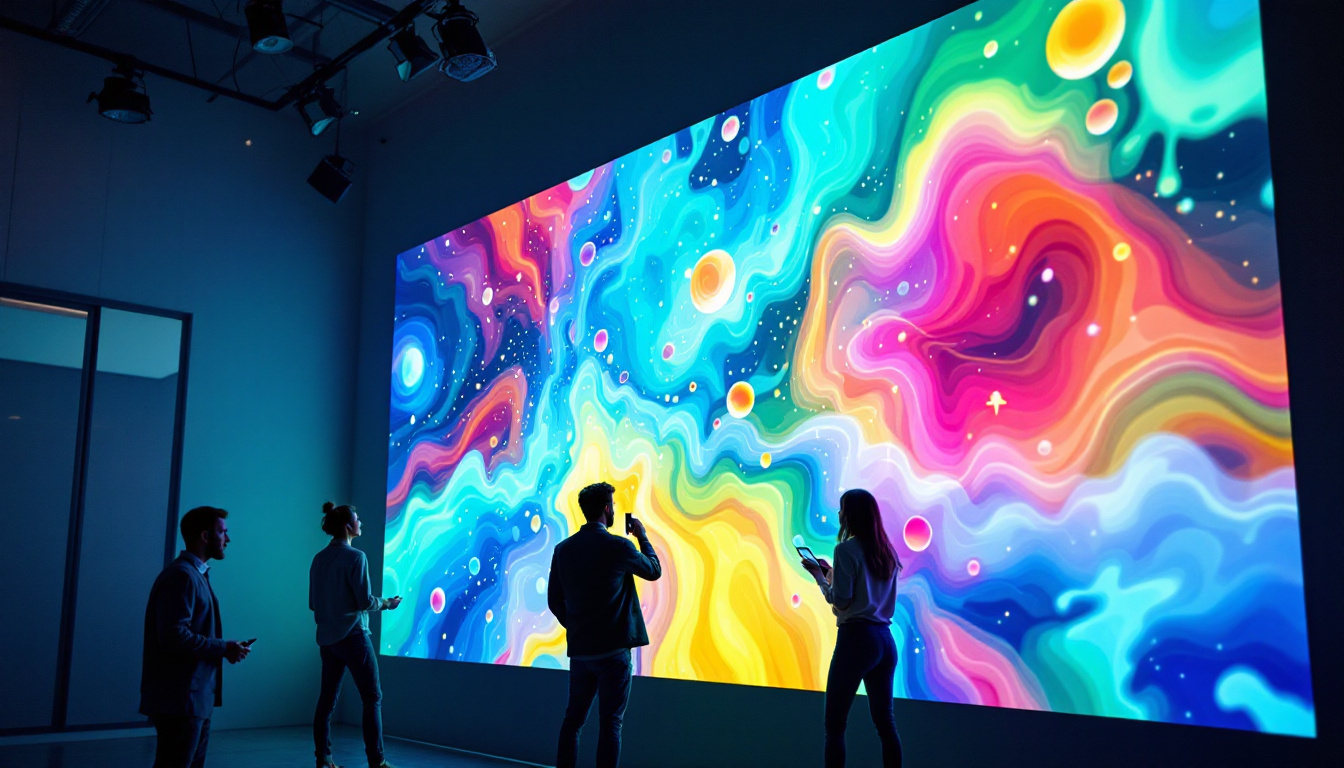
Perhaps the most visible use of LED screens is in live music performances. Large LED walls serve as backdrops, displaying live video feeds of performers, visual effects synchronized with music, or thematic content that enhances the mood. For example, major festivals like Coachella and Glastonbury use massive LED screens to ensure even audiences far from the stage can enjoy close-up views.
Theater and Performing Arts
In theater, LED screens can replace traditional painted backdrops, allowing for dynamic scene changes and interactive storytelling. Productions like “The Lion King” and “Harry Potter and the Cursed Child” have incorporated LED technology to create immersive worlds on stage.
Corporate Events and Conferences
LED screens are widely used in corporate settings for presentations, product launches, and conferences. Their clarity and brightness ensure that branding and messaging are delivered effectively to large audiences in auditoriums or convention centers.
Sporting Events and Arenas
While not strictly “stage” events, sporting arenas use LED screens extensively for scoreboards, replays, and advertisements. The technology’s ability to display crisp images at large sizes makes it indispensable in these environments.
Choosing the Right LED Screen for Your Stage
Selecting the appropriate LED screen involves considering several factors to ensure it meets the specific needs of your event or production.
Pixel Pitch and Resolution
Determine the typical viewing distance of your audience. For close-up viewing, opt for a smaller pixel pitch to maintain image sharpness. For larger venues or outdoor events where viewers are farther away, a larger pixel pitch is acceptable and more cost-effective.
Brightness Requirements
Consider the lighting conditions of your venue. Outdoor events or stages with intense lighting require higher brightness levels to maintain visibility. Indoor venues generally require less brightness but still benefit from high contrast and color accuracy.
Screen Size and Aspect Ratio
Decide on the size and shape of the screen based on the stage dimensions and design. Modular LED panels offer flexibility, but planning is essential to ensure the screen fits seamlessly into the overall production.
Installation and Portability
For touring productions, screens that are lightweight and easy to assemble/disassemble are preferable. Fixed installations may prioritize durability and integration with existing infrastructure.
Budget Considerations
LED screen costs vary widely depending on resolution, size, and features. Balancing quality with budget constraints is crucial. Renting LED screens is also a common option for one-off events.
Future Trends in LED Screen Technology for Stages
As LED technology continues to evolve, new innovations promise to further transform stage productions.
MicroLED and MiniLED Displays
Emerging microLED and miniLED technologies offer even higher resolutions and improved energy efficiency. These smaller LEDs enable ultra-fine pixel pitches, making them ideal for close-up viewing and intricate visual effects.
Interactive and Augmented Reality Integration
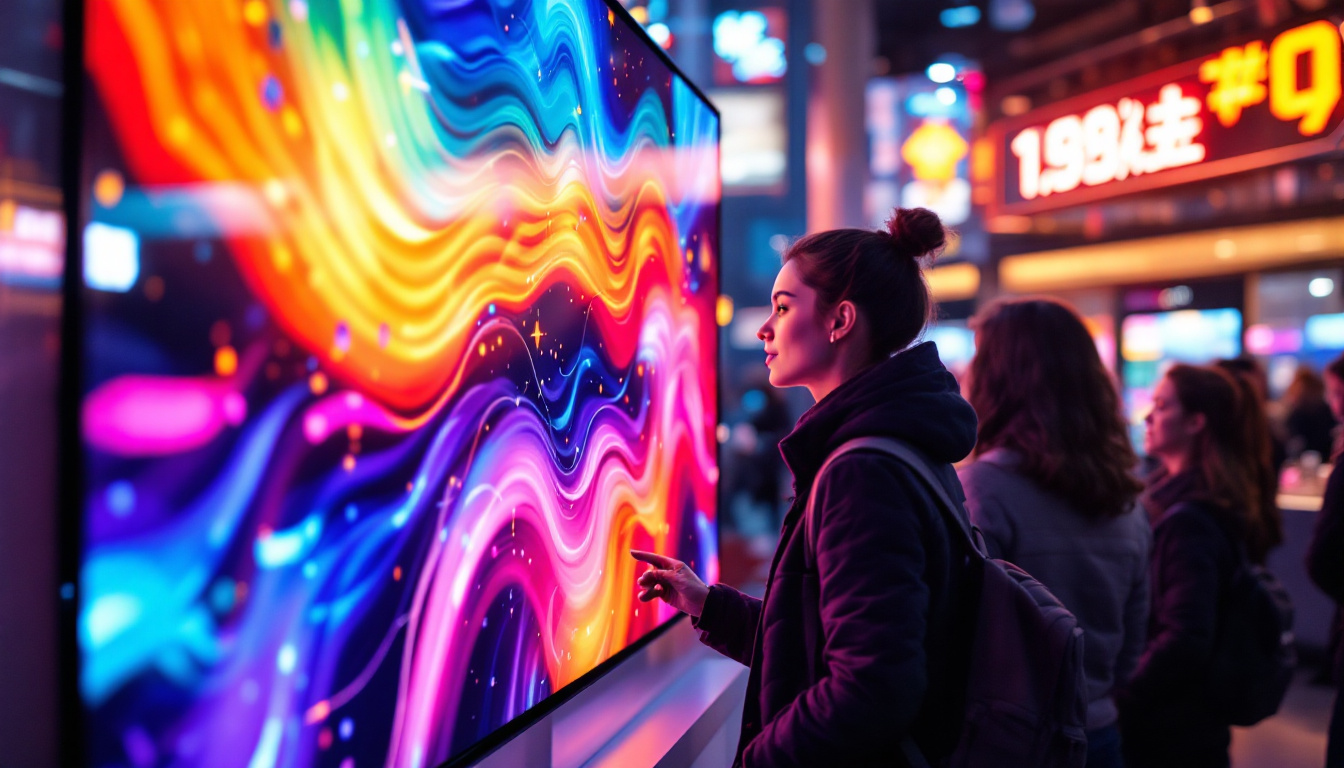
LED screens are increasingly being integrated with interactive technologies and augmented reality (AR), allowing performers and audiences to engage with visuals in real-time, creating immersive experiences.
Wireless and Remote Control Systems
Advancements in wireless technology simplify the control and synchronization of LED screens, enabling more flexible setups and reducing the complexity of cabling and hardware.
Conclusion
LED screens have become a cornerstone of modern stage production, offering unmatched visual quality, flexibility, and reliability. Their ability to transform a stage into a dynamic, immersive environment makes them invaluable for a wide range of events—from intimate theater performances to massive outdoor concerts.
By understanding the technology, benefits, and practical considerations of LED displays, event professionals can harness their full potential to create unforgettable experiences for audiences. As innovations continue to emerge, the future of stage visuals looks brighter than ever.
Illuminate Your Stage with LumenMatrix
Ready to elevate your stage production with the most advanced LED display technology? Look no further than LumenMatrix, where innovation meets visual brilliance. Our extensive range of LED display solutions, from Indoor and Outdoor LED Walls to Custom and All-in-One LED Displays, is designed to captivate your audience and amplify your message. Experience the future of stage design today and check out LumenMatrix LED Display Solutions to transform your next event into an unforgettable visual spectacle.