In the fast-evolving landscape of driver education, Hillsboro, Oregon, is embracing innovative technologies to enhance learning experiences. One such advancement is the integration of LED displays within drivers ed programs. These dynamic visual tools are transforming how new drivers absorb critical information, making lessons more interactive, engaging, and effective. This article explores the role of LED displays in Hillsboro’s drivers education, explaining their benefits, applications, and why they are becoming an essential part of modern driver training.
The Evolution of Drivers Education in Hillsboro
Driver education has come a long way from traditional classroom lectures and textbook learning. In Hillsboro, Oregon, where traffic conditions can vary from quiet suburban streets to busy urban corridors, preparing new drivers thoroughly is vital. The city’s drivers ed programs have increasingly incorporated technology to meet the needs of today’s learners.
Recent studies show that interactive learning tools can improve retention rates by up to 60% compared to passive learning methods. This statistic underscores why Hillsboro’s driving schools are integrating LED displays to create a more immersive educational environment.
Why Technology Matters in Driver Training
Driving is a complex skill that requires understanding not only the mechanics of operating a vehicle but also the rules of the road, situational awareness, and decision-making under pressure. Technology aids in simulating real-world scenarios and presenting information in ways that are easier to grasp.
LED displays, with their bright, clear visuals and adaptability, serve as an ideal medium for presenting traffic signs, hazard warnings, and instructional content. Their ability to display real-time updates and dynamic content makes lessons more relevant and engaging for students.
In addition to LED displays, many driving schools in Hillsboro are now utilizing virtual reality (VR) technology to enhance the learning experience. VR allows students to immerse themselves in a simulated driving environment, where they can practice maneuvers and respond to various driving conditions without the risk associated with real-life driving. This innovative approach not only builds confidence but also helps students develop critical thinking skills as they navigate through different scenarios, such as inclement weather or heavy traffic.
Moreover, the integration of mobile applications has revolutionized how students access learning materials and track their progress. These apps often include interactive quizzes, instructional videos, and even gamified driving challenges that encourage students to engage with the material outside of the classroom. By making learning accessible and enjoyable, Hillsboro’s driving schools are fostering a new generation of safe and responsible drivers who are well-prepared for the challenges of the road.
Understanding LED Displays: What Are They?
LED stands for Light Emitting Diode, a semiconductor device that emits light when an electric current passes through it. LED displays use arrays of these diodes to create images, text, and videos with high brightness and clarity. Unlike traditional screens, LED displays are highly energy-efficient and visible even in bright daylight, making them perfect for both indoor and outdoor use. Their longevity and durability also contribute to their popularity, as they can withstand various environmental conditions without significant degradation in performance.
Moreover, the versatility of LED technology allows for a wide range of applications beyond just displays. For instance, they are increasingly being utilized in architectural lighting, automotive lighting, and even in medical devices. The ability to produce vibrant colors and dynamic visuals has made LEDs a preferred choice for artists and designers looking to create immersive experiences. As technology continues to advance, we can expect to see even more innovative uses for LED displays in various fields.
Types of LED Displays Used in Drivers Ed
In Hillsboro’s drivers ed programs, several types of LED displays are commonly employed:
- Fixed LED Panels: These are mounted in classrooms or training centers, providing a large, bright screen for instructional videos, traffic sign simulations, and interactive quizzes. The clarity of these panels ensures that all students can clearly see and engage with the material, enhancing their learning experience.
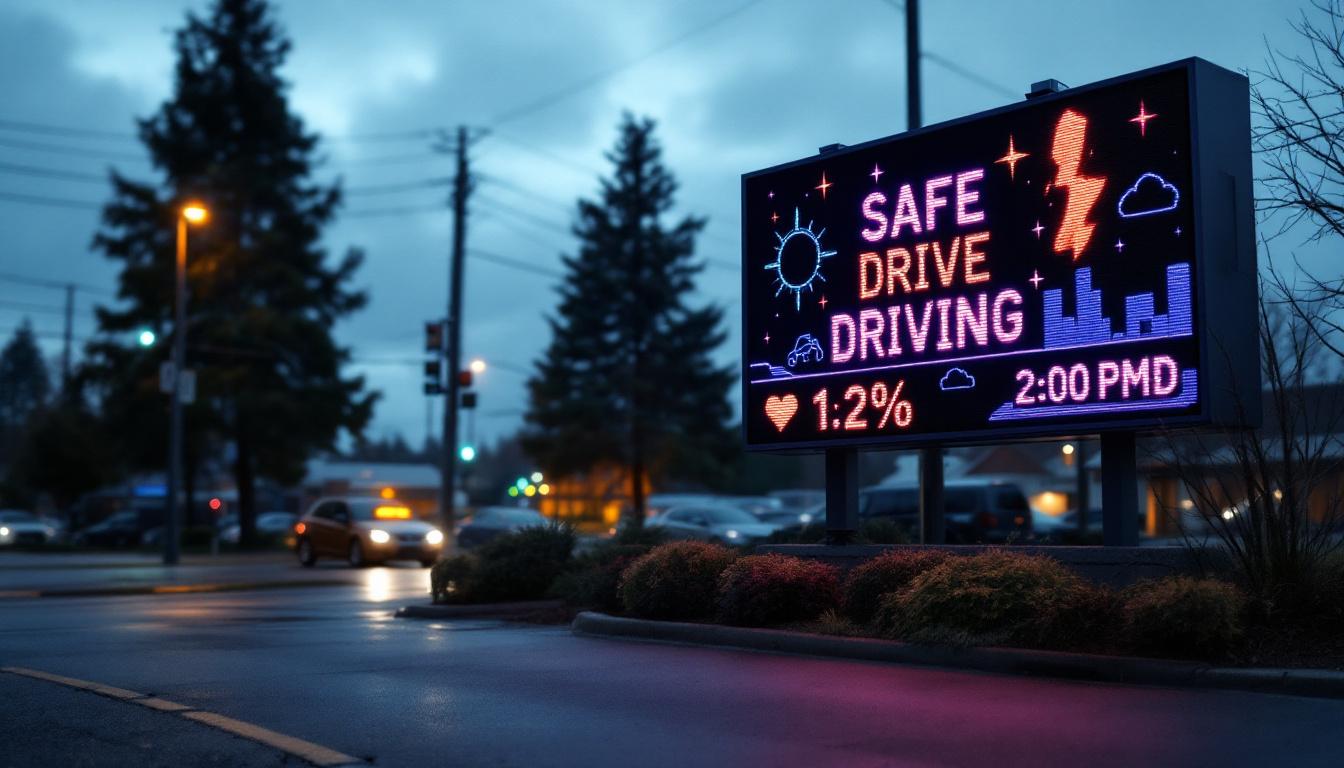
- Portable LED Boards: Used during behind-the-wheel training sessions, these boards can display real-time instructions or warnings, helping instructors communicate more effectively. Their lightweight design allows for easy transport, making them a practical tool for on-the-go training.
- Dynamic Road Sign Simulators: These specialized LED setups mimic real traffic signs and signals, allowing students to practice recognizing and responding to various road conditions safely. By using realistic simulations, students can gain confidence and improve their decision-making skills in a controlled environment.
Additionally, the integration of LED technology into drivers ed programs not only enhances the educational experience but also prepares students for the realities of modern driving. With the rise of smart traffic systems and digital signage on the roads, familiarity with LED displays can give new drivers an edge in understanding and navigating their driving environment. As these technologies continue to evolve, the potential for interactive learning experiences in driver education will only expand, making it an exciting time for both instructors and students alike.
Benefits of LED Displays in Drivers Ed Programs
The integration of LED displays in drivers education offers numerous advantages that contribute to better learning outcomes and safer future drivers.
Enhanced Visual Learning
Visual aids have long been recognized as powerful tools in education. LED displays provide vivid, easily understandable representations of traffic scenarios, road signs, and safety messages. This clarity helps students quickly grasp complex concepts, such as right-of-way rules or hazard recognition, which might be challenging to convey through text alone.
Interactive and Engaging Lessons
LED technology allows instructors to create interactive lessons that keep students engaged. For example, quizzes can be displayed with immediate feedback, or simulations can be paused and discussed in real-time. This engagement fosters active learning, which is crucial for skill retention, especially in practical subjects like driving.
Real-Time Updates and Customization
Traffic laws and road conditions can change, and LED displays enable instructors to update content quickly. Whether it’s incorporating new Oregon traffic regulations or tailoring lessons to Hillsboro’s specific road environment, LED displays offer unmatched flexibility.
Improved Safety During Training
During behind-the-wheel sessions, portable LED boards can display instructions or warnings without distracting the driver or requiring verbal commands that might cause confusion. This subtle communication method enhances safety by allowing instructors to guide learners discreetly.
Practical Applications of LED Displays in Hillsboro Drivers Ed
Understanding the theoretical benefits is important, but seeing how LED displays are applied in real-world settings highlights their value.
Classroom Instruction
In Hillsboro’s driver education classrooms, LED displays replace traditional whiteboards and printed materials. Instructors use these screens to show high-definition videos demonstrating proper driving techniques, animated sequences explaining traffic laws, and interactive maps highlighting common accident hotspots in the area.
This approach not only makes lessons more engaging but also helps students visualize scenarios they will encounter on Hillsboro’s roads, such as navigating roundabouts or dealing with pedestrian crossings near schools.
Simulated Driving Scenarios
Some advanced driving schools in Hillsboro use LED-based simulators that replicate real driving environments. These simulators employ LED screens to create immersive 360-degree views, allowing learners to practice responding to hazards like sudden stops, road construction, or adverse weather conditions without any risk.
On-Road Training Enhancements
During practical driving sessions, instructors use portable LED displays to provide instant feedback or instructions. For example, a display might signal when to prepare for a lane change or alert the learner to upcoming traffic signals. This technology supports better communication and helps learners focus on their driving without confusion.
Challenges and Considerations
While LED displays offer significant advantages, integrating them into drivers ed programs does come with challenges.
Cost and Accessibility
High-quality LED displays and simulators can be expensive, which may limit their availability to some driving schools or students. Ensuring equitable access to these advanced learning tools is essential for maintaining fairness in driver education.
Technical Training for Instructors
Instructors must be trained not only in driving education but also in operating LED technology effectively. Without proper training, the potential benefits of LED displays might not be fully realized.
Maintaining Engagement Without Overreliance
While LED displays enhance learning, it is important that they complement, rather than replace, hands-on driving experience and personal instruction. Balancing technology with traditional teaching methods ensures comprehensive driver education.
The Future of Drivers Ed in Hillsboro with LED Technology
Looking ahead, LED displays are poised to become even more integral to driver education in Hillsboro and beyond. As technology advances, expect to see more sophisticated simulations, augmented reality integrations, and personalized learning modules powered by LED screens.
Moreover, the ongoing emphasis on safety and efficiency in driver training aligns perfectly with the capabilities of LED technology. By continuing to innovate, Hillsboro’s drivers ed programs can produce safer, more confident drivers ready to navigate Oregon’s roads responsibly.
Community Impact and Road Safety
Improved driver education directly contributes to reducing accidents and enhancing road safety. Hillsboro’s investment in LED display technology reflects a commitment to community well-being, aiming to lower traffic-related injuries and fatalities through better-prepared drivers.
Encouraging Lifelong Learning
LED displays also support ongoing education for experienced drivers, offering refresher courses and updates on new traffic laws. This adaptability ensures that all drivers, not just beginners, can benefit from the latest educational tools.
Conclusion
LED displays are revolutionizing drivers education in Hillsboro, Oregon, by providing clear, engaging, and adaptable learning experiences. Their ability to enhance visual learning, support interactive lessons, and improve communication during behind-the-wheel training makes them invaluable tools for modern driver education.
While challenges such as cost and instructor training exist, the overall benefits to learner engagement and road safety are significant. As Hillsboro continues to embrace these technologies, the future looks promising for producing skilled, confident drivers who contribute to safer roads for everyone.
Discover the Future of Driving Education with LumenMatrix
Ready to experience the cutting-edge LED display technology that’s driving the future of driver’s education in Hillsboro? LumenMatrix is at the forefront, offering an array of LED display solutions that bring lessons to life and engage learners like never before. From immersive Indoor and Outdoor LED Wall Displays to dynamic Vehicle and Sports LED Displays, our products are designed to revolutionize how educational content is delivered. Embrace the power of visual learning with LumenMatrix and take the first step towards creating safer, more informed drivers. Check out LumenMatrix LED Display Solutions and see how we’re lighting the way to a brighter, more engaging educational experience.