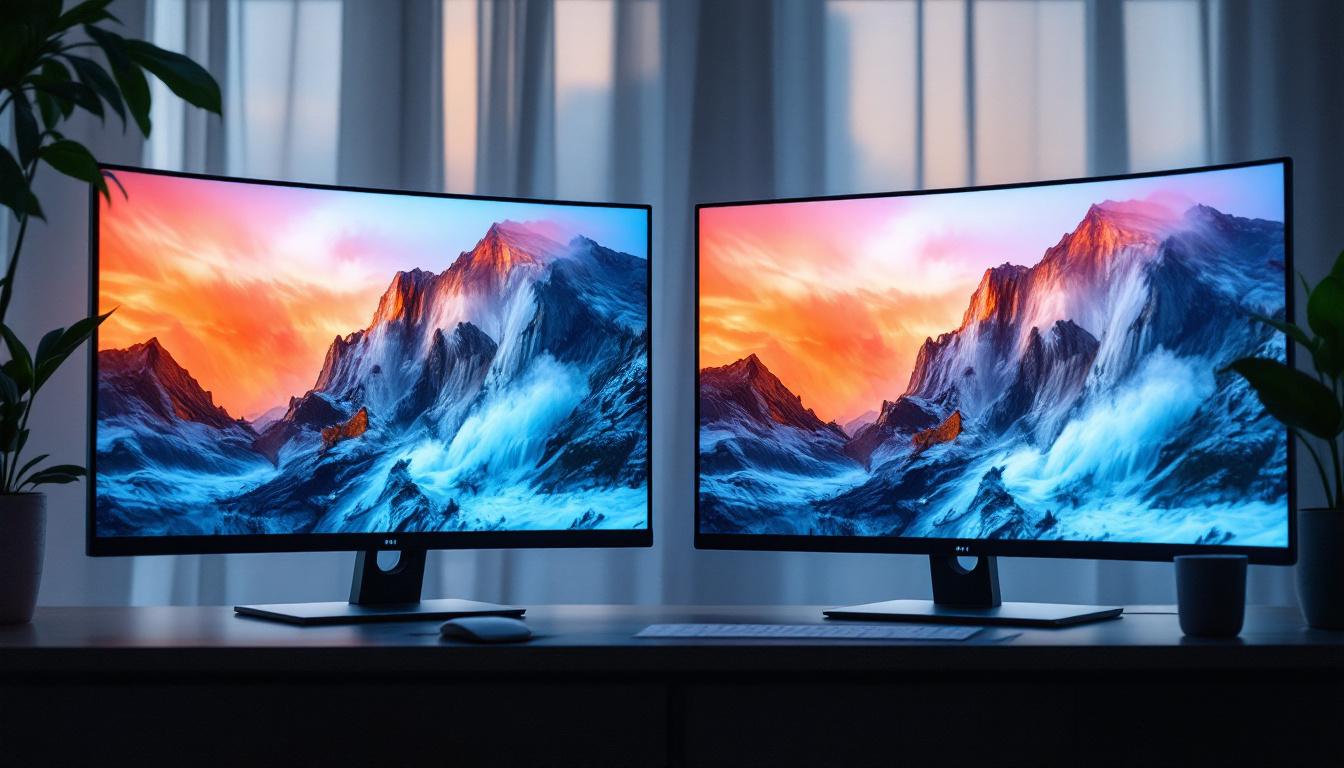
In the rapidly evolving world of digital signage and visual communication, LED screens have become a cornerstone technology. From advertising billboards to stadium displays and indoor event screens, LED displays offer unparalleled brightness, color accuracy, and versatility. This article delves into the fundamentals of LED screens, how they work, their types, and their growing importance in various industries. Whether you’re a business owner considering digital signage or a technology enthusiast, understanding LED displays is essential in today’s digital landscape.
What is an LED Screen?
LED stands for Light Emitting Diode, a semiconductor device that emits light when an electric current passes through it. An LED screen is a flat panel display that uses an array of these tiny LEDs as pixels to produce images and videos. Unlike traditional LCD or plasma screens, LED screens use these diodes directly as their light source, which allows for higher brightness and better energy efficiency.
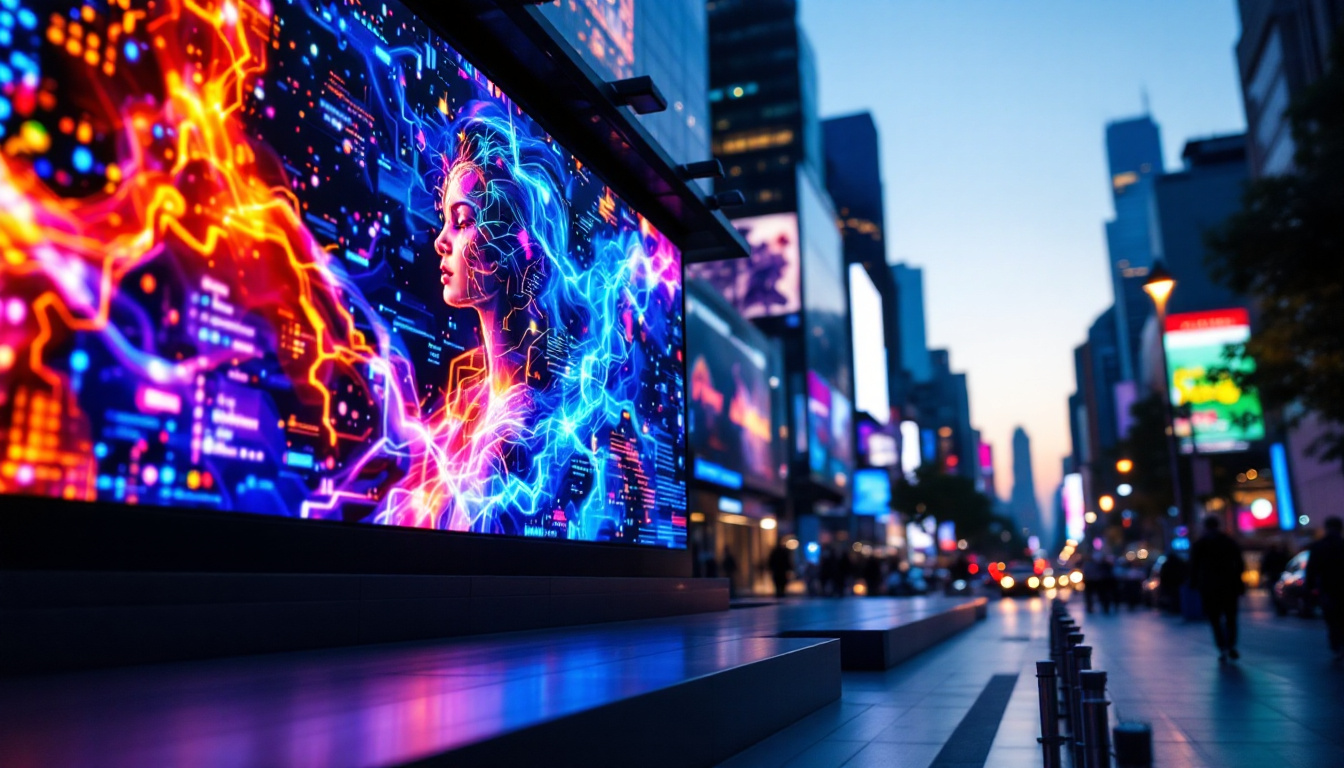
LED screens can be found in various sizes and configurations, from small indoor panels to massive outdoor billboards. The technology behind these screens enables them to display vibrant colors and sharp images even under direct sunlight, making them ideal for outdoor advertising and public information displays.
One of the most significant advantages of LED screens is their versatility. They can be configured in various shapes and sizes, allowing for creative installations in diverse environments, such as shopping malls, sports arenas, and concert venues. Furthermore, advancements in LED technology have led to the development of flexible LED displays, which can be bent or shaped to fit unique architectural designs. This flexibility not only enhances aesthetic appeal but also opens up new possibilities for interactive displays and immersive experiences.
In addition to their visual capabilities, LED screens are also known for their longevity and durability. Unlike traditional display technologies, LED screens have a longer lifespan, often exceeding 50,000 hours of use, which significantly reduces maintenance costs over time. They are also more resistant to shock and vibration, making them suitable for high-traffic areas and outdoor environments where weather conditions can be unpredictable. As a result, businesses and organizations increasingly rely on LED screens for their advertising and informational needs, contributing to their growing popularity in the digital signage market.
How Do LED Screens Work?
The Basics of LED Technology
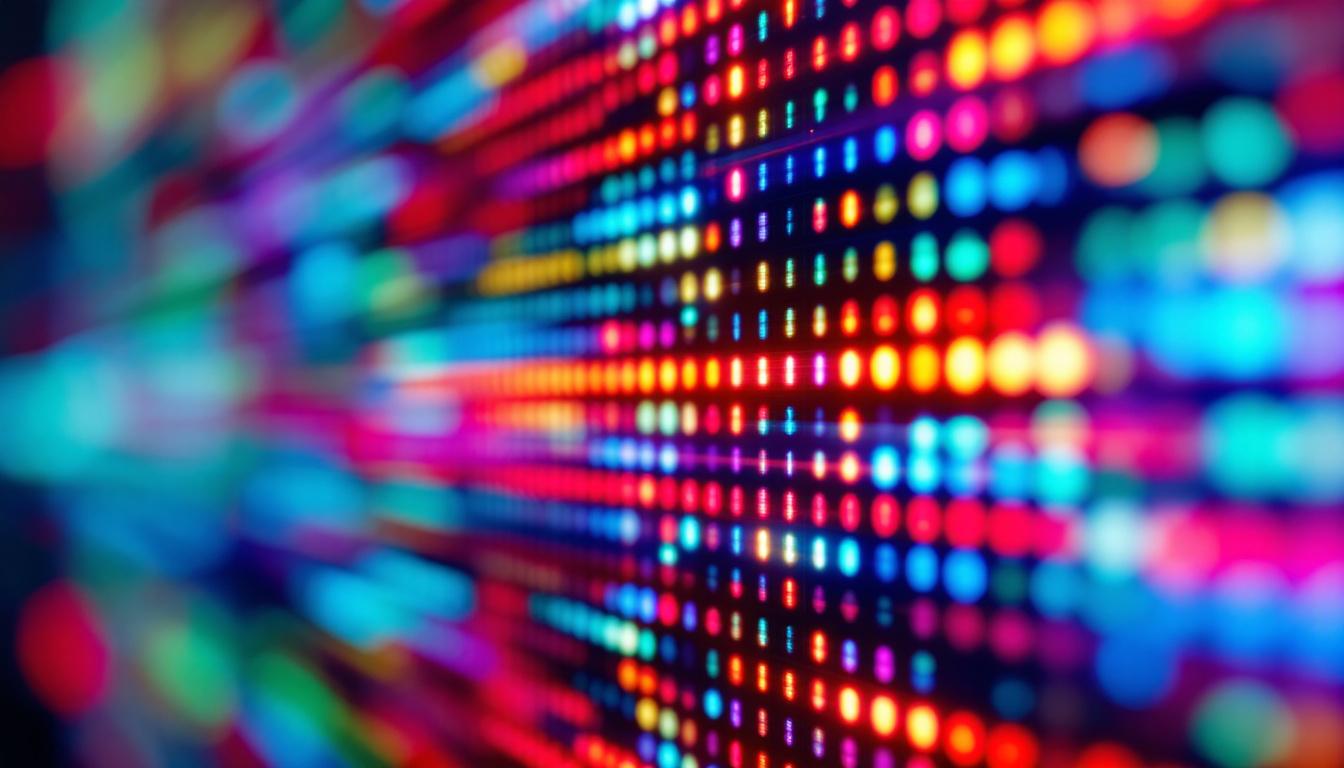
Each LED on the screen acts as a pixel or part of a pixel. By controlling the intensity of red, green, and blue LEDs, the screen can produce a full spectrum of colors. This RGB (Red, Green, Blue) system is fundamental to color displays, and by adjusting the brightness of each diode, the screen can render millions of colors.
Modern LED screens use surface-mounted device (SMD) technology, where multiple diodes are packed closely together on a small chip. This allows for higher pixel density and better image resolution. The LEDs are arranged in modules, which are then assembled into larger panels to create the full display.
Pixel Pitch and Resolution
One of the most critical factors in LED screen quality is the pixel pitch, which is the distance between the centers of two adjacent pixels. A smaller pixel pitch means more pixels per square meter, resulting in higher resolution and sharper images. For example, an LED screen with a 1.5mm pixel pitch will have much finer detail than one with a 10mm pitch.
Pixel pitch is especially important when considering viewing distance. Indoor screens, viewed from close proximity, require smaller pixel pitches to maintain image clarity, while outdoor screens, viewed from a distance, can use larger pixel pitches without sacrificing perceived quality.
Types of LED Screens
Indoor LED Displays
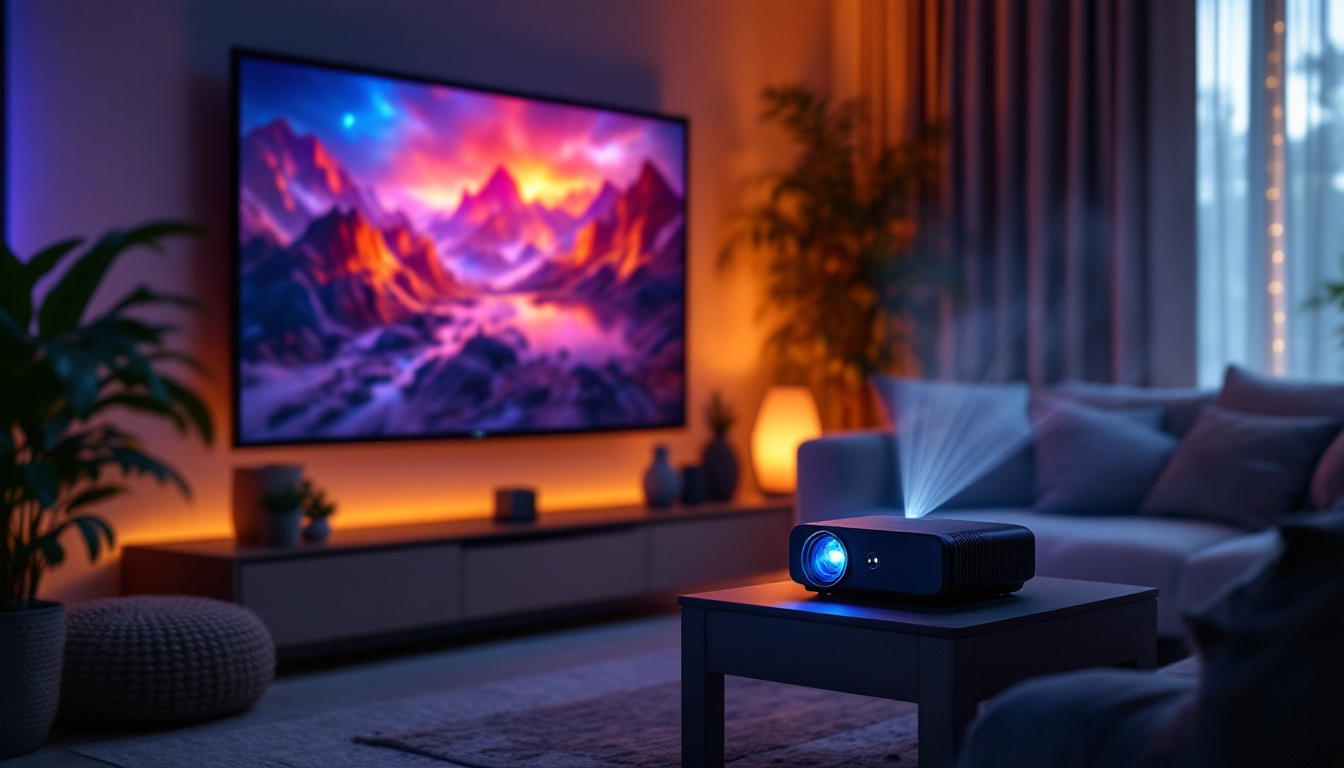
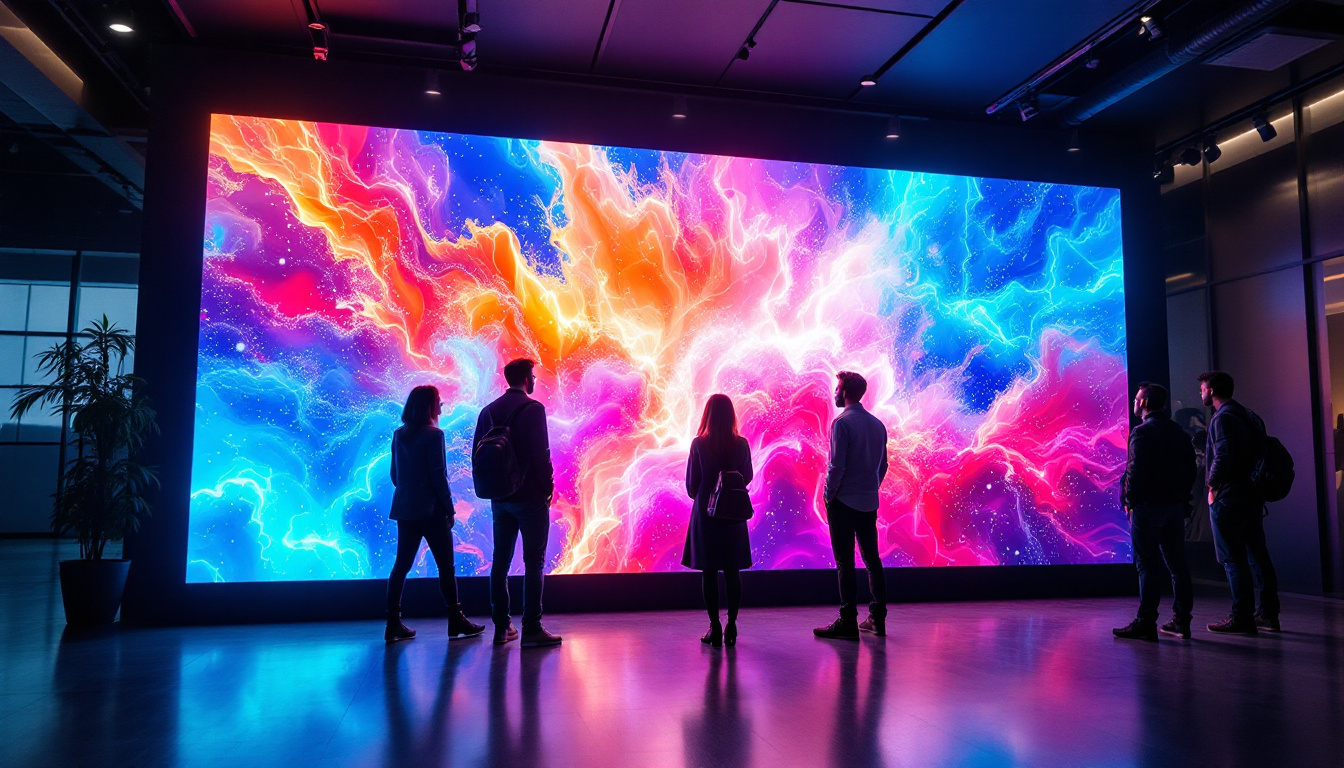
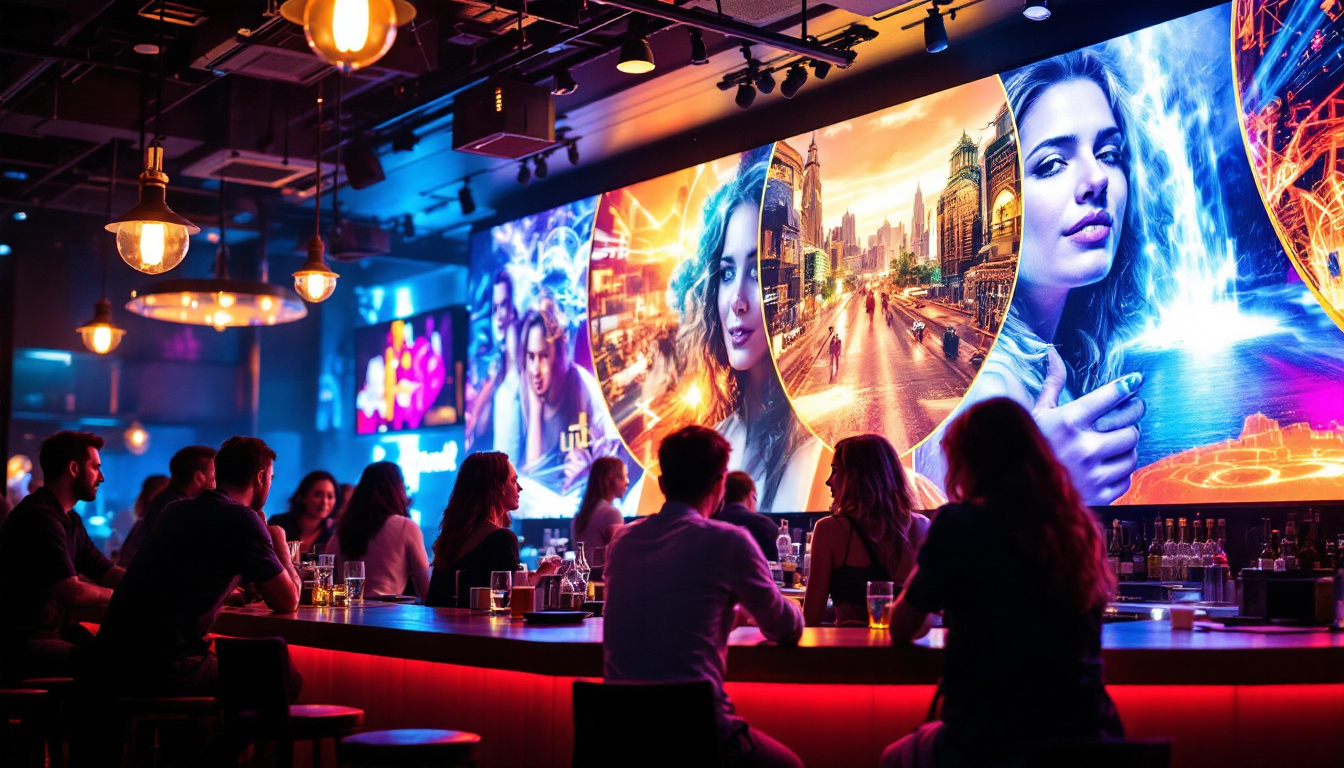
Indoor LED screens are designed for environments such as conference rooms, retail stores, airports, and concert halls. These displays typically have smaller pixel pitches ranging from 0.9mm to 4mm, allowing for high-resolution images that look crisp even up close.
Because indoor environments have controlled lighting, these screens don’t need to be as bright as outdoor models, but they prioritize color accuracy and refresh rates to ensure smooth video playback and minimal flicker.
Outdoor LED Displays
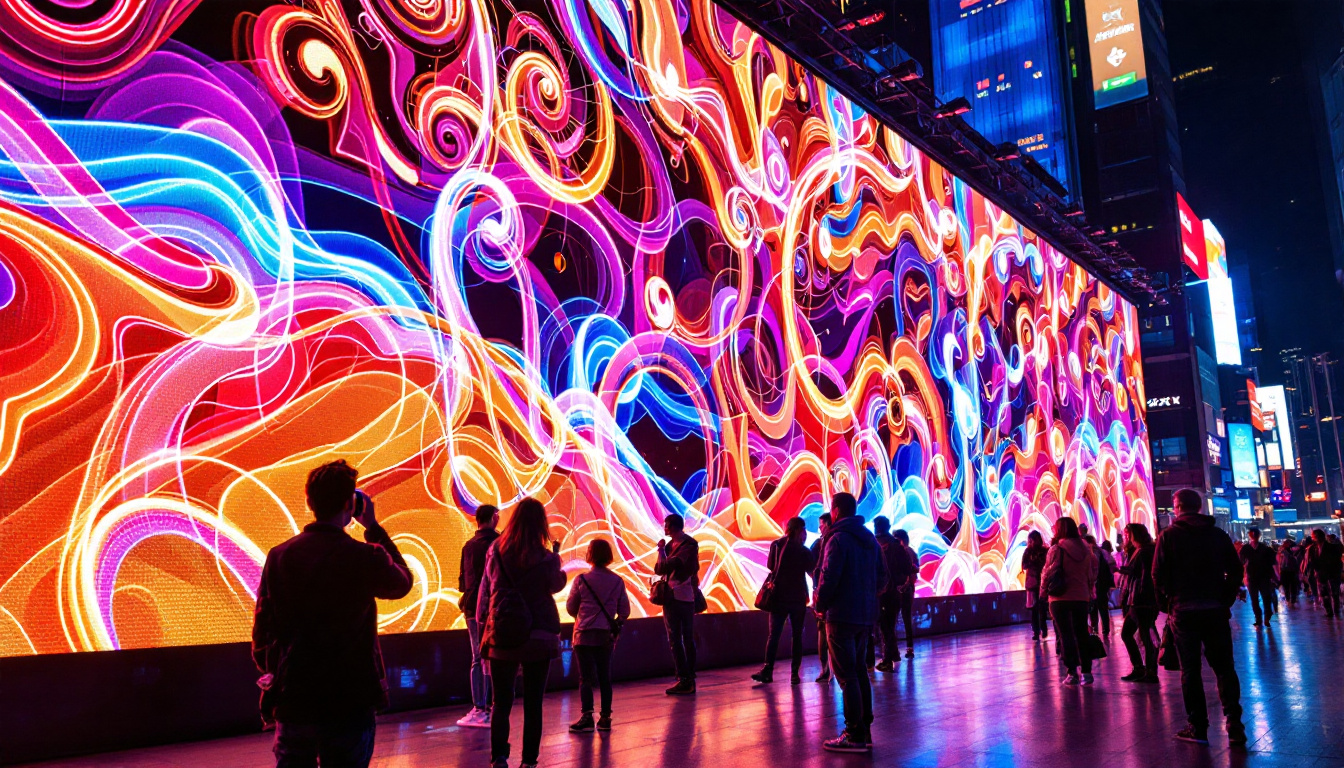
Outdoor LED screens are built to withstand harsh weather conditions, including rain, wind, and extreme temperatures. These displays usually have larger pixel pitches, from 4mm to 20mm or more, as they are viewed from greater distances.
Brightness is a key feature of outdoor LED screens, often exceeding 5,000 nits, to remain visible even in direct sunlight. They also feature robust enclosures with waterproof and dustproof ratings, such as IP65 or higher, to ensure durability.
Transparent and Flexible LED Screens
Recent innovations in LED technology have introduced transparent and flexible LED displays. Transparent LED screens allow light to pass through, making them ideal for storefront windows or architectural installations where visibility from both sides is desired.
Flexible LED screens can bend or curve around surfaces, opening new possibilities for creative digital signage and immersive environments. These types of displays are gaining traction in retail, exhibitions, and entertainment sectors for their unique visual impact.
Applications of LED Screens
Advertising and Marketing
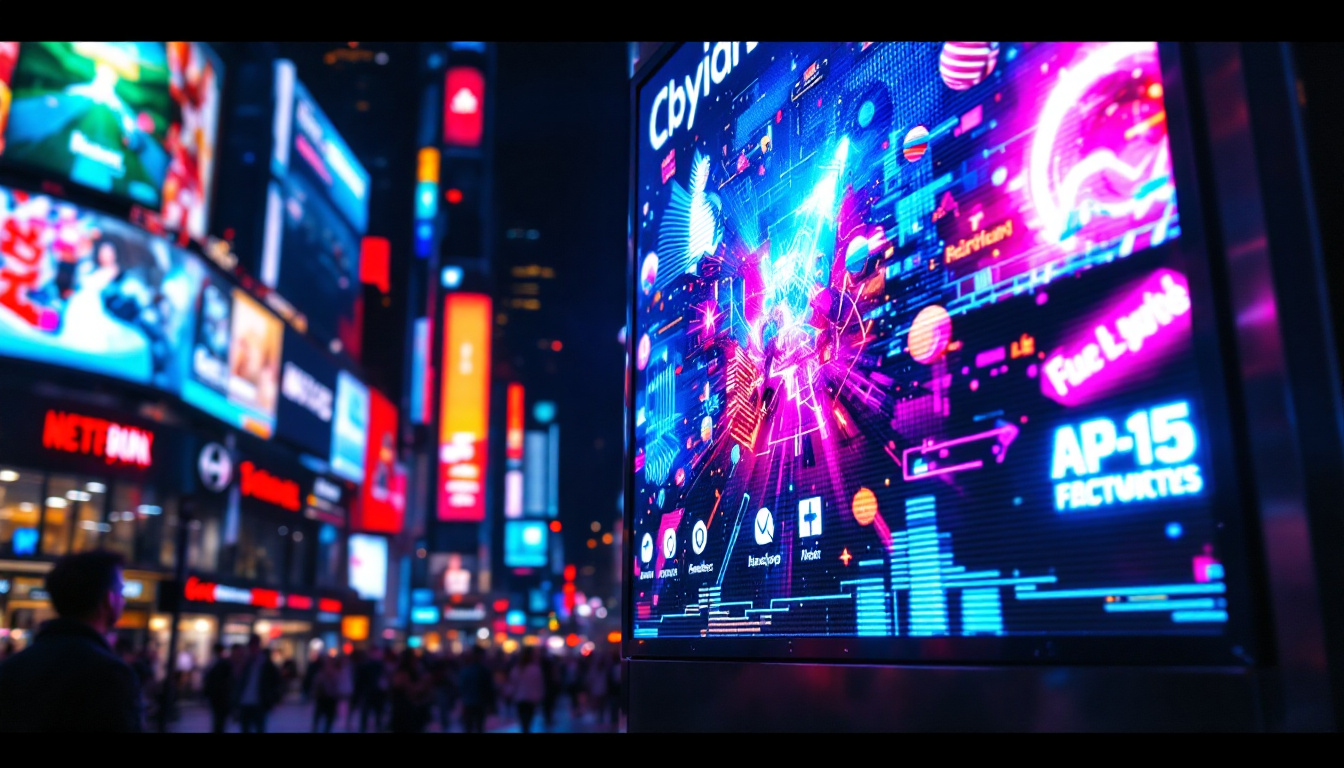
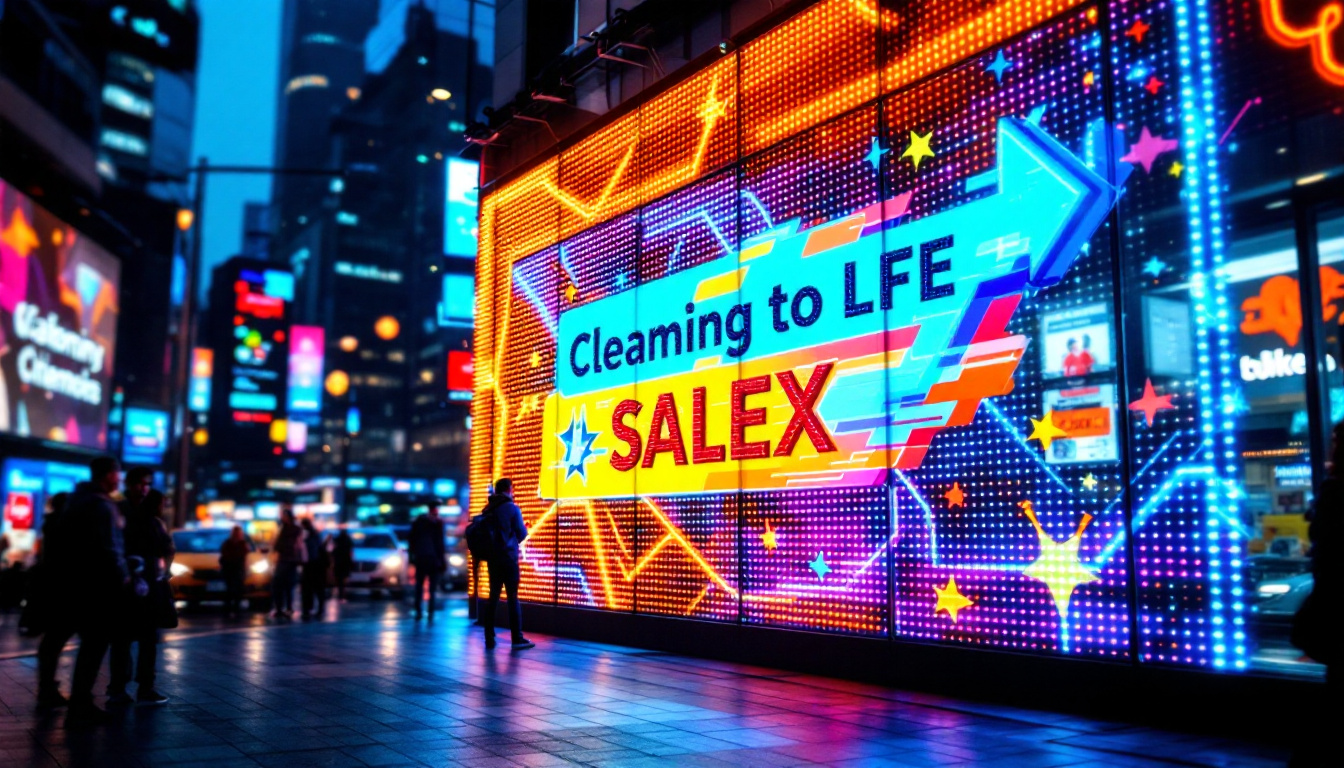
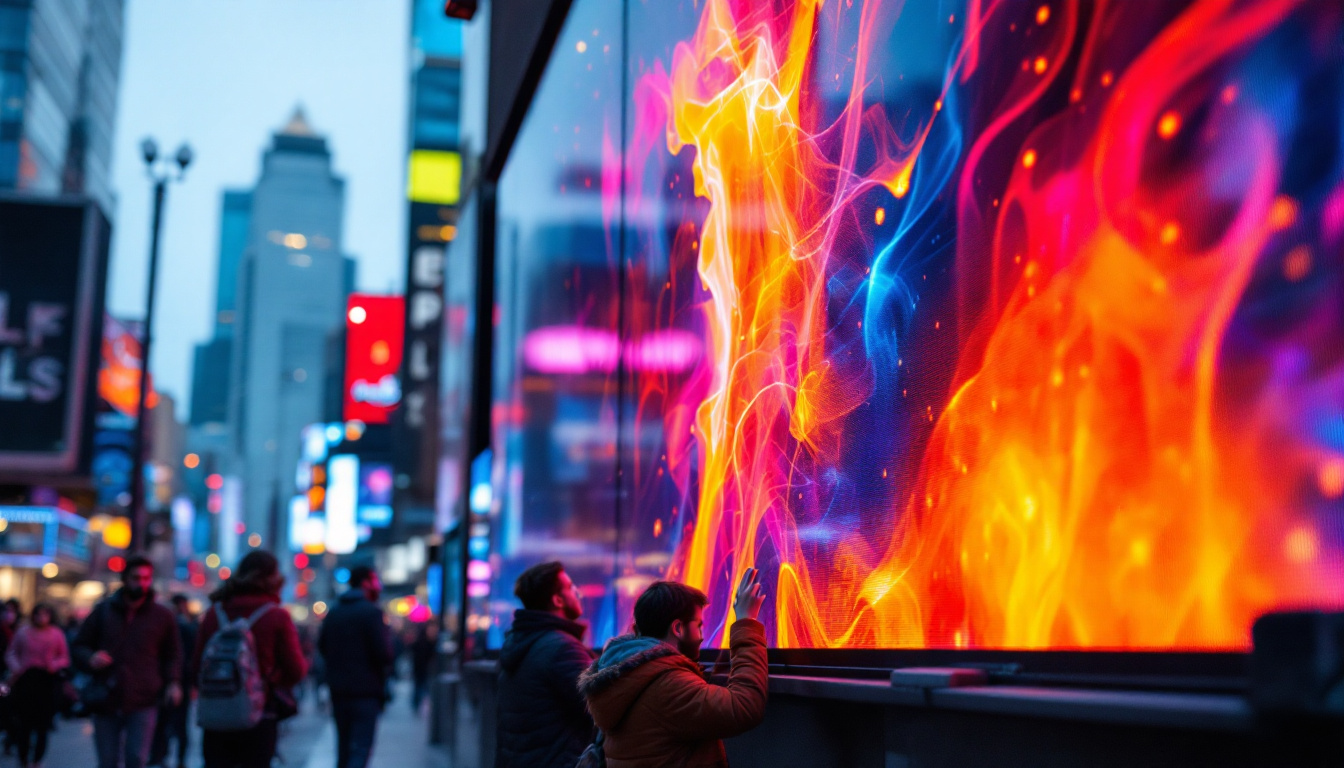
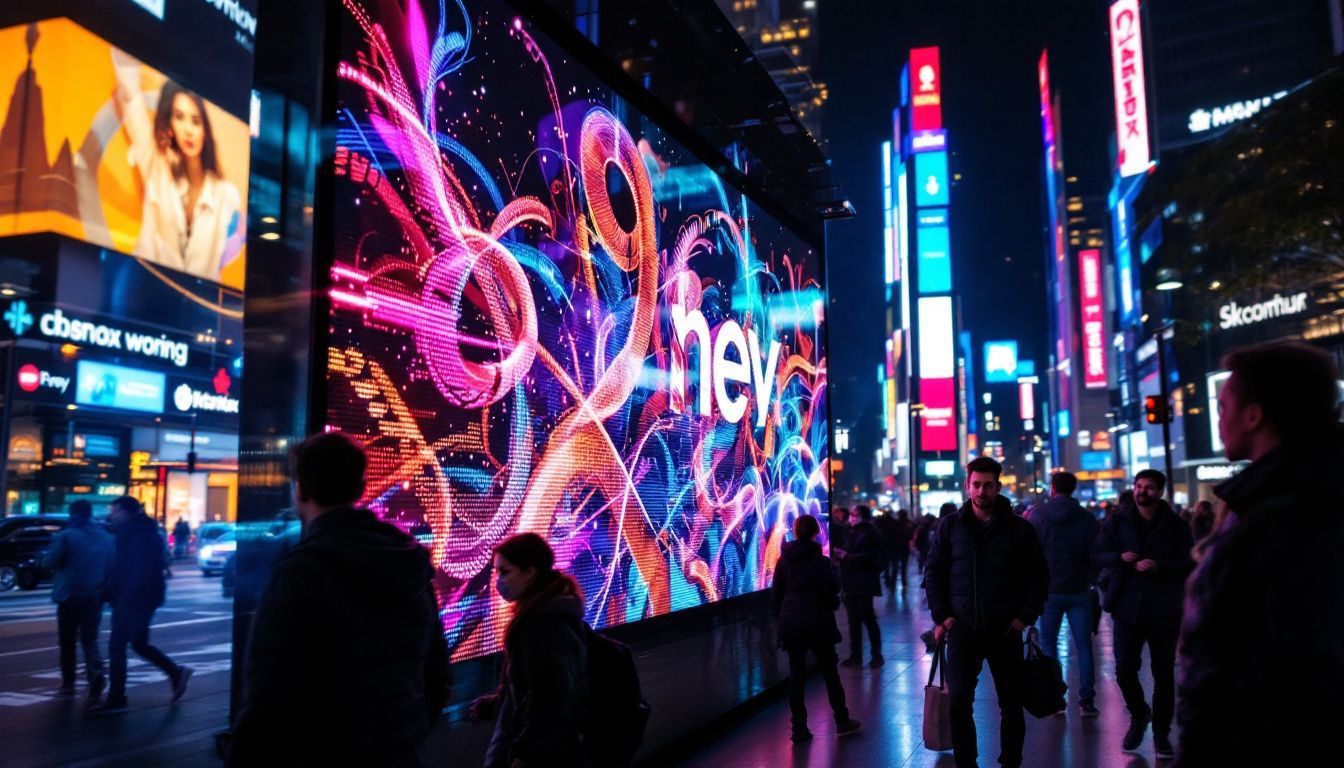
One of the most widespread uses of LED screens is in advertising. Digital billboards and signage enable dynamic content that can be updated remotely and frequently, allowing businesses to tailor messages based on time of day, audience demographics, or special promotions.
According to recent market research, the global digital signage market is expected to reach $31.71 billion by 2027, growing at a compound annual growth rate (CAGR) of 7.5%. LED technology is a major driver of this growth due to its superior visibility and energy efficiency.
Sports and Entertainment Venues
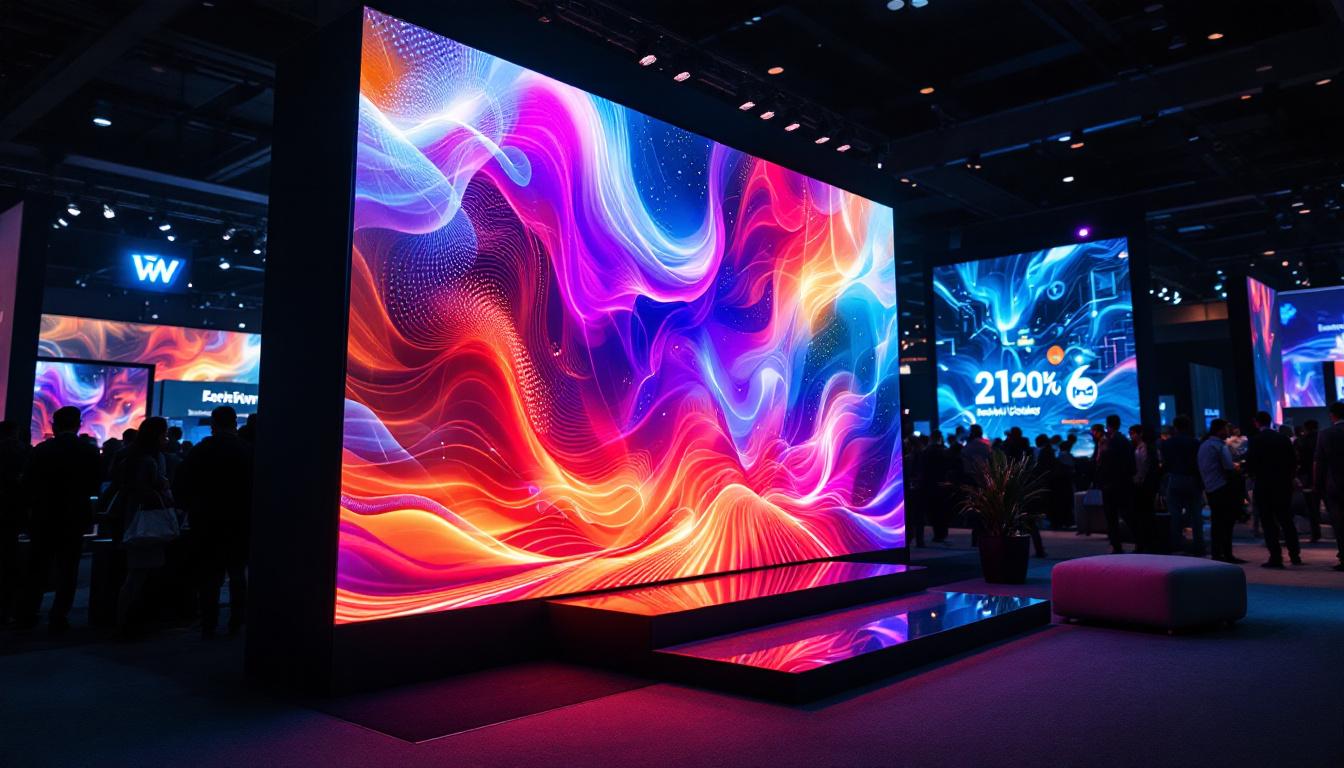
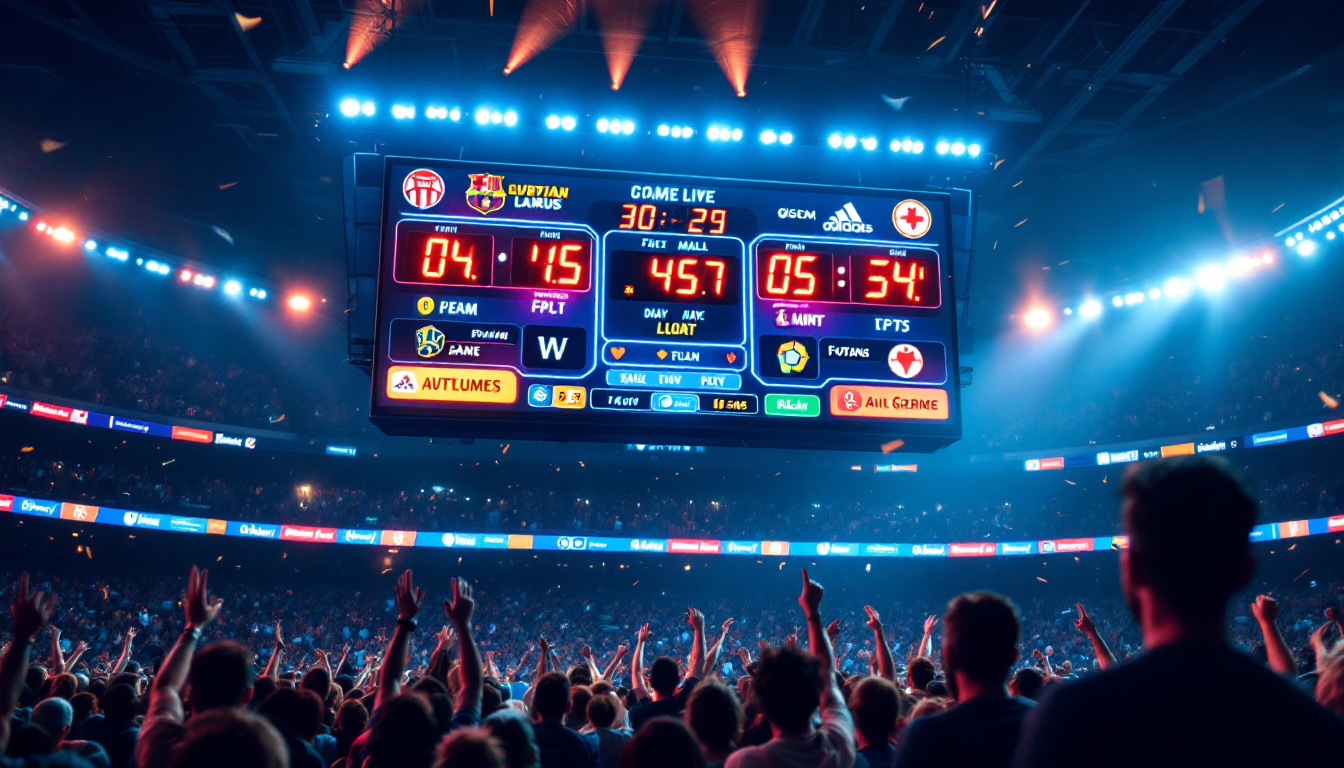
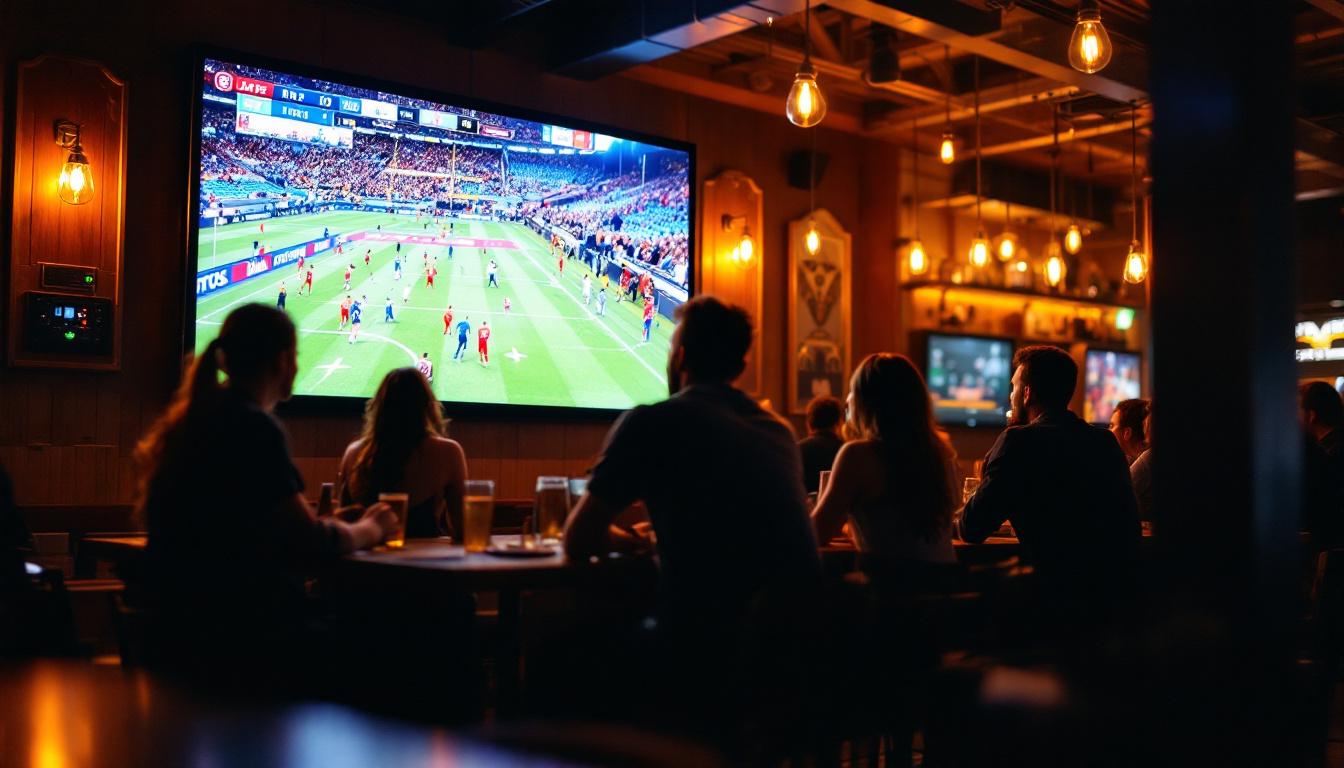
Stadiums and arenas rely heavily on large LED screens to enhance the spectator experience. These screens display live game footage, replays, scores, and advertisements. Their high brightness and large size ensure visibility from any seat in the venue.
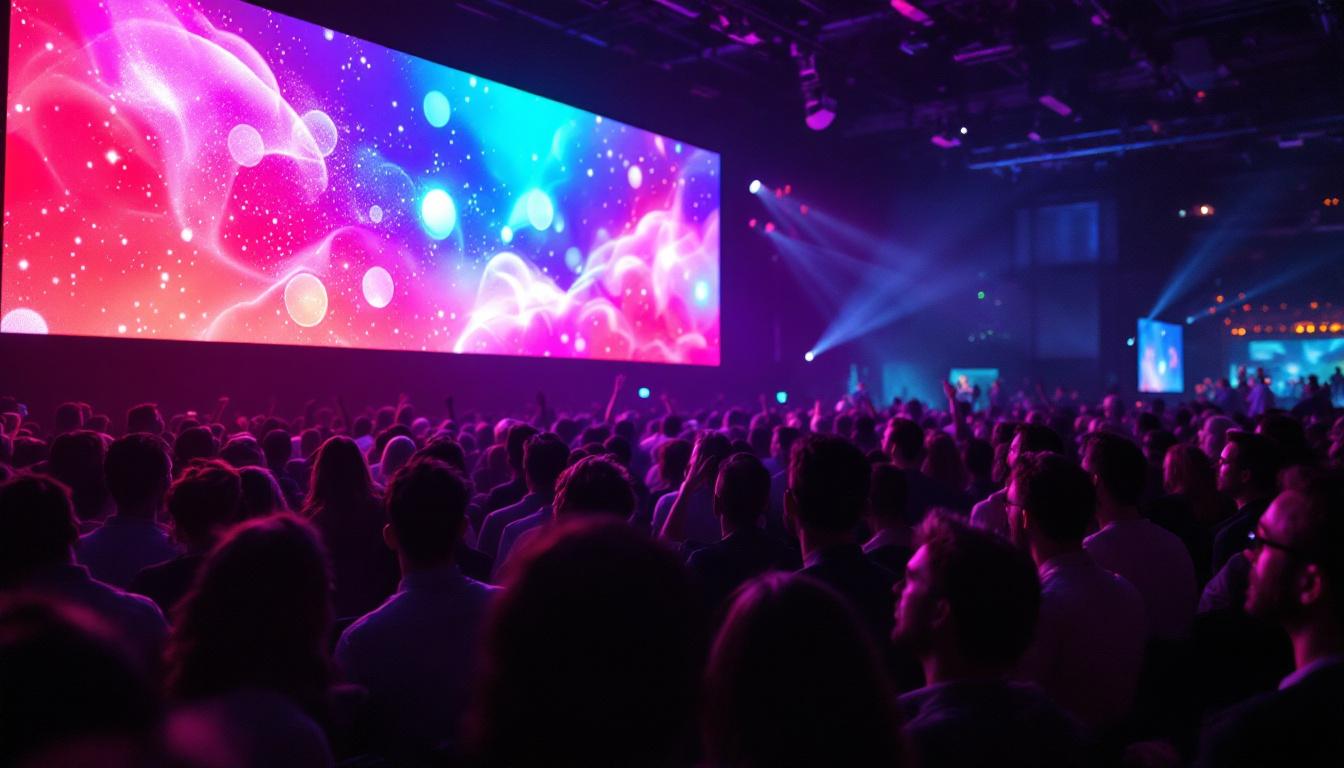
Additionally, concerts and festivals use LED walls as dynamic backdrops, creating immersive visual effects that synchronize with performances. The flexibility and scalability of LED displays make them ideal for these applications.
Corporate and Public Spaces
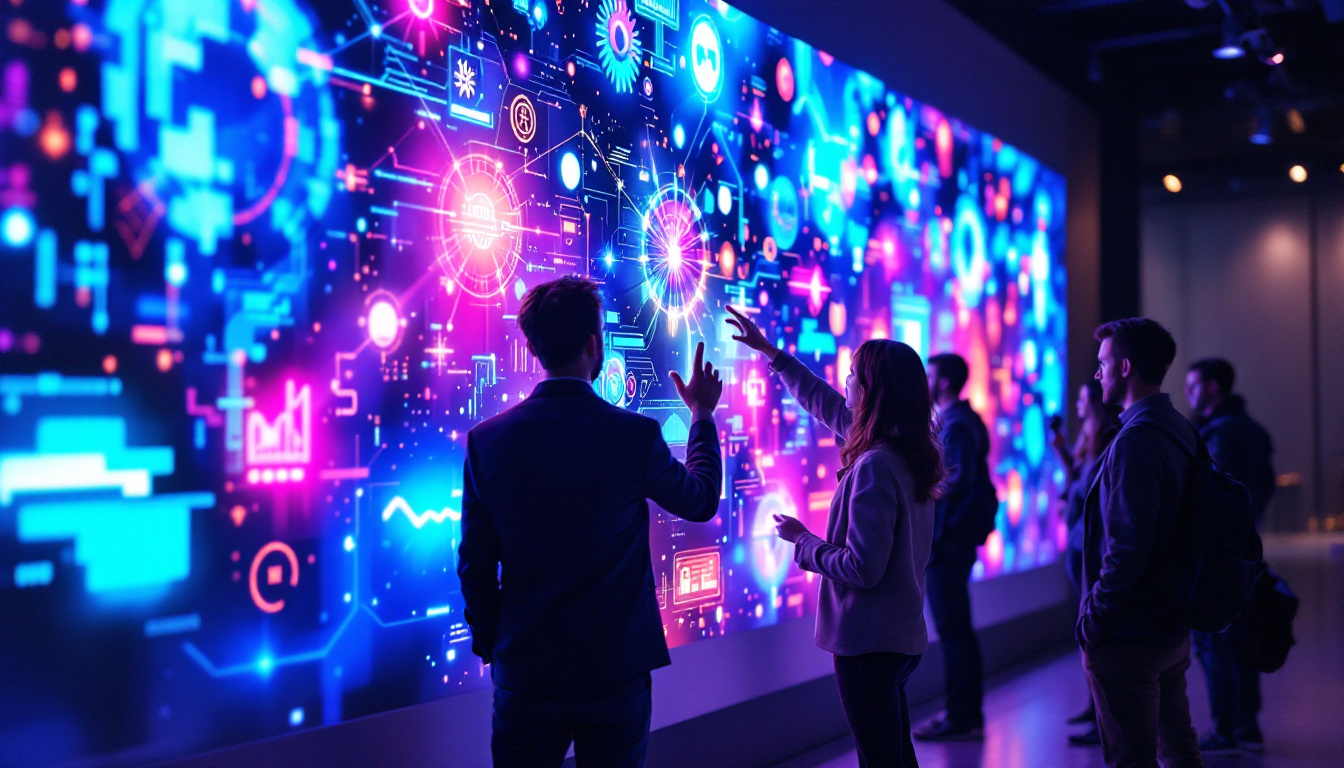
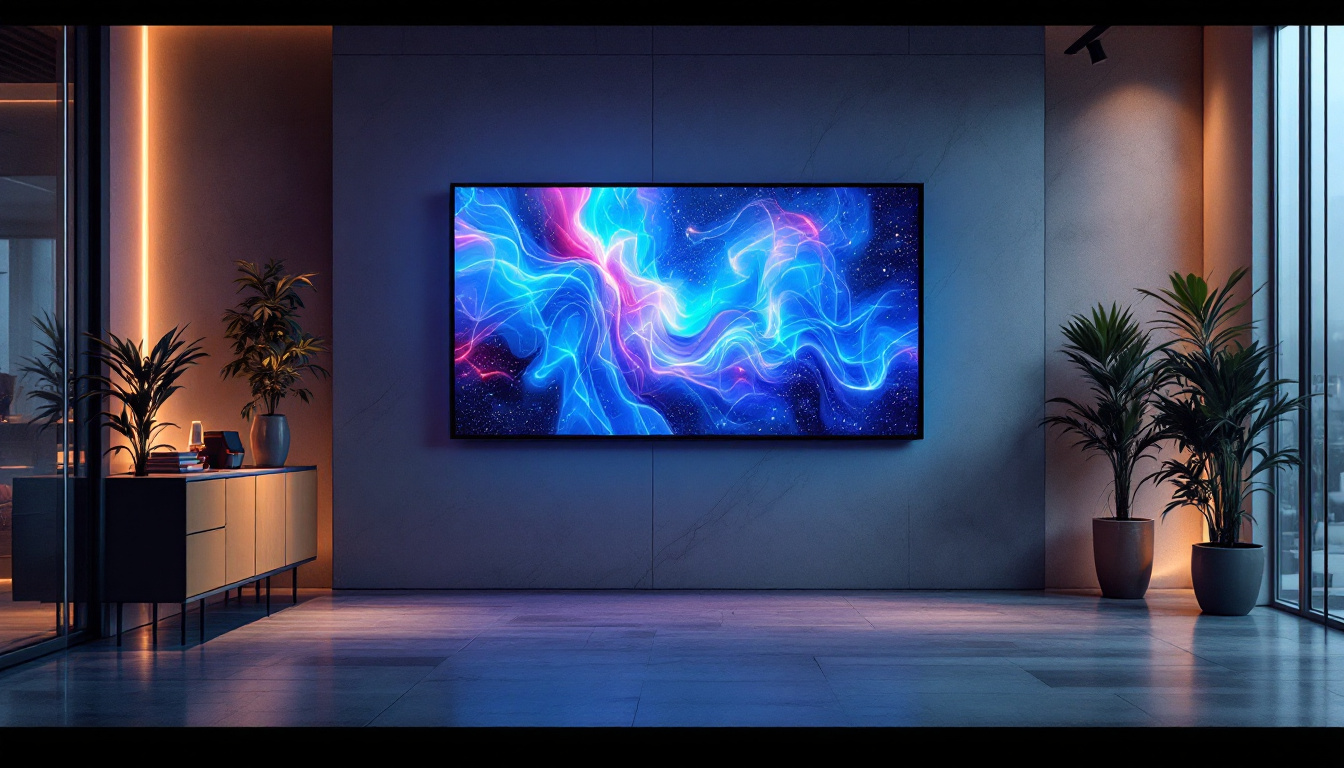
In corporate settings, LED screens are used for presentations, video conferencing, and digital notice boards. Their clarity and brightness improve communication and engagement during meetings and events.
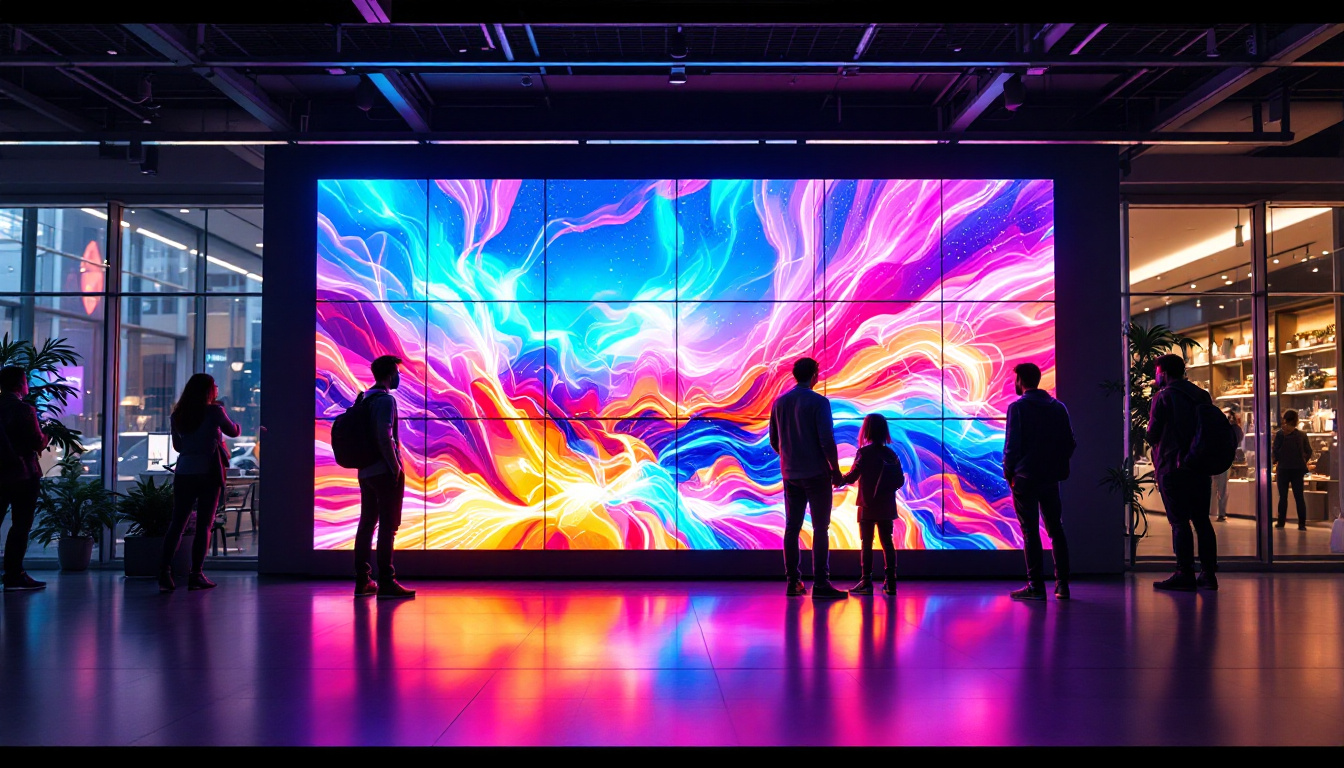
Public spaces such as airports, train stations, and shopping malls utilize LED displays for wayfinding, information dissemination, and advertising. The ability to update content in real-time is crucial for these environments.
Advantages of LED Screens Over Other Display Technologies
Brightness and Visibility
LED screens offer superior brightness compared to LCD and plasma displays. This makes them highly effective in environments with high ambient light, such as outdoor settings or brightly lit indoor spaces.
High brightness levels ensure that content remains visible and vibrant regardless of lighting conditions, which is essential for advertising effectiveness and viewer engagement.
Energy Efficiency and Longevity
LED technology is more energy-efficient than traditional display technologies, consuming less power for the same level of brightness. This translates into lower operating costs, especially for large-scale installations that run continuously.
LED screens also have a longer lifespan, often exceeding 100,000 hours of operation. This durability reduces maintenance and replacement costs over time.
Flexibility and Customization
LED displays can be manufactured in various shapes and sizes, from small indoor panels to massive outdoor billboards. Their modular design allows for easy scaling and customization to fit specific needs.
The ability to display dynamic, real-time content also provides a significant advantage over static signage, enabling businesses to engage audiences more effectively.
Choosing the Right LED Screen Online
Consider Your Application and Environment
When selecting an LED screen, it’s important to consider where and how it will be used. Indoor applications require higher resolution and smaller pixel pitch, while outdoor applications prioritize brightness and weather resistance.
Understanding the typical viewing distance helps determine the appropriate pixel pitch to ensure clear and sharp images.
Evaluate Technical Specifications
Key specifications to review include pixel pitch, brightness (measured in nits), refresh rate, contrast ratio, and viewing angle. These factors collectively impact image quality and viewer experience.
Additionally, consider the screen’s IP rating for outdoor use, warranty terms, and support services offered by the manufacturer or supplier.
Budget and Total Cost of Ownership
While upfront costs are important, consider the total cost of ownership, including installation, energy consumption, maintenance, and potential upgrades. Investing in a high-quality LED screen can provide better returns through improved performance and longevity.
Many online vendors offer customization options and financing plans, making it easier to find a solution that fits your budget and requirements.
The Future of LED Display Technology
LED technology continues to advance rapidly, with trends focusing on higher resolution, increased energy efficiency, and innovative form factors. MicroLED, an emerging technology, promises even greater brightness and contrast with lower power consumption.
Integration with smart technologies and IoT (Internet of Things) is also enhancing the functionality of LED screens, enabling automated content updates, audience analytics, and interactive features.
As LED displays become more affordable and versatile, their adoption is expected to grow across new sectors, including education, healthcare, and transportation, further transforming how information and advertising are delivered.
Conclusion
LED screens have revolutionized visual communication by offering bright, vibrant, and flexible display solutions suitable for a wide range of applications. Understanding the technology behind LED displays, their types, and key specifications is essential for making informed decisions when purchasing or using these screens.
Whether for advertising, entertainment, corporate communication, or public information, LED screens provide an effective and engaging medium that continues to evolve with technological advancements. As the market expands and innovations emerge, LED displays will remain at the forefront of digital signage and visual media.
Discover LumenMatrix LED Display Solutions
Ready to elevate your visual communication strategy with cutting-edge LED technology? LumenMatrix offers a comprehensive range of LED display solutions tailored to your unique needs. From vibrant Indoor and Outdoor LED Wall Displays to innovative options like Vehicle LED Displays, LED Posters, and Transparent LED Displays, we have the tools to transform your space and captivate your audience. Embrace the future of digital signage with LumenMatrix and create unforgettable visual experiences. Check out LumenMatrix LED Display Solutions today and see the difference that quality and innovation can make.