In recent years, churches across the globe have increasingly embraced technology to enhance worship experiences and community engagement. Among the most transformative tools are LED screens, which offer vibrant, dynamic displays that can significantly improve communication during services and events. This article explores the world of LED screens for churches, explaining what LED displays are, their benefits, and how to select the best options available for sale.
Understanding LED Screens: What Are They?
LED stands for Light Emitting Diode, a semiconductor device that emits light when an electric current passes through it. LED screens are composed of thousands of these tiny diodes arranged in a grid to form a display capable of showing images, videos, and text with remarkable clarity and brightness.
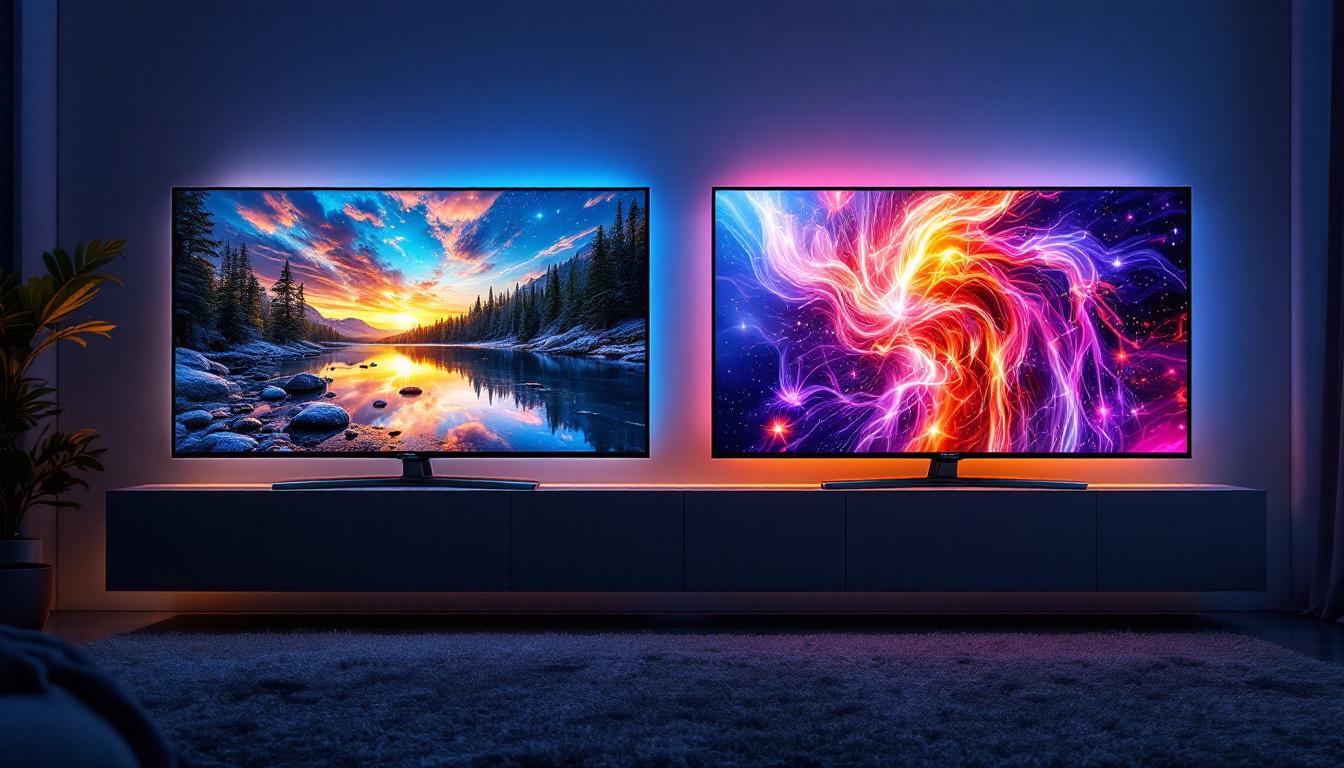
Unlike traditional LCD or projection screens, LED displays are self-illuminating, which means they do not require a backlight. This characteristic allows LED screens to produce deeper blacks, higher contrast ratios, and more vivid colors, making them ideal for environments where lighting conditions can vary, such as churches.
LED screens come in various types, including indoor and outdoor models, fixed and rental configurations, and differing resolutions and sizes. For churches, indoor LED screens are typically preferred due to their optimized brightness levels and pixel pitches suitable for close viewing distances.
In addition to their impressive visual performance, LED screens are also known for their energy efficiency. They consume significantly less power compared to traditional display technologies, making them a more sustainable option for organizations looking to reduce their carbon footprint. This energy efficiency not only translates to lower electricity bills but also contributes to a longer lifespan for the screens, as they generate less heat and experience less wear over time.
Furthermore, the versatility of LED screens extends beyond mere display capabilities. Many modern LED systems come equipped with advanced features such as touch interactivity, which can enhance engagement during services or events. This interactivity allows congregants to participate more actively, whether through song lyrics displayed in real-time or interactive presentations that encourage discussion and involvement. As technology continues to evolve, the integration of LED screens into various aspects of church services is likely to become even more prevalent, fostering a more immersive and dynamic worship experience.
The Growing Importance of LED Screens in Churches
Churches have traditionally relied on printed materials, overhead projectors, and static screens to communicate messages during services. However, the shift towards digital technology has opened new possibilities for enhancing worship and community participation.
According to a 2023 survey by the National Association of Church Technology, over 65% of medium to large churches in the United States now use some form of LED display technology. This trend is driven by several factors:
- Enhanced Visual Engagement: LED screens provide bright, clear visuals that capture attention and improve message retention.
- Versatility: They can display song lyrics, sermon notes, live video feeds, announcements, and multimedia presentations seamlessly.
- Accessibility: Larger, clearer displays help members with visual impairments follow along more easily.
- Community Outreach: Outdoor LED displays can showcase event information and inspirational messages to the broader community.
These capabilities make LED screens a valuable investment for churches seeking to modernize their facilities and foster a more inclusive and interactive worship environment. Furthermore, the integration of LED technology allows for a dynamic worship experience that can adapt to the needs of the congregation. For instance, during special events or holiday services, churches can utilize LED screens to create immersive environments with thematic visuals and coordinated lighting that enhance the overall atmosphere.
Moreover, the ability to stream live services or events has become increasingly important, especially in a post-pandemic world where many congregations have embraced hybrid worship models. This technology not only allows members who cannot attend in person to participate remotely but also broadens the church’s reach, enabling them to connect with individuals who may be exploring faith from afar. As churches continue to embrace these advancements, they are not only keeping pace with technological trends but are also creating spaces that resonate with younger generations, who often expect a more interactive and visually stimulating experience in their places of worship.
Key Benefits of LED Screens for Churches
Superior Image Quality and Visibility
One of the primary advantages of LED screens is their exceptional image quality. With high brightness levels—often exceeding 1,000 nits for indoor models—LED displays remain clearly visible even in well-lit rooms. This is particularly important in churches where natural light or stage lighting can vary throughout the day.
Moreover, LED screens offer wide viewing angles, ensuring that congregants seated at the back or sides of the sanctuary can see content clearly without distortion or color shifting.
Durability and Low Maintenance
LED technology is known for its longevity and reliability. Most LED panels have a lifespan of 50,000 to 100,000 hours, translating to many years of continuous use without significant degradation. Additionally, LED screens require minimal maintenance compared to traditional projection systems, which often need bulb replacements and regular calibration.
Customization and Flexibility
LED screens can be customized to fit various sizes and shapes, allowing churches to design displays that integrate seamlessly with their architectural style. Modular LED panels can be assembled into large video walls or smaller, more discreet installations depending on the space and budget.
Furthermore, LED screens support dynamic content management. Churches can easily switch between sermon slides, live camera feeds, video clips, and announcements with user-friendly software, enabling more engaging and interactive services.
Energy Efficiency
Compared to older display technologies, LED screens consume less power, making them a more sustainable choice. This energy efficiency aligns with many churches’ commitments to environmental stewardship and cost-effective facility management.
Choosing the Right LED Screen for Your Church
Selecting the appropriate LED screen involves careful consideration of several factors to ensure the investment meets the church’s needs and enhances the worship experience.
Screen Size and Viewing Distance
The size of the LED screen should correspond to the size of the sanctuary and the typical viewing distance of the congregation. A general rule of thumb is that the screen height should be approximately one-sixth to one-eighth of the farthest viewer’s distance from the screen.
For example, if the farthest seat is 60 feet away, a screen height of 7.5 to 10 feet would be appropriate. This ensures that text and images are legible without straining viewers’ eyes.
Pixel Pitch and Resolution
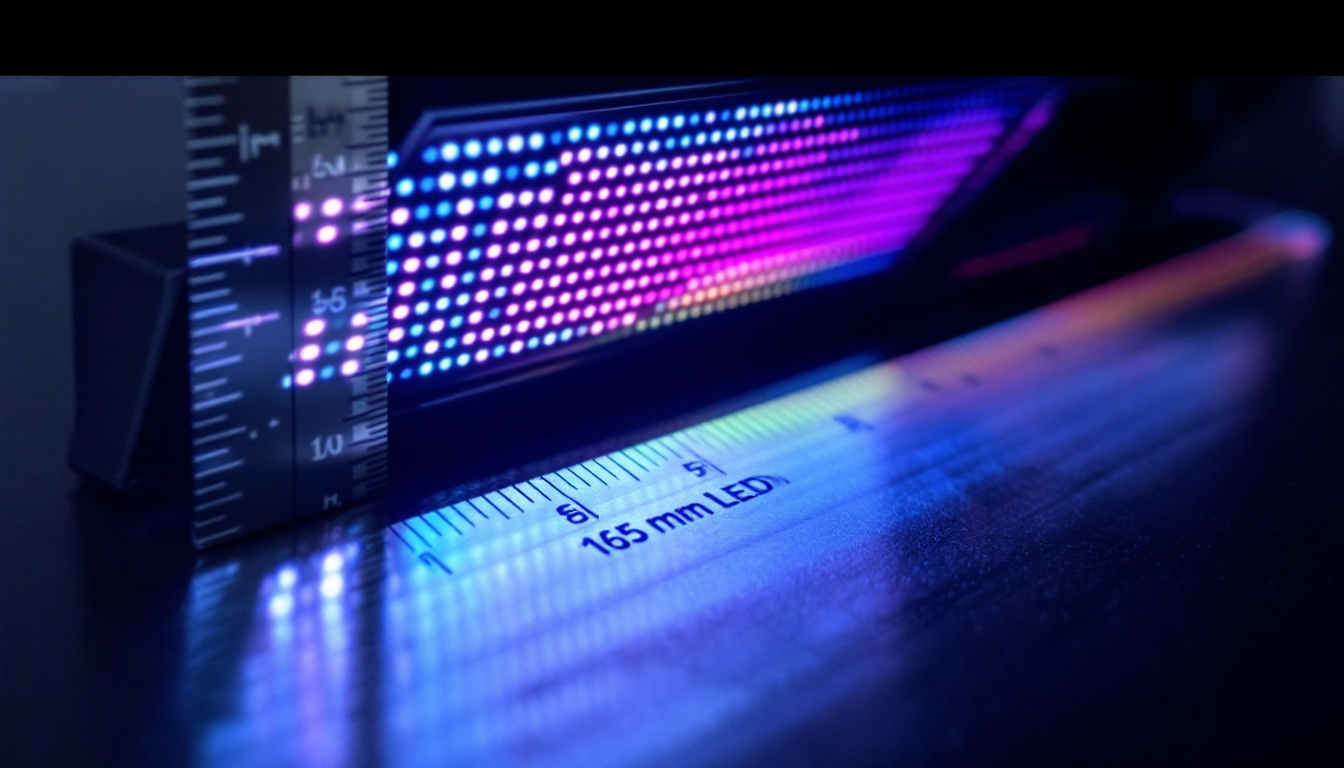
Pixel pitch refers to the distance between the centers of two adjacent pixels on the LED panel and is measured in millimeters. A smaller pixel pitch means higher resolution and sharper images, which is crucial for close viewing environments like churches.
Indoor LED screens typically have pixel pitches ranging from 1.2mm to 4mm. For most church applications, a pixel pitch between 2mm and 3mm balances image clarity and cost-effectiveness.
Brightness and Contrast
Brightness levels should be sufficient to overcome ambient light without causing glare. Indoor LED screens with brightness levels around 800 to 1,200 nits are usually adequate for churches.
High contrast ratios enhance the depth and richness of images, making text easier to read and videos more immersive.
Installation and Integration
Consider the installation environment—whether the screen will be mounted on a wall, suspended from the ceiling, or integrated into a stage backdrop. Professional installation ensures safety, optimal viewing angles, and seamless integration with existing audio-visual systems.
Additionally, compatibility with church presentation software and live streaming equipment is essential for smooth operation.
Popular Types of LED Screens for Churches
Fixed Indoor LED Video Walls
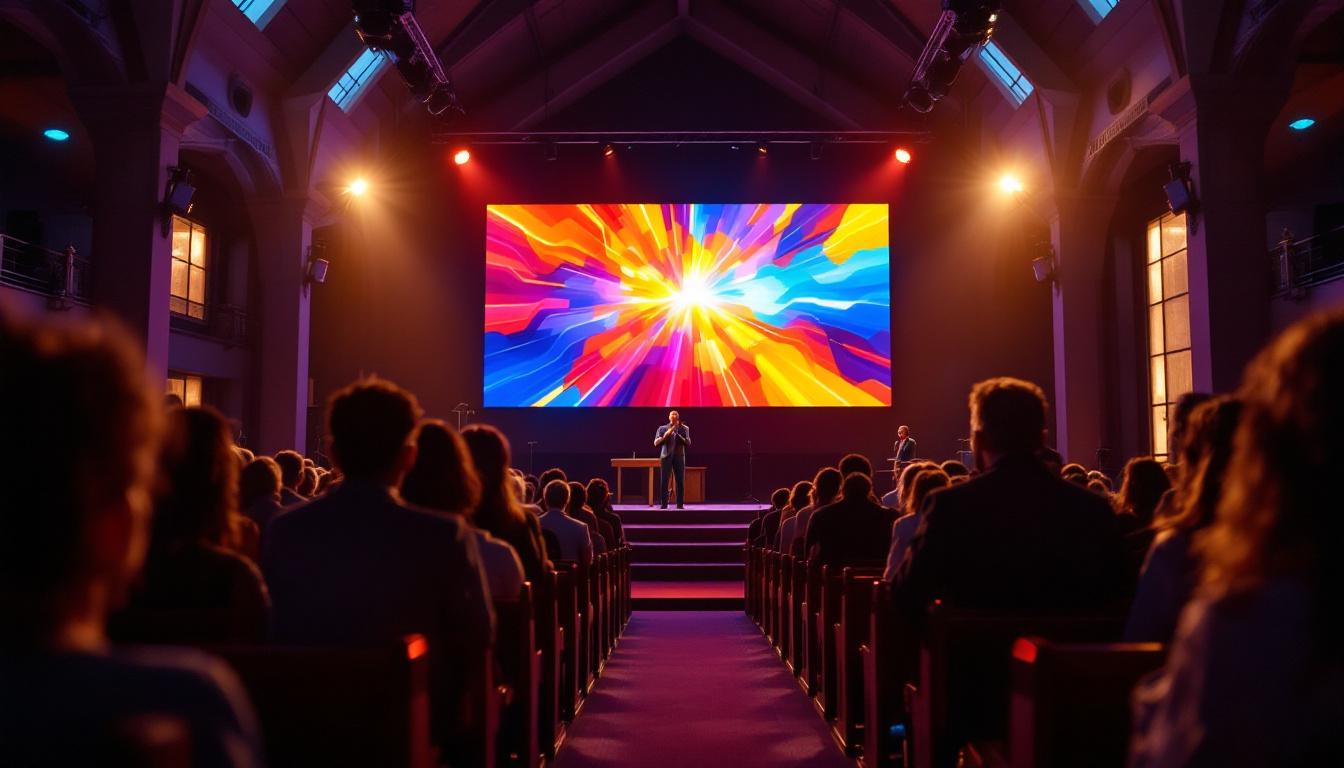
These are permanent installations designed to serve as the main display during services. Fixed LED video walls offer high resolution and can be customized in size and shape to fit the sanctuary’s design. They are ideal for displaying sermon content, worship lyrics, and multimedia presentations.
Portable and Rental LED Screens
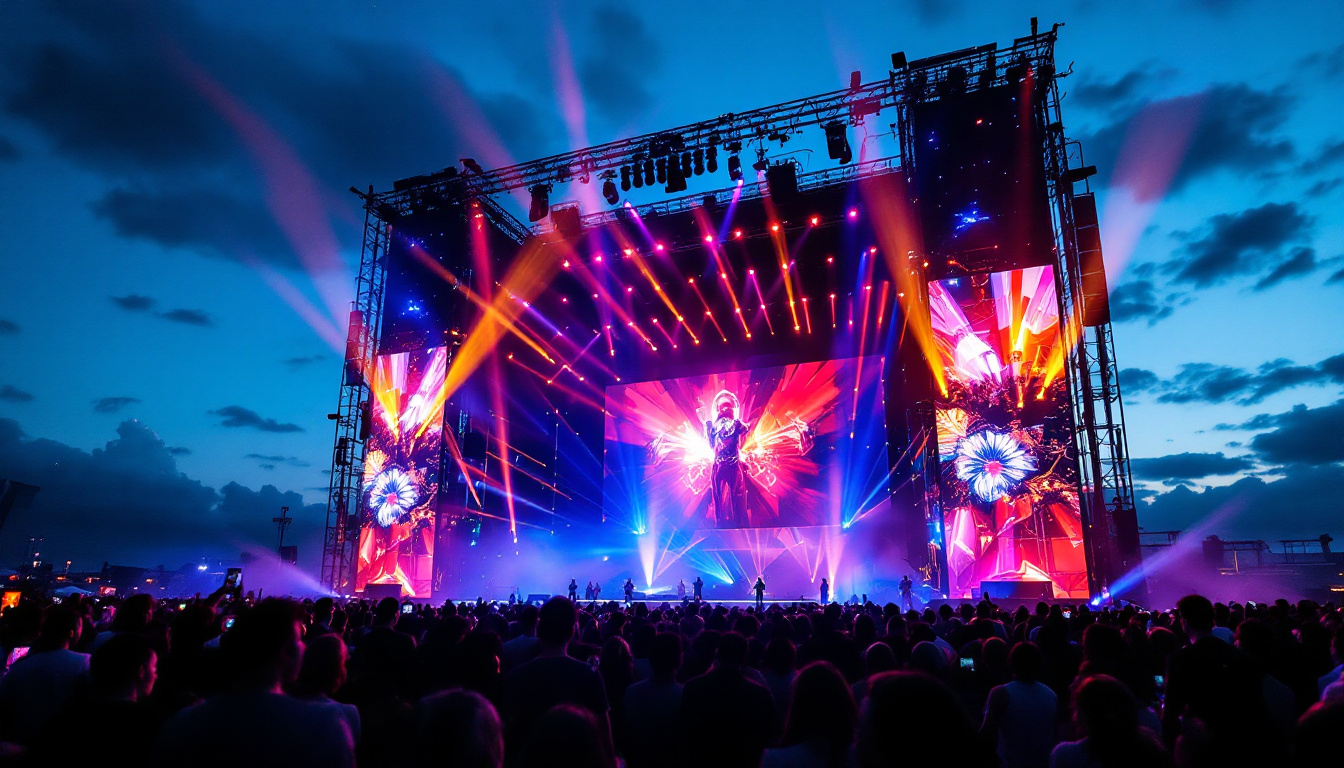
For churches that host events in multiple locations or have limited budgets, portable LED screens offer flexibility. These screens can be assembled and disassembled quickly, making them suitable for temporary setups such as outdoor services, conferences, or concerts.
Outdoor LED Displays
Outdoor LED screens are weather-resistant and have higher brightness levels to remain visible in daylight. Churches use these displays for community outreach, advertising upcoming events, or broadcasting services to overflow crowds.
Cost Considerations and Budgeting
The cost of LED screens for churches varies widely depending on size, resolution, and features. On average, indoor LED displays range from $1,000 to $3,000 per square meter, including installation and control systems.
Additional costs may include content management software, mounting hardware, and ongoing maintenance. While the initial investment can be significant, many churches find that the benefits in engagement and communication justify the expense.
Some churches explore financing options, grants, or community fundraising campaigns to support the purchase of LED screens.
Installation and Maintenance Best Practices
Professional installation is crucial to ensure the LED screen functions optimally and safely. Certified technicians will assess the site, handle electrical requirements, and calibrate the display for the best image quality.
Regular maintenance includes cleaning the panels, checking connections, and updating software. Many LED manufacturers offer service contracts to assist churches in keeping their displays in top condition.
Conclusion: Enhancing Worship with LED Technology
LED screens are revolutionizing how churches communicate and connect with their congregations. Their superior image quality, flexibility, and durability make them an excellent investment for any house of worship seeking to modernize and enrich the worship experience.
By understanding the technology, benefits, and selection criteria, church leaders can make informed decisions when purchasing LED screens for sale. Whether for displaying sermon notes, streaming live events, or engaging the community, LED displays offer a powerful platform to illuminate faith and fellowship.
Discover LumenMatrix LED Displays for Your Church
Ready to take your worship experience to the next level? LumenMatrix offers a wide range of innovative LED display solutions tailored to meet the unique needs of your house of worship. From vibrant Indoor LED Walls to weather-resistant Outdoor Displays, our cutting-edge technology is designed to captivate your congregation and enhance your community outreach. Explore our selection and find the perfect LED display to illuminate your services and events. Check out LumenMatrix LED Display Solutions today and transform your church’s visual communication.