In today’s digital era, LED displays have become an integral part of how information is communicated visually across various industries. From vibrant outdoor billboards to crisp indoor screens, LED technology is at the forefront of modern display solutions. This article delves into the fundamentals of LED displays, exploring their technology, types, applications, and future trends to provide a comprehensive understanding of this dynamic medium.
Understanding LED Technology
What is an LED?
LED stands for Light Emitting Diode, a semiconductor device that emits light when an electric current passes through it. Unlike traditional incandescent bulbs, LEDs produce light through electroluminescence, which is more energy-efficient and longer-lasting. The invention of the LED dates back to the early 1960s, but it wasn’t until the 1990s that LED displays began to gain traction in commercial applications. The evolution of LED technology has transformed various industries, from consumer electronics to automotive lighting, and even architectural design, showcasing its versatility and adaptability in modern applications.
How LED Displays Work
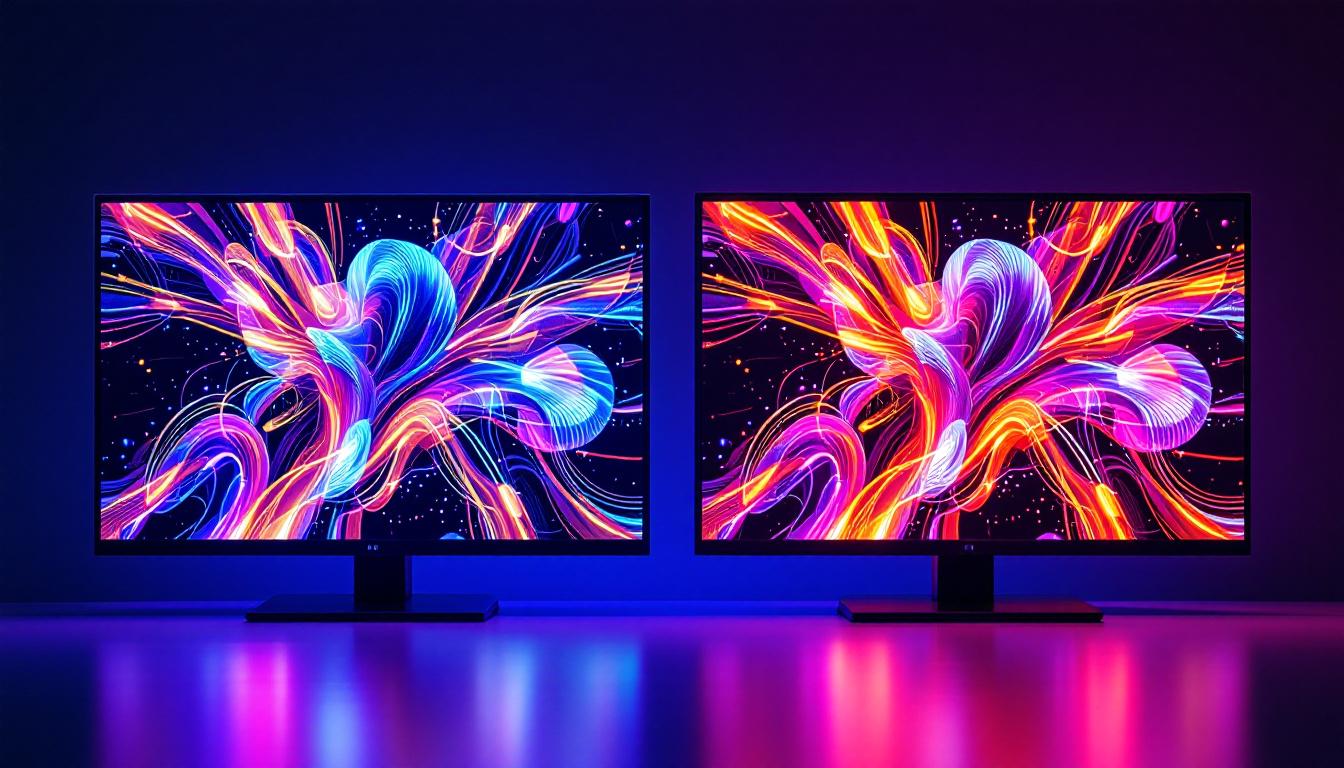
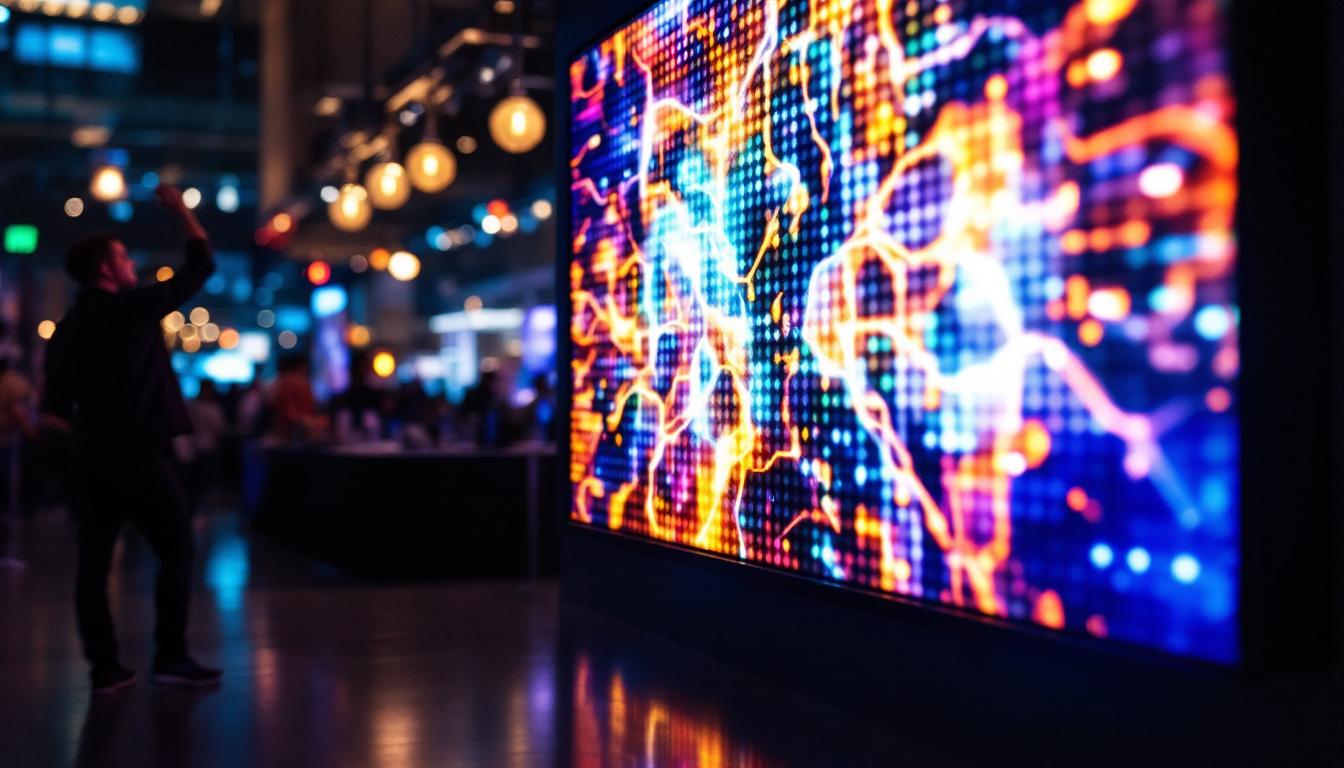
LED displays are composed of thousands to millions of tiny LEDs arranged in a matrix. Each LED acts as a pixel or part of a pixel, emitting red, green, or blue light. By varying the intensity of these primary colors, the display can produce a full spectrum of colors. The control system sends signals to each LED to turn on or off or adjust brightness, creating images, videos, or text that are visible from varying distances. This intricate coordination allows for stunning visual effects and high-definition content that can captivate audiences in a way that older technologies simply cannot.
One key advantage of LED displays is their ability to produce bright, vibrant images even in direct sunlight, making them ideal for outdoor use. Additionally, LEDs have a fast response time, which is crucial for displaying dynamic content such as video or animations without motion blur. Furthermore, the longevity of LED technology means that these displays can operate for tens of thousands of hours, significantly reducing maintenance costs and the need for frequent replacements. As a result, many businesses are increasingly opting for LED displays as a cost-effective solution for advertising and information dissemination, leading to a rise in their popularity in public spaces like stadiums, shopping centers, and transportation hubs.
Moreover, the environmental impact of LED technology cannot be overlooked. LEDs consume significantly less power compared to traditional lighting options, contributing to lower energy bills and reduced carbon footprints. This energy efficiency is particularly beneficial in large-scale installations where multiple displays are used, such as in concert venues or city billboards. The shift towards LED technology also aligns with global efforts to promote sustainability and reduce reliance on fossil fuels, making it a forward-thinking choice for both businesses and consumers alike. As research continues to advance, we can expect even more innovative applications of LED technology in the near future, further enhancing its role in our daily lives.
Types of LED Displays
Indoor LED Displays
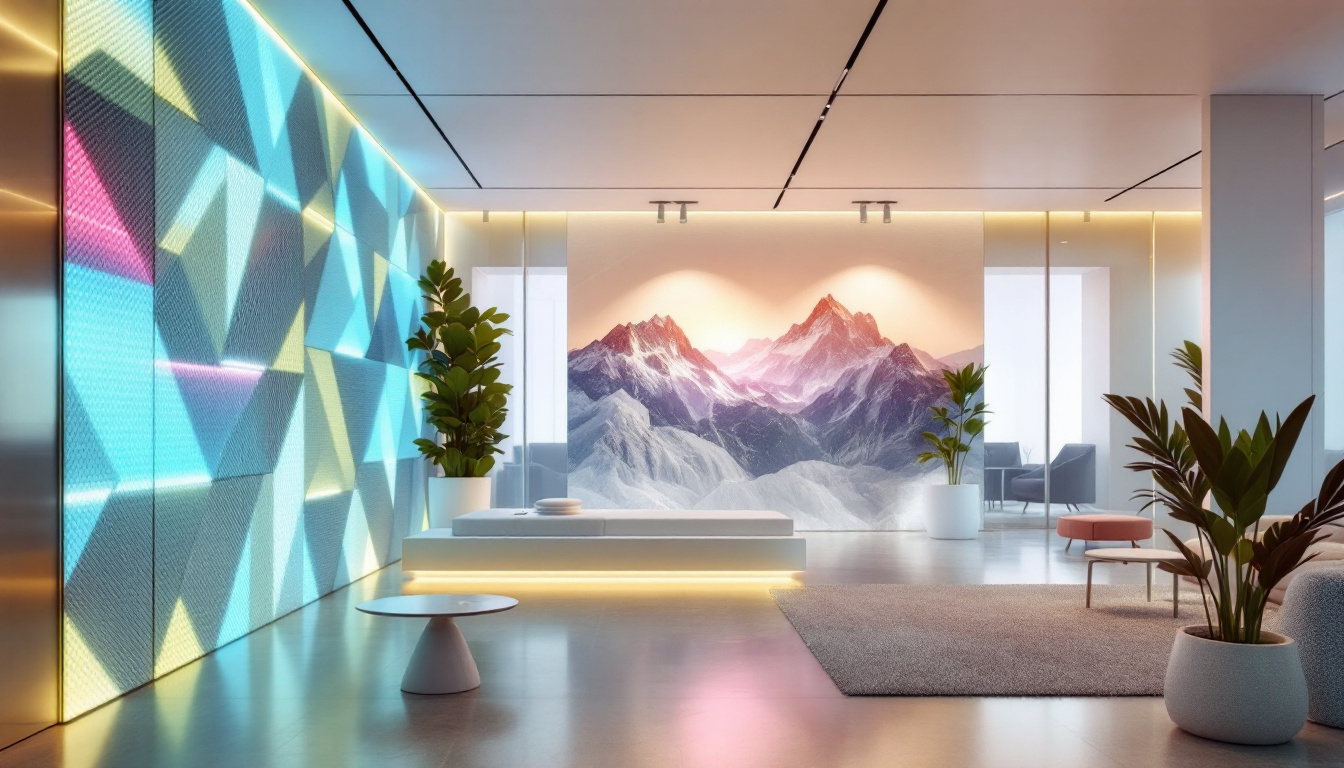
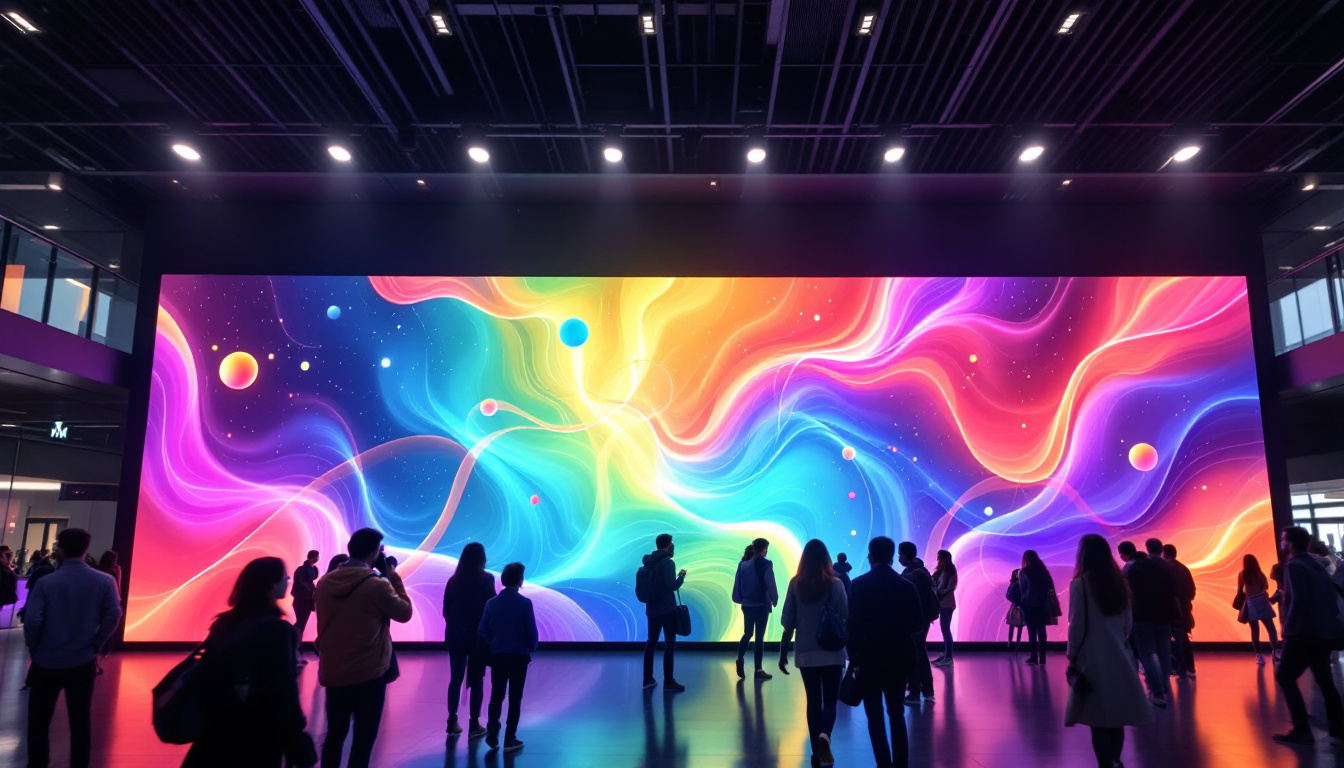
Indoor LED displays are designed for environments with controlled lighting and closer viewing distances. These displays typically have a higher pixel density, meaning the LEDs are packed more closely together to provide sharper images and finer detail. Common applications include retail signage, conference rooms, airports, and sports arenas.
For example, indoor LED screens in shopping malls can showcase promotional videos and advertisements with vivid colors and high resolution, attracting customers effectively. The pixel pitch, which refers to the distance between the centers of two adjacent LEDs, is usually smaller indoors, often ranging from 0.9mm to 4mm, to ensure image clarity at close range.
Outdoor LED Displays
Outdoor LED displays are built to withstand harsh environmental conditions such as rain, dust, and temperature fluctuations. They are generally larger with a wider pixel pitch, typically ranging from 4mm to 20mm or more, as they are viewed from greater distances. These displays are commonly used for billboards, stadium screens, public information boards, and transportation hubs.
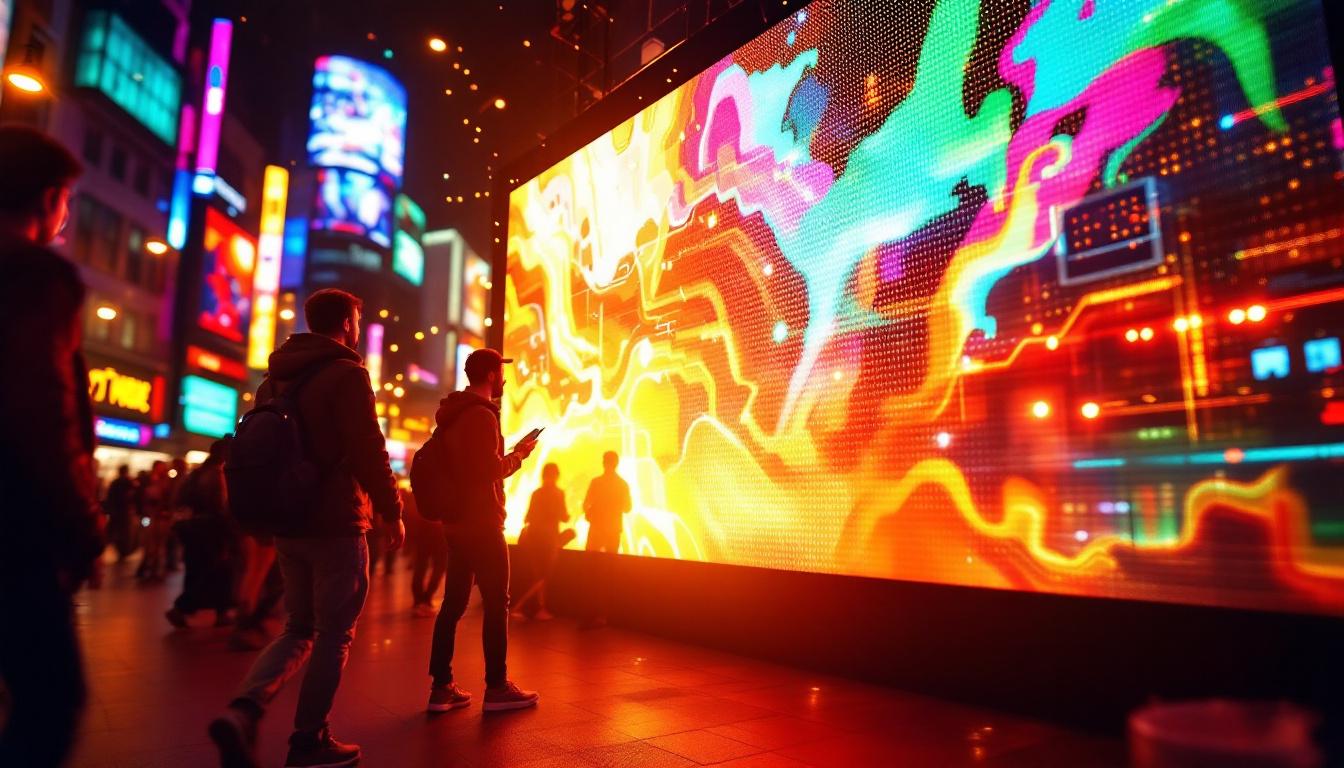
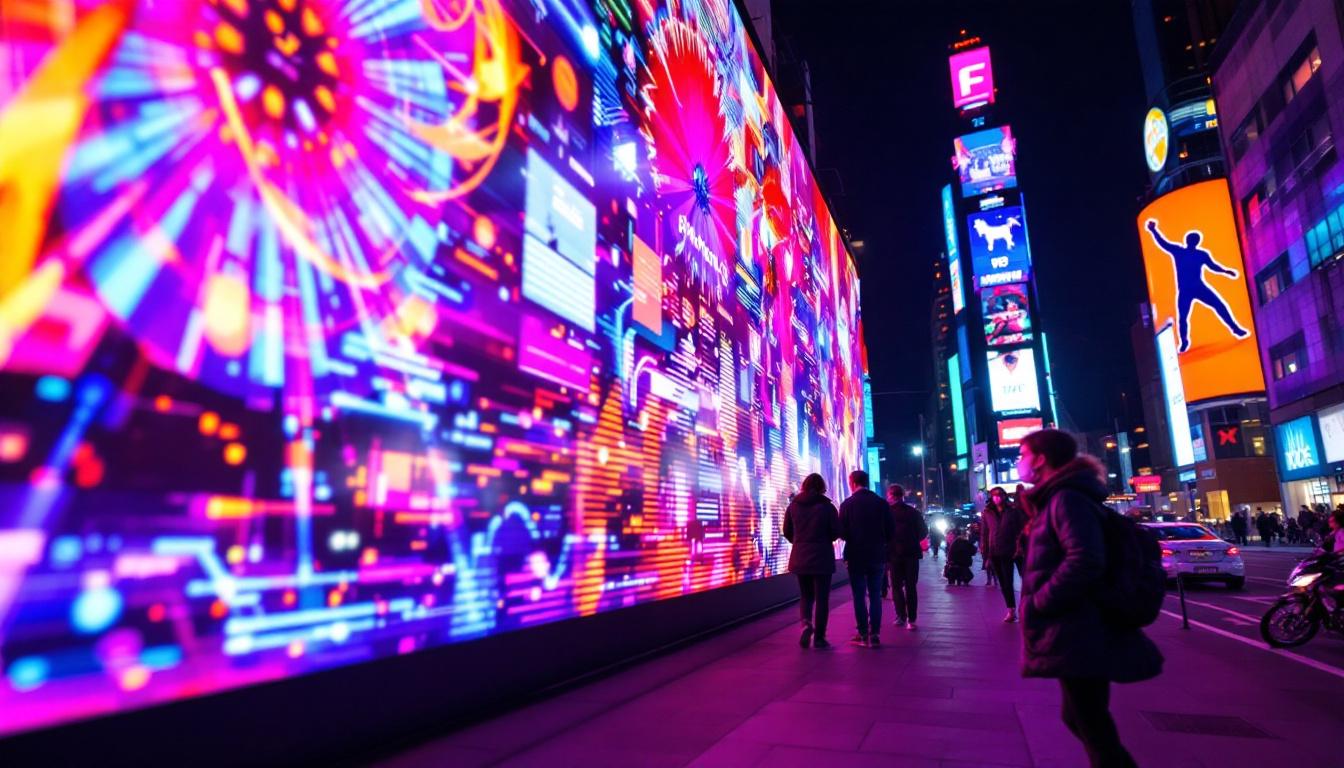
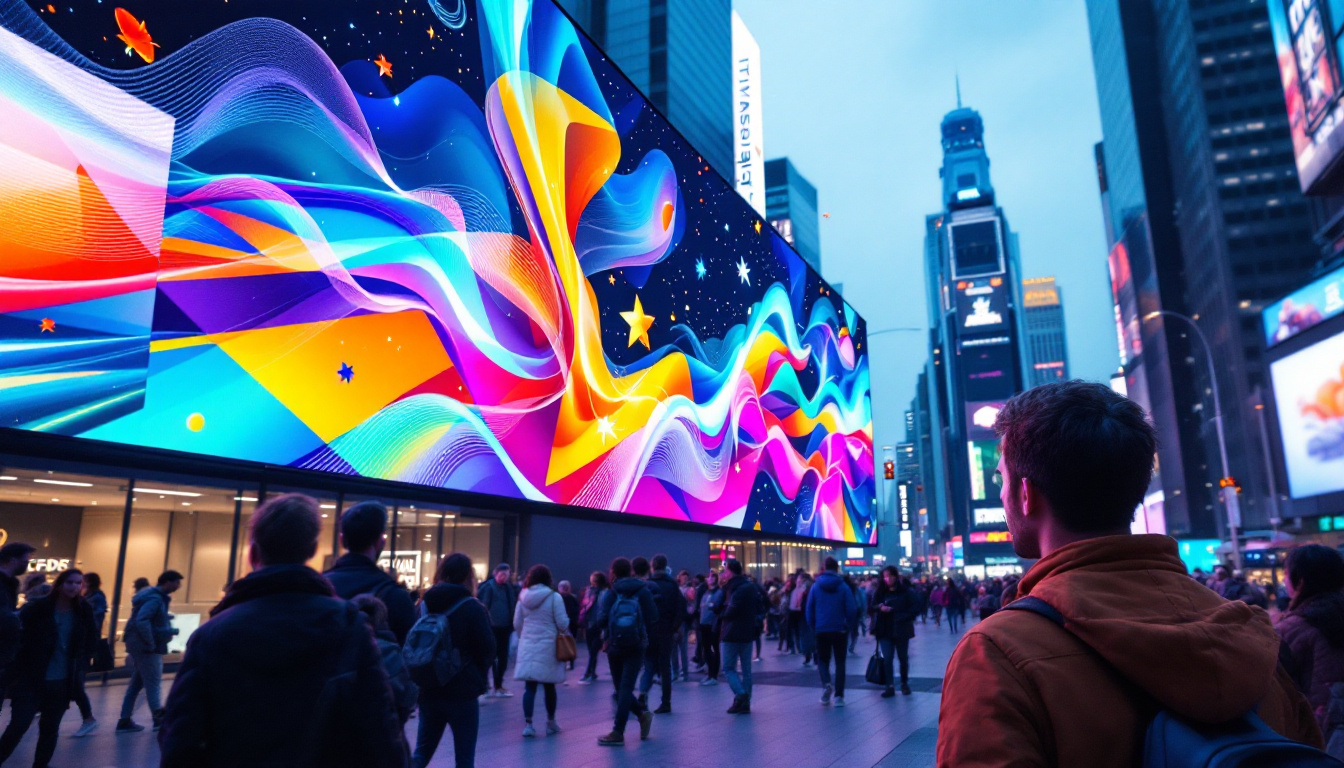
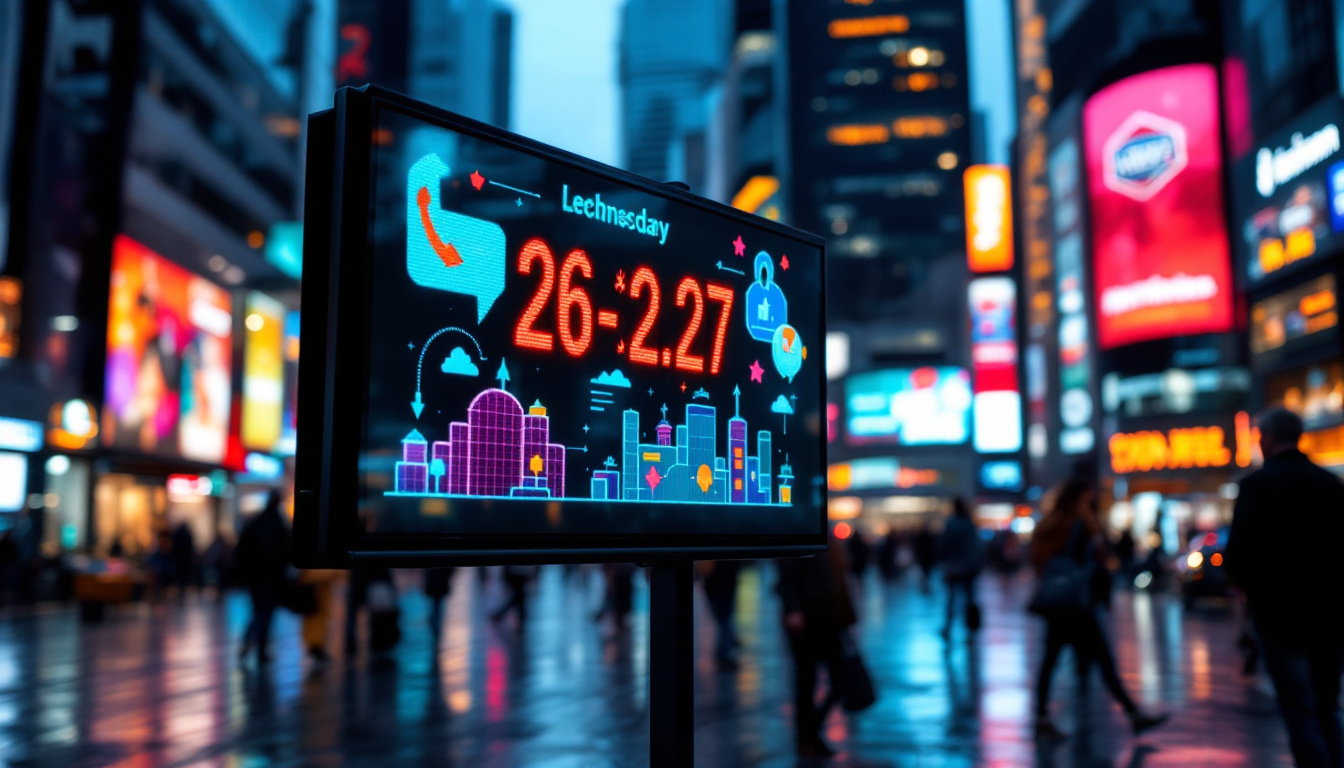
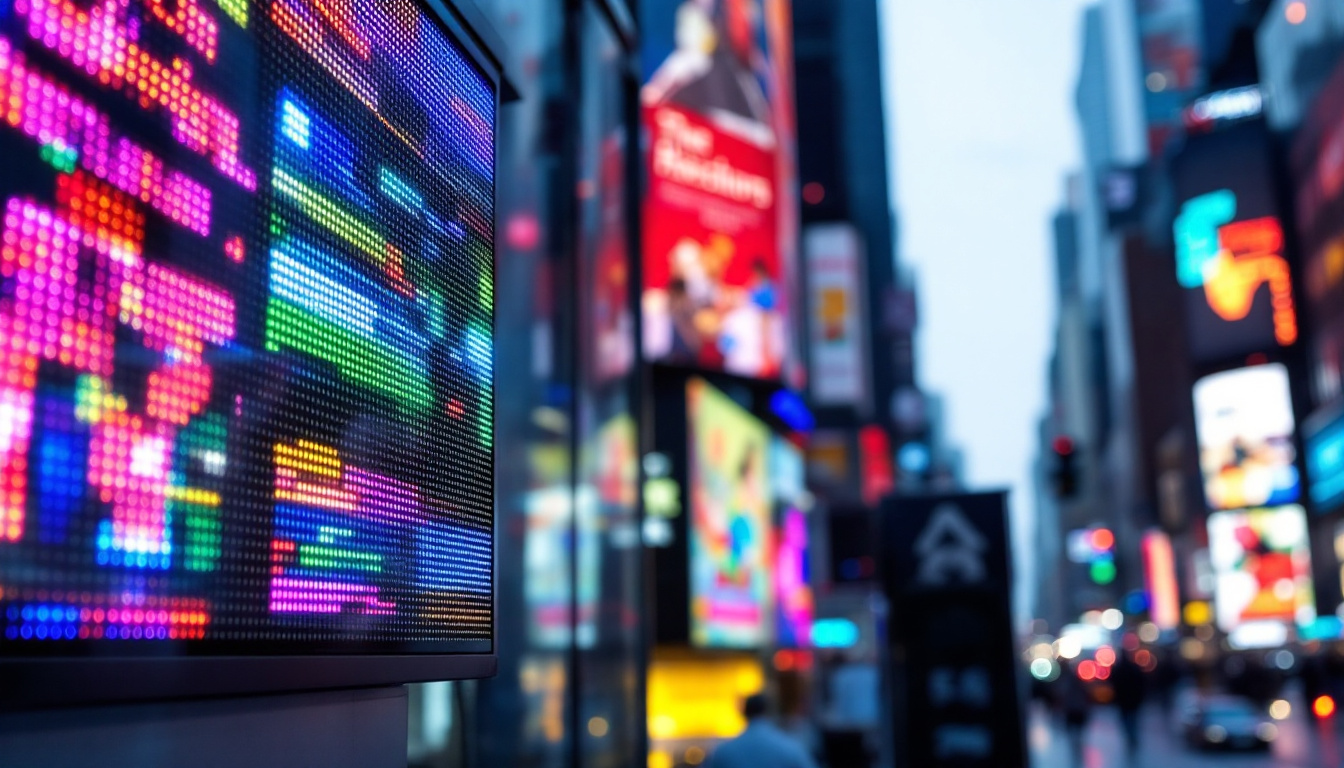
One notable example is Times Square in New York City, where massive outdoor LED displays deliver high-impact advertising visible to thousands of pedestrians and drivers daily. Outdoor LED displays are engineered with weatherproof enclosures and high brightness levels, often exceeding 5,000 nits, to ensure visibility even in direct sunlight.
Flexible and Transparent LED Displays
Recent advancements have introduced flexible and transparent LED displays, expanding the possibilities for creative installations. Flexible LED panels can be bent or curved to fit unconventional surfaces, such as building facades or vehicle exteriors, while transparent LED screens allow viewers to see through the display, making them ideal for storefront windows or glass walls.
These innovations enable designers to integrate digital content seamlessly into architectural elements, enhancing aesthetic appeal without compromising functionality. For instance, transparent LED displays can show dynamic advertisements on a glass window while allowing natural light to pass through, maintaining the ambiance inside the building.
Key Components of LED Displays
LED Modules and Pixels
The fundamental building blocks of an LED display are the LED modules, which contain clusters of LEDs arranged to form pixels. Each pixel typically consists of three LEDs—red, green, and blue—that combine to create a wide color gamut. The quality and uniformity of these modules directly influence the display’s image quality and color accuracy.
Driving and Control Systems
LED displays require sophisticated driving electronics to control the brightness and color of each pixel. The control system processes input signals from video sources and translates them into commands for the LED modules. Modern LED controllers support high refresh rates, ensuring smooth video playback and reducing flicker, which is especially important for broadcast and live event applications.
Power Supply and Cooling
Given the high power consumption of large LED displays, efficient power supply units are essential to maintain stable operation. Additionally, LED panels generate heat during operation, necessitating effective cooling solutions such as heat sinks or fans to prevent overheating and prolong the lifespan of the display components.
Applications of LED Displays
Advertising and Marketing
LED displays have revolutionized advertising by enabling dynamic, eye-catching content that can be updated in real time. Businesses use LED billboards and digital signage to capture consumer attention with vibrant visuals and interactive campaigns. The ability to schedule content changes remotely also reduces operational costs and increases flexibility.
According to a report by Grand View Research, the global digital signage market, heavily driven by LED technology, is expected to reach $32.84 billion by 2028, underscoring the growing importance of LED displays in marketing strategies worldwide.
Sports and Entertainment
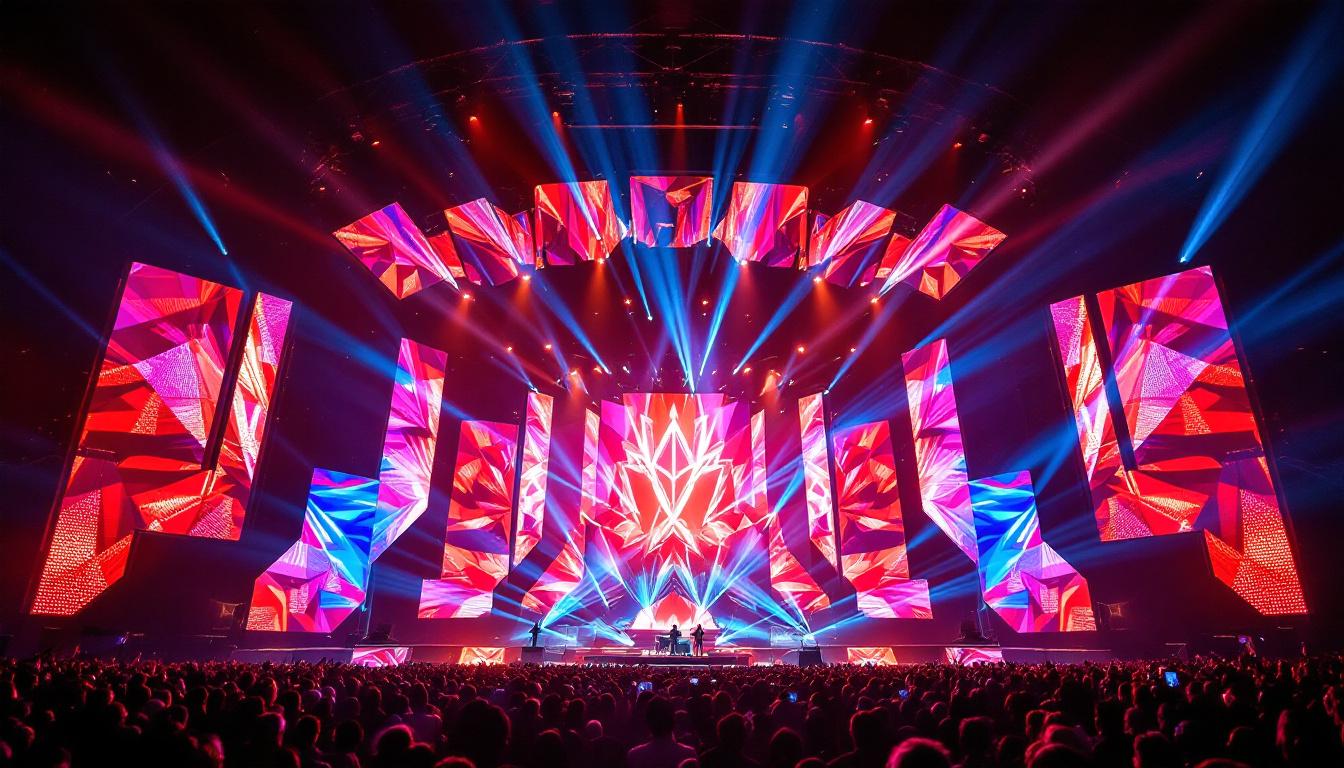
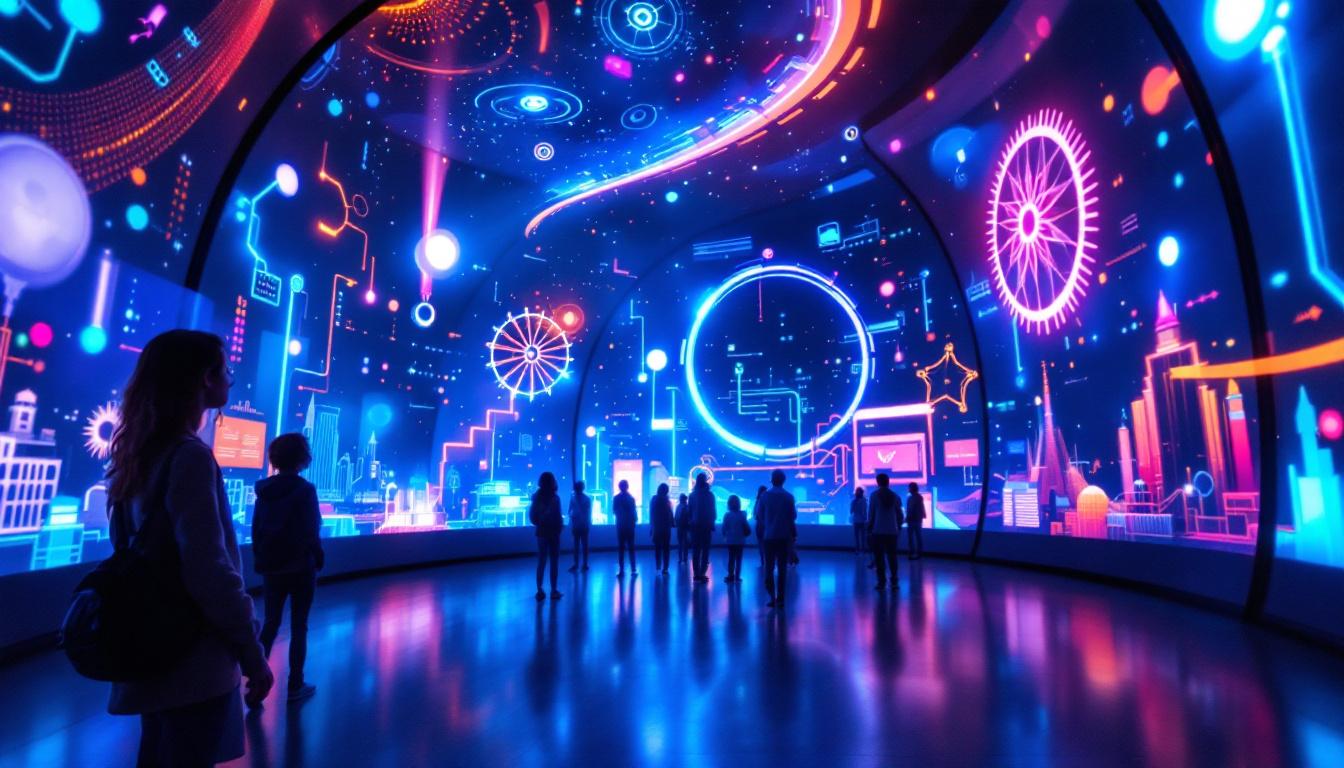
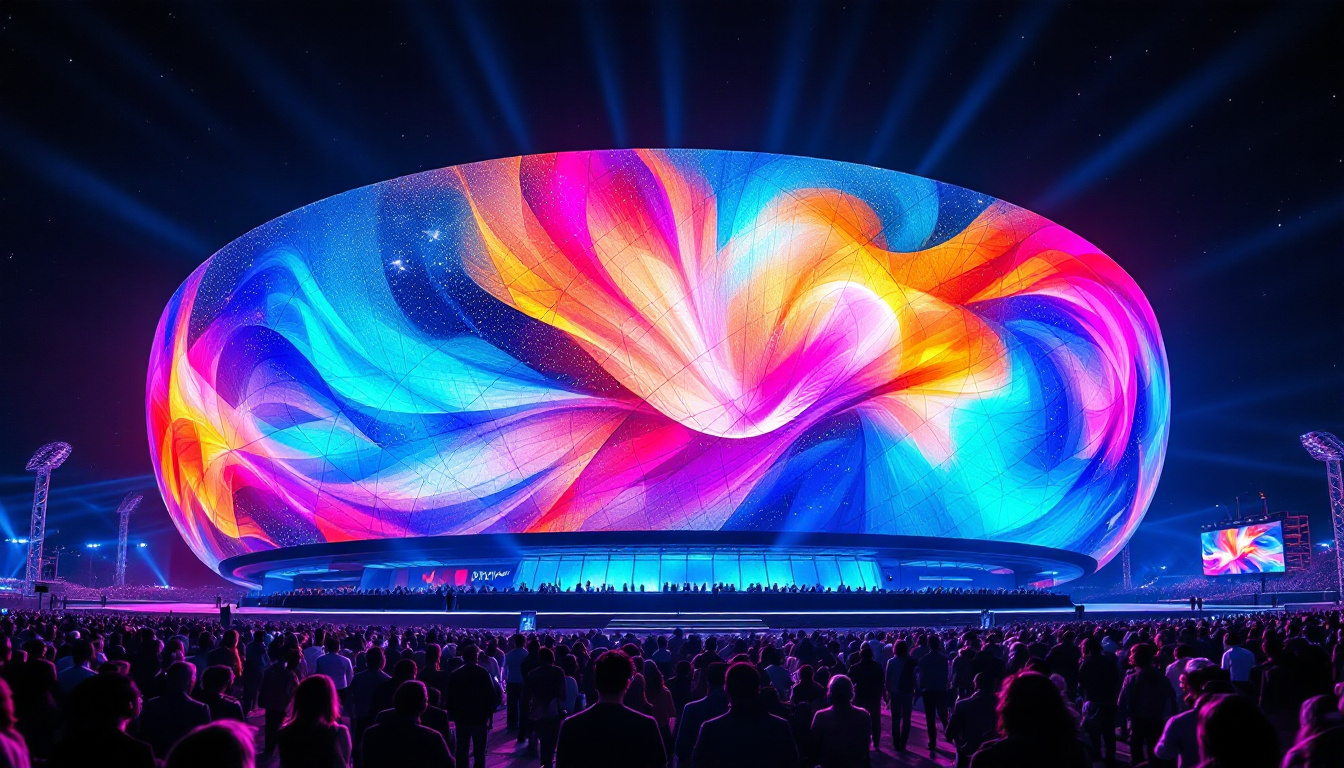
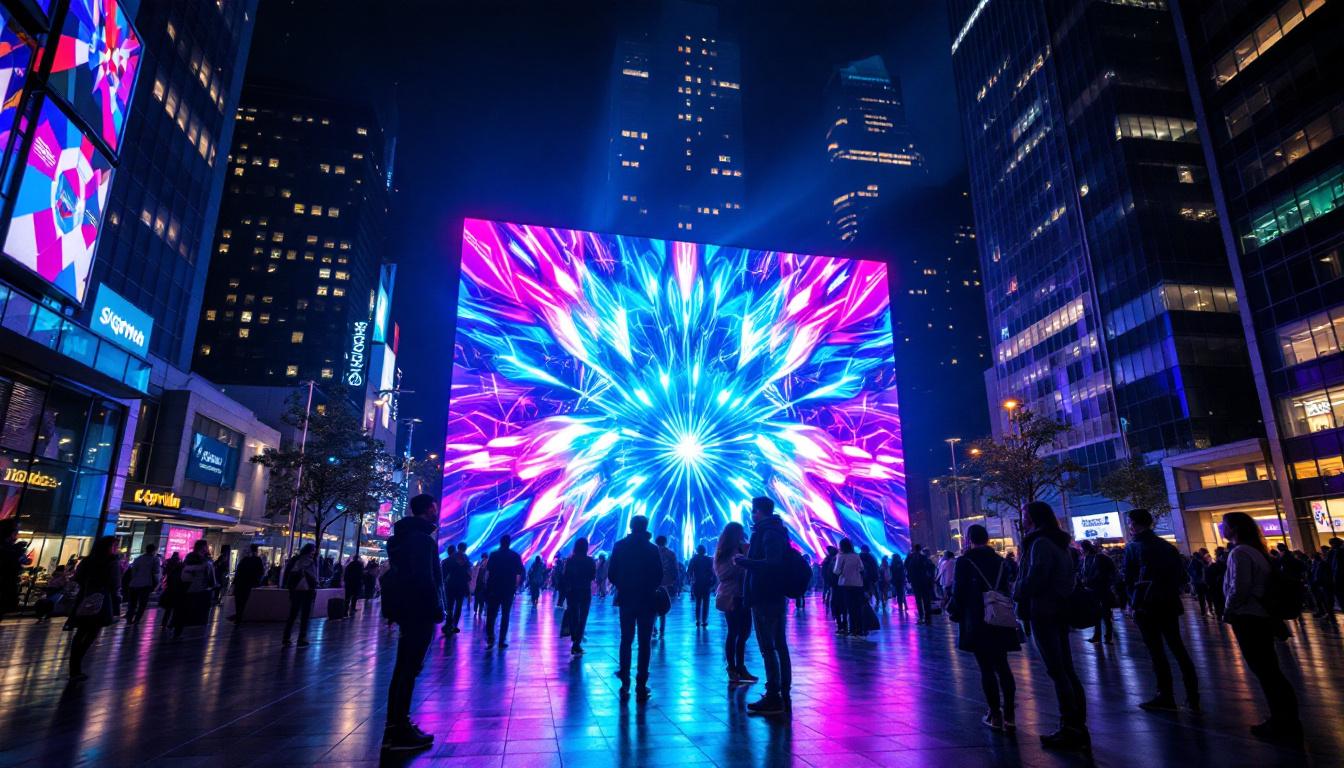
In stadiums and arenas, LED displays enhance the spectator experience by providing live game footage, replays, scores, and interactive content. High-resolution LED screens ensure visibility from all seating areas, while large-scale video walls create immersive environments during concerts and events.
For example, the AT&T Stadium in Texas features one of the world’s largest LED video boards, measuring 160 feet wide and 72 feet tall, delivering unparalleled visual impact for fans.
Transportation and Public Information
LED displays are widely used in transportation hubs such as airports, train stations, and bus terminals to provide real-time information on schedules, delays, and safety announcements. Their high visibility and reliability make them ideal for critical communication in public spaces.
Moreover, LED road signs and variable message signs improve traffic management by delivering timely alerts and guidance to drivers, enhancing road safety and efficiency.
Retail and Hospitality
Retailers leverage LED displays to create engaging in-store experiences, showcasing promotions, product information, and brand messaging. In the hospitality sector, hotels and restaurants use LED screens for digital menus, event announcements, and ambiance enhancement.
The flexibility of LED displays allows businesses to tailor content to specific audiences and times of day, optimizing customer engagement and satisfaction.
Advantages and Challenges of LED Displays
Advantages
- Brightness and Visibility: LED displays offer superior brightness levels, ensuring clear visibility in various lighting conditions, including direct sunlight.
- Energy Efficiency: LEDs consume less power compared to traditional display technologies, reducing operational costs and environmental impact.
- Durability and Longevity: LED displays have a long operational lifespan, often exceeding 100,000 hours, and are resistant to shock and vibration.
- Flexibility: The modular nature of LED panels allows for custom sizes and shapes, accommodating diverse installation requirements.
- Color Accuracy and Refresh Rates: High color fidelity and fast refresh rates enable vibrant, flicker-free content suitable for video playback.
Challenges
Despite their many benefits, LED displays also face certain challenges. The initial investment cost can be significant, especially for large or high-resolution installations. Maintenance and calibration are necessary to ensure consistent performance over time, which may require specialized technical expertise.
Furthermore, outdoor LED displays must be designed to withstand environmental stresses, which can increase complexity and cost. Addressing these challenges effectively is crucial for maximizing the return on investment and ensuring long-term reliability.
Future Trends in LED Display Technology
Mini-LED and Micro-LED Innovations
Emerging technologies such as Mini-LED and Micro-LED are pushing the boundaries of LED display performance. Mini-LEDs use thousands of tiny LEDs as backlighting for LCD panels, enhancing contrast and brightness. Micro-LEDs, on the other hand, are self-emissive like traditional LEDs but much smaller, enabling ultra-high resolution and energy efficiency.
These advancements promise displays with better image quality, thinner form factors, and lower power consumption, potentially transforming consumer electronics, automotive displays, and large-scale digital signage.
Integration with IoT and Smart Systems
LED displays are increasingly integrated with Internet of Things (IoT) platforms and smart control systems. This integration allows for real-time data-driven content updates, remote diagnostics, and automated brightness adjustments based on ambient light conditions.
Smart LED displays can enhance user engagement by delivering personalized content and interactive experiences, opening new avenues for marketing and communication.
Sustainability and Eco-Friendly Designs
As environmental concerns grow, manufacturers are focusing on developing LED displays with recyclable materials, reduced power consumption, and longer lifespans. Innovations in low-power electronics and eco-friendly manufacturing processes contribute to minimizing the ecological footprint of LED display installations.
Conclusion
LED displays have transformed the landscape of visual communication, offering unparalleled brightness, flexibility, and dynamic content capabilities across a wide range of applications. Understanding the technology behind LED displays, their types, components, and practical uses is essential for businesses and organizations looking to leverage this powerful medium effectively.
With ongoing advancements such as Mini-LED, Micro-LED, and smart integration, the future of LED displays looks promising, poised to deliver even more immersive and sustainable visual experiences. Whether for advertising, entertainment, public information, or retail, LED displays continue to illuminate the way forward in digital communication.
Illuminate Your Space with LumenMatrix
As you consider the vast potential of LED displays to transform your business or project, LumenMatrix stands ready to guide you through the world of vibrant and dynamic visual solutions. Our commitment to innovation in LED display technology ensures that your message shines brightly, whether through Indoor LED Walls, Outdoor Displays, or specialized solutions like Vehicle and Sports LED Displays. Experience the future of visual communication with LumenMatrix and let us help you create an unforgettable impact. Check out LumenMatrix LED Display Solutions today and take the first step towards elevating your brand’s visibility.