In recent years, LED transparent screens have revolutionized the way businesses, advertisers, and event organizers present visual content. Combining the brilliance of LED technology with the clarity of glass transparency, these displays offer a unique blend of aesthetics and functionality. However, understanding the price dynamics of LED transparent screens requires a deep dive into their technology, applications, and market trends. This article explores the essentials of LED transparent screens, factors influencing their price, and how to make an informed purchasing decision.
What is an LED Transparent Screen?
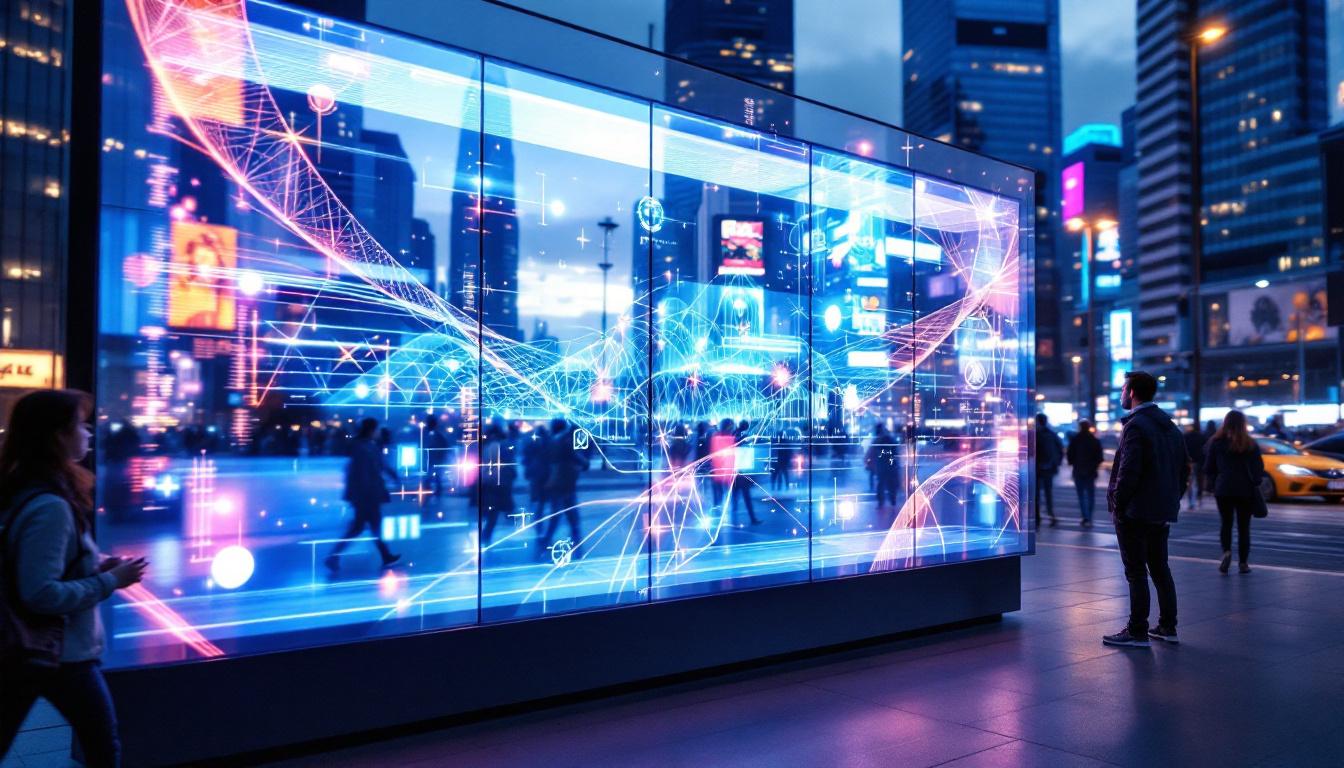
LED transparent screens are a type of digital display that allows light and images to pass through while simultaneously showing vibrant visuals. Unlike traditional LED screens, which are opaque and block the view behind them, transparent LED displays are designed to maintain see-through qualities, making them ideal for glass windows, storefronts, and architectural applications.
The technology involves embedding tiny LED lights on a transparent substrate, such as tempered glass or acrylic panels. These LEDs light up selectively to form images, videos, or animations without obstructing the background view. This creates an eye-catching effect that blends digital content with the physical environment. The innovative design of these screens not only enhances aesthetic appeal but also opens up new avenues for advertising and information dissemination in urban spaces.
As urban environments become increasingly crowded, businesses are seeking ways to stand out and engage customers. LED transparent screens provide a unique solution by transforming ordinary glass surfaces into dynamic advertising platforms. Imagine walking past a retail store where the window displays not only showcase products but also feature animated promotions or interactive content that captures the attention of passersby. This technology allows for a seamless integration of digital media into the physical world, creating an immersive experience that can significantly boost foot traffic and sales.
Key Features of LED Transparent Screens
Some defining characteristics of LED transparent screens include:
- High Transparency: Typically, these screens offer transparency levels ranging from 60% to 90%, allowing natural light to pass through and preserving visibility.
- Energy Efficiency: Since LEDs consume less power compared to traditional display technologies, transparent LED screens are relatively energy-efficient.
- Lightweight and Slim Design: Their thin profiles make them easy to install on glass surfaces without adding significant weight or bulk.
- Brightness and Color Vibrancy: Despite their transparency, these screens deliver bright and vivid images, even in well-lit environments.
Moreover, the versatility of LED transparent screens extends beyond retail. They are increasingly being used in various sectors, including transportation, hospitality, and entertainment. For instance, airports are adopting these displays in check-in areas and lounges to provide real-time information while maintaining an open and airy feel. In hotels, transparent screens can serve as stylish partitions that display art or promotional content without compromising the view. This adaptability makes them a valuable asset for any business looking to innovate and enhance customer engagement.
Applications of LED Transparent Screens
The versatility of LED transparent screens has led to their adoption across various industries. Their ability to merge digital content with physical spaces creates immersive experiences that attract attention and engage viewers effectively.
Retail and Advertising
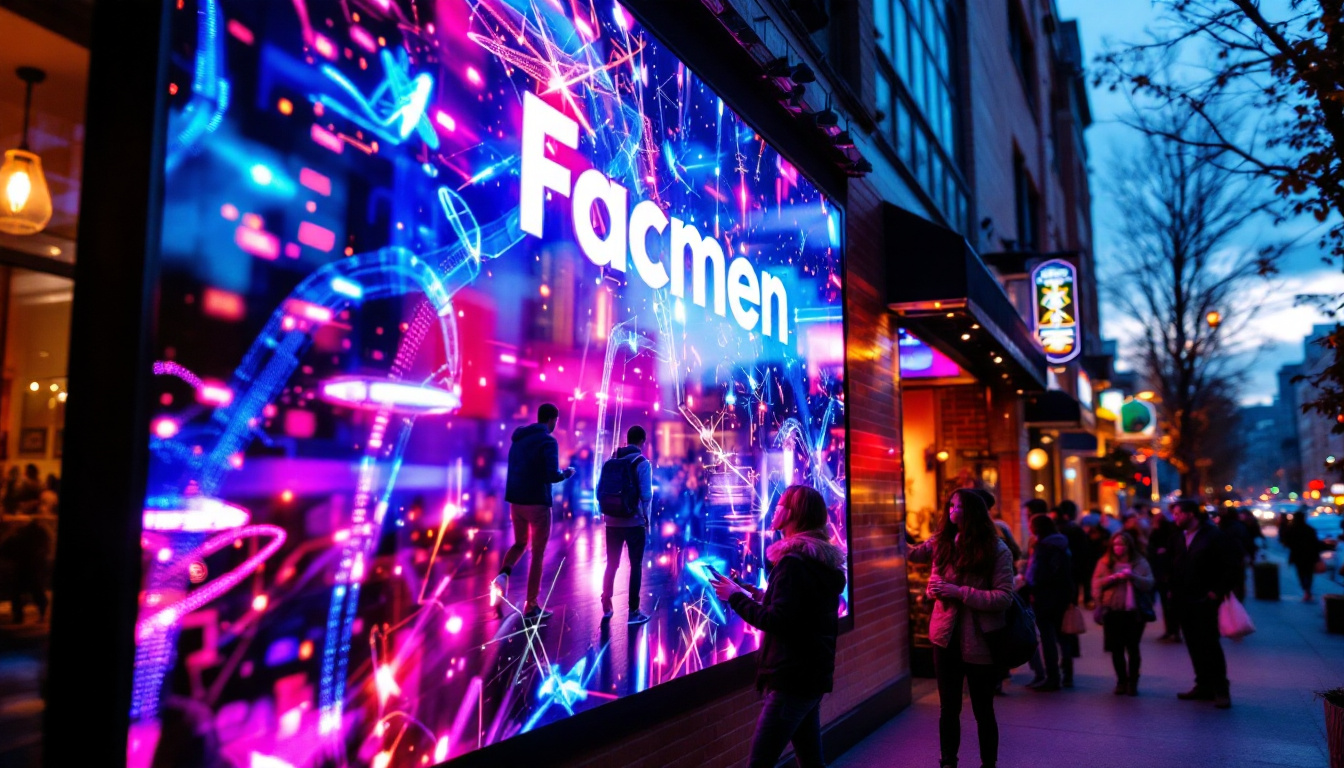
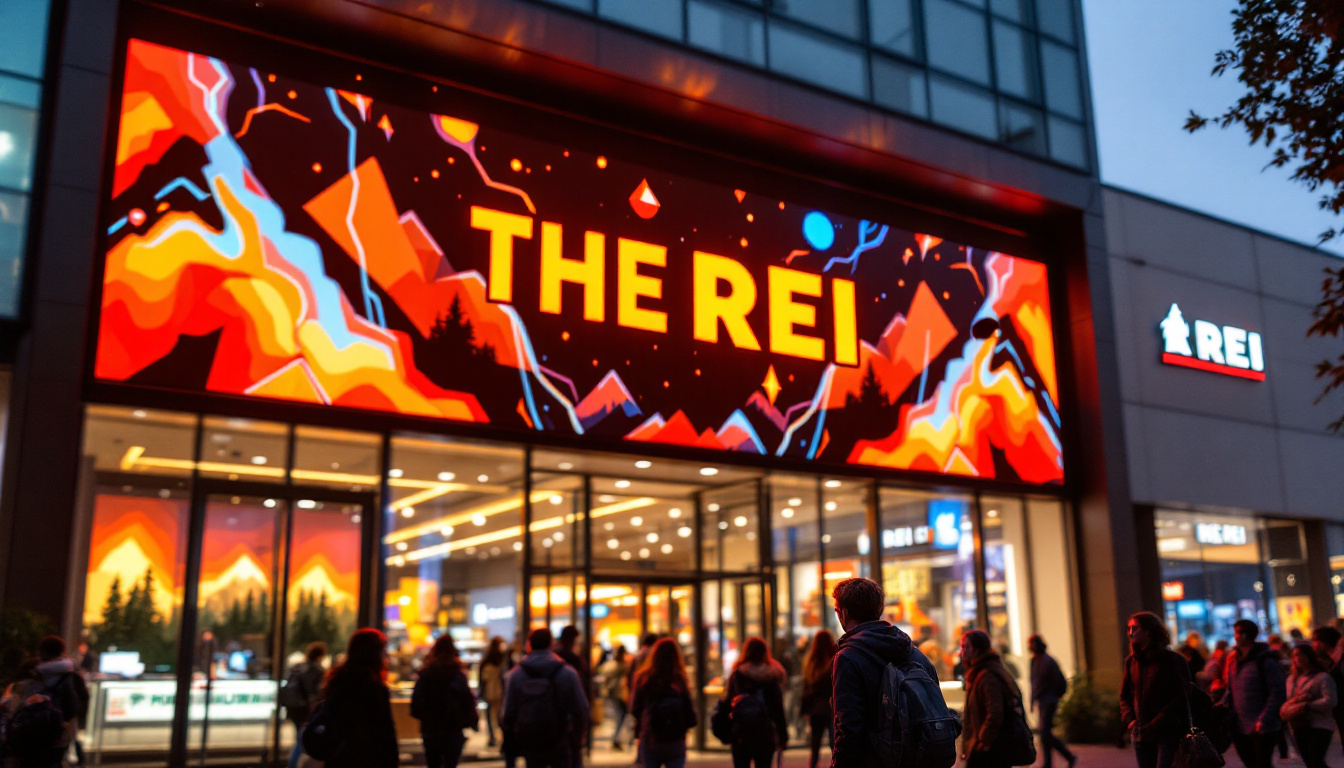
One of the most prominent uses of transparent LED displays is in retail storefronts. Brands use these screens to showcase promotional content, product launches, and interactive advertisements without blocking the view into the store. This enhances customer engagement and drives foot traffic.
For example, luxury brands often install transparent LED screens on their boutique windows to display dynamic visuals that complement their products, creating a high-end shopping atmosphere.
Corporate and Office Spaces
In corporate environments, transparent LED screens serve as digital partitions or presentation displays. They allow for privacy and information sharing simultaneously, making meetings and presentations more interactive and visually appealing.
Companies also use these screens in lobbies or reception areas to display branding elements and welcome messages without compromising the architectural design.
Events and Exhibitions
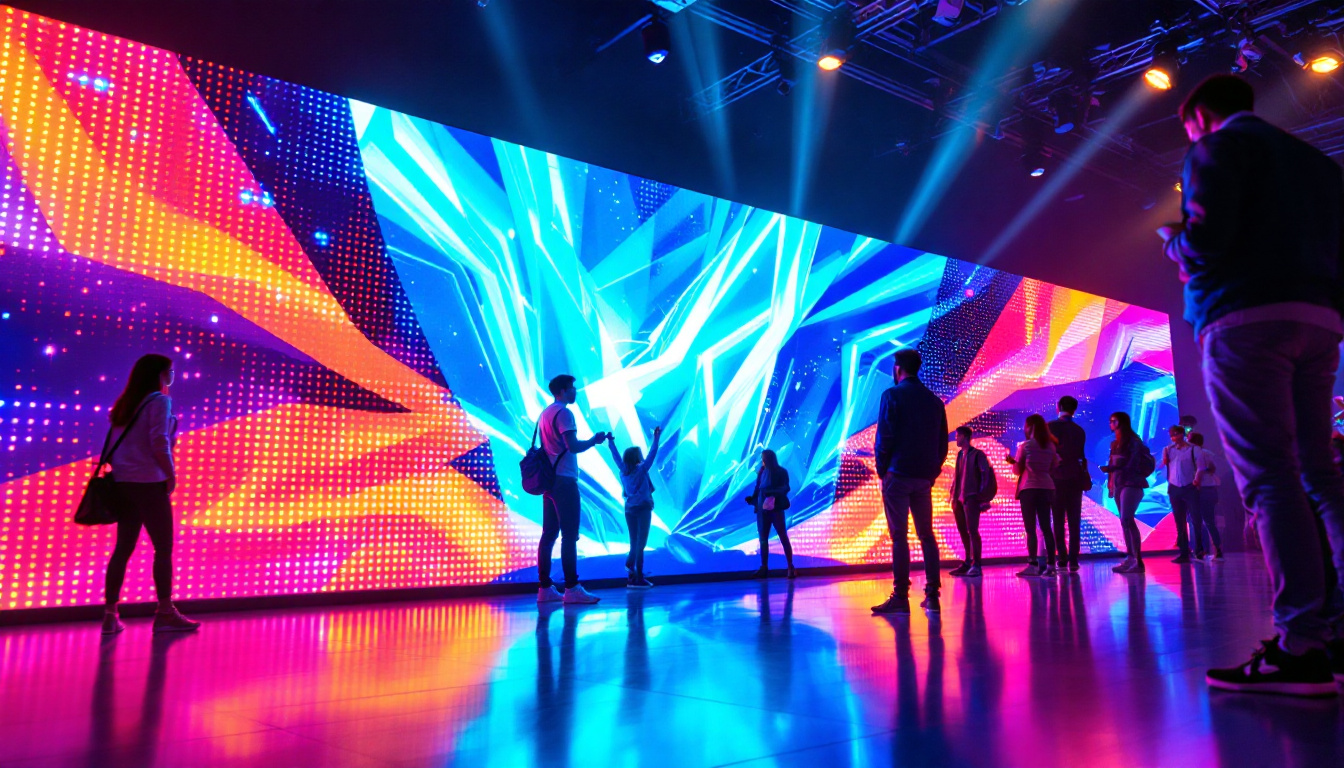
Transparent LED screens are increasingly popular at trade shows and exhibitions. Their lightweight and modular design allow for quick installation and dismantling, while their transparency maintains open space aesthetics. This makes them ideal for showcasing products, schedules, or interactive content.
Architectural Integration
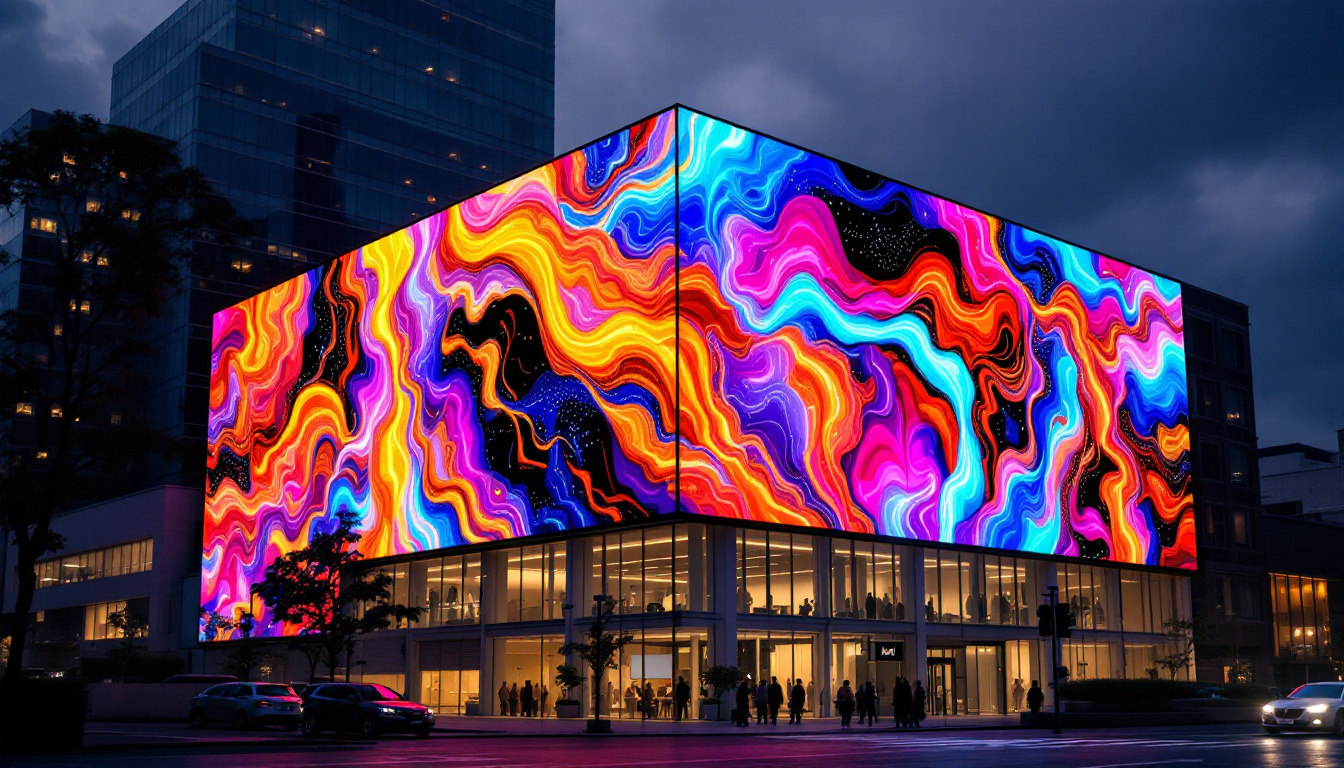
Architects and designers incorporate transparent LED displays into building facades and glass walls to create dynamic lighting effects and digital art installations. This integration enhances the visual appeal of structures and provides new avenues for creative expression.
Factors Influencing LED Transparent Screen Price
Understanding the pricing of LED transparent screens involves analyzing multiple variables that affect manufacturing costs, installation complexity, and performance capabilities. Prices can vary widely depending on these factors, so buyers should evaluate their needs carefully.
Screen Size and Resolution
The most straightforward factor impacting price is the screen size. Larger transparent LED displays require more LED modules and materials, increasing the cost proportionally. Additionally, higher resolution screens with smaller pixel pitches (distance between individual LEDs) demand advanced manufacturing techniques and more LEDs per square meter, driving prices up.
For instance, a 3mm pixel pitch transparent LED screen will cost significantly more than a 10mm pixel pitch screen due to the increased density of LEDs and superior image clarity.
Transparency Level
The transparency percentage directly affects the screen’s design and cost. Higher transparency levels require fewer LEDs or specialized arrangements to maintain see-through qualities, which can be more expensive to produce. Conversely, screens with lower transparency may offer better image brightness but at the expense of visibility through the display.
Brightness and Color Quality
Brightness is crucial for outdoor or brightly lit indoor environments. Transparent LED screens with higher brightness ratings (measured in nits) typically cost more because they use more powerful LEDs and advanced heat dissipation systems. Similarly, screens capable of displaying a wider color gamut and higher contrast ratios involve sophisticated technology, influencing the price.
Installation and Structural Requirements
The complexity of installation can add to the overall cost. Transparent LED screens often require custom mounting solutions, especially when integrated into glass facades or architectural elements. Structural reinforcements, protective coatings, and specialized connectors may also be necessary, increasing labor and material expenses.
Control Systems and Software
Modern transparent LED displays come with advanced control systems that enable remote management, content scheduling, and real-time adjustments. The inclusion of proprietary software, user-friendly interfaces, and compatibility with various media formats can affect the price.
Brand and Manufacturer Reputation
Established manufacturers with proven quality and after-sales support generally price their products higher than lesser-known brands. Investing in a reputable brand often ensures better durability, warranty coverage, and technical assistance, which can be cost-effective in the long run.
Current Market Price Range for LED Transparent Screens
As of 2024, the price of LED transparent screens varies significantly based on the factors outlined above. To provide a general idea, here is an overview of typical price ranges:
Low-End Models
Entry-level transparent LED screens with lower resolution (pixel pitch around 10-20mm) and moderate transparency (60-70%) can cost between $500 to $1,200 per square meter. These are suitable for basic advertising and indoor applications where ultra-high image quality is not critical.
Mid-Range Models
Mid-tier screens with improved resolution (pixel pitch 6-10mm), higher transparency (70-80%), and better brightness typically range from $1,200 to $2,500 per square meter. These models balance quality and cost, making them popular for retail storefronts and corporate environments.
High-End Models
Premium transparent LED displays featuring ultra-fine pixel pitches (3-6mm), transparency above 80%, and advanced color and brightness capabilities can cost upwards of $2,500 to $5,000+ per square meter. These are used in high-profile installations, luxury retail, and architectural projects where visual impact is paramount.
It is important to note that these prices generally cover the display panels only. Additional costs such as installation, control systems, shipping, and maintenance should be factored into the total investment.
How to Choose the Right LED Transparent Screen for Your Needs
Selecting the appropriate transparent LED screen depends on a careful assessment of your specific requirements, budget, and environment. Here are key considerations to guide the decision-making process:
Define the Purpose and Location
Understanding where and how the screen will be used is fundamental. For example, outdoor installations require higher brightness and weatherproofing, while indoor displays prioritize transparency and aesthetics. The purpose—whether advertising, information display, or decorative—also influences the specifications needed.
Evaluate Resolution and Image Quality Needs
The viewing distance and content type determine the ideal resolution. For close-up viewing, finer pixel pitches are necessary to avoid pixelation. For distant viewing, larger pixel pitches suffice, reducing costs.
Consider Transparency Requirements
Balance transparency with image visibility based on the environment. High transparency is crucial for preserving natural light and views, especially in storefronts and architectural glass walls.
Budget Planning
Set a realistic budget that includes not only the screen price but also installation, maintenance, and operational costs. Investing in quality components and reputable brands can reduce long-term expenses.
Check Warranty and Support
Ensure the manufacturer offers comprehensive warranty coverage and reliable technical support. Transparent LED screens are sophisticated devices that may require professional servicing.
Future Trends in LED Transparent Screen Technology
The transparent LED display market is evolving rapidly, driven by advancements in materials science, LED efficiency, and digital control technologies. Several trends are shaping the future landscape:
Improved Transparency and Resolution
Emerging technologies aim to increase transparency beyond 90% while maintaining ultra-high resolutions. This will enable even more seamless integration into glass surfaces without compromising image quality.
Flexible and Curved Transparent Displays
Research into flexible substrates and bendable LEDs is paving the way for curved and irregularly shaped transparent screens, expanding design possibilities for architects and advertisers.
Integration with Smart Building Systems
Transparent LED screens are increasingly being integrated into smart building ecosystems, allowing for dynamic content that responds to environmental factors such as time of day, weather, and occupancy.
Energy Efficiency and Sustainability
Manufacturers are focusing on reducing power consumption and using eco-friendly materials to meet sustainability goals, which can also lower operating costs for users.
Conclusion
LED transparent screens represent a cutting-edge display technology that merges digital content with physical environments in visually stunning ways. Understanding the factors that influence their price—from size and resolution to transparency and installation complexity—is crucial for making an informed investment.
As the technology continues to advance, transparent LED displays will become more accessible and versatile, offering exciting opportunities across retail, corporate, architectural, and entertainment sectors. Careful evaluation of your specific needs, combined with knowledge of current market trends, will ensure you select the right transparent LED screen that delivers both impact and value.
Discover the Future of Visual Engagement with LumenMatrix
Ready to elevate your space with the latest in LED transparent screen technology? LumenMatrix is at the forefront of creating immersive visual experiences that captivate and engage. Whether you’re looking to enhance your retail storefront, add a dynamic touch to your corporate environment, or integrate cutting-edge design into architectural projects, our comprehensive range of LED display solutions is designed to meet your unique needs. From Indoor and Outdoor LED Walls to Custom and All-in-One LED Displays, our mission is to transform your visual communication with clarity and impact. Check out LumenMatrix LED Display Solutions today and step into the future of digital signage.