In the rapidly evolving world of visual technology, LED video curtains have emerged as a revolutionary solution for dynamic, high-impact displays. From concert stages and corporate events to retail environments and architectural installations, LED video curtains offer unparalleled flexibility and visual appeal. This article delves into the intricacies of LED video curtains, explaining what they are, how they work, their key benefits, and practical applications across various industries.
What Is an LED Video Curtain?
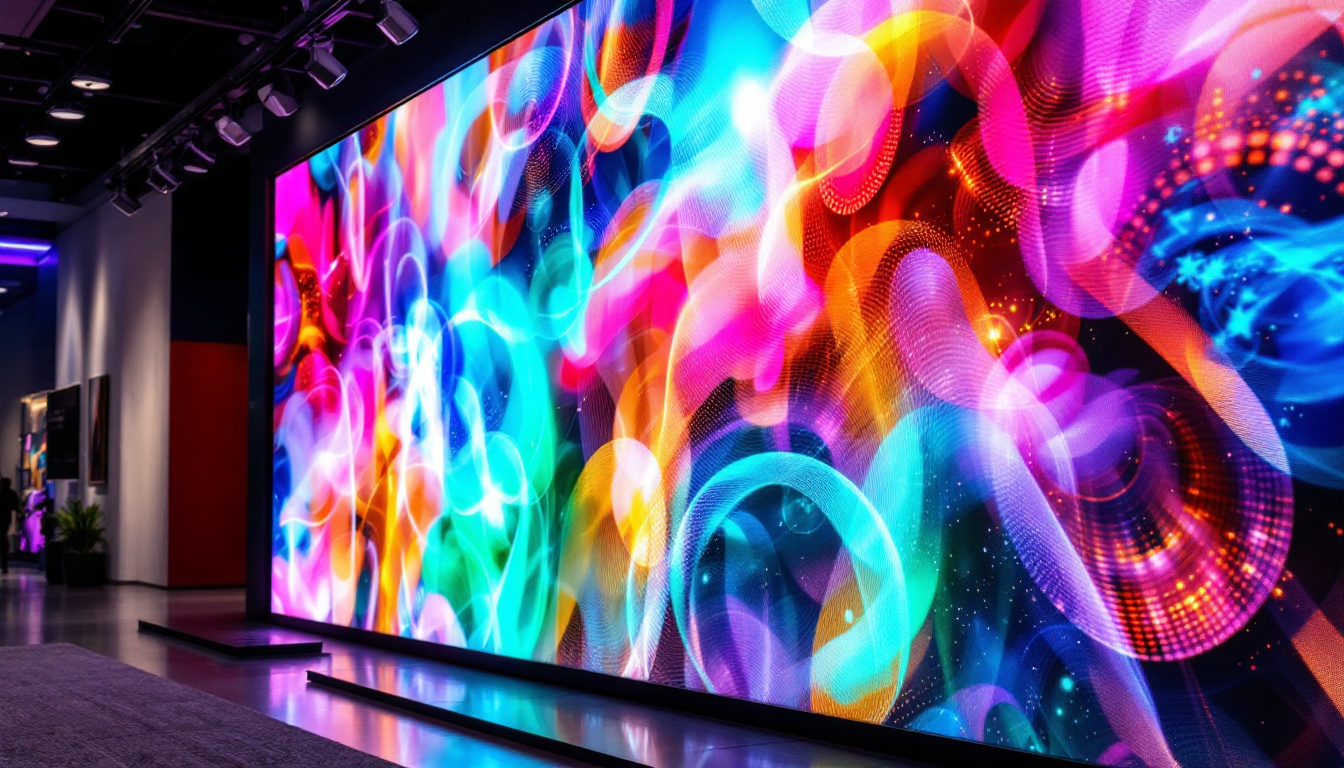
An LED video curtain is a type of LED display system designed to function as a large, flexible, and often semi-transparent screen. Unlike traditional LED walls, which are typically rigid and bulky, LED video curtains are constructed from lightweight, modular panels or strips that can be hung like fabric. This unique design allows them to be draped, curved, or suspended in ways that traditional screens cannot match.
The core technology behind LED video curtains is the use of light-emitting diodes (LEDs) arranged in a grid pattern. These LEDs produce bright, vivid images by emitting light in precise colors and intensities. The modular nature of LED curtains enables seamless scaling to fit various sizes and shapes, making them ideal for creative visual installations.
Key Characteristics of LED Video Curtains
One of the defining features of LED video curtains is their transparency. Many models achieve transparency levels ranging from 30% to 70%, allowing natural light and air to pass through while still displaying vibrant visuals. This makes them especially popular for glass facades, storefronts, and stage backdrops where maintaining visibility is important.
Additionally, LED curtains are designed for quick installation and dismantling. Their lightweight construction and flexible mounting options reduce labor costs and setup time, which is critical for live events and touring productions. This adaptability not only enhances the efficiency of event setups but also allows for creative freedom in design and layout, enabling artists and event planners to push the boundaries of visual storytelling.
Moreover, LED video curtains are often equipped with advanced features such as remote control capabilities and programmable content, allowing users to easily change visuals on the fly. This interactivity can be particularly engaging in live performances, where dynamic visuals can enhance the overall experience. The ability to synchronize the curtain’s display with music, lighting, and other stage elements creates a cohesive atmosphere that captivates audiences and elevates the production value of any event.
How LED Video Curtains Work
Understanding how LED video curtains operate requires a look at their components and the technology that drives their performance. At the heart of the system are the LED modules, which are connected to form a continuous display surface.
LED Modules and Pixel Pitch
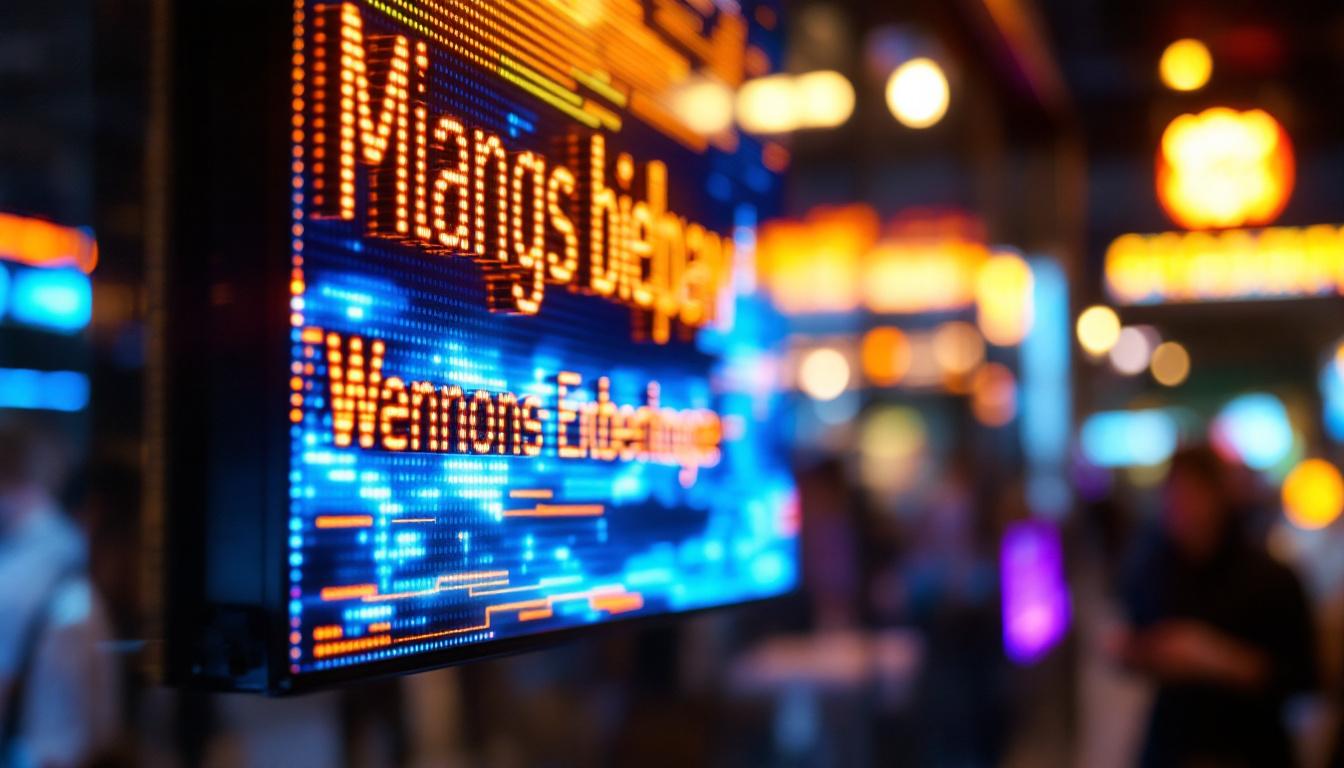
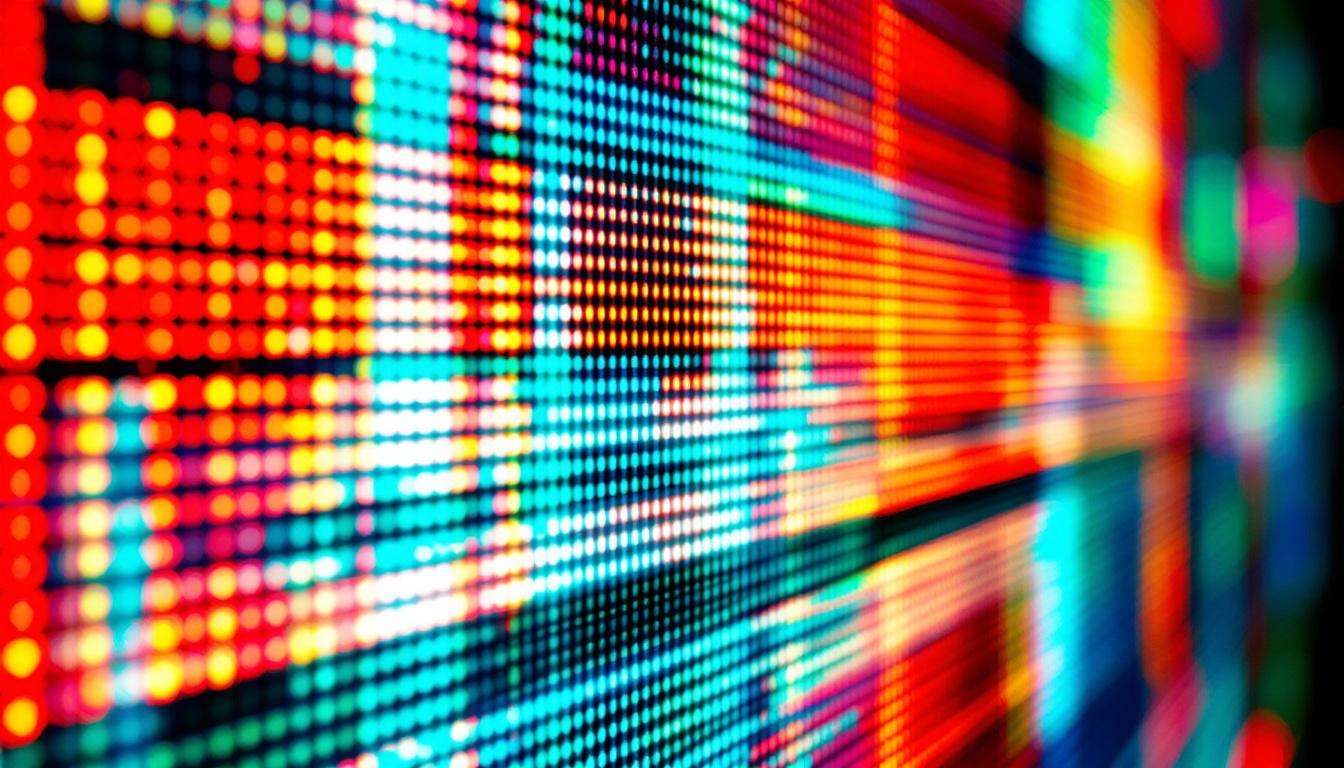
Each LED module contains multiple LEDs arranged in a matrix. The distance between these LEDs, known as the pixel pitch, determines the resolution and viewing distance of the display. Smaller pixel pitches (e.g., 2.5mm to 4mm) provide higher resolution and are suitable for close-up viewing, while larger pitches (e.g., 6mm to 10mm) are better for longer viewing distances.
For LED curtains, manufacturers often balance pixel pitch with transparency and weight considerations. A typical LED video curtain might have a pixel pitch around 6mm to 10mm, offering a good compromise between image clarity and see-through quality.
Control Systems and Content Management
LED curtains are controlled via specialized video processors and software that manage the input signals and synchronize the LEDs to display the intended content. These control systems support various input sources such as HDMI, DVI, SDI, and IP streaming, allowing for versatile content integration.
Modern LED video curtains also support real-time content updates, interactive visuals, and complex animations. This capability is crucial for live events, advertising campaigns, and immersive installations where dynamic content is essential.
Power and Heat Management
Despite their lightweight design, LED curtains require efficient power distribution and heat dissipation to ensure consistent performance and longevity. Advanced models incorporate smart power management systems and ventilation features to prevent overheating, which can degrade LED life and image quality.
Advantages of Using LED Video Curtains
The growing popularity of LED video curtains is driven by several compelling advantages over traditional display technologies.
Flexibility and Versatility
Perhaps the most significant benefit is their flexibility. LED curtains can be hung, curved, or shaped to fit unique architectural features or stage designs. This adaptability opens up creative possibilities for designers and event planners.
For example, at major music festivals, LED curtains are often used as dynamic backdrops that can be reconfigured between performances. In retail, they transform storefront windows into eye-catching digital canvases without obstructing the view inside.
Lightweight and Easy Installation
Compared to rigid LED walls, curtains are considerably lighter and easier to install. This reduces transportation costs and labor requirements, making them ideal for temporary setups and touring applications.
Many LED curtains feature magnetic or clip-in mounting systems, enabling rapid assembly and disassembly. This efficiency is a game-changer for event production companies operating on tight schedules.
Transparency and Aesthetics
The semi-transparent nature of LED curtains allows for creative layering effects and integration with natural light. This characteristic is especially valuable in architectural applications, where maintaining ambient light and visibility is important.
Additionally, the sleek, modern appearance of LED curtains enhances visual appeal without the bulkiness of traditional screens.
Energy Efficiency and Durability
LED technology is inherently energy-efficient, consuming less power than traditional display systems such as LCD or projection. This efficiency translates to lower operating costs and reduced environmental impact.
Furthermore, LED curtains are designed to withstand various environmental conditions, including outdoor exposure. Many are rated for IP65 or higher, indicating resistance to dust and water, which extends their usability in diverse settings.
Applications of LED Video Curtains
LED video curtains have found a broad range of applications across industries, driven by their unique features and performance capabilities.
Entertainment and Live Events
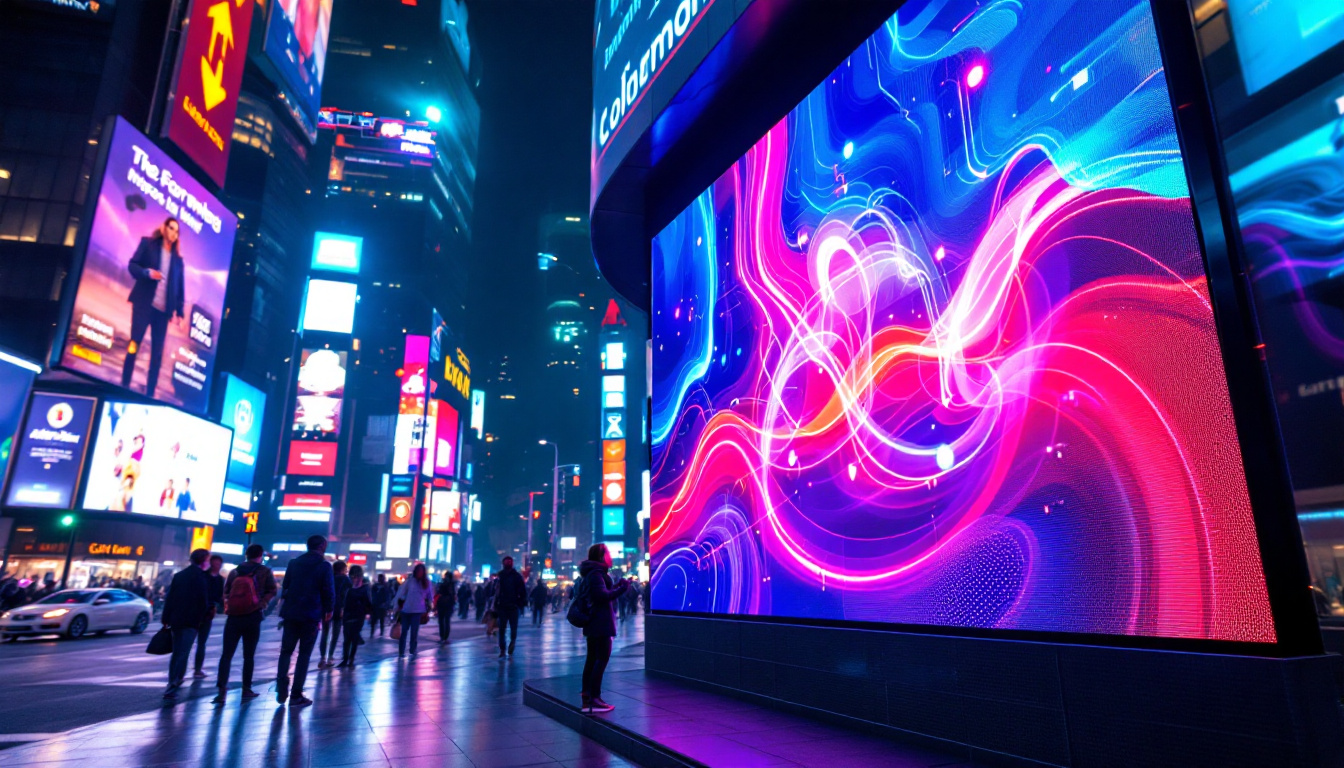
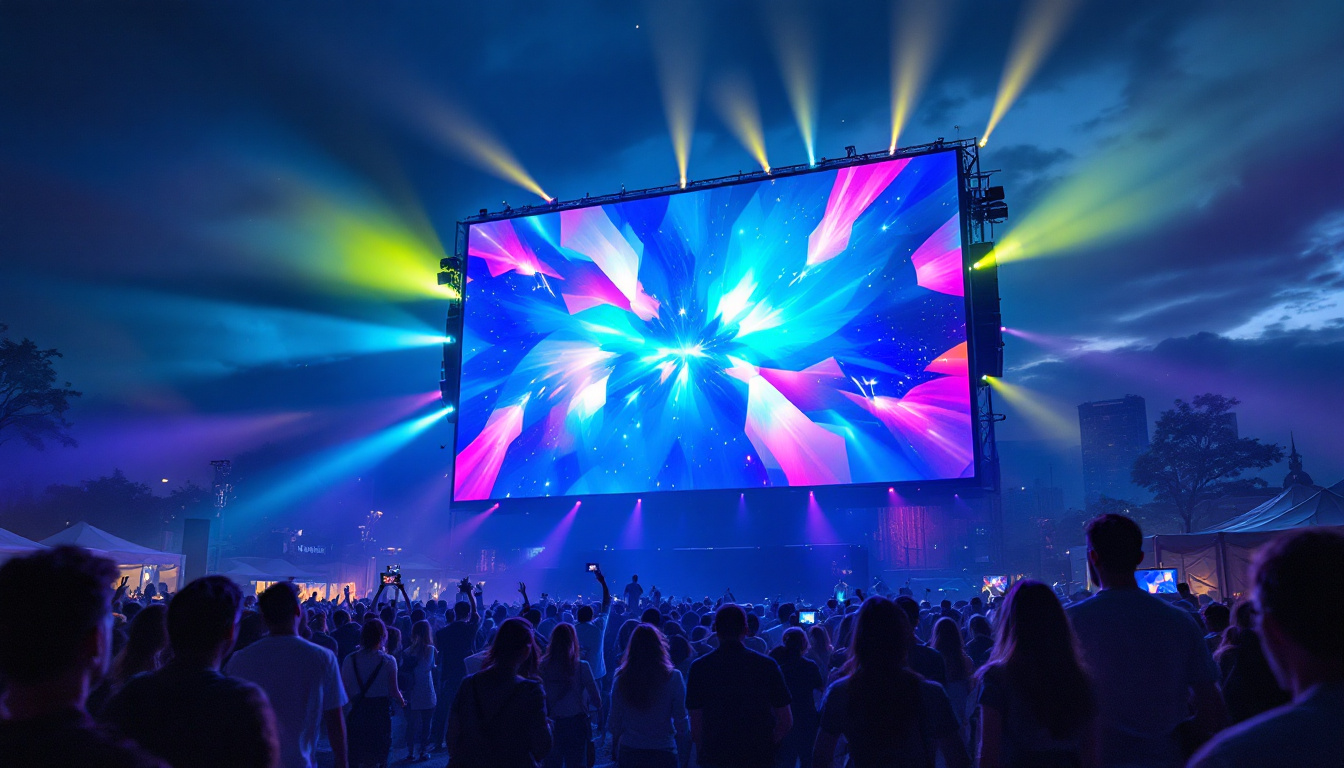
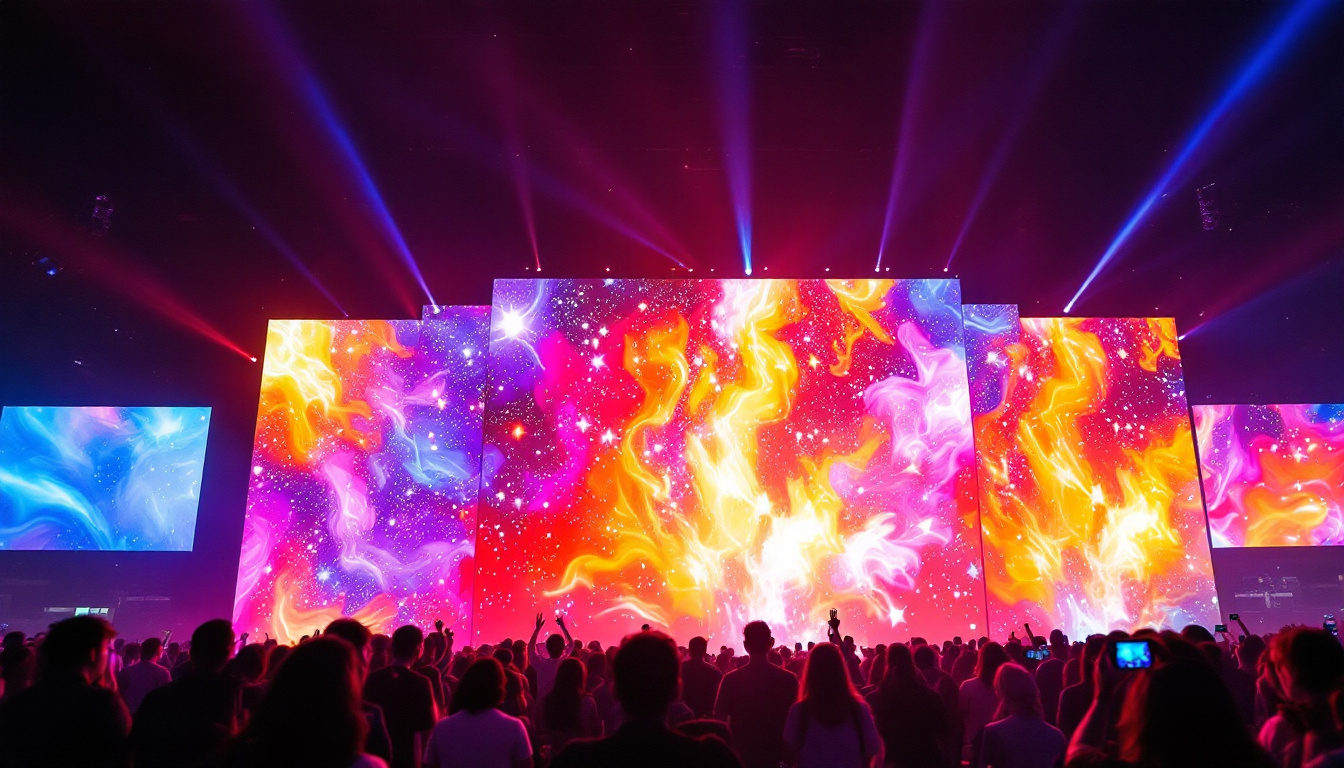
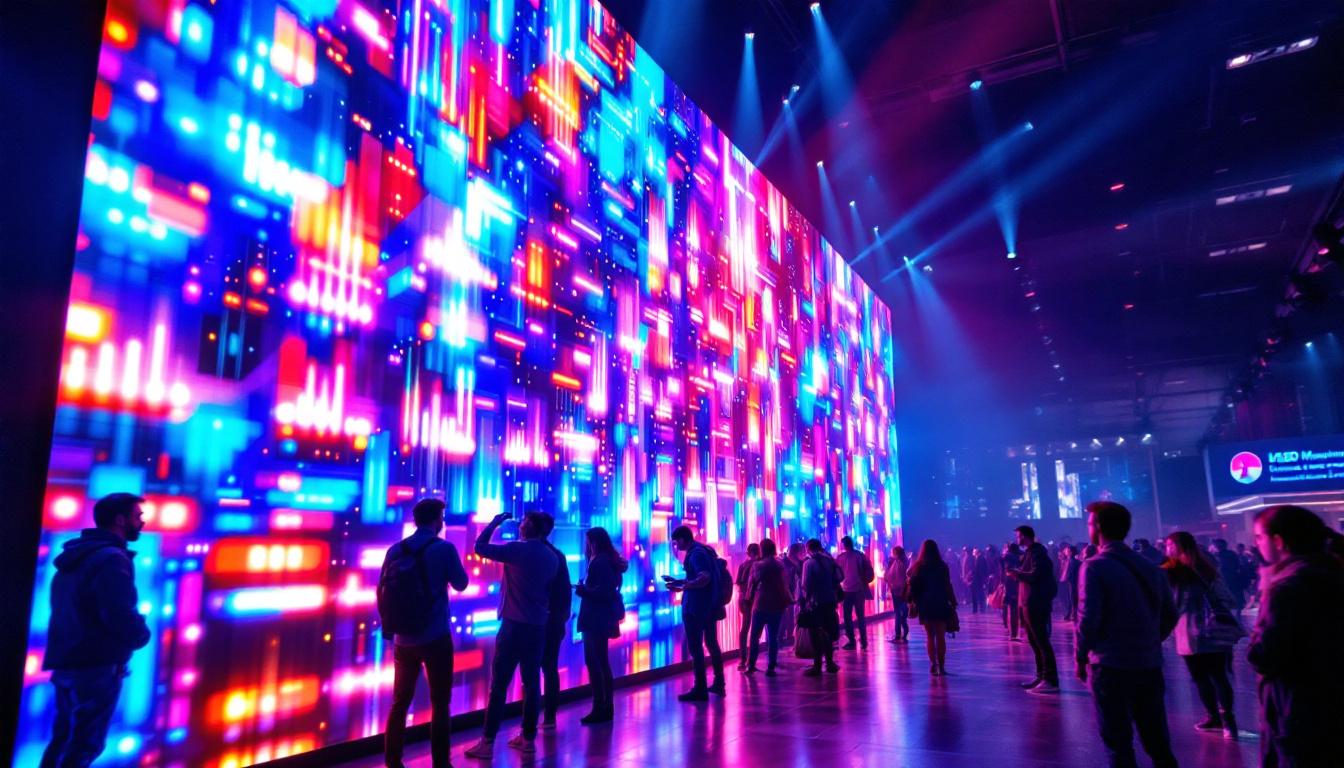
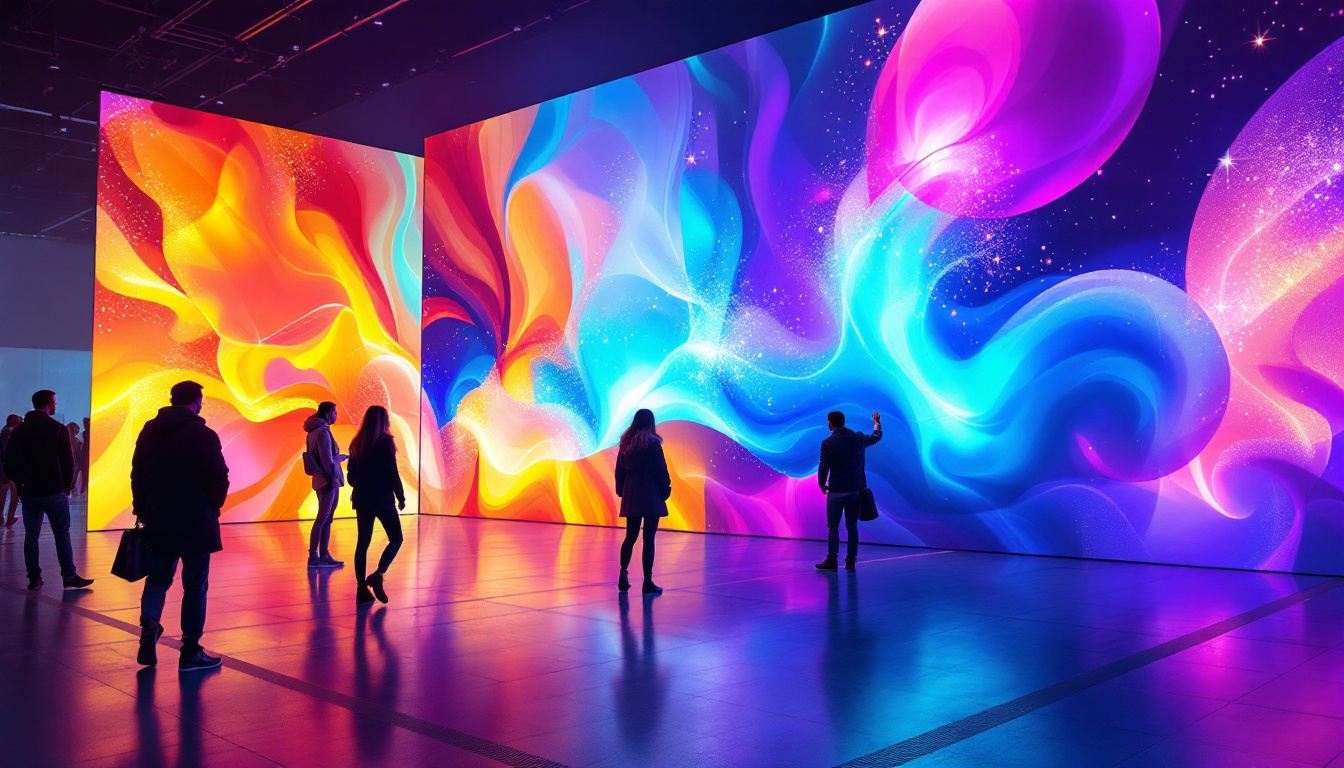
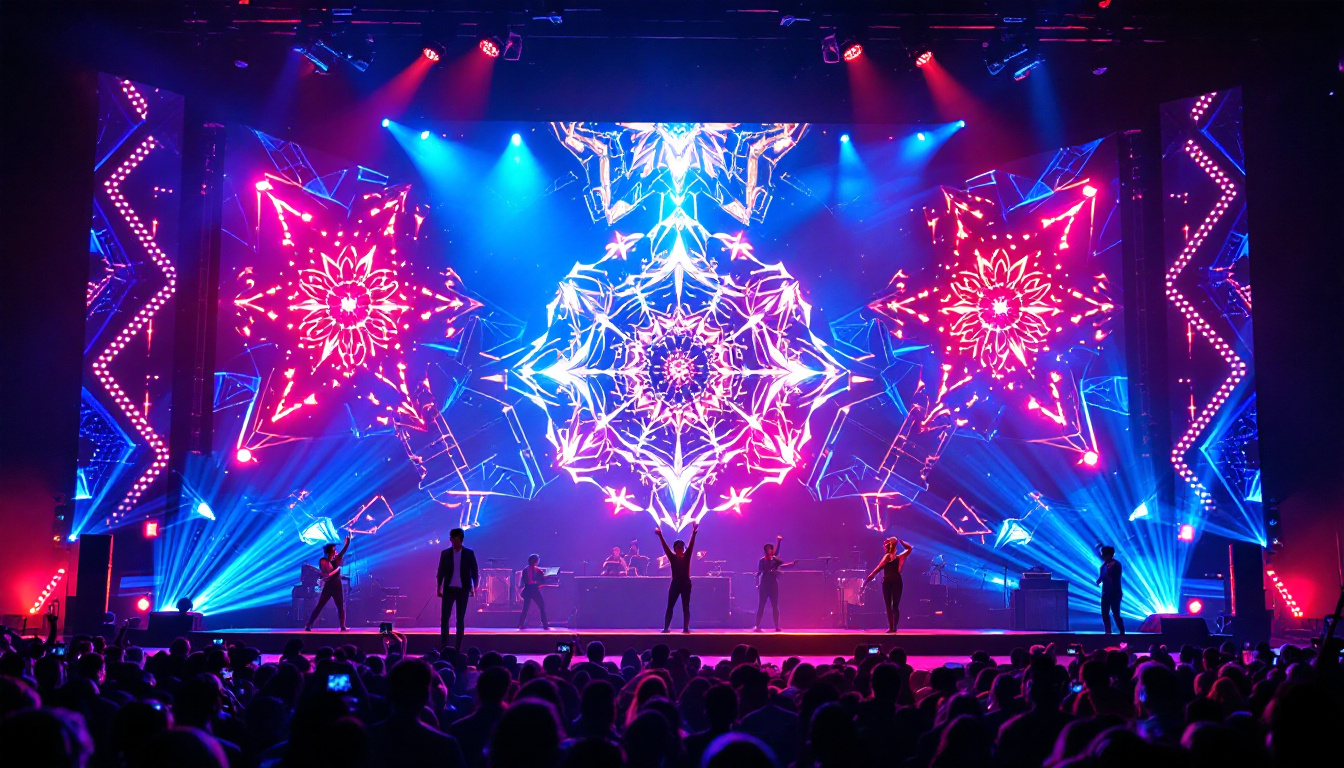
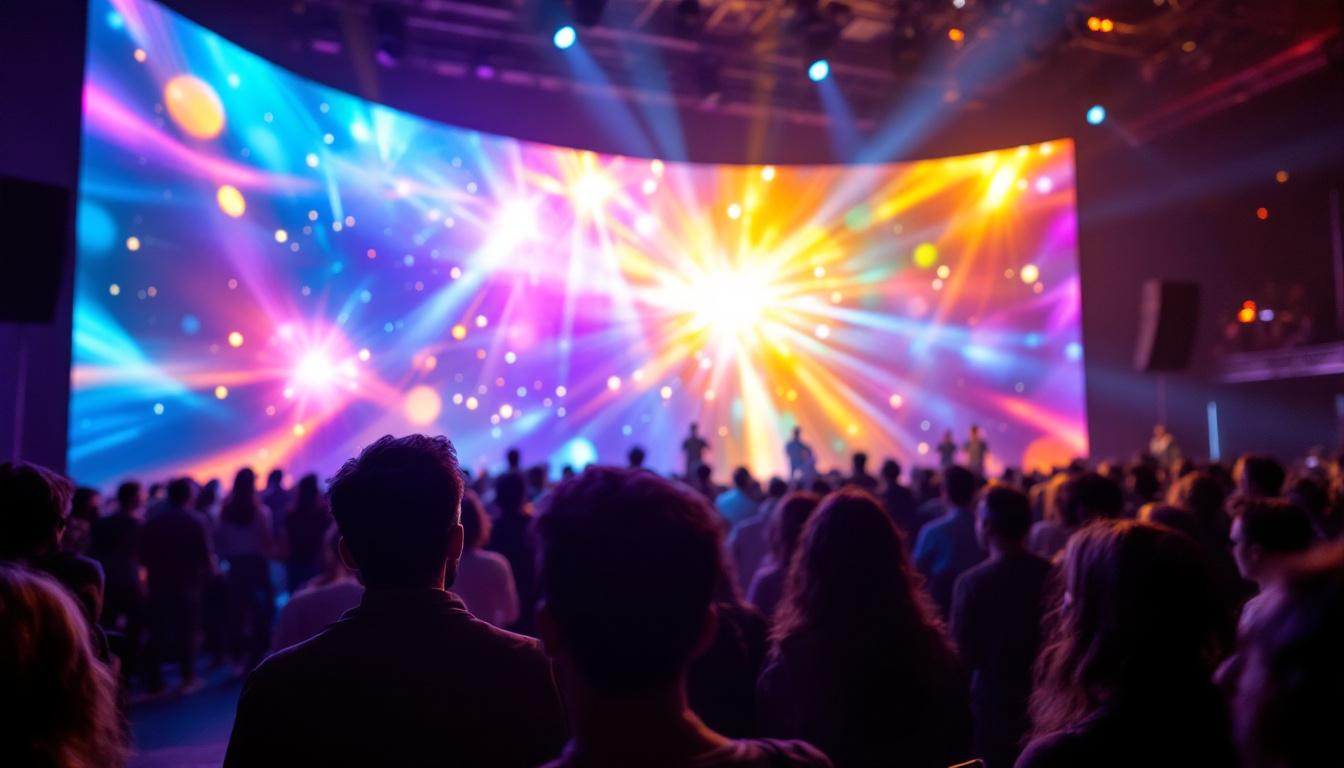
In concerts, festivals, and theatrical productions, LED curtains serve as dynamic backdrops that enhance storytelling and audience engagement. Their ability to display high-resolution video, animations, and live feeds adds a new dimension to performances.
For example, the 2023 Coachella Music Festival featured LED curtains as part of its stage design, creating immersive visual experiences that complemented live music and choreography.
Retail and Advertising
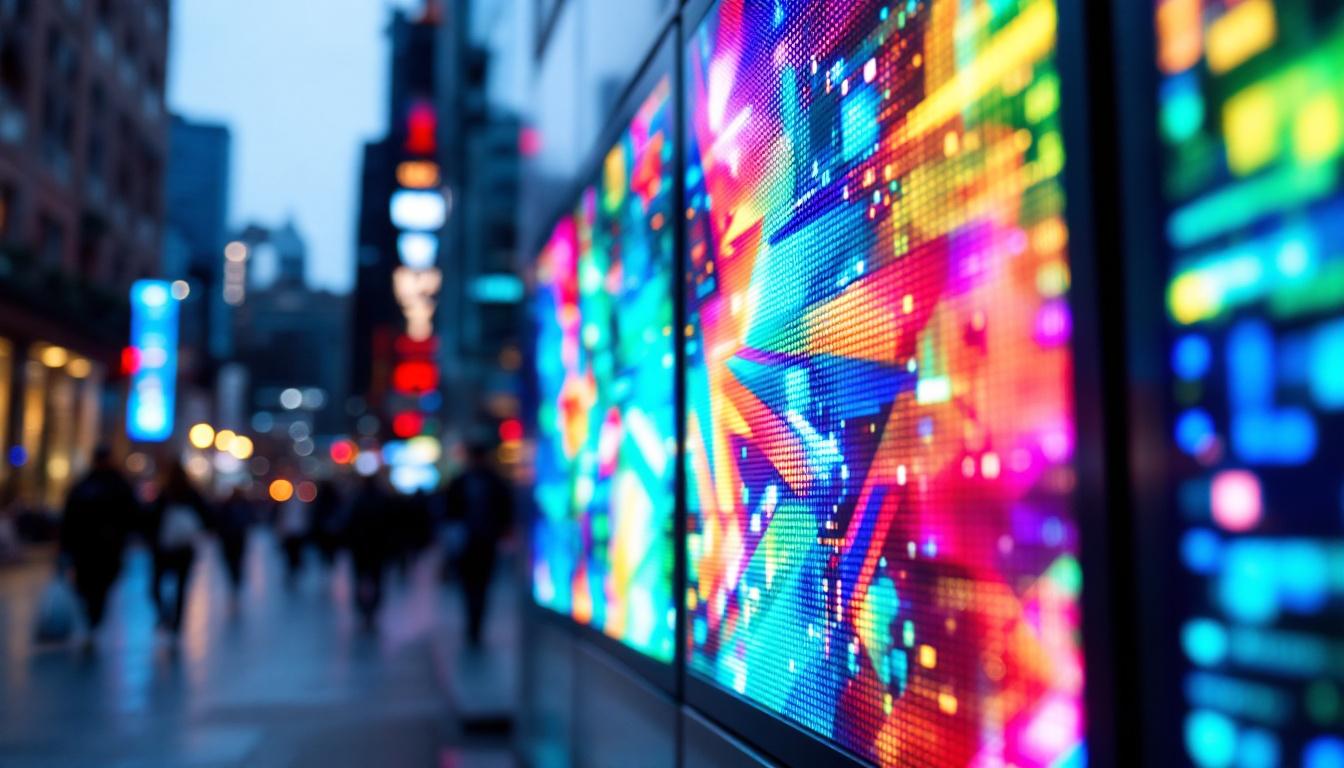
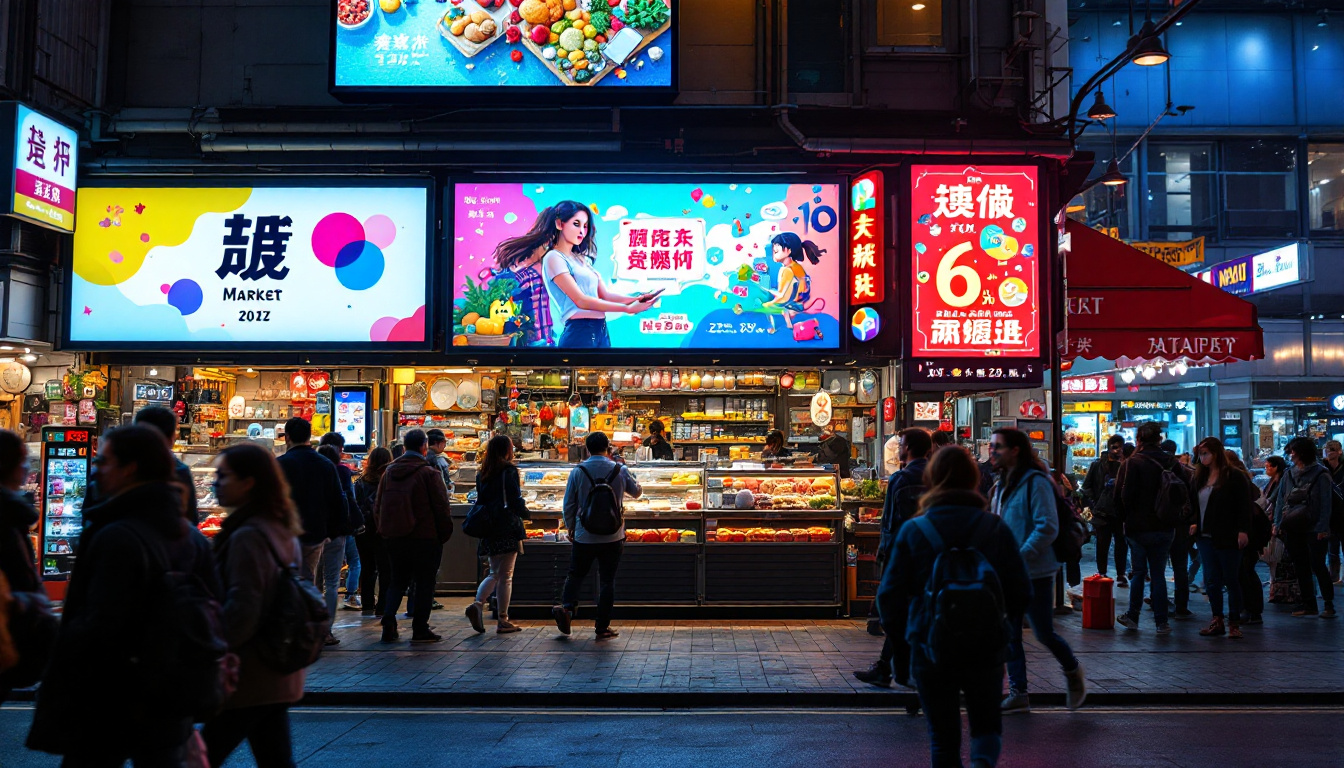
Retailers use LED curtains to transform storefronts and interiors into interactive advertising platforms. The transparency allows for window displays that capture attention without blocking the view inside, increasing foot traffic and sales potential.
Brands leverage LED curtains for product launches, seasonal promotions, and immersive brand storytelling, creating memorable customer experiences.
Corporate and Exhibition Spaces
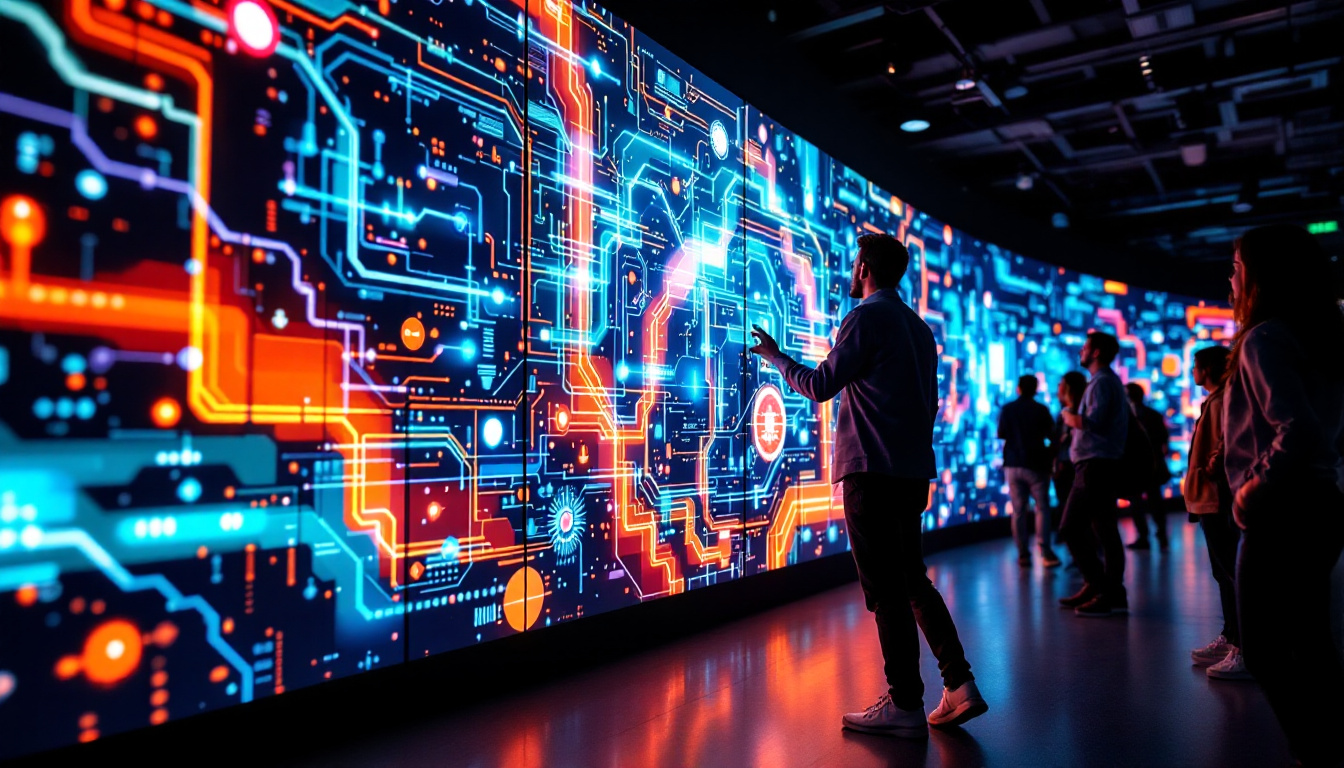
In corporate environments, LED curtains are used for presentations, trade shows, and conferences. Their portability and ease of installation make them ideal for temporary setups, while their high resolution ensures clear communication of branding and messaging.
At major trade shows like CES and ISE, LED curtains are frequently employed to create striking booth designs that attract visitors and showcase cutting-edge technology.
Architecture and Public Spaces
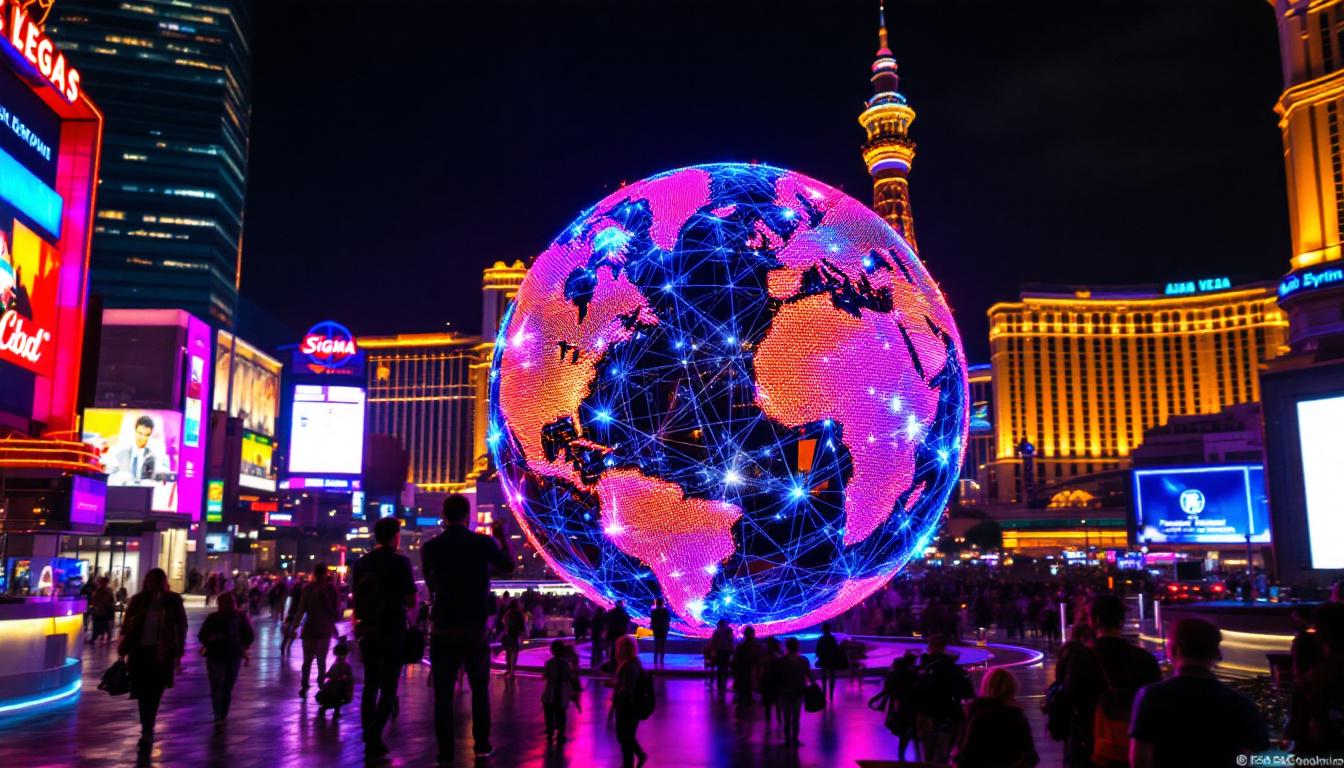
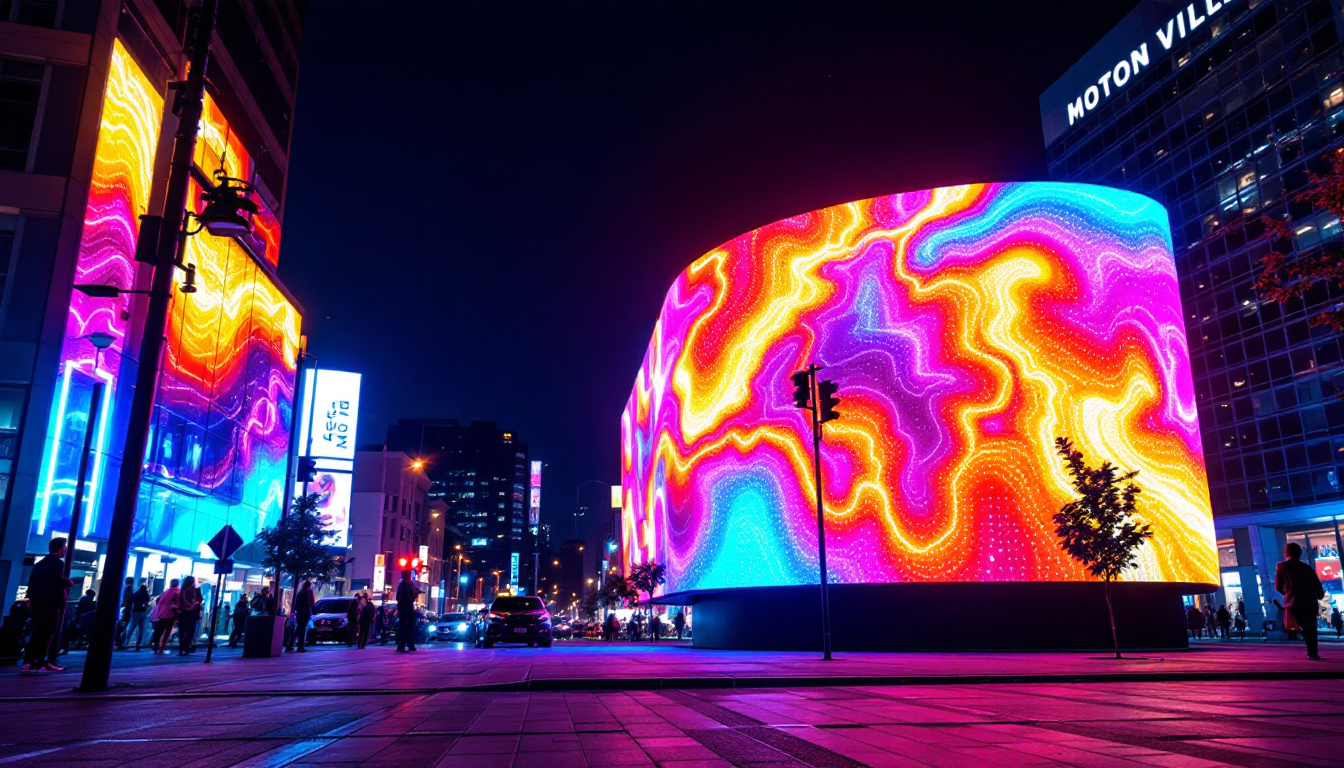
Architectural installations utilize LED curtains to enhance building facades, atriums, and public art projects. Their transparency and flexibility allow integration with glass structures, creating dynamic light displays that interact with the environment.
For instance, LED curtains have been installed in landmark buildings to display art, event information, or environmental data, enriching urban experiences.
Choosing the Right LED Video Curtain
Selecting the appropriate LED video curtain involves considering factors such as pixel pitch, transparency, brightness, size, and budget. Understanding these parameters helps ensure the display meets the specific needs of the application.
Pixel Pitch and Resolution
Choosing the right pixel pitch depends on the intended viewing distance. For close-up viewing, a smaller pixel pitch is essential to maintain image clarity. For displays viewed from afar, a larger pixel pitch can reduce costs without compromising perceived quality.
Transparency Level
The desired transparency level influences both the visual effect and practical considerations such as light transmission and airflow. Higher transparency is preferable for window installations, while lower transparency may be suitable for stage backdrops where maximum image impact is needed.
Brightness and Viewing Environment
Brightness requirements vary based on ambient lighting conditions. Outdoor or brightly lit indoor environments demand higher brightness levels, often exceeding 5,000 nits, to ensure visibility. Indoor venues with controlled lighting can use lower brightness settings, conserving energy.
Durability and Weather Resistance
For outdoor installations, selecting LED curtains with appropriate IP ratings is critical to withstand weather elements such as rain, dust, and temperature fluctuations. Ensuring compliance with safety and durability standards protects the investment over time.
Future Trends in LED Video Curtains
The LED video curtain market continues to evolve, driven by advances in LED technology, materials science, and digital content creation.
Higher Resolution and Mini-LED Integration
Emerging trends include the integration of mini-LEDs, which enable even smaller pixel pitches and higher resolutions. This advancement will expand the use of LED curtains into applications requiring ultra-fine detail, such as retail displays and broadcast studios.
Enhanced Interactivity and AI Integration
Future LED curtains are expected to incorporate interactive features powered by artificial intelligence, enabling real-time audience engagement, gesture recognition, and adaptive content delivery. Such capabilities will transform passive displays into immersive experiences.
Sustainability and Energy Efficiency
As environmental concerns grow, manufacturers are focusing on reducing the energy consumption and carbon footprint of LED curtains. Innovations in materials and power management will make these displays more sustainable without compromising performance.
Conclusion
LED video curtains represent a significant advancement in display technology, combining flexibility, transparency, and high visual impact. Their versatility makes them suitable for a wide range of applications, from entertainment and retail to corporate and architectural settings.
By understanding the technical aspects, advantages, and practical considerations of LED video curtains, businesses and event professionals can leverage this technology to create captivating visual experiences that engage audiences and enhance brand presence.
As LED technology continues to advance, LED video curtains are poised to become an even more integral part of the visual landscape, offering innovative solutions for communication and artistic expression.
Discover LumenMatrix’s Innovative LED Display Solutions
Ready to elevate your visual displays to the next level? LumenMatrix, a pioneer in LED display technology, offers a comprehensive range of solutions tailored to your needs. Whether you’re looking to captivate your audience with an Indoor LED Wall Display, make a statement with an Outdoor LED Wall Display, or innovate with Custom LED Display options, LumenMatrix has you covered. Embrace the future of visual communication with our cutting-edge LED display modules. Check out LumenMatrix LED Display Solutions today and transform your space into a dynamic visual experience.