In the rapidly evolving world of visual technology, LED video lights and LED displays have become indispensable tools across various industries. From film production and photography to advertising and event management, the use of LED technology has transformed how images and videos are illuminated and presented. This article delves into the fundamentals of LED video lights and LED displays, exploring their design, functionality, applications, and the technological innovations driving their widespread adoption.
Understanding LED Technology
What is an LED?
LED stands for Light Emitting Diode, a semiconductor device that emits light when an electric current passes through it. Unlike traditional incandescent bulbs that rely on heating a filament, LEDs produce light through electroluminescence, making them significantly more energy-efficient and longer-lasting.
Since their commercial introduction in the 1960s, LEDs have undergone remarkable advancements. Modern LEDs can emit light in various colors without the need for filters, and their brightness and efficiency have improved dramatically. This has paved the way for their use in video lighting and display technologies. The versatility of LEDs has also led to their integration in various applications, from automotive lighting to architectural illumination, showcasing their adaptability and effectiveness in diverse environments.
How LEDs Work in Video Lighting and Displays
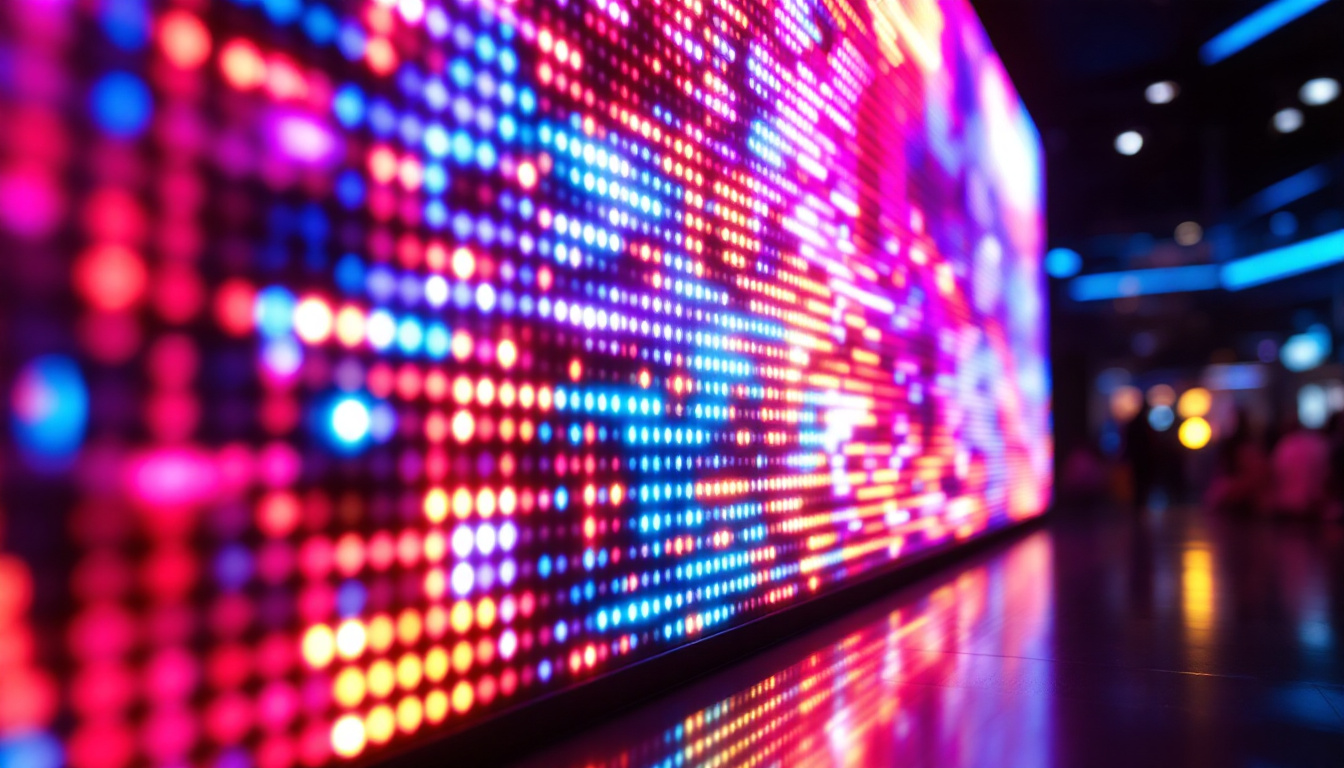
In video lighting, LEDs serve as the primary light source, providing consistent, controllable illumination that is essential for capturing high-quality footage. For LED displays, individual LEDs act as pixels or subpixels that combine to form images or videos visible to viewers. This pixel-based approach allows for stunningly vibrant colors and sharp images, making LEDs a popular choice for everything from large outdoor billboards to small smartphone screens.
The compact size of LEDs allows for the creation of lightweight, flexible, and high-resolution video lights and displays. Additionally, LEDs can be dimmed or color-tuned with precision, enabling creative control over lighting conditions and visual output. This adaptability is particularly beneficial in dynamic environments such as film sets or live events, where lighting needs can change rapidly. Furthermore, advancements in LED technology, such as the development of RGB (Red, Green, Blue) LEDs, have enabled the creation of dynamic lighting effects and color mixing, enhancing the visual experience in both entertainment and artistic presentations.
LED Video Lights: Features and Advantages
Core Features of LED Video Lights
LED video lights are designed to provide optimal lighting for video production, photography, and broadcasting. Key features include:
- Adjustable Color Temperature: Many LED video lights offer adjustable color temperatures, typically ranging from 2700K (warm light) to 6500K (daylight), allowing users to match ambient lighting or create specific moods.
- Dimmability: Smooth dimming capabilities enable precise control over light intensity without altering color quality.
- Portability: Lightweight and compact designs facilitate easy transport and setup on location shoots.
- Low Heat Emission: LEDs generate minimal heat compared to traditional lighting, enhancing safety and comfort during extended use.
- Battery Operation: Many models support battery power, increasing mobility and flexibility.
Advantages Over Traditional Lighting
Compared to tungsten or fluorescent lights, LED video lights offer several significant benefits:
- Energy Efficiency: LEDs consume up to 80% less energy, reducing operational costs and environmental impact.
- Longevity: LED lights can last over 50,000 hours, minimizing replacement frequency and maintenance.
- Instant On/Off: LEDs reach full brightness instantly without warm-up time, essential for dynamic shooting environments.
- Color Accuracy: High Color Rendering Index (CRI) LEDs provide accurate color reproduction, crucial for professional video and photography.
Applications in Video Production
LED video lights are widely used across various stages of video production:
- Key Lighting: Providing the main source of illumination on subjects.
- Fill Lighting: Softening shadows and balancing light intensity.
- Backlighting: Creating depth and separation between subject and background.
- Special Effects: Using colored LEDs or programmable panels for creative lighting effects.
With the rise of remote and mobile content creation, LED video lights’ portability and versatility have made them a favorite among independent filmmakers, vloggers, and broadcasters. The ability to quickly adapt lighting setups to various environments is invaluable, especially when working with limited time or space. Additionally, many LED lights come equipped with wireless control options, allowing creators to adjust settings from a distance, which can be particularly useful during live broadcasts or when filming solo. This level of convenience empowers content creators to focus more on their craft rather than getting bogged down by technical challenges.
Furthermore, the growing trend of live streaming has amplified the demand for high-quality lighting solutions. LED video lights not only enhance the visual appeal of live content but also help in maintaining a consistent look across different platforms and formats. As audiences become increasingly discerning, the importance of professional-grade lighting cannot be overstated. Many LED lights now feature customizable settings that allow users to program specific lighting scenarios, making it easier to switch between different looks on the fly. This adaptability is a game-changer for those looking to elevate their production value without the need for extensive equipment or complicated setups.
LED Displays: Technology and Applications
What Constitutes an LED Display?
An LED display is a flat panel that uses an array of light-emitting diodes as pixels to display images, videos, or data. These displays vary in size from small digital signage screens to massive stadium video walls.
LED displays are categorized mainly into two types:
- Direct View LED (DVLED): Each pixel is an individual LED or cluster of LEDs, offering high brightness and contrast suitable for large-scale outdoor and indoor applications.
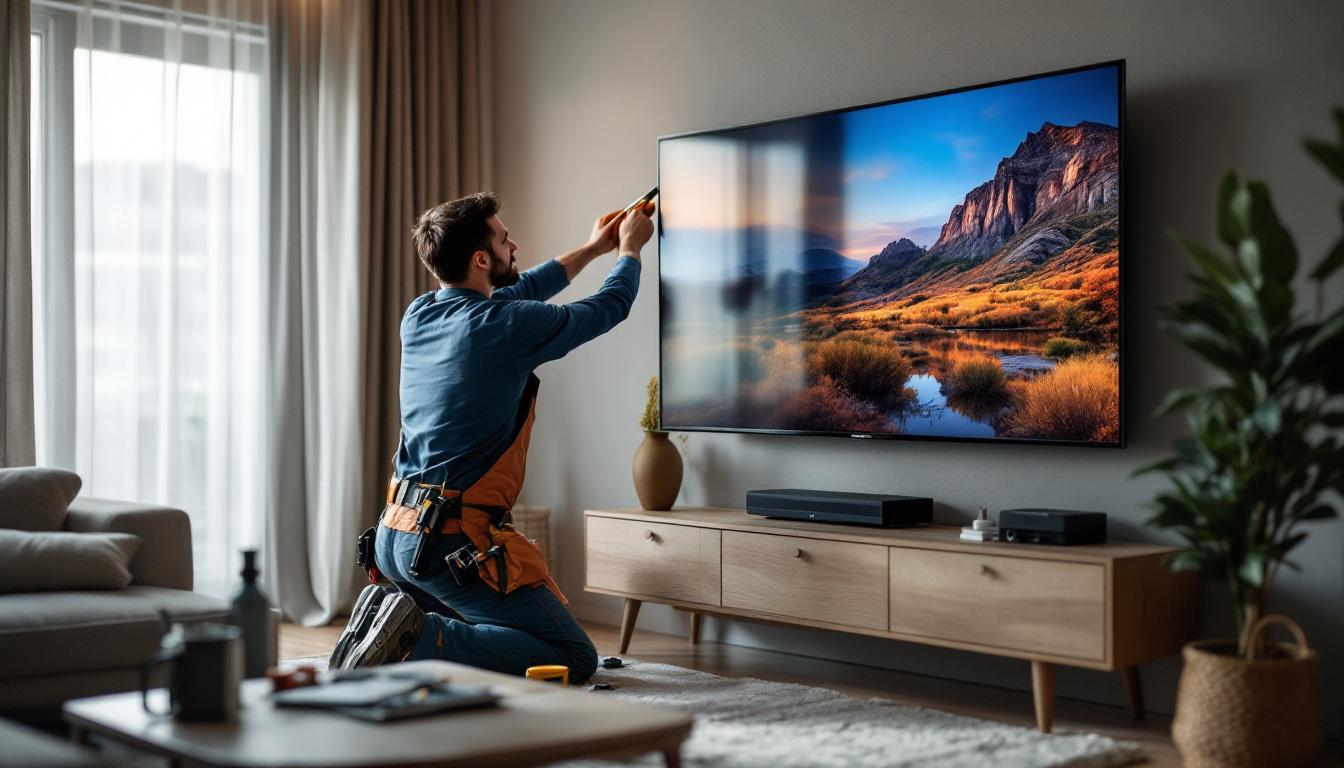
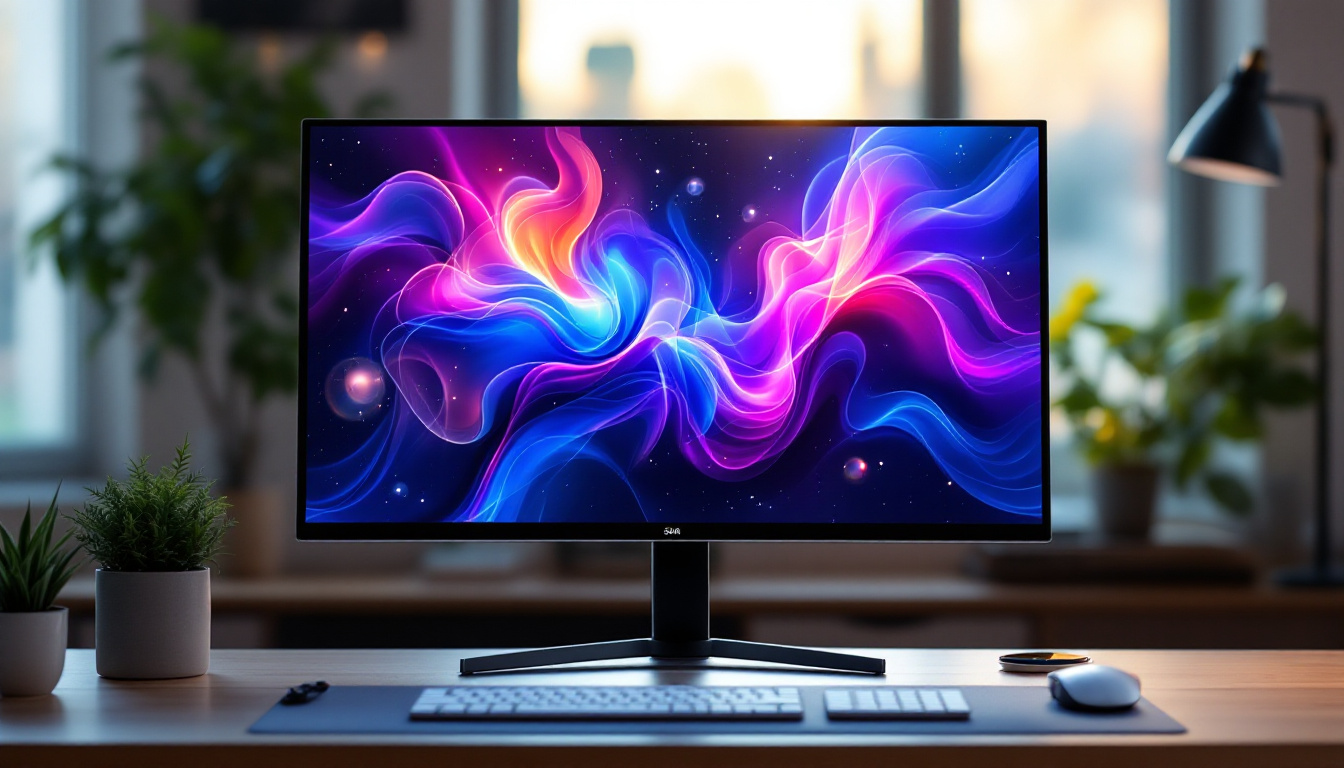
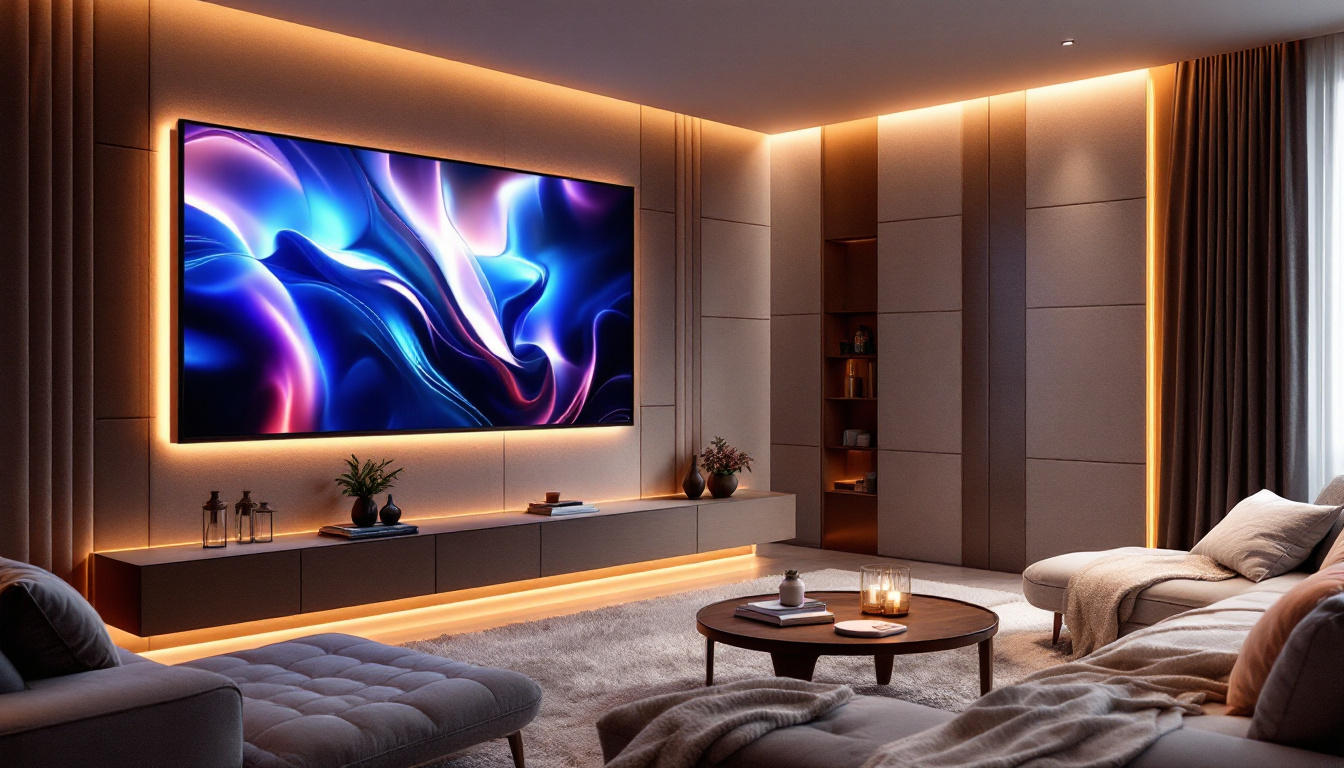
- LED-backlit LCD: Traditional liquid crystal displays that use LEDs as backlighting sources, common in televisions and monitors.
Key Components of an LED Display
Understanding the anatomy of an LED display helps appreciate its capabilities:
- LED Modules: The building blocks containing multiple LEDs arranged in a grid.
- Driver ICs: Integrated circuits controlling the current and brightness of the LEDs.
- Control System: Hardware and software managing image processing and synchronization.
- Power Supply: Ensures stable and efficient power delivery to the LEDs.
Resolution and Pixel Pitch
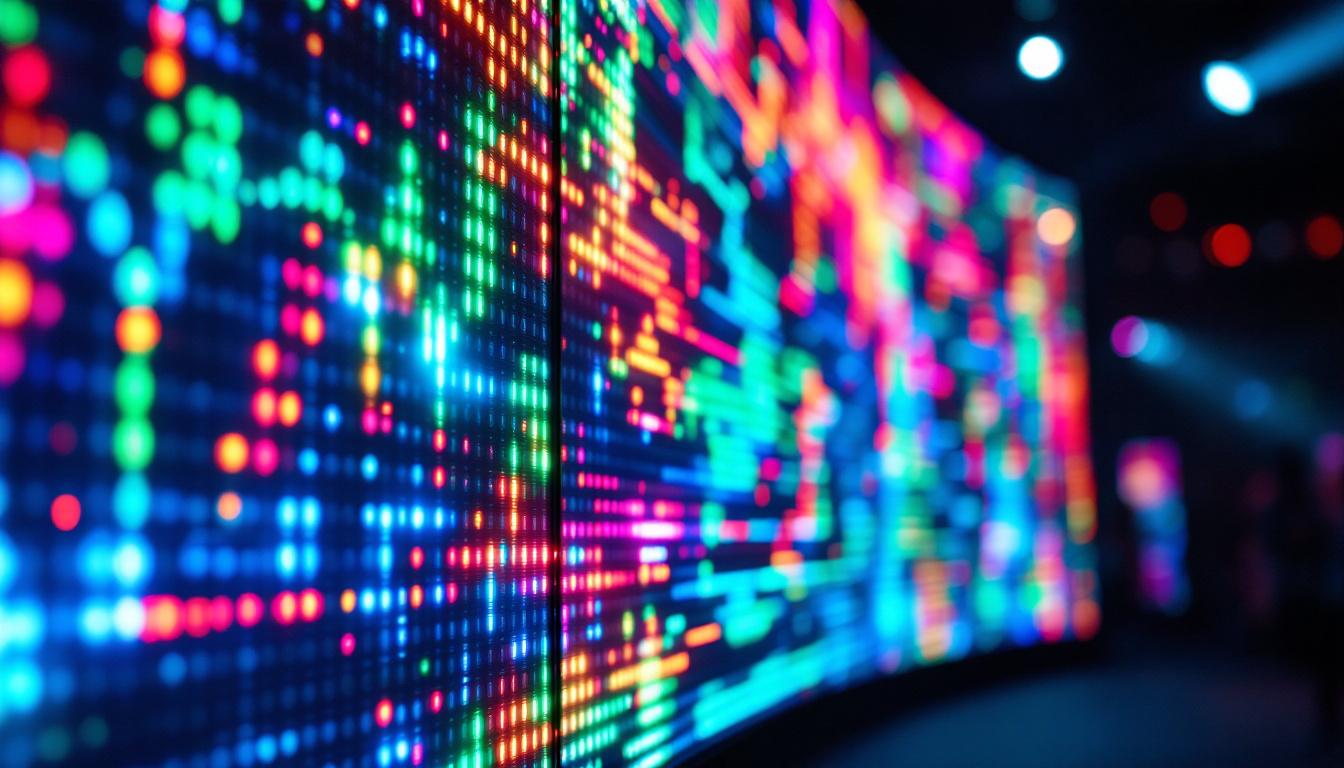
Resolution in LED displays is determined by the number of pixels, while pixel pitch refers to the distance between the centers of adjacent pixels, usually measured in millimeters. A smaller pixel pitch means higher resolution and sharper images, especially important for close viewing distances.
For example, a 1.5mm pixel pitch display offers extremely fine detail and is commonly used in indoor environments such as control rooms or retail spaces. Conversely, larger pixel pitches (e.g., 10mm or more) are suitable for outdoor billboards viewed from a distance.
Applications Across Industries
LED displays have revolutionized visual communication in many sectors:
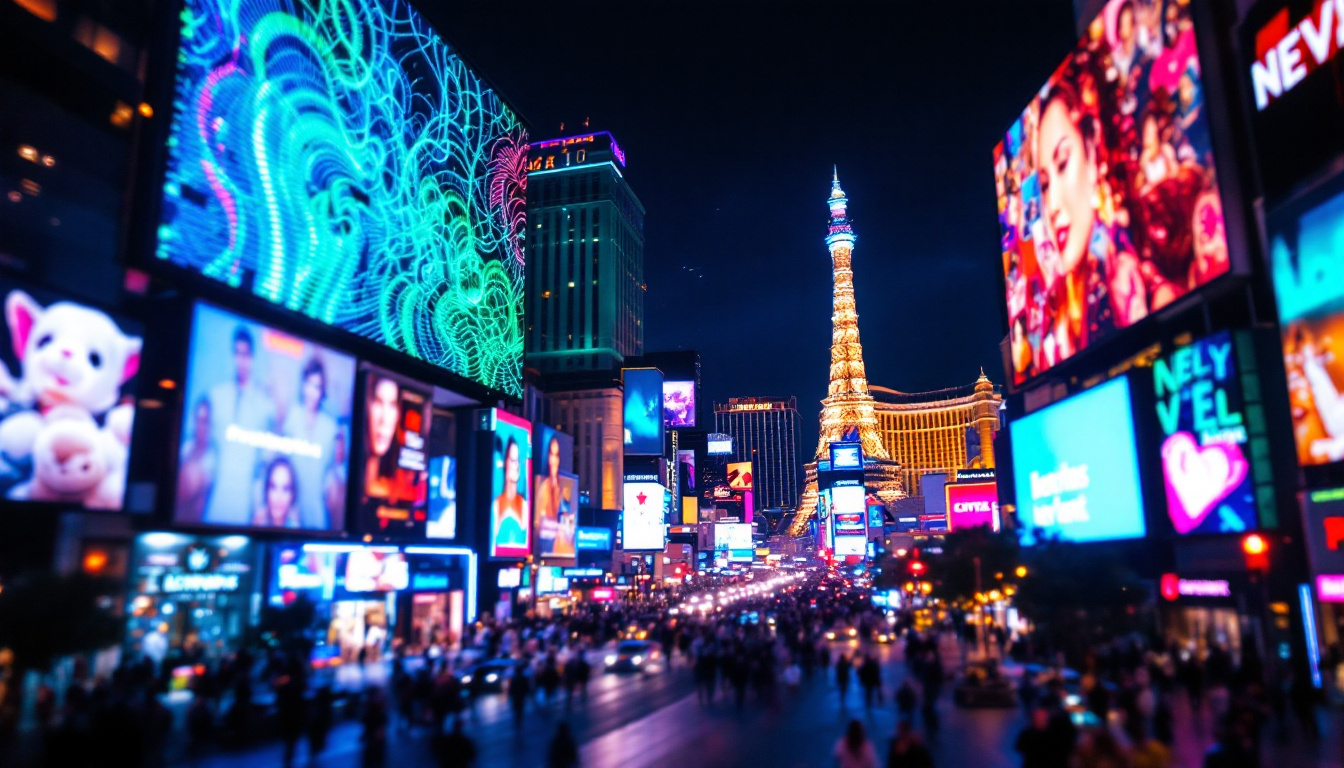
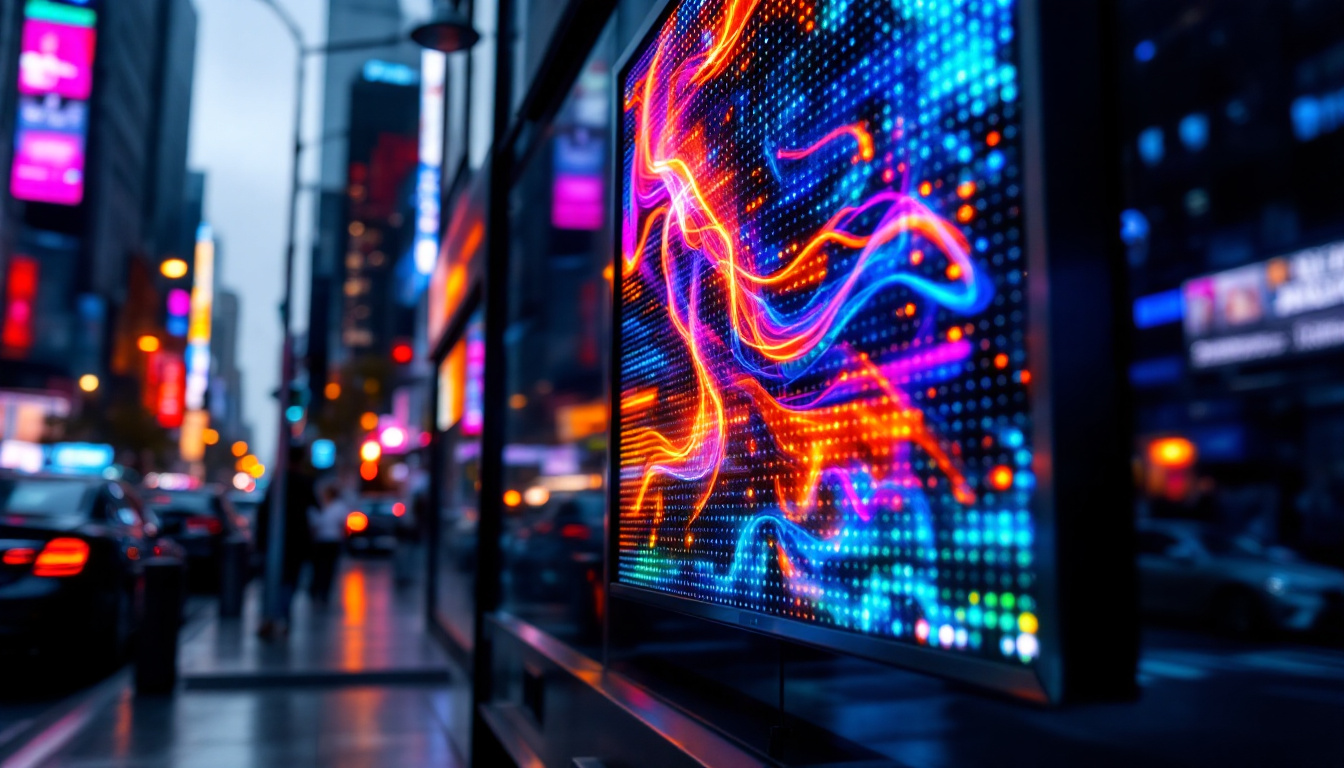
- Advertising and Marketing: Dynamic digital billboards and signage capture attention with vibrant colors and motion.
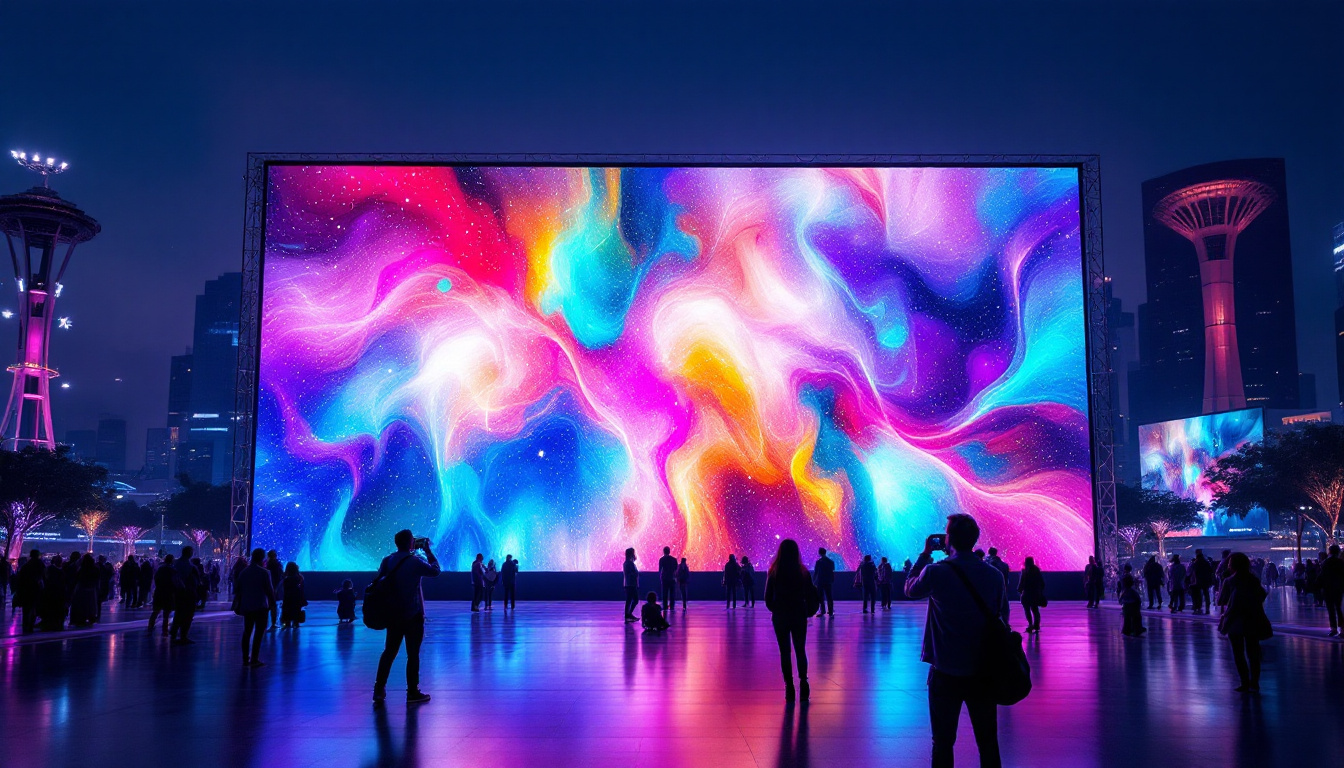
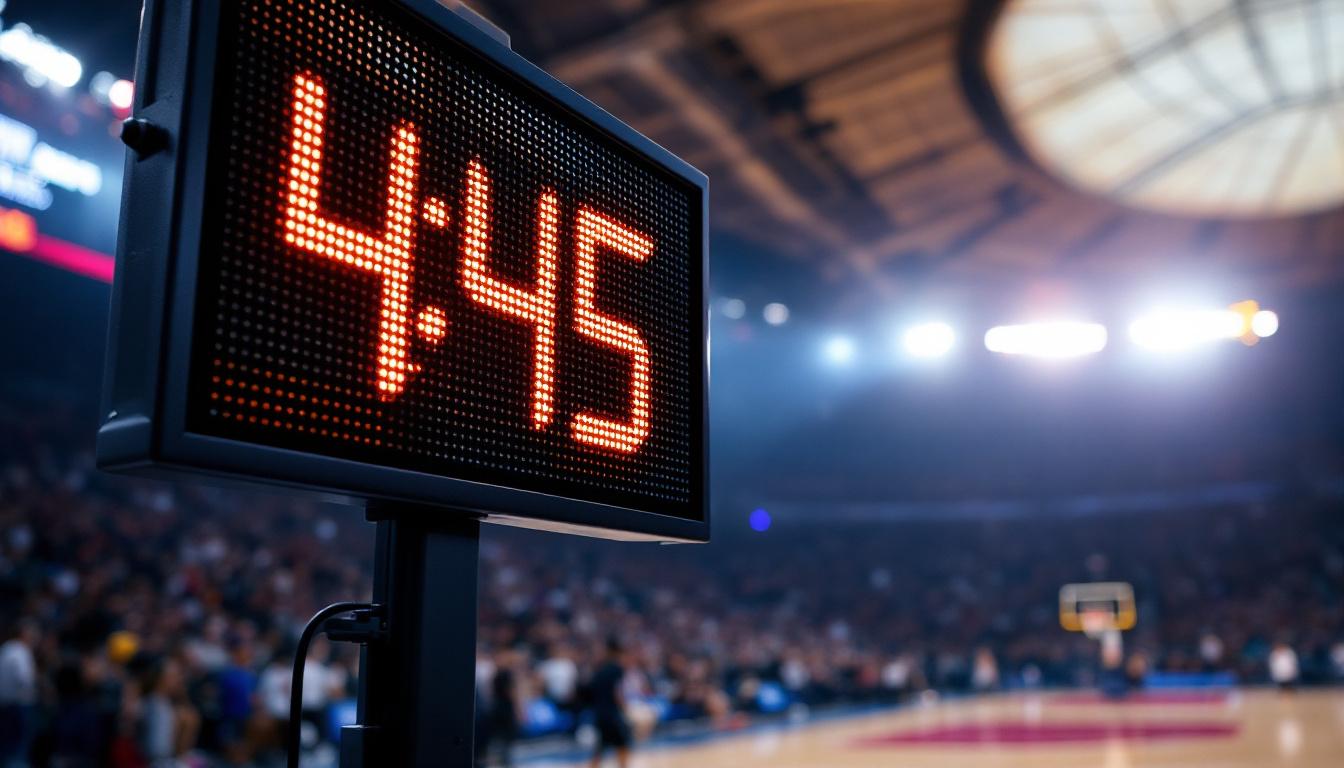
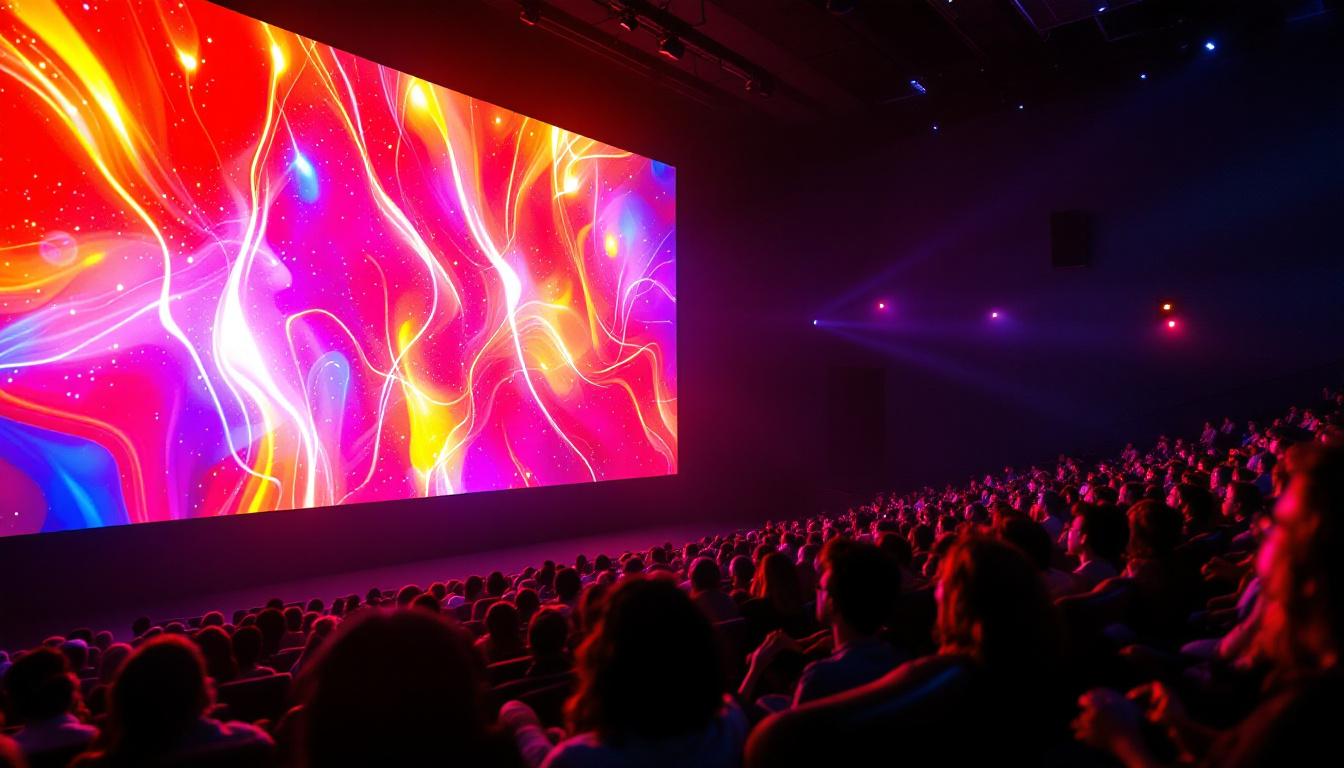
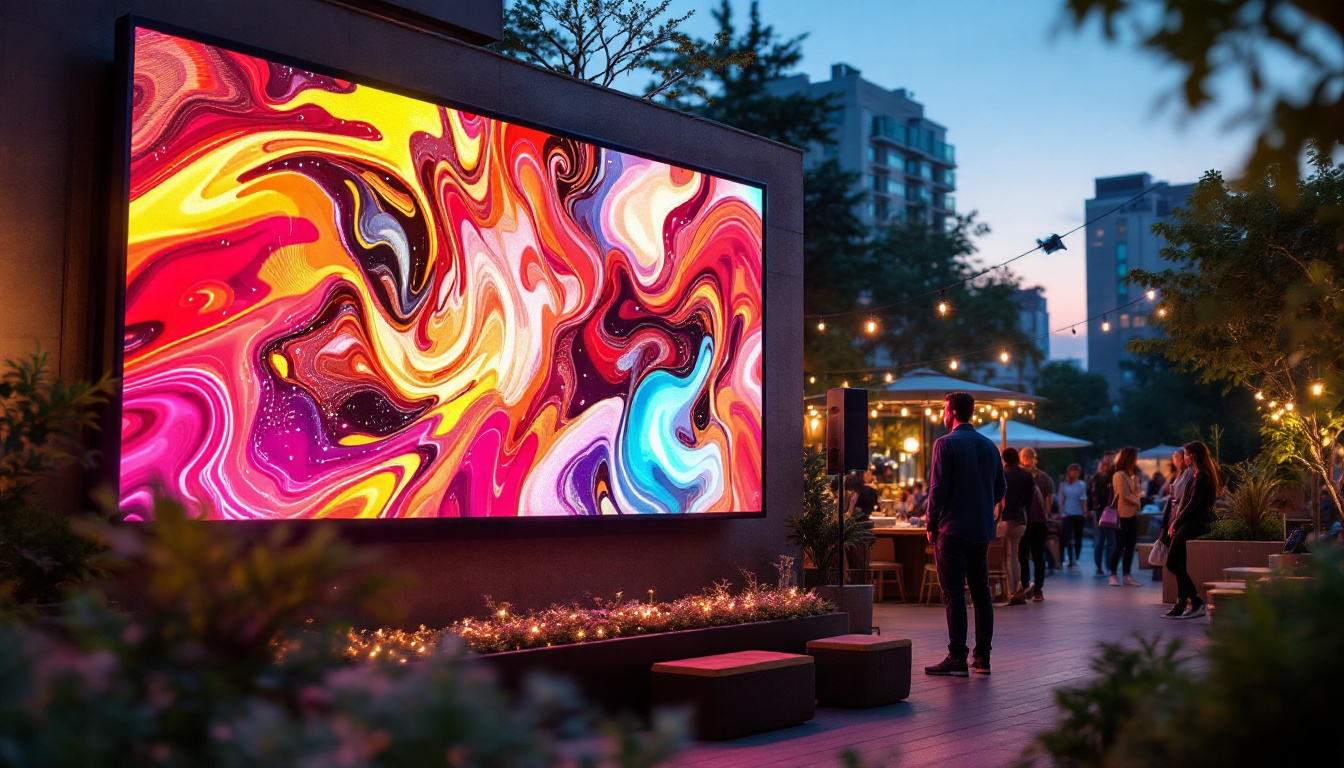
- Entertainment and Events: Concerts, sports arenas, and theaters use large LED walls for immersive experiences.
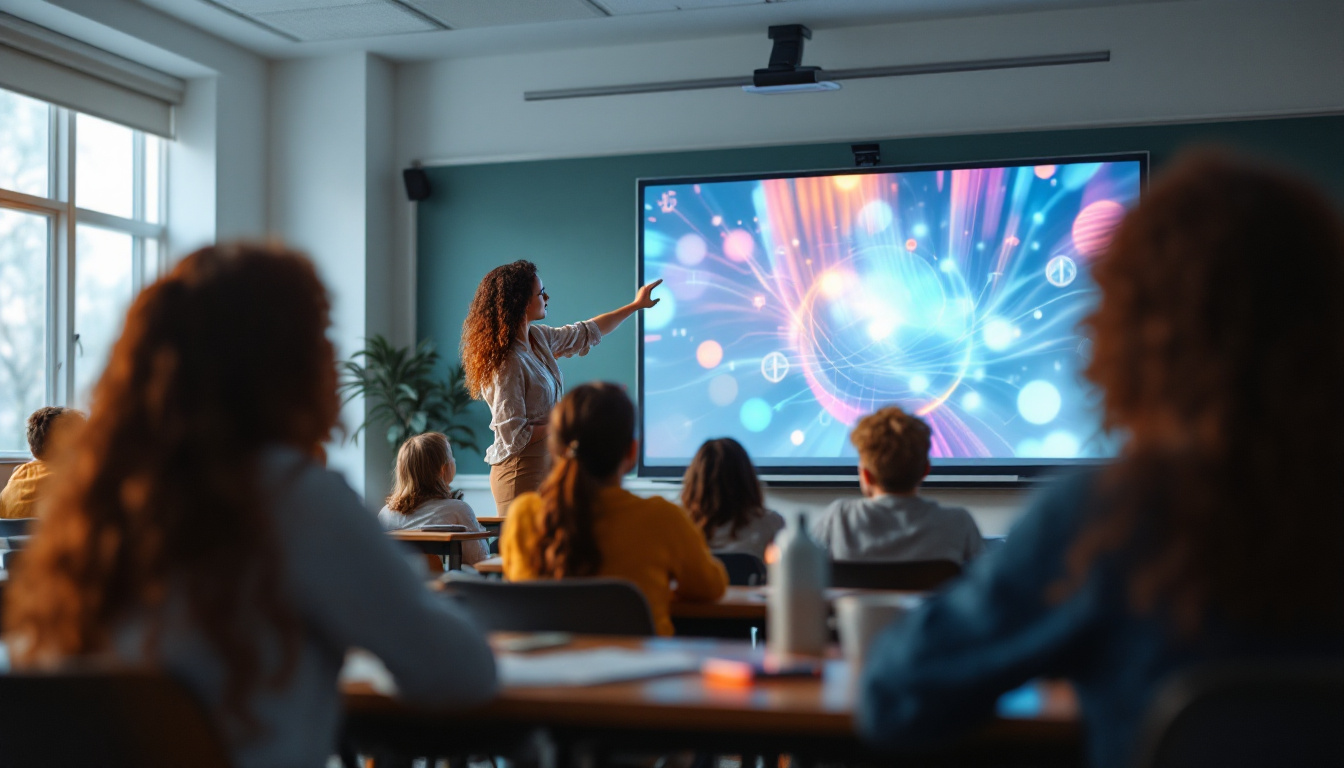
- Corporate and Education: Conference rooms and lecture halls employ LED displays for presentations and information sharing.
- Transportation: Airports, train stations, and highways utilize LED displays for real-time updates and wayfinding.
Technological Innovations Driving LED Video Lights and Displays
Advancements in LED Materials and Manufacturing
Recent developments in semiconductor materials, such as gallium nitride (GaN), have enhanced LED efficiency and brightness. Innovations in micro-LED technology promise even higher resolution and energy savings by shrinking LED sizes to microscopic scales.
Manufacturing techniques like surface mount technology (SMT) and chip-on-board (COB) packaging have improved LED reliability and heat dissipation, allowing for more compact and powerful lighting and display solutions.
Smart and Programmable LED Systems
Modern LED video lights and displays increasingly incorporate smart features:
- Wireless Control: Users can adjust lighting parameters or display content remotely via smartphones or computers.
- Dynamic Content Management: LED displays can show real-time data, interactive content, or synchronized multimedia.
- Color Calibration: Automated systems ensure consistent color output across multiple units or over time.
These capabilities enhance user convenience and enable creative possibilities previously unattainable with traditional lighting and display technologies.
Energy Efficiency and Sustainability
With growing environmental concerns, LED technology’s low power consumption and long lifespan contribute to sustainability goals. Some LED video lights now feature solar-powered options or integrate with energy management systems to minimize carbon footprints.
In large-scale LED displays, innovations such as adaptive brightness control reduce energy usage by adjusting screen brightness based on ambient light conditions.
Choosing the Right LED Video Light or Display
Factors to Consider for LED Video Lights
Selecting an LED video light depends on specific production needs:
- Color Accuracy: Look for lights with a CRI of 90 or above for true-to-life colors.
- Power and Brightness: Consider the lumen output and whether battery operation is necessary for mobility.
- Size and Weight: Smaller, lighter units are preferable for on-the-go shooting, while larger panels may be better for studio setups.
- Control Features: Dimming, color temperature adjustment, and wireless control enhance versatility.
Selecting an LED Display
When choosing an LED display, key considerations include:
- Viewing Distance: Determines the required pixel pitch and resolution.
- Brightness: Essential for outdoor displays exposed to sunlight.
- Durability: Weatherproofing and ruggedness are critical for outdoor or high-traffic environments.
- Content Management: Ease of updating and managing display content.
- Budget: Balancing features with cost to meet project requirements.
The Future of LED Video Lights and Displays
As LED technology continues to advance, the future holds exciting possibilities. Micro-LED and quantum dot LEDs promise unprecedented brightness, color range, and energy efficiency. Flexible and transparent LED displays are emerging, enabling innovative applications such as wearable screens and integrated architectural elements.
In video lighting, integration with artificial intelligence (AI) and augmented reality (AR) could lead to adaptive lighting systems that respond intelligently to scene changes and user preferences, enhancing creative workflows.
Overall, LED video lights and displays will remain at the forefront of visual technology, driving new forms of storytelling, communication, and immersive experiences.
Conclusion
LED video lights and LED displays have revolutionized the way visual content is illuminated and presented. Their energy efficiency, versatility, and superior performance make them essential tools in modern media production, advertising, entertainment, and beyond. Understanding the technology behind LEDs and their applications empowers professionals and enthusiasts alike to make informed decisions and harness the full potential of this transformative technology.
As the industry evolves, staying updated on the latest innovations will be crucial for leveraging LED technology’s benefits and pushing creative boundaries.
Discover LumenMatrix LED Display Solutions
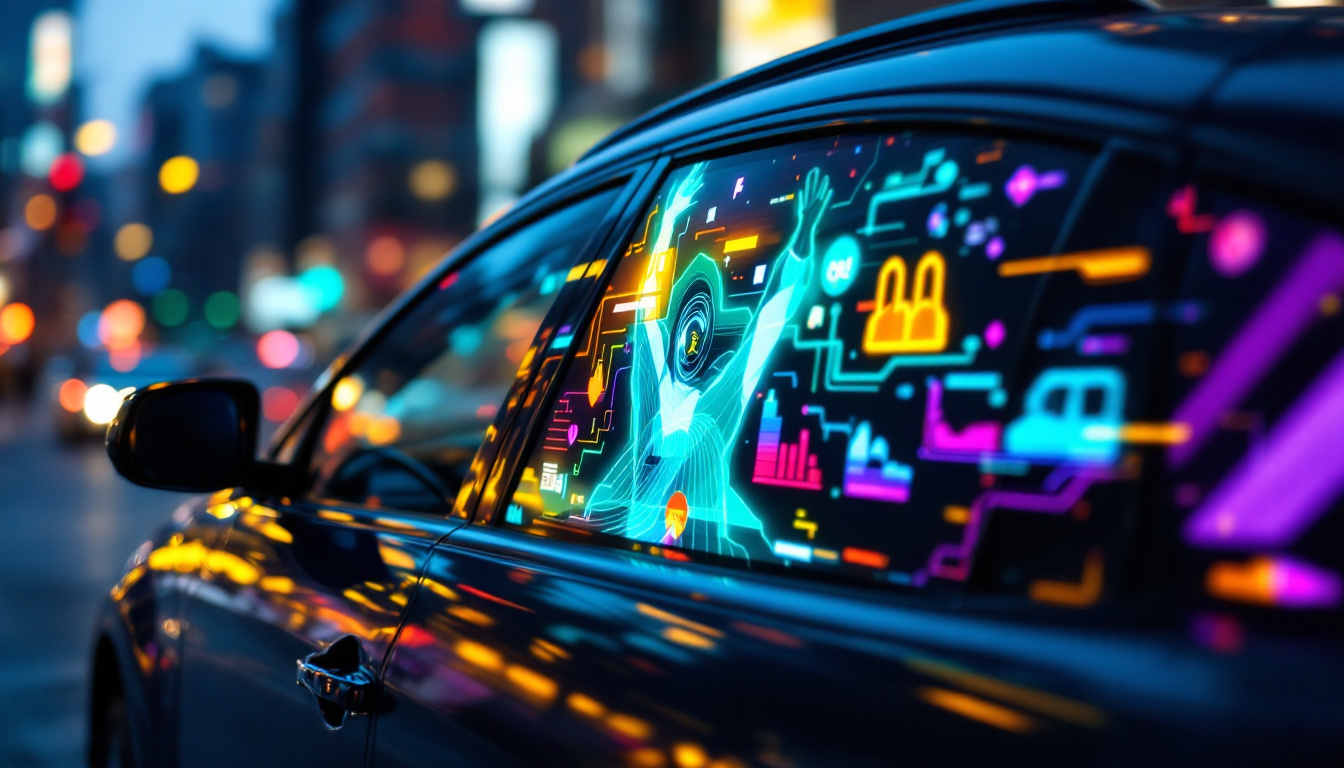
Ready to elevate your visual content with the latest in LED technology? LumenMatrix is at the forefront of innovative LED display solutions, offering a wide range of products designed to bring your brand to life. Whether you’re looking for an Indoor LED Wall Display, a vibrant Outdoor LED Wall Display, or specialized options like Vehicle LED Displays and LED Sports Displays, LumenMatrix has the cutting-edge technology to create immersive and engaging experiences. Experience the future of visual communication with LumenMatrix’s LED display modules. Check out LumenMatrix LED Display Solutions today and transform the way you share your message with the world.