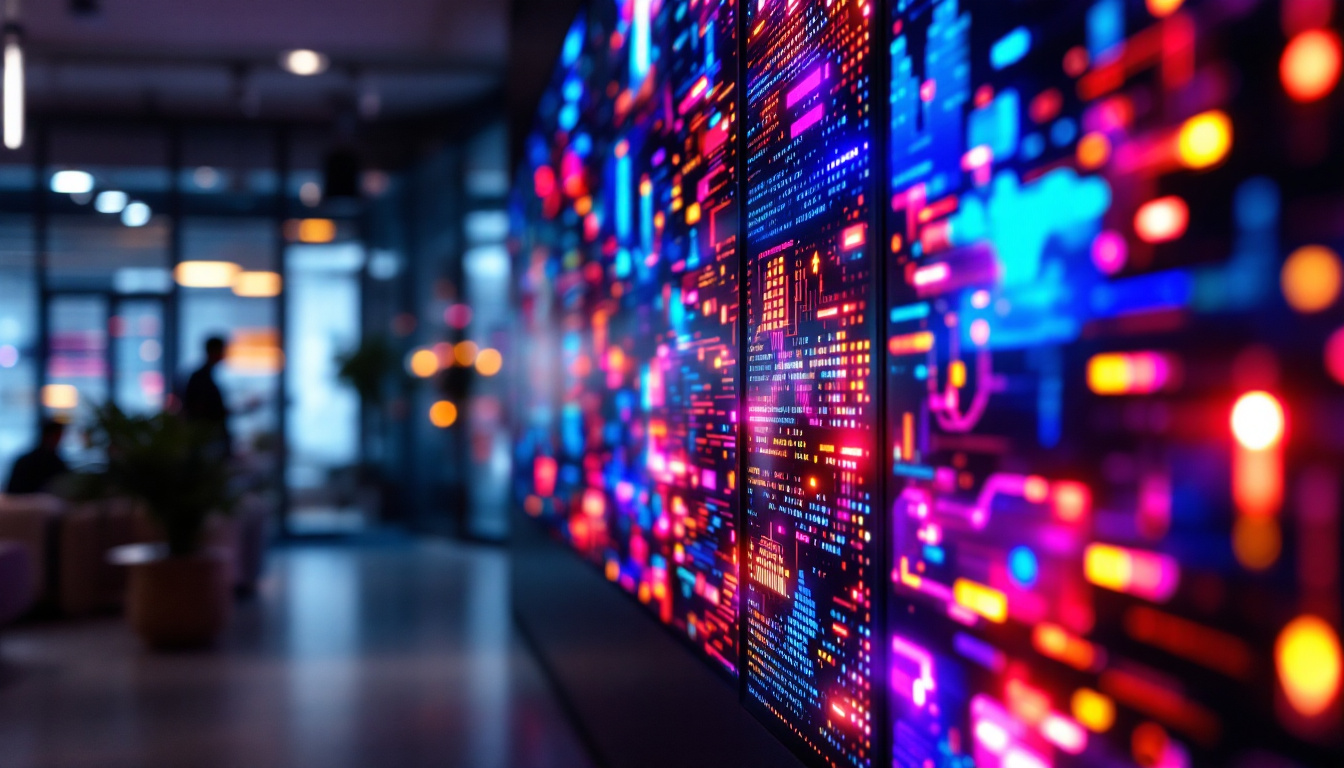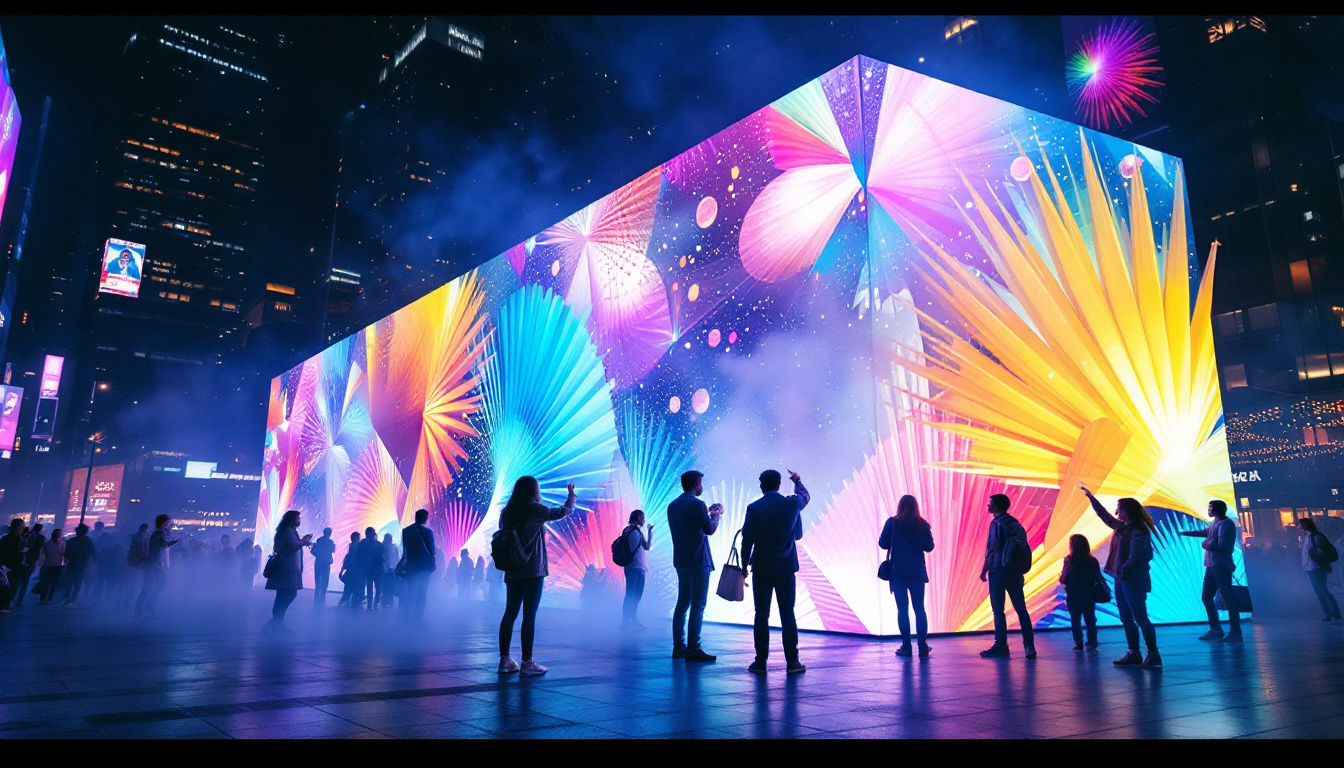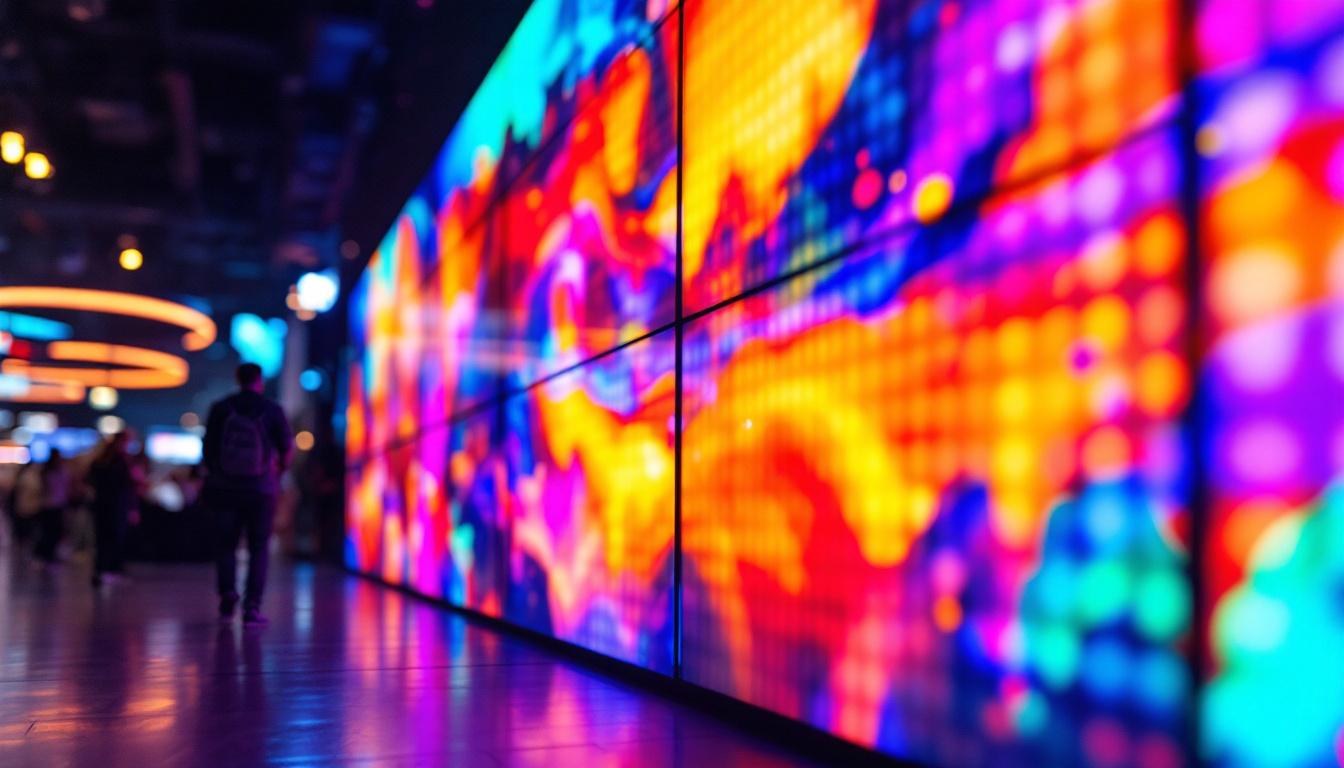
In the rapidly evolving world of digital signage and display technology, LED video wall panels have emerged as a dominant solution for businesses, event organizers, and public venues. These vibrant, scalable, and versatile displays are transforming how content is presented, offering unparalleled brightness, clarity, and flexibility. This article delves into the fundamentals of LED video wall panels, explaining what they are, how they work, their applications, and why they have become a preferred choice over traditional display technologies.
What Is an LED Video Wall Panel?
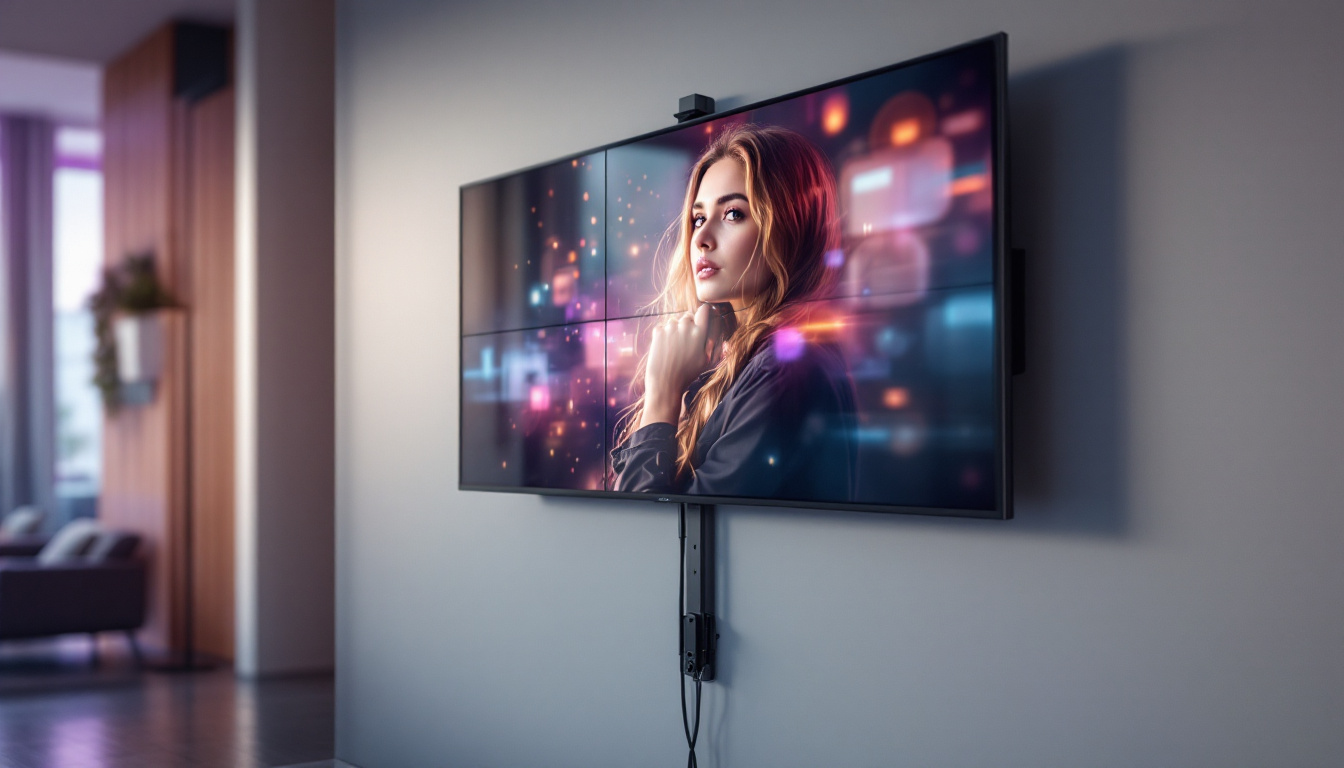
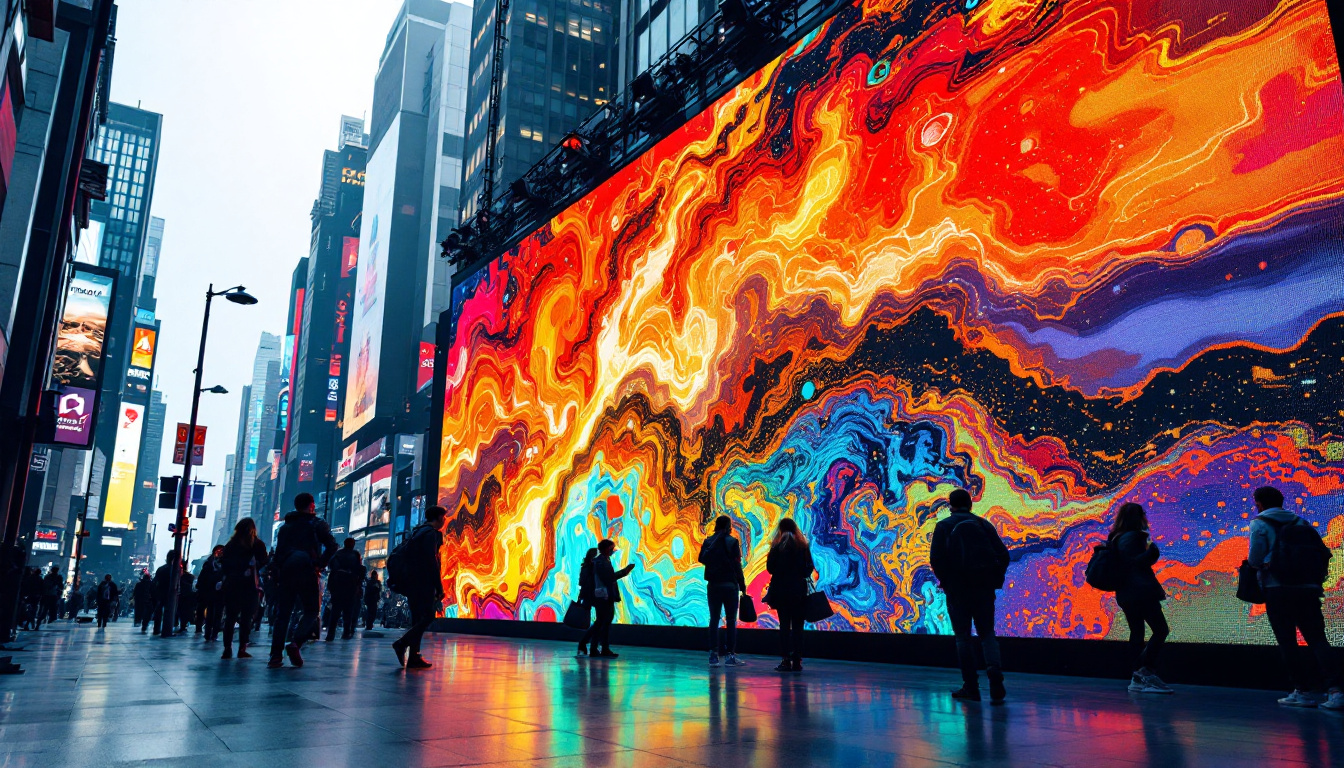
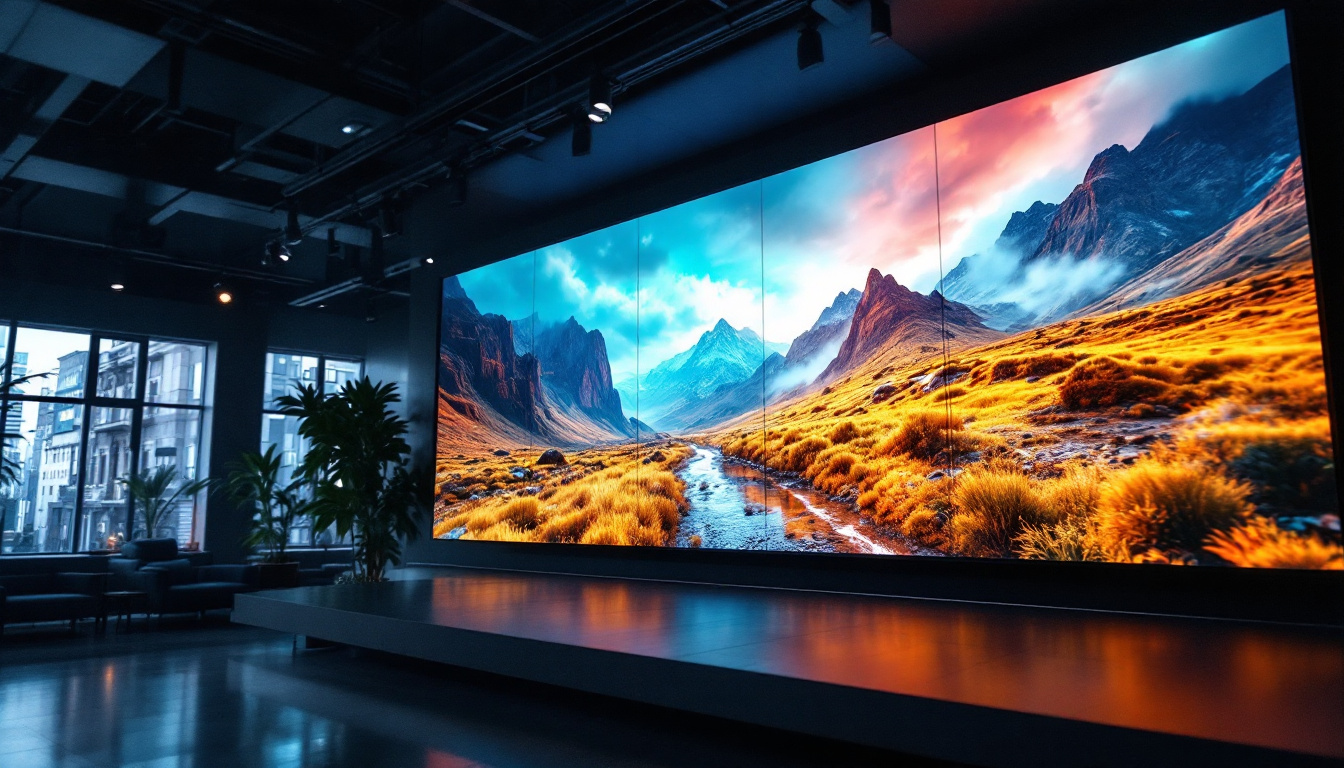
An LED video wall panel is a modular display unit composed of numerous light-emitting diodes (LEDs) arranged in a grid. These panels can be seamlessly tiled together to create large, high-resolution screens capable of displaying dynamic video content, images, and text. Unlike conventional LCD or projection displays, LED video walls rely on direct light emission from each diode, resulting in superior brightness and contrast levels. This makes them particularly suitable for environments with high ambient light, such as stadiums, shopping malls, and outdoor events, where visibility is paramount.
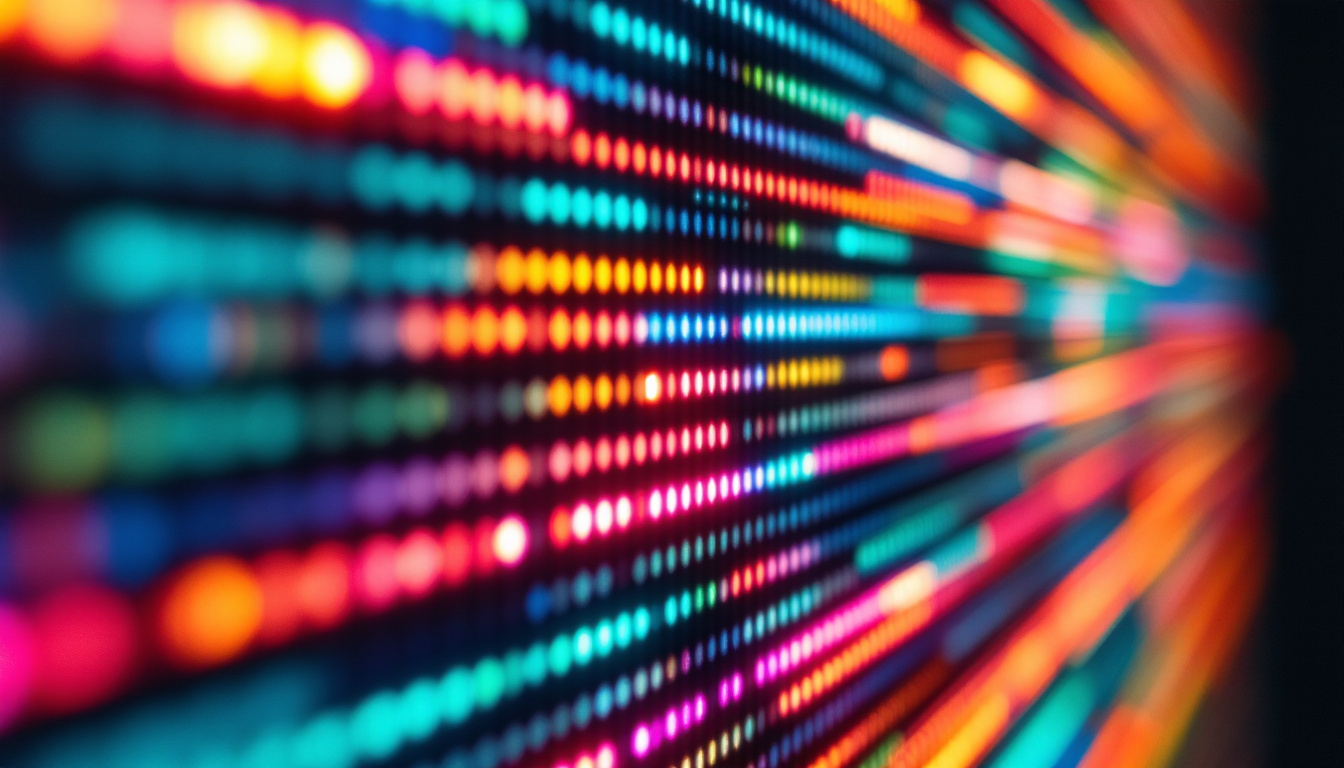
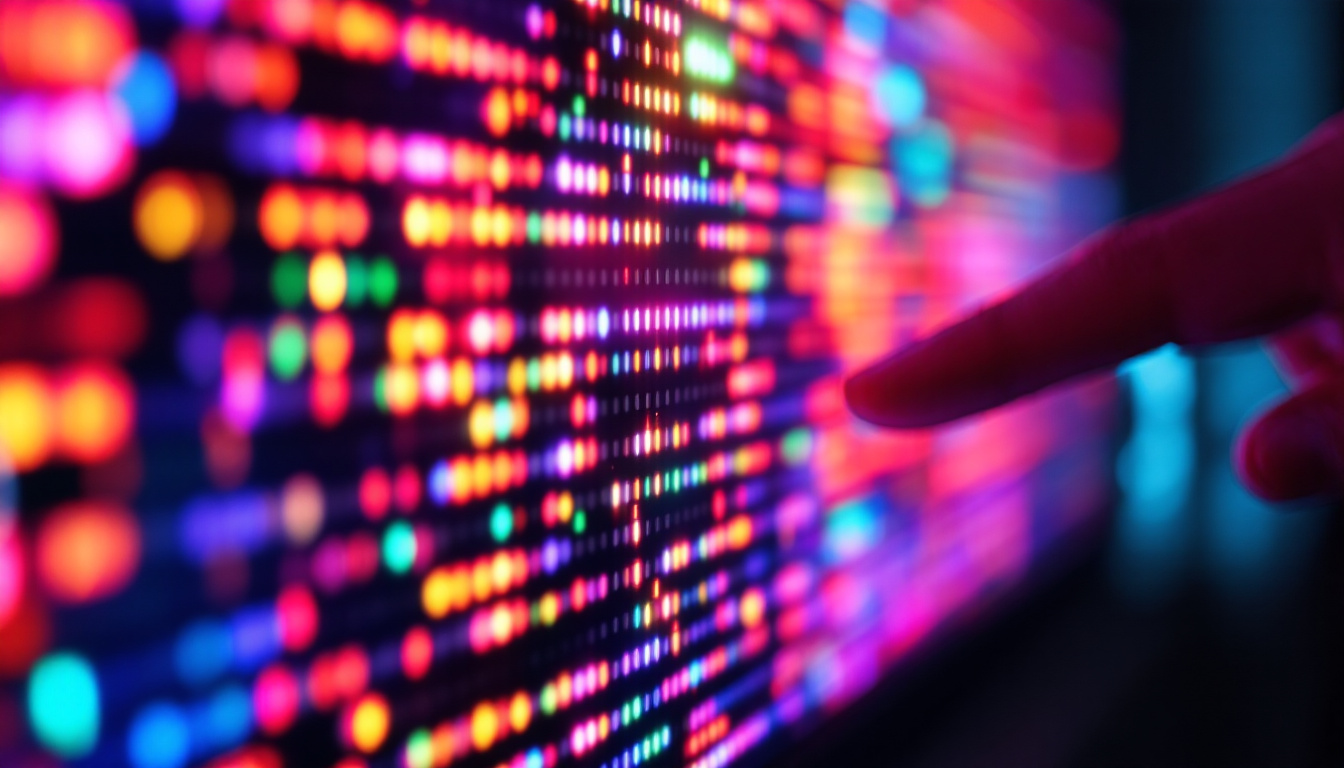
The core component of these panels is the LED pixel, which typically consists of red, green, and blue diodes. By adjusting the intensity of each diode, the panel can produce a wide spectrum of colors, enabling vivid and accurate image reproduction. The panels come in various pixel pitches, which refers to the distance between individual pixels, influencing the resolution and optimal viewing distance. A smaller pixel pitch allows for closer viewing, making it ideal for indoor applications like control rooms or corporate presentations, while larger pitches are often used for outdoor displays where viewers are typically farther away.
How LED Video Wall Panels Work
Each LED video wall panel contains a matrix of LEDs controlled by integrated circuits that regulate the color and brightness of each pixel. When multiple panels are connected, they function as a single large display, driven by a video processor that manages signal input, scaling, and synchronization. This synchronization is crucial, as it ensures that all panels display the same content in perfect harmony, preventing any visual disruptions that could detract from the viewer’s experience.
The panels receive video signals from sources such as media players, computers, or broadcasting equipment. The video processor splits the content across the tiled panels, ensuring seamless image continuity. Advanced calibration tools help maintain color uniformity and brightness consistency across the entire wall, which is critical for professional applications. Additionally, many modern LED video walls incorporate features such as real-time content management systems, allowing users to easily update and control what is displayed on the wall from a central location. This flexibility is particularly beneficial for live events, advertising, and interactive installations, where content may need to be changed frequently and on-the-fly.
Key Features and Technical Specifications
Understanding the technical aspects of LED video wall panels is essential for selecting the right solution for specific needs. Several key features define the performance and suitability of these panels.
Pixel Pitch and Resolution
Pixel pitch, measured in millimeters, is the distance between the centers of adjacent pixels. A smaller pixel pitch means higher pixel density, which translates to sharper images and closer optimal viewing distances. For example, a 1.2mm pixel pitch panel is ideal for indoor environments where viewers are close to the screen, such as control rooms or retail stores. Conversely, larger pixel pitches like 6mm or 10mm are better suited for outdoor billboards or stadium screens where viewers are farther away.
Brightness and Contrast Ratio
Brightness is measured in nits (cd/m²), and LED video walls typically offer brightness levels ranging from 800 nits for indoor panels to over 5,000 nits for outdoor displays. High brightness ensures visibility even in direct sunlight, making LED walls suitable for outdoor advertising and public information displays.
Contrast ratio, the difference between the darkest black and brightest white, is another critical factor. LED panels can achieve extremely high contrast ratios due to their ability to turn off individual LEDs completely, resulting in deep blacks and vibrant colors.
Viewing Angle and Color Accuracy
Wide viewing angles, often exceeding 160 degrees horizontally and vertically, ensure that the image remains clear and color-accurate from various positions. This is particularly important in public spaces where audiences are dispersed across different angles.
Modern LED panels support millions of colors and often include color calibration features to maintain color fidelity over time and across multiple panels.
Durability and Maintenance
LED video wall panels are designed for long-term use, with lifespans typically exceeding 100,000 hours. Many panels are rated for outdoor use with IP65 or higher ingress protection, making them resistant to dust, moisture, and weather conditions.
Modular design allows for easy maintenance and replacement of individual panels without dismantling the entire wall, minimizing downtime and service costs.
Applications of LED Video Wall Panels
The versatility of LED video wall panels has led to widespread adoption across various industries and environments. Their ability to deliver immersive, high-impact visuals makes them ideal for numerous use cases.
Corporate and Retail Environments
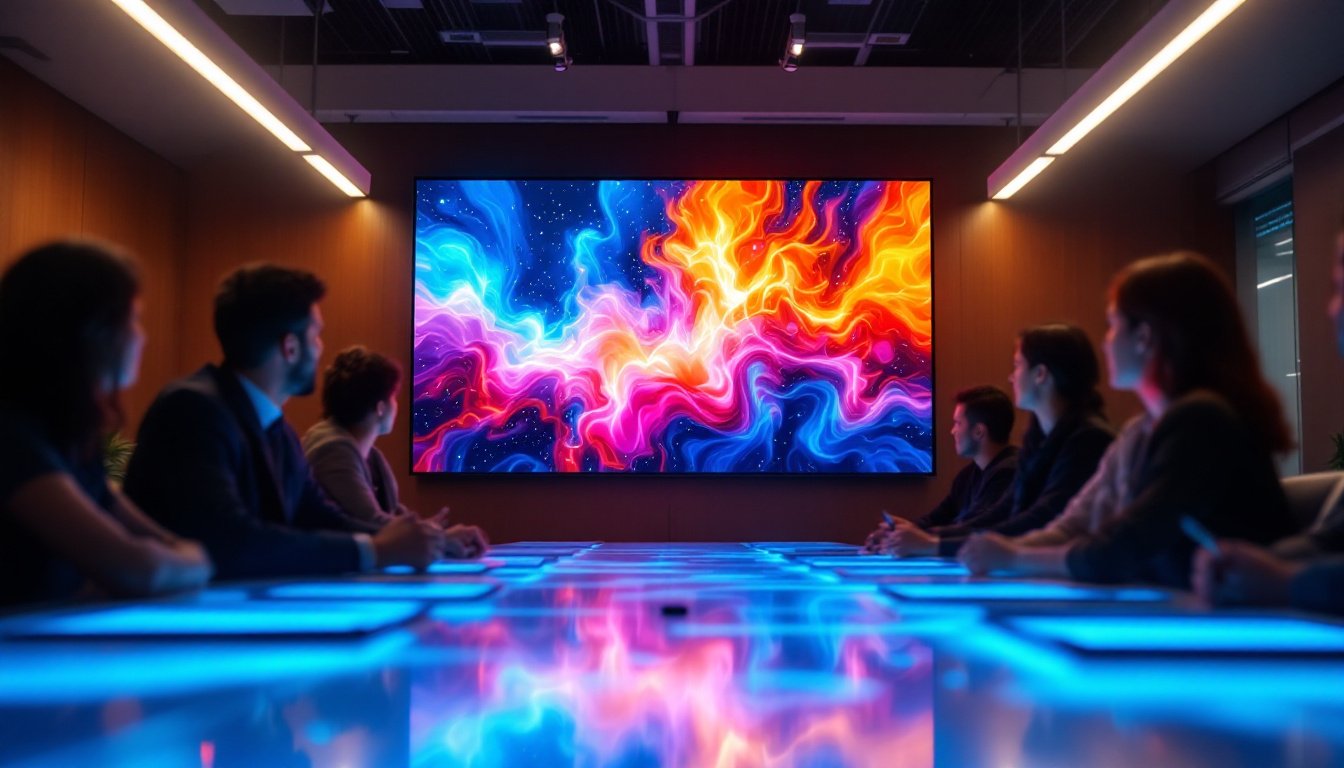
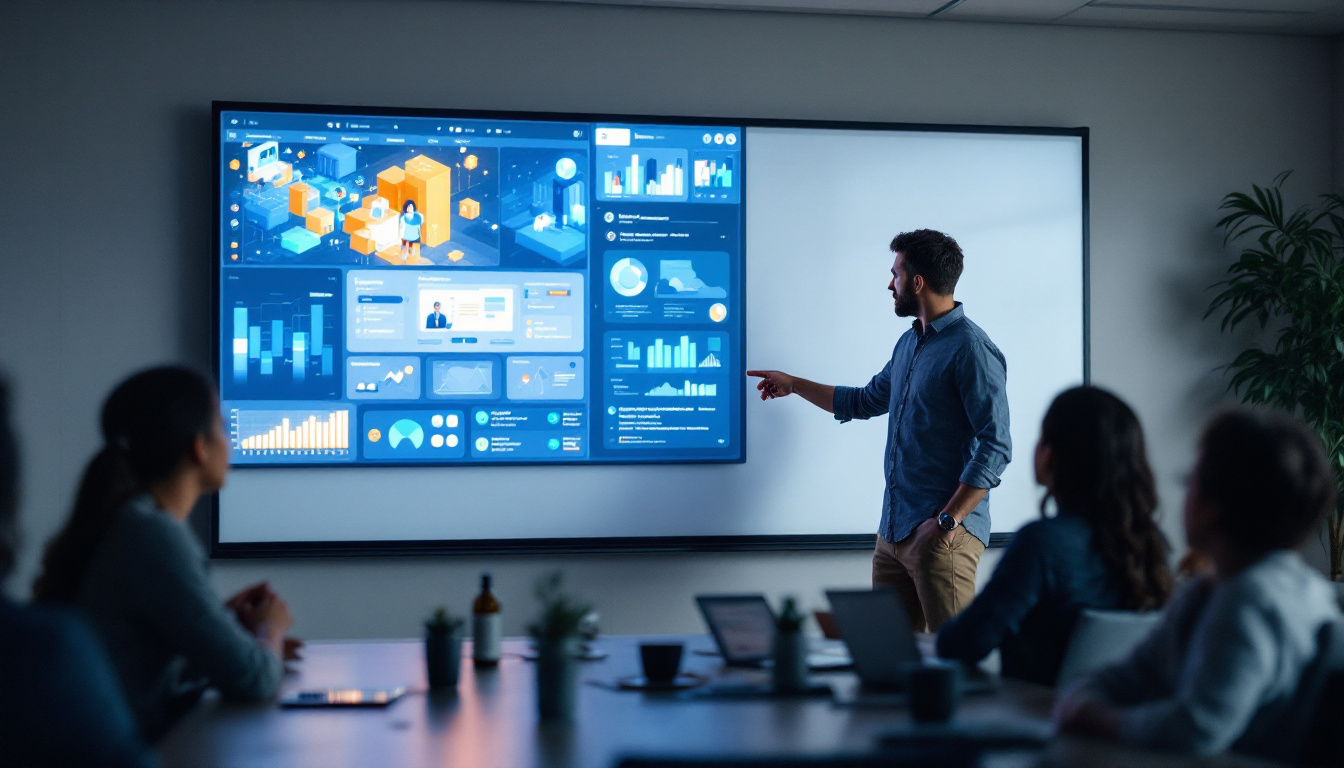
In corporate settings, LED video walls are used for presentations, digital signage, and video conferencing. Their large size and high resolution enable clear communication of complex data and engaging multimedia content.
Retail stores leverage LED walls to create dynamic window displays, promote products, and enhance customer experience. The ability to update content remotely and in real-time is a significant advantage for marketing campaigns.
Entertainment and Events
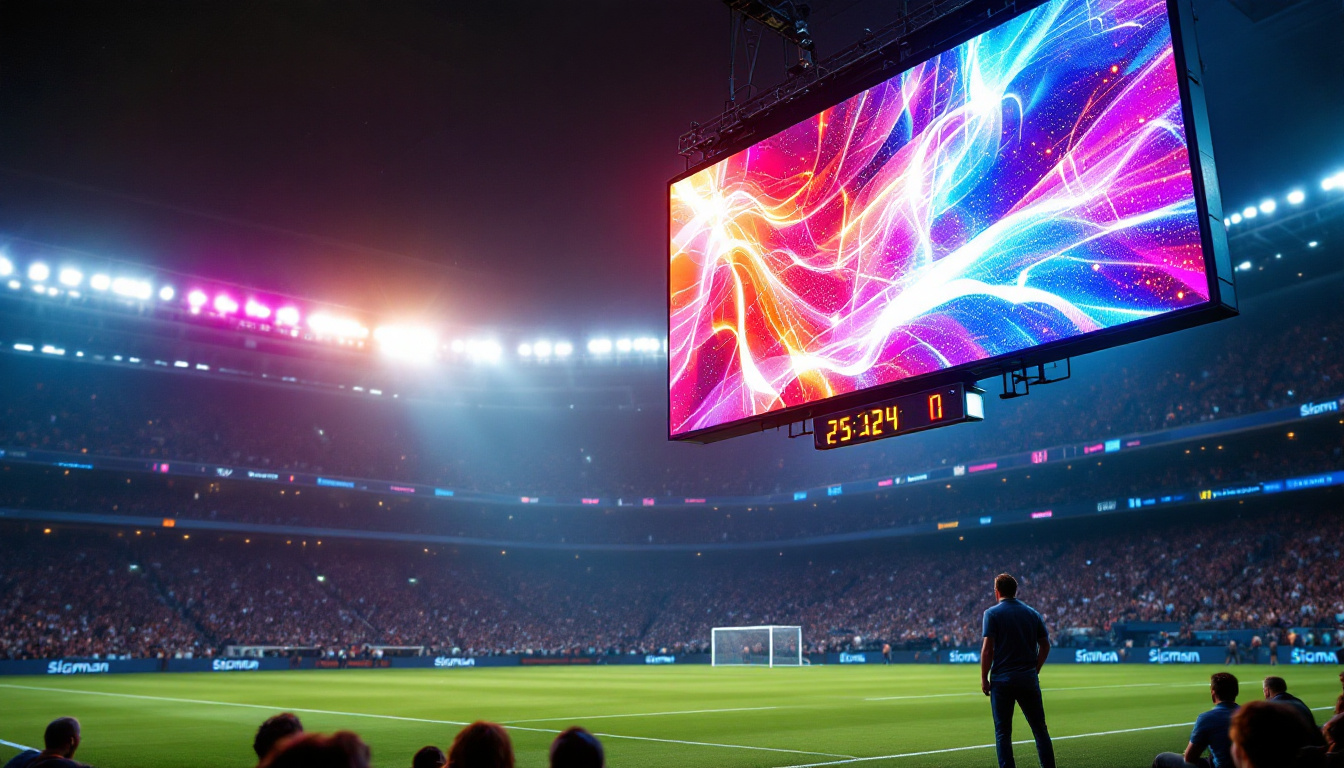
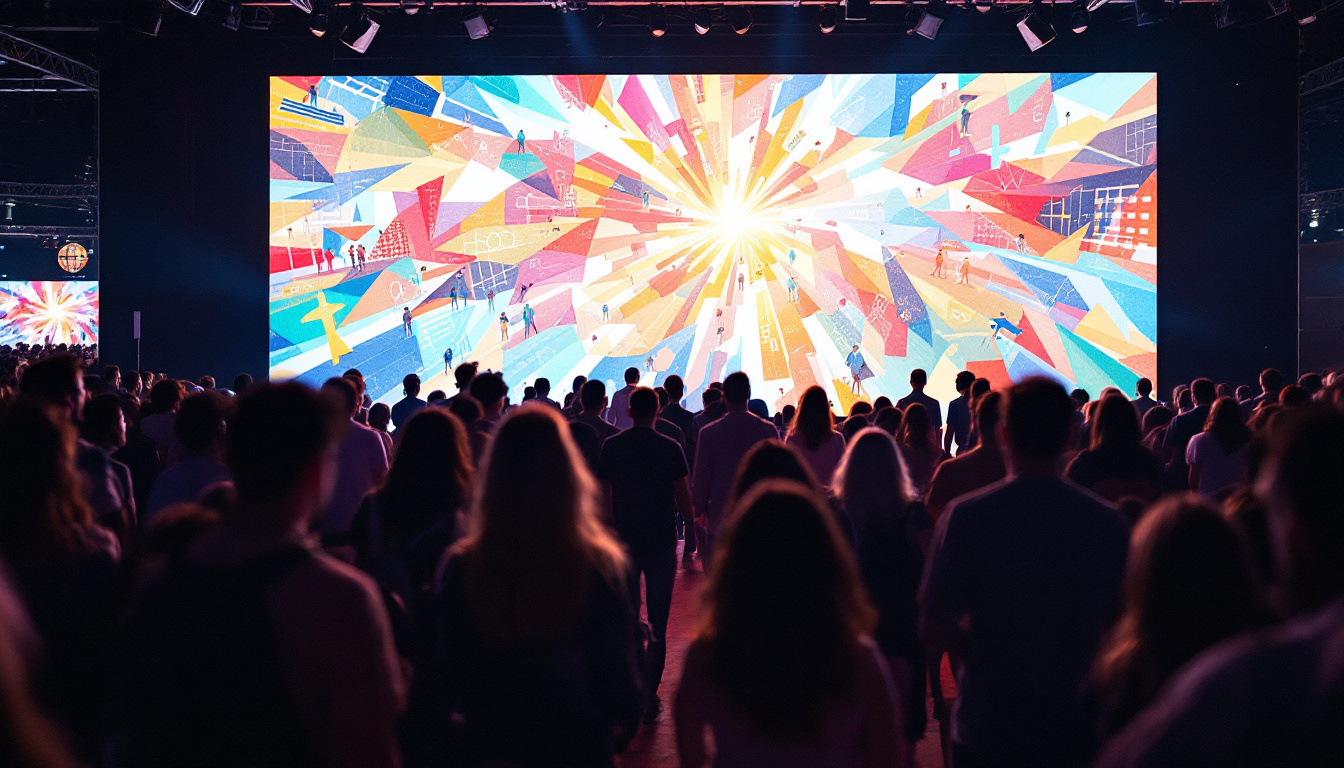
Concerts, sports arenas, and theaters rely heavily on LED video walls to deliver live video feeds, graphics, and interactive content to large audiences. The scalability of these panels allows for custom shapes and sizes, adapting to venue requirements.
Event organizers benefit from the lightweight and modular nature of LED panels, which facilitate quick setup and teardown for touring shows and exhibitions.
Transportation and Public Spaces
Airports, train stations, and urban centers use LED video walls for wayfinding, advertising, and public announcements. Their high brightness and durability make them suitable for both indoor and outdoor installations.
Smart city initiatives incorporate LED video walls as part of digital infrastructure to provide real-time information and enhance public engagement.
Advantages Over Traditional Display Technologies
LED video wall panels offer several benefits compared to LCD, projection, and other display methods, making them a preferred choice in many scenarios.
Superior Brightness and Visibility
Unlike LCD screens that rely on backlighting, LEDs emit their own light, resulting in higher brightness and better visibility under various lighting conditions. This is particularly advantageous for outdoor applications where sunlight can wash out other display types.
Seamless Scalability and Customization
LED video walls can be built to virtually any size and shape by combining multiple panels. This flexibility allows for creative installations that can fit unique architectural spaces or artistic visions.
Energy Efficiency and Longevity
LED technology is more energy-efficient than traditional lighting and display methods, reducing operational costs. Additionally, the long lifespan of LEDs minimizes replacement frequency and maintenance expenses.
Enhanced Durability and Reliability
LED panels are robust and resistant to environmental factors, making them reliable for continuous operation in demanding conditions. Their modular design also ensures that maintenance can be performed quickly and efficiently.
Choosing the Right LED Video Wall Panel
Selecting the appropriate LED video wall panel depends on several factors, including the intended application, viewing distance, environment, and budget.
Indoor vs. Outdoor Panels
Indoor panels prioritize high resolution and color accuracy with lower brightness levels, while outdoor panels emphasize brightness, weather resistance, and durability. Ensuring the panel’s IP rating matches the installation environment is crucial for longevity.
Pixel Pitch Considerations
Determining the optimal pixel pitch involves assessing the typical viewing distance. For example, a general rule is that the minimum viewing distance in meters should be approximately equal to the pixel pitch in millimeters multiplied by 1.5 to 2. This ensures the image appears smooth without visible pixelation.
Installation and Support Services
Professional installation is recommended for large-scale LED video walls to ensure proper alignment, calibration, and safety. Many manufacturers and integrators offer comprehensive support services, including design consultation, installation, and ongoing maintenance.
Future Trends in LED Video Wall Technology
The LED video wall industry continues to innovate, driven by advances in materials, electronics, and software integration.
MicroLED and MiniLED Technologies
Emerging MicroLED and MiniLED technologies promise even higher resolutions and improved energy efficiency by using smaller diodes. These advancements will enable ultra-fine pixel pitches suitable for close-up viewing environments like control rooms and retail displays.
Interactive and Smart Displays
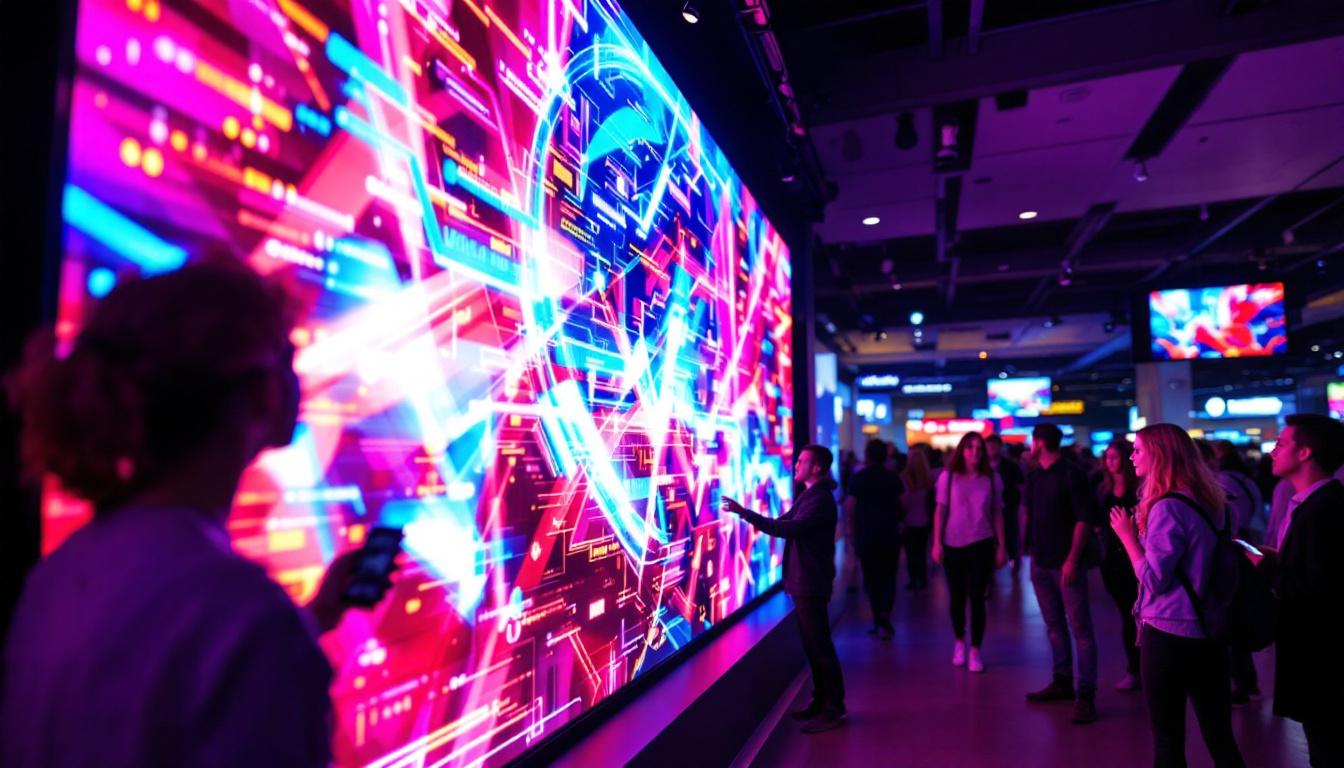
Integration of touch sensors, cameras, and AI-driven content management systems is making LED video walls more interactive and adaptive. This enhances user engagement and enables personalized experiences in retail, education, and corporate settings.
Enhanced Connectivity and Remote Management
Cloud-based control and IoT connectivity allow for real-time content updates, diagnostics, and performance monitoring. This reduces operational complexity and enables more dynamic content strategies.
Conclusion
LED video wall panels represent a powerful and versatile display technology that is reshaping visual communication across industries. Their superior brightness, scalability, and durability make them ideal for a wide range of applications, from corporate environments to large-scale public installations. As technology continues to advance, LED video walls will become even more immersive, interactive, and efficient, offering exciting possibilities for the future of digital displays.
For businesses and organizations looking to invest in high-impact visual solutions, understanding the technical nuances and application-specific requirements of LED video wall panels is essential. With the right choice and professional implementation, these displays can deliver compelling content that captivates audiences and drives engagement.
Discover LumenMatrix’s Innovative LED Solutions
Ready to elevate your visual communication with the latest in LED technology? Explore LumenMatrix’s comprehensive range of LED display solutions, including Indoor and Outdoor LED Wall Displays, Vehicle LED Displays, LED Poster Displays, and more. Each product is crafted to ignite engagement and captivate your audience, ensuring your message resonates with clarity and impact. Check out LumenMatrix LED Display Solutions today and join the revolution in digital signage excellence.