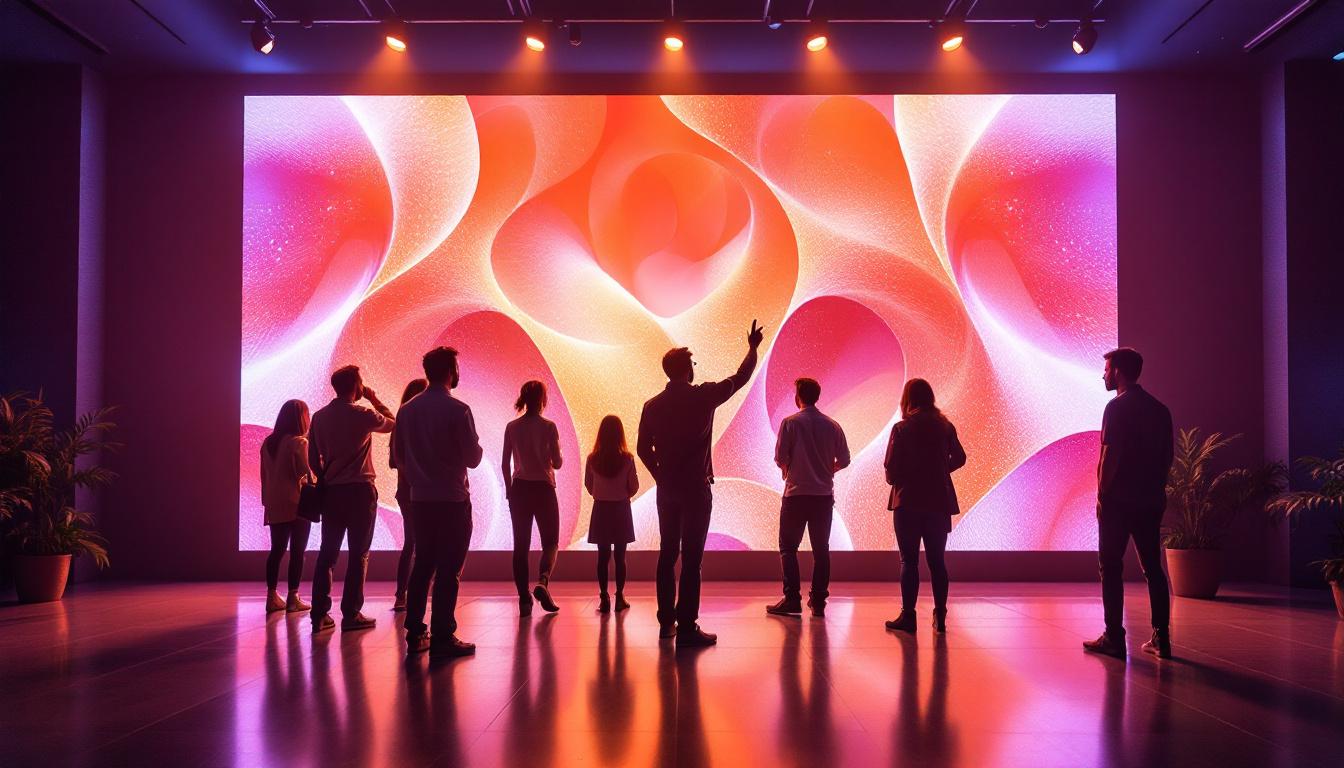
In the rapidly evolving world of digital signage and visual communication, LED walls have emerged as a dominant technology for delivering vibrant, large-scale displays. From stadiums and concert venues to corporate events and retail environments, LED walls provide unmatched brightness, flexibility, and impact. This article explores the fundamentals of LED walls, their technology, applications, and why they have become the preferred choice for high-quality visual presentations.
Understanding LED Wall Technology
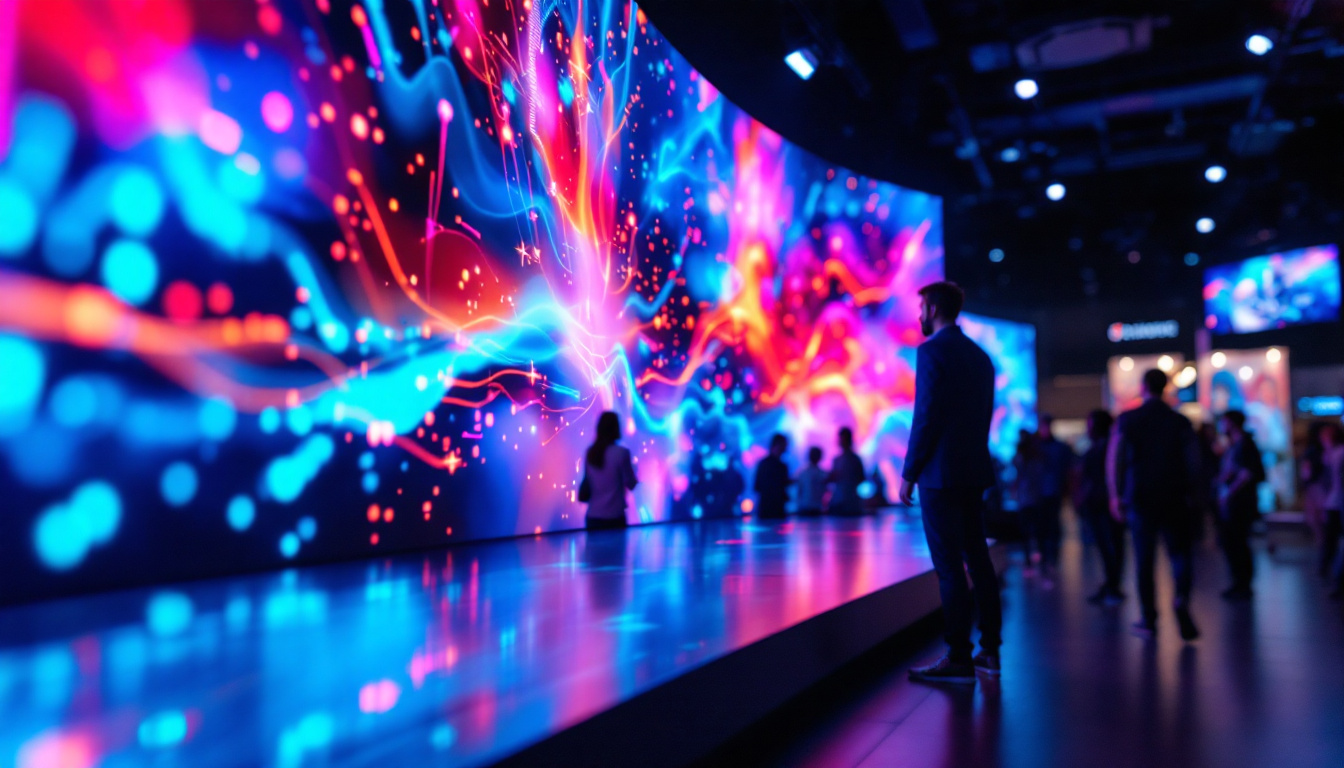
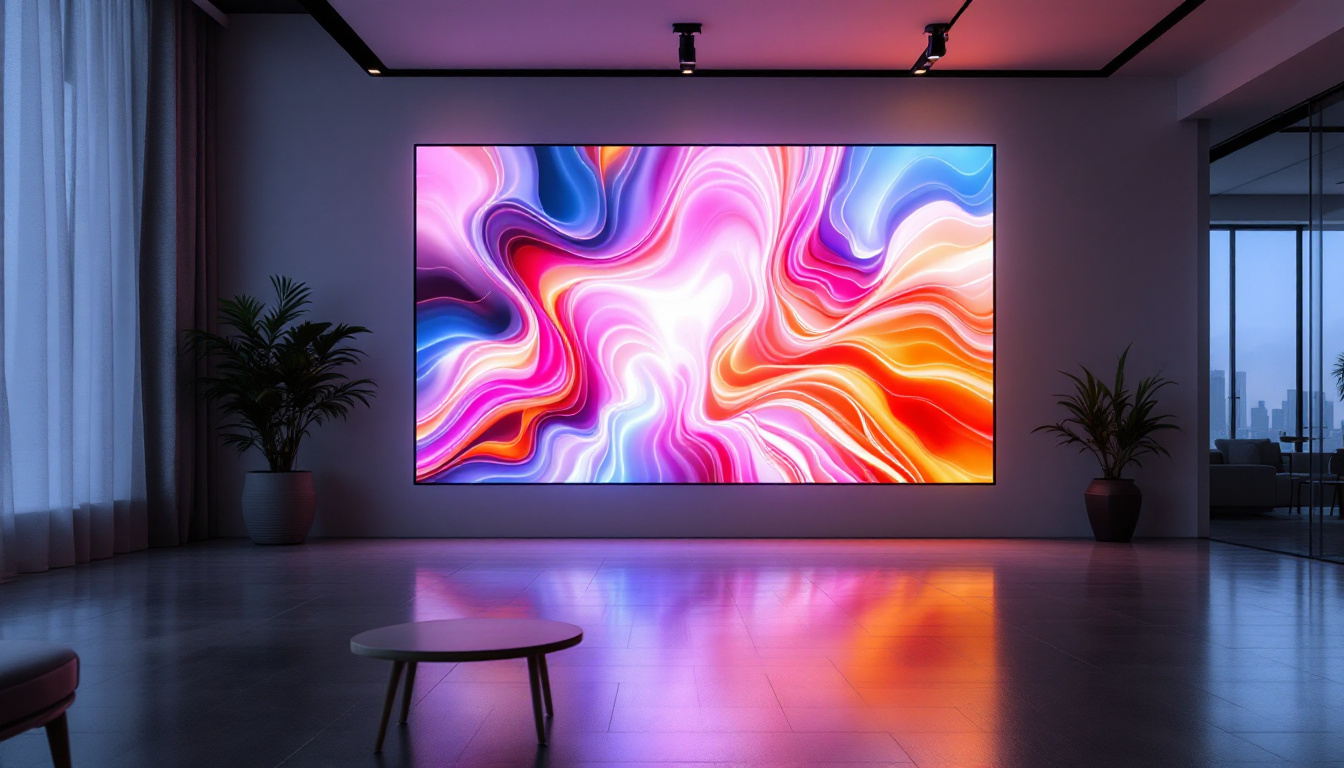
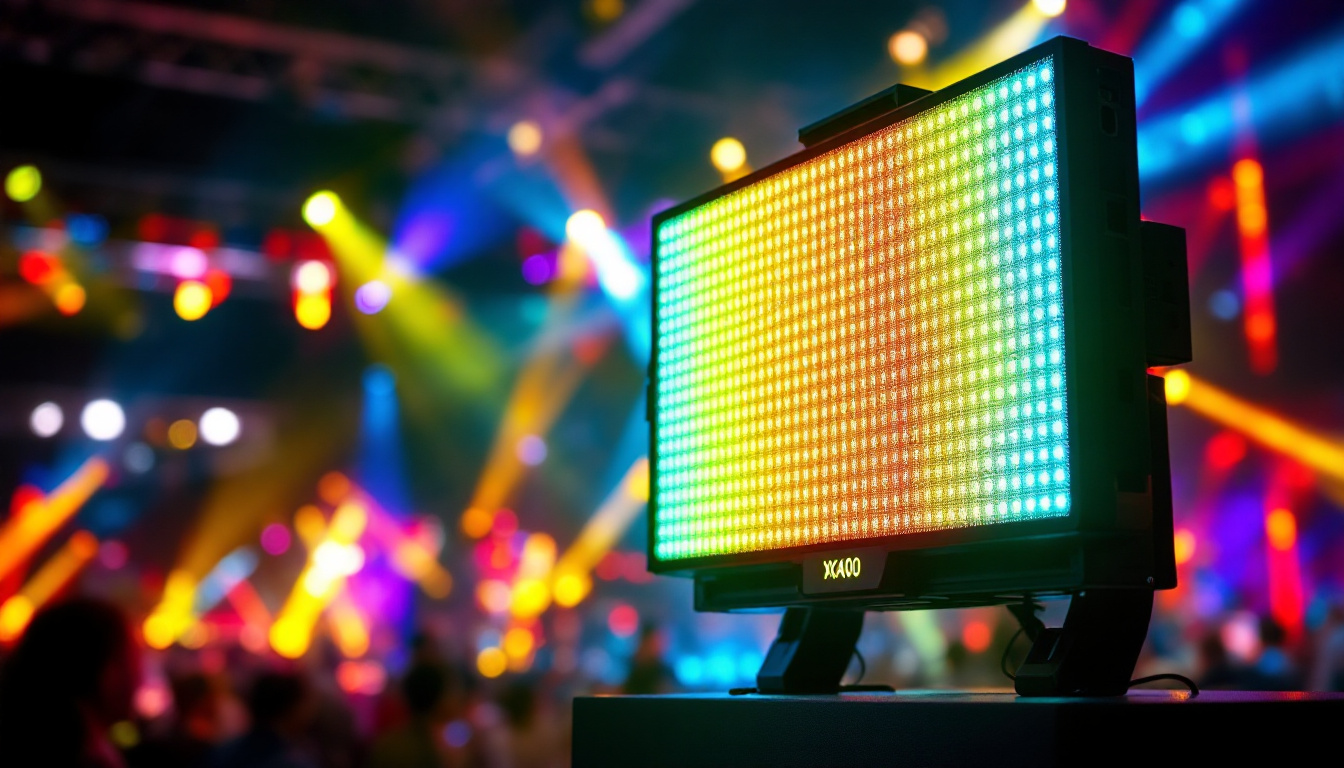
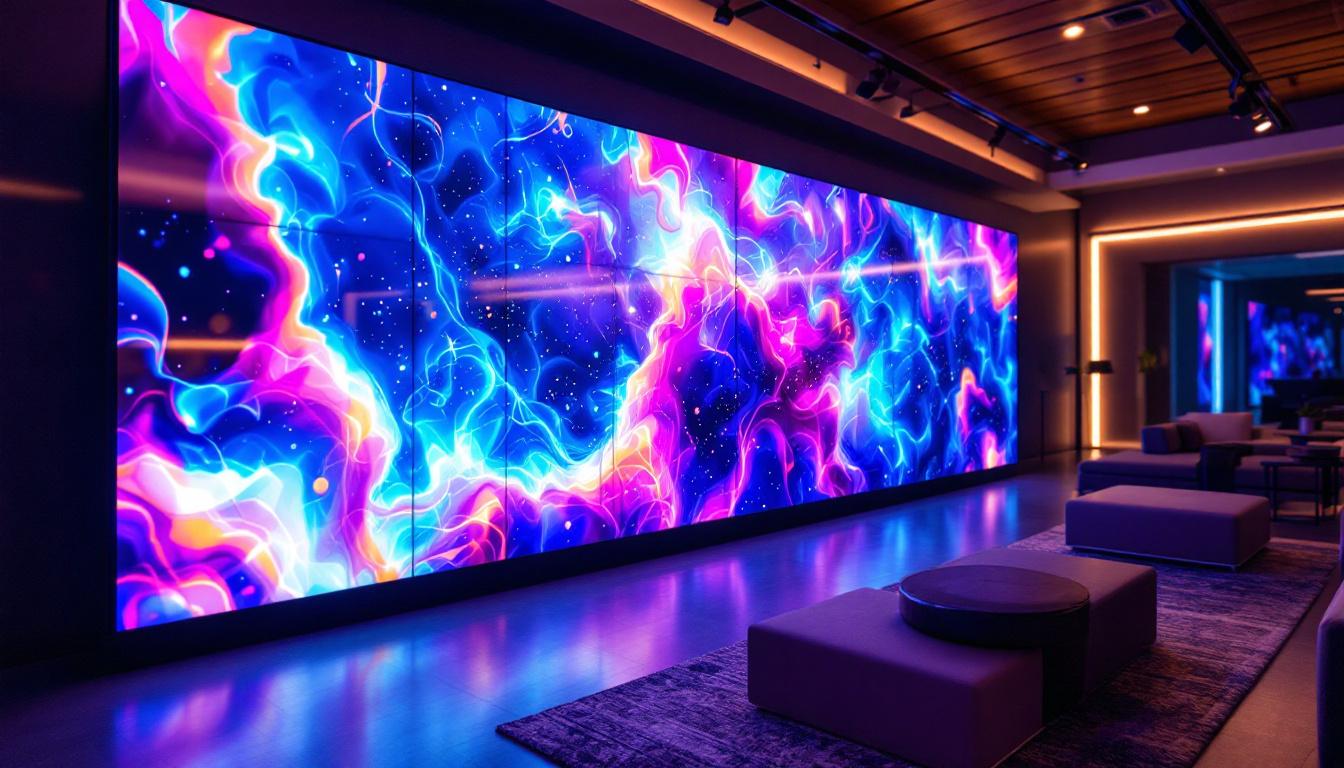
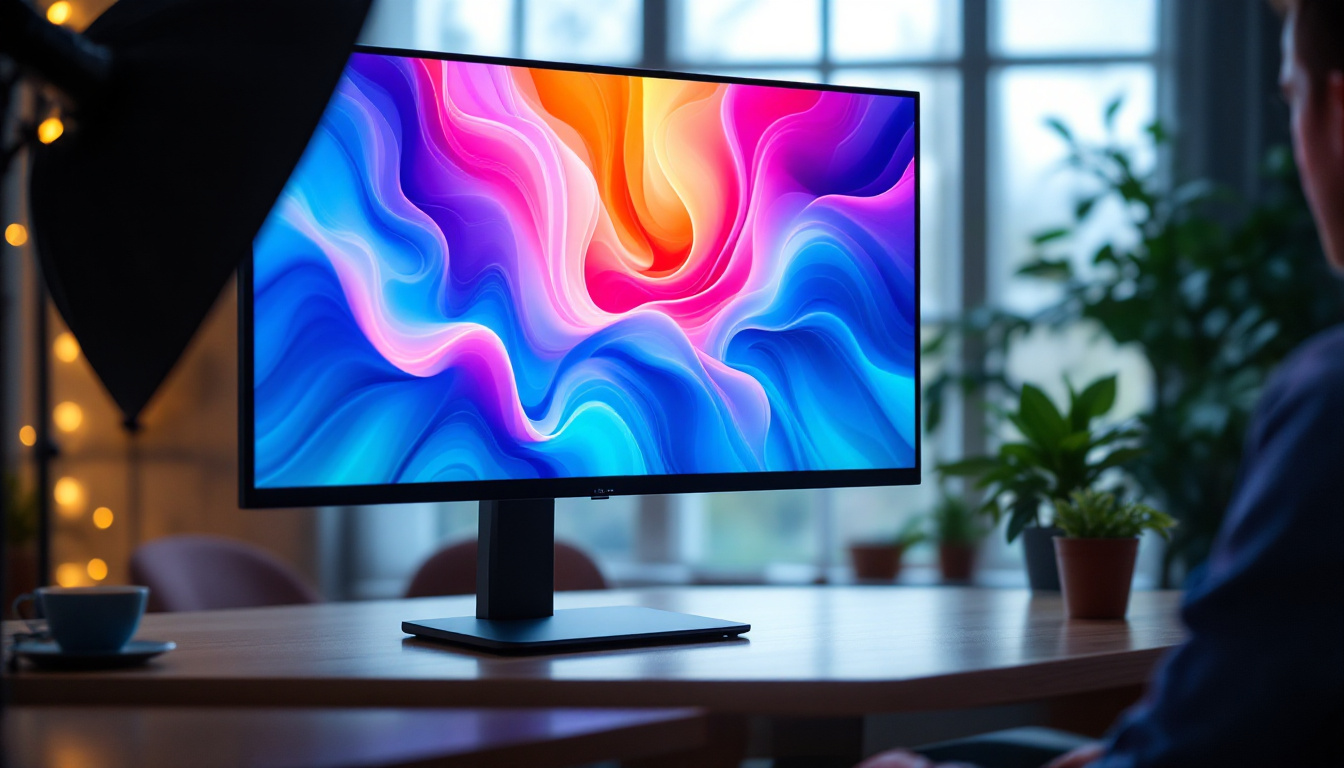
At its core, an LED wall is a large-scale display composed of numerous light-emitting diodes (LEDs) arranged in a matrix. Unlike traditional LCD or projection screens, LED walls are self-illuminating, meaning each diode emits its own light. This fundamental difference allows LED walls to achieve superior brightness, contrast, and color accuracy. The ability to produce vivid colors and deep blacks makes LED walls particularly appealing for a variety of applications, from live events to advertising and artistic installations.
How LED Walls Work
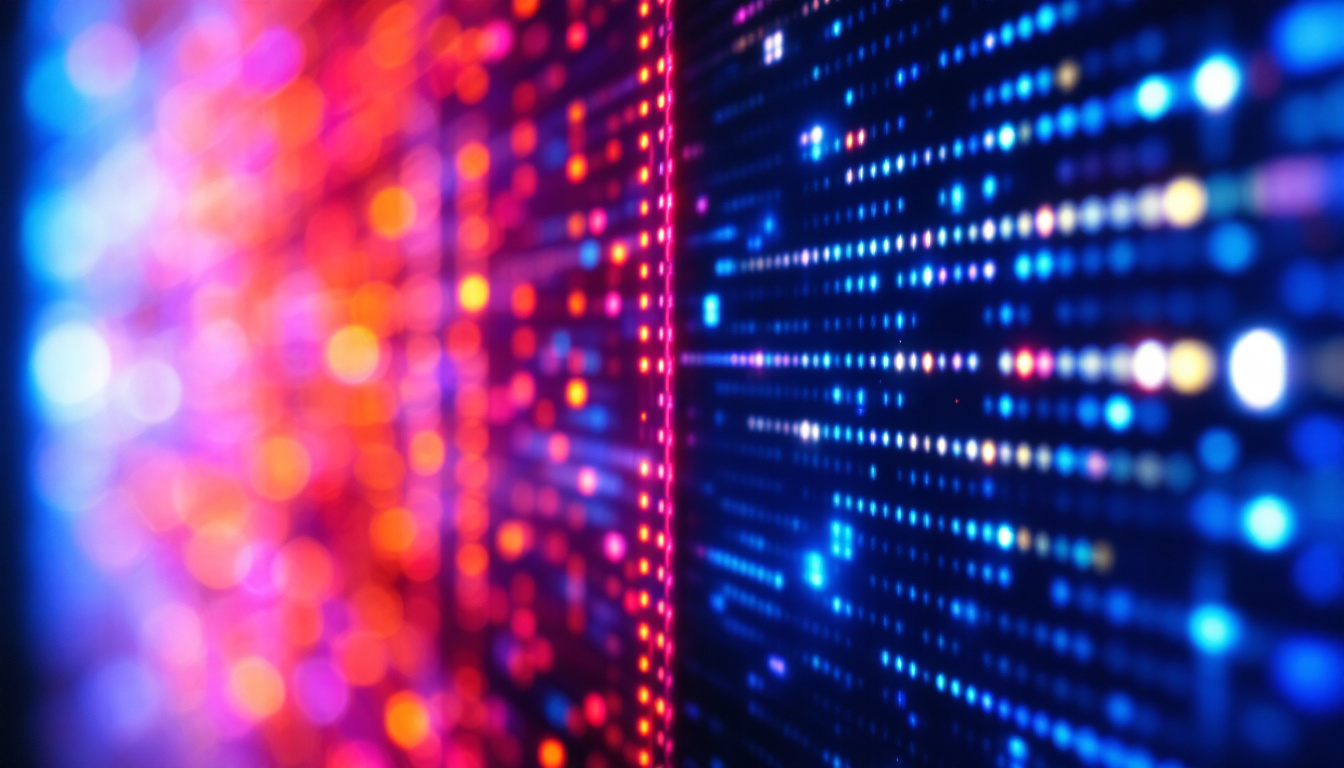
Each LED in the wall functions as a tiny pixel, capable of producing a wide range of colors by combining red, green, and blue diodes. These pixels are arranged in panels, which are then seamlessly tiled together to form a large, continuous display surface. The resolution of an LED wall depends on the pixel pitch—the distance between the centers of two adjacent pixels. A smaller pixel pitch means higher resolution and sharper images, particularly important for close viewing distances. This is especially relevant in settings like concert venues or trade shows, where audiences may be positioned just a few feet away from the display.
Modern LED walls utilize advanced control systems that synchronize the panels and manage the content displayed. These systems ensure smooth video playback, color consistency, and brightness uniformity across the entire surface, even when the display spans hundreds of square meters. Additionally, many LED walls now incorporate features like real-time content updates and interactive capabilities, allowing for dynamic presentations that can engage viewers in new and exciting ways.
Types of LED Displays
LED walls come in various forms tailored to different environments and purposes:
- Indoor LED Walls: Designed for controlled lighting environments, these have a smaller pixel pitch (often between 1.2mm to 4mm) for high-resolution images and close viewing distances. They are commonly used in conference rooms, theaters, and retail spaces to create immersive experiences.
- Outdoor LED Walls: Built to withstand weather conditions with higher brightness levels (often exceeding 5,000 nits) to remain visible under direct sunlight. Pixel pitches are typically larger, ranging from 6mm to 20mm or more. These displays are often seen at sports arenas, outdoor concerts, and public events, where their durability and visibility are paramount.
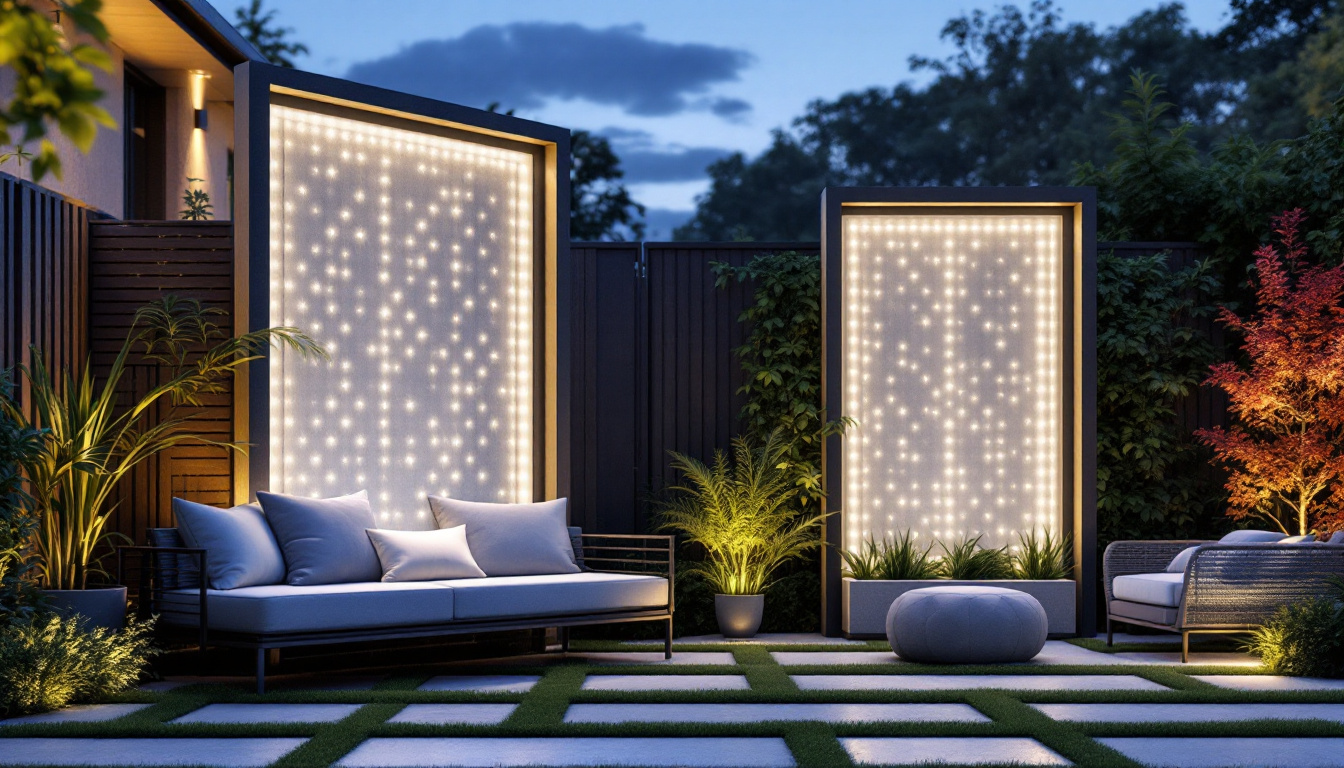
- Transparent LED Walls: These innovative displays allow light to pass through, making them ideal for storefronts and architectural installations where maintaining visibility through the glass is important. They can create stunning visual effects while still allowing natural light into the space, merging digital content with the physical environment.
- Flexible and Curved LED Walls: Utilizing flexible panels, these walls can be shaped into curves or unconventional forms, expanding creative possibilities for designers and advertisers. This adaptability allows for unique installations that can fit within various architectural designs, enhancing the aesthetic appeal of any venue.
Furthermore, the evolution of LED technology has led to the development of high-definition and ultra-high-definition displays, which are increasingly becoming the standard for new installations. These advancements not only improve visual fidelity but also enhance the viewer’s experience, making content more engaging and impactful. As the demand for high-quality visual displays continues to rise, LED wall technology is poised to play a crucial role in shaping the future of digital communication and entertainment.
Advantages of LED Walls Over Traditional Displays
LED walls offer several significant benefits that have contributed to their widespread adoption across industries.
Brightness and Visibility
One of the most compelling advantages of LED walls is their exceptional brightness. While LCD screens typically max out around 500 to 700 nits, LED walls can achieve brightness levels upwards of 1,000 to 5,000 nits or more. This makes them highly visible even in direct sunlight, a critical feature for outdoor advertising and event displays. The ability to maintain visibility in bright environments ensures that messages are conveyed effectively, capturing the attention of passersby and enhancing the overall impact of advertising campaigns. Furthermore, this high level of brightness allows for vibrant colors and dynamic content that can engage audiences in ways that traditional displays often cannot.
Color Accuracy and Contrast
Because each LED emits its own light, LED walls can produce true blacks by turning off individual pixels, resulting in superior contrast ratios compared to LCDs that rely on backlighting. This capability enhances image depth and vibrancy, delivering an immersive viewing experience. The color gamut of LED walls is also broader, allowing for more precise color reproduction that is essential for applications such as digital art displays or high-end video production. This level of color accuracy ensures that the intended visual message is communicated effectively, whether it’s for a corporate presentation or a live concert performance, where every detail matters.
Scalability and Customization
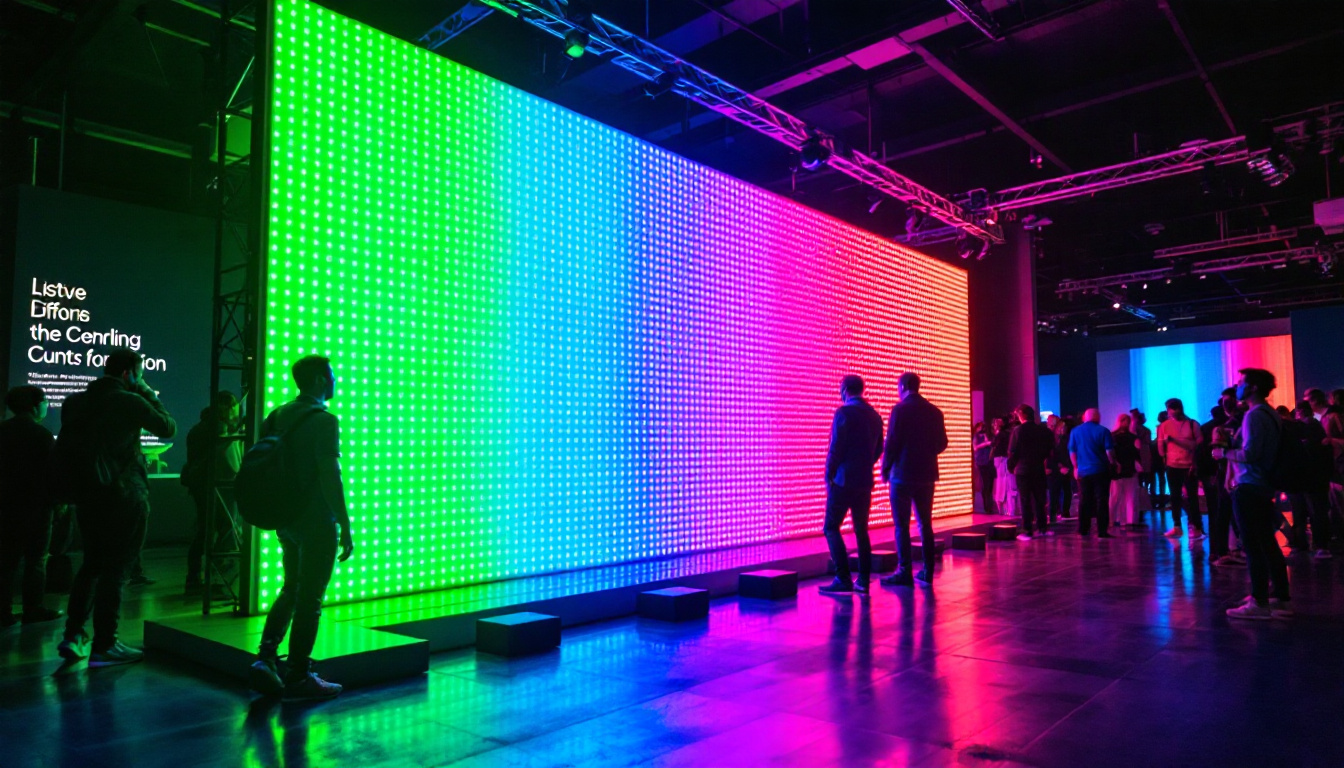
LED walls can be scaled to virtually any size by adding or removing panels, making them highly adaptable to different venues and purposes. Whether it’s a massive stadium screen or a compact digital billboard, LED walls can be customized to fit the space and resolution requirements perfectly. This flexibility not only allows for unique configurations that can enhance the aesthetics of a venue but also enables quick adjustments for various events, from trade shows to sporting events. Additionally, the modular design of LED walls means that they can be easily transported and reconfigured, making them a favorite choice for rental companies and event planners who require versatile display solutions.
Durability and Longevity
LED technology is known for its robustness and longevity. High-quality LED panels can operate continuously for 100,000 hours or more with minimal degradation in brightness or color quality. Additionally, their solid-state nature makes them resistant to shock and vibration, ideal for mobile or temporary installations. This durability translates to lower maintenance costs and less frequent replacements, making LED walls a cost-effective investment over time. Moreover, many LED panels are designed to withstand various environmental conditions, including humidity and temperature fluctuations, which further enhances their suitability for outdoor use. This resilience not only ensures a consistent performance but also provides peace of mind for businesses that rely on these displays for critical communications and branding efforts.
Applications of LED Walls
The versatility of LED walls has led to their adoption in a wide range of sectors, each leveraging the technology’s strengths to engage audiences effectively.
Entertainment and Events
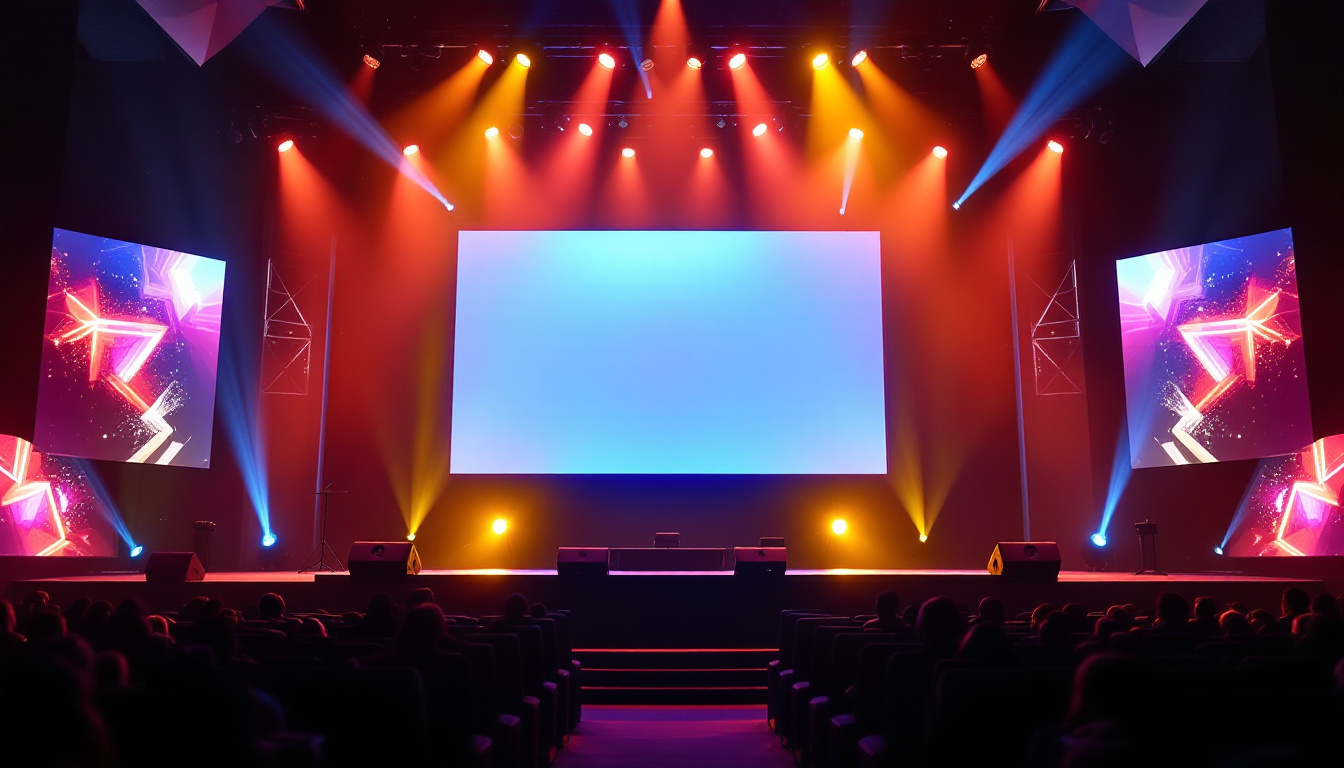
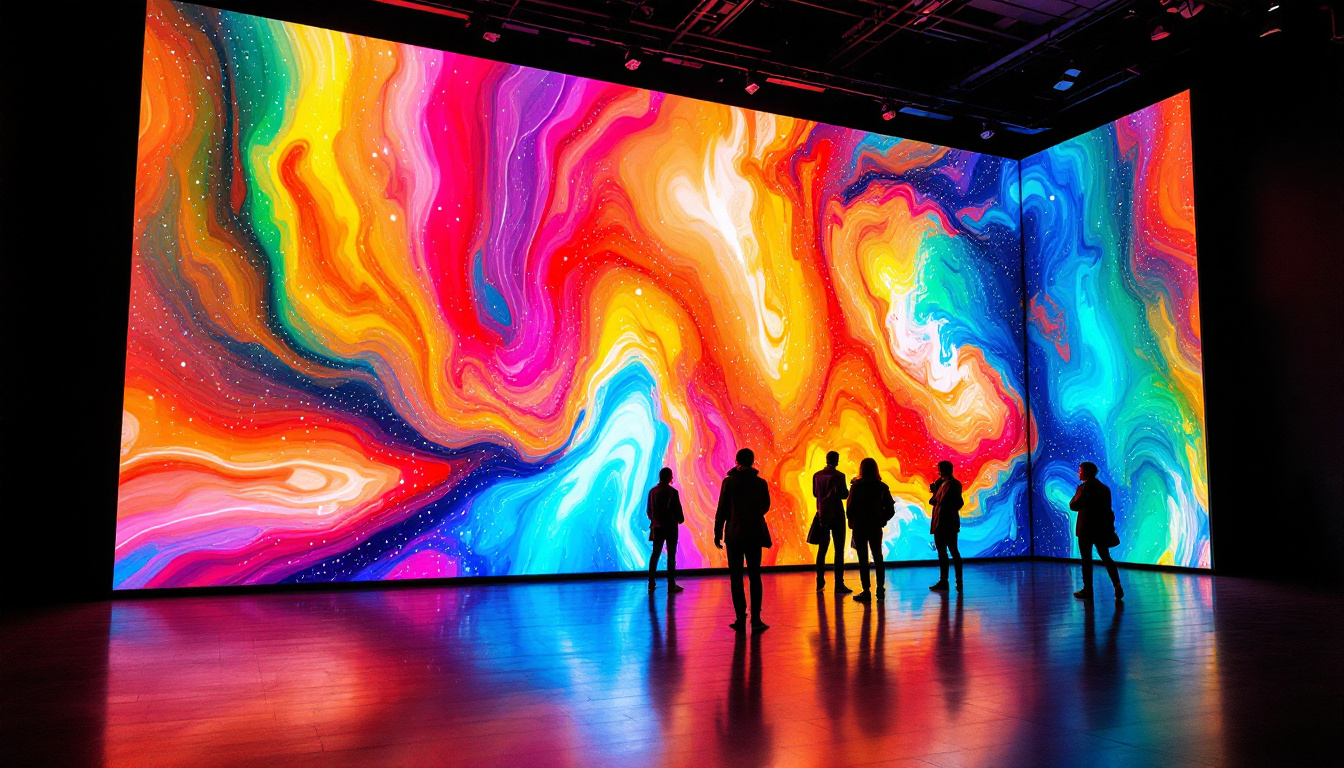
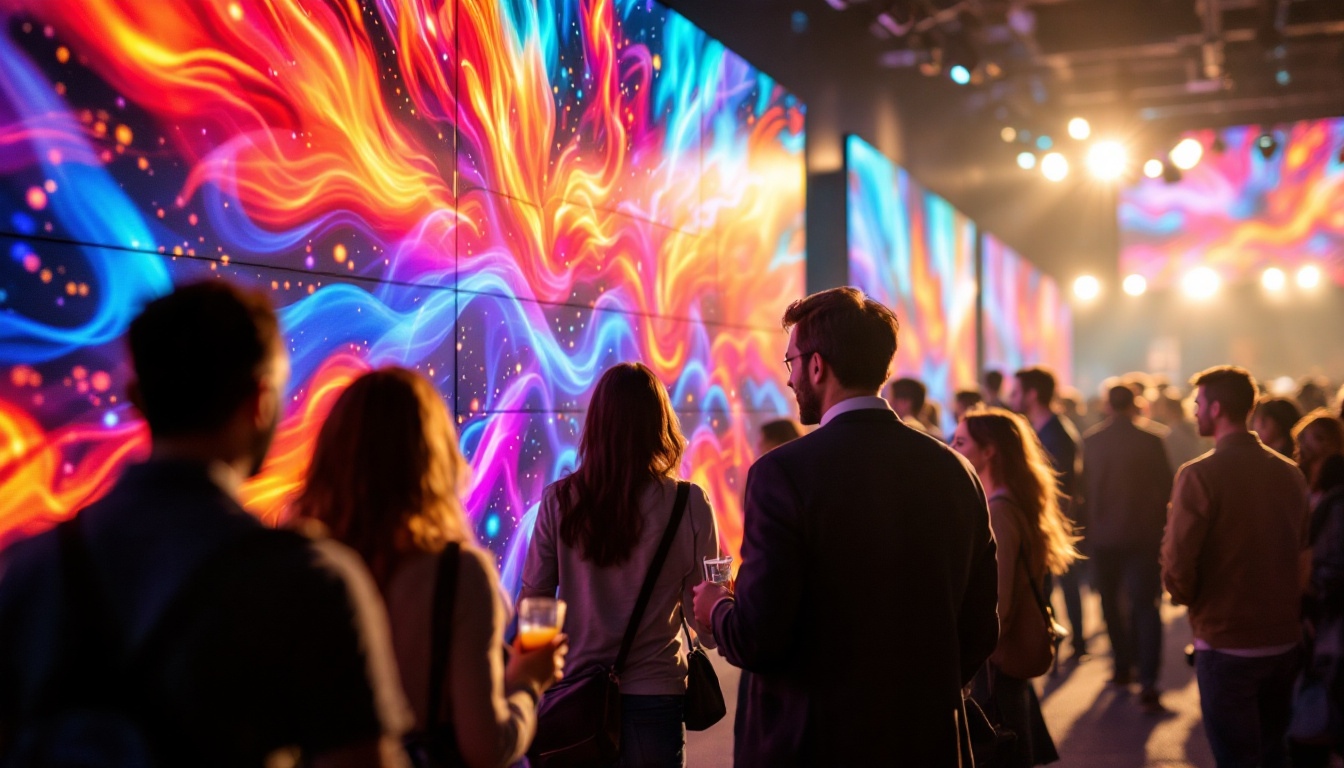
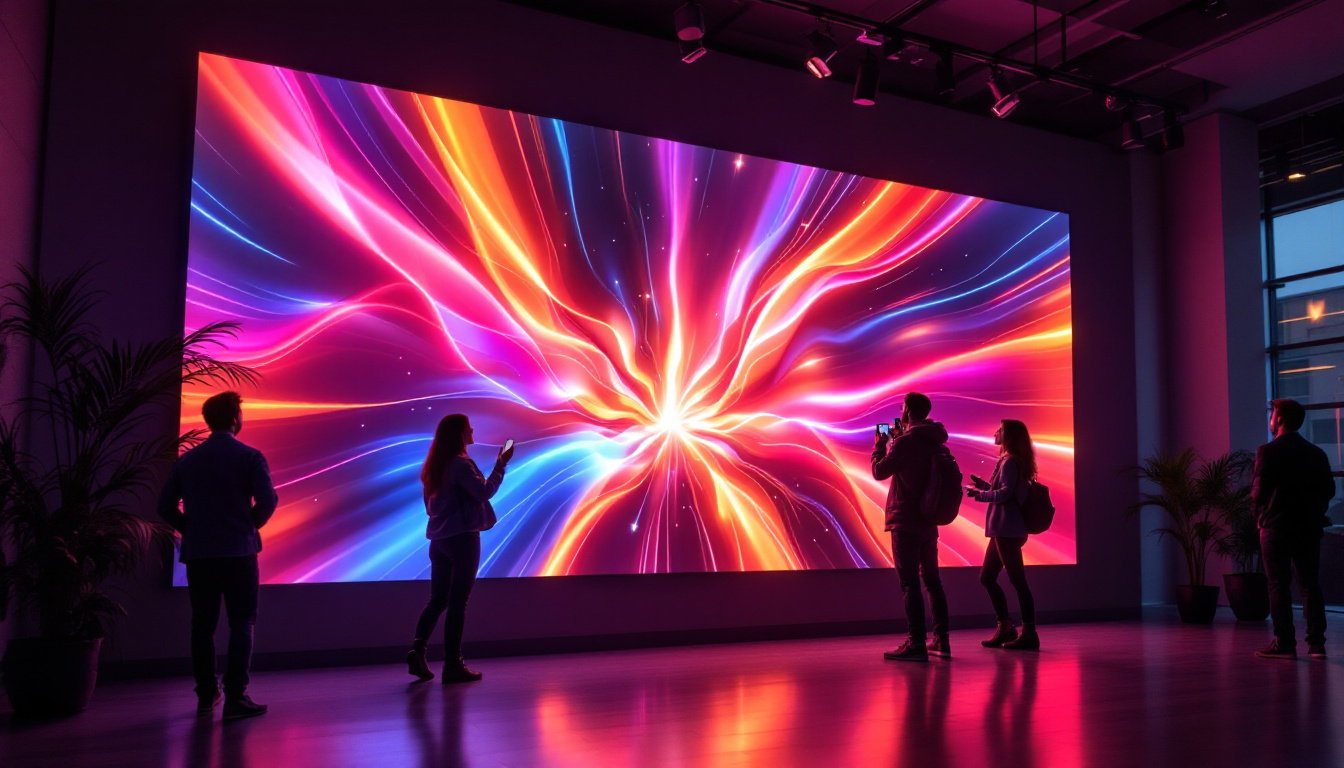
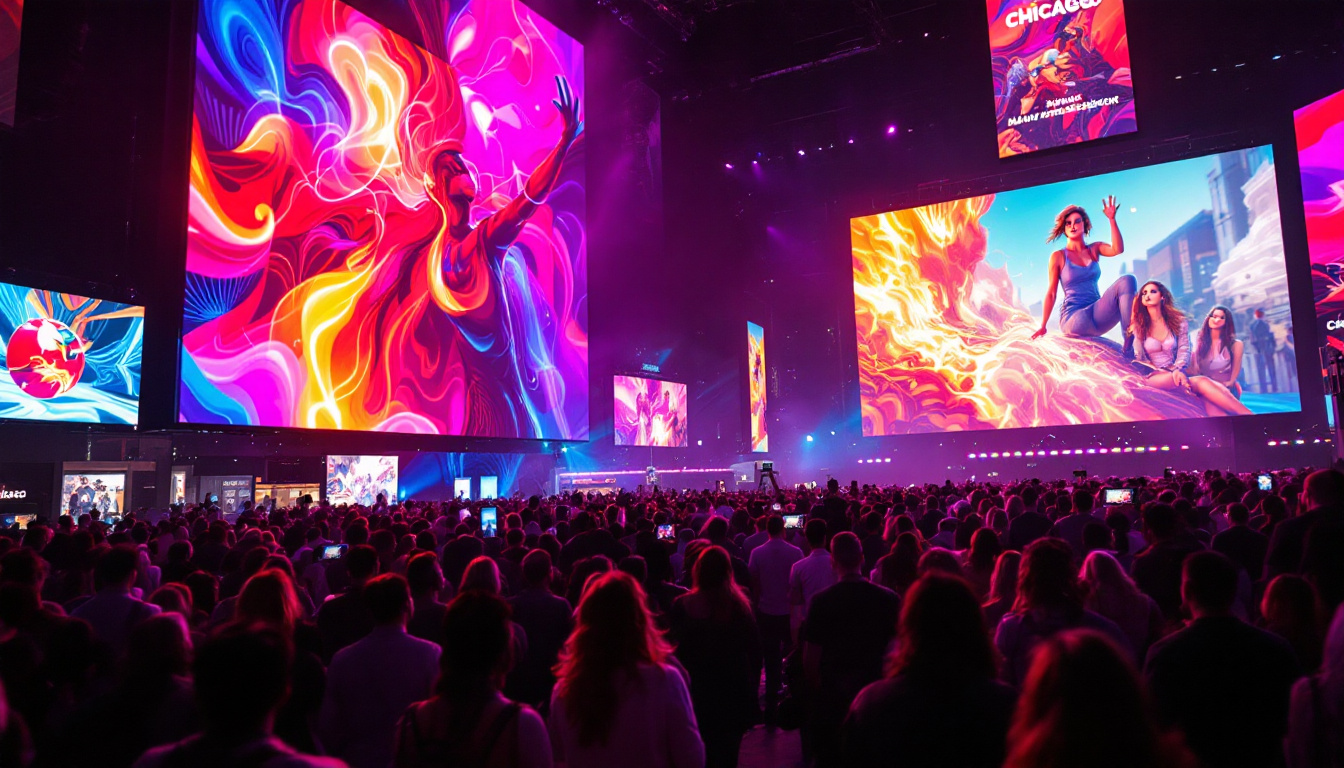
Concerts, festivals, and live events frequently use LED walls as dynamic backdrops and information displays. Their ability to produce vivid imagery and video content enhances the audience experience, providing immersive visuals that complement performances. For example, major music festivals like Coachella and Tomorrowland utilize massive LED walls to create stunning visual effects synchronized with live music.
Sports Venues
Stadiums and arenas employ LED walls for scoreboards, advertising, and fan engagement. The high brightness ensures visibility even in daylight, while the large scale allows for detailed replays, statistics, and interactive content. The 2022 FIFA World Cup stadiums featured some of the most advanced LED display systems, showcasing real-time data and immersive graphics to millions of viewers.
Retail and Advertising
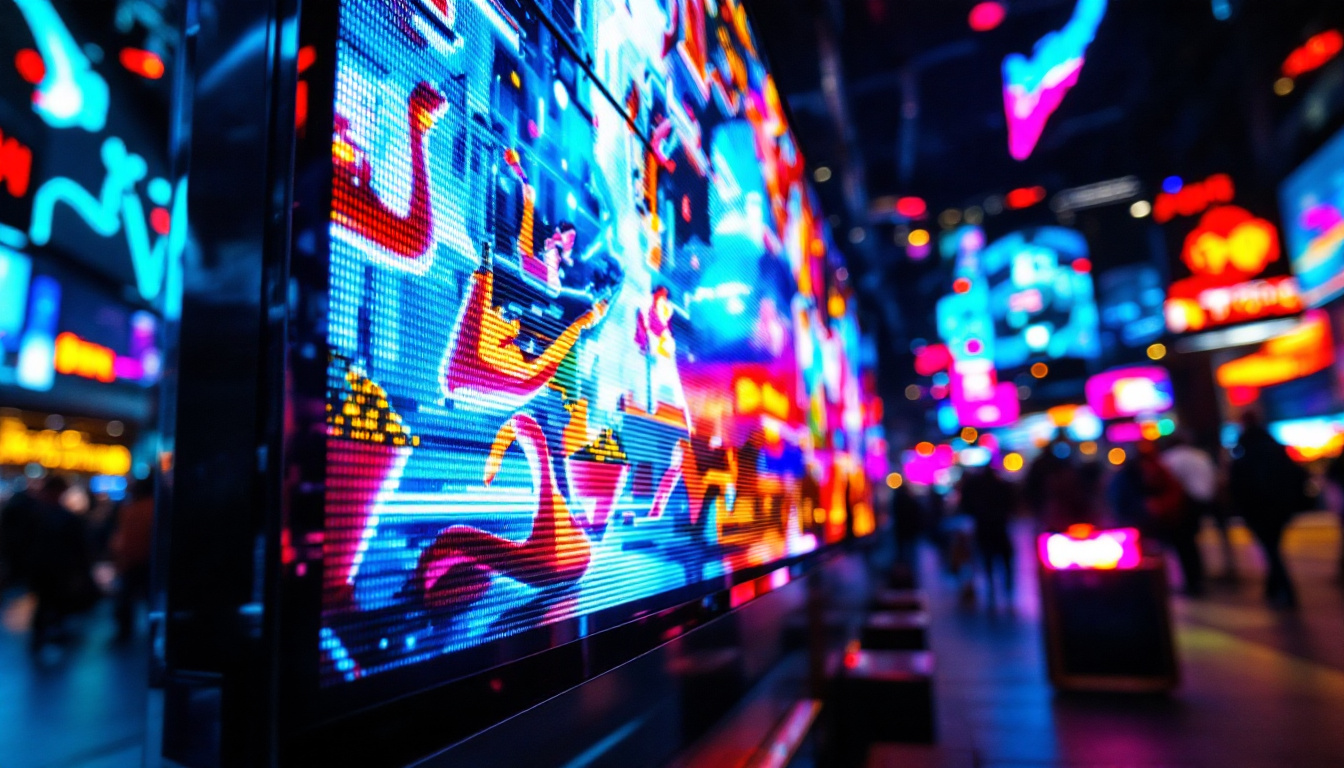
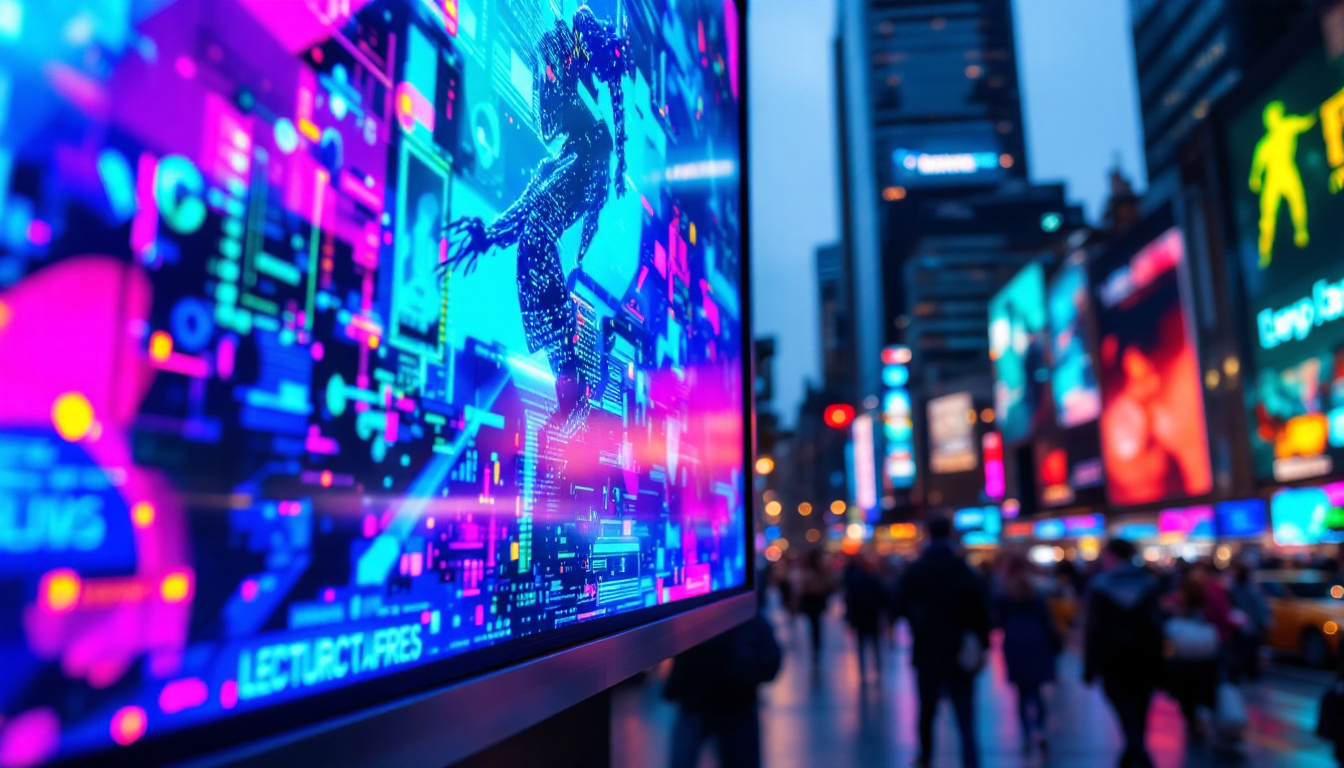
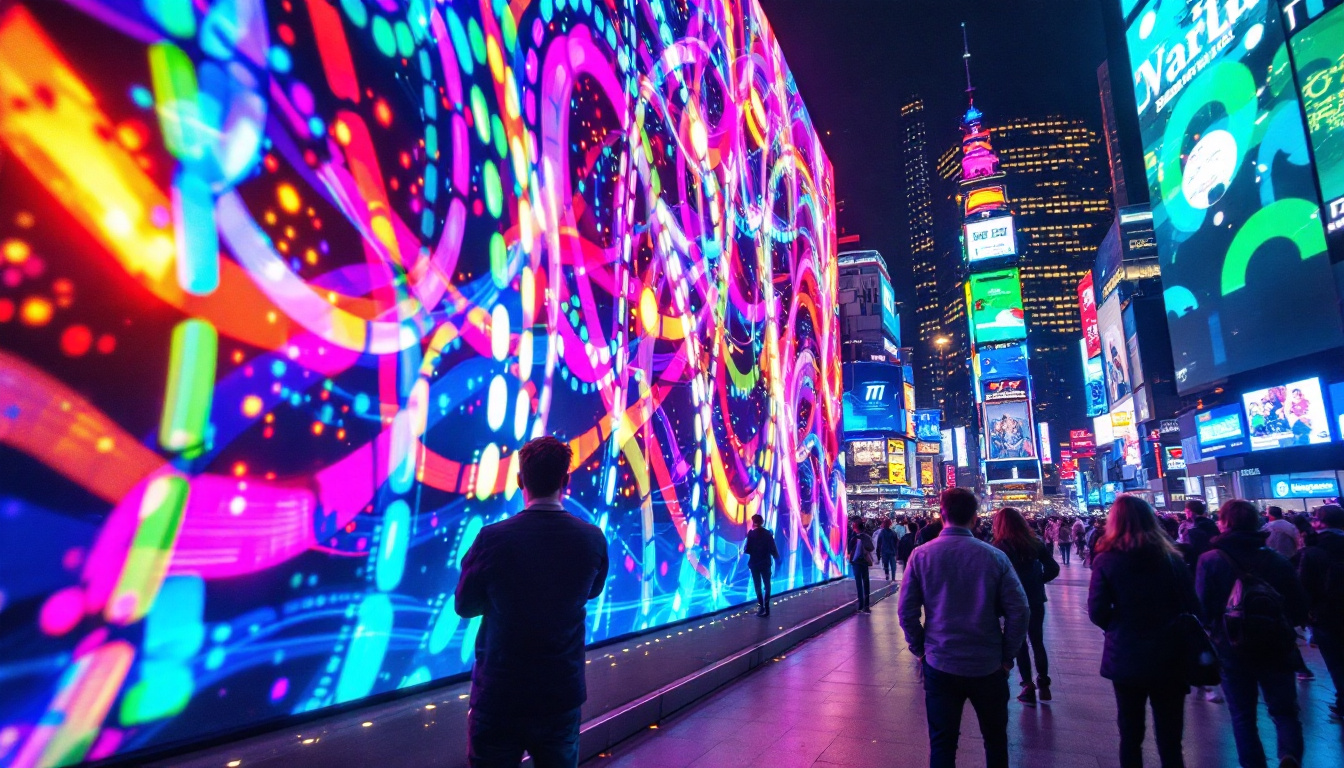
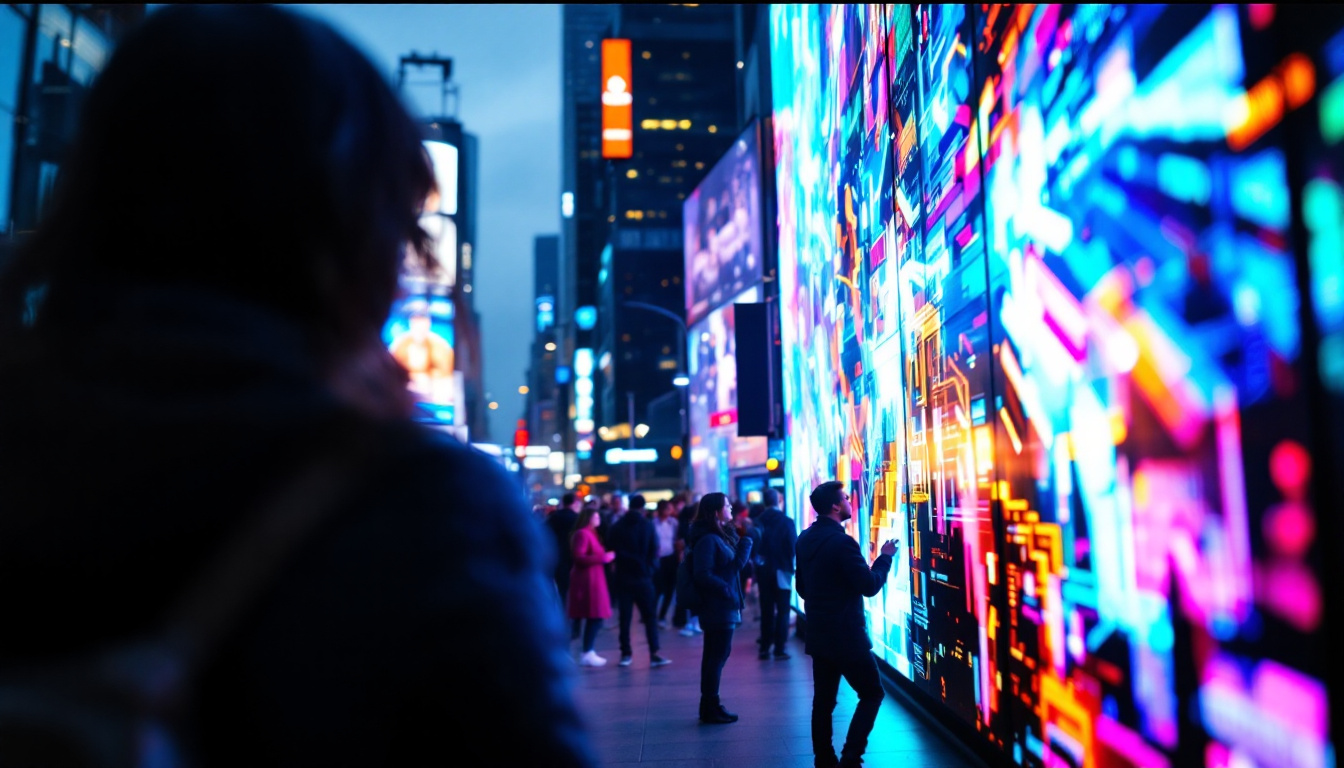
Retailers and advertisers use LED walls to capture consumer attention with eye-catching digital signage. The ability to update content remotely and instantly makes LED walls a powerful tool for promotions, brand storytelling, and interactive marketing campaigns. Times Square in New York City is a prime example, where massive LED billboards dominate the urban landscape.
Corporate and Educational Settings
In corporate environments, LED walls facilitate presentations, video conferencing, and digital collaboration. Their high resolution and clarity improve communication effectiveness during meetings and conferences. Similarly, educational institutions use LED walls for immersive learning experiences, digital displays, and virtual classrooms.
Key Considerations When Choosing an LED Wall
Selecting the right LED wall involves evaluating several critical factors to ensure the display meets the specific needs of the application.
Pixel Pitch and Resolution
The pixel pitch determines the viewing distance and image sharpness. For close-up viewing, such as in retail or corporate settings, a smaller pixel pitch (1.2mm to 3mm) is ideal. For large outdoor displays viewed from a distance, a larger pixel pitch (6mm or more) is sufficient and more cost-effective.
Brightness and Environmental Conditions
Consider the ambient lighting conditions where the LED wall will be installed. Outdoor installations require higher brightness levels and weatherproofing, while indoor displays can prioritize resolution and color accuracy.
Installation and Maintenance
LED walls require professional installation to ensure seamless panel alignment and reliable connectivity. Maintenance access is also important, especially for large or permanent installations, to facilitate repairs and cleaning without disrupting operations.
Content Management and Control Systems
Modern LED walls depend on sophisticated control systems to manage content playback, synchronization, and calibration. Choosing a system that is user-friendly and compatible with various media formats can streamline operations and enhance flexibility.
The Future of LED Wall Technology
LED wall technology continues to advance rapidly, driven by innovations in materials, manufacturing, and software.
MicroLED and MiniLED Innovations
Emerging technologies like MicroLED and MiniLED promise even higher resolutions, improved energy efficiency, and thinner form factors. MicroLED, in particular, offers the potential for displays with pixel pitches under 1mm, enabling ultra-high-definition visuals suitable for a wide range of applications.
Integration with Augmented Reality and AI
Future LED walls are expected to integrate more seamlessly with augmented reality (AR) and artificial intelligence (AI), enabling interactive and personalized content experiences. For instance, AI-driven analytics can tailor advertising content in real-time based on audience demographics and behavior.
Sustainability and Energy Efficiency
As environmental concerns grow, manufacturers are focusing on reducing the energy consumption and carbon footprint of LED walls. Advances in LED chip technology and power management systems are making LED walls more sustainable without compromising performance.
Conclusion
LED walls represent a transformative technology in digital display solutions, offering unparalleled brightness, flexibility, and visual impact. Their ability to deliver high-resolution, vibrant content in diverse environments has made them indispensable across entertainment, sports, retail, corporate, and educational sectors. As advancements continue to push the boundaries of what LED walls can achieve, their role in shaping the future of visual communication looks more promising than ever.
For businesses and event organizers seeking to captivate audiences and communicate effectively, understanding the nuances of LED wall technology is essential. By considering factors such as pixel pitch, brightness, installation, and content management, stakeholders can select the optimal LED display solution tailored to their unique needs.
Discover LumenMatrix’s Innovative LED Display Solutions
Ready to elevate your visual presentations with the latest in LED technology? Look no further than LumenMatrix, a pioneer in crafting LED display modules designed to bring your brand to life. Whether you’re in need of an Indoor LED Wall Display for your corporate events, an Outdoor LED Wall Display for maximum exposure, or any of our specialized solutions like Vehicle, Sports, or Floor LED Displays, LumenMatrix has you covered. Embrace the future of visual communication with our Custom, All-in-One, and Transparent LED Displays that promise to captivate your audience. Check out LumenMatrix LED Display Solutions today and transform the way you share your message with the world.