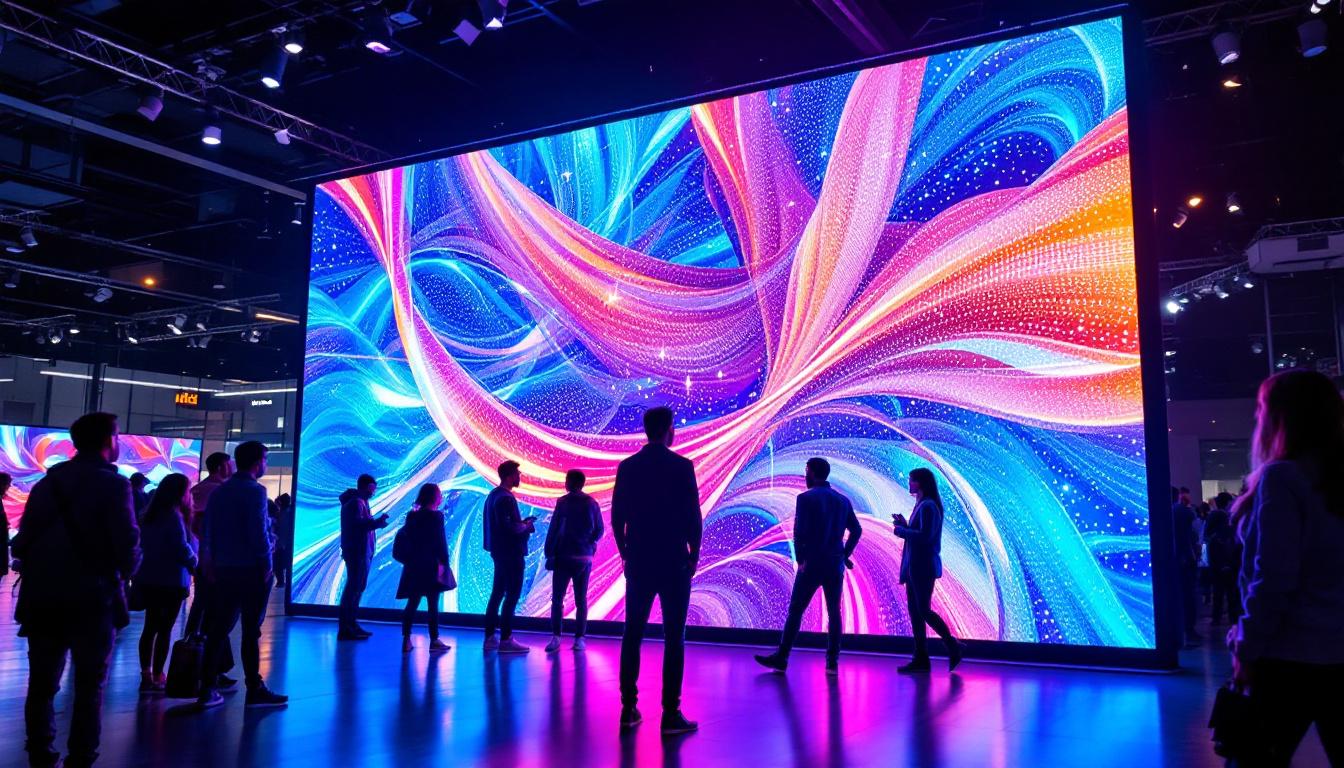
In today’s digital landscape, LED walls have become a cornerstone of visual communication, offering vibrant, dynamic displays that captivate audiences across industries. Whether for advertising, entertainment, corporate events, or retail environments, investing in an LED display wall is a decision that requires careful consideration. This article aims to demystify LED walls by explaining what they are, how they work, and what to consider when purchasing one. By the end, readers will be equipped with the knowledge to make informed decisions tailored to their specific needs.
Understanding LED Walls: What Are They and How Do They Work?
What Is an LED Wall?
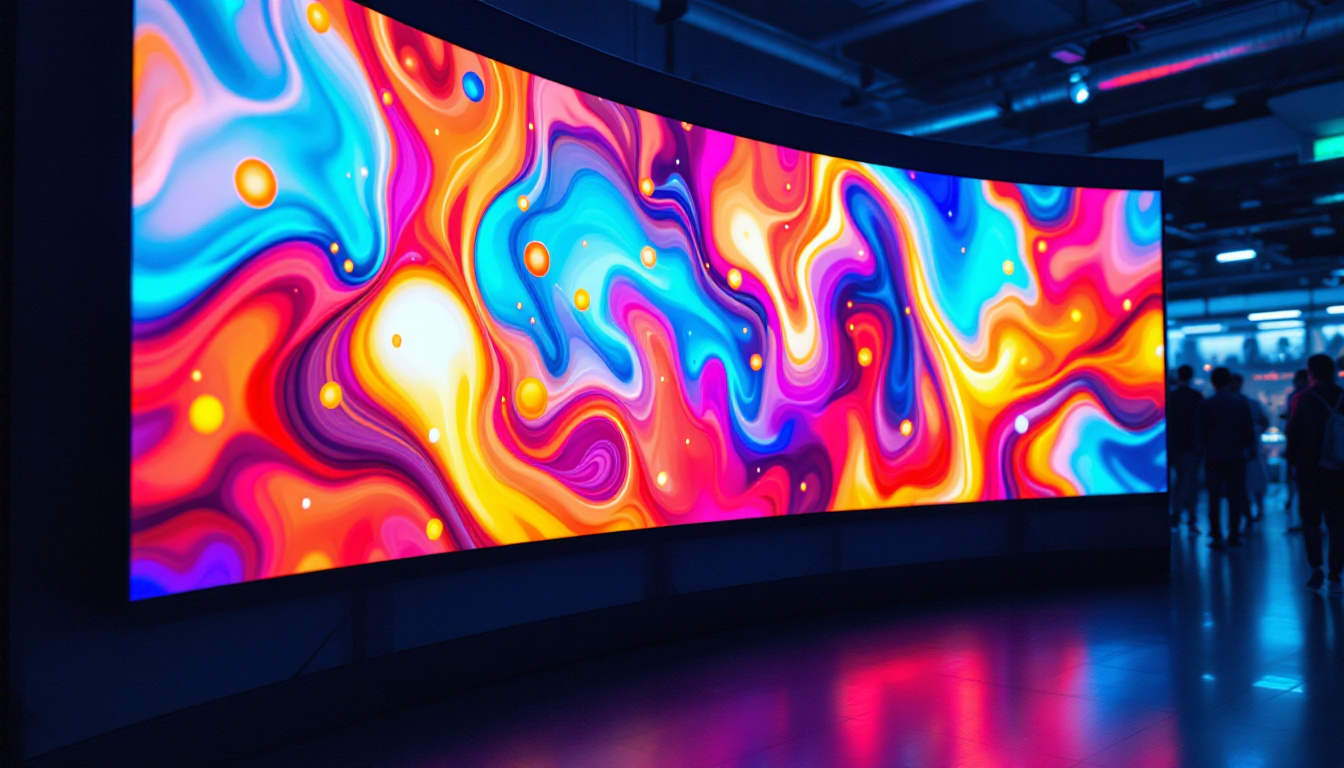
An LED wall, also known as an LED display or LED video wall, is a large-scale screen composed of numerous light-emitting diode (LED) modules. These modules are arranged in a grid to form a seamless display surface capable of showing high-resolution images, videos, and animations. Unlike traditional LCD or projection screens, LED walls emit their own light, resulting in brighter, more vivid visuals that remain clear even in brightly lit environments.
LED walls vary in size and resolution, ranging from small indoor panels used in conference rooms to massive outdoor installations on building facades or stadiums. Their modular design allows for flexible configurations, making them suitable for both permanent installations and temporary setups for events.
How Do LED Walls Work?
Each LED module within the wall contains thousands of tiny LEDs, typically red, green, and blue (RGB), which combine to produce a full spectrum of colors. The brightness and color of each pixel are controlled by an electronic system that processes incoming video signals. This system adjusts the intensity of each LED to accurately render images and videos.
Modern LED walls use surface-mounted device (SMD) technology, where LEDs are mounted directly on the surface of the circuit board. This allows for higher pixel density and better viewing angles compared to older through-hole LED technology. The pixel pitch—the distance between the centers of two adjacent pixels—is a critical factor influencing image clarity and viewing distance. Smaller pixel pitches mean higher resolution and closer optimal viewing distances.
Key Factors to Consider When Purchasing an LED Wall
Pixel Pitch and Resolution
Pixel pitch is arguably the most important specification when selecting an LED wall. It determines the resolution and clarity of the display. For indoor environments where viewers are close to the screen, a pixel pitch of 1.2mm to 2.5mm is common, offering crisp images and fine details. Outdoor displays, viewed from a greater distance, typically use larger pixel pitches ranging from 4mm to 10mm or more.
Choosing the right pixel pitch depends on the intended viewing distance. For example, a retail store window display viewed from a few feet away requires a much finer pixel pitch than a billboard seen from hundreds of feet. Selecting an inappropriate pixel pitch can result in either unnecessarily high costs or poor image quality.
Brightness and Contrast Ratio
Brightness is measured in nits (candelas per square meter) and is a crucial factor for visibility, especially in outdoor or well-lit indoor environments. Outdoor LED walls generally require brightness levels of 5,000 to 8,000 nits to remain legible under direct sunlight. Indoor displays typically operate between 800 and 1,500 nits, which is sufficient for most lighting conditions without causing eye strain.
Contrast ratio, the difference between the brightest white and the darkest black the display can produce, affects image depth and vibrancy. Higher contrast ratios contribute to more lifelike images. While LED walls naturally offer better contrast than many other display technologies due to their emissive nature, it’s important to verify manufacturer specifications and consider the environment where the display will be installed.
Viewing Angle and Color Accuracy
Wide viewing angles ensure that the image remains consistent and clear even when viewed from the sides or at steep angles. Most modern LED walls offer viewing angles of 140 degrees or more horizontally and vertically, which is essential for public installations where audiences may view the screen from various positions.
Color accuracy is critical for applications such as branding, retail, and broadcast, where precise color reproduction is necessary. High-quality LED walls support a broad color gamut and advanced calibration options to maintain consistent color output over time. Some manufacturers provide factory calibration and software tools to help maintain color fidelity throughout the display’s lifespan.
Durability and Environmental Considerations
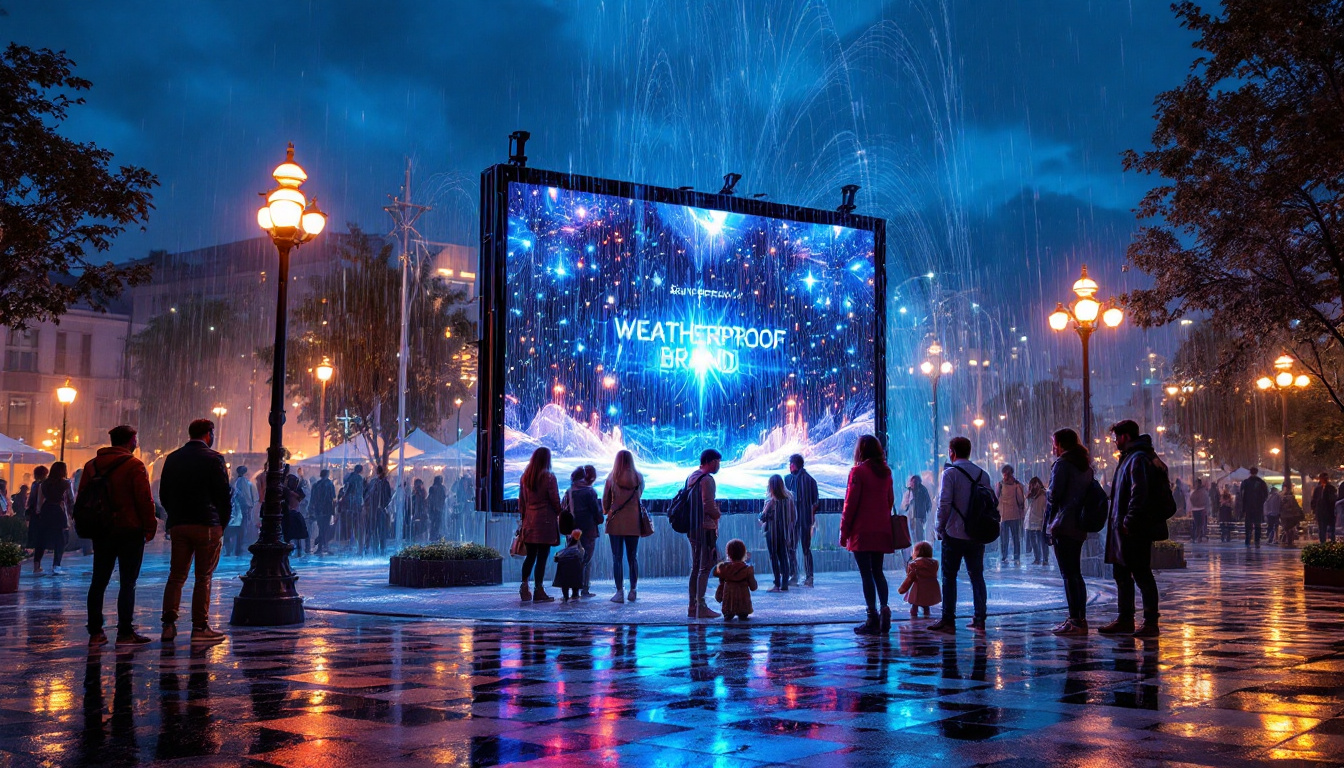
LED walls intended for outdoor use must be weatherproof, capable of withstanding rain, dust, extreme temperatures, and UV exposure. Look for displays with an IP65 or higher rating, indicating protection against water jets and dust ingress. Additionally, consider the operating temperature range to ensure reliable performance in your climate.
Indoor LED walls, while less exposed to harsh conditions, still require robust construction to prevent damage from accidental impacts or environmental factors such as humidity. Modular designs with easily replaceable panels can simplify maintenance and reduce downtime.
Installation and Maintenance
Installation complexity varies significantly depending on the size and type of LED wall. Some systems are designed for quick assembly and disassembly, ideal for rental and event use, while others are built for permanent installation requiring professional mounting and cabling.
Maintenance is another important consideration. LED modules may occasionally require replacement, and the system’s electronics need regular checks to prevent failures. Choosing a supplier with strong after-sales support and readily available spare parts can save time and money in the long run.
Applications of LED Walls Across Industries
Advertising and Digital Signage
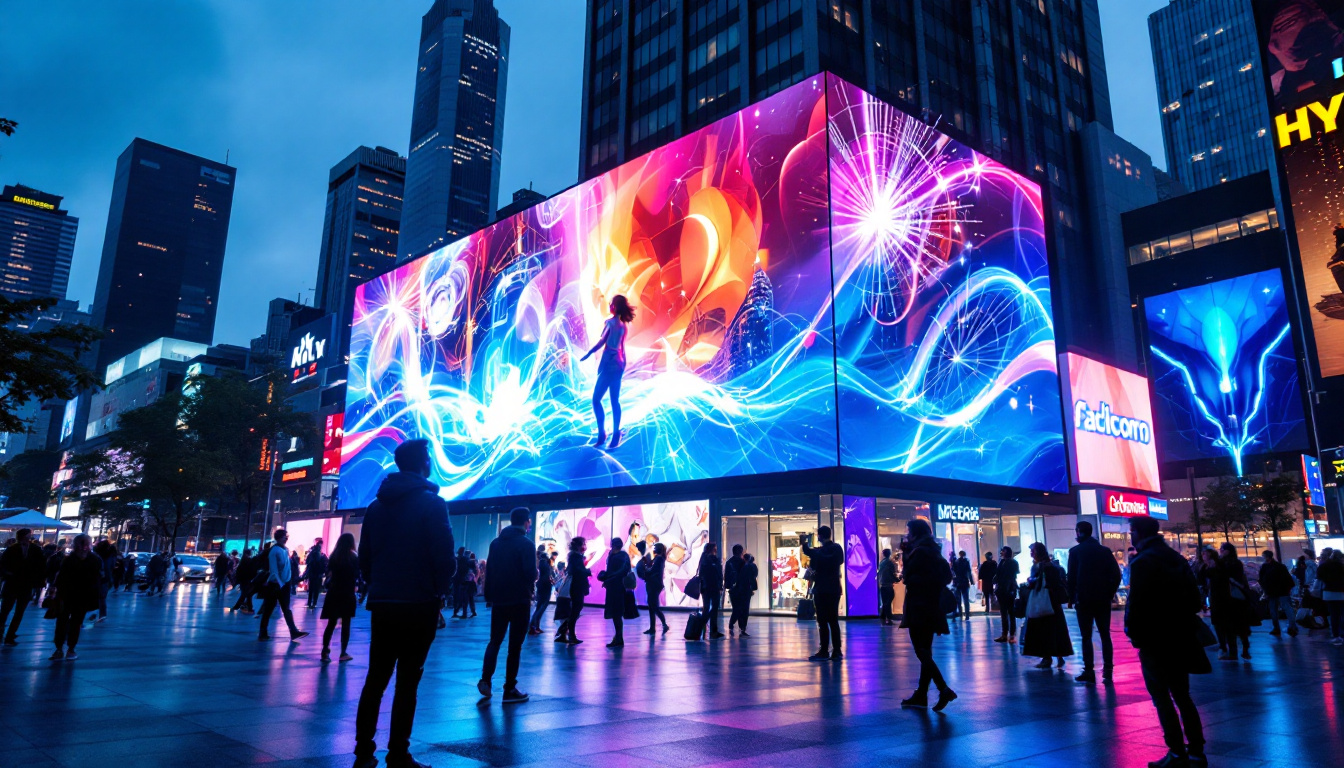
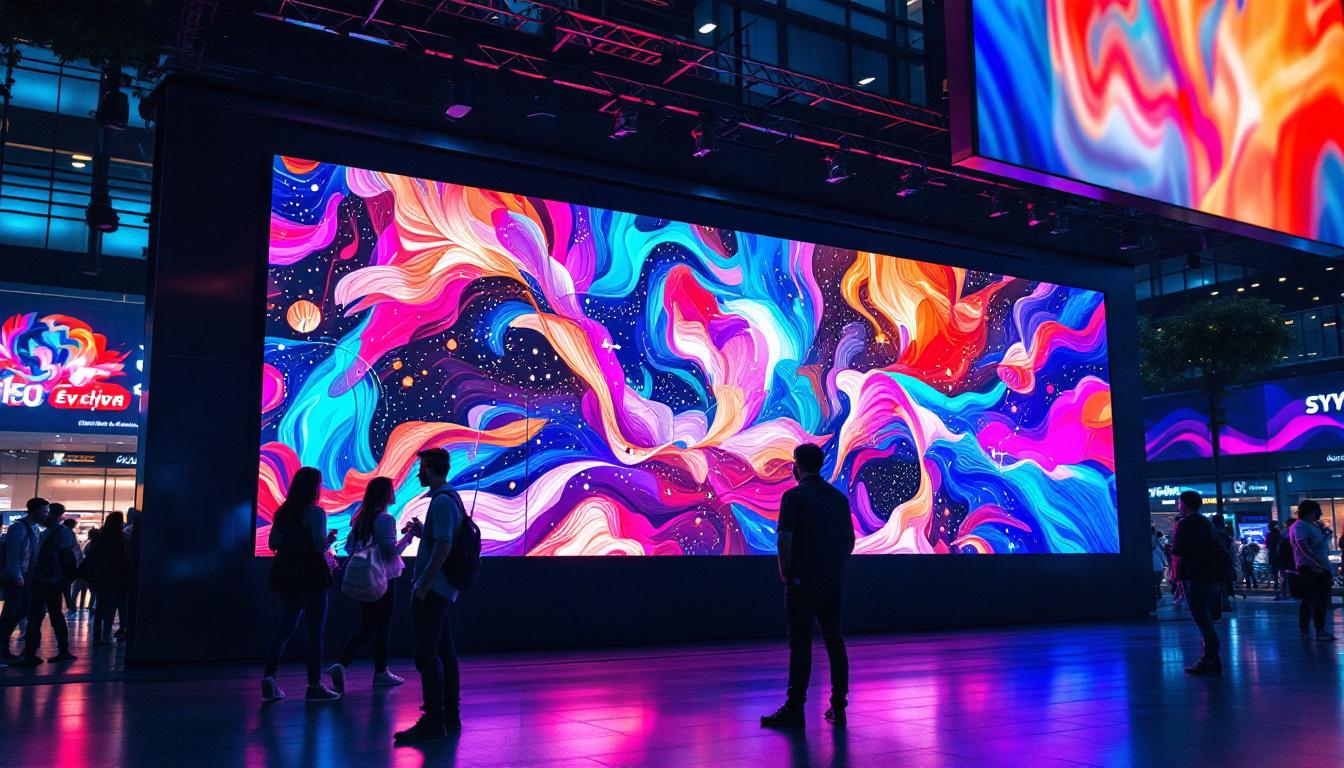
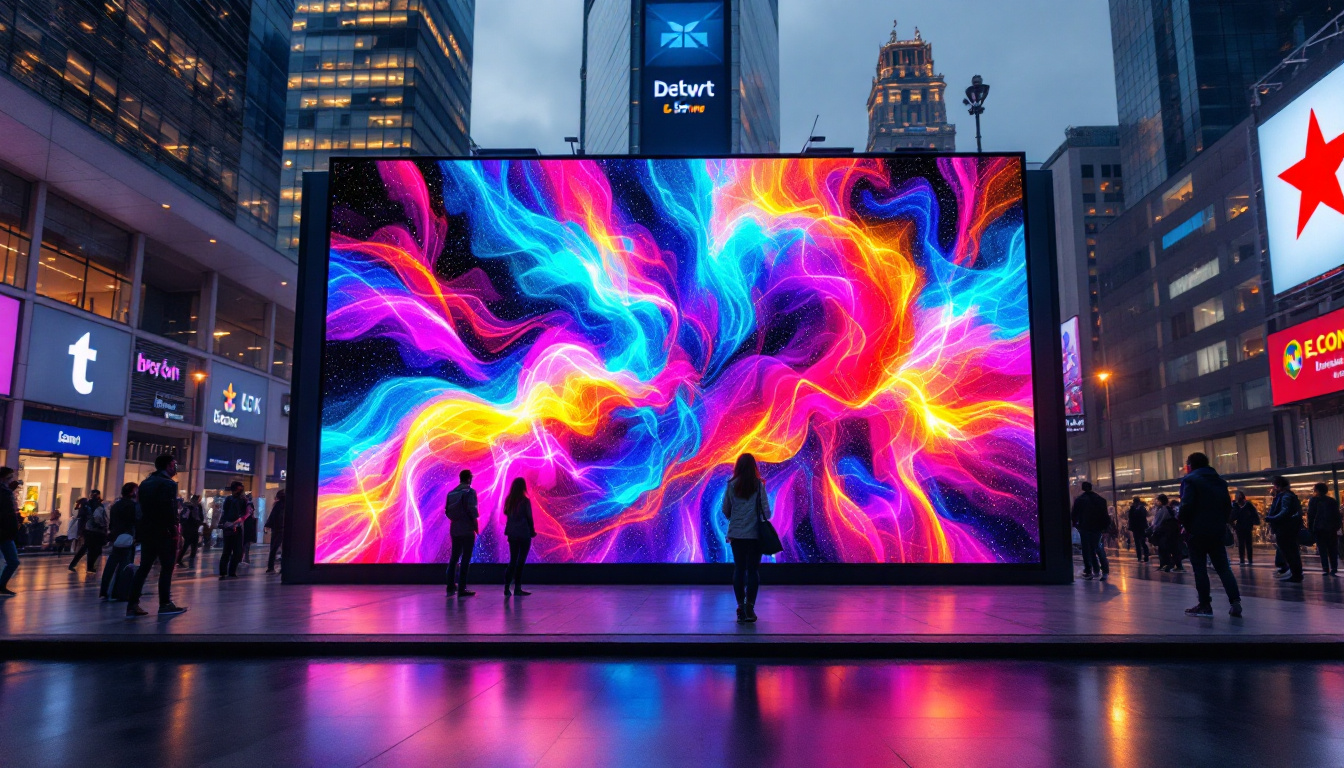
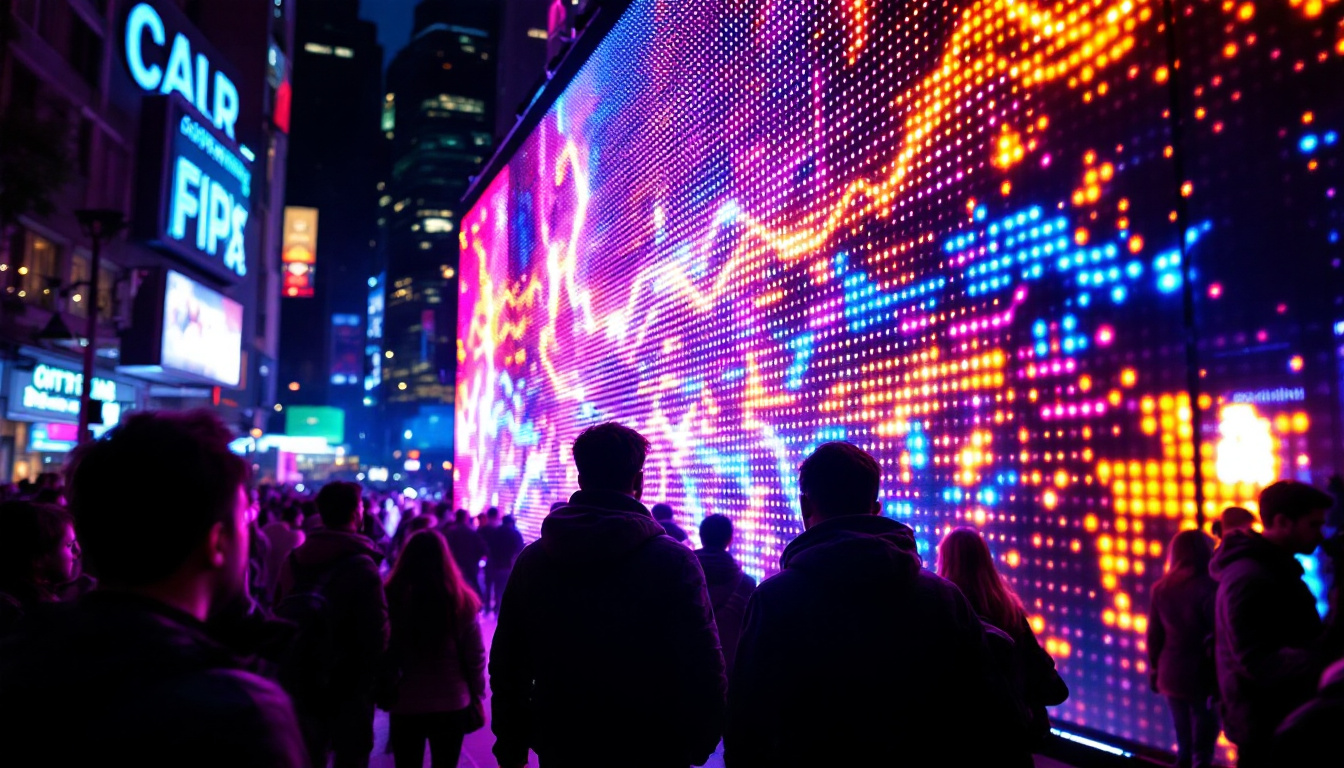
LED walls have revolutionized advertising by enabling dynamic, eye-catching content that can be updated in real-time. From Times Square’s iconic billboards to shopping malls and transit hubs, LED displays attract attention with bright visuals and motion graphics. Their ability to display targeted content based on time of day or audience demographics enhances marketing effectiveness.
Entertainment and Events
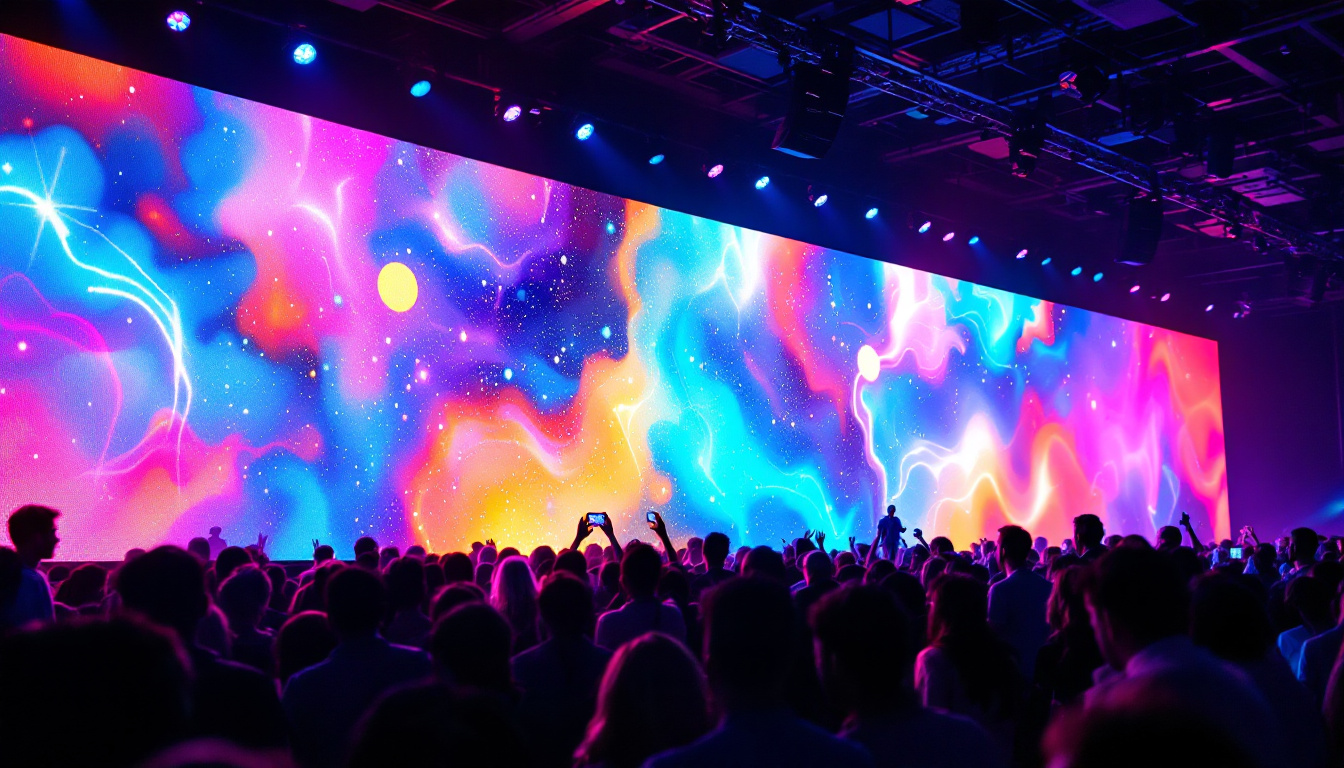
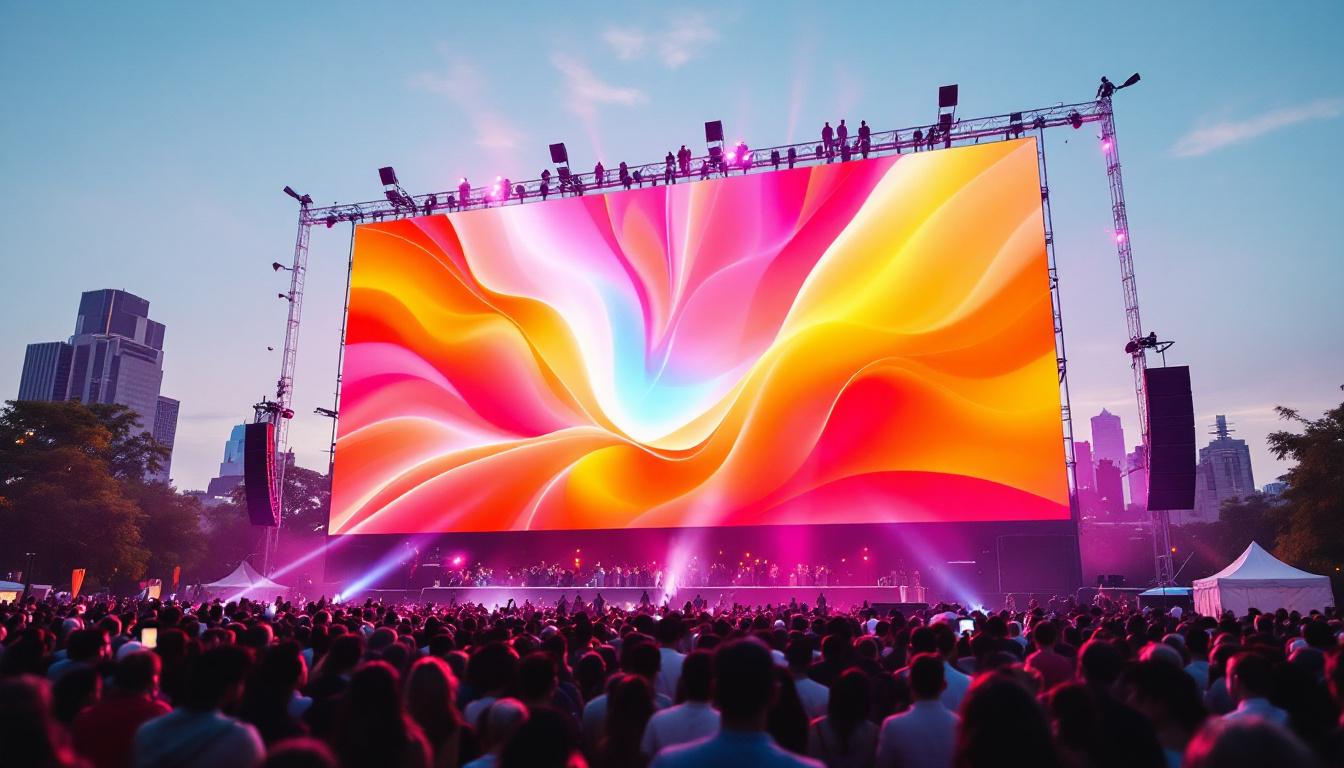
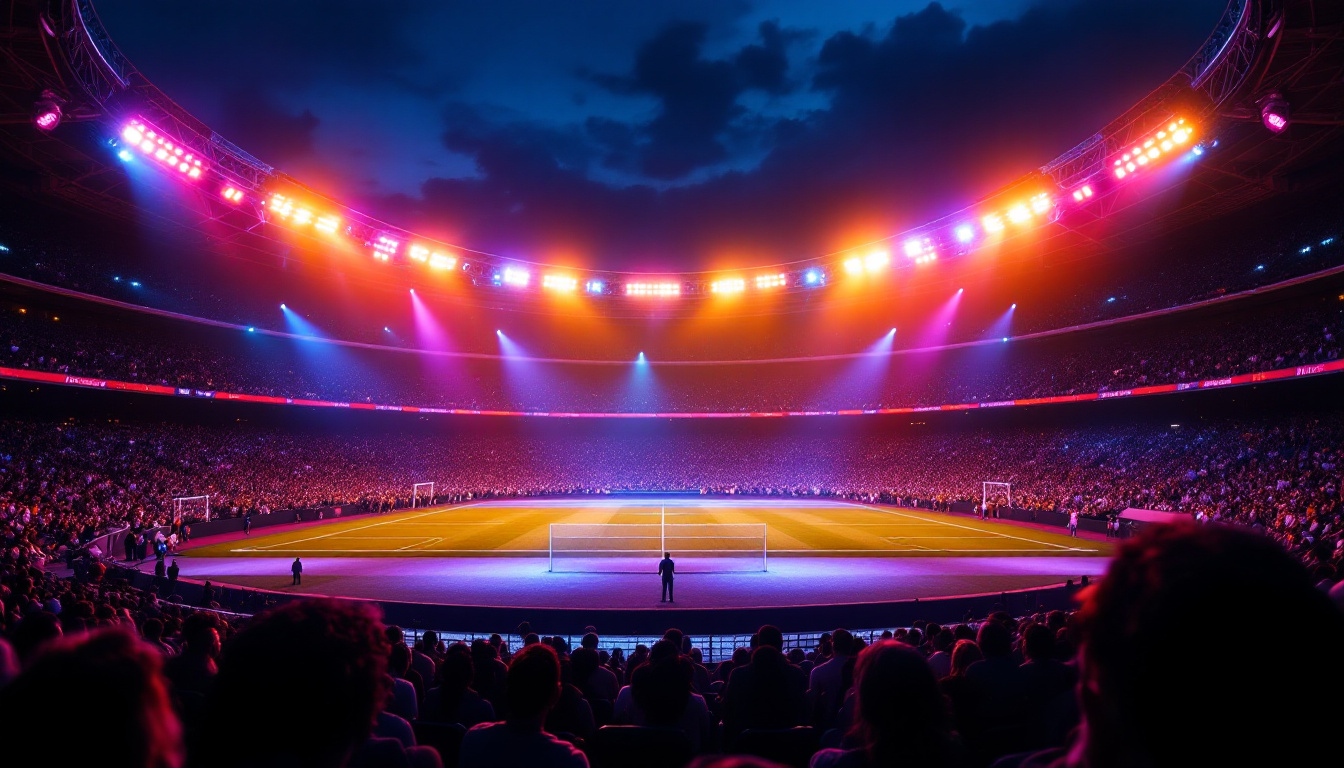
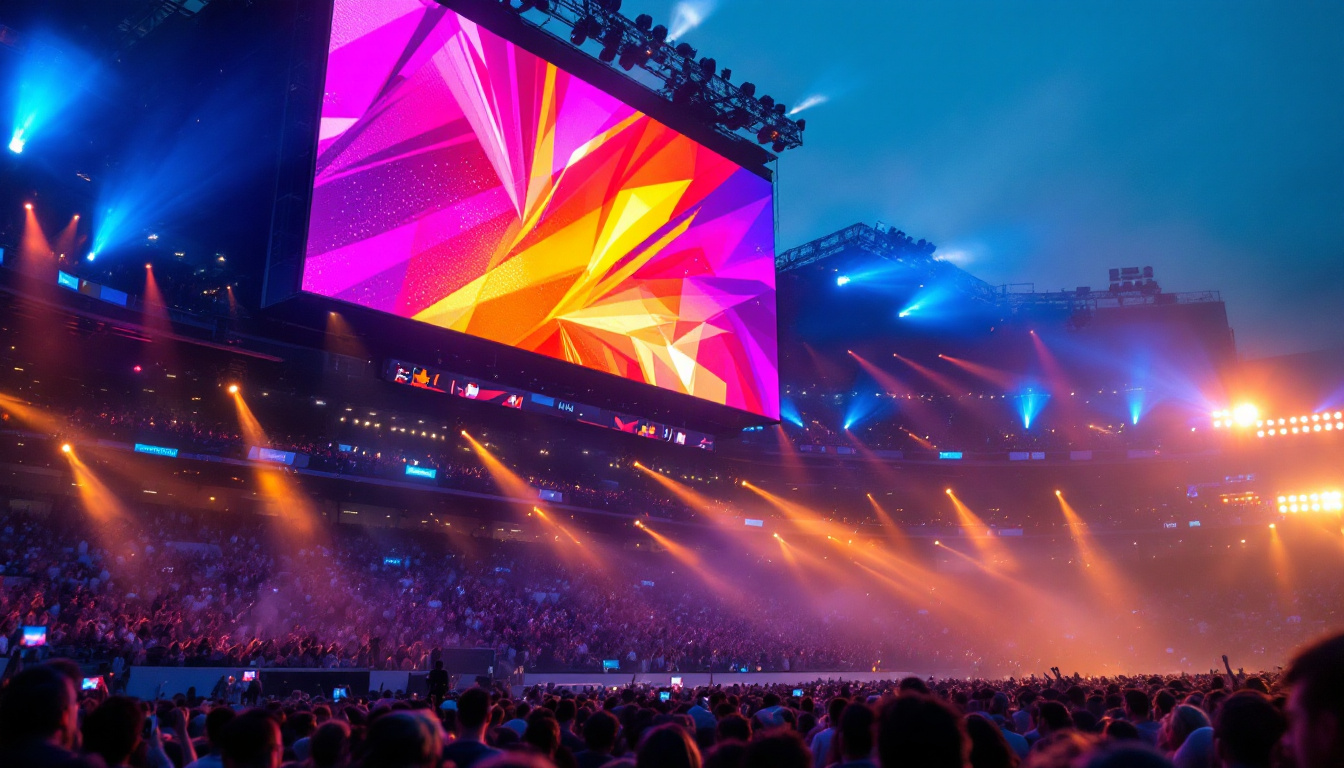
Concerts, festivals, and sporting events frequently use LED walls to provide immersive experiences. Large-scale LED screens serve as backdrops, display live feeds, or create interactive environments. The modularity and scalability of LED walls make them ideal for temporary setups that require rapid installation and teardown.
Corporate and Educational Settings
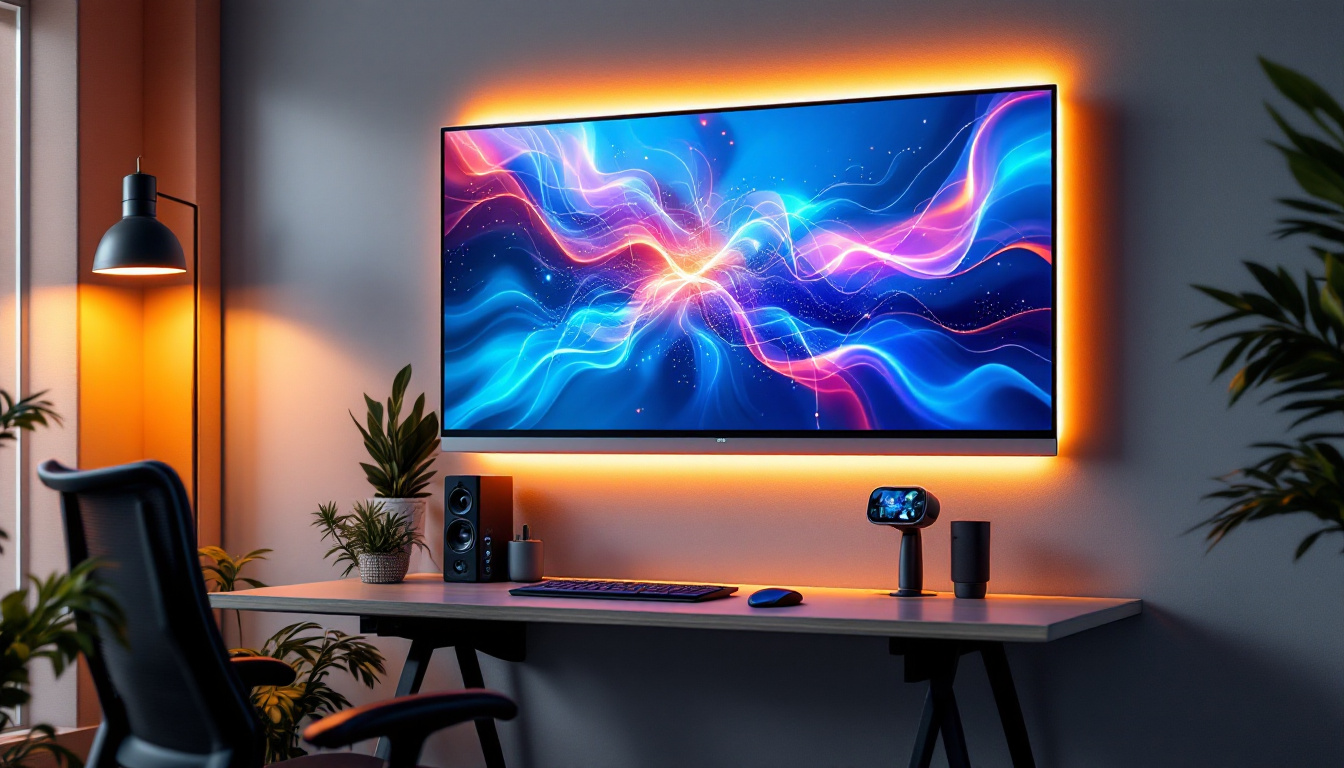
In corporate environments, LED walls facilitate impactful presentations, video conferencing, and digital collaboration. Educational institutions use LED displays for lectures, digital signage, and interactive learning. The clarity and brightness of LED walls improve engagement and information retention compared to traditional projectors or monitors.
Retail and Hospitality
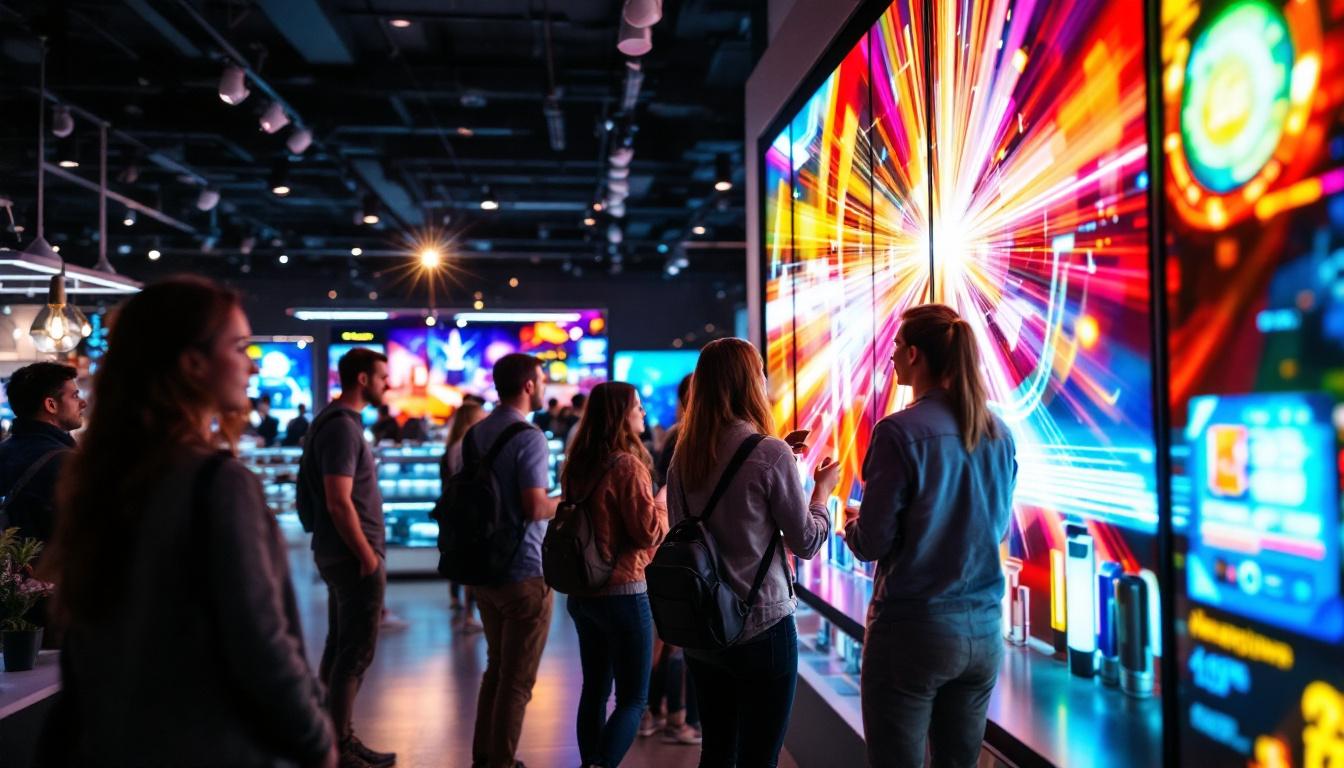
Retailers leverage LED walls to enhance customer experience through dynamic promotions, wayfinding, and brand storytelling. Hotels and restaurants use LED displays to create ambiance, provide information, and entertain guests. The flexibility of LED walls allows for creative content tailored to specific audiences and settings.
Cost Considerations and Budgeting for LED Wall Purchases
Initial Investment vs. Long-Term Value
LED walls represent a significant upfront investment, with costs influenced by size, resolution, brightness, and additional features. However, their long lifespan—often exceeding 100,000 hours of operation—and low maintenance requirements can make them cost-effective over time compared to other display technologies.
It’s important to balance quality and budget. Opting for the cheapest option may lead to frequent repairs, poor image quality, or early obsolescence. Conversely, premium displays with advanced features and warranties can provide better return on investment through reliability and superior performance.
Additional Costs to Factor In
Beyond the display panels themselves, consider expenses related to installation, content management systems, mounting hardware, and ongoing maintenance. Professional installation ensures safety and optimal performance but adds to the overall cost. Content creation and scheduling software may require subscriptions or licenses, especially for complex or interactive displays.
Energy consumption is another factor, particularly for large outdoor LED walls operating at high brightness levels. Modern LED technology is energy-efficient, but it’s wise to estimate electricity costs as part of the total cost of ownership.
Choosing the Right Supplier and Ensuring Quality
Evaluating Manufacturers and Vendors
Selecting a reputable supplier is crucial to ensure product quality, reliable delivery, and technical support. Look for manufacturers with proven experience, positive customer reviews, and certifications that meet industry standards. Requesting demonstrations or visiting existing installations can provide valuable insights into product performance.
Warranty and Support Services
A comprehensive warranty covering parts and labor is essential to protect your investment. Additionally, consider the availability of technical support, training, and spare parts. Some suppliers offer remote diagnostics and software updates, which can minimize downtime and maintenance costs.
Customization and Integration Capabilities
Every project has unique requirements. Suppliers who offer customization options—such as custom sizes, shapes, or pixel pitches—and integration with existing AV systems provide greater flexibility. Compatibility with content management platforms and control systems is also important for seamless operation.
Future Trends in LED Wall Technology
MicroLED and MiniLED Innovations
Emerging technologies like MicroLED and MiniLED promise even higher resolutions, improved energy efficiency, and thinner form factors. These advances could soon make LED walls more accessible for smaller venues and applications requiring ultra-high-definition displays.
Interactive and Smart LED Walls
Integration of touch capabilities, sensors, and AI-driven content adaptation is transforming LED walls into interactive experiences. Smart LED walls can respond to audience behavior, environmental conditions, or data inputs, creating personalized and engaging content in real-time.
Sustainability and Energy Efficiency
Manufacturers are increasingly focusing on eco-friendly designs, including recyclable materials and reduced power consumption. As sustainability becomes a priority, buyers can expect more energy-efficient LED walls with lower environmental impact.
Conclusion
Purchasing an LED wall is a complex but rewarding endeavor that can significantly enhance visual communication across various settings. Understanding the technology, key specifications, and practical considerations ensures that buyers select a display that meets their needs and budget. By partnering with reputable suppliers and staying informed about industry trends, organizations can leverage LED walls to create impactful, memorable experiences that engage audiences today and into the future.
Discover LumenMatrix LED Display Solutions
Ready to elevate your visual communication with a cutting-edge LED wall? Look no further than LumenMatrix, a pioneer in LED display technology. From vibrant indoor displays to robust outdoor solutions, and from mobile vehicle displays to interactive floor installations, LumenMatrix offers a comprehensive range of products designed to captivate your audience and amplify your message. Embrace the future of digital signage with our custom and all-in-one LED display options, including transparent displays that blend innovation with aesthetics. Check out LumenMatrix LED Display Solutions today and transform your space into an unforgettable visual experience.