In today’s visually driven world, LED displays have become an integral part of how information, advertising, and entertainment are presented. From the giant screens in Times Square to the digital billboards on highways, LED technology is everywhere. But what exactly is an LED display, how does it work, and why has it become the preferred choice for so many applications? This article delves deep into the world of LED displays, exploring their technology, types, advantages, and future trends.
Understanding LED Display Technology
What Does LED Stand For?
LED stands for Light Emitting Diode. It is a semiconductor device that emits light when an electric current passes through it. Unlike traditional incandescent bulbs, LEDs are highly energy-efficient, durable, and capable of producing bright, vibrant colors. When many LEDs are combined in a grid or matrix, they form an LED display capable of showing images, text, and videos. The compact size of LEDs allows for greater flexibility in design, enabling manufacturers to create displays that can fit into a variety of environments, from large billboards to small screens in handheld devices.
How Do LED Displays Work?
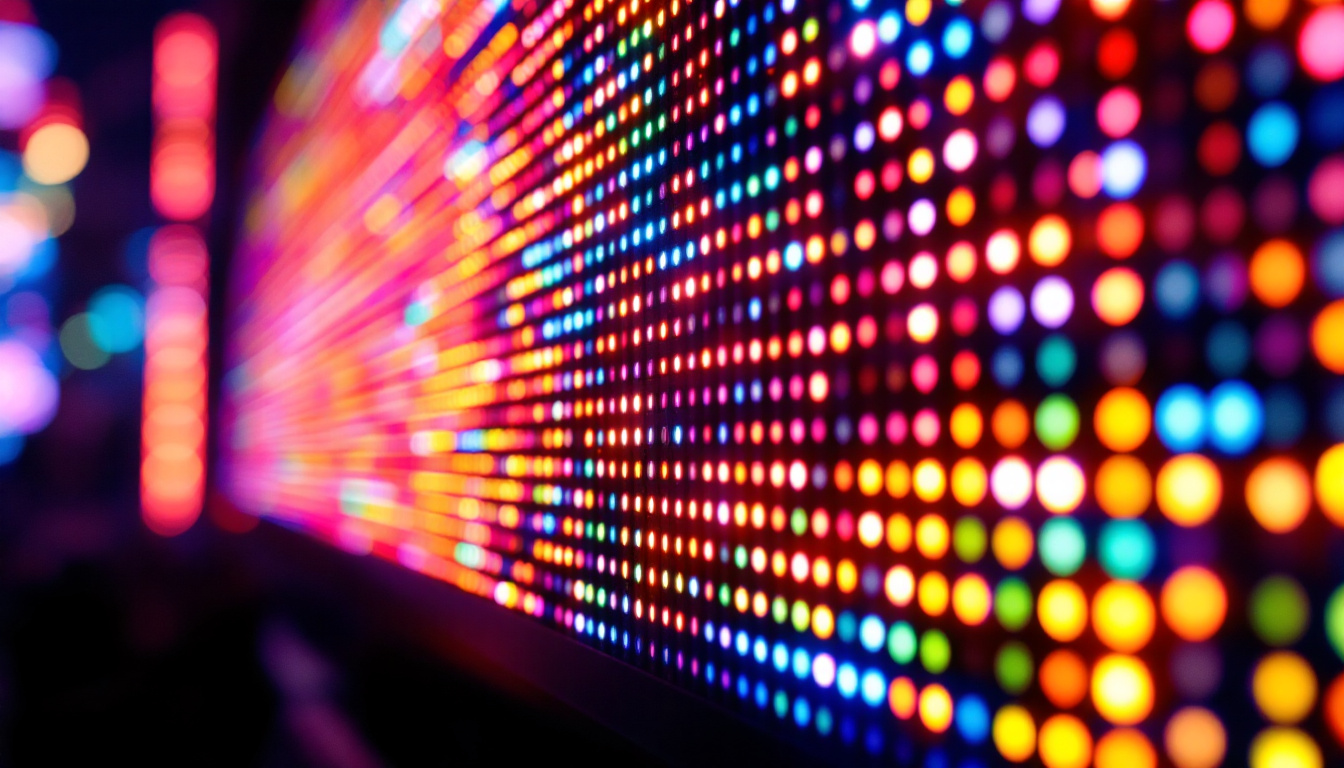
At the core of an LED display are thousands, sometimes millions, of tiny LEDs arranged in a pattern. Each LED acts as a single pixel, the smallest unit of an image. By controlling the brightness and color of each pixel, the display can render complex visuals. The LEDs can be red, green, and blue (RGB), and by mixing these colors at varying intensities, the display produces a full spectrum of colors. This RGB configuration is crucial for achieving vibrant images, as it allows for a wide range of color combinations that can be tailored to the content being displayed.
Modern LED displays use sophisticated controllers and processors to manage the timing, brightness, and color calibration. This ensures smooth image transitions and accurate color reproduction. The technology behind LED displays has evolved to support high resolution, wide viewing angles, and excellent contrast ratios, making them ideal for both indoor and outdoor use. Additionally, advancements in LED technology have led to the development of organic LEDs (OLEDs), which offer even greater flexibility and improved picture quality. OLEDs utilize a different mechanism that allows each pixel to emit its own light, resulting in deeper blacks and more vivid colors, further enhancing the viewing experience.
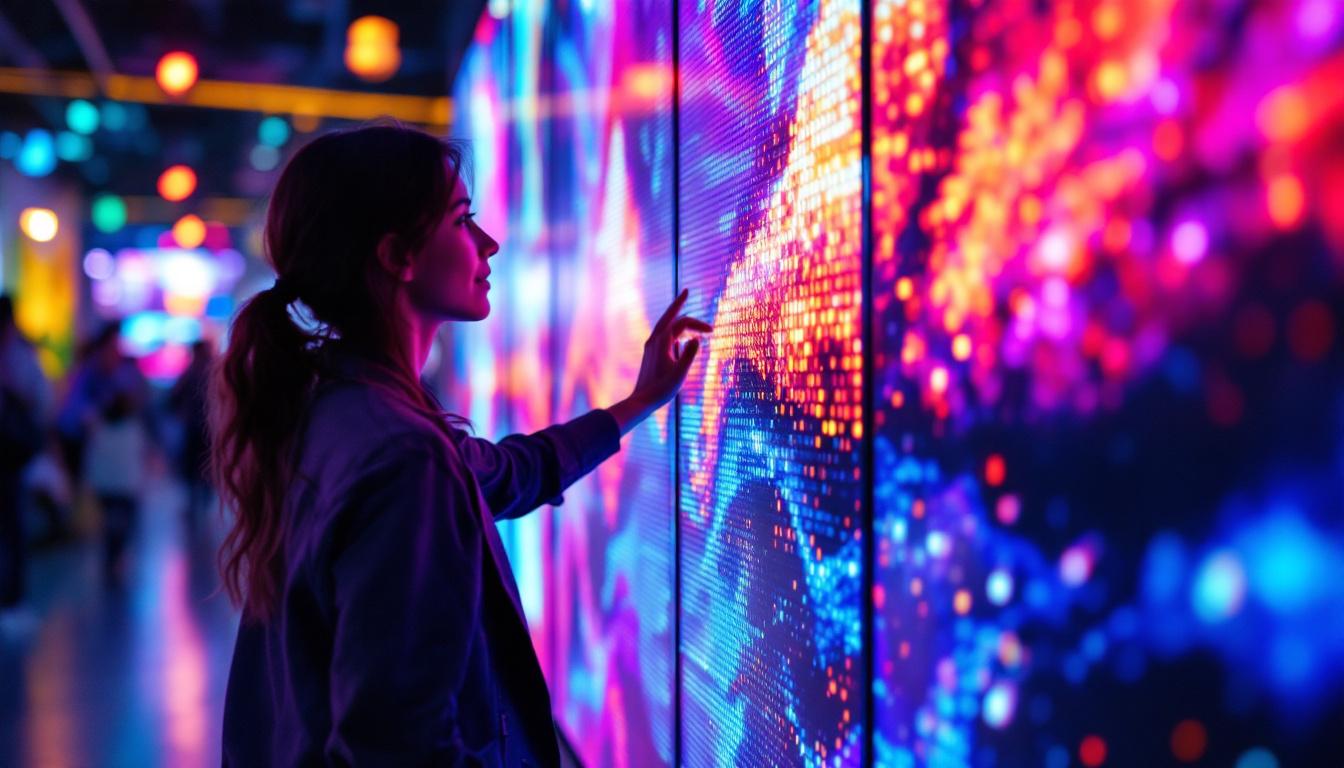
Moreover, LED displays are increasingly being integrated with smart technology, enabling features such as touch sensitivity and interactivity. This allows users to engage with the content in real-time, making them popular in retail environments, exhibitions, and educational settings. The adaptability of LED displays also extends to their installation options; they can be mounted on walls, suspended from ceilings, or even used in curved formats to fit unique architectural designs. As the demand for dynamic visual content continues to grow, LED display technology is poised to play an even more significant role in how we communicate and consume information in the digital age.
Types of LED Displays and Their Applications
Indoor LED Displays
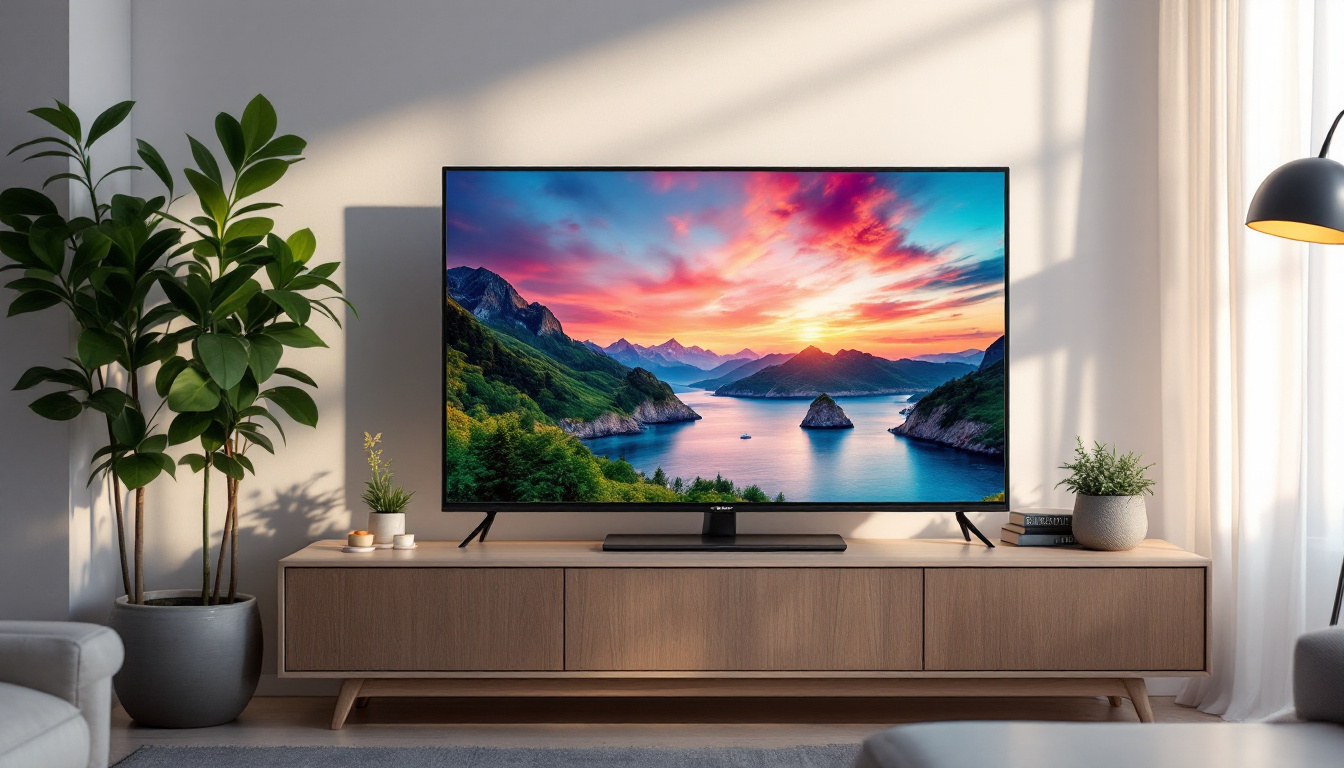
Indoor LED displays are designed for environments with controlled lighting. They typically have a higher pixel density, meaning the LEDs are packed closer together. This allows for sharper images and finer details, which is essential for close viewing distances such as in conference rooms, retail stores, or broadcast studios.
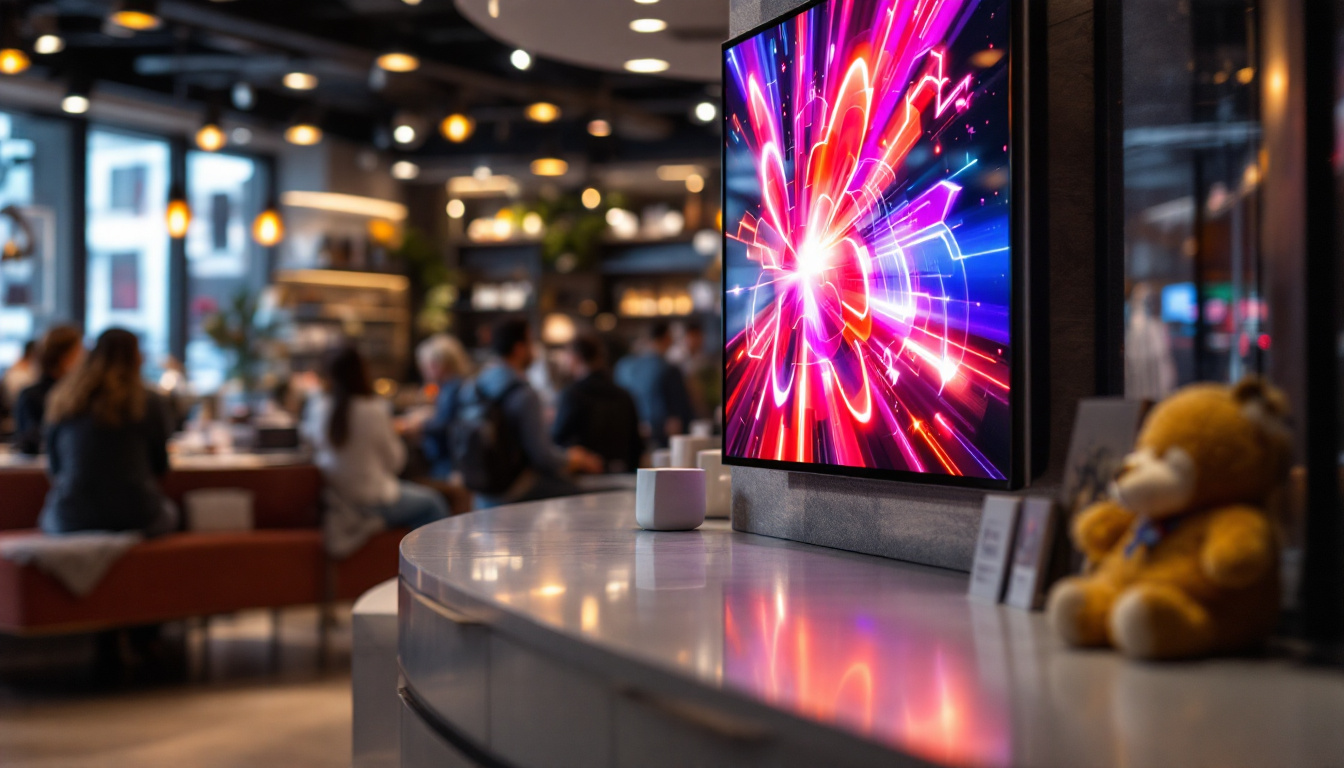
Common applications include digital signage, video walls, stage backdrops, and information boards. For example, airports use indoor LED displays to provide real-time flight information, while retail stores use them to showcase promotions and interactive content. The versatility of indoor LED displays also extends to educational institutions, where they are utilized in classrooms and auditoriums to enhance learning experiences through dynamic presentations and interactive lessons. Furthermore, museums and galleries have begun integrating these displays to create immersive environments that engage visitors with captivating visual storytelling.
Outdoor LED Displays
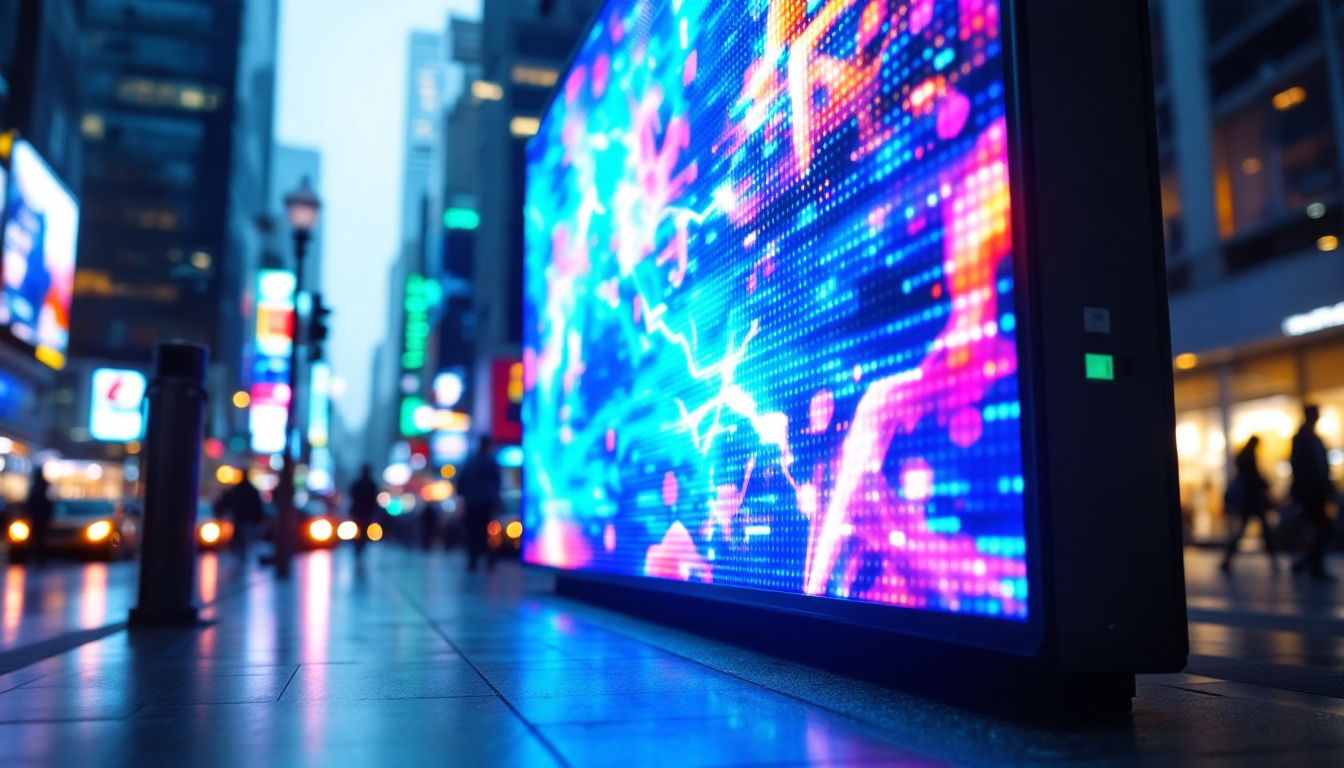
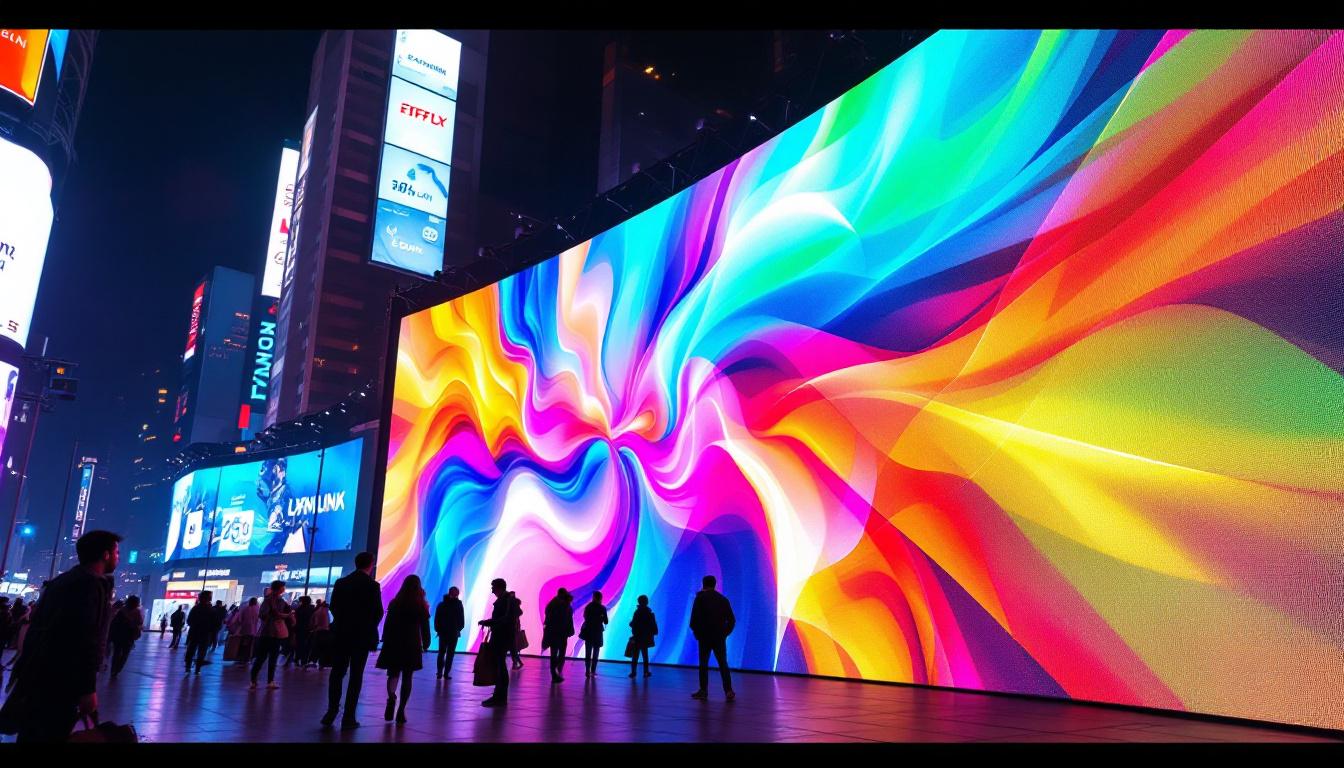
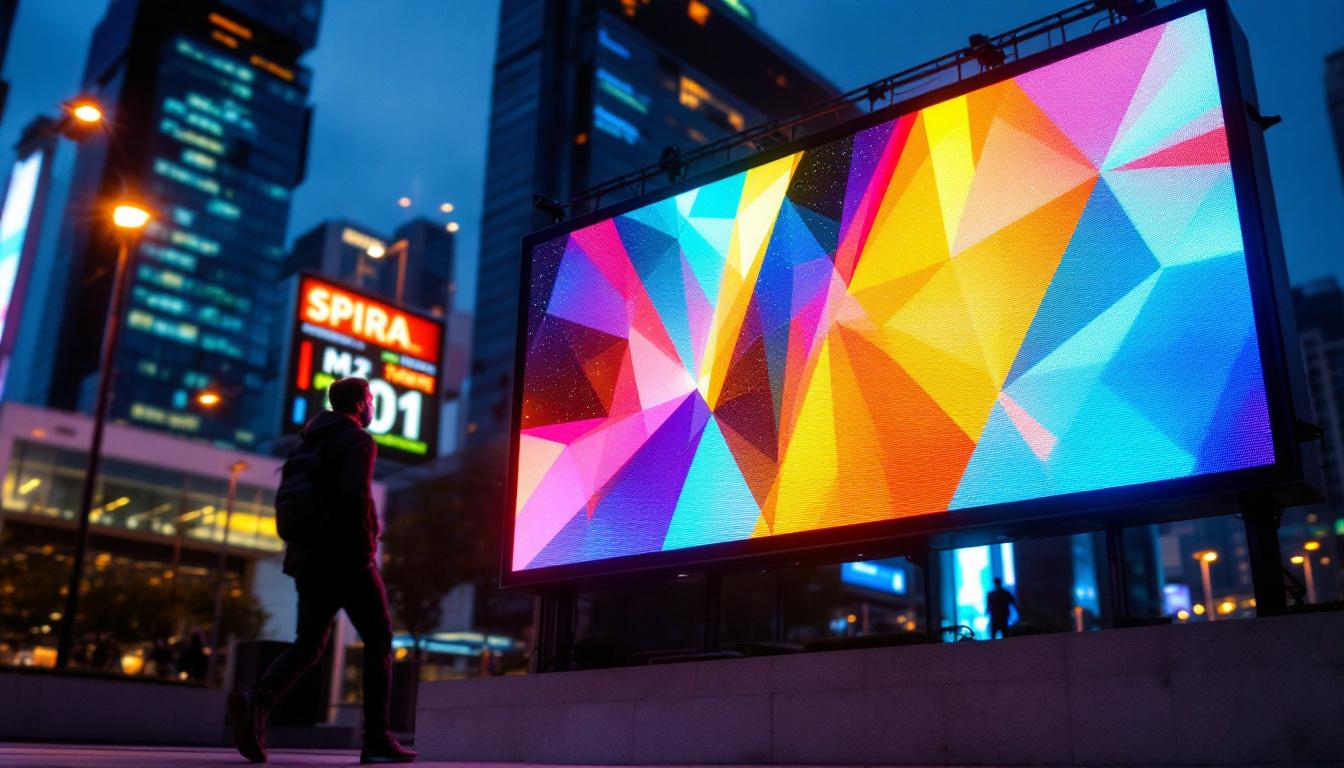
Outdoor LED displays are built to withstand harsh weather conditions such as rain, wind, and extreme temperatures. They are usually larger and have a lower pixel density compared to indoor displays because they need to be visible from greater distances. Brightness is a critical factor, with outdoor LEDs often reaching 5,000 to 10,000 nits to combat sunlight glare.
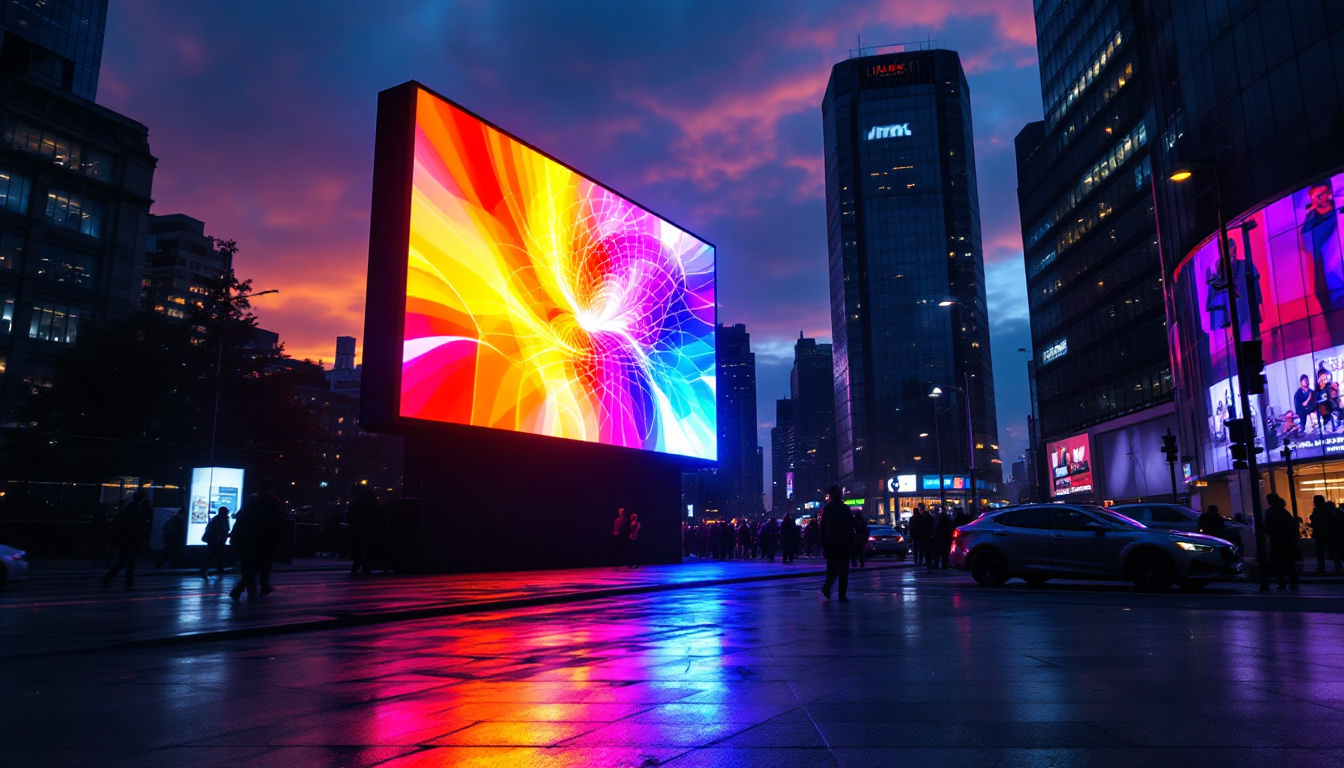
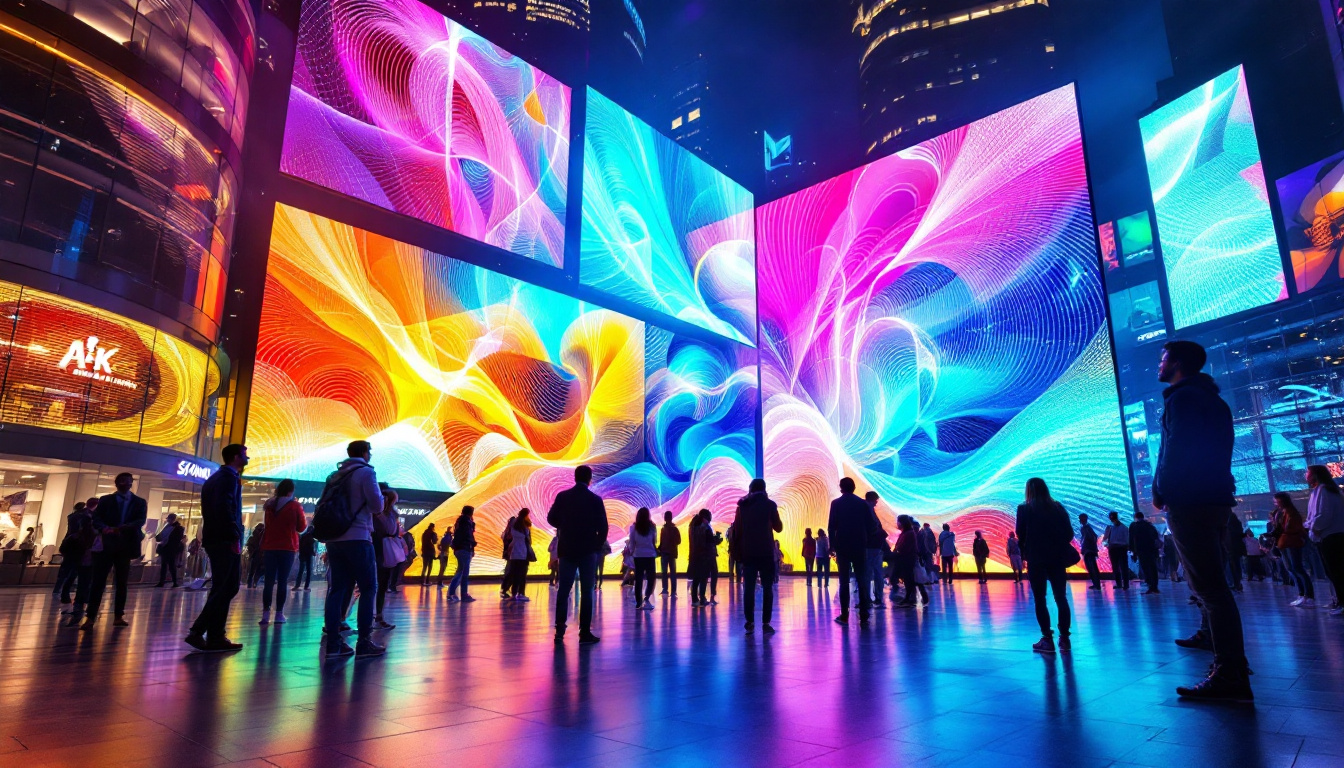
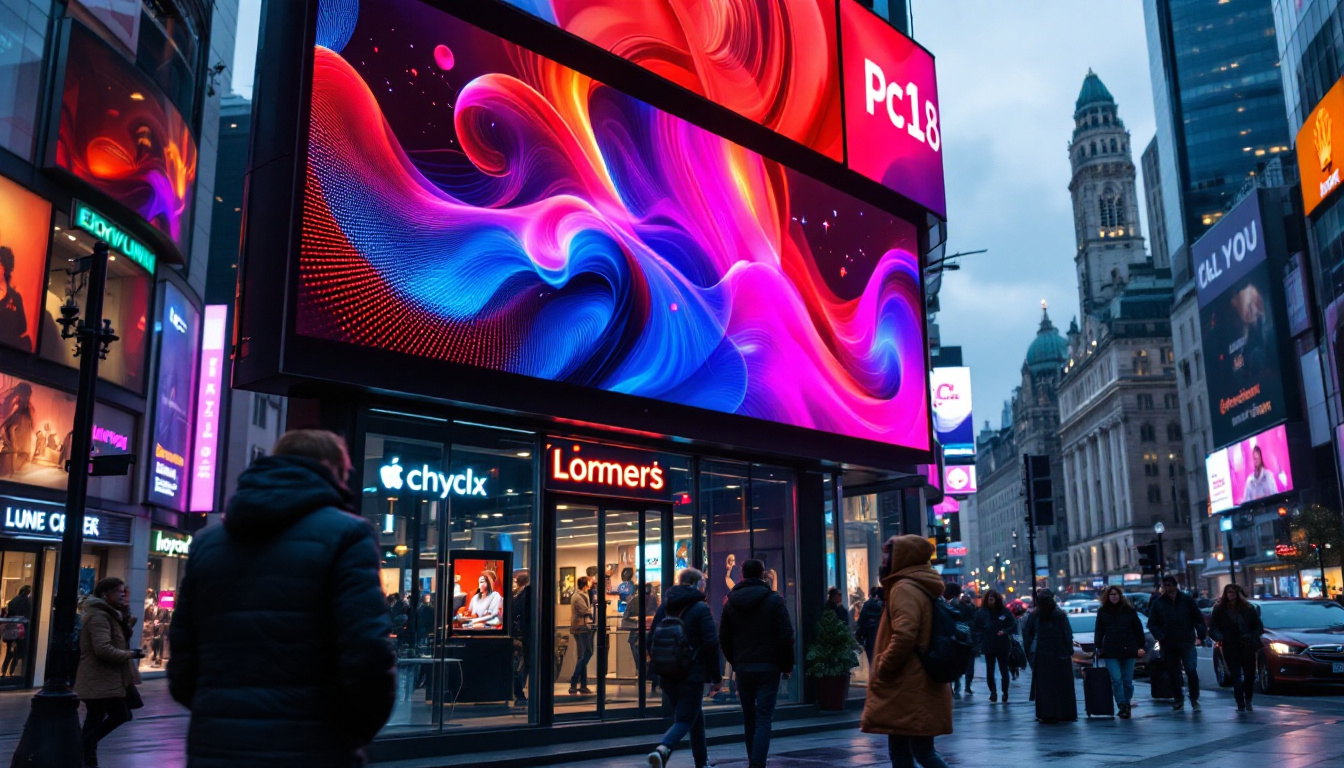
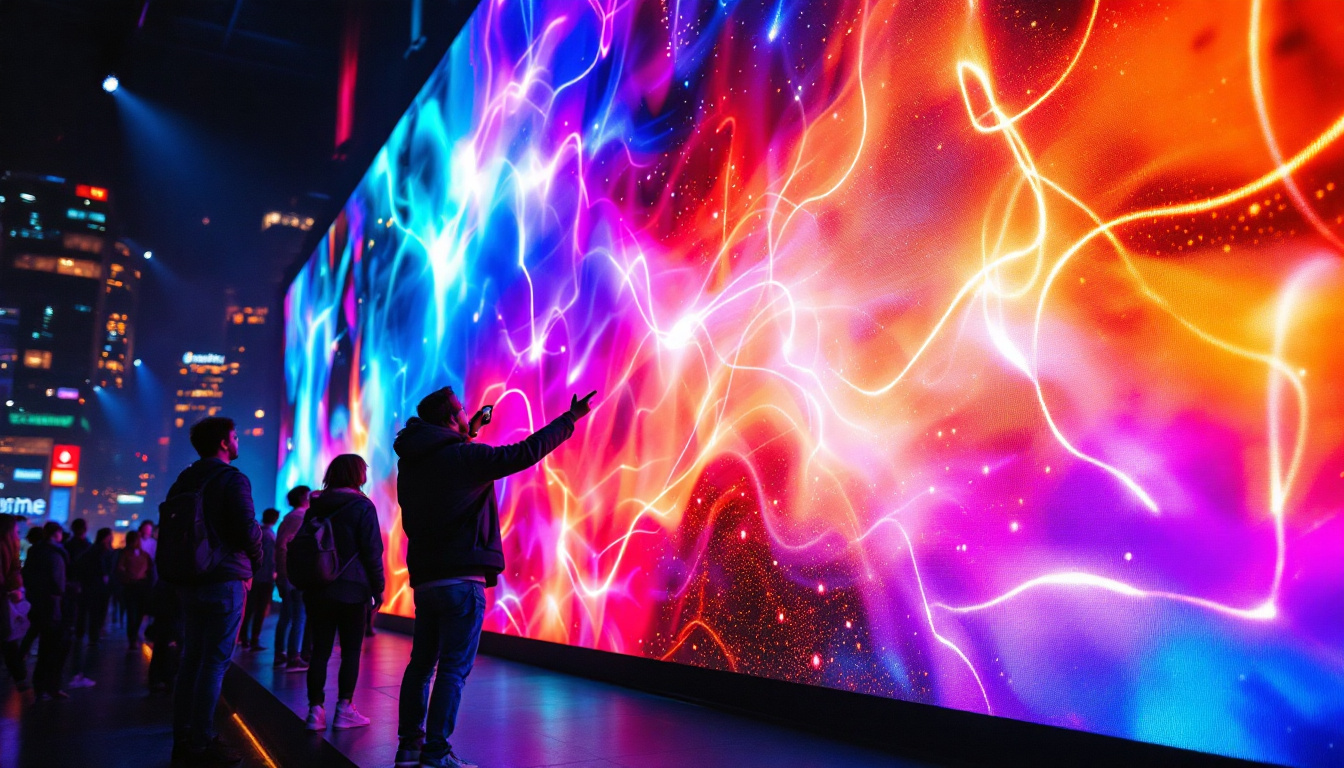
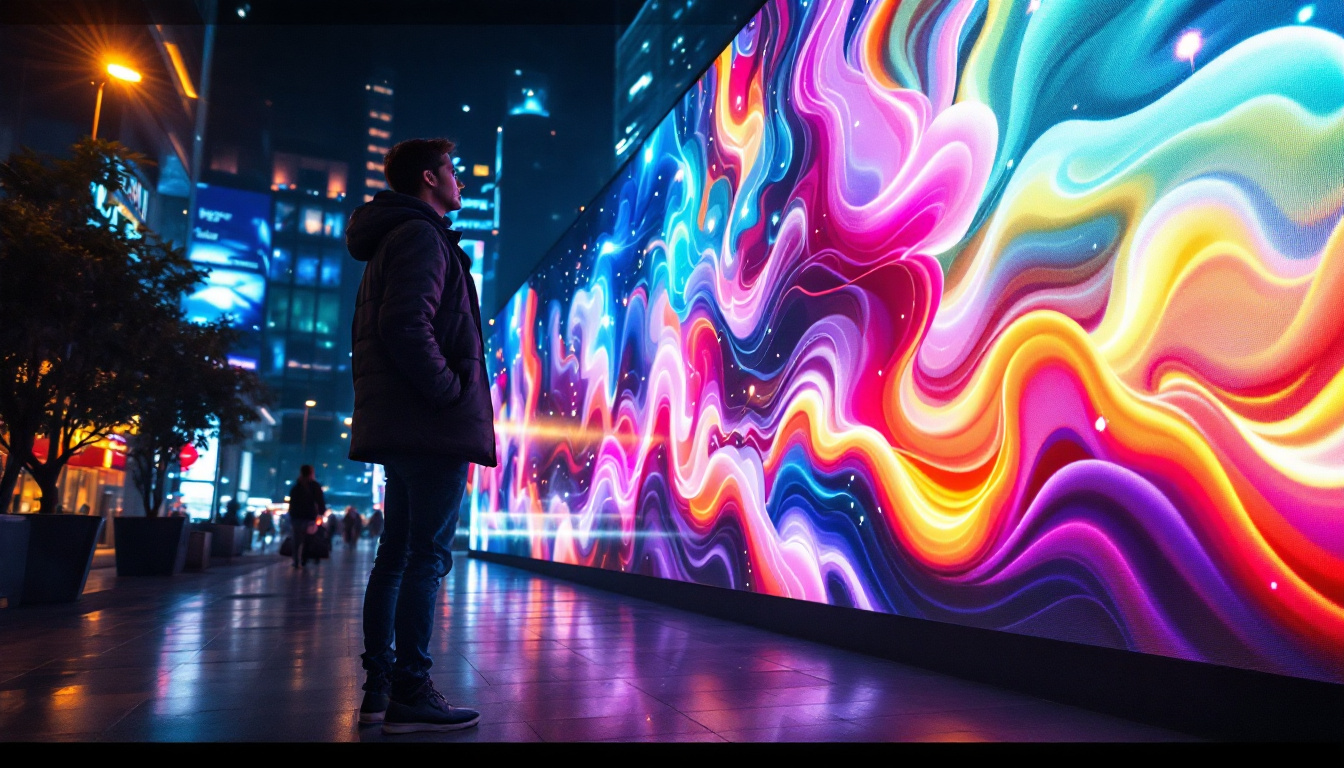
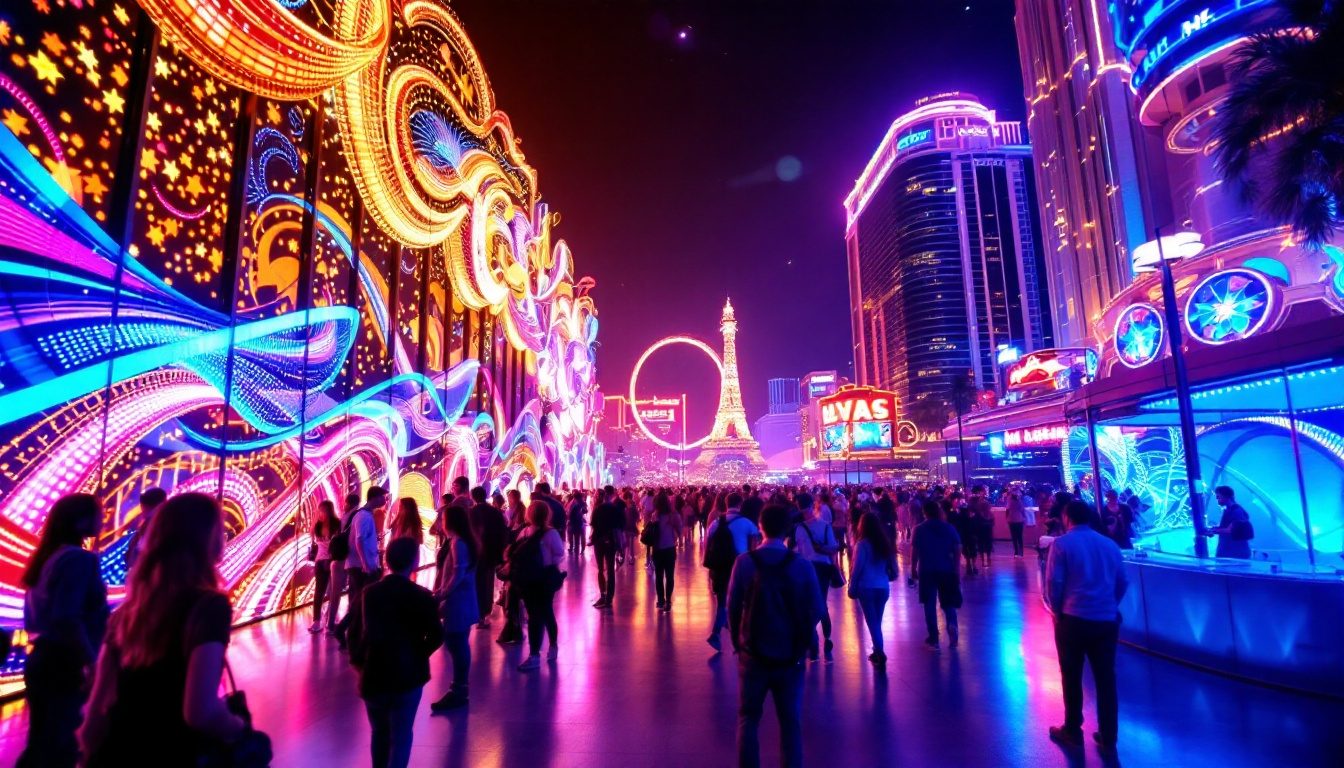
These displays are commonly used for billboards, sports arenas, public information systems, and transportation hubs. For instance, the massive LED screens in Times Square are outdoor displays designed to capture attention in a bustling urban environment. Additionally, outdoor LED displays are increasingly being employed in large-scale events such as concerts and festivals, where they serve as dynamic backdrops that enhance the overall experience for attendees. Their ability to deliver high-impact visuals in real-time also makes them invaluable for emergency messaging and public service announcements, ensuring that crucial information reaches the public promptly and effectively.
Flexible and Transparent LED Displays
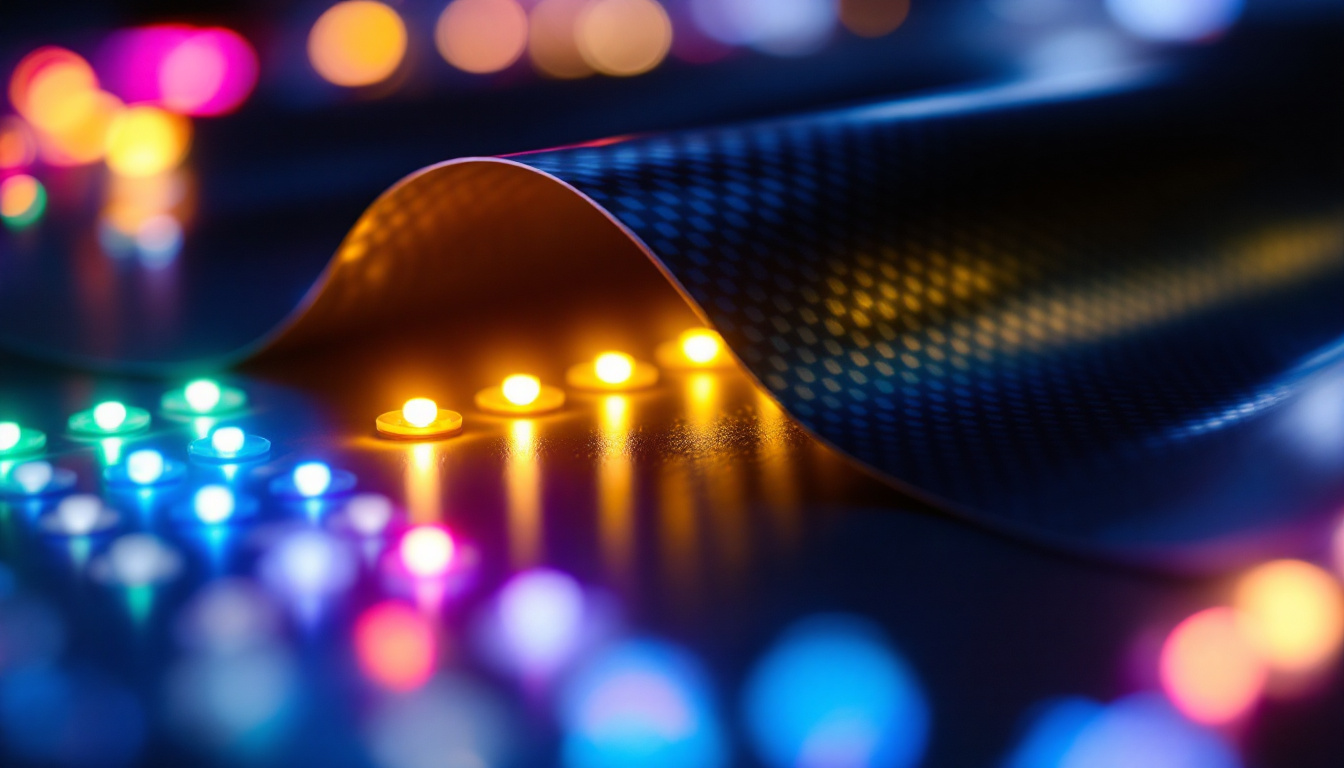
Recent advancements have introduced flexible and transparent LED displays, expanding the possibilities for creative installations. Flexible LED panels can bend and curve, allowing for unique shapes and designs that fit unconventional spaces. Transparent LED displays, on the other hand, allow light to pass through, making them ideal for glass walls and windows without obstructing the view.
These innovative displays are gaining popularity in retail, architecture, and automotive industries, where blending technology with aesthetics is crucial. For example, luxury retailers are using transparent LED screens to create eye-catching window displays that showcase products while maintaining an unobstructed view of the store interior. In architectural applications, flexible LED panels can transform building facades into dynamic canvases that change with the time of day or season, offering a modern twist on traditional advertising. Moreover, the automotive industry is exploring the use of flexible displays in vehicle interiors, allowing for customizable dashboards that enhance the driving experience through interactive features and real-time data visualization.
Advantages of LED Displays Over Other Technologies
Energy Efficiency and Longevity
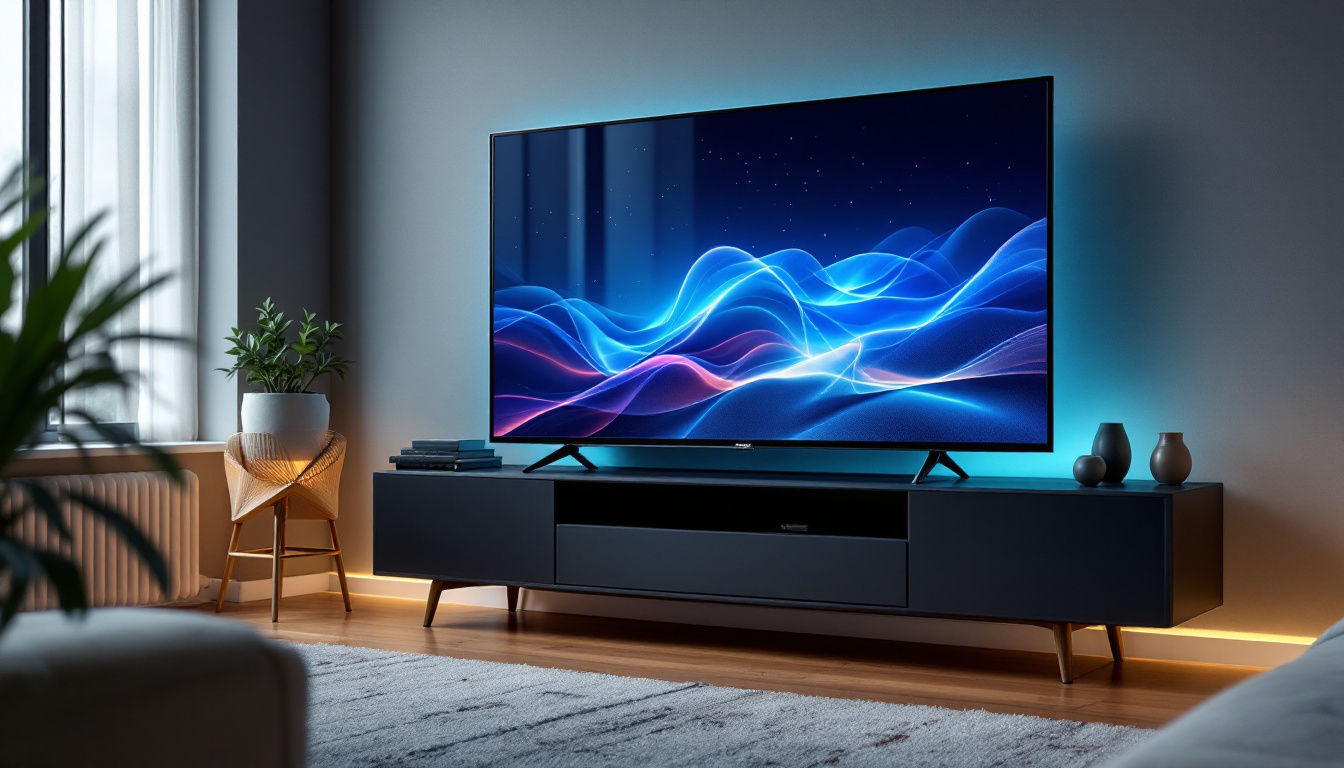
One of the most significant advantages of LED displays is their energy efficiency. Compared to LCD and plasma screens, LEDs consume less power while providing higher brightness levels. This efficiency translates into lower operating costs, especially for large-scale installations that run continuously.
Moreover, LEDs have a longer lifespan, often exceeding 100,000 hours of operation. This durability reduces maintenance costs and downtime, making LED displays a cost-effective investment over time.
Superior Brightness and Color Quality
LED displays offer exceptional brightness, which is crucial for visibility in various lighting conditions. Outdoor LED billboards, for example, must compete with direct sunlight, and their high brightness ensures messages remain clear and vibrant.
In addition, LEDs provide a broader color gamut and better contrast ratios than many other display technologies. This results in more vivid images and deeper blacks, enhancing the overall viewing experience.
Scalability and Customization
LED displays are highly modular, allowing for easy scalability. Panels can be combined to create displays of virtually any size and shape. This flexibility is invaluable for applications ranging from small retail signs to massive stadium screens.
Customization options also extend to pixel pitch (the distance between LEDs), resolution, and form factor, enabling tailored solutions to meet specific needs.
Key Considerations When Choosing an LED Display
Pixel Pitch and Resolution
Pixel pitch is a critical factor in determining the clarity of an LED display. It refers to the distance between the centers of two adjacent LEDs. A smaller pixel pitch means more LEDs per square meter, resulting in higher resolution and sharper images. For indoor displays viewed up close, pixel pitches can be as low as 0.9mm, while outdoor displays typically have pixel pitches ranging from 4mm to 20mm or more.
Choosing the right pixel pitch depends on the intended viewing distance. A display with too large a pixel pitch will appear pixelated when viewed closely, while a display with an unnecessarily small pixel pitch for distant viewing may increase costs without noticeable benefits.
Brightness and Contrast Ratio
Brightness, measured in nits, is essential for ensuring visibility under different lighting conditions. Indoor displays usually require 800 to 1,500 nits, whereas outdoor displays may need 5,000 nits or more to remain legible in direct sunlight.
Contrast ratio, the difference between the darkest black and brightest white a display can produce, affects image depth and realism. Higher contrast ratios enhance the viewing experience, especially for video content.
Durability and Weather Resistance
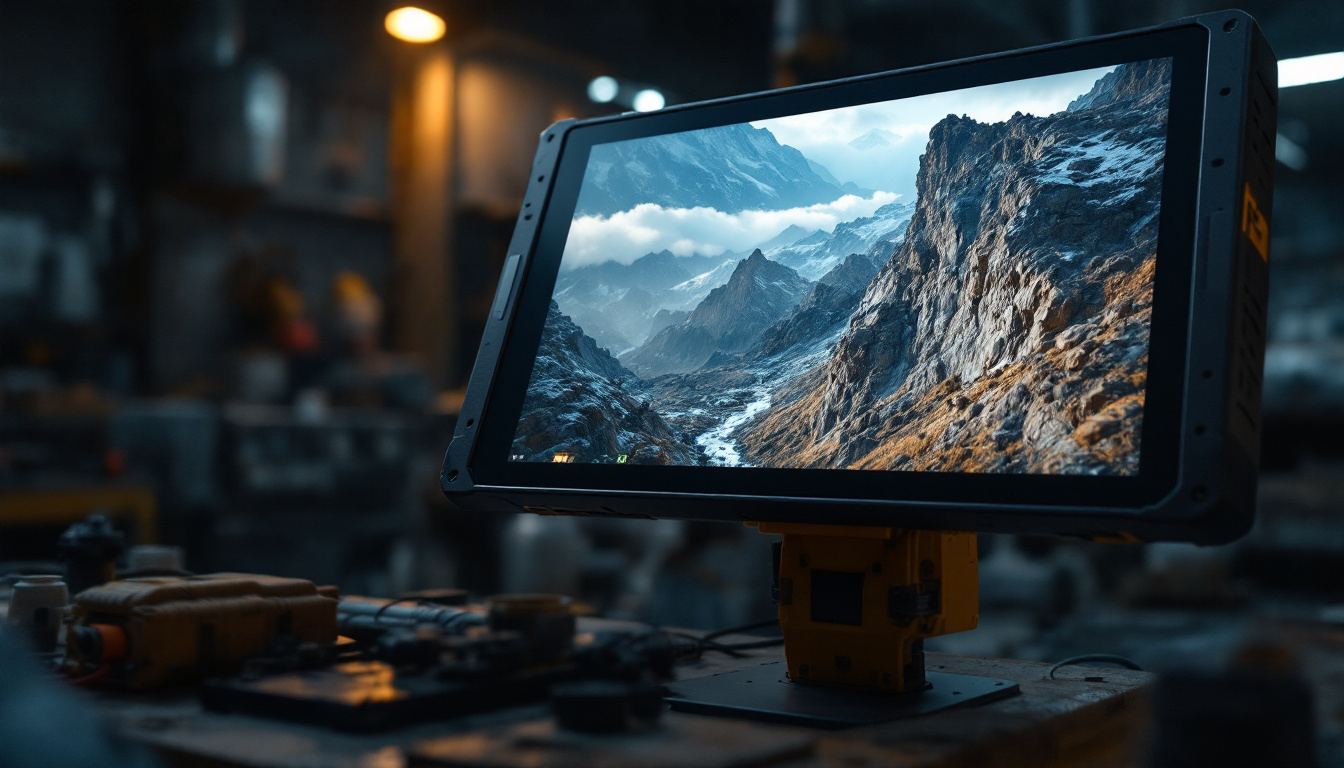
For outdoor LED displays, durability is paramount. Displays must be rated for water and dust resistance, typically indicated by an IP (Ingress Protection) rating. An IP65 rating, for example, means the display is dust-tight and protected against water jets.
Additionally, the display’s materials should withstand temperature fluctuations and UV exposure to maintain performance and appearance over time.
The Future of LED Display Technology
Mini-LED and Micro-LED Innovations
Emerging technologies like Mini-LED and Micro-LED are pushing the boundaries of display quality. Mini-LED uses smaller LEDs than traditional ones, allowing for more precise local dimming and improved contrast. Micro-LED takes this further by using microscopic LEDs that can be individually controlled, offering even higher resolution, brightness, and energy efficiency.
These advancements promise to revolutionize not only large-scale displays but also consumer electronics such as televisions, smartphones, and wearable devices.
Integration with Smart Technologies
The integration of LED displays with smart technologies is enhancing interactivity and functionality. Touch-sensitive LED walls, AI-driven content management, and IoT connectivity enable dynamic, personalized experiences. For example, digital signage can now adapt content in real-time based on audience demographics or environmental factors.
This trend is particularly impactful in retail, transportation, and public spaces, where engaging and relevant communication is key.
Sustainability and Environmental Impact
As sustainability becomes a global priority, LED display manufacturers are focusing on eco-friendly materials and energy-saving designs. Advances in recycling processes and the reduction of hazardous substances in LEDs contribute to minimizing environmental impact.
Energy-efficient LED displays not only reduce operational costs but also help organizations meet their corporate social responsibility goals.
Conclusion
LED displays have transformed the way visual information is communicated across industries. Their versatility, efficiency, and superior image quality make them the technology of choice for countless applications worldwide. Understanding the fundamentals of LED technology, the different types of displays, and the factors to consider when selecting a display can help businesses and individuals make informed decisions.
With ongoing innovations such as Mini-LED, Micro-LED, and smart integration, the future of LED displays looks brighter than ever, promising more immersive and sustainable visual experiences.
Discover LumenMatrix’s Innovative LED Solutions
Ready to elevate your visual communication with the latest in LED display technology? LumenMatrix is at the forefront of creating immersive and dynamic visual experiences. Whether you’re looking for Indoor LED Wall Displays, Outdoor LED Wall Displays, or specialized solutions like Vehicle LED Displays, LED Sports Displays, or Custom LED Displays, we have the expertise to bring your vision to life. Our mission is to empower your business to captivate audiences and deliver your message with unparalleled impact and clarity. Check out LumenMatrix LED Display Solutions today and see how we can transform your space with our cutting-edge displays.