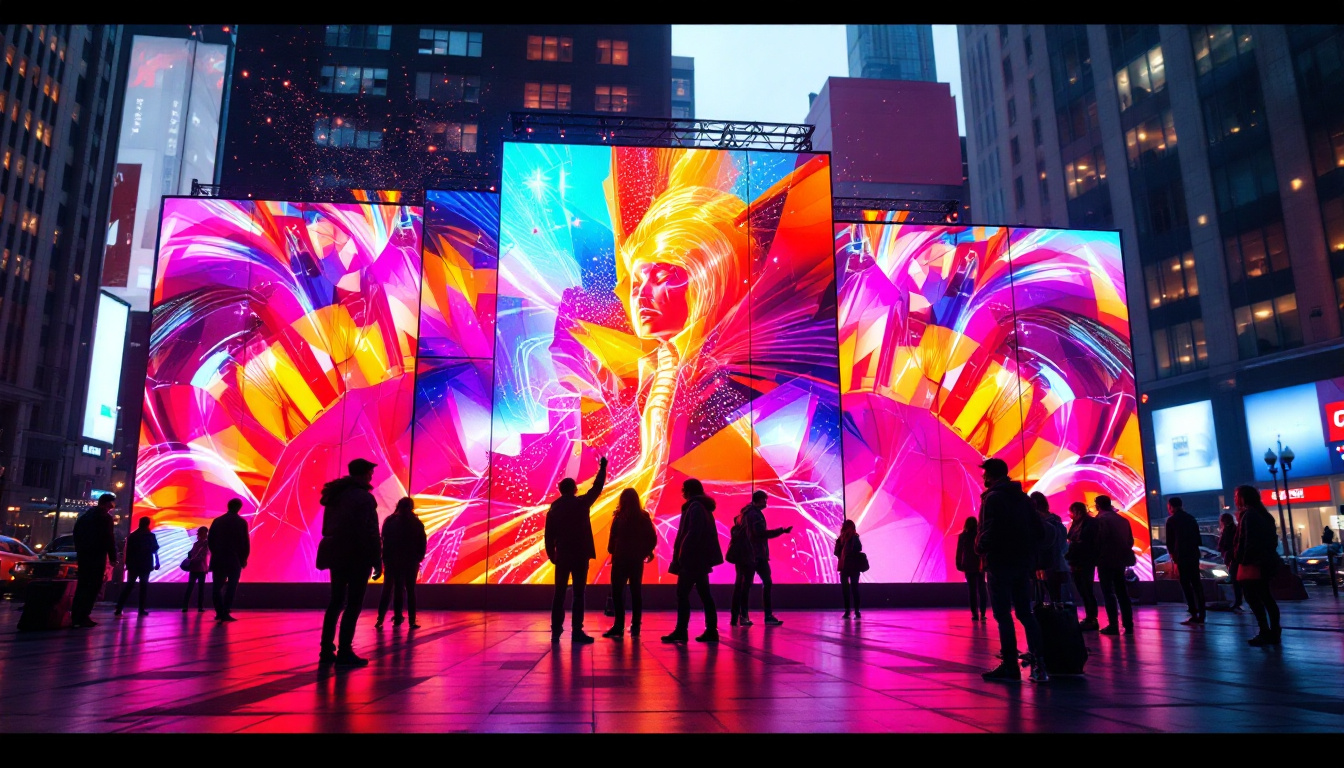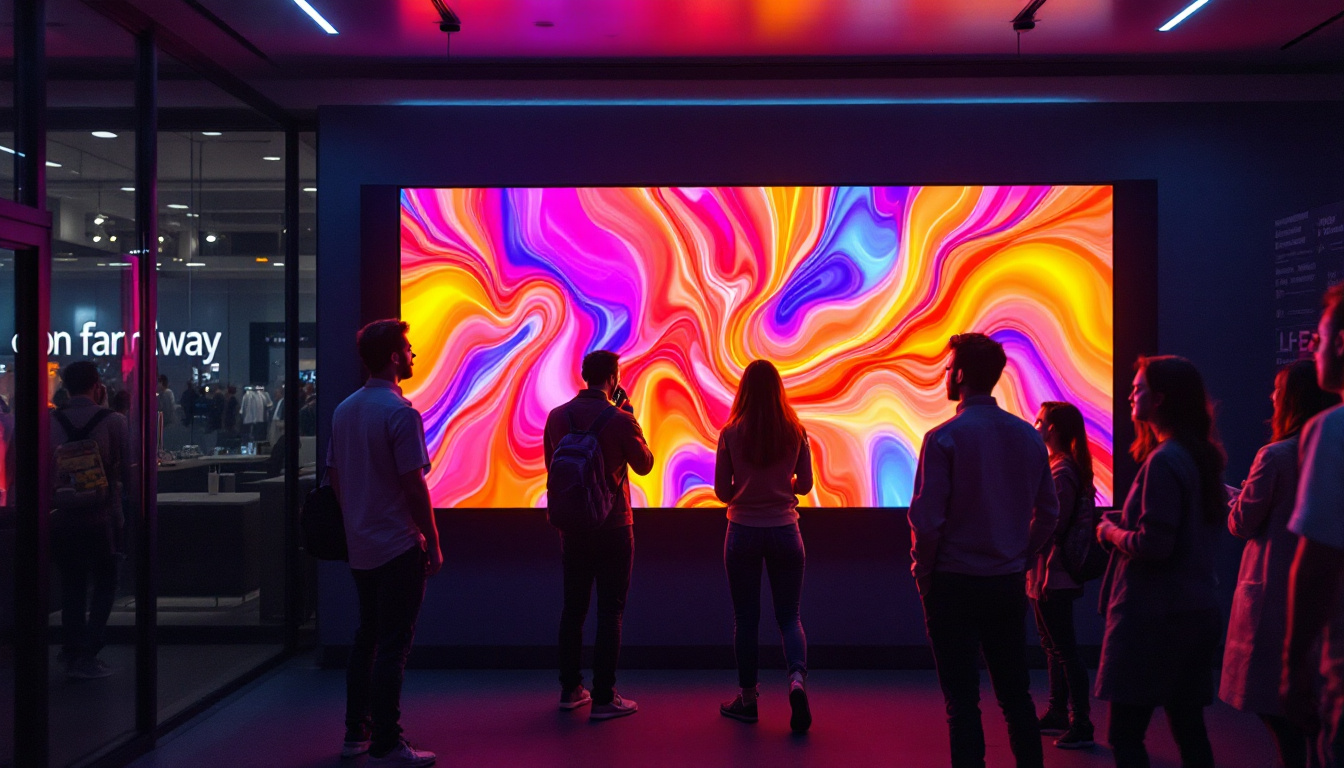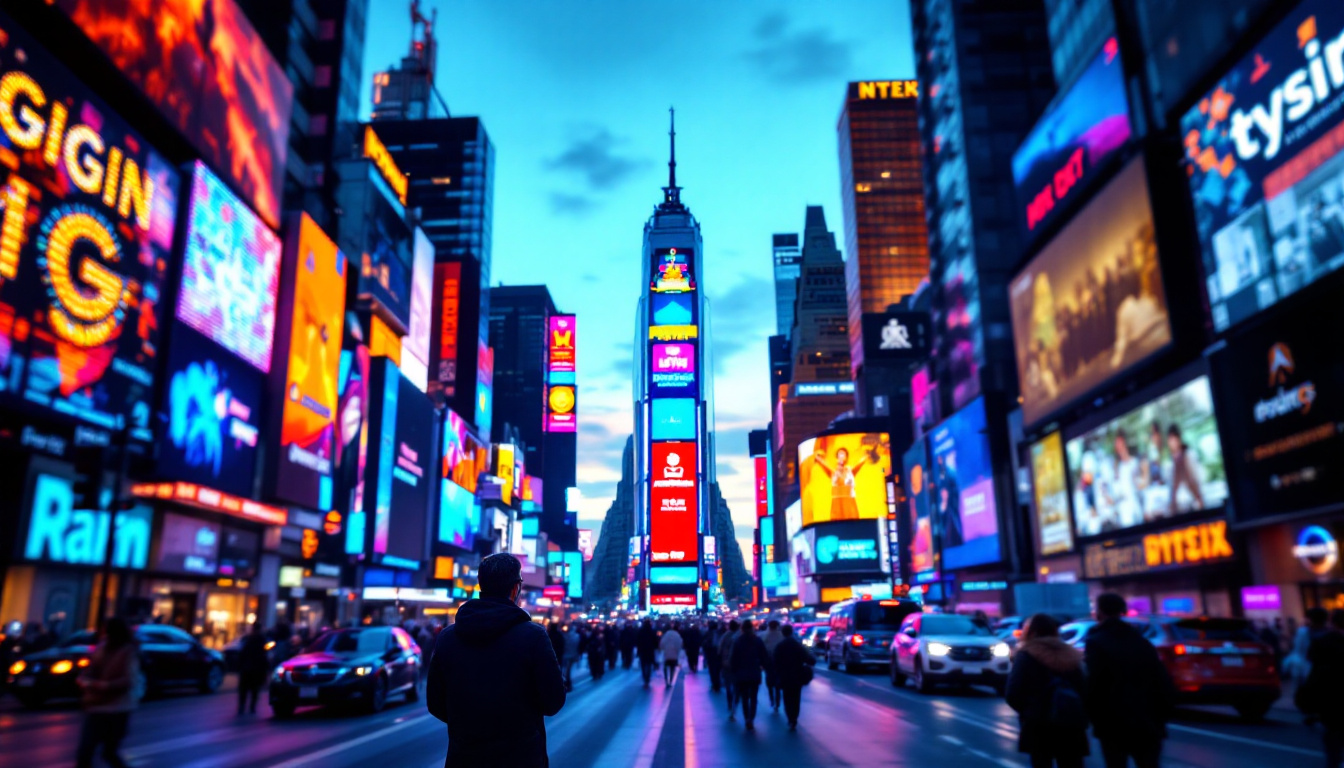
In today’s fast-evolving digital landscape, businesses and advertisers are constantly seeking innovative ways to capture attention and communicate messages effectively. One of the most exciting advancements in this arena is the use of LED window films—an innovative technology that transforms ordinary glass surfaces into vibrant digital displays. This article delves into what LED window film technology is, how it works, its applications, and why it is becoming a game-changer in advertising and architectural design.
What is LED Window Film?
LED window film is a transparent or semi-transparent film embedded with tiny light-emitting diodes (LEDs) that can be applied directly onto glass surfaces such as windows, storefronts, or building facades. Unlike traditional LED displays that require bulky screens, LED window films maintain the natural transparency of glass while enabling dynamic, high-resolution digital content to be displayed.
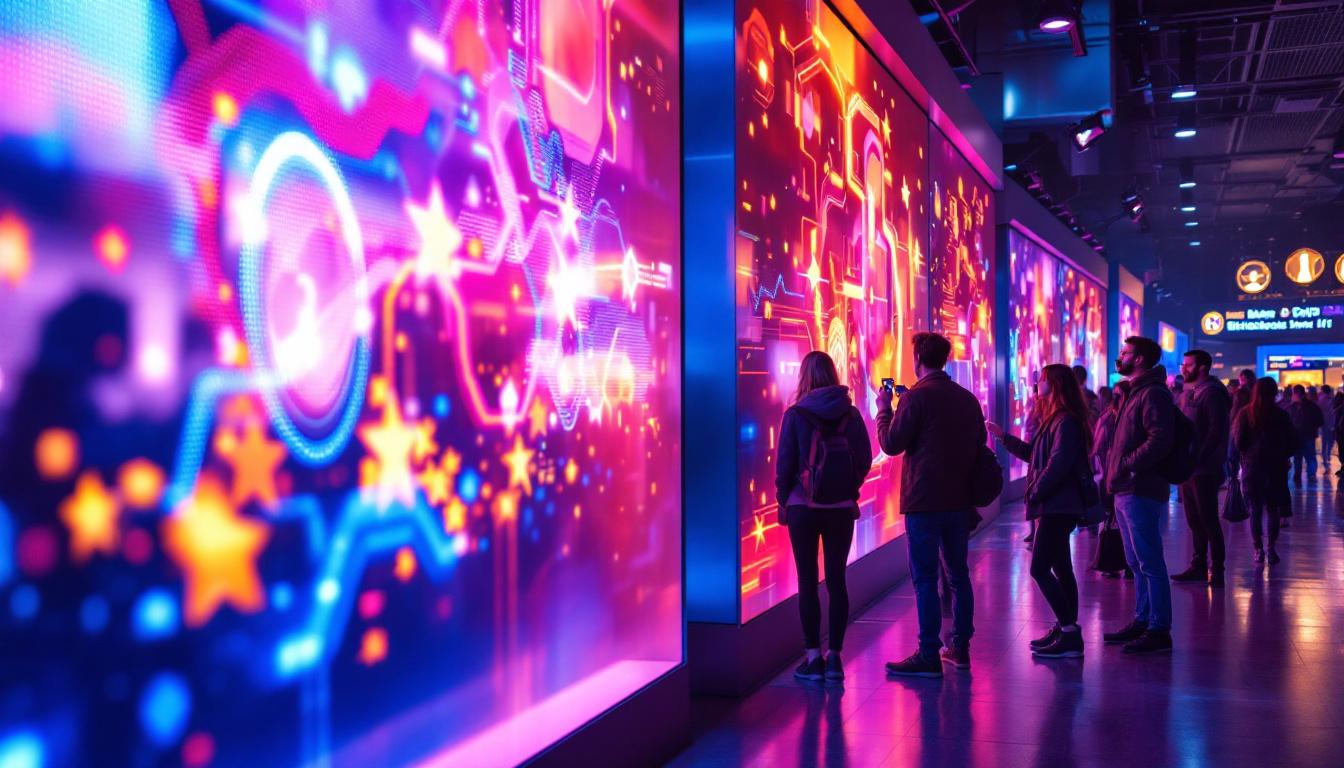
This technology allows for digital signage without obstructing the view from either side of the glass. When the display is off, the film is nearly invisible, preserving the aesthetics and functionality of the window. When activated, it can present vibrant images, videos, or text, making it an ideal solution for advertising, branding, and interactive displays. The versatility of LED window film also extends to various applications, from retail environments where businesses can showcase promotions and products to museums that can create immersive experiences without compromising the architectural integrity of the space.
Moreover, LED window films can be customized to fit specific branding needs, allowing businesses to tailor their messages to their target audience. This adaptability not only enhances marketing strategies but also provides a unique opportunity for creative expression, as the films can display animated graphics or even interactive content that engages passersby. As urban spaces become increasingly competitive in terms of visual marketing, LED window films offer a cutting-edge solution that stands out in crowded environments.
How Does LED Window Film Work?
The core of LED window film technology lies in its microscopic LEDs arranged in a grid pattern on a flexible, transparent substrate. These LEDs are controlled by a driver system that manages brightness, color, and content display. The film is typically installed on the interior side of the glass, connected to a power source and a media player.
The LEDs emit light through the glass, creating bright and vivid visuals visible from the outside. Advanced films use high-density LED placement to achieve better resolution and image clarity. Additionally, some films incorporate sensors to adjust brightness automatically based on ambient lighting conditions, ensuring optimal visibility day and night. This feature is particularly beneficial in environments with fluctuating light levels, as it enhances the viewing experience without straining energy resources. Furthermore, the integration of smart technology allows for remote content management, enabling businesses to update their displays in real-time from anywhere, thus ensuring that their messaging remains relevant and timely.
In addition to their visual appeal, LED window films are designed with energy efficiency in mind. Many of these films can help regulate indoor temperatures by reflecting heat during the summer and retaining warmth in the winter, contributing to overall energy savings for buildings. This dual functionality not only enhances the sustainability of the space but also aligns with the growing demand for eco-friendly solutions in modern architecture. As such, LED window films represent a significant advancement in both technology and design, merging aesthetics with practicality in a way that is increasingly sought after in today’s market.
Advantages of LED Window Film Displays
Seamless Integration and Aesthetic Appeal
One of the most significant benefits of LED window films is their ability to blend seamlessly with existing architecture. Unlike traditional LED screens that require mounting and can obstruct views, these films preserve the transparency and natural light transmission of windows. This means businesses can maintain an open, inviting environment while still leveraging powerful digital displays.
For architects and designers, this technology offers creative freedom to incorporate dynamic visuals into building facades without compromising design integrity. The films are ultra-thin and lightweight, making installation relatively straightforward and non-invasive.
Energy Efficiency and Sustainability
LED technology is renowned for its energy efficiency, consuming significantly less power compared to conventional lighting and display solutions. LED window films continue this trend, offering bright and vivid displays with minimal energy consumption. This makes them an environmentally friendly option for businesses looking to reduce their carbon footprint.
Moreover, the films’ ability to allow natural light to pass through reduces the need for artificial lighting inside the building during the day, contributing to further energy savings. Some manufacturers also focus on recyclable materials and sustainable production methods, aligning with broader green building initiatives.
Cost-Effectiveness and Versatility
While the initial investment in LED window film technology can be higher than traditional static signage, the long-term benefits often outweigh the costs. Digital content can be updated remotely and instantly, eliminating printing and installation expenses associated with conventional advertising. This flexibility enables businesses to run multiple campaigns or promotions without additional material costs.
Additionally, LED window films are versatile enough to be used in various settings—from retail storefronts and corporate offices to transportation hubs and public spaces. Their adaptability enhances marketing opportunities and enables creative messaging tailored to different audiences and times of day.
Applications of LED Window Film
Retail and Advertising
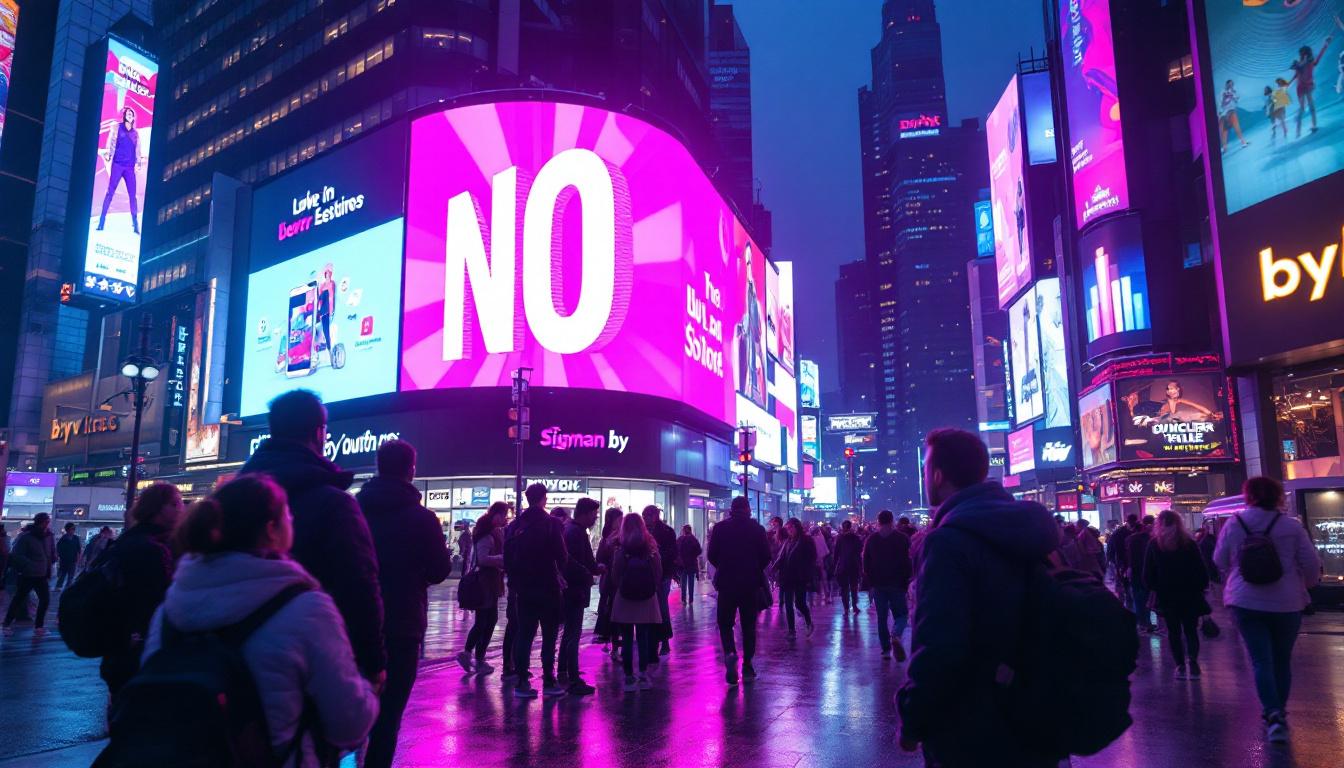
Retailers are among the primary adopters of LED window film technology. Storefront windows equipped with LED films can display eye-catching promotions, product launches, or seasonal campaigns that attract foot traffic and enhance brand visibility. The ability to change content frequently allows retailers to stay relevant and responsive to market trends.
For example, a fashion boutique might showcase dynamic runway videos or highlight limited-time offers, while a tech store could display product specifications and interactive demos. The immersive experience created by LED window films helps retailers differentiate themselves in competitive markets.
Corporate and Office Environments
In corporate settings, LED window films serve multiple purposes—from branding and wayfinding to information dissemination. Companies can use these displays to showcase their logos, mission statements, or real-time data such as stock prices and news feeds. The films also provide an innovative medium for internal communications during meetings or events.
Moreover, LED window films can be used to enhance privacy without sacrificing natural light. By displaying semi-transparent patterns or graphics, businesses can create visually appealing partitions or reduce glare while maintaining an open atmosphere.
Transportation and Public Spaces
LED window films are increasingly popular in transportation hubs such as airports, train stations, and bus terminals. These locations benefit from dynamic signage that can provide real-time updates, wayfinding assistance, and advertising. The films’ transparency ensures that natural light is preserved, and the space does not feel enclosed or cluttered.
In public spaces, LED window films can be used for public service announcements, cultural displays, or interactive art installations. Their ability to transform glass surfaces into vibrant canvases opens new possibilities for urban design and community engagement.
Technical Considerations and Installation
Resolution and Viewing Distance
The resolution of LED window film displays depends on the density of LEDs per square meter. Higher-density films produce sharper images but may come at a higher cost. It is essential to consider the typical viewing distance when selecting the appropriate resolution. For example, a film installed on a storefront window viewed from across the street requires a different pixel pitch than one used inside an office lobby.
Consulting with manufacturers or installation experts can help determine the optimal specifications to balance image quality and budget constraints.
Installation Process and Maintenance
Installation of LED window films involves cleaning the glass surface thoroughly, applying the film with precision to avoid bubbles or wrinkles, and connecting the film to power and control systems. Professional installation is recommended to ensure durability and performance.
Maintenance is generally minimal, primarily involving regular cleaning of the glass and periodic software updates for the content management system. The films are designed to be durable and weather-resistant, suitable for both indoor and outdoor use.
Compatibility and Integration
Modern LED window films are compatible with various content management platforms, enabling easy scheduling, remote updates, and integration with other digital signage systems. This flexibility allows businesses to create cohesive multimedia campaigns across multiple locations and devices.
Additionally, some films support interactive features such as touch sensitivity or integration with sensors, opening avenues for enhanced customer engagement and data collection.
Future Trends and Innovations
The LED window film market is poised for significant growth, driven by advancements in LED miniaturization, flexible electronics, and smart building technologies. Emerging trends include higher resolution films with improved color accuracy, increased interactivity, and integration with augmented reality (AR) applications.
Researchers are also exploring the use of organic LEDs (OLEDs) and quantum dot technologies to create even thinner, more energy-efficient films with superior brightness and color gamut. These innovations promise to expand the possibilities for digital displays in architecture and advertising.
Furthermore, as sustainability becomes a priority, manufacturers are focusing on eco-friendly materials and energy-saving features, aligning LED window films with global green building standards and certifications.
Conclusion
LED window film technology represents a transformative approach to digital signage and architectural design. By combining transparency, flexibility, and vibrant digital displays, it offers businesses and designers a powerful tool to engage audiences without compromising aesthetics or functionality.
From retail advertising to corporate branding and public information systems, LED window films provide versatile, energy-efficient, and cost-effective solutions that adapt to modern demands. As technology continues to advance, the potential applications and benefits of LED window films are set to grow, making them an essential component of the future digital landscape.
For organizations looking to innovate their visual communication strategies, investing in LED window film technology can unlock new levels of creativity, engagement, and sustainability.
Discover the Future of Visual Engagement with LumenMatrix
Ready to elevate your visual communication and captivate your audience like never before? Explore the innovative world of LumenMatrix, where cutting-edge LED display technology meets creative brilliance. Our extensive range of solutions, from Indoor and Outdoor LED Wall Displays to Custom and Transparent LED Displays, is designed to transform any space into a dynamic visual experience. Don’t just take our word for it; check out LumenMatrix LED Display Solutions today and join the revolution in digital signage and architectural design.