In today’s visually driven world, LED displays have become a cornerstone technology, transforming how information and entertainment are delivered across industries. From towering billboards in Times Square to the vibrant screens on smartphones and stadium scoreboards, LED displays are everywhere. This article delves into the fundamentals of LED displays, exploring their technology, types, applications, and future trends, providing a comprehensive understanding for professionals, enthusiasts, and decision-makers alike.
Understanding LED Display Technology
LED stands for Light Emitting Diode, a semiconductor device that emits light when an electric current passes through it. Unlike traditional display technologies such as LCD or plasma, LEDs produce their own light, which results in brighter images, better contrast, and higher energy efficiency. This self-illuminating property allows for thinner and lighter screens, making LED displays a popular choice for a wide range of applications, from televisions to smartphones and large-scale outdoor advertising.
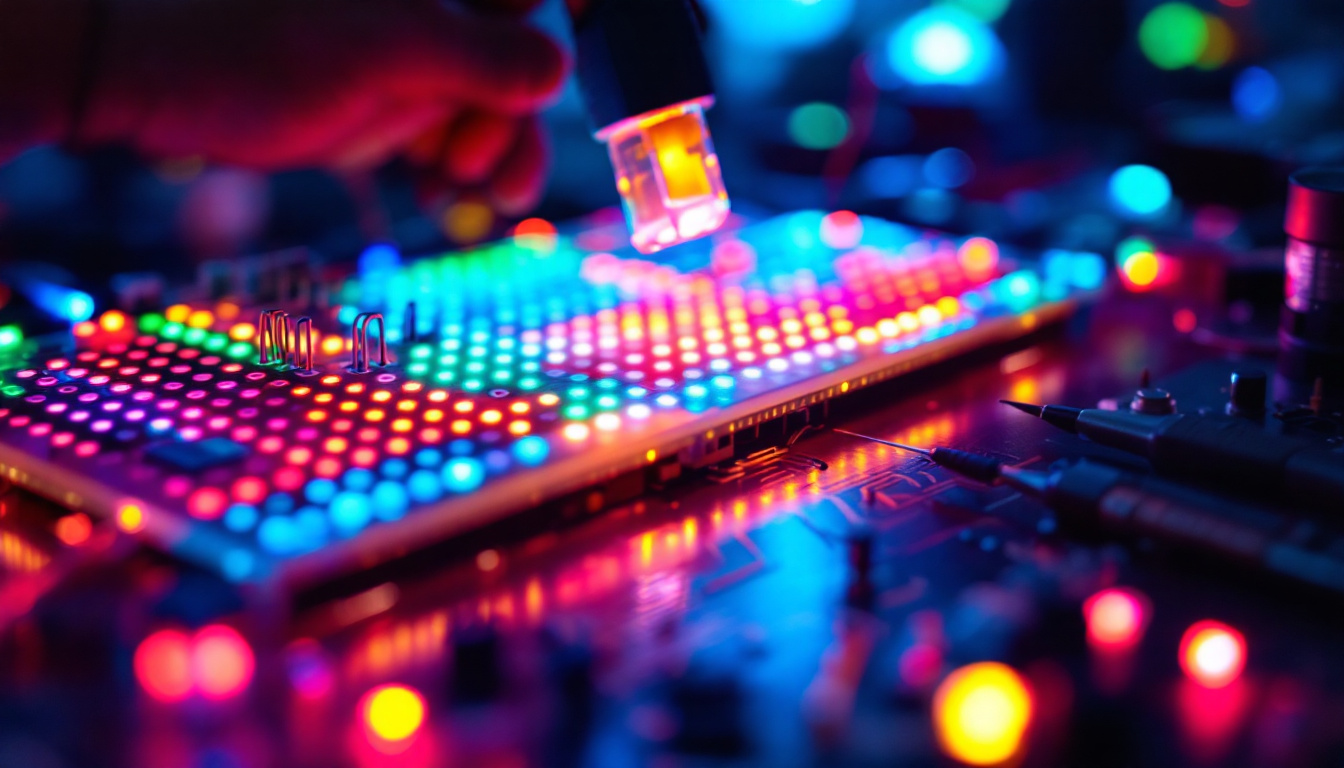
The core of an LED display is the individual LED pixel, which can be a single color or a combination of red, green, and blue (RGB) diodes. By varying the intensity of these three colors, the display can produce a full spectrum of colors, enabling vivid and dynamic visuals. This capability is particularly beneficial in environments where color accuracy is crucial, such as in graphic design and photography, as well as in entertainment settings where engaging visuals enhance the overall experience.
How LED Displays Work
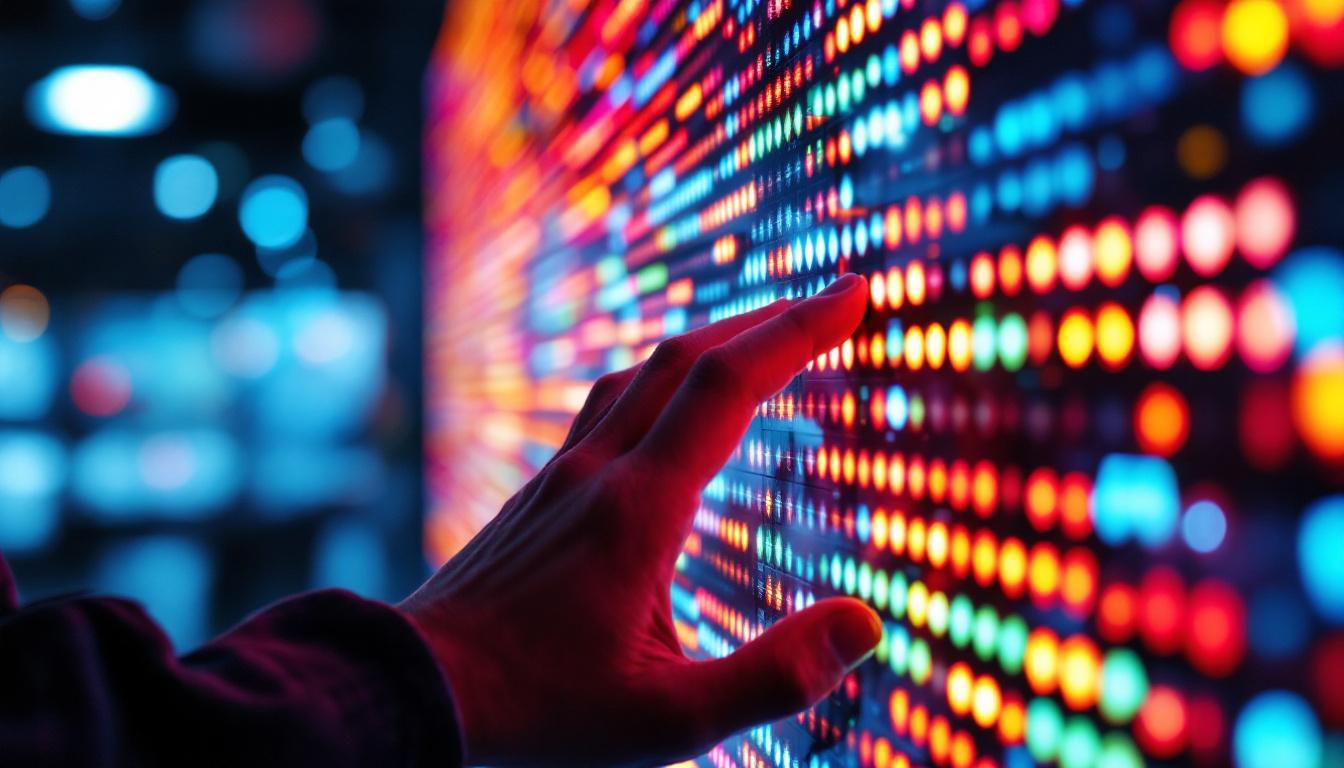
At a basic level, an LED display consists of a matrix of LEDs arranged in rows and columns. Each LED or group of LEDs represents a pixel on the screen. When the display receives input signals—whether from a computer, video player, or broadcast source—it controls the brightness and color of each pixel to form images or videos. The rapid response time of LEDs allows for real-time updates, making them ideal for applications like sports broadcasting, where fast-moving images need to be displayed without blurring.
Modern LED displays utilize advanced driver ICs and control systems to manage millions of pixels with high precision. This results in smooth motion, sharp images, and the ability to display complex content such as live video feeds, animations, and high-resolution graphics. Additionally, many LED displays are equipped with features like adaptive brightness control, which adjusts the screen’s luminance based on ambient light conditions, ensuring optimal viewing experiences in various environments.
Types of LEDs Used in Displays
There are primarily two types of LEDs used in display technology: surface-mounted device (SMD) LEDs and through-hole LEDs. SMD LEDs are small, compact, and capable of producing multiple colors from a single diode package, making them ideal for high-resolution indoor displays. Through-hole LEDs, on the other hand, are larger and often used in outdoor displays where brightness and durability are paramount. The choice between these types depends on the specific requirements of the display, including the intended use, viewing distance, and environmental factors.
In addition to SMD and through-hole LEDs, there are also specialized variations such as Mini-LED and Micro-LED technologies. Mini-LEDs are smaller than traditional LEDs and allow for more precise control over local dimming, enhancing contrast ratios and overall picture quality. Micro-LEDs take this a step further by using microscopic LEDs that can be individually controlled, leading to unprecedented levels of brightness, color accuracy, and energy efficiency. These advancements are paving the way for next-generation displays that promise to revolutionize how we experience visual content.
Categories of LED Displays
LED displays come in a variety of formats tailored to different uses, environments, and viewing distances. Understanding these categories helps in selecting the right display for specific applications.
Indoor LED Displays
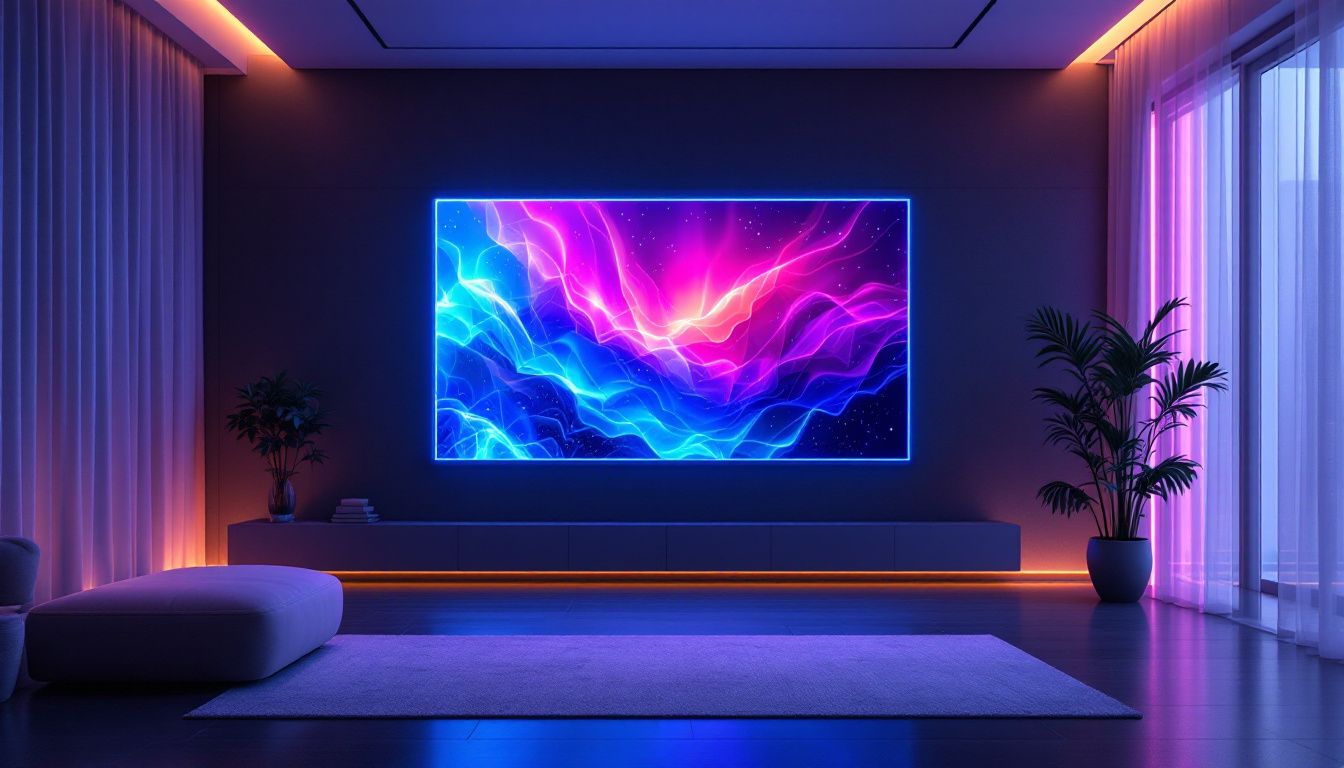
Indoor LED displays are designed for close-range viewing, such as in retail stores, conference rooms, airports, and control centers. They typically feature a fine pixel pitch—ranging from 0.9mm to 4mm—which refers to the distance between individual pixels. A smaller pixel pitch means higher resolution and sharper images at close distances.
These displays prioritize color accuracy, brightness levels suitable for indoor lighting, and sleek designs that blend seamlessly into interior spaces.
Outdoor LED Displays
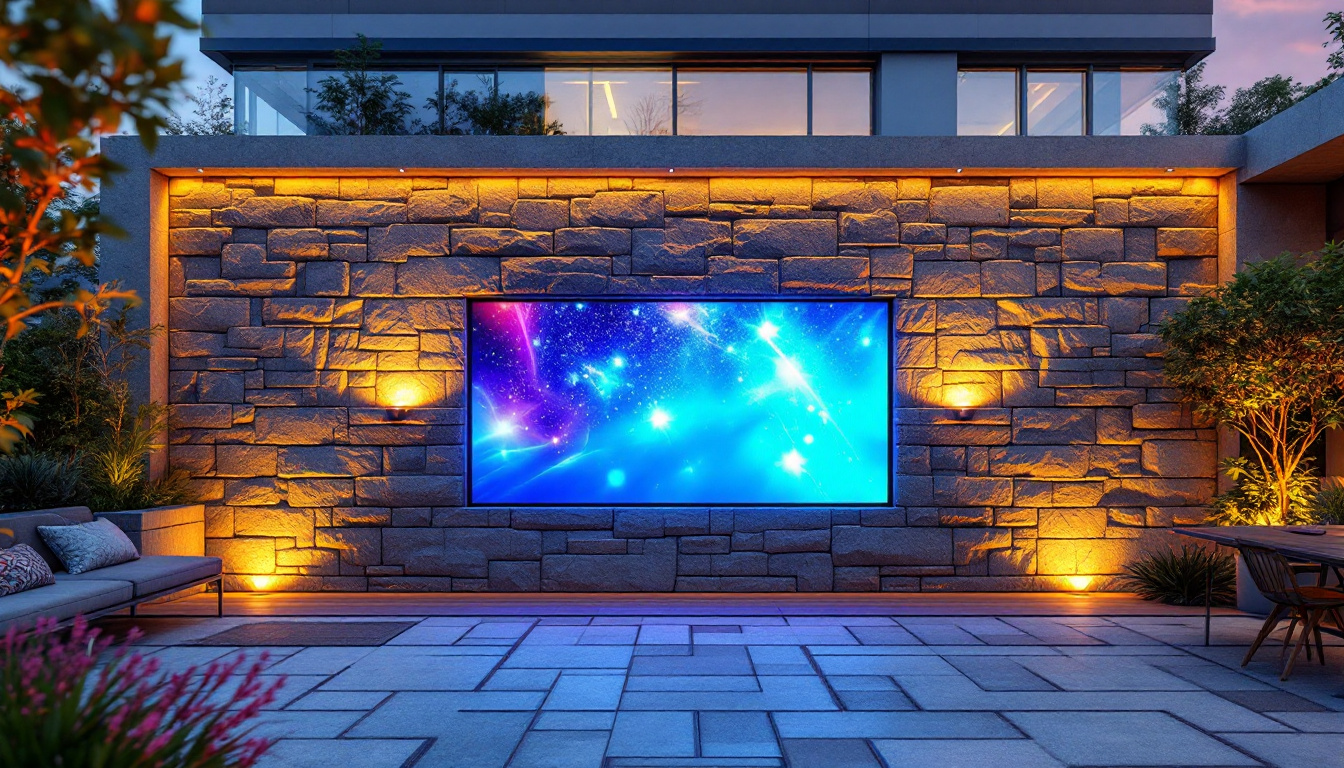
Outdoor LED displays are built to withstand harsh environmental conditions, including direct sunlight, rain, dust, and extreme temperatures. Their pixel pitch is generally larger—between 4mm and 20mm—since they are viewed from greater distances. Brightness levels for outdoor LEDs often exceed 5,000 nits to ensure visibility even in bright daylight.
Examples include digital billboards, stadium screens, and public information displays. These displays incorporate weatherproof casings, anti-glare coatings, and advanced cooling systems to maintain performance and longevity.
Flexible and Transparent LED Displays
Recent innovations have introduced flexible LED displays that can bend and curve, opening up creative possibilities for advertising, architecture, and wearable technology. Transparent LED displays, meanwhile, allow light to pass through the screen, making them ideal for glass windows and retail showcases without obstructing views.
These emerging types combine aesthetic appeal with functionality, enabling dynamic content integration into unconventional surfaces.
Key Advantages of LED Displays
LED displays offer a range of benefits that have driven their widespread adoption across sectors such as advertising, entertainment, transportation, and corporate communications.
Superior Brightness and Contrast
One of the standout features of LED displays is their exceptional brightness. With peak brightness levels often surpassing 10,000 nits for outdoor models, LED screens remain visible under direct sunlight, unlike many other display technologies. Additionally, LEDs provide deep blacks and vibrant colors due to their ability to turn off individual pixels completely, resulting in high contrast ratios.
Energy Efficiency and Longevity
Compared to traditional lighting and display technologies, LEDs consume significantly less power. This energy efficiency translates into lower operating costs, especially for large-scale installations. Furthermore, LED displays have long lifespans—often exceeding 100,000 hours—reducing maintenance and replacement expenses.
Versatility and Scalability
LED displays can be manufactured in virtually any size and shape, from small wearable screens to massive video walls spanning thousands of square feet. Their modular design allows for easy expansion or reconfiguration, accommodating evolving content needs and spatial constraints.
Applications of LED Displays Across Industries
LED displays have become integral to numerous industries, each leveraging the technology’s unique strengths to enhance communication, engagement, and operational efficiency.
Advertising and Digital Signage
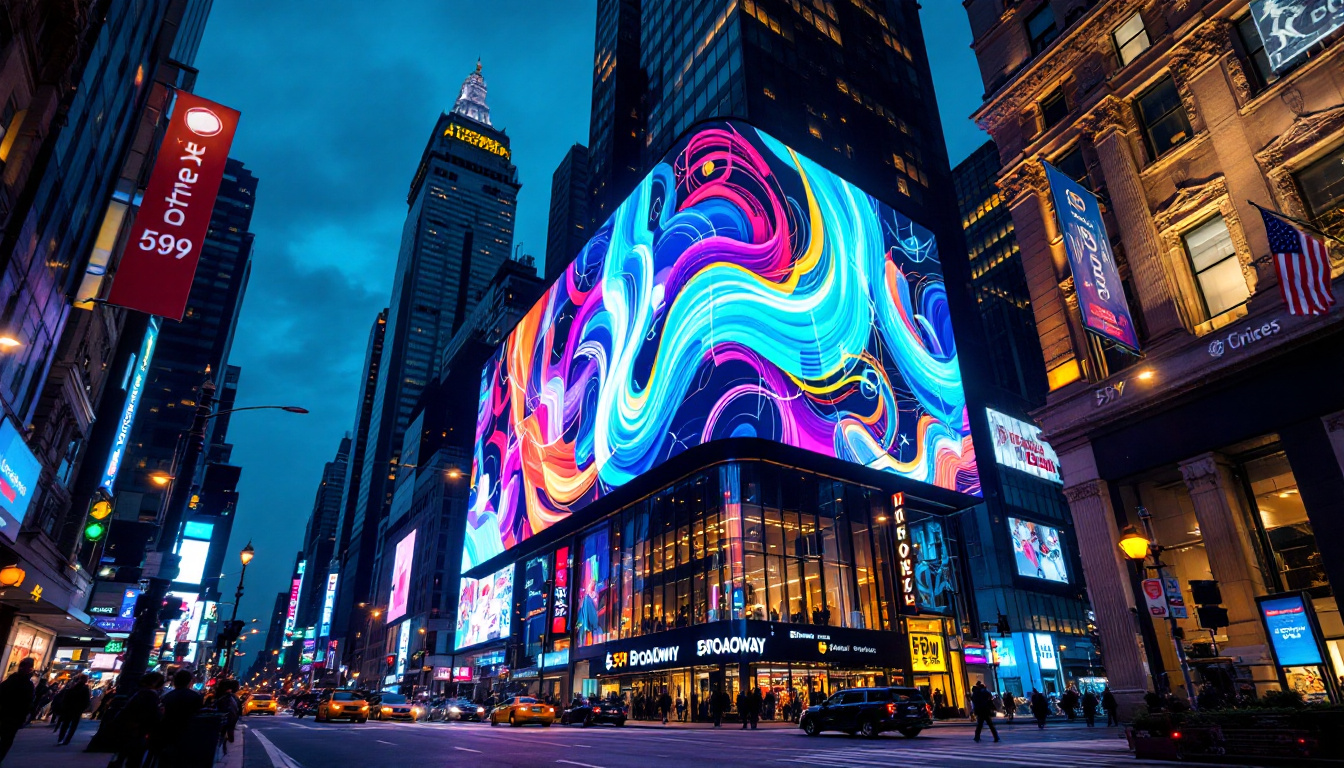
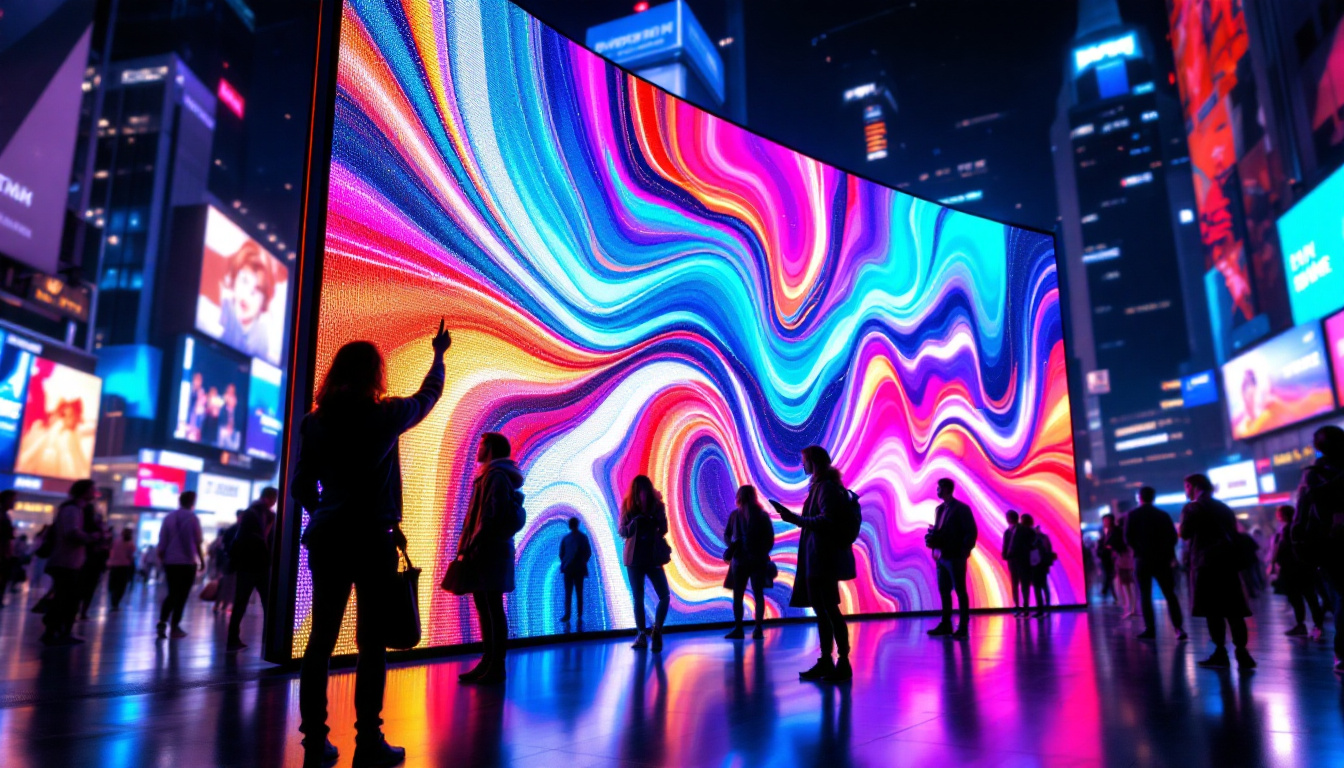
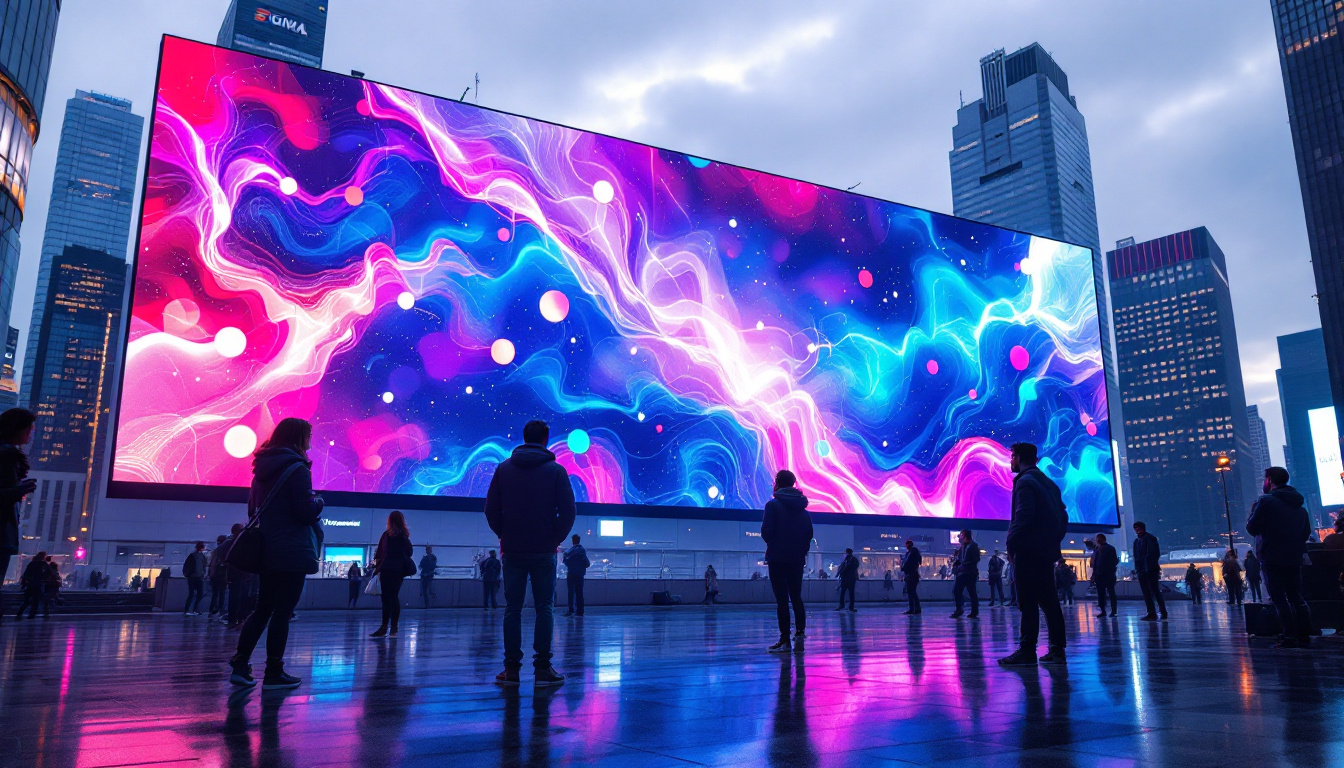
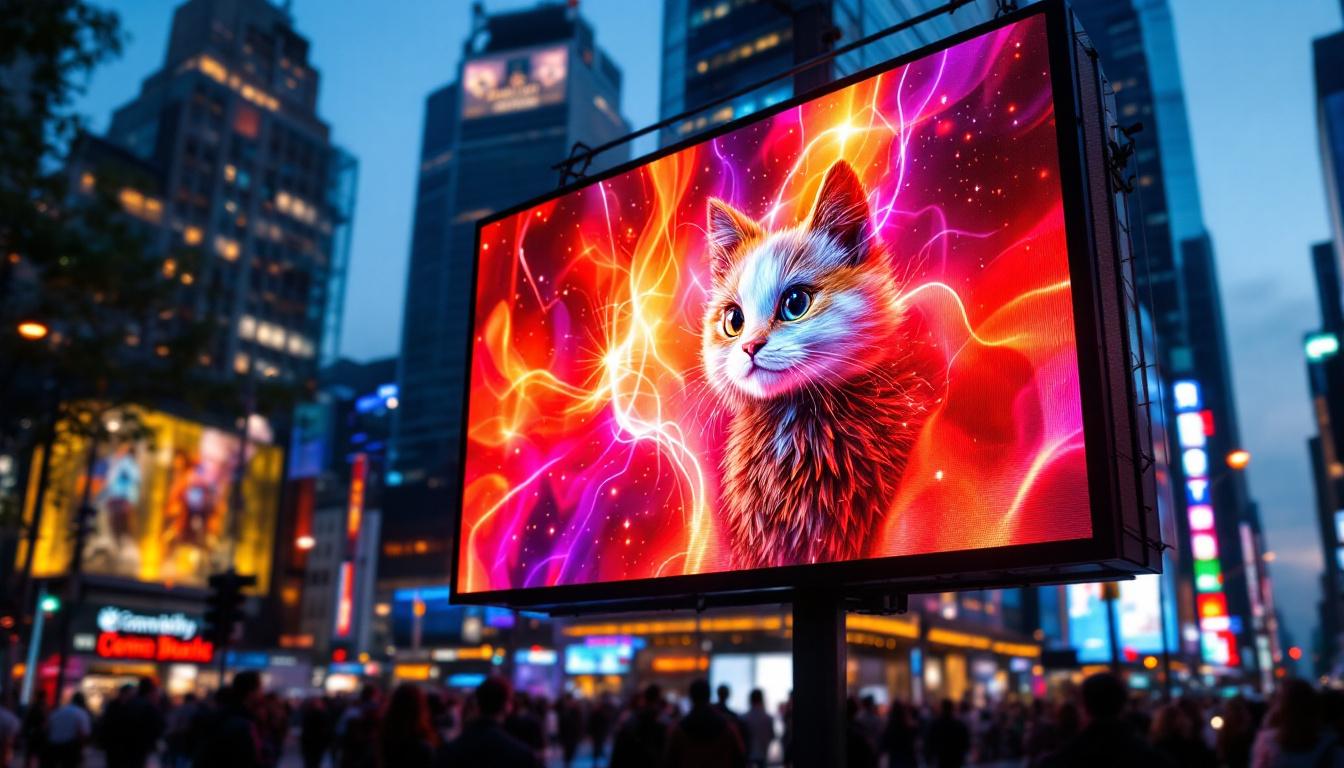
Digital billboards and signage are among the most visible applications of LED displays. Their ability to deliver dynamic, eye-catching content attracts attention and increases advertising effectiveness. According to a 2023 report by the Digital Signage Federation, LED digital signage has contributed to a 30% increase in consumer engagement compared to static signs.
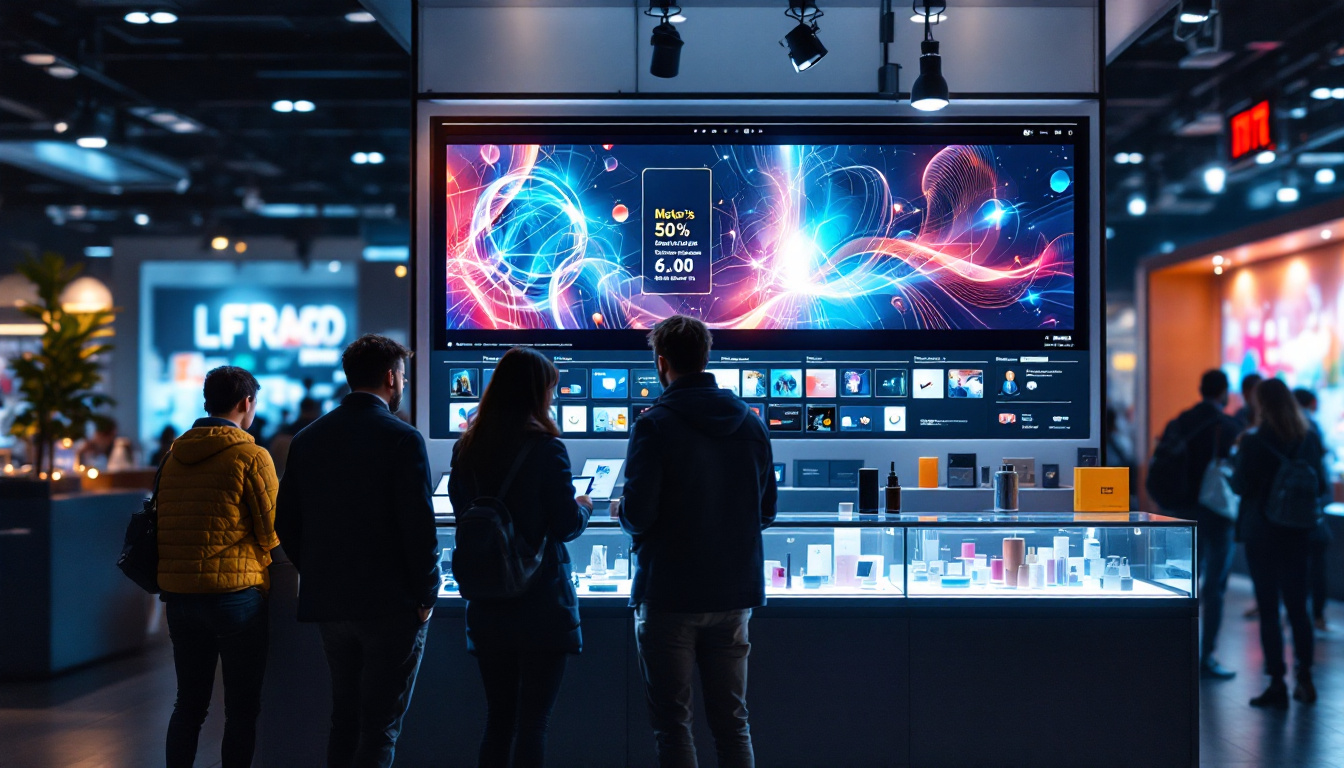
Retailers use LED displays to showcase promotions and product information, while transit authorities deploy them for real-time schedule updates and emergency alerts.
Sports and Entertainment Venues
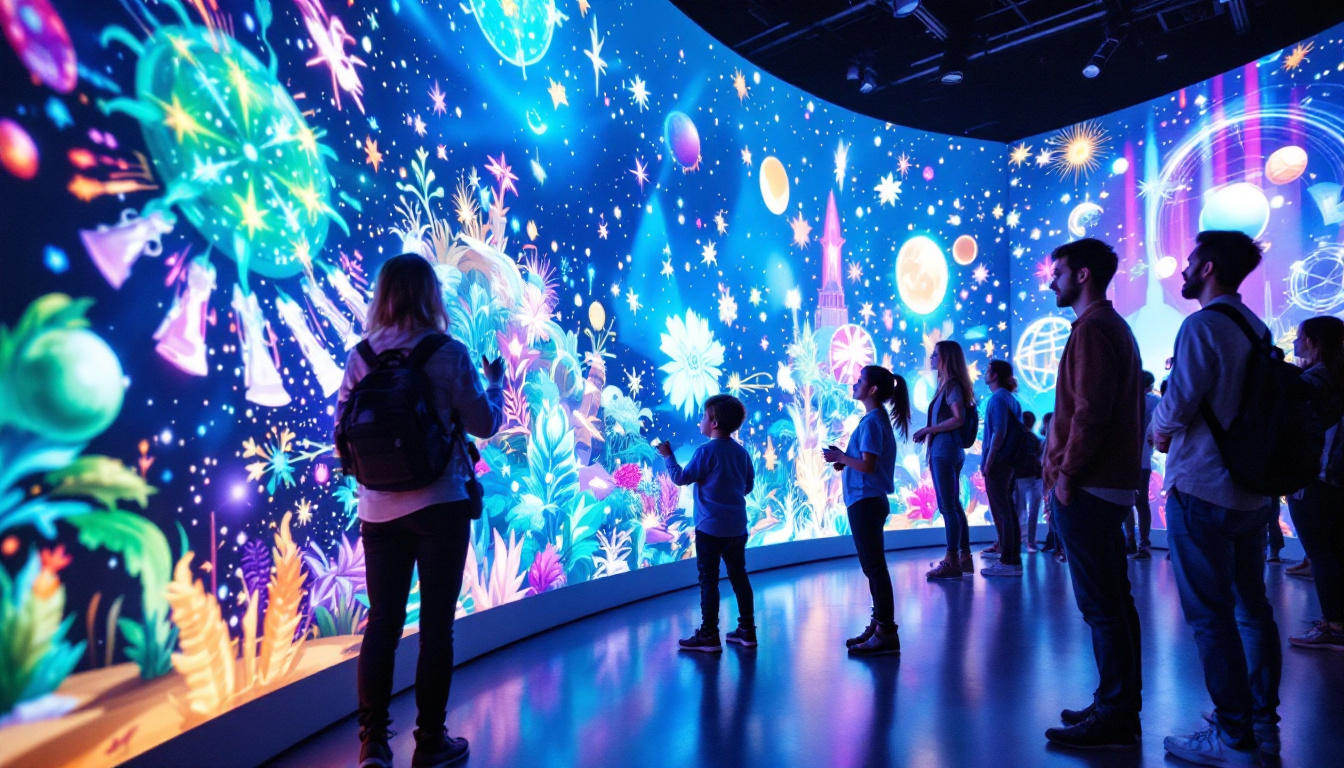
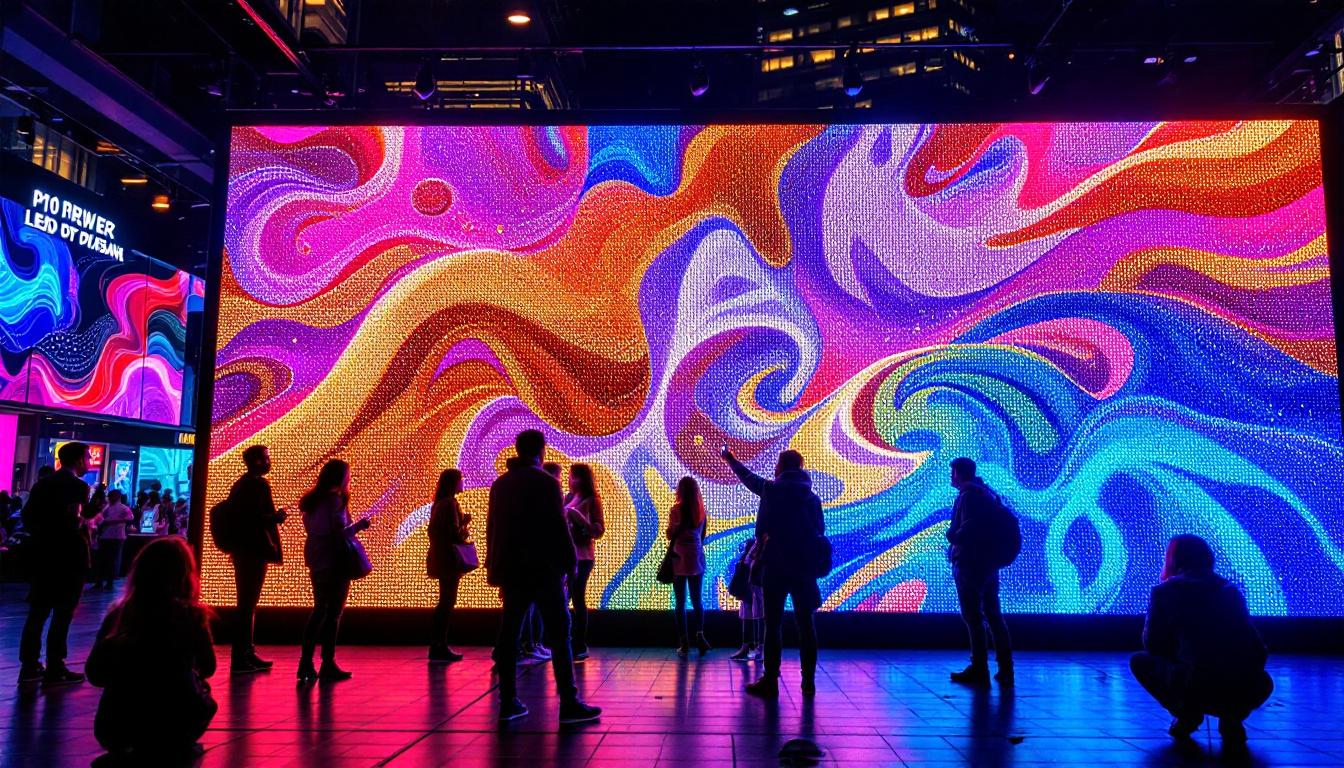
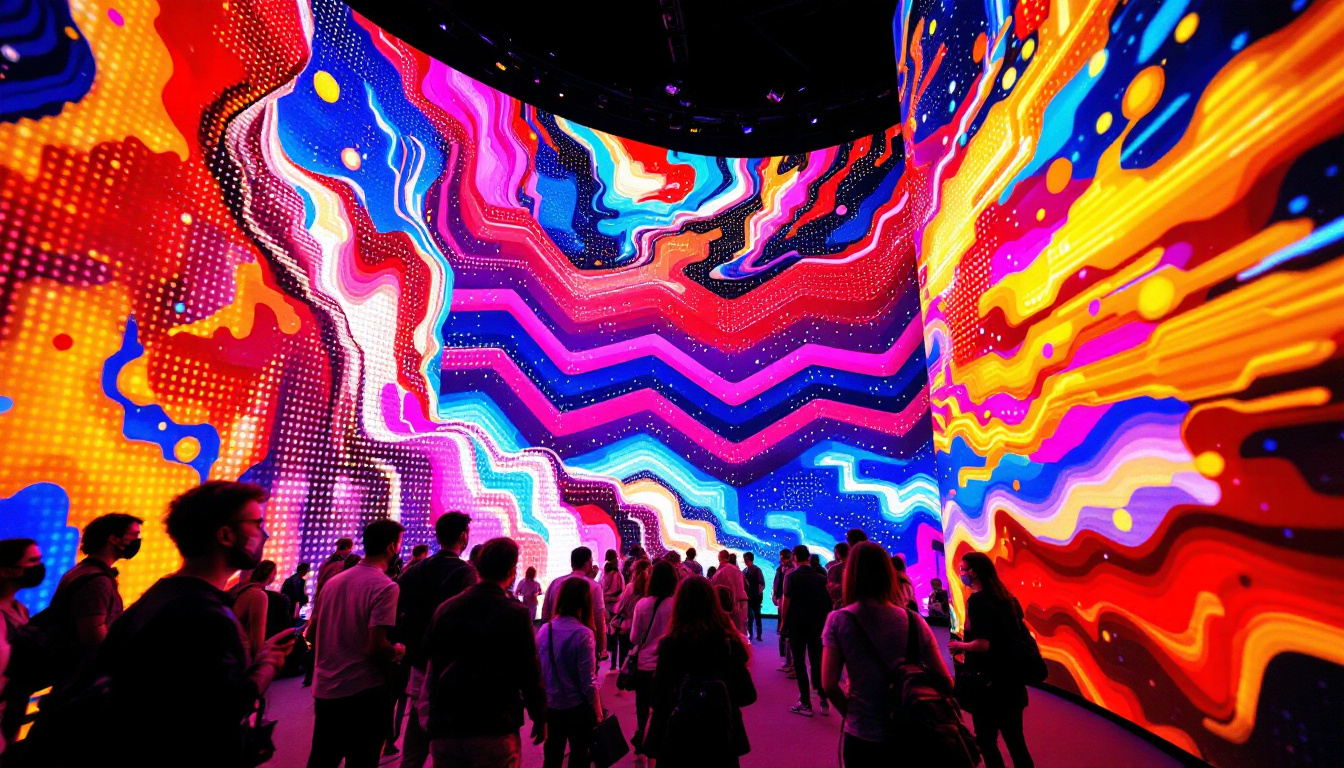
Stadiums and arenas utilize large-format LED screens to enhance the spectator experience with live video, instant replays, and interactive content. The flexibility of LED technology allows for immersive displays that wrap around seating areas or integrate into architectural elements.
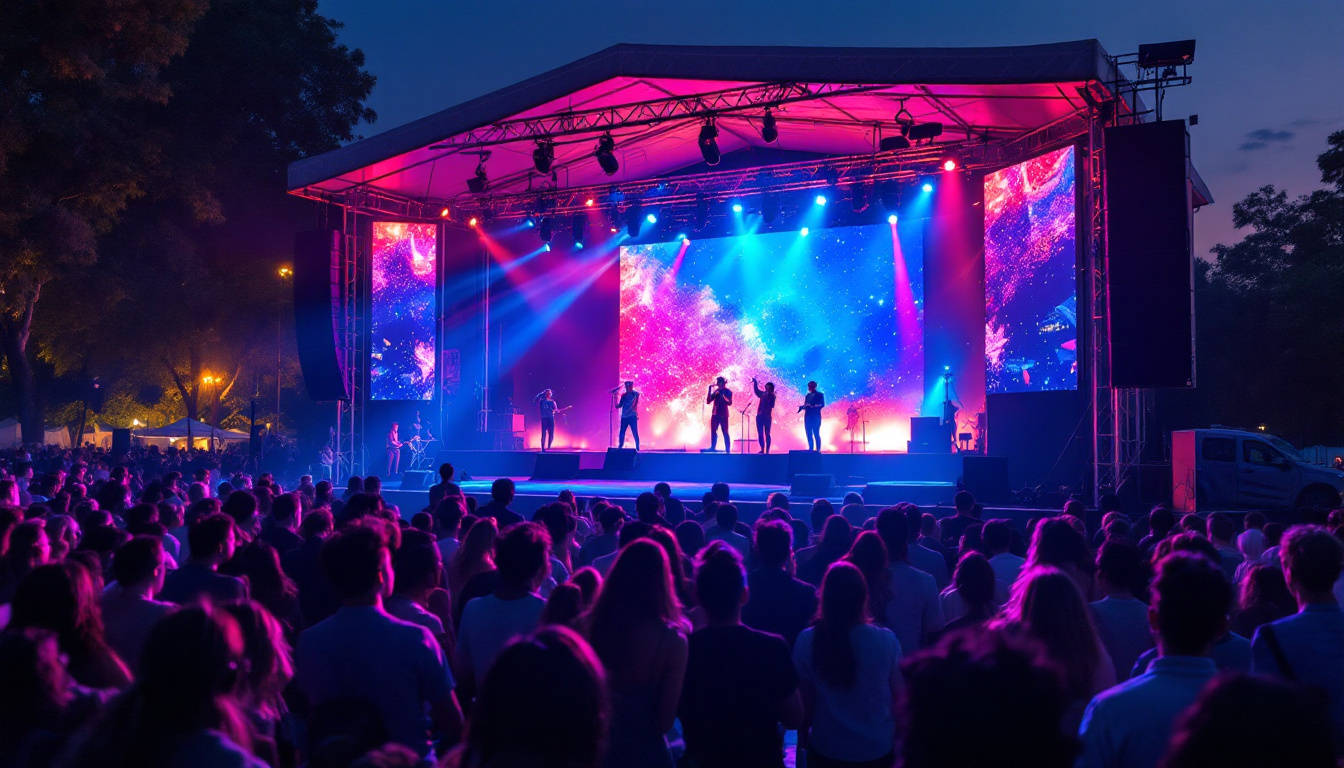
Concerts and events also rely on LED walls and floors to create visually stunning backdrops and effects, elevating performances to new heights.
Corporate and Control Rooms
In corporate environments, LED video walls facilitate presentations, video conferencing, and data visualization. Control rooms in sectors such as transportation, utilities, and security use LED displays to monitor operations in real time, enabling faster decision-making and response.
Transportation and Public Information
LED displays are widely used in airports, train stations, and bus terminals for passenger information systems. Their clarity and brightness ensure that schedules, alerts, and wayfinding messages are easily readable, improving traveler experience and safety.
Choosing the Right LED Display: Factors to Consider
Selecting the appropriate LED display requires careful consideration of various technical and environmental factors to ensure optimal performance and return on investment.
Pixel Pitch and Resolution
The pixel pitch determines the resolution and viewing distance suitability. For close-up viewing, such as indoor retail displays, a pixel pitch below 2mm is recommended. For outdoor billboards viewed from hundreds of feet away, a larger pitch of 10mm or more is sufficient.
Brightness and Viewing Environment
Assessing ambient lighting conditions is crucial. Indoor environments typically require brightness levels between 800 and 1,500 nits, while outdoor displays need much higher brightness to combat sunlight glare.
Durability and Weather Resistance
Outdoor installations must meet specific ingress protection (IP) ratings to guard against dust and water. Additionally, temperature tolerance and UV resistance are important for longevity.
Installation and Maintenance
Modular designs facilitate easier installation and maintenance. Consideration should be given to access for repairs, ventilation, and power consumption to minimize operational disruptions.
The Future of LED Display Technology
LED display technology continues to evolve rapidly, driven by advancements in materials science, electronics, and software integration.
MicroLED and MiniLED Innovations
MicroLED technology, which uses microscopic LEDs as pixels, promises even higher resolution, better color accuracy, and improved energy efficiency. It is poised to revolutionize consumer electronics, including TVs and smartphones, by offering OLED-like performance without the associated drawbacks such as burn-in.
MiniLED backlighting is also gaining traction, enhancing LCD displays with superior contrast and brightness.
Integration with AI and IoT
Smart LED displays integrated with artificial intelligence and Internet of Things (IoT) technologies enable dynamic content adaptation based on audience demographics, weather, and other real-time data. This capability enhances user engagement and operational efficiency.
Sustainability and Eco-Friendly Designs
Manufacturers are increasingly focusing on eco-friendly materials, energy-saving components, and recyclability to reduce the environmental impact of LED displays. Innovations in low-power electronics and sustainable manufacturing processes are expected to shape the industry’s future.
Conclusion
LED displays have transformed the way visual information is presented, offering unmatched brightness, flexibility, and durability. Their applications span diverse sectors, from advertising and entertainment to corporate and public services. As technology advances, LED displays will become even more integral to communication strategies, delivering richer and more immersive experiences.
Understanding the technical aspects and practical considerations of LED displays empowers businesses and organizations to make informed decisions that maximize impact and efficiency. Whether upgrading existing installations or exploring new display solutions, the future of LED technology holds exciting possibilities that will continue to illuminate the world.
Illuminate Your Space with LumenMatrix
Ready to elevate your visual presence and captivate your audience like never before? Discover the unparalleled brightness, flexibility, and innovation with LumenMatrix’s comprehensive range of LED display solutions. Whether you’re looking to enhance indoor ambiance, make a bold statement outdoors, or create interactive experiences, LumenMatrix has the cutting-edge technology to bring your vision to life. Check out LumenMatrix LED Display Solutions today and start transforming your communication strategy with clarity and impact.