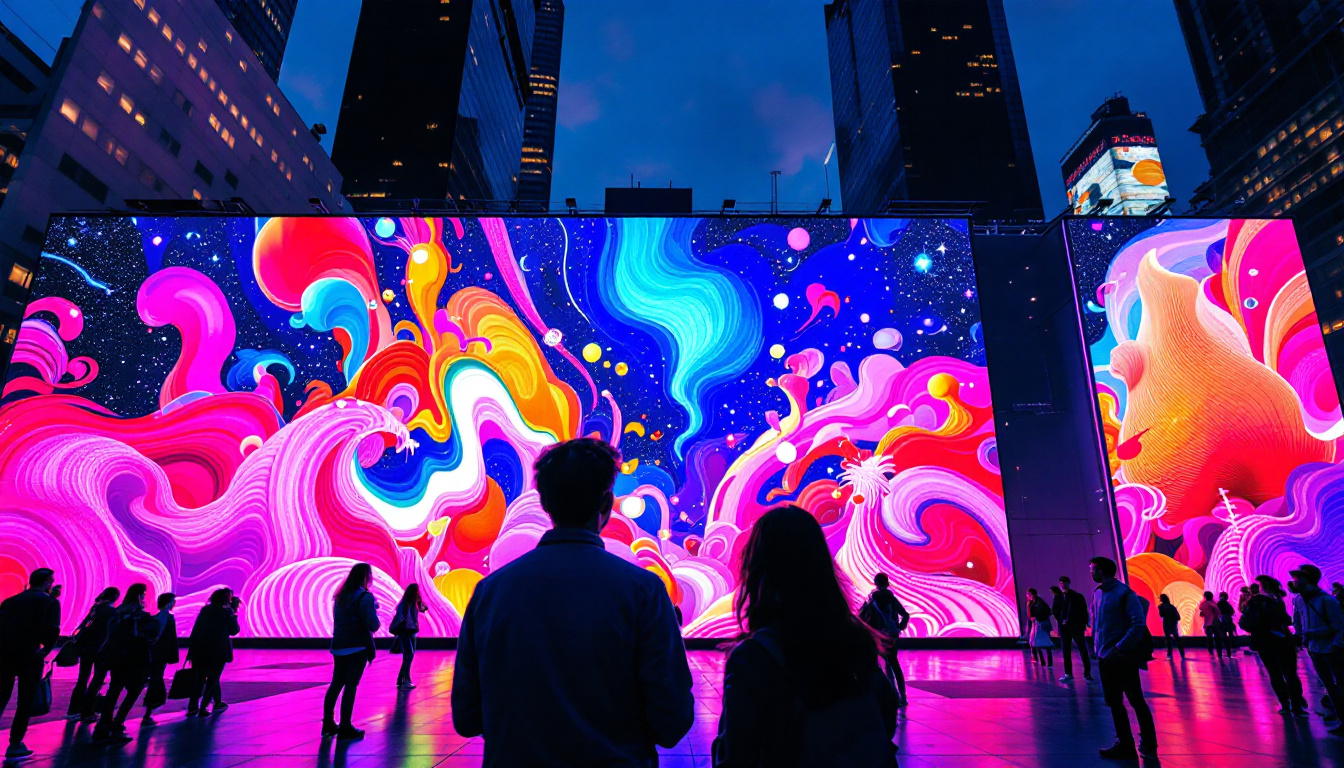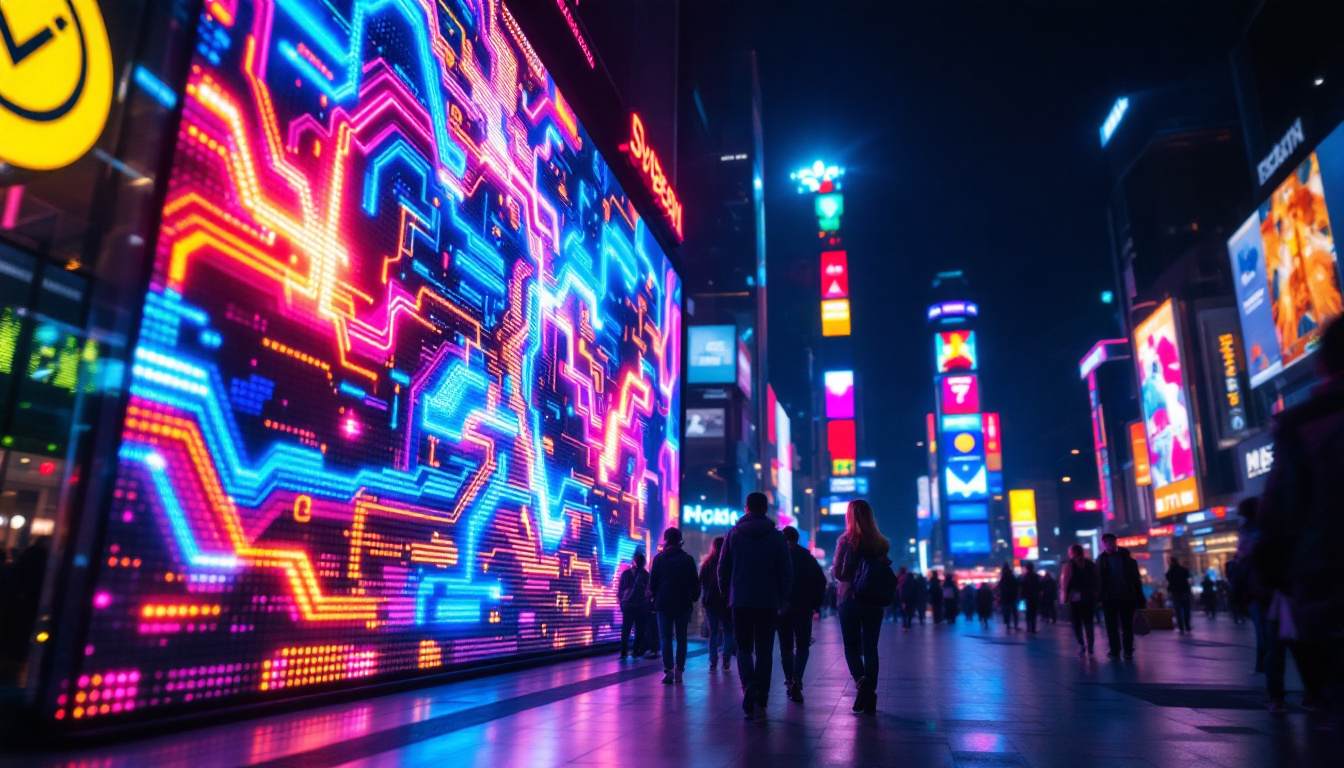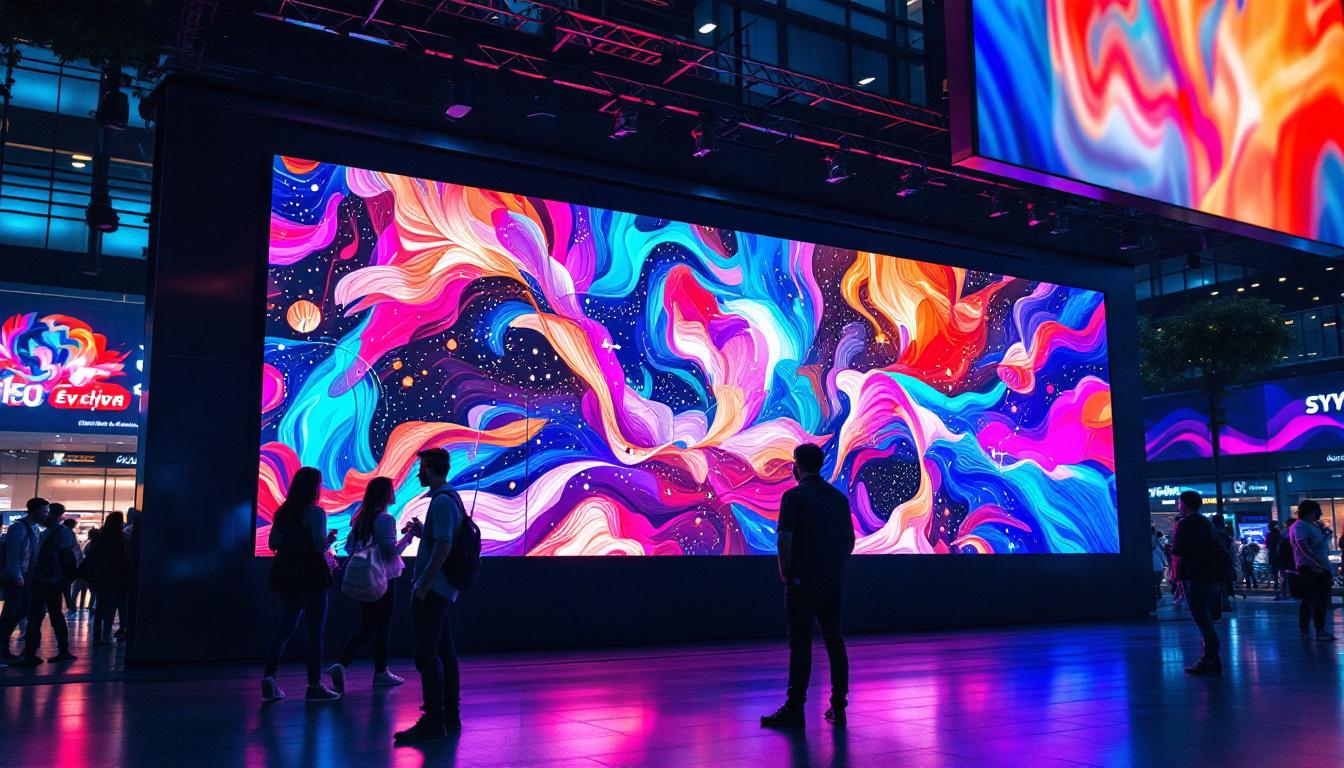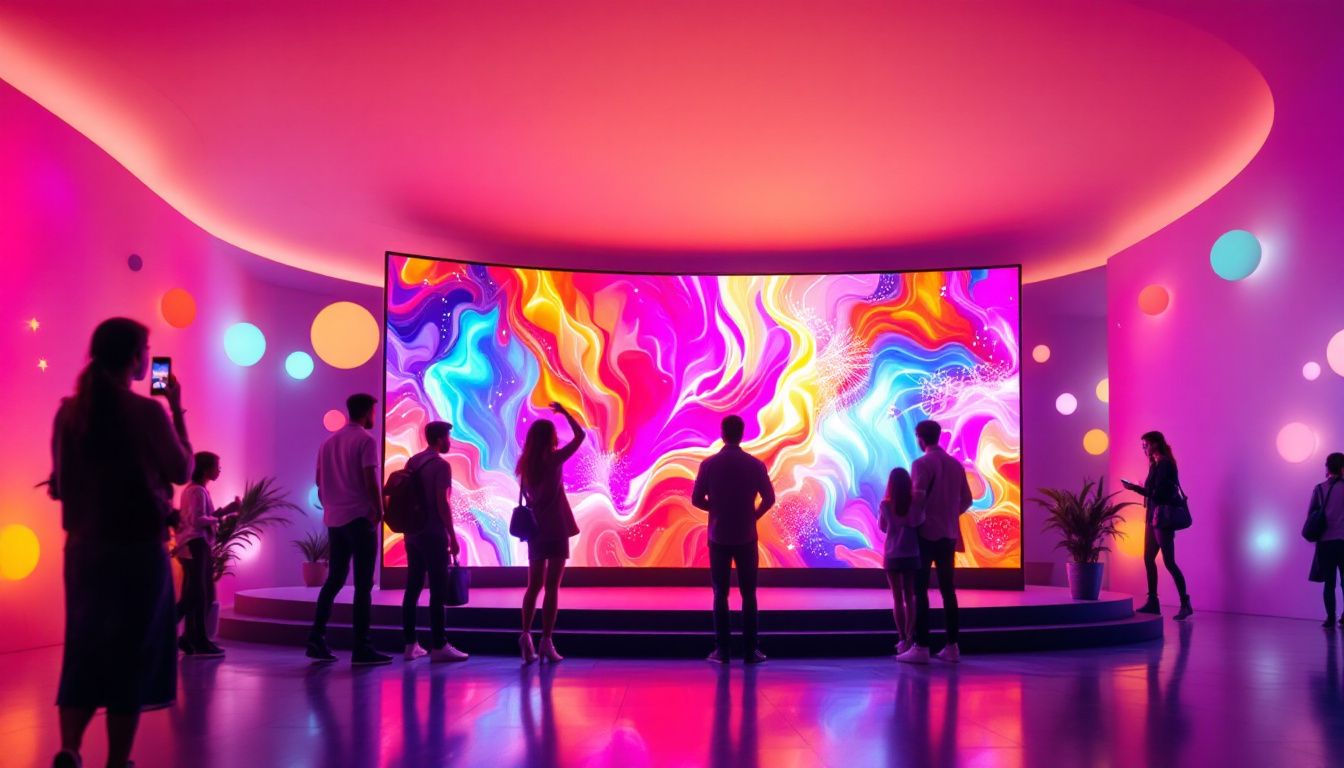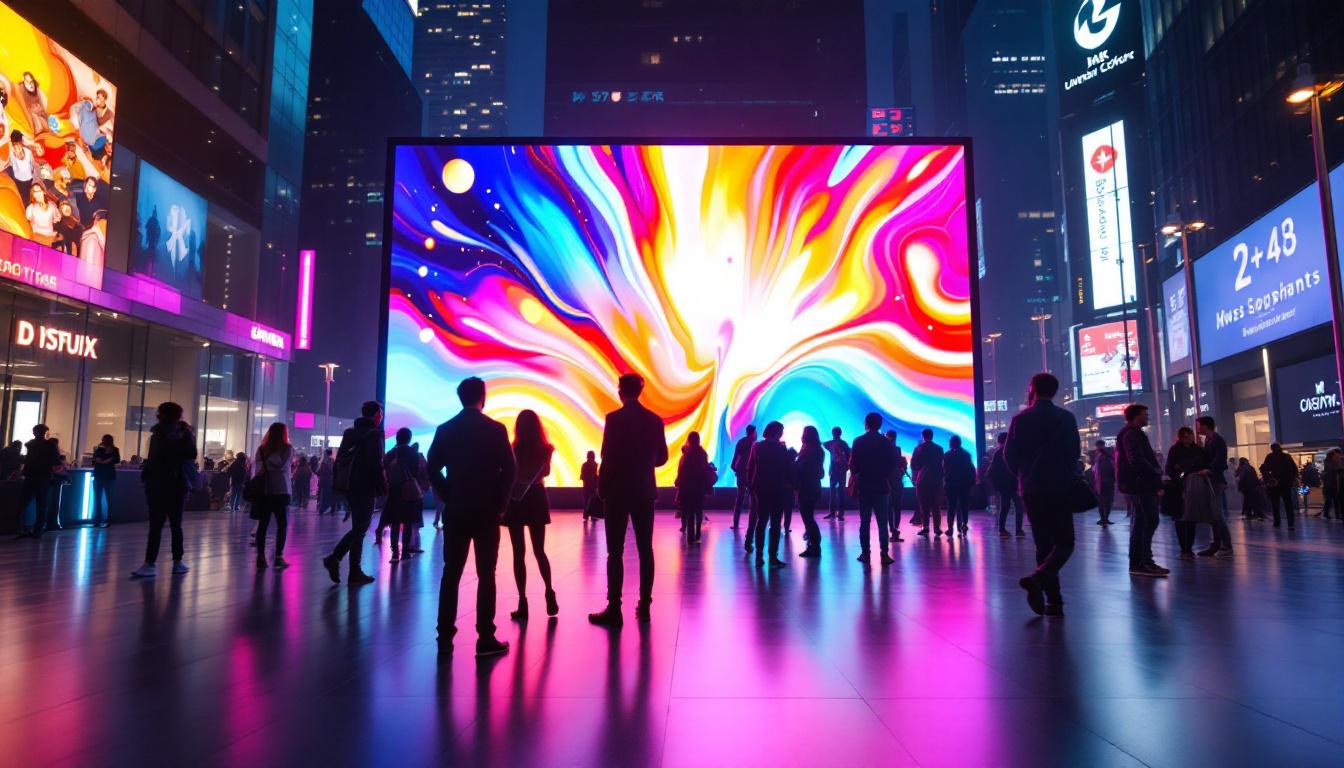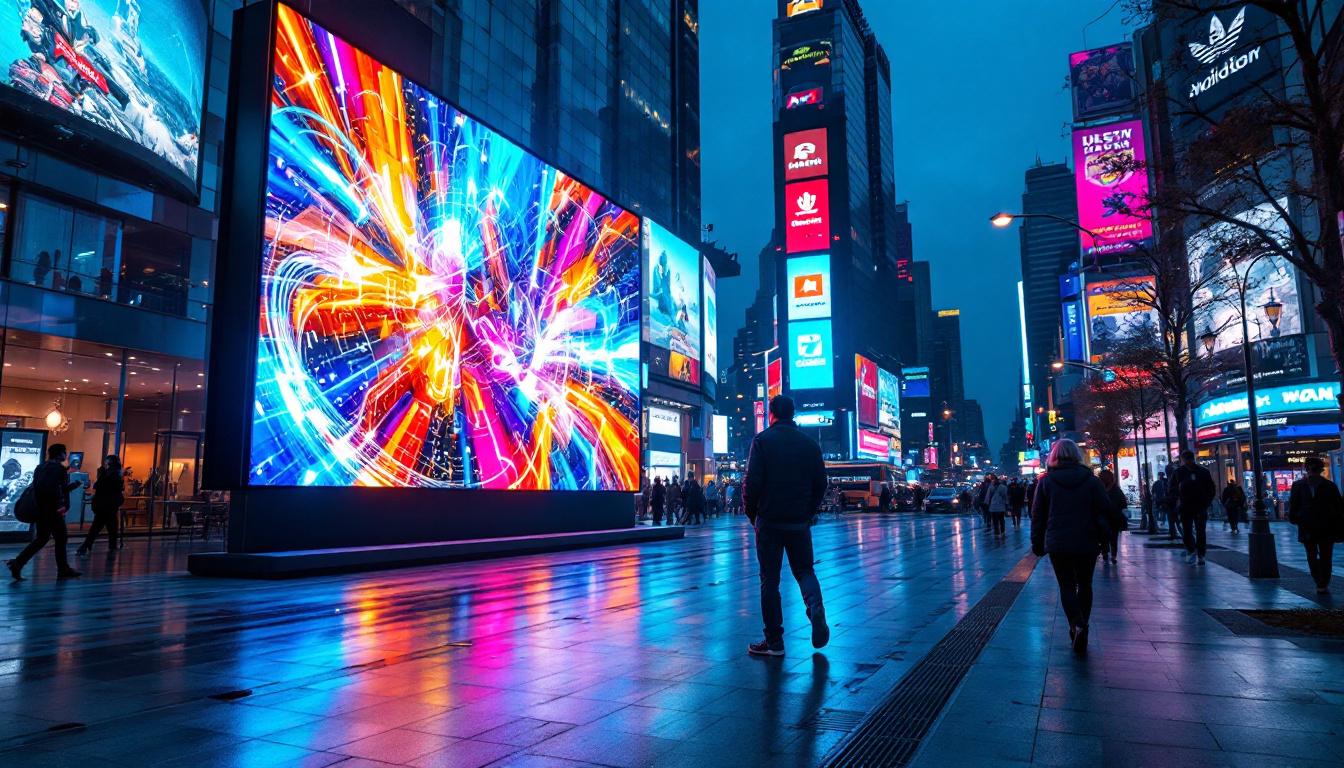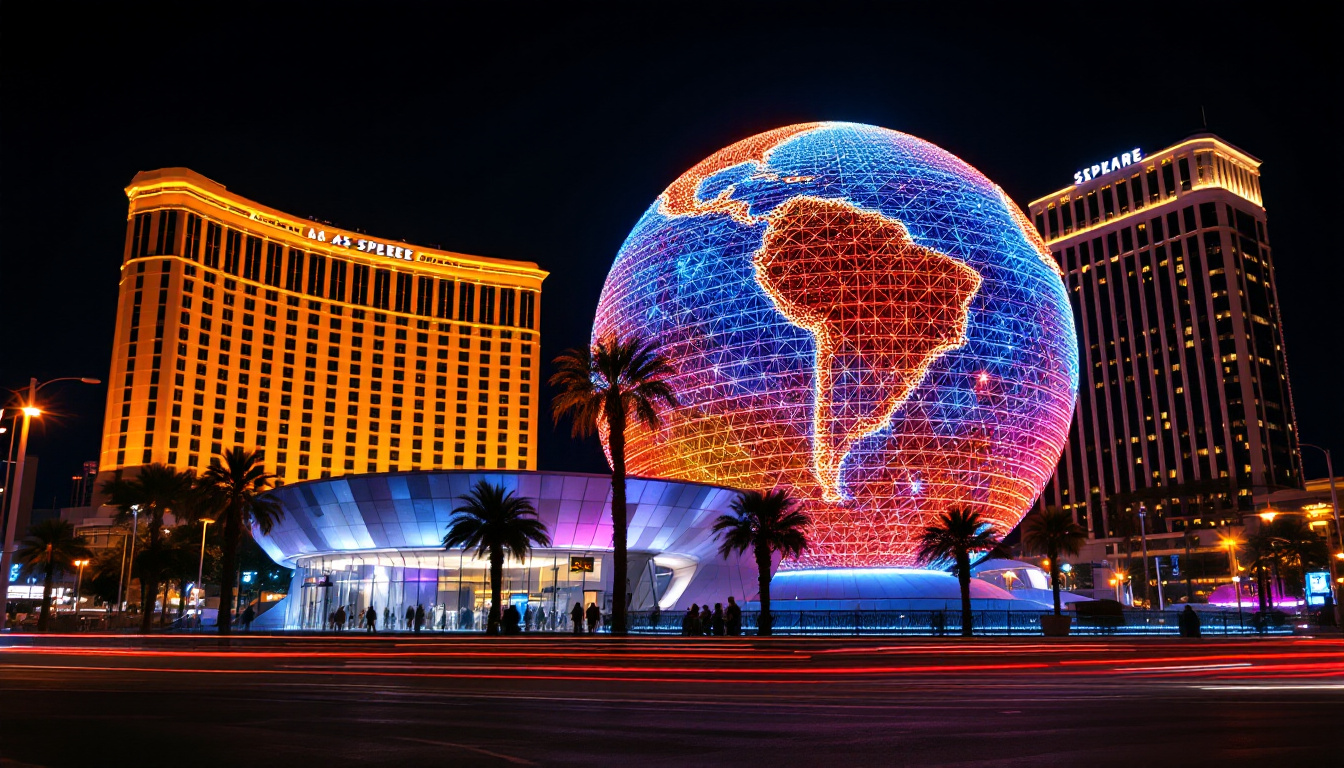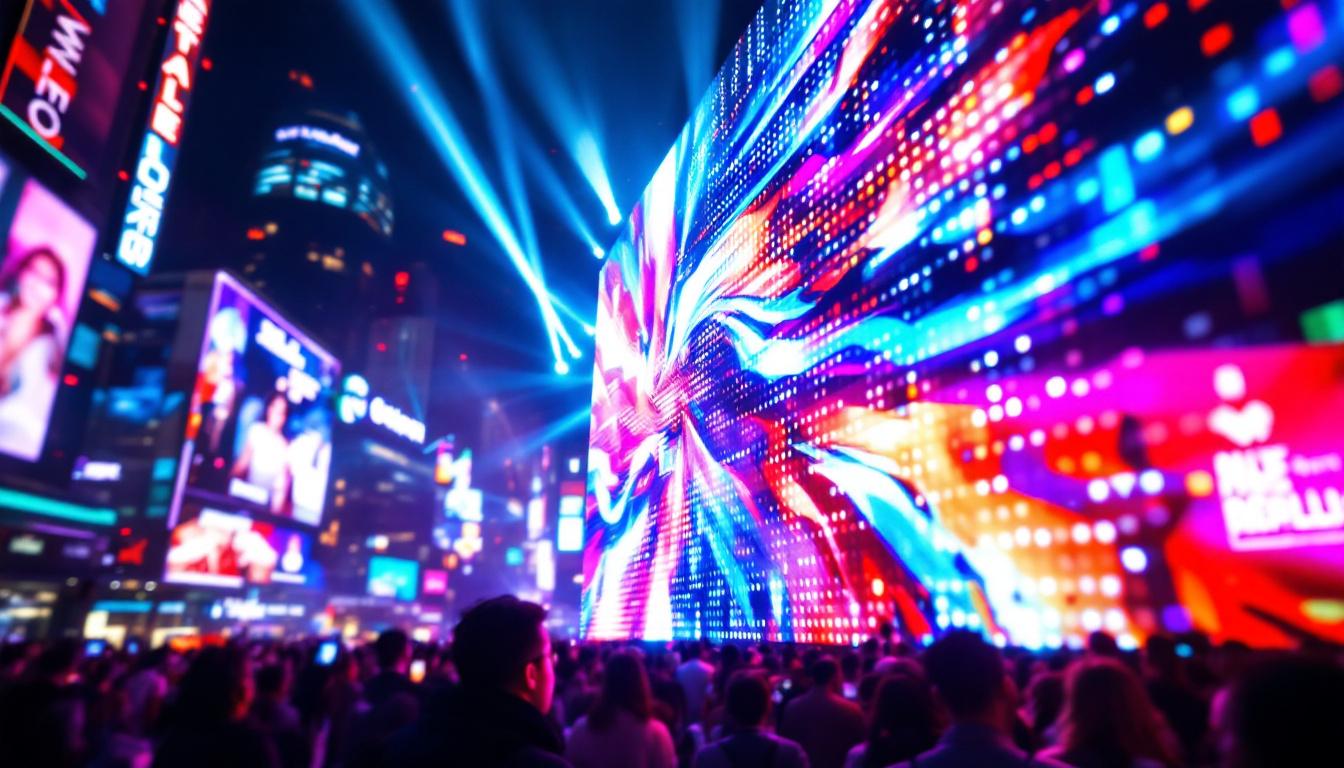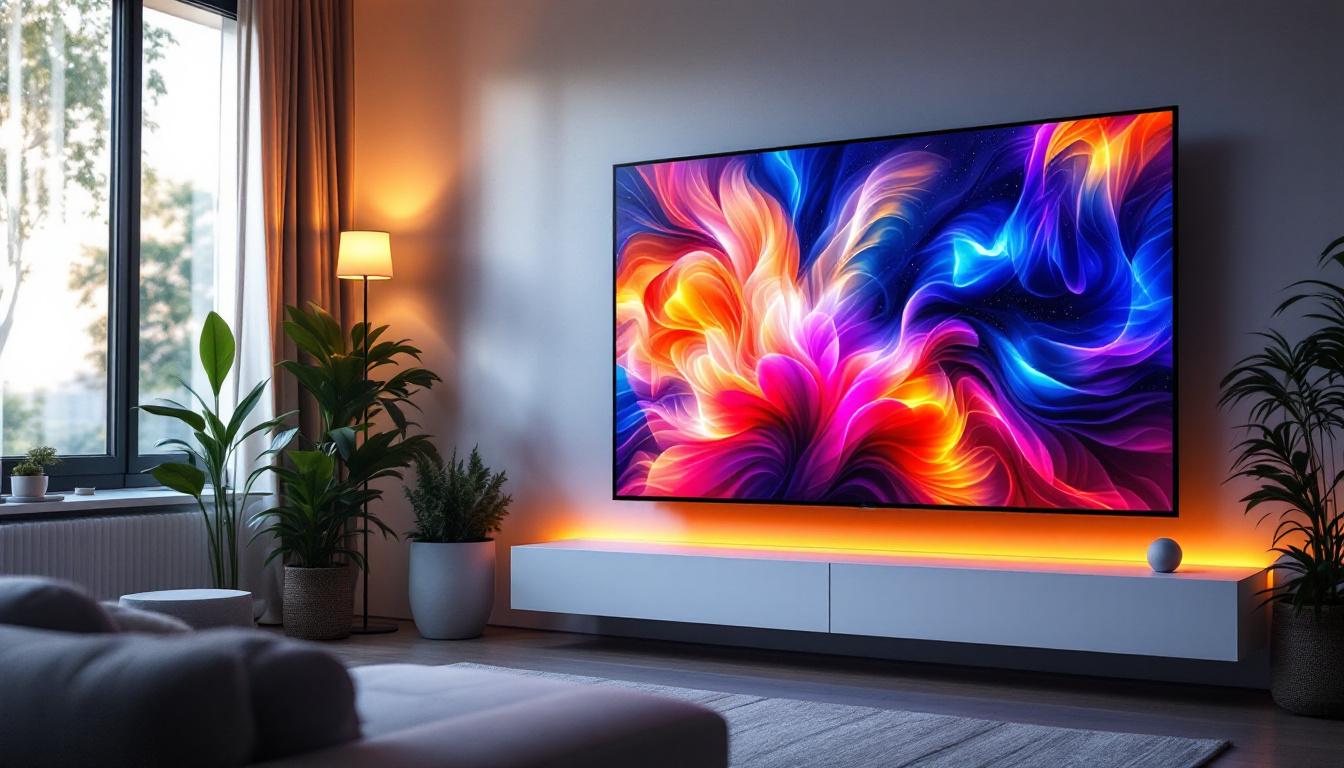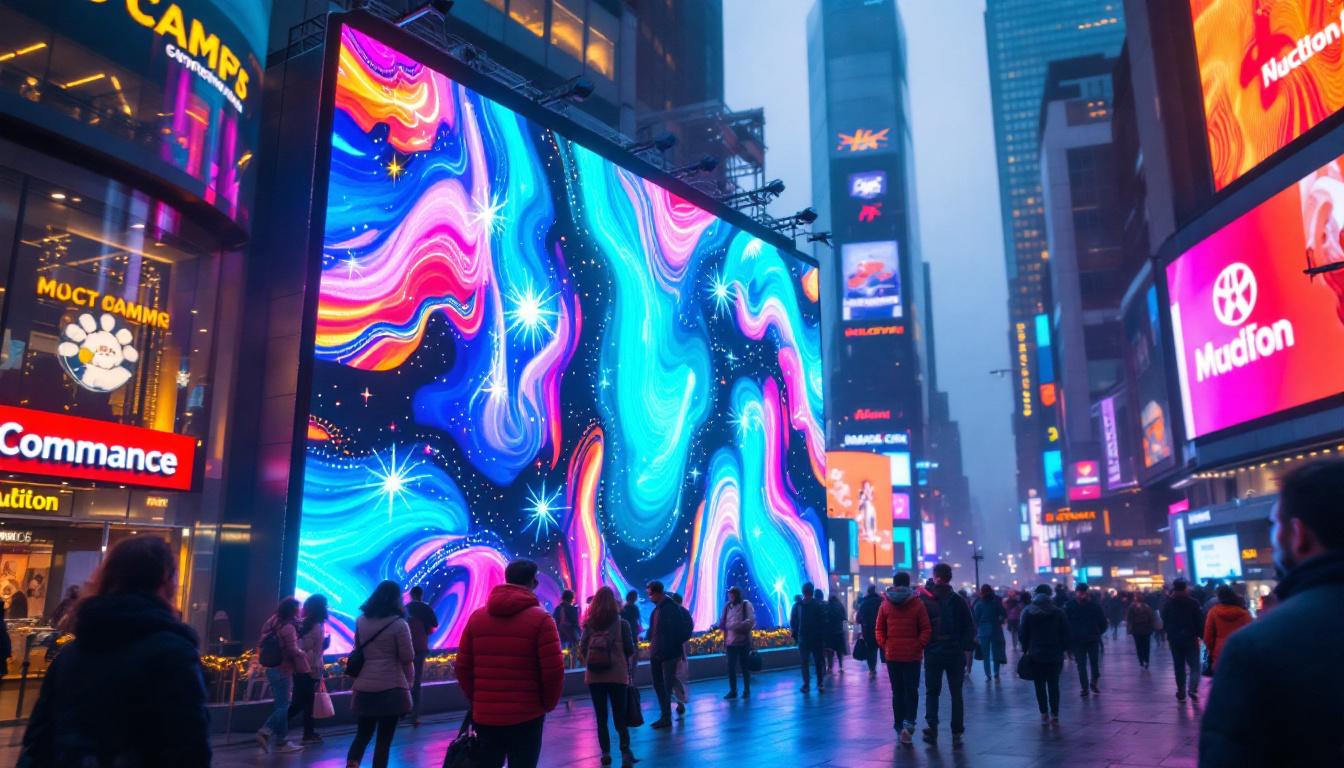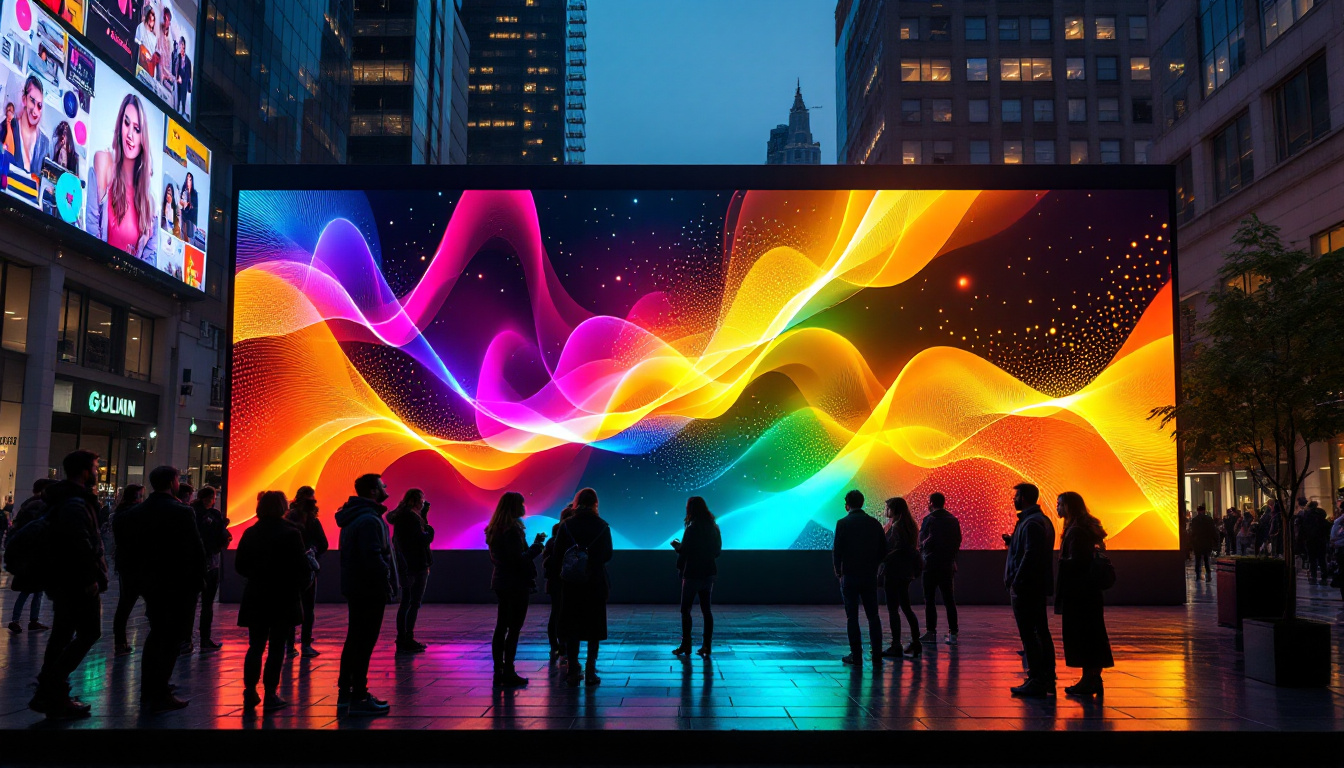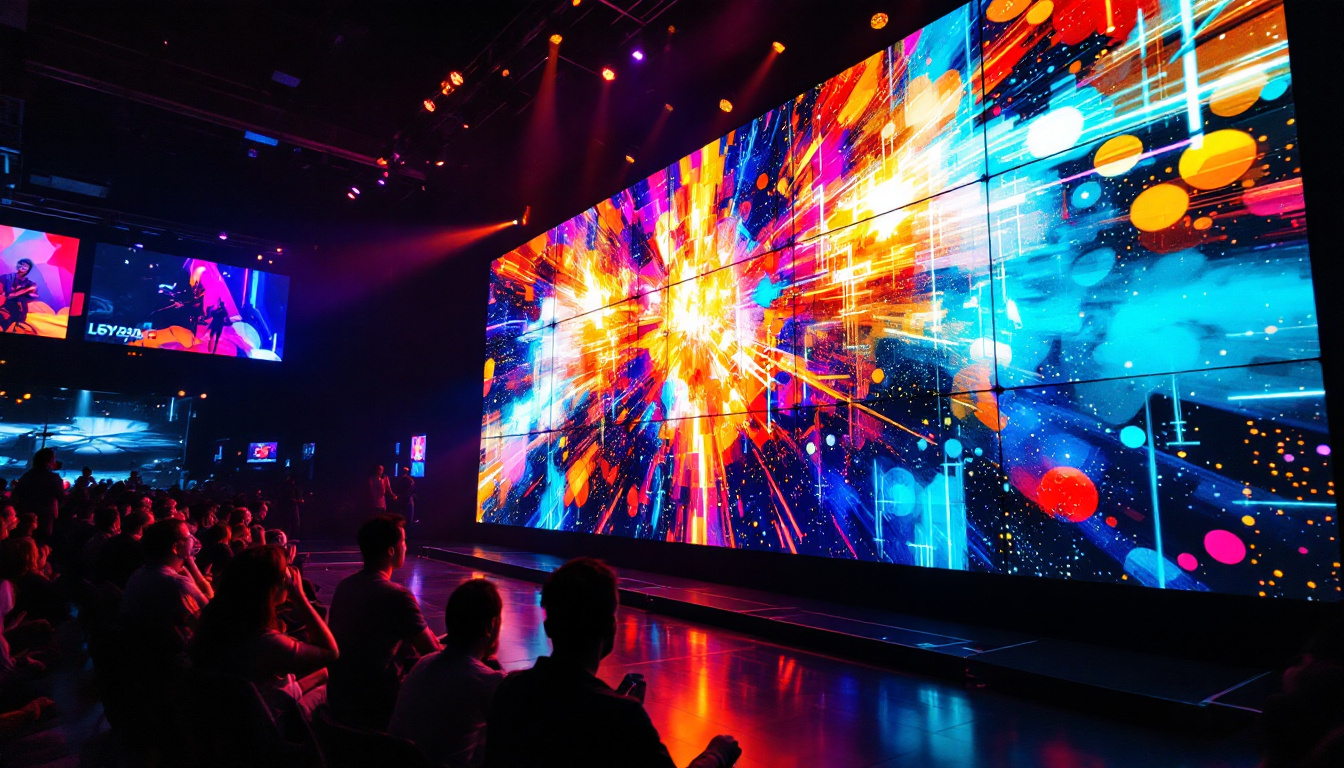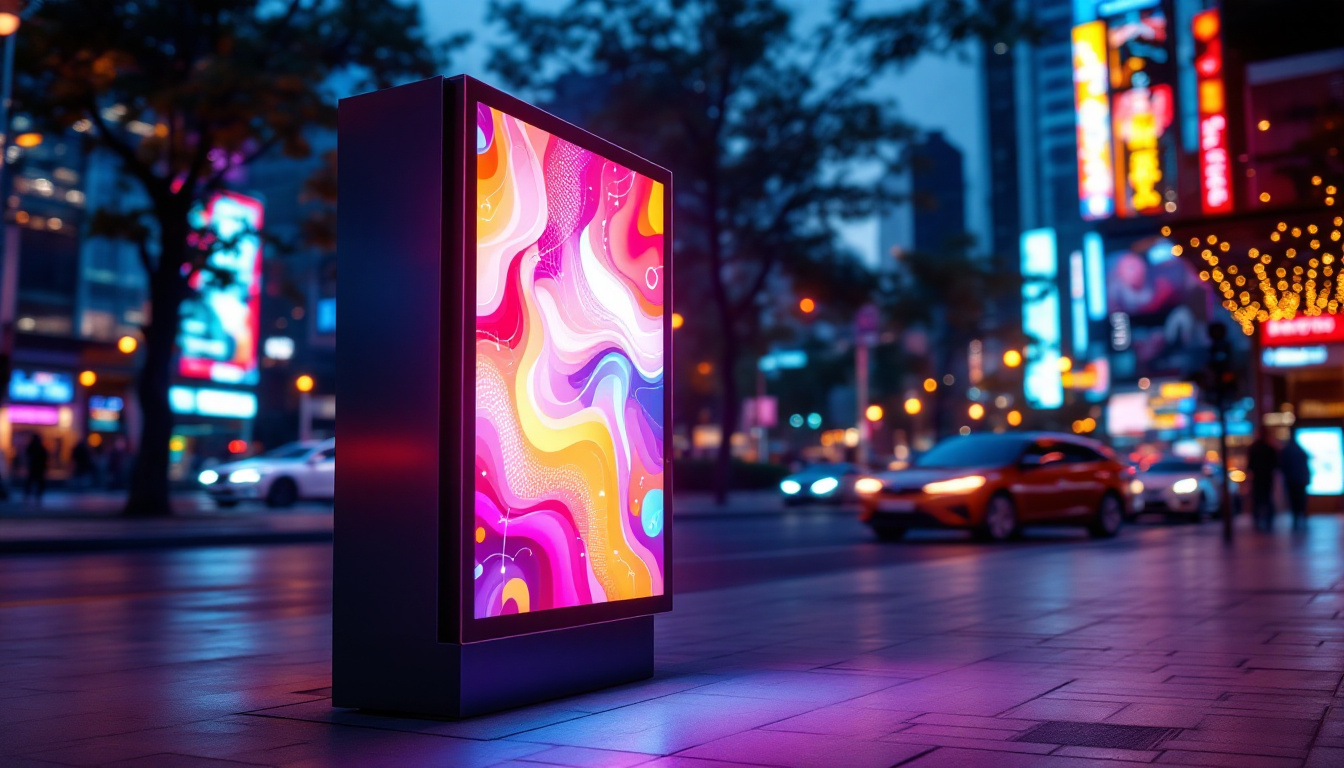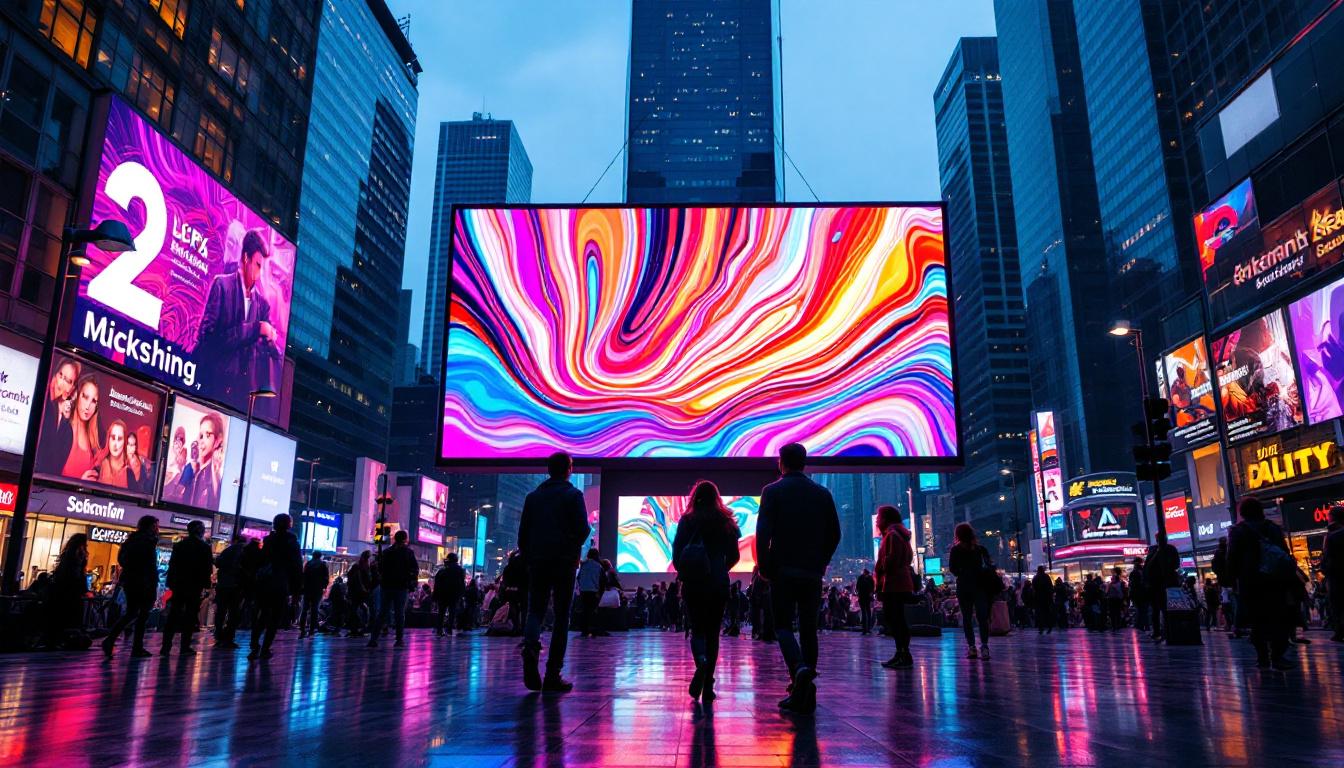
In today’s fast-paced digital world, LED displays have become an essential medium for communication, advertising, and information dissemination. Whether it’s the vibrant billboards in Times Square, dynamic scoreboards in sports arenas, or interactive signage in retail stores, LED displays offer unparalleled brightness, flexibility, and visibility. This article explores the technology behind LED displays, their various applications, and the factors driving their widespread adoption across industries.
Understanding LED Display Technology
What is an LED Display?
LED stands for Light Emitting Diode, a semiconductor device that emits light when an electric current passes through it. An LED display is a flat panel that uses an array of these tiny LEDs to create images, text, and video. Unlike traditional display technologies such as LCD or plasma, LED displays rely on these discrete light sources to produce bright, vivid visuals that are easily visible even in direct sunlight.
LED displays are typically composed of thousands to millions of individual LEDs arranged in a grid. Each LED can emit red, green, or blue light, and by varying the intensity of these three colors, the display can render a full spectrum of colors. This capability makes LED displays ideal for dynamic content that demands high color accuracy and brightness. Moreover, the energy efficiency of LED technology means that these displays consume significantly less power than their predecessors, making them not only a visually appealing choice but also an environmentally friendly one.
Types of LED Displays
There are several types of LED displays, each designed for specific use cases and environments:
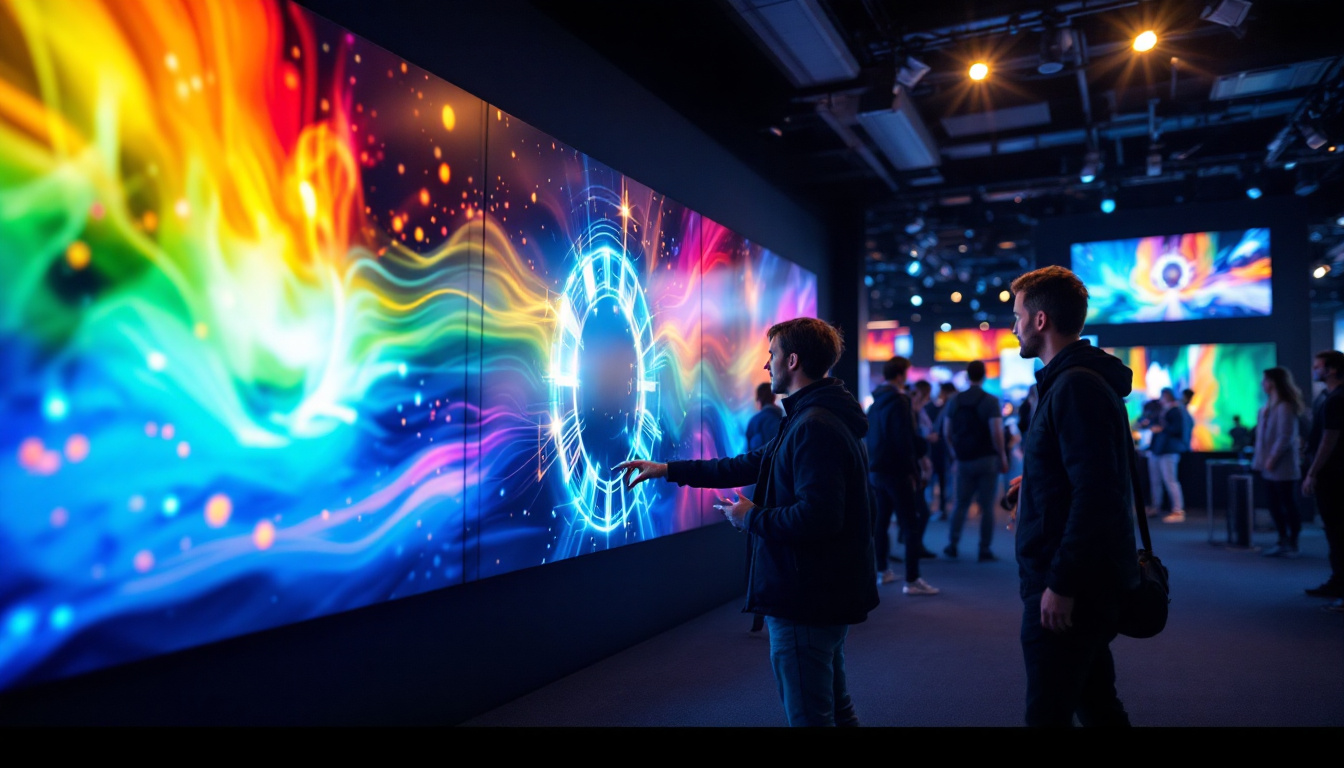
- Indoor LED Displays: These are designed for controlled lighting environments such as retail stores, conference rooms, and indoor arenas. They typically have a higher pixel density for close viewing distances and use less powerful LEDs to avoid glare. Indoor displays often feature advanced features such as touch sensitivity, allowing for interactive experiences that engage consumers and enhance presentations.
- Outdoor LED Displays: Built to withstand harsh weather conditions, these displays are brighter to combat sunlight and often have larger pixel pitches since viewers tend to be farther away. Examples include billboards, stadium screens, and transportation signage. Outdoor displays are engineered with robust protective casings that shield them from rain, wind, and dust, ensuring longevity and reliability in various climates.
- Flexible and Transparent LED Displays: Innovations in LED technology have led to flexible panels that can curve around surfaces and transparent displays that allow light to pass through, enabling creative architectural applications. These displays can be integrated into windows or walls, providing an eye-catching way to showcase advertisements or information without obstructing views, thus merging functionality with aesthetic appeal.
How LED Displays Work
Each LED in the display acts as a pixel or part of a pixel. By controlling the voltage supplied to each LED, the display’s controller adjusts the brightness of red, green, and blue components to produce the desired color. These pixels refresh rapidly, creating smooth motion for video playback. The rapid refresh rates are essential for applications such as live sports broadcasts or concerts, where real-time visuals are crucial for audience engagement.
The display’s control system receives input from a computer or media player, processes the content, and sends signals to the LEDs to light up in the correct pattern. Modern LED displays use sophisticated software to calibrate color, brightness, and refresh rates, ensuring consistent and high-quality output. Additionally, many LED displays now incorporate smart technology, allowing for remote management and real-time updates, which is particularly beneficial for advertising and public information displays that require timely content changes.
Applications of LED Displays
Advertising and Digital Signage
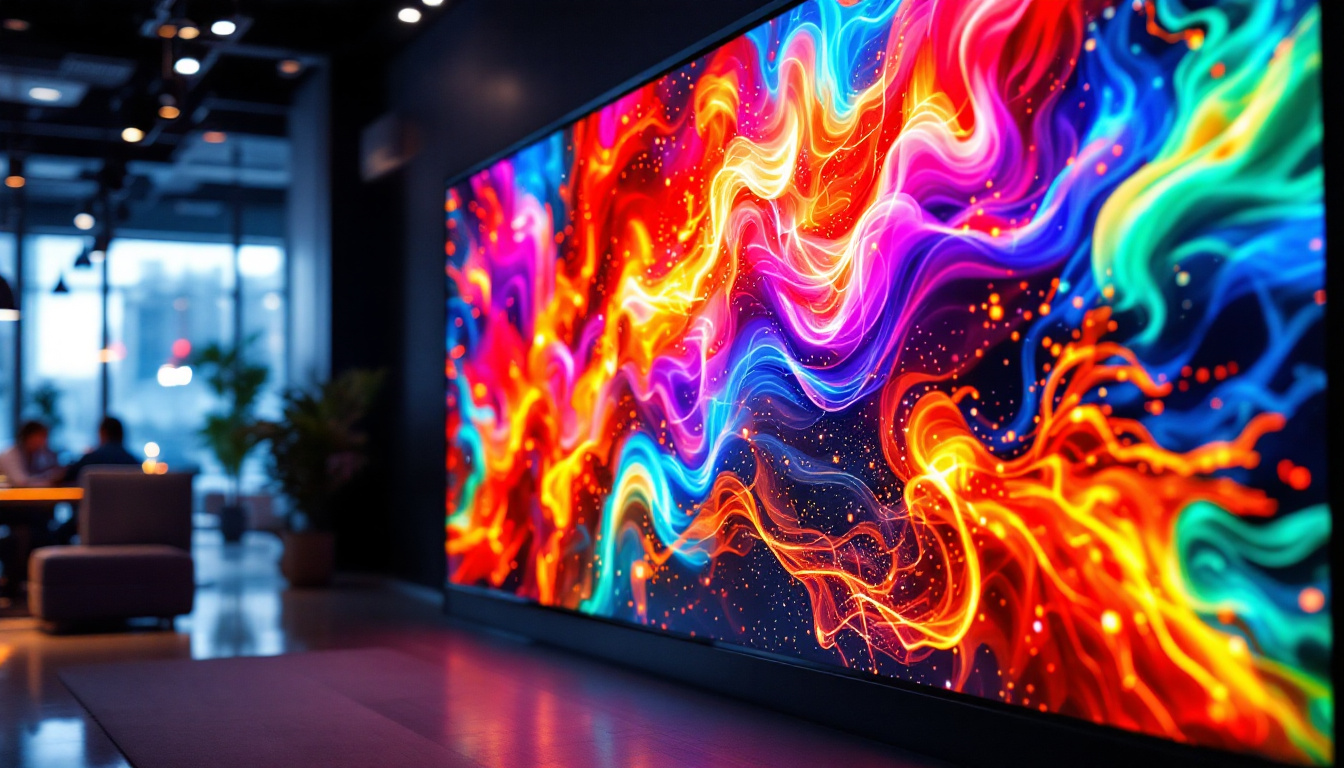
One of the most prominent uses of LED displays is in advertising. Digital billboards powered by LED technology have revolutionized outdoor marketing by enabling real-time content updates and interactive campaigns. According to a 2023 report by Grand View Research, the global digital signage market is expected to reach $31.7 billion by 2028, driven largely by the adoption of LED displays.
LED signage allows brands to capture attention with bright, dynamic visuals that can be tailored to different times of day, audiences, or events. For example, a retail store can display promotions during peak hours and switch to brand messaging during quieter times, maximizing engagement and return on investment.
Sports and Entertainment Venues
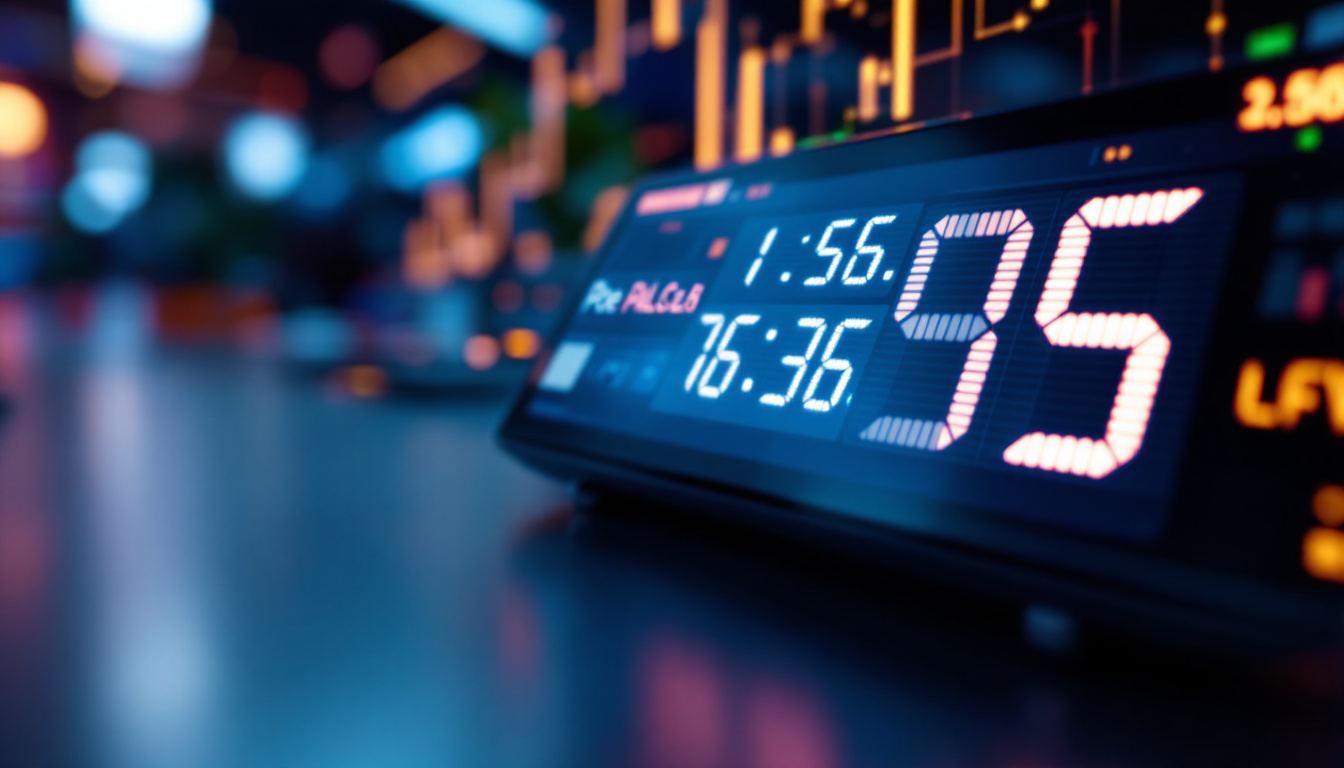
Sports arenas and concert venues rely heavily on LED displays for scoreboards, live video feeds, and audience engagement. The ability to display high-resolution video and real-time statistics enhances the spectator experience. In stadiums, large-scale LED screens can span hundreds of square meters, providing visibility from every seat.
In addition to entertainment, these displays often serve safety and informational purposes, such as showing emergency messages or guiding crowd movement. The durability and weather resistance of outdoor LED displays make them ideal for these demanding environments.
Transportation and Public Information
LED displays are widely used in transportation hubs such as airports, train stations, and bus terminals. They provide travelers with real-time updates on schedules, delays, and gate information. The clarity and brightness of LED screens ensure that information is accessible even in crowded or brightly lit spaces.
Moreover, LED signage is increasingly integrated into smart city infrastructure, displaying traffic information, weather alerts, and public service announcements. This integration helps improve urban mobility and safety.
Retail and Hospitality
In retail environments, LED displays serve multiple functions—from digital price tags and product showcases to interactive kiosks. Their ability to deliver vibrant, eye-catching content helps retailers attract customers and enhance the shopping experience.
Hotels and restaurants also use LED displays for wayfinding, menu boards, and promotional content. The flexibility of LED technology allows for creative installations that complement interior design while delivering functional benefits.
Key Advantages of LED Displays
Brightness and Visibility
LED displays are known for their exceptional brightness, often exceeding 5,000 nits for outdoor models. This high luminance ensures visibility in direct sunlight, a critical factor for outdoor advertising and public information systems. Indoor LED displays also offer excellent brightness levels without causing discomfort or glare.
Energy Efficiency and Longevity
Compared to traditional lighting and display technologies, LEDs consume significantly less power. This energy efficiency translates into lower operational costs and a reduced environmental footprint. Additionally, LEDs have a long lifespan, often rated between 50,000 to 100,000 hours, meaning displays require less frequent maintenance or replacement.
Flexibility and Customization
LED displays can be manufactured in virtually any size or shape, from small digital price tags to massive billboards. This versatility allows businesses to tailor their signage solutions to specific spatial and branding requirements. Furthermore, LED displays support dynamic content, enabling real-time updates and interactive features that static signs cannot offer.
Durability and Weather Resistance
Outdoor LED displays are designed to withstand extreme weather conditions, including rain, snow, wind, and UV exposure. Their robust construction ensures reliable performance in diverse environments, making them a dependable choice for long-term installations.
Factors to Consider When Choosing an LED Display
Pixel Pitch and Resolution
Pixel pitch refers to the distance between the centers of adjacent LEDs and directly impacts the display’s resolution and viewing distance. A smaller pixel pitch means higher resolution and better image clarity at close range, ideal for indoor or close-up applications. Conversely, outdoor displays typically have larger pixel pitches since viewers are farther away.
Choosing the right pixel pitch is essential to balance cost and visual quality. For example, a retail store window display might use a 2mm pixel pitch for crisp images, while a highway billboard might use 10mm or more.
Brightness and Contrast Ratio
Brightness is measured in nits and determines how well the display performs under different lighting conditions. Outdoor displays require higher brightness levels to remain visible in sunlight. Contrast ratio, the difference between the darkest and brightest parts of the image, affects image depth and color vibrancy.
Viewing Angle
LED displays have varying viewing angles depending on their design. A wide viewing angle ensures that content remains clear and consistent from different positions, which is particularly important in public spaces where viewers may not be directly in front of the screen.
Control Systems and Connectivity
The control system manages the content displayed on the LED screen. Modern LED displays support various input sources, including HDMI, DVI, and wireless connections. Advanced control software allows for scheduling, remote management, and integration with other digital platforms, enhancing operational flexibility.
Installation and Maintenance
Considerations such as ease of installation, modularity, and maintenance access are crucial for minimizing downtime and costs. Many LED displays are designed with modular panels that can be quickly replaced or serviced without dismantling the entire screen.
The Future of LED Display Technology
Mini-LED and Micro-LED Innovations
Emerging technologies like Mini-LED and Micro-LED promise even greater improvements in image quality, energy efficiency, and form factors. These displays use smaller LEDs to achieve higher pixel densities and better contrast ratios, rivaling OLED technology while maintaining the durability and brightness advantages of LEDs.
Integration with AI and IoT
Artificial intelligence and the Internet of Things (IoT) are transforming how LED displays operate. Smart signage can analyze audience demographics, adjust content dynamically, and interact with mobile devices to create personalized experiences. This integration opens new possibilities for targeted advertising and enhanced user engagement.
Sustainability and Environmental Impact
As sustainability becomes a priority, LED manufacturers are focusing on eco-friendly materials, recyclable components, and energy-saving designs. The long lifespan and low power consumption of LED displays already contribute to reducing environmental impact compared to older technologies.
Conclusion
LED displays have revolutionized the way information and advertising are presented across industries. Their superior brightness, flexibility, and durability make them an indispensable tool for businesses, public institutions, and entertainment venues. Understanding the technology behind LED displays and the factors influencing their performance helps organizations make informed decisions tailored to their specific needs.
With ongoing advancements in LED technology and integration with smart systems, the future of LED signage looks brighter than ever—offering richer visuals, greater interactivity, and more sustainable solutions for digital communication.
Discover LumenMatrix’s Innovative LED Solutions
Ready to elevate your visual communication with cutting-edge LED technology? LumenMatrix is at the forefront of LED display innovation, offering a wide range of solutions that bring your brand to life. From vibrant Indoor and Outdoor LED Wall Displays to dynamic Vehicle and Sports LED Displays, our products are designed to captivate and engage. Experience the future of digital signage with our LED Poster Displays, Floor LED Displays, Custom LED Displays, All-in-One LED Displays, and LED Transparent Displays. Embrace the power of advanced LED solutions and transform how you connect with your audience. Check out LumenMatrix LED Display Solutions today and start creating unforgettable visual experiences.