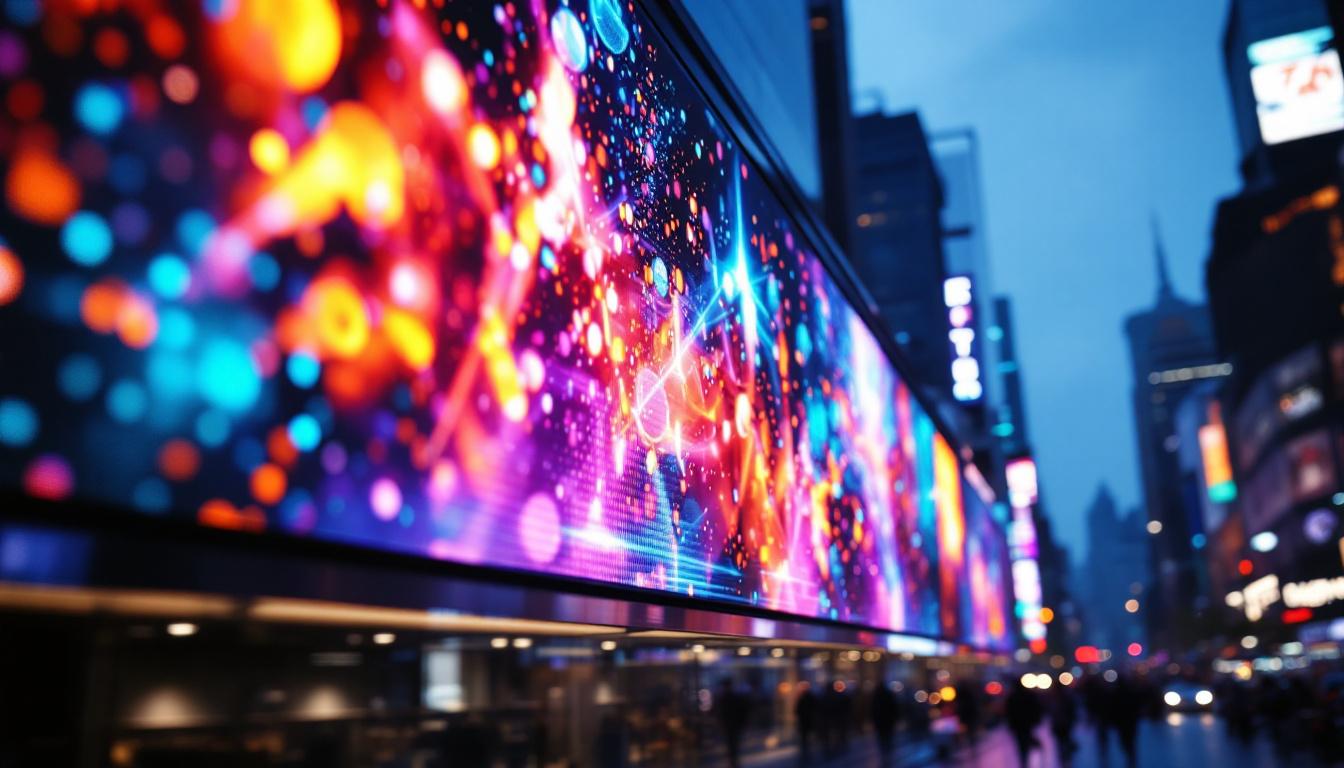
In an era where visual communication dominates marketing, entertainment, and public information, LED displays have become indispensable. From massive stadium screens to compact digital billboards, LED technology powers some of the most vibrant and dynamic visual experiences worldwide. This article delves into the world of LED displays, exploring their technology, applications, benefits, and future trends to provide a comprehensive understanding of this transformative medium.
Understanding LED Display Technology
What is an LED Display?
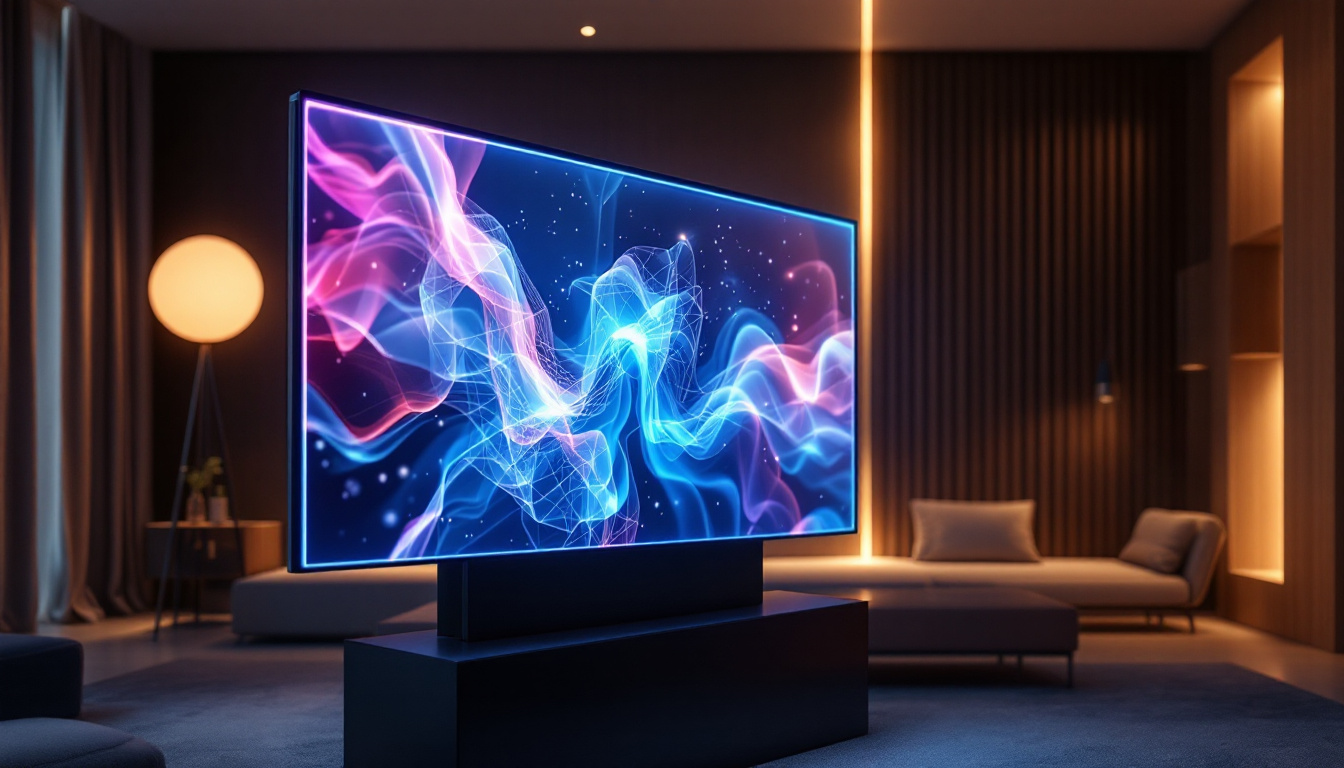
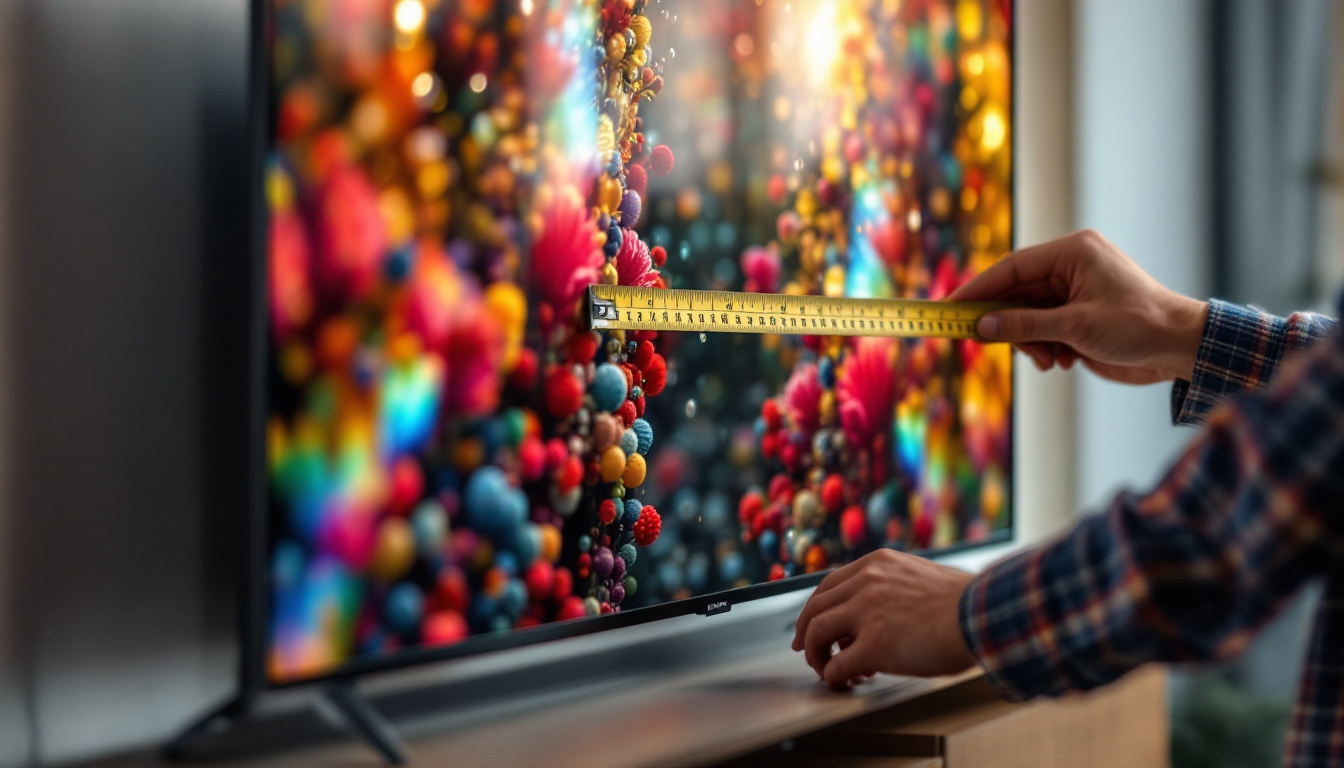
LED stands for Light Emitting Diode, a semiconductor device that emits light when an electric current passes through it. An LED display is a flat panel or screen that uses an array of these tiny LEDs as pixels to produce images, videos, or text. Unlike traditional LCD or plasma screens, LED displays emit their own light, which results in higher brightness and better contrast.
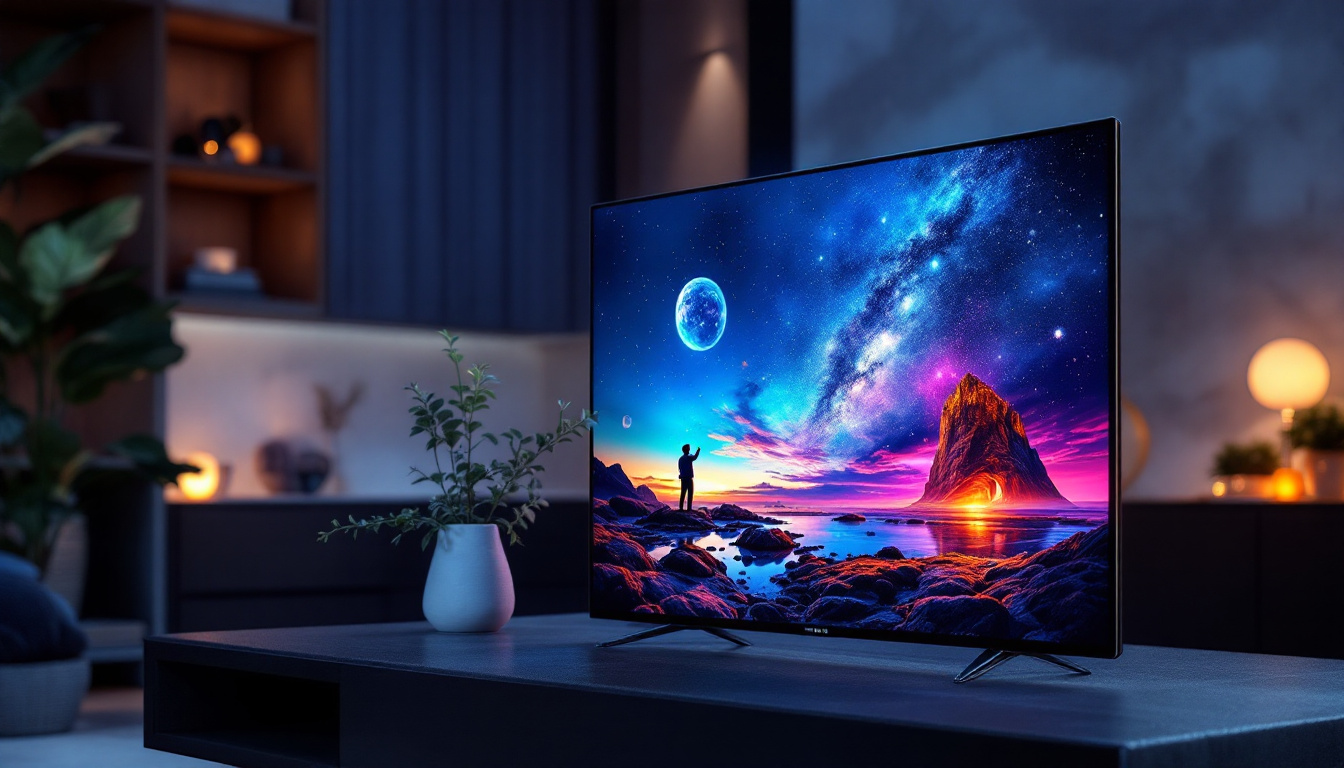
LED displays can be categorized into two main types: direct view LED displays and LED-backlit LCD displays. Direct view LED displays use individual LEDs as pixels, making them suitable for large-scale outdoor and indoor screens. LED-backlit LCDs, on the other hand, use LEDs as a backlight source behind an LCD panel, common in televisions and monitors. The versatility of LED technology allows for a range of applications, from massive stadium screens to small digital signage in retail environments, adapting to different needs and settings.
How Do LED Displays Work?
Each pixel in an LED display consists of one or more LEDs, typically red, green, and blue (RGB). By varying the intensity of these three colors, the display can produce a full spectrum of colors. This RGB combination is the foundation of all color displays, but LED technology excels by providing intense brightness and vivid colors. The ability to mix these colors at different intensities allows for the creation of stunning visuals that can captivate audiences in various environments.
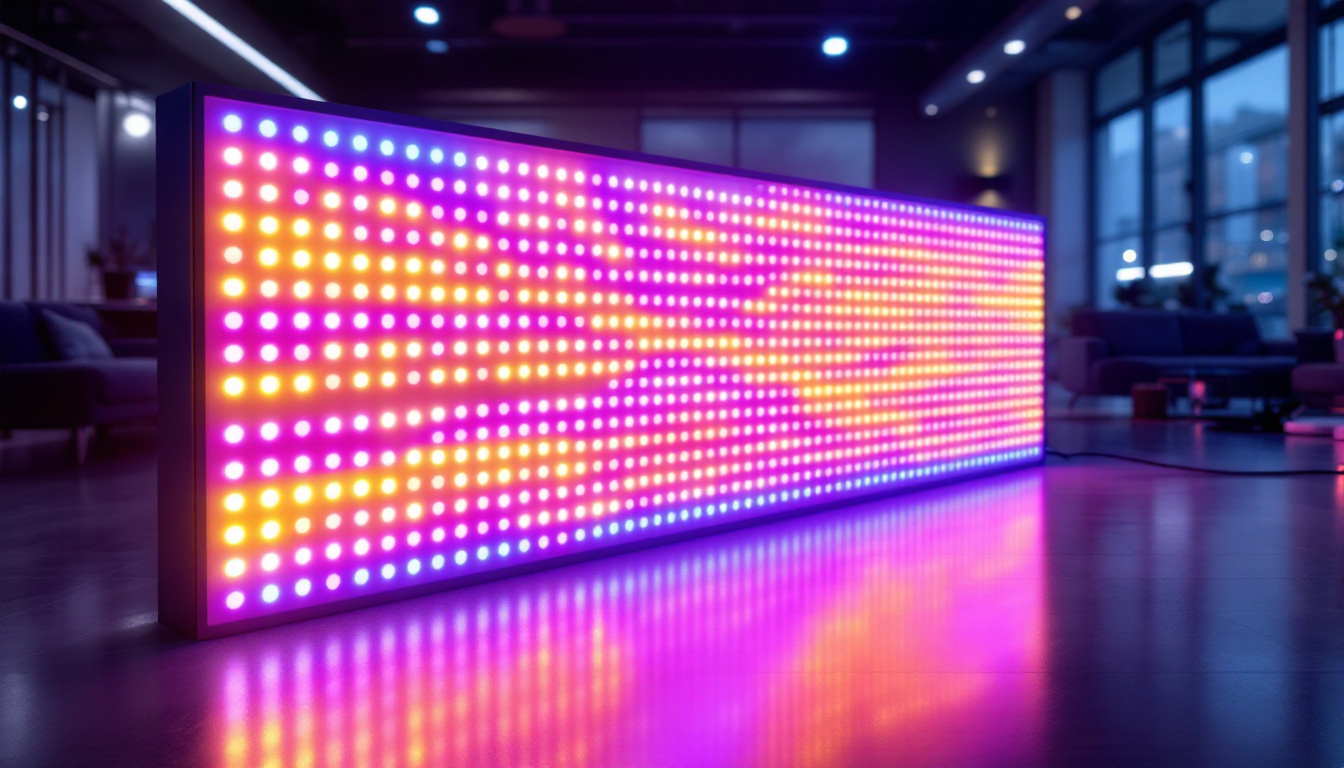
The LEDs are arranged in modules or panels, which are then assembled into larger screens. These modules contain control circuits that manage the timing and brightness of each LED. The display receives input signals from a controller or media player, which processes the content and translates it into electrical signals to illuminate the LEDs accordingly. This intricate process ensures that images are rendered with remarkable clarity and precision, making LED displays a popular choice for high-definition video presentations and advertising.
Key Specifications to Know
When evaluating LED displays, several technical specifications are critical:
- Pixel Pitch: The distance between the centers of two adjacent pixels, usually measured in millimeters. Smaller pixel pitch means higher resolution and sharper images, ideal for close viewing distances.
- Brightness: Measured in nits (candelas per square meter), brightness determines how well the display performs in various lighting conditions. Outdoor LED displays often exceed 5,000 nits to combat sunlight glare.
- Refresh Rate: The number of times per second the display updates its image. Higher refresh rates (above 1,000 Hz) reduce flicker and provide smoother motion, essential for video content.
- Viewing Angle: The maximum angle at which the display can be viewed without significant color or brightness distortion. Wide viewing angles ensure visibility from different perspectives.
In addition to these specifications, it’s important to consider the durability and environmental resistance of LED displays, especially for outdoor installations. Many LED displays are designed to withstand harsh weather conditions, including rain, snow, and extreme temperatures, ensuring reliable performance year-round. Furthermore, advancements in technology have led to the development of energy-efficient LED displays, which not only reduce operational costs but also contribute to sustainability efforts by consuming less power compared to older display technologies.
Another aspect worth noting is the role of software in enhancing the functionality of LED displays. Modern displays often come with sophisticated software that allows for easy content management, scheduling, and remote updates. This capability is particularly beneficial for businesses that need to change their advertising messages frequently or for events that require real-time information updates. The integration of smart technology with LED displays is paving the way for interactive experiences, where viewers can engage directly with the content being shown, further enhancing the impact of visual communication.
Applications of LED Displays
Outdoor Advertising and Digital Billboards
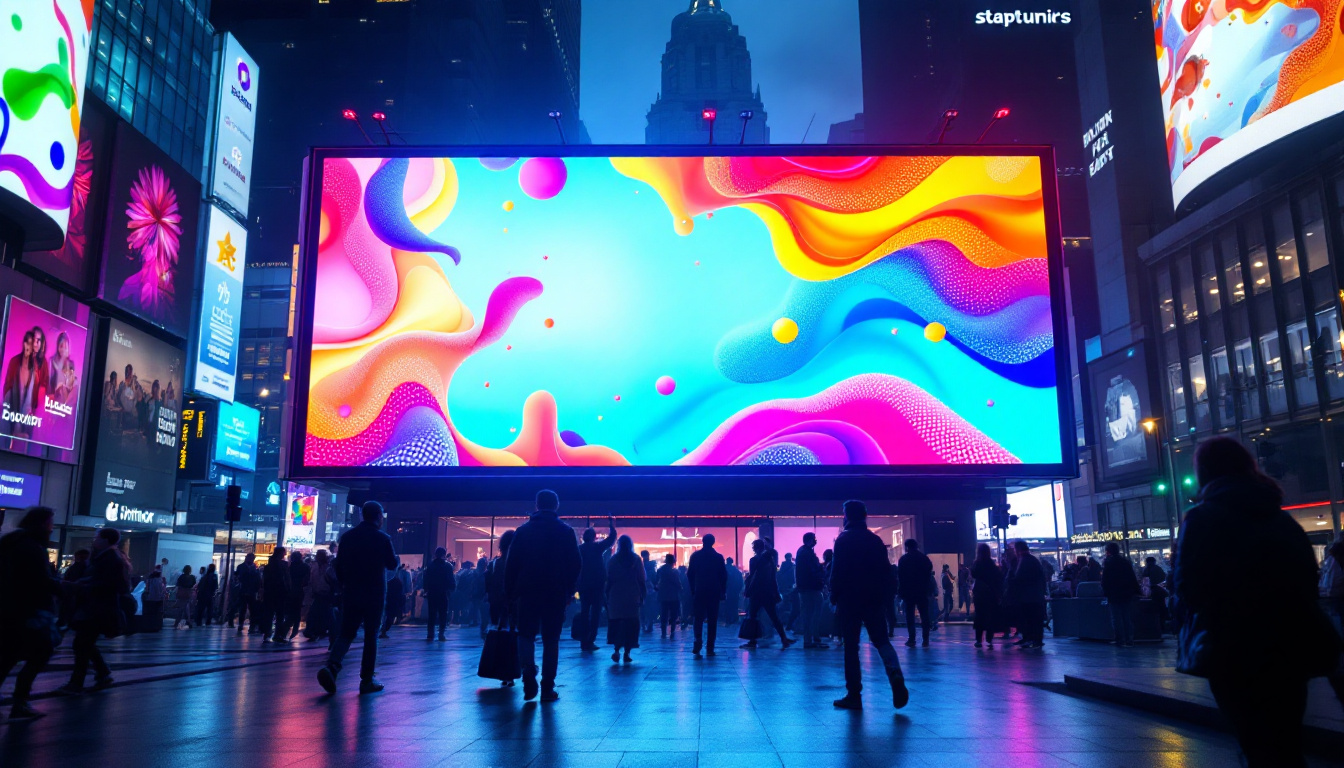
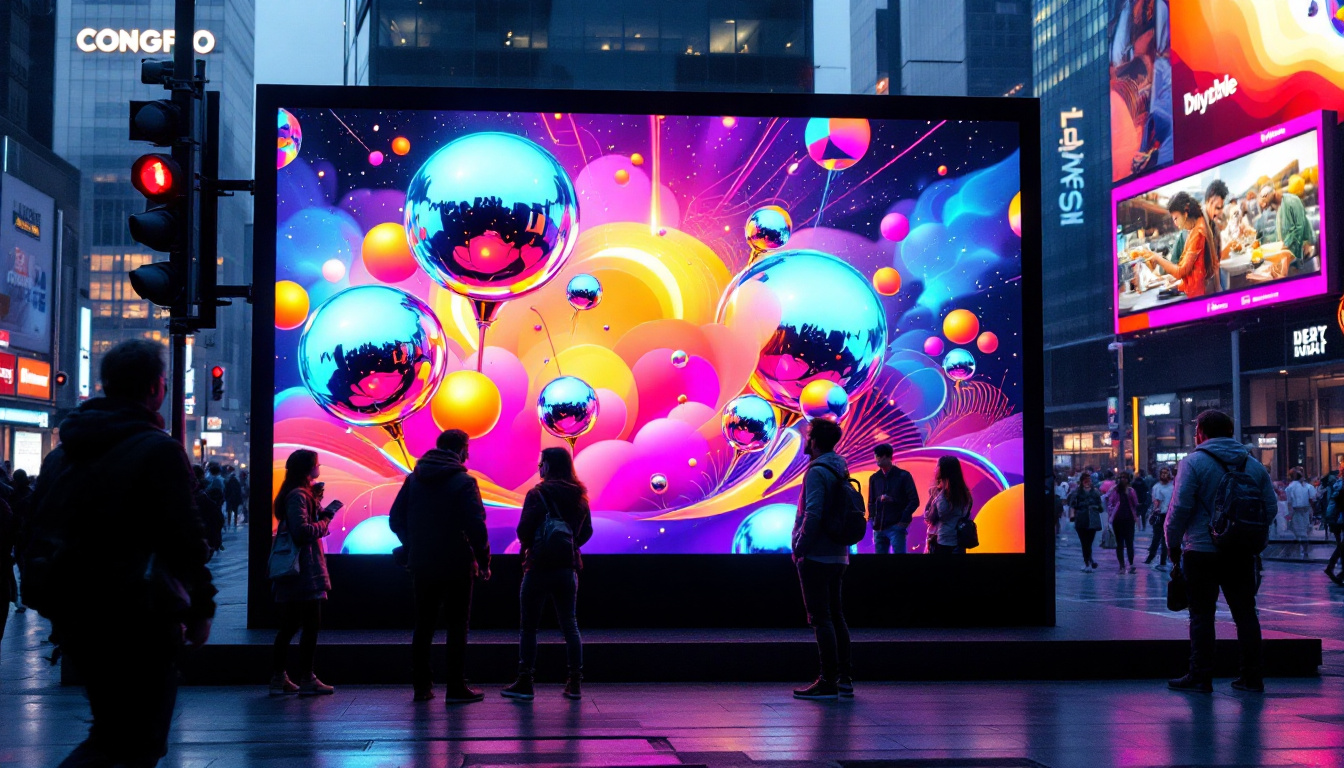
LED displays have revolutionized outdoor advertising by enabling dynamic, eye-catching content that can be updated remotely and in real-time. Digital billboards powered by LEDs offer advertisers flexibility to rotate ads, display live feeds, or incorporate interactive elements.
According to recent market research, the global digital out-of-home (DOOH) advertising market is expected to grow at a compound annual growth rate (CAGR) of over 12% through 2027, driven largely by LED display adoption. Cities worldwide are embracing LED billboards for their durability and visibility under various weather conditions.
Sports and Entertainment Venues
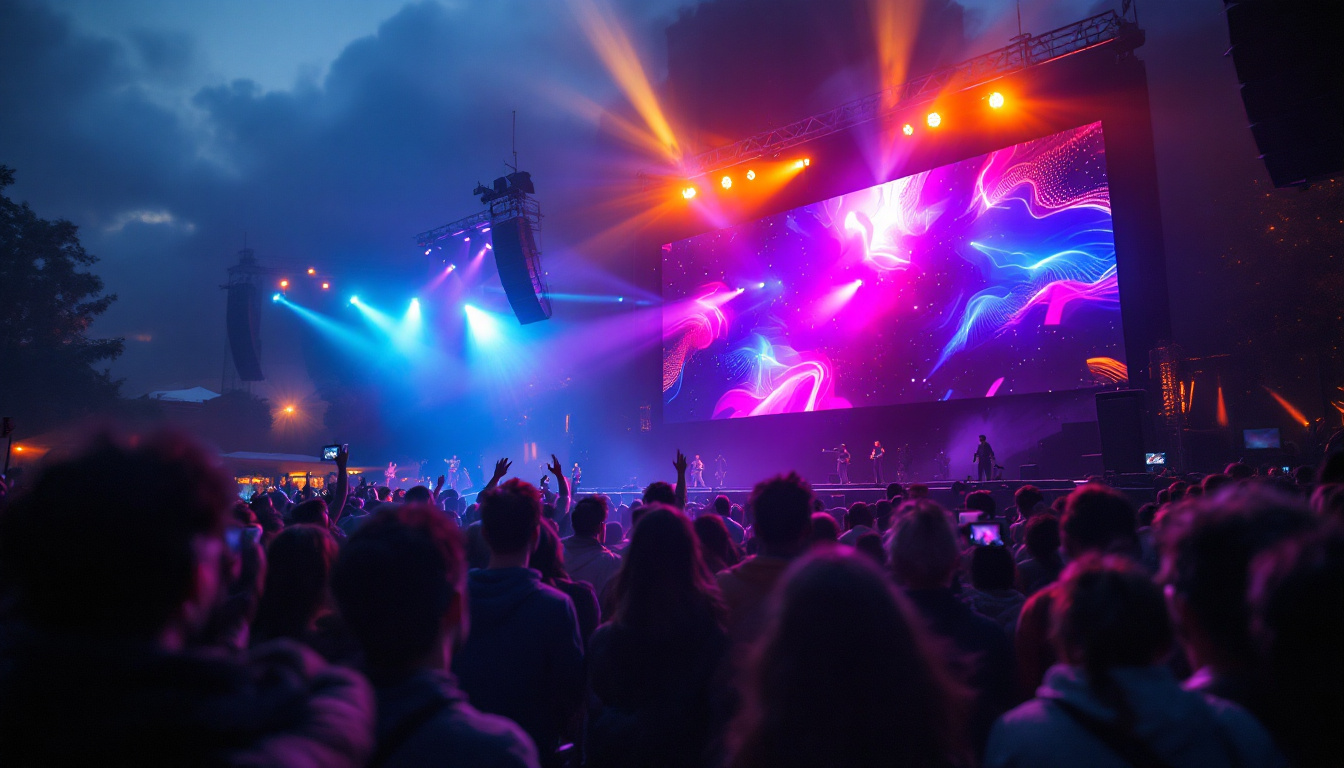
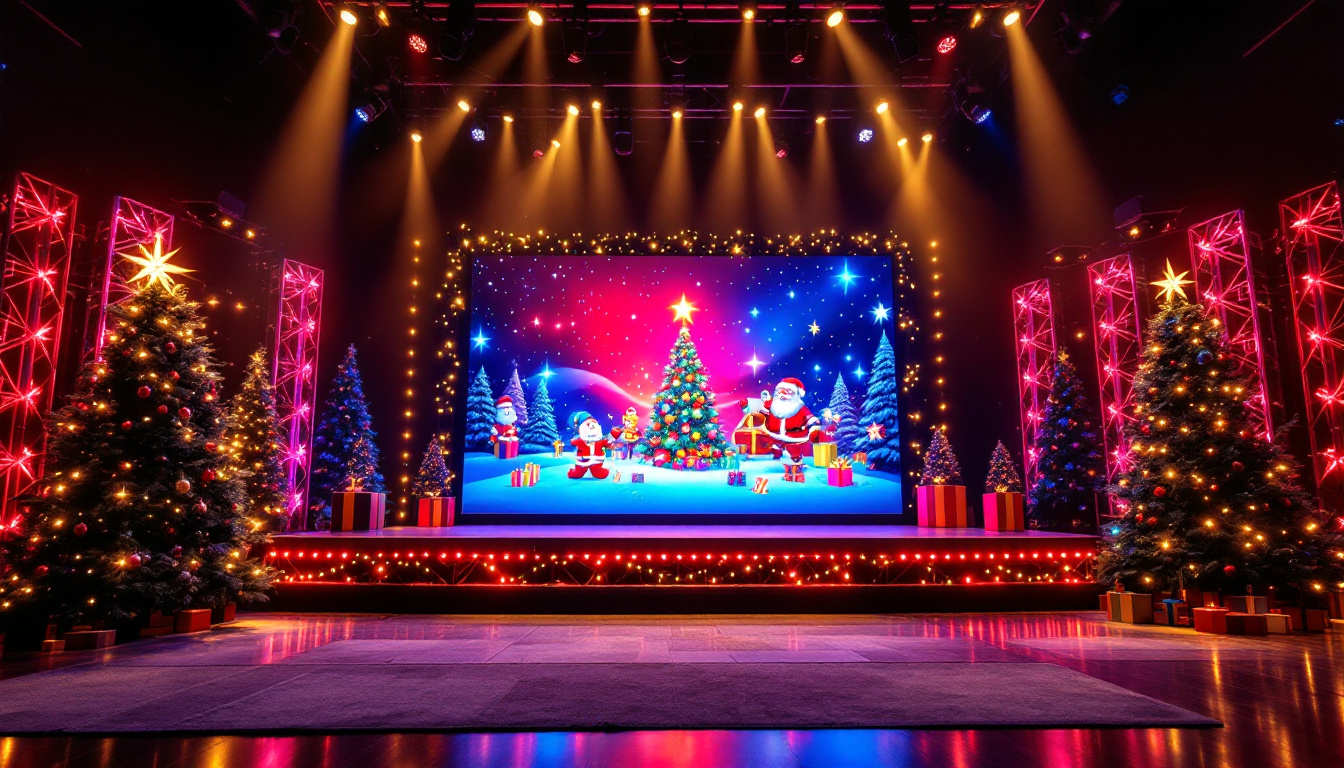
Stadiums and arenas depend heavily on LED displays for scoreboards, instant replays, and immersive fan experiences. The ability to produce high-resolution, large-format images ensures that spectators remain engaged regardless of their seating position.
For example, the AT&T Stadium in Texas boasts one of the world’s largest LED video boards, measuring 160 feet wide and 72 feet tall. This installation enhances the spectator experience and opens new avenues for sponsorship and advertising revenue.
Retail and Corporate Environments
In retail, LED displays serve as digital signage to attract customers, promote products, and provide information. Their brightness and color accuracy make them ideal for storefront windows and indoor displays.
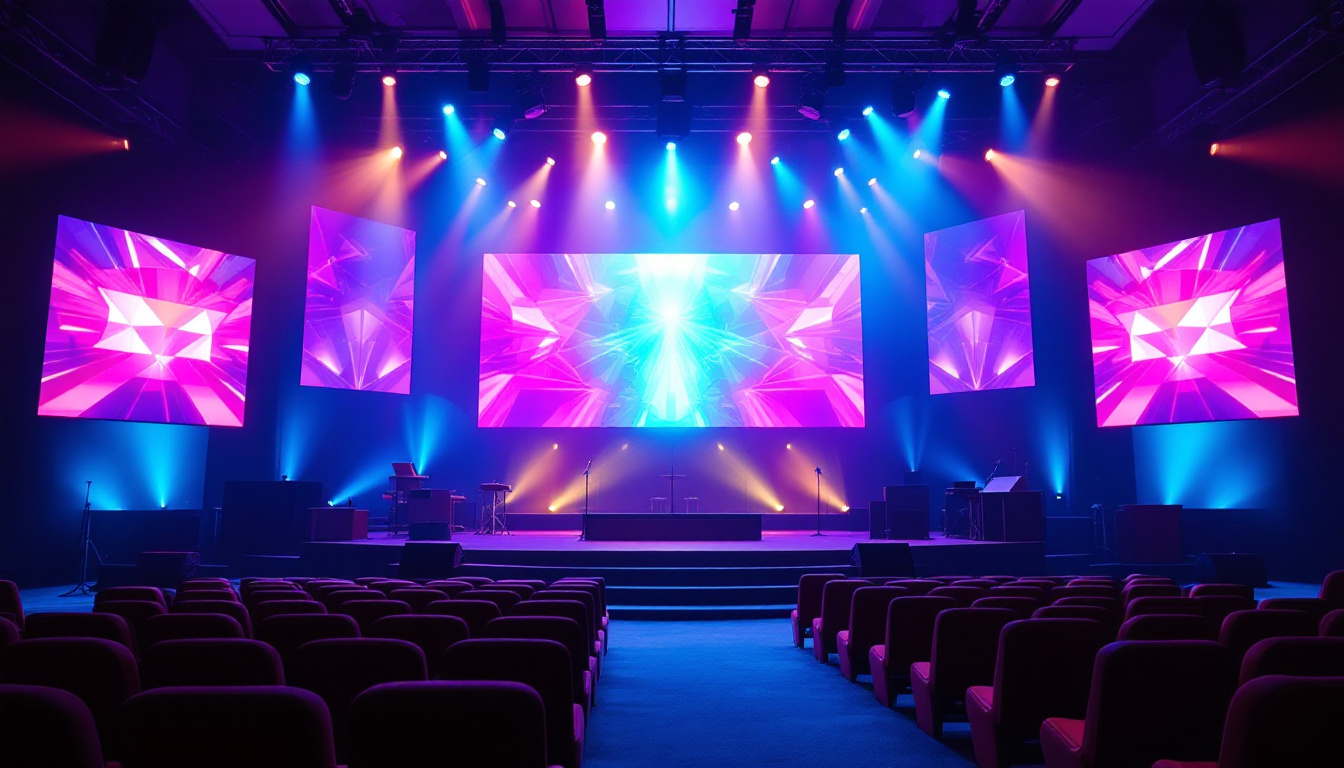
Corporations use LED walls for conferences, presentations, and trade shows, where impactful visuals can support messaging and brand identity. The modular nature of LED panels allows for custom sizes and shapes, adapting to unique venue requirements.
Transportation and Public Information Systems
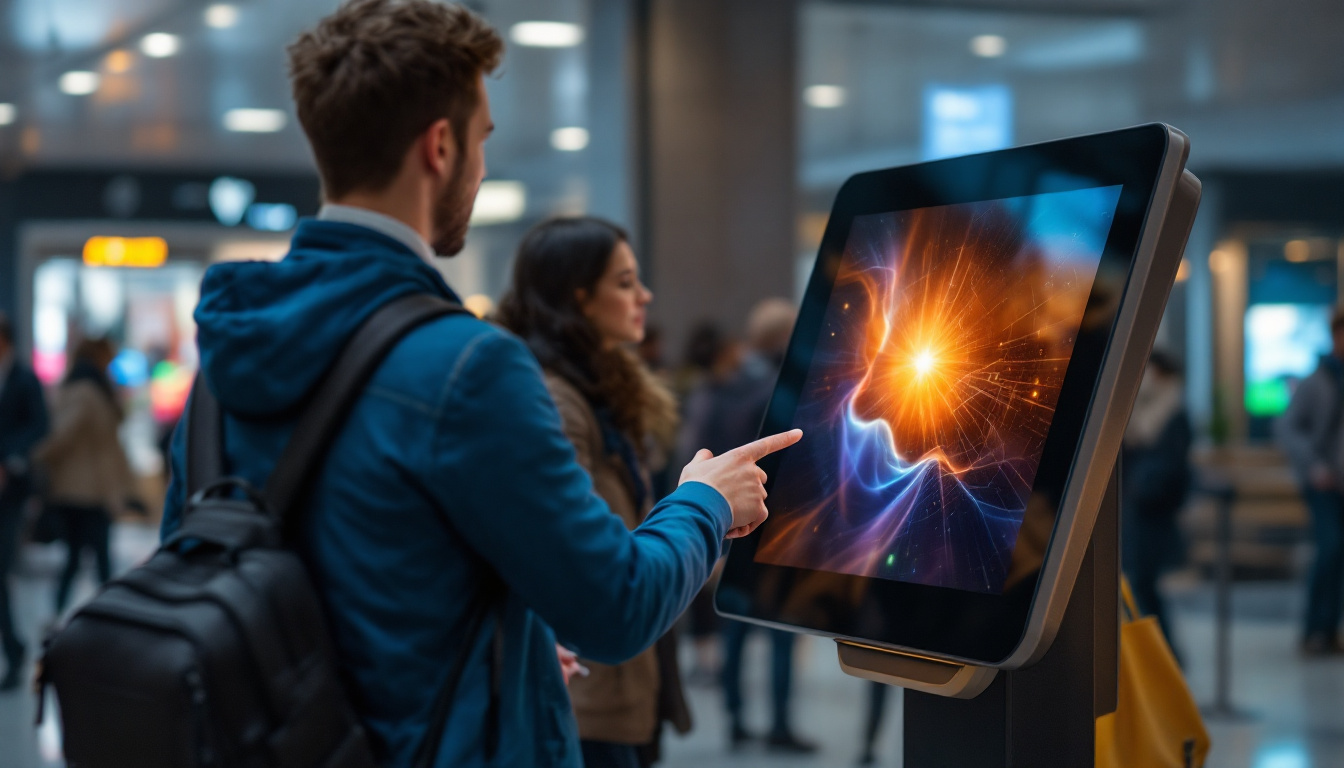
LED displays are integral to transportation hubs such as airports, train stations, and bus terminals. They provide real-time updates on schedules, delays, and safety information. Their high visibility and reliability make them a preferred choice for critical communication.
Additionally, LED displays are used in traffic management systems for variable message signs, enhancing road safety by delivering timely alerts to drivers.
Benefits of LED Displays Over Other Technologies
Superior Brightness and Visibility
One of the most significant advantages of LED displays is their exceptional brightness. Unlike LCDs that rely on backlighting, LEDs emit light directly, allowing them to shine brightly even under direct sunlight. This makes them ideal for outdoor applications where visibility is paramount.
Energy Efficiency and Longevity
LED technology is inherently energy-efficient, consuming less power than traditional display technologies. This efficiency translates to lower operational costs, especially for large installations running for extended periods.
Moreover, LEDs have a long lifespan, often exceeding 100,000 hours of operation. This durability reduces maintenance and replacement costs, making LED displays a cost-effective long-term investment.
Flexibility and Scalability
LED displays are highly modular, allowing for custom configurations in size and shape. This flexibility enables designers to create unique installations that fit specific spatial and aesthetic requirements.
Scalability is another benefit; additional panels can be added to expand the display area without compromising image quality or performance.
Enhanced Color Accuracy and Contrast
Thanks to the precise control of individual RGB LEDs, LED displays deliver vibrant colors and deep blacks. The high contrast ratio enhances image depth and realism, which is particularly important for advertising and entertainment content.
Challenges and Considerations When Choosing LED Displays
Initial Investment and Installation Costs
While LED displays offer long-term savings, the upfront costs can be substantial, especially for high-resolution, large-format screens. Installation also requires specialized expertise to ensure proper alignment, calibration, and integration with control systems.
Maintenance and Environmental Factors
Although LEDs are durable, outdoor displays must withstand harsh weather conditions such as rain, wind, and temperature fluctuations. Proper enclosure, ventilation, and protective coatings are essential to maintain performance and longevity.
Regular maintenance, including cleaning and periodic checks of electrical components, helps prevent failures and extends the display’s operational life.
Content Management and Software Integration
Effective use of LED displays depends on robust content management systems (CMS) that allow easy scheduling, updating, and customization of displayed content. Compatibility with various media formats and network connectivity options are important considerations.
Organizations must also consider the learning curve and training required for staff to manage the displays efficiently.
The Future of LED Display Technology
MicroLED and MiniLED Innovations
Emerging technologies like MicroLED and MiniLED are pushing the boundaries of LED display performance. MicroLEDs are significantly smaller than traditional LEDs, allowing for even higher resolution and thinner displays. They promise improved color accuracy, brightness, and energy efficiency.
MiniLED technology, which uses thousands of tiny LEDs as backlights, enhances contrast and local dimming capabilities in LCD panels, bridging the gap between traditional LED and OLED displays.
Integration with Smart Technologies
LED displays are increasingly integrated with Internet of Things (IoT) systems, enabling real-time data-driven content updates. Smart city initiatives use LED displays to provide dynamic public information, environmental monitoring, and emergency alerts.
Artificial intelligence (AI) is also being leveraged to optimize content delivery based on audience demographics, time of day, and other contextual factors, maximizing engagement and effectiveness.
Sustainability and Eco-Friendly Developments
As sustainability becomes a priority, LED manufacturers are focusing on eco-friendly materials and production processes. Advances in recycling and energy-efficient designs aim to reduce the environmental footprint of LED displays.
Additionally, solar-powered LED displays are emerging as solutions for remote or off-grid locations, further expanding their applicability.
Conclusion
LED displays have transformed the way information and entertainment are presented across numerous industries. Their superior brightness, energy efficiency, and versatility make them a preferred choice for applications ranging from advertising and sports to public information and corporate communications.
Understanding the technology behind LED displays, their benefits, and the considerations involved in their deployment is essential for businesses and organizations looking to invest in this dynamic medium. As innovations like MicroLED and smart integration continue to evolve, LED displays will remain at the forefront of visual communication for years to come.
Explore Cutting-Edge LED Solutions with LumenMatrix
As you consider the vast potential of LED displays to revolutionize your visual communication, LumenMatrix stands ready to bring your vision to life. With our extensive range of innovative LED display modules—from Indoor and Outdoor LED Wall Displays to specialized solutions like Vehicle LED Displays, LED Posters, and even Custom LED Designs—we are committed to enhancing your brand’s visibility and creating immersive visual experiences. Embrace the future of digital signage with LumenMatrix’s advanced LED display solutions that promise to captivate your audience and deliver your message with unparalleled impact. Check out LumenMatrix LED Display Solutions today and see how we can transform your space into a dynamic canvas for engagement and communication.