Legs For Flat Screen TV: LED Display Explained
Flat screen TVs have become a staple in modern living rooms, offering sleek designs and stunning picture quality. Among the various components that contribute to their aesthetic and functional appeal, the legs or stands of these TVs play a crucial role. This article delves into the importance of TV legs, their design considerations, and provides a comprehensive explanation of LED displays, which are the most common technology used in flat screen TVs today.
The Role of Legs in Flat Screen TVs
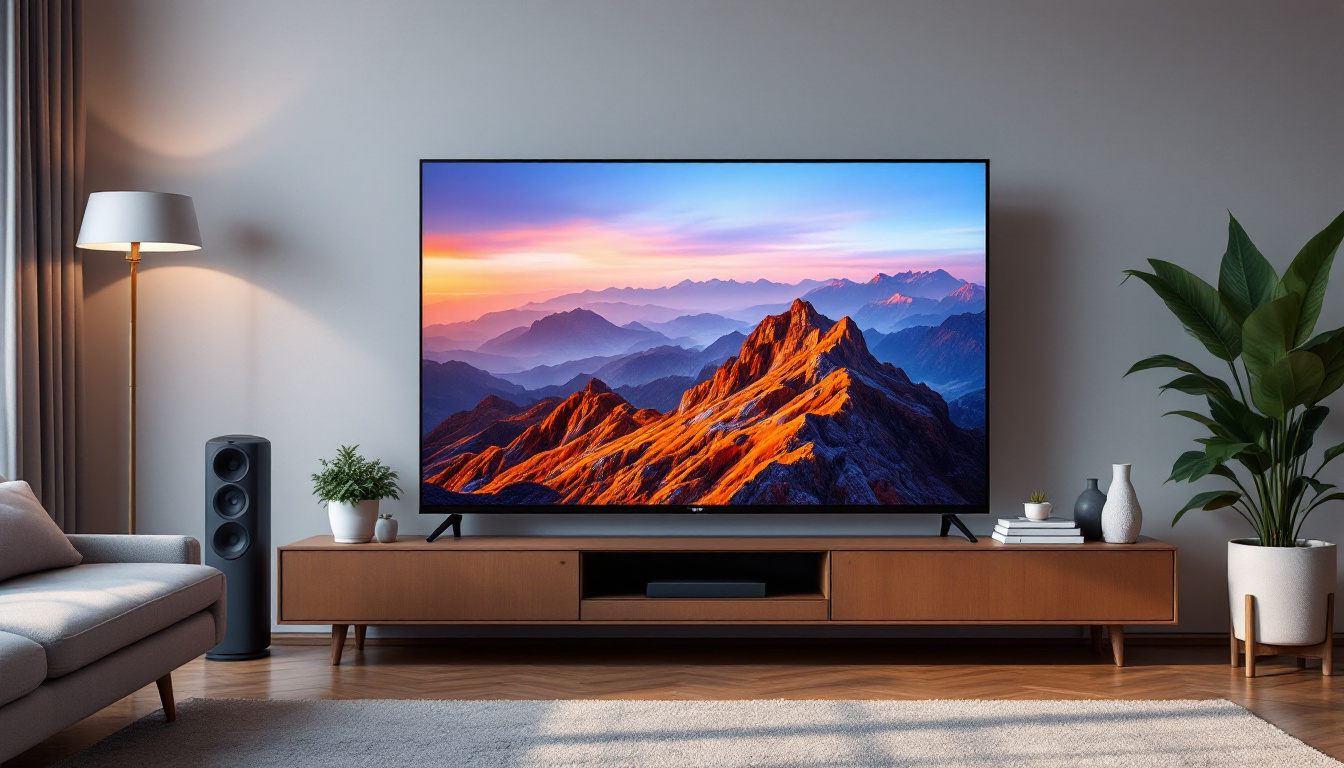
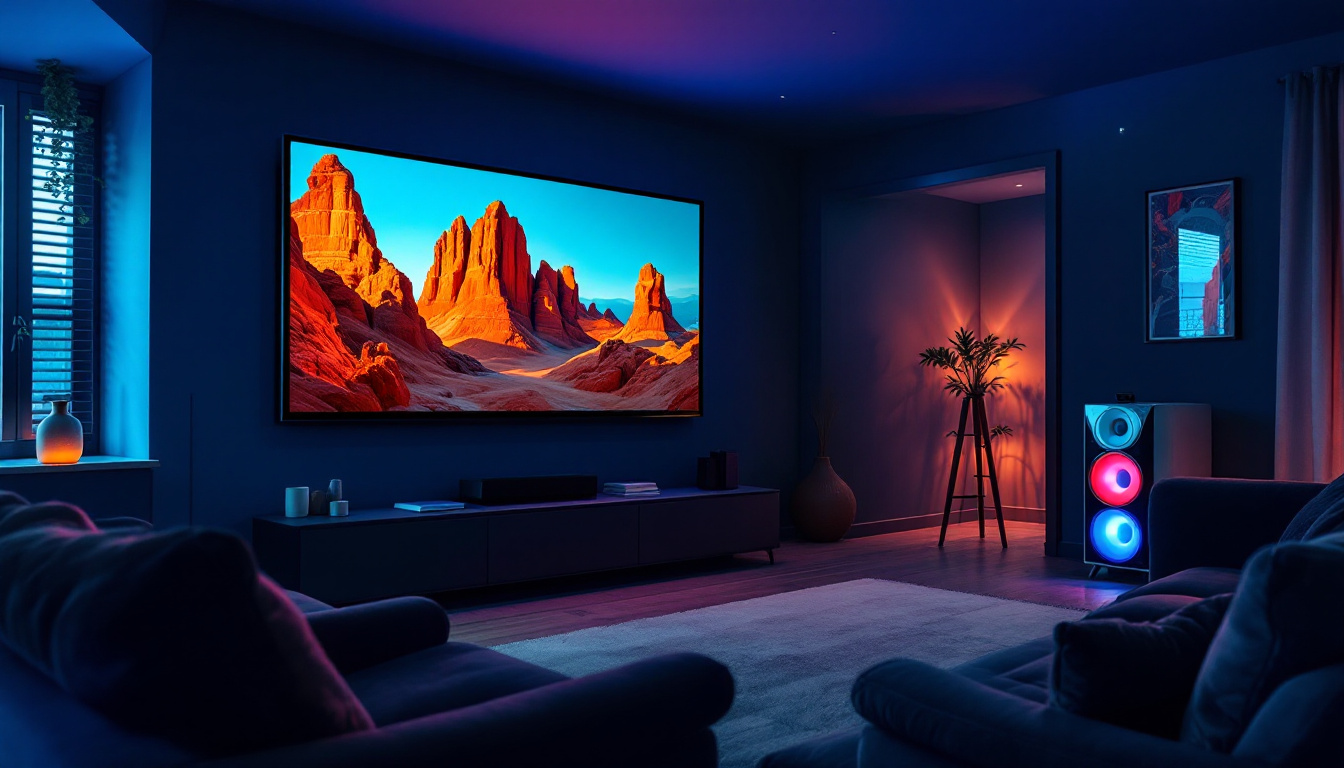
While the display technology often steals the spotlight, the legs or stands of a flat screen TV are essential for stability, placement, and overall user experience. These legs support the TV on furniture, ensuring it remains secure and properly positioned for optimal viewing.
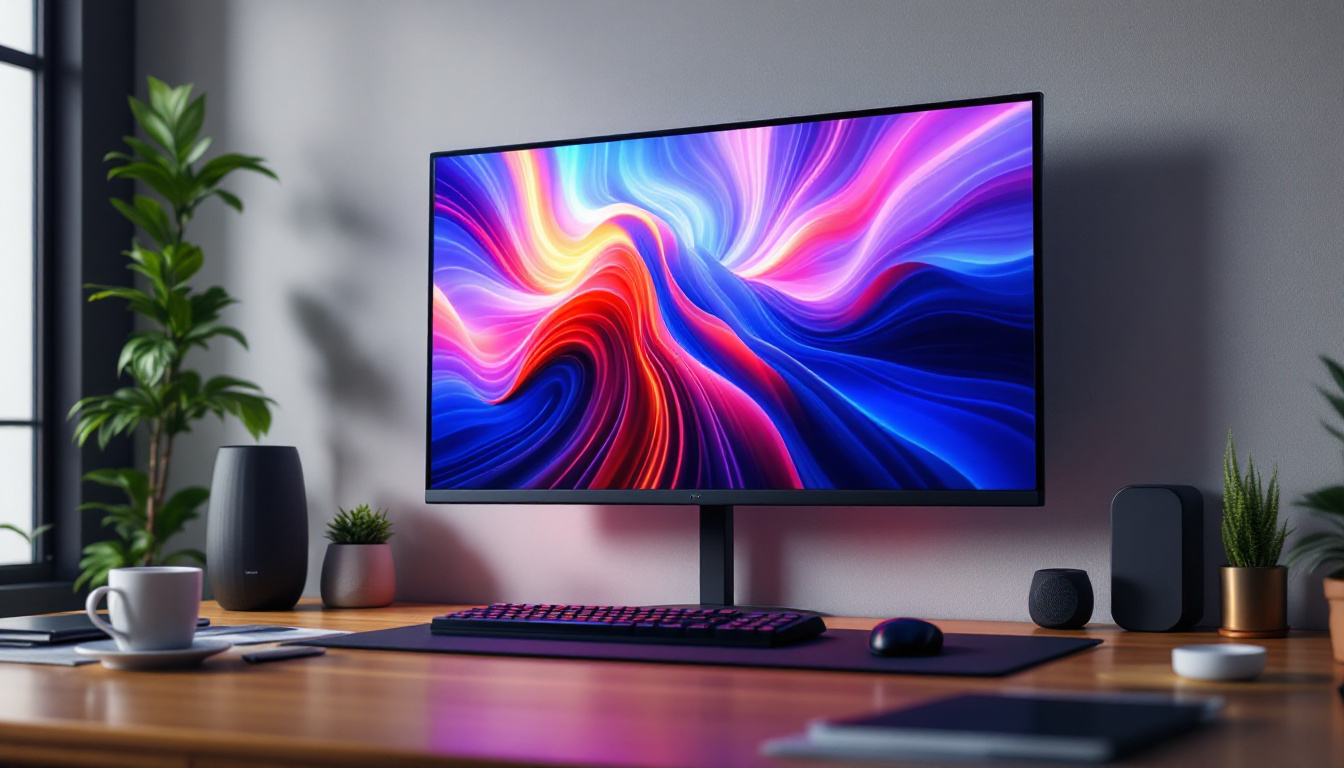
TV legs come in various styles—some are simple and functional, while others are designed to complement the aesthetics of the TV and the room. The choice of legs can affect not only the look but also the ergonomics and safety of the setup.
Design Considerations for TV Legs
When manufacturers design TV legs, several factors are taken into account:
- Stability: The legs must support the weight of the TV securely, preventing wobbling or tipping.
- Height: The height of the legs determines the viewing angle and whether there is space underneath for soundbars or other devices.
- Material: Common materials include metal, plastic, and sometimes wood, each offering different durability and aesthetic qualities.
- Placement: Legs can be positioned at the edges or closer to the center, affecting the type of furniture the TV can be placed on.
For example, wider legs provide more stability but require larger surfaces, while center-mounted legs save space but may not be as stable on narrower furniture. Additionally, the design of the legs can influence the overall footprint of the TV setup, which is particularly important in compact living spaces where every inch counts. A well-designed leg structure can enhance the visual appeal of the TV, making it a stylish addition to the room rather than just a functional piece.
Alternatives to TV Legs
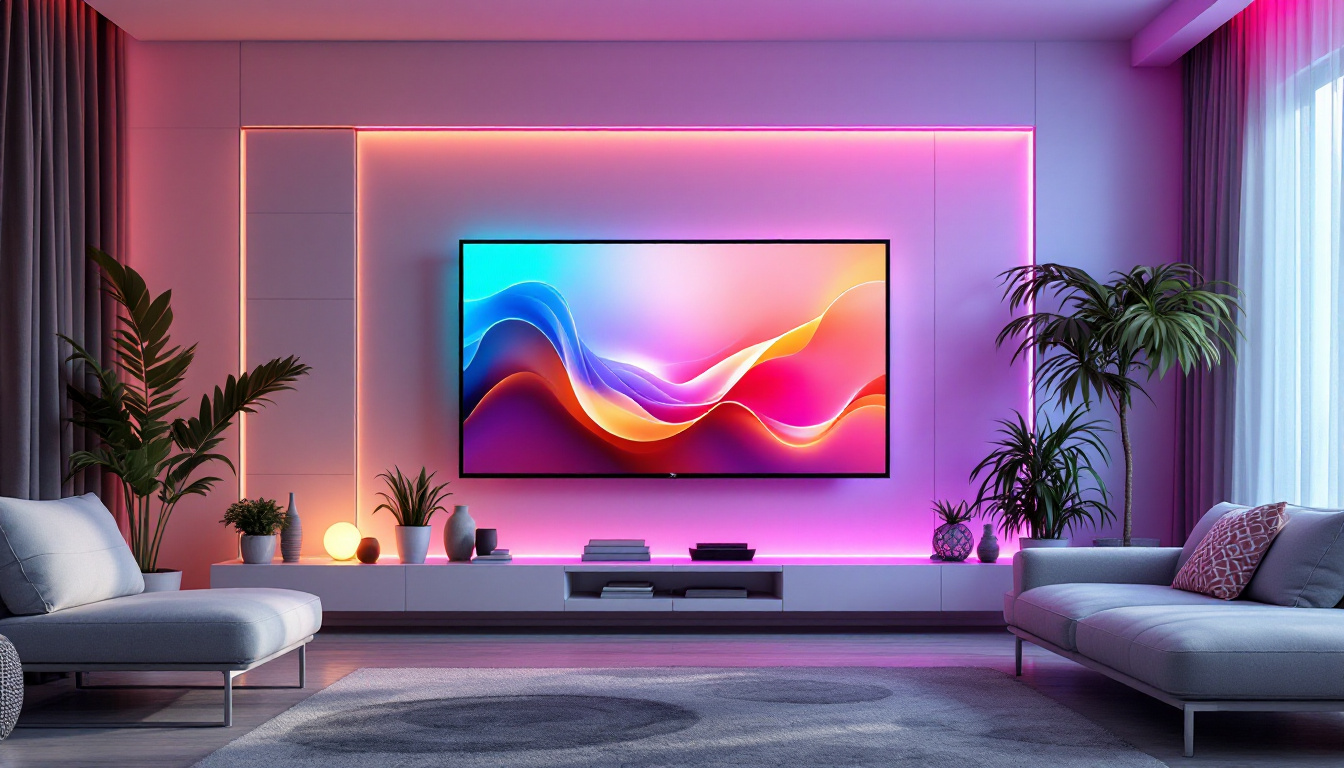
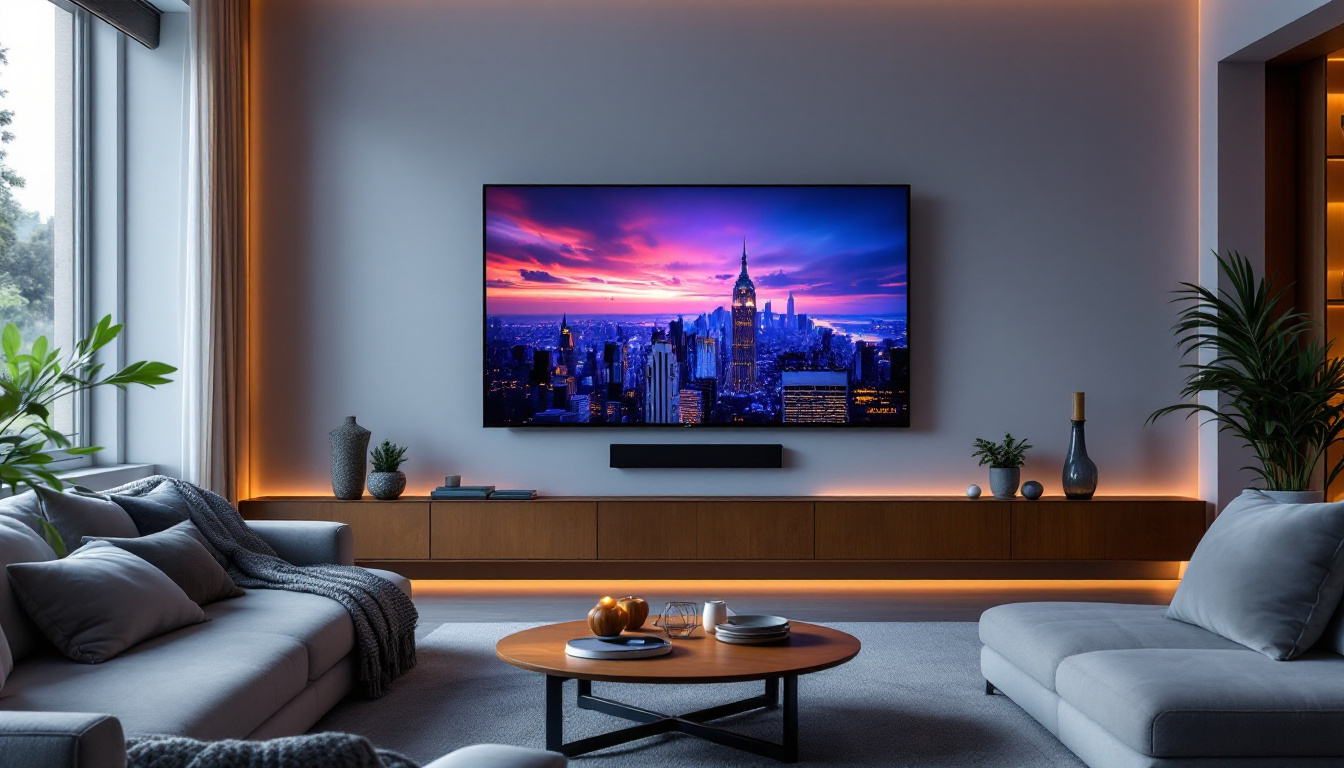
Many users opt for wall mounts instead of legs, especially in smaller rooms or for a minimalist look. Wall mounting can save space and provide a cleaner aesthetic, but it requires proper installation and may limit access to ports behind the TV. Furthermore, wall mounting allows for greater flexibility in positioning the TV at the ideal height for viewing, which can significantly enhance the overall viewing experience.
Some TVs also offer optional stands or legs that can be purchased separately to fit specific needs, such as adjustable height stands or swivel bases. These options can cater to various viewing preferences, allowing users to customize their setup according to their unique requirements. For instance, a swivel base can be particularly beneficial in a multi-purpose room where the TV might need to be viewed from different angles, providing versatility without compromising on aesthetics. Additionally, some modern stands incorporate cable management systems, helping to keep cords organized and out of sight, further enhancing the clean look of a contemporary living space.
Understanding LED Displays in Flat Screen TVs
LED displays are the most prevalent technology in flat screen TVs today, widely appreciated for their brightness, energy efficiency, and picture quality. But what exactly does LED mean, and how does this technology work?
What is an LED Display?
LED stands for Light Emitting Diode. In the context of TVs, an LED display is essentially an LCD (Liquid Crystal Display) screen that uses LEDs as a backlight source instead of the older cold cathode fluorescent lamps (CCFLs).
This distinction is important because the LED backlighting allows for thinner panels, improved brightness, better contrast ratios, and more energy-efficient operation compared to traditional LCD TVs. The use of LEDs has revolutionized how images are rendered on screens, providing a more immersive viewing experience that is particularly noticeable in high-definition content.
Types of LED Backlighting
There are two primary types of LED backlighting used in flat screen TVs:
- Edge-Lit LED: LEDs are placed around the edges of the screen, and light is spread across the display using light guides. This design allows for very thin TVs but can sometimes result in uneven brightness or contrast.
- Full-Array LED: LEDs are placed directly behind the screen in a grid pattern. This setup enables local dimming, where specific zones of LEDs can be dimmed or brightened independently, enhancing contrast and black levels.
Full-array LED TVs generally offer superior picture quality but tend to be thicker and more expensive than edge-lit models. The choice between these types often depends on the viewer’s preferences and the intended use of the TV, such as gaming or movie watching, where picture quality is paramount.
Advantages of LED TVs
LED TVs offer several benefits that have contributed to their widespread adoption:
- Energy Efficiency: LEDs consume less power than CCFL backlights, making these TVs more environmentally friendly and cost-effective to operate.
- Brightness: LED backlights can achieve higher brightness levels, improving visibility in well-lit rooms.
- Color Accuracy: Advances in LED technology, including quantum dot enhancements, have improved color reproduction, delivering vibrant and lifelike images.
- Thin Design: LED backlighting allows for slimmer TV profiles, making them easier to mount and more visually appealing.
Moreover, LED TVs often come equipped with smart technology features, allowing users to access streaming services, browse the internet, and connect with other smart devices seamlessly. This integration of technology enhances the overall viewing experience, making it more interactive and convenient for users who enjoy a variety of content.
Common Misconceptions About LED TVs
It is important to clarify that LED TVs are not a separate display technology from LCD. Instead, they are LCD TVs that use LED backlighting. This means that the core image is produced by liquid crystals, while LEDs provide the necessary light behind the screen.
Additionally, terms like OLED (Organic LED) and QLED (Quantum Dot LED) are often confused with LED TVs. OLED is a fundamentally different technology where each pixel emits its own light, offering superior contrast and viewing angles. QLED is a marketing term for LED TVs enhanced with quantum dot technology for better color and brightness. Understanding these distinctions is crucial for consumers making informed decisions about which type of TV best suits their needs, especially as technology continues to evolve rapidly in the home entertainment space.
How TV Legs and LED Display Technology Work Together
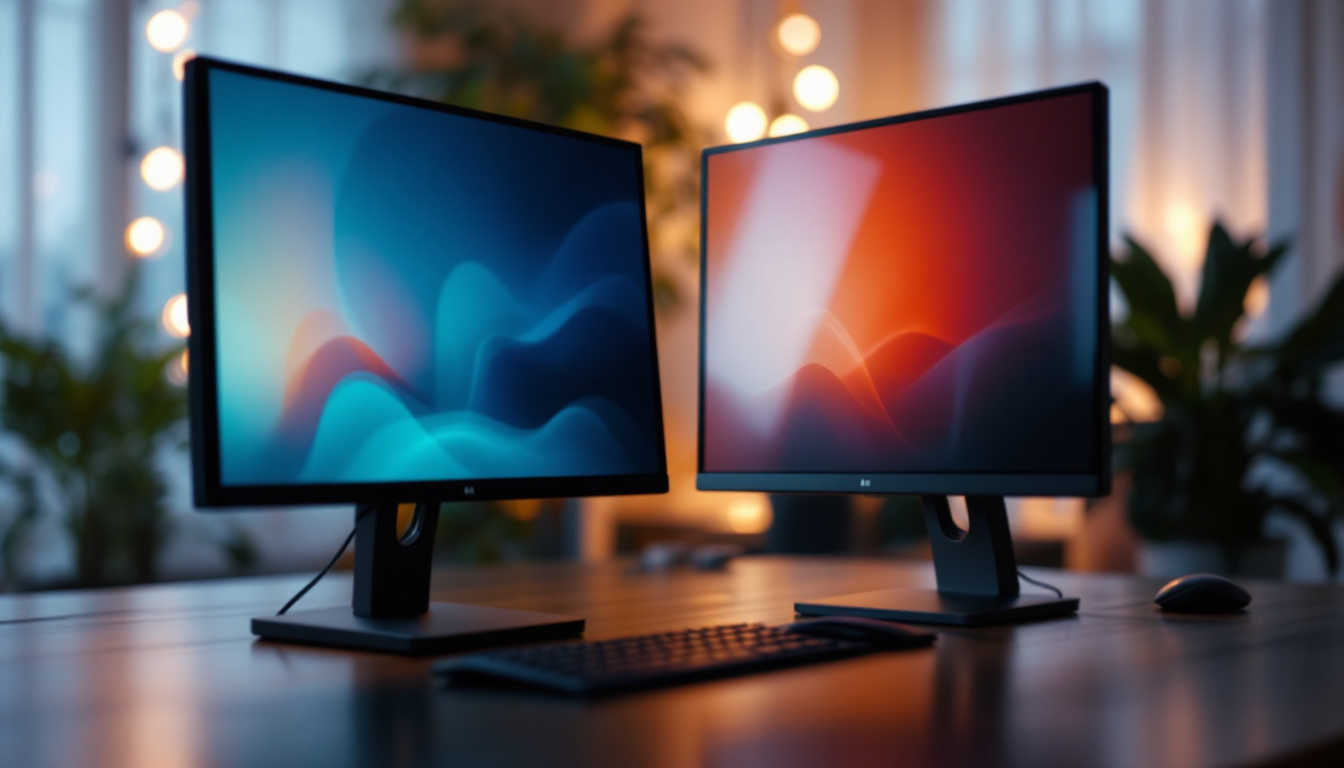
The integration of TV legs and LED display technology is a balance between form and function. The slimness and light weight of LED TVs have influenced the design of their legs, allowing for minimalist stands that complement the sleek displays. These legs are often crafted from materials like aluminum or high-grade plastic, ensuring durability without adding unnecessary bulk. As a result, the overall aesthetic of the television remains modern and appealing, fitting seamlessly into contemporary living spaces.
Manufacturers must ensure that the legs provide adequate support for the delicate electronics inside while maintaining the aesthetic appeal that consumers expect from modern LED TVs. This involves rigorous testing to guarantee stability and safety, as a well-designed leg structure not only supports the weight of the TV but also absorbs vibrations that could affect performance. In addition, many brands are now exploring innovative designs that incorporate cable management features, allowing for a clean and organized setup that enhances the viewing experience.
Impact on Viewing Experience
The height and angle provided by the TV legs can affect the viewing experience significantly. Proper positioning reduces neck strain and ensures the best picture quality by aligning the screen with the viewer’s eye level. For instance, a TV that is too low may force viewers to look down, leading to discomfort during extended viewing sessions. Conversely, a TV placed too high can create a strain on the neck, detracting from the overall enjoyment of movies or games.
With LED displays offering wide viewing angles and vibrant colors, the physical placement of the TV becomes even more critical to fully enjoy these benefits. The ability to see the screen from various positions in the room without losing picture quality is a significant advantage of LED technology. Additionally, many modern TVs come equipped with features that enhance the viewing experience, such as motion smoothing and HDR capabilities, which can be best appreciated when the screen is optimally positioned. Therefore, taking the time to adjust the height and angle of the TV legs can greatly enhance the overall enjoyment of your favorite shows and films.
Considerations for Setup and Placement
When setting up a flat screen LED TV with legs, consider the following:
- Surface Stability: Ensure the furniture can support the TV’s weight and leg spread.
- Space for Accessories: Legs that raise the TV higher allow for soundbars or gaming consoles to fit underneath.
- Room Lighting: LED TVs perform well in various lighting conditions, but glare can be minimized by adjusting placement.
Furthermore, it’s important to consider the layout of your room. The distance between the seating area and the TV can influence the size of the television you choose, as well as the height at which it is mounted. For example, a larger screen may require a higher placement to ensure that viewers sitting further back can enjoy an immersive experience. Additionally, the color and texture of the wall behind the TV can also affect how the display appears, with darker colors often helping to reduce perceived glare and enhance contrast, making the viewing experience even more enjoyable.
Future Trends in TV Legs and LED Display Technology
As technology evolves, so do the designs and functionalities of TV legs and LED displays. Innovations are focused on enhancing user convenience, aesthetics, and picture quality.
Adjustable and Smart TV Stands
Some manufacturers are introducing adjustable stands that allow users to change the height and tilt of the TV without wall mounting. These stands can improve ergonomics and accommodate different room setups.
There is also growing interest in smart stands that integrate cable management, sound systems, or even motorized adjustments controlled via smartphone apps.
Advancements in LED Display Technology
LED technology continues to improve with developments such as Mini-LED and Micro-LED displays. Mini-LEDs use thousands of tiny LEDs for backlighting, offering even better contrast and brightness control than traditional full-array LEDs.
Micro-LED technology, still emerging, promises self-emissive pixels like OLED but with higher brightness and longer lifespan, potentially revolutionizing flat screen displays in the near future.
Conclusion
Legs for flat screen TVs, though often overlooked, are a key component that supports both the physical stability and overall viewing experience of the device. Their design must harmonize with the advanced LED display technology that defines modern flat screen televisions.
Understanding the interplay between TV legs and LED displays helps consumers make informed decisions when purchasing or setting up their TVs. With ongoing innovations in both areas, the future promises even more refined and user-friendly solutions that enhance entertainment experiences at home.
Explore Cutting-Edge LED Display Solutions with LumenMatrix
As you consider the importance of stability and design in your flat screen TV’s legs, don’t forget the transformative power of the display itself. LumenMatrix, a leader in LED display technology, offers an array of innovative solutions that bring your viewing experience to life. From Indoor and Outdoor LED Wall Displays to specialized options like Vehicle, Sports, and Floor LED Displays, LumenMatrix is committed to enhancing your visual communication. Immerse yourself in the future of digital signage and discover how LumenMatrix’s Custom, All-in-One, and Transparent LED Displays can captivate your audience. Check out LumenMatrix LED Display Solutions today and elevate your brand visibility and viewer engagement to new heights.