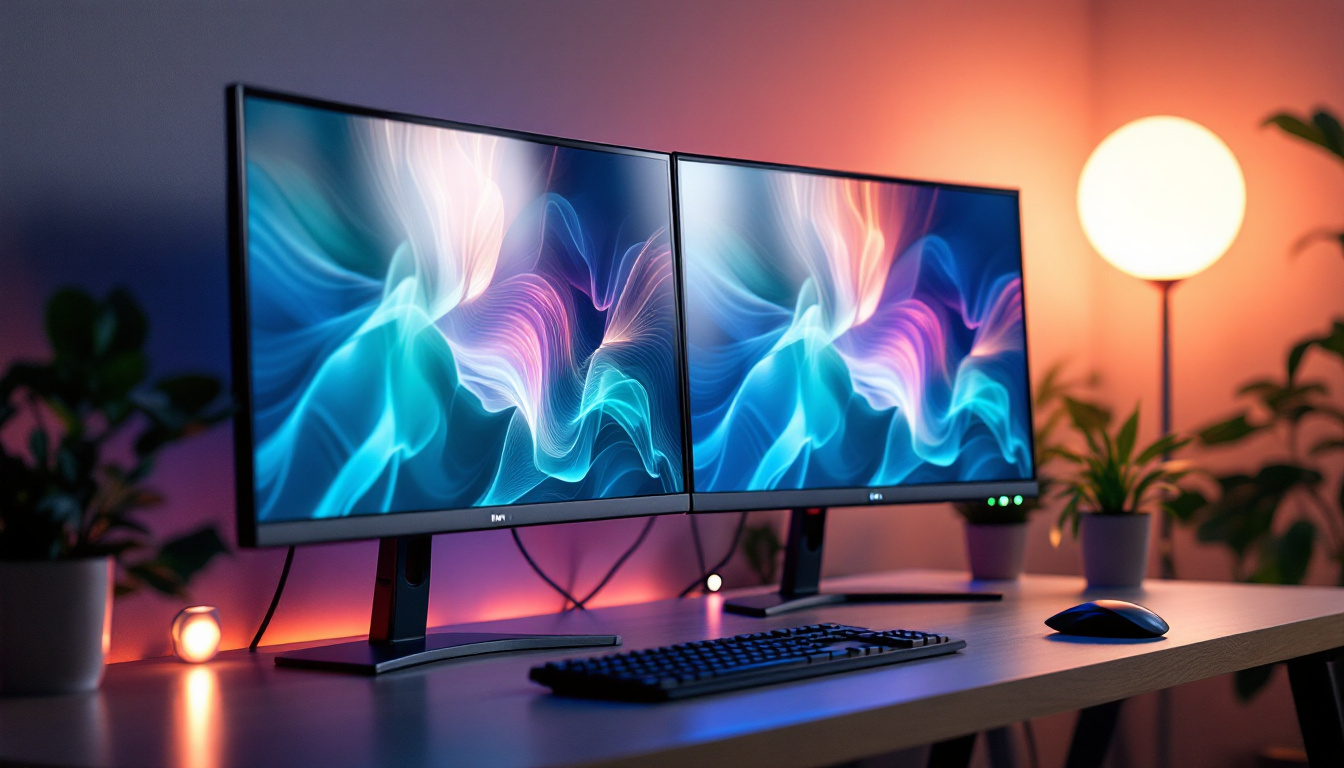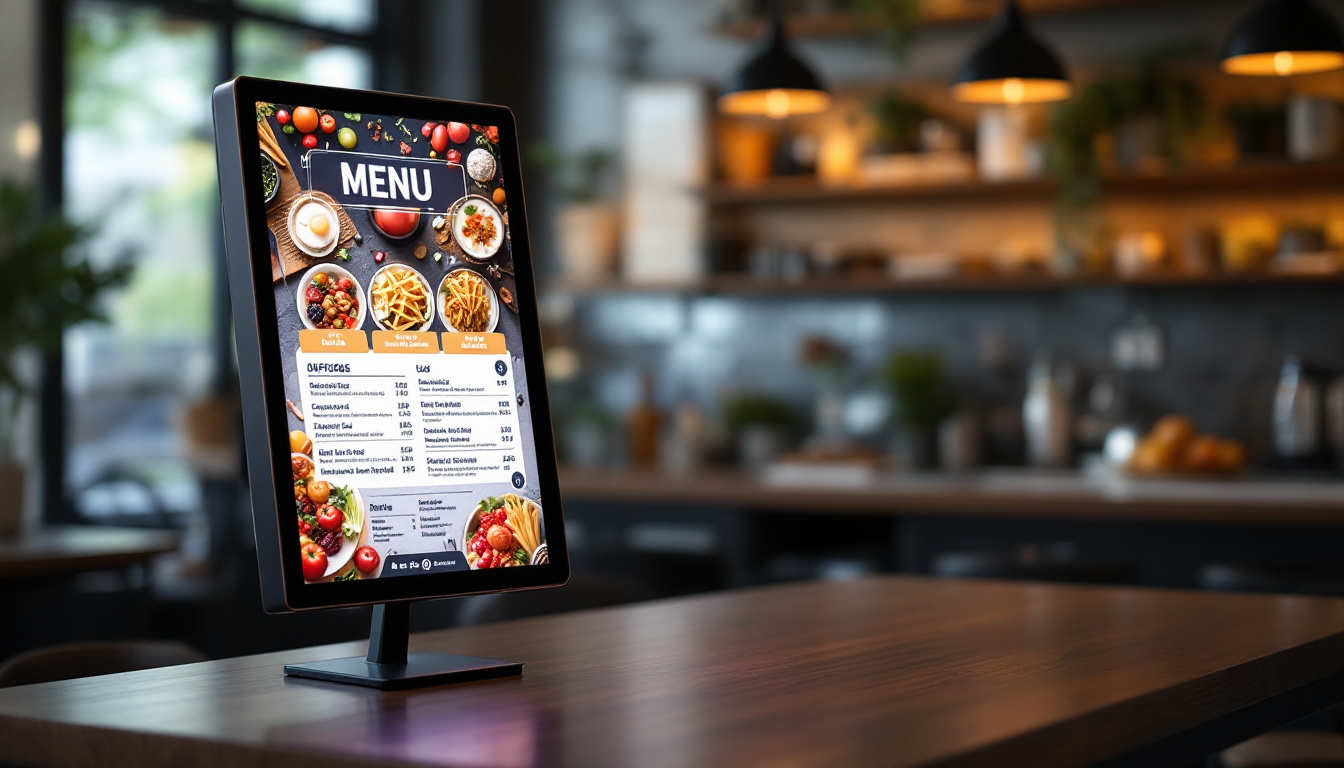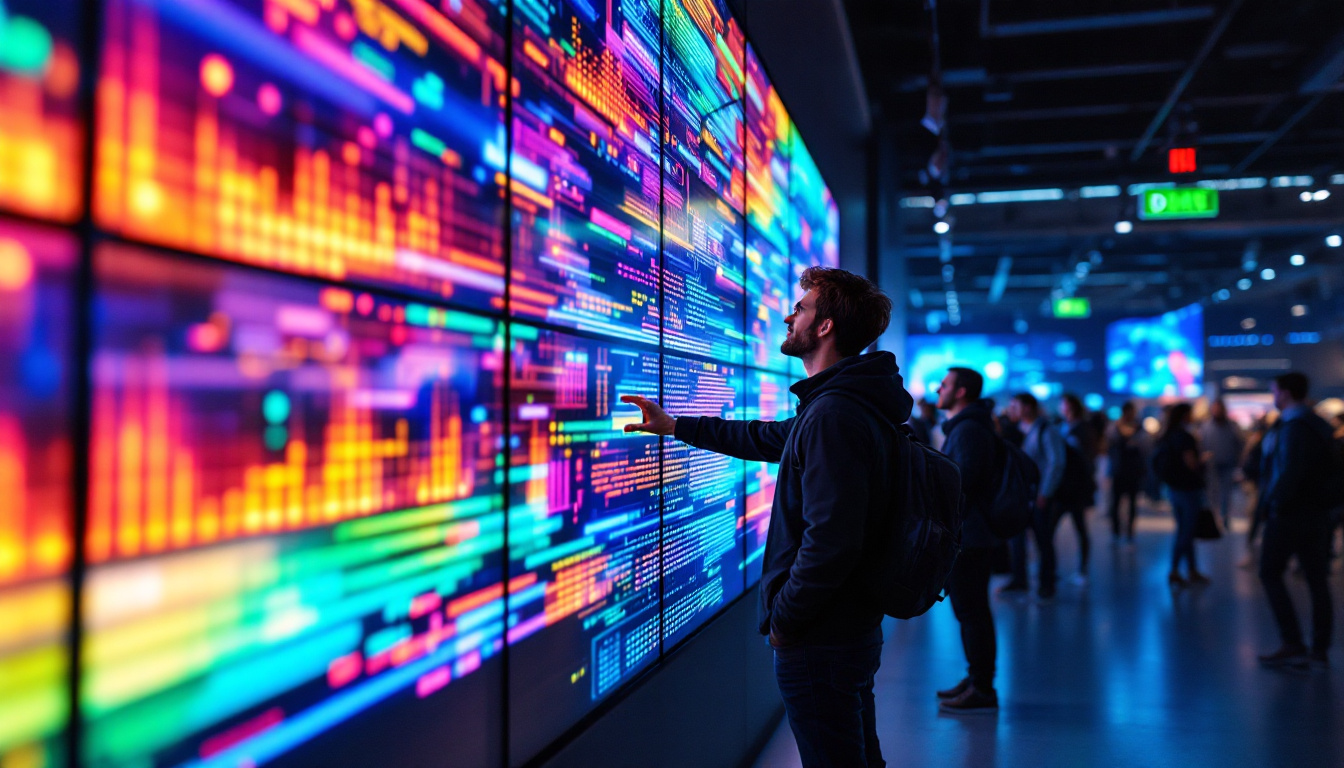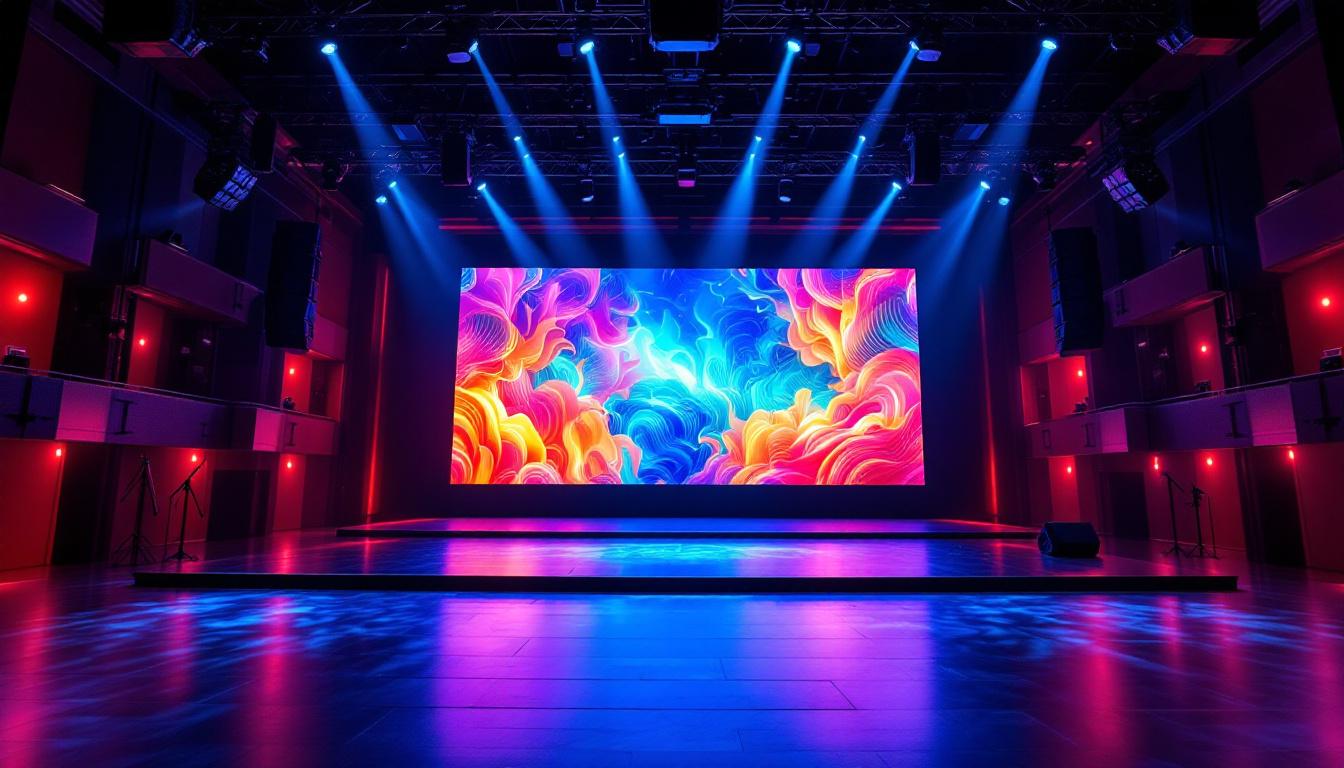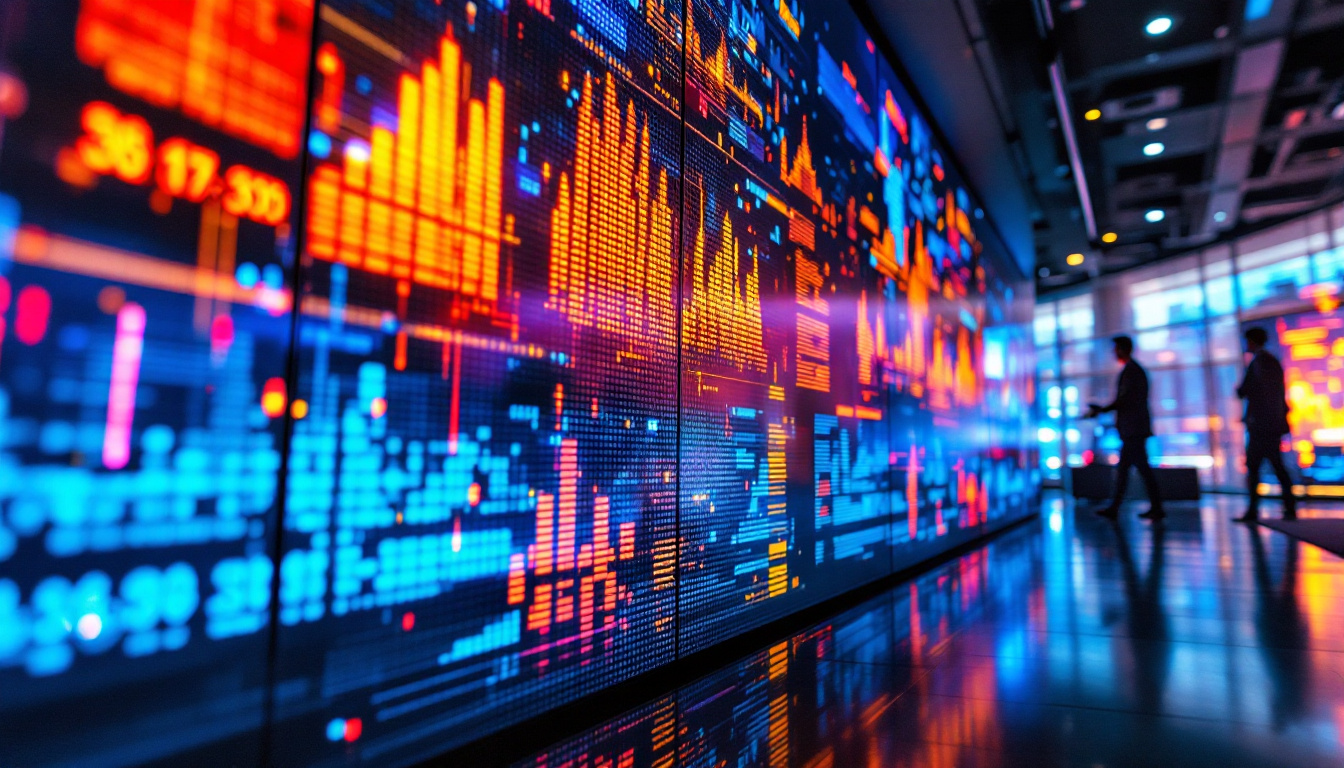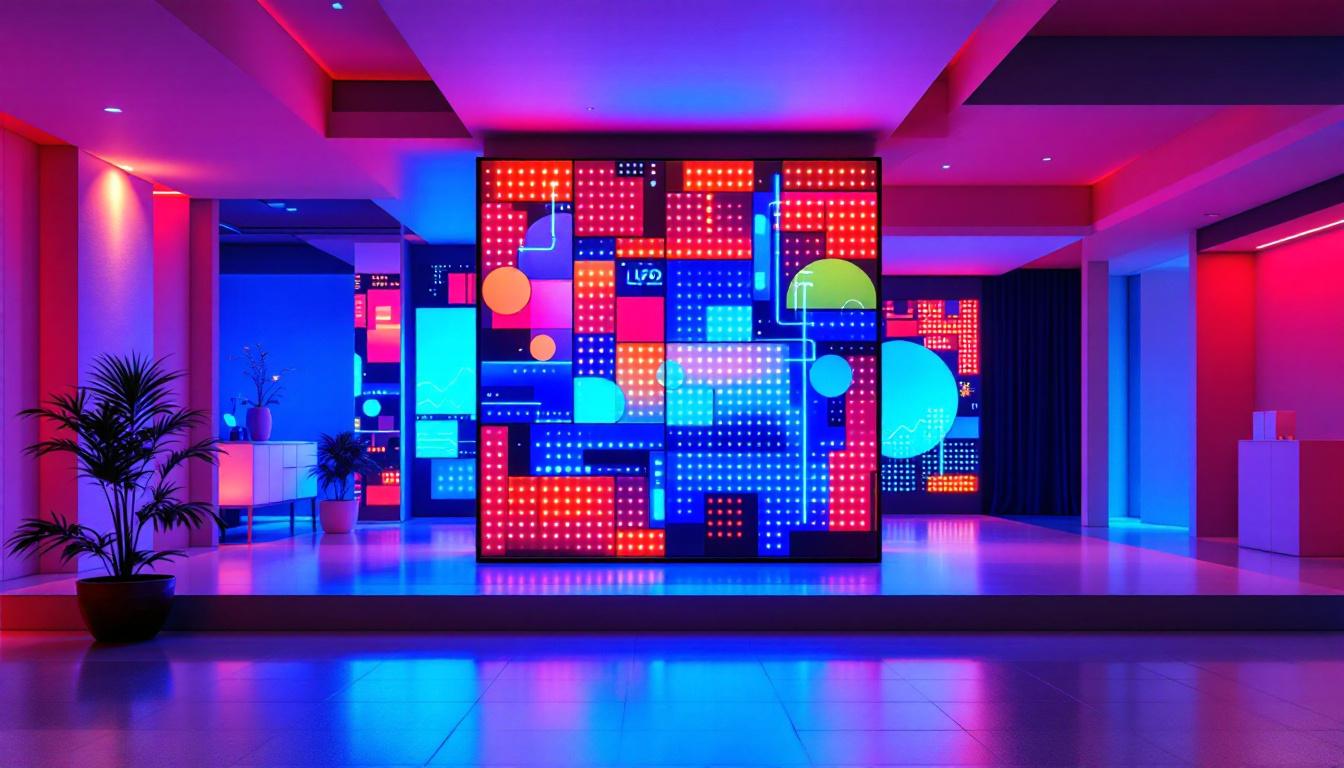
In the world of video production, lighting plays a pivotal role in shaping the final output. Among the various lighting technologies available today, LED displays have emerged as a game-changer. From live broadcasts to cinematic productions, LED lighting offers unparalleled flexibility, efficiency, and quality. This article delves deep into the intricacies of LED displays used in video lighting, exploring their benefits, technical aspects, and practical applications.
Understanding LED Lighting in Video Production
What Are LED Displays?
LED, or Light Emitting Diode, displays are screens composed of numerous tiny light sources that emit light when an electric current passes through them. Unlike traditional lighting systems that rely on incandescent or fluorescent bulbs, LED displays use semiconductor technology to produce light. This allows for greater control over brightness, color, and energy consumption.
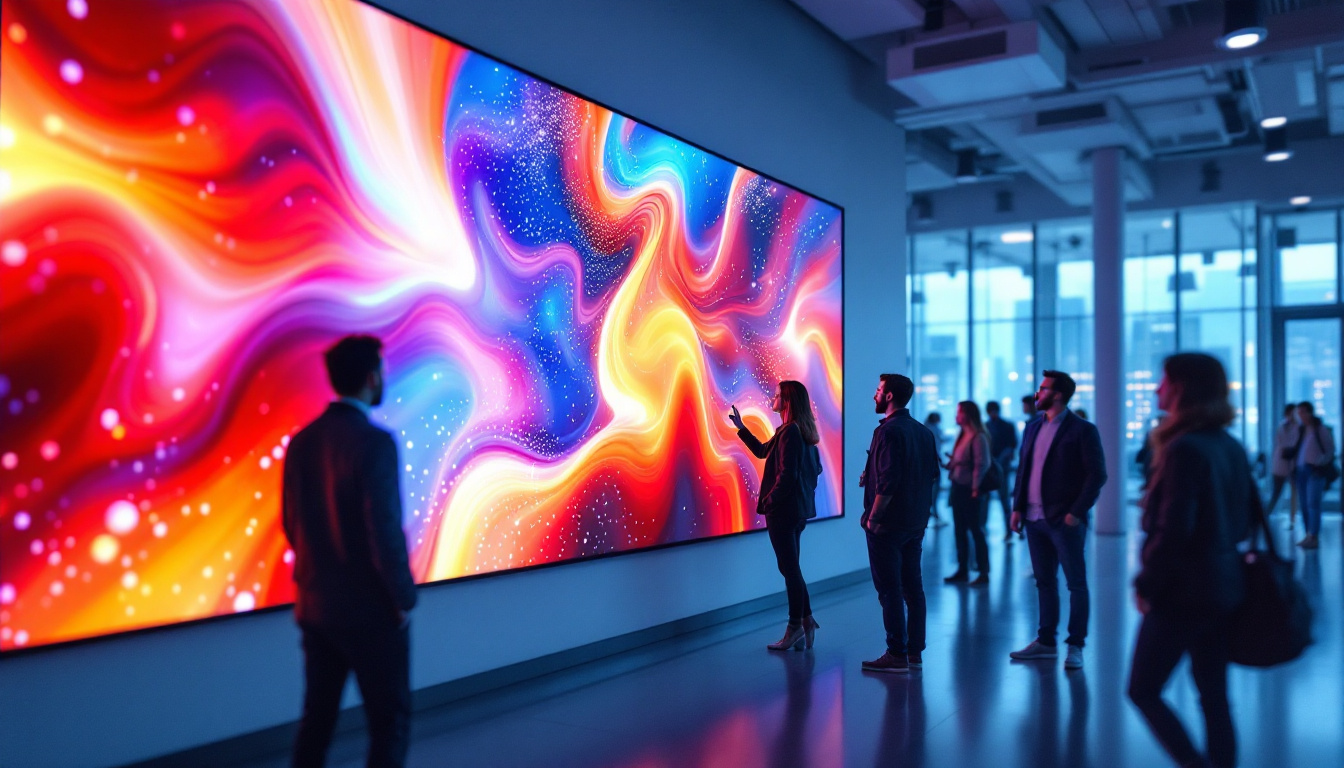
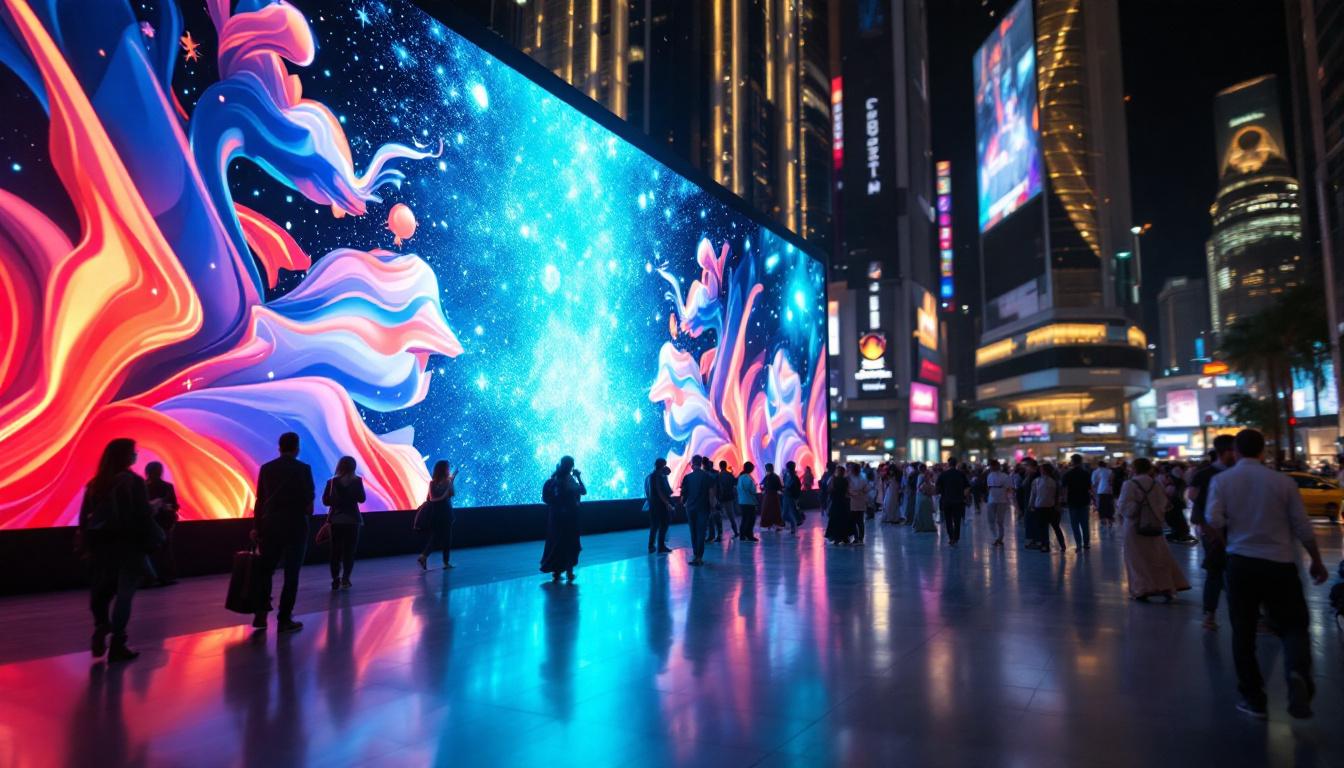
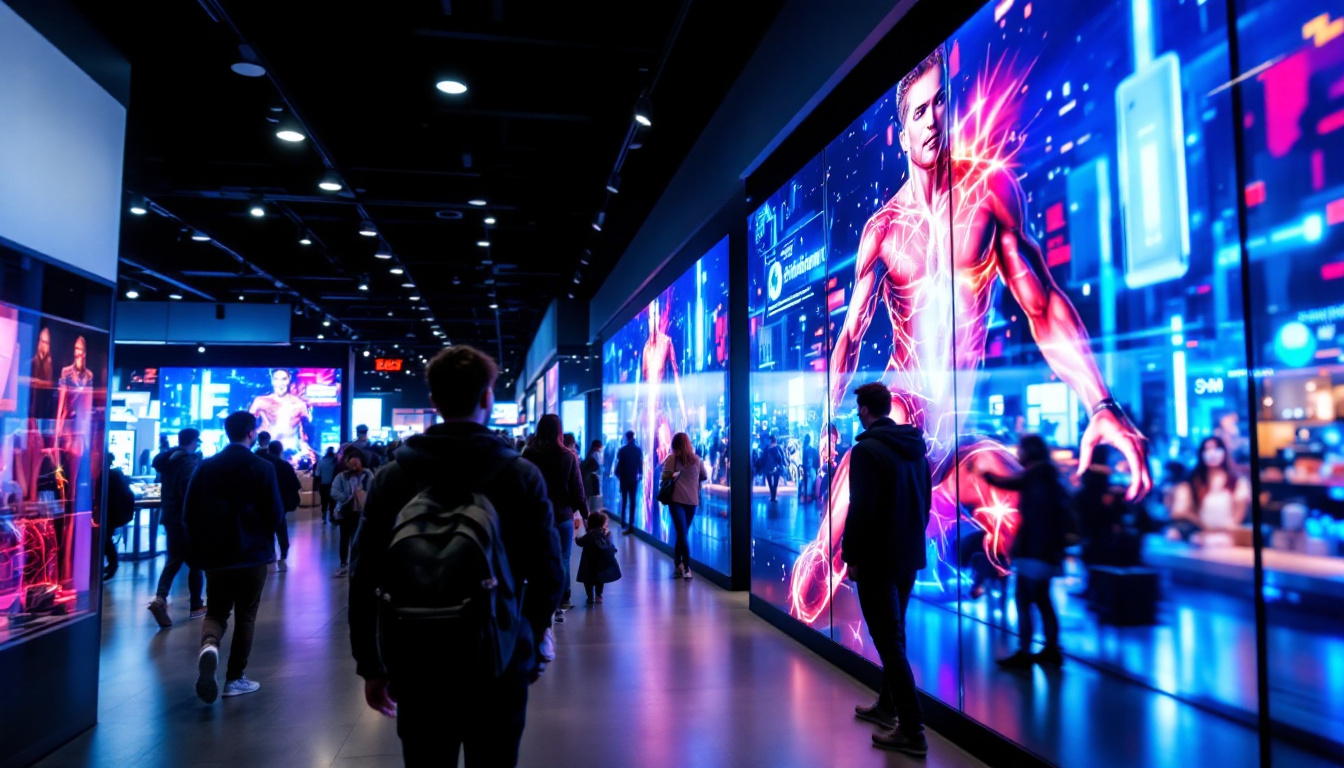
In video production, LED displays serve multiple purposes. They can be used as dynamic backdrops, ambient light sources, or key lighting elements. Their ability to display images and videos while simultaneously providing illumination makes them uniquely versatile compared to conventional lighting fixtures. Furthermore, the compact nature of LED technology enables the creation of lightweight and portable setups, which is particularly advantageous for on-location shoots where space and weight constraints are often a concern.
Additionally, the modular design of many LED panels allows for seamless integration into various production environments. Whether it’s a small studio or a large outdoor event, these displays can be configured to fit any space, providing an adaptable solution that can enhance the visual storytelling of a project. This flexibility not only saves time during setup but also opens up new creative possibilities for directors and cinematographers.
Why LED Lighting Matters for Video Quality
Lighting directly influences the mood, clarity, and professionalism of any video. Poor lighting can result in grainy footage, inaccurate colors, and distracting shadows. LEDs offer several advantages that help overcome these challenges:
- Color Accuracy: Modern LED displays provide high Color Rendering Index (CRI) values, often exceeding 90, which means colors appear more natural and vivid on camera.
- Adjustable Brightness: LEDs can be dimmed smoothly without flickering, ensuring consistent exposure throughout a shoot.
- Energy Efficiency: LED lighting consumes significantly less power than traditional bulbs, reducing operational costs and heat output.
- Longevity: LEDs have a longer lifespan, often lasting tens of thousands of hours, which means less frequent replacements and maintenance.
These factors contribute to higher production quality and more creative freedom for videographers and lighting designers. Moreover, the ability to control color temperature in LED lighting allows for precise adjustments to match different environments or to create specific atmospheres. This is particularly important in narrative filmmaking, where the visual tone must align with the story being told. For instance, a warm color temperature may evoke feelings of comfort and nostalgia, while a cooler temperature can create a sense of urgency or tension.
Furthermore, the rapid advancement of LED technology has led to the development of smart lighting systems that can be programmed to change colors and intensities in real-time. This capability is invaluable for live events and performances, where lighting can be synchronized with music or action on stage, enhancing the overall experience for the audience. As a result, LED lighting not only improves the technical aspects of video production but also elevates the artistic expression of filmmakers and content creators.
Key Technical Features of LED Displays for Video Lighting
Pixel Pitch and Resolution
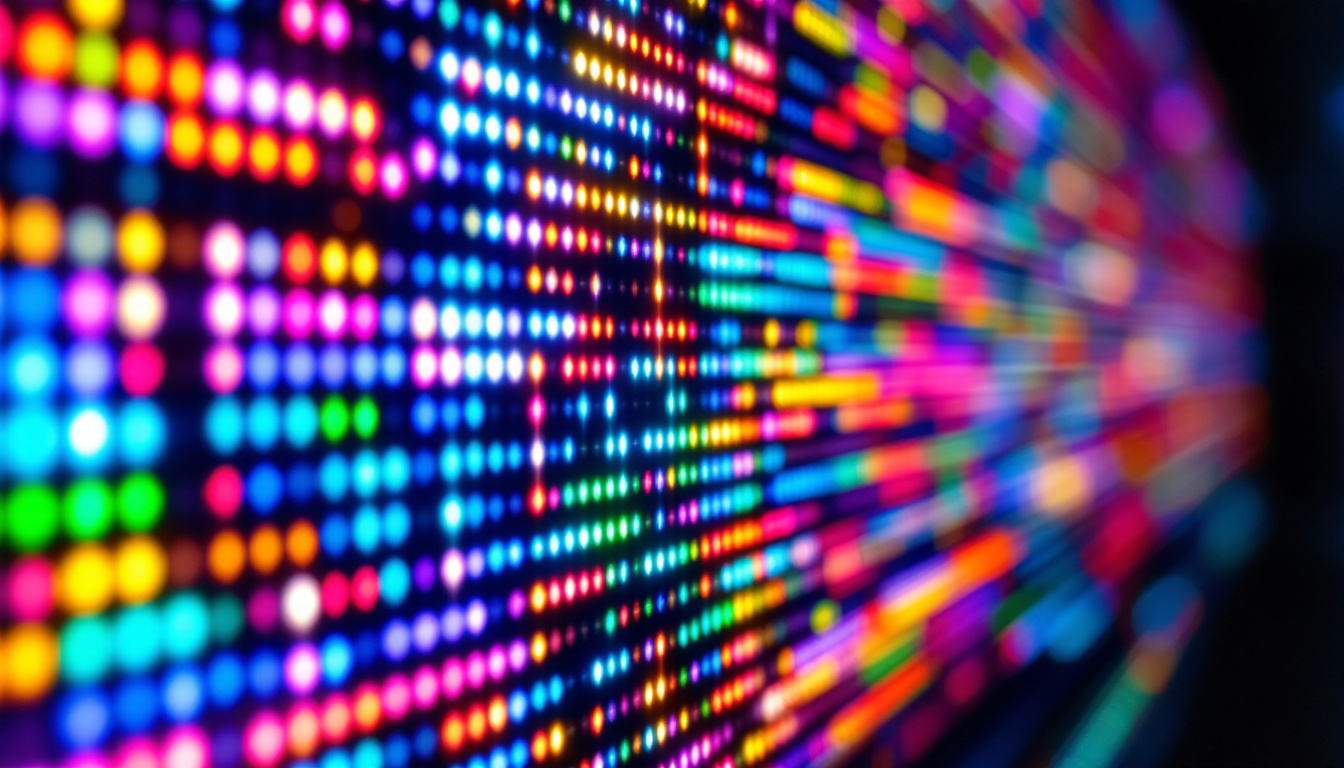
Pixel pitch refers to the distance between the centers of two adjacent LED pixels, typically measured in millimeters. It directly affects the resolution and viewing distance of an LED display. A smaller pixel pitch means higher resolution and finer image detail, which is crucial when the display is close to the camera or audience.
For video lighting, choosing the right pixel pitch depends on the intended use. For example, LED walls used as background elements in a music video might require a pixel pitch of 2-4mm to ensure crisp visuals, while larger stage displays can use 6-10mm pixel pitch for optimal viewing from a distance.
Brightness and Contrast Ratio
Brightness is measured in nits (cd/m²) and indicates how much light the LED display emits. For indoor video production, LED displays with brightness levels between 800 and 1500 nits are typically sufficient. Outdoor shoots or brightly lit studios may require displays capable of 2000 nits or more to overcome ambient light.
Contrast ratio, the difference between the darkest black and the brightest white a display can produce, is equally important. High contrast ratios enhance depth and detail, making images more engaging on camera. LED displays often achieve contrast ratios of 3000:1 or higher, which is beneficial for cinematic lighting effects.
Color Gamut and Calibration
Color gamut defines the range of colors a display can reproduce. LED displays designed for video production usually support wide color gamuts such as Rec. 709 or DCI-P3 standards, ensuring accurate color representation.
Regular calibration is essential to maintain color consistency across shoots. Professional LED systems come with software tools that allow precise adjustments to color temperature, saturation, and hue, tailored to the specific needs of each project.
Practical Applications of LED Displays in Video Lighting
LED Walls as Dynamic Backgrounds
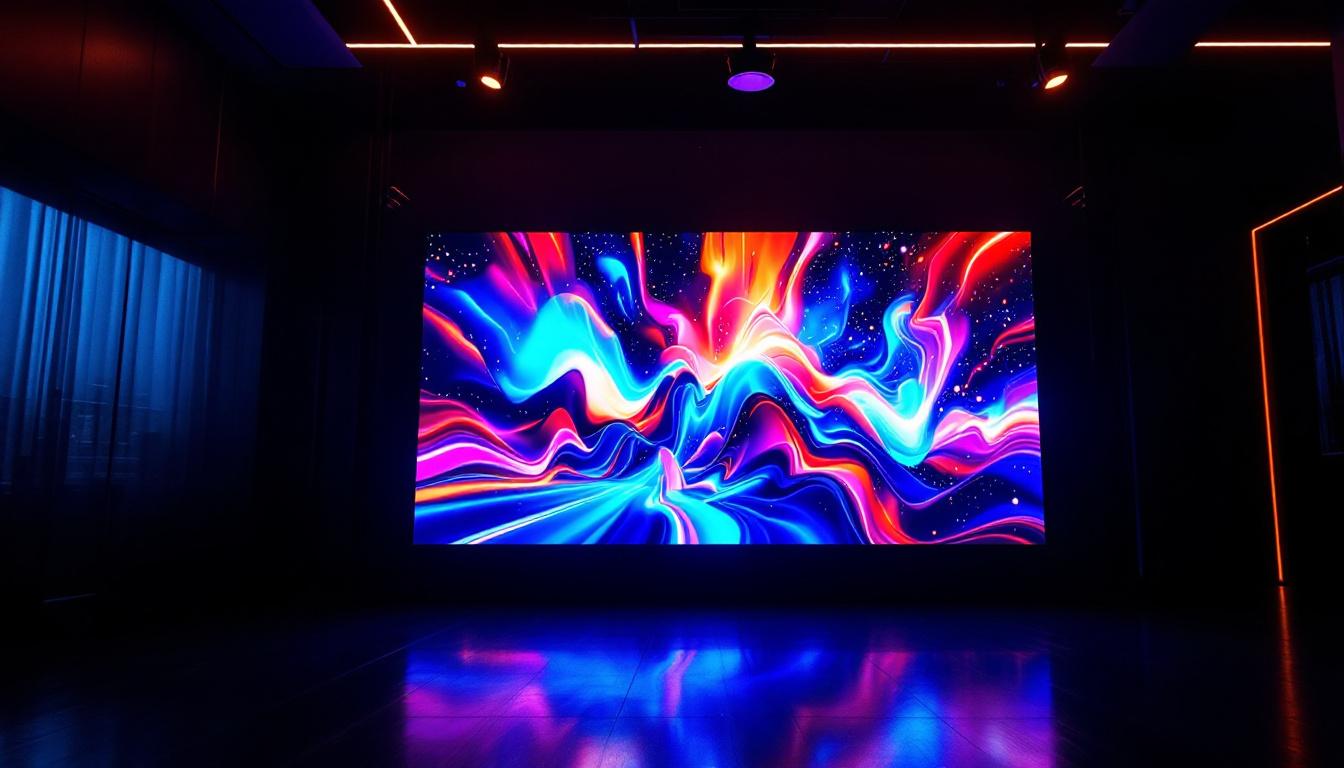
One of the most popular uses of LED displays in video production is as dynamic backgrounds. Instead of relying on green screens or static backdrops, filmmakers and content creators can project real-time visuals, animations, or interactive graphics on LED walls. This technique, often called virtual production, has been embraced by major studios for its ability to create immersive environments without extensive post-production.
For example, the hit TV series “The Mandalorian” utilized large LED volumes to simulate alien landscapes, allowing actors to perform in front of realistic, moving backgrounds. This approach not only enhances the authenticity of scenes but also reduces the need for costly location shoots.
Fill and Key Lighting with LED Panels
LED panels are widely used as key and fill lights in video shoots. Their adjustable color temperature and brightness make them ideal for matching natural light or creating specific moods. Unlike traditional tungsten lights, LEDs produce minimal heat, allowing talent to remain comfortable during long sessions.
Moreover, LED panels often have modular designs, enabling crews to configure lighting setups quickly and efficiently. This flexibility is especially valuable in fast-paced environments such as newsrooms, interviews, and live streaming studios.
Creative Lighting Effects and Color Washes
LED displays can also be programmed to produce a variety of lighting effects, including color washes, gradients, and patterns. This capability opens up new creative possibilities for music videos, commercials, and theatrical performances.
By synchronizing LED lighting with audio or motion sensors, production teams can create dynamic environments that respond to the content in real time. Such interactivity enhances viewer engagement and adds a layer of sophistication to visual storytelling.
Choosing the Right LED Display for Your Video Project
Assessing Your Lighting Needs
Before investing in LED displays, it is crucial to evaluate the specific requirements of your video projects. Consider factors such as:
- Indoor vs. Outdoor Use: Outdoor shoots demand higher brightness and weather-resistant displays.
- Size and Resolution: Determine the appropriate pixel pitch and screen size based on camera distance and shot composition.
- Color Accuracy: Ensure the display supports the color standards relevant to your production workflow.
- Budget Constraints: Balance features with cost-effectiveness, keeping in mind long-term operational expenses.
Top LED Display Technologies in the Market
Several manufacturers specialize in LED display technology tailored for video production. Brands like ROE Visual, Brompton Technology, and Absen offer high-performance LED panels known for their reliability and image quality.
When selecting a product, pay attention to:
- Refresh rate (ideally 3840Hz or higher) to avoid flicker on camera
- Modularity for easy installation and maintenance
- Compatibility with control software for seamless integration
Integrating LED Displays with Existing Lighting Setups
LED displays can complement traditional lighting equipment rather than replace it entirely. Combining LEDs with softboxes, spotlights, and reflectors allows for a nuanced lighting design that enhances depth and texture.
Additionally, syncing LED displays with camera settings and post-production workflows ensures color consistency and reduces the need for extensive color grading.
Future Trends in LED Lighting for Video
Advancements in Mini-LED and Micro-LED Technologies
Mini-LED and Micro-LED technologies represent the next frontier in LED displays. These innovations pack thousands of tiny LEDs into a compact panel, offering higher resolution, improved contrast, and better energy efficiency.
Such advancements promise even more realistic and immersive lighting options for video production, particularly in virtual and augmented reality applications.
AI-Powered Lighting Control
Artificial intelligence is beginning to influence lighting design by enabling automated adjustments based on scene composition, actor movement, and ambient conditions. AI-driven LED systems can optimize brightness and color temperature in real time, reducing manual intervention and enhancing creative possibilities.
Sustainability and Eco-Friendly Production
As the industry moves toward greener practices, LED lighting stands out for its low power consumption and minimal environmental impact. Future developments are likely to focus on recyclable materials and energy-saving features, aligning video production with global sustainability goals.
Conclusion
LED displays have revolutionized lighting for videos by offering versatile, efficient, and high-quality illumination solutions. Understanding their technical features and practical applications empowers video professionals to harness their full potential. Whether used as dynamic backgrounds, key lights, or creative effects, LED lighting enhances visual storytelling and elevates production value.
As technology continues to evolve, staying informed about the latest trends and innovations in LED displays will be essential for anyone involved in video production. Embracing LED lighting not only improves the aesthetic quality of videos but also contributes to more sustainable and cost-effective workflows.
Illuminate Your Vision with LumenMatrix
Ready to take your video production to the next level? Discover the transformative power of LumenMatrix’s advanced LED display modules. Whether you’re looking to create an immersive indoor environment, captivate passersby with an outdoor display, or innovate with vehicle and custom LED solutions, LumenMatrix has you covered. Our mission is to revolutionize your visual storytelling with displays that offer unparalleled engagement and clarity. Don’t just take our word for it; check out LumenMatrix LED Display Solutions and see how we can help you share your message with the world.