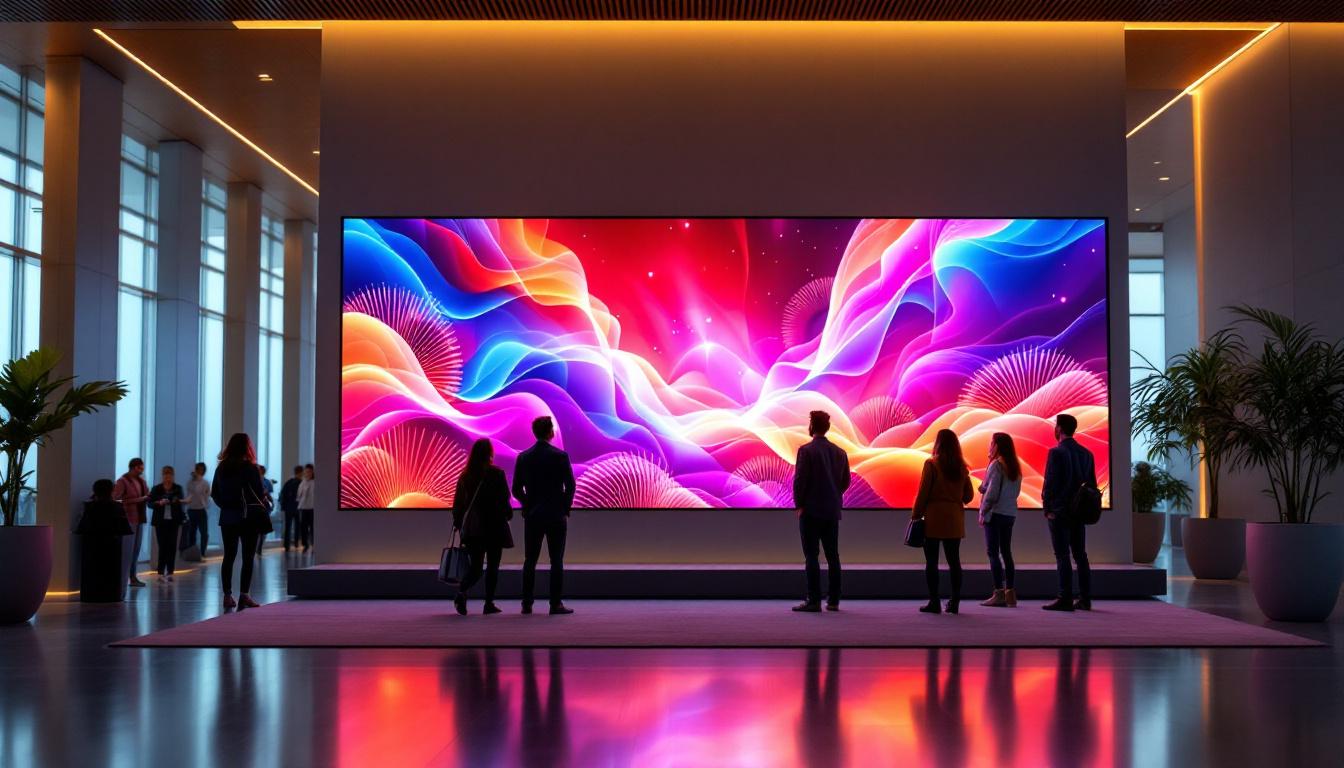
In today’s fast-paced business environment, first impressions matter more than ever. The lobby of a commercial building, hotel, corporate office, or retail space is often the first point of contact for visitors, clients, and employees. A well-designed lobby display can set the tone for the entire experience, conveying professionalism, innovation, and brand identity. Among the various display technologies available, LED displays have emerged as a leading choice for lobby environments due to their vibrant visuals, flexibility, and durability.
This article explores the key aspects of lobby LED displays, including their technology, benefits, applications, and considerations for selecting the right display. Whether you are a facility manager, marketing professional, or business owner, understanding LED displays can help you make informed decisions to enhance your lobby’s visual impact.
Understanding LED Display Technology
What is an LED Display?
LED stands for Light Emitting Diode, a semiconductor device that emits light when an electric current passes through it. An LED display is a flat panel that uses an array of these tiny LEDs as pixels to create images, videos, or text. Unlike traditional LCD or plasma screens, LED displays produce their own light, resulting in higher brightness and contrast. This self-illuminating feature allows for vibrant colors and deeper blacks, making LED displays a popular choice for various applications, from advertising billboards to home entertainment systems.
LED displays can be categorized into two main types: direct view LED and LED-backlit LCD. Direct view LED displays consist of individual LEDs arranged in a grid, making them ideal for large-format and high-brightness applications. These displays are often used in outdoor settings, where sunlight can wash out other types of screens. In contrast, LED-backlit LCDs use LEDs as a backlight source behind an LCD panel, common in smaller screens like computer monitors and televisions. This technology allows for thinner designs and improved energy efficiency, as the LED backlighting can be adjusted to enhance contrast and reduce power consumption.
How Do Lobby LED Displays Work?
Lobby LED displays typically use direct view LED technology. Each pixel is composed of red, green, and blue LEDs that combine to produce a full spectrum of colors. The display’s resolution depends on the pixel pitch—the distance between the centers of two adjacent pixels. Smaller pixel pitch means higher resolution and sharper images, which is crucial for environments where viewers may be close to the screen, such as in a lobby or conference room. This capability allows for detailed graphics and text that can be easily read from various distances.
These displays are controlled by sophisticated software that manages the content shown, allowing dynamic updates, scheduling, and remote management. This flexibility enables businesses to display anything from welcoming messages and branding elements to real-time data and interactive content. Moreover, many lobby LED displays support various media formats, including videos, animations, and live feeds, making them versatile tools for communication and engagement. The integration of sensors can also enhance interactivity, allowing the display to respond to audience movements or preferences, thus creating a more immersive experience for visitors.
Benefits of Using LED Displays in Lobbies
Vibrant Visuals and High Brightness
One of the most significant advantages of LED displays is their exceptional brightness and color vibrancy. Lobbies often have varying lighting conditions, including natural daylight from windows and artificial lighting. LED displays maintain visibility and clarity even in bright environments, ensuring that your message is always seen.
Compared to other display technologies, LEDs offer superior contrast ratios and color accuracy, making images and videos appear more lifelike and engaging. This visual impact is crucial in capturing visitors’ attention and reinforcing brand identity. The ability to showcase high-definition graphics and dynamic content allows businesses to create an immersive experience that resonates with guests, making them feel more connected to the brand’s message.
Moreover, the use of LED displays can enhance the overall ambiance of the lobby. By integrating visually stunning animations or thematic visuals that align with seasonal promotions or events, businesses can create a welcoming atmosphere that encourages guests to linger and explore. This not only improves the visitor experience but also increases the likelihood of positive word-of-mouth referrals.
Energy Efficiency and Longevity
LED technology is renowned for its energy efficiency. LEDs consume significantly less power than traditional lighting and display technologies, which translates into lower operating costs. For businesses looking to reduce their carbon footprint and utility expenses, LED displays are an environmentally friendly choice.
Additionally, LEDs have a longer lifespan, often exceeding 50,000 hours of operation. This durability reduces maintenance needs and replacement costs, making LED displays a cost-effective investment over time. The low heat emission of LED technology also minimizes the need for additional cooling systems, further enhancing energy savings and contributing to a more sustainable operational model.
Incorporating LED displays can also lead to potential tax benefits or incentives for energy-efficient upgrades, making the transition even more appealing for businesses. As sustainability becomes a growing concern for consumers, showcasing a commitment to energy-efficient solutions can enhance a company’s reputation and attract eco-conscious clientele.
Customization and Flexibility
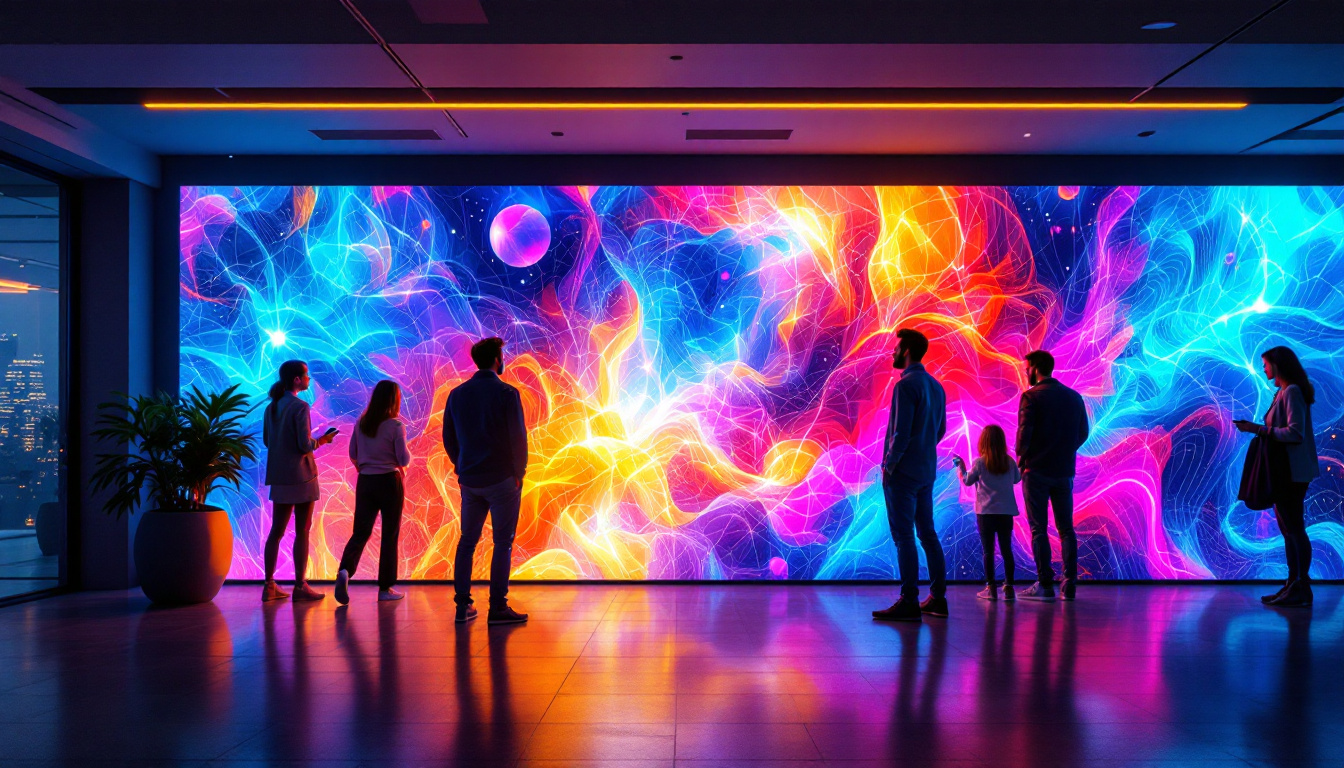
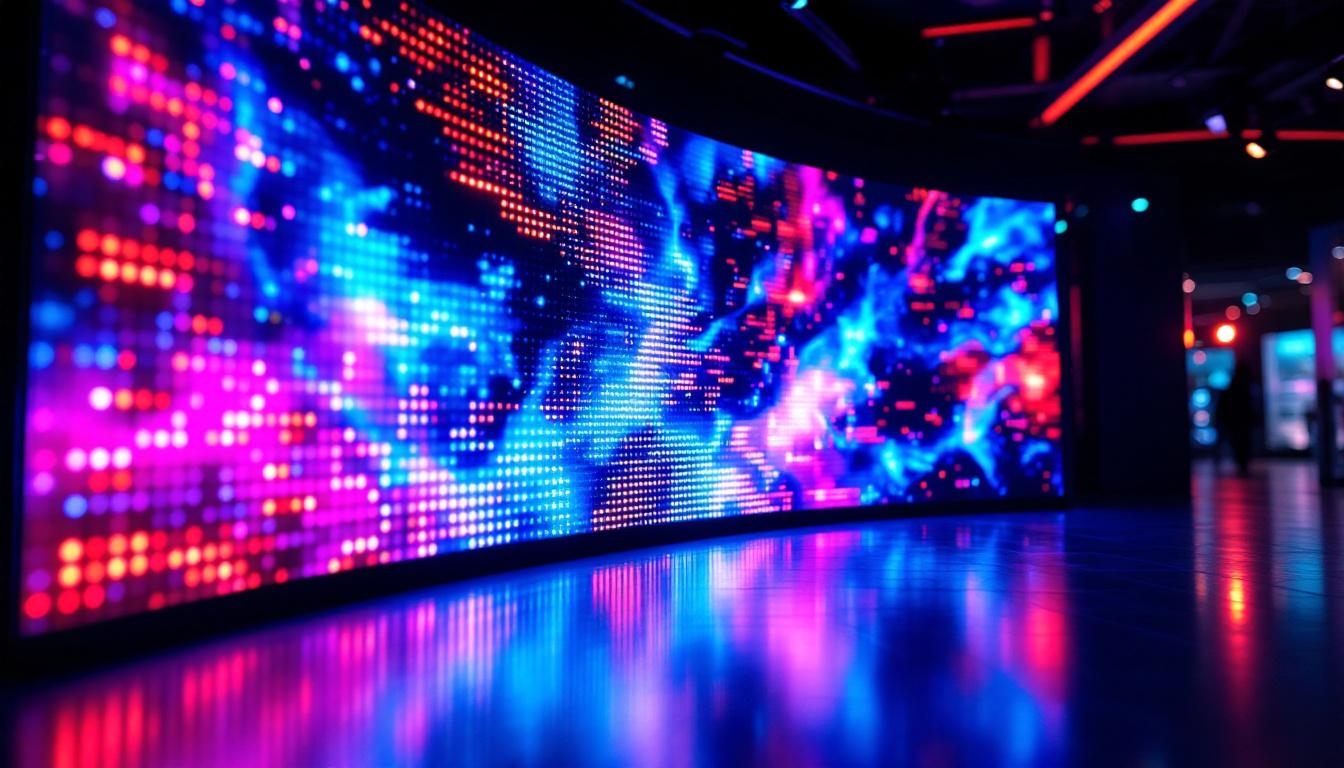
Lobby LED displays come in various sizes, shapes, and resolutions, allowing customization to fit any space and design aesthetic. From sleek video walls to curved or irregularly shaped installations, LED technology adapts to creative architectural concepts.
The content displayed can be easily updated and customized to suit different occasions, campaigns, or informational needs. This dynamic capability supports marketing efforts, internal communications, and visitor engagement strategies. For instance, during special events or conferences, businesses can tailor their displays to highlight key speakers, schedules, or promotional materials, ensuring that attendees are well-informed and engaged.
Furthermore, the integration of interactive elements, such as touchscreens or QR codes, can enhance the functionality of LED displays. This interactivity allows visitors to access additional information, engage with content, or participate in surveys, creating a two-way communication channel that enriches the overall experience. The flexibility of LED displays not only maximizes their utility but also fosters a sense of innovation and modernity that aligns with the expectations of today’s tech-savvy audiences.
Common Applications of LED Displays in Lobbies
Branding and Corporate Messaging
Lobbies serve as a prime location to showcase a company’s brand identity. LED displays can present logos, slogans, and corporate videos that reinforce brand values and professionalism. For example, a financial institution might use a lobby LED wall to display market updates alongside branded content, positioning itself as both informative and trustworthy.
Dynamic branding through LED displays also helps businesses stand out in competitive markets. The ability to change content regularly keeps the lobby environment fresh and relevant.
Information and Wayfinding
LED displays are effective tools for providing visitors with real-time information such as event schedules, meeting room availability, weather updates, or news headlines. Interactive LED kiosks can also assist with wayfinding, helping guests navigate large office complexes or convention centers with ease.
This functionality enhances the visitor experience by reducing confusion and wait times, while also streamlining facility operations.
Entertainment and Engagement
In hospitality and retail environments, lobby LED displays can entertain visitors with engaging content such as promotional videos, social media feeds, or artistic visuals. This not only improves the ambiance but also encourages longer visitor dwell times, which can lead to increased sales or customer satisfaction.
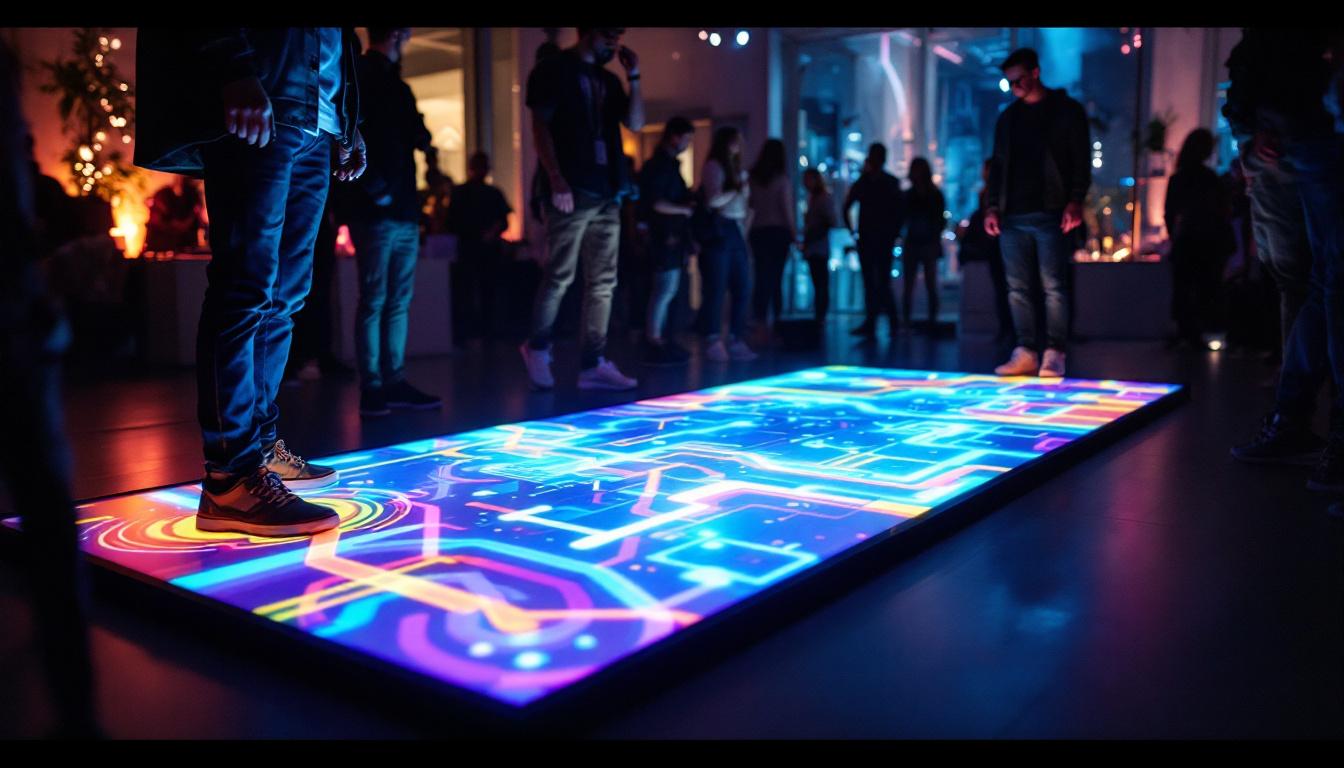
Some venues incorporate interactive LED walls that respond to touch or motion, creating immersive experiences that leave lasting impressions.
Key Considerations When Choosing a Lobby LED Display
Resolution and Viewing Distance
Choosing the right resolution is critical to ensure content appears sharp and clear. The pixel pitch should be selected based on the typical viewing distance in the lobby. For close-up viewing, such as near reception desks, a smaller pixel pitch (1.5mm to 2.5mm) is ideal. For larger spaces where viewers are farther away, a larger pixel pitch (3mm to 6mm) may suffice.
Understanding these parameters helps avoid pixelation and ensures a professional appearance.
Size and Placement
The physical size of the LED display must complement the lobby’s dimensions and architectural features. Oversized displays can overwhelm small spaces, while undersized screens may fail to capture attention. Placement is equally important; displays should be positioned at eye level or in prominent sightlines to maximize visibility.
Consulting with design and AV professionals can help optimize size and placement for maximum impact.
Content Management and Integration
Effective use of LED displays requires robust content management systems (CMS) that allow easy scheduling, updating, and customization. Businesses should consider displays compatible with user-friendly software that supports multimedia formats and remote operation.
Integration with existing IT infrastructure, such as digital signage networks or building management systems, can further enhance functionality and streamline content delivery.
Budget and Total Cost of Ownership
While LED displays offer long-term savings through energy efficiency and durability, initial costs can vary widely based on size, resolution, and features. It is important to consider the total cost of ownership, including installation, maintenance, and software licensing fees.
Investing in quality products and professional installation ensures reliability and reduces the risk of costly downtime or repairs.
Future Trends in Lobby LED Displays
Higher Resolution and Mini-LED Technology
Advancements in LED technology continue to push the boundaries of resolution and image quality. Mini-LED and micro-LED displays offer even smaller pixel pitches and improved color accuracy, enabling ultra-high-definition visuals in lobby environments.
These innovations will allow businesses to create more immersive and detailed visual experiences that captivate audiences.
Interactive and Smart Displays
The integration of touchscreens, sensors, and artificial intelligence is transforming lobby displays into interactive hubs. Smart LED walls can adapt content based on visitor demographics, behavior, or environmental conditions, providing personalized and context-aware messaging.
This level of interactivity enhances engagement and opens new possibilities for marketing and communication strategies.
Sustainability and Energy Management
As sustainability becomes a top priority, LED display manufacturers are focusing on reducing environmental impact through energy-efficient designs and recyclable materials. Future lobby displays will likely incorporate advanced energy management systems that optimize power consumption without compromising performance.
Businesses adopting these technologies demonstrate corporate responsibility and appeal to eco-conscious stakeholders.
Conclusion
Lobby LED displays represent a powerful tool for businesses seeking to create memorable first impressions and communicate effectively with visitors. Their vibrant visuals, flexibility, and energy efficiency make them ideal for a wide range of applications, from branding and information dissemination to entertainment and engagement.
By understanding the technology, benefits, and key considerations involved in selecting and implementing LED displays, organizations can enhance their lobby environments and support broader business objectives. As LED technology continues to evolve, the potential for innovative and impactful lobby displays will only grow, offering exciting opportunities for creativity and connectivity.
Discover LumenMatrix LED Display Solutions
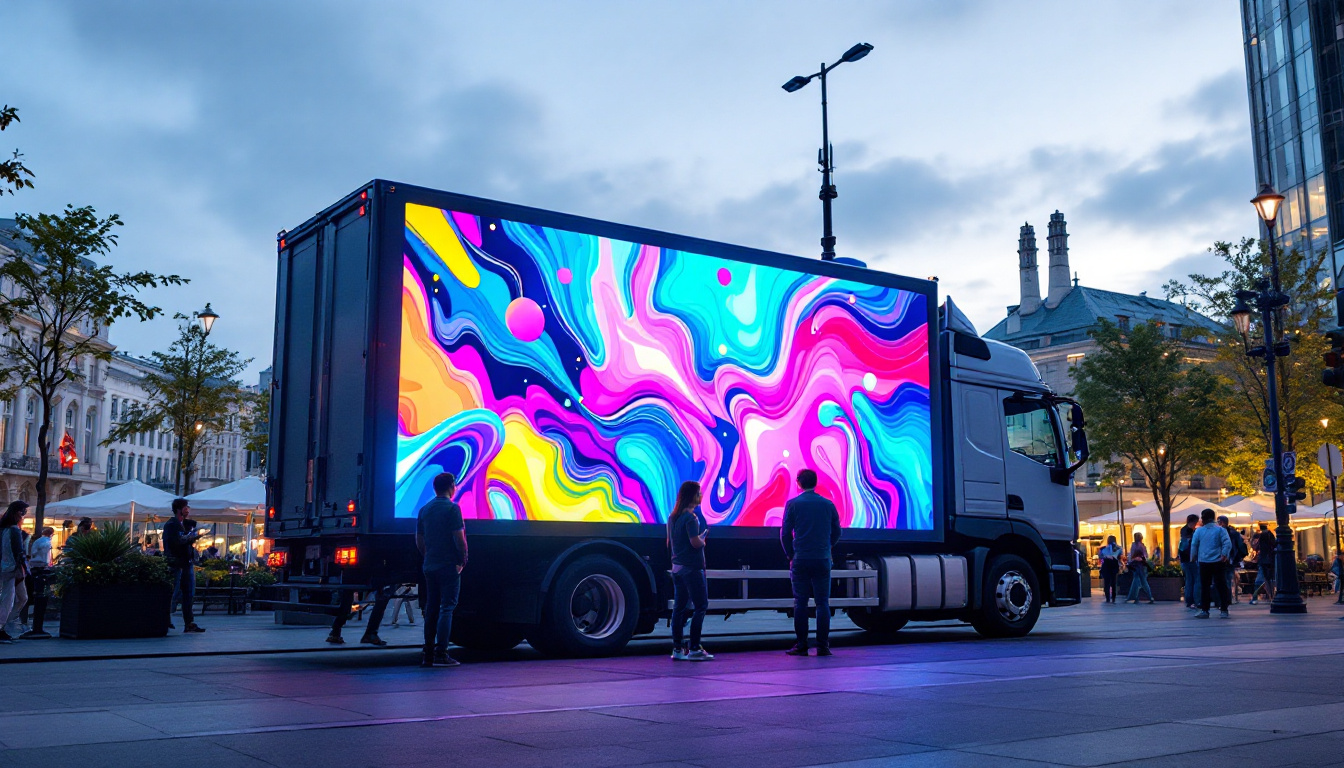
Ready to elevate your lobby with the vibrant visuals and dynamic capabilities of LED displays? LumenMatrix is at the forefront of LED display technology, offering a wide array of solutions tailored to your unique needs. From Indoor and Outdoor LED Wall Displays to innovative options like Vehicle LED Displays and LED Transparent Displays, our mission is to transform your visual communication with unparalleled clarity and impact. Don’t just take our word for it; check out LumenMatrix LED Display Solutions today and see how we can help you create a lasting impression in your lobby space.