In today’s fast-paced advertising world, capturing consumer attention is more challenging than ever. Traditional static billboards and posters are increasingly being replaced by dynamic, eye-catching digital displays. Among these, LED displays have emerged as a dominant force, revolutionizing how brands communicate with their audiences in public spaces. This article delves into the world of LED advertising displays, explaining their technology, benefits, applications, and future trends.
Understanding LED Display Technology
What is an LED Display?
LED stands for Light Emitting Diode, a semiconductor device that emits light when an electric current passes through it. An LED display is a flat panel that uses an array of these tiny LEDs to create images and videos. Unlike LCD or OLED screens, LED displays are composed of many individual light sources, which can be controlled to produce vibrant and bright visuals visible even in direct sunlight.
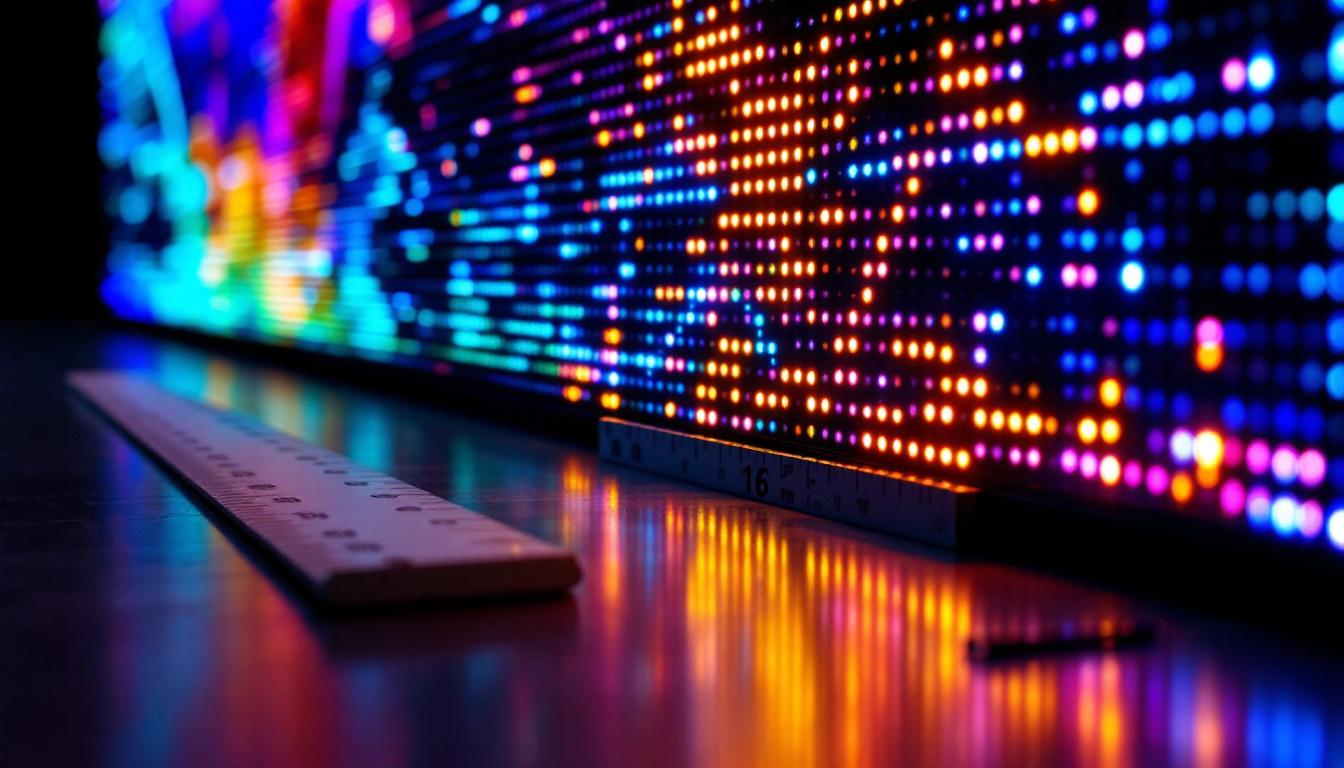
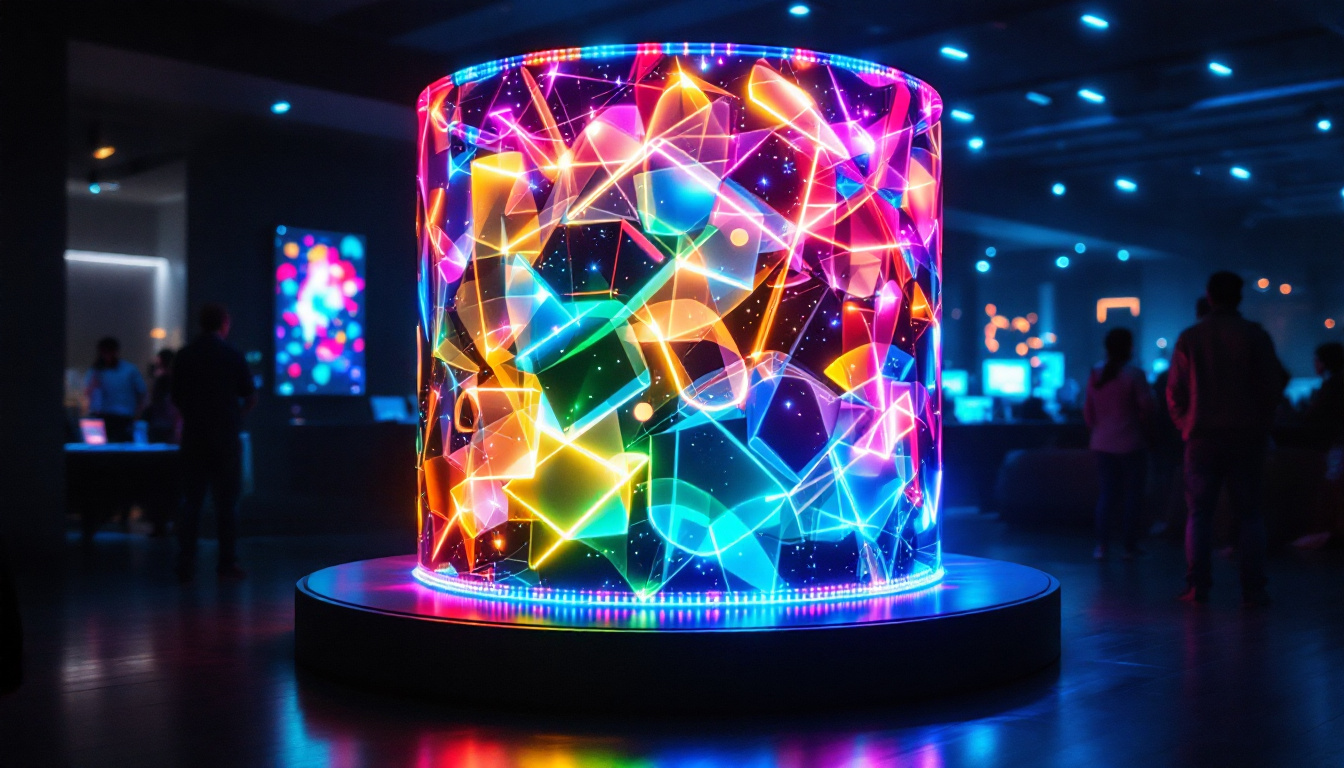
LED displays come in various forms, including indoor and outdoor screens, with differences in brightness, pixel pitch, and resolution. Pixel pitch refers to the distance between the centers of two adjacent LEDs, affecting the display’s clarity and viewing distance. Smaller pixel pitches mean higher resolution and closer viewing distances, making them ideal for indoor advertising, while larger pixel pitches suit large outdoor billboards. The versatility of LED displays allows them to be utilized in a myriad of applications, from sports arenas and concert venues to retail environments and public transportation hubs, showcasing their adaptability to different settings and lighting conditions.
How Do LED Displays Work?
Each LED in the display can emit red, green, or blue light. By combining these three colors at varying intensities, the display can produce millions of colors, enabling rich and vivid images. The LEDs are arranged in clusters called pixels, and the control system adjusts the brightness of each LED to form the desired image or video frame. This pixel-based structure allows for a high degree of customization, meaning that content can be tailored to fit specific marketing campaigns or artistic visions, enhancing viewer engagement.
Modern LED displays use advanced driving electronics and software to synchronize the LEDs, ensuring smooth motion and consistent color reproduction. This technology allows advertisers to show dynamic content such as animations, video ads, live feeds, and interactive messages, which are far more engaging than static images. Furthermore, the integration of smart technology into LED displays has paved the way for real-time data integration, enabling businesses to display live social media feeds, weather updates, and news headlines, thereby creating a more interactive experience for viewers. As the technology continues to evolve, we can expect even more innovative applications, such as augmented reality overlays and AI-driven content personalization, enhancing the overall impact of LED displays in our daily lives.
Advantages of LED Displays in Advertising
High Visibility and Brightness
One of the most significant advantages of LED displays is their exceptional brightness. Outdoor LED billboards can reach brightness levels of 5,000 to 10,000 nits, making them clearly visible even under direct sunlight. This high visibility ensures that advertisements grab attention around the clock, regardless of weather or lighting conditions.
Indoor LED displays also benefit from superior brightness and contrast compared to traditional screens, providing sharp and vibrant images that enhance brand messaging in retail stores, airports, and event venues. The ability to maintain clarity and color accuracy in various lighting environments allows brands to create a consistent visual identity that resonates with consumers. Furthermore, the brightness of LED displays can be adjusted automatically based on ambient light conditions, ensuring optimal visibility at all times.
Dynamic and Flexible Content
Unlike static billboards that require physical replacement for new ads, LED displays allow advertisers to change content instantly. This flexibility enables real-time updates, targeted messaging based on time of day or audience demographics, and the ability to run multiple ads in rotation.
For example, a retail store can display promotional offers during peak hours and switch to brand storytelling videos during quieter times. This adaptability maximizes advertising impact and return on investment (ROI). Additionally, the capacity to incorporate live feeds, such as social media updates or news headlines, keeps the content fresh and engaging, encouraging viewers to return frequently to see what’s new. This dynamic nature of LED advertising not only captivates audiences but also enhances the overall consumer experience.
Energy Efficiency and Durability
LED technology is energy-efficient compared to other lighting and display technologies, consuming less power while delivering higher brightness. This efficiency reduces operational costs, which is especially important for large outdoor displays that run continuously.
Additionally, LED displays are known for their durability and long lifespan, often exceeding 100,000 hours of operation. They are designed to withstand harsh environmental conditions such as rain, wind, and extreme temperatures, making them reliable for outdoor advertising installations. The robust construction of LED displays also minimizes maintenance needs, allowing businesses to focus on their core operations rather than worrying about frequent repairs or replacements. This reliability translates into consistent advertising exposure, further enhancing the effectiveness of marketing campaigns.
Enhanced Engagement and Interactivity
Modern LED advertising displays can integrate interactive features such as touchscreens, motion sensors, and QR codes, enabling direct engagement with consumers. Interactive ads foster deeper brand connections and encourage immediate responses, such as visiting a website or redeeming an offer.
Some LED displays incorporate AI-driven content management systems that adapt advertising based on audience behavior and environmental factors, further enhancing relevance and engagement. By analyzing real-time data, these systems can optimize content delivery to target specific demographics effectively. For instance, a display in a shopping mall might show different promotions based on the time of day or the age group of passersby, ensuring that the advertising is not only visually appealing but also contextually relevant. This level of personalization can significantly boost customer interaction and drive sales, making LED displays a powerful tool in modern advertising strategies.
Applications of LED Displays in Advertising
Outdoor Billboards and Signage
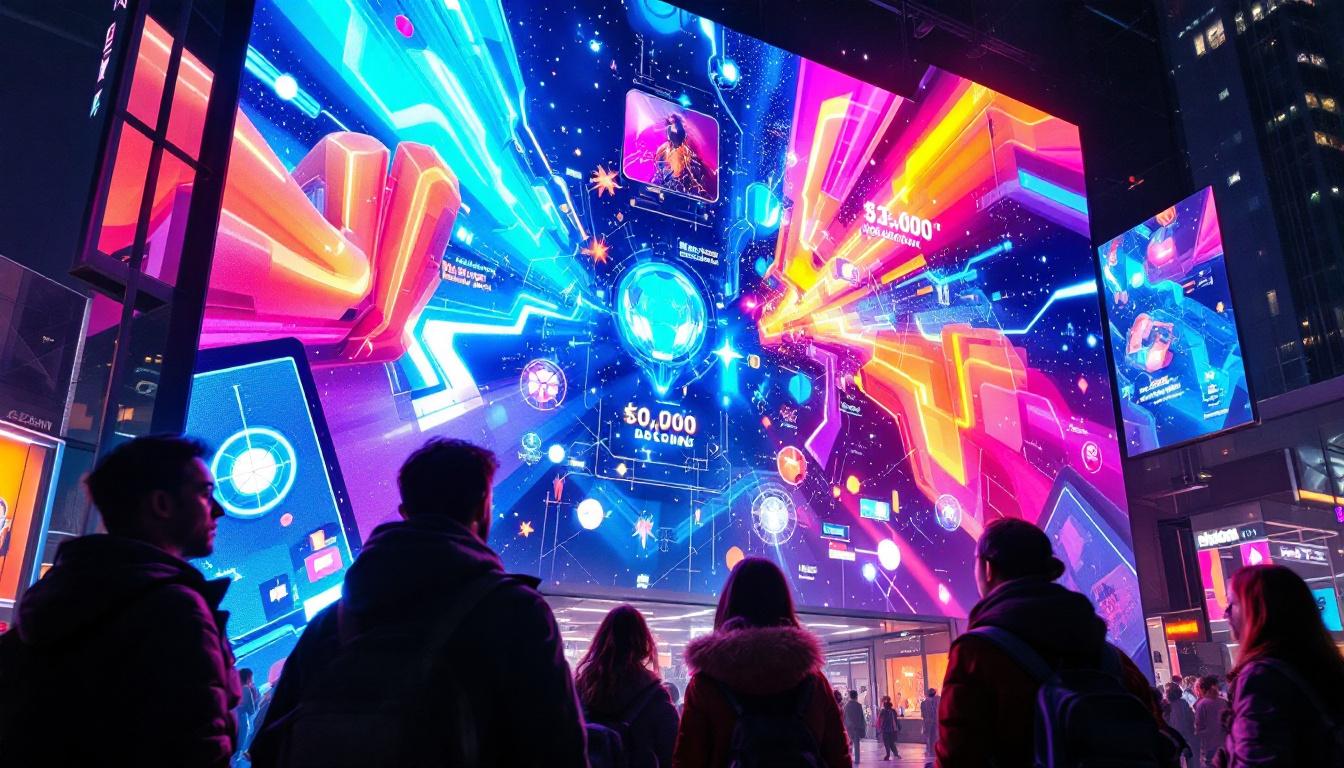
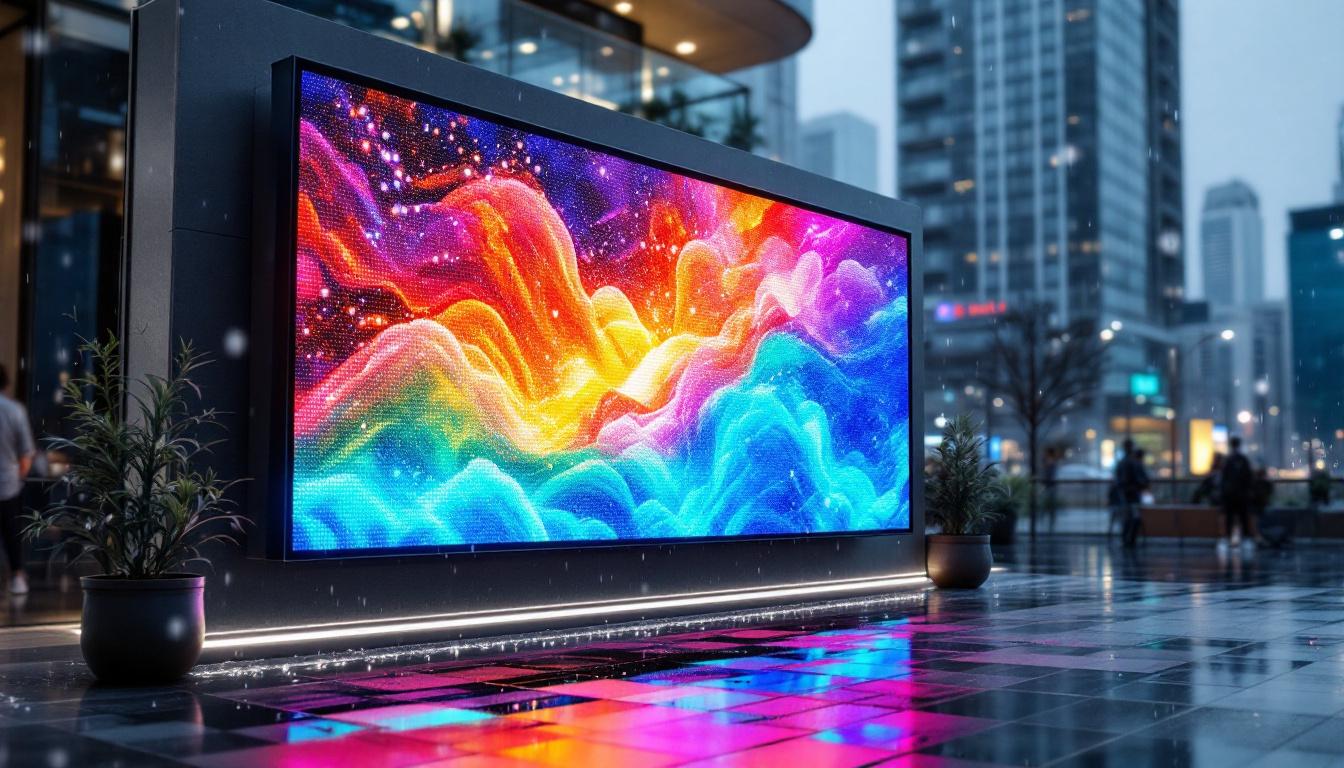
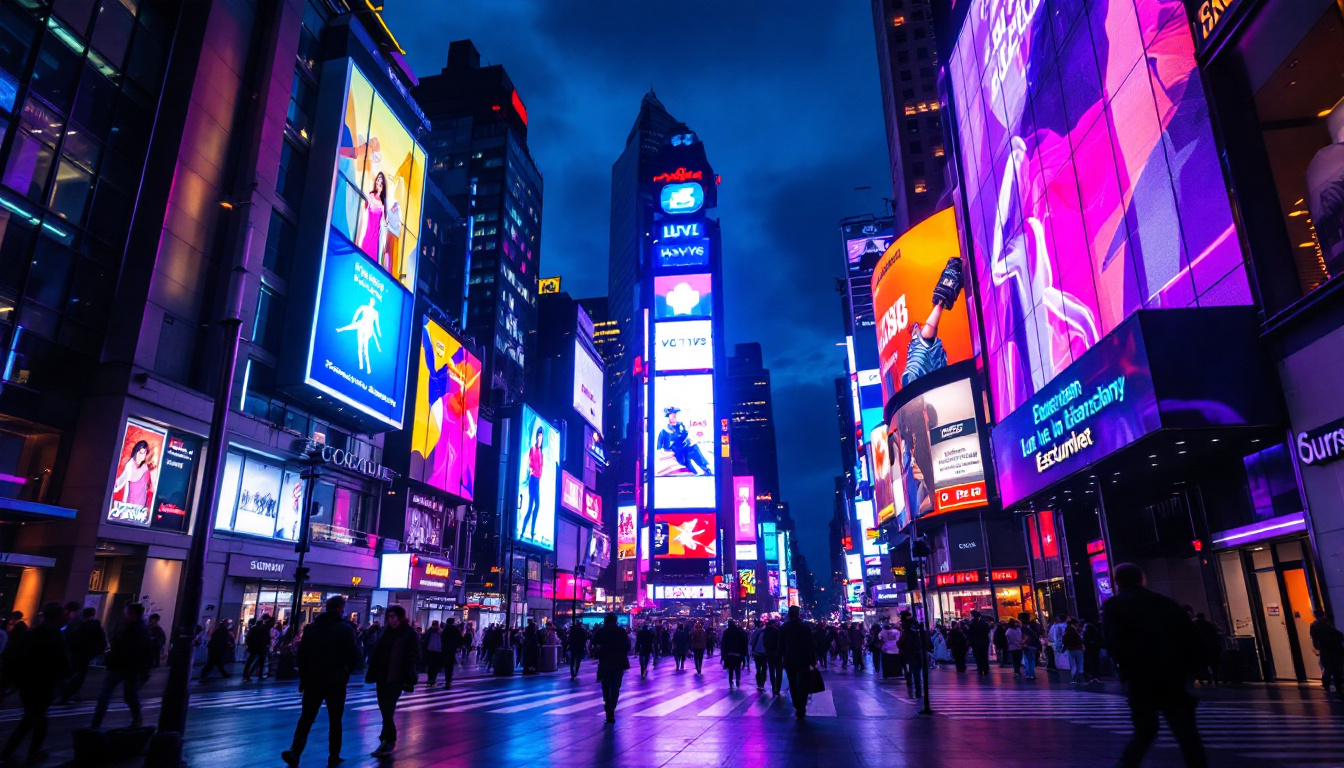
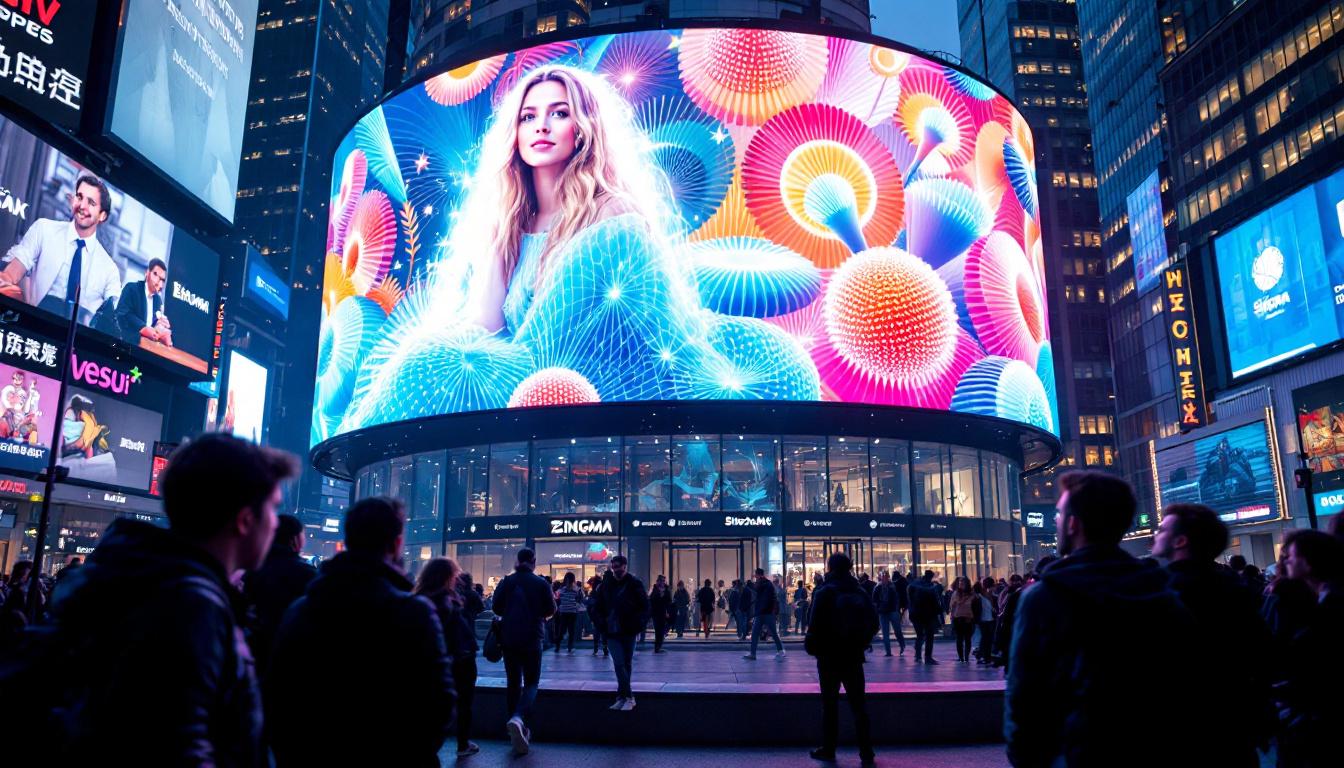
Outdoor LED billboards are among the most common applications, transforming traditional roadside advertising. Cities worldwide are adopting LED billboards due to their ability to display vibrant, changing content that captures the attention of drivers and pedestrians alike.
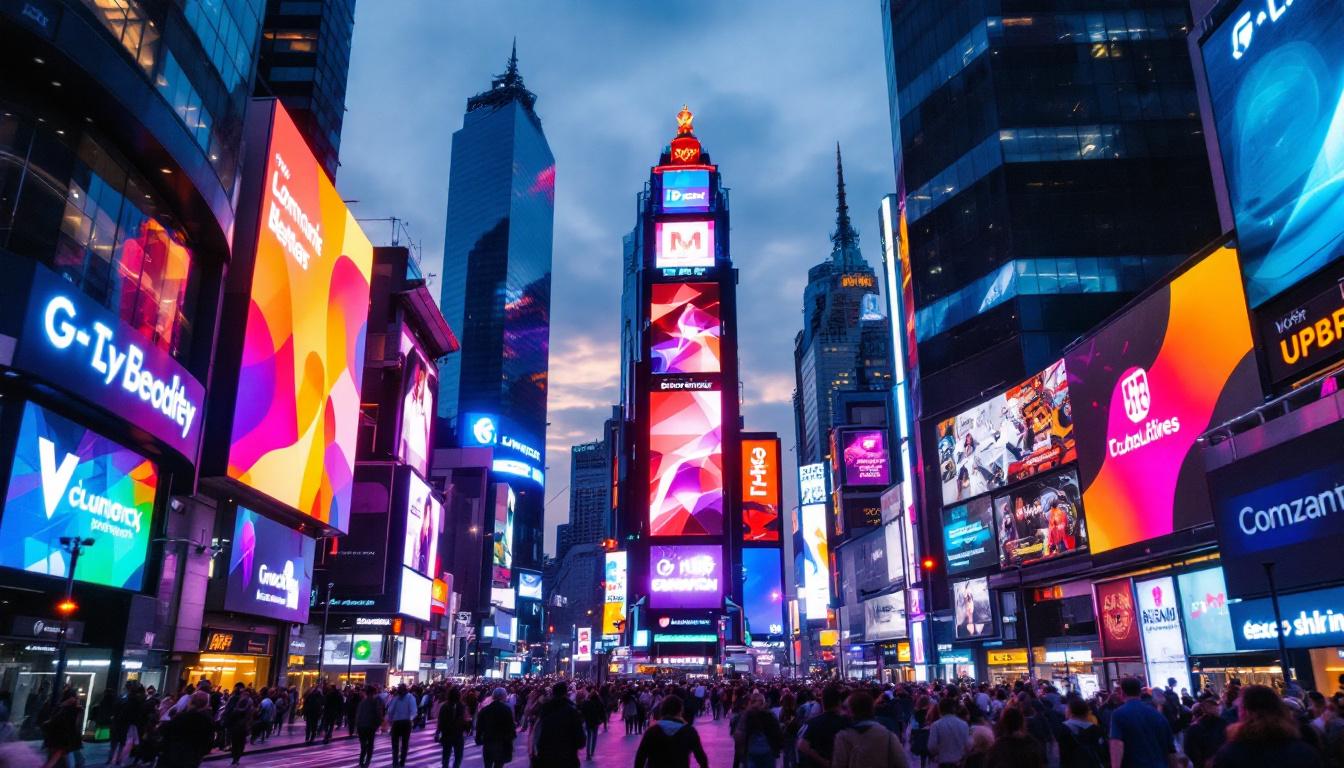
For instance, Times Square in New York City is famous for its massive LED displays that create a visually immersive advertising environment. These displays not only promote products but also contribute to the area’s iconic urban atmosphere.
Retail and Shopping Malls
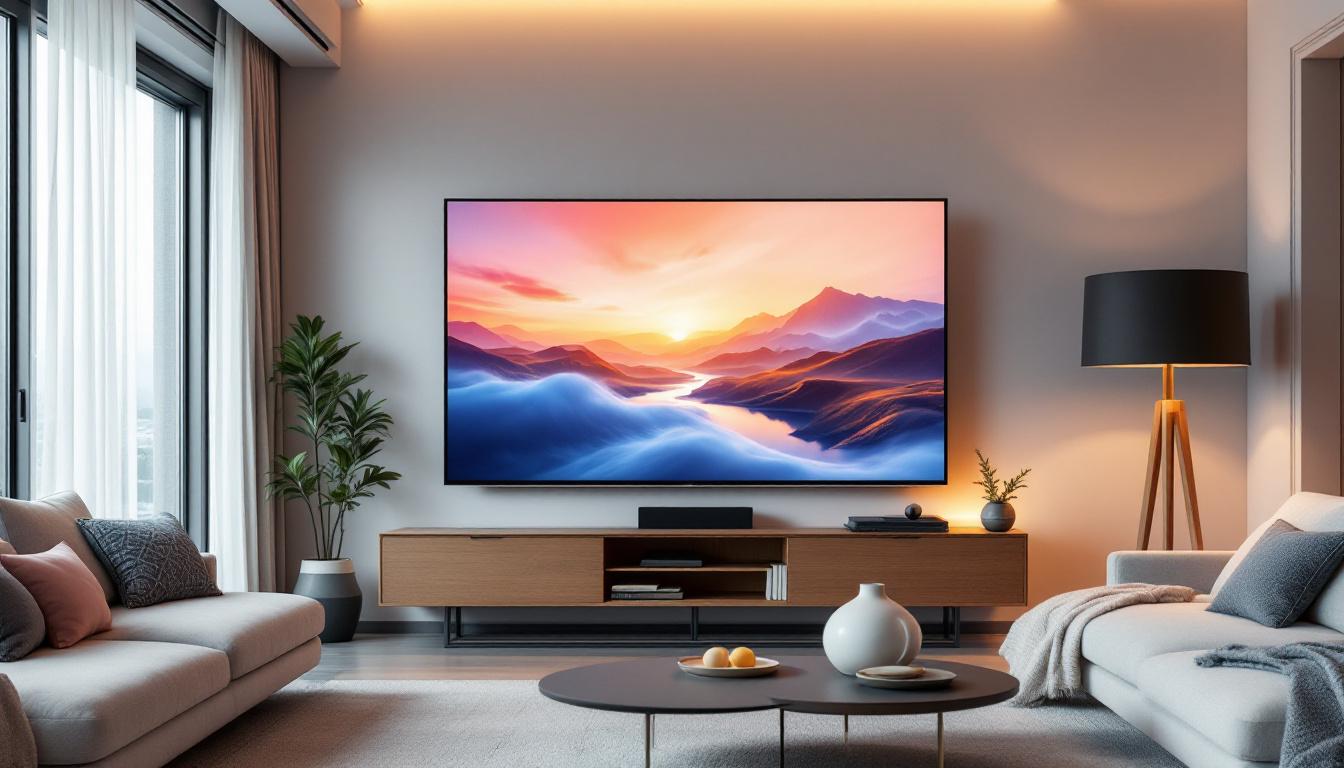
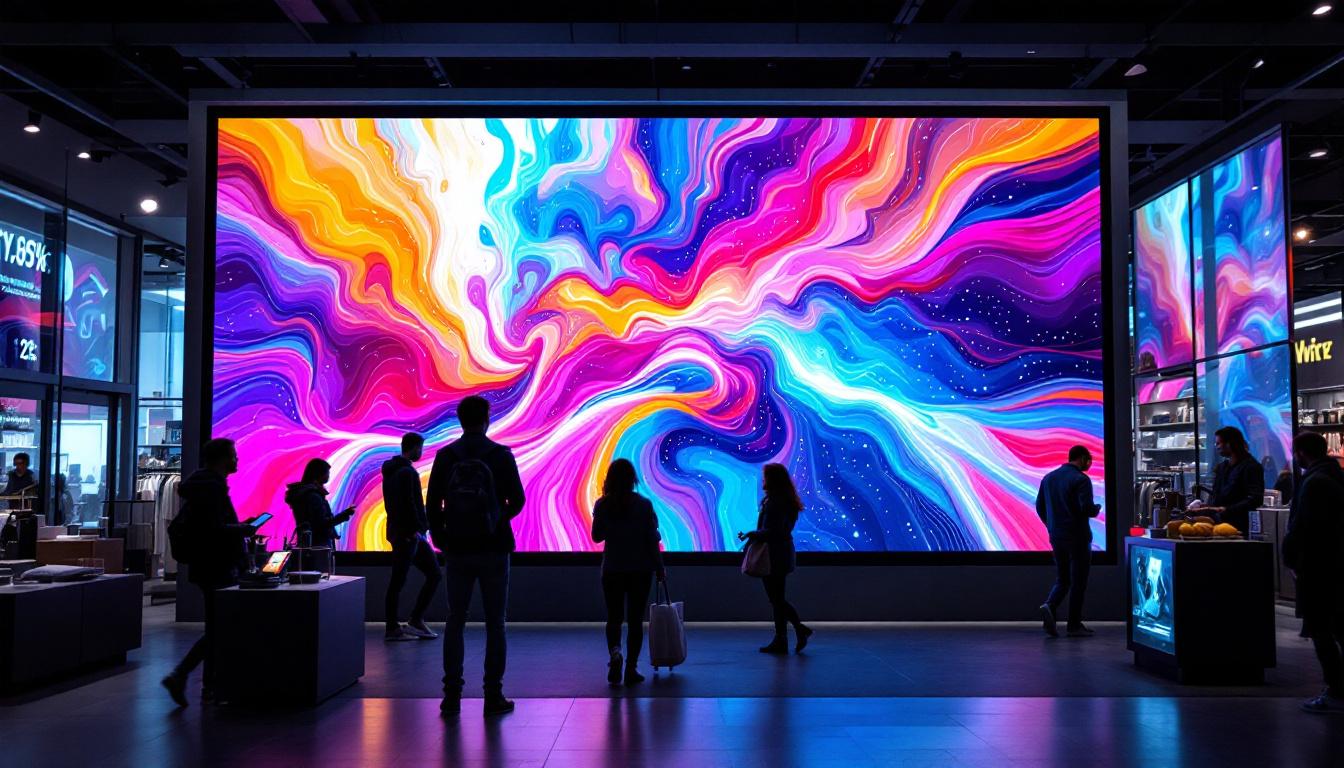
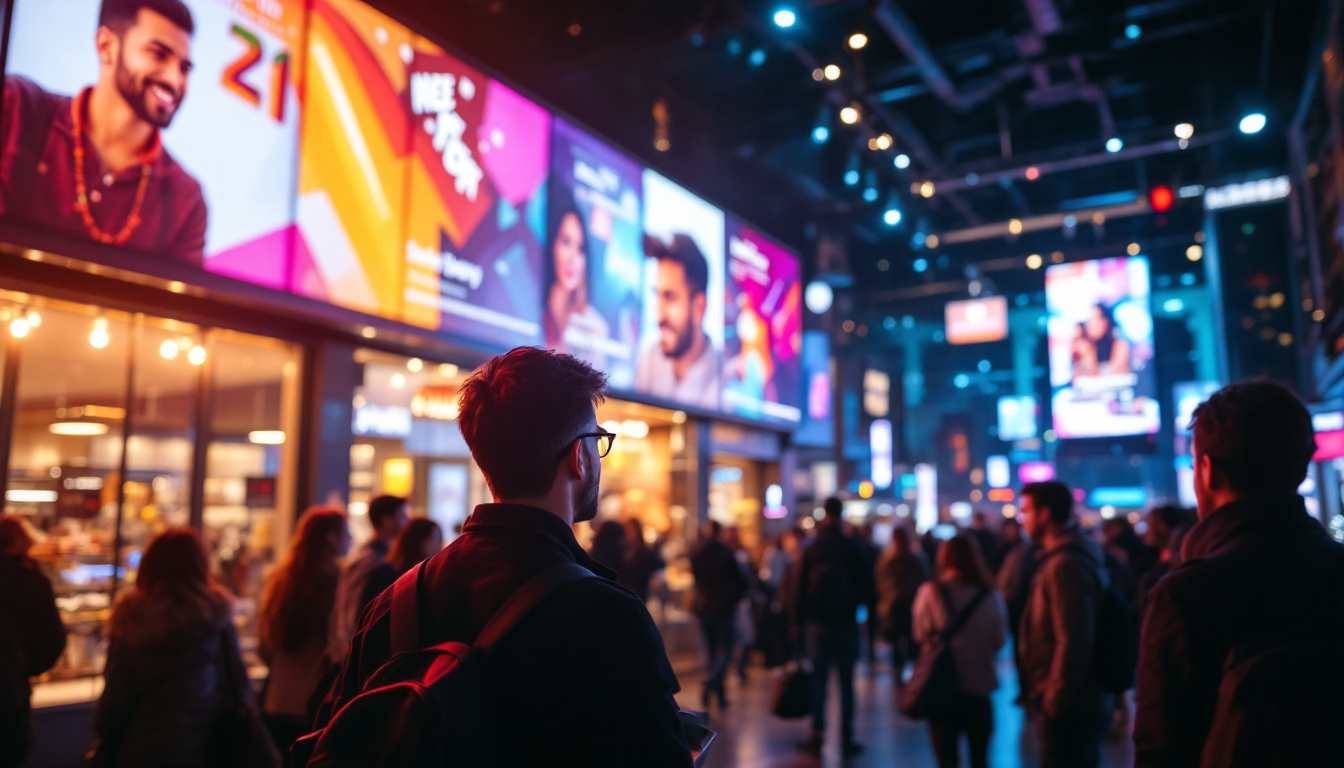
Retailers use indoor LED displays to enhance the shopping experience and promote products effectively. Digital signage placed at entrances, checkout counters, and throughout the store can highlight special offers, new arrivals, and brand stories.
Interactive LED screens in malls can also provide wayfinding assistance, event information, and personalized promotions, increasing customer satisfaction and dwell time.
Transportation Hubs and Public Spaces
Airports, train stations, and bus terminals utilize LED displays for both advertising and informational purposes. The high visibility and flexibility of LED screens make them ideal for displaying flight updates, schedules, and targeted advertisements to a diverse audience.
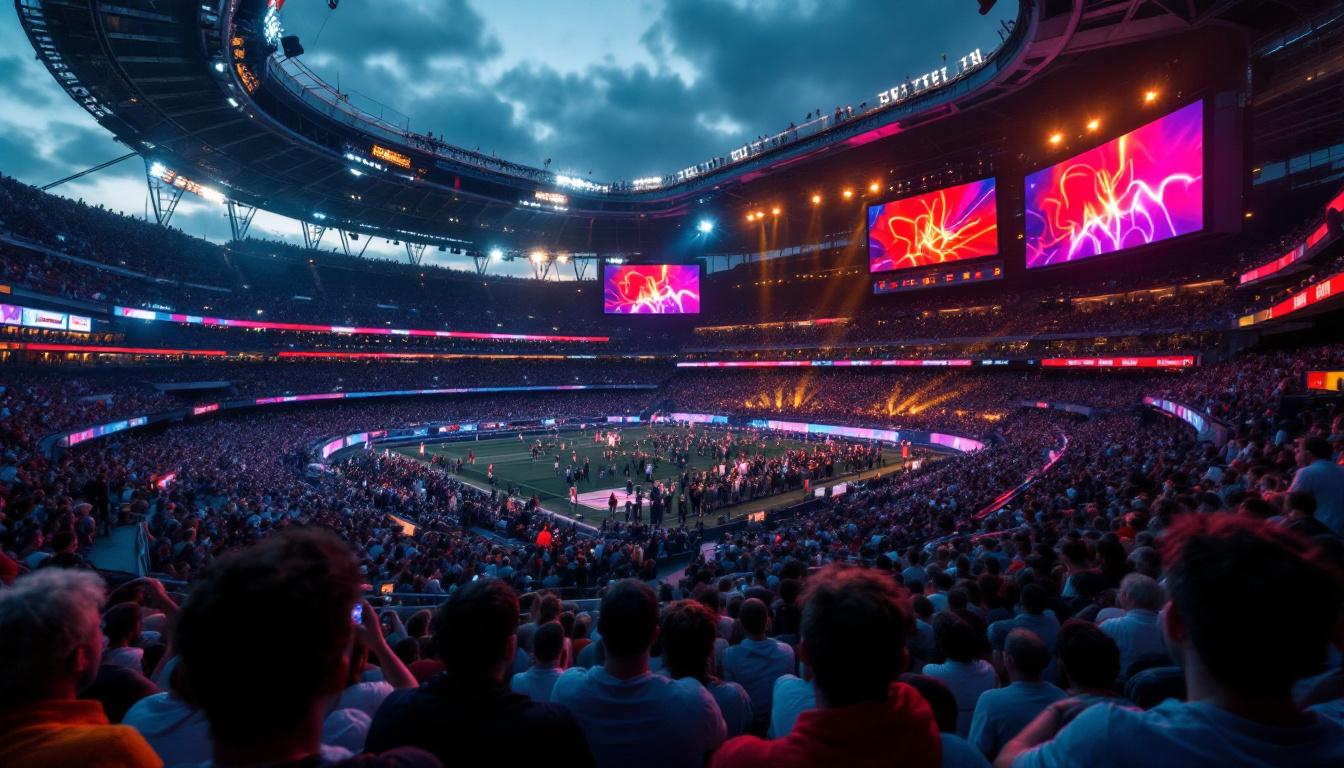
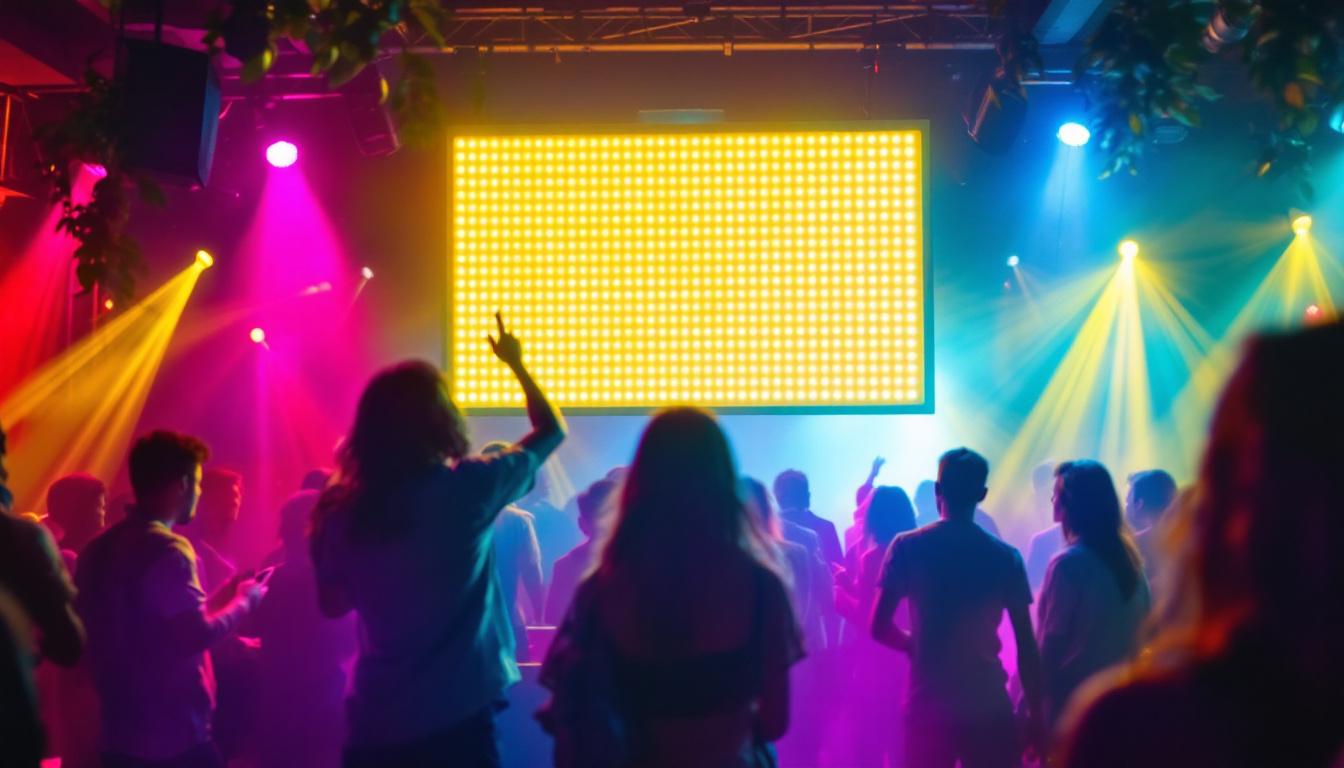
Public spaces such as stadiums and concert venues also employ large LED displays to engage attendees with advertisements, live event feeds, and interactive content, enhancing the overall experience.
Events and Exhibitions
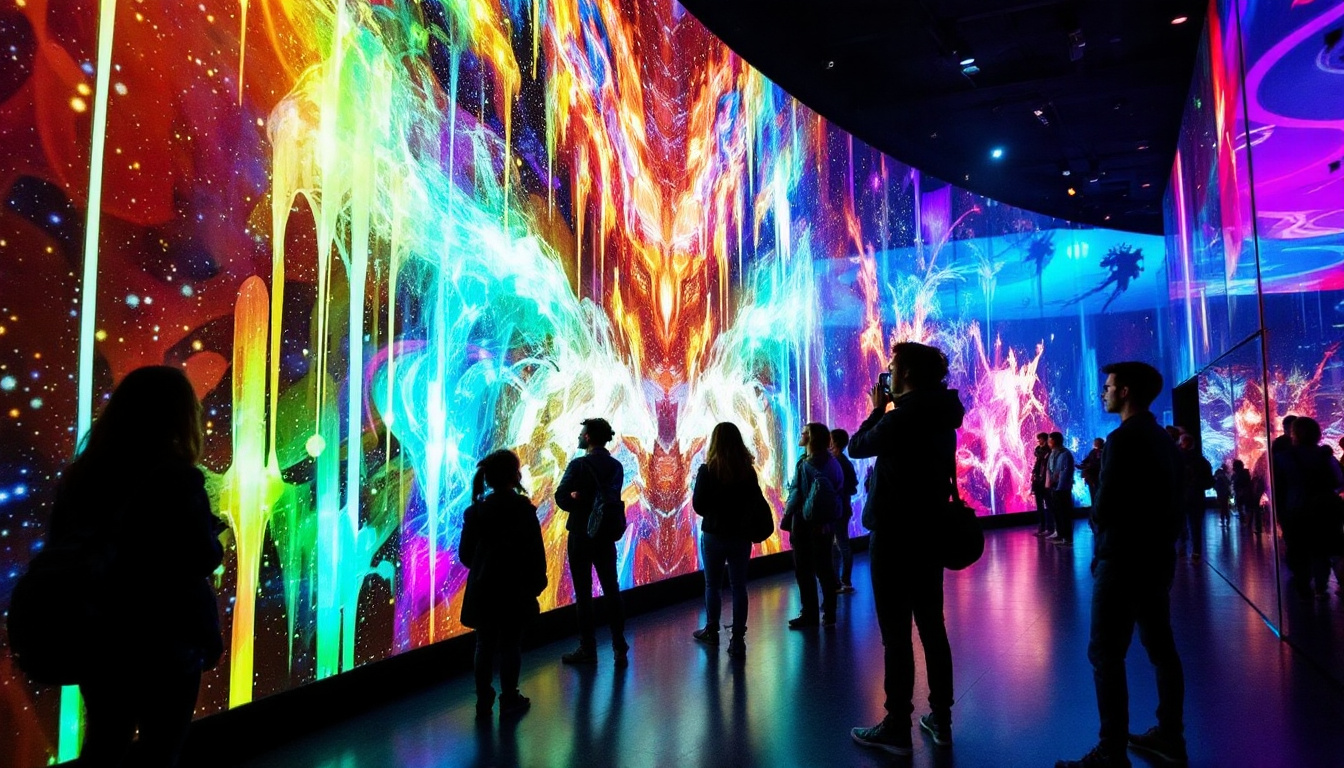
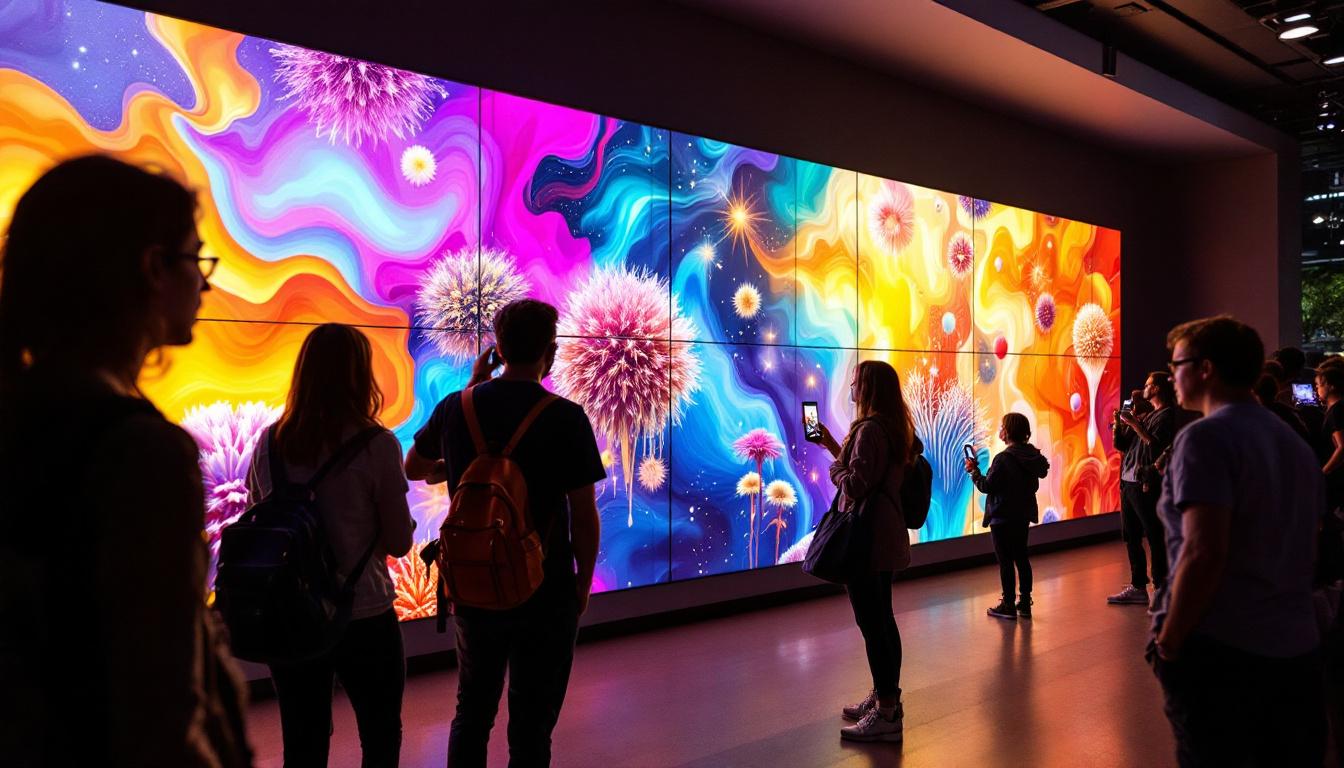
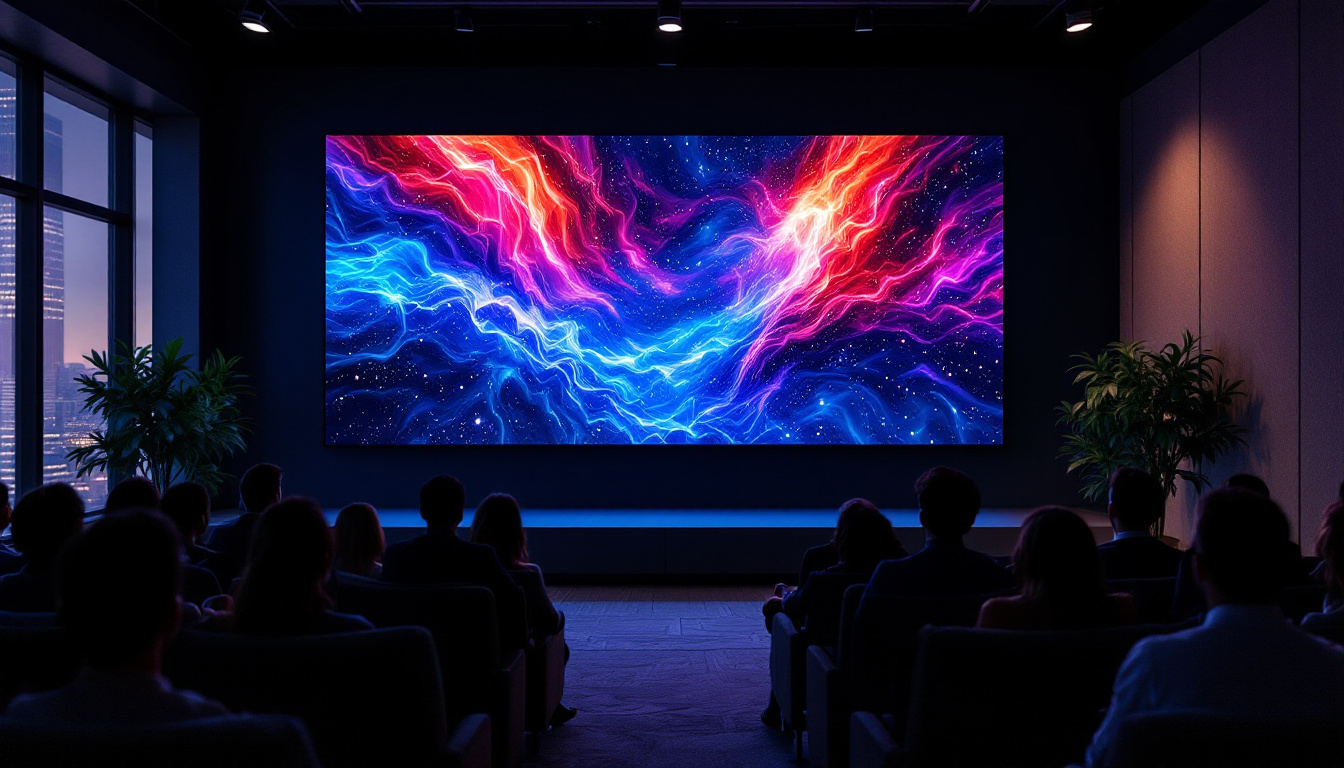
Trade shows, conferences, and exhibitions leverage LED displays to attract visitors and showcase products dynamically. Portable LED walls and screens provide bright, high-resolution visuals that stand out in crowded environments.
Event organizers can tailor content in real-time, promoting sponsors, schedules, and interactive sessions, making LED displays an essential tool for modern event marketing.
Choosing the Right LED Display for Advertising
Consider Viewing Distance and Location
When selecting an LED display, understanding the typical viewing distance is crucial. For close-up viewing, such as in retail stores, a display with a small pixel pitch (e.g., 1.2mm to 2.5mm) ensures sharp images. For roadside billboards viewed from hundreds of feet away, a larger pixel pitch (e.g., 10mm to 20mm) is more cost-effective and visually appropriate.
Location also impacts the choice of brightness and weatherproofing features. Outdoor displays require higher brightness and robust enclosures to withstand environmental challenges, while indoor displays prioritize resolution and color accuracy.
Content Management and Software Integration
Effective advertising with LED displays depends on seamless content management. Many LED solutions come with software platforms that allow scheduling, remote updates, and data analytics. Integrating these systems with marketing automation tools can optimize campaign performance.
Some advanced platforms support programmatic advertising, enabling advertisers to buy and deliver ads in real-time, targeting specific audiences based on location, time, and demographics.
Budget and Maintenance Considerations
While LED displays offer numerous benefits, initial investment costs can be significant, especially for large, high-resolution screens. However, the long-term advantages in flexibility, engagement, and reduced maintenance often justify the expenditure.
Regular maintenance, including cleaning and software updates, ensures optimal performance and longevity. Choosing reputable suppliers and service providers is essential to minimize downtime and maximize ROI.
Future Trends in LED Advertising Displays
Miniaturization and Higher Resolution
Advancements in LED technology continue to push pixel pitches smaller, enabling ultra-high-definition displays suitable for close-range viewing. This miniaturization opens new possibilities for indoor advertising, such as digital wallpaper and transparent LED displays integrated into windows.
Integration with Augmented Reality (AR) and AI
The convergence of LED displays with AR and AI technologies is set to transform advertising further. Interactive displays that respond to gestures or facial recognition can deliver personalized content, enhancing consumer engagement.
AI-driven analytics will enable advertisers to measure audience reactions and optimize content in real-time, creating more effective campaigns.
Sustainability and Energy Efficiency
As environmental concerns grow, LED display manufacturers are focusing on reducing energy consumption and using sustainable materials. Innovations such as solar-powered LED billboards and recyclable components are becoming more common, aligning advertising practices with corporate social responsibility goals.
Conclusion
LED displays have fundamentally changed the landscape of advertising, offering unparalleled brightness, flexibility, and engagement opportunities. From towering outdoor billboards to interactive retail screens, LED technology enables brands to communicate dynamically and effectively with their audiences.
Understanding the technical aspects, advantages, and applications of LED displays helps marketers and advertisers make informed decisions that maximize impact and return on investment. As technology advances, LED advertising displays will continue to evolve, integrating new features and sustainability practices that shape the future of digital marketing.
For businesses looking to stay competitive in an increasingly visual and digital marketplace, investing in LED advertising displays is not just an option—it’s a strategic imperative.
Discover LumenMatrix’s Innovative LED Solutions
Ready to elevate your advertising strategy with the latest in LED display technology? LumenMatrix is at the forefront of creating immersive visual experiences that captivate and engage. From vibrant Indoor and Outdoor LED Wall Displays to versatile Vehicle and Sports LED Displays, our extensive range of solutions, including Floor LED Displays, Custom LED Displays, and All-in-One LED Display options, are designed to meet the diverse needs of businesses. Embrace the future of visual communication with our LED Transparent Displays and make a lasting impression. Check out LumenMatrix LED Display Solutions today and transform your brand’s visibility with cutting-edge digital signage.