In the world of audio equipment, the ability to seamlessly switch between multiple audio sources is essential for both professional and home audio setups. Audio source selectors equipped with LED displays have become increasingly popular, offering users intuitive control and clear visual feedback. This article explores the technology behind LED displays in audio source selectors, their benefits, and how they enhance the overall user experience.
Understanding Audio Source Selectors
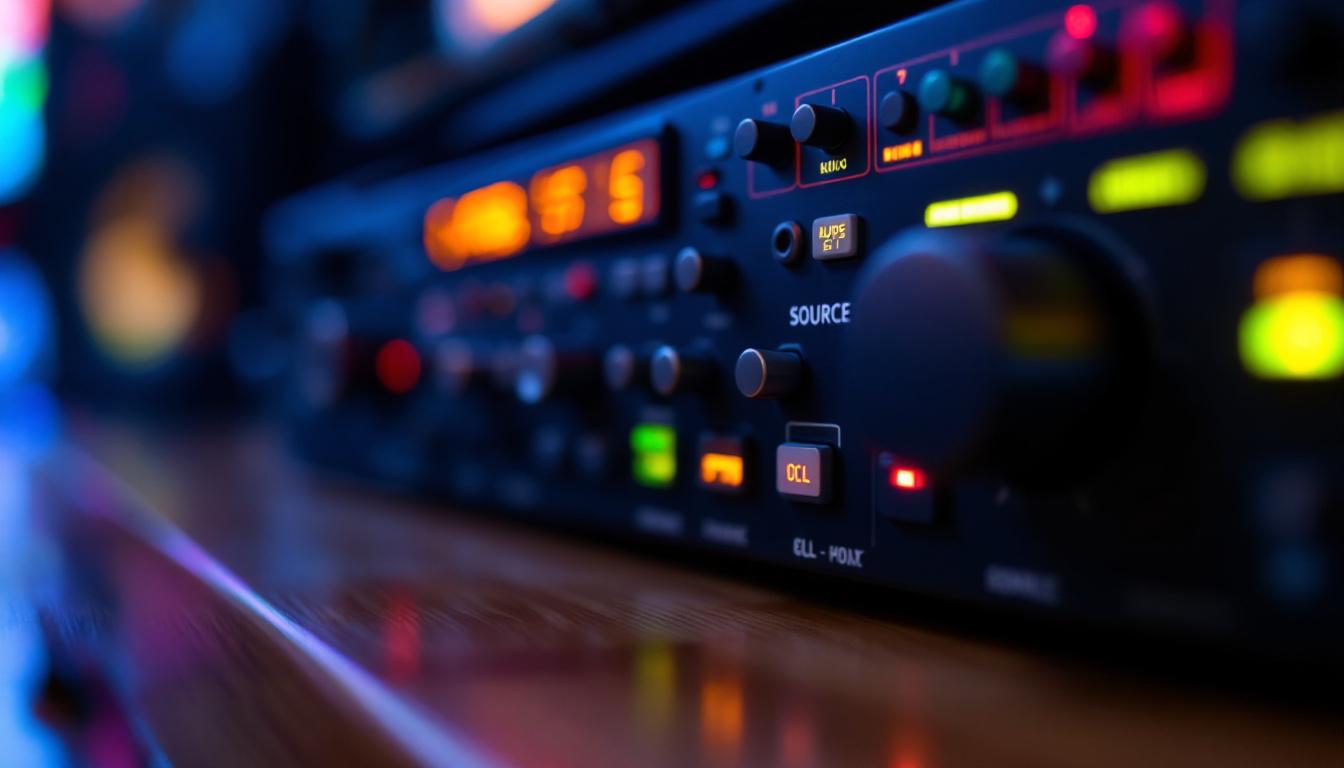
Audio source selectors are devices that allow users to connect multiple audio inputs to a single output system, such as speakers or amplifiers. Instead of manually unplugging and reconnecting cables, these selectors provide a convenient way to toggle between different audio sources like CD players, turntables, streaming devices, or gaming consoles.
The core function of an audio source selector is straightforward, but the way it communicates the selected input to the user can vary significantly. Traditional selectors might use simple mechanical switches or rotary knobs with limited indicators. Modern selectors, however, often incorporate LED displays to provide a more sophisticated and user-friendly interface.
In addition to their basic functionality, many audio source selectors come equipped with features that enhance the overall listening experience. For instance, some models include built-in volume controls or even equalizers, allowing users to fine-tune their audio output based on personal preferences or the acoustics of the room. This added versatility makes them not just a switching device but an integral part of a home audio setup, helping to optimize sound quality across various sources.
Moreover, the rise of smart technology has influenced the design of audio source selectors, leading to the development of models that can be controlled via smartphone apps or voice commands. This integration with smart home systems allows users to switch inputs seamlessly without needing to physically interact with the device. Such advancements reflect the growing trend towards automation and convenience in home audio systems, making it easier than ever to enjoy a rich and immersive sound experience from multiple sources.
The Role of LED Displays in Audio Source Selectors
LED (Light Emitting Diode) displays serve as a visual interface on audio source selectors, showing which input is currently active. This feature is especially useful in complex audio setups where multiple devices are connected simultaneously.
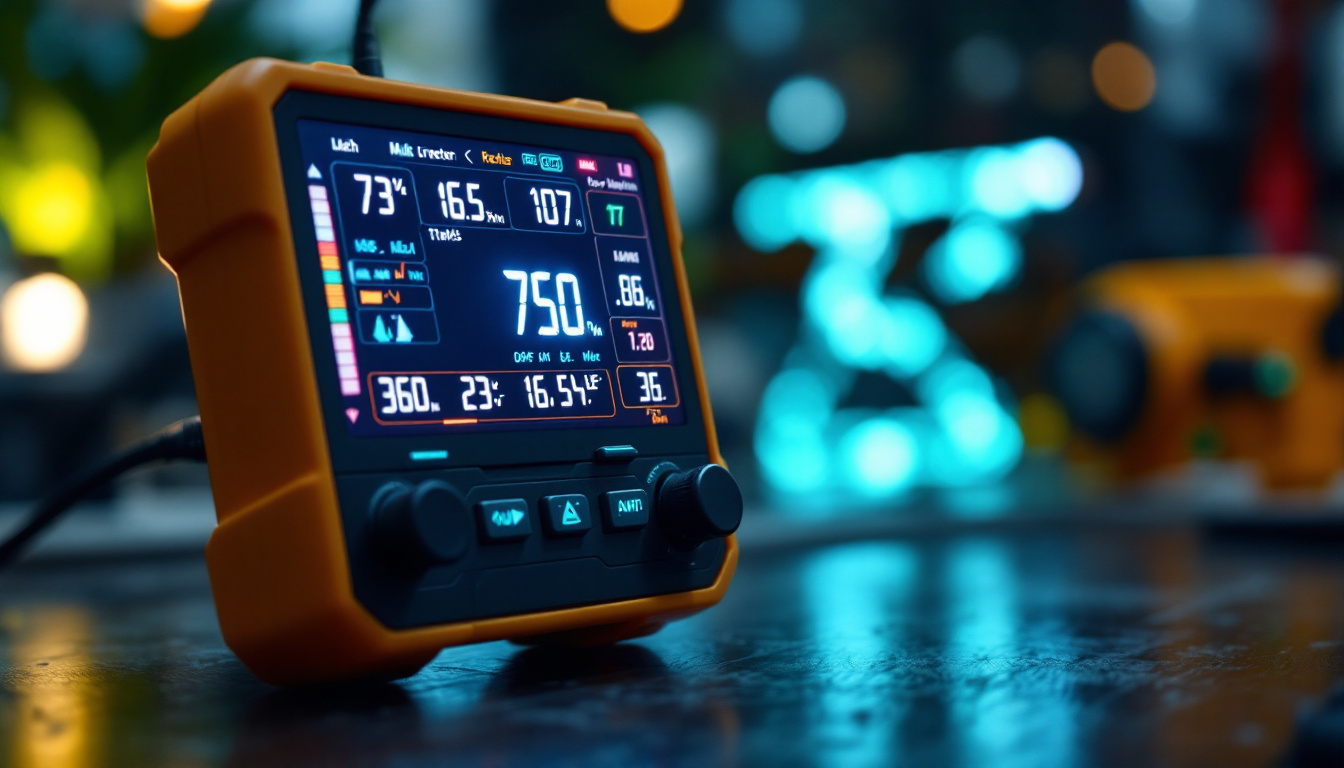
Unlike basic indicator lights that might only show power status or a single input selection, LED displays can present detailed information such as the name or number of the selected source, volume levels, or even the type of audio signal being processed. This clarity helps users avoid confusion and enhances the overall control of their audio environment.
Types of LED Displays Used
There are several types of LED displays commonly found in audio source selectors:
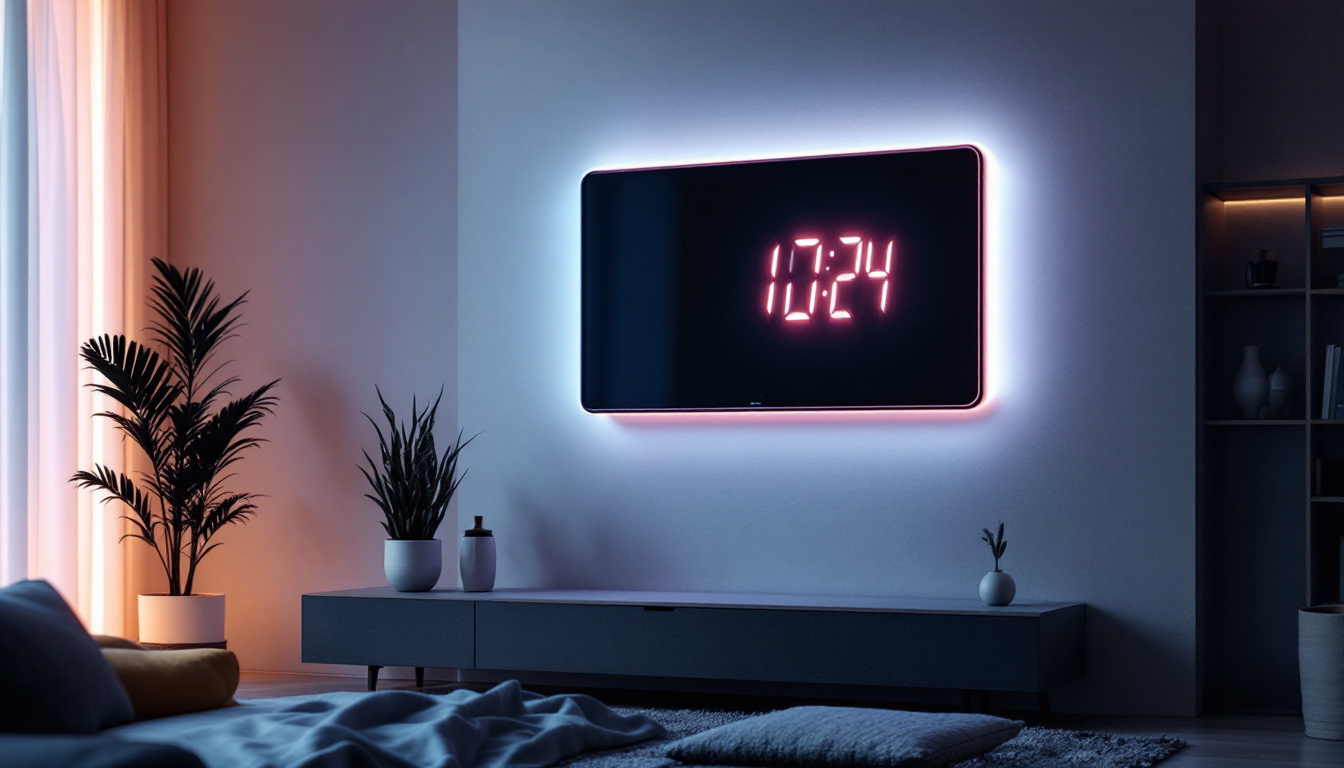
- Segment Displays: These are numeric or alphanumeric displays made up of segments that light up to form numbers or letters. They are often used to show input numbers or simple labels.
- Dot Matrix Displays: Composed of a grid of LEDs, these displays can show more complex characters and symbols, allowing for detailed source names or status messages.
- Bar Graph Displays: Typically used to indicate volume levels or signal strength, these displays provide a visual representation of audio parameters.
The choice of display depends on the device’s complexity and the manufacturer’s design philosophy.
Benefits of LED Displays in Audio Source Selectors
Incorporating LED displays into audio source selectors offers several advantages that improve usability and functionality.
Enhanced User Interface and Feedback
One of the primary benefits of LED displays is the immediate visual feedback they provide. Users can quickly identify which source is active without guessing or checking each device. This is particularly valuable in environments like recording studios, home theaters, or multi-room audio systems where multiple inputs are used regularly.
For example, a home theater receiver with an LED display can show “Blu-ray,” “Game Console,” or “Streaming” as the selected source, making it easier for users to confirm their choice at a glance.
Improved Accessibility
LED displays can be designed with high contrast and brightness, making them readable in various lighting conditions. This accessibility is important for users with visual impairments or in dimly lit rooms where traditional labels or switches might be difficult to see.
Additionally, some advanced audio source selectors feature customizable LED colors or brightness settings, allowing users to tailor the display to their preferences or ambient lighting conditions.
Integration with Modern Audio Systems
LED displays often come integrated with digital control systems, enabling remote operation via smartphones, tablets, or voice assistants. This integration allows users to select audio sources without physically interacting with the selector, enhancing convenience and flexibility.
Moreover, some LED-equipped selectors provide real-time information about the audio stream, such as sample rate or bit depth, which is valuable for audiophiles and professionals who require precise control over audio quality.
Technical Aspects of LED Displays in Audio Source Selectors
Understanding the technical underpinnings of LED displays helps appreciate their role and limitations in audio source selectors.
Power Consumption and Heat Management
LED displays are known for their energy efficiency compared to other display technologies like LCDs or OLEDs. However, when used extensively or at high brightness, they can generate heat that must be managed to maintain device longevity and performance.
Manufacturers often incorporate heat sinks or design ventilation systems within the selector chassis to dissipate heat effectively. This ensures that the LED display operates reliably over extended periods.
Control Circuitry and Microcontrollers
The LED display is driven by control circuitry that interprets user input and system status to illuminate the appropriate LEDs. This control is typically managed by microcontrollers embedded in the selector, which handle input switching, display updates, and communication with other devices.
Advanced selectors may use microcontrollers with firmware that supports customizable display patterns, brightness levels, and even animations, enhancing the visual appeal and user experience.
Durability and Lifespan
LEDs are robust components with long lifespans, often exceeding 50,000 hours of operation. This durability makes them ideal for continuous use in audio source selectors, where reliability is critical.
Additionally, LEDs are resistant to shock and vibration, which is beneficial in professional environments where equipment may be frequently moved or subjected to physical stress.
Applications and Use Cases
LED displays in audio source selectors find applications across various settings, each benefiting from the enhanced control and feedback they provide.
Home Audio and Entertainment Systems
In home theaters and multi-room audio setups, users often juggle multiple audio sources. LED displays simplify source selection, reducing the risk of confusion and improving the overall entertainment experience.
For instance, a family might switch between a streaming device, a gaming console, and a vinyl turntable. An LED display clearly indicates the active source, making it easy for everyone to operate the system without technical knowledge.
Professional Audio and Recording Studios
Studios require precise control over audio routing to ensure high-quality production. LED displays on source selectors provide engineers with immediate visual confirmation of signal paths, reducing errors during recording or mixing sessions.
Moreover, the ability to display detailed information such as sample rates and input names aids in maintaining workflow efficiency and technical accuracy.
Commercial and Public Address Systems
In venues like conference halls, theaters, or houses of worship, audio source selectors with LED displays enable technicians to manage multiple microphones, playback devices, and communication channels effectively.
The clear visual feedback helps prevent mistakes during live events, ensuring smooth transitions and consistent audio quality.
Choosing the Right Audio Source Selector with LED Display
Selecting an audio source selector with an LED display involves considering factors such as the number of inputs, display type, control options, and budget.
Number of Inputs and Outputs
Users should assess how many audio sources they need to connect and ensure the selector supports that number. Common configurations range from 3 to 8 inputs, with some professional models offering even more.
Additionally, consider the type of outputs required, such as stereo RCA, balanced XLR, or digital outputs, to ensure compatibility with existing equipment.
Display Features and Customization
Evaluate the display’s readability, size, and the information it provides. Some selectors offer simple numeric displays, while others provide full alphanumeric readouts or customizable labels.
Customization options, such as adjustable brightness or color coding, can enhance usability, especially in environments with varying lighting conditions.
Control Methods and Integration
Consider whether the selector supports remote control via IR, Bluetooth, or network protocols. Integration with smart home systems or professional audio control software can add significant convenience.
Some models also support automation features, allowing source switching based on schedules or external triggers.
Build Quality and Brand Reputation
Investing in a well-built selector from a reputable manufacturer ensures reliability and support. Reading user reviews and seeking recommendations from audio professionals can guide the decision-making process.
Future Trends in Audio Source Selectors and LED Displays
As audio technology evolves, so do the capabilities of source selectors and their displays.
OLED and MicroLED Displays
While LEDs have served well, emerging display technologies like OLED and MicroLED offer higher resolution, better contrast, and more vibrant colors. Future audio source selectors may adopt these technologies to provide richer visual interfaces.
Touchscreen Interfaces
Touch-sensitive LED or OLED displays could replace physical buttons and knobs, offering more flexible and dynamic control options. This shift would allow users to customize the interface fully, adapting it to their specific needs.
Enhanced Connectivity and Smart Features
Integration with AI assistants and IoT ecosystems will likely become standard, enabling voice commands and automated source management based on user behavior or environmental factors.
Additionally, real-time diagnostics and remote monitoring through LED displays and companion apps will improve maintenance and troubleshooting.
Conclusion
LED displays in audio source selectors play a crucial role in modern audio systems by providing clear, immediate visual feedback and enhancing user control. Their energy efficiency, durability, and versatility make them ideal for both consumer and professional applications.
As technology advances, the integration of more sophisticated display types and smart features promises to further improve the functionality and user experience of audio source selectors. Whether for home entertainment, professional studios, or commercial venues, selecting a source selector with an effective LED display is a wise investment that simplifies audio management and elevates sound enjoyment.
Discover LumenMatrix’s Advanced LED Display Solutions
Ready to take your audio experience to the next level? LumenMatrix is at the forefront of LED display innovation, offering a wide array of solutions that can transform your audio source selection with vivid clarity and dynamic control. From immersive Indoor LED Wall Displays to versatile All-in-One LED Displays, our products are designed to integrate seamlessly with your audio systems, providing you with the ultimate control and visual feedback. Elevate your sound enjoyment and check out LumenMatrix LED Display Solutions today to see how our cutting-edge technology can enhance your audio environment.