In today’s fast-paced digital world, LED displays have become an integral part of how information is communicated visually. From massive outdoor billboards to sleek indoor screens, LED technology powers a wide range of applications, offering vibrant colors, high brightness, and energy efficiency. This article delves into the fundamentals of LED displays, their technology, applications, and why companies like Luminate.com are at the forefront of this evolving industry.
Understanding LED Display Technology
What is an LED Display?
LED stands for Light Emitting Diode, a semiconductor device that emits light when an electric current passes through it. An LED display is a flat panel display that uses an array of these tiny LEDs as pixels to create images, videos, and text. Unlike traditional LCD or plasma screens, LED displays can achieve much higher brightness levels and better contrast, making them ideal for both indoor and outdoor use.
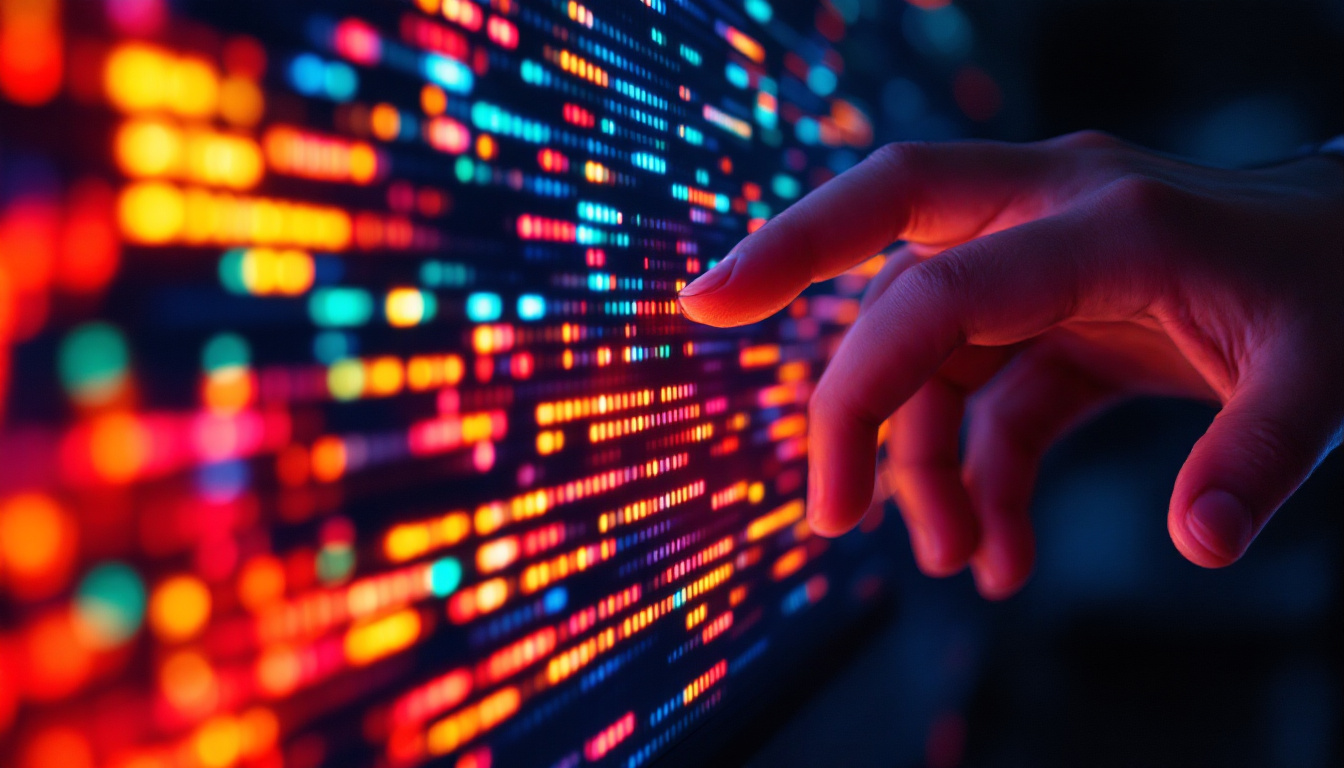
LED displays are composed of thousands to millions of individual LEDs arranged in a matrix. Each LED acts as a single pixel or part of a pixel, and by controlling the intensity and color of each LED, the display can render complex images with remarkable clarity and vibrancy. This technology not only enhances visual experiences but also allows for dynamic content, such as animations and real-time updates, making LED displays a popular choice for advertising and information dissemination in bustling urban environments.
Moreover, the longevity of LED displays is a significant advantage. With a lifespan that can exceed 100,000 hours, they require less frequent replacement compared to traditional display technologies. This durability, combined with their energy efficiency, makes LED displays a cost-effective solution for businesses and organizations looking to invest in long-term visual communication tools.
Types of LED Displays
There are several types of LED displays, each suited for different environments and purposes:
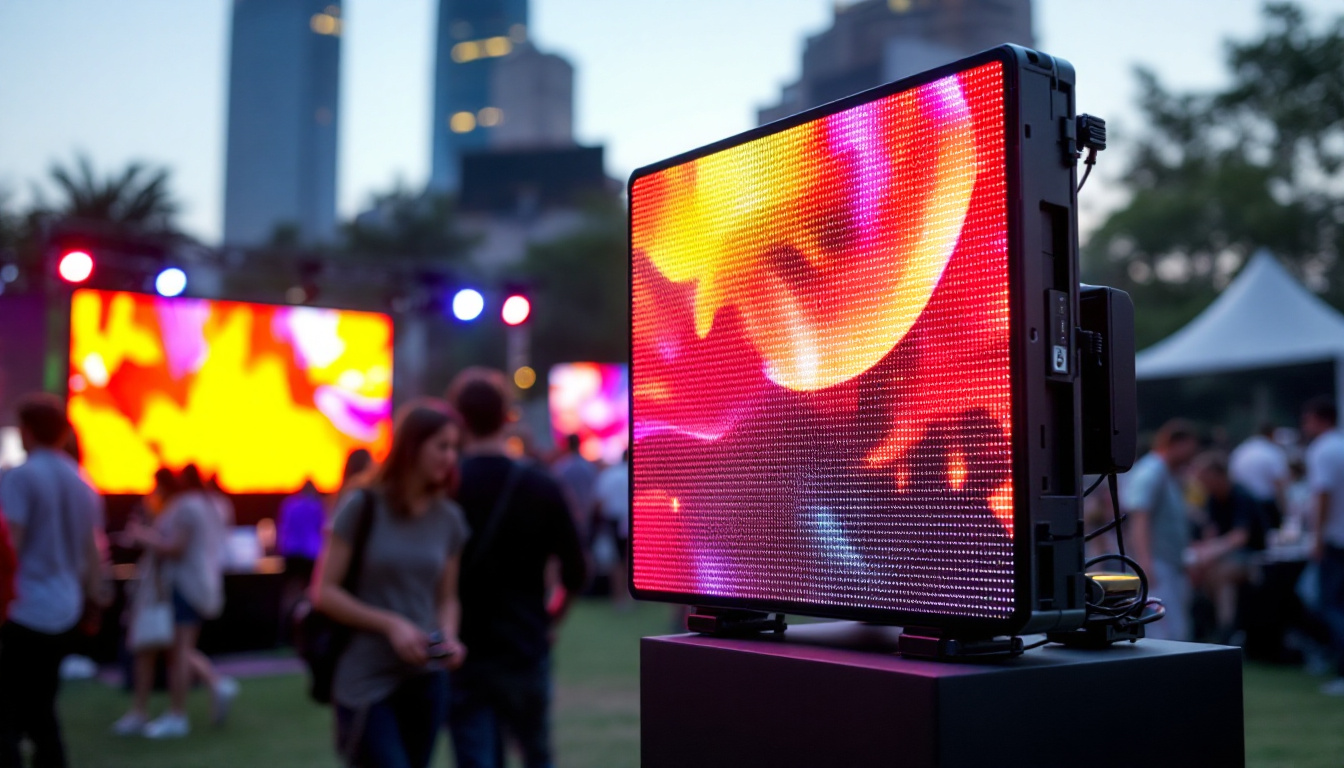
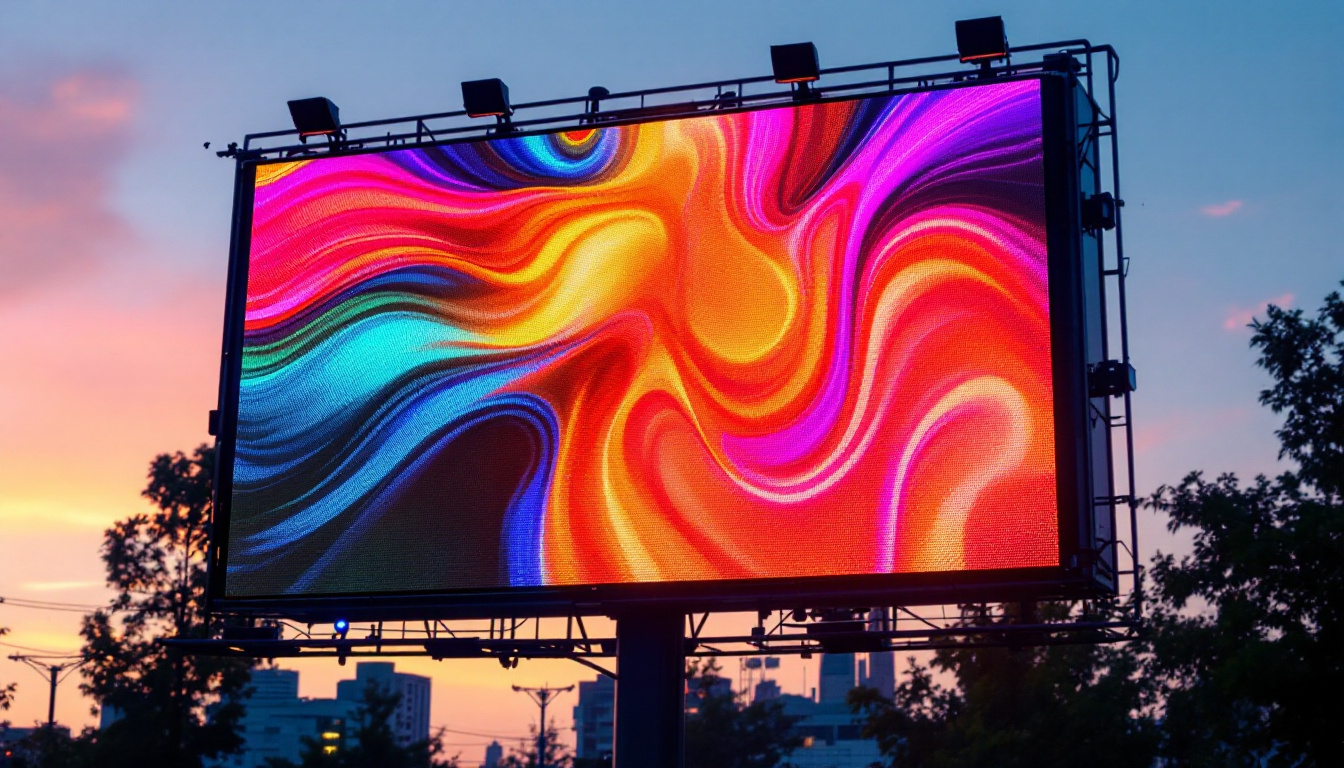
- Direct View LED (DVLED): These displays use LEDs as the direct source of light and color. They are commonly used in large outdoor billboards and stadium screens due to their high brightness and durability. The ability to maintain visibility in direct sunlight is a key feature that sets DVLED displays apart, making them ideal for outdoor advertising and events.
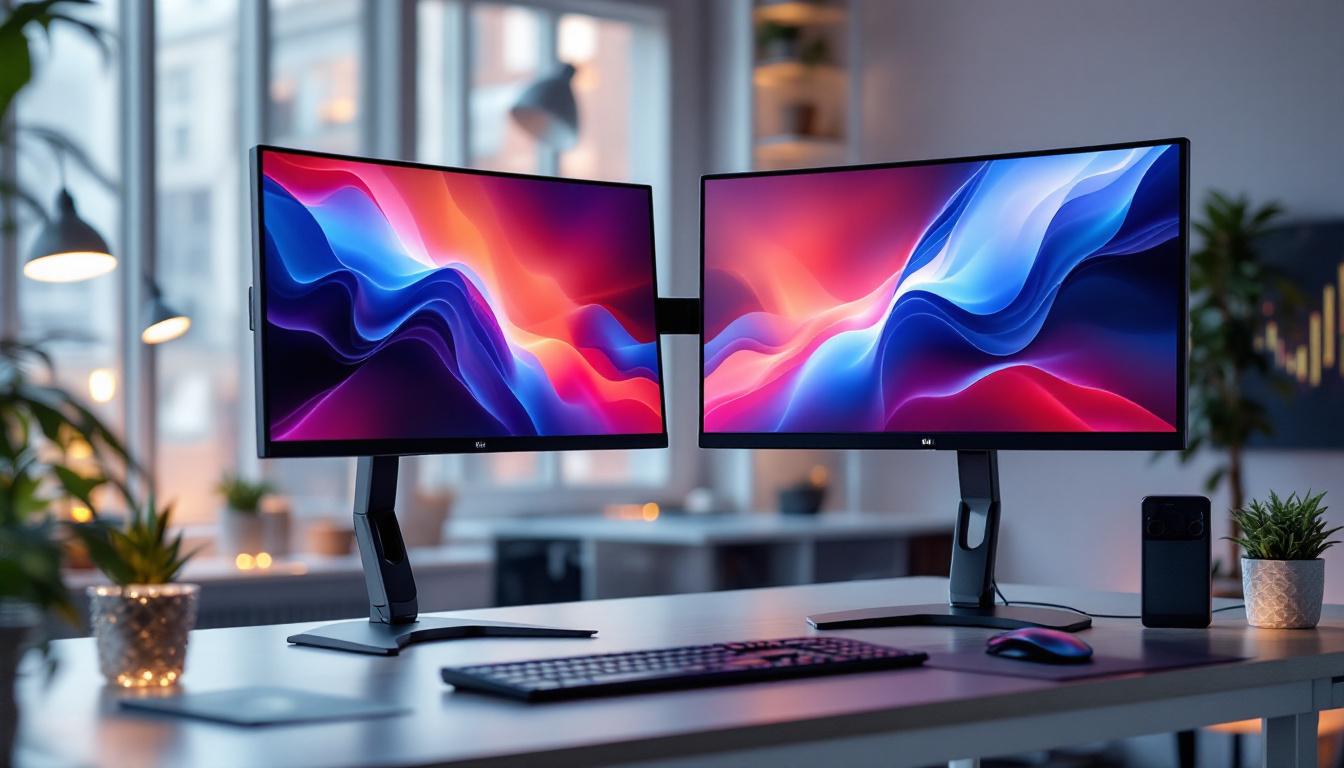
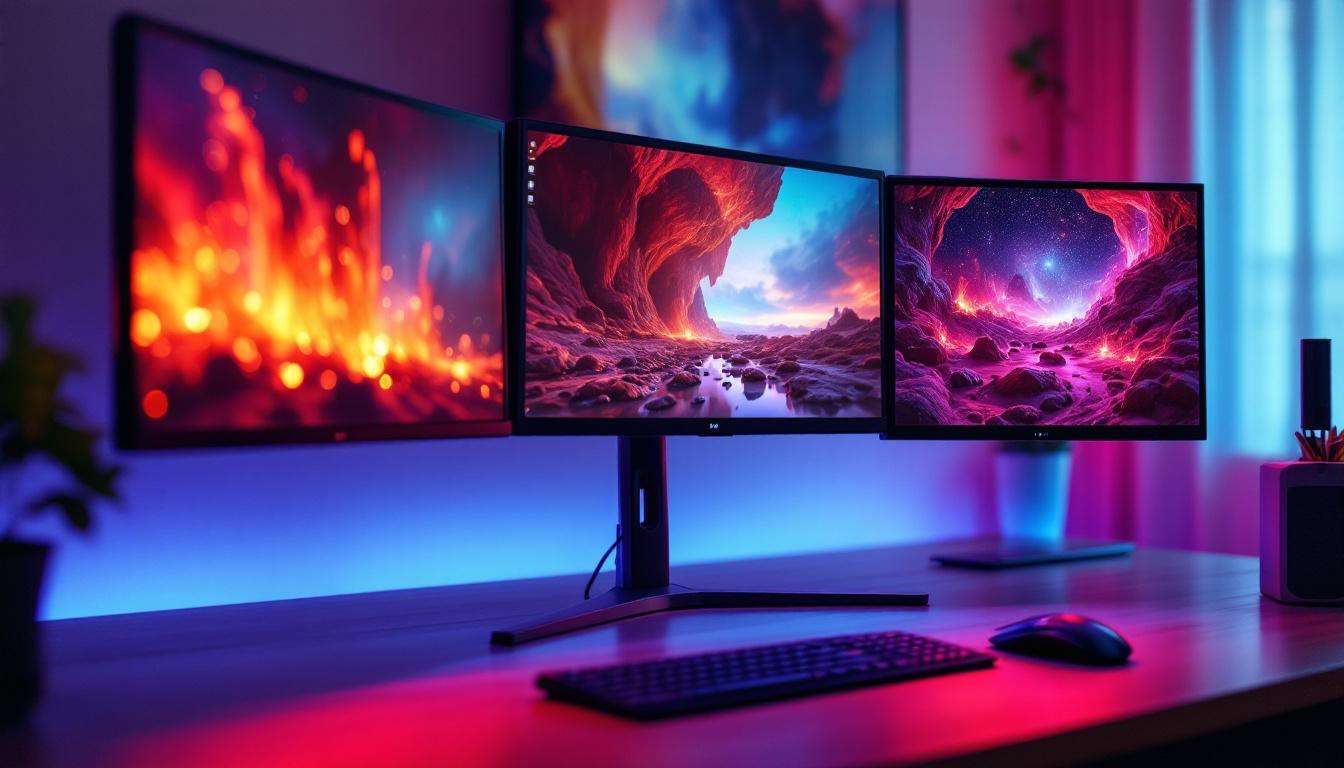
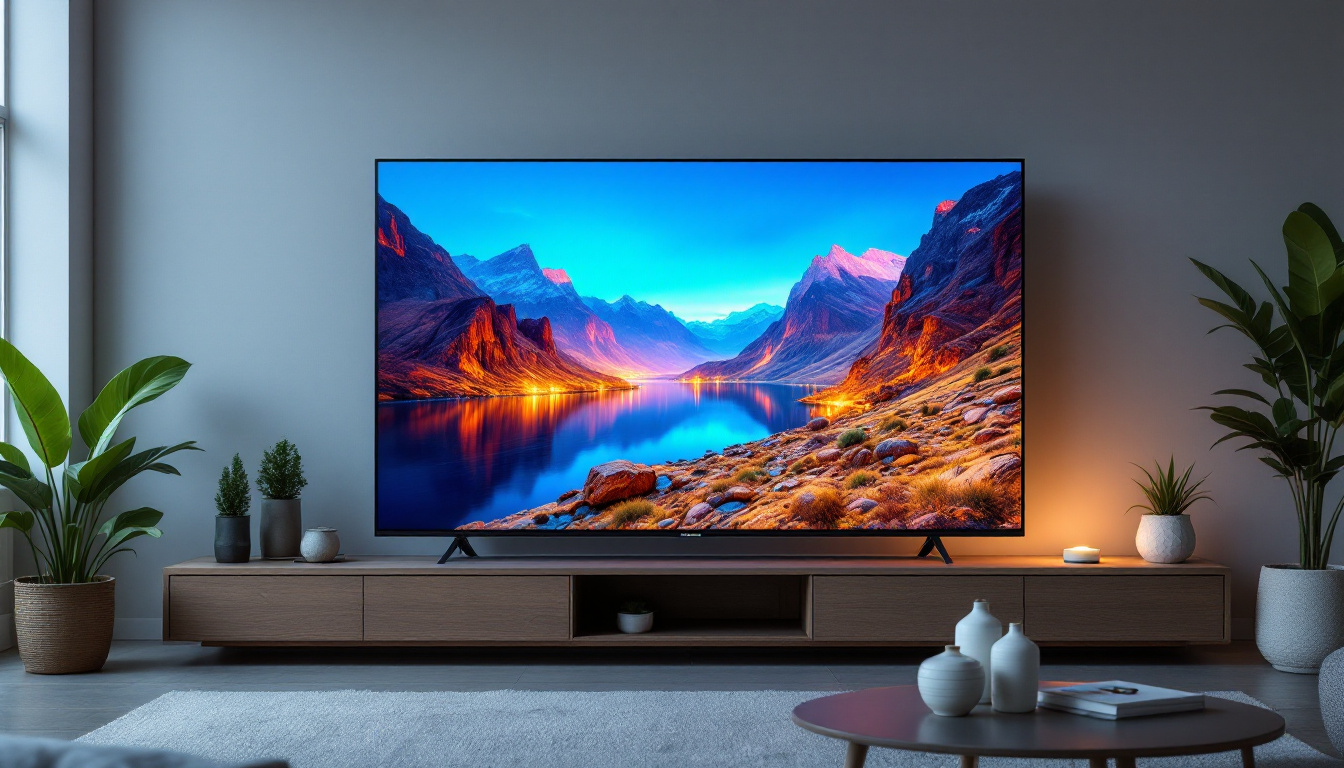
- LED-backlit LCD: This technology uses LEDs to backlight an LCD panel. It offers improved brightness and energy efficiency compared to older CCFL-backlit LCDs, and is prevalent in televisions and computer monitors. The combination of LCD technology with LED backlighting allows for thinner designs and improved color accuracy, catering to the demands of modern consumers for sleek and efficient devices.
- MicroLED: An emerging technology that features microscopic LEDs capable of producing superior image quality with higher energy efficiency. MicroLED displays are gaining attention for next-generation TVs and wearable devices. This innovative technology promises to deliver richer colors and deeper blacks, enhancing the viewing experience significantly, especially in high-definition formats.
Key Components of an LED Display
Understanding the anatomy of an LED display helps appreciate how it functions:
- LED Modules: These are the building blocks, each containing a cluster of LEDs. Modules are combined to form the full display panel. The modular design allows for flexibility in size and shape, enabling custom installations that can fit various architectural designs and display requirements.
- Driver ICs: Integrated circuits that control the power and color output of each LED, ensuring accurate image reproduction. These driver ICs are crucial for maintaining the integrity of the display, particularly in high-resolution applications where precision is key.
- Power Supply: Provides the necessary electrical power to the LEDs and control systems. A reliable power supply is essential for consistent performance, as fluctuations can lead to brightness inconsistencies and potential damage to the display.
- Control System: Includes hardware and software that process input signals and manage the display content. Advanced control systems allow for real-time updates and remote management, making it easier to change content on the fly, which is particularly beneficial for advertising and live event applications.
In addition to these components, many LED displays incorporate advanced cooling systems to dissipate heat generated during operation. Effective thermal management is vital for maintaining performance and extending the lifespan of the display, especially in high-brightness applications where heat can be a significant concern. Furthermore, the integration of smart technology in LED displays is becoming increasingly common, allowing for features such as touch interactivity, sensor integration, and connectivity with other digital platforms, enhancing user engagement and interactivity.
Advantages of LED Displays
Brightness and Visibility
One of the most significant advantages of LED displays is their exceptional brightness. Outdoor LED billboards can reach brightness levels of 5,000 to 8,000 nits, which is far superior to traditional LCD screens that typically max out around 300 to 500 nits. This high brightness ensures that content remains visible even under direct sunlight, making LED displays ideal for advertising, traffic signs, and public information systems.
Energy Efficiency and Longevity
LEDs are known for their energy efficiency. Compared to older display technologies, LED displays consume less power while delivering better performance. This efficiency translates into lower operating costs, especially for large-scale installations that run continuously.
Moreover, LEDs have a long operational lifespan, often exceeding 100,000 hours. This durability reduces maintenance and replacement costs, making LED displays a cost-effective solution over time.
Color Accuracy and Contrast
LED displays offer superior color reproduction and contrast ratios. The ability to control each LED individually allows for deep blacks and vibrant colors, enhancing the overall visual experience. This feature is particularly important for applications requiring high-quality visuals, such as broadcast studios, retail displays, and event stages.
Applications of LED Displays
Advertising and Marketing
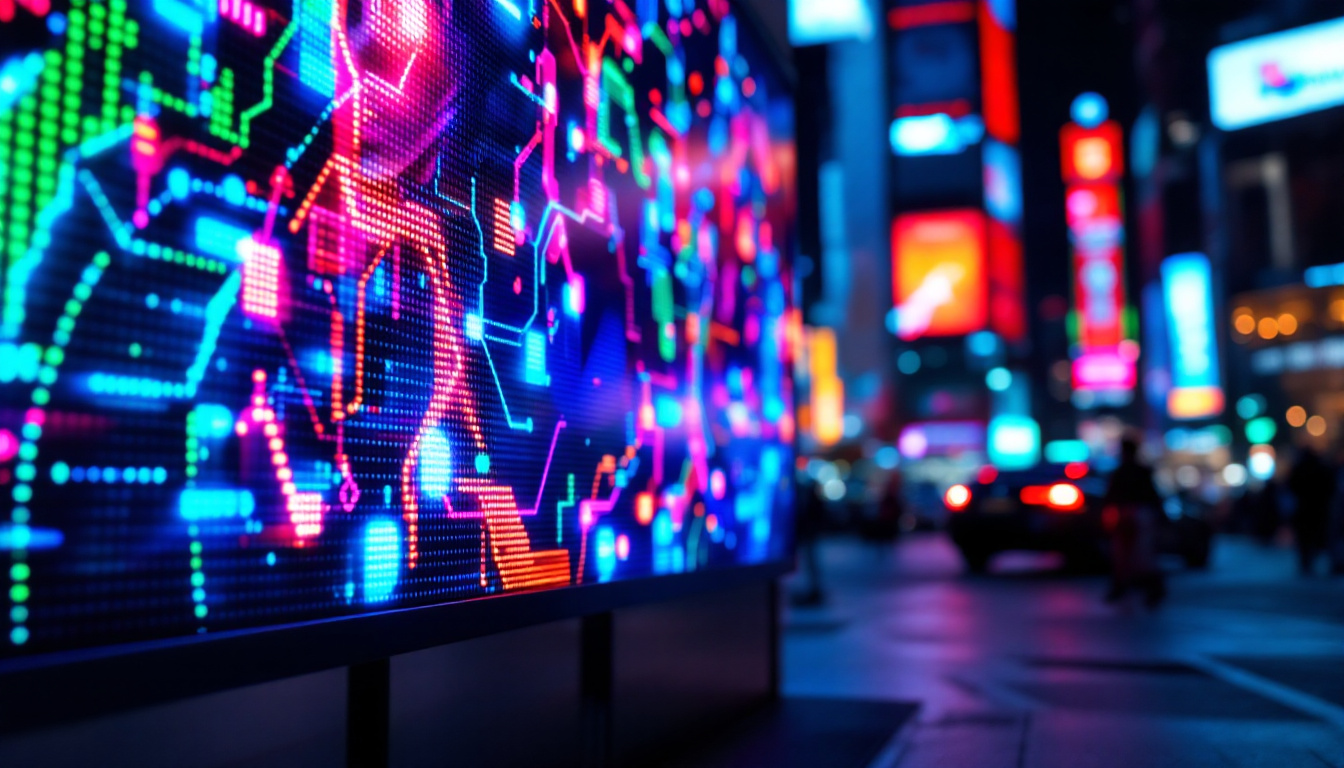
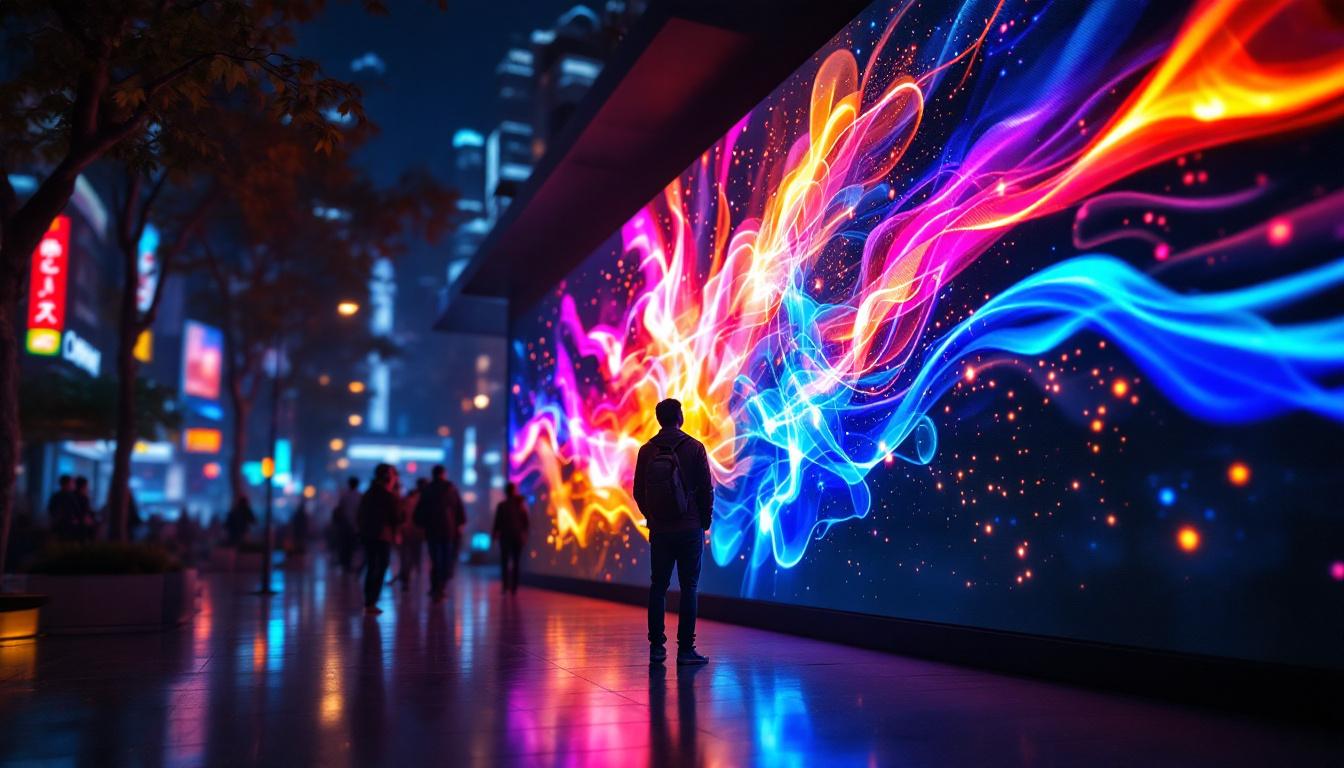
LED displays have revolutionized outdoor advertising. Digital billboards powered by LED technology enable dynamic content that can be updated remotely and in real-time. This flexibility allows advertisers to tailor messages based on time of day, weather conditions, or audience demographics.
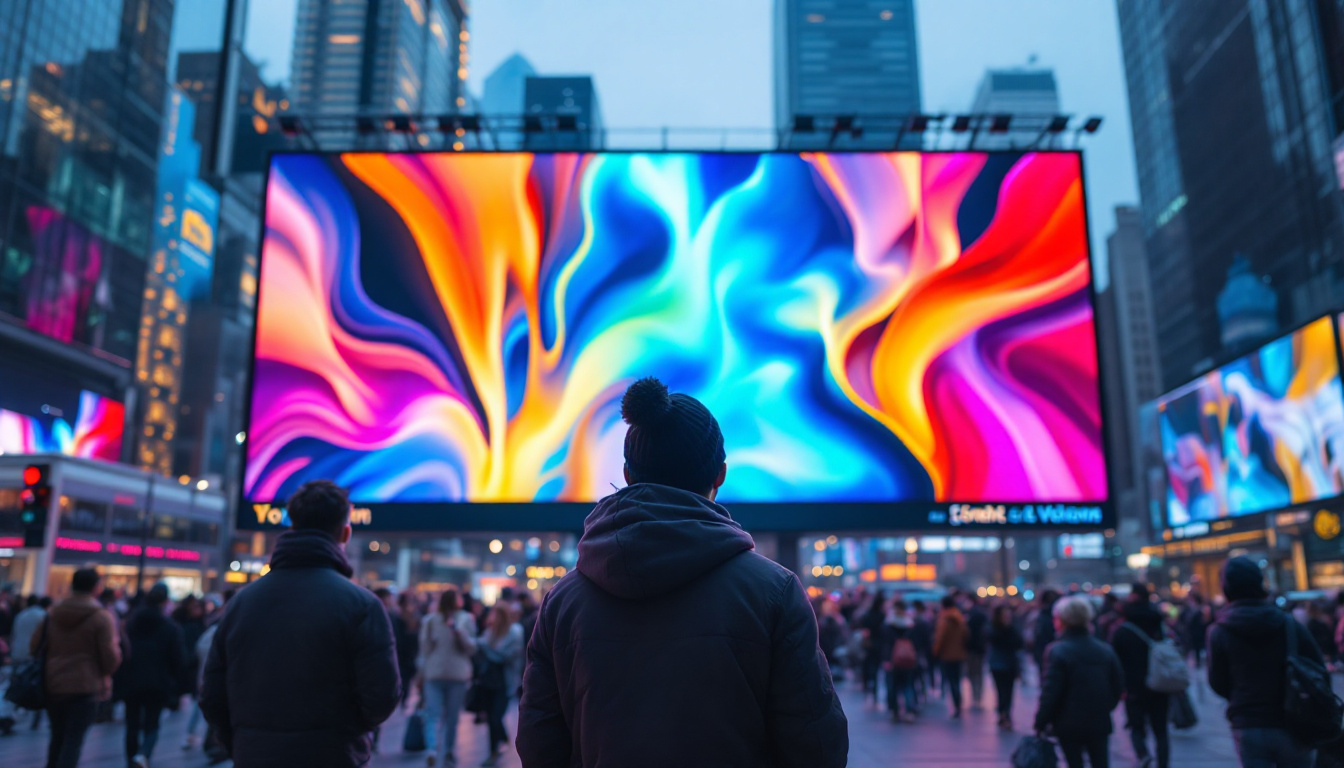
For example, Times Square in New York City is renowned for its massive LED billboards that create an immersive advertising environment. Similarly, sports arenas use LED displays to engage fans with live scores, replays, and interactive content.
Corporate and Retail Environments
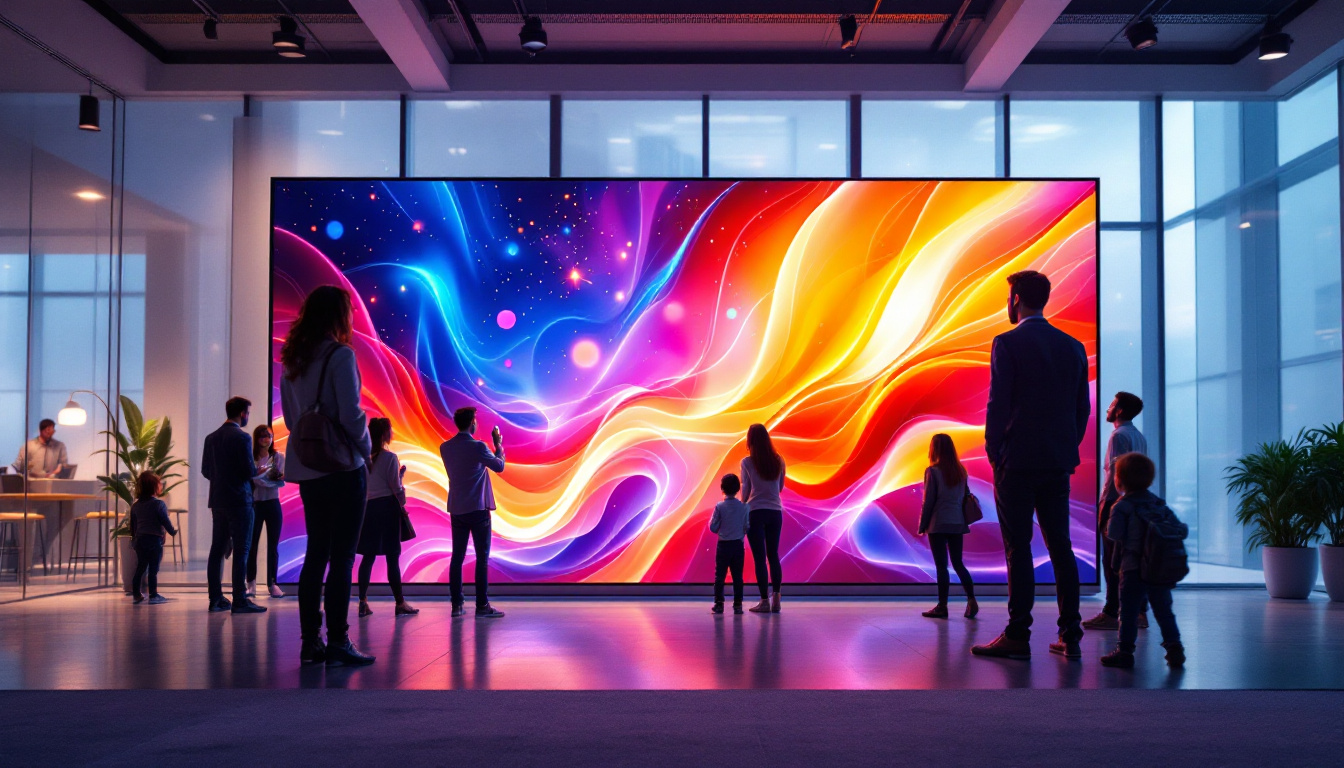
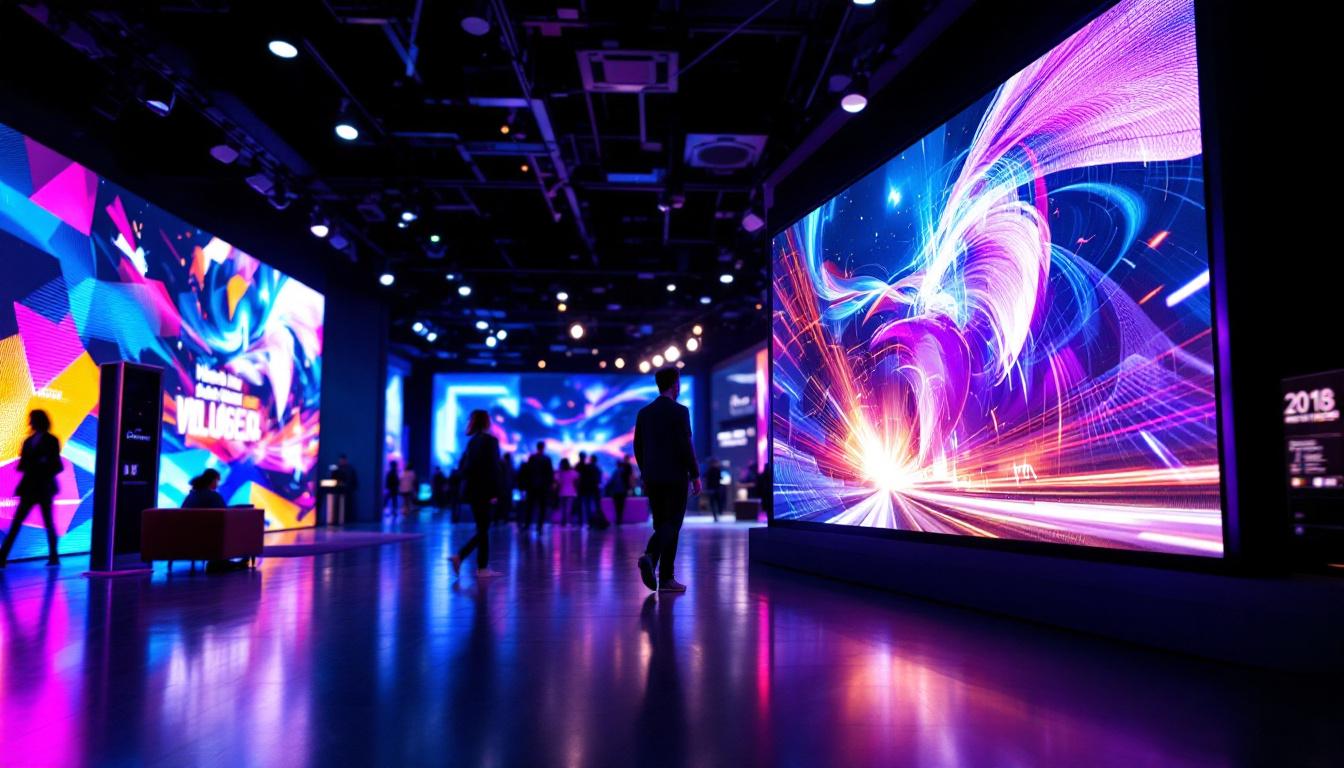
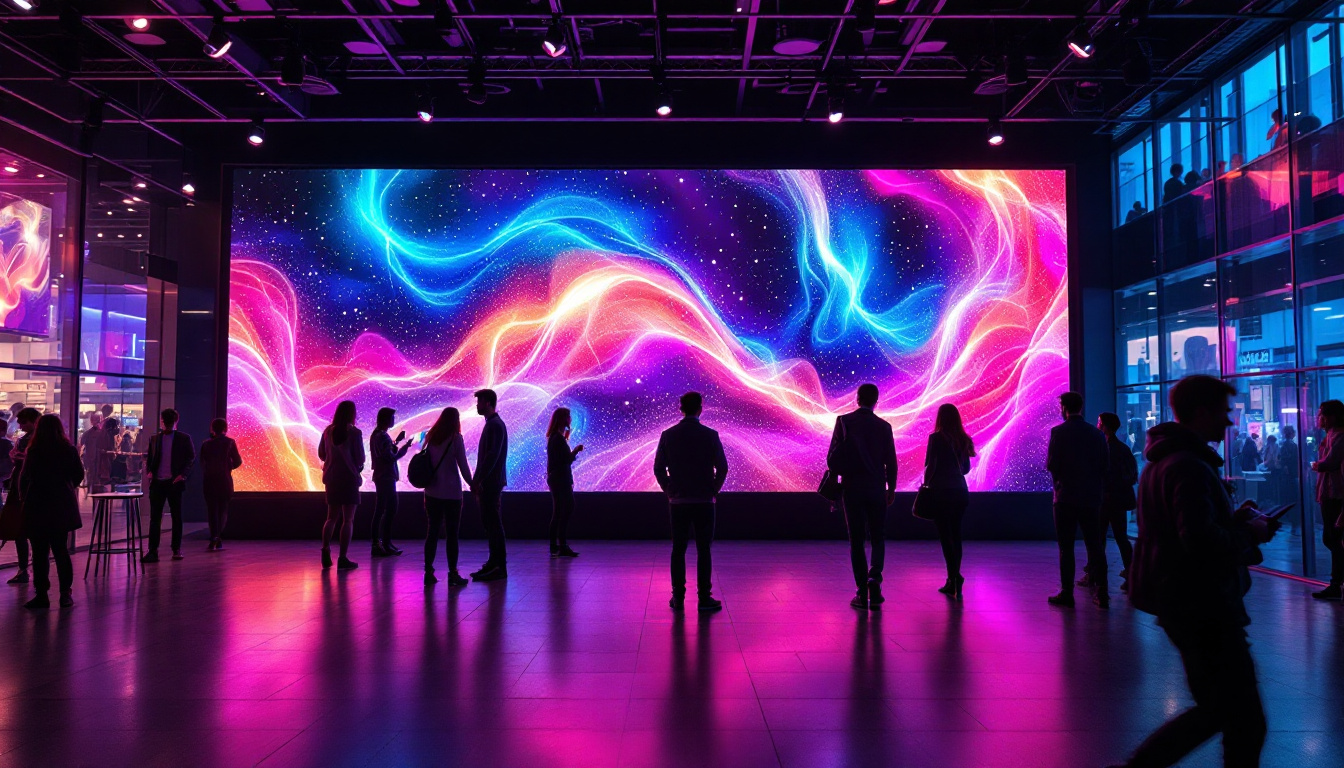
In corporate settings, LED displays serve as digital signage for internal communication, wayfinding, and branding. Retailers use LED video walls to create eye-catching window displays and in-store promotions that attract customers and enhance the shopping experience.
Entertainment and Events
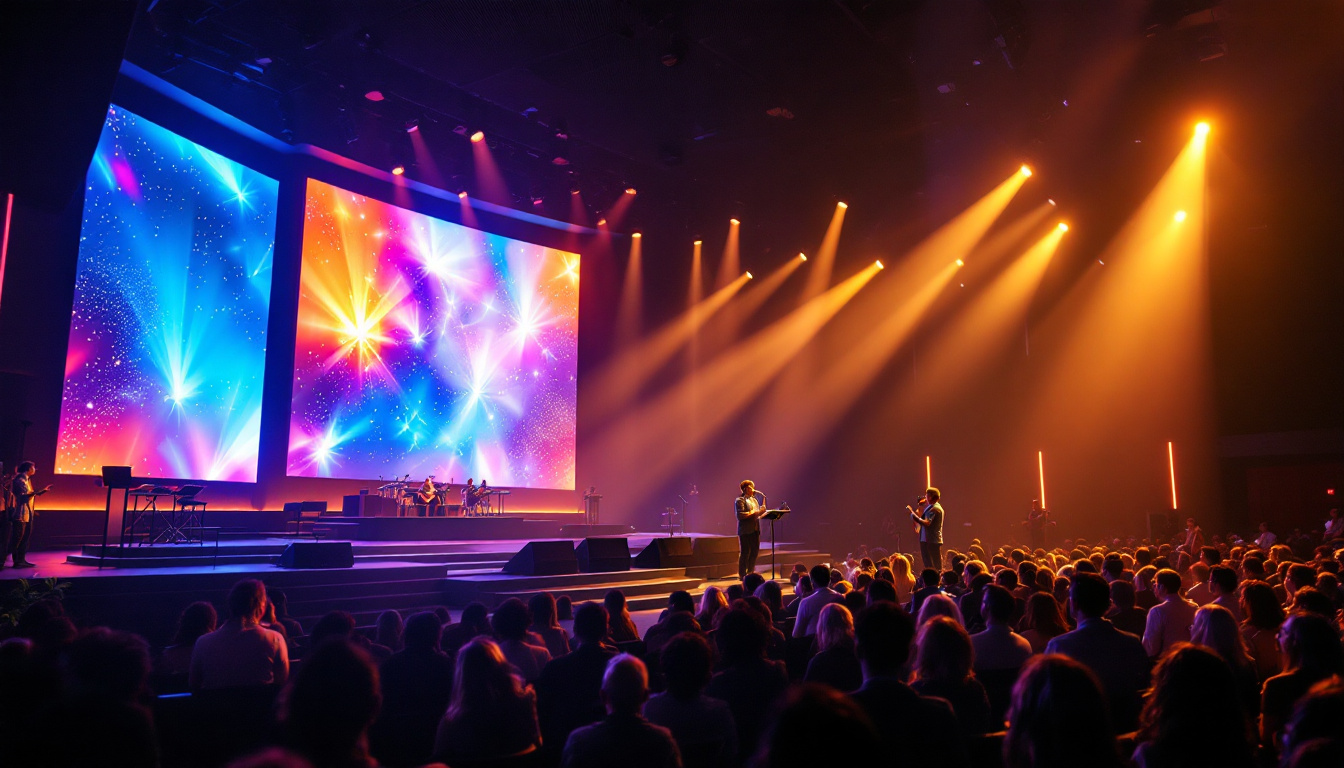
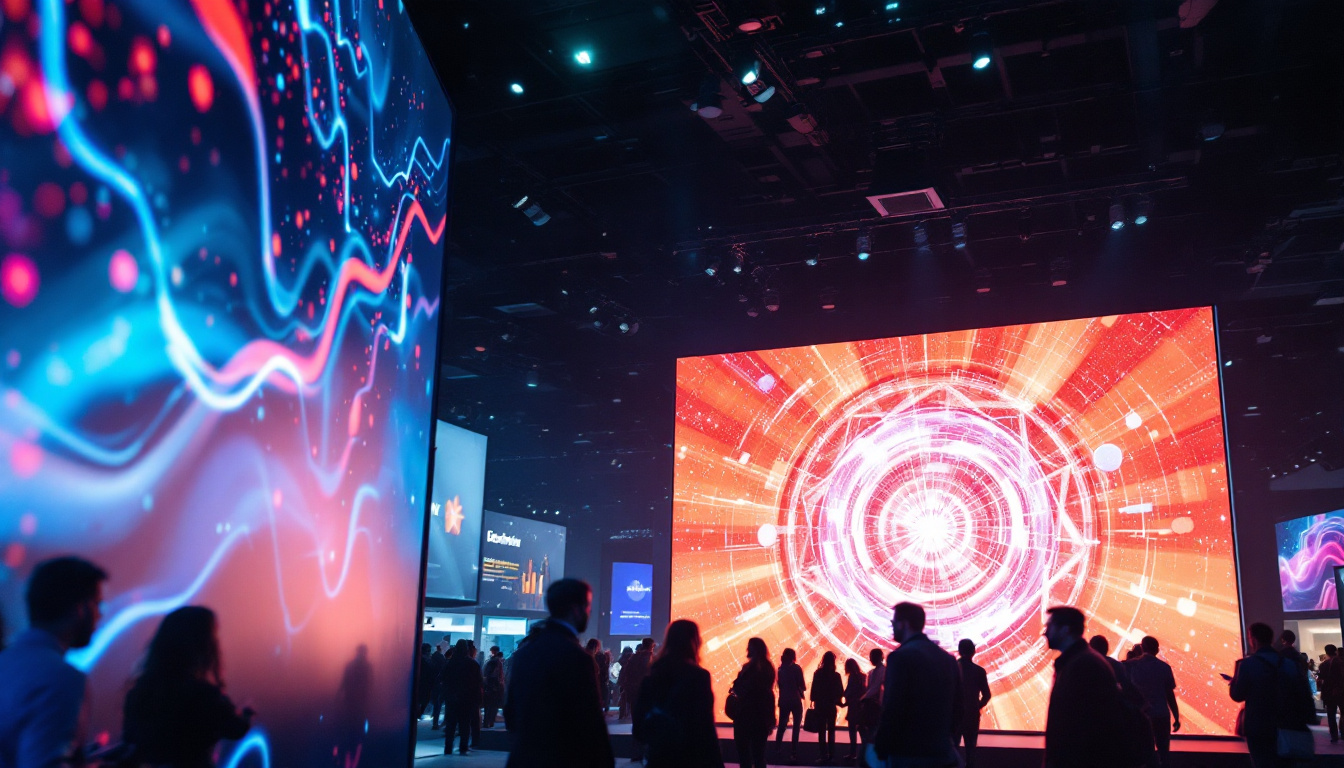
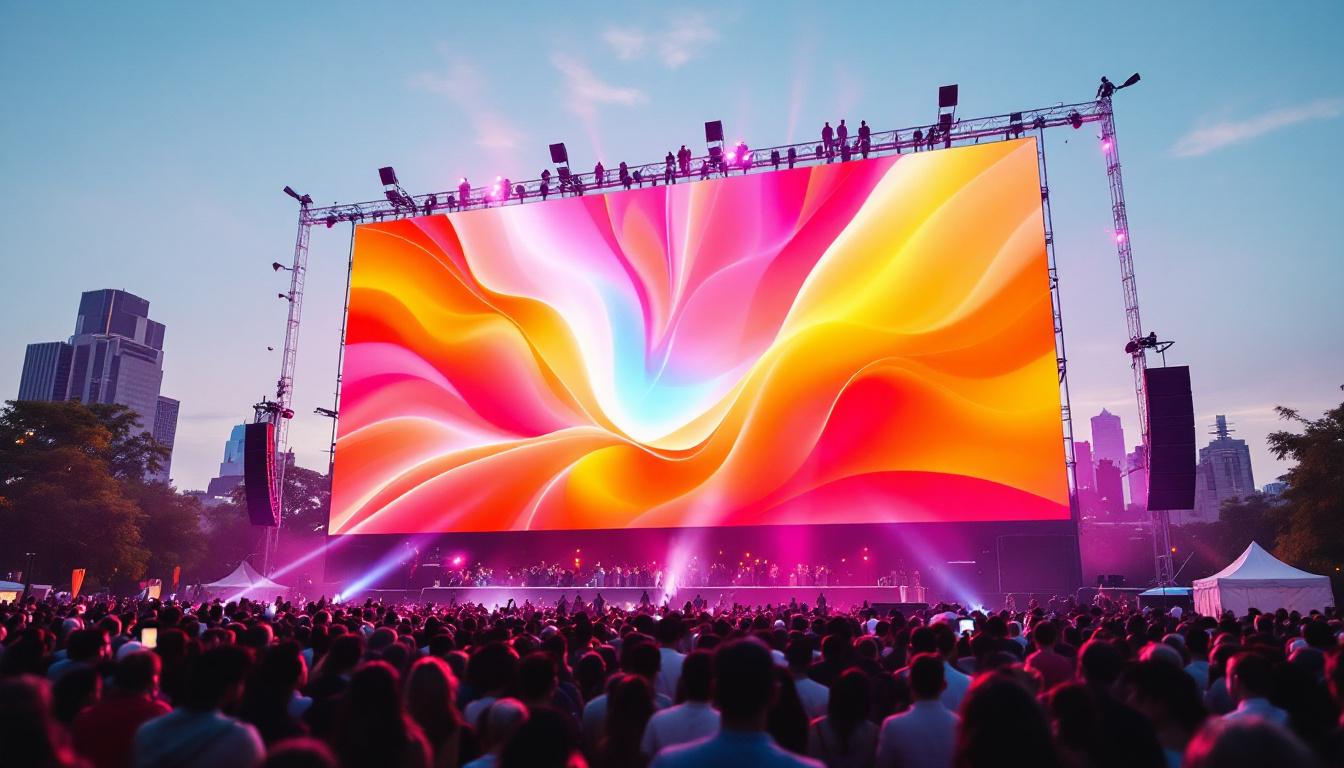
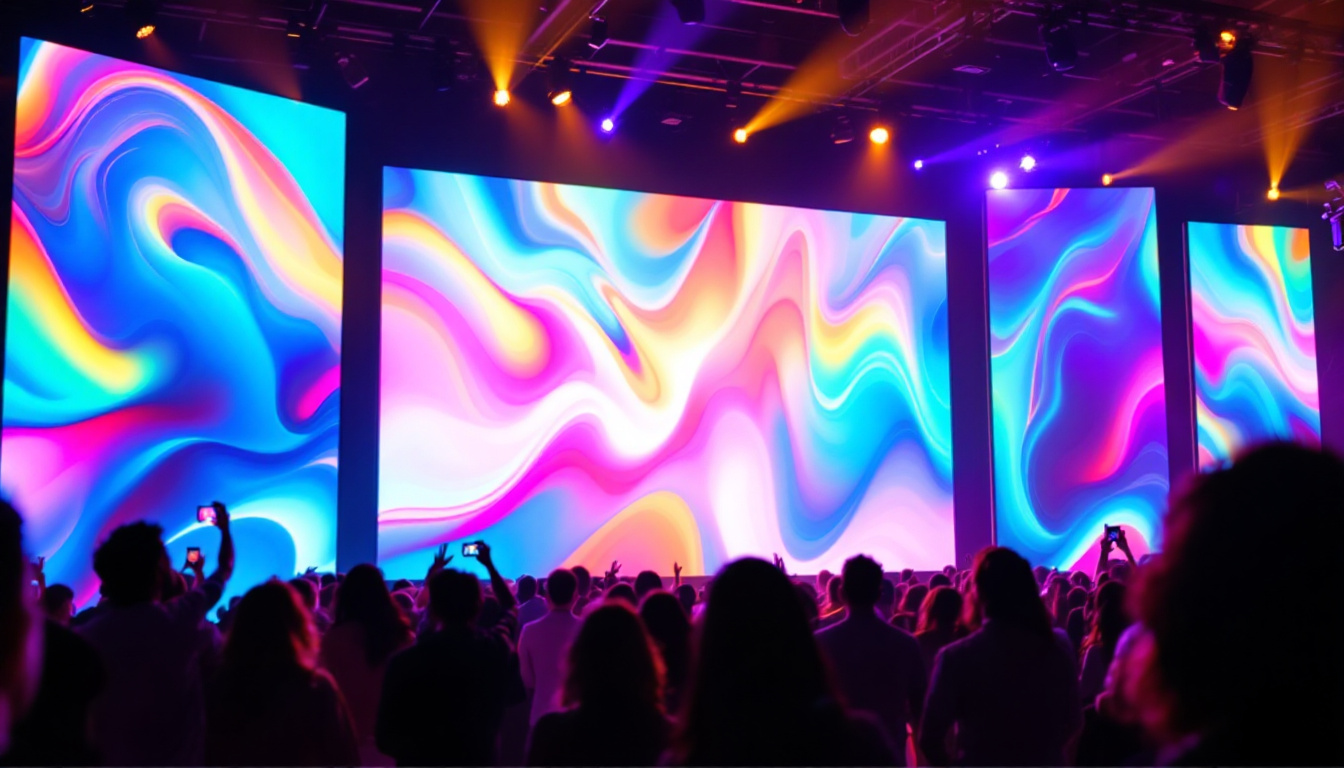
Concerts, festivals, and live events frequently utilize LED screens to provide clear visuals to large audiences. These displays can be configured in various shapes and sizes, including curved or transparent screens, to create immersive environments that enhance audience engagement.
Transportation and Public Information
LED displays are widely used in airports, train stations, and bus terminals to provide real-time information such as arrival and departure times, delays, and safety messages. Their high visibility ensures passengers receive critical updates promptly.
Luminate.com: Innovating LED Display Solutions
Company Overview
Luminate.com is a leading provider of advanced LED display solutions, specializing in both hardware and software innovations. With a focus on quality, reliability, and customer-centric design, Luminate.com has established itself as a trusted partner for businesses seeking cutting-edge visual communication tools.
Product Range and Customization
The company offers a diverse portfolio of LED display products, including:
- Outdoor LED billboards with weather-resistant features
- Indoor LED video walls optimized for retail and corporate environments
- Flexible and transparent LED panels for creative architectural applications
- Interactive LED touchscreens for experiential marketing
Luminate.com also provides bespoke solutions tailored to specific client needs, ensuring optimal performance and seamless integration with existing systems.
Technological Innovations
One of Luminate.com’s key strengths lies in its commitment to innovation. The company invests heavily in research and development to enhance LED display technology, focusing on:
- Improved pixel pitch for higher resolution displays
- Enhanced energy efficiency through advanced driver circuits
- Smart control systems with AI-powered content management
- Durability enhancements for extreme environmental conditions
These advancements position Luminate.com at the forefront of the LED display industry, enabling clients to deliver compelling visual experiences.
Choosing the Right LED Display
Considerations for Selection
Selecting the right LED display depends on several factors:
- Viewing Distance: The pixel pitch, or the distance between individual LEDs, should be chosen based on how far viewers will be from the screen. Smaller pixel pitches deliver higher resolution but are more expensive.
- Location and Environment: Outdoor displays require weatherproofing and higher brightness, while indoor displays prioritize color accuracy and viewing angles.
- Content Type: The nature of the content—whether static images, video, or interactive media—affects the choice of display technology and control systems.
- Budget and Maintenance: Initial costs, energy consumption, and maintenance requirements should be balanced to ensure long-term value.
Installation and Maintenance
Proper installation is critical to maximize the lifespan and performance of an LED display. This includes ensuring structural support, electrical safety, and optimal positioning for visibility.
Routine maintenance, such as cleaning, firmware updates, and component checks, helps prevent downtime and preserves image quality. Many modern LED displays, including those from Luminate.com, incorporate diagnostic tools that simplify maintenance and troubleshooting.
The Future of LED Display Technology
Emerging Trends
The LED display industry continues to evolve rapidly, driven by technological advancements and changing user demands. Some notable trends include:
- MicroLED and MiniLED: These technologies offer higher resolution, better contrast, and improved energy efficiency, promising to redefine display quality across devices.
- Flexible and Transparent Displays: Innovations in flexible substrates and transparent LEDs are enabling new design possibilities in architecture, automotive, and consumer electronics.
- Integration with IoT and AI: Smart LED displays that adapt content dynamically based on environmental data or user interaction are becoming more common, enhancing engagement and relevance.
- Sustainability Focus: Manufacturers are increasingly prioritizing eco-friendly materials and energy-saving designs to reduce environmental impact.
Impact on Industries
As LED display technology advances, its impact spans numerous sectors. Retailers can create more personalized shopping experiences, cities can deploy smart signage for efficient public communication, and entertainment venues can craft immersive environments that captivate audiences.
For businesses, staying informed about these developments and partnering with innovative providers like Luminate.com ensures they can leverage the full potential of LED displays to achieve their communication goals.
Conclusion
LED displays represent a dynamic and versatile technology that continues to transform visual communication across industries. Their superior brightness, energy efficiency, and adaptability make them an ideal choice for a wide range of applications—from advertising and entertainment to public information and corporate branding.
Companies like Luminate.com play a pivotal role in advancing LED display technology, offering innovative products and tailored solutions that meet the evolving needs of businesses worldwide. By understanding the fundamentals of LED displays and keeping abreast of emerging trends, organizations can harness this powerful medium to engage audiences effectively and sustainably.
Discover Cutting-Edge LED Displays with LumenMatrix
Ready to elevate your visual communication strategy with the latest in LED display technology? LumenMatrix is at the forefront of innovation, offering a diverse range of LED display solutions that bring your brand to life. From captivating Indoor and Outdoor LED Wall Displays to dynamic Vehicle and Sports LED Displays, our products are designed to captivate your audience and deliver your message with unparalleled clarity. Experience the future of digital signage with our All-in-One LED Displays, LED Transparent Displays, and more. Check out LumenMatrix LED Display Solutions today and transform your visual presence.