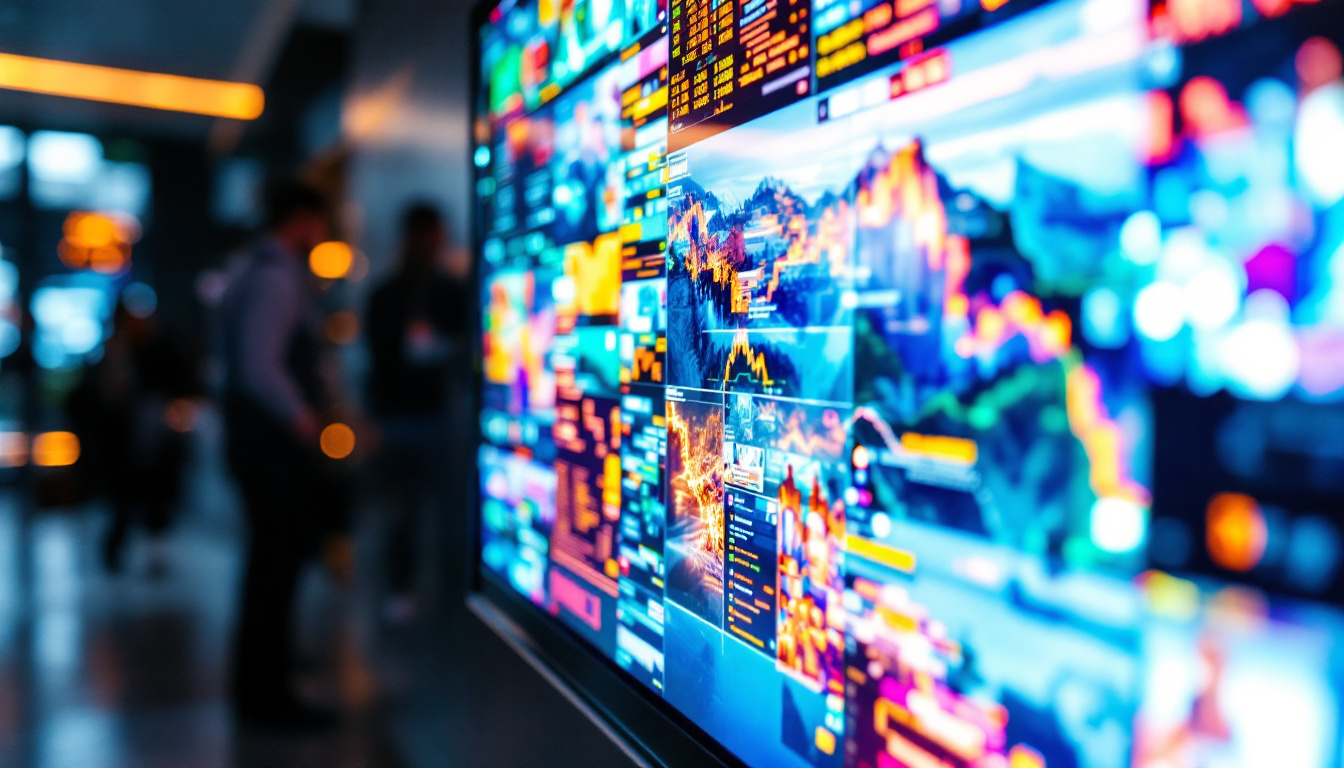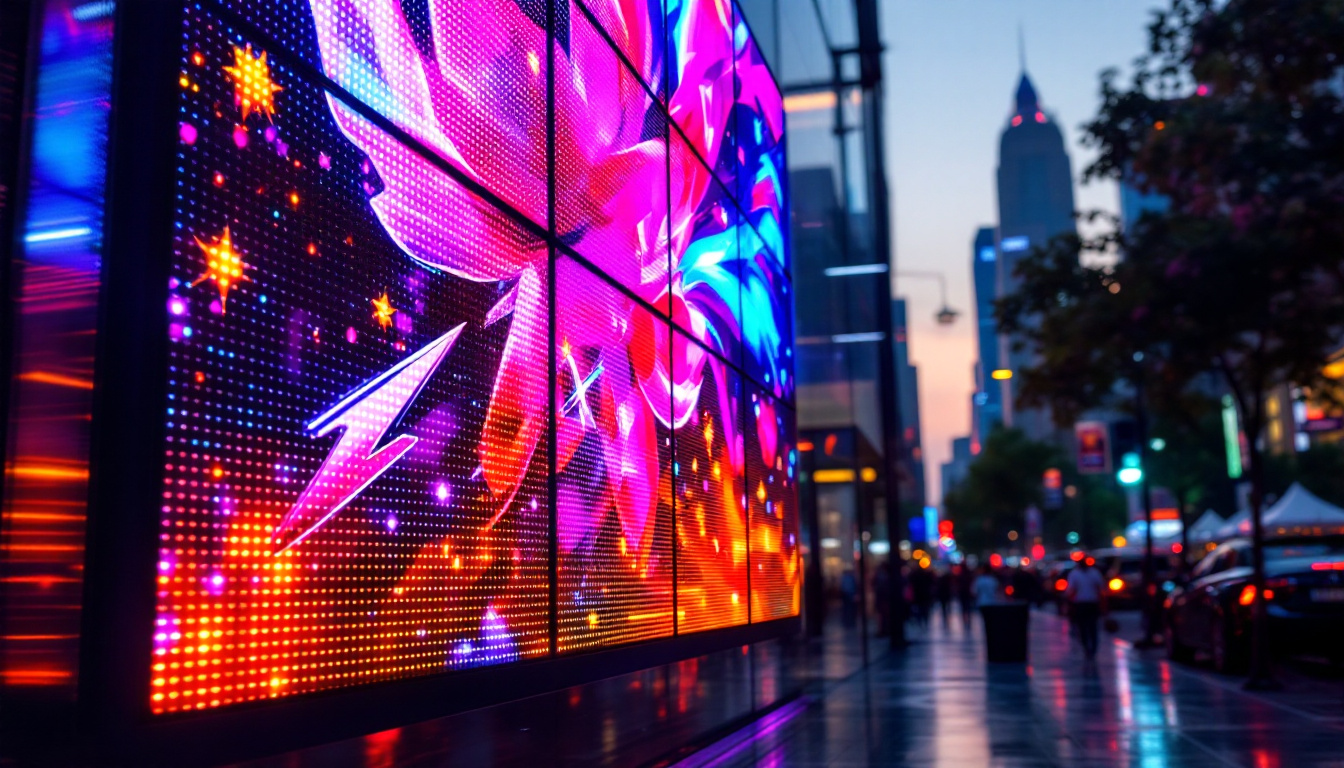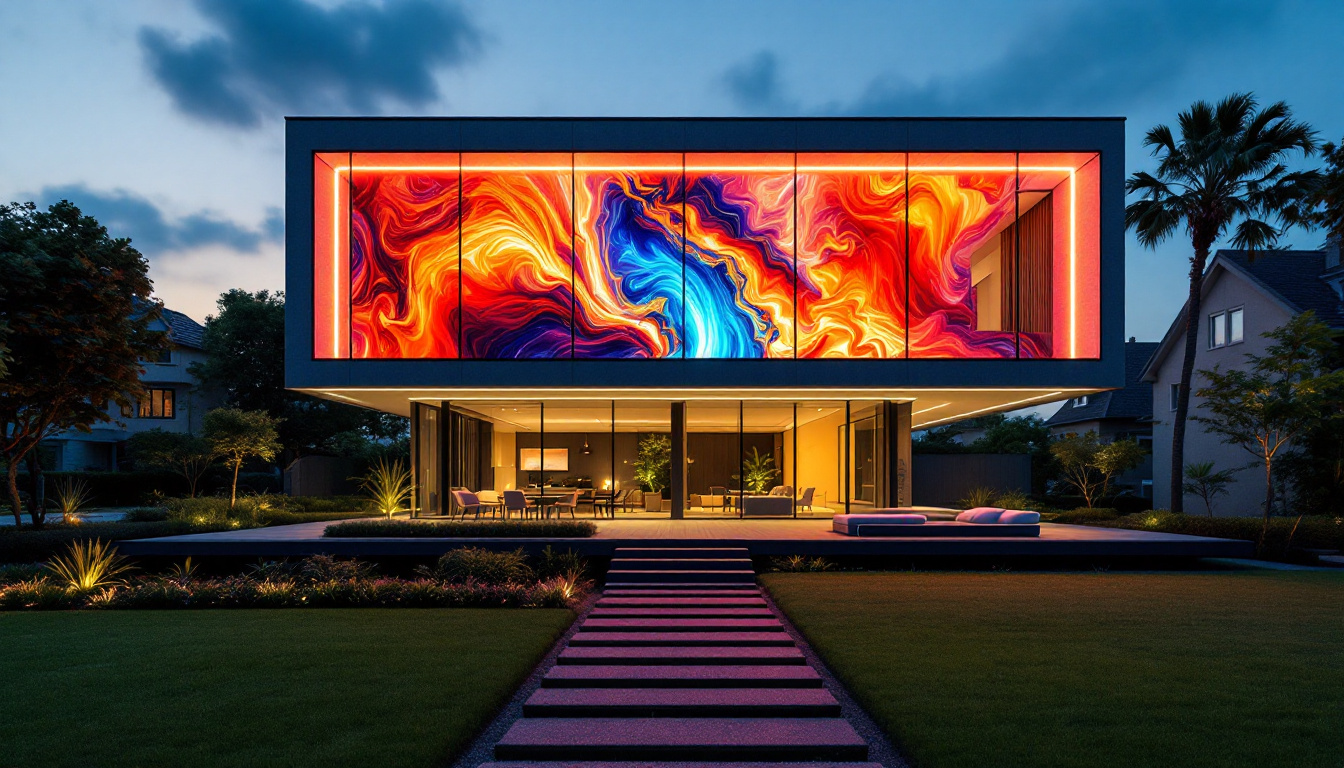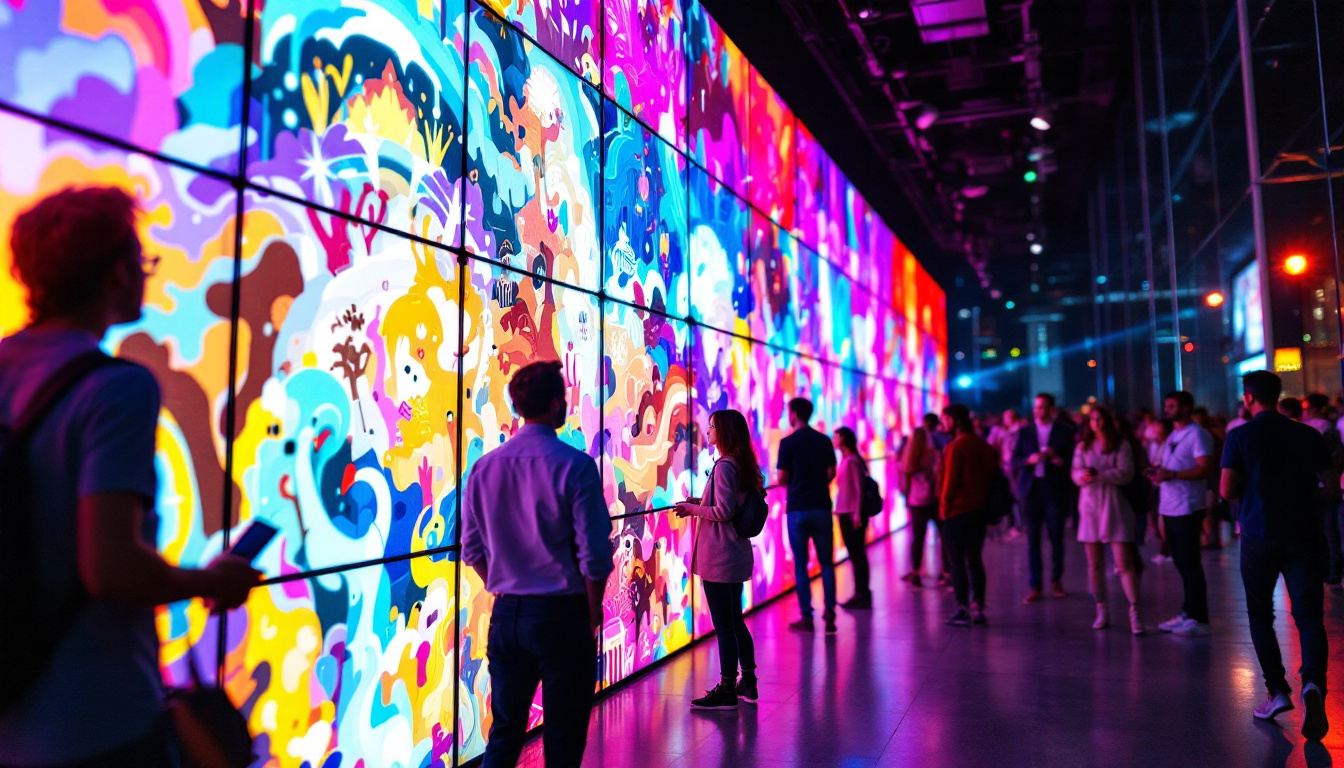
In an era where visual content dominates communication, the demand for high-quality video displays has skyrocketed. From home theaters to massive outdoor billboards, LED technology has become the backbone of vibrant, sharp, and immersive viewing experiences. This article delves into the world of 4K LED displays, unraveling what makes them exceptional and how they can transform your video content into stunning visual masterpieces.
Understanding 4K Resolution and Its Significance
Before diving into LED technology, it’s crucial to grasp what 4K resolution entails and why it matters. The term “4K” refers to a horizontal display resolution of approximately 4,000 pixels. More precisely, the standard 4K resolution is 3840 x 2160 pixels, which is four times the pixel count of Full HD (1920 x 1080 pixels).
This increase in pixel density means that 4K displays offer significantly sharper images, finer details, and more immersive visuals. For video content creators and consumers, this translates to richer textures, smoother edges, and a more lifelike viewing experience. As streaming services like Netflix, Amazon Prime, and YouTube increasingly offer 4K content, having compatible display technology is essential to fully appreciate this enhanced quality.
The Impact of 4K on Video Quality
4K resolution dramatically improves video quality by increasing the number of pixels that compose an image. This higher pixel count reduces the visibility of individual pixels, which is especially noticeable on larger screens. For example, a 65-inch 4K TV will have a much crisper image than a 65-inch 1080p TV because the pixels are smaller and more densely packed.
Moreover, 4K enhances color accuracy and contrast when paired with advanced display technologies, making it ideal for professional video editing, gaming, and cinematic viewing. The ability to display ultra-high-definition content also future-proofs your investment as media production continues to evolve towards higher resolutions.
What is an LED Display?
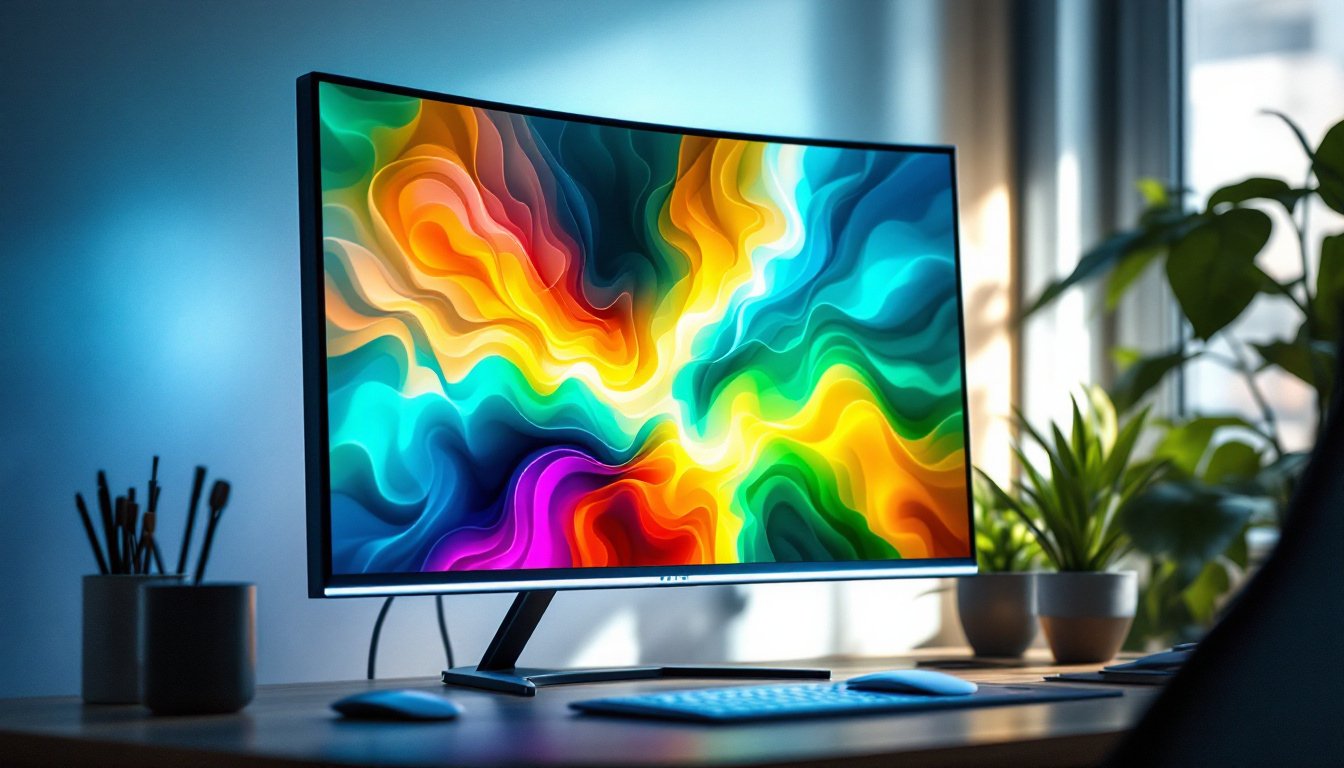
LED stands for Light Emitting Diode, a semiconductor device that emits light when an electric current passes through it. LED displays use thousands to millions of these tiny diodes as individual pixels to create images. These displays can be found in various forms, including televisions, computer monitors, digital billboards, and video walls.
Unlike traditional LCD screens that rely on backlighting, LED displays can be categorized into two main types: LED-backlit LCDs and direct-view LED displays. Understanding the difference between these is key to appreciating the capabilities of 4K LED displays.
LED-Backlit LCD vs. Direct-View LED
Most consumer TVs marketed as “LED TVs” are actually LCD screens with LED backlighting. In these, the LCD panel controls the image, while LEDs provide the light source behind or along the edges of the screen. This configuration offers improved brightness and energy efficiency compared to older CCFL backlit LCDs but still relies on liquid crystals to modulate light.
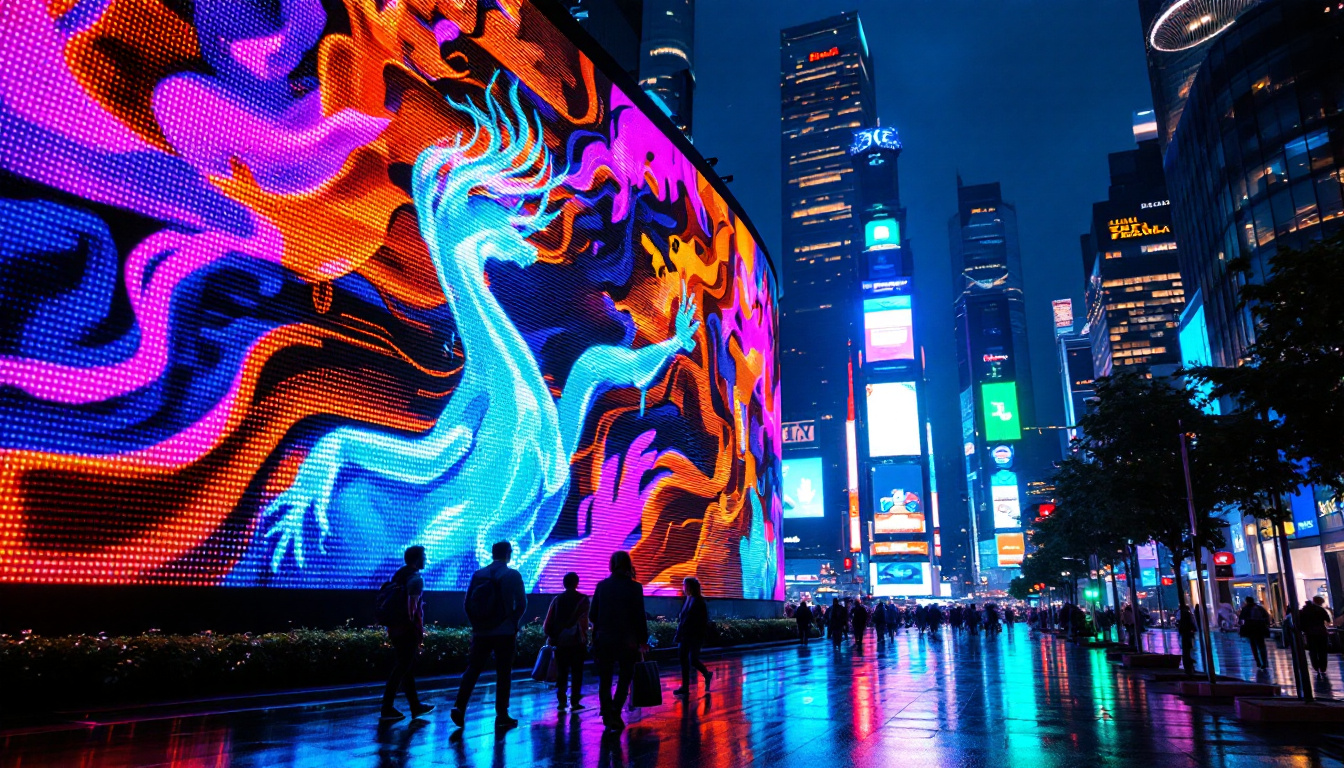
Direct-view LED displays, on the other hand, use individual LEDs as pixels themselves. This technology is commonly used in large-scale displays such as stadium screens or digital signage. Each LED can emit its own light and color, allowing for superior contrast ratios, deeper blacks, and vibrant colors. These displays are also scalable to very large sizes without losing image quality.
How 4K LED Displays Work
Combining 4K resolution with LED technology results in displays capable of delivering breathtaking image quality. A 4K LED display consists of millions of tiny LEDs arranged in a grid, each representing a pixel or subpixel. These LEDs can be red, green, or blue, and by adjusting their brightness, the display produces a full spectrum of colors.
The control system synchronizes these LEDs to render images frame by frame. Because each LED emits its own light, 4K direct-view LED displays achieve excellent brightness levels, wide viewing angles, and fast refresh rates. This makes them ideal for dynamic video content where clarity and color fidelity are paramount.
Pixel Pitch and Its Role in Image Clarity
One critical factor in LED display quality is pixel pitch—the distance between the centers of two adjacent LEDs. A smaller pixel pitch means LEDs are packed more tightly, resulting in higher resolution and sharper images, especially at close viewing distances.
For 4K LED displays, pixel pitch is carefully engineered to balance resolution, brightness, and cost. For example, a 4K LED video wall designed for indoor use might have a pixel pitch as small as 0.9mm, delivering near-retina quality visuals. Outdoor displays typically have larger pixel pitches to maintain visibility from greater distances.
Advantages of 4K LED Displays for Video Content
4K LED displays bring several benefits that make them the preferred choice for both professional and consumer applications. Their unique combination of resolution, brightness, and color accuracy enhances the viewing experience significantly.
Superior Brightness and Contrast
LED technology inherently offers higher brightness levels compared to traditional display types. This is especially beneficial for environments with high ambient light, such as outdoor advertising or brightly lit rooms. High brightness ensures that video content remains vivid and legible under various lighting conditions.
Additionally, direct-view LED displays can achieve true blacks by turning off individual LEDs completely, resulting in infinite contrast ratios. This capability enhances the depth and realism of video content, making scenes more immersive.
Energy Efficiency and Longevity
LED displays are more energy-efficient than many other display technologies, consuming less power while delivering superior brightness. This efficiency reduces operational costs, particularly important for large-scale installations that run continuously.
Moreover, LEDs have a longer lifespan, often exceeding 100,000 hours of use before significant brightness degradation occurs. This durability makes 4K LED displays a cost-effective solution over time, especially for commercial applications.
Flexibility and Scalability
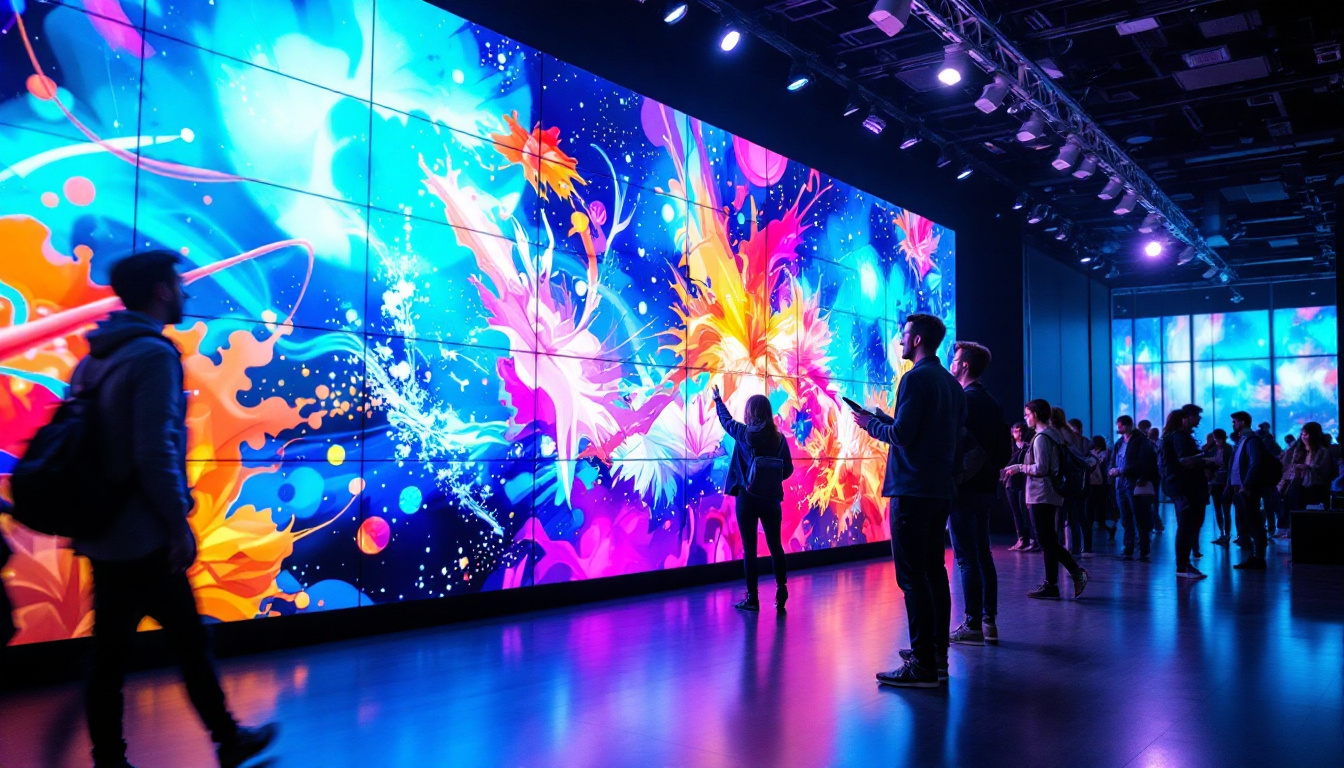
One of the standout features of LED displays is their modular design. Individual LED panels can be combined seamlessly to create video walls of virtually any size and shape. This scalability allows for creative installations in venues ranging from small conference rooms to massive stadiums.
Furthermore, LED displays can be curved or shaped to fit unique architectural designs, offering flexibility that traditional flat panels cannot match. This adaptability is invaluable for marketing, entertainment, and public information systems.
Applications of 4K LED Displays
The versatility of 4K LED displays has led to widespread adoption across various industries. Their ability to deliver stunning visuals in diverse environments makes them a powerful tool for communication and entertainment.
Home Entertainment and Gaming
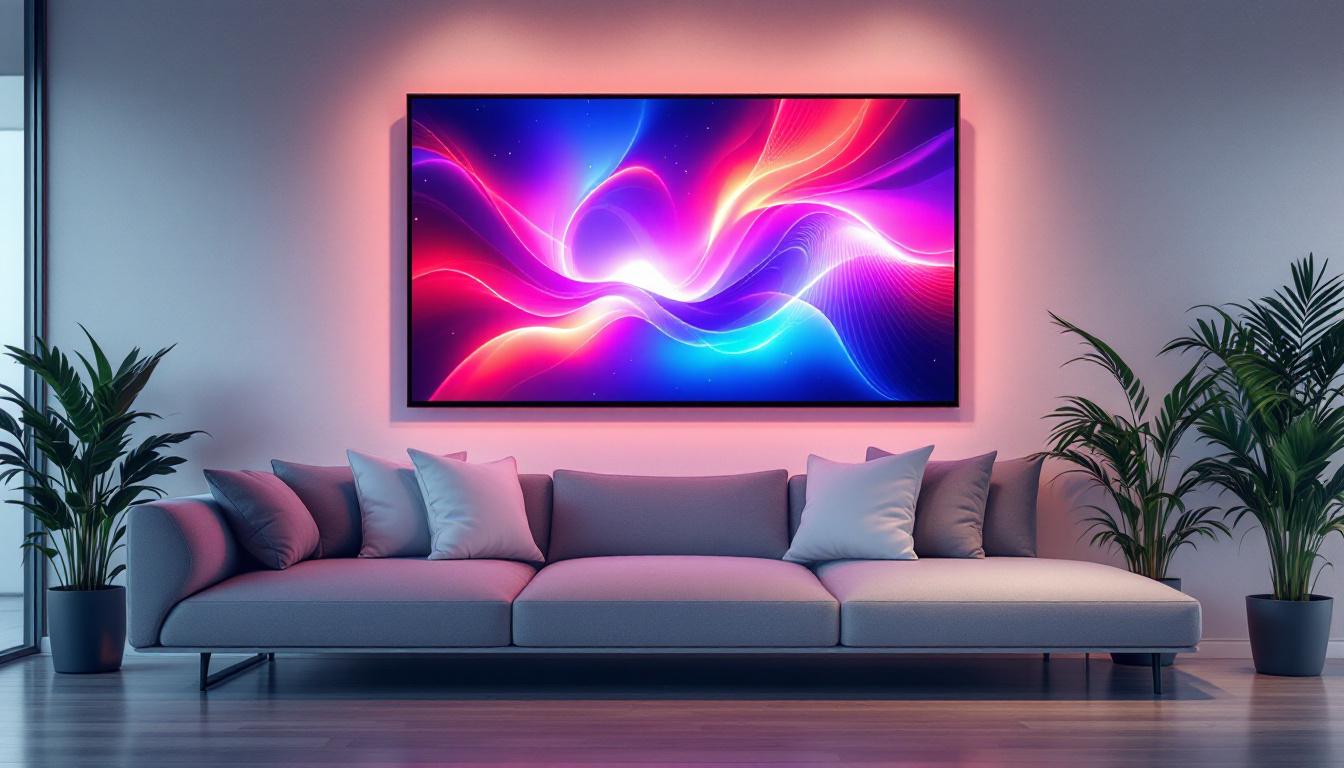
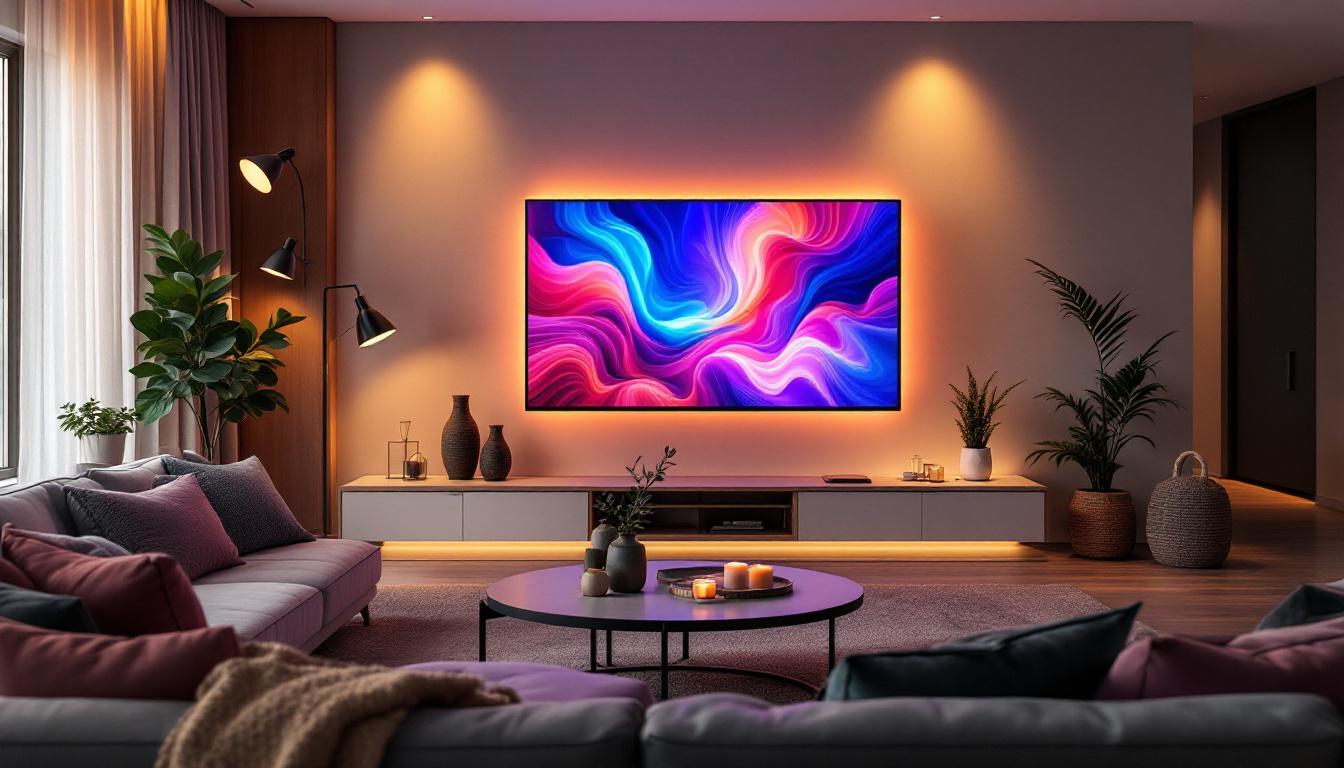
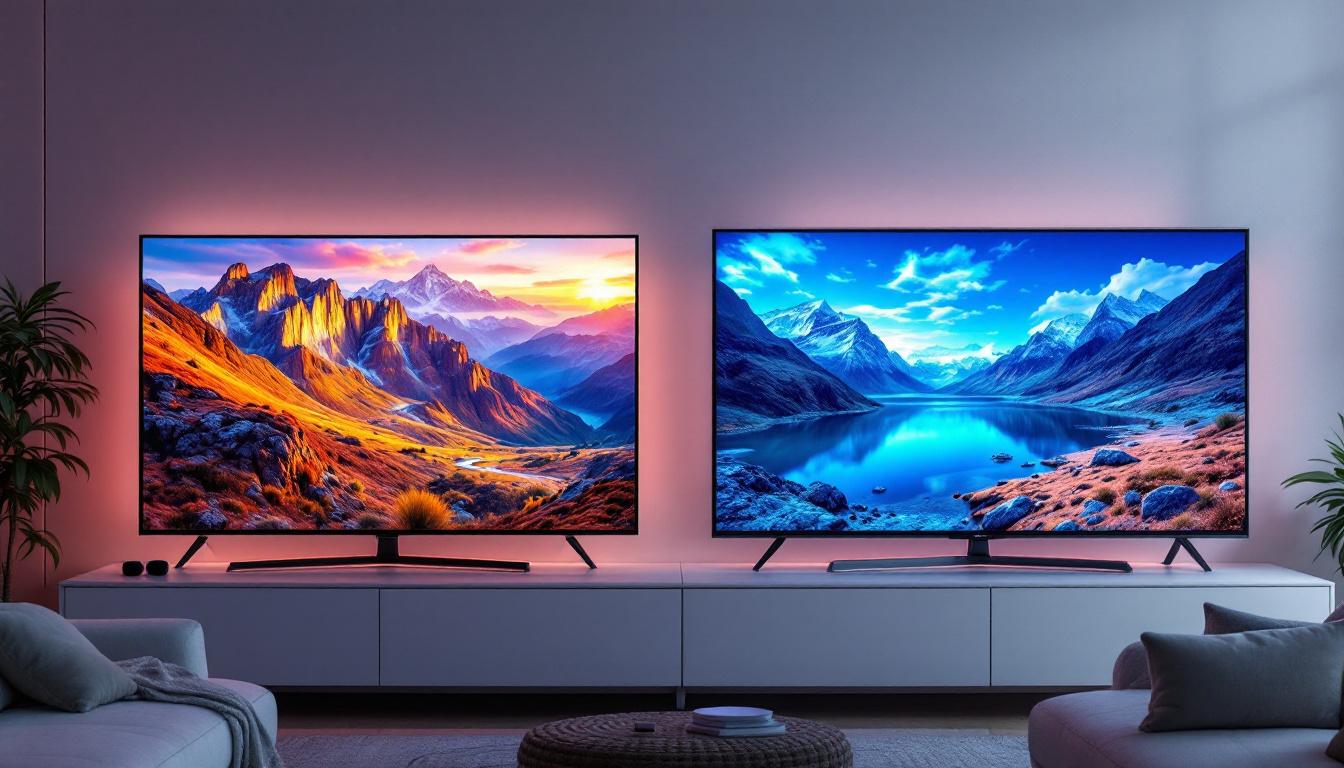
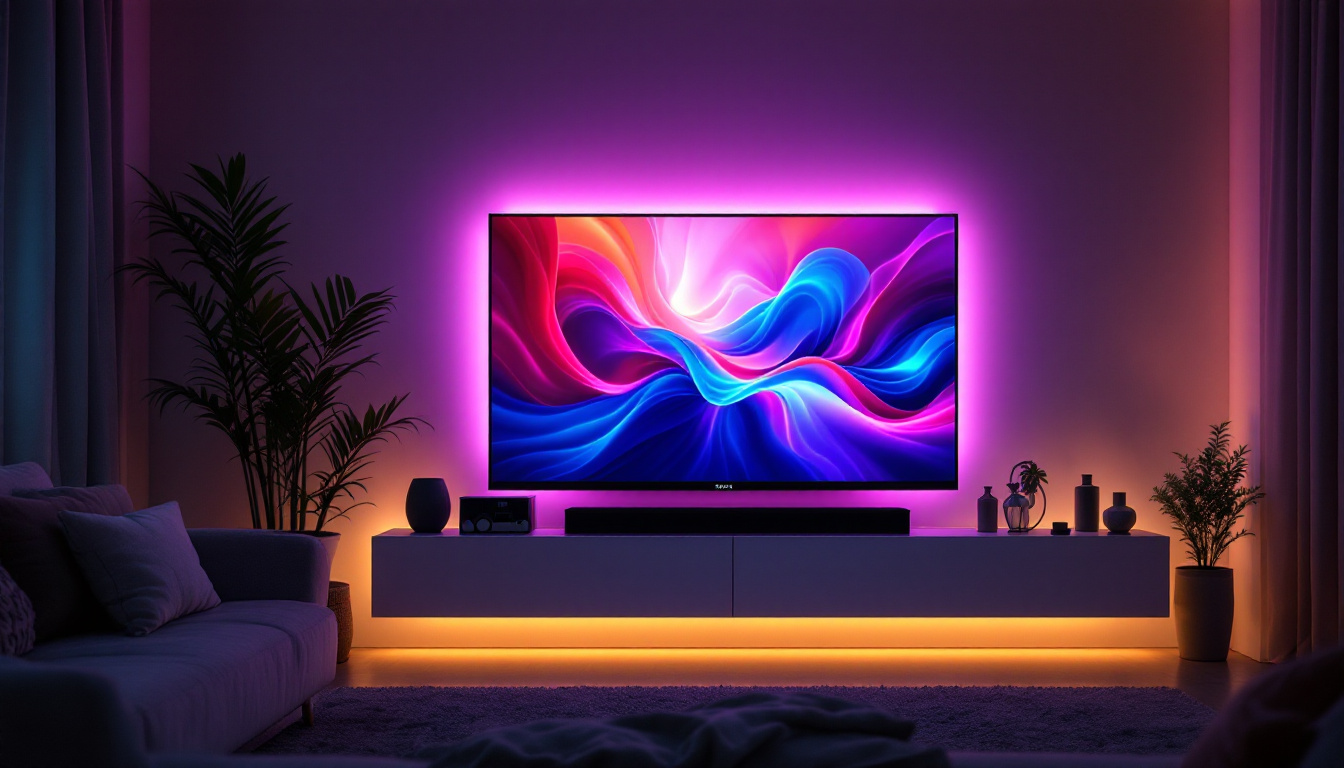
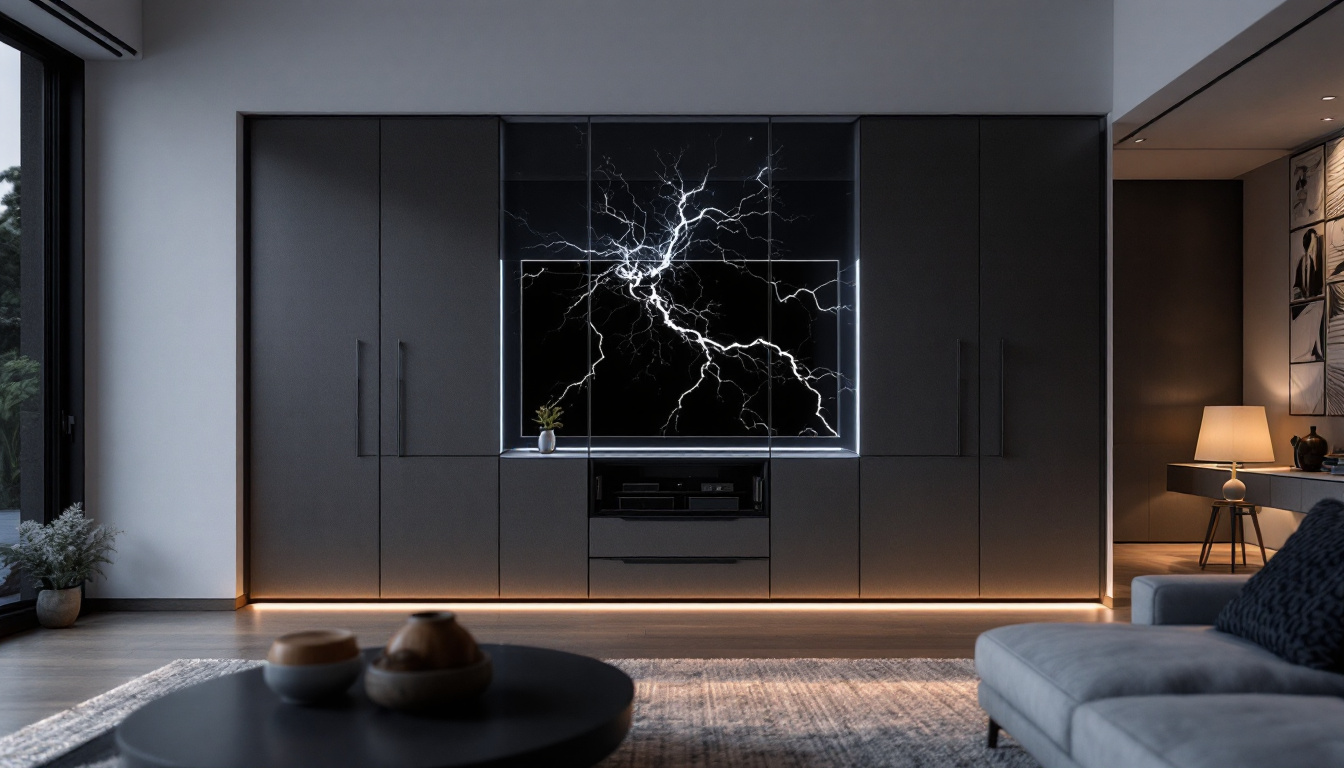
For consumers, 4K LED TVs have become the centerpiece of home entertainment systems. With streaming platforms offering an increasing library of 4K content, these displays provide an immersive cinematic experience. Gamers also benefit from 4K LED displays with high refresh rates and low latency, enabling detailed and responsive gameplay.
Commercial and Retail Environments
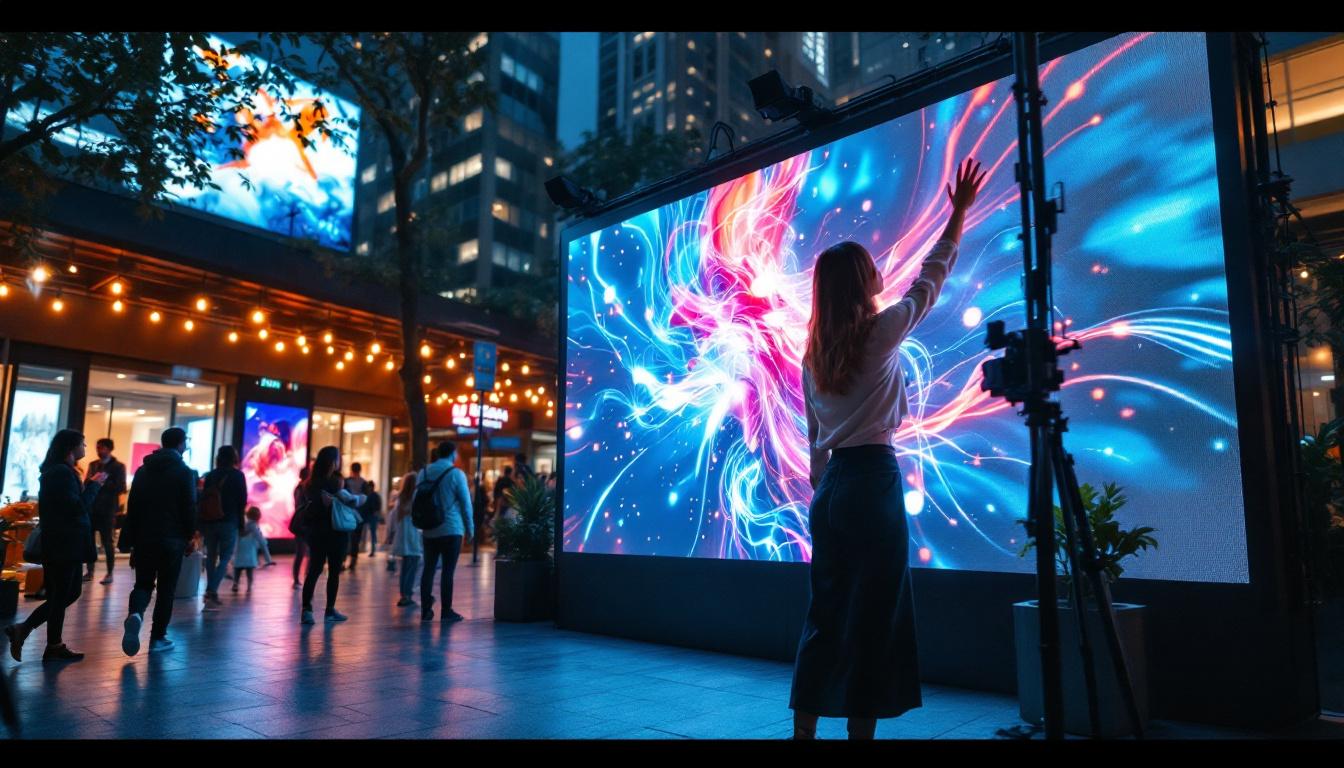
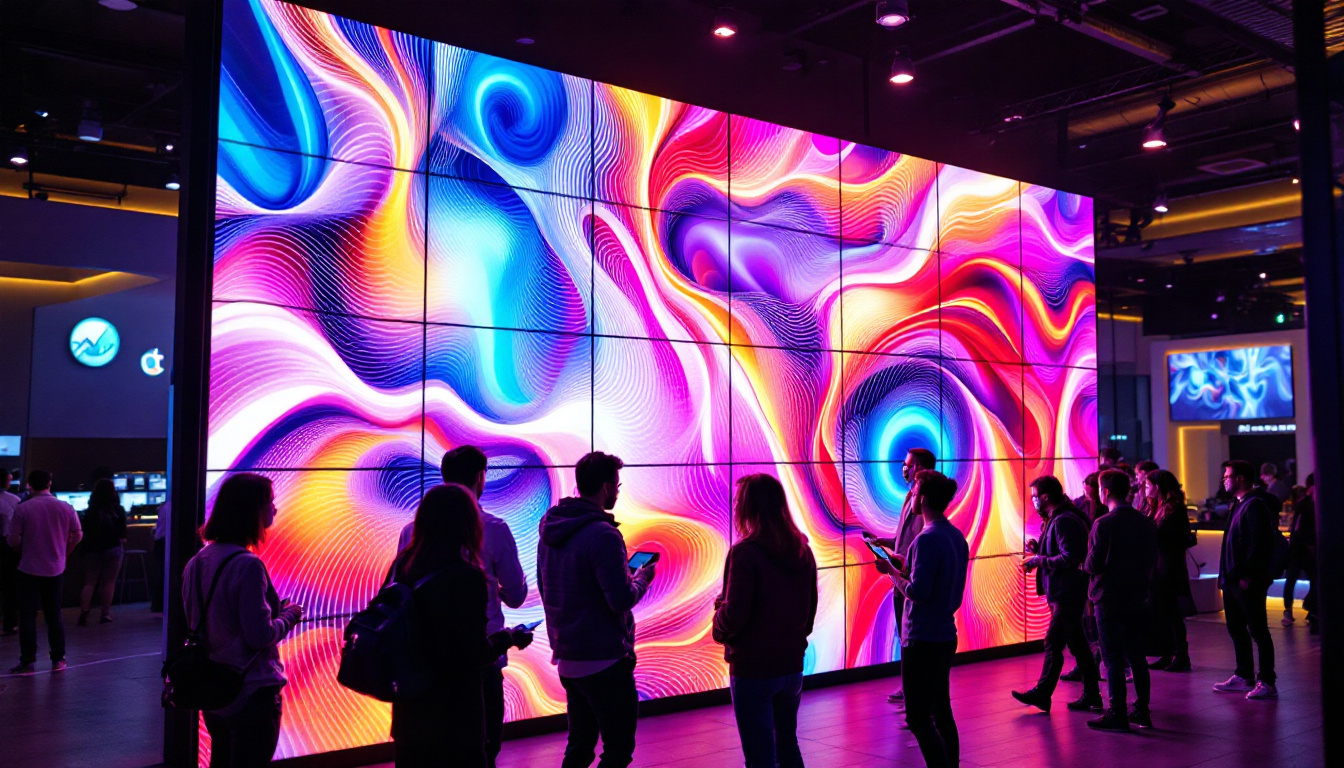
Retailers use 4K LED displays to attract customers with dynamic advertising and promotional content. The high brightness and vivid colors ensure messages stand out even in busy, well-lit stores. Interactive LED walls also enhance customer engagement by providing touch-enabled experiences.
Events and Live Performances
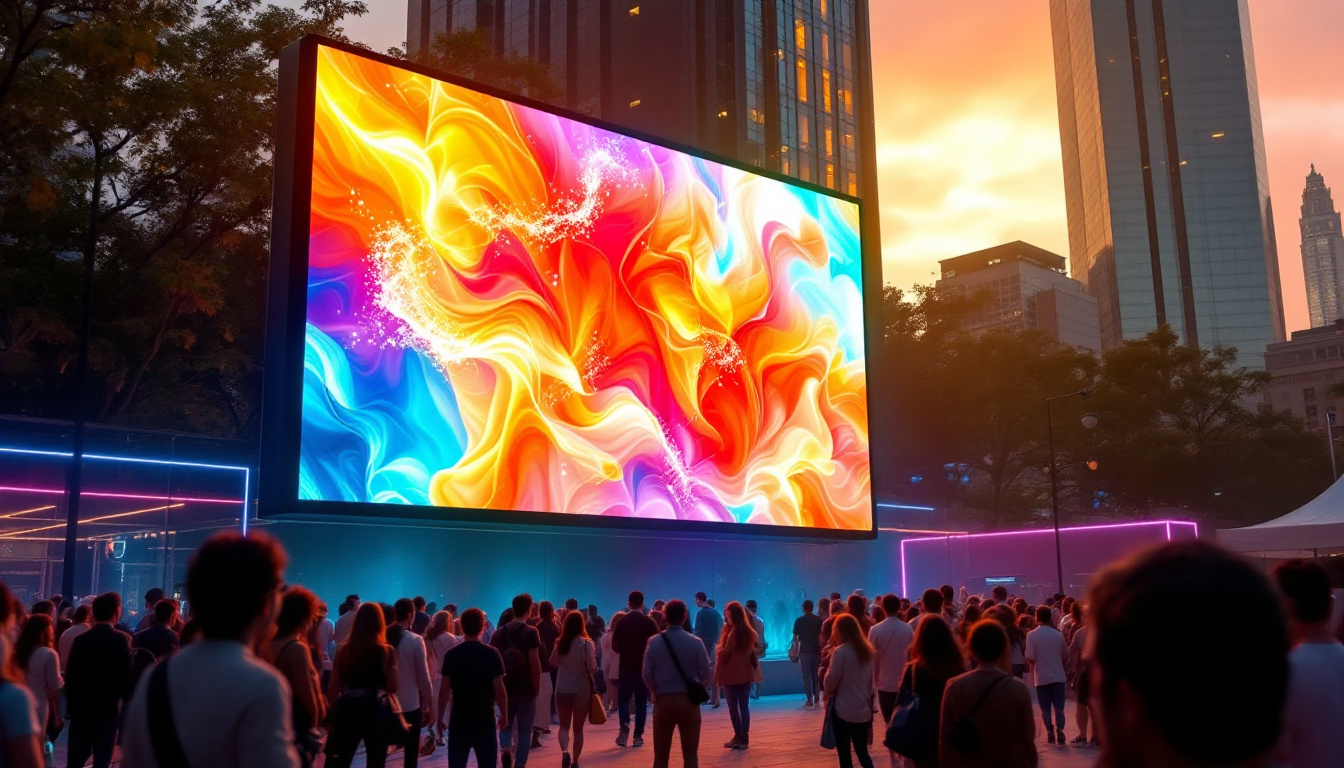
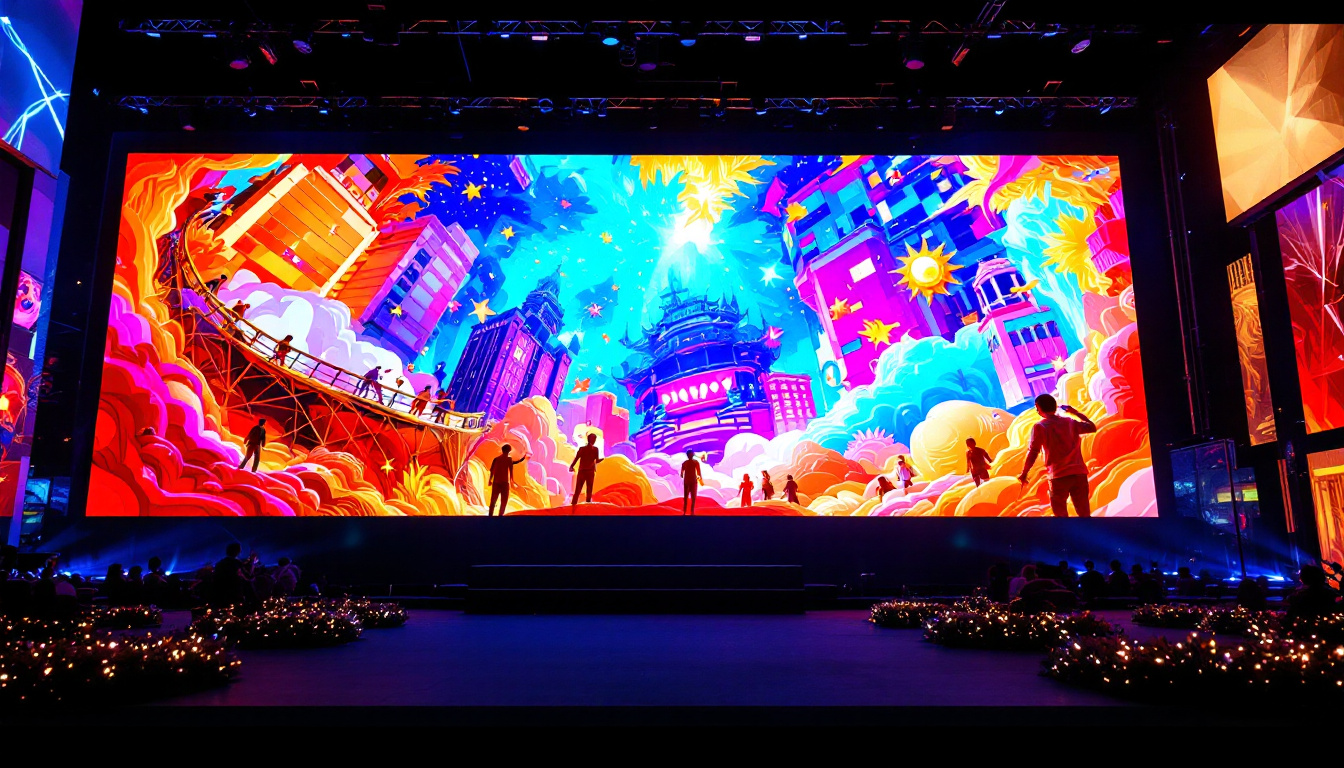
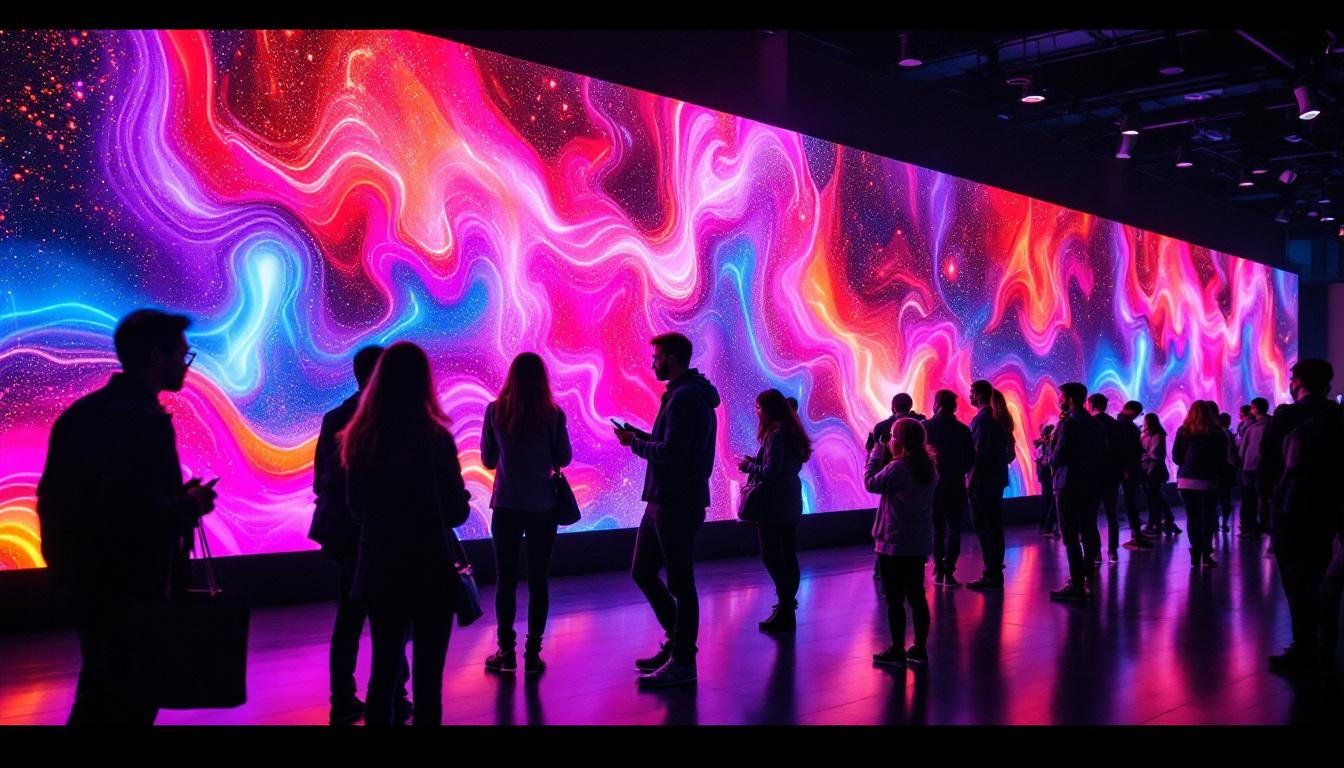
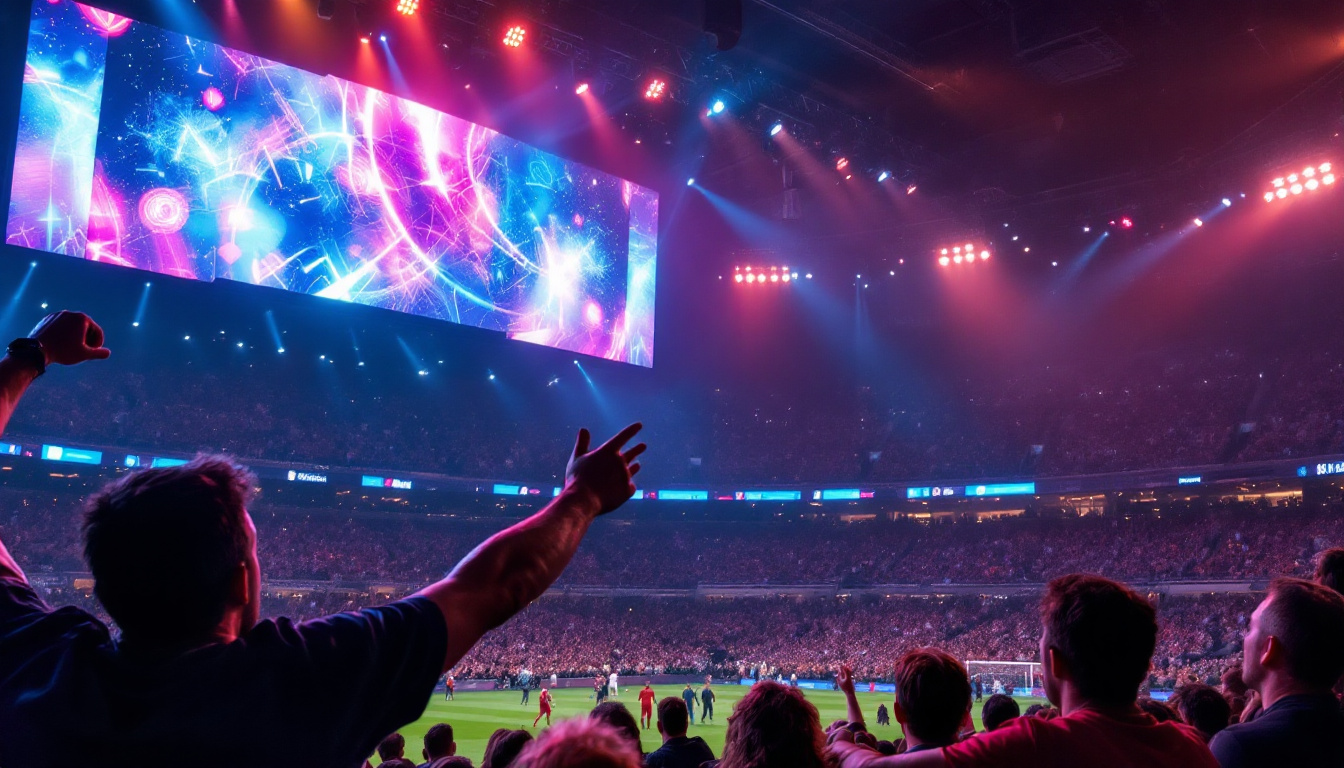
Concerts, sports events, and conferences increasingly rely on large 4K LED video walls to deliver real-time visuals to audiences. These displays can handle fast-moving images and complex graphics, enhancing the overall atmosphere and ensuring everyone has a clear view regardless of seating location.
Public Information and Transportation Hubs
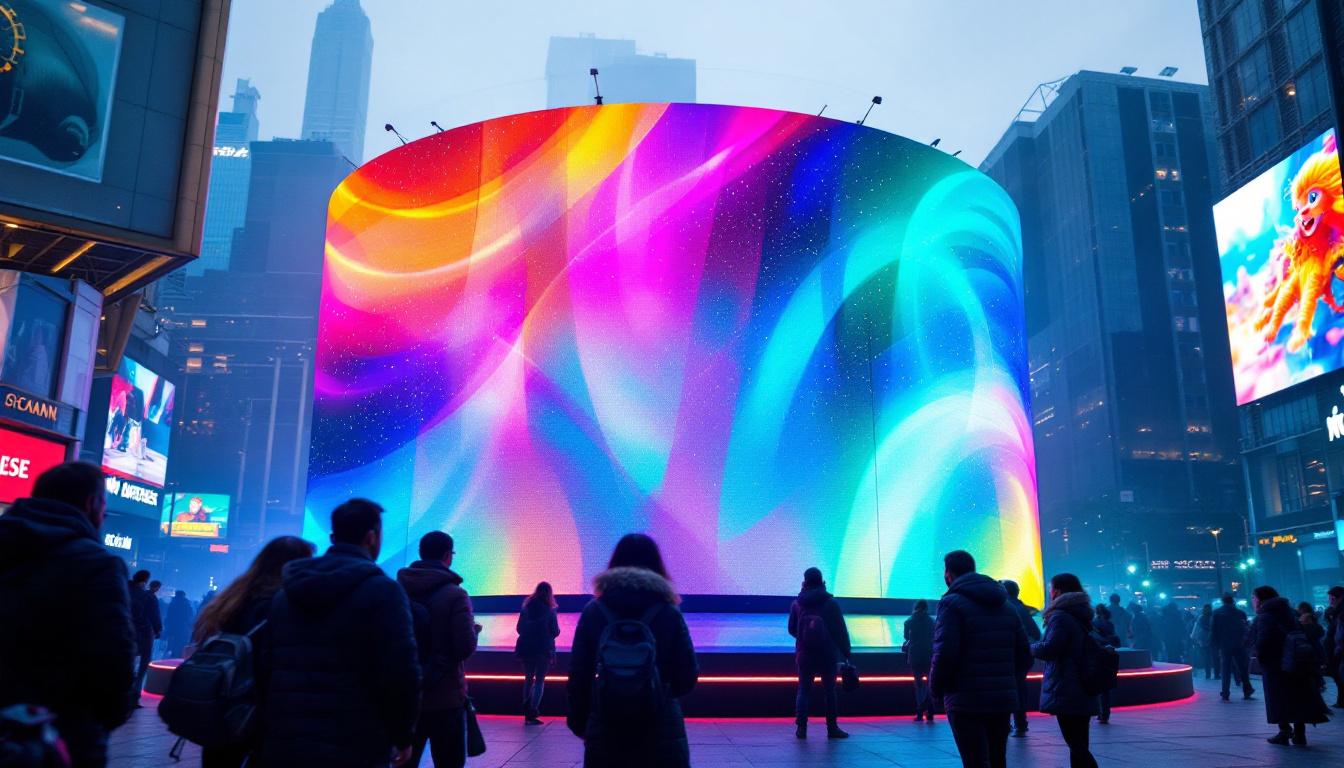
Airports, train stations, and city centers utilize 4K LED displays for clear, real-time information dissemination. Their durability and brightness make them ideal for outdoor and high-traffic areas, where visibility and reliability are critical.
Challenges and Considerations When Choosing 4K LED Displays
Despite their advantages, 4K LED displays come with considerations that buyers should be aware of to ensure optimal performance and value.
Cost Factors
High-resolution LED displays, especially direct-view 4K models, can be costly upfront compared to other technologies. The price depends on size, pixel pitch, brightness, and additional features such as HDR support. However, the total cost of ownership may be lower due to energy savings and durability.
Installation and Maintenance
Large LED video walls require professional installation to ensure proper alignment, calibration, and cooling. Maintenance is generally straightforward but may involve replacing individual LED modules if failures occur. Planning for accessibility and serviceability is essential in the design phase.
Content Creation and Compatibility
To fully leverage 4K LED displays, content must be created or adapted to 4K resolution. This requires higher bandwidth and storage capacity, as well as compatible playback hardware and software. Content creators should consider these requirements to avoid bottlenecks and ensure smooth playback.
Future Trends in 4K LED Display Technology
The LED display industry continues to innovate, promising even more impressive capabilities in the near future. Emerging trends include microLED technology, which uses microscopic LEDs to achieve even higher resolutions and better energy efficiency.
Additionally, advancements in HDR (High Dynamic Range) and color gamut standards are pushing the boundaries of color accuracy and contrast. Integration with AI-driven content optimization and interactive features will further enhance user engagement and experience.
The Rise of MicroLED
MicroLED displays represent the next evolution in LED technology, offering pixel-level control with smaller, more efficient LEDs. This technology promises superior brightness, contrast, and lifespan compared to OLED and traditional LED displays, potentially revolutionizing 4K and even 8K video presentation.
Integration with Smart Technologies
Smart LED displays equipped with sensors and AI capabilities can adapt content based on audience demographics, ambient lighting, and environmental conditions. This dynamic adjustment ensures optimal viewing experiences and maximizes the impact of displayed content.
Conclusion
4K LED displays stand at the forefront of modern visual technology, combining ultra-high resolution with the inherent advantages of LED lighting. Whether for home entertainment, commercial advertising, or large-scale public displays, they offer unmatched image quality, brightness, and versatility.
Understanding the technology behind 4K LED displays empowers consumers and businesses to make informed decisions, ensuring their video content is presented in the best possible light. As advancements continue, these displays will only become more integral to how we experience digital media.
Discover the Future of Visual Experience with LumenMatrix
Ready to elevate your video content to unparalleled heights of clarity and vibrancy? LumenMatrix is at the cutting edge of LED display technology, offering a diverse range of solutions tailored to your unique needs. From Indoor and Outdoor LED Wall Displays to innovative LED Transparent Displays, our mission is to transform your visual communication and captivate your audience. Don’t just take our word for it; check out LumenMatrix LED Display Solutions and see how we can illuminate your brand and bring your message to life with precision and brilliance.