The groundbreaking visual style of The Mandalorian has captivated audiences and industry professionals alike, not only for its storytelling but for its revolutionary approach to filming locations and set design. Central to this innovation is the use of massive LED display technology, which has redefined how filmmakers create immersive worlds without traditional green screens or extensive location shoots. This article delves into the filming locations of The Mandalorian, focusing on how LED displays are employed to create its stunning environments, the technology behind it, and what this means for the future of filmmaking.
The Evolution of Filming Locations in Modern Cinema
Historically, filmmakers have relied on a mix of real-world locations, physical sets, and green screen technology to bring their stories to life. Each method has its advantages and limitations. Real locations provide authenticity but can be costly and logistically challenging. Physical sets offer control but can be restrictive and expensive to build. Green screens allow for limitless creativity but often result in a disconnect between actors and their environments, requiring extensive post-production work.
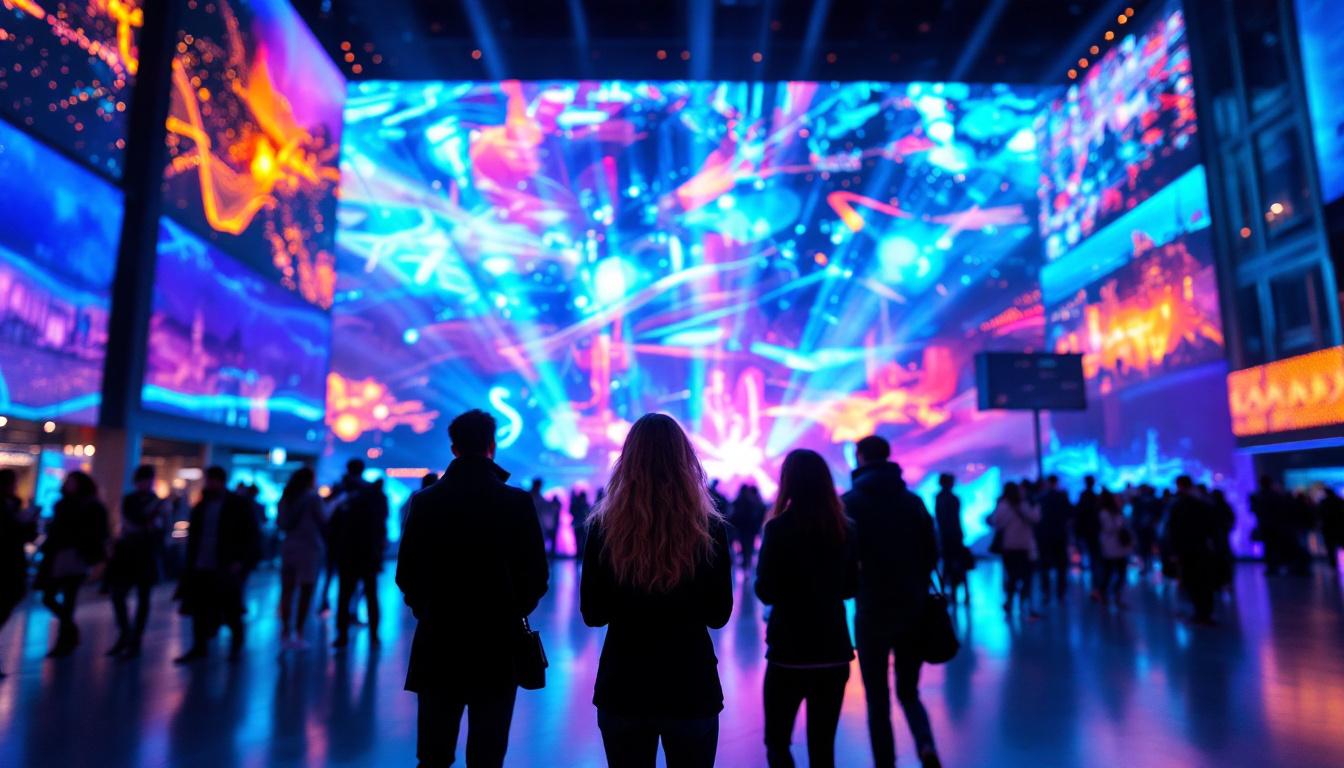
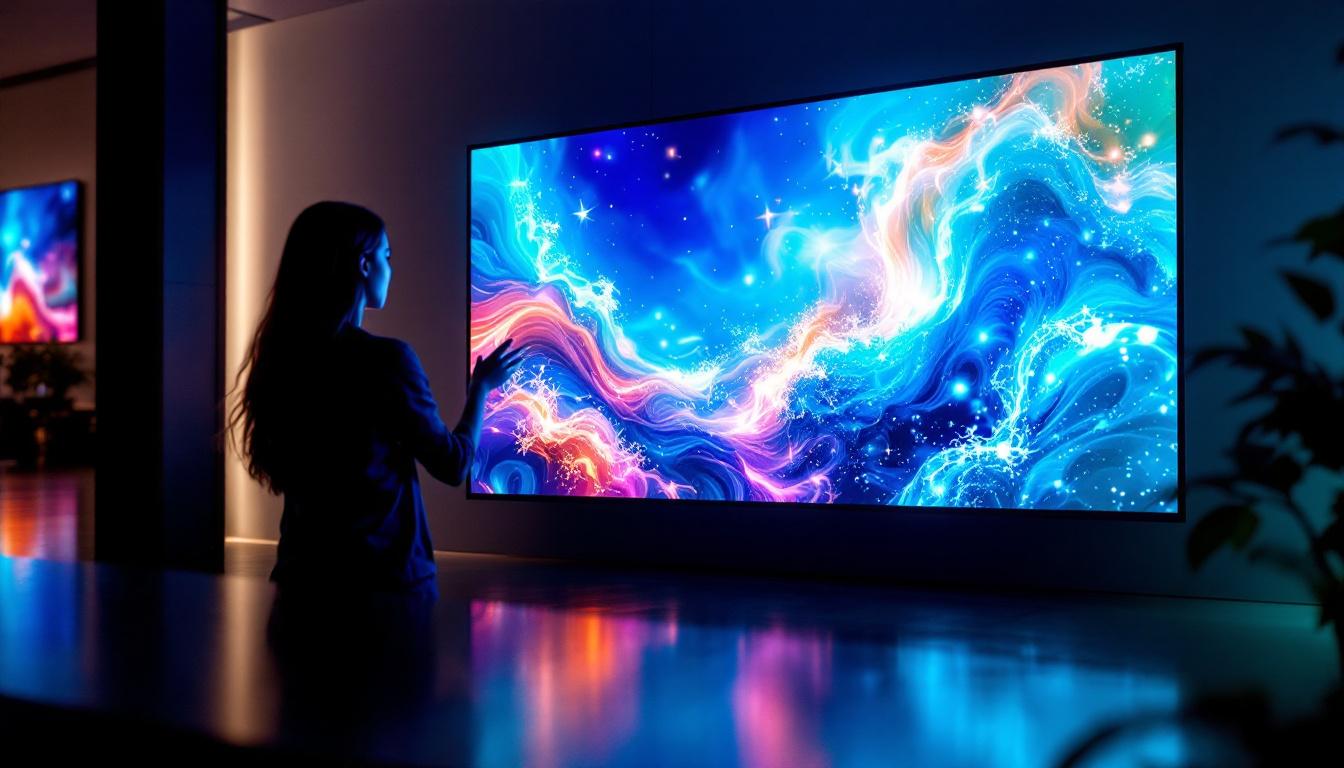
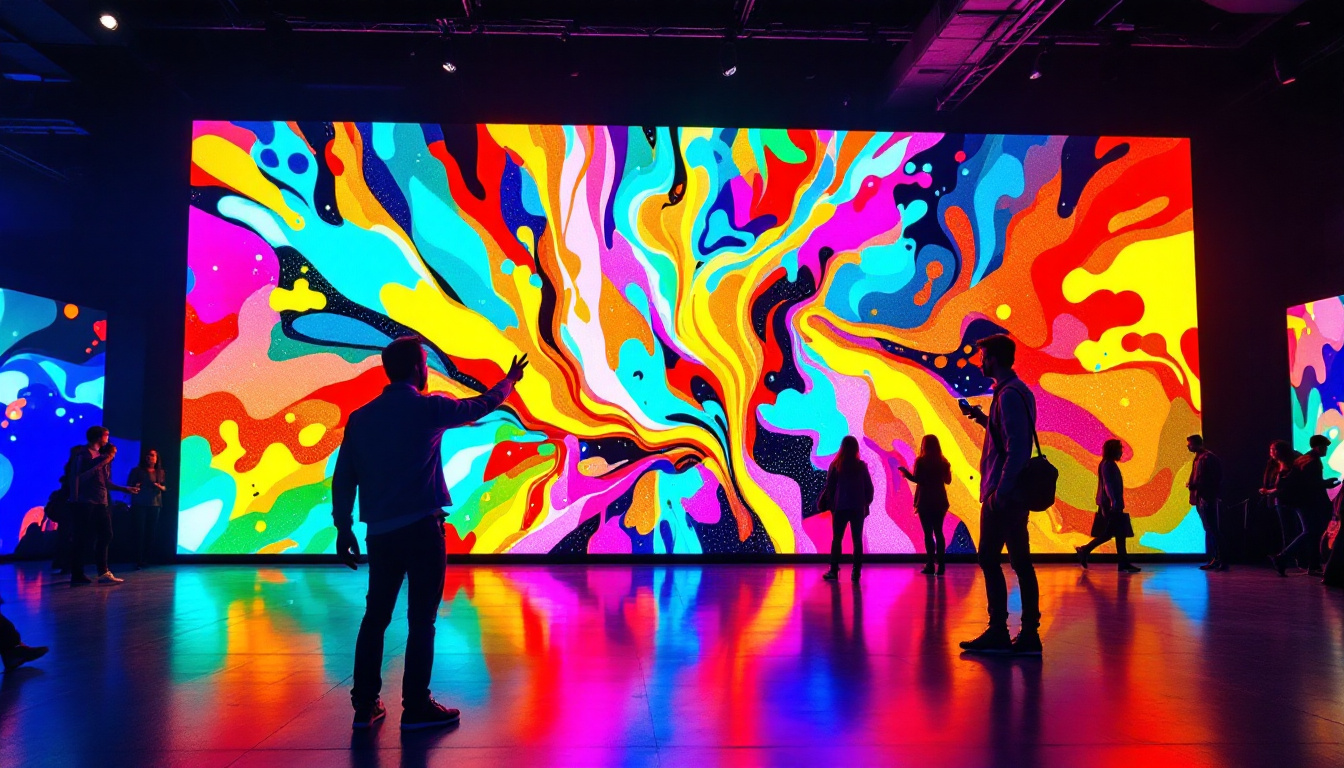
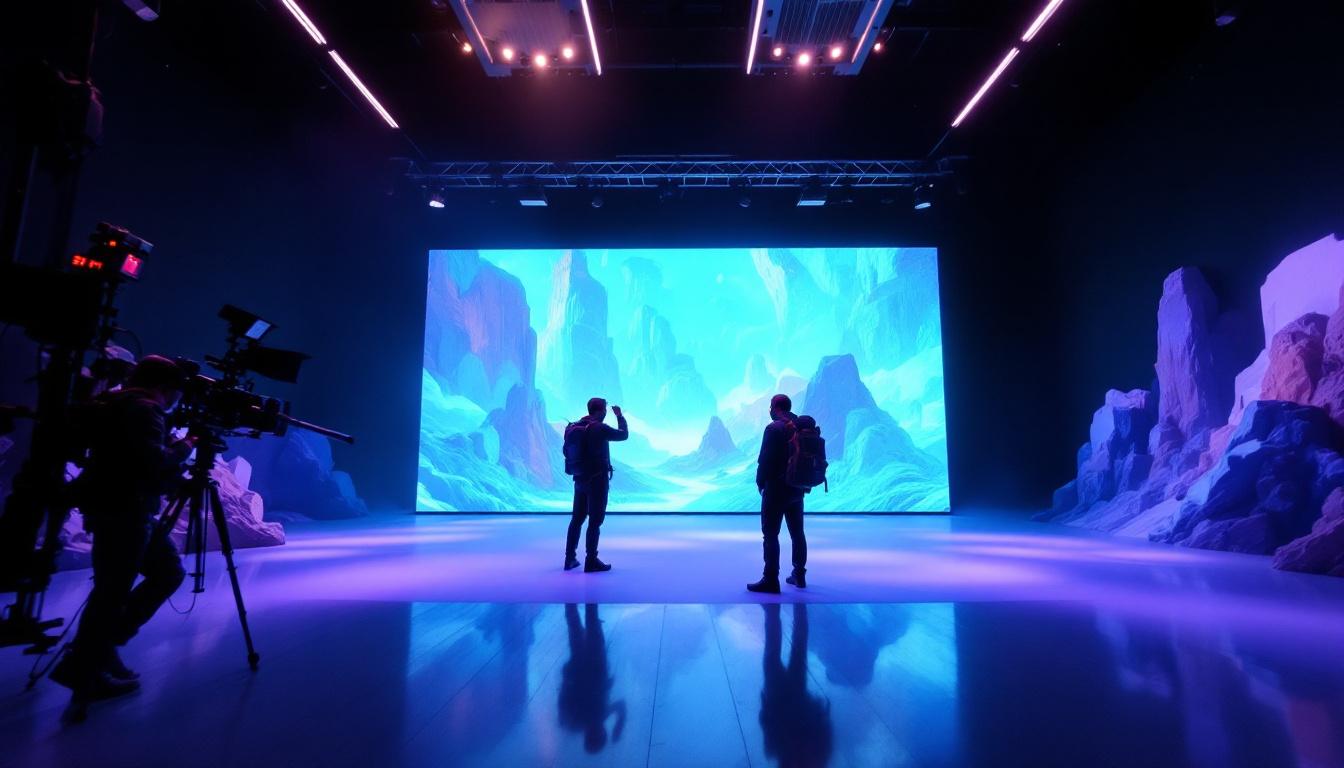
With the advent of LED display technology, these challenges are being addressed in innovative ways. Instead of actors performing in front of blank green screens, they are immersed in dynamic, high-resolution environments projected on large LED walls. This technique blends the benefits of physical and digital sets, enabling real-time interaction between actors and their surroundings. The use of LED technology not only enhances the visual quality of the scenes but also allows for more spontaneous performances, as actors can react to their environments in a more natural manner.
Moreover, this evolution in filming locations has opened up new possibilities for storytelling. Filmmakers can now create fantastical worlds that were once limited to the imagination, all while maintaining a sense of realism that captivates audiences. For instance, productions like “The Mandalorian” have showcased how LED walls can transport viewers to distant planets, complete with realistic lighting and reflections that interact with the characters. This method also significantly reduces the need for extensive location scouting, which can often be a time-consuming and costly process, allowing filmmakers to focus more on the narrative and artistic aspects of their projects.
As this technology continues to develop, it is likely to influence not just the aesthetics of films but also the very nature of how stories are told. With the ability to create immersive environments on set, directors can experiment with new narrative techniques, blurring the lines between reality and fiction. This shift may lead to a renaissance in cinematic storytelling, where the visual experience becomes as integral to the narrative as the script itself, inviting audiences to engage with films in ways that have never been possible before.
What is the LED Volume Technology Used in The Mandalorian?
Understanding the LED Volume
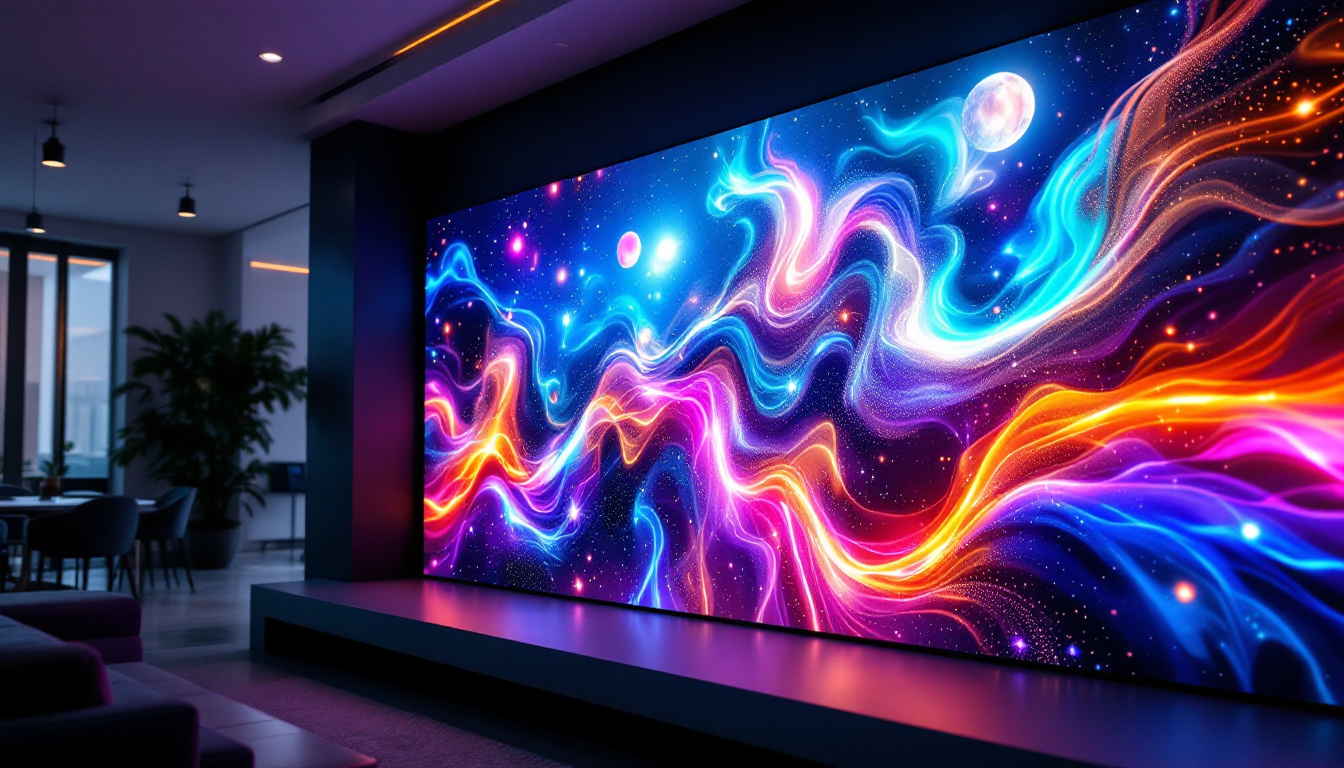
The core of The Mandalorian’s visual magic lies in the “StageCraft” LED volume technology developed by Industrial Light & Magic (ILM). This system consists of a large, curved wall and ceiling made up of thousands of LED panels that display photorealistic backgrounds rendered in real-time using game engine software, primarily Unreal Engine.
The LED volume creates a 360-degree immersive environment that can simulate anything from alien planets to starships, all within a controlled studio setting. Unlike traditional green screens, the LED walls emit actual light, which interacts naturally with the actors and physical props, enhancing realism and reducing the need for extensive post-production compositing. This innovative approach allows filmmakers to create stunning visuals without the logistical challenges of location shooting, making it possible to capture complex scenes in a fraction of the time.
Additionally, the use of LED volume technology has opened up new avenues for creativity in production design. With the ability to change backgrounds on-the-fly, directors can experiment with different environments and lighting conditions during a single shooting day, allowing for greater flexibility and spontaneity in storytelling. This adaptability not only streamlines the production process but also inspires actors to deliver more nuanced performances, as they are able to react to a fully realized environment rather than merely imagining it.
Real-Time Rendering and Camera Tracking
One of the most impressive features of the LED volume is its ability to adjust the background perspective in real-time based on camera movement. Using sophisticated camera tracking systems, the displayed environment shifts dynamically, maintaining accurate parallax and depth cues. This means that as the camera moves, the background changes accordingly, creating an authentic sense of space and immersion.
This real-time rendering capability not only improves visual fidelity but also empowers directors and cinematographers to see the final composite during filming, enabling more informed creative decisions on set. The integration of advanced motion capture technology further enhances this experience, allowing for seamless blending of live-action performances with digital elements. As a result, the actors can interact with virtual characters and environments as if they were physically present, leading to more believable interactions and emotional depth in the storytelling.
Moreover, the LED volume technology is not just a game-changer for visual effects; it has implications for the entire filmmaking process. By reducing the reliance on extensive post-production work, filmmakers can allocate more resources to other creative aspects of the project, such as sound design and music composition. This holistic approach to filmmaking fosters a collaborative environment where every department can contribute to the final product in real-time, ultimately elevating the quality of the cinematic experience.
Filming Locations: From Studio to Screen
The Primary Filming Location: Manhattan Beach Studios
The majority of The Mandalorian was filmed at Manhattan Beach Studios in California, where ILM constructed the massive LED volume stage. This state-of-the-art facility was custom-built to accommodate the unique requirements of the LED technology, including high ceilings, extensive electrical infrastructure, and precise environmental controls.
By centralizing production in a single studio equipped with the LED volume, the production team minimized the need for traditional location shoots. This approach not only streamlined logistics but also allowed for rapid scene changes and environmental adjustments, which would be impossible on location.
Supplementary On-Location Shoots
While the LED volume handled the bulk of the environmental visuals, The Mandalorian also utilized select real-world locations to enhance authenticity. For example, the deserts of Southern California and the rugged landscapes of New Mexico were used for certain exterior shots. These locations provided natural textures and elements that complemented the digital environments.
However, even in these cases, the LED volume technology played a role in extending or enhancing the backgrounds, blending practical and digital elements seamlessly.
Advantages of Using LED Displays Over Traditional Methods
Enhanced Actor Performance and Interaction
One of the most significant benefits of the LED volume is how it improves actor engagement. Performing in front of a green screen can be challenging, as actors must imagine their surroundings. The LED displays provide a tangible environment, allowing actors to react naturally to their surroundings, improving performances and emotional authenticity.
Improved Lighting and Visual Consistency
Because the LED walls emit light corresponding to the displayed environment, they provide realistic lighting on actors and sets. This reduces the need for complex lighting setups and ensures visual consistency between foreground and background elements, which can be difficult to achieve with green screen compositing.
Cost and Time Efficiency
Traditional location shoots are expensive and time-consuming, often requiring travel, permits, and weather contingencies. The LED volume allows for rapid switching between environments without leaving the studio, significantly reducing production time and costs. Additionally, directors can make adjustments on the fly, avoiding costly reshoots.
Technical Challenges and Solutions
Managing Reflections and Color Accuracy
One challenge in using LED volumes is controlling reflections on shiny surfaces, such as helmets or metallic props, which can reveal the LED panels and break immersion. The production team addressed this by carefully calibrating the LED brightness and using matte finishes where appropriate.
Color accuracy is another critical factor. The LED panels must reproduce colors faithfully to match the desired aesthetic and integrate seamlessly with physical elements. ILM worked closely with LED manufacturers and software developers to optimize color profiles and ensure consistency across the entire volume.
Technical Infrastructure and Maintenance
Operating a massive LED volume requires robust technical infrastructure, including high-bandwidth data connections, cooling systems, and power management. The Manhattan Beach Studios installation includes redundant systems to prevent downtime and ensure smooth operation during filming.
Regular maintenance and calibration are essential to keep the LED panels functioning optimally, which involves a dedicated team of technicians working behind the scenes.
The Future of Filming Locations and LED Technology
The success of The Mandalorian has sparked widespread interest in LED volume technology across the film and television industry. Studios worldwide are investing in similar facilities, recognizing the potential to revolutionize production workflows and creative possibilities.
Beyond entertainment, this technology is finding applications in advertising, virtual events, and even architectural visualization. As LED displays become more affordable and software more sophisticated, the line between physical and digital environments will continue to blur.
Moreover, advances in artificial intelligence and real-time rendering promise even more immersive and interactive environments, enabling filmmakers to push the boundaries of storytelling further.
Conclusion
The use of LED display technology in The Mandalorian represents a paradigm shift in how filming locations are created and utilized. By combining cutting-edge hardware with real-time rendering software, the production team crafted immersive, dynamic environments that enhance storytelling while improving efficiency and actor performance.
This innovative approach not only transformed the visual language of the Star Wars universe but also set a new standard for the industry. As LED volume technology continues to evolve, it will undoubtedly play a central role in shaping the future of filmmaking, offering limitless creative possibilities without the constraints of traditional location shoots.
Explore the Future of Filming with LumenMatrix
As the film industry embarks on a new era of visual storytelling, LumenMatrix stands at the forefront, offering an array of advanced LED display solutions that bring creative visions to life. Whether you’re looking to recreate distant galaxies or design interactive digital art installations, our Indoor and Outdoor LED Wall Displays, along with specialized options like Vehicle, Sports, and Floor LED Displays, provide unparalleled clarity and immersion. Embrace the same technology that transformed The Mandalorian into a cinematic marvel. Check out LumenMatrix LED Display Solutions and join the revolution in visual communication.