In the modern era of sports and entertainment, stadiums have transformed into immersive arenas where fans experience more than just the live action on the field. One of the key elements driving this transformation is the widespread use of LED display technology. From massive video boards to ribbon displays and interactive fan zones, LED screens have become indispensable in enhancing the spectator experience, providing real-time information, and generating revenue streams for venue operators.
This article delves into the world of stadium LED displays, explaining their technology, applications, and the impact they have on both fans and stadium management. Whether you are a sports enthusiast, a stadium operator, or simply curious about how these giant screens work, this comprehensive guide will provide valuable insights.
The Evolution of Stadium Screens: From Scoreboards to LED Giants
The journey of stadium screens began with simple mechanical scoreboards and evolved into the sophisticated LED displays seen today. In the early 20th century, scoreboards were manually operated and limited to displaying scores and basic game information. As technology advanced, cathode ray tube (CRT) screens and projection systems were introduced, but they were often bulky, expensive, and limited in brightness and resolution.
The advent of Light Emitting Diode (LED) technology revolutionized stadium displays. LEDs are semiconductor devices that emit light when an electric current passes through them. This technology allowed for brighter, more energy-efficient, and highly customizable screens that can operate effectively in various lighting conditions, including direct sunlight.
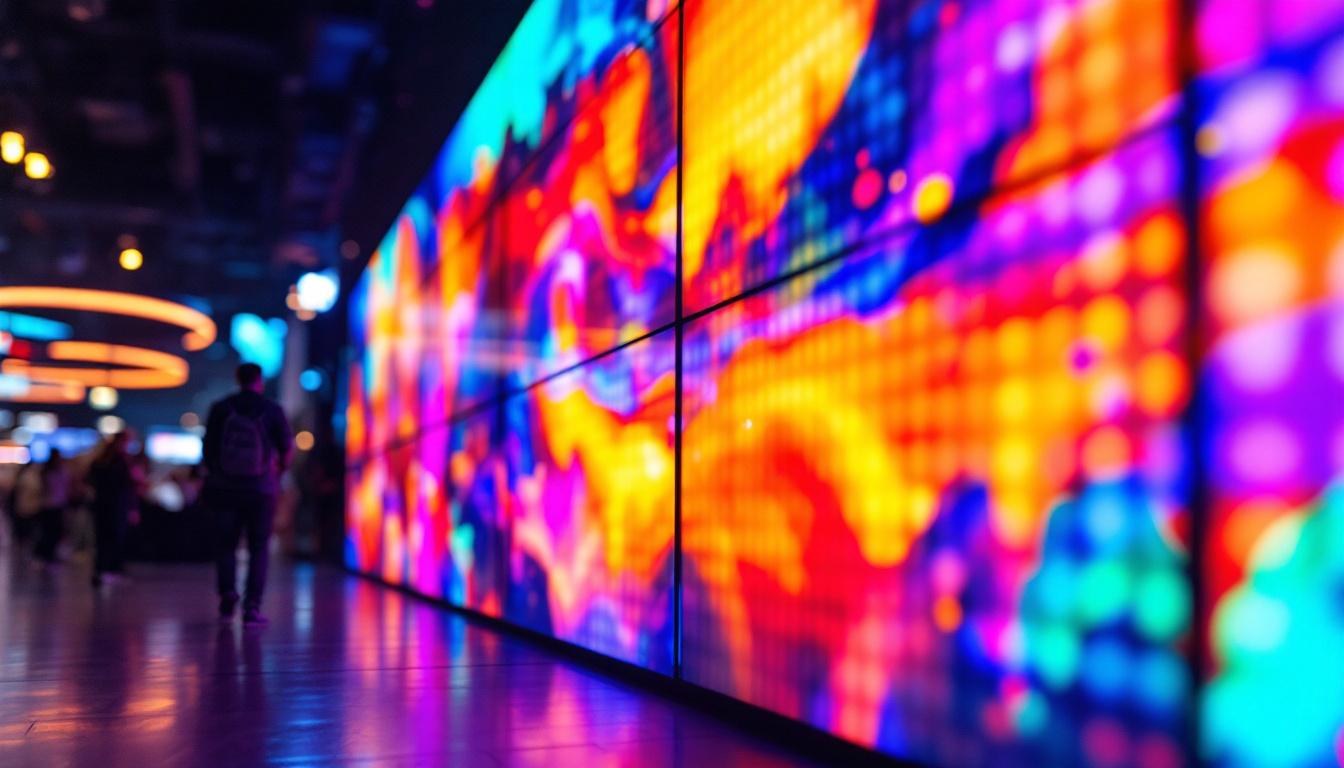
Today, many stadiums worldwide boast enormous LED video boards that can span thousands of square feet, offering crystal-clear images, live video feeds, instant replays, advertisements, and interactive content. The shift to LED displays has not only improved visual quality but also opened new avenues for fan engagement and commercial opportunities.
Moreover, the integration of advanced technologies such as augmented reality (AR) and virtual reality (VR) into stadium screens has further transformed the spectator experience. Fans can now enjoy immersive experiences that allow them to interact with the game in real-time, such as viewing player statistics or engaging in social media activities right from their seats. This interactive capability enhances the overall atmosphere of the event, making it not just a game but a multi-dimensional experience that keeps fans engaged long after the final whistle.
Furthermore, the environmental impact of LED technology cannot be overlooked. Compared to traditional lighting systems, LED screens consume significantly less power, which is a crucial consideration for large venues that host numerous events throughout the year. Many stadiums are now incorporating sustainable practices by utilizing solar panels to power these giant displays, showcasing a commitment to reducing their carbon footprint while still delivering an electrifying visual experience. This blend of technology and sustainability is becoming a hallmark of modern stadium design, reflecting a broader trend in the sports industry towards eco-friendly practices.
How LED Displays Work: Technology Behind the Screens
Understanding LED Pixels and Modules
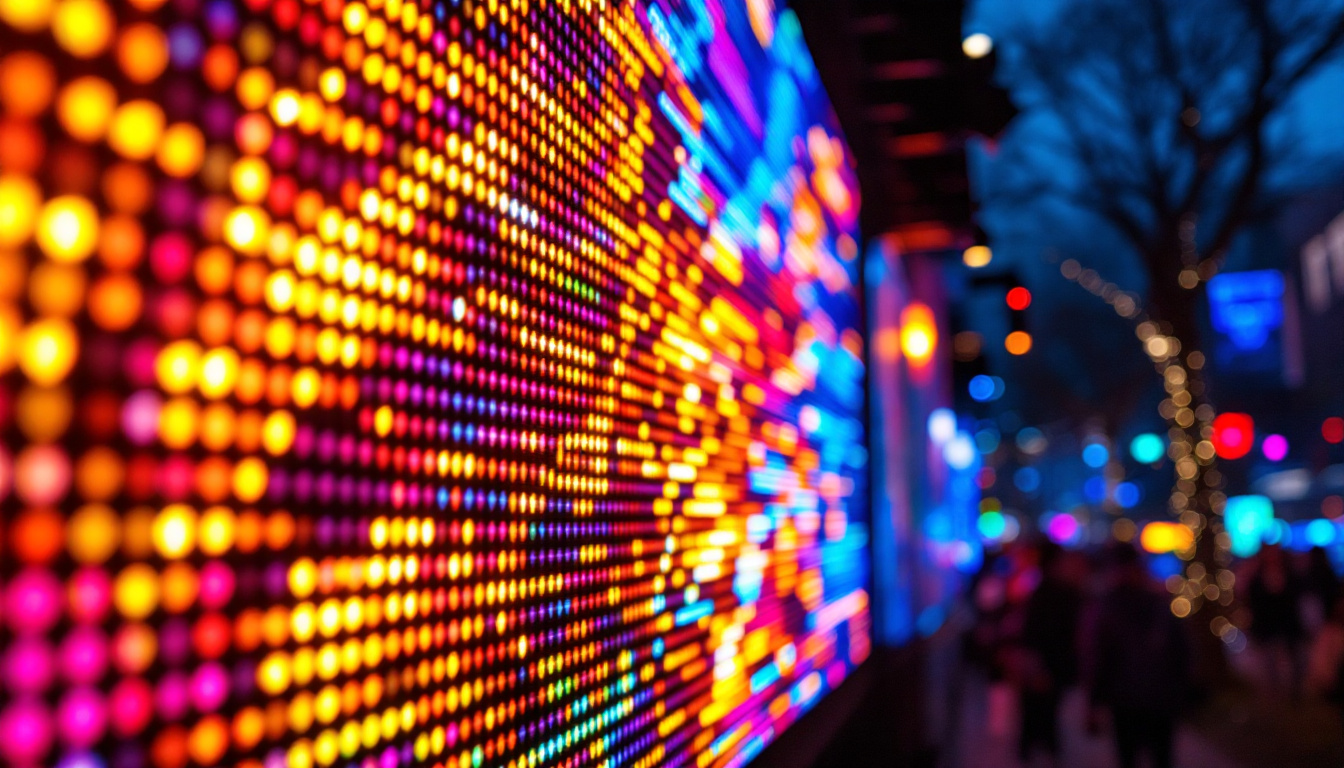
At the core of every LED display are thousands or even millions of tiny LEDs arranged in a grid. Each LED acts as a pixel, and by controlling the brightness and color of each pixel, the screen can display images and videos. Modern stadium screens use full-color LEDs, typically combining red, green, and blue (RGB) diodes to produce a wide spectrum of colors.
These LEDs are grouped into modules, which are then assembled into panels to create the full display. The resolution of the screen depends on the pixel pitch—the distance between the centers of two adjacent pixels. A smaller pixel pitch means higher resolution and sharper images, which is crucial for close viewing distances.
Types of LED Displays Used in Stadiums
Stadiums commonly use two main types of LED displays:
- Outdoor LED Displays: Designed to withstand harsh weather conditions, these screens are highly durable, waterproof, and capable of producing extremely high brightness levels (often exceeding 5,000 nits) to remain visible under direct sunlight.
- Indoor LED Displays: Used in arenas or covered stadiums, these screens can have a finer pixel pitch since they don’t need to compete with sunlight. They offer superior image quality for close-up viewing and often serve as scoreboards, advertising panels, or interactive displays.
Additionally, flexible and curved LED panels have become popular, allowing stadiums to create unique screen shapes that wrap around structures or fit into architectural designs.
Applications of LED Displays in Stadiums
Enhancing the Fan Experience
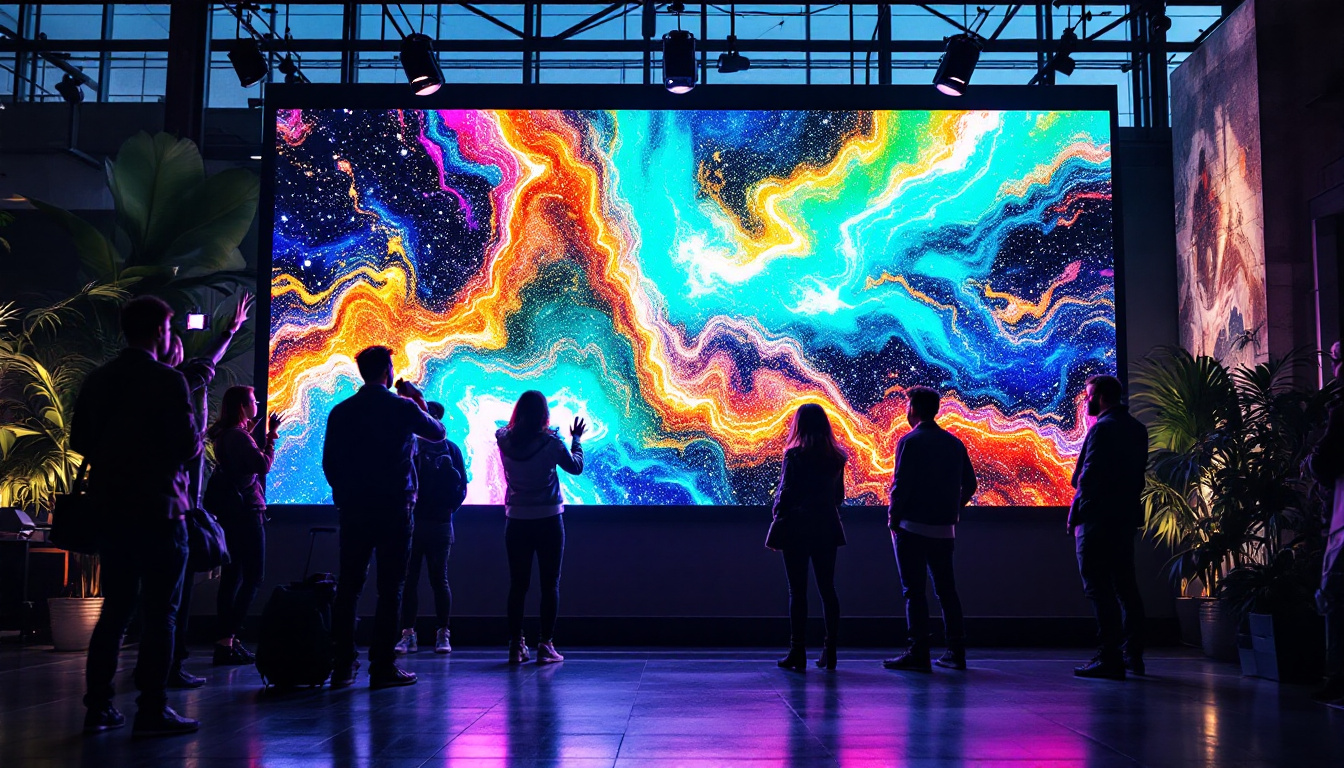
One of the primary reasons for installing LED screens in stadiums is to improve the fan experience. Large video boards provide instant replays, close-ups of players, and multiple camera angles that fans at the venue might otherwise miss. This visual enhancement keeps spectators engaged and connected to the game.
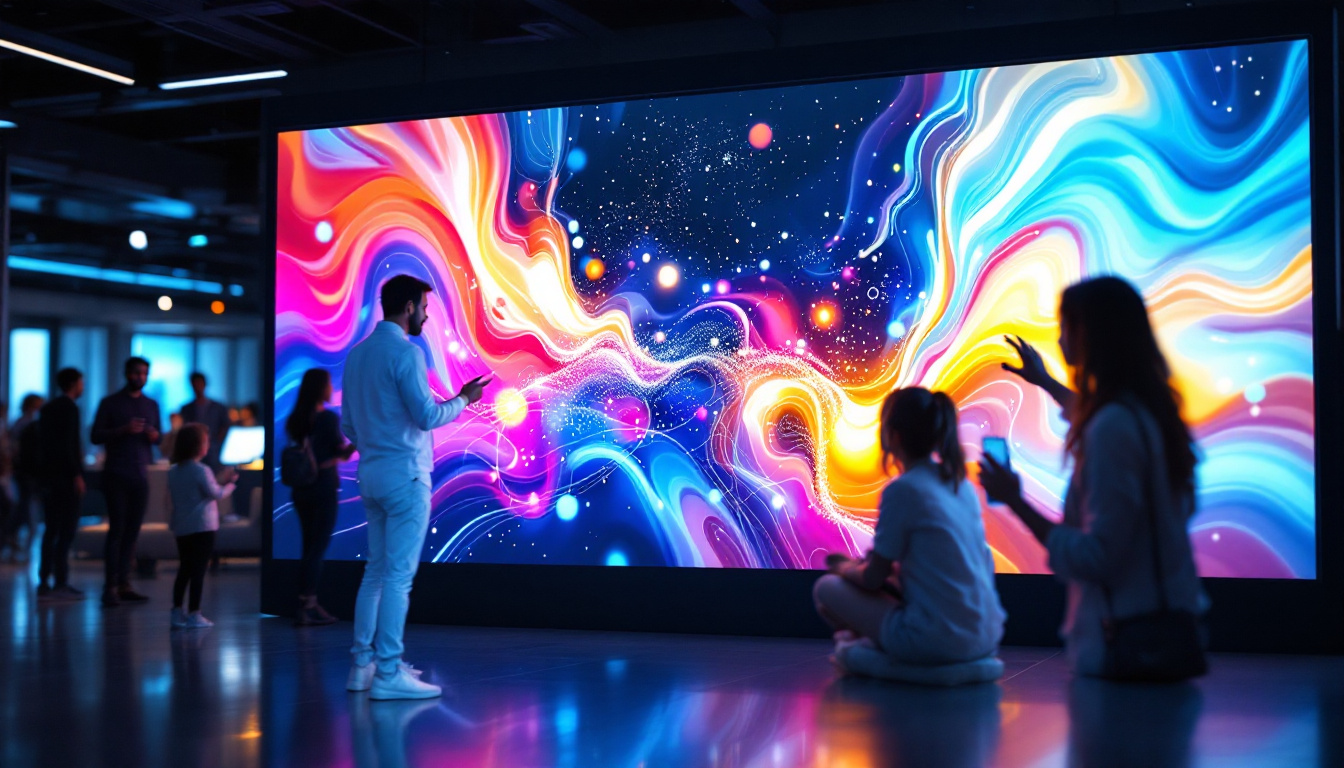
Moreover, LED ribbon boards that run along the perimeter of the stadium display dynamic content such as live stats, player information, and social media feeds. Interactive fan zones equipped with LED walls allow fans to participate in games, contests, and live polls, creating a more immersive environment.
Advertising and Revenue Generation
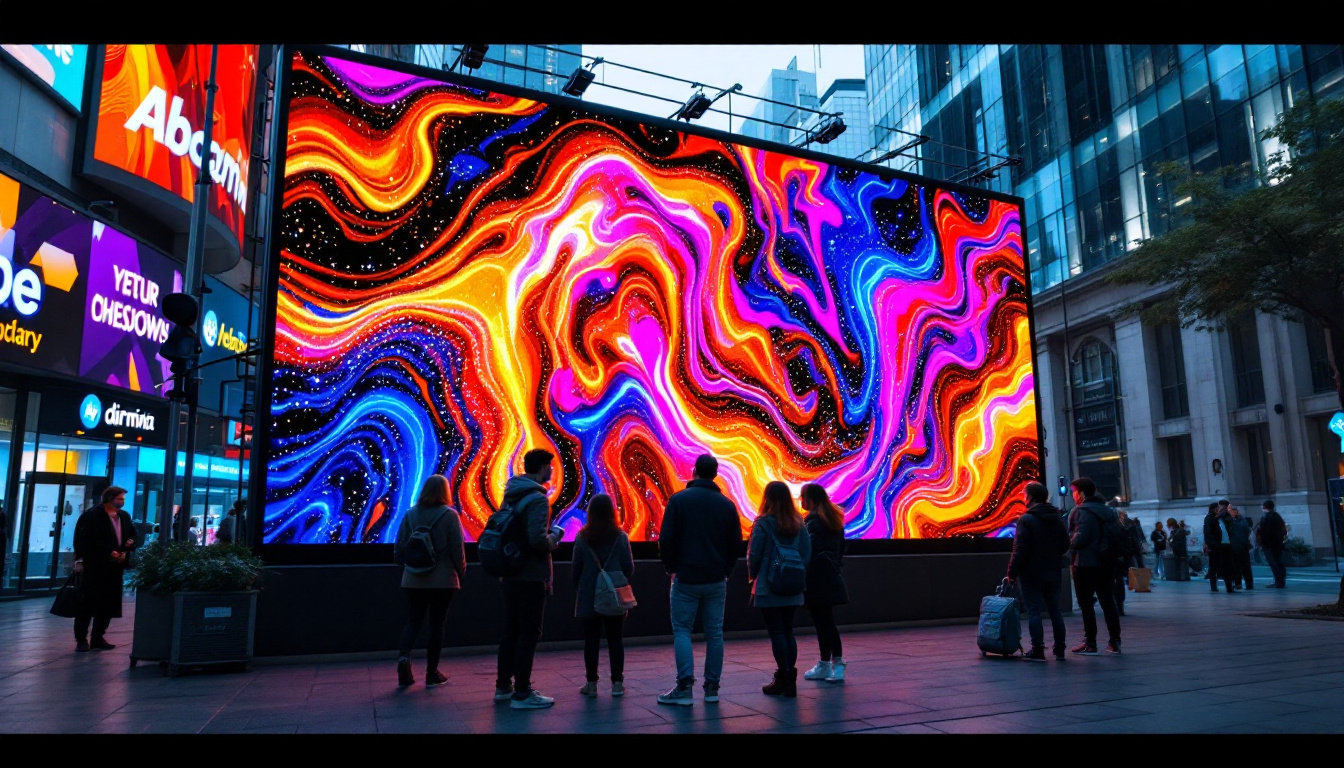
LED displays have become vital tools for stadium revenue generation. Advertisers pay premium rates to display their brands on these highly visible screens, reaching thousands of attendees and millions of viewers during televised events. The dynamic nature of LED content allows for multiple advertisers to share screen time, maximizing revenue potential.
Furthermore, LED displays enable targeted advertising, where content can be changed quickly to suit different audiences, events, or times of day. This flexibility increases the value of advertising space and allows stadium operators to tailor messages to specific demographics.
Operational and Safety Uses
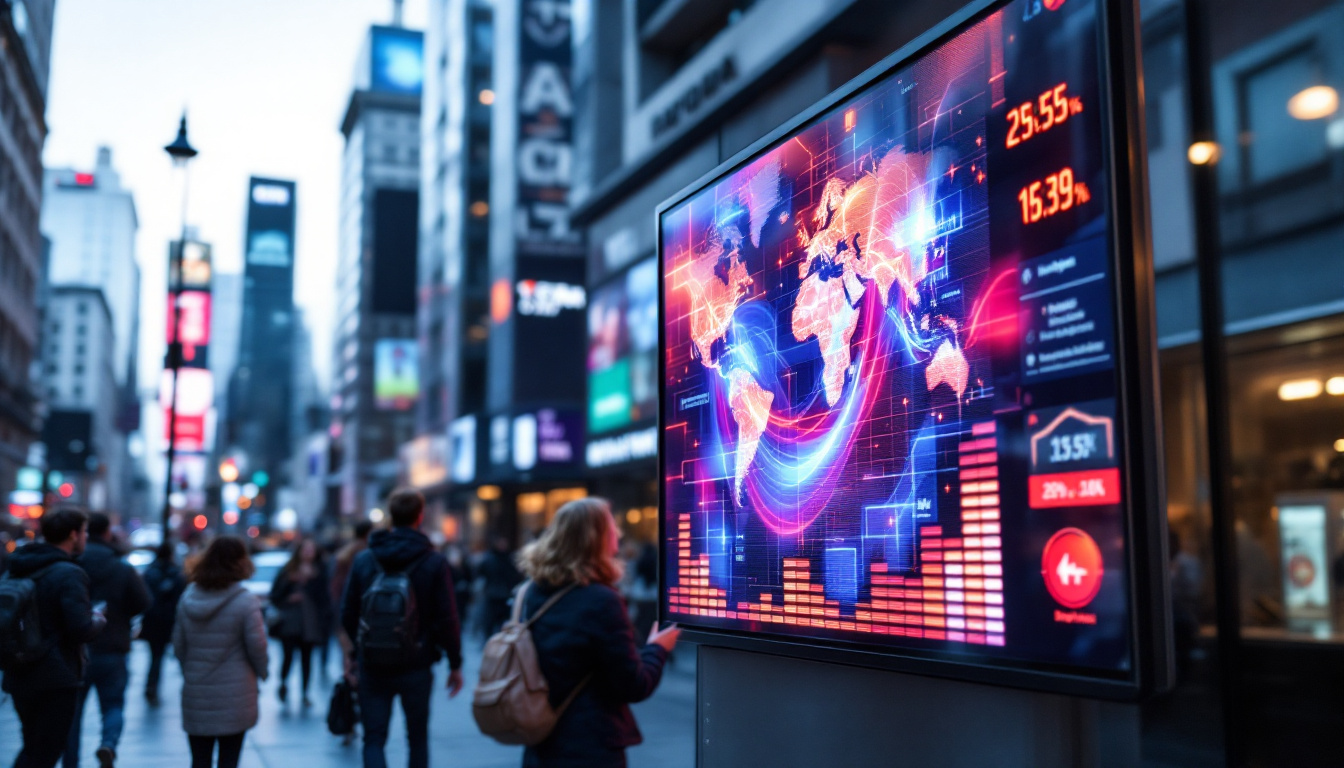
Beyond entertainment and advertising, LED screens serve important operational roles. They display emergency messages, evacuation instructions, and safety alerts in real-time, helping to manage crowd control and ensure spectator safety during unexpected situations.
Additionally, LED displays assist in event management by showing schedules, directions, and other logistical information, enhancing the overall efficiency of stadium operations.
Key Considerations When Choosing Stadium LED Displays
Brightness and Visibility
Stadium LED screens must be bright enough to be visible in various lighting conditions, especially under direct sunlight. Brightness levels are measured in nits, and outdoor stadium screens typically require at least 5,000 nits to ensure clear visibility. High brightness also helps combat glare and reflections, maintaining image clarity.
Resolution and Pixel Pitch
The resolution of an LED display is critical to delivering sharp, detailed images. Pixel pitch plays a significant role here; smaller pixel pitches offer higher resolution but come at a higher cost. Stadiums must balance resolution needs with budget constraints and viewing distances to select the appropriate pixel pitch.
Durability and Weather Resistance
Outdoor stadium screens face exposure to rain, wind, dust, and temperature extremes. Therefore, they must be built to withstand these conditions without performance degradation. IP ratings (Ingress Protection) indicate the level of protection against dust and water, with IP65 or higher being common for outdoor LED displays.
Maintenance and Energy Efficiency
LED displays require regular maintenance to ensure longevity and consistent performance. Modular designs facilitate easier repairs and replacements of individual components. Energy efficiency is another important factor, as large displays can consume significant power; modern LEDs are designed to minimize energy use while maximizing brightness.
Case Studies: Iconic Stadiums Leveraging LED Technology
AT&T Stadium – Dallas Cowboys
AT&T Stadium in Arlington, Texas, is home to one of the most impressive LED installations in the world. Its center-hung video board measures approximately 160 feet wide and 72 feet tall, with a resolution of 1080p HD. This massive screen provides fans with unparalleled viewing experiences, including instant replays, live game stats, and interactive content.
The stadium also features LED ribbon boards and fascia displays that wrap around the interior, creating a visually immersive environment. The integration of LED technology has helped AT&T Stadium become a premier venue for sports and entertainment events.
Tottenham Hotspur Stadium – London
Opened in 2019, Tottenham Hotspur Stadium incorporates cutting-edge LED technology to enhance fan engagement. The stadium boasts a 5,000-square-foot LED video board behind one of the goals, delivering high-resolution images and video content. Additionally, LED ribbon boards encircle the stadium, providing dynamic advertising and real-time information.
The stadium’s design emphasizes flexibility, with LED screens used not only for football matches but also for concerts and other events, maximizing usage and revenue opportunities.
Mercedes-Benz Stadium – Atlanta Falcons
Mercedes-Benz Stadium features a unique circular LED halo board that wraps around the interior of the stadium’s roof. Measuring 1,100 feet in circumference and 58 feet tall, this display is one of the largest continuous LED rings in the world. It offers 360-degree visibility and serves as a central visual element during games and events.
The stadium also employs multiple LED video boards and ribbon displays, creating an engaging atmosphere for fans and advertisers alike.
The Future of Stadium LED Displays
Advancements in LED Technology
As LED technology continues to evolve, stadium displays are expected to become even more impressive. Innovations such as microLEDs promise higher brightness, better color accuracy, and longer lifespans with lower power consumption. These advancements will enable stadiums to deploy screens with unprecedented image quality and energy efficiency.
Integration with Augmented Reality and AI
Future stadium experiences may integrate LED displays with augmented reality (AR) and artificial intelligence (AI) to create personalized and interactive content. For example, fans could use AR-enabled devices to access player stats overlaid on the LED screens or receive AI-driven real-time analysis tailored to their preferences.
Such integration will deepen fan engagement and open new possibilities for content delivery and advertising.
Sustainability and Environmental Impact
With growing emphasis on sustainability, stadium operators are increasingly focused on reducing the environmental impact of their LED displays. This includes using energy-efficient LEDs, incorporating solar power, and designing screens for recyclability. Sustainable practices not only reduce operating costs but also align with the values of environmentally conscious fans and communities.
Conclusion
LED displays have become a cornerstone of the modern stadium experience, transforming how fans engage with sports and entertainment. Their ability to deliver vivid visuals, dynamic content, and real-time information enhances spectator enjoyment while providing valuable revenue opportunities for stadium operators.
Understanding the technology behind these displays, their applications, and key considerations is essential for anyone involved in stadium management or interested in the future of live event experiences. As LED technology advances and integrates with emerging innovations, stadium screens will continue to evolve, offering even more immersive and interactive environments for fans worldwide.
Illuminate Your Stadium Experience with LumenMatrix
Ready to elevate your venue’s atmosphere and engage your audience like never before? Discover LumenMatrix’s comprehensive range of LED display solutions, from vibrant Indoor and Outdoor LED Wall Displays to innovative Custom and All-in-One LED Displays. Each product is crafted with precision to ensure your message resonates with clarity and impact. Whether it’s for sports, entertainment, or any event that demands the best in visual communication, LumenMatrix is your partner in creating unforgettable experiences. Check out LumenMatrix LED Display Solutions today and transform your stadium into a beacon of excitement and interaction.