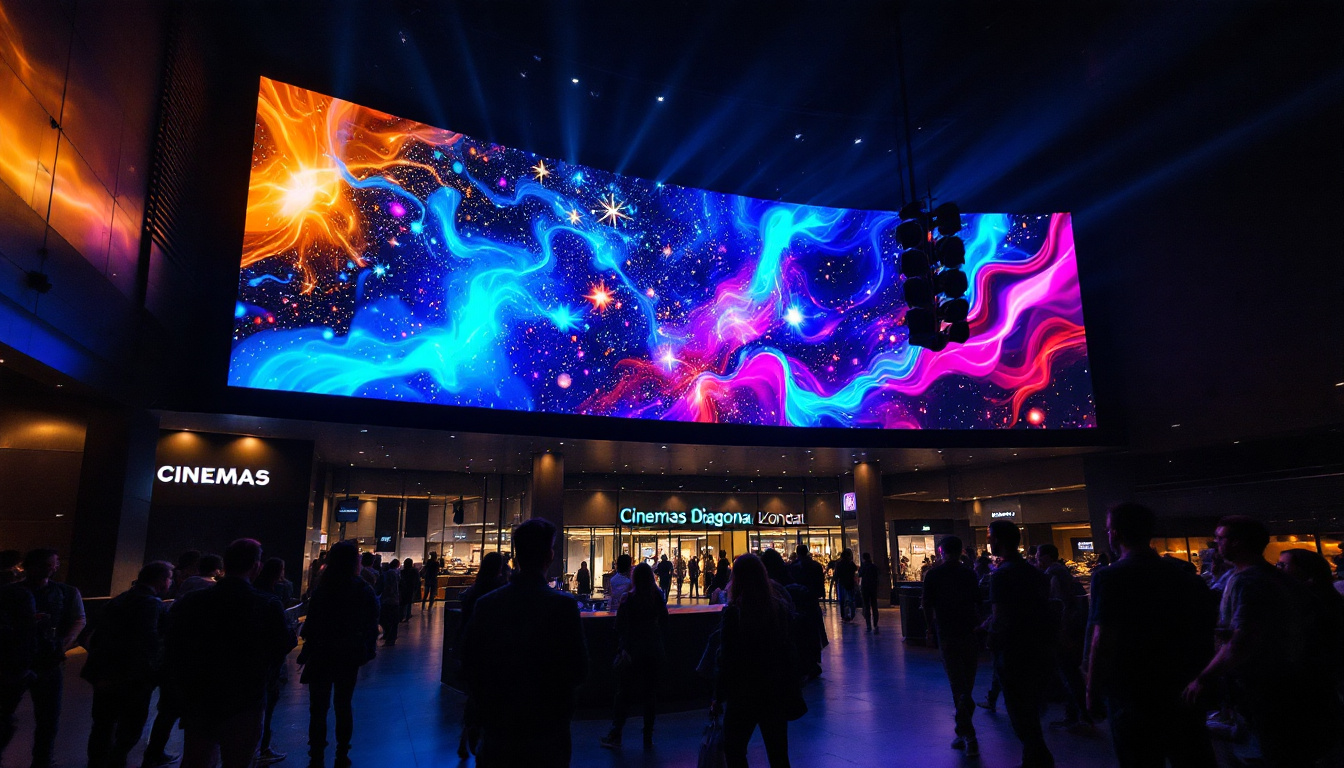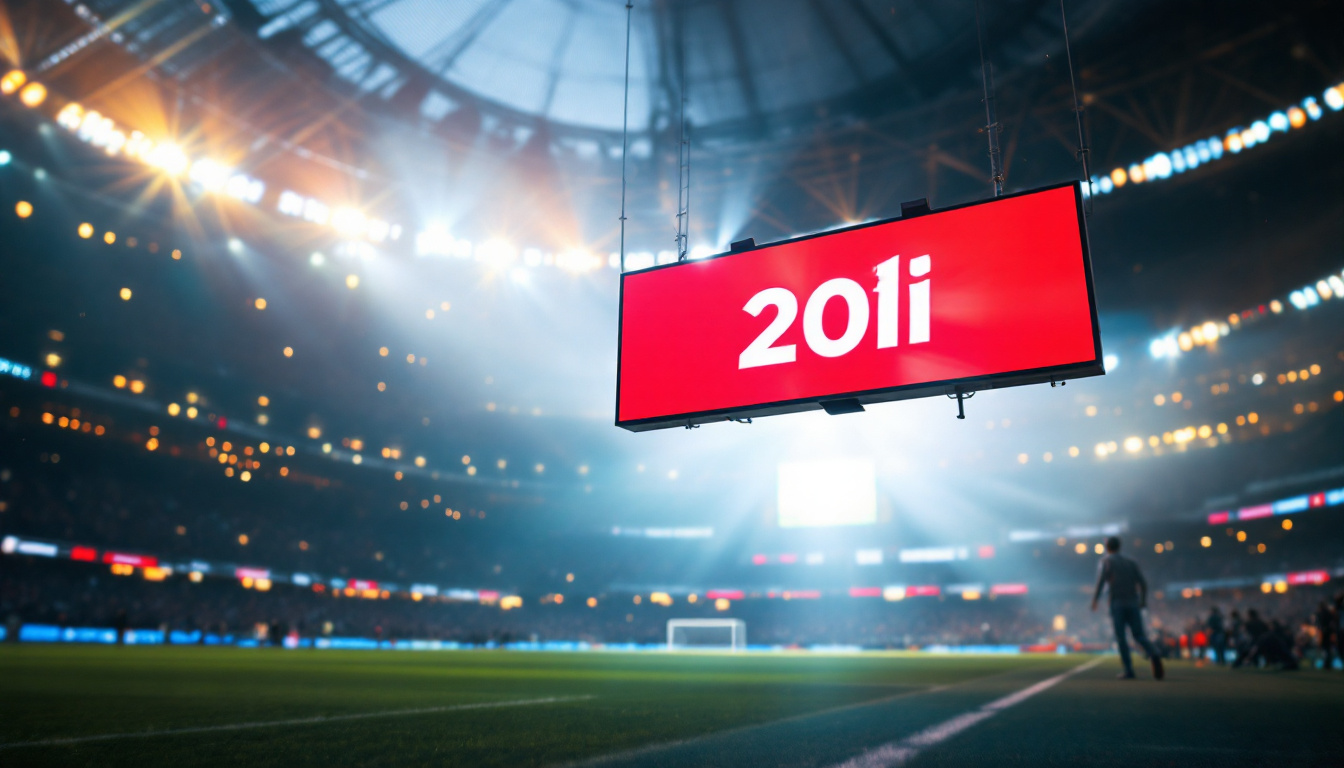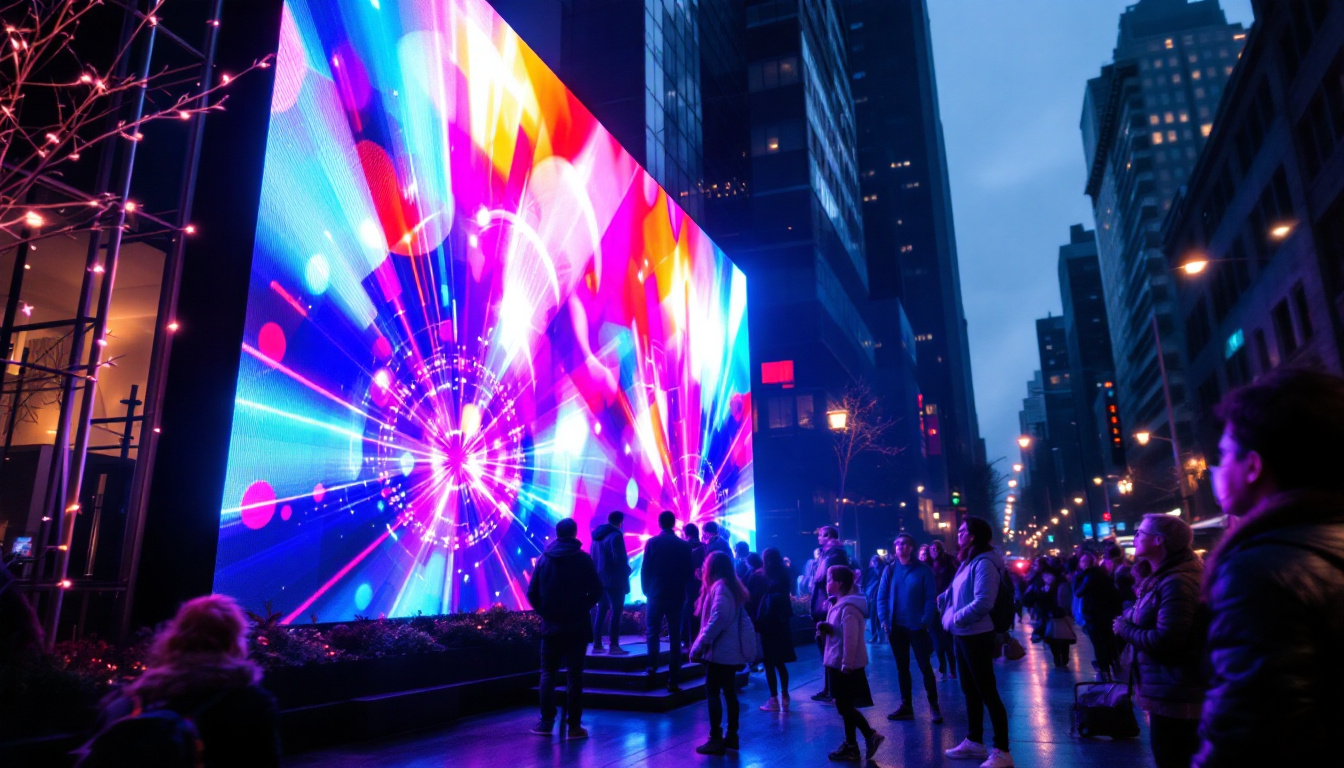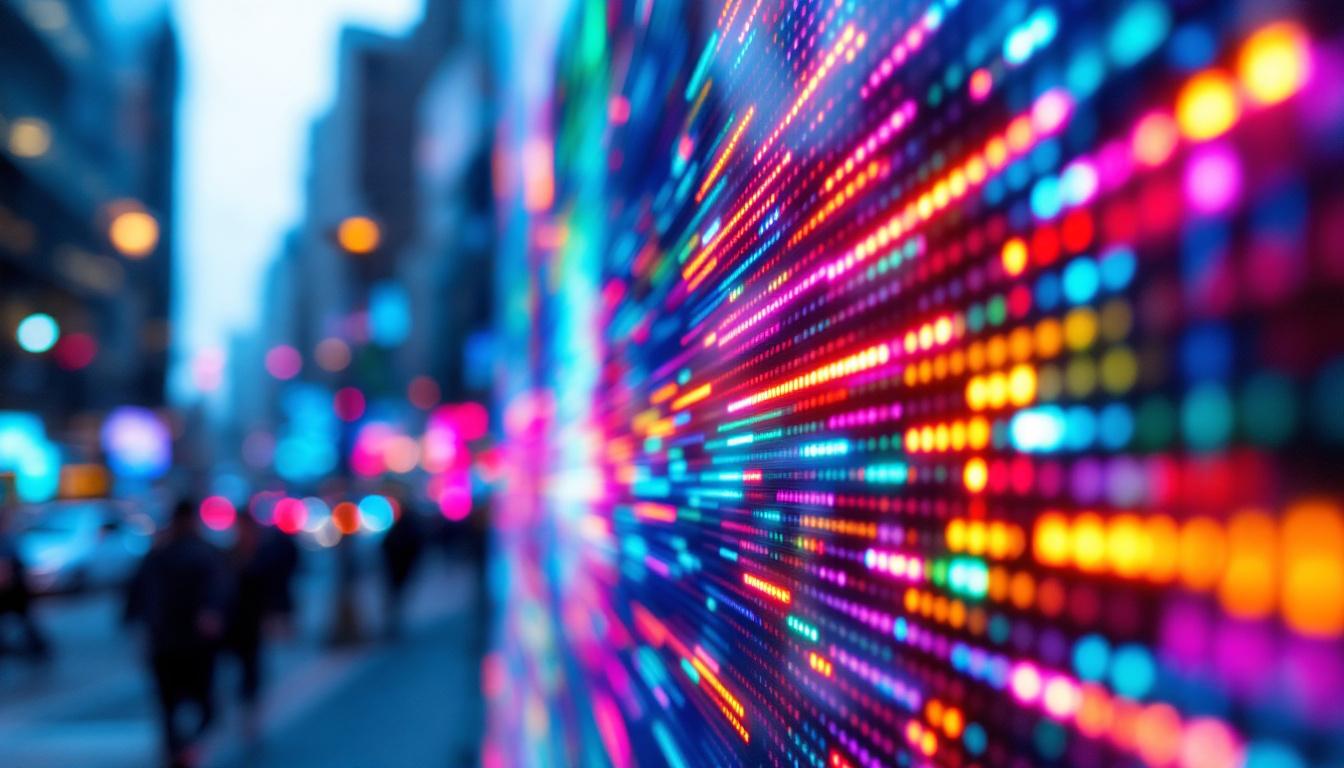
In the ever-evolving world of digital displays, LED matrix screens have emerged as a versatile and powerful technology. From advertising billboards to stadium scoreboards, and from public transport information panels to dynamic art installations, LED matrix screens are everywhere. But what exactly is a matrix screen, how does it work, and why has it become so popular? This article provides a comprehensive explanation of LED matrix displays, exploring their technology, types, applications, and future trends.
Understanding the Basics of LED Matrix Screens
What Is an LED Matrix Screen?
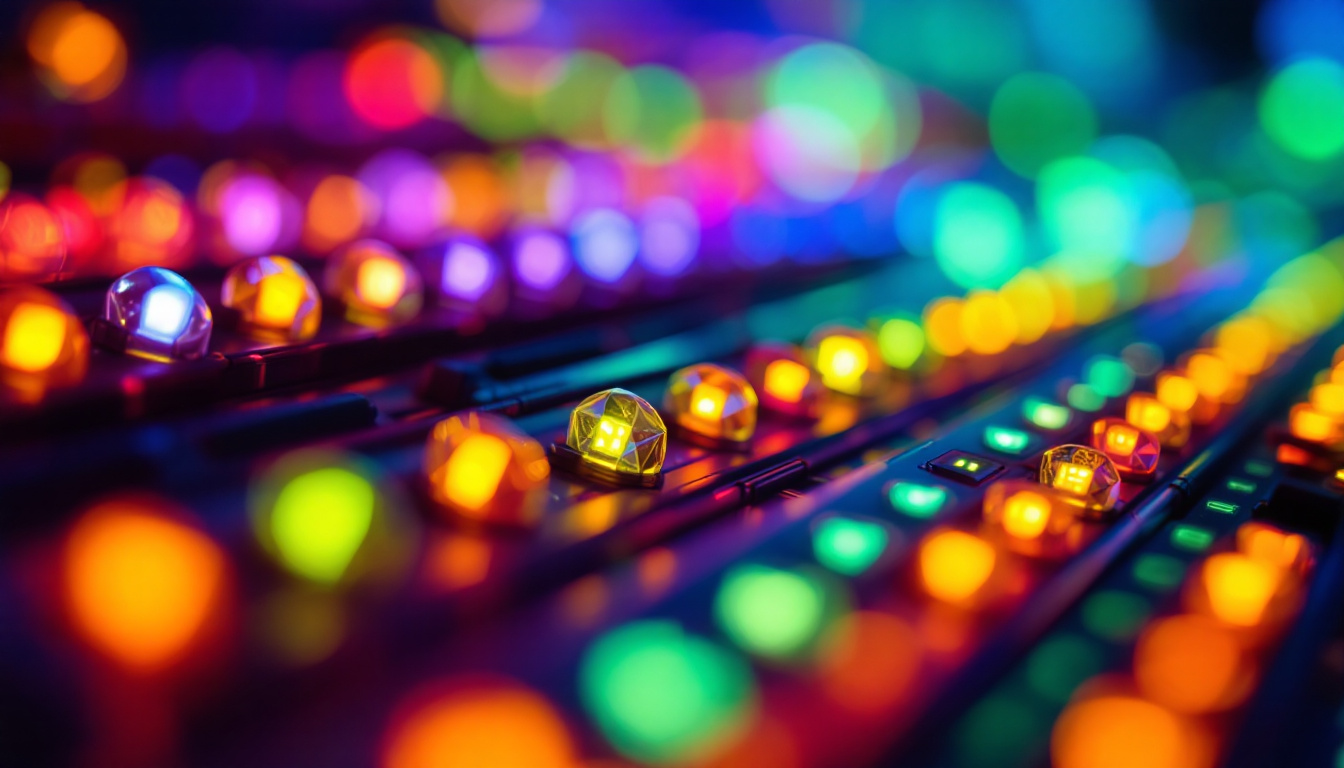
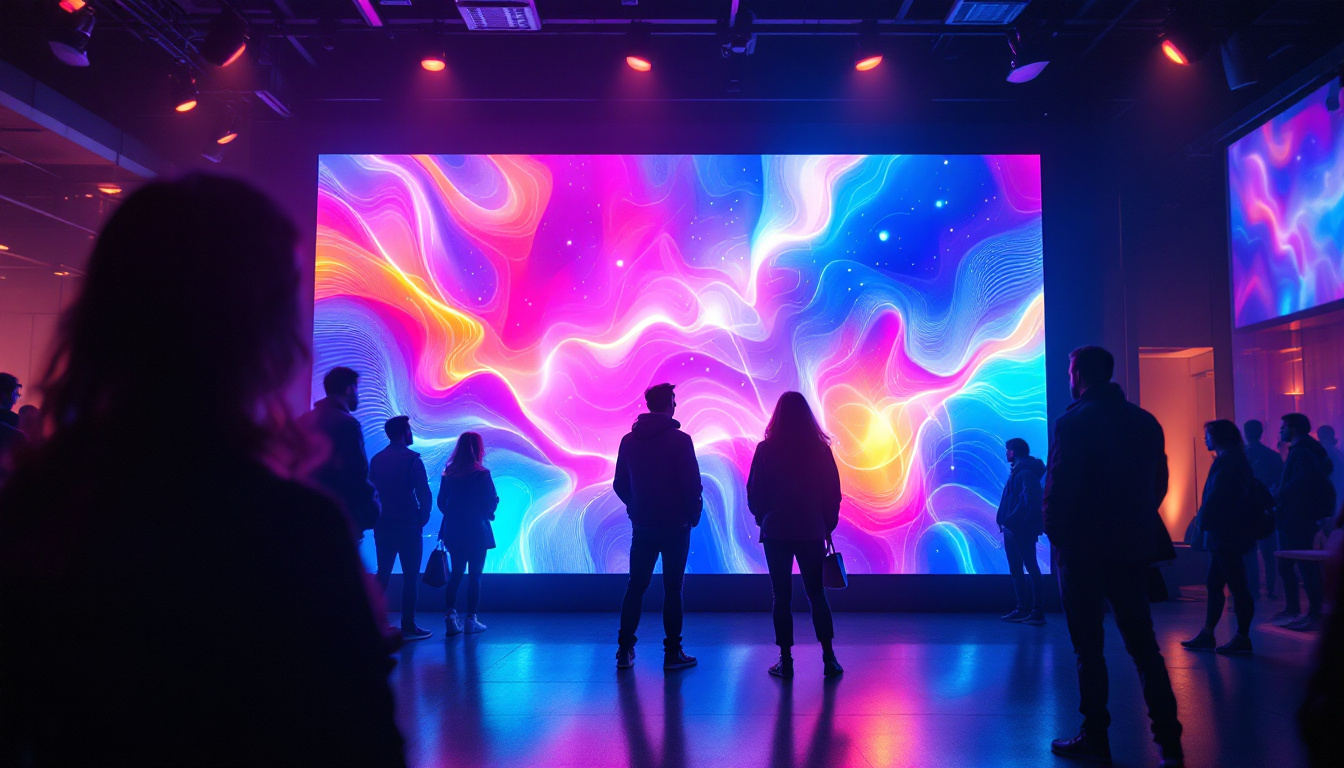
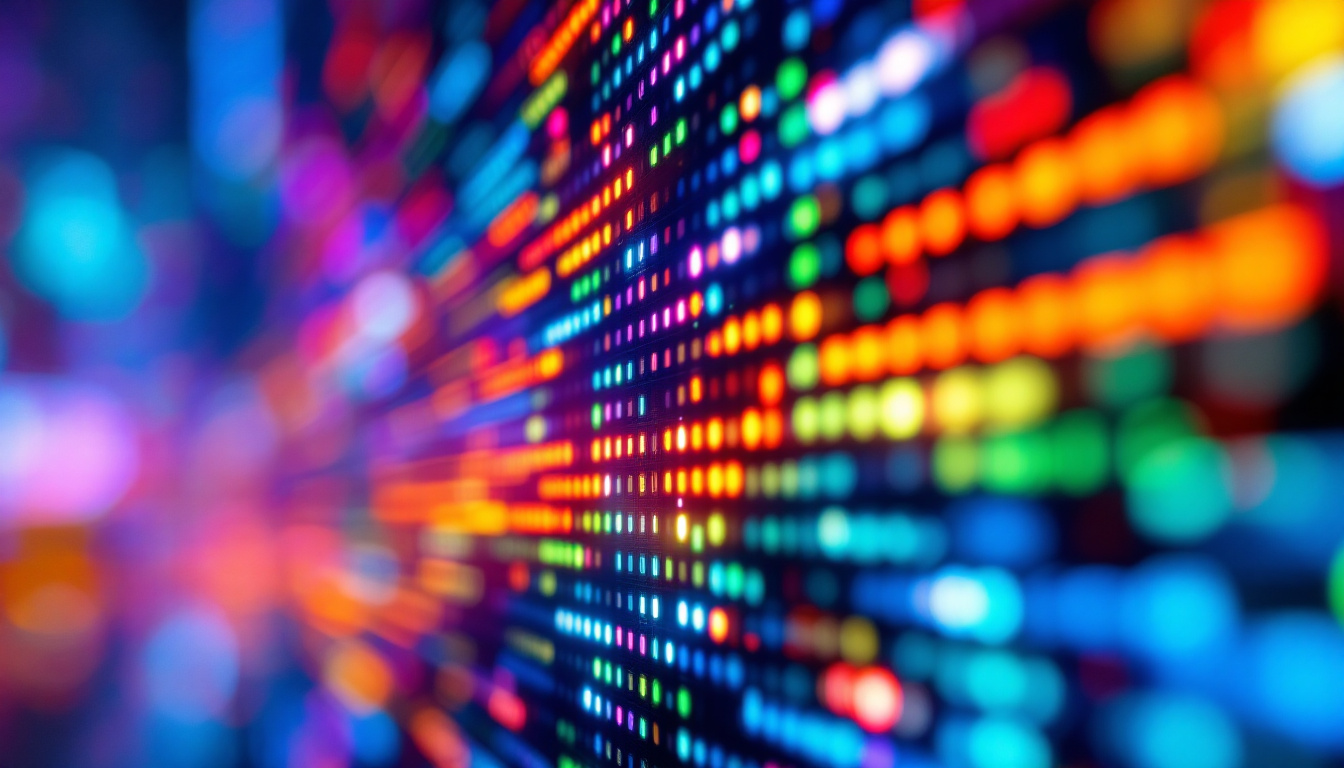
An LED matrix screen is a type of digital display composed of a grid of light-emitting diodes (LEDs) arranged in rows and columns. Each LED acts as a pixel, and by controlling the brightness and color of each pixel, the screen can display images, text, and video content. The term “matrix” refers to this grid-like arrangement, which allows for flexible and dynamic visual output.
Unlike traditional LCD or OLED screens, LED matrix displays are often modular, meaning they can be constructed in various sizes and shapes by assembling multiple panels. This scalability makes them ideal for large-format displays, such as outdoor advertising billboards or concert backdrops.
How Does an LED Matrix Work?
At the heart of an LED matrix screen is the principle of multiplexing. Instead of powering each LED individually, which would require an impractical number of wires, LEDs are grouped into rows and columns. By rapidly switching the current through specific rows and columns, the system can illuminate individual LEDs selectively. This scanning happens so quickly that the human eye perceives a stable image.
Modern LED matrix screens use advanced driver chips and microcontrollers to manage this process efficiently. These controllers handle the timing, color mixing, and brightness control, ensuring smooth and vibrant visuals. Additionally, many LED matrices support full-color displays by combining red, green, and blue LEDs (RGB) at each pixel, enabling the reproduction of millions of colors.
Types of LED Matrix Displays
Monochrome vs. Full-Color LED Matrices
LED matrix screens can be broadly categorized based on their color capabilities. Monochrome LED matrices use a single color LED, typically red, green, or amber. These displays are simpler and cost-effective, making them suitable for applications like text-only information boards, simple signage, or status indicators.
Full-color LED matrices, on the other hand, incorporate RGB LEDs at each pixel, allowing them to display a wide spectrum of colors. This capability is essential for dynamic content such as videos, animations, and high-impact advertisements. The complexity and cost increase with full-color displays, but so does their versatility and visual appeal.
Indoor vs. Outdoor LED Matrix Screens
Another key distinction lies in the environment where the LED matrix is used. Indoor LED matrix screens are designed for controlled lighting conditions and typically feature smaller pixel pitches (the distance between adjacent LEDs), resulting in higher resolution and sharper images. These are common in conference rooms, retail stores, and event venues.
Outdoor LED matrices must withstand harsh weather conditions, including rain, wind, dust, and extreme temperatures. They feature more robust enclosures with higher IP (Ingress Protection) ratings and larger pixel pitches to maintain visibility from greater distances. Brightness levels are significantly higher in outdoor screens to combat sunlight glare, often exceeding 5,000 nits compared to indoor screens that range around 800 to 1,200 nits.
Flexible and Curved LED Matrix Displays
Recent advances in LED technology have enabled the development of flexible and curved LED matrix screens. These displays use bendable substrates and innovative mounting techniques to create screens that can wrap around surfaces or form complex shapes. This flexibility opens new creative possibilities for architects, advertisers, and designers looking to integrate digital content into unconventional spaces.
For example, flexible LED matrices have been used in building facades, vehicle wraps, and immersive art installations, providing seamless and eye-catching visuals that traditional flat screens cannot achieve.
Key Technical Aspects of LED Matrix Screens
Pixel Pitch and Resolution
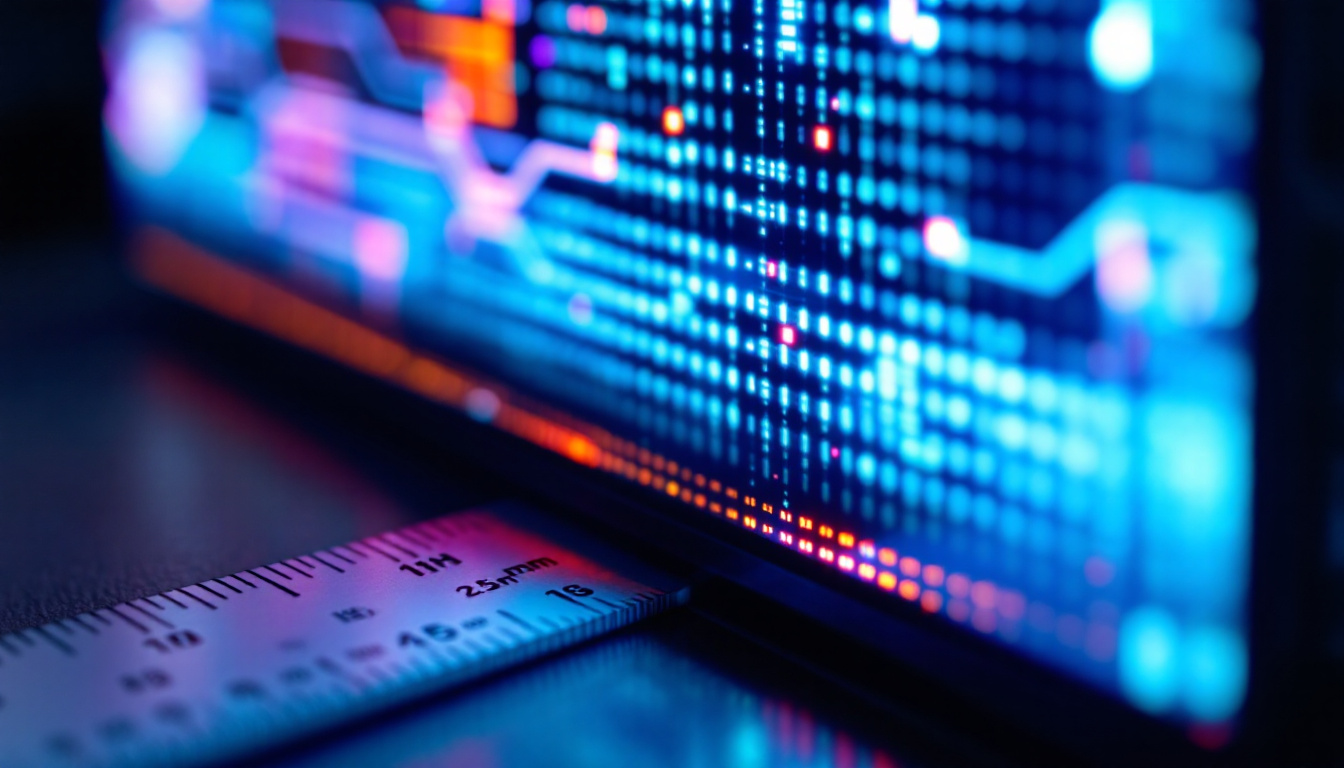
Pixel pitch is one of the most important specifications of an LED matrix screen. It refers to the distance between the centers of two adjacent pixels, measured in millimeters. A smaller pixel pitch means more pixels per unit area, resulting in higher resolution and finer image detail.
For instance, a 1.5mm pixel pitch screen is considered high resolution and is suitable for close viewing distances, such as indoor displays or control rooms. Conversely, a 10mm or larger pixel pitch is common for outdoor billboards where viewers are typically farther away. Choosing the right pixel pitch depends on the intended viewing distance and the desired image quality.
Brightness and Contrast
Brightness, measured in nits (candelas per square meter), determines how well an LED matrix screen can be seen under various lighting conditions. Outdoor LED displays require high brightness levels—often between 5,000 and 10,000 nits—to remain visible in direct sunlight. Indoor screens operate at lower brightness levels to prevent eye strain and conserve energy.
Contrast ratio, the difference between the brightest and darkest parts of the image, also plays a crucial role in image quality. High contrast ratios enhance the depth and vibrancy of visuals, making content more engaging and easier to read.
Refresh Rate and Viewing Angle
The refresh rate indicates how many times per second the display updates its image. Higher refresh rates reduce flickering and provide smoother motion, which is especially important for video content and fast-moving graphics. Most modern LED matrix screens operate at refresh rates of 1,000 Hz or higher, ensuring flicker-free viewing even when recorded by cameras.
Viewing angle defines the maximum angle at which the screen can be viewed without significant color or brightness degradation. Wide viewing angles are essential for public displays where audiences view the screen from various positions. Typical LED matrices offer horizontal and vertical viewing angles of 120 degrees or more.
Applications of LED Matrix Screens
Advertising and Digital Signage
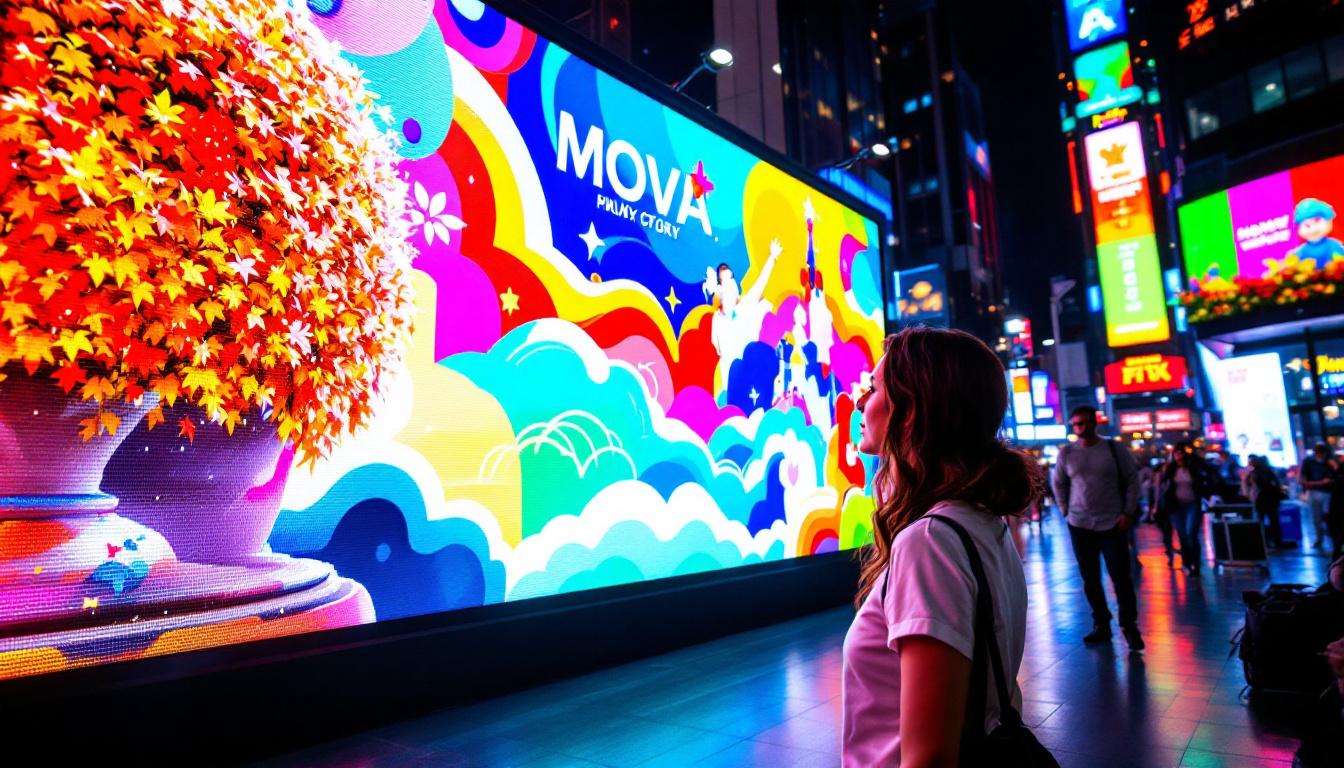
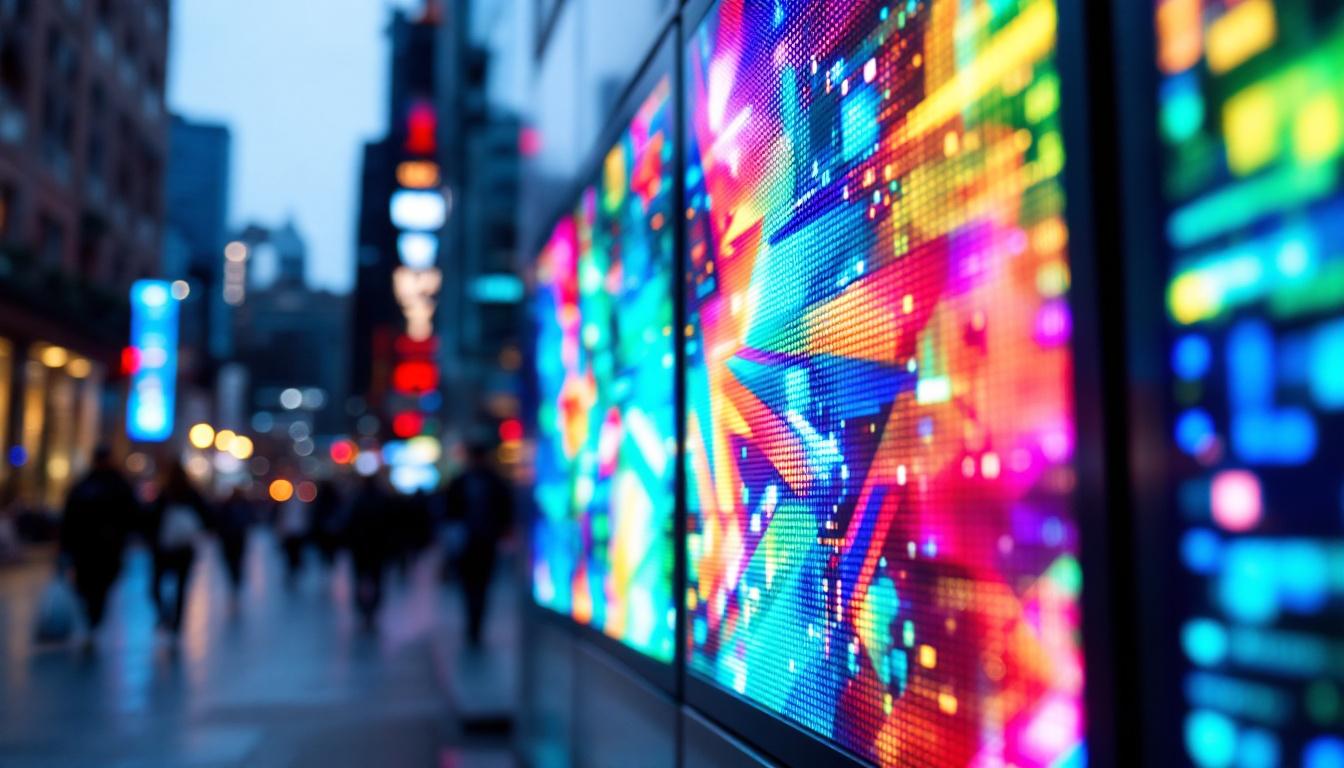
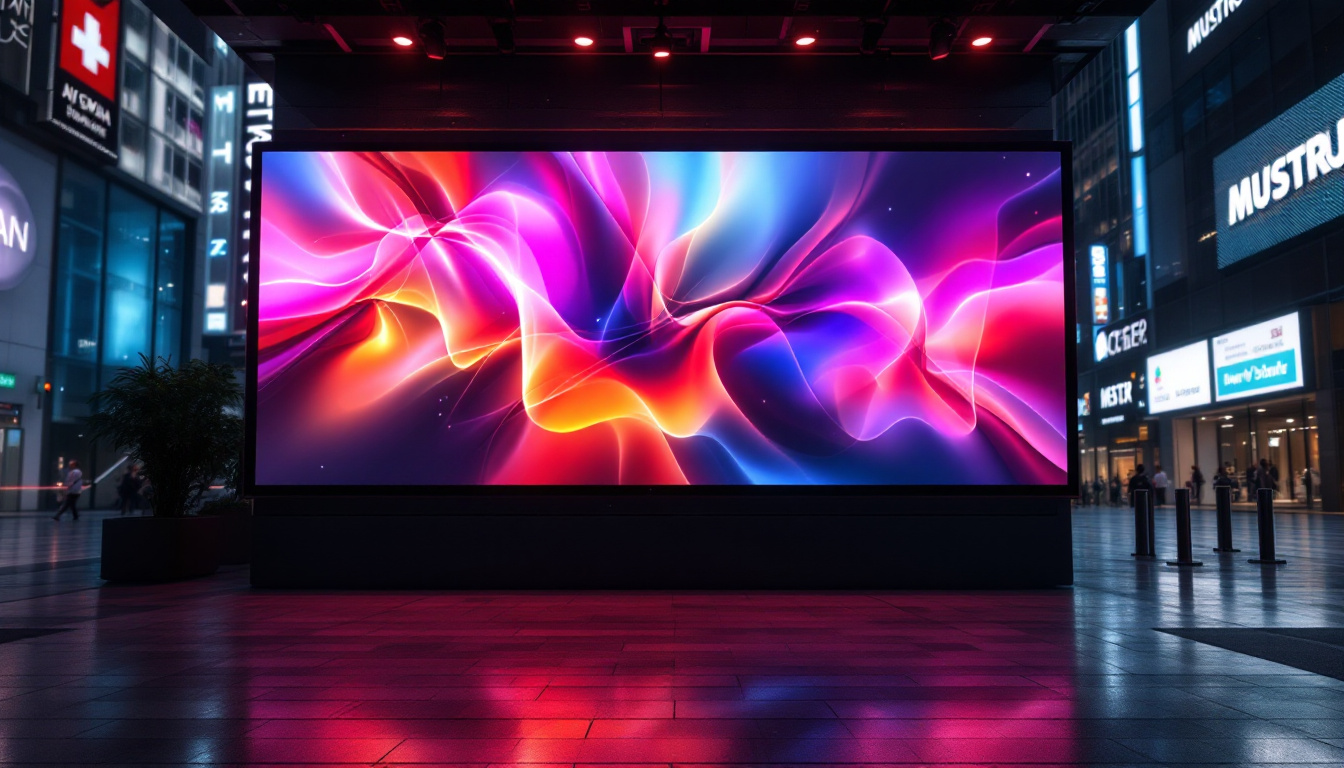
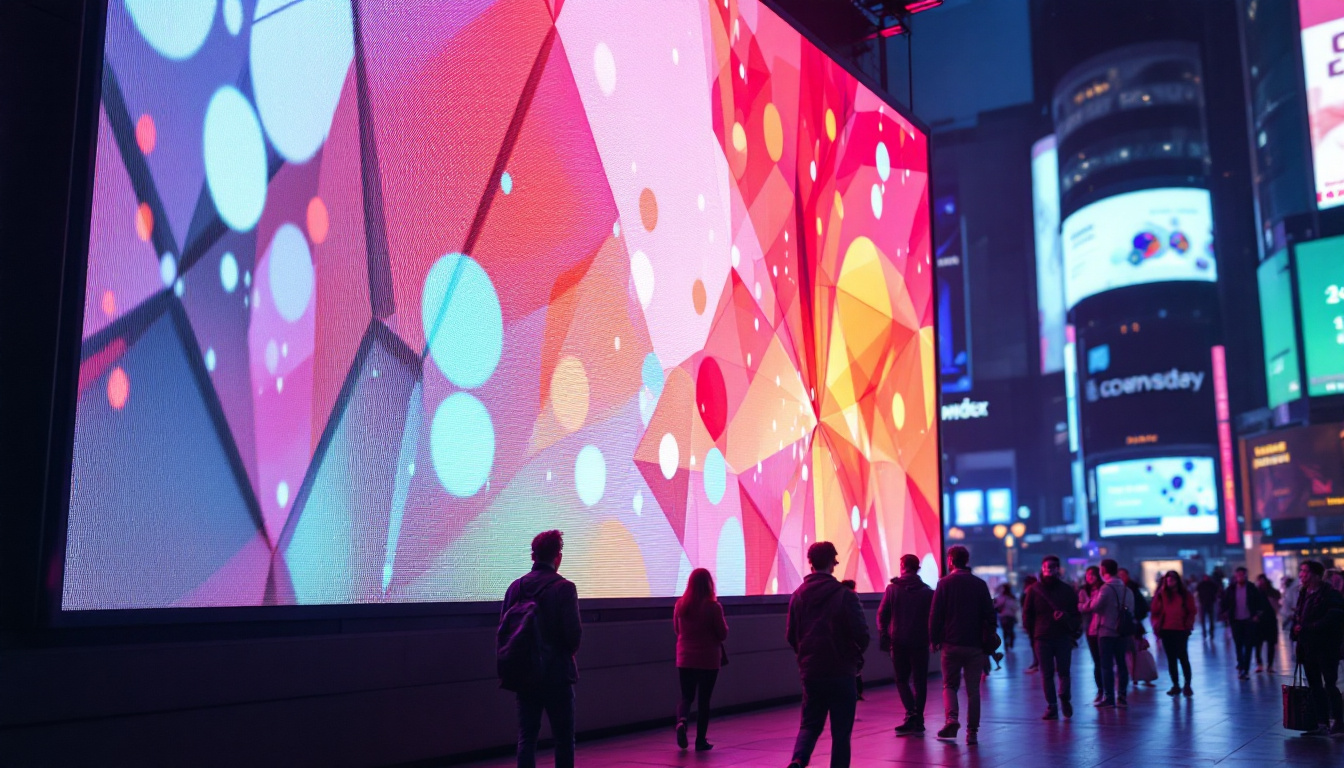
One of the most prominent uses of LED matrix screens is in advertising and digital signage. Their brightness, scalability, and dynamic content capabilities make them ideal for capturing attention in busy urban environments. Iconic locations like Times Square in New York City and Piccadilly Circus in London showcase massive LED matrix billboards that display vibrant advertisements 24/7.
Digital signage powered by LED matrices allows businesses to update content remotely and in real-time, enabling targeted marketing campaigns and interactive experiences. This flexibility has revolutionized the advertising industry, shifting away from static posters toward engaging multimedia content.
Sports and Entertainment Venues
Stadiums and arenas rely heavily on LED matrix screens for scoreboards, instant replays, and live event broadcasting. These displays enhance the spectator experience by providing clear, high-resolution visuals visible from all seating areas. The ability to display real-time statistics, advertisements, and fan messages adds to the excitement and engagement during events.
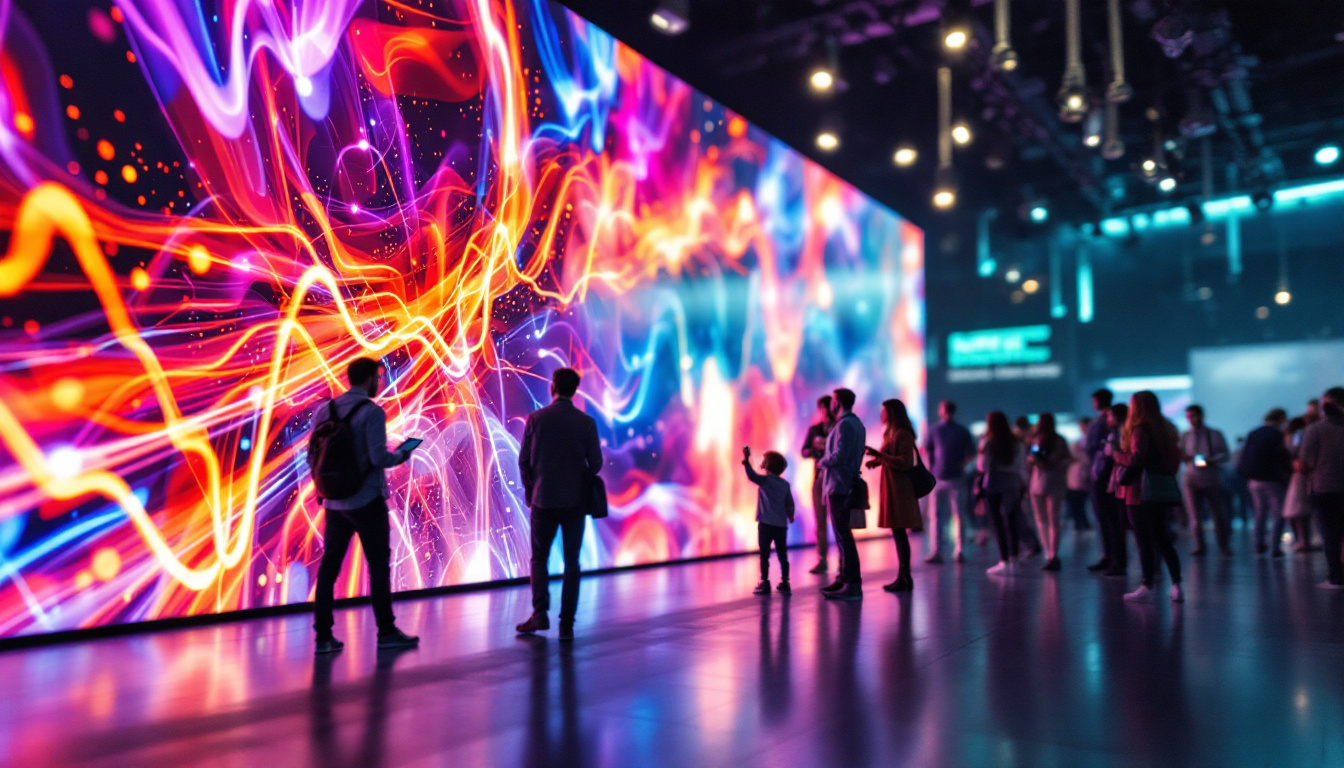
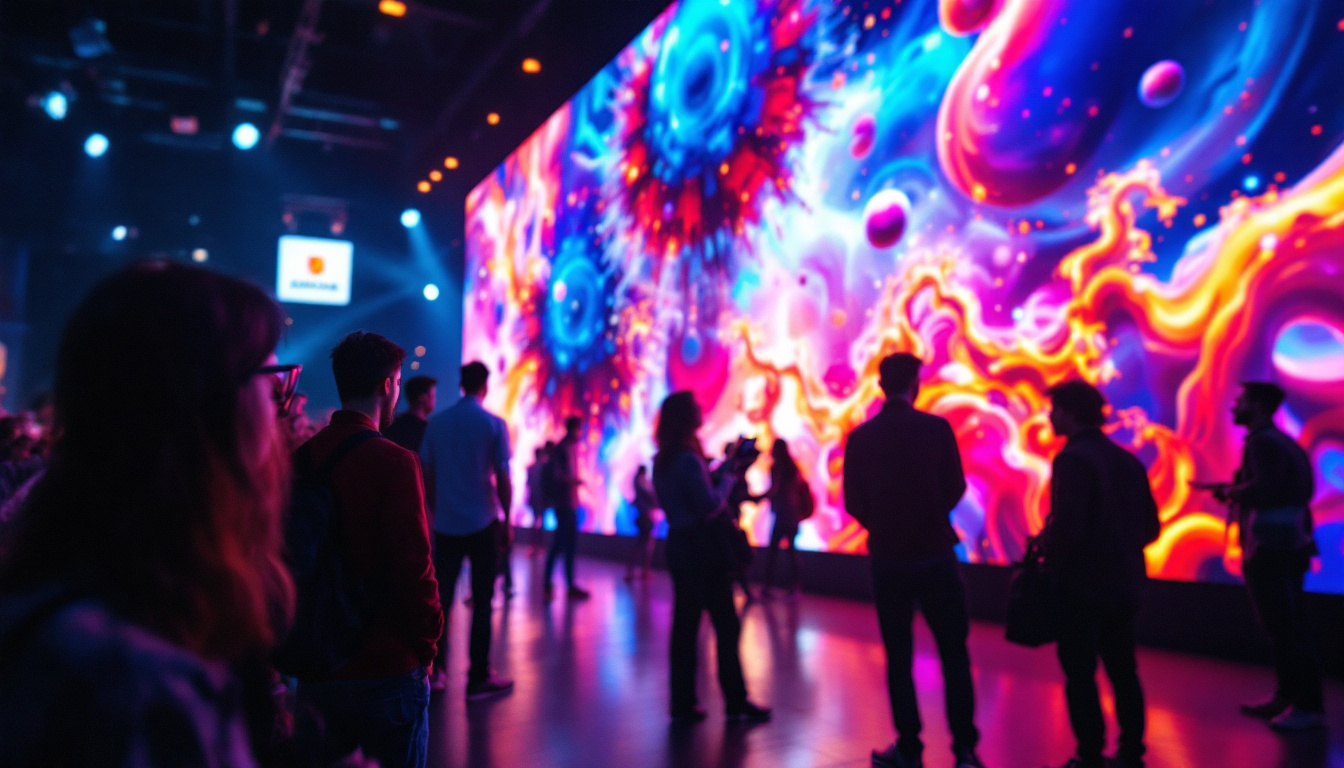
Concerts and festivals also use large LED matrix backdrops and stage screens to create immersive environments. The modular nature of LED matrices allows for custom configurations tailored to specific stage designs and audience sizes.
Transportation and Public Information Systems
LED matrix screens are widely used in transportation hubs such as airports, train stations, and bus terminals. They provide real-time schedules, alerts, and wayfinding information to travelers. The high visibility and reliability of LED matrices make them well-suited for these critical communication roles.
Additionally, LED matrix displays are employed in traffic management systems, including variable message signs on highways that inform drivers about road conditions, speed limits, and emergencies.
Industrial and Commercial Uses
In industrial settings, LED matrix screens serve as status indicators, production line monitors, and safety alerts. Their ability to display clear, concise information in real-time helps improve operational efficiency and workplace safety.
Retail environments use LED matrices for promotional displays, price tags, and customer engagement tools. The dynamic nature of these screens allows retailers to adapt quickly to changing inventory and marketing strategies.
Future Trends and Innovations in LED Matrix Technology
Miniaturization and Higher Resolution
Advances in LED manufacturing continue to drive pixel pitches smaller, enabling ultra-high-definition LED matrix screens. MicroLED technology, which uses microscopic LEDs, promises even greater resolution, brightness, and energy efficiency. As these technologies mature, they will open new possibilities for applications requiring near-retina display quality on large surfaces.
Integration with Smart Technologies
LED matrix screens are increasingly integrated with IoT (Internet of Things) and AI (Artificial Intelligence) systems. Smart displays can adapt content based on audience demographics, environmental conditions, or user interactions. For example, a digital billboard might change advertisements based on the time of day, weather, or detected viewer profiles.
Interactive LED matrices equipped with touch or gesture recognition are also gaining traction, enhancing user engagement in retail, education, and entertainment sectors.
Energy Efficiency and Sustainability
With growing environmental concerns, manufacturers are focusing on improving the energy efficiency of LED matrix screens. Innovations such as adaptive brightness control, low-power driver circuits, and recyclable materials contribute to reducing the ecological footprint of digital displays.
Moreover, the long lifespan and durability of LED matrices compared to traditional display technologies support sustainable practices by minimizing electronic waste.
Choosing the Right LED Matrix Screen
Factors to Consider
Selecting an appropriate LED matrix screen depends on several factors, including intended use, viewing distance, ambient lighting, budget, and installation environment. Understanding pixel pitch, brightness requirements, and resolution needs is crucial to achieving optimal performance and viewer satisfaction.
Consulting with experienced display manufacturers or integrators can help tailor solutions that meet specific project goals while balancing cost and technical specifications.
Maintenance and Longevity
Proper maintenance is vital to ensure the longevity and consistent performance of LED matrix screens. Regular cleaning, firmware updates, and timely repairs prevent degradation and downtime. Outdoor screens require additional care due to exposure to weather elements.
Investing in quality components and professional installation also reduces the risk of failures and extends the operational life of the display.
Conclusion
LED matrix screens represent a dynamic and adaptable display technology that has transformed digital communication across numerous industries. Their modular design, vibrant color capabilities, and scalability make them ideal for everything from small indoor signage to massive outdoor billboards. Understanding the technical aspects, types, and applications of LED matrix displays empowers businesses and organizations to harness their full potential.
As technology advances, LED matrix screens will continue to evolve, offering higher resolutions, smarter integrations, and greater sustainability. Whether for advertising, entertainment, transportation, or industrial use, LED matrix screens remain at the forefront of visual display innovation.
Discover LumenMatrix’s Innovative LED Display Solutions
Ready to elevate your visual display capabilities? LumenMatrix is at the cutting edge of LED display technology, offering a wide range of solutions tailored to your needs. From captivating Indoor LED Wall Displays to robust Outdoor LED Wall Displays, and from dynamic Vehicle LED Displays to sleek LED Poster Displays, our products are designed to make your brand stand out. Experience the future of digital signage with our LED Sports Displays, Floor LED Displays, Custom LED Displays, All-in-One LED Displays, and LED Transparent Displays. Embrace the revolution in visual communication with LumenMatrix and create unforgettable visual experiences. Check out LumenMatrix LED Display Solutions today and transform your message into a visual spectacle.