In the rapidly evolving world of digital signage and visual communication, LED displays have become an indispensable technology. Among the various LED display controllers and solutions, the Mc100 stands out as a versatile and reliable option for managing LED screens across multiple applications. This article delves into the Mc100 LED display system, exploring its features, technology, and practical uses to provide a comprehensive understanding for professionals and enthusiasts alike.
Understanding LED Display Technology
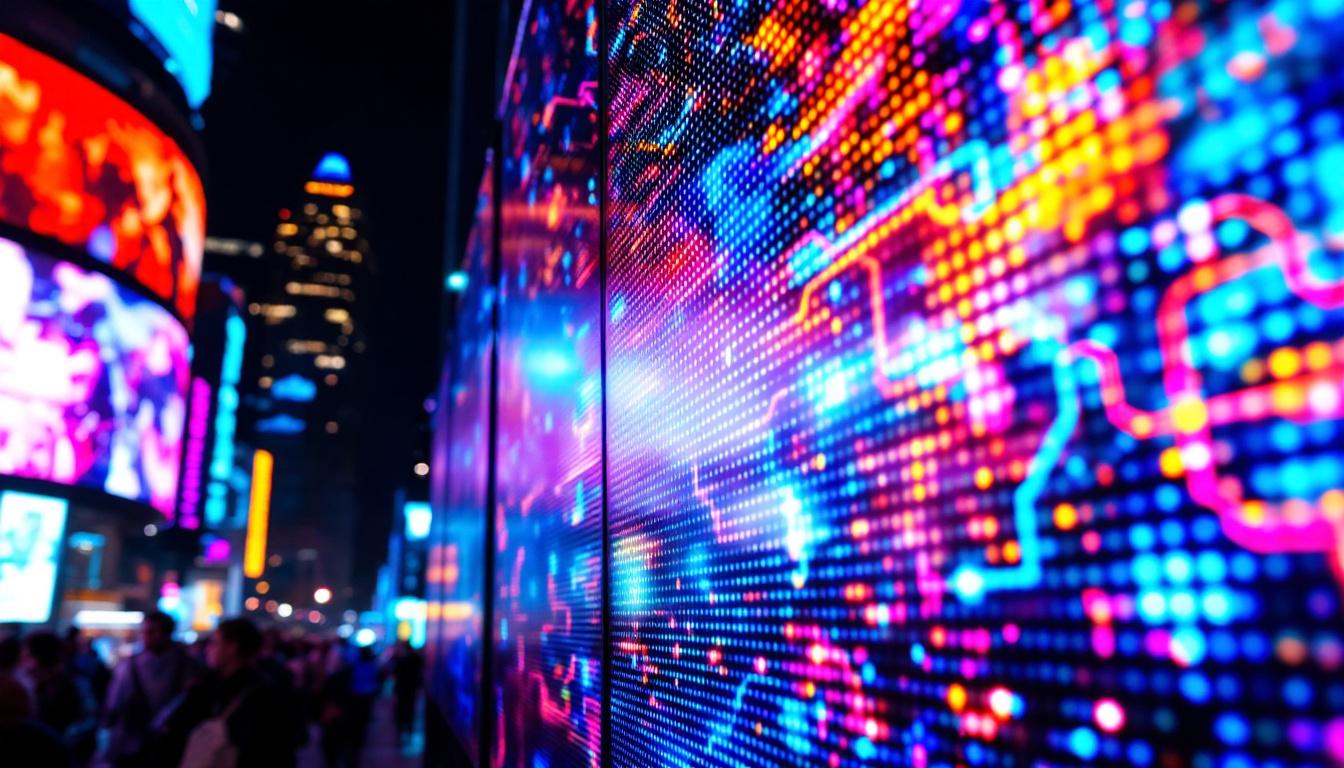
Before diving into the specifics of the Mc100, it is essential to understand the fundamentals of LED display technology. LED, or Light Emitting Diode, displays are composed of numerous tiny LEDs that emit light when an electric current passes through them. These LEDs are arranged in a matrix to form pixels, which collectively produce images, videos, and text on the screen.
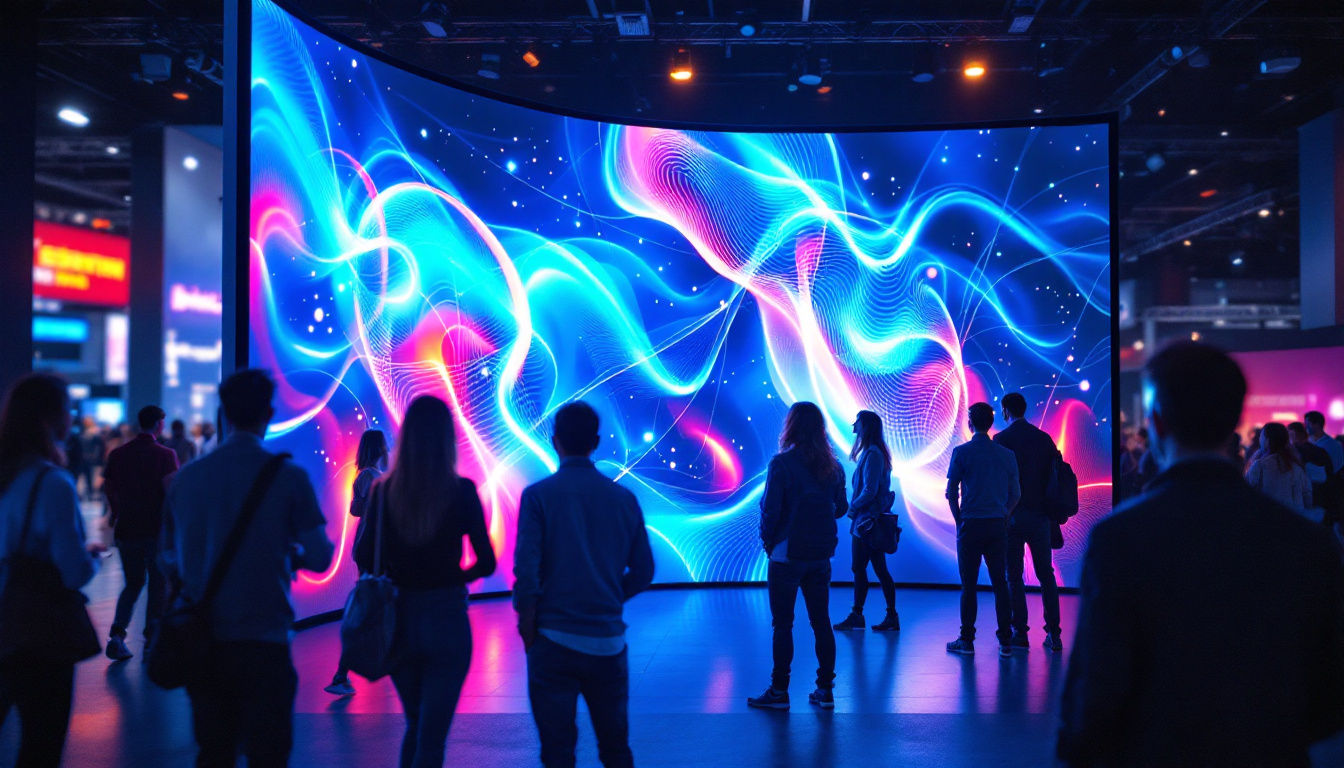
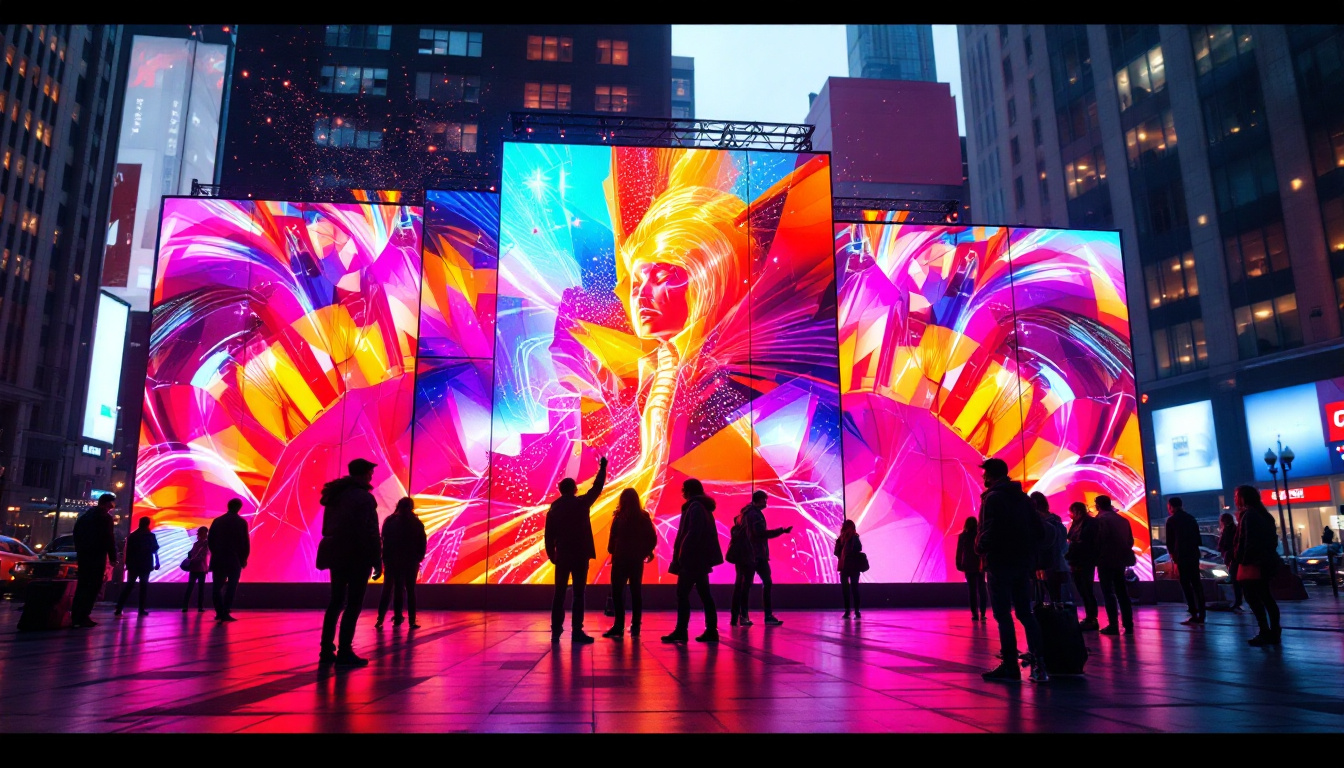
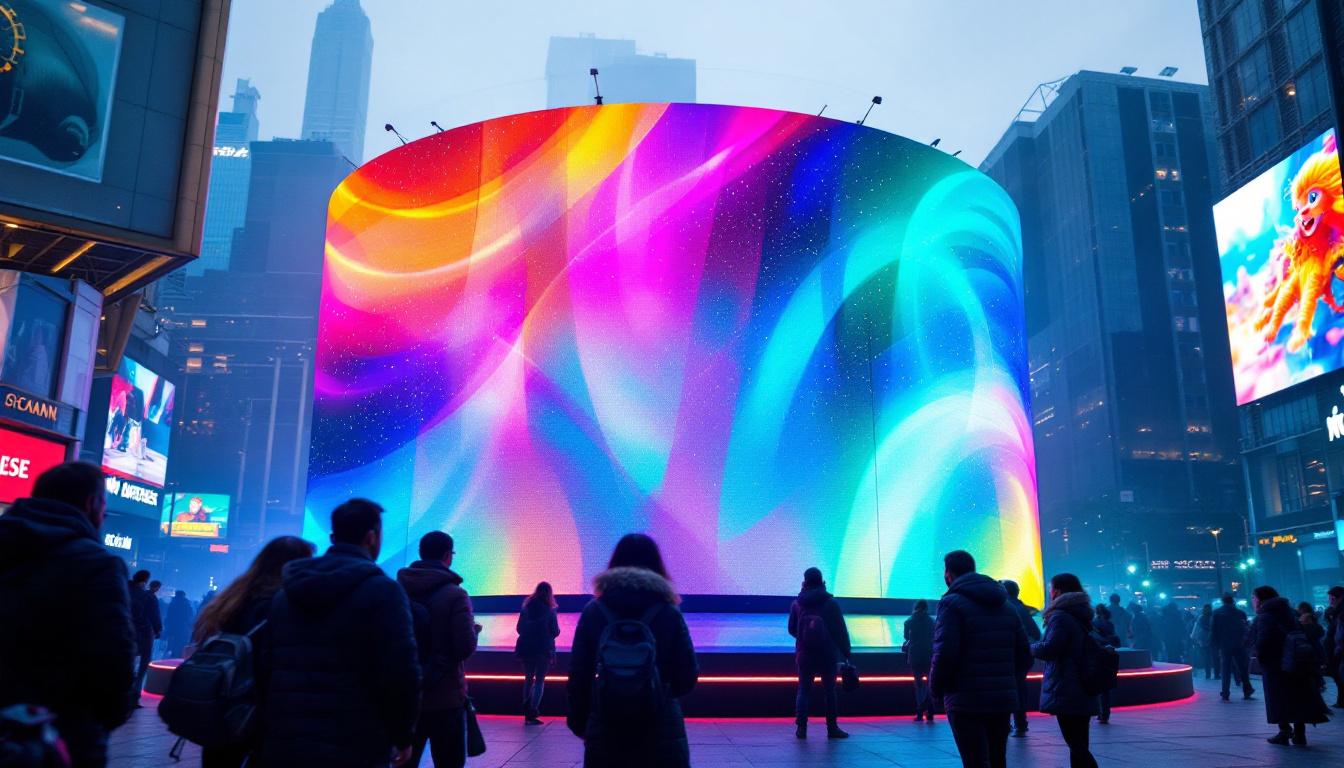
LED displays are valued for their brightness, energy efficiency, and longevity compared to traditional display technologies like LCD or plasma screens. They are widely used in outdoor advertising, sports arenas, concerts, transportation hubs, and retail environments due to their ability to deliver vivid visuals even in bright daylight conditions. The technology behind LED displays has evolved significantly, allowing for thinner profiles and lighter weights, making them easier to install and transport. This adaptability has made LED displays a favorite choice for temporary installations, such as event staging and exhibitions, where flexibility and high impact are essential.
Types of LED Displays
LED displays come in various forms, primarily categorized by their pixel pitch—the distance between the center of one LED pixel to the next. Smaller pixel pitches (e.g., 1.2mm to 2.5mm) are typically used for indoor displays where viewers are closer, providing high resolution and clarity. Larger pixel pitches (e.g., 4mm to 10mm or more) are common for outdoor displays, where the viewing distance is greater. This distinction is crucial for designers and marketers, as it influences the effectiveness of the display in conveying messages and engaging audiences.
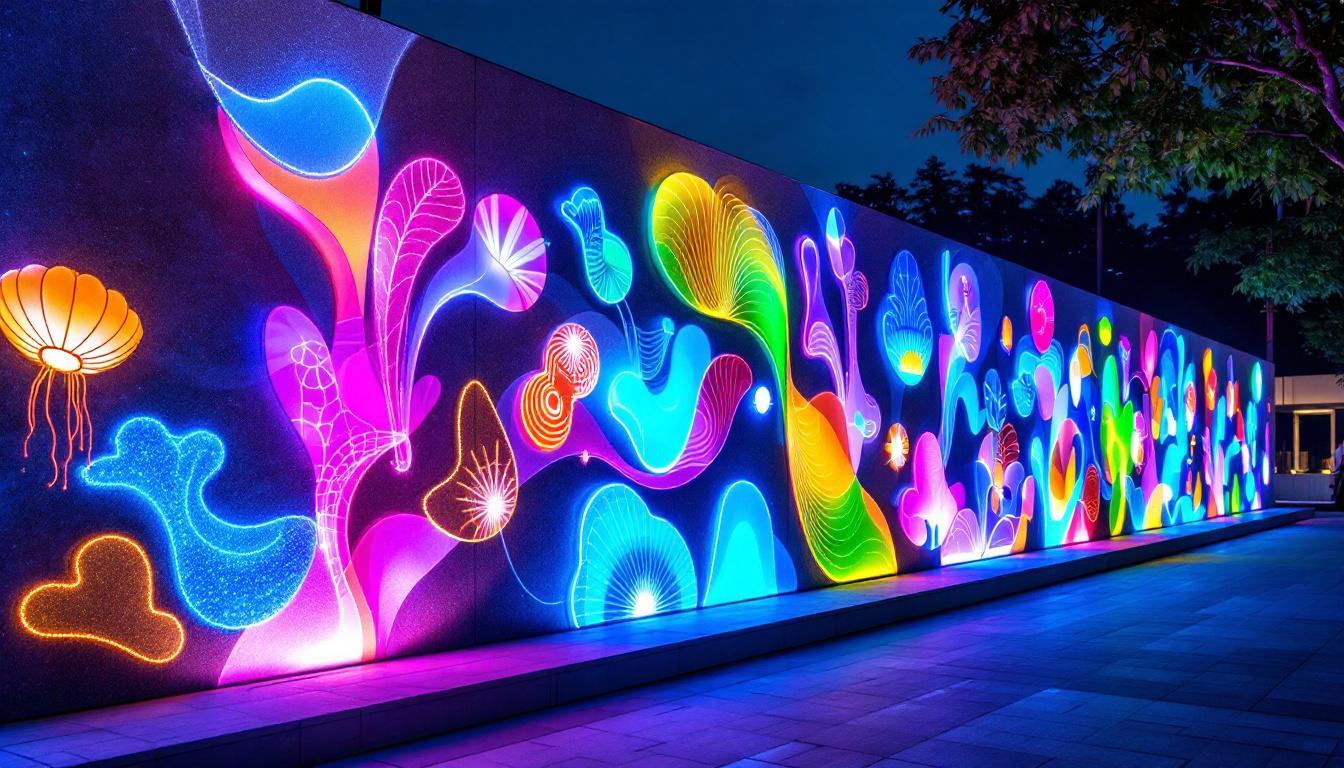
Additionally, LED displays can be either monochrome, single color, or full-color RGB displays. Full-color displays use red, green, and blue LEDs to produce a wide spectrum of colors, enabling dynamic and engaging content. The versatility of LED technology allows for various applications, from simple text displays to complex video walls that can showcase high-definition content. Furthermore, advancements in LED technology, such as the development of flexible LED panels, have opened new avenues for creative installations, allowing for curved or uniquely shaped displays that can fit into unconventional spaces. This innovation not only enhances aesthetic appeal but also offers new ways for brands to connect with their audiences in immersive environments.
The Mc100 LED Display Controller: An Overview
The Mc100 is a state-of-the-art LED display controller designed to manage and optimize the performance of LED screens. It serves as the central processing unit that receives video signals, processes them, and distributes the content to the LED modules. Its robust architecture and user-friendly interface make it a popular choice for both small-scale installations and large, complex display systems.
Key Features of the Mc100
One of the standout features of the Mc100 is its high compatibility with various LED panel types and resolutions. This flexibility allows operators to integrate the controller into diverse setups without worrying about compatibility issues. Whether you’re working with indoor or outdoor displays, the Mc100 adapts seamlessly, ensuring that your content looks stunning in any environment.
The Mc100 supports multiple input sources, including HDMI, DVI, and VGA, enabling seamless connection to computers, media players, and other video devices. It also offers real-time image processing capabilities such as scaling, cropping, and color adjustment, ensuring optimal display quality regardless of the input signal. This feature is particularly beneficial for live events, where quick adjustments may be necessary to maintain visual integrity and audience engagement.
Another significant advantage is the Mc100’s support for both synchronous and asynchronous display modes. Synchronous mode is ideal for live events and real-time broadcasting, while asynchronous mode allows for pre-loaded content playback without a continuous external signal, enhancing versatility. This dual functionality makes it an excellent choice for a wide range of applications, from corporate presentations to dynamic advertising displays in busy urban areas.
Technical Specifications
- Input Interfaces: HDMI, DVI, VGA, USB
- Output Resolution: Up to 1920×1080 Full HD
- Control Modes: Synchronous and Asynchronous
- Supported LED Modules: Various pixel pitches and panel sizes
- Processing Power: Real-time image scaling and color calibration
- Connectivity: Ethernet and USB for configuration and control
In addition to its impressive technical specifications, the Mc100 also features a comprehensive software suite that simplifies the management of content and settings. This intuitive software allows users to schedule playback, create playlists, and monitor the performance of the display in real-time. Furthermore, the Mc100’s ability to integrate with third-party applications enhances its functionality, making it a versatile tool for digital signage solutions.
Moreover, the Mc100 is designed with durability in mind, featuring a robust casing that protects against environmental factors, making it suitable for both indoor and outdoor installations. Its efficient cooling system ensures that the controller operates optimally even in high-temperature settings, reducing the risk of overheating during extended use. This reliability is crucial for venues that require continuous operation, such as stadiums, shopping malls, and public transportation hubs.
Applications of the Mc100 LED Display Controller
The versatility of the Mc100 makes it suitable for a wide range of applications, from advertising billboards to live event screens. Understanding these use cases helps highlight why this controller is favored in the industry.
Outdoor Advertising and Digital Billboards
Outdoor advertising has increasingly shifted towards digital formats due to their dynamic content capabilities and cost-effectiveness. The Mc100’s ability to handle large-scale LED panels with high brightness and weather-resistant modules makes it ideal for billboards and public displays. Its asynchronous mode allows advertisers to schedule content playback, ensuring timely and targeted messaging without the need for constant input signals.
Sports Arenas and Event Venues
In sports arenas and concert venues, the demand for high-resolution, real-time video playback is critical. The Mc100’s synchronous mode supports live broadcasts, instant replays, and interactive content, enhancing the spectator experience. Its compatibility with multiple input sources allows integration with professional video equipment commonly used in these environments.
Retail and Corporate Displays
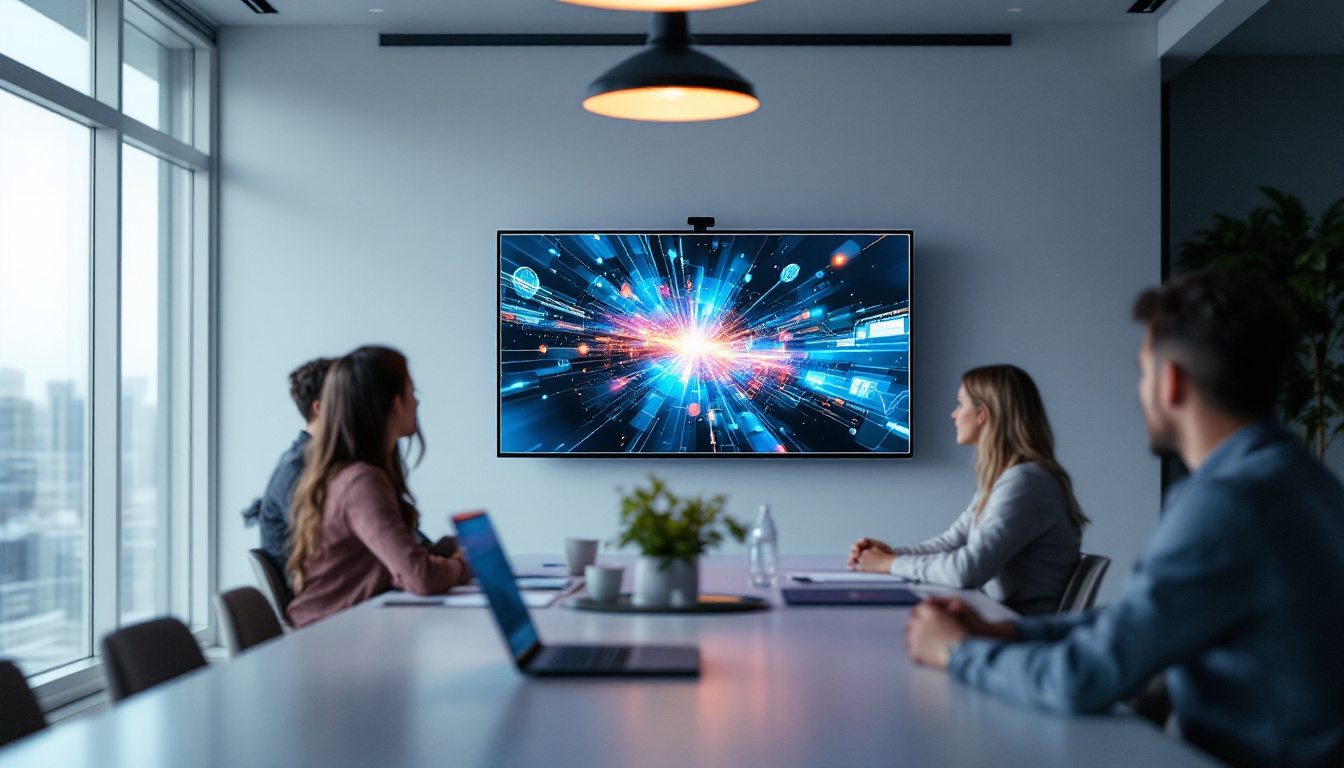
Retail stores and corporate lobbies use LED displays for branding, promotions, and informational content. The Mc100’s user-friendly interface and real-time image adjustment features enable businesses to maintain visually appealing and up-to-date displays. Additionally, its compact design facilitates easy installation in various indoor environments.
Advantages of Using the Mc100 Controller
Choosing the right LED display controller is crucial for achieving optimal performance and reliability. The Mc100 offers several advantages that make it a preferred choice for many professionals.
Reliability and Stability
One of the primary concerns in LED display management is the stability of the signal and image quality. The Mc100 is engineered with high-quality components and firmware that minimize latency and signal loss, ensuring smooth and uninterrupted display performance even during extended use.
Ease of Use and Configuration
The Mc100 features an intuitive software interface that simplifies the configuration process. Users can easily set up display parameters, input sources, and content schedules without requiring extensive technical knowledge. This accessibility reduces setup time and operational costs.
Scalability and Flexibility
Whether managing a single LED panel or a complex video wall composed of multiple modules, the Mc100 scales efficiently. Its support for various resolutions and panel configurations allows users to expand their display systems without replacing the controller, protecting their investment over time.
Cost-Effectiveness
Compared to other high-end LED controllers, the Mc100 offers a competitive price point without compromising on features or quality. This balance makes it an attractive option for businesses and event organizers looking to maximize their budget.
Installation and Maintenance Considerations
Proper installation and maintenance are vital to ensure the longevity and performance of LED displays controlled by the Mc100.
Installation Best Practices
When installing the Mc100, it is important to consider the environment where the LED display will operate. For outdoor setups, ensuring adequate weatherproofing and ventilation is essential. The controller should be placed in a secure, temperature-controlled enclosure to prevent overheating and damage from dust or moisture.
Wiring and cabling should be organized to avoid interference and signal degradation. Using high-quality cables and connectors recommended by the manufacturer helps maintain signal integrity.
Regular Maintenance and Troubleshooting
Routine maintenance includes checking connections, cleaning LED modules, and updating the controller’s firmware to benefit from the latest features and security patches. The Mc100’s diagnostic tools assist technicians in quickly identifying and resolving issues, minimizing downtime.
Future Trends in LED Display Technology and the Role of Controllers like Mc100
The LED display industry continues to innovate, with trends such as higher resolution panels, flexible and transparent LED screens, and advanced content management systems shaping the future. Controllers like the Mc100 will evolve to support these advancements, incorporating AI-driven content optimization, cloud-based control, and enhanced interactivity.
As demand for immersive and engaging visual experiences grows, the integration of LED displays with IoT (Internet of Things) and smart city infrastructure will become more prevalent. The Mc100’s adaptability positions it well to serve as a foundational technology in these emerging ecosystems.
Conclusion
The Mc100 LED display controller represents a robust, flexible, and user-friendly solution for managing LED screens across various industries. Its comprehensive feature set, including multi-source input support, real-time image processing, and scalable design, makes it suitable for applications ranging from outdoor advertising to live event production.
Understanding the capabilities and advantages of the Mc100 enables businesses and professionals to make informed decisions when selecting LED display management solutions. As LED technology advances, controllers like the Mc100 will continue to play a critical role in delivering captivating visual experiences that meet the demands of modern audiences.
Explore LumenMatrix LED Display Solutions
Ready to elevate your visual communication with cutting-edge LED display technology? LumenMatrix offers a comprehensive range of LED display modules tailored to your specific needs. From vibrant Indoor and Outdoor LED Wall Displays to innovative solutions like Vehicle LED Displays, LED Posters, and Custom LED Displays, our products are designed to captivate and engage your audience. Discover how LumenMatrix can transform your space and bring your vision to life. Check out LumenMatrix LED Display Solutions today and take the first step towards an unforgettable visual experience.