Mcdermott Will & Emery NYC: LED Display Explained
In the bustling heart of New York City, McDermott Will & Emery stands as a prominent law firm known for its expertise across various legal sectors. However, beyond its legal prowess, the firm has also embraced cutting-edge technology to enhance its client interactions and internal communications. One such technological advancement is the use of LED displays within their NYC offices. This article delves into the world of LED displays, explaining what they are, how McDermott Will & Emery utilizes them, and why these displays are becoming essential tools in modern corporate environments.
Understanding LED Displays: The Basics
What is an LED Display?
LED, or Light Emitting Diode, displays are a type of digital screen that uses tiny light-emitting diodes to create images and videos. Unlike traditional LCD or plasma screens, LED displays are known for their brightness, energy efficiency, and longevity. These qualities make them ideal for both indoor and outdoor use, especially in environments that require high visibility and dynamic content presentation.
LED displays come in various forms, including video walls, digital signage, and large-format screens. Their modular nature allows for customization in size and resolution, catering to different needs from small meeting rooms to expansive lobby areas. The versatility of LED technology has made it a popular choice in various sectors, including retail, entertainment, and transportation, where engaging visuals can significantly enhance user experience and communication.
In addition to their practical applications, LED displays have also revolutionized advertising strategies. Brands can now create eye-catching advertisements that can be easily updated in real-time, allowing for timely promotions and interactive content that captivates audiences. This adaptability not only boosts brand visibility but also enables businesses to respond swiftly to market trends and consumer behavior.
How Do LED Displays Work?
Each pixel on an LED display consists of one or more diodes that emit light when an electric current passes through them. By controlling the intensity and color of these diodes, the display can produce vivid and sharp images. Modern LED displays use RGB (red, green, blue) diodes to generate a full spectrum of colors, enabling high-definition visuals that can be seen clearly even in bright ambient lighting conditions.
Moreover, LED technology is energy-efficient because it only consumes power for the pixels that are lit, unlike older technologies that require backlighting. This efficiency translates into lower operational costs and a reduced environmental footprint, aligning with the sustainability goals of many corporations today. As a result, many organizations are increasingly opting for LED displays not just for their visual appeal, but also for their contribution to energy conservation and reduced operational expenses.
Furthermore, advancements in LED technology have led to the development of features such as high refresh rates and enhanced contrast ratios, which further improve the viewing experience. These innovations have made LED displays suitable for a wider range of applications, from high-speed sports broadcasting to immersive gaming environments. The ability to display fast-moving content without blurring or ghosting has made LED displays a preferred choice for sectors that demand precision and clarity in visual representation.
McDermott Will & Emery’s Use of LED Displays in NYC
Enhancing Client Experience
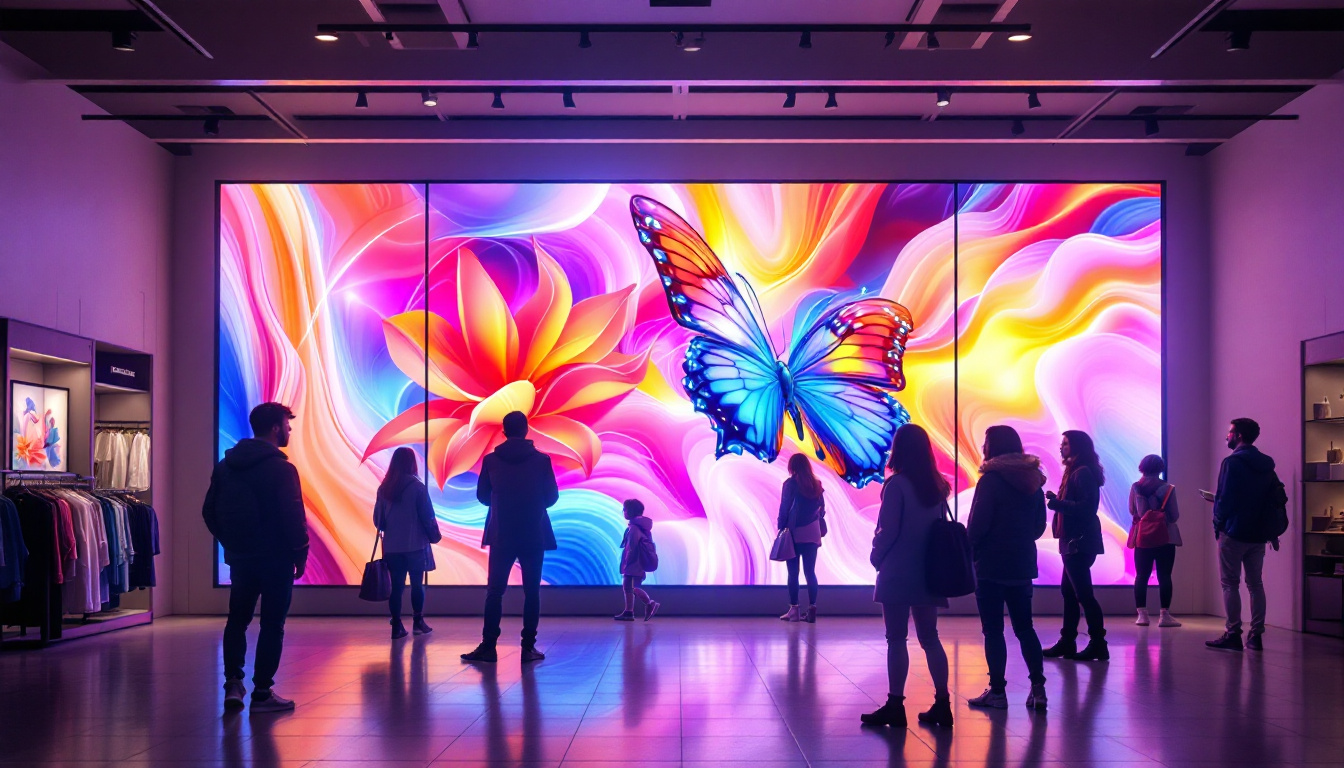
At McDermott Will & Emery’s New York City offices, LED displays play a pivotal role in creating an engaging and professional atmosphere. In the reception areas, large LED video walls welcome clients with dynamic content such as firm achievements, upcoming events, and relevant legal updates. This not only informs visitors but also reinforces the firm’s brand identity and commitment to innovation.
By integrating real-time news feeds and industry-specific information, the displays provide clients with valuable insights while they wait, transforming idle time into an opportunity for engagement. This approach reflects a broader trend in the legal sector, where firms strive to differentiate themselves through enhanced client service and technological sophistication. The strategic use of LED displays also allows the firm to showcase its thought leadership through curated content that highlights recent case studies, white papers, and articles authored by its attorneys, further establishing McDermott Will & Emery as a forward-thinking leader in the legal landscape.
Internal Communication and Collaboration
Within the firm, LED displays are used in conference rooms and common areas to facilitate communication among teams. For example, during meetings, high-resolution LED screens enable seamless presentations, video conferencing, and collaborative work sessions. The clarity and brightness of these displays ensure that all participants can view content clearly, regardless of room size or lighting conditions.
Additionally, digital signage powered by LED technology helps disseminate internal announcements, policy updates, and event reminders efficiently across the firm. This real-time communication tool supports a connected workplace culture, fostering transparency and engagement among employees. Moreover, the ability to customize content for specific teams or departments allows for targeted messaging that resonates with different groups, enhancing the overall effectiveness of internal communications. By utilizing LED displays for training sessions and workshops, the firm can also create immersive learning experiences that engage employees and promote professional development, further solidifying its commitment to a culture of continuous improvement and innovation.
The Advantages of LED Displays for Law Firms
Professionalism and Brand Image
In a competitive legal market like New York City, projecting a modern and professional image is crucial. LED displays contribute significantly to this by enabling law firms to showcase their expertise and values visually. Whether through client testimonials, case studies, or multimedia presentations, these displays help create a compelling narrative that resonates with clients and visitors.
Moreover, the sleek design and vibrant visuals of LED screens complement the sophisticated aesthetics of law firm offices, reinforcing a sense of trust and credibility.
Flexibility and Customization
One of the key benefits of LED technology is its adaptability. Law firms can tailor content to specific audiences or occasions, updating displays quickly and easily without the need for printed materials. This flexibility is especially valuable in fast-paced environments where information changes frequently.
For instance, McDermott Will & Emery can highlight different practice areas, announce seminars, or celebrate milestones with customized content that keeps the firm’s messaging fresh and relevant.
Cost Efficiency and Sustainability
While the initial investment in LED displays can be significant, the long-term benefits often outweigh the costs. LED screens consume less power compared to traditional displays, reducing energy expenses. Their durability also means lower maintenance and replacement costs over time.
Additionally, by minimizing the reliance on printed signage and promotional materials, firms contribute to environmental sustainability efforts. This aligns with the growing emphasis on corporate social responsibility within the legal industry.
Technological Considerations for Implementing LED Displays
Resolution and Pixel Pitch
When selecting LED displays, resolution and pixel pitch are critical factors. Pixel pitch refers to the distance between individual pixels; a smaller pitch results in higher resolution and sharper images. For indoor environments like law offices, a pixel pitch of 1.5mm to 2.5mm is typically ideal, providing clear visuals at close viewing distances.
McDermott Will & Emery’s NYC offices utilize high-resolution displays to ensure that text and graphics are crisp and legible, enhancing the overall user experience.
Integration with Existing Systems
Effective use of LED displays requires seamless integration with the firm’s IT infrastructure. This includes compatibility with content management systems, video conferencing platforms, and network security protocols. Ensuring smooth integration minimizes technical issues and maximizes the utility of the displays.
The firm’s technology team works closely with vendors to customize solutions that meet their specific needs, balancing performance with security considerations essential in the legal sector.
Maintenance and Support
Regular maintenance is essential to keep LED displays functioning optimally. This includes cleaning, software updates, and hardware checks. Many providers offer service agreements that include remote monitoring and on-site support, ensuring minimal downtime.
For McDermott Will & Emery, maintaining the reliability of their LED displays is a priority, given their role in client engagement and internal communication.
Future Trends in LED Display Technology for Legal Firms
Interactive and Touchscreen Capabilities
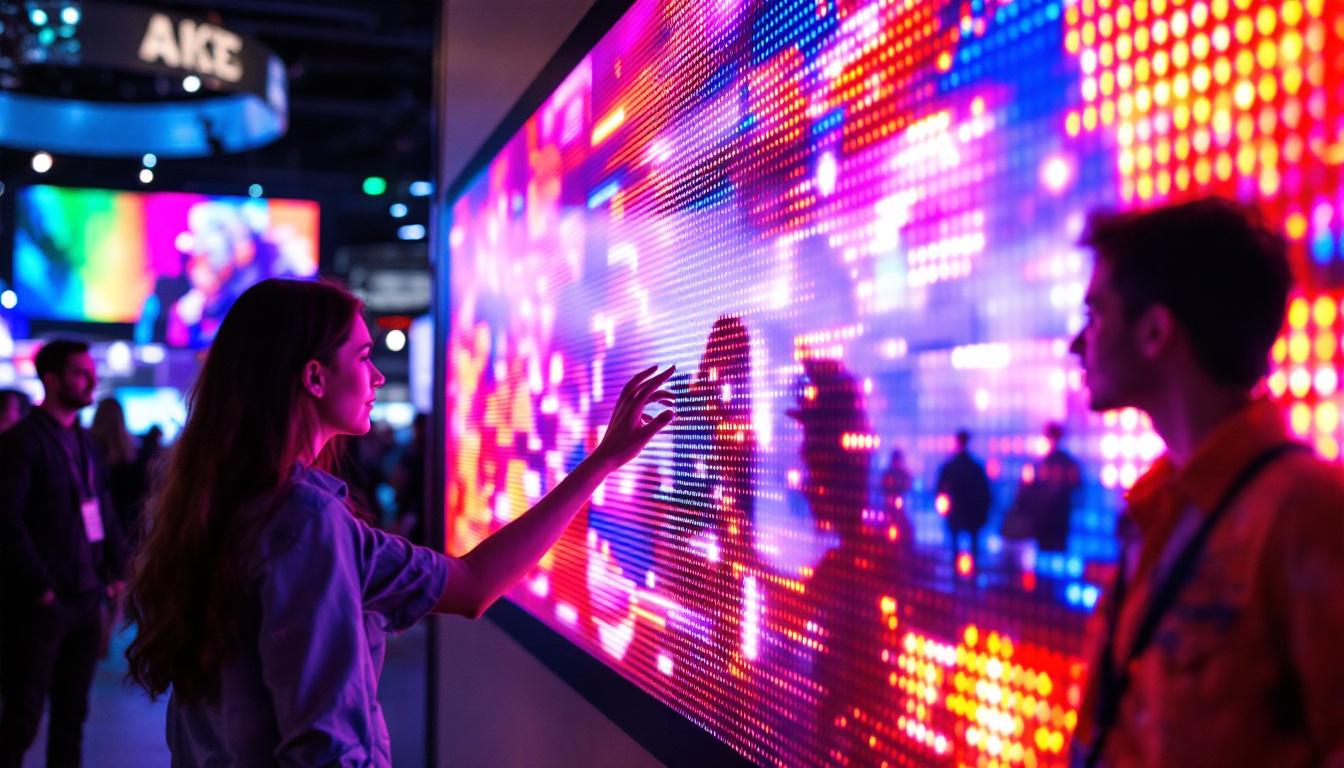
The next generation of LED displays is moving toward interactivity. Touchscreen LED walls allow users to engage directly with content, making presentations and meetings more dynamic. For law firms, this technology can facilitate brainstorming sessions, case analysis, and client consultations in innovative ways.
Implementing interactive displays could enhance collaboration and provide a more immersive experience for clients and teams alike.
Augmented Reality (AR) Integration
Augmented reality features integrated with LED displays are emerging as powerful tools for visualization. Legal professionals might use AR to present complex data, architectural plans, or evidence in a more understandable format. This can improve comprehension and decision-making during trials or negotiations.
While still in early stages, AR-enabled LED displays represent a promising frontier for legal technology.
Energy Efficiency and Sustainability Innovations
As environmental concerns grow, LED technology continues to evolve with a focus on reducing energy consumption and using eco-friendly materials. Innovations such as micro-LEDs and organic LEDs (OLEDs) offer even greater efficiency and image quality.
Law firms committed to sustainability, like McDermott Will & Emery, are likely to adopt these advancements to align their technological infrastructure with their environmental values.
Conclusion
LED displays have become an integral part of McDermott Will & Emery’s New York City offices, enhancing both client engagement and internal communication. Their superior brightness, flexibility, and energy efficiency make them ideal for the demanding environment of a leading law firm. As LED technology continues to advance, firms that embrace these innovations will be better positioned to deliver exceptional service and maintain a competitive edge.
For legal professionals and corporate decision-makers considering LED displays, understanding the technology’s capabilities and benefits is essential. From improving brand image to fostering collaboration, LED displays offer a versatile solution that meets the evolving needs of modern law firms.
Discover LumenMatrix LED Display Solutions
As you consider the transformative impact of LED displays for your law firm, LumenMatrix stands ready to elevate your professional environment with our comprehensive range of LED display modules. Our innovative solutions, from Indoor and Outdoor LED Wall Displays to specialized options like Vehicle, Sports, and Floor LED Displays, are designed to meet the unique needs of your firm. Embrace the future of visual communication with LumenMatrix and create an unforgettable impression on clients and colleagues alike. Check out LumenMatrix LED Display Solutions today and see how we can help you share your message with precision and flair.