In today’s digital age, LED displays have become an integral part of how information is presented and consumed. From the vibrant billboards that light up cityscapes to the screens on everyday devices, LEDs are everywhere. But what exactly does LED mean, and how do these displays work? This article delves into the meaning of LEDs, the technology behind LED displays, and their diverse applications in modern life.
What Does LED Stand For?
LED stands for Light Emitting Diode. It is a semiconductor device that emits light when an electric current passes through it. Unlike traditional incandescent bulbs that produce light by heating a filament, LEDs generate light through electroluminescence, a process where electrons recombine with electron holes within the device, releasing energy in the form of photons.
This fundamental difference makes LEDs more energy-efficient, longer-lasting, and more durable than conventional lighting technologies. The invention of the first practical visible-spectrum LED in the early 1960s revolutionized the lighting and display industry, leading to the widespread adoption of LED technology in various fields.
One of the remarkable features of LEDs is their ability to produce light in a variety of colors without the need for filters. This is achieved by altering the materials used in the semiconductor, which can emit different wavelengths of light. As a result, LEDs can be found in applications ranging from simple indicator lights on electronic devices to vibrant displays in large-scale advertising billboards. The versatility of LEDs has also paved the way for innovations in lighting design, allowing for dynamic color-changing effects and energy-efficient solutions in architectural lighting.
Moreover, the environmental impact of LEDs cannot be overlooked. They consume significantly less power than traditional bulbs, which translates to lower electricity bills and reduced greenhouse gas emissions. Additionally, LEDs have a longer lifespan, often lasting up to 25,000 hours or more, which means fewer bulbs end up in landfills. As the world increasingly shifts towards sustainable practices, the adoption of LED technology is seen as a crucial step in reducing energy consumption and promoting eco-friendly solutions in both residential and commercial lighting applications.
How Do LED Displays Work?
Basic Structure of an LED Display
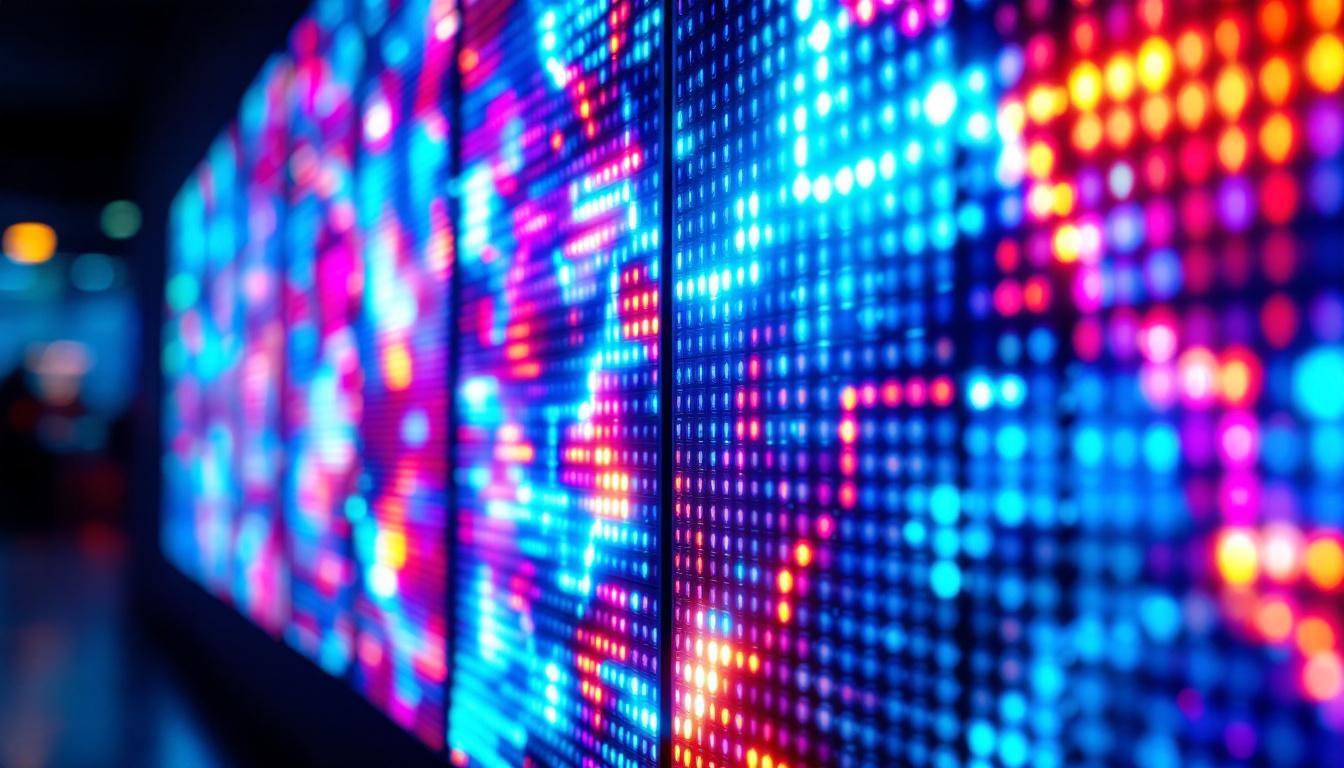
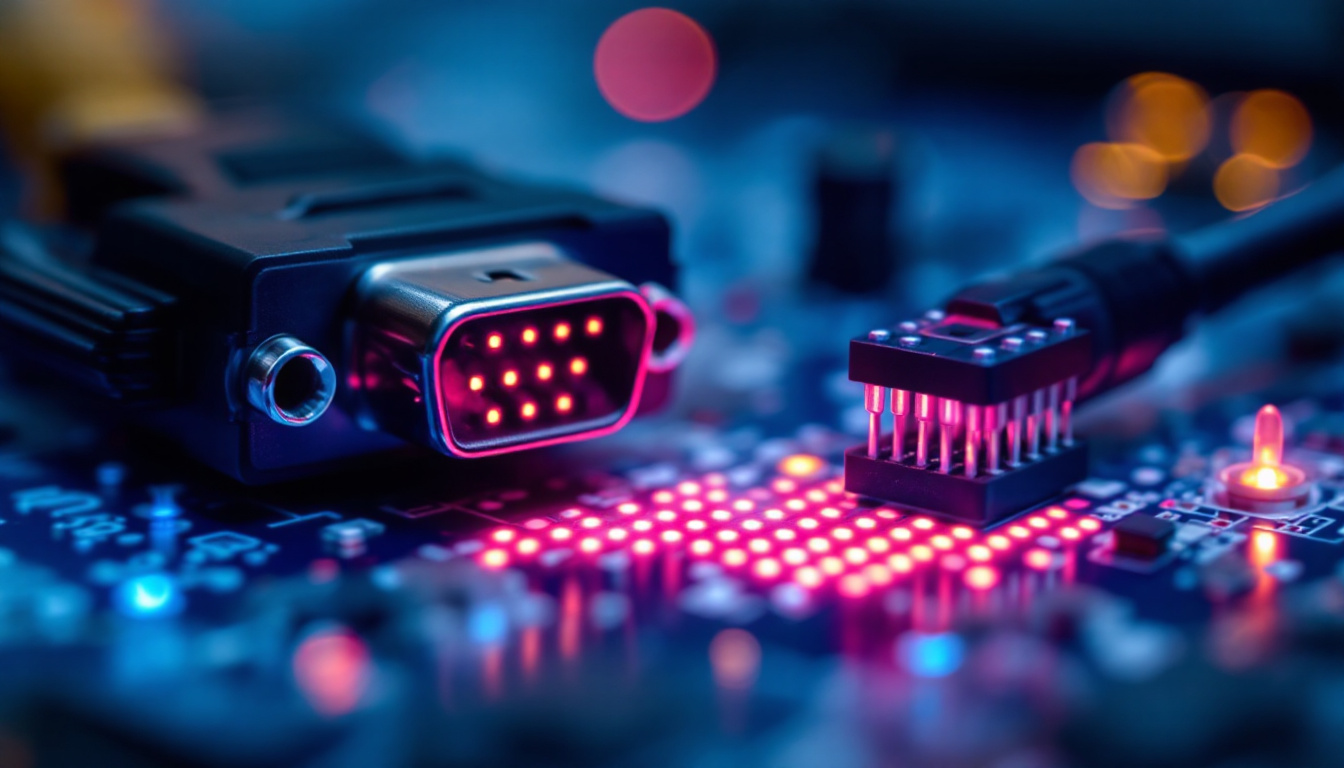
An LED display is composed of many tiny LEDs arranged in a matrix or grid. Each LED acts as a single pixel, and by controlling the brightness and color of each pixel, the display can render images, videos, or text. The LEDs are typically mounted on circuit boards and connected to a driver system that manages the electrical signals to produce the desired visual output.
There are two main types of LED displays: direct-view and backlit. Direct-view LED displays use LEDs as the light source themselves, making them ideal for large-scale outdoor screens like stadium scoreboards or advertising billboards. Backlit LED displays, on the other hand, use LEDs to illuminate an LCD panel, which is common in televisions, computer monitors, and smartphones.
Color Generation in LED Displays
Color in LED displays is achieved by combining red, green, and blue (RGB) LEDs. By varying the intensity of each of these primary colors, the display can produce a wide spectrum of colors. This RGB color model is the foundation of most digital displays, enabling vivid and accurate color reproduction.
Some advanced LED displays use additional colors such as white or yellow LEDs to enhance brightness and color accuracy. The precise control of these LEDs allows for high-resolution images with excellent contrast and brightness, even in challenging lighting conditions.
Types of LED Displays
Indoor LED Displays
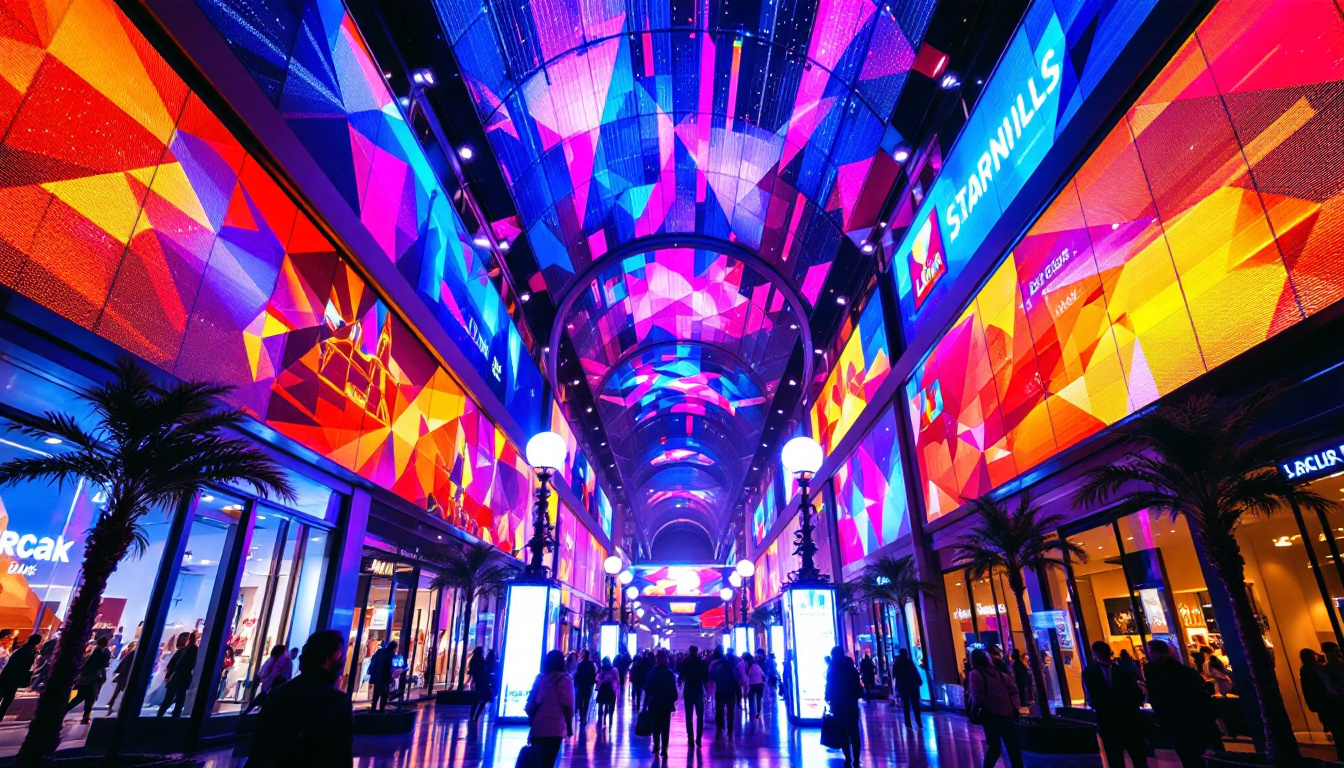
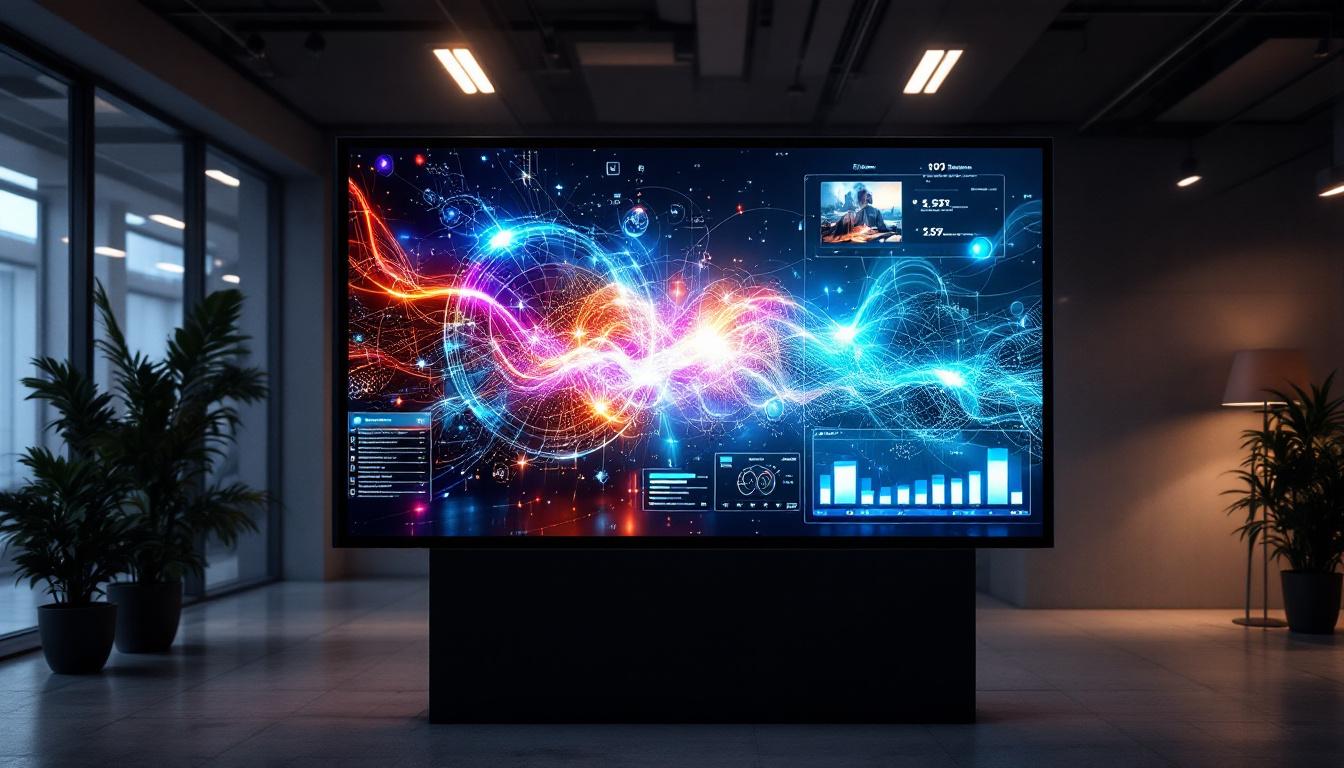
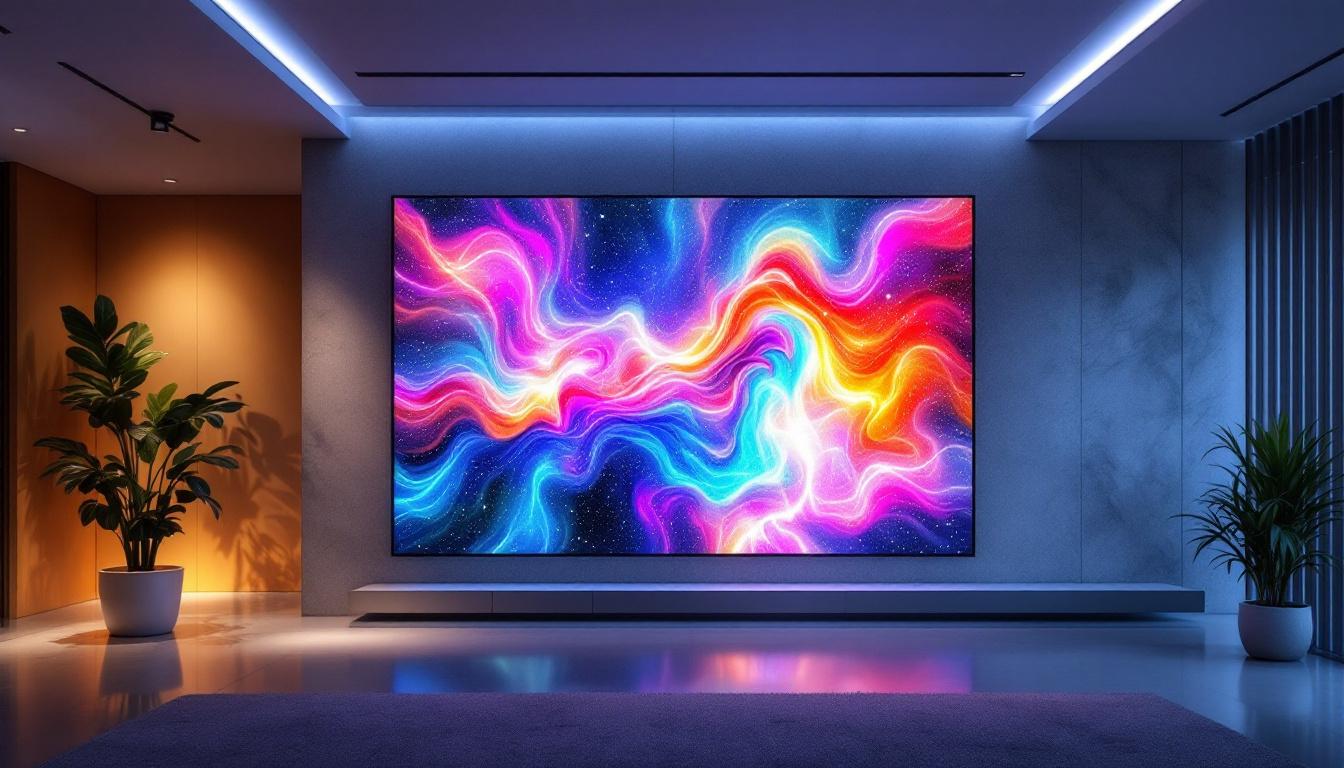
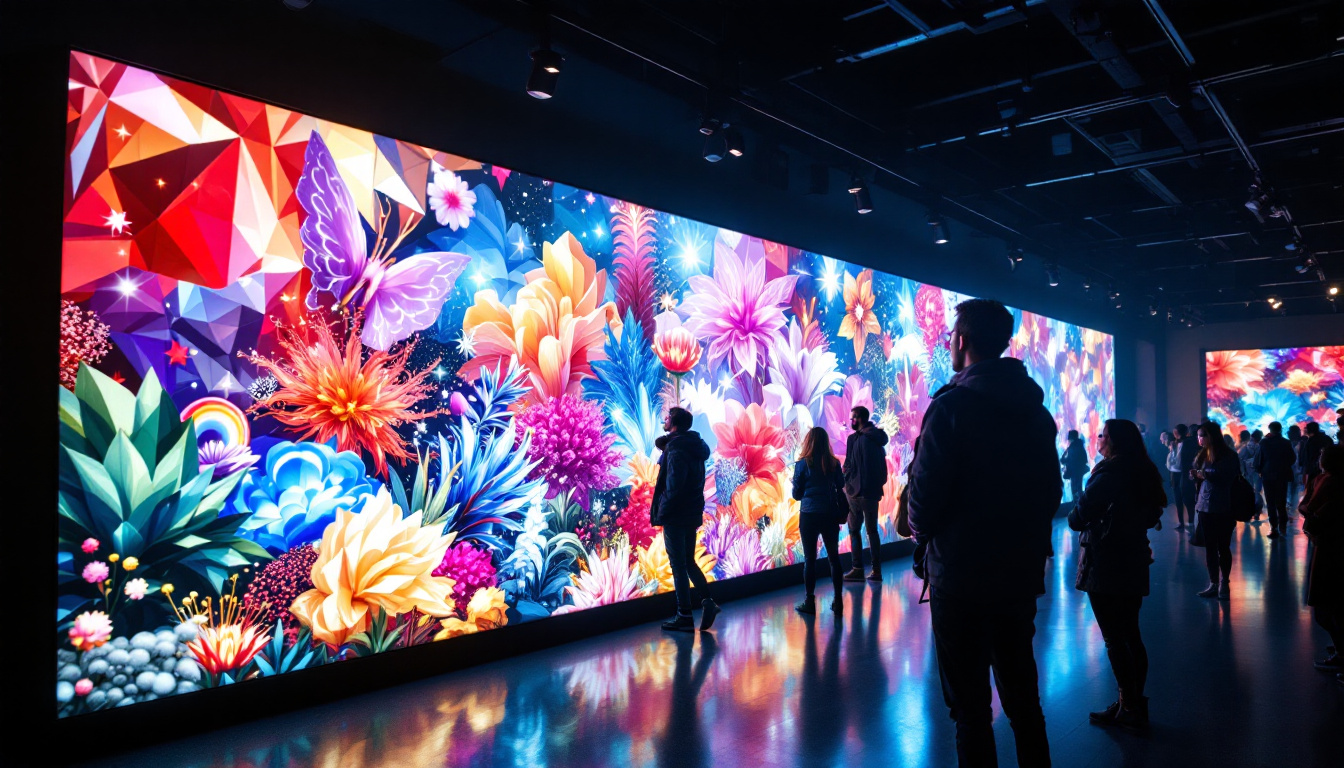
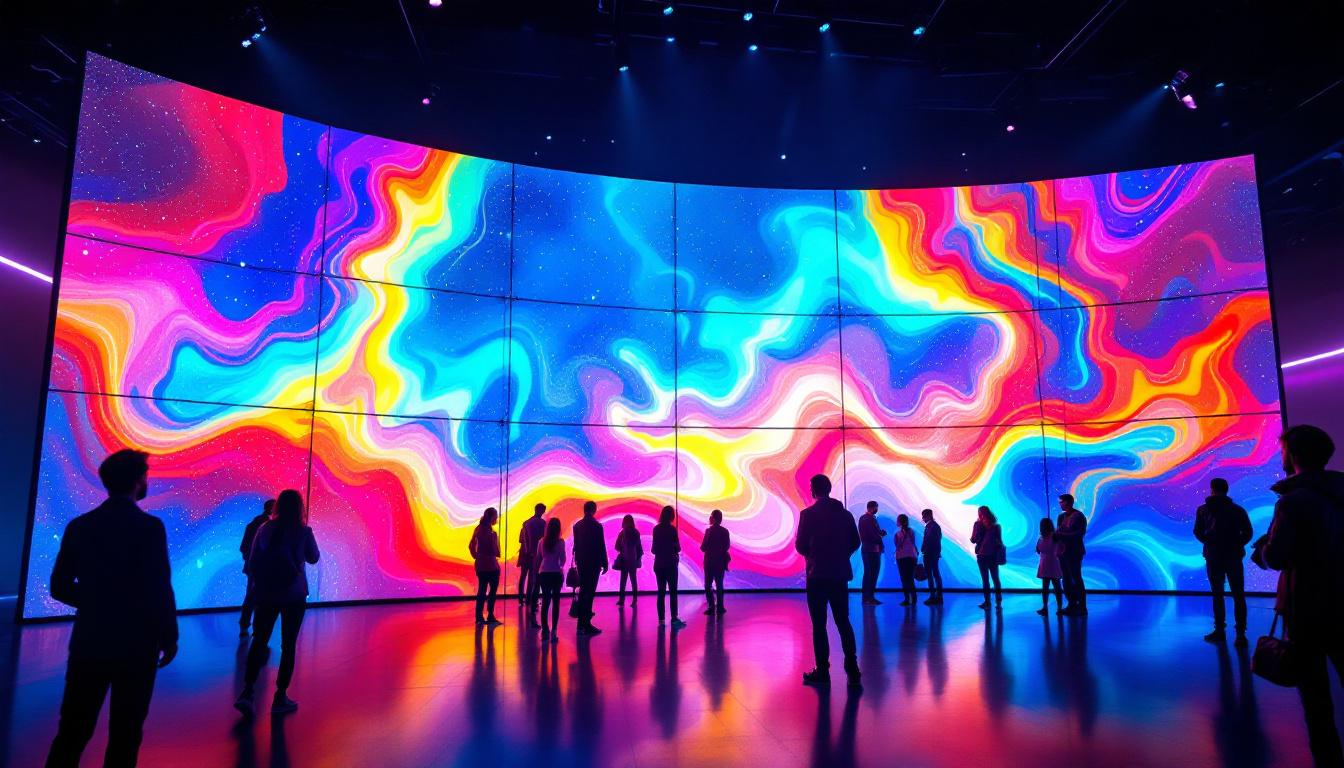
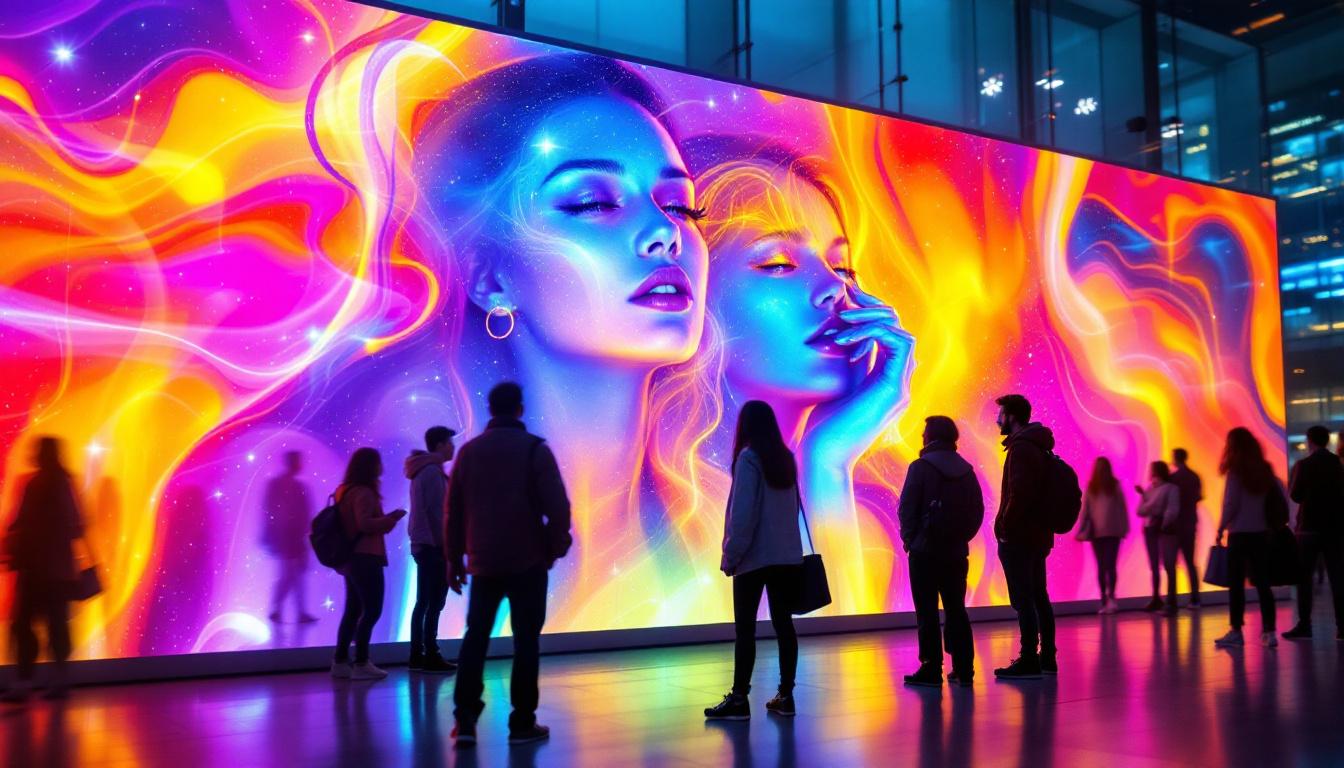
Indoor LED displays are designed for environments with controlled lighting and closer viewing distances. They typically have higher pixel density, meaning the LEDs are packed more closely together to provide sharper images and finer detail. These displays are commonly used in conference rooms, retail stores, airports, and entertainment venues.
Because indoor environments usually have lower ambient light levels, indoor LED displays can operate at lower brightness levels, which helps reduce power consumption and eye strain for viewers.
Outdoor LED Displays
Outdoor LED displays must withstand harsher environmental conditions such as rain, wind, dust, and extreme temperatures. They are built with weatherproof enclosures and often feature higher brightness levels to remain visible under direct sunlight. The pixel pitch—the distance between individual LEDs—is usually larger in outdoor displays since viewers tend to be farther away.
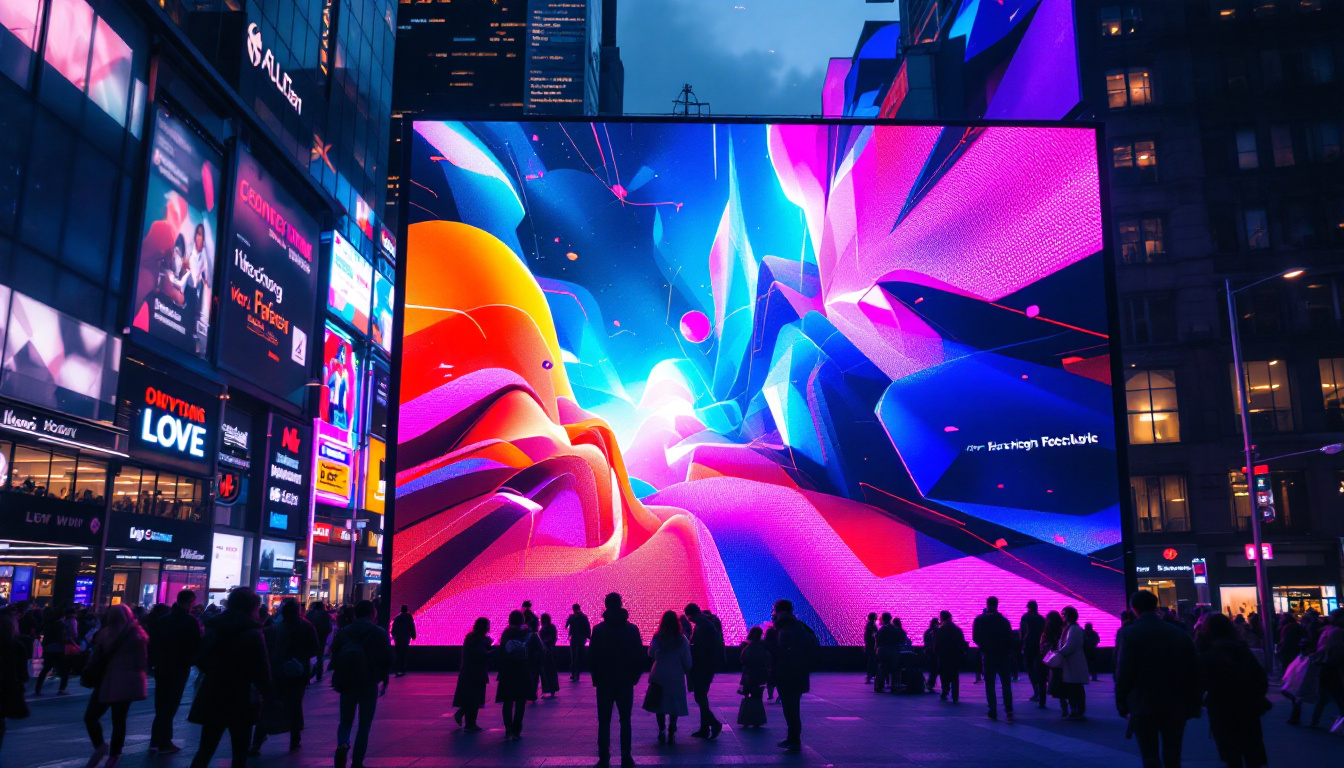
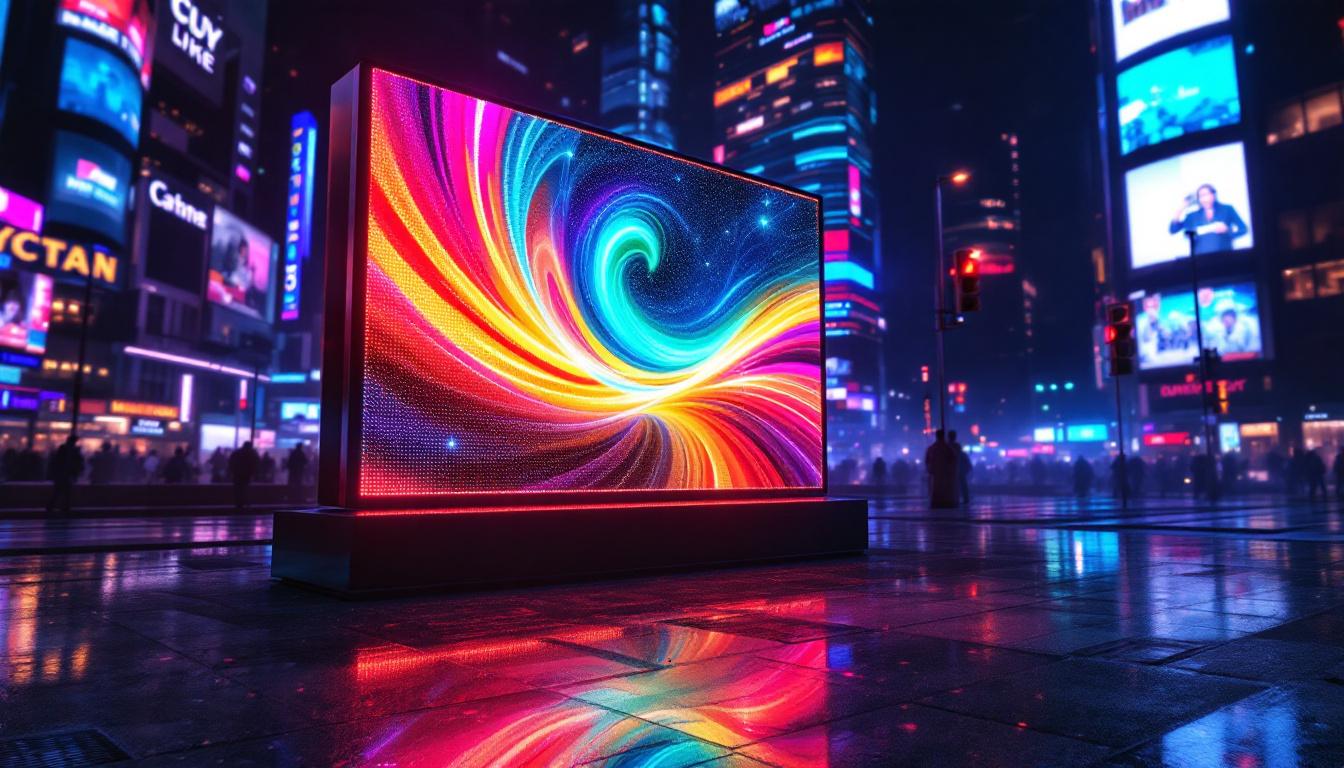
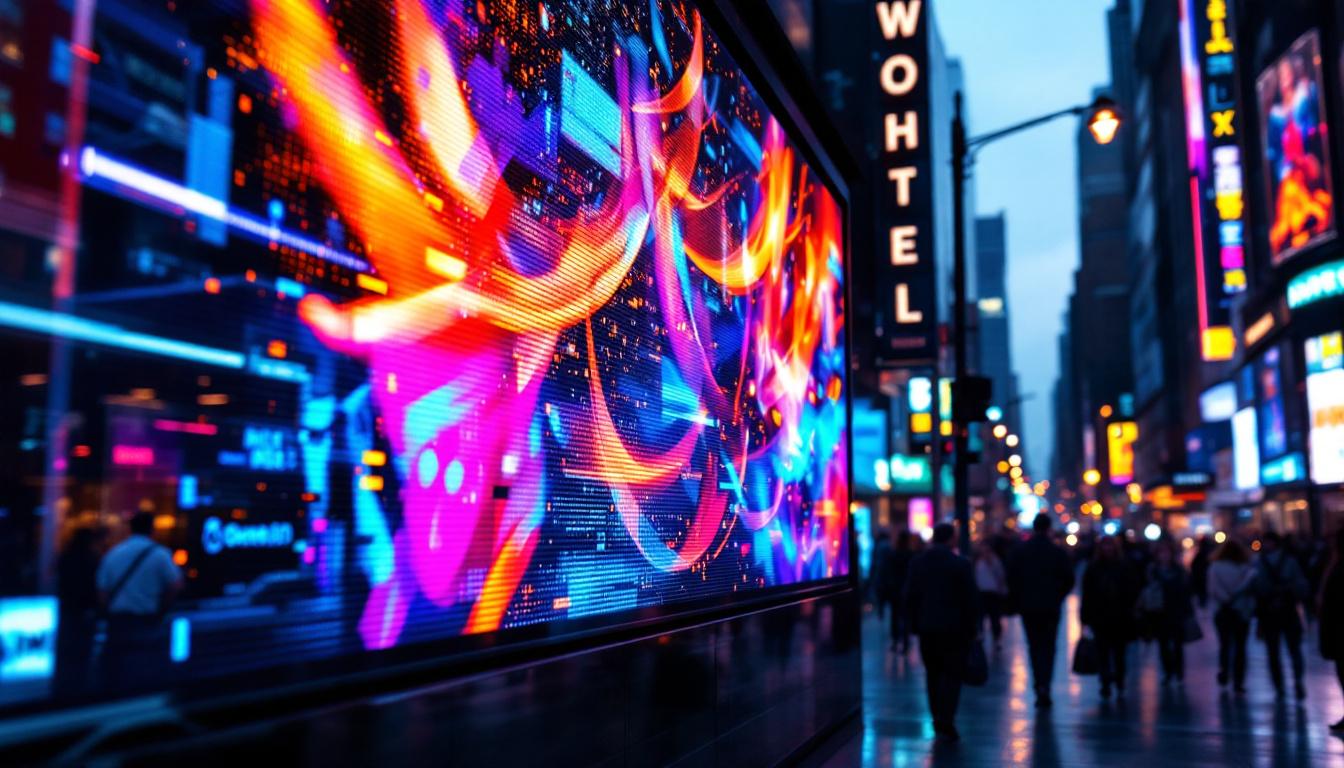
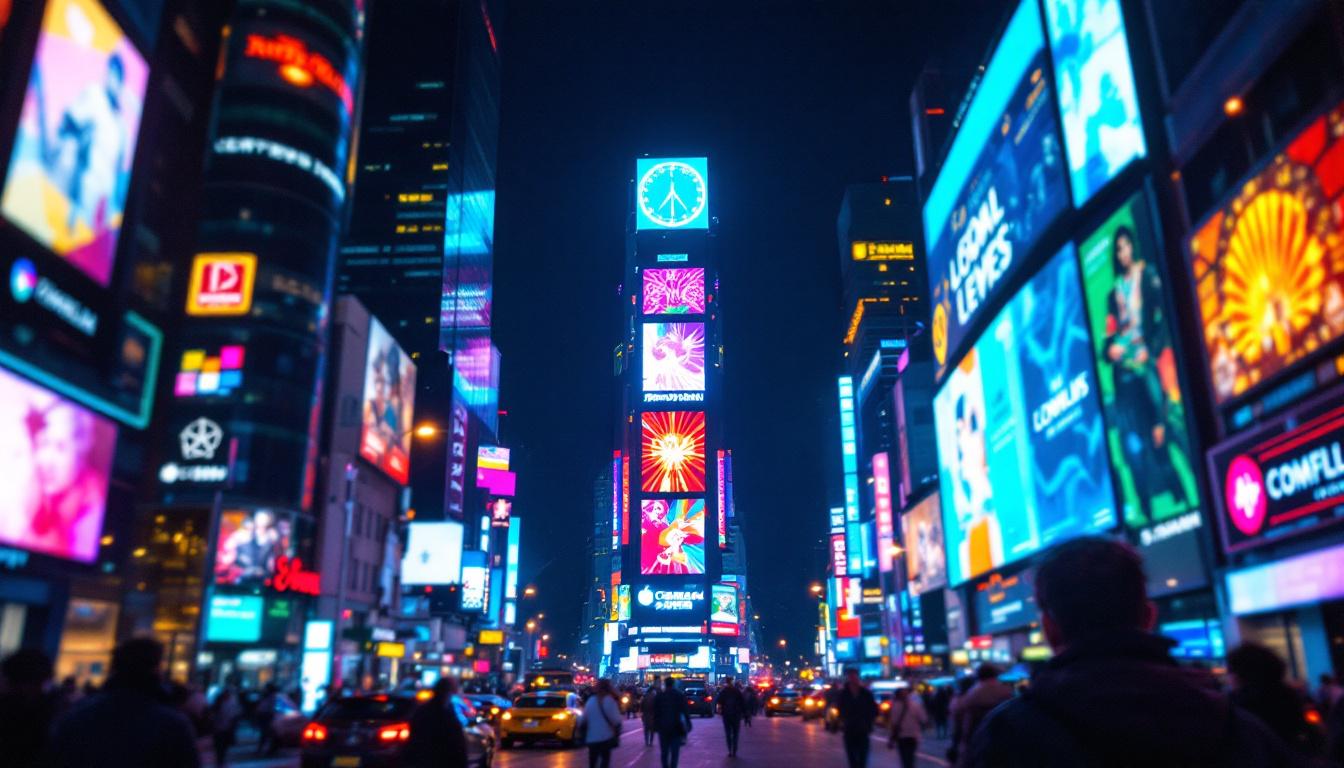
Examples of outdoor LED displays include digital billboards, traffic signs, sports stadium screens, and public information boards. Their ability to display dynamic content makes them a powerful tool for advertising and communication in public spaces.
Flexible and Transparent LED Displays
Recent advancements in LED technology have led to the development of flexible and transparent LED displays. Flexible displays use bendable substrates that allow the screen to curve or fold, opening new possibilities for innovative product designs such as wearable devices or curved digital signage.
Transparent LED displays are made with see-through materials that enable light and images to pass through the screen. These are particularly useful for retail window displays, allowing businesses to showcase digital content without blocking the view inside the store.
Advantages of LED Displays Over Other Technologies
Energy Efficiency and Longevity
One of the most significant advantages of LED displays is their energy efficiency. LEDs consume far less power compared to traditional incandescent or fluorescent lighting, which translates to lower operating costs and reduced environmental impact. For example, LED displays can use up to 80% less energy than conventional lighting solutions.
In addition, LEDs have a longer lifespan, often exceeding 50,000 hours of operation. This durability reduces maintenance costs and downtime, especially important for large-scale installations where replacing bulbs or panels can be costly and disruptive.
Brightness and Visibility
LED displays offer superior brightness levels, making them highly visible in various lighting conditions. Outdoor LED screens can reach brightness levels of 5,000 to 10,000 nits, ensuring clear visibility even in direct sunlight. This makes them ideal for advertising, public safety messaging, and event broadcasting.
Moreover, LED displays provide excellent contrast ratios and color accuracy, enhancing the overall viewing experience. The ability to adjust brightness dynamically also helps to optimize visibility and reduce glare in different environments.
Design Flexibility and Scalability
LED technology allows for versatile design options. Displays can be customized in size, shape, and resolution to fit specific needs. Modular LED panels can be combined to create large seamless screens or split into smaller units for multiple applications.
This scalability makes LED displays suitable for a broad range of uses, from small retail signs to massive stadium video walls. Additionally, the lightweight and thin form factor of LED panels facilitate easier installation and integration into architectural designs.
Common Applications of LED Displays
Advertising and Marketing
LED displays have transformed the advertising industry by enabling dynamic, eye-catching content that can be updated in real-time. Digital billboards powered by LED technology allow advertisers to tailor messages based on time of day, weather, or audience demographics, increasing engagement and effectiveness.
Retailers also use LED displays for in-store promotions, interactive signage, and product information, enhancing the shopping experience and driving sales.
Sports and Entertainment
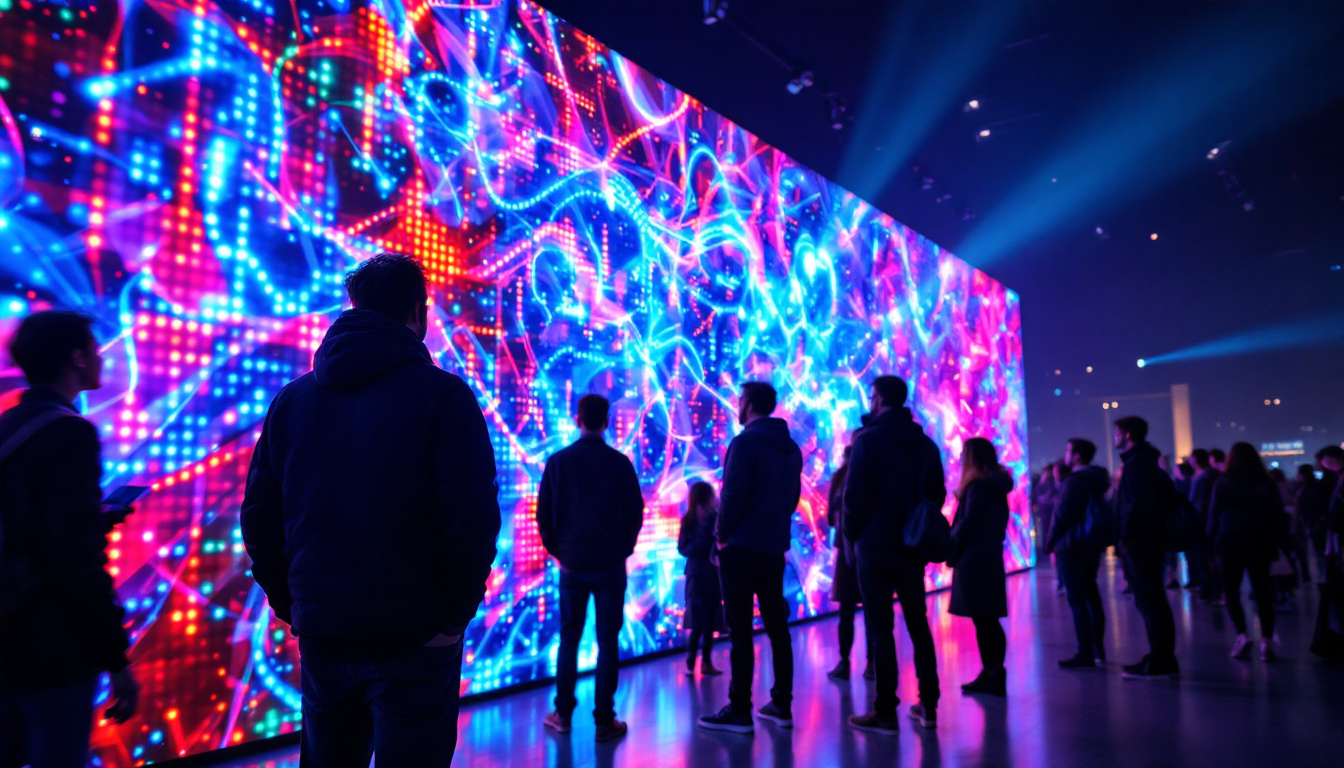
In sports arenas and concert venues, LED displays provide live video feeds, instant replays, and interactive content that engage audiences. The high resolution and brightness ensure that spectators, even those seated far from the action, can enjoy a clear and immersive viewing experience.
LED screens are also used in stage design and lighting, creating visually stunning effects that complement performances and events.
Transportation and Public Information
LED displays play a crucial role in transportation systems by providing real-time information such as schedules, delays, and safety alerts. Airports, train stations, and bus terminals rely on LED signage to keep travelers informed and improve operational efficiency.
In urban environments, LED traffic signs and variable message signs help manage traffic flow and enhance road safety.
Healthcare and Education
In healthcare facilities, LED displays are used for patient information, wayfinding, and emergency notifications. Their clarity and reliability make them ideal for critical communication in hospitals and clinics.
Educational institutions employ LED screens in classrooms and auditoriums to support interactive learning, presentations, and events, fostering better engagement and knowledge retention.
Future Trends in LED Display Technology
MicroLED and MiniLED Innovations
MicroLED and MiniLED technologies represent the next generation of LED displays, offering even higher resolution, brightness, and energy efficiency. MicroLEDs are tiny LEDs that can be individually controlled to create ultra-high-definition displays with exceptional color accuracy and contrast.
These advancements are expected to enhance applications in televisions, smartphones, augmented reality devices, and large-scale digital signage, pushing the boundaries of visual performance.
Integration with Smart Technologies
As the Internet of Things (IoT) expands, LED displays are increasingly integrated with smart systems. This integration enables real-time data-driven content updates, remote management, and interactive features powered by artificial intelligence.
Smart LED displays can adapt content based on audience behavior, environmental conditions, or other contextual factors, creating more personalized and effective communication.
Sustainability and Environmental Impact
With growing emphasis on sustainability, LED display manufacturers are focusing on eco-friendly materials, recyclable components, and energy-saving designs. Innovations in power management and manufacturing processes aim to reduce the carbon footprint of LED displays throughout their lifecycle.
These efforts align with global initiatives to promote greener technologies and responsible consumption.
Conclusion
Understanding the meaning of LEDs and the technology behind LED displays reveals why they have become a cornerstone of modern visual communication. Their energy efficiency, versatility, and superior performance make them indispensable across industries ranging from advertising and entertainment to healthcare and transportation.
As LED technology continues to evolve with innovations like MicroLED and smart integration, the future promises even more dynamic, immersive, and sustainable display solutions that will shape how information is shared and experienced worldwide.
Explore the Future of Visual Communication with LumenMatrix
Ready to elevate your visual presence and captivate your audience with unparalleled clarity? Discover LumenMatrix’s innovative LED display solutions, where cutting-edge technology meets creative design. From vibrant Indoor LED Wall Displays to robust Outdoor LED Wall Displays, and from dynamic Vehicle LED Displays to sleek LED Poster Displays, LumenMatrix offers a comprehensive range of products tailored to your unique needs. Experience the revolution in digital signage and take the first step towards transforming your visual communication. Check out LumenMatrix LED Display Solutions today and see your brand in a new light.