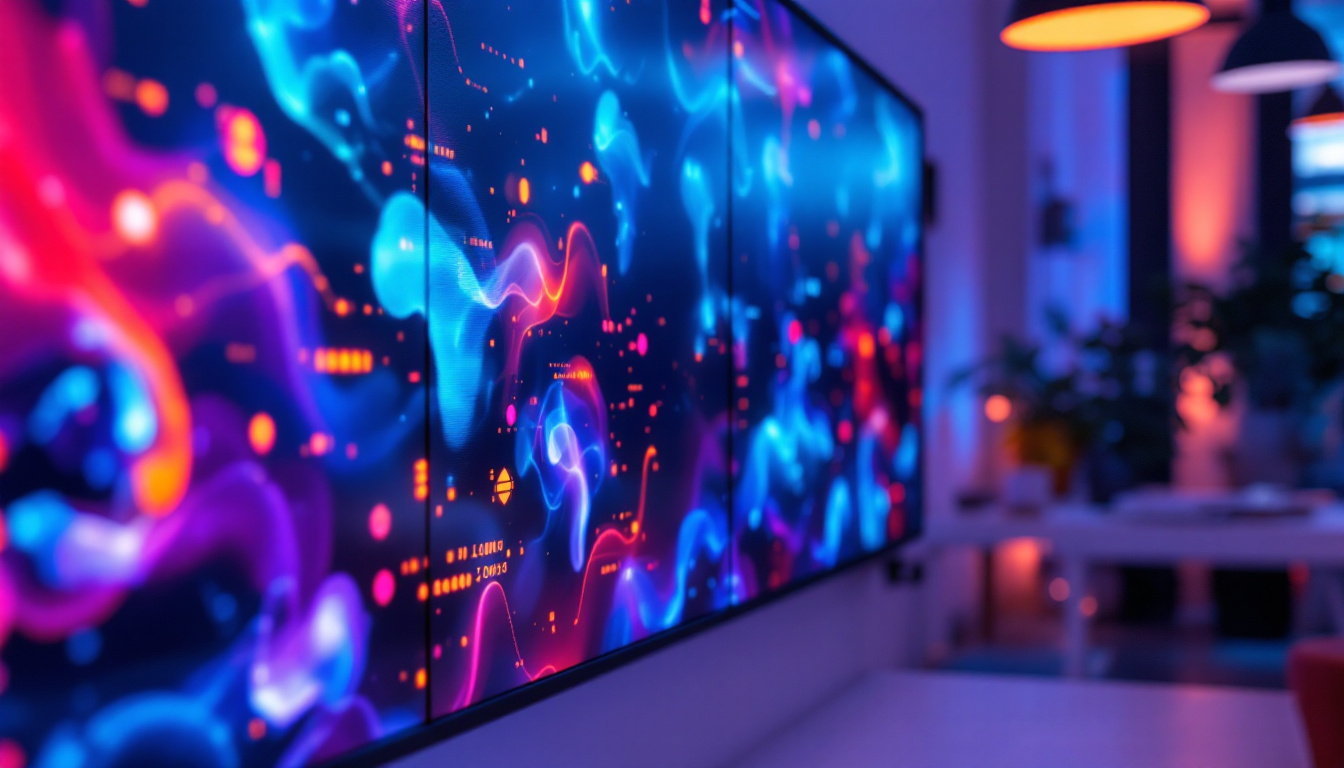
In the rapidly evolving world of digital signage, LED media walls have emerged as a transformative technology, reshaping how businesses, event organizers, and public spaces communicate visually. From vibrant advertising billboards to immersive event backdrops, LED displays offer unmatched brightness, flexibility, and impact. This article delves into the essentials of media wall plans, explaining LED display technology, design considerations, and practical applications to help readers make informed decisions when planning their own media walls.
Understanding LED Display Technology
LED, or Light Emitting Diode, technology forms the backbone of modern digital displays. Unlike traditional LCD or projection screens, LED displays consist of thousands to millions of tiny diodes that emit light individually. This direct emission of light results in superior brightness, contrast, and color accuracy, making LED walls ideal for both indoor and outdoor environments. The ability to produce vibrant colors and deep blacks enhances the viewing experience, whether for advertising, entertainment, or information dissemination.
How LED Displays Work
Each pixel on an LED display is made up of red, green, and blue diodes. By varying the intensity of these diodes, the display can reproduce a full spectrum of colors. The pixels are arranged in a grid pattern, and the density of pixels—measured in pixel pitch—determines the resolution and clarity of the image. A smaller pixel pitch means higher resolution and finer detail, which is particularly important for close viewing distances. This technology allows for stunning visual presentations, making LED displays a popular choice for concerts, trade shows, and corporate events.
Modern LED displays use surface-mounted device (SMD) technology, where LEDs are mounted directly onto circuit boards. This allows for slimmer panels with higher pixel density, enabling seamless video walls with minimal bezels. Additionally, innovations like micro-LED and mini-LED are pushing the boundaries of brightness and energy efficiency even further. Micro-LED technology, for instance, utilizes microscopic LEDs that can be individually controlled, resulting in unparalleled contrast ratios and energy savings, while mini-LEDs enhance backlighting in LCDs, bridging the gap between traditional displays and full LED systems.
Advantages Over Other Display Technologies
LED media walls offer several advantages over LCD and projection-based systems. First, their brightness levels can exceed 5,000 nits, making them easily visible in direct sunlight—an essential feature for outdoor advertising or stadium displays. Second, LEDs have a longer lifespan, often rated for 100,000 hours or more, reducing maintenance costs and downtime. This longevity is particularly beneficial for businesses that rely on continuous operation, as it minimizes the need for frequent replacements and repairs.
Another key benefit is the flexibility in size and shape. LED panels can be tiled seamlessly to create virtually any dimension or aspect ratio, from small retail displays to massive stadium screens. This scalability is difficult to achieve with traditional displays. Furthermore, LED walls consume less power relative to their brightness output, making them more energy-efficient and environmentally friendly. The modular nature of LED technology also allows for easy upgrades and expansions, enabling companies to adapt to changing market demands without overhauling their entire display system. As a result, LED displays are not only a smart investment for immediate needs but also a future-proof solution for evolving visual communication strategies.
Planning Your Media Wall: Key Considerations
Designing a media wall is a complex process that requires careful planning to ensure the final installation meets the intended purpose, budget, and technical requirements. Several factors influence the success of an LED media wall project, including location, resolution, content strategy, and installation logistics.
Location and Viewing Distance
The environment where the media wall will be installed plays a critical role in determining the appropriate specifications. Indoor and outdoor settings have vastly different requirements. For example, outdoor walls must be weatherproof and capable of handling extreme temperatures and moisture, while indoor walls can prioritize higher resolution and finer pixel pitch.
Viewing distance is another crucial factor. The general rule of thumb is that the optimal viewing distance should be at least 1.5 to 2 times the pixel pitch in millimeters. For instance, a display with a 3.9 mm pixel pitch is best viewed from approximately 6 to 8 meters away. This ensures viewers perceive a smooth, detailed image without noticing individual pixels.
Resolution and Pixel Pitch
Resolution requirements depend heavily on the content type and viewing conditions. For close-up viewing, such as in retail stores or control rooms, a pixel pitch of 1.2 mm to 2.5 mm is recommended to achieve crisp visuals. Larger venues like arenas or outdoor billboards can use pixel pitches ranging from 4 mm to 10 mm or more, balancing cost with visibility from a distance.
Higher resolution displays generally cost more due to the increased number of LEDs and more complex control systems. However, the investment often pays off in enhanced viewer engagement and brand impact, especially in environments where detail and clarity are paramount.
Content Strategy and Software Integration
Behind every successful media wall is a well-thought-out content strategy. The display hardware is only as effective as the content it showcases. Dynamic, high-quality videos, animations, and interactive elements capture attention and drive engagement. Content management systems (CMS) designed for LED walls enable scheduling, remote updates, and real-time data integration, allowing for flexible and responsive messaging.
Many modern LED media walls support integration with social media feeds, live event coverage, and audience interaction tools, creating immersive experiences. Selecting compatible software and ensuring seamless integration with existing IT infrastructure is essential during the planning phase.
Installation and Maintenance
Physical installation of LED media walls requires precise engineering to ensure structural safety and optimal performance. Factors such as mounting surfaces, power supply, ventilation, and cable management must be addressed. Modular LED panels simplify installation and future maintenance, as individual modules can be replaced without dismantling the entire wall.
Maintenance considerations include regular cleaning, firmware updates, and monitoring for dead pixels or color inconsistencies. Many LED systems come with built-in diagnostics and remote monitoring capabilities, reducing downtime and service costs.
Applications of LED Media Walls
The versatility of LED media walls has led to their adoption across a wide range of industries and use cases. Understanding these applications can inspire creative ideas and highlight the potential return on investment.
Advertising and Retail
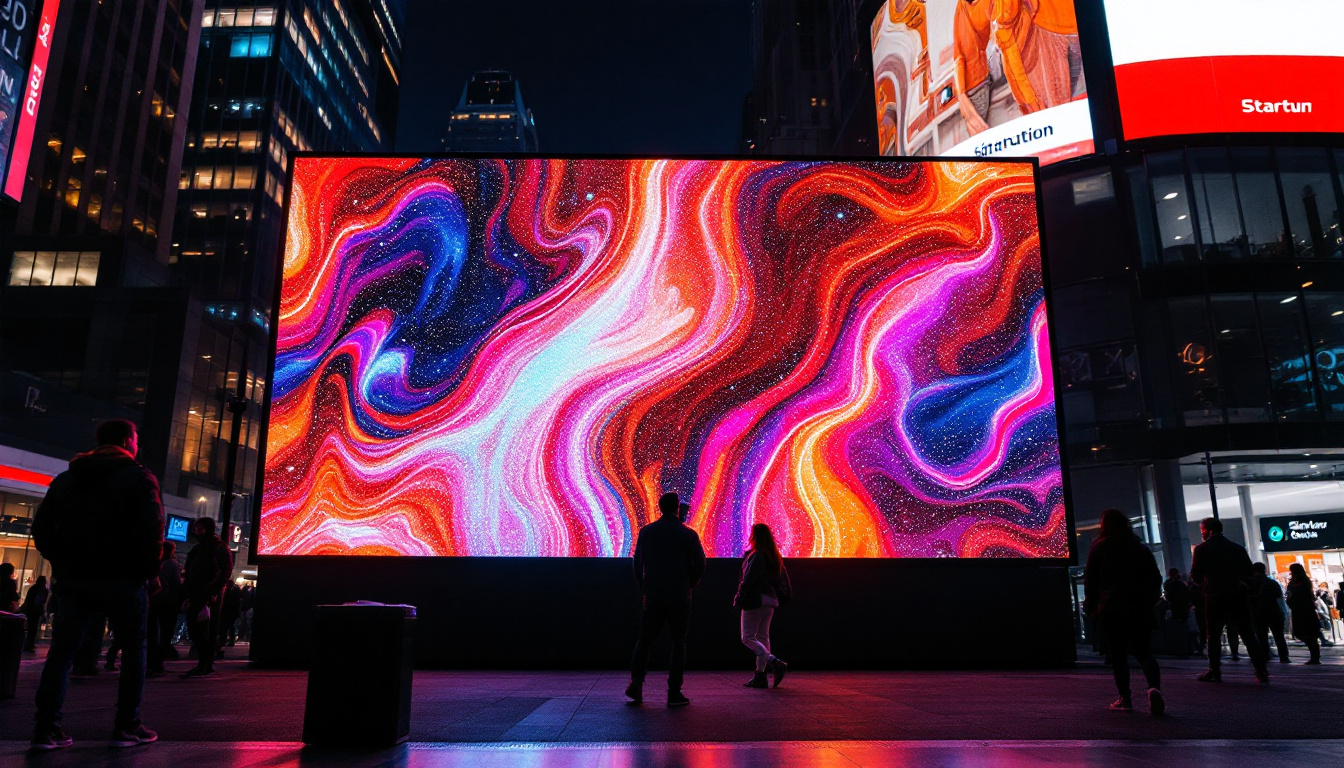
Outdoor LED billboards are among the most recognizable applications, dominating urban landscapes worldwide. According to the Outdoor Advertising Association of America (OAAA), digital out-of-home advertising spending surpassed $4 billion in 2023, with LED displays accounting for a significant share due to their dynamic content capabilities and high visibility.
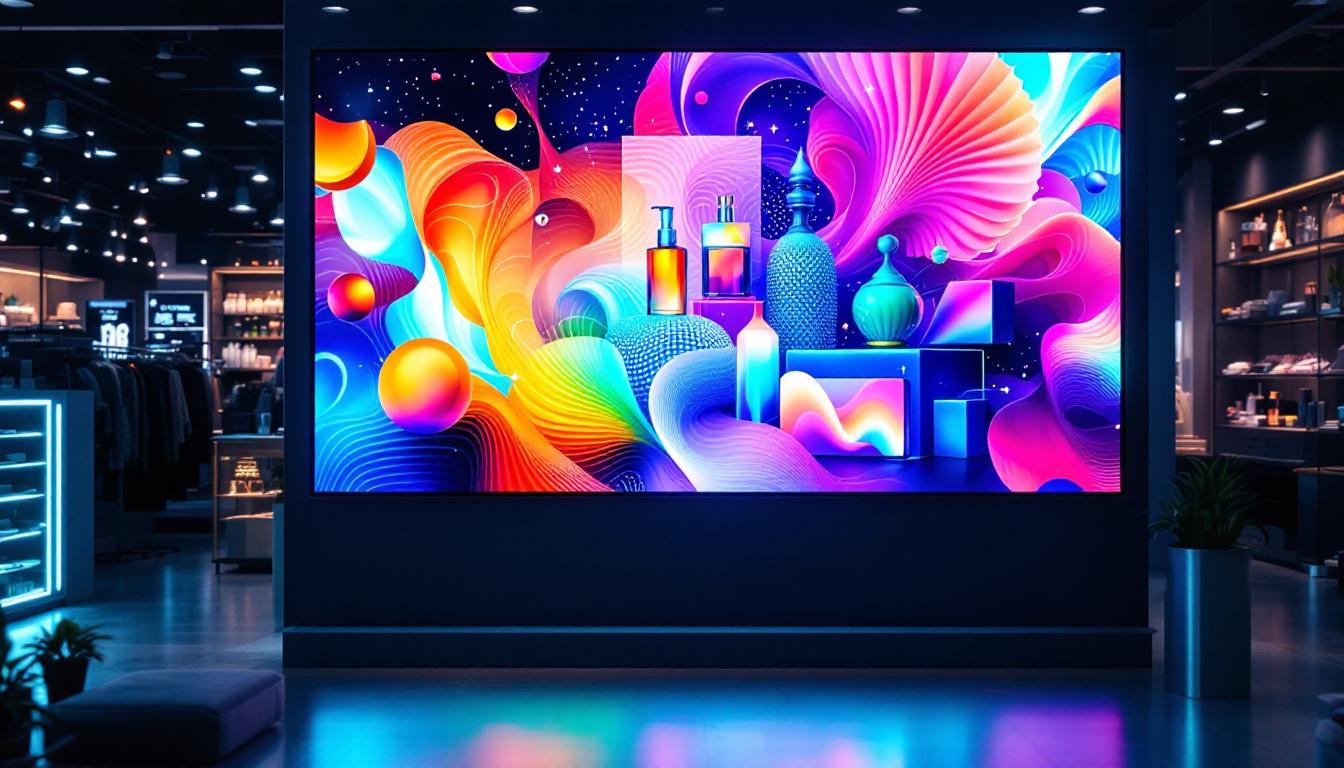
In retail environments, LED walls enhance customer engagement by showcasing promotions, product information, and immersive brand stories. Interactive LED displays allow shoppers to personalize experiences, increasing dwell time and conversion rates.
Entertainment and Events
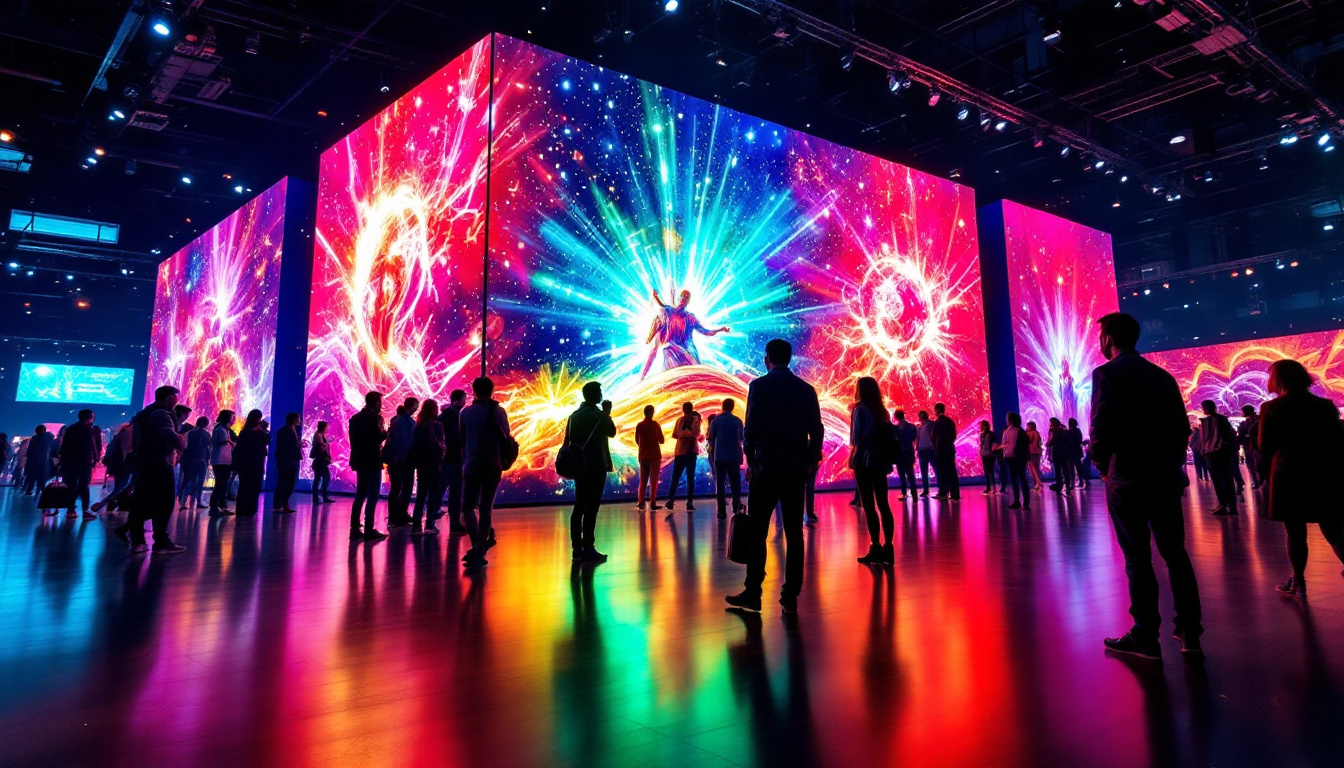
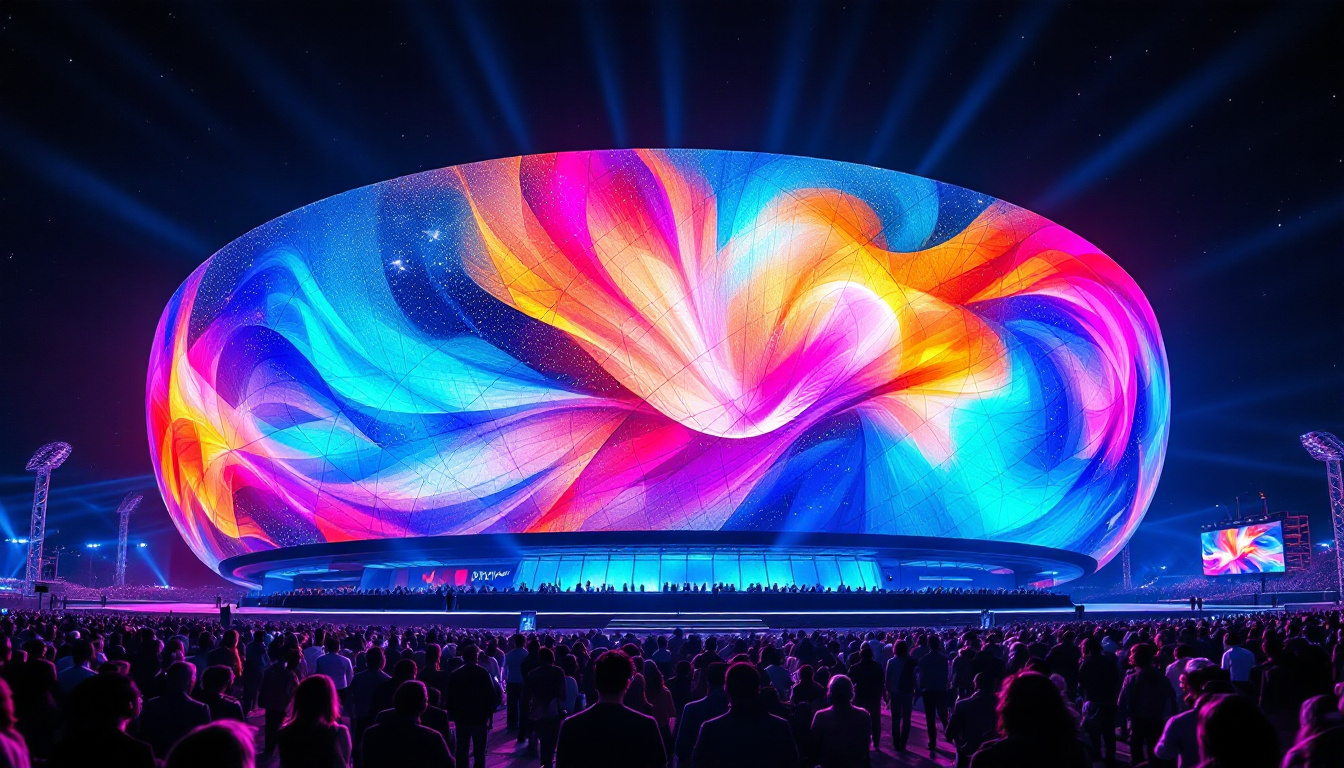
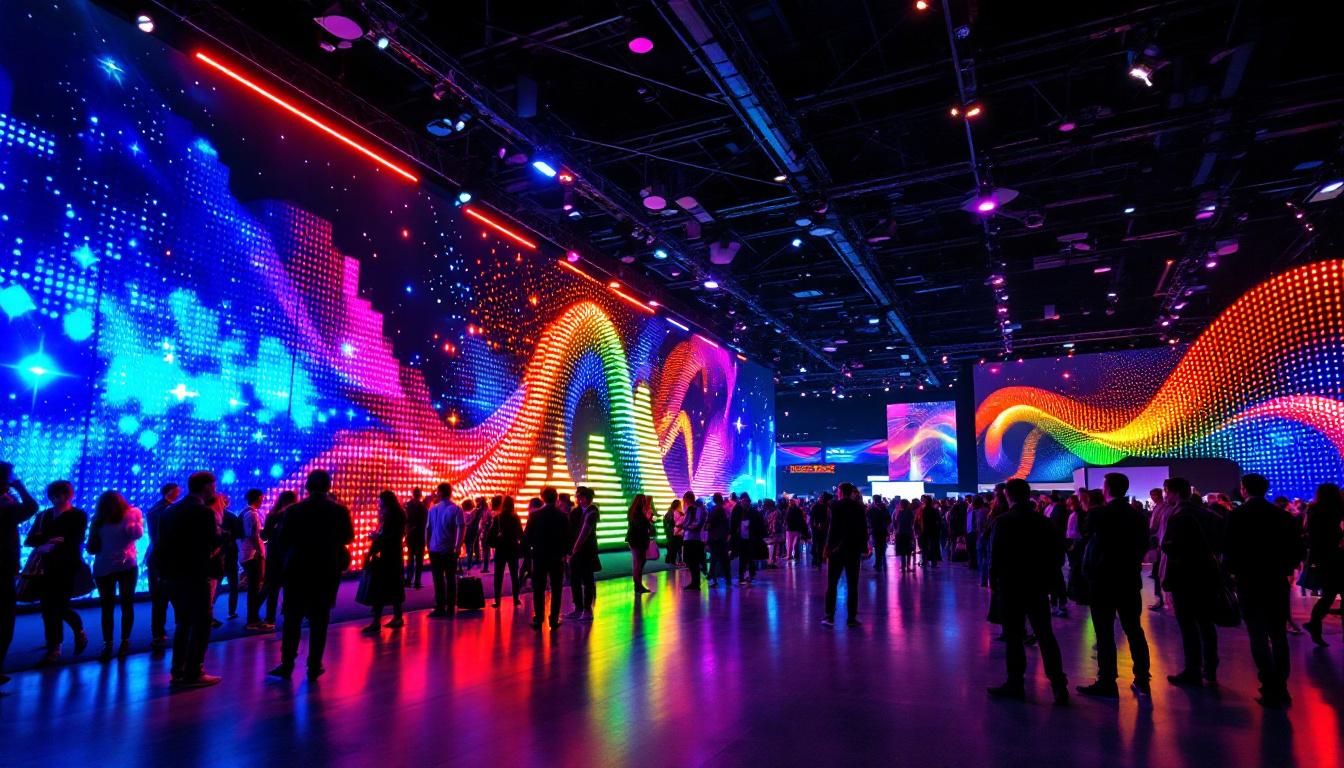
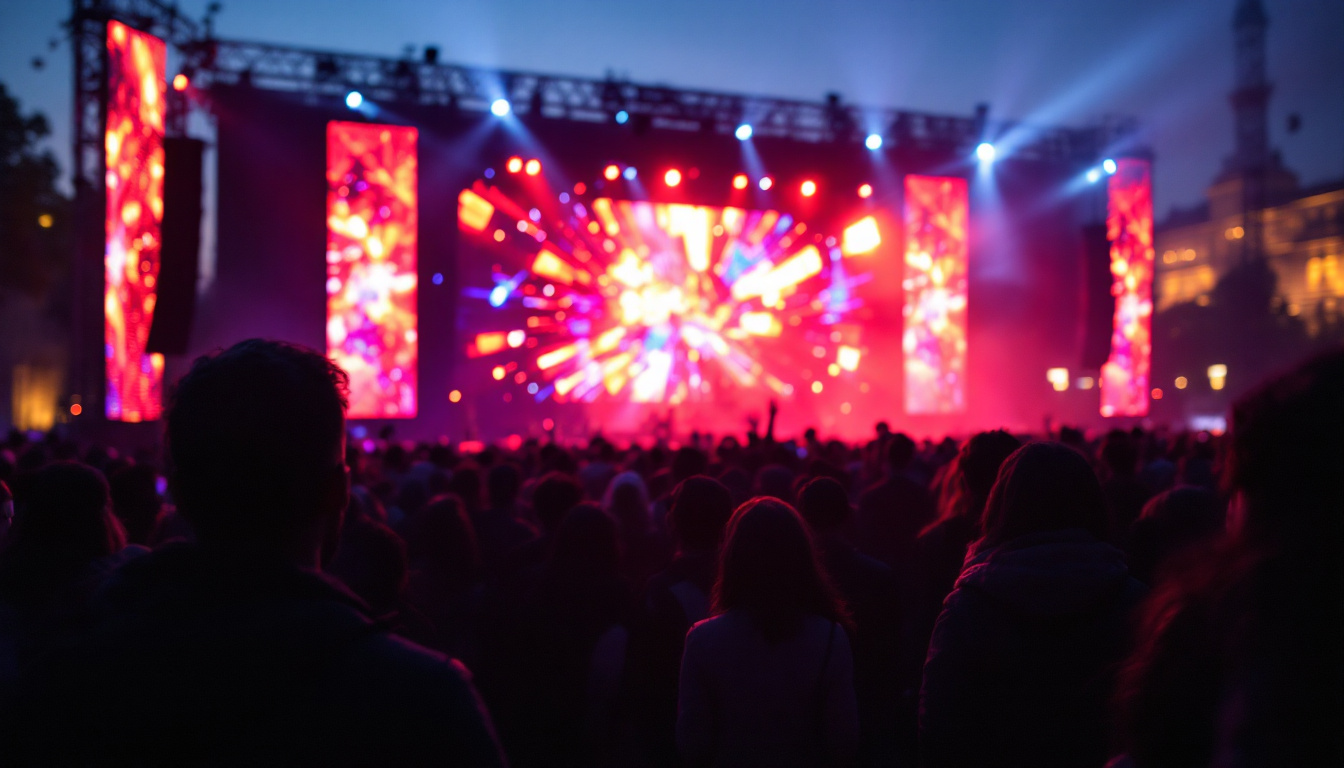
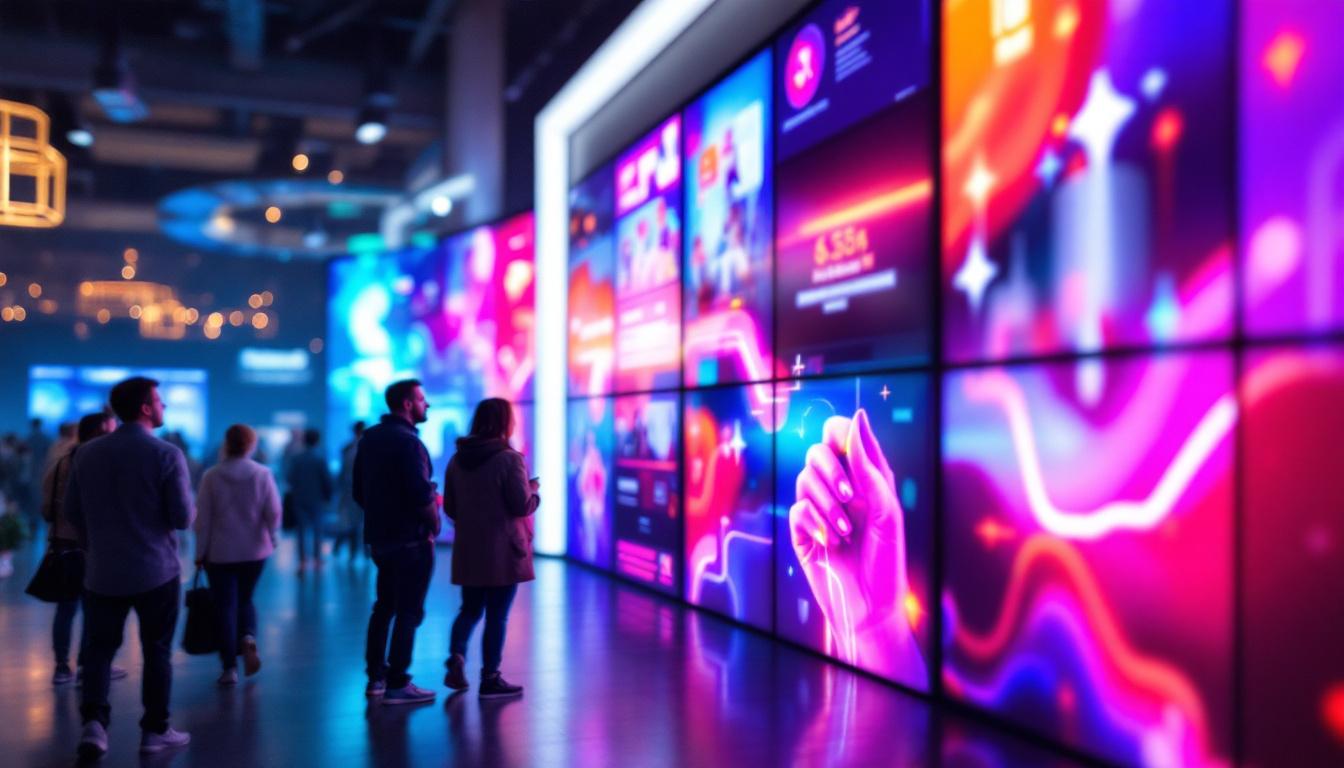
Concerts, sports arenas, and festivals rely heavily on LED media walls to create captivating visual experiences. Large-scale LED screens provide live feeds, replays, and artistic visuals that amplify the atmosphere. The ability to customize shapes and sizes means LED walls can be integrated into stage designs or architectural elements seamlessly.
Virtual events and hybrid conferences also benefit from LED walls as dynamic backdrops that enhance production quality and audience immersion. The technology supports real-time content switching and multi-source inputs, crucial for complex event setups.
Corporate and Control Rooms
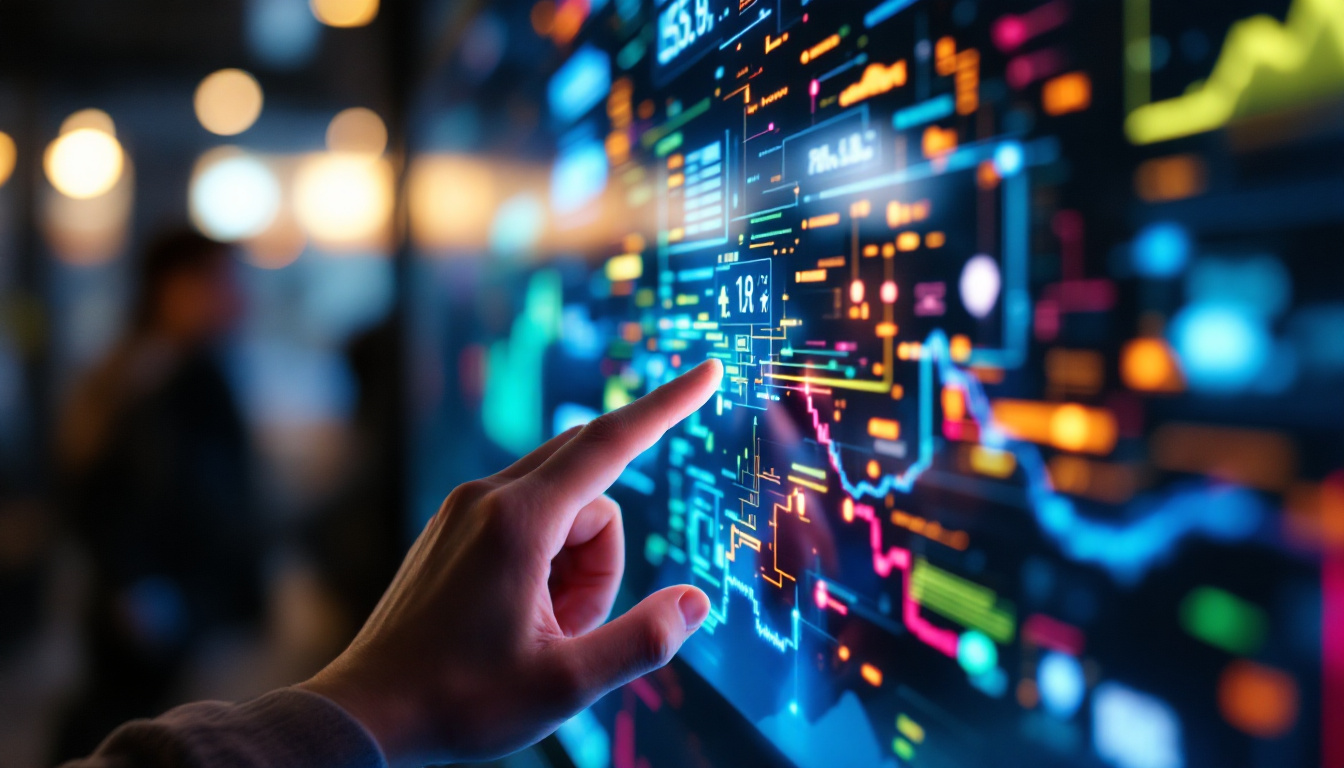
In corporate settings, LED media walls are used in lobbies, boardrooms, and collaboration spaces to display dashboards, news feeds, and branding content. Control rooms in industries such as utilities, transportation, and security utilize high-resolution LED walls for monitoring critical data and coordinating operations efficiently.
The clarity and reliability of LED displays contribute to faster decision-making and improved situational awareness, underscoring their value beyond mere aesthetics.
Future Trends in LED Media Walls
The LED display industry continues to innovate rapidly, driven by advances in materials science, electronics, and software. Staying informed about emerging trends can help businesses future-proof their media wall investments.
Micro-LED and Transparent Displays
Micro-LED technology promises even higher brightness, contrast, and energy efficiency by using microscopic LEDs. This technology enables ultra-thin, flexible, and transparent displays, opening new possibilities for architectural integration and augmented reality applications.
Transparent LED walls are gaining traction in retail and corporate environments, allowing displays to overlay digital content on glass surfaces without obstructing views. This creates futuristic, interactive storefronts and office facades.
Artificial Intelligence and Content Personalization
Artificial intelligence (AI) is beginning to influence content management for LED media walls. AI-powered systems can analyze audience demographics, behavior, and environmental factors to tailor content dynamically, maximizing engagement and relevance.
For example, digital signage in shopping malls can adjust advertisements based on the time of day, weather conditions, or even the presence of specific customer profiles, creating highly targeted marketing campaigns.
Energy Efficiency and Sustainability
With growing emphasis on sustainability, LED manufacturers are developing more energy-efficient components and recyclable materials. Innovations such as low-power drivers, adaptive brightness control, and improved thermal management reduce environmental impact and operational costs.
Adopting green technologies in media wall projects not only aligns with corporate social responsibility goals but also appeals to environmentally conscious consumers.
Conclusion
LED media walls represent a powerful medium for visual communication, offering unparalleled brightness, flexibility, and scalability. Understanding the underlying technology, planning considerations, and diverse applications is essential for anyone looking to invest in or implement an LED media wall.
By carefully assessing location, resolution, content strategy, and installation requirements, organizations can create impactful displays that engage audiences and deliver measurable returns. Keeping an eye on emerging trends such as micro-LED, AI-driven content, and sustainability will ensure these investments remain relevant and effective in the years ahead.
Discover LumenMatrix LED Display Solutions
Ready to elevate your visual communication strategy with a state-of-the-art LED media wall? LumenMatrix specializes in innovative LED display modules designed to maximize brand visibility and create immersive visual experiences. Whether you’re looking for Indoor LED Wall Display, Outdoor LED Wall Display, or any of our other dynamic solutions, we have the technology to bring your vision to life. Check out LumenMatrix LED Display Solutions today and start crafting impactful displays that engage and captivate your audience.