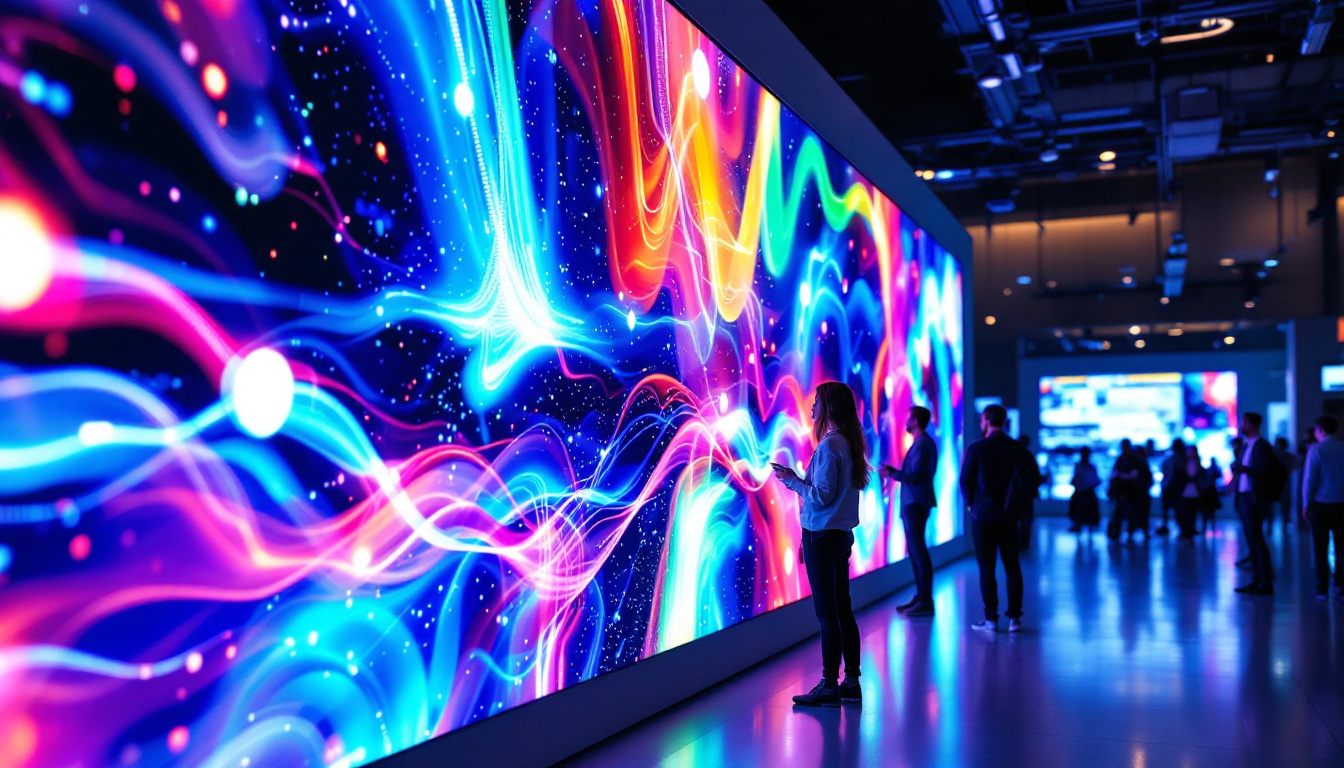
In today’s fast-paced healthcare environment, clear communication and efficient information dissemination are critical. Medical supply stores, such as those in Beaverton, Oregon, are increasingly adopting advanced technologies to enhance customer experience and operational efficiency. One such innovation gaining traction is the use of LED displays. This article delves into the role of LED displays in medical supply stores, explaining their benefits, applications, and why they are becoming an indispensable tool in the healthcare retail sector.
The Growing Importance of Technology in Medical Supply Stores
Medical supply stores serve a vital role in providing essential equipment and products to healthcare professionals, patients, and caregivers. With the rise in chronic illnesses and an aging population, the demand for medical supplies has surged. According to the Centers for Disease Control and Prevention (CDC), nearly 6 in 10 adults in the U.S. have a chronic disease, many of which require ongoing medical supplies and equipment.
To meet this growing demand efficiently, medical supply stores must adopt technologies that improve communication, streamline operations, and enhance the customer experience. LED displays have emerged as a powerful solution, offering dynamic and versatile ways to convey information. These displays not only showcase products but can also provide educational content, promotional offers, and real-time inventory updates, ensuring that customers have access to the information they need at their fingertips.
Why Beaverton, Oregon, is a Hub for Medical Supply Innovation
Beaverton is part of the Portland metropolitan area, known for its robust healthcare infrastructure and technological innovation. The city’s medical supply stores benefit from proximity to major hospitals, clinics, and research institutions, fostering an environment where cutting-edge solutions like LED displays can thrive. This regional focus on healthcare excellence makes Beaverton an ideal case study for understanding the impact of LED technology in medical retail. Furthermore, the local government and various organizations actively support initiatives that promote technological advancements in healthcare, creating a collaborative atmosphere where businesses and innovators can work together to enhance patient care.
In addition to LED technology, Beaverton’s medical supply stores are increasingly integrating e-commerce platforms to provide customers with a seamless shopping experience. The ability to order supplies online and have them delivered directly to homes or healthcare facilities has become essential, especially during times of crisis, such as the COVID-19 pandemic. This shift not only caters to the convenience of customers but also allows stores to manage inventory more effectively, ensuring that critical items are always available when needed. As technology continues to evolve, we can expect to see even more innovative solutions emerging from Beaverton’s medical supply sector, further solidifying its reputation as a leader in healthcare technology.
Understanding LED Displays: What Are They and How Do They Work?
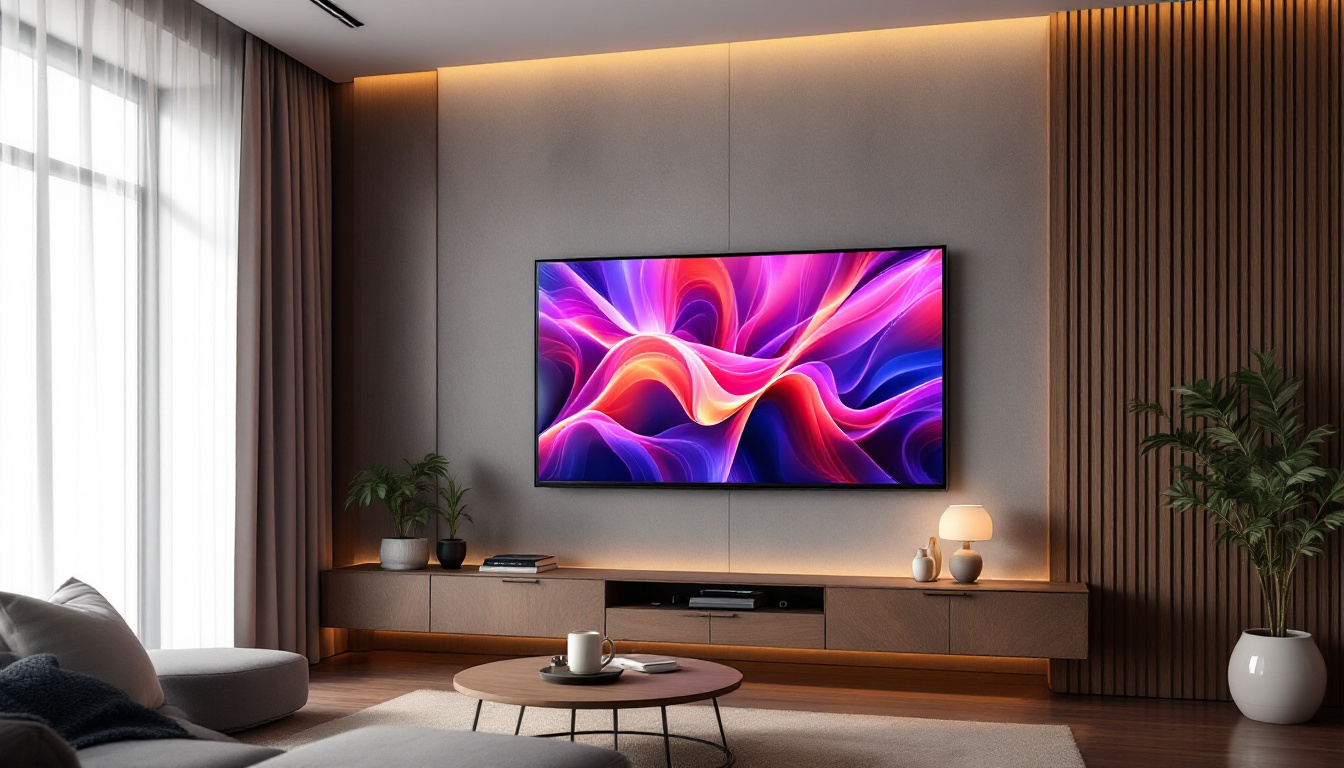
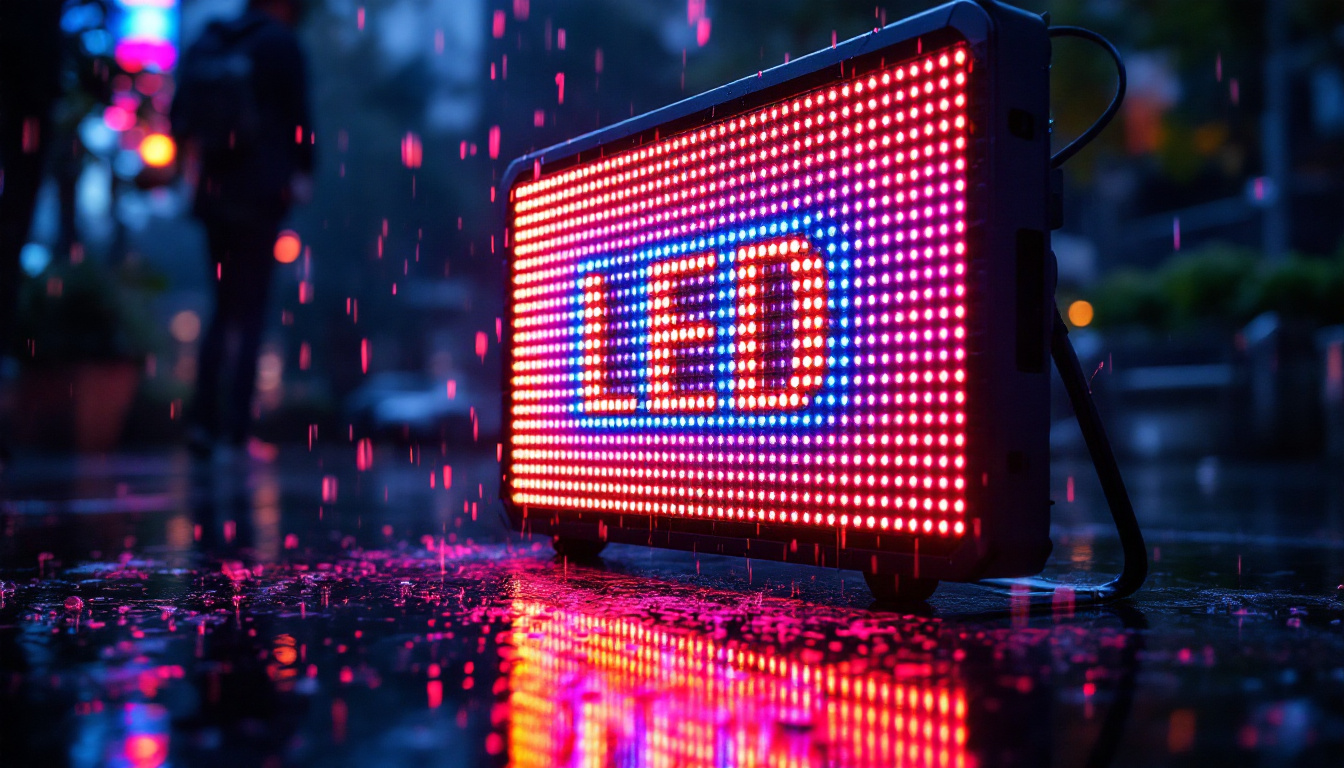
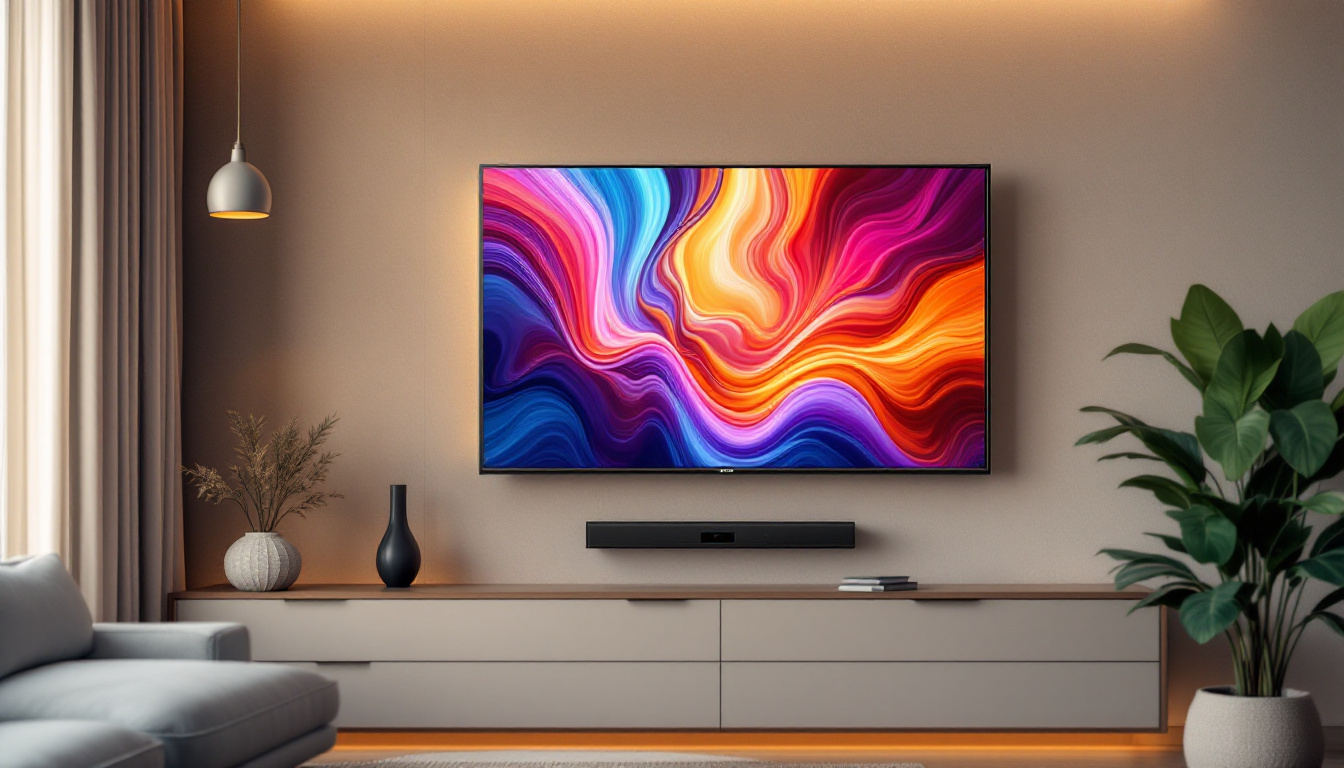
LED stands for Light Emitting Diode, a semiconductor device that emits light when an electric current passes through it. LED displays use numerous tiny LEDs arranged in a grid to create images, text, and videos. These displays are known for their brightness, energy efficiency, and long lifespan.
In medical supply stores, LED displays can range from small digital price tags to large, high-resolution screens used for advertising or informational purposes. Their flexibility allows stores to customize content based on time of day, promotions, or important health alerts.
Key Features of LED Displays
- Brightness and Visibility: LED displays are highly visible even in brightly lit environments, ensuring messages are clear to customers and staff alike.
- Energy Efficiency: Compared to traditional lighting and display technologies, LEDs consume less power, reducing operational costs.
- Durability: LED displays are resistant to shocks and vibrations, making them reliable in busy retail settings.
- Customization: Content can be easily updated remotely, allowing for real-time changes and targeted messaging.
Applications of LED Displays in Medical Supply Stores
Medical supply stores in Beaverton are leveraging LED displays in several innovative ways to improve both customer service and internal processes. The following sections highlight some of the primary applications.
1. Enhancing Customer Engagement and Education
Medical supplies often require detailed explanations, especially for patients unfamiliar with certain devices. LED displays can be used to showcase instructional videos, product demonstrations, and health tips. This visual aid helps customers make informed decisions and reduces the need for prolonged staff assistance.
For example, a display near a wheelchair section might show a video explaining the differences between manual and electric wheelchairs, helping customers understand features and benefits quickly.
2. Promoting Special Offers and New Products
Dynamic LED signage allows stores to highlight discounts, seasonal promotions, or newly arrived products. Unlike static signs, LED displays can cycle through multiple messages, capturing customer attention more effectively.
In a competitive market like Beaverton, where consumers have many options, this capability can drive sales and improve inventory turnover.
3. Streamlining In-Store Navigation
Medical supply stores often carry a wide range of products, from simple bandages to complex respiratory equipment. LED displays can serve as digital directories, guiding customers to specific sections or products. This reduces confusion and enhances the shopping experience, particularly for elderly or disabled customers.
4. Communicating Health and Safety Information
During public health emergencies, such as the COVID-19 pandemic, timely communication is crucial. LED displays can be quickly updated to share safety protocols, mask mandates, or vaccination information, ensuring customers and staff remain informed.
Benefits of Implementing LED Displays in Beaverton Medical Supply Stores
The integration of LED displays offers tangible benefits that extend beyond aesthetics. Here are some of the most significant advantages.
Improved Customer Experience
Clear, engaging visual communication helps customers navigate the store and understand products better. This leads to higher satisfaction and can increase repeat business. In fact, studies show that digital signage can boost customer engagement by up to 47%, which is particularly valuable in healthcare retail where trust and clarity are paramount.
Operational Efficiency
LED displays reduce the need for printed materials and manual updates, saving time and resources. Staff can focus more on personalized customer service rather than routine inquiries, improving overall store productivity.
Cost-Effectiveness Over Time
While the initial investment in LED displays may be higher than traditional signage, the long-term savings in energy, printing, and labor costs make them a financially sound choice. Additionally, their durability means fewer replacements and repairs.
Environmental Impact
LED technology is more environmentally friendly due to lower energy consumption and reduced waste from printed materials. For medical supply stores committed to sustainability, this aligns with broader corporate social responsibility goals.
Choosing the Right LED Display for Your Medical Supply Store
Selecting the appropriate LED display depends on several factors including store size, target audience, and specific use cases. Here are key considerations for Beaverton medical supply stores looking to implement this technology.
Display Size and Resolution
Larger stores may benefit from high-resolution, large-format displays to ensure visibility from a distance. Smaller stores might opt for compact screens placed strategically near product aisles or checkout counters.
Indoor vs. Outdoor Use
Some medical supply stores have outdoor signage to attract foot traffic. Outdoor LED displays must be weather-resistant and brighter to combat sunlight glare, while indoor displays can focus more on resolution and color accuracy.
Content Management Systems (CMS)
Modern LED displays come with CMS software that allows easy content scheduling and remote updates. Choosing a user-friendly CMS is crucial for staff to manage displays effectively without requiring technical expertise.
Integration with Other Technologies
LED displays can be integrated with inventory management systems, point-of-sale terminals, and customer relationship management (CRM) software to deliver personalized content and real-time updates.
Case Study: LED Display Implementation in a Beaverton Medical Supply Store
To illustrate the impact of LED displays, consider the example of a prominent medical supply store in Beaverton that recently upgraded its in-store communication system.
The store installed a series of LED screens near the entrance, product aisles, and checkout areas. These displays showcased educational videos about diabetic care products, promoted seasonal discounts on mobility aids, and provided real-time updates on product availability.
Within six months, the store reported a 25% increase in customer engagement metrics, measured by time spent in-store and inquiries about featured products. Staff also noted a reduction in repetitive questions, allowing them to focus on more complex customer needs. Additionally, energy costs associated with signage dropped by 30% compared to the previous year.
Future Trends: The Role of LED Displays in Medical Retail
The future of LED displays in medical supply stores looks promising, driven by advancements in technology and evolving consumer expectations.
Interactive LED Displays
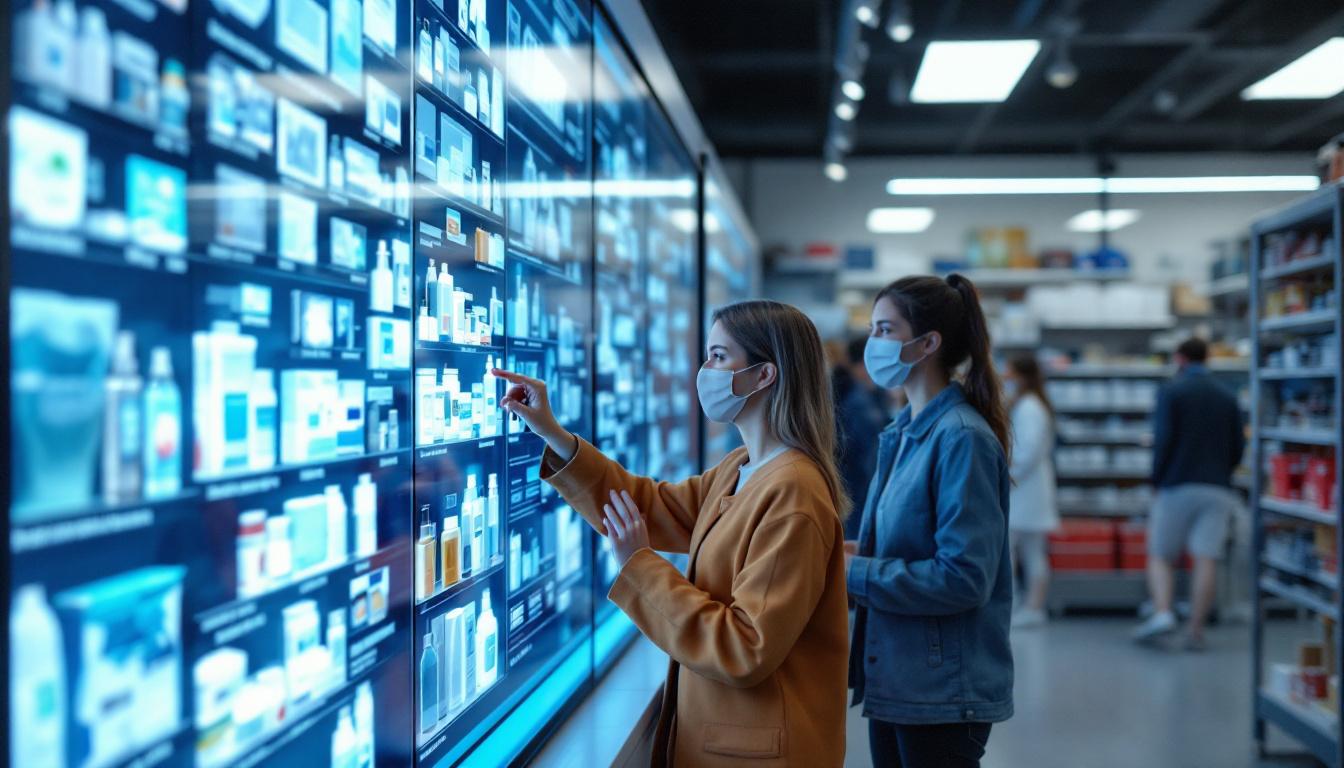
Touchscreen LED displays are becoming more common, enabling customers to search for products, check prices, and even place orders directly from the screen. This interactivity can enhance autonomy and convenience, particularly for tech-savvy shoppers.
Integration with Artificial Intelligence (AI)
AI-powered LED displays can analyze customer behavior and tailor content dynamically. For example, displays could highlight products based on peak shopping times or customer demographics, creating a personalized shopping experience.
Augmented Reality (AR) and LED Displays
Combining AR with LED technology could allow customers to visualize how medical devices work or fit in real-time, further bridging the gap between online information and in-store experience.
Conclusion
LED displays represent a significant advancement for medical supply stores in Beaverton, Oregon, offering numerous benefits from enhanced customer engagement to operational efficiency. As healthcare retail continues to evolve, embracing such technologies will be essential for stores aiming to meet the demands of modern consumers while maintaining high standards of care and service.
By understanding the capabilities and applications of LED displays, medical supply stores can make informed decisions that improve both their business outcomes and the health outcomes of their customers.
Discover LumenMatrix LED Display Solutions
Ready to elevate your medical supply store with the latest in LED display technology? LumenMatrix is at the forefront of creating immersive visual experiences that transform healthcare retail environments. From engaging Indoor LED Wall Displays to eye-catching Outdoor LED Wall Displays, and from dynamic Vehicle LED Displays to innovative Custom LED Solutions, we have the technology to captivate your audience and enhance your brand’s visibility. Embrace the future of visual communication with LumenMatrix and make a lasting impact on your customers. Check out LumenMatrix LED Display Solutions today and see the difference for yourself.