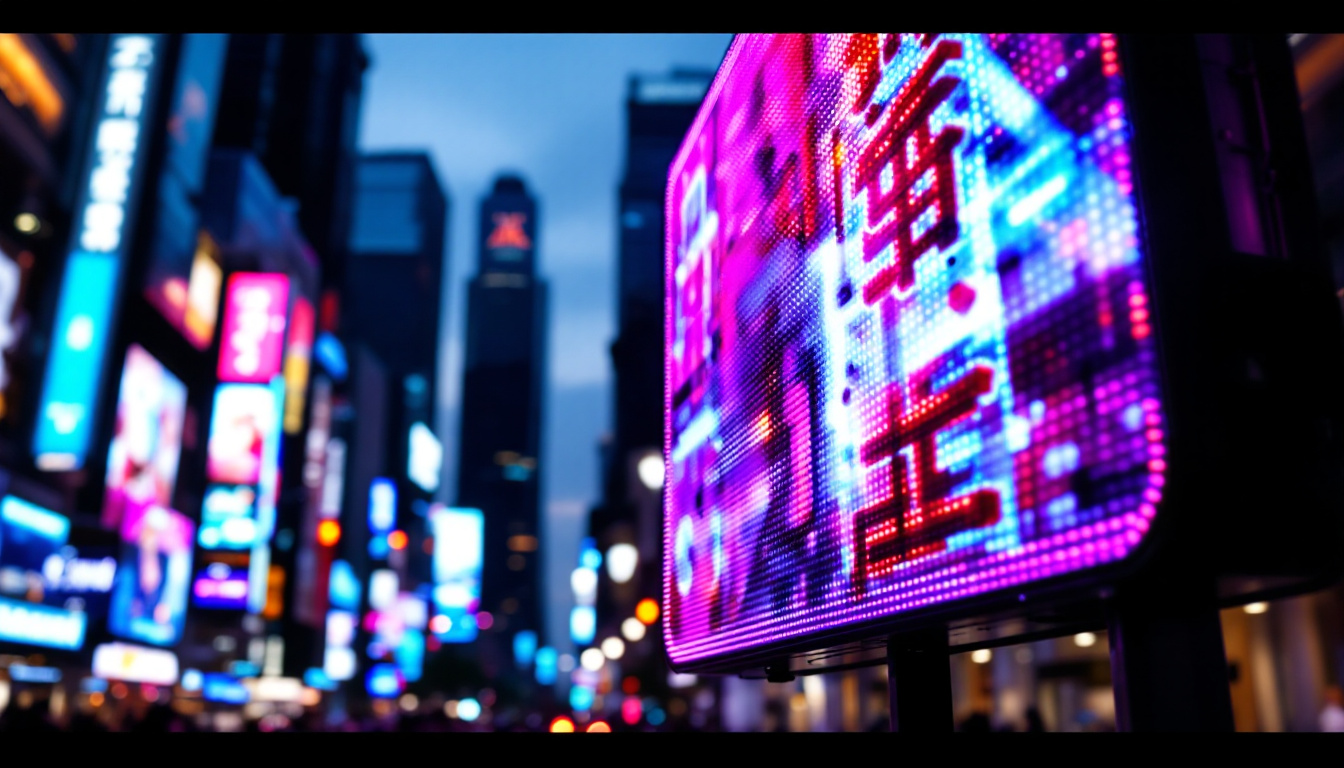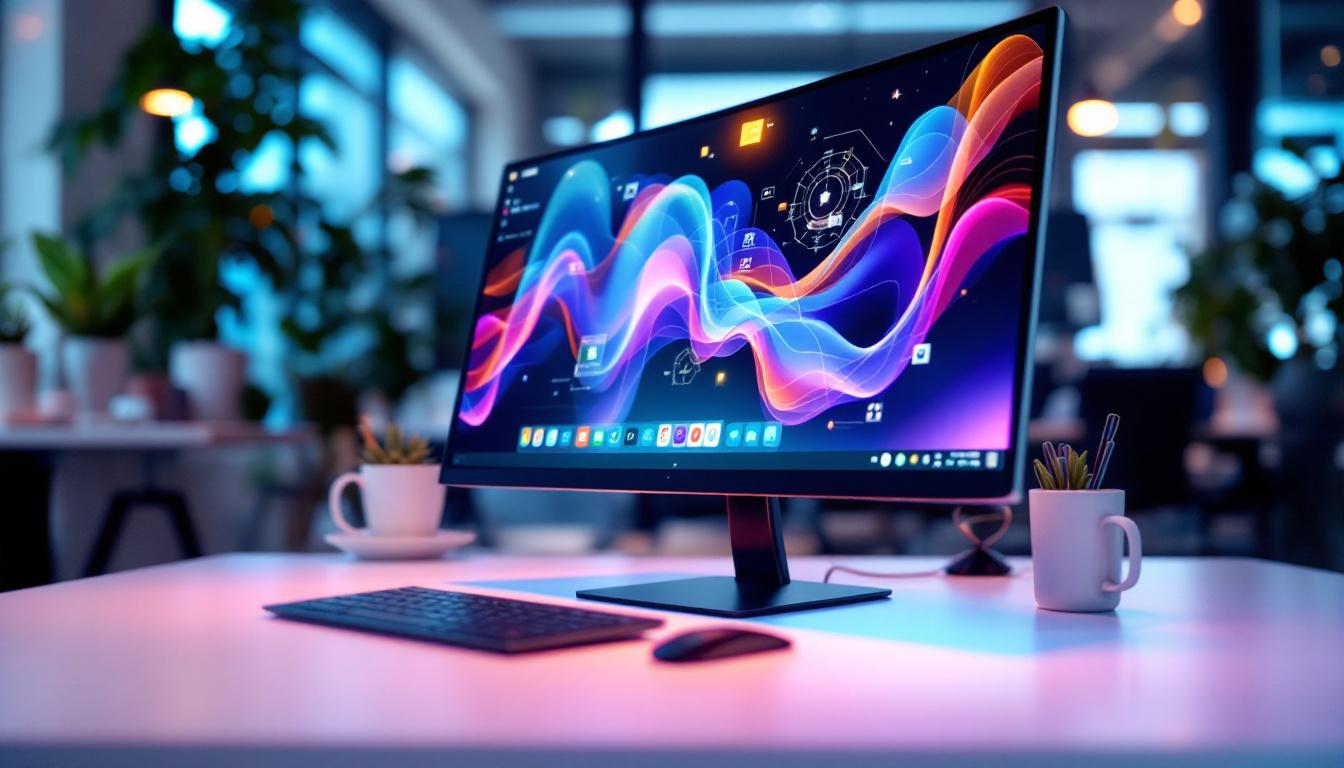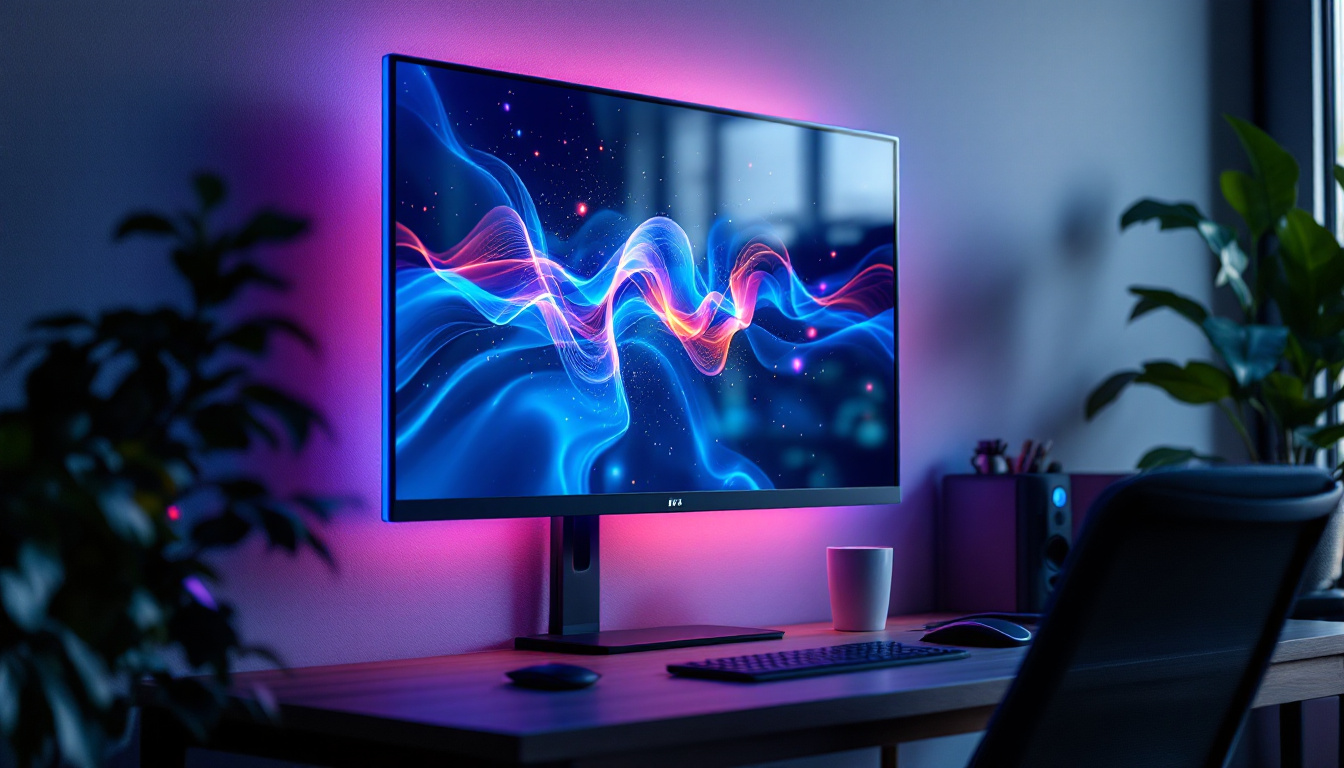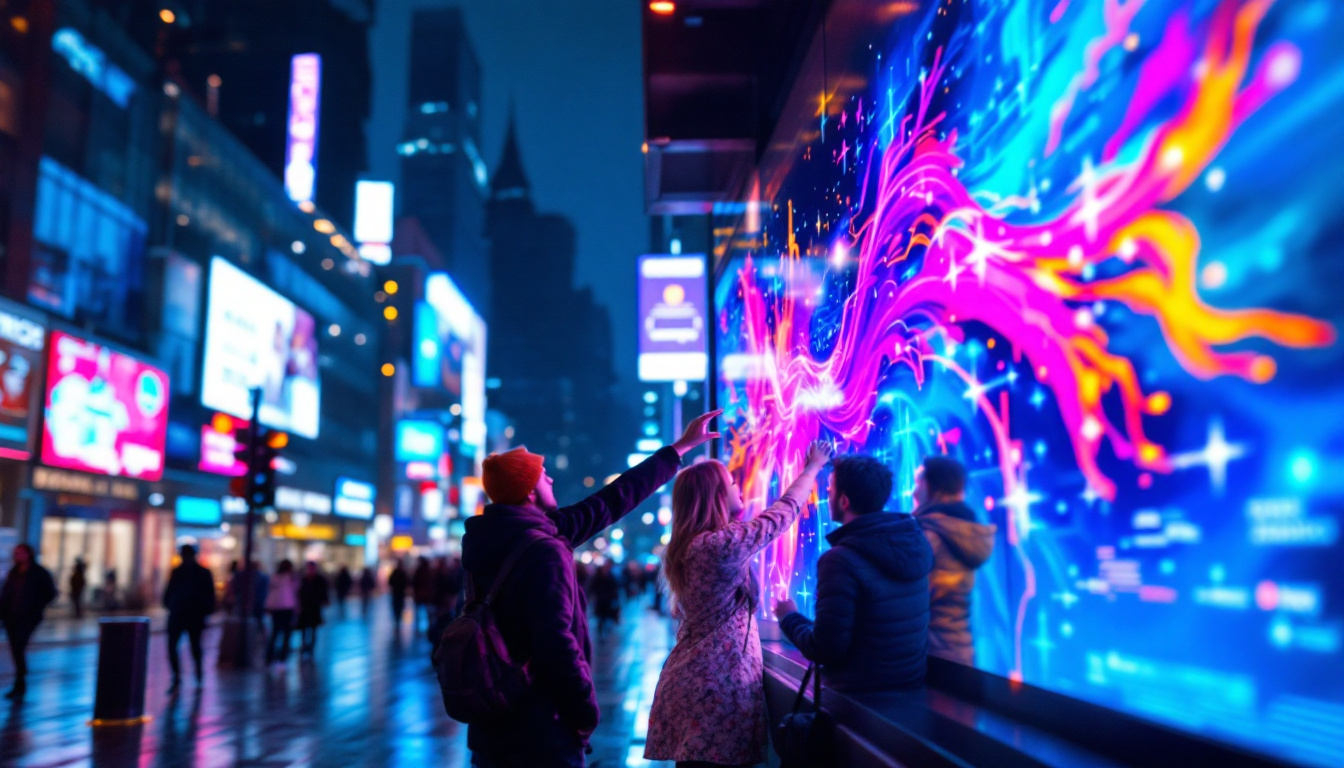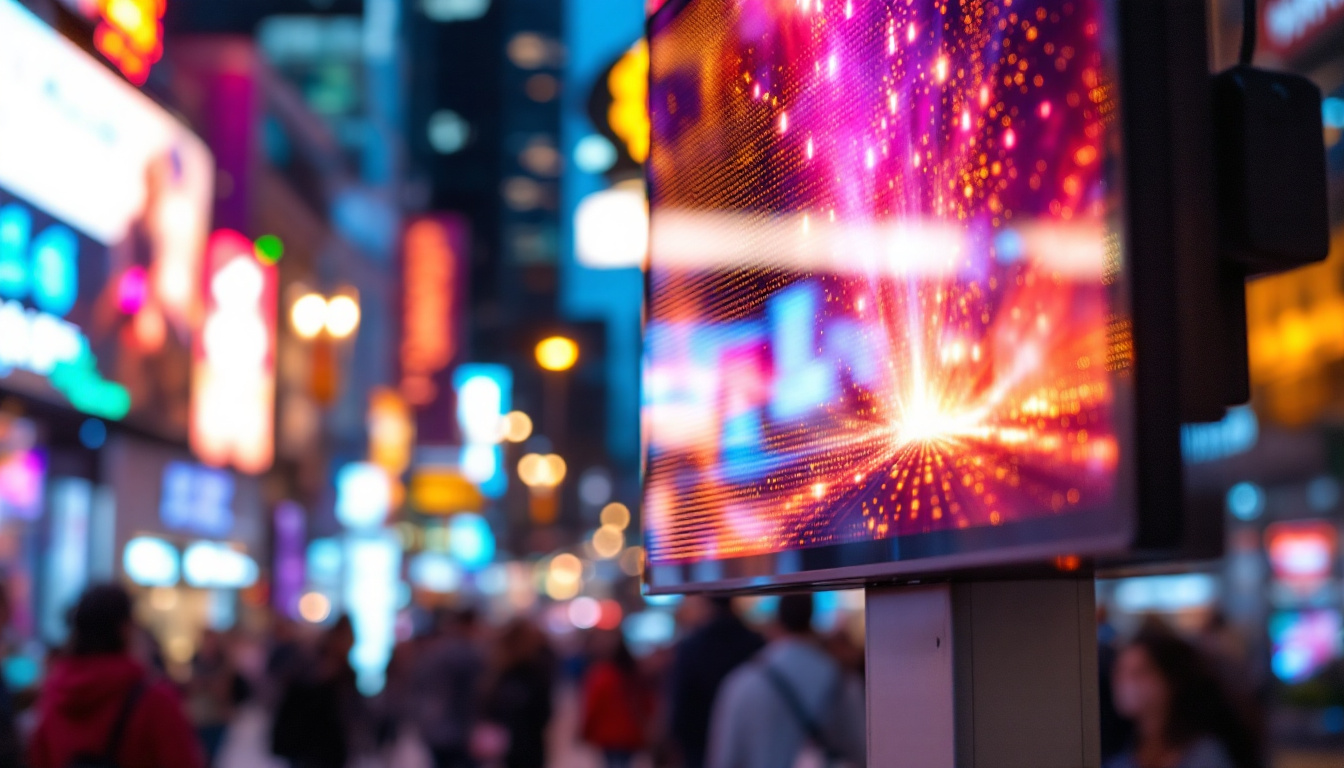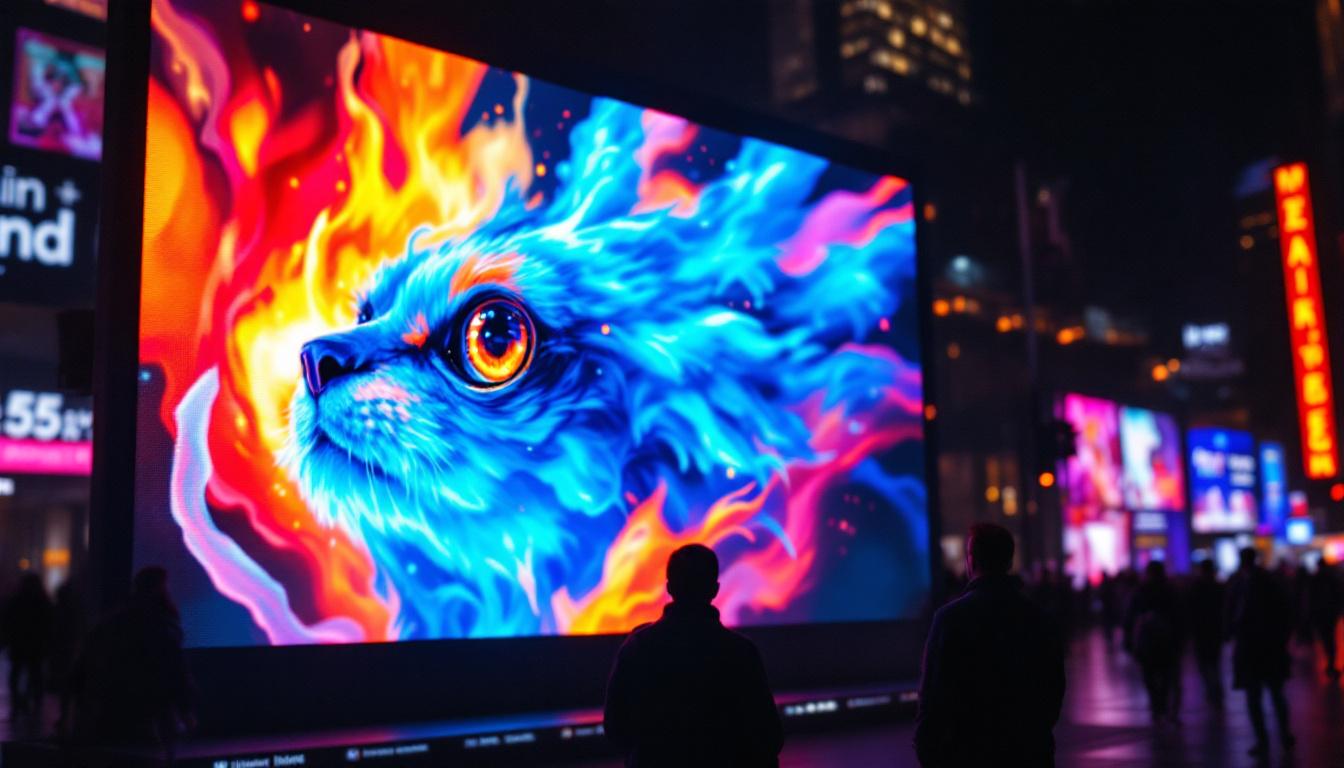
In today’s fast-paced digital world, LED displays have become an essential medium for communication, advertising, and entertainment. Whether it’s a massive billboard in Times Square or a sleek digital menu in a local café, LED technology offers versatility, brightness, and clarity that traditional displays simply cannot match. Mgs Custom Cutting specializes in providing tailored LED display solutions that meet the unique needs of various industries, from retail to transportation hubs.
This comprehensive guide will explore the fundamentals of LED displays, their advantages, the technology behind them, and how Mgs Custom Cutting customizes these displays to deliver exceptional visual experiences. By understanding the key aspects of LED technology, businesses and individuals can make informed decisions when investing in digital signage and display solutions.
Understanding LED Display Technology
What is an LED Display?
LED stands for Light Emitting Diode, a semiconductor device that emits light when an electric current passes through it. An LED display is a flat panel that uses an array of these tiny diodes to produce images, videos, and text. Unlike LCD or OLED screens, LED displays rely on these diodes to generate their own light, which results in higher brightness and energy efficiency.
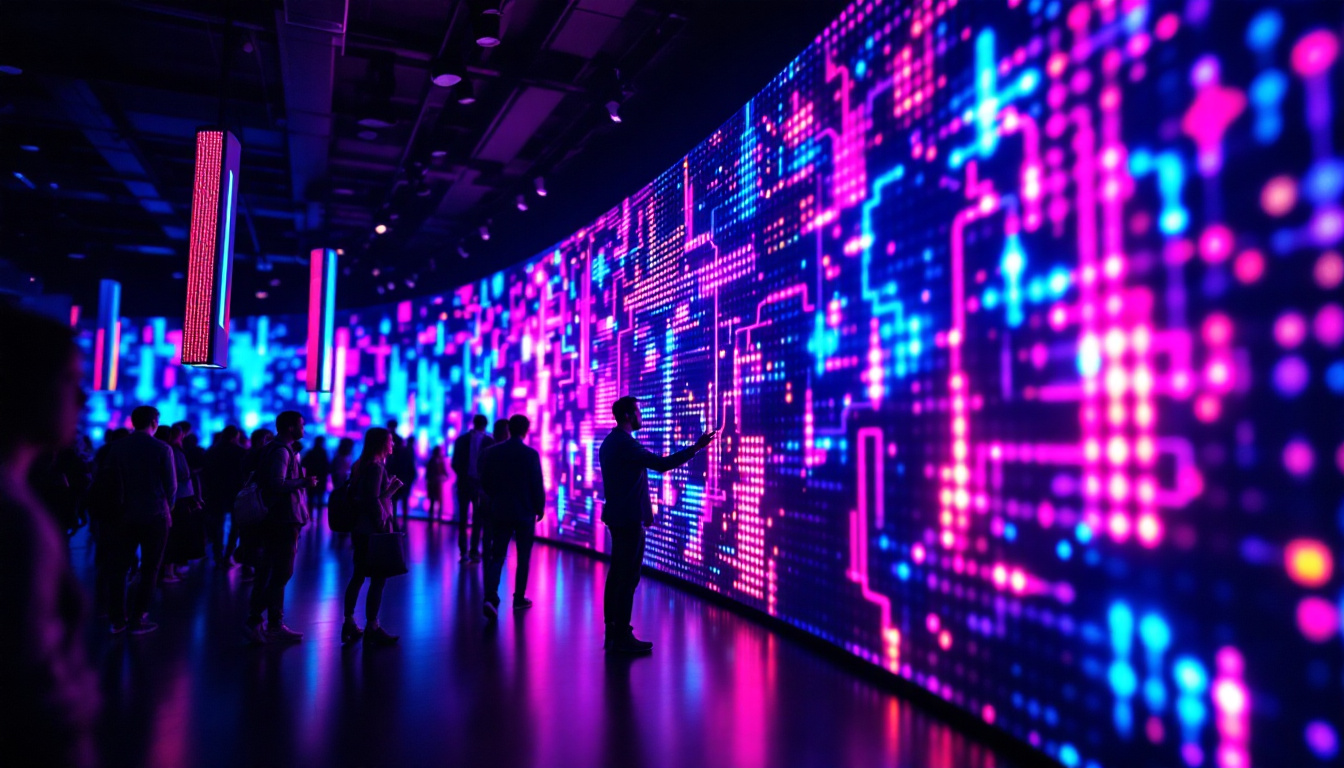
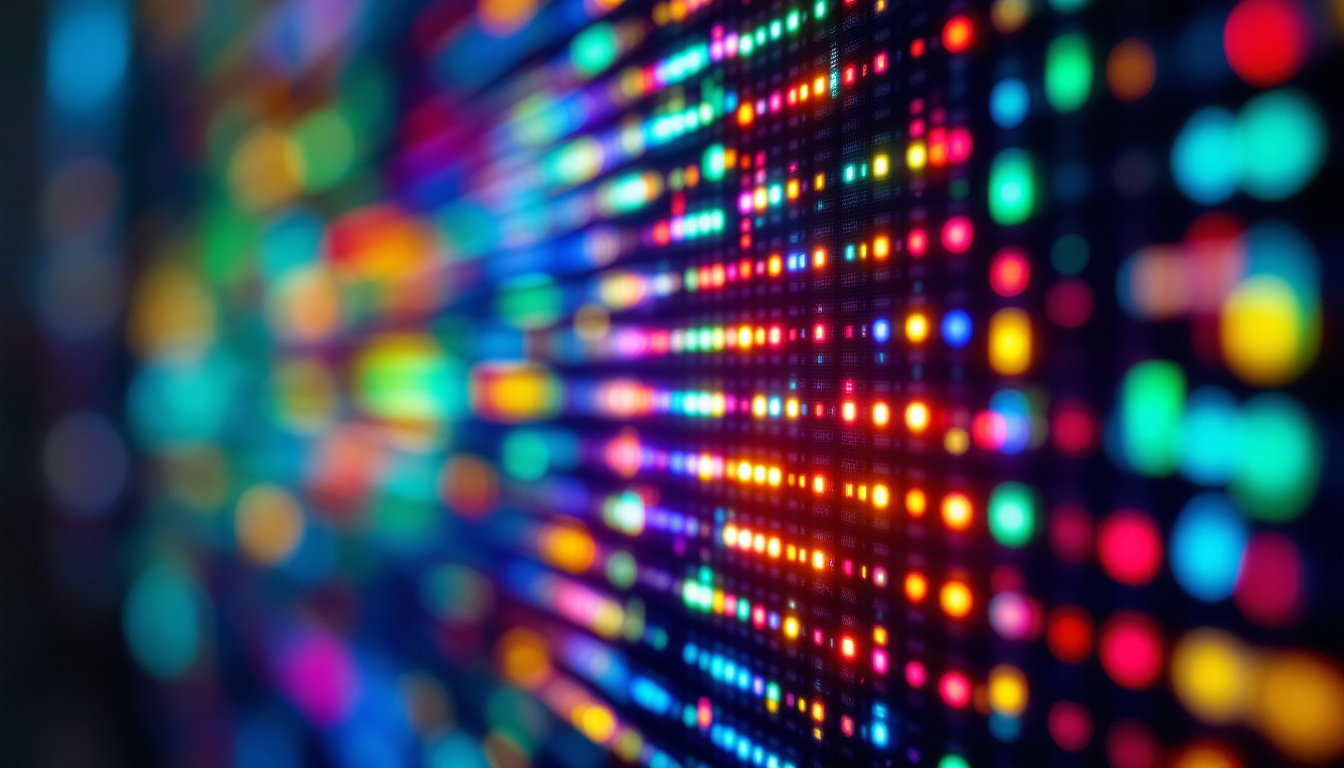
LED displays are composed of thousands to millions of individual LEDs arranged in a grid. Each LED can be controlled independently to display colors and brightness levels, enabling the creation of dynamic, high-resolution content. This modular design allows for displays of virtually any size, from small indoor screens to massive outdoor billboards. The technology behind LED displays has evolved significantly over the years, leading to advancements in color accuracy and refresh rates, which enhance the viewing experience for audiences across various settings.
Types of LED Displays
There are several types of LED displays, each suited for different applications:
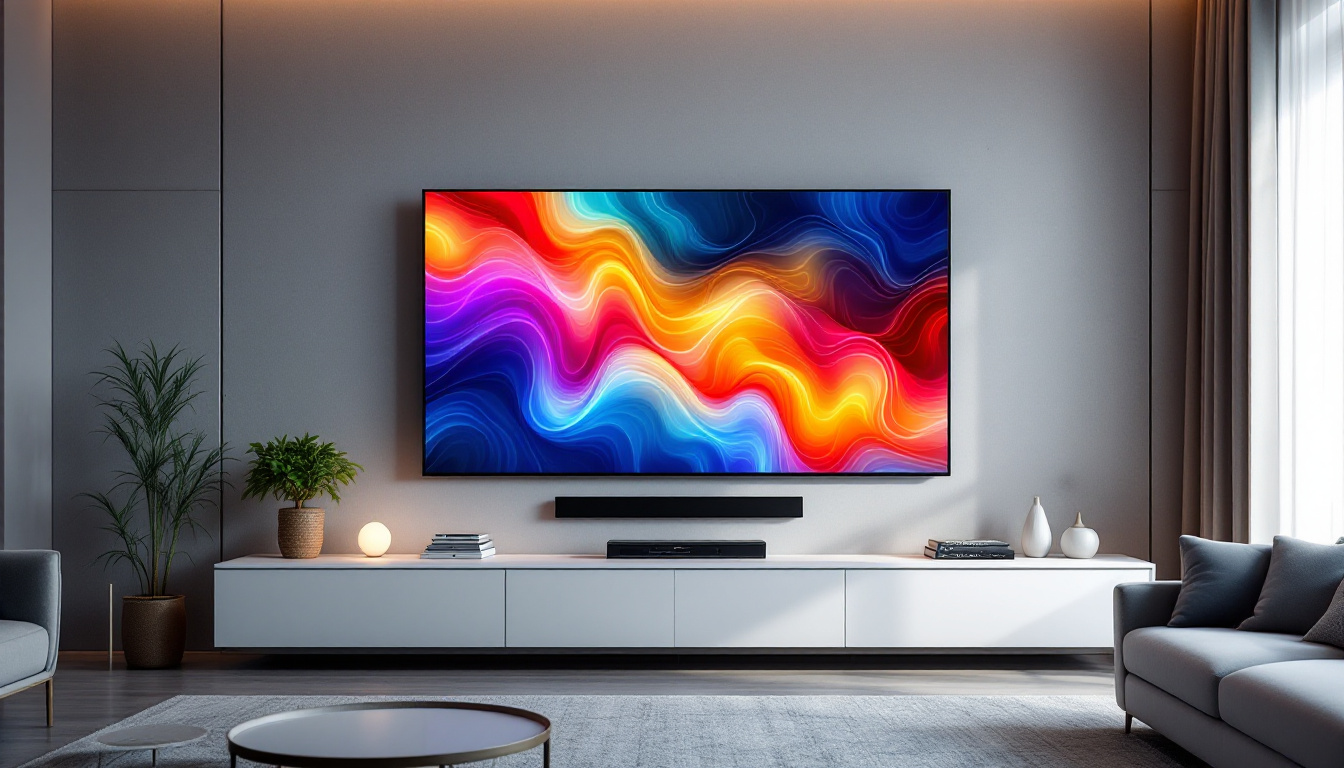
- Indoor LED Displays: Designed for environments with controlled lighting, these displays offer high resolution and vibrant colors. They are commonly used in retail stores, conference rooms, and event venues. The clarity and brightness of indoor LED displays make them particularly effective for showcasing advertisements and presentations, drawing attention and engaging viewers.
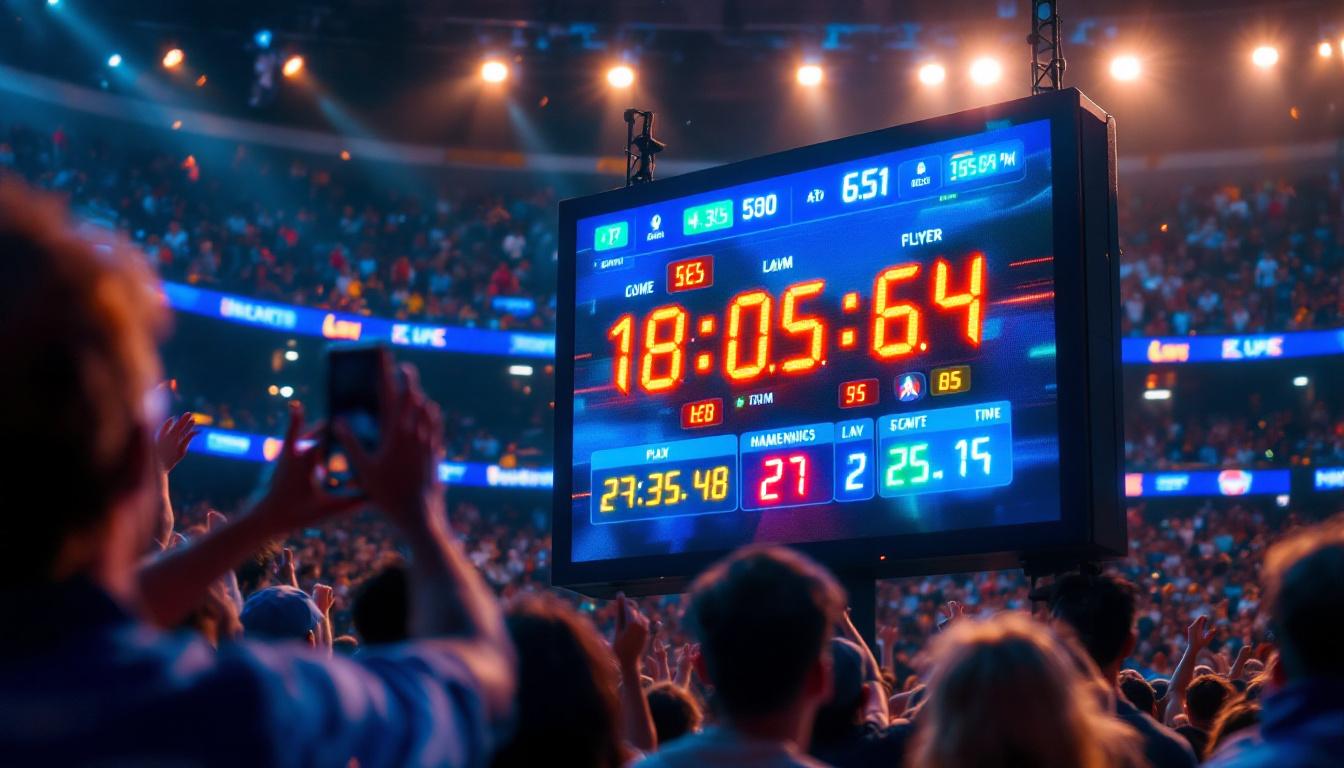
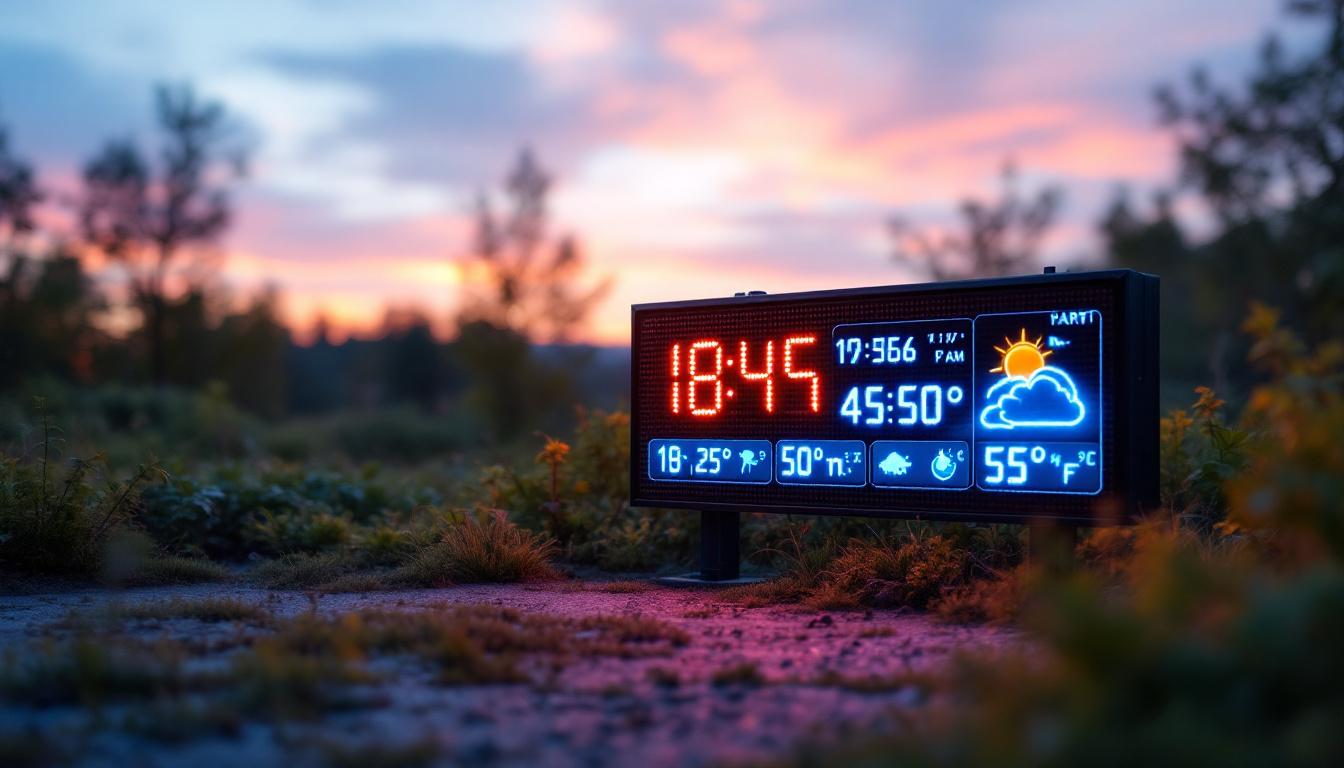
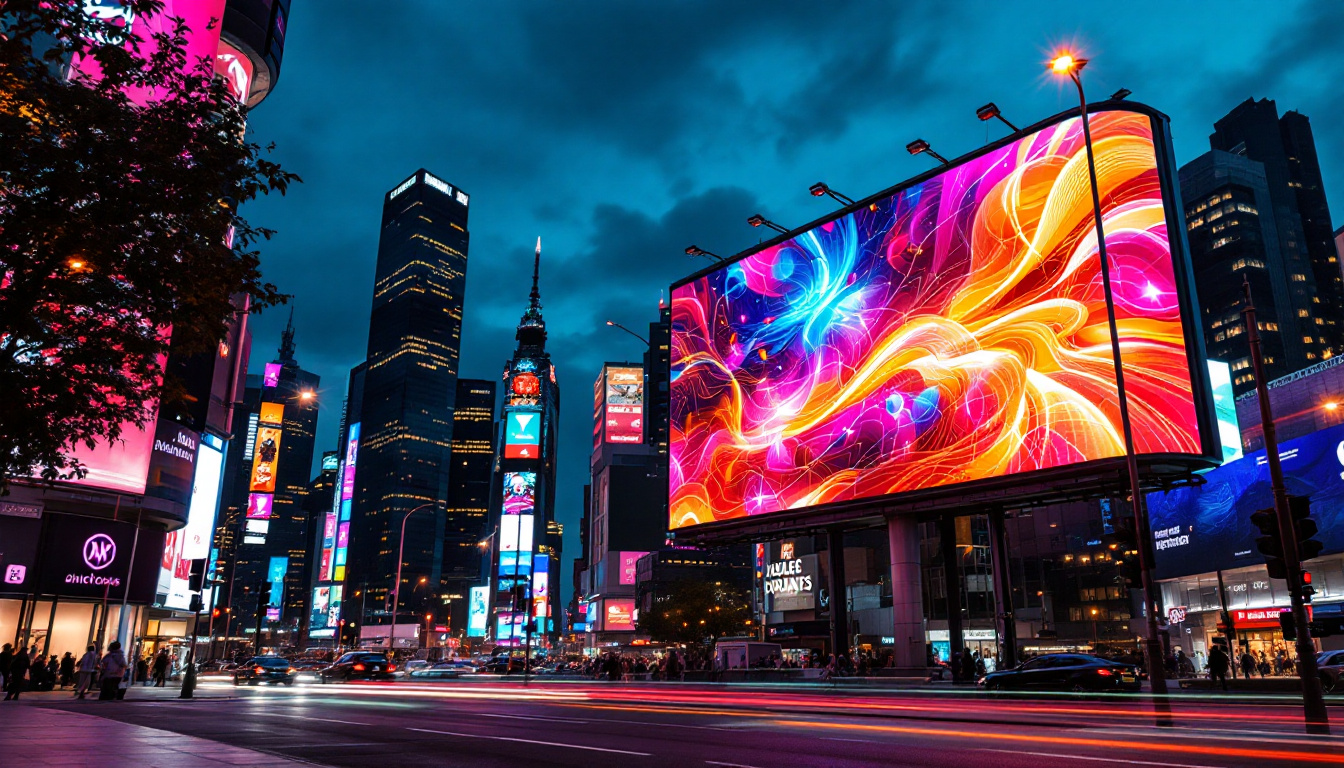
- Outdoor LED Displays: Built to withstand weather conditions, these displays are brighter and more durable. They are ideal for advertising billboards, sports arenas, and transportation signage. Outdoor LED displays often incorporate protective measures against UV rays and moisture, ensuring longevity and consistent performance even in harsh environments.
- Transparent LED Displays: These innovative displays allow light to pass through, making them perfect for storefront windows and architectural installations where visibility from both sides is desired. This technology not only enhances aesthetics but also provides an opportunity for brands to engage customers without obstructing views of the products behind the display.
- Flexible LED Displays: Using bendable materials, these displays can be curved or shaped to fit unique surfaces, offering creative possibilities for design and branding. Flexible LED technology opens up new avenues for artistic expression, allowing designers to create immersive environments that captivate audiences.
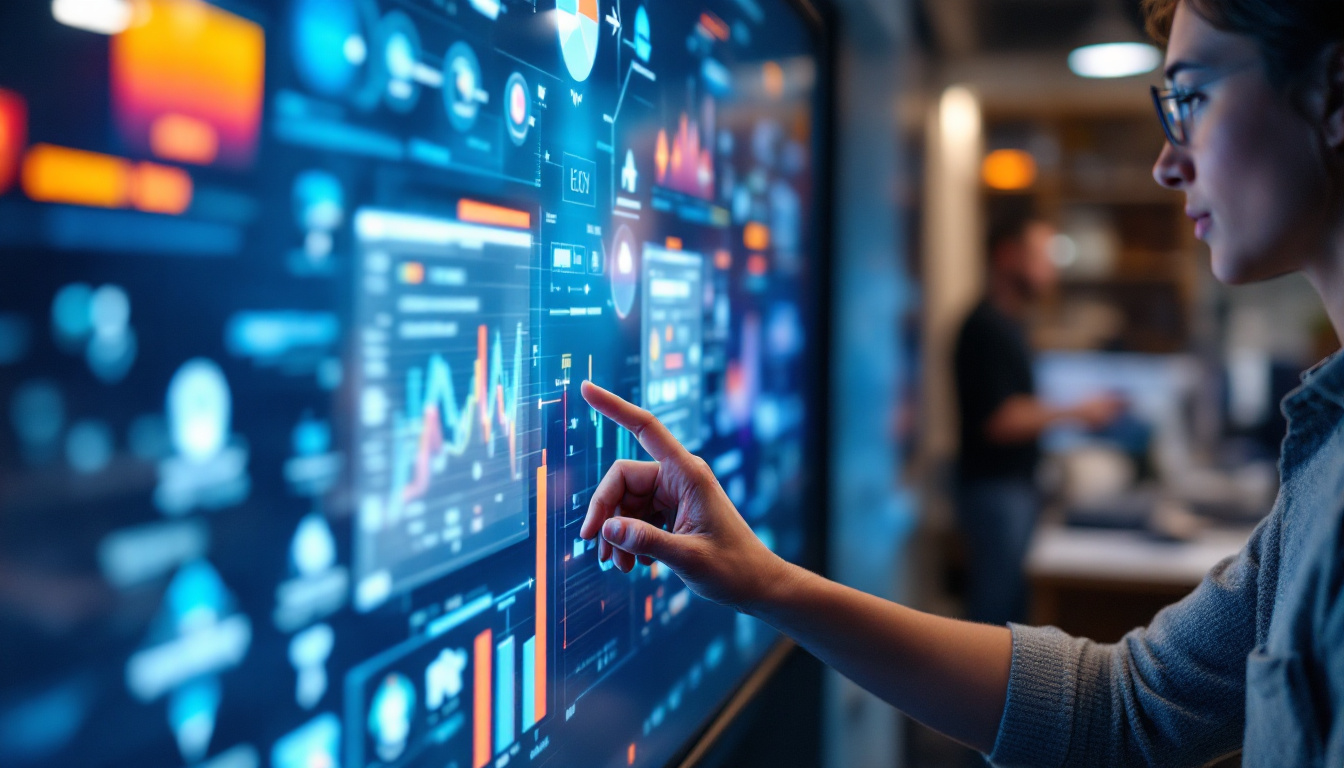
In addition to these types, LED displays are increasingly being integrated with smart technology, allowing for features such as remote content management and real-time updates. This capability is particularly beneficial for businesses that need to adjust their messaging quickly based on current events or promotions. Furthermore, the rise of interactive LED displays, which incorporate touch or gesture recognition, is transforming how audiences engage with digital content, creating a more immersive and participatory experience.
As LED technology continues to advance, we are witnessing a growing trend towards energy-efficient solutions that not only reduce operational costs but also minimize environmental impact. Many manufacturers are now focusing on sustainable practices, such as using recyclable materials and developing energy-saving features that align with global efforts to combat climate change. This commitment to sustainability is becoming a key factor in the decision-making process for businesses looking to invest in display technology.
The Advantages of LED Displays Over Traditional Screens
Superior Brightness and Visibility
One of the most significant advantages of LED displays is their exceptional brightness. LEDs can achieve brightness levels exceeding 5,000 nits, which means they remain clearly visible even under direct sunlight. This makes them particularly effective for outdoor advertising and public information displays where ambient light conditions can vary dramatically.
Compared to LCD screens, which often struggle with glare and reduced visibility outdoors, LED displays maintain crisp and vibrant visuals, ensuring messages are communicated effectively regardless of the environment.
Energy Efficiency and Longevity
LED technology is renowned for its energy efficiency. LEDs consume significantly less power than traditional incandescent or fluorescent lighting, translating to lower operating costs over time. For businesses managing multiple displays or large-scale installations, this energy savings can be substantial.
Additionally, LEDs have a longer lifespan, often rated between 50,000 to 100,000 hours of operation. This durability reduces maintenance frequency and replacement costs, making LED displays a cost-effective investment in the long run.
Customization and Scalability
LED displays are highly customizable. Mgs Custom Cutting leverages this flexibility to tailor each display to the client’s specific size, resolution, and shape requirements. This customization ensures that the display fits perfectly within the intended space and meets the visual demands of the content it will showcase.
The modular nature of LED panels also allows for scalability. Businesses can start with a smaller display and expand it later by adding more panels, adapting to evolving marketing strategies or spatial constraints.
How Mgs Custom Cutting Enhances LED Display Solutions
Precision Custom Cutting for Perfect Fit
Mgs Custom Cutting specializes in precision cutting of LED display panels to accommodate unique architectural and design requirements. Whether the installation involves irregular shapes, curved surfaces, or integration with other materials, Mgs ensures that each LED module is cut and assembled flawlessly.
This attention to detail not only enhances the aesthetic appeal of the display but also improves its functionality by optimizing viewing angles and ensuring seamless panel alignment.
Advanced Integration and Installation Services
Beyond custom cutting, Mgs offers comprehensive integration services, including mounting, wiring, and calibration. Proper installation is critical to maximizing the performance and lifespan of LED displays. Mgs’s team of experts works closely with clients to understand their environment and usage scenarios, delivering tailored installation solutions that guarantee optimal brightness, color accuracy, and durability.
Moreover, Mgs provides ongoing support and maintenance services, ensuring that the displays continue to operate at peak performance throughout their lifecycle.
Innovative Design Collaboration
Mgs Custom Cutting collaborates with designers, architects, and marketing professionals to create LED display solutions that align with brand identity and spatial aesthetics. By combining technical expertise with creative vision, Mgs helps clients transform ordinary spaces into engaging visual environments that captivate audiences.
This collaborative approach results in LED installations that are not only technologically advanced but also visually compelling and strategically effective.
Applications of LED Displays Across Industries
Retail and Advertising
In retail, LED displays are revolutionizing the way brands engage with customers. Dynamic digital signage can showcase promotions, product information, and interactive content, enhancing the shopping experience and driving sales. Outdoor LED billboards offer unparalleled reach and impact, capturing the attention of passersby with vivid, eye-catching visuals.
Transportation and Public Spaces
Airports, train stations, and bus terminals utilize LED displays to provide real-time information such as schedules, delays, and safety announcements. The high visibility and reliability of LED technology ensure that travelers receive critical updates promptly, improving overall efficiency and safety.
Sports and Entertainment Venues
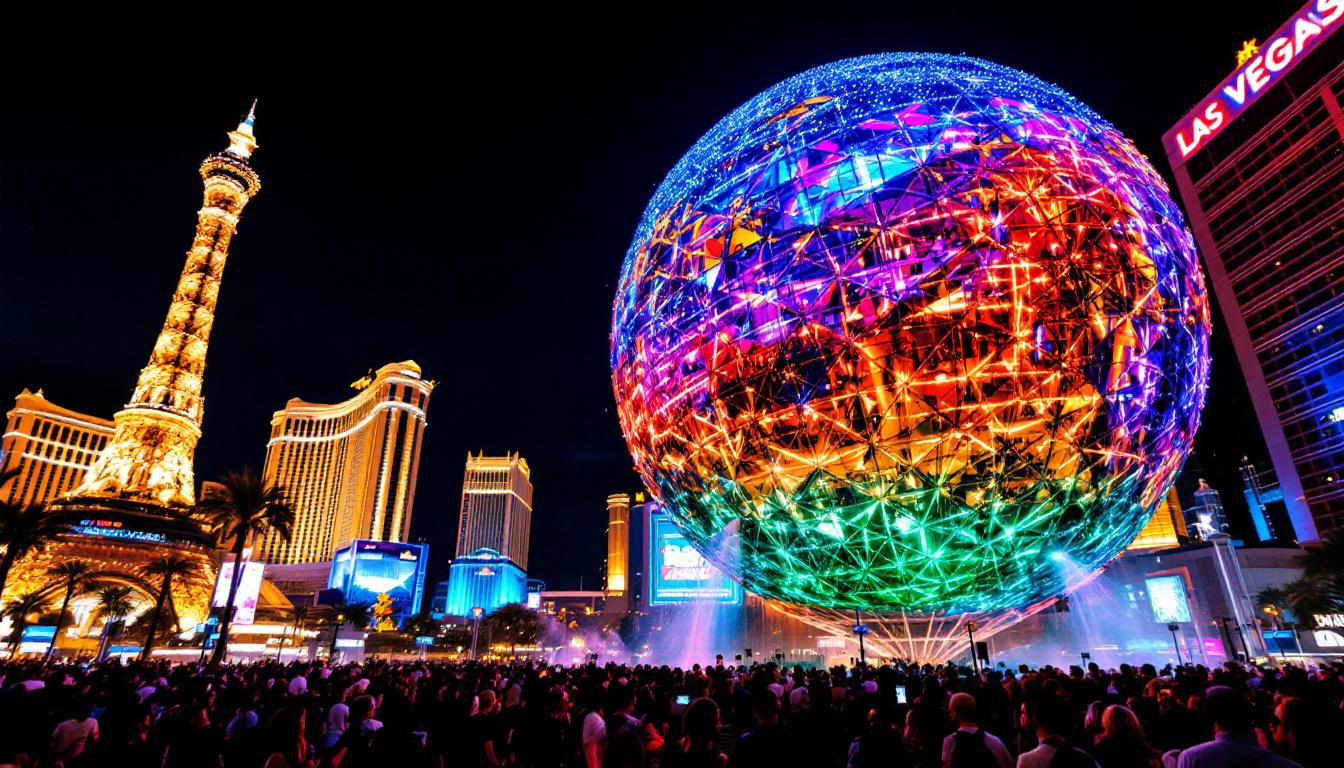
Sports arenas and concert venues use large-scale LED displays to enhance spectator experiences. From live video feeds to instant replays and interactive content, these displays create immersive environments that elevate events and engage audiences.
Corporate and Educational Environments
Corporate offices and educational institutions employ LED displays for presentations, digital notice boards, and collaborative workspaces. The clarity and flexibility of LED technology support effective communication and foster interactive learning and working environments.
Future Trends in LED Display Technology
Mini-LED and Micro-LED Innovations
Emerging technologies like Mini-LED and Micro-LED promise to push the boundaries of LED displays further. These advancements involve smaller diode sizes, enabling even higher resolution, improved contrast ratios, and better energy efficiency. As these technologies mature, they are expected to become more accessible for a wider range of applications.
Integration with Smart Technologies
LED displays are increasingly being integrated with smart technologies such as IoT sensors, AI-driven content management, and interactive touch capabilities. This integration allows for personalized content delivery, real-time analytics, and enhanced user engagement, transforming LED displays into intelligent communication platforms.
Sustainability and Eco-Friendly Design
With growing environmental concerns, manufacturers and service providers like Mgs Custom Cutting are focusing on sustainable materials and energy-saving designs. Innovations in recyclable components and low-power consumption LEDs contribute to reducing the environmental footprint of digital signage solutions.
Conclusion
LED displays represent a dynamic and powerful medium for communication across numerous industries. Their superior brightness, energy efficiency, and customization capabilities make them an ideal choice for businesses seeking to enhance their visual presence and engage audiences effectively.
Mgs Custom Cutting stands out by offering precision custom cutting and expert integration services that tailor LED display solutions to the unique needs of each client. By combining technical expertise with innovative design collaboration, Mgs helps organizations harness the full potential of LED technology.
As LED technology continues to evolve with advancements like Mini-LED, Micro-LED, and smart integration, the possibilities for creative and impactful digital displays will only expand. Investing in high-quality, custom LED solutions today ensures that businesses remain at the forefront of visual communication in the digital age.
Discover the Future of Visual Communication with LumenMatrix
Ready to elevate your brand’s visual impact and engage your audience like never before? Explore LumenMatrix’s comprehensive range of LED display solutions, from the vibrant Indoor LED Wall Display to the robust Outdoor LED Wall Display, and beyond. Each solution is crafted to bring your message to life with unparalleled clarity and vibrancy. Embrace the revolution in digital signage with LumenMatrix and transform your visual communication strategy. Check out LumenMatrix LED Display Solutions today and step into the future of dynamic, high-impact displays.