In the rapidly evolving world of display technology, Micro LED has emerged as a groundbreaking innovation that promises to redefine visual experiences across various devices. From smartphones and televisions to augmented reality (AR) and virtual reality (VR) headsets, Micro LED displays offer a blend of superior brightness, color accuracy, and energy efficiency that traditional display technologies struggle to match. This article delves deep into the fundamentals of Micro LED technology, its advantages, challenges, and the future landscape of LED displays.
Understanding Micro LED Technology
What Is Micro LED?
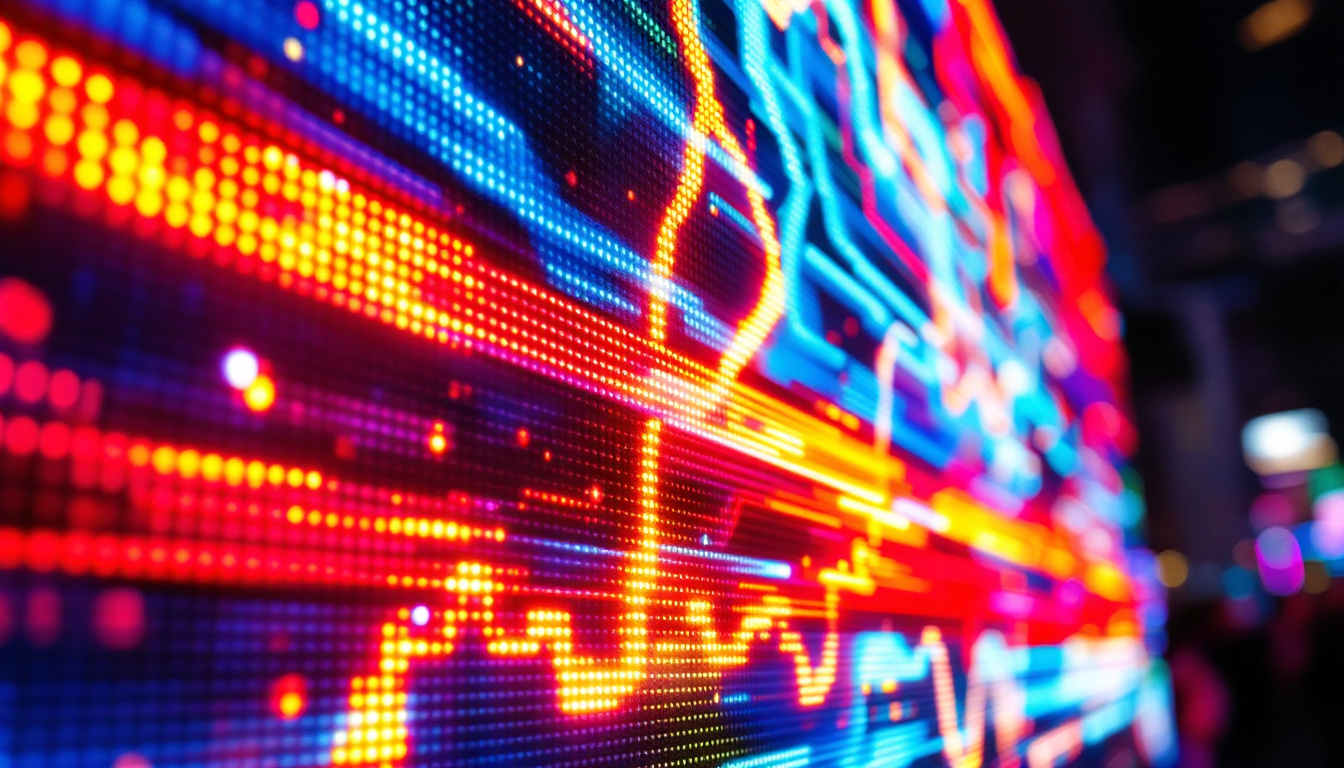
Micro LED, sometimes referred to as micro-LED or µLED, is a display technology that uses microscopic light-emitting diodes (LEDs) to form individual pixels. Each pixel is composed of tiny red, green, and blue LEDs that emit light independently, eliminating the need for a backlight. This self-emissive nature allows Micro LED displays to deliver exceptional contrast ratios, vibrant colors, and high brightness levels.
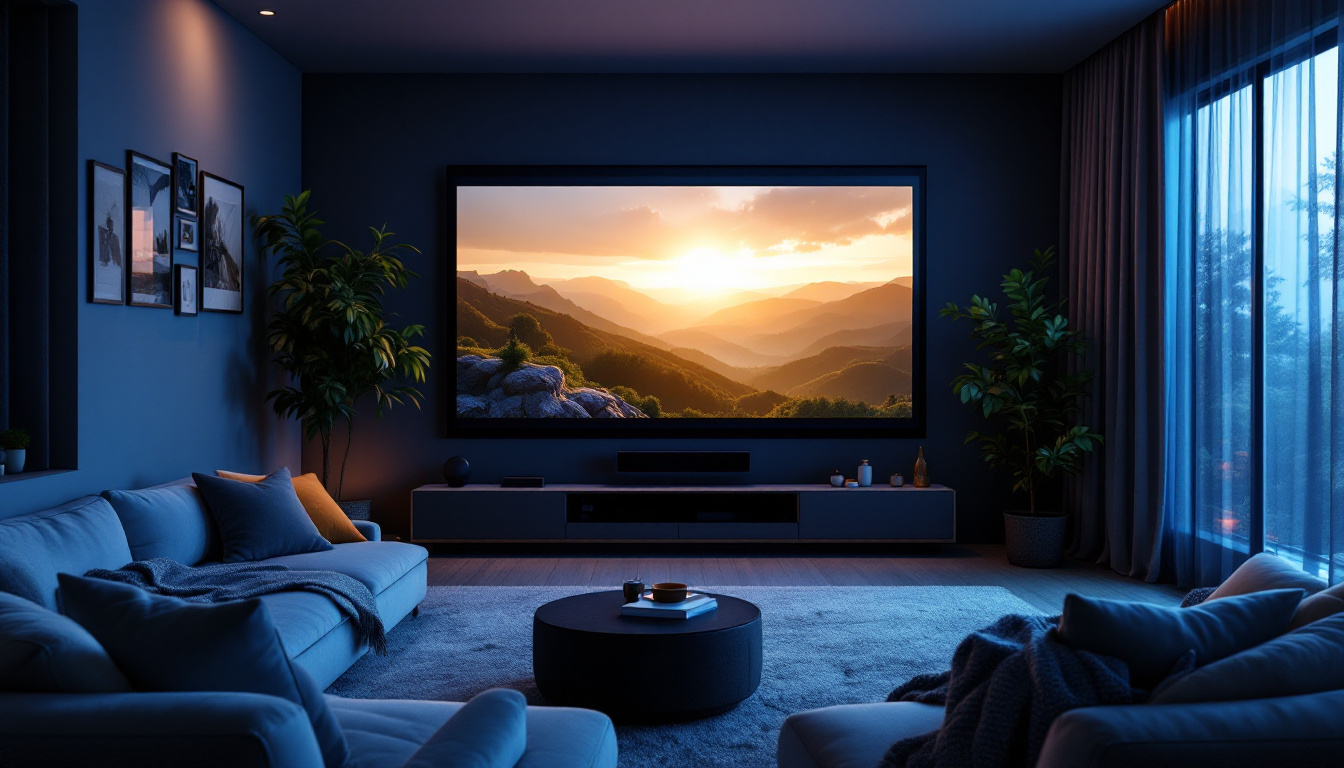
Unlike traditional LED displays, which rely on larger LEDs or LCD panels with LED backlighting, Micro LED technology shrinks the LEDs down to sizes typically less than 100 micrometers. This miniaturization enables higher pixel densities, making Micro LED displays suitable for high-resolution applications. The technology is particularly advantageous for applications requiring large screens, as it allows for seamless scaling without loss of image quality. This means that whether you’re watching a movie in a theater or playing a video game on a massive screen, the clarity and detail remain pristine, enhancing the overall viewing experience.
How Does Micro LED Differ from Other Display Technologies?
To appreciate the significance of Micro LED, it is essential to compare it with other prevalent display technologies such as LCD and OLED.
- LCD (Liquid Crystal Display): LCDs use a backlight that shines through liquid crystals to produce images. While LCDs have been dominant due to their cost-effectiveness and decent image quality, they suffer from limited contrast ratios and viewing angles because the backlight cannot be turned off on a per-pixel basis.
- OLED (Organic Light Emitting Diode): OLED displays are self-emissive, with organic compounds emitting light when an electric current passes through. They offer deep blacks and excellent color reproduction. However, OLEDs are prone to burn-in and have a shorter lifespan compared to LEDs.
- Micro LED: Combining the best of both worlds, Micro LED is self-emissive like OLED but uses inorganic LEDs, which are more durable and less susceptible to burn-in. Additionally, Micro LED can achieve higher brightness levels, making it ideal for outdoor or high ambient light environments.
Furthermore, Micro LED technology opens up exciting possibilities in the realm of flexible displays. Unlike traditional rigid screens, Micro LED panels can be manufactured on flexible substrates, allowing for innovative designs such as curved or foldable screens. This flexibility not only enhances aesthetic appeal but also enables new applications in wearable technology and augmented reality devices. As the technology matures, we may see Micro LED displays integrated into everyday objects, transforming how we interact with digital content in our daily lives.
Moreover, the manufacturing process of Micro LED displays is gradually becoming more refined, which could lead to lower production costs in the future. This advancement would make Micro LED technology more accessible to consumers, potentially replacing LCD and OLED displays in various devices, from smartphones to televisions. As researchers continue to explore the capabilities of Micro LED, we can anticipate a future where displays are not only more vibrant and efficient but also more sustainable, contributing to a greener technology landscape.
Key Advantages of Micro LED Displays
Superior Brightness and Contrast
One of the standout features of Micro LED displays is their ability to achieve extremely high brightness levels, often exceeding 1,000 nits, with some prototypes reaching up to 10,000 nits. This brightness far surpasses typical OLED displays, which usually max out around 800 nits. The self-emissive nature also allows Micro LEDs to turn off individual pixels completely, resulting in perfect blacks and infinite contrast ratios.
This combination of brightness and contrast is particularly beneficial for outdoor digital signage, automotive displays, and wearable devices where visibility under direct sunlight is critical.
Energy Efficiency and Longevity
Micro LED displays consume less power than LCDs because they do not require a backlight, and they are more energy-efficient than OLEDs at higher brightness levels. This efficiency translates into longer battery life for portable devices such as smartphones and smartwatches.
Moreover, Micro LEDs use inorganic materials, which are more stable and less prone to degradation over time compared to the organic compounds in OLEDs. As a result, Micro LED displays promise longer operational lifespans and reduced risk of burn-in, a common problem in OLED screens.
Scalability and Versatility
Micro LED technology is inherently modular, allowing for displays of various sizes and shapes by assembling micro-scale LED tiles. This scalability makes it suitable for a broad spectrum of applications, from tiny smartwatch screens to massive video walls.
Additionally, Micro LED displays can be made flexible or transparent, opening new possibilities for innovative product designs, including foldable devices and heads-up displays integrated into vehicle windshields or smart glasses.
Challenges Facing Micro LED Adoption
Manufacturing Complexity
Despite its advantages, Micro LED technology faces significant manufacturing challenges. The process involves precisely placing millions of microscopic LEDs onto a substrate with near-perfect accuracy, a task that is both time-consuming and costly.
Current mass transfer techniques, such as pick-and-place or laser transfer, struggle with yield rates and scalability. Even a small defect can affect display quality, making quality control a critical hurdle. Researchers and manufacturers are actively developing new methods, including self-assembly and advanced robotics, to overcome these obstacles.
Cost Considerations
The intricate manufacturing process and the need for specialized equipment currently make Micro LED displays more expensive than OLED and LCD alternatives. While prices are expected to decrease as production techniques improve and economies of scale are realized, the initial cost barrier limits widespread adoption in consumer electronics.
High-end applications such as premium televisions, commercial signage, and specialized AR/VR devices are currently the most viable markets for Micro LED, where the performance benefits justify the higher price.
Color Calibration and Uniformity
Achieving consistent color accuracy and uniform brightness across an entire Micro LED display is another technical challenge. Variations in LED size, material quality, and placement can lead to color shifts and brightness inconsistencies, which are highly noticeable on large or high-resolution screens.
Advanced calibration techniques and real-time compensation algorithms are being developed to address these issues, ensuring that Micro LED displays deliver a visually seamless experience.
Applications and Future Prospects
Consumer Electronics
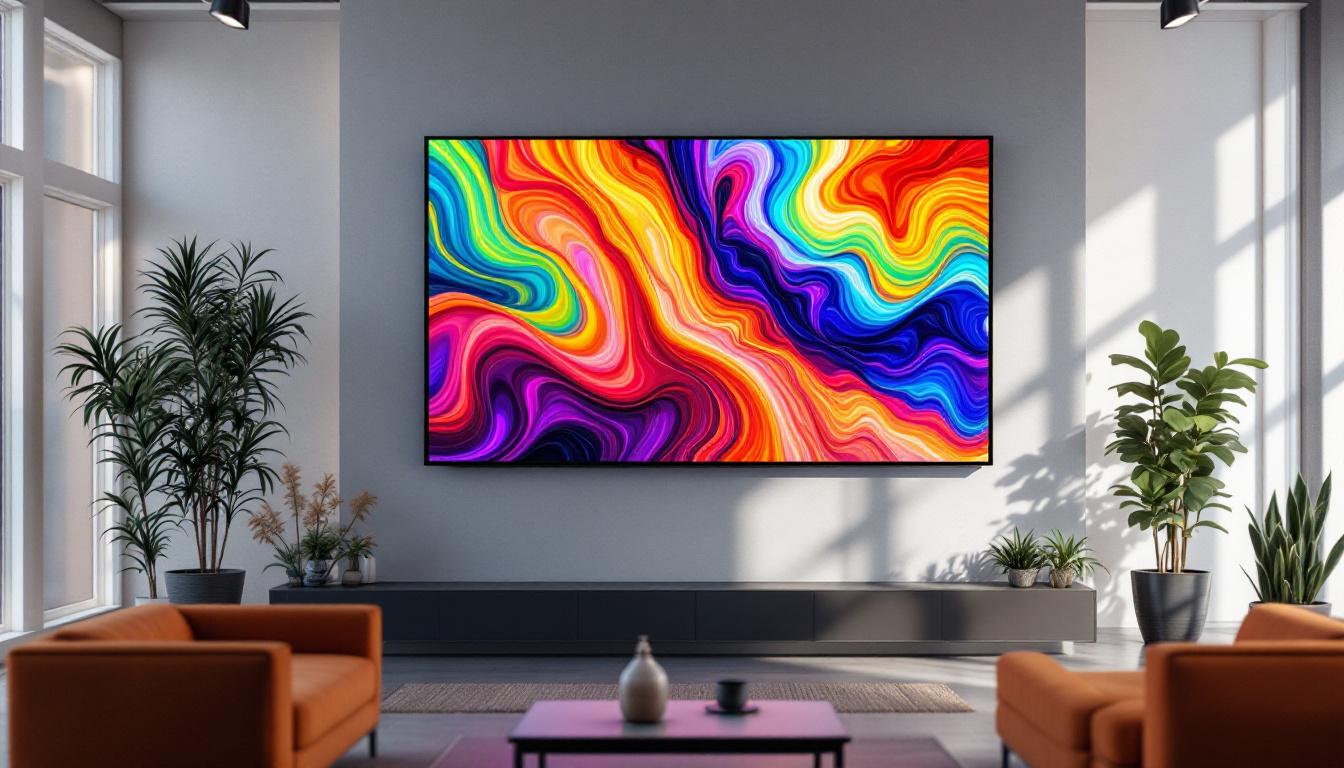
Micro LED technology is poised to revolutionize consumer electronics by offering displays that combine the best attributes of OLED and LCD. Leading technology companies have showcased Micro LED TVs with screen sizes exceeding 100 inches, delivering unparalleled image quality and brightness.
In the smartphone sector, Micro LED could enable thinner, brighter, and more power-efficient screens with longer lifespans. Although commercial Micro LED smartphones are not yet mainstream, prototypes and early models suggest a promising future.
Augmented and Virtual Reality
The AR and VR industries stand to benefit significantly from Micro LED displays. The technology’s high pixel density and brightness are crucial for creating immersive, realistic experiences. Additionally, the low latency and energy efficiency of Micro LED displays help reduce motion sickness and extend device usage times.
Companies developing AR glasses and VR headsets are actively exploring Micro LED as a preferred display solution, aiming to overcome the limitations of current OLED and LCD panels.
Commercial and Industrial Uses
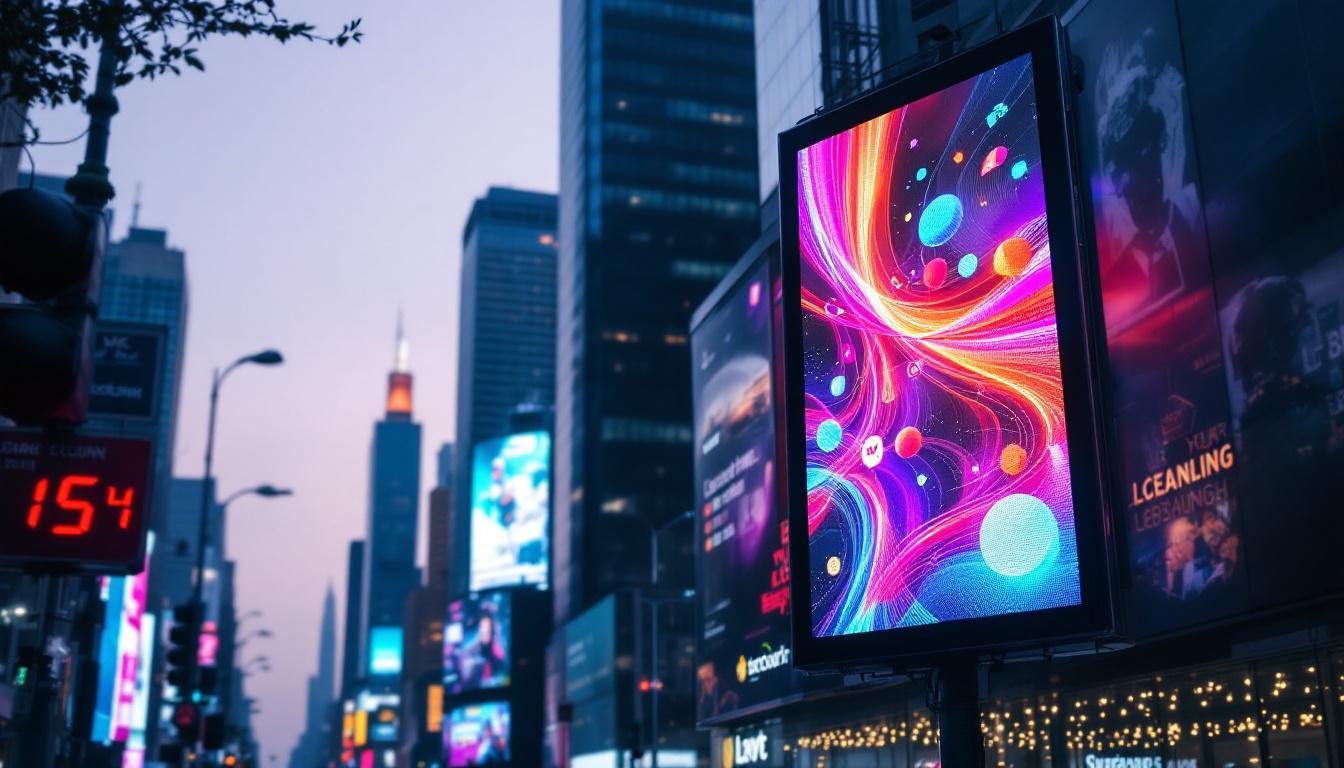
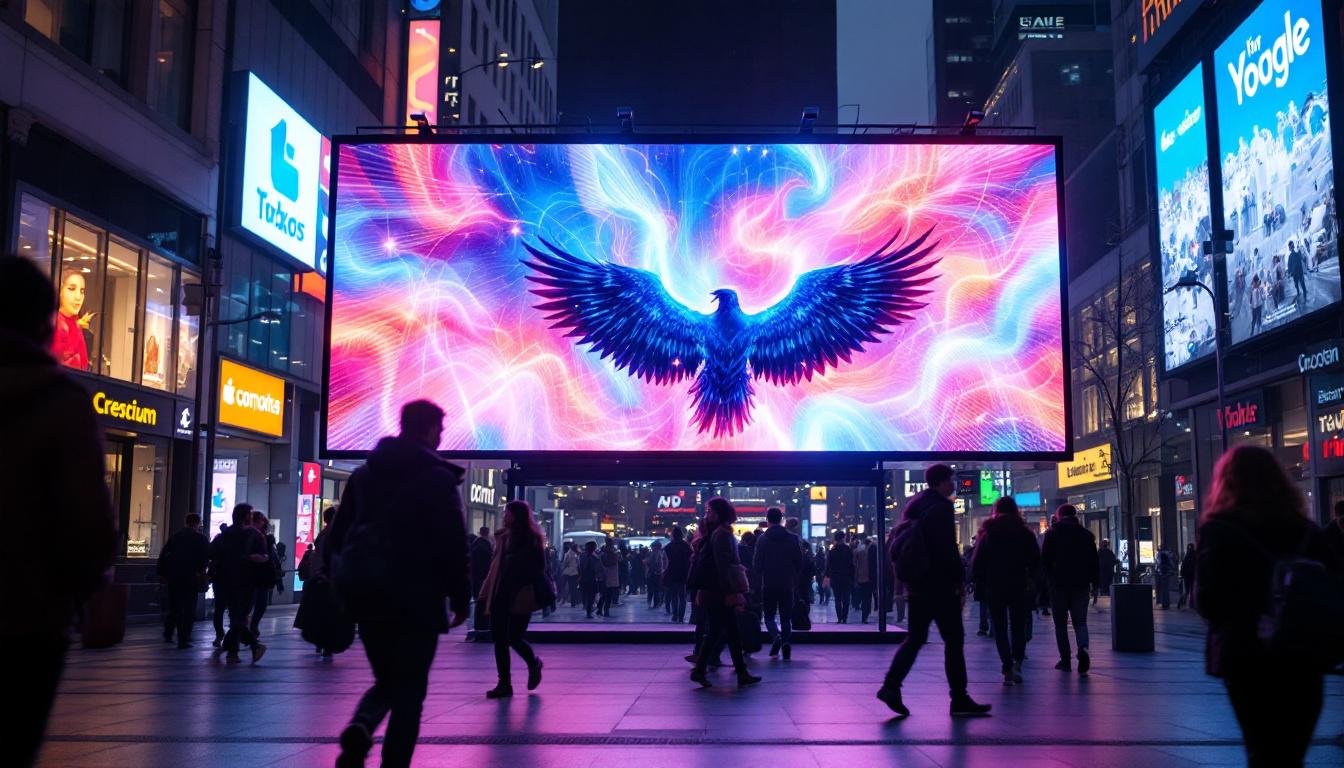
Micro LED displays are increasingly used in commercial digital signage, where high brightness and durability are essential. Outdoor advertising, stadium screens, and transportation hubs benefit from the technology’s visibility in bright environments and long operational life.
In industrial settings, Micro LED displays can be integrated into control panels, medical devices, and automotive dashboards, offering enhanced readability and reliability under varying conditions.
The Road Ahead for Micro LED Technology
Ongoing Research and Development
Research institutions and industry leaders are investing heavily in overcoming the current limitations of Micro LED technology. Innovations in mass transfer methods, defect detection, and material science are accelerating progress toward cost-effective manufacturing.
Collaborations between semiconductor manufacturers, display companies, and equipment suppliers are fostering a vibrant ecosystem aimed at bringing Micro LED to mainstream markets within the next five to ten years.
Market Forecast and Adoption Timeline
Market analysts predict that the global Micro LED display market could grow at a compound annual growth rate (CAGR) exceeding 30% over the next decade. Early adoption will likely focus on premium TVs, large-format displays, and specialized AR/VR devices, with gradual expansion into smartphones and wearables as production costs decline.
The transition to Micro LED is expected to complement, rather than immediately replace, existing LCD and OLED technologies, offering consumers more choices tailored to their specific needs and budgets.
Conclusion
Micro LED display technology represents a significant leap forward in visual display performance, combining exceptional brightness, color fidelity, energy efficiency, and durability. While there are still hurdles to overcome, particularly in manufacturing and cost reduction, the potential applications across consumer electronics, AR/VR, commercial signage, and industrial displays are vast and compelling.
As research and production techniques mature, Micro LED is set to become a dominant display technology, delivering richer, more immersive visual experiences that meet the demands of modern users and emerging digital applications.
Discover the Future of LED Displays with LumenMatrix
As we stand on the brink of a new era in display technology, LumenMatrix is at the forefront, pioneering the integration of Micro LED advancements into a wide array of applications. Whether you’re looking to elevate your brand’s presence with an Indoor LED Wall Display, captivate passersby with a vibrant Outdoor LED Wall Display, or innovate with Vehicle LED Displays and beyond, LumenMatrix has a solution tailored to your needs. Embrace the transformative power of Micro LED and join us in shaping the future of visual communication. Check out LumenMatrix LED Display Solutions and experience the pinnacle of display technology today.