In today’s fast-paced world, visual communication has become more critical than ever. Whether it’s advertising, information dissemination, or entertainment, the medium through which messages are delivered significantly impacts their effectiveness. Among the most dynamic and versatile tools for visual communication are LED displays. This article delves into the world of LED displays, offering a comprehensive explanation of their technology, applications, benefits, and future trends.
Understanding LED Display Technology
What is an LED Display?
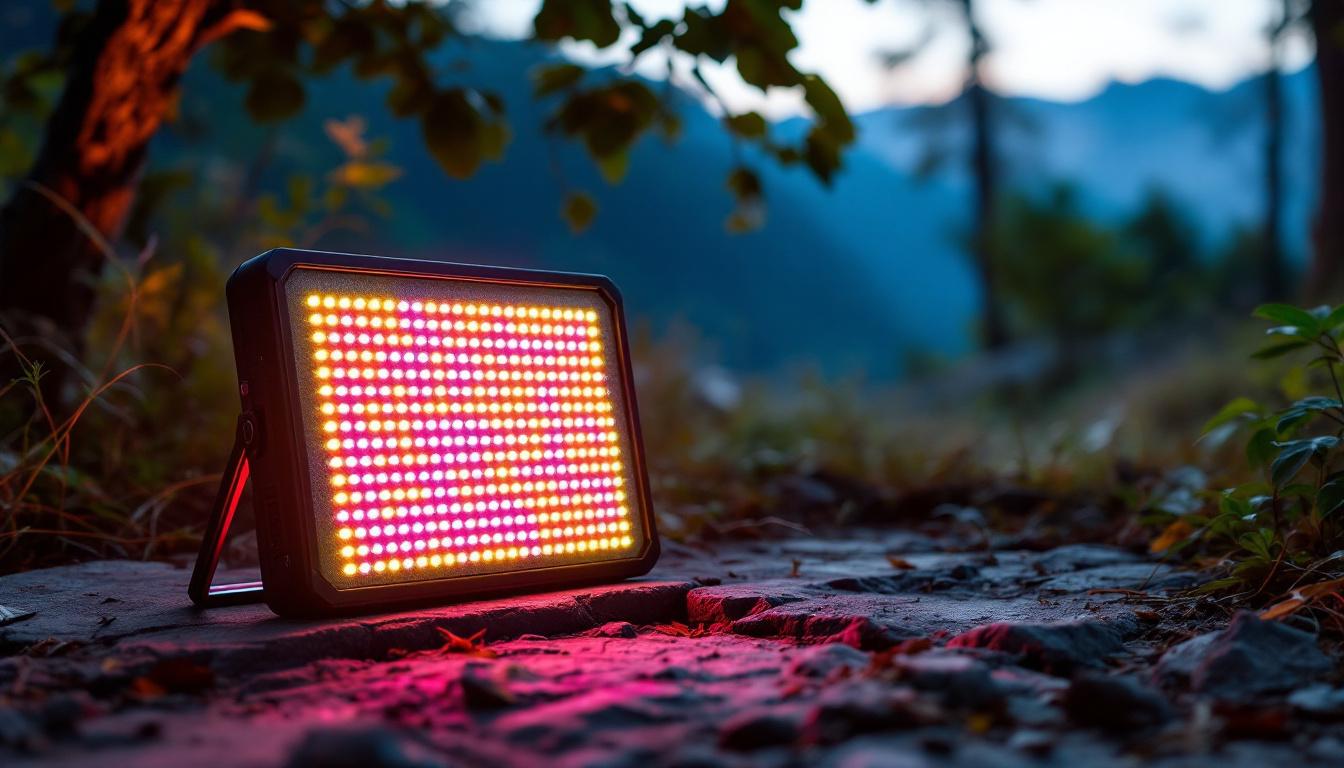
LED stands for Light Emitting Diode, a semiconductor device that emits light when an electric current passes through it. An LED display is a flat panel display that uses an array of LEDs as pixels for creating images, videos, and text. These displays can range from small indoor screens to massive outdoor billboards.
The core principle behind LED displays is the controlled illumination of these tiny diodes to produce vibrant and bright visuals. Unlike traditional LCD or plasma screens, LED displays rely on direct light emission, which offers superior brightness and contrast, making them ideal for various lighting conditions. This characteristic not only enhances the viewing experience but also allows for greater energy efficiency, as LEDs consume less power compared to their counterparts while delivering higher luminosity.
Types of LED Displays
There are several types of LED displays, each suited for specific applications:
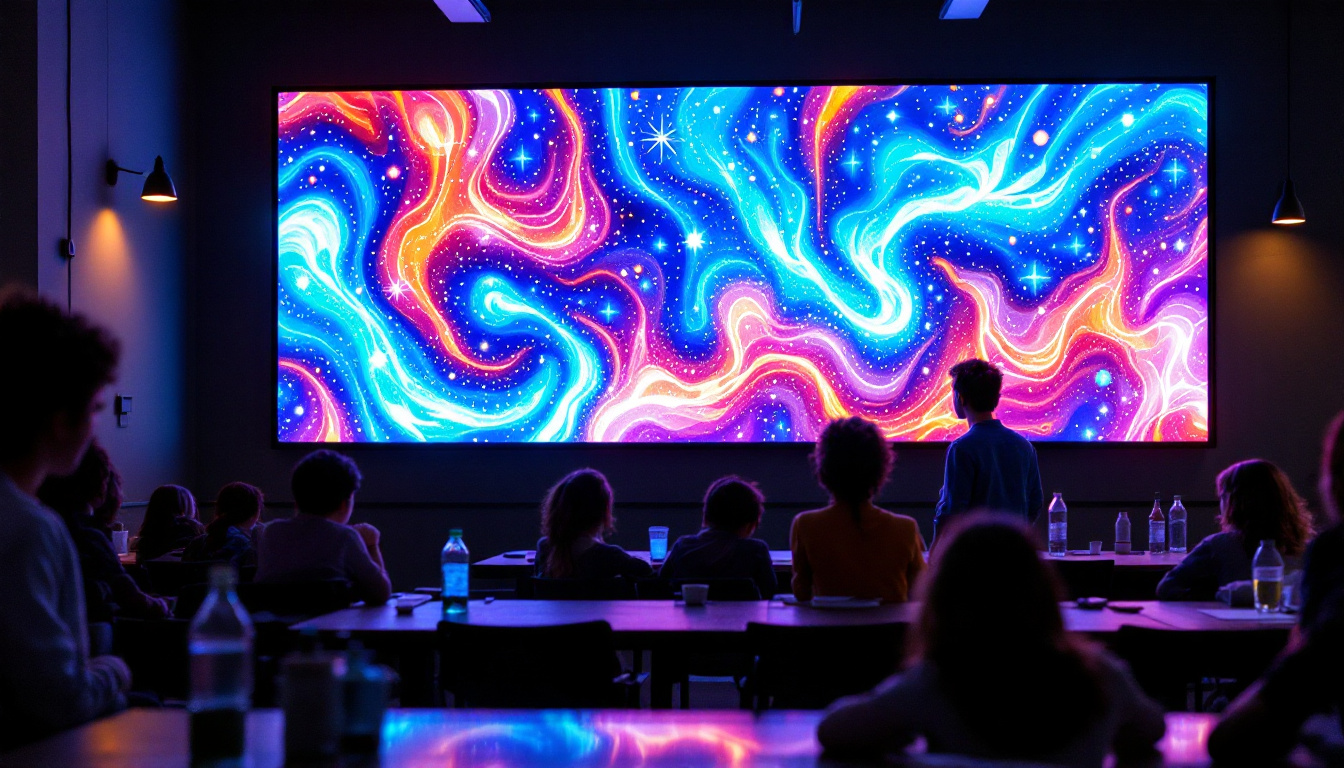
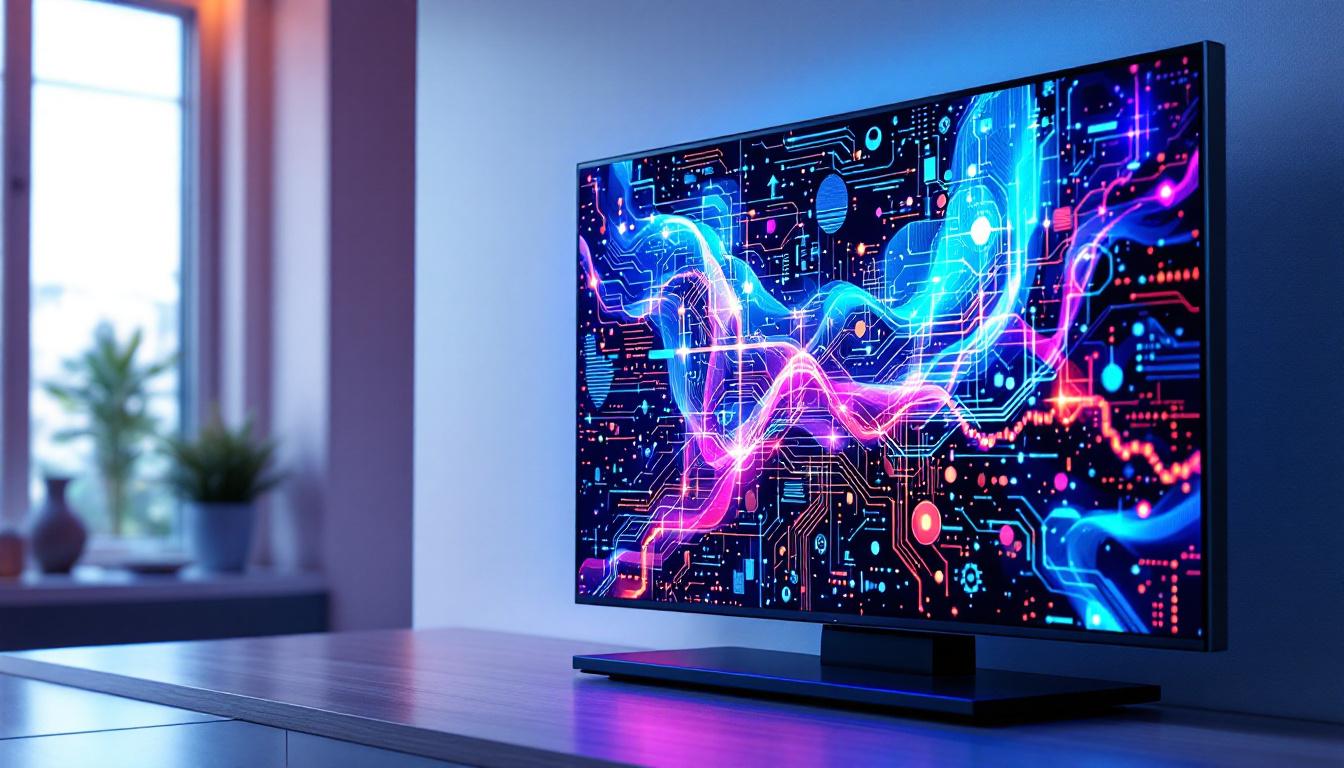
- Indoor LED Displays: Designed for controlled lighting environments, these displays offer high resolution and excellent color accuracy. They are commonly used in retail stores, conference rooms, and indoor advertising. Their ability to display intricate details makes them perfect for presentations and promotional content that requires clarity and impact.
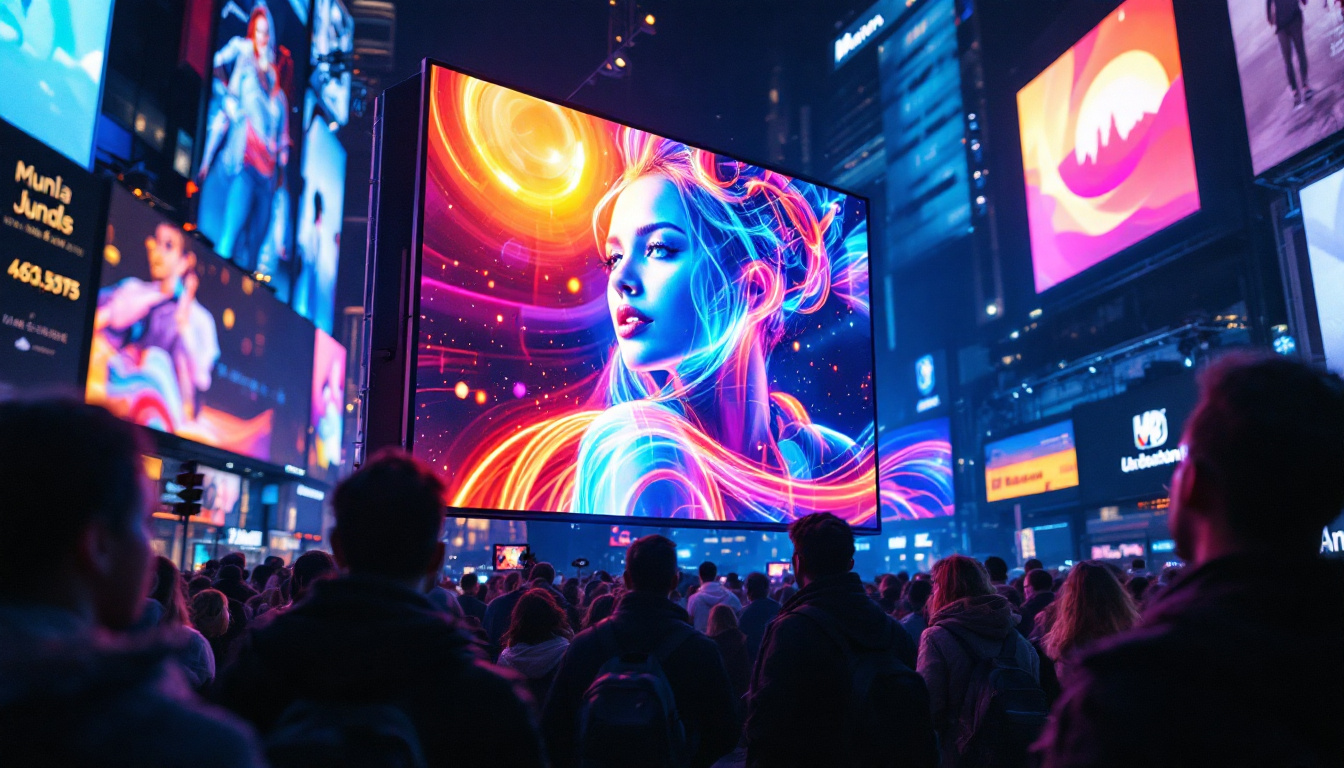
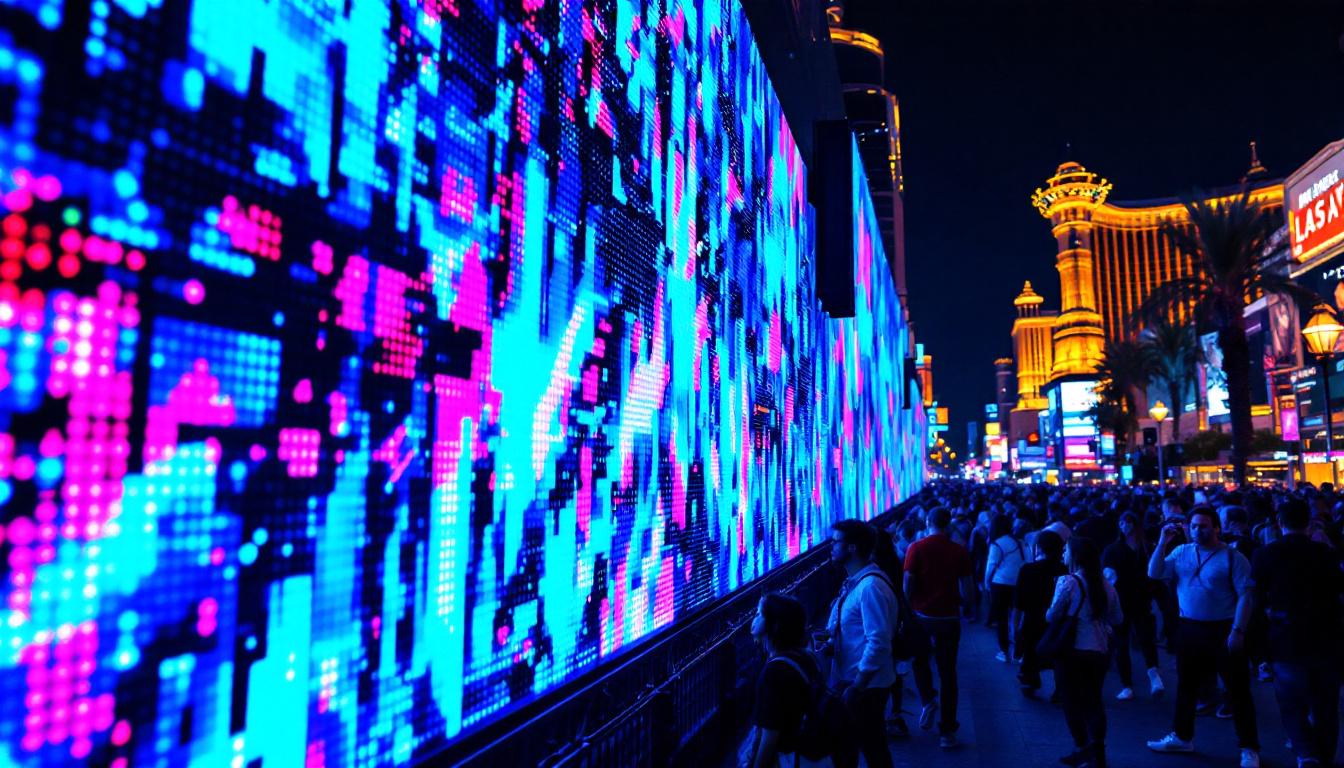
- Outdoor LED Displays: Built to withstand weather conditions, these displays feature higher brightness levels to remain visible under direct sunlight. They are often seen in stadiums, billboards, and public information boards. The durability of outdoor LED displays is enhanced with protective coatings that shield them from rain, dust, and UV rays, ensuring longevity and consistent performance.
- Flexible LED Displays: These innovative displays use bendable materials, allowing for creative installations on curved surfaces or unconventional shapes. This flexibility opens up new avenues for artistic expression in advertising and design, enabling brands to create immersive experiences that capture attention.
- Transparent LED Displays: Utilizing a mesh of LEDs, these displays allow light to pass through, making them perfect for storefront windows and architectural applications. They combine functionality with aesthetics, enabling businesses to showcase products while maintaining visibility into their premises.
How LED Displays Work
The operation of an LED display involves several components working in harmony. At the heart are the LEDs themselves, arranged in a matrix. Each LED or group of LEDs acts as a pixel that can be individually controlled to emit specific colors and brightness levels.
Modern LED displays use RGB (Red, Green, Blue) diodes to create a full spectrum of colors. By varying the intensity of each color diode, millions of color combinations can be produced, resulting in vivid and dynamic images. This color mixing capability is crucial for applications ranging from digital signage to high-definition video walls, where visual impact is paramount.
Control systems manage the data input, translating digital signals into commands that adjust the LEDs’ brightness and color. Advanced processing chips ensure smooth video playback and image rendering, even at high resolutions. Furthermore, many LED displays are now equipped with smart technology, allowing for remote management and real-time content updates. This feature is particularly beneficial for businesses that need to adapt their messaging quickly, providing them with a competitive edge in fast-paced environments.
In addition to their impressive visual capabilities, LED displays are increasingly being integrated with IoT (Internet of Things) technology. This integration allows for enhanced interactivity and user engagement, as displays can respond to environmental factors or user inputs. For instance, sensors can adjust brightness based on ambient light conditions, ensuring optimal visibility at all times, while touch-enabled displays can facilitate interactive experiences for customers in retail settings.
Applications of LED Displays
Advertising and Marketing
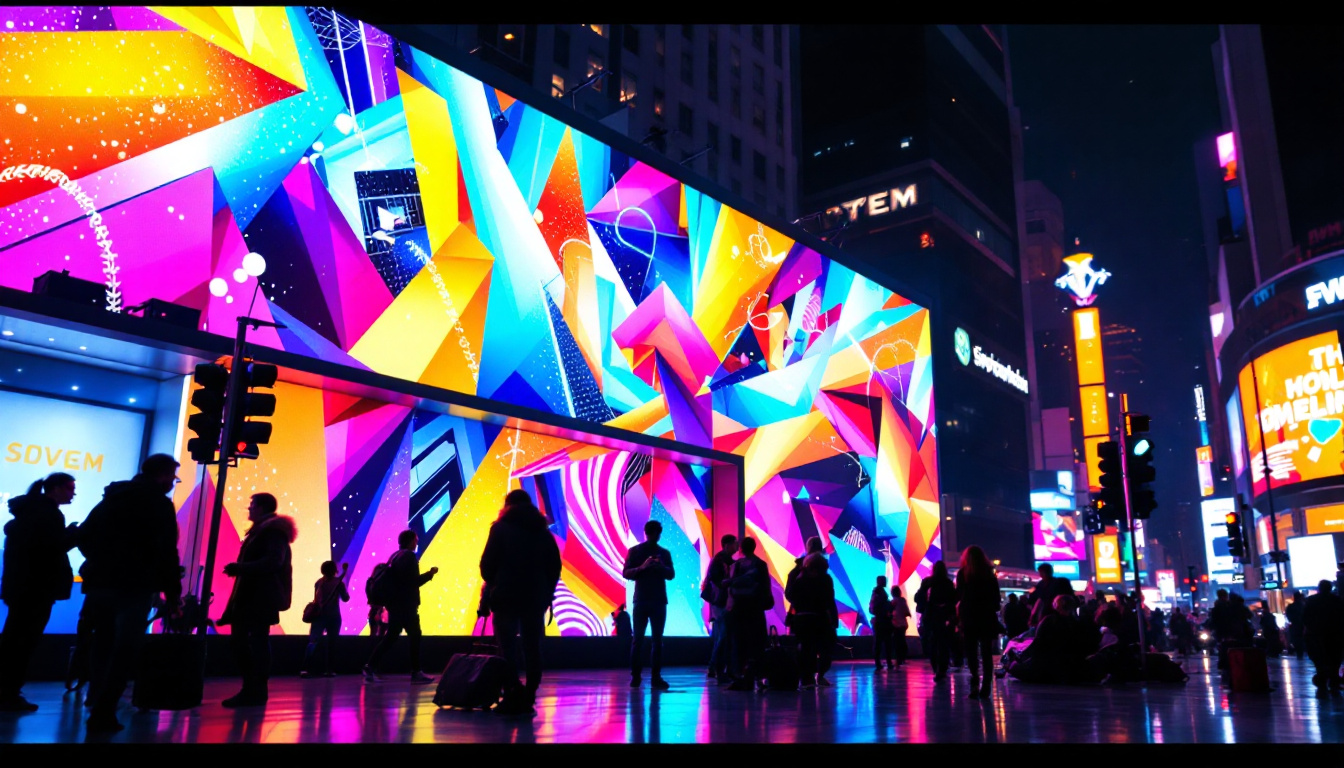
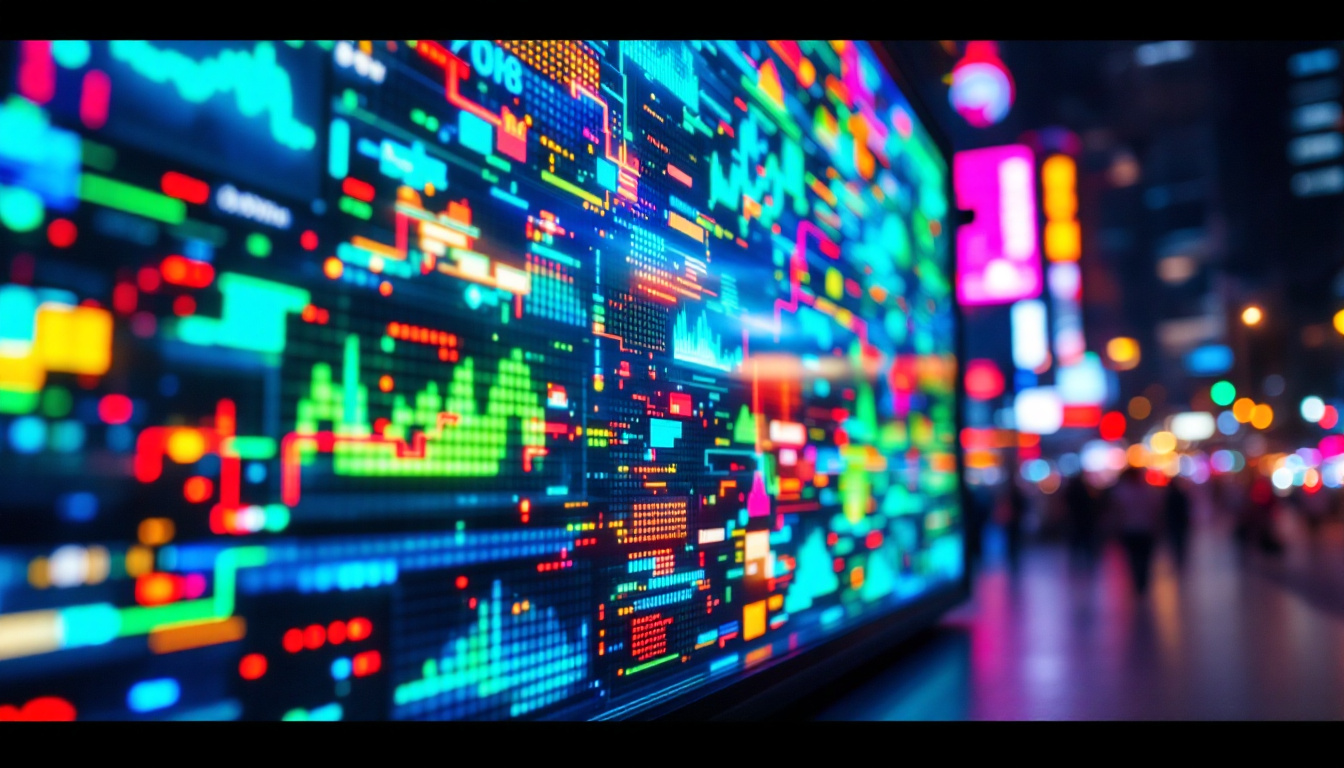
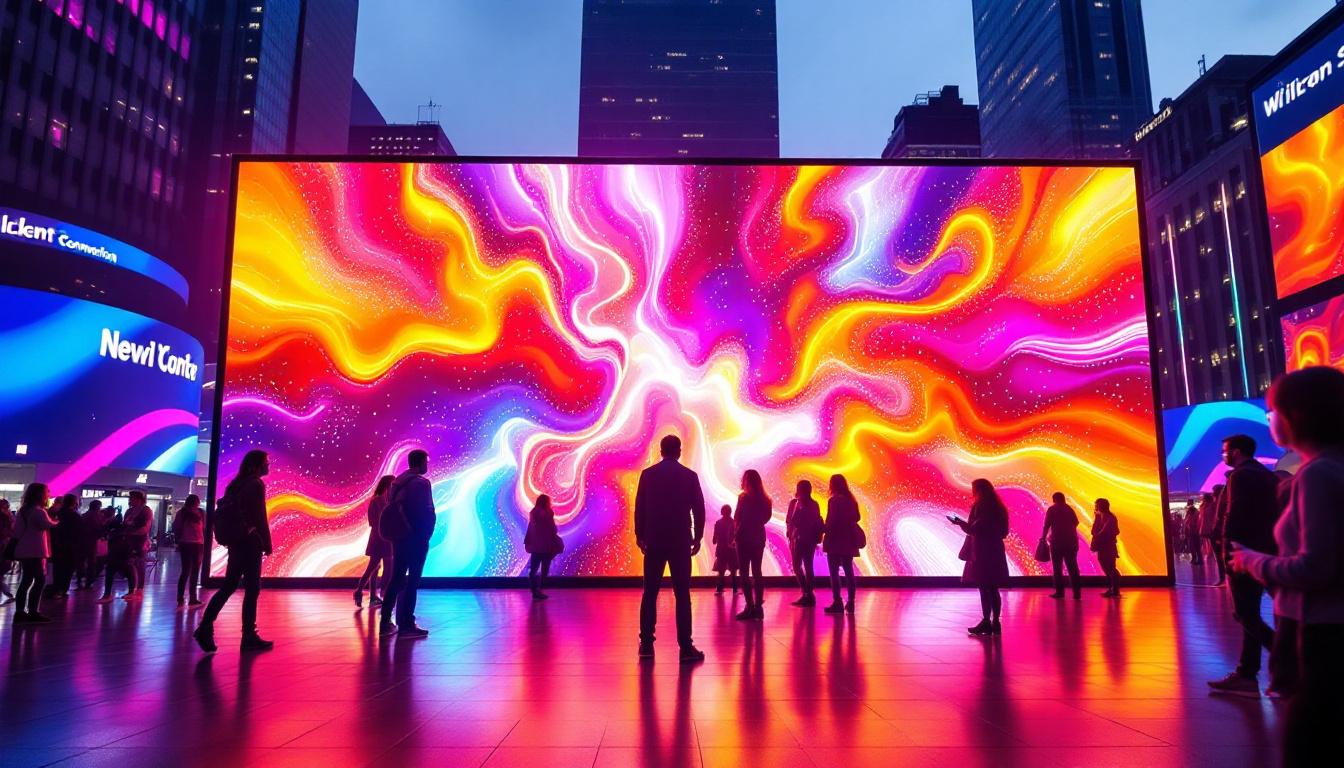
LED displays have revolutionized advertising by offering eye-catching, dynamic content that captures attention more effectively than static signs. Digital billboards with LED technology can change messages in real-time, allowing businesses to tailor promotions based on time of day, audience demographics, or special events.
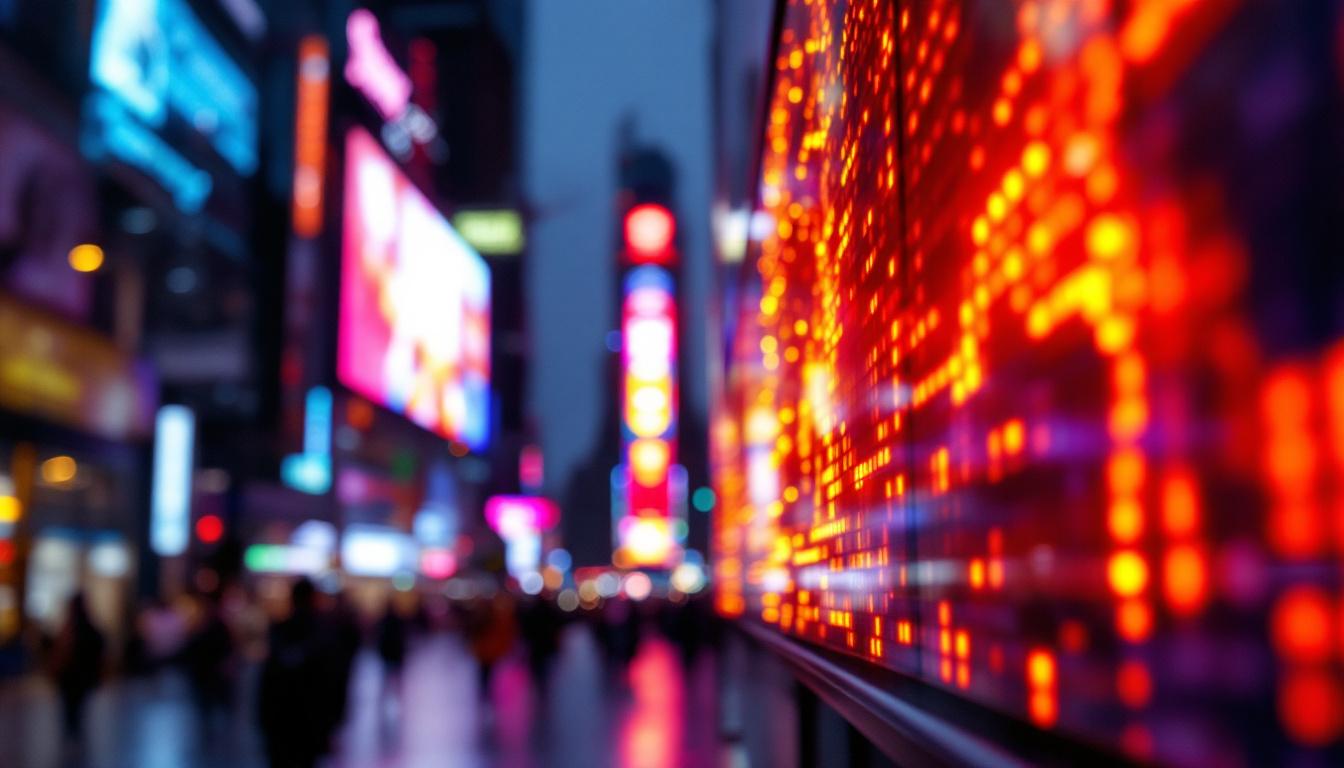
For example, Times Square in New York City is famous for its massive LED billboards that showcase vibrant advertisements visible from great distances. This capability has made LED displays a staple for brands seeking high-impact visibility. Moreover, the ability to integrate social media feeds into these displays has further enhanced their effectiveness, allowing brands to engage with audiences in real-time and create a sense of community around their products. The interactive nature of LED advertising not only captivates passersby but also encourages them to share their experiences online, amplifying the reach of the campaigns.
Public Information and Safety
Governments and municipalities use LED displays for public information dissemination, such as traffic updates, emergency alerts, and event announcements. The high visibility and reliability of LED signs ensure that critical information reaches a broad audience promptly.
In transportation hubs like airports and train stations, LED displays provide real-time scheduling updates and wayfinding assistance, enhancing passenger experience and operational efficiency. Additionally, these displays can be programmed to show multilingual information, catering to diverse populations and international travelers. This versatility not only improves accessibility but also fosters a more welcoming environment for visitors, making it easier for them to navigate complex transit systems.
Entertainment and Events
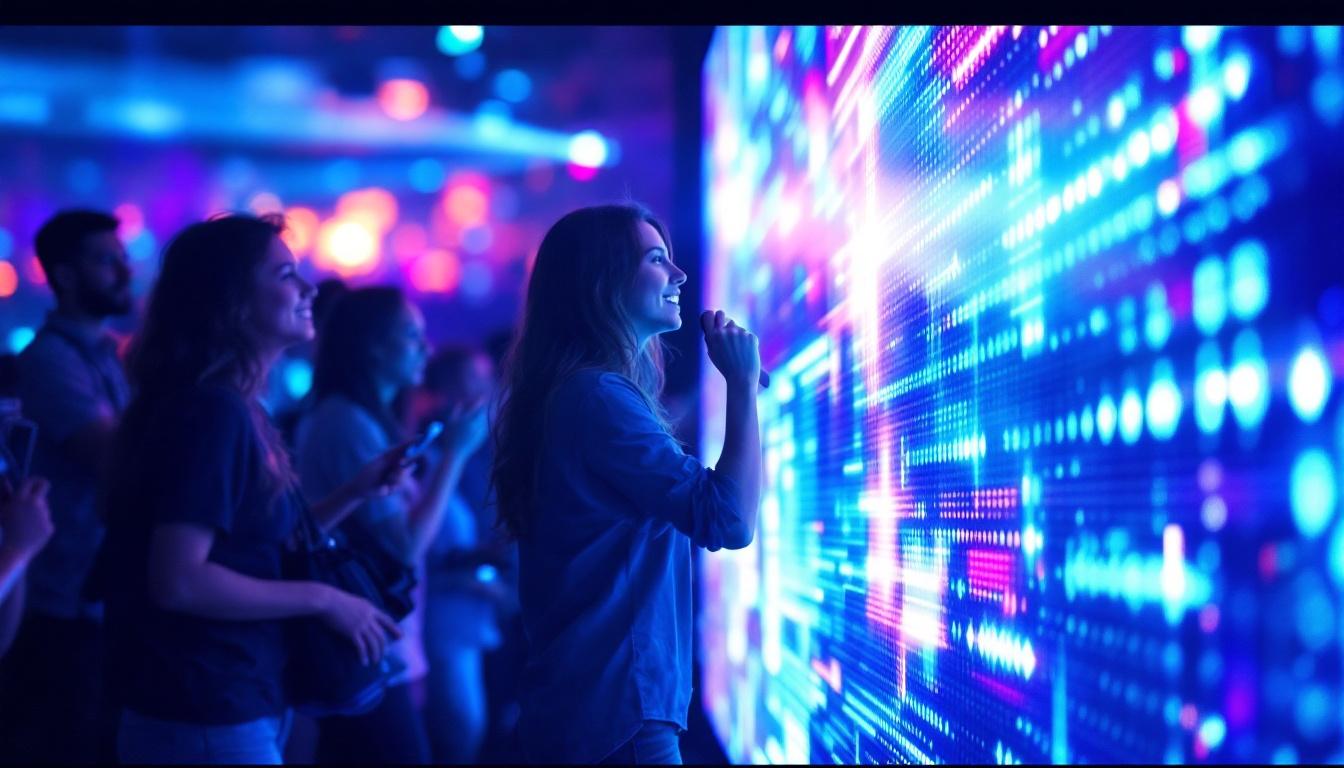
Concerts, sports arenas, and theaters utilize large-scale LED displays to enhance audience engagement. These screens can display live footage, graphics, and interactive content, creating immersive experiences.
For instance, stadium jumbotrons use high-resolution LED panels to broadcast replays and interactive content, significantly enriching the spectator experience. Beyond just visuals, these displays can also integrate audio elements, synchronizing sound with visual effects to create a multi-sensory experience that captivates fans. Furthermore, during major events, LED displays can serve as platforms for fan interaction, allowing viewers to participate in polls or contests, thus deepening their connection to the event and the performers.
Retail and Corporate Environments
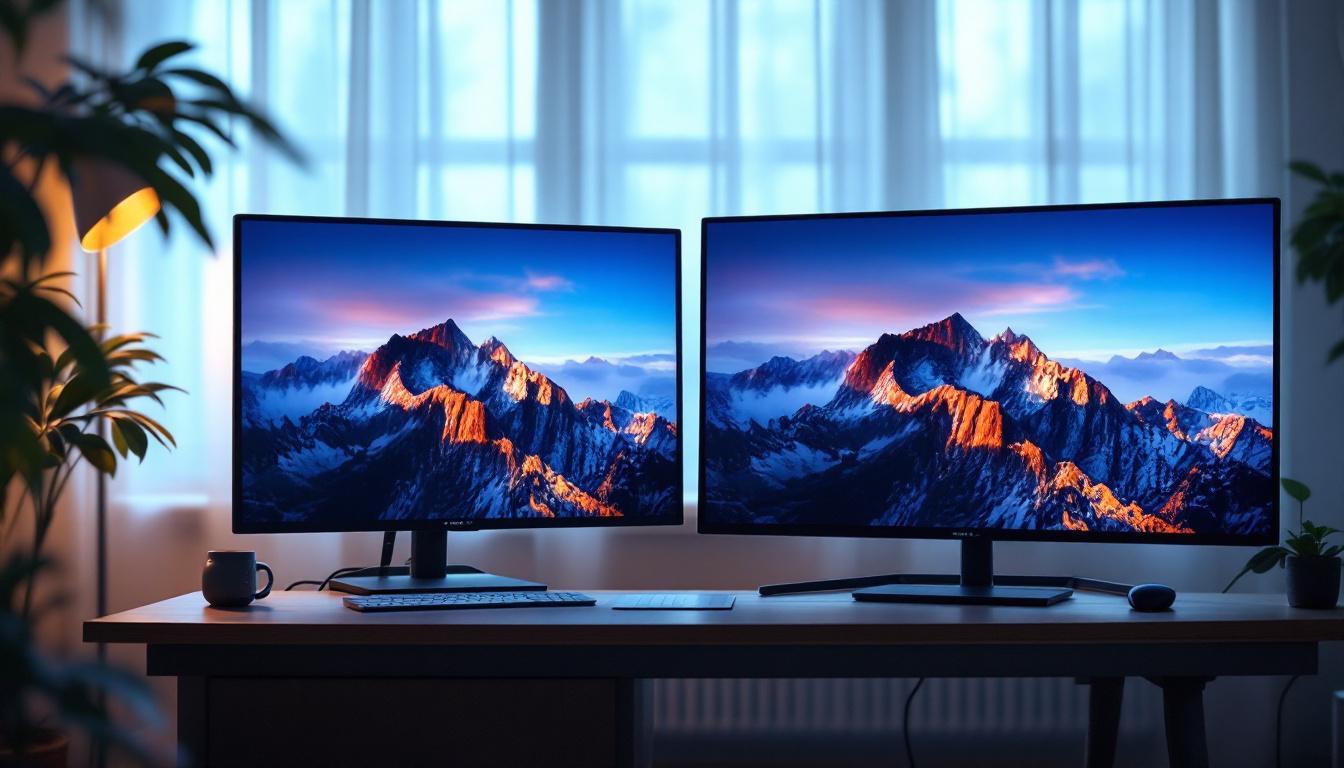
Retailers employ LED displays to attract customers with dynamic promotions and product information. In corporate settings, LED screens facilitate presentations, video conferencing, and digital signage, improving communication and branding.
In retail spaces, the strategic placement of LED displays can guide customer behavior, highlighting specific products or sales to drive impulse purchases. These screens can also be used to showcase customer testimonials or user-generated content, further enhancing brand credibility and trust. In corporate environments, the adaptability of LED technology allows for seamless integration into various formats, from large conference room displays to smaller, interactive kiosks, ensuring that information is conveyed effectively and engagingly across different settings.
Advantages of LED Displays Over Other Technologies
Brightness and Visibility
One of the most significant advantages of LED displays is their exceptional brightness. Unlike LCD screens that rely on backlighting, LEDs emit light directly, enabling displays to achieve brightness levels exceeding 5,000 nits. This makes LED displays highly visible even in direct sunlight, a crucial factor for outdoor advertising and public information signs.
Energy Efficiency
LED technology is renowned for its energy efficiency. LEDs consume significantly less power compared to traditional lighting and display technologies, such as incandescent bulbs or plasma screens. This efficiency translates into lower operating costs and reduced environmental impact, a growing concern for businesses and municipalities alike.
Durability and Longevity
LED displays are built to last. The solid-state nature of LEDs makes them resistant to shock, vibration, and external impacts. Additionally, LED modules typically have a lifespan of 50,000 to 100,000 hours, far surpassing other display types.
This durability reduces maintenance costs and downtime, ensuring continuous operation in critical applications.
Color Accuracy and Flexibility
With the ability to produce a wide color gamut and high contrast ratios, LED displays deliver sharp, vibrant images. Their modular design allows for various sizes and shapes, accommodating creative and architectural demands.
Key Considerations When Choosing an LED Display
Resolution and Pixel Pitch
Resolution refers to the number of pixels in a display, directly affecting image clarity. Pixel pitch, the distance between the centers of adjacent pixels, is a critical factor in determining resolution. Smaller pixel pitch means higher resolution and sharper images, especially important for close-viewing distances.
For indoor displays viewed up close, pixel pitches as low as 1.2mm are common, while outdoor displays typically have larger pitches ranging from 4mm to 20mm, balancing visibility and cost.
Brightness and Contrast Ratio
Brightness must be sufficient to ensure visibility under ambient lighting conditions. Outdoor displays require higher brightness levels, often exceeding 5,000 nits, while indoor displays can operate effectively at lower brightness.
Contrast ratio, the difference between the darkest black and brightest white, influences image depth and realism. High contrast ratios enhance visual impact, especially in environments with varying lighting.
Viewing Angle
The viewing angle determines how well the display can be seen from different positions. Wider viewing angles ensure that content is visible to a larger audience without color distortion or brightness loss.
Durability and Environmental Resistance
For outdoor applications, displays must be weatherproof, resistant to dust, moisture, and temperature fluctuations. Look for displays with appropriate IP (Ingress Protection) ratings to ensure longevity.
Control and Connectivity
Modern LED displays support various control options, including wired and wireless connectivity, remote management, and integration with content management systems. These features enable flexible content scheduling and real-time updates.
The Future of LED Display Technology
Miniaturization and Higher Resolution
Advancements in LED manufacturing continue to reduce pixel pitch, enabling ultra-high-definition displays suitable for close-range viewing. This trend opens new possibilities for indoor applications such as retail, museums, and corporate environments.
Integration with Smart Technologies
LED displays are increasingly integrated with IoT (Internet of Things) devices and AI-driven content management systems. This integration allows for personalized advertising, interactive experiences, and data-driven content optimization.
Energy and Environmental Innovations
Ongoing research focuses on further reducing energy consumption and developing sustainable materials for LED displays. Innovations like organic LEDs (OLED) and microLEDs promise even greater efficiency and image quality.
Creative and Architectural Applications
Flexible and transparent LED displays are transforming architectural design, enabling buildings to become dynamic canvases for light and information. This fusion of technology and art is shaping the future urban landscape.
Conclusion
LED displays represent a powerful and versatile medium for visual communication across industries. Their superior brightness, energy efficiency, durability, and flexibility make them an ideal choice for advertising, public information, entertainment, and corporate applications.
Understanding the technology behind LED displays and the factors influencing their performance is essential for selecting the right solution tailored to specific needs. As LED technology continues to evolve, it promises to deliver even more innovative and impactful ways to engage audiences and convey messages effectively.
Discover LumenMatrix’s Innovative LED Solutions
Ready to elevate your visual communication strategy with cutting-edge LED technology? LumenMatrix is at the forefront of LED display innovation, offering a diverse range of solutions tailored to meet your specific needs. From Indoor and Outdoor LED Wall Displays to specialized options like Vehicle, Sports, and Floor LED Displays, our products are designed to captivate your audience and amplify your message. Experience the transformative power of our Custom, All-in-One, and Transparent LED Displays. Check out LumenMatrix LED Display Solutions today and see how we can help you create unforgettable visual experiences.