In recent years, the television industry has witnessed remarkable advancements in display technology, with MicroLED emerging as one of the most promising innovations. As consumers seek superior picture quality, enhanced durability, and energy efficiency, MicroLED TVs are becoming a focal point of discussion among tech enthusiasts and everyday users alike. This article delves into the intricacies of MicroLED technology, explaining how it works, its advantages over traditional LED and OLED displays, and what the future holds for this cutting-edge display type.
Understanding MicroLED Technology
What is MicroLED?
MicroLED, short for Micro Light Emitting Diode, is a display technology that uses microscopic LEDs to form individual pixels. Each MicroLED emits its own light and color, eliminating the need for a backlight, which is a significant departure from conventional LED TVs that rely on LCD panels and backlighting systems.
Unlike OLED displays, where organic compounds emit light, MicroLEDs are inorganic, which contributes to their longevity and brightness. The tiny size of the LEDs—typically less than 100 micrometers—allows for incredibly high pixel density, resulting in sharper images and vibrant colors. This pixel density not only enhances the viewing experience but also allows for larger screen sizes without sacrificing image quality, making MicroLED a promising option for both home theaters and commercial displays.
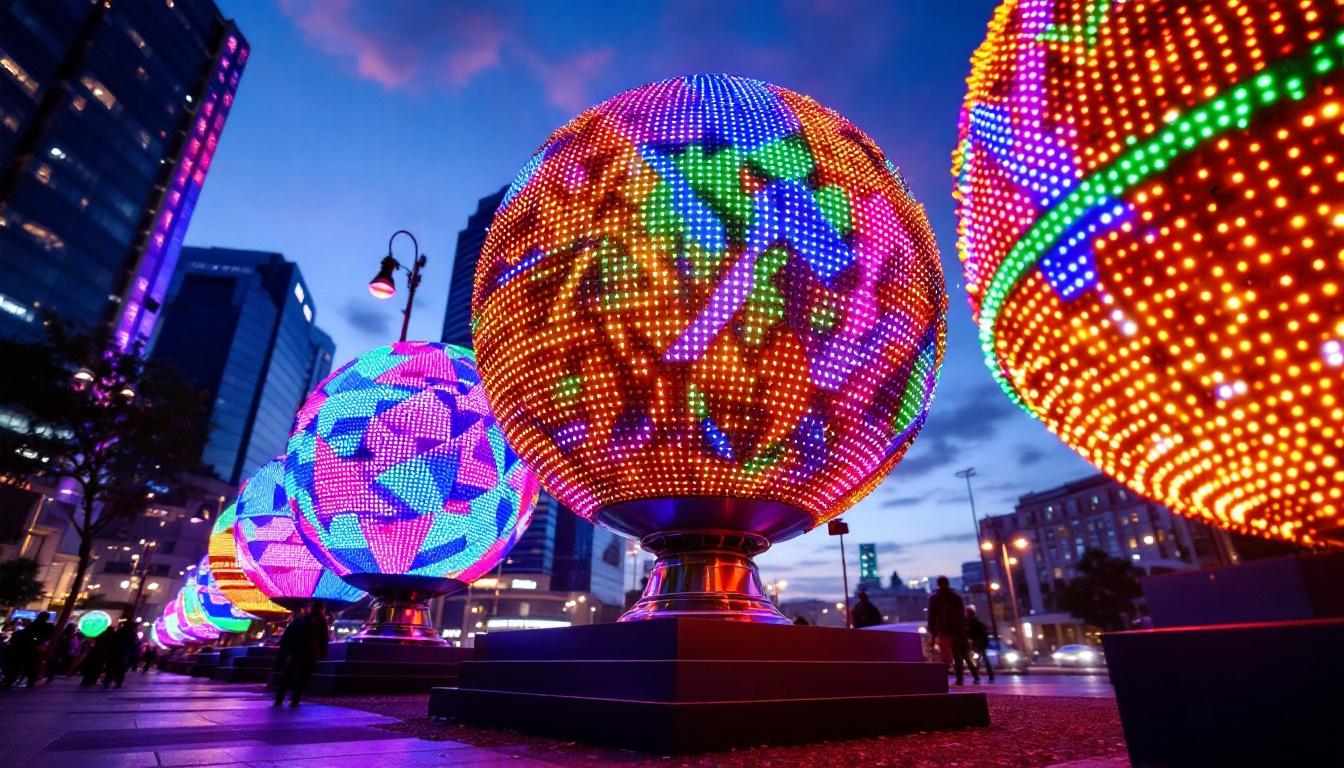
Furthermore, MicroLED technology is highly adaptable, enabling manufacturers to create flexible and curved displays that can fit a variety of environments. This versatility opens up new possibilities in design and functionality, allowing for innovative applications in everything from smartphones to massive digital billboards.
How Does MicroLED Work?
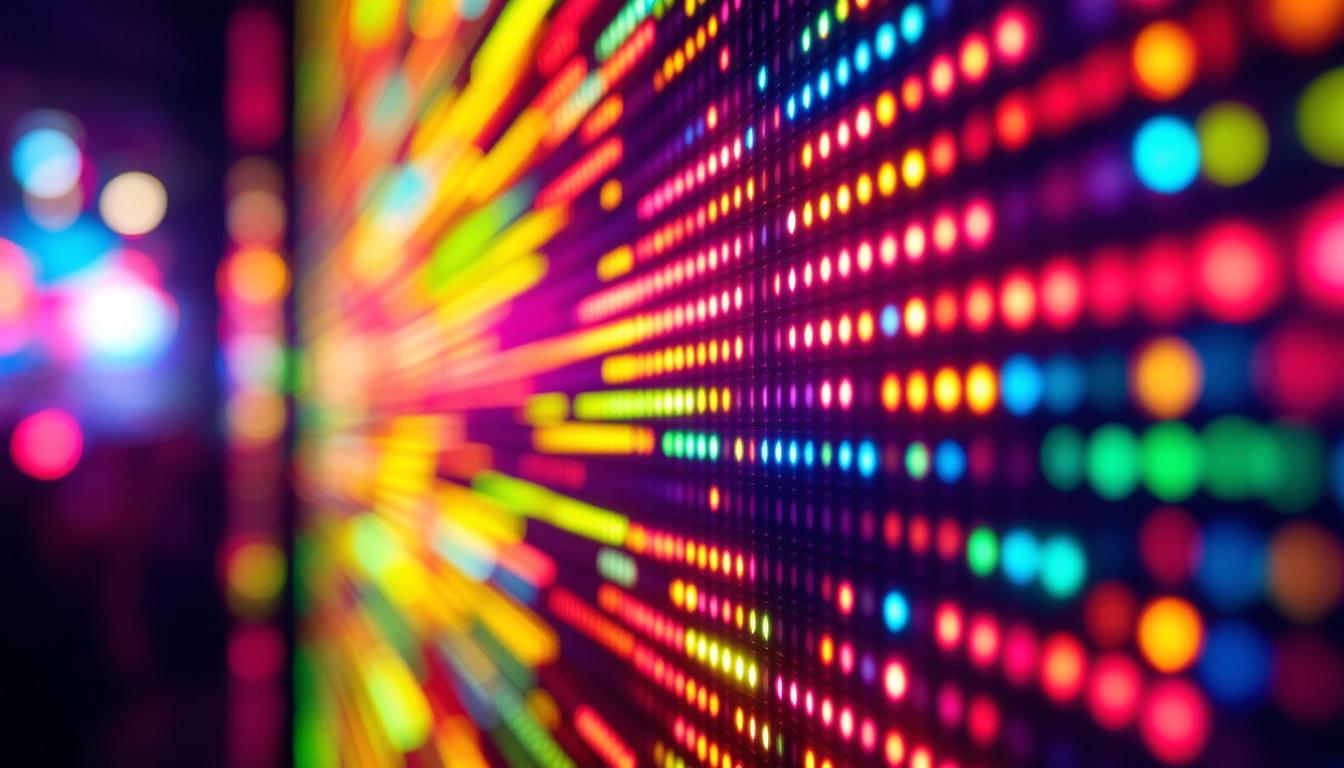
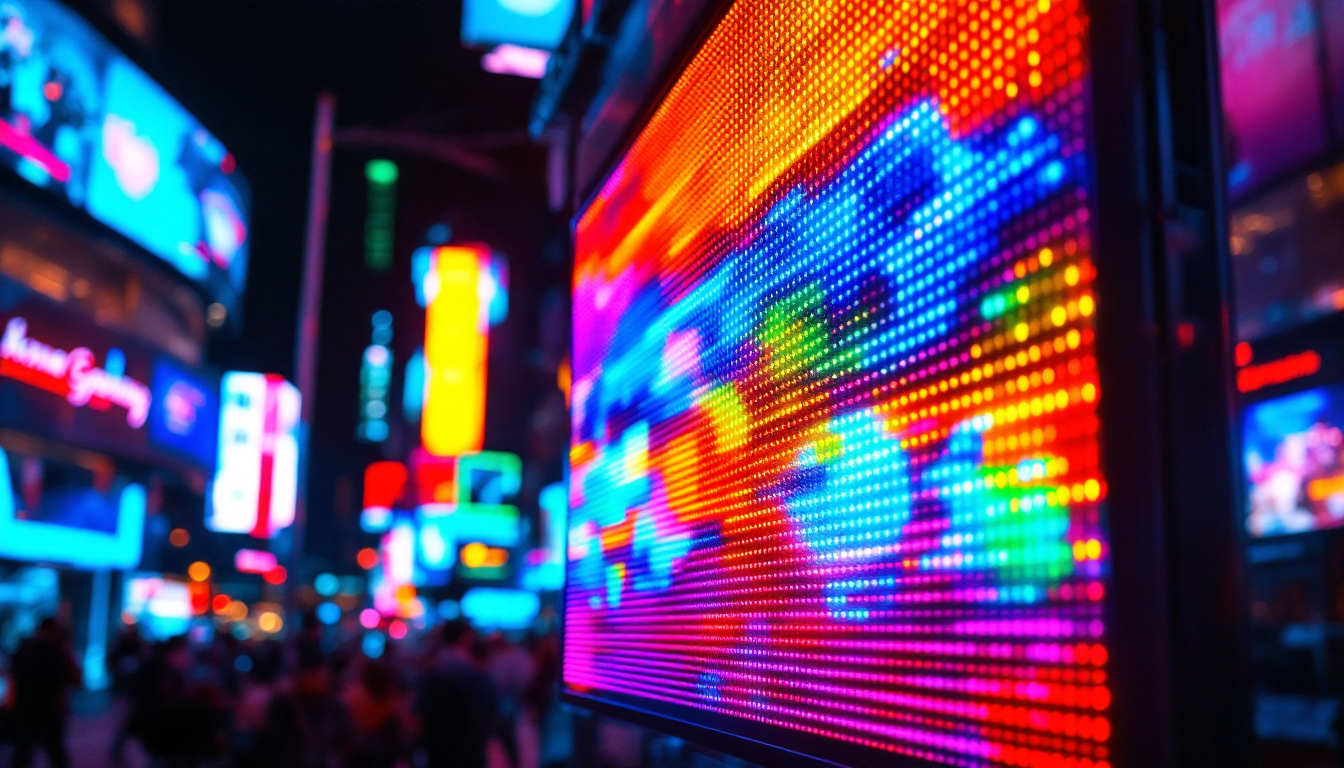
MicroLED displays are composed of millions of tiny LEDs, each functioning as a self-emissive pixel. These LEDs are arranged in a matrix on a substrate, where each pixel can be individually controlled to emit precise amounts of red, green, and blue light. This granular control enables MicroLED TVs to produce perfect blacks by turning off pixels entirely, similar to OLED technology.
The manufacturing process involves transferring these microscopic LEDs onto a display backplane with extreme precision. This complex assembly allows MicroLEDs to combine the best attributes of LED and OLED technologies—high brightness, excellent contrast, and energy efficiency—without their respective drawbacks. The result is a display that not only excels in color accuracy and brightness but also boasts a significantly longer lifespan, often exceeding 100,000 hours of use. This durability is particularly appealing for commercial applications, where displays are required to operate continuously without degradation in performance.
Moreover, MicroLED technology is inherently more energy-efficient than traditional LCD and OLED displays. Because each MicroLED can be turned on or off independently, the overall power consumption can be significantly reduced, especially in darker scenes. This efficiency not only benefits consumers by lowering electricity bills but also aligns with growing environmental concerns regarding energy usage in electronic devices.
Comparing MicroLED with Other Display Technologies
MicroLED vs. Traditional LED/LCD TVs
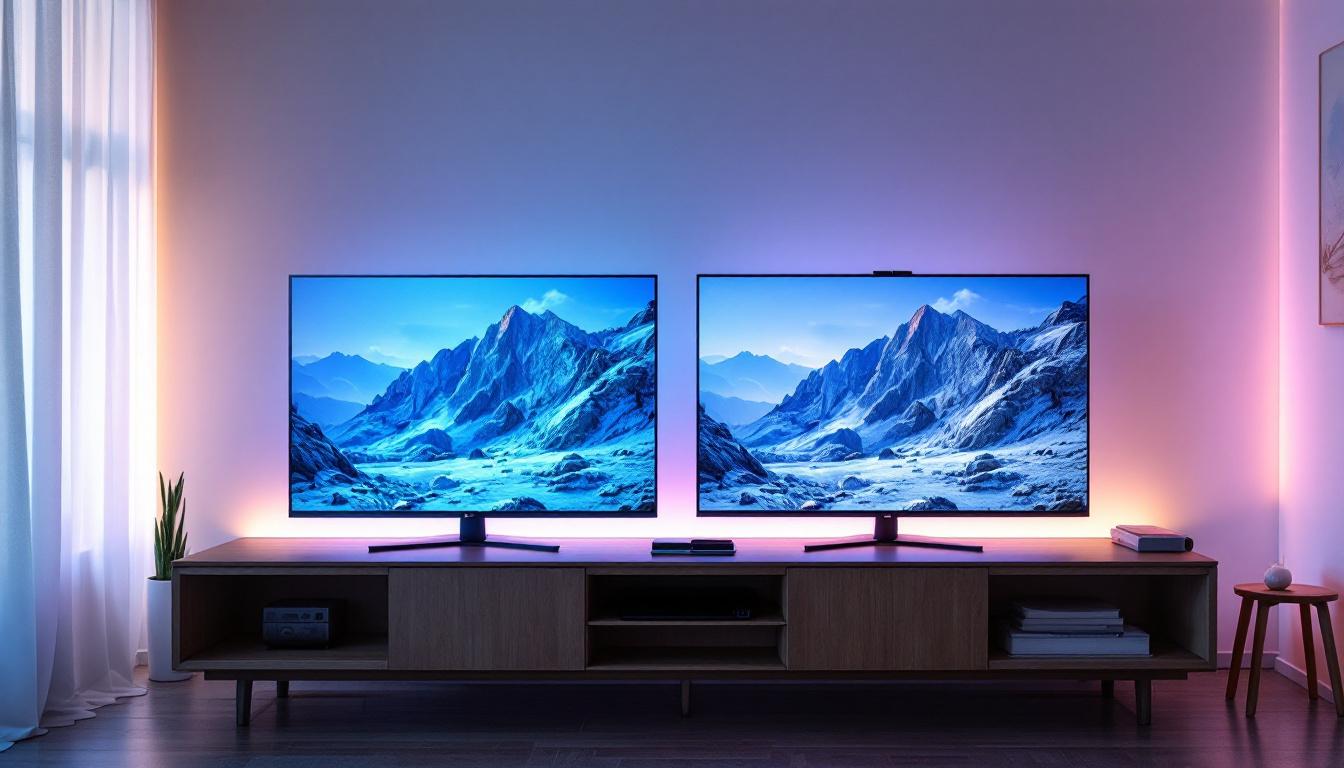
Traditional LED TVs are essentially LCD panels illuminated by an array of LEDs placed behind or along the edges of the screen. This backlighting method limits contrast ratios because the LEDs cannot be turned off on a per-pixel basis, which often results in light bleed and less deep blacks. The result is a viewing experience that, while improved over older technologies, still falls short in delivering the rich, immersive visuals that modern consumers crave.
MicroLED TVs, by contrast, do not require backlighting. Each pixel emits its own light, allowing for true black levels and superior contrast. Additionally, MicroLEDs can achieve much higher brightness levels than LCDs, making them ideal for viewing in brightly lit environments. This capability is particularly beneficial for sports and action movies, where fast-moving scenes can often appear washed out on traditional displays. The color accuracy and vibrancy of MicroLED technology also enhance the overall viewing experience, making colors pop in a way that can be truly mesmerizing.
MicroLED vs. OLED
OLED (Organic Light Emitting Diode) displays also feature self-emissive pixels, enabling perfect blacks and wide viewing angles. However, OLED panels have limitations, including susceptibility to burn-in and shorter lifespan due to the organic materials used. This burn-in effect can be particularly problematic for users who frequently display static images, such as logos or video game HUDs, leading to permanent ghosting on the screen over time.
MicroLED technology addresses these issues by using inorganic materials, which are more durable and less prone to degradation. Furthermore, MicroLEDs can reach peak brightness levels significantly higher than OLEDs—up to 2,000 nits or more compared to OLED’s typical 600-800 nits—making them better suited for HDR content and bright rooms. This high brightness capability not only enhances the viewing experience in various lighting conditions but also allows for a broader color gamut, ensuring that viewers can enjoy a wider range of colors and shades. Moreover, the modular nature of MicroLED technology allows for flexible screen sizes and shapes, opening up new possibilities for custom installations and unique viewing experiences that traditional OLED and LCD technologies cannot match.
Key Advantages of MicroLED TVs
Superior Picture Quality
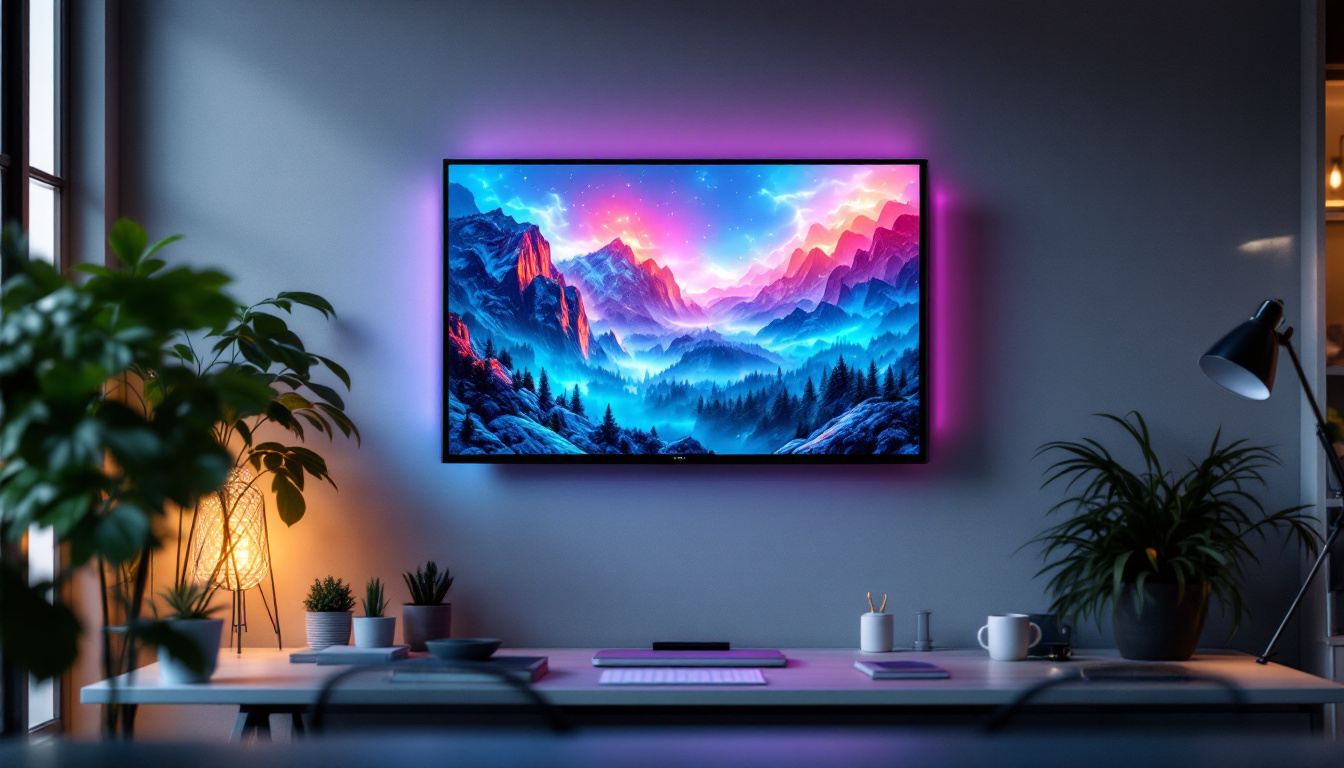
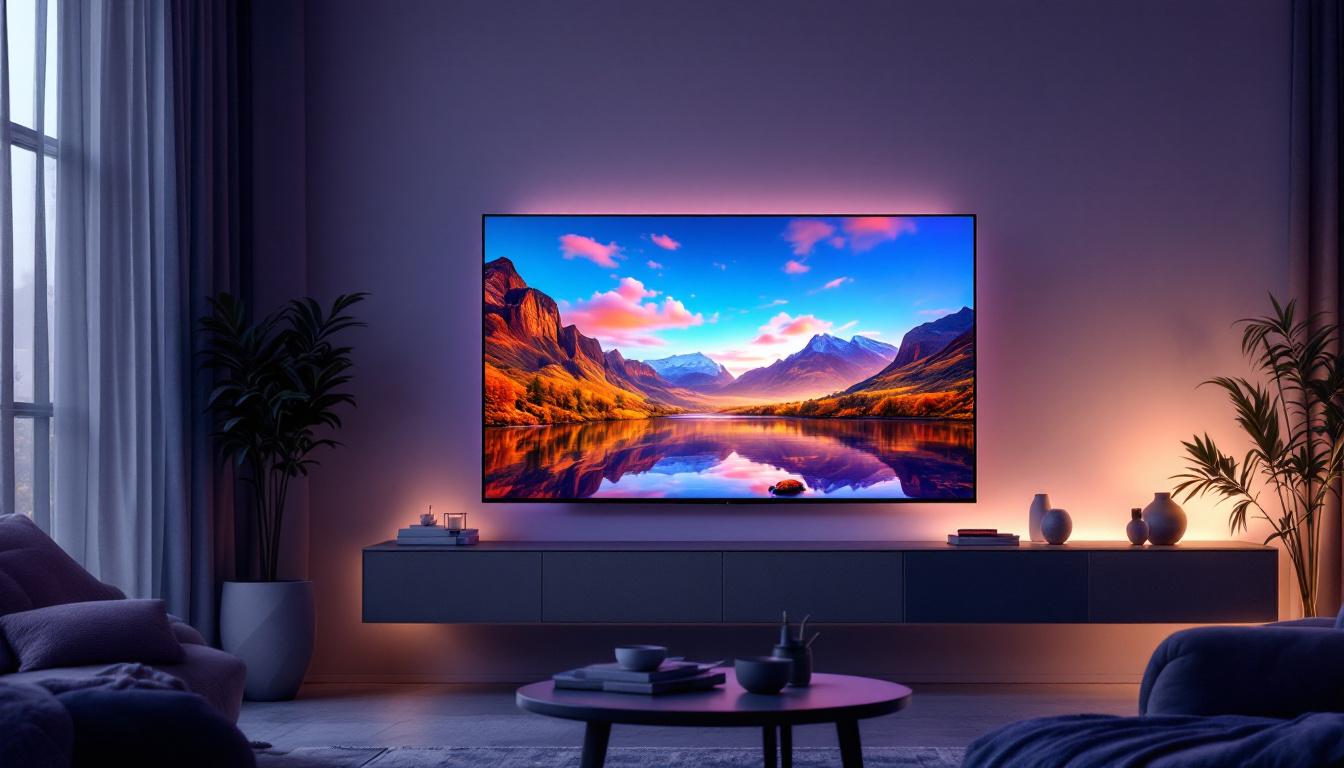
MicroLED TVs deliver exceptional picture quality with high contrast ratios, deep blacks, and vibrant colors. The ability to control each pixel individually means that images are rendered with remarkable precision and clarity. This results in a more immersive viewing experience, especially for high dynamic range (HDR) content. Furthermore, the wide color gamut offered by MicroLED technology allows for more accurate color reproduction, making it possible to see subtle details in scenes that might be lost on traditional displays. Whether you’re watching a blockbuster movie or a nature documentary, the visual fidelity of MicroLED TVs can elevate the experience to new heights, making every viewing session feel like an event.
Brightness and Energy Efficiency
One of the standout features of MicroLED technology is its ability to achieve high brightness levels without sacrificing energy efficiency. Unlike LCDs that require powerful backlights, MicroLEDs emit light directly, reducing energy consumption. This efficiency is particularly beneficial for larger screens, where backlighting can be a significant power drain. Additionally, the enhanced brightness levels of MicroLEDs make them ideal for viewing in well-lit environments, where traditional TVs might struggle to maintain clarity and vibrancy. This means you can enjoy your favorite shows and movies without worrying about ambient lighting conditions, providing a versatile viewing experience that adapts to your surroundings.
Longevity and Durability
MicroLED displays are made from inorganic materials that are more resistant to burn-in and degradation over time. This durability translates into longer-lasting TVs that maintain their picture quality for many years, making MicroLED a smart investment for consumers seeking longevity. Moreover, the robust construction of MicroLED panels means they can withstand a variety of environmental factors, such as humidity and temperature fluctuations, without compromising performance. This resilience not only enhances the lifespan of the television but also provides peace of mind for users who want a reliable display that can endure the rigors of daily use.
Scalability and Design Flexibility
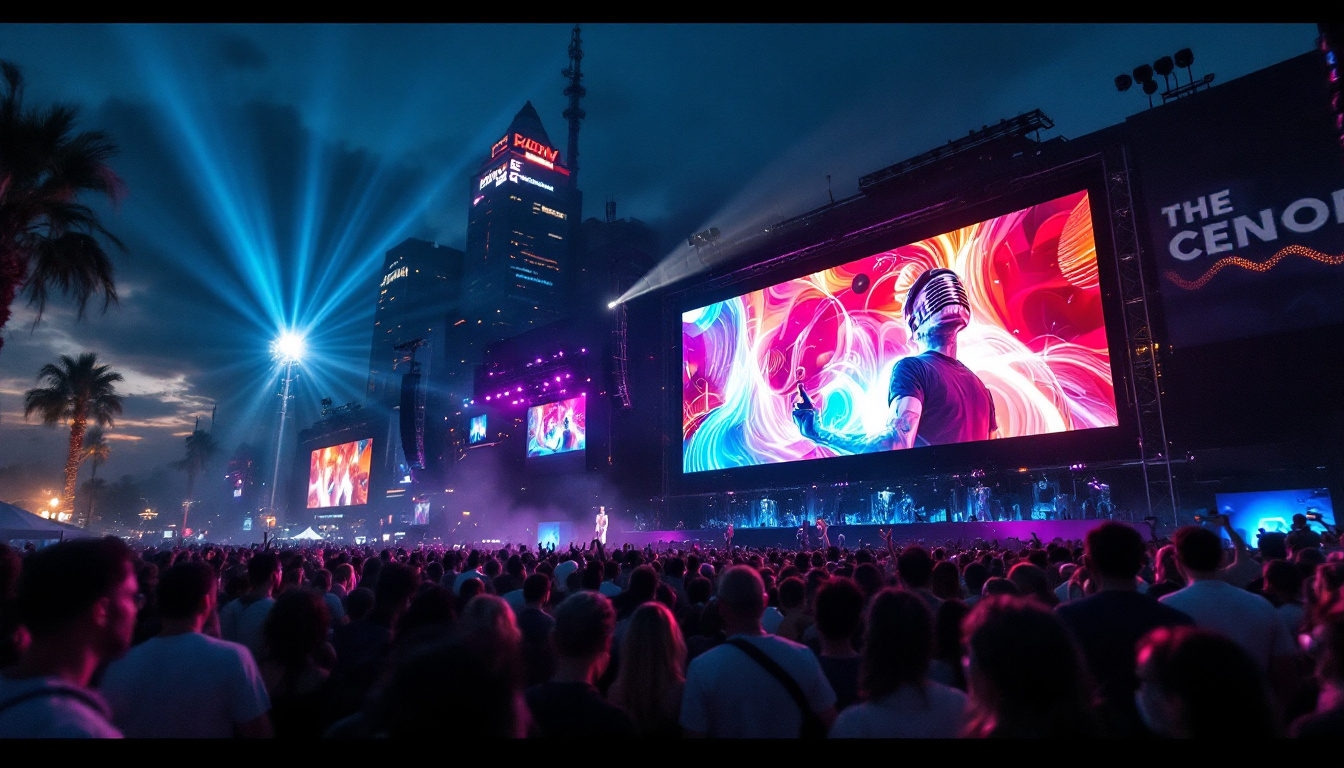
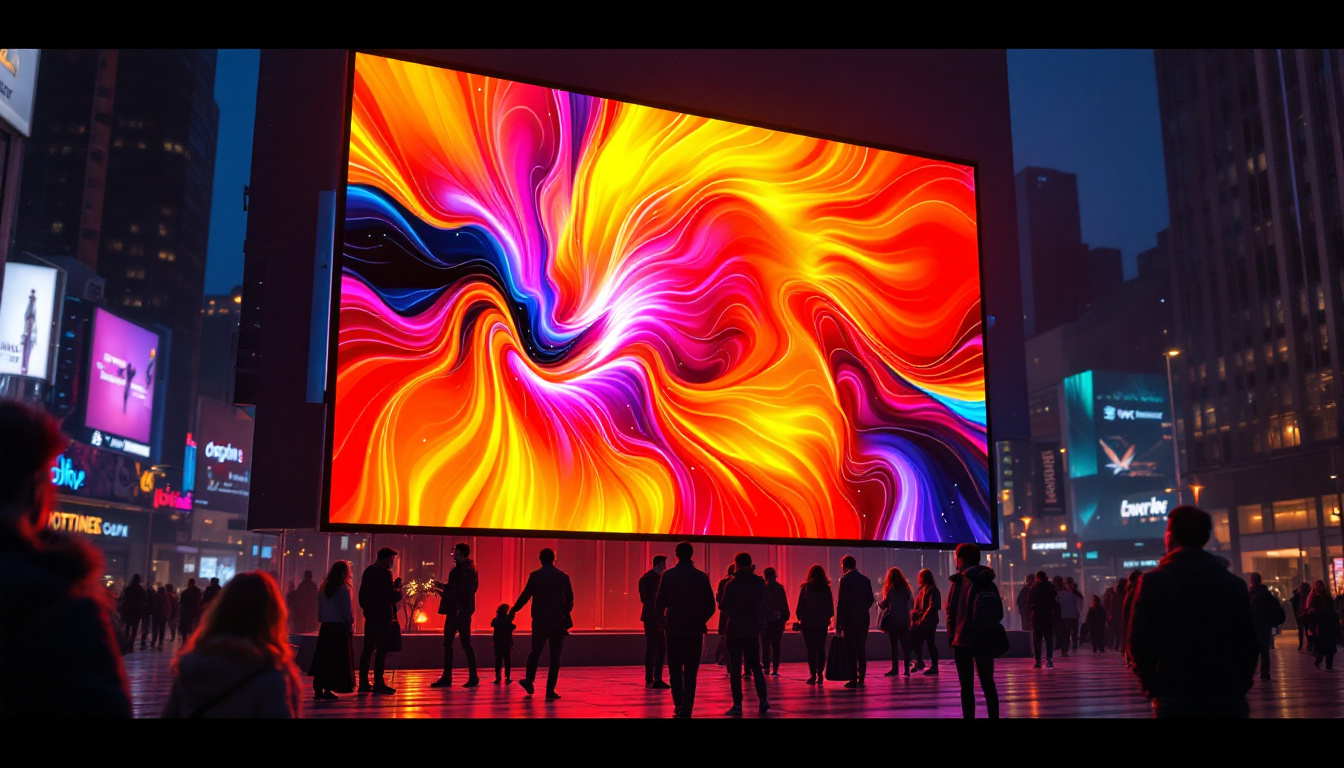
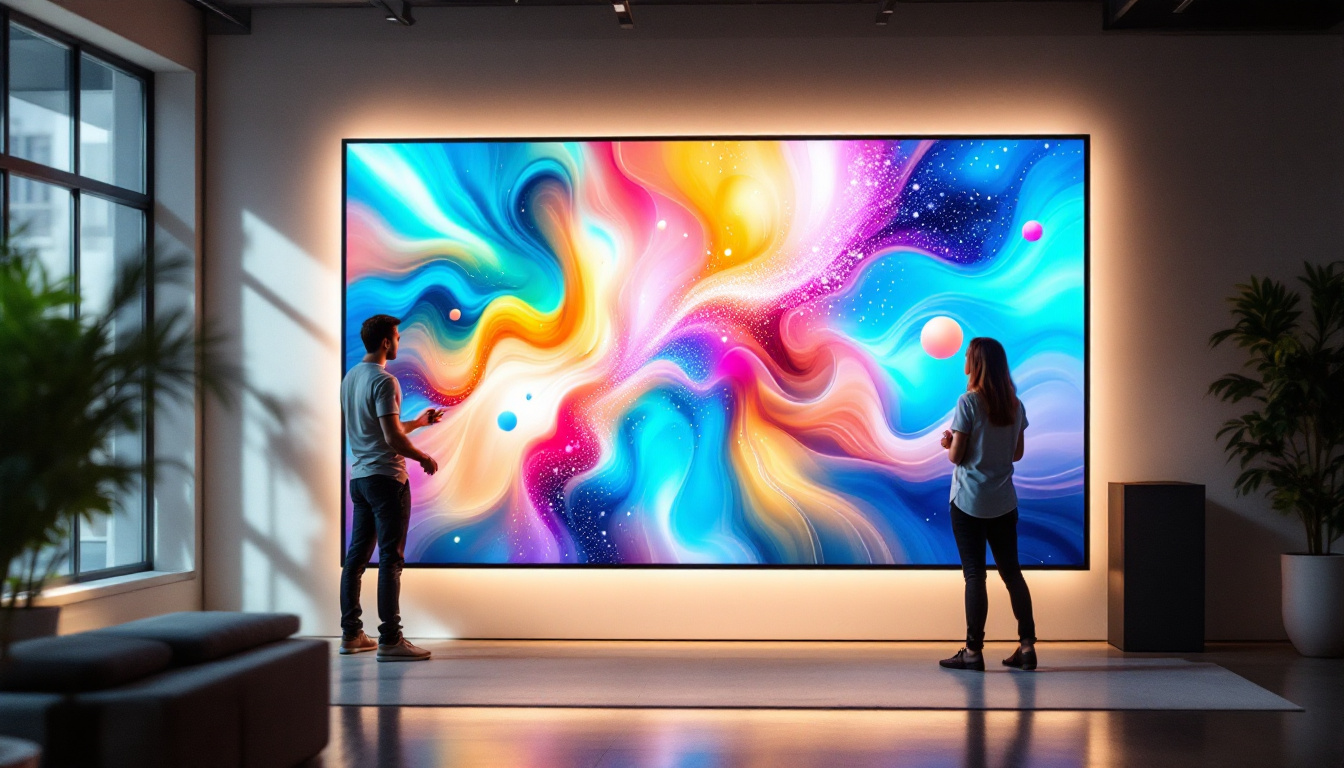
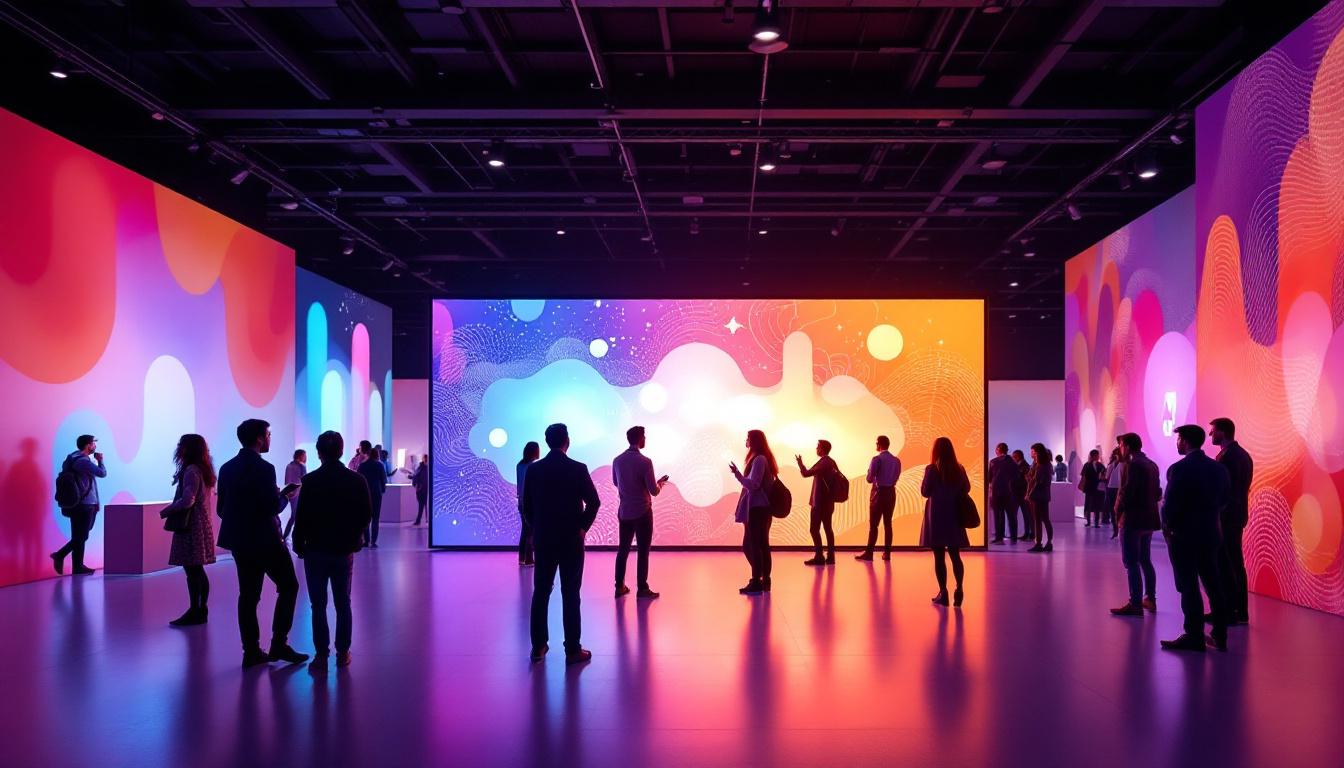
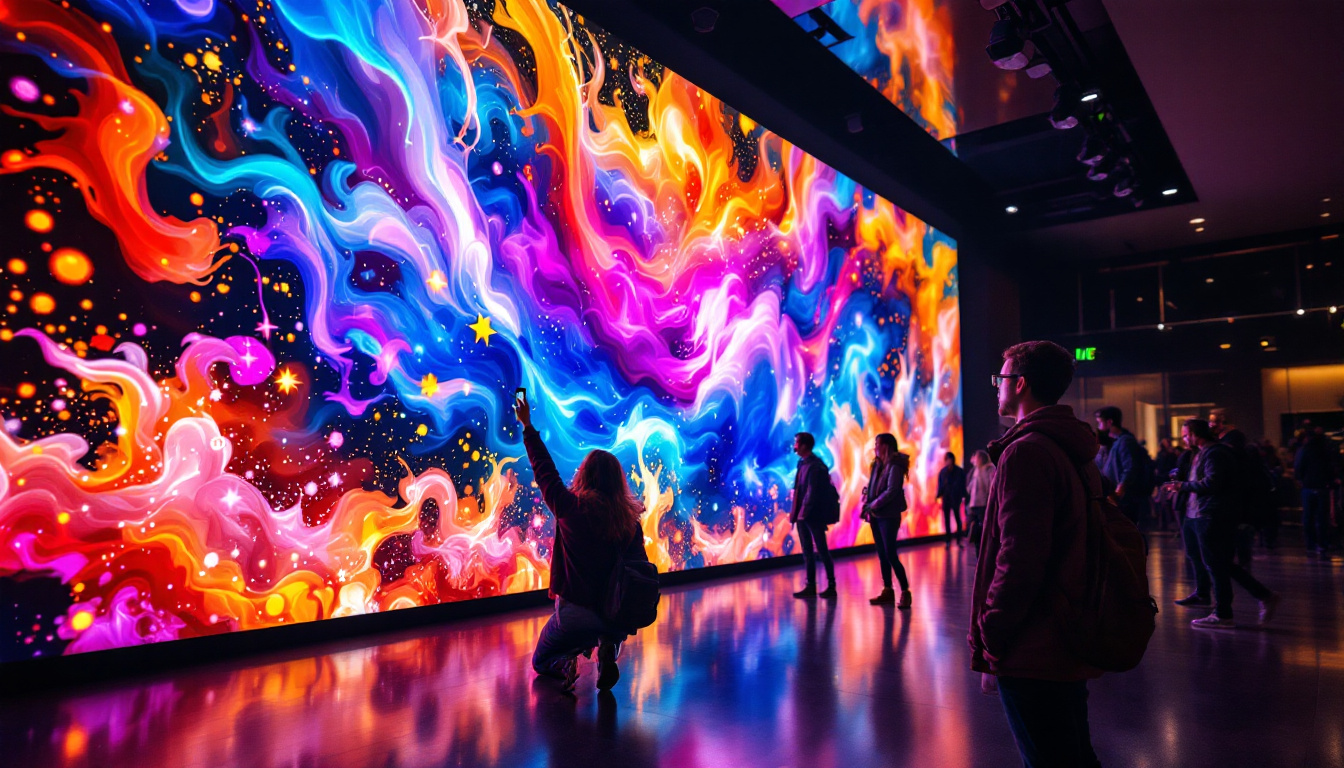
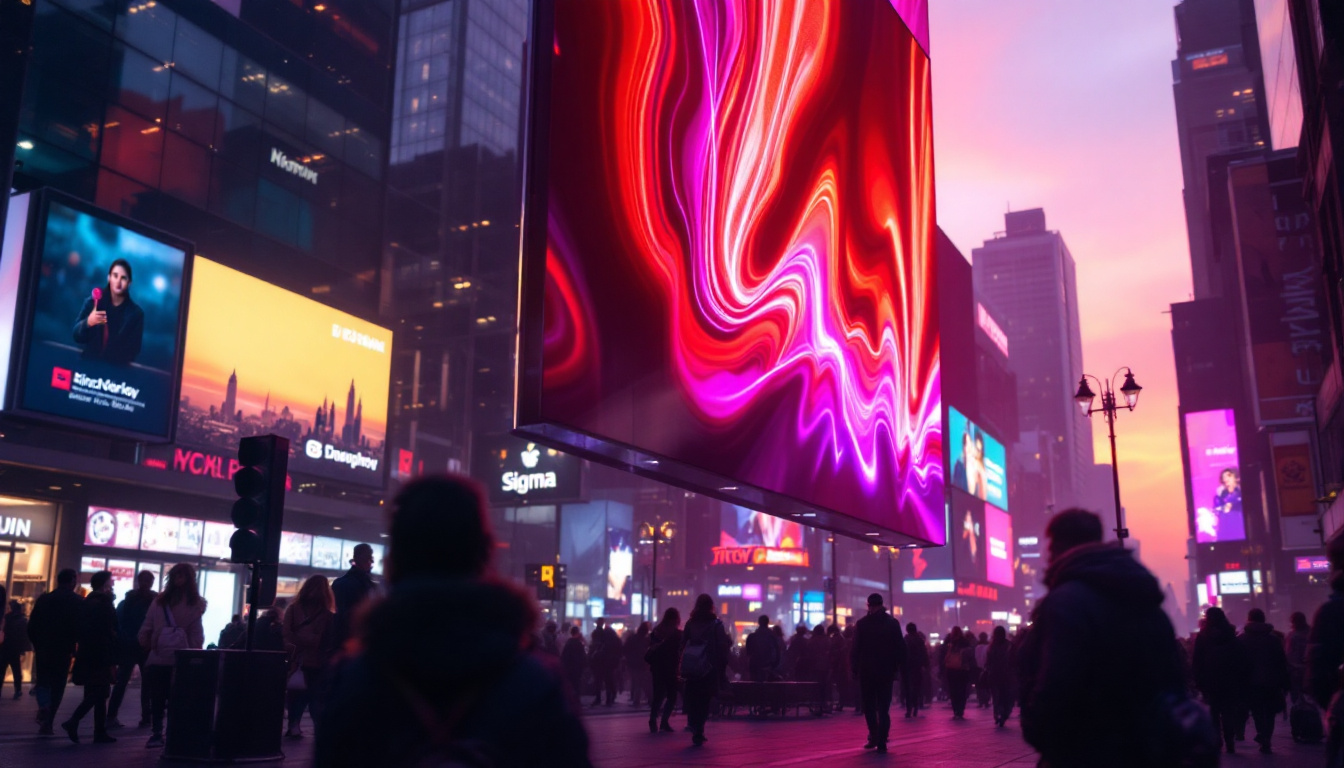
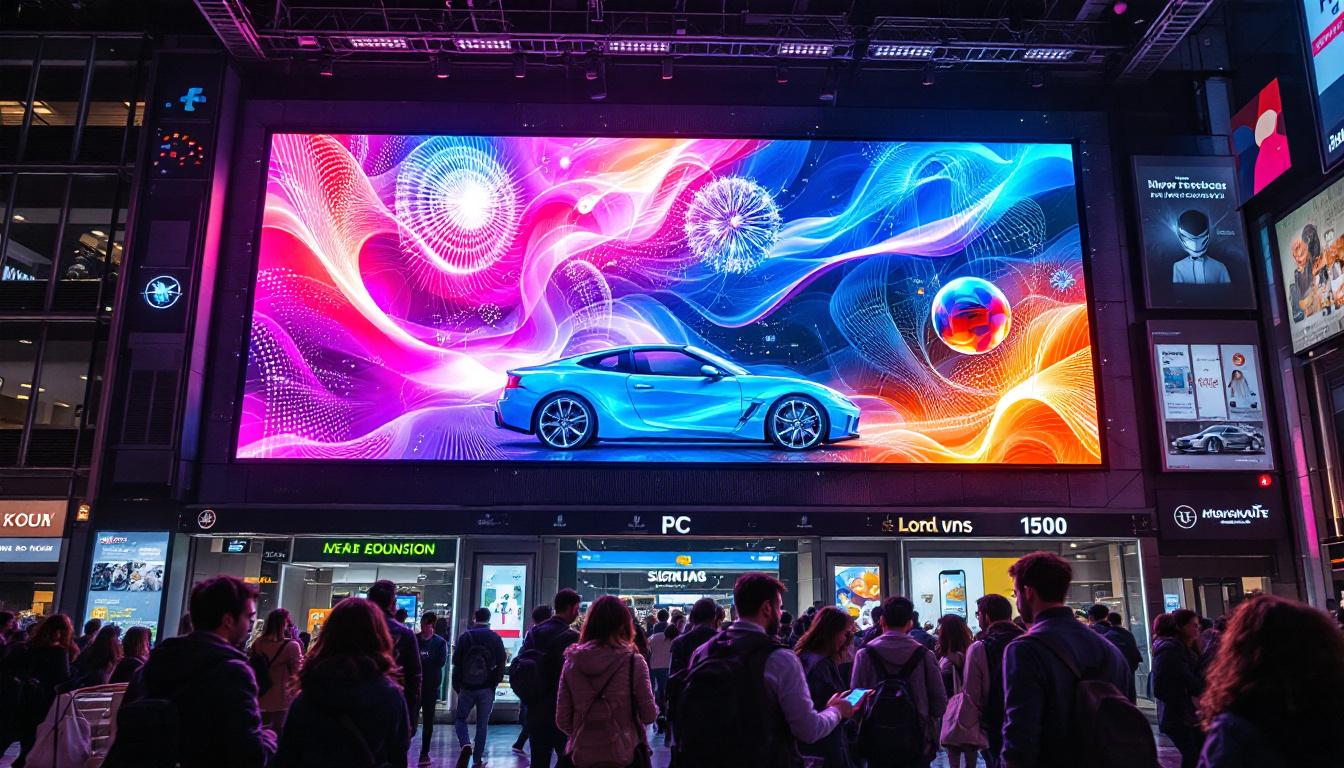
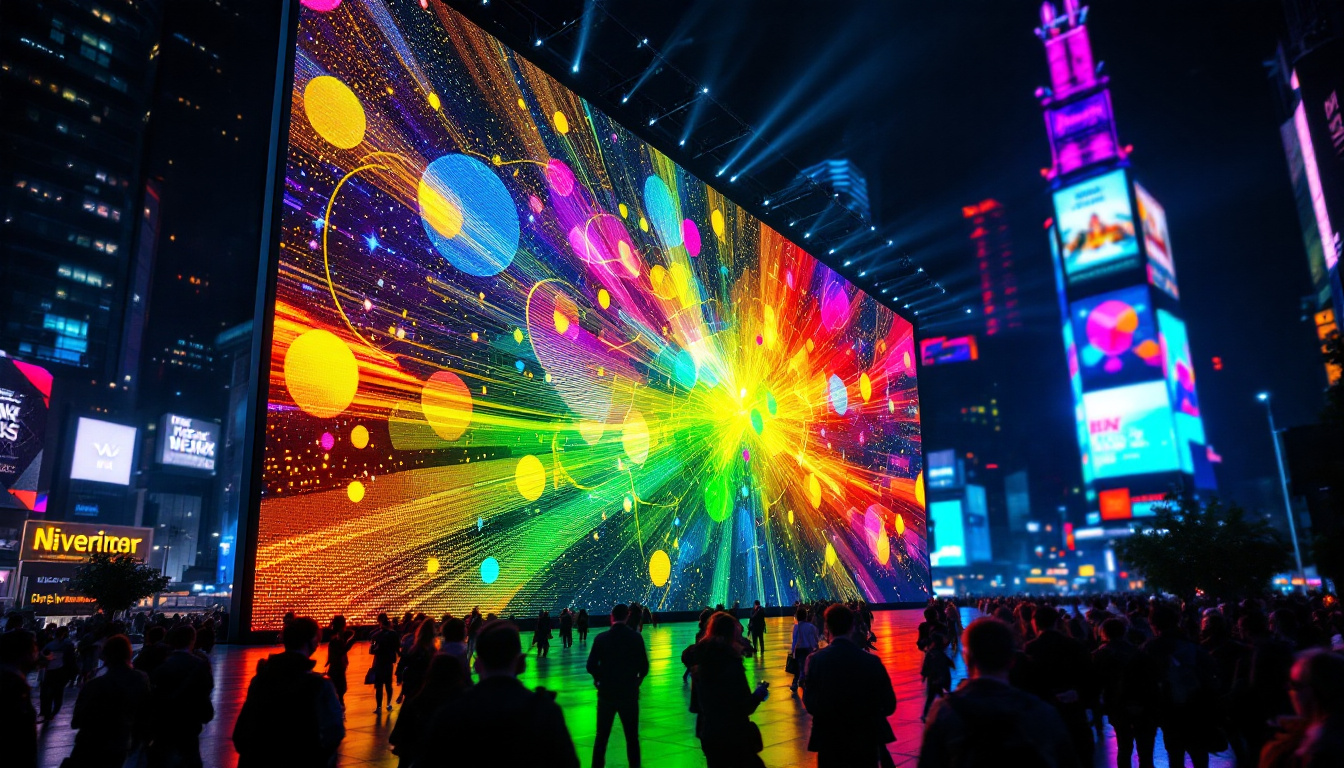
Because MicroLEDs are modular and can be assembled in various configurations, they offer unprecedented scalability. Manufacturers can create displays of virtually any size or shape, from small screens to massive video walls. This flexibility opens new possibilities for both consumer and commercial applications. For instance, businesses can utilize MicroLED technology to create stunning advertising displays that capture attention with their vibrant visuals and innovative designs. Homeowners, on the other hand, can customize their entertainment setups to fit their unique spaces, whether that means a sleek, minimalist design or a grand, multi-screen arrangement that transforms their living room into a cinematic experience. The potential for creativity with MicroLED technology is virtually limitless, making it an exciting option for those looking to enhance their visual environment.
Challenges and Limitations of MicroLED TVs
High Production Costs
Despite its advantages, MicroLED technology remains expensive to produce. The intricate manufacturing process, which involves precise placement of millions of microscopic LEDs, requires advanced equipment and significant time. As a result, MicroLED TVs currently command premium prices, limiting their accessibility to mainstream consumers.
Complex Manufacturing Process
The assembly of MicroLED displays is technically challenging. Ensuring that each tiny LED is correctly positioned and functions perfectly demands high precision. Any defects can affect the overall display quality, making quality control a critical and costly aspect of production.
Limited Availability
As of 2024, MicroLED TVs are still emerging in the consumer market. Only a few manufacturers offer MicroLED models, typically in large sizes and at high price points. This limited availability means that most consumers still rely on OLED and traditional LED TVs for their home entertainment needs.
The Future of MicroLED in the TV Market
Growing Interest and Investment
Major electronics companies are investing heavily in MicroLED research and development. Industry leaders such as Samsung, Sony, and LG are actively exploring ways to scale production and reduce costs. This investment signals a strong belief in MicroLED’s potential to become a mainstream display technology.
Potential for Mass Adoption
As manufacturing techniques improve and economies of scale are achieved, prices are expected to decrease. Analysts predict that MicroLED TVs could become more affordable within the next five years, making them accessible to a broader audience. This shift could redefine the premium TV market, challenging OLED and QLED technologies.
Beyond TVs: Expanding Applications
MicroLED technology is not limited to televisions. Its scalability and superior performance make it suitable for various applications, including digital signage, augmented reality (AR) devices, wearable technology, and automotive displays. The versatility of MicroLED could lead to innovations across multiple industries.
Conclusion
MicroLED technology represents a significant leap forward in display innovation, combining the best qualities of LED and OLED while addressing their limitations. With unparalleled picture quality, brightness, and durability, MicroLED TVs promise an exceptional viewing experience. However, challenges related to production costs and manufacturing complexity currently restrict widespread adoption.
As the technology matures and becomes more affordable, MicroLED is poised to transform the television landscape and beyond. For consumers seeking the pinnacle of display performance today, MicroLED TVs offer a glimpse into the future of home entertainment.
Discover the Future of Visual Experience with LumenMatrix
Ready to embrace the future of display technology and elevate your visual experience? LumenMatrix is at the forefront of LED innovation, offering a wide array of LED display solutions that bring your content to life. From Indoor and Outdoor LED Wall Displays to specialized options like Vehicle, Sports, and Floor LED Displays, our products are designed to captivate and engage. Whether you’re looking to enhance brand visibility or create immersive environments, LumenMatrix has the cutting-edge technology to make it happen. Check out LumenMatrix LED Display Solutions today and see how we can transform your space with clarity and impact.