In the rapidly evolving world of display technology, Mini LED screens have emerged as a groundbreaking innovation. Offering a remarkable blend of brightness, contrast, and energy efficiency, Mini LED displays are transforming how consumers and industries experience visual content. This article delves into the fundamentals of Mini LED technology, its advantages over traditional displays, and its applications across various sectors.
Understanding Mini LED Technology
What Is a Mini LED Screen?
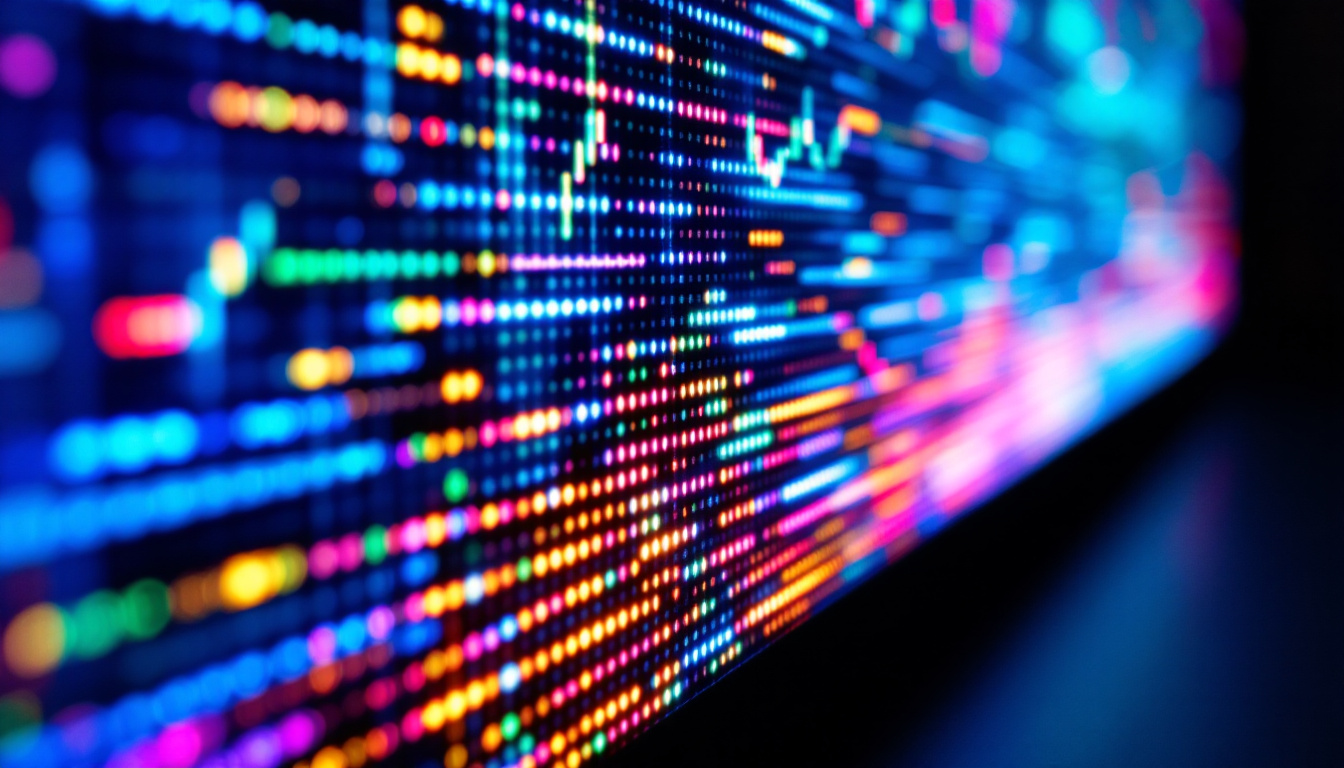
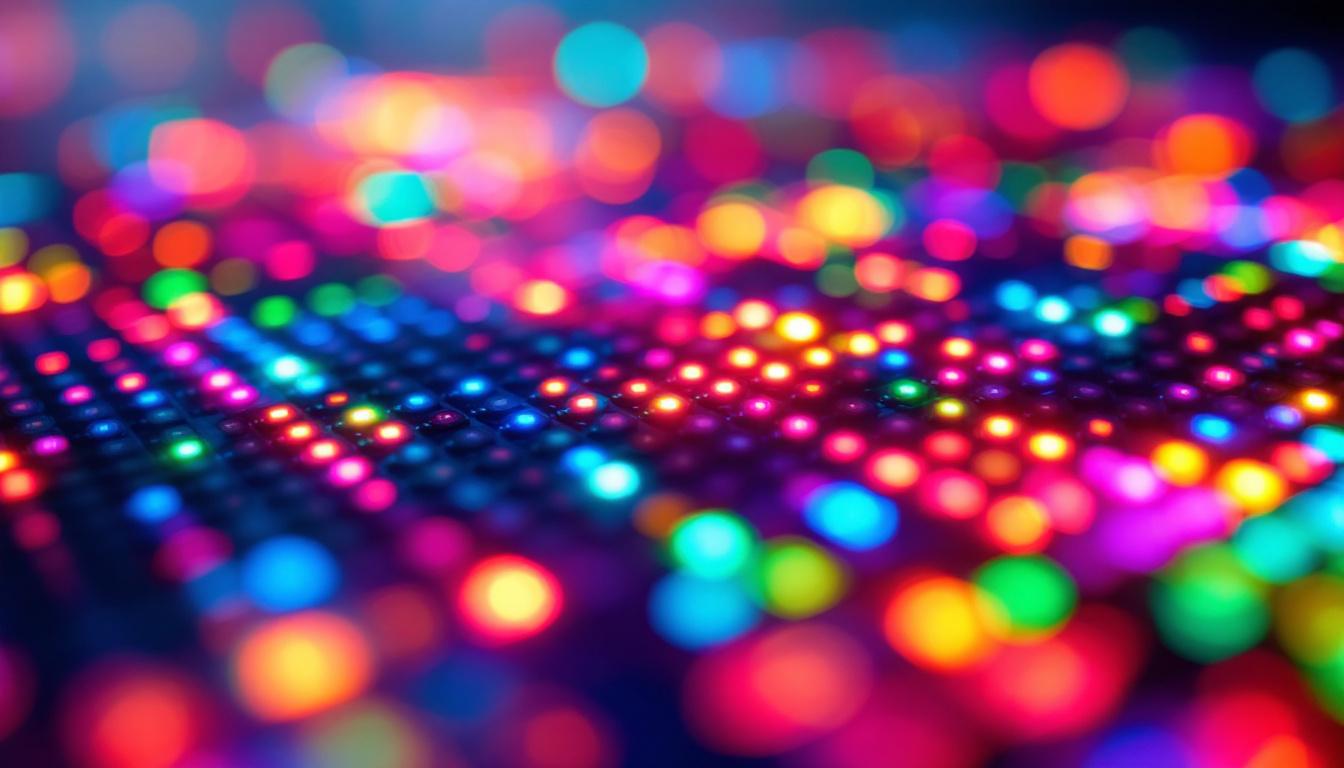
Mini LED technology refers to a type of backlighting used primarily in LCD displays, where thousands of tiny LEDs—each significantly smaller than traditional LEDs—are employed to illuminate the screen. Unlike conventional LED displays that use hundreds of LEDs, Mini LED screens utilize thousands to tens of thousands of these miniature diodes, enabling more precise control over brightness and contrast.
To put it into perspective, while a typical LED backlight might have a few hundred LEDs, Mini LED panels can contain over 10,000 LEDs. Each LED is about 100 to 200 micrometers in size, which is roughly 10 to 20 times smaller than standard LEDs. This miniaturization allows for a much higher density of LEDs behind the screen, which directly impacts image quality. The result is a display that can achieve deeper blacks and brighter highlights, creating a more dynamic range of colors and a more immersive viewing experience. This technology is particularly beneficial for high-definition content, where the nuances of light and shadow can dramatically enhance the overall visual narrative.
Moreover, the compact nature of Mini LEDs also contributes to thinner and lighter display designs, making them ideal for modern televisions, laptops, and monitors that prioritize aesthetics alongside performance. As manufacturers continue to innovate, we can expect to see Mini LED technology becoming more prevalent across various devices, pushing the boundaries of what we consider standard in display technology.
How Does Mini LED Differ from Micro LED and OLED?
Mini LED is often confused with Micro LED and OLED, but these are distinct technologies. Micro LED involves even smaller LEDs—on the order of micrometers—that act as individual pixels, eliminating the need for a backlight. OLED (Organic Light Emitting Diode), on the other hand, uses organic compounds that emit light when electrically stimulated, allowing for self-emissive pixels. This self-emissive nature of OLED means that each pixel can turn off completely, achieving true black levels that Mini LED technology, despite its advancements, cannot match.
Mini LED remains a backlighting technology for LCD panels, enhancing traditional LCDs by providing localized dimming zones that improve contrast and black levels. This hybrid approach leverages the maturity and cost-effectiveness of LCD manufacturing while significantly boosting performance. Additionally, Mini LED displays can often be more affordable than OLED screens, making them an attractive option for consumers seeking high-quality visuals without the premium price tag. As the technology continues to evolve, we may see further enhancements in energy efficiency and color accuracy, solidifying Mini LED’s position in the competitive landscape of display technologies.
Key Advantages of Mini LED Displays
Superior Contrast and Black Levels
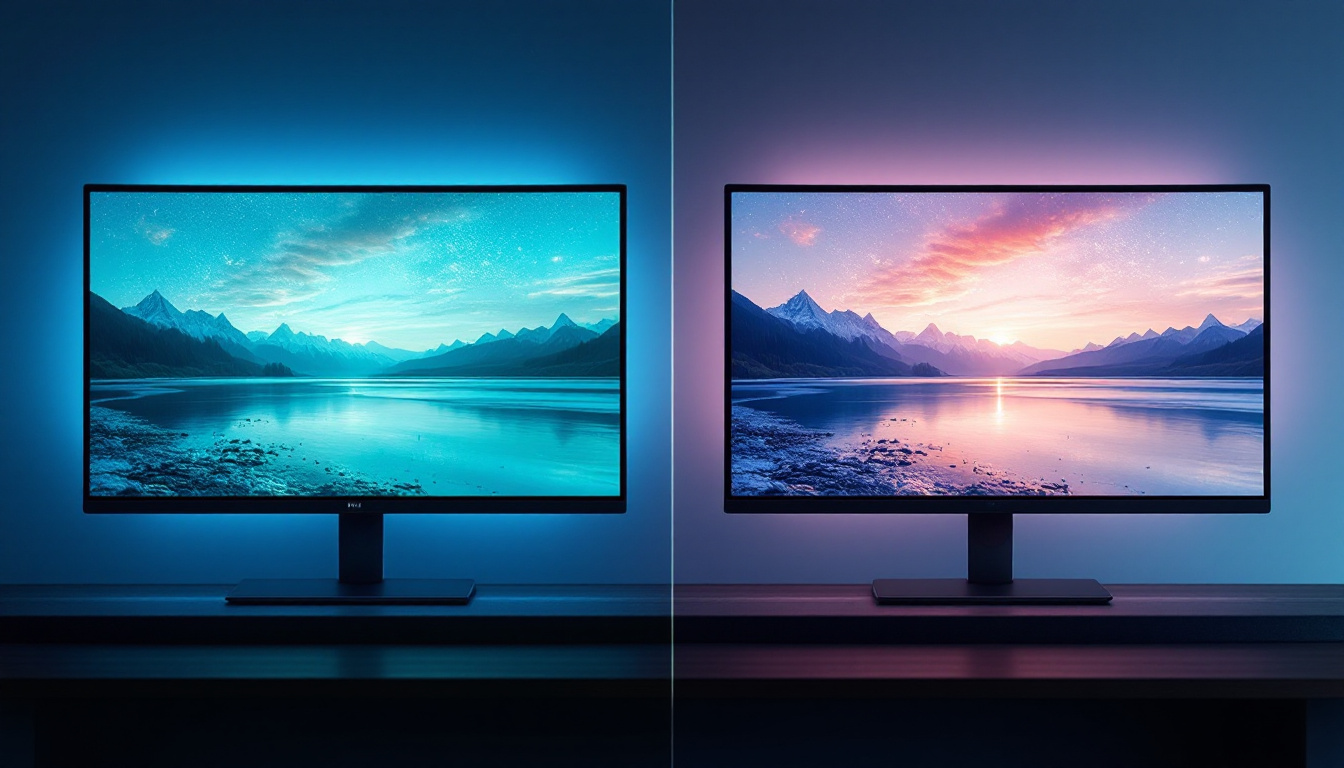
One of the most notable benefits of Mini LED technology is its ability to deliver superior contrast ratios. Because Mini LED backlights contain thousands of individually controllable LEDs, the display can implement advanced local dimming techniques. This means that dark areas of the screen can be dimmed or turned off without affecting the bright parts, resulting in deeper blacks and more vibrant colors.
For example, traditional LED-backlit LCDs might have 100 to 200 dimming zones, but Mini LED displays can have 1,000 or more zones. This granularity drastically reduces the halo effect seen in older displays, where bright objects bleed into dark backgrounds. The result is a more immersive viewing experience, particularly for cinematic content where shadow detail is crucial. Whether you’re watching a suspenseful thriller or an action-packed blockbuster, the enhanced contrast makes every scene pop, drawing viewers deeper into the narrative.
Enhanced Brightness and HDR Performance
Mini LED displays are capable of achieving higher peak brightness levels than OLEDs and standard LED LCDs. This makes them particularly well-suited for high dynamic range (HDR) content, where bright highlights and subtle shadow details coexist. Many Mini LED TVs and monitors can reach peak brightness levels exceeding 1,000 nits, with some models hitting 2,000 nits or more.
This exceptional brightness ensures that HDR content looks more lifelike and immersive, especially in well-lit environments where screen glare can be an issue. The ability to display a broader range of colors and luminance levels means that viewers can experience the full spectrum of artistic intent, from the brightest highlights in a sunlit scene to the darkest corners of a dimly lit room. This capability is particularly beneficial for gamers and content creators who rely on accurate color representation and dynamic range to enhance their work.
Improved Energy Efficiency and Longevity
Because Mini LEDs can be individually controlled and dimmed, they consume less power than traditional LED backlights that illuminate the entire screen uniformly. This localized dimming capability means that power is only used where necessary, enhancing energy efficiency. The technology not only reduces electricity costs for consumers but also contributes to a smaller carbon footprint, making it a more environmentally friendly option.
Additionally, Mini LEDs tend to have longer lifespans compared to OLED displays, which can suffer from burn-in and degradation over time. This makes Mini LED an attractive option for applications requiring long-term reliability, such as commercial displays and professional monitors. The durability of Mini LED technology means that businesses can invest in displays that will maintain their performance over years of continuous use, reducing the need for frequent replacements and the associated costs. Furthermore, the resilience of Mini LED displays makes them ideal for various environments, from bustling retail spaces to high-end home theaters, ensuring that they deliver consistent quality regardless of the setting.
Applications of Mini LED Displays
Consumer Electronics: TVs and Monitors
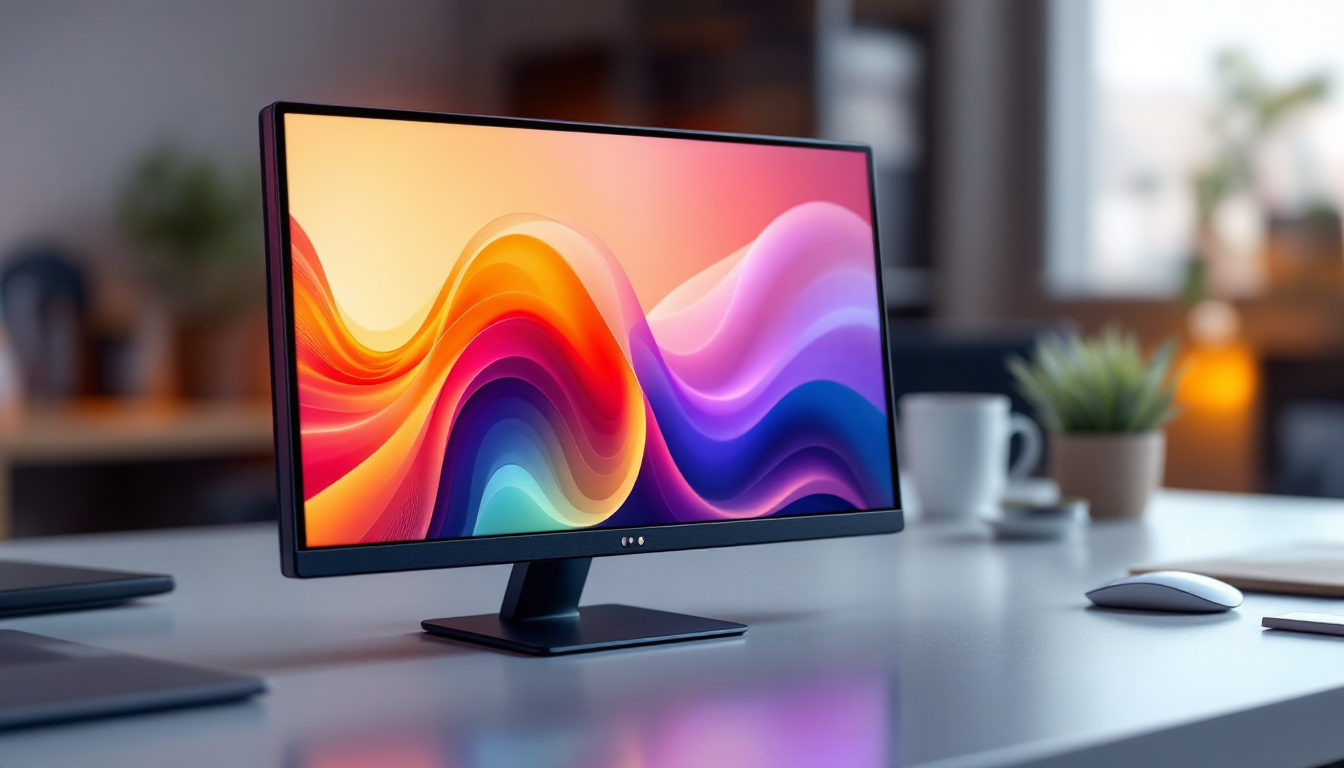
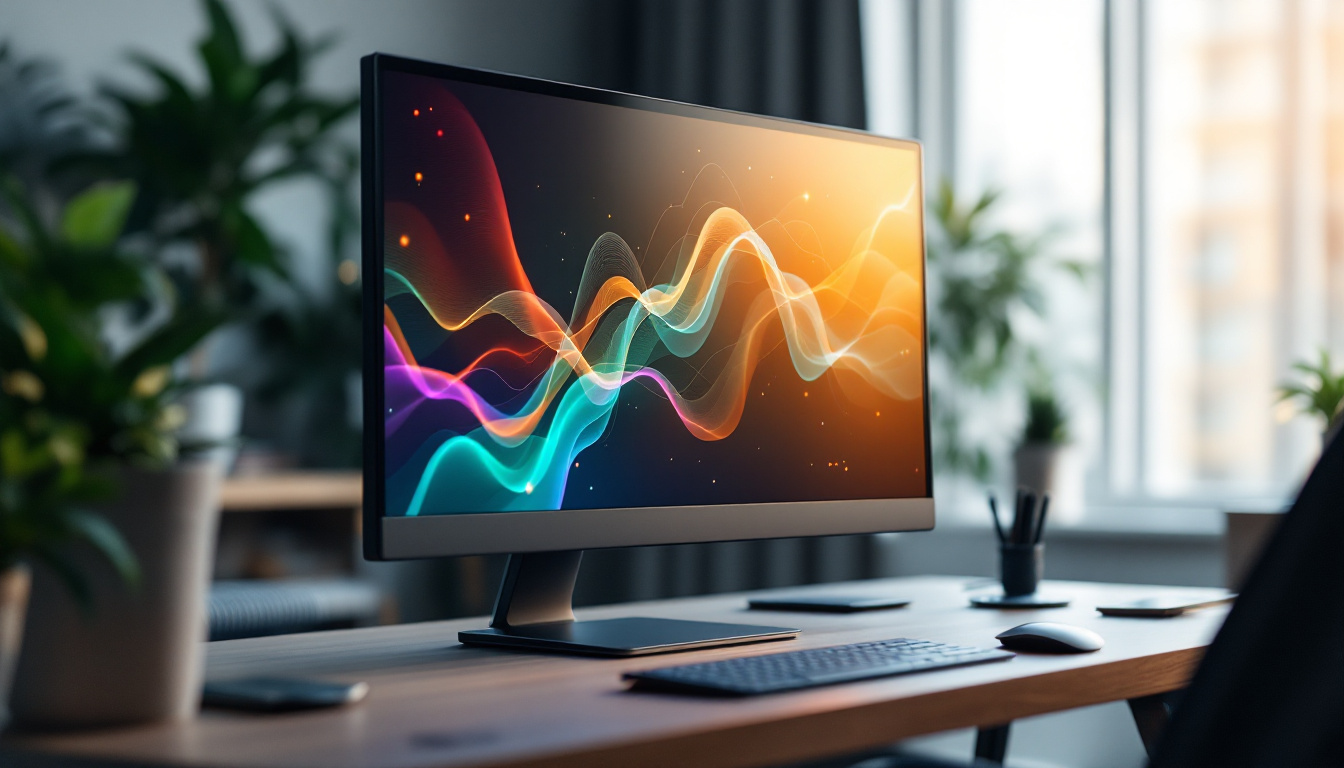
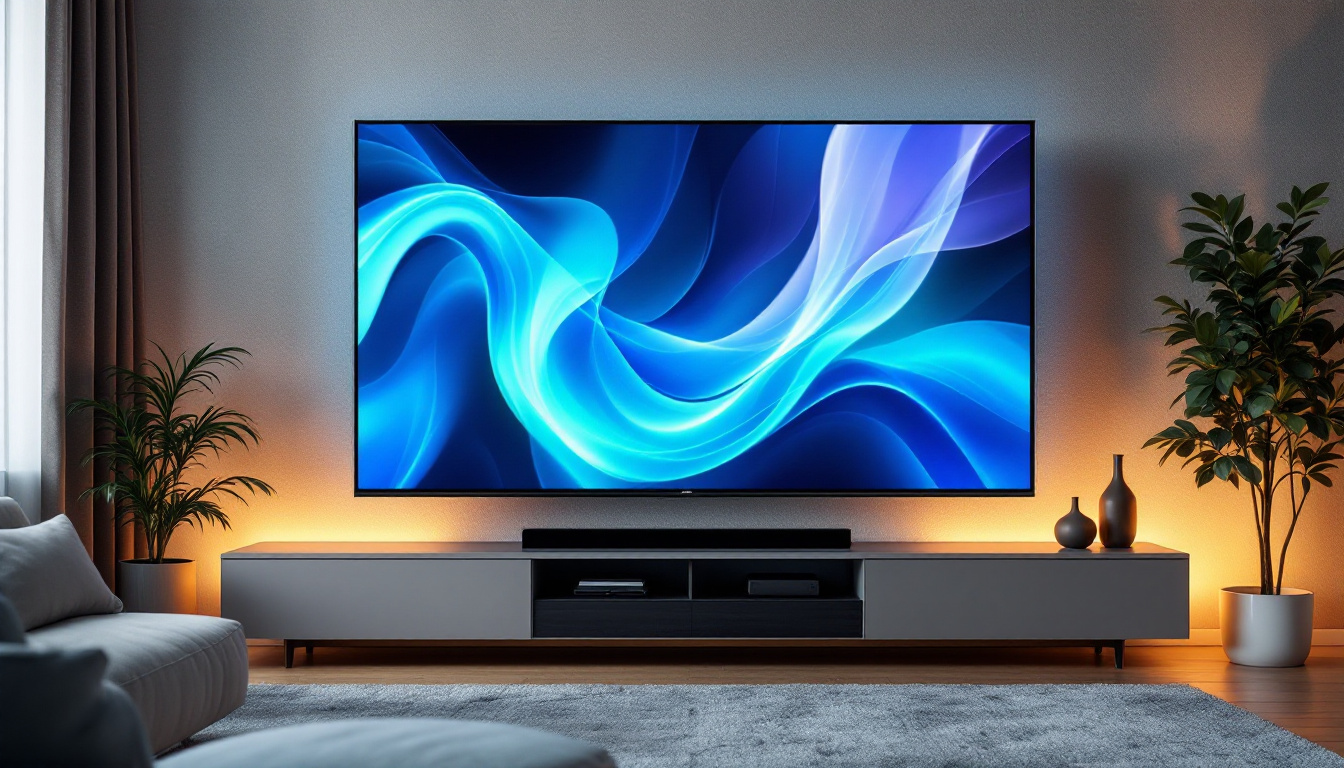
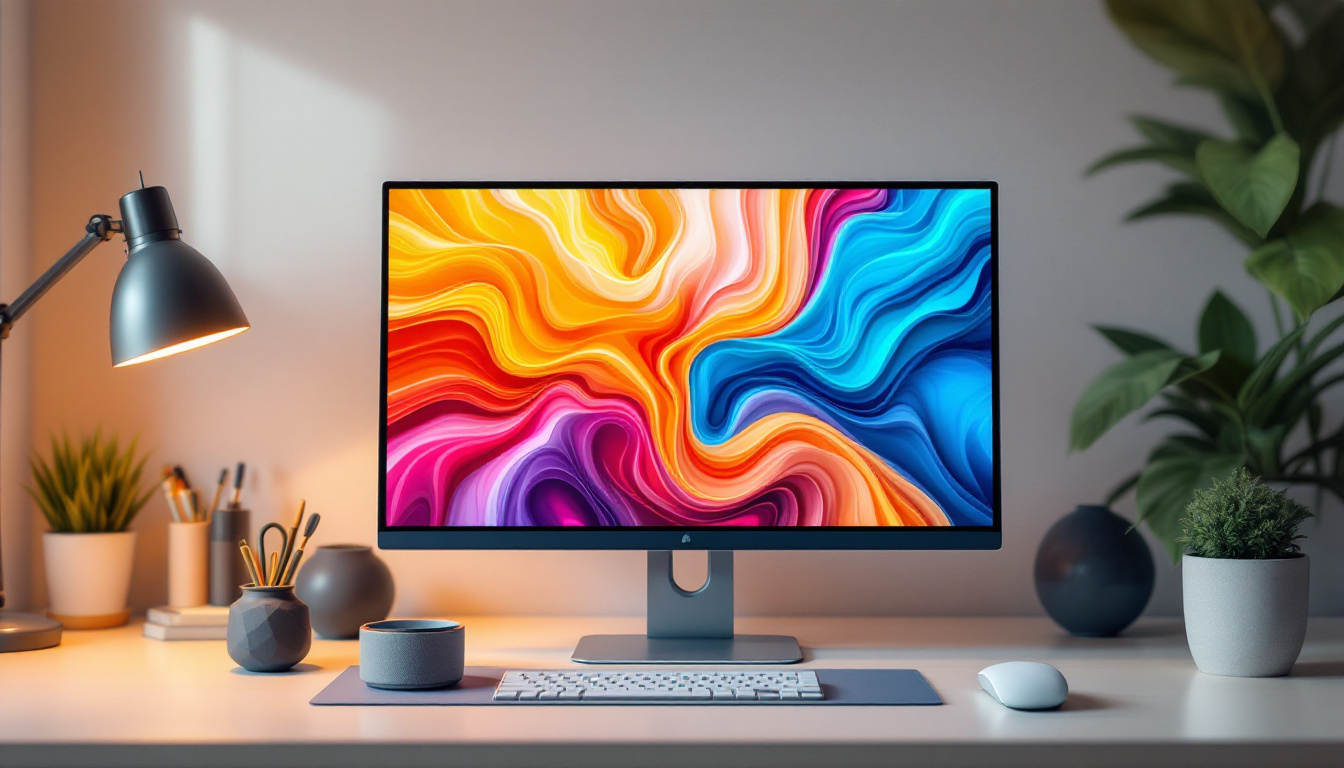
Mini LED technology has gained significant traction in the consumer electronics market, particularly in premium TVs and computer monitors. Leading manufacturers have incorporated Mini LED backlighting to offer superior picture quality without the premium price tag associated with OLED panels.
For instance, some of the latest 4K and 8K TVs from major brands feature Mini LED technology, delivering stunning HDR performance and improved contrast. Similarly, high-end gaming monitors benefit from Mini LED’s fast response times and vivid color reproduction, providing an immersive gaming experience.
Professional and Commercial Displays
In professional environments such as video editing, medical imaging, and design, color accuracy and contrast are paramount. Mini LED displays provide the precision required for these tasks, ensuring that visuals are rendered with exceptional clarity and detail.
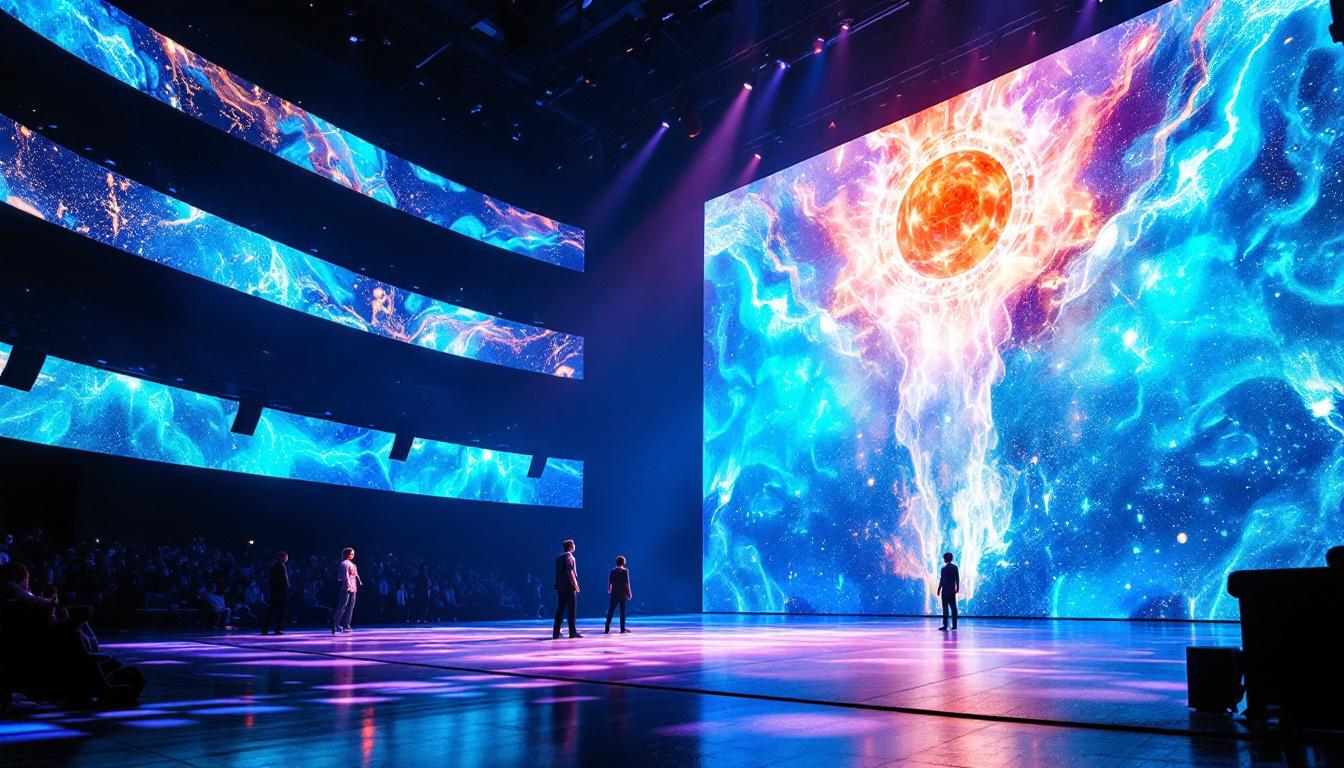
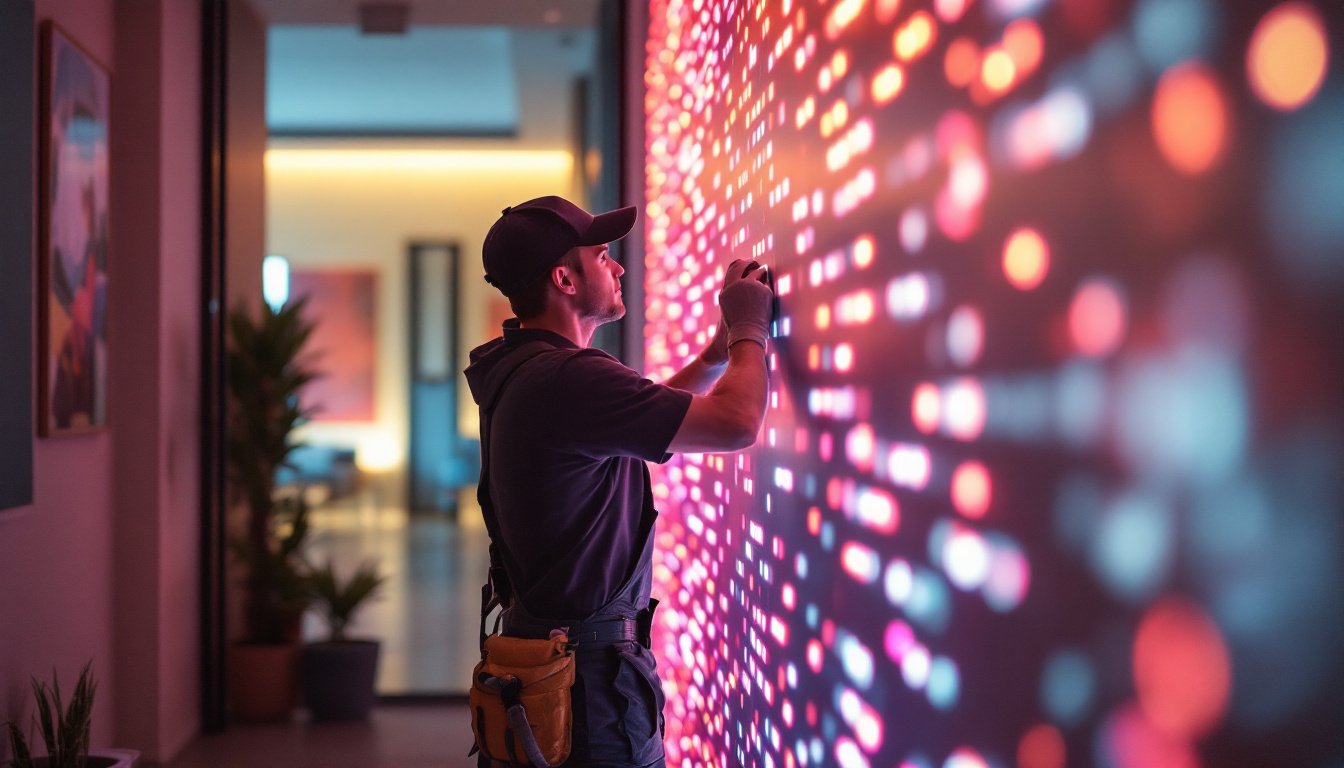
Moreover, commercial applications like digital signage, control rooms, and broadcast studios leverage Mini LED technology to deliver bright, eye-catching images that remain visible under various lighting conditions.
Automotive and Portable Devices
Mini LED technology is also making inroads into automotive displays and portable devices. Car dashboards and infotainment systems benefit from Mini LED’s brightness and durability, ensuring visibility even in direct sunlight. In tablets and laptops, Mini LED backlighting enhances display quality while maintaining battery efficiency.
Challenges and Considerations
Manufacturing Complexity and Cost
Despite its advantages, Mini LED technology presents manufacturing challenges. The process of integrating thousands of tiny LEDs into a backlight requires precise assembly and quality control, which can increase production costs. This complexity currently makes Mini LED displays more expensive than traditional LED LCDs, although costs are expected to decrease as the technology matures and scales.
Potential for Blooming and Halo Effects
While Mini LED reduces blooming compared to traditional LED backlights, it does not eliminate it entirely. Since Mini LEDs still illuminate zones rather than individual pixels, bright objects on dark backgrounds can sometimes produce a halo effect. However, this is significantly less pronounced than in conventional LED displays and continues to improve with advancements in local dimming algorithms.
Competition from Emerging Technologies
Mini LED faces competition from Micro LED and OLED technologies, each with its own strengths. OLED offers perfect blacks and wide viewing angles but suffers from burn-in and lower peak brightness. Micro LED promises the best of both worlds but remains prohibitively expensive and difficult to manufacture at scale. As such, Mini LED currently occupies a sweet spot in terms of performance, cost, and reliability.
The Future of Mini LED Displays
Integration with Quantum Dot Technology
Many Mini LED displays incorporate Quantum Dot layers to enhance color accuracy and brightness further. Quantum Dot technology uses nanocrystals to emit pure, saturated colors when illuminated by the Mini LED backlight, resulting in displays with wider color gamuts and improved color volume.
This combination has been embraced by manufacturers to produce displays that meet stringent standards such as Dolby Vision and HDR10+, appealing to both consumers and professionals.
Scaling and Adoption Trends
Market analysts predict that Mini LED adoption will grow rapidly in the coming years. According to a report by TrendForce, Mini LED shipments are expected to increase by over 50% annually through 2025, driven by demand in TVs, monitors, and mobile devices.
As production scales and costs decline, Mini LED is poised to become a mainstream display technology, offering a compelling alternative to OLED and traditional LED LCDs.
Potential Innovations
Research continues into further miniaturizing LEDs and improving backlight control algorithms. Future iterations of Mini LED displays may feature even higher dimming zone counts, better uniformity, and integration with AI-driven image processing to optimize picture quality dynamically.
Additionally, hybrid displays combining Mini LED with Micro LED or OLED elements could emerge, leveraging the strengths of each technology to push the boundaries of visual performance.
Conclusion
Mini LED display technology represents a significant advancement in the field of visual displays, bridging the gap between traditional LED LCDs and emerging self-emissive technologies like OLED and Micro LED. By employing thousands of tiny LEDs for backlighting, Mini LED screens deliver enhanced contrast, brightness, and energy efficiency, making them ideal for a wide range of applications from consumer electronics to professional and automotive displays.
While challenges such as manufacturing complexity and cost remain, ongoing innovations and growing market adoption suggest that Mini LED will play a pivotal role in the future of display technology. For consumers and professionals seeking high-quality, reliable displays with exceptional HDR performance, Mini LED offers a compelling solution that balances performance and value.
Discover LumenMatrix’s Advanced LED Display Solutions
As you consider the future of display technology and the exceptional capabilities of Mini LED, LumenMatrix stands at the forefront of this innovation. Our commitment to enhancing visual experiences is evident in our diverse range of LED display modules, from Indoor and Outdoor LED Walls to specialized solutions like Vehicle and Sports Displays. Embrace the cutting-edge of visual communication with LumenMatrix’s LED displays that promise to captivate your audience and amplify your message. Check out LumenMatrix LED Display Solutions and see how our technology can transform your space.