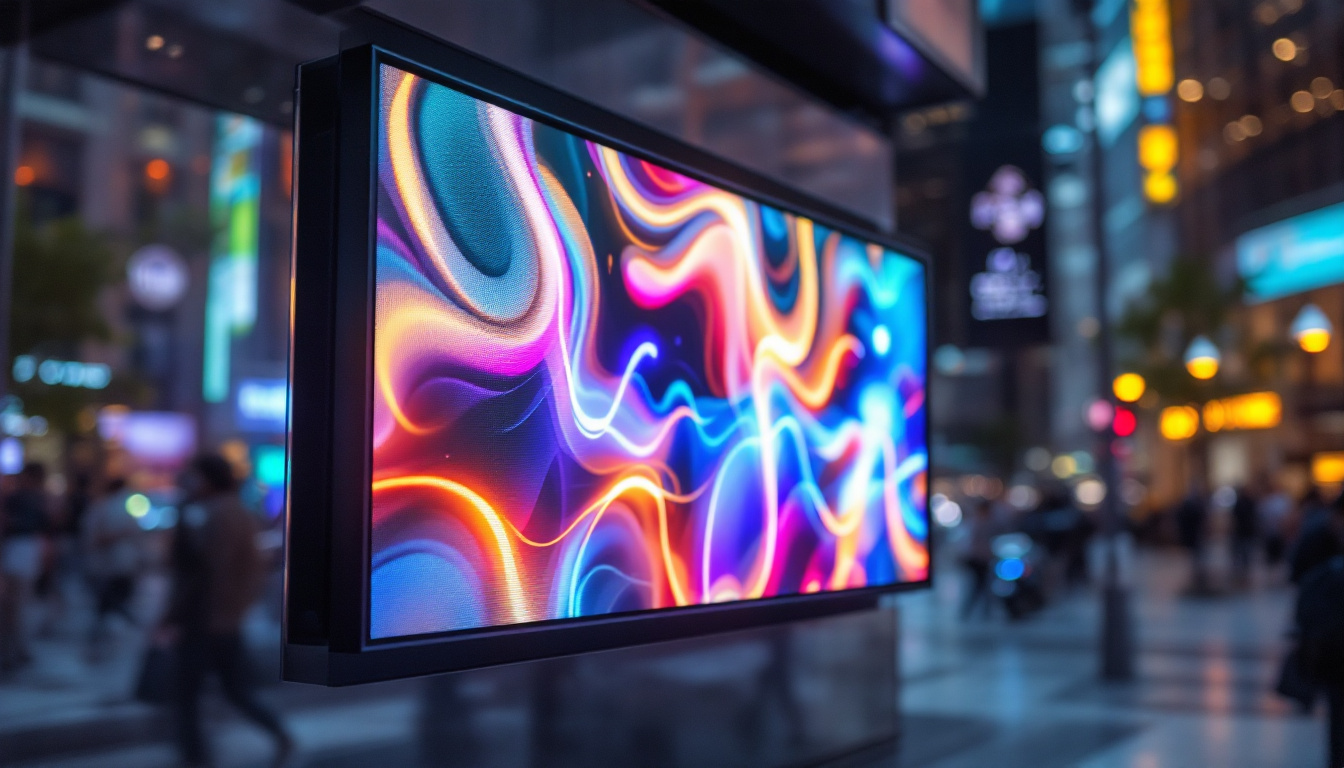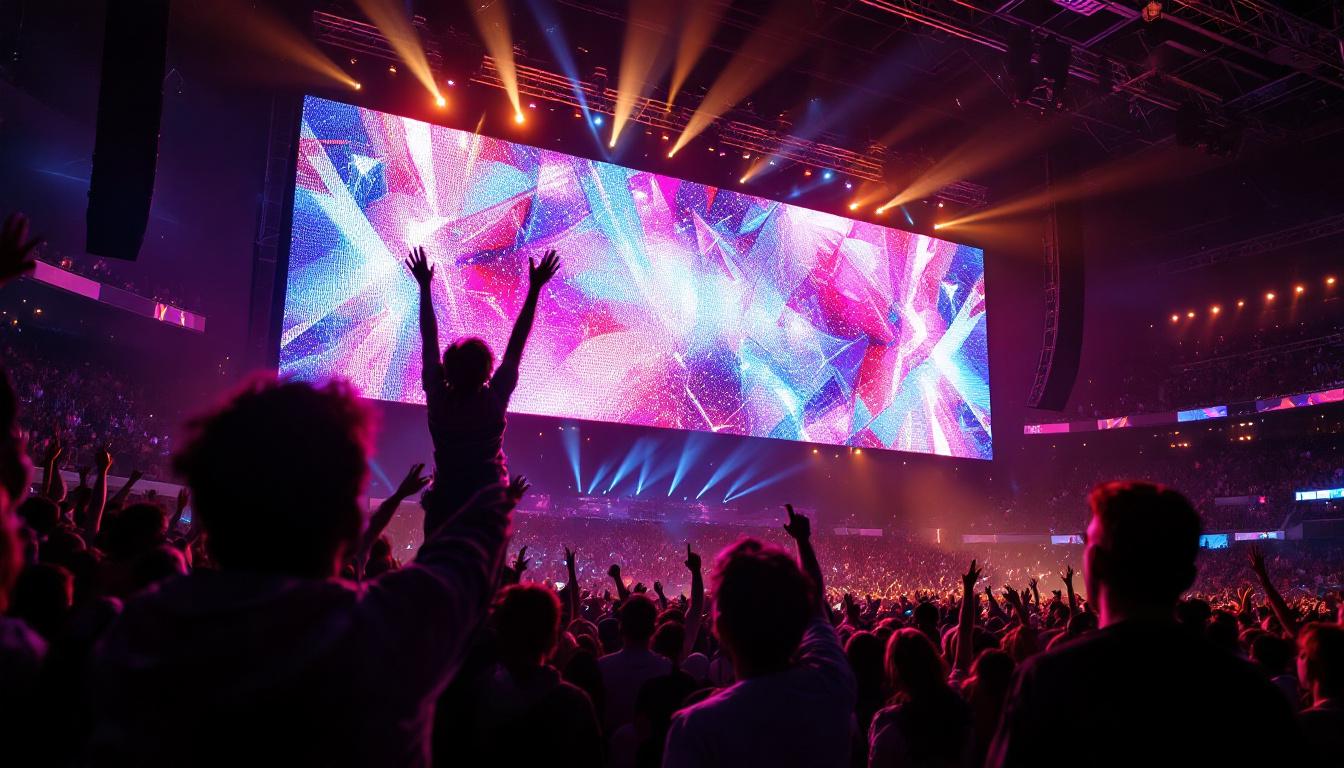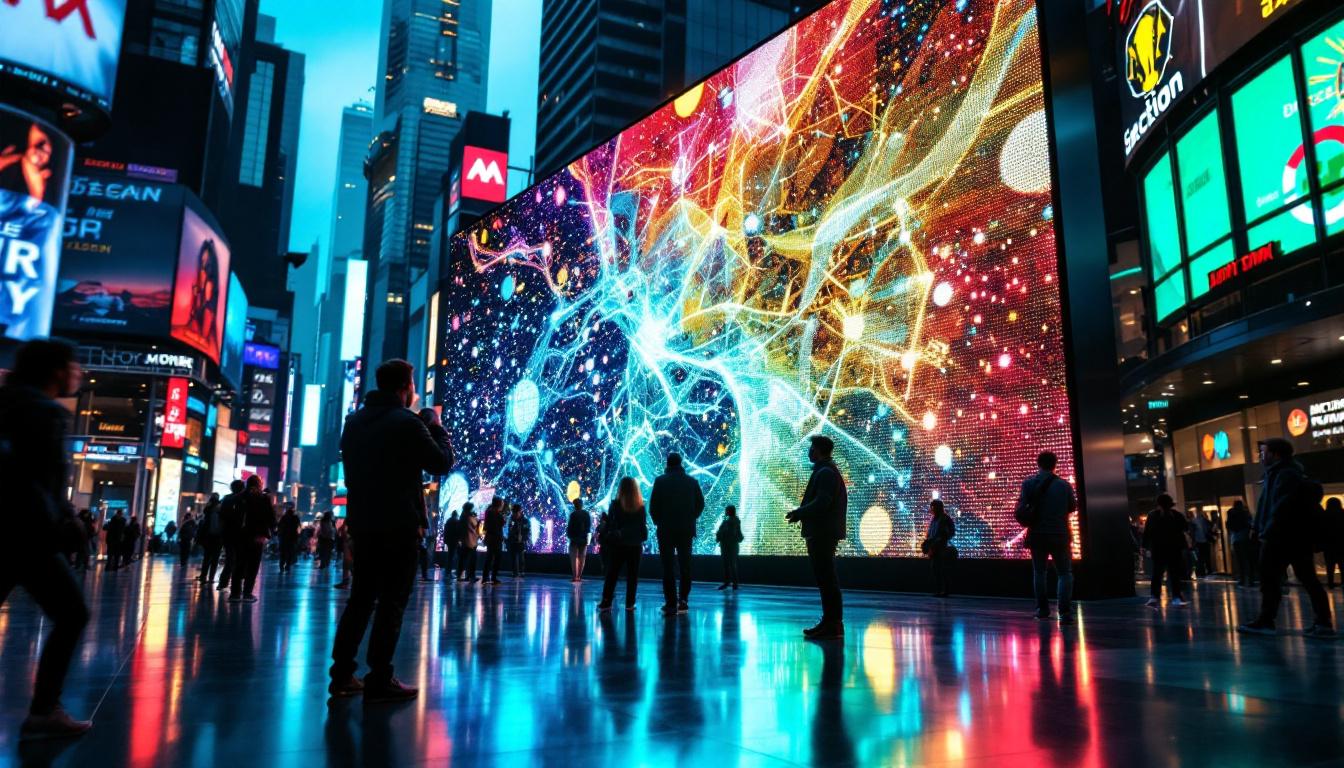
In the rapidly evolving world of digital signage and visual communication, modular LED displays have emerged as a leading technology. These displays are transforming how businesses, event organizers, and public spaces present dynamic content with vibrant colors, high brightness, and remarkable flexibility. This article delves into the fundamentals of modular LED displays, exploring their components, advantages, applications, and the technology that powers them.
Understanding Modular LED Displays
What Is a Modular LED Display?
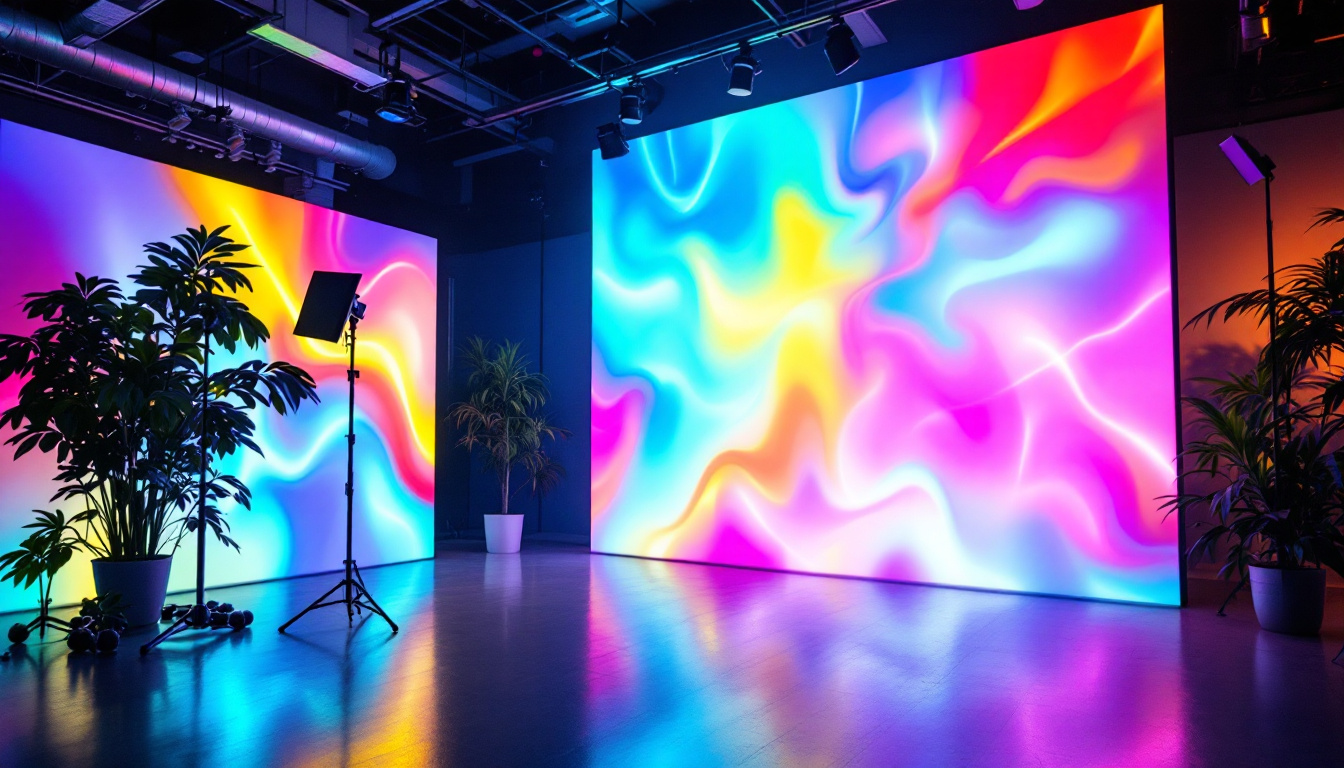
A modular LED display is a type of digital screen composed of individual LED panels or modules that can be assembled together to form a larger display surface. Each module contains numerous light-emitting diodes (LEDs) arranged in a grid, which work collectively to produce images, videos, or animations. The modular design allows for scalability, easy maintenance, and customization in size and shape.
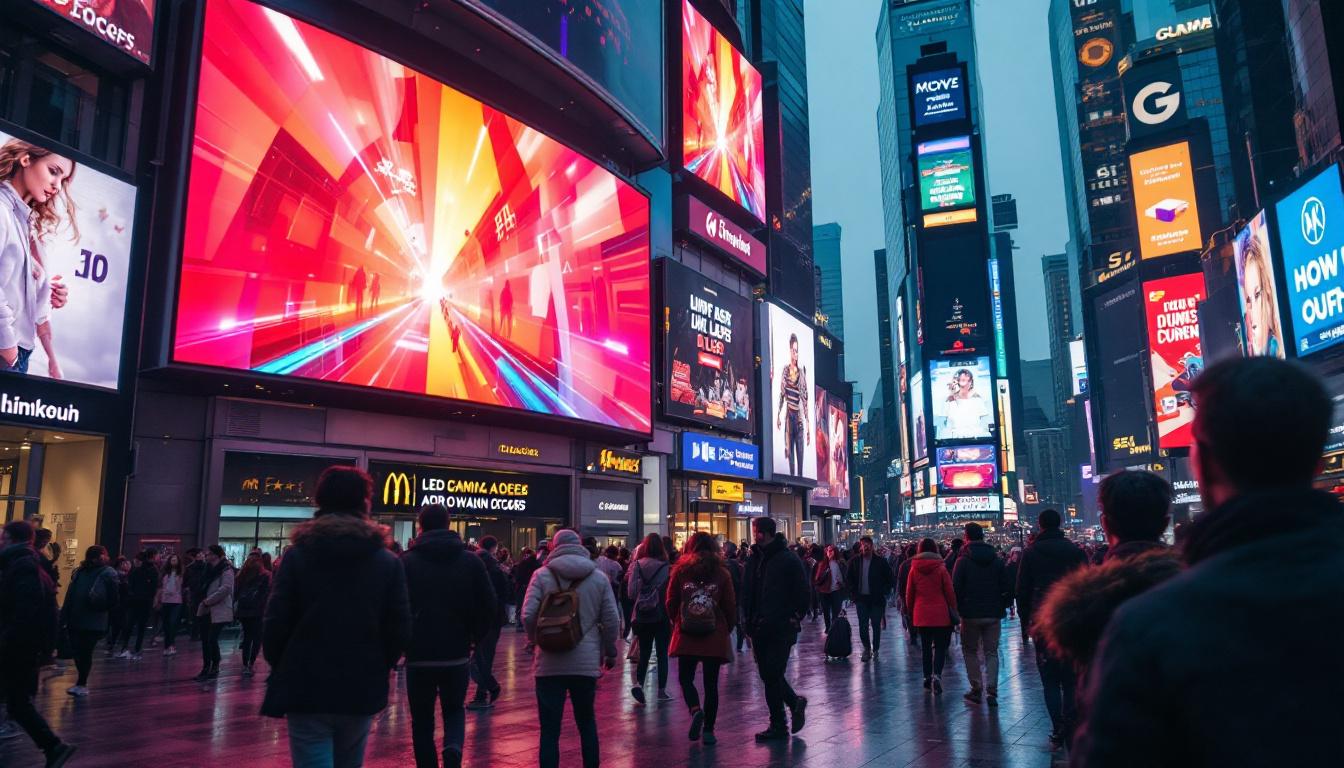
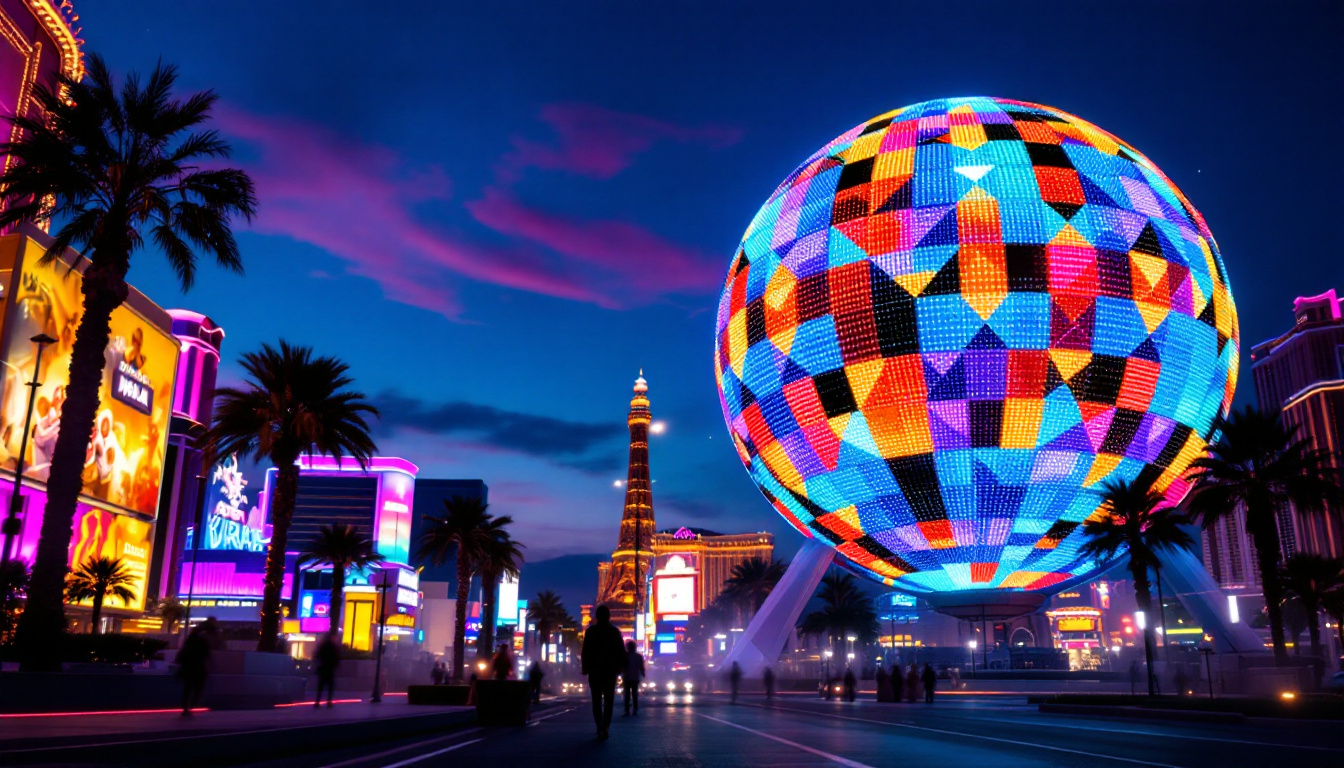
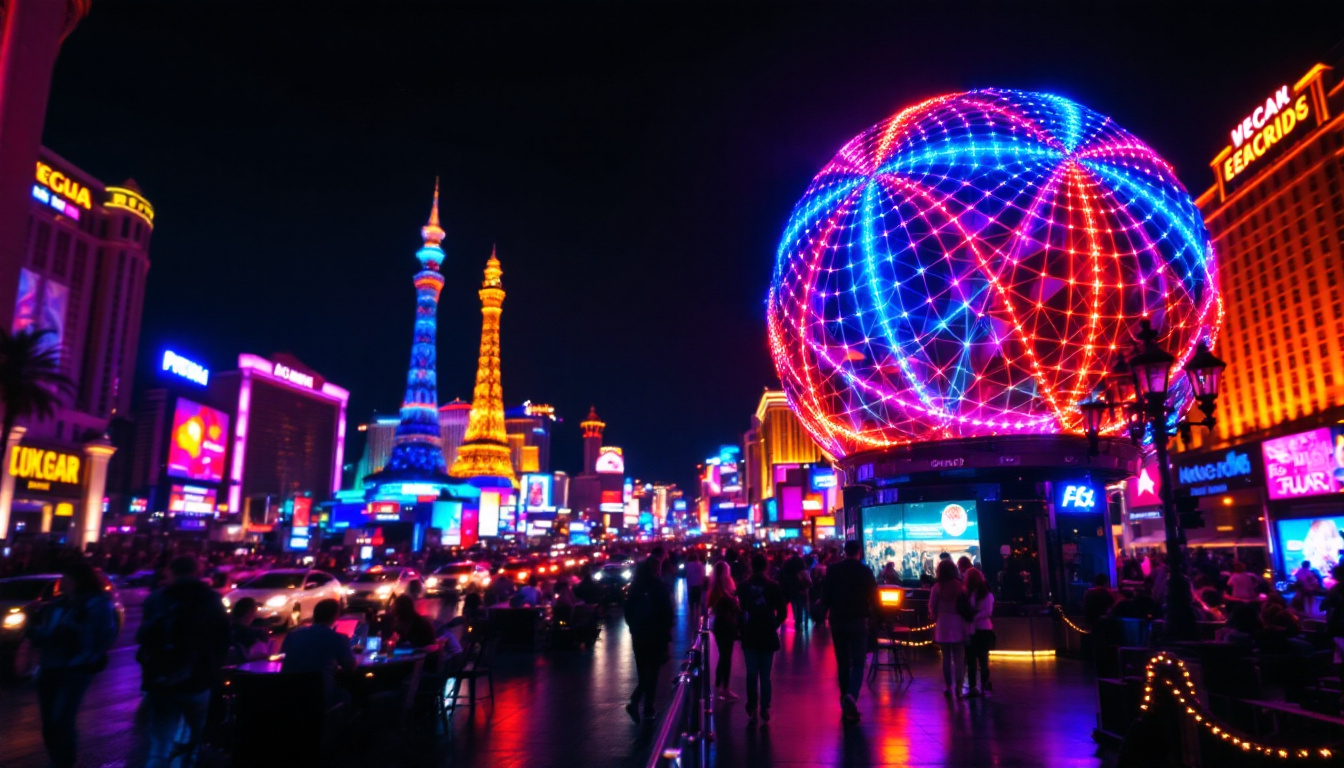
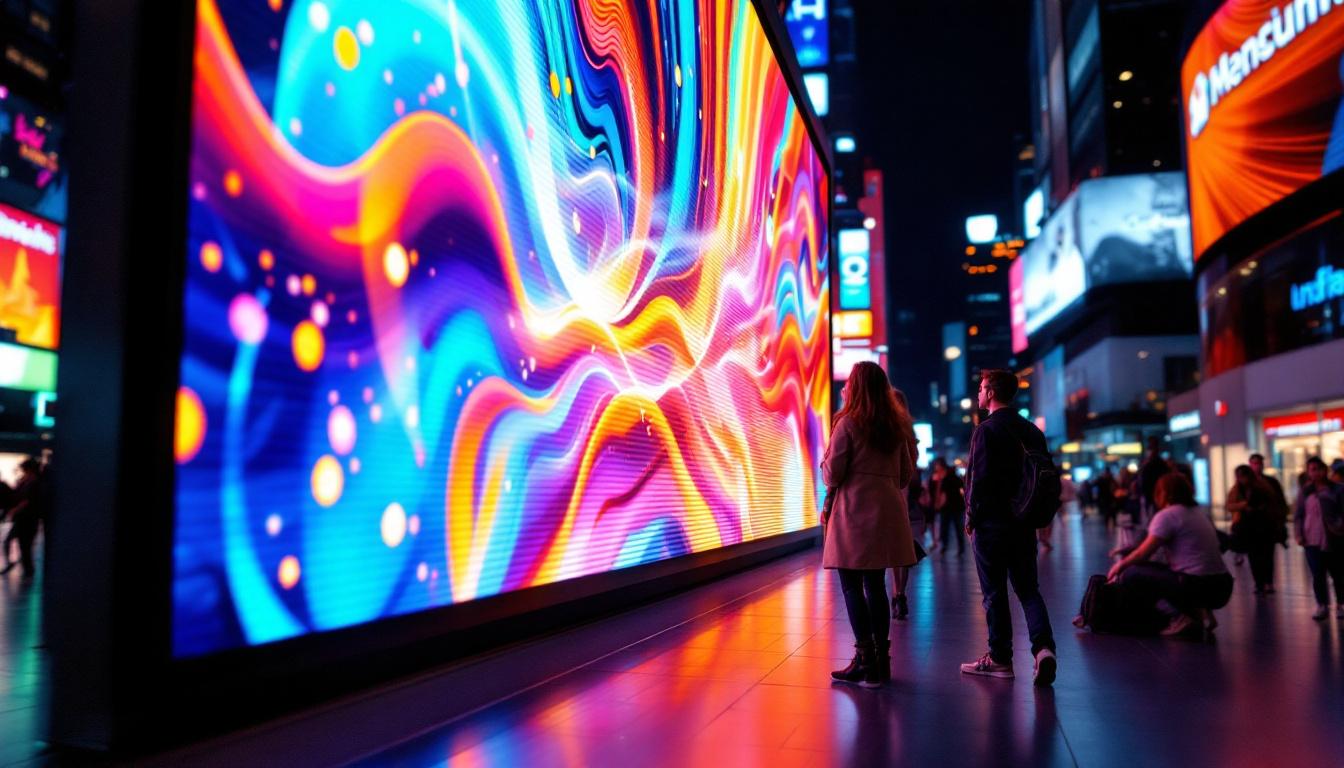
Unlike traditional fixed-size LED screens, modular displays offer unparalleled flexibility. Users can configure the display to fit specific spatial requirements, whether it’s a small indoor screen or a massive outdoor billboard. This adaptability makes modular LED displays suitable for a wide range of environments and applications. They are increasingly popular in venues such as shopping malls, sports arenas, and concert halls, where dynamic visual content can enhance the audience’s experience and engagement.
Key Components of a Modular LED Display
At the heart of every modular LED display are several essential components:
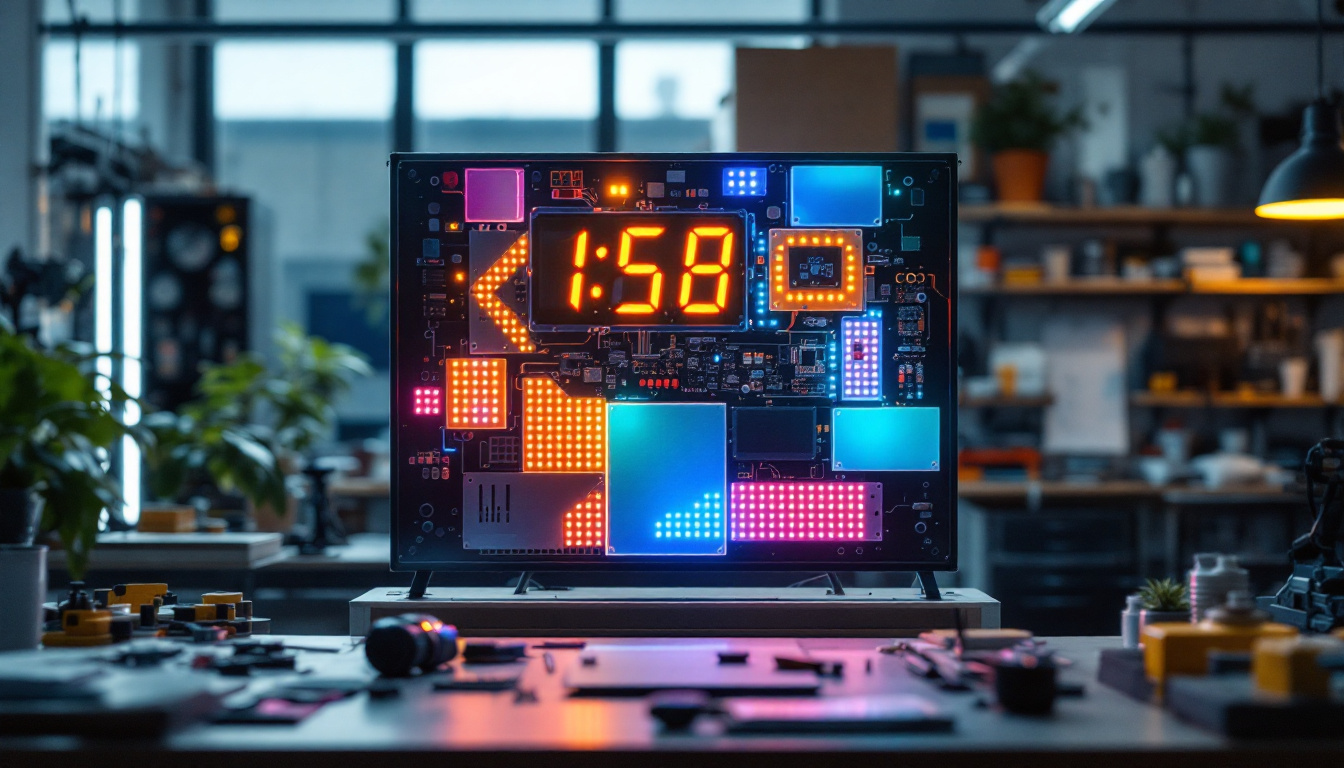
- LED Modules: These are the building blocks of the display, each containing a matrix of LEDs. Modules vary in pixel pitch, which determines the resolution and viewing distance.
- Cabinet Frames: These provide structural support and house the LED modules. Cabinets are designed for easy installation and alignment to ensure a seamless image.
- Control System: This includes the hardware and software responsible for managing the content displayed. It processes input signals and synchronizes the modules.
- Power Supply: LED displays require consistent and reliable power sources to maintain brightness and performance.
- Cooling System: High-brightness LEDs generate heat, so cooling mechanisms such as fans or heat sinks are integrated to maintain optimal operating temperatures.
In addition to these core components, the versatility of modular LED displays is further enhanced by advanced technologies such as wireless connectivity and cloud-based content management systems. These innovations allow for real-time updates and remote management, making it easier for businesses to adapt their messaging on the fly. For instance, a retail store can instantly change promotional content based on customer traffic patterns or seasonal trends, maximizing their marketing impact.
Moreover, the integration of smart features, such as sensors and interactivity, is becoming increasingly common in modular LED displays. These capabilities enable displays to respond to viewer engagement, such as changing content based on audience demographics or preferences. This not only creates a more personalized experience for viewers but also provides valuable data analytics for businesses to refine their strategies and enhance customer satisfaction.
How Modular LED Displays Work
The Role of LEDs and Pixel Pitch
LEDs are semiconductor devices that emit light when an electric current passes through them. In modular LED displays, each LED represents a pixel or part of a pixel. The arrangement and density of these LEDs determine the display’s resolution and clarity.
Pixel pitch is a critical specification—it refers to the distance between the centers of two adjacent pixels, measured in millimeters. A smaller pixel pitch means higher pixel density, resulting in sharper images and better performance for close viewing distances. For example, a 1.5mm pixel pitch is ideal for indoor displays viewed up close, while a 10mm pixel pitch is more suited for large outdoor screens viewed from afar. This distinction is vital for applications ranging from retail advertising to large-scale events, where the viewing distance can greatly influence the effectiveness of the display.
Furthermore, the choice of pixel pitch also impacts the overall cost and complexity of the installation. Displays with finer pixel pitches typically require more intricate manufacturing processes and higher-quality components, which can lead to increased investment. However, the enhanced visual experience they provide often justifies the expenditure, especially in high-stakes environments like concert venues or sports arenas, where every detail matters.
Image Processing and Synchronization
The control system receives input signals from various sources such as computers, media players, or cameras. It processes these signals, converts them into data that the LED modules can interpret, and ensures that all modules display the correct portion of the image simultaneously.
Advanced synchronization technology is crucial for maintaining image consistency across large modular displays. This prevents issues like color mismatches, flickering, or misalignment, which can detract from the viewer’s experience. Synchronization is achieved through a combination of hardware and software solutions that work together to ensure that all modules are perfectly aligned in both timing and color output. For instance, many systems utilize real-time calibration techniques that adjust the brightness and color of individual LEDs to compensate for variations in manufacturing or environmental conditions.
Moreover, the integration of image processing algorithms enhances the overall visual quality by optimizing contrast and color accuracy. These algorithms analyze the incoming video signals and make real-time adjustments to ensure that the displayed content appears vibrant and true to life. This level of detail is particularly important in applications like digital signage, where the goal is to capture attention and convey messages effectively. As technology continues to evolve, we can expect even more sophisticated processing capabilities that will further enhance the performance and versatility of modular LED displays.
Advantages of Modular LED Displays
Scalability and Customization
One of the most significant benefits of modular LED displays is their scalability. Because the display is made up of individual modules, it can be expanded or reduced in size with relative ease. This flexibility allows businesses to tailor the display to the specific dimensions of their venue or project.
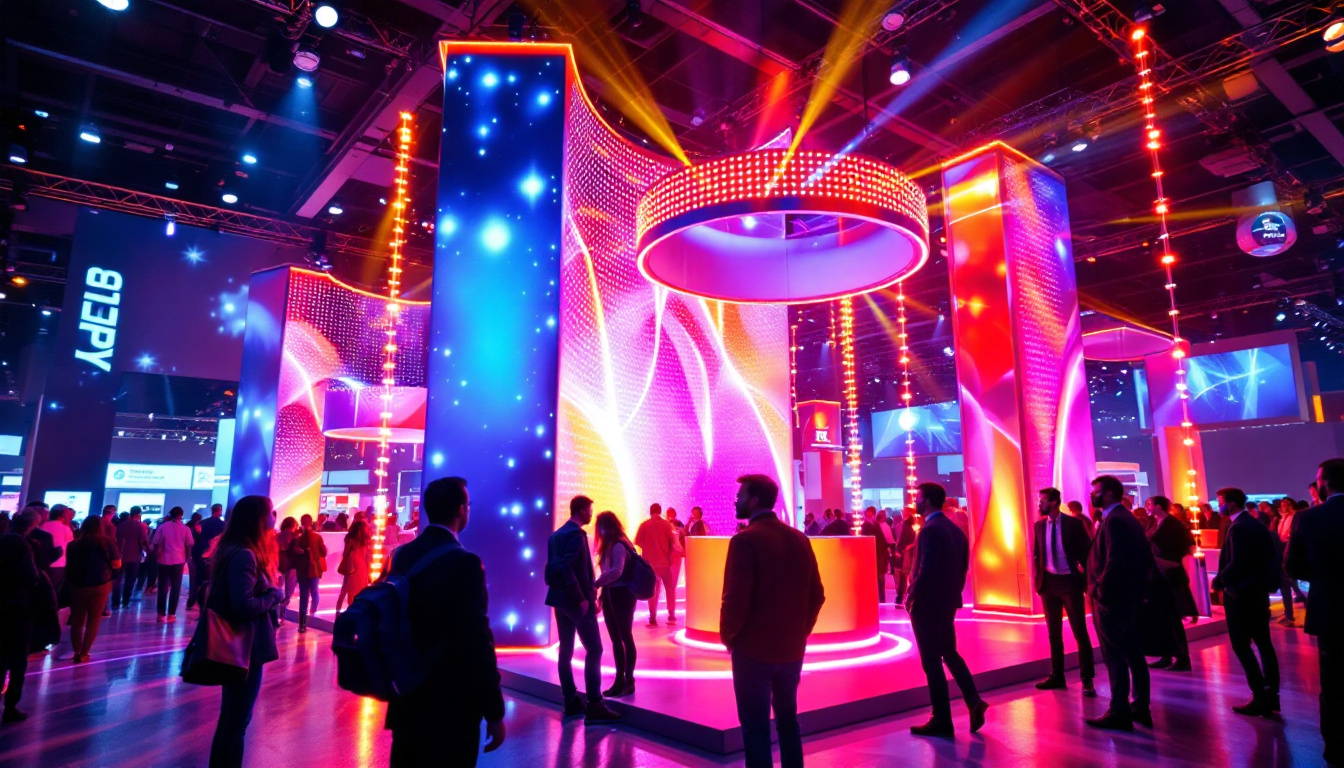
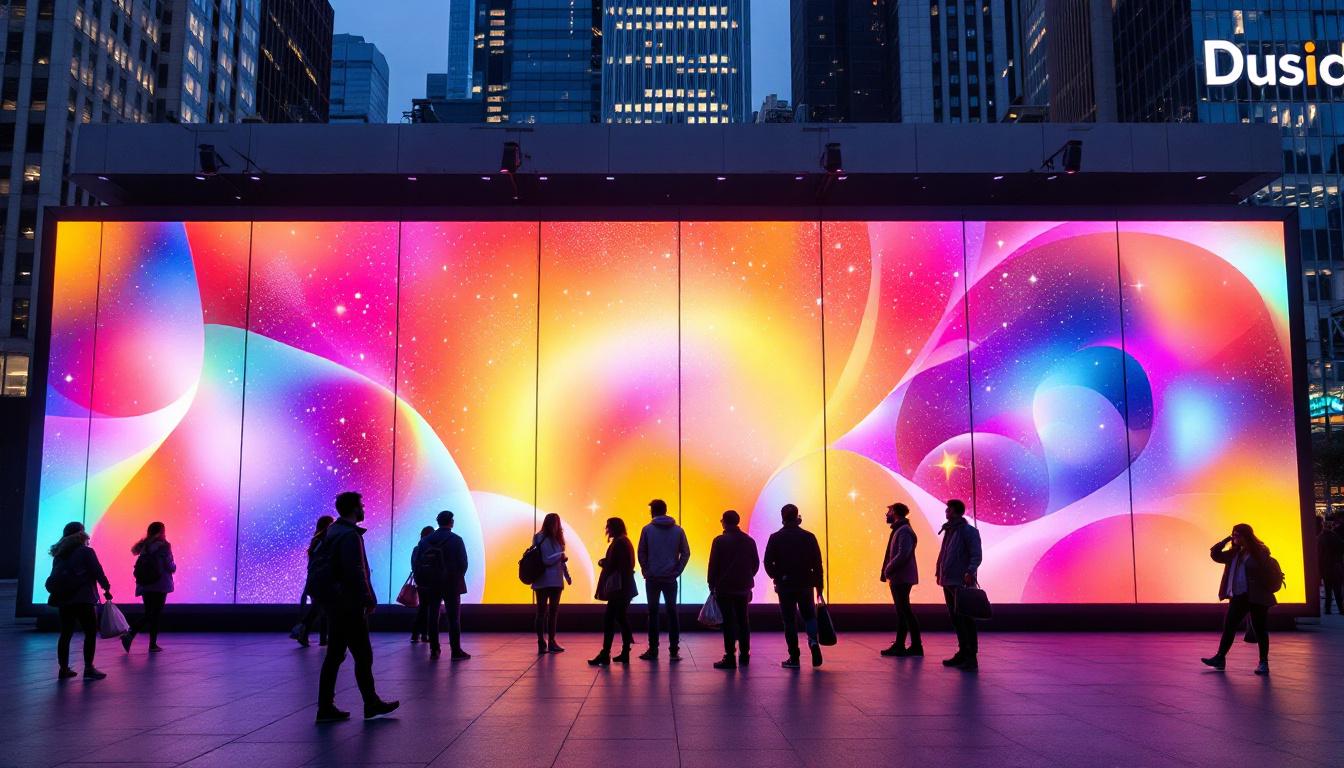
Moreover, modular designs enable creative configurations beyond traditional rectangular screens. Curved, cylindrical, or irregularly shaped displays are achievable by combining modules in unique ways, opening new possibilities for eye-catching installations.
Ease of Maintenance and Repair
Modular LED displays simplify maintenance. If a particular module malfunctions, it can be replaced without dismantling the entire screen. This reduces downtime and maintenance costs, which is especially important for large-scale outdoor installations where continuous operation is critical.
High Brightness and Energy Efficiency
Modern LED technology delivers high brightness levels, making modular LED displays visible even in direct sunlight. This feature is essential for outdoor advertising, sports arenas, and public spaces.
Additionally, LEDs are energy-efficient compared to traditional display technologies like LCD or projection systems. They consume less power while providing superior image quality, which translates to lower operating costs and a smaller environmental footprint.
Durability and Weather Resistance
Outdoor modular LED displays are designed to withstand harsh environmental conditions, including rain, wind, dust, and temperature fluctuations. Many modules come with IP65 or higher ratings, indicating strong protection against water and dust ingress. This durability ensures reliable performance and longevity in demanding settings.
Applications of Modular LED Displays
Advertising and Digital Billboards
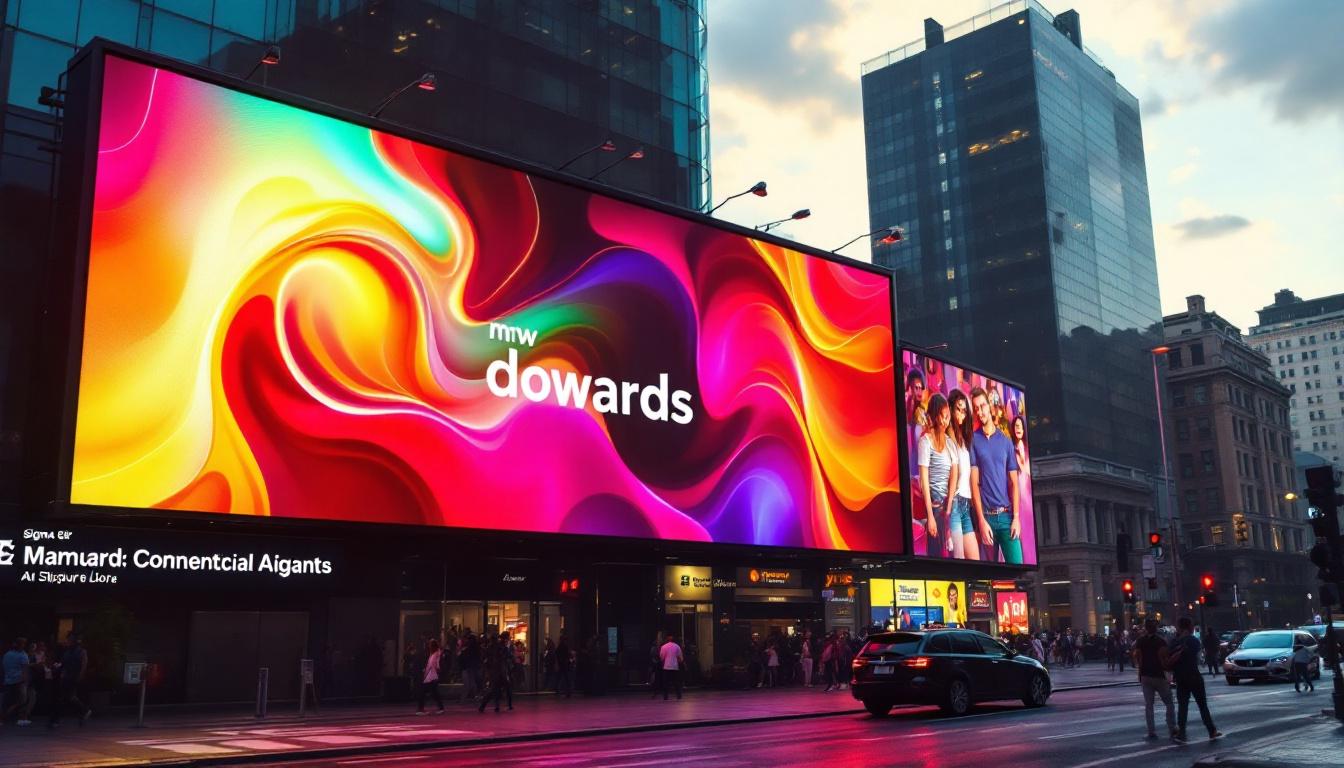
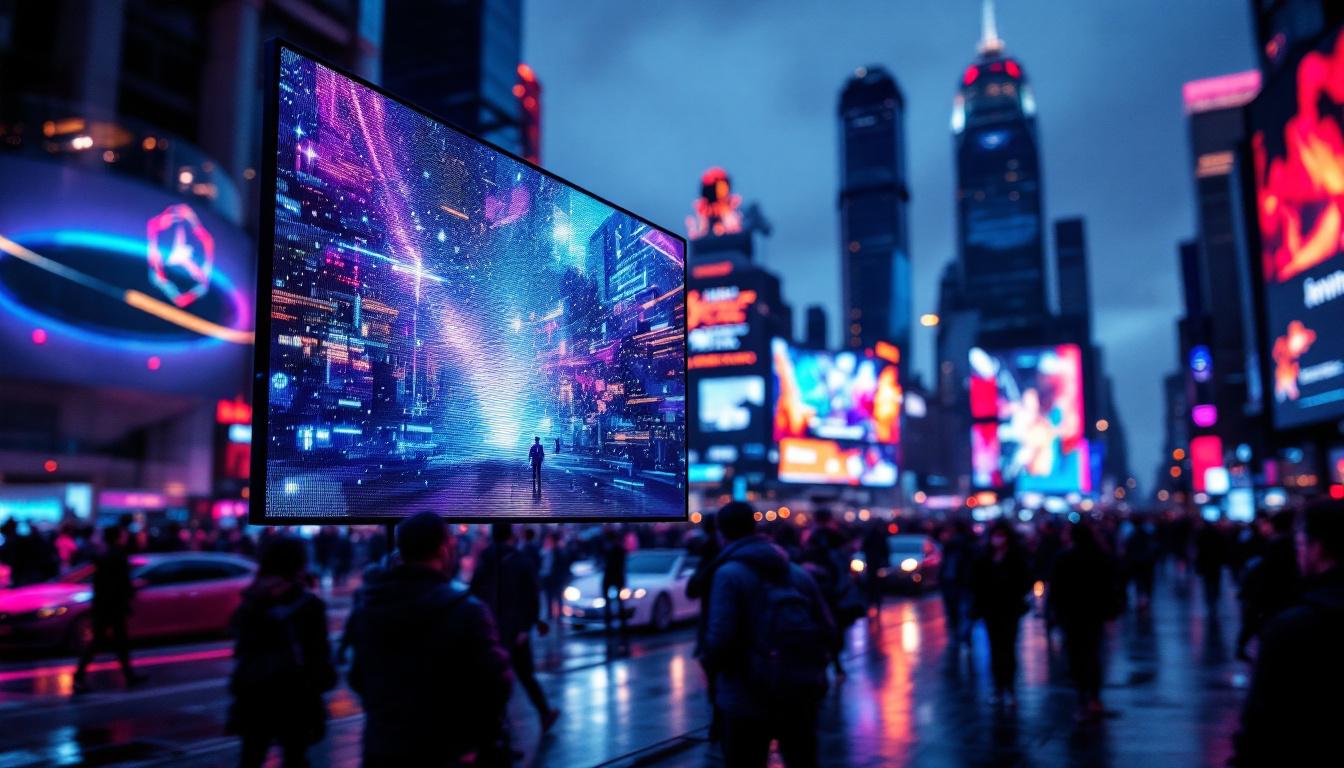
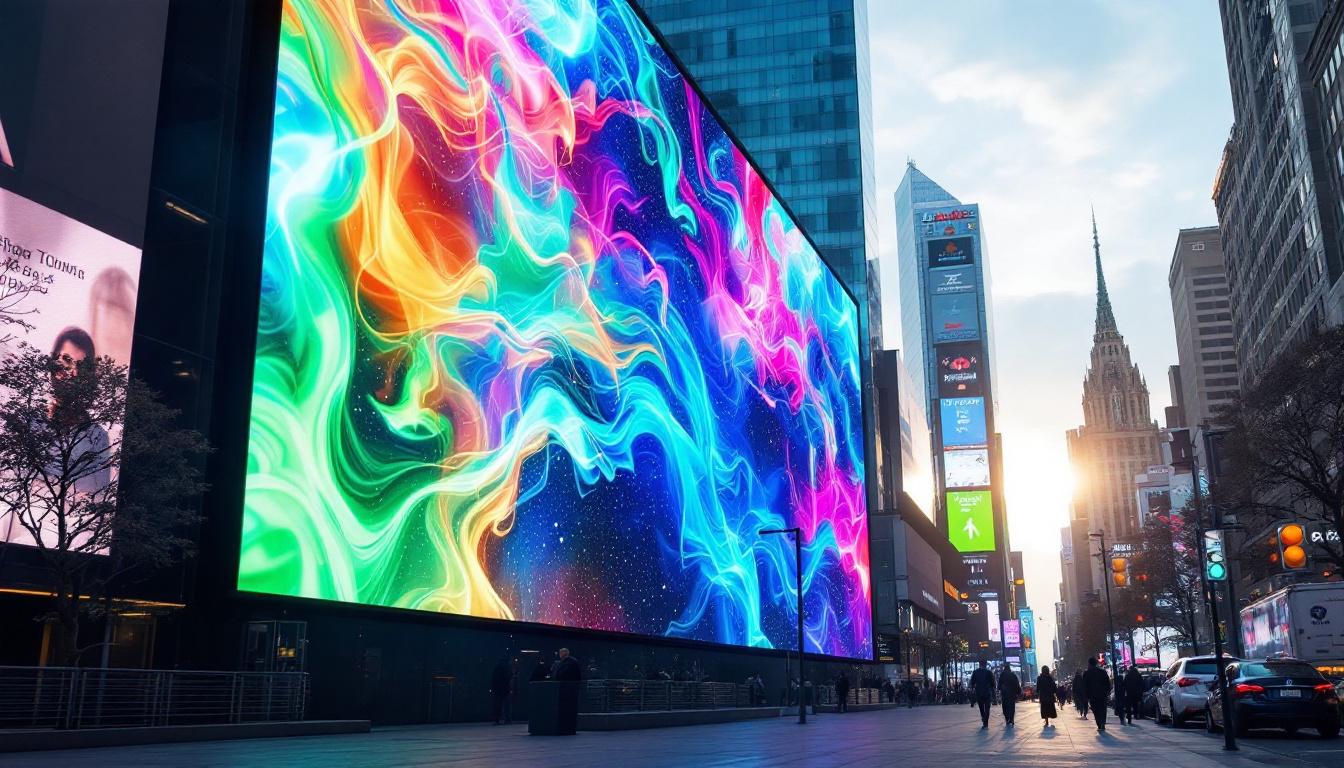
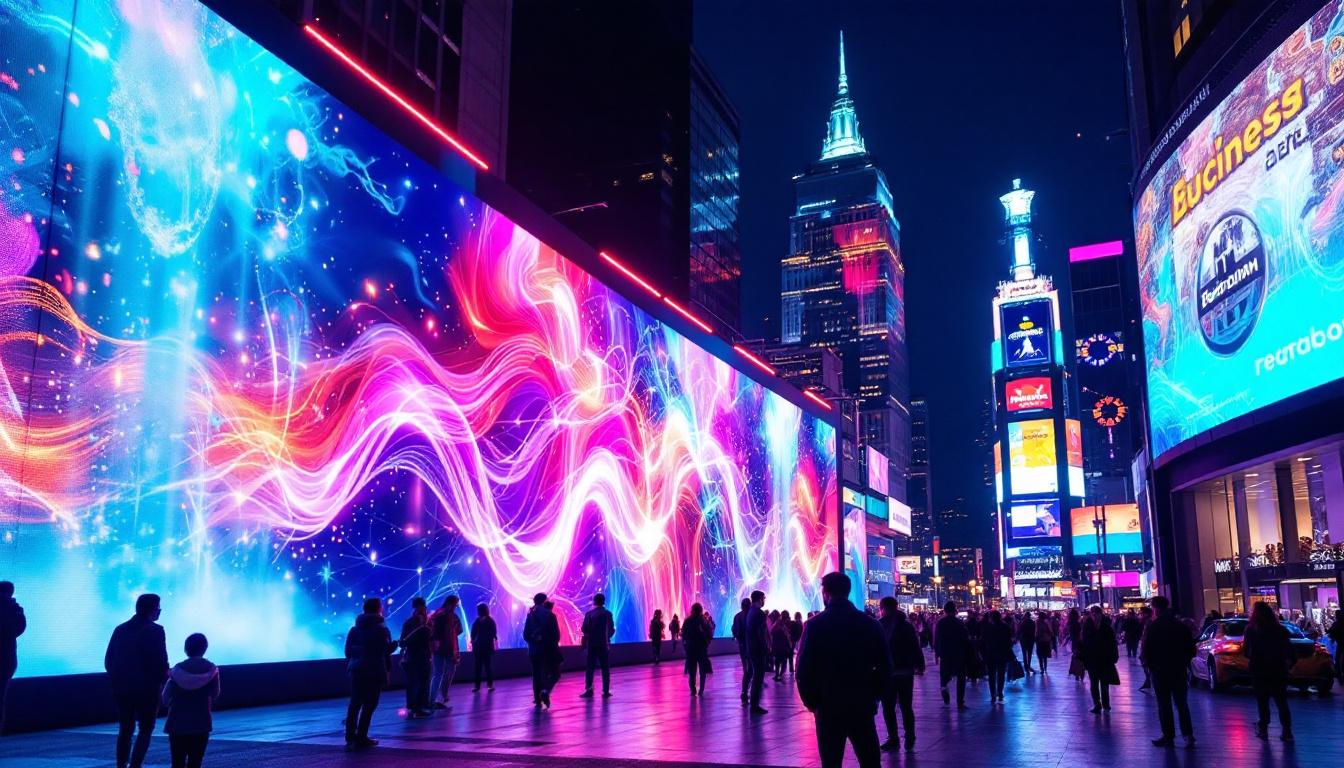
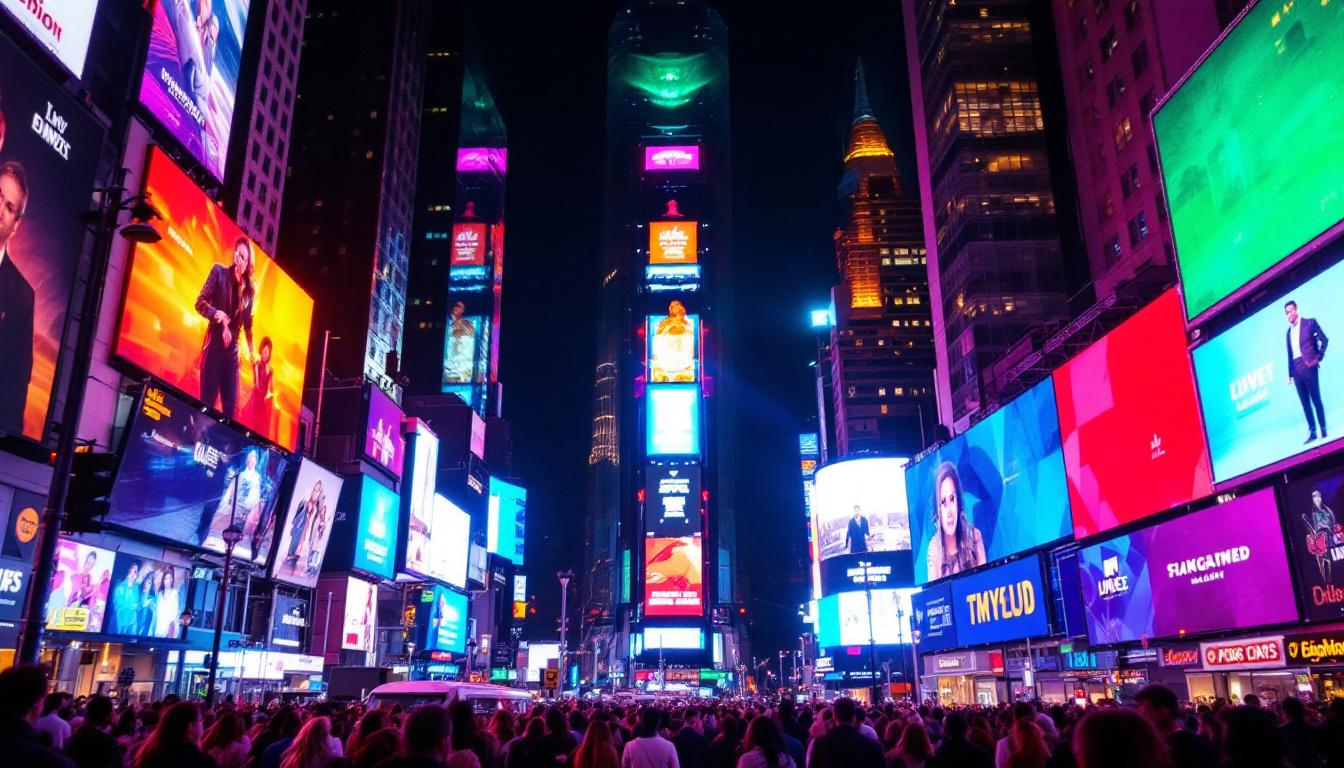
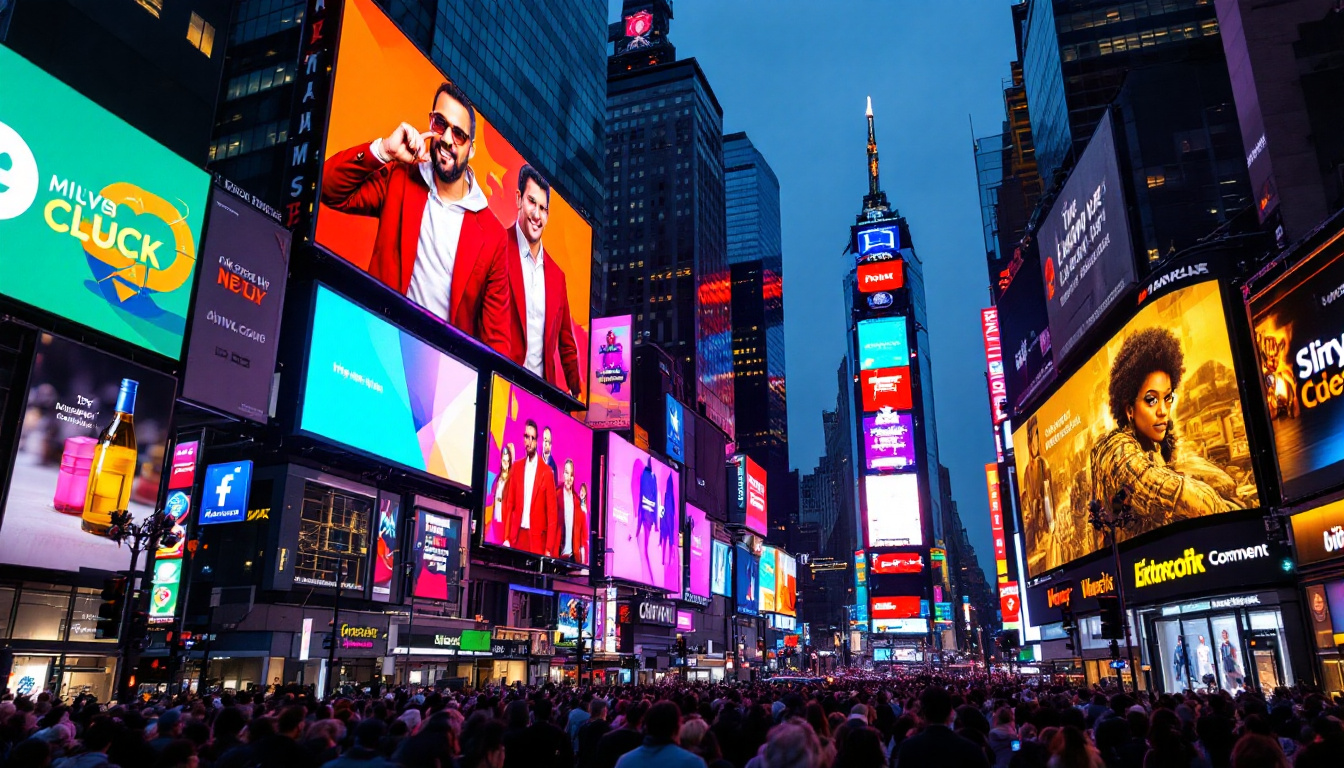
Advertising is one of the most prominent uses of modular LED displays. Their ability to deliver vibrant, dynamic content attracts attention and enhances brand visibility. Digital billboards powered by modular LED technology allow advertisers to update messages in real-time, target specific audiences, and create interactive campaigns.
According to industry reports, the global digital signage market is projected to grow at a compound annual growth rate (CAGR) of over 8% through 2027, driven largely by the adoption of LED display technologies in advertising.
Sports and Entertainment Venues
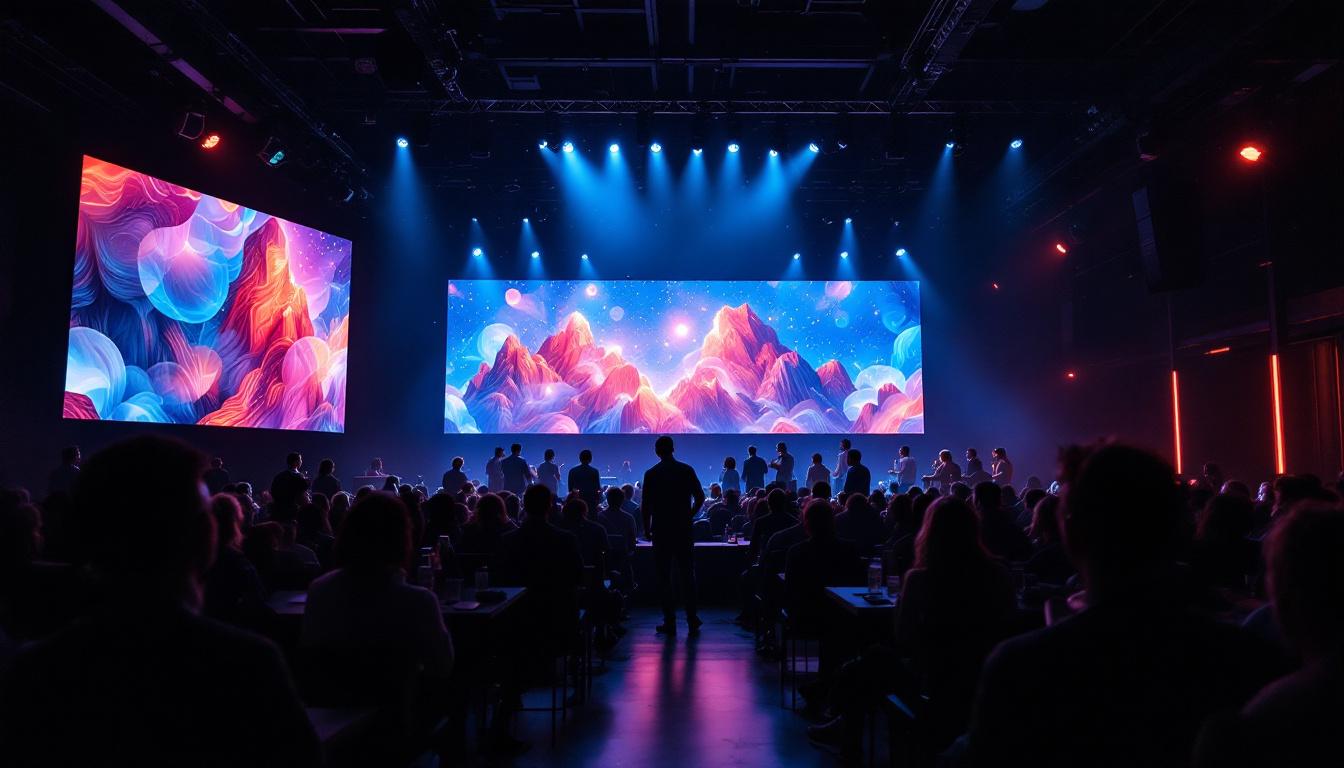
Stadiums, arenas, and concert venues utilize modular LED displays for scoreboards, live video feeds, and immersive visual effects. The flexibility to create large-format, high-resolution screens enhances the spectator experience and provides additional revenue streams through advertising.
Corporate and Retail Environments
In corporate settings, modular LED displays are used for presentations, video conferencing, and digital signage. Retailers employ these displays to showcase promotions, product information, and interactive content that engage customers and drive sales.
Transportation Hubs and Public Spaces
Airports, train stations, and public squares use modular LED displays for wayfinding, real-time information, and public service announcements. Their high visibility and adaptability make them ideal for environments where clear communication is essential.
Choosing the Right Modular LED Display
Consider Viewing Distance and Resolution
When selecting a modular LED display, understanding the typical viewing distance is crucial. Displays intended for close-range viewing require a finer pixel pitch to ensure image clarity, while those viewed from a distance can use larger pixel pitches without compromising quality.
Indoor vs. Outdoor Use
Environmental factors significantly influence display choice. Indoor displays prioritize higher resolution and color accuracy, while outdoor displays emphasize brightness, weather resistance, and durability. Ensuring that the display meets the specific environmental requirements will maximize performance and lifespan.
Installation and Maintenance Requirements
Consider the ease of installation and ongoing maintenance. Modular designs generally simplify these processes, but factors such as weight, mounting options, and accessibility for repairs should be evaluated during the planning phase.
Budget and Total Cost of Ownership
While initial costs can vary widely depending on size, resolution, and features, it’s important to assess the total cost of ownership. Energy consumption, maintenance, and potential upgrades should factor into the decision-making process to ensure long-term value.
The Future of Modular LED Displays
Technological Innovations
Advancements in LED technology continue to push the boundaries of what modular displays can achieve. MicroLED and mini-LED technologies promise even higher resolutions, better color accuracy, and improved energy efficiency. Additionally, developments in flexible and transparent LED modules are opening new avenues for creative display solutions.
Integration with Smart Technologies
Integration with Internet of Things (IoT) devices and artificial intelligence (AI) is enhancing the functionality of modular LED displays. Smart displays can adapt content based on audience demographics, environmental conditions, or real-time analytics, providing more personalized and effective communication.
Sustainability Considerations
As sustainability becomes a priority, manufacturers are focusing on eco-friendly materials, energy-efficient designs, and recyclability. Modular LED displays, with their long lifespan and low power consumption, align well with green initiatives and corporate social responsibility goals.
Conclusion
Modular LED displays represent a versatile and powerful solution for modern digital signage needs. Their scalability, high image quality, durability, and energy efficiency make them suitable for a broad spectrum of applications—from advertising and entertainment to corporate communication and public information systems.
Understanding the technology behind modular LED displays and carefully considering factors such as pixel pitch, environment, and maintenance can help organizations select the right solution to meet their goals. As the technology continues to evolve, modular LED displays will undoubtedly play a central role in shaping the future of visual communication worldwide.
Discover LumenMatrix’s Advanced LED Display Solutions
Ready to elevate your visual communication with cutting-edge technology? LumenMatrix offers a comprehensive range of LED display modules tailored to your needs. From vibrant Indoor and Outdoor LED Wall Displays to dynamic Vehicle and Sports LED Displays, our solutions are designed to captivate and engage your audience. Experience the revolution in digital signage with our innovative Floor, Custom, All-in-One, and Transparent LED Displays. Embrace the future of visual storytelling with LumenMatrix and share your message with unparalleled clarity and impact. Check out LumenMatrix LED Display Solutions today and transform your space into a visual spectacle.